On The Go Tours
Our agents are waiting to chat to you...
Are you a Travel Agent or Customer?
Do you have an booking reference?
Best Places to Visit in ChinaUncover China's Must-See Destinations with Expertly Guided Tours
When do you want to go?
2026
I'm flexible
Passengers
Adults (18+)
Children (0 - 17)
Top 10 Destinations in China
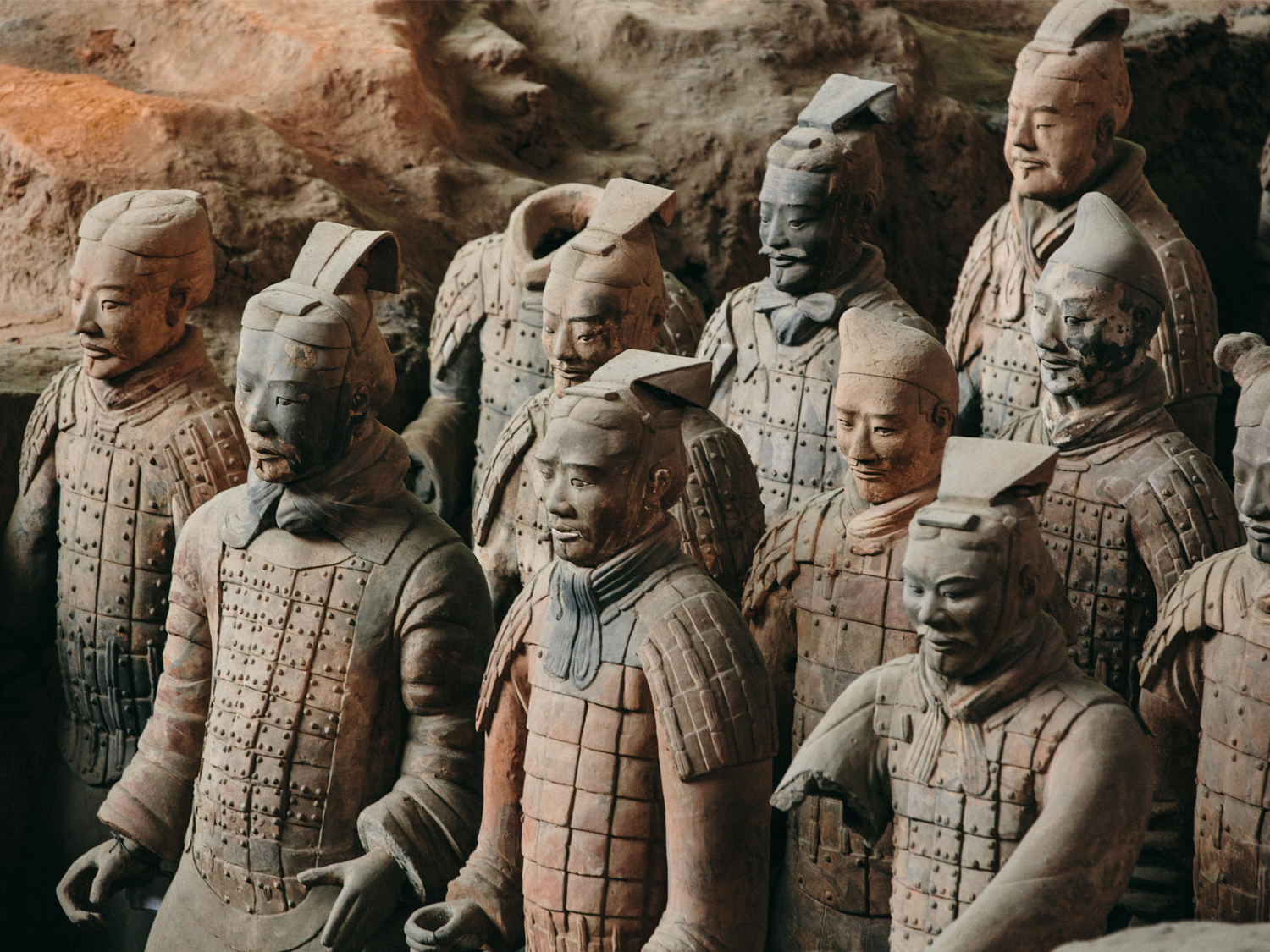
China is a remarkable tourist destination because it provides an enthralling fusion of ancient history and contemporary wonders. Explore the remains of the Great Wall and the Forbidden City, two famous sites with a wealth of historical value, starting in Beijing. Travel to Guilin for picturesque scenery along the Li River, which is well-known for its limestone karst mountains, after seeing Xi'an for a close-up view of the iconic Terracotta Army. Animal enthusiasts are delighted by Chengdu's Giant Panda Breeding Research Base. Suzhou's tranquil classical gardens stand in stark contrast to Shanghai's contemporary skyscrapers and bustling city life. While Zhangjiajie's remarkable rock formations served as the inspiration for movie scenes, the Yellow Mountains offer spectacular views. Visit Tibet's Lhasa to see the Potala Palace, a representation of the country's rich spiritual and cultural legacy. End with the scenic west of Hangzhou.
The Great Wall of China
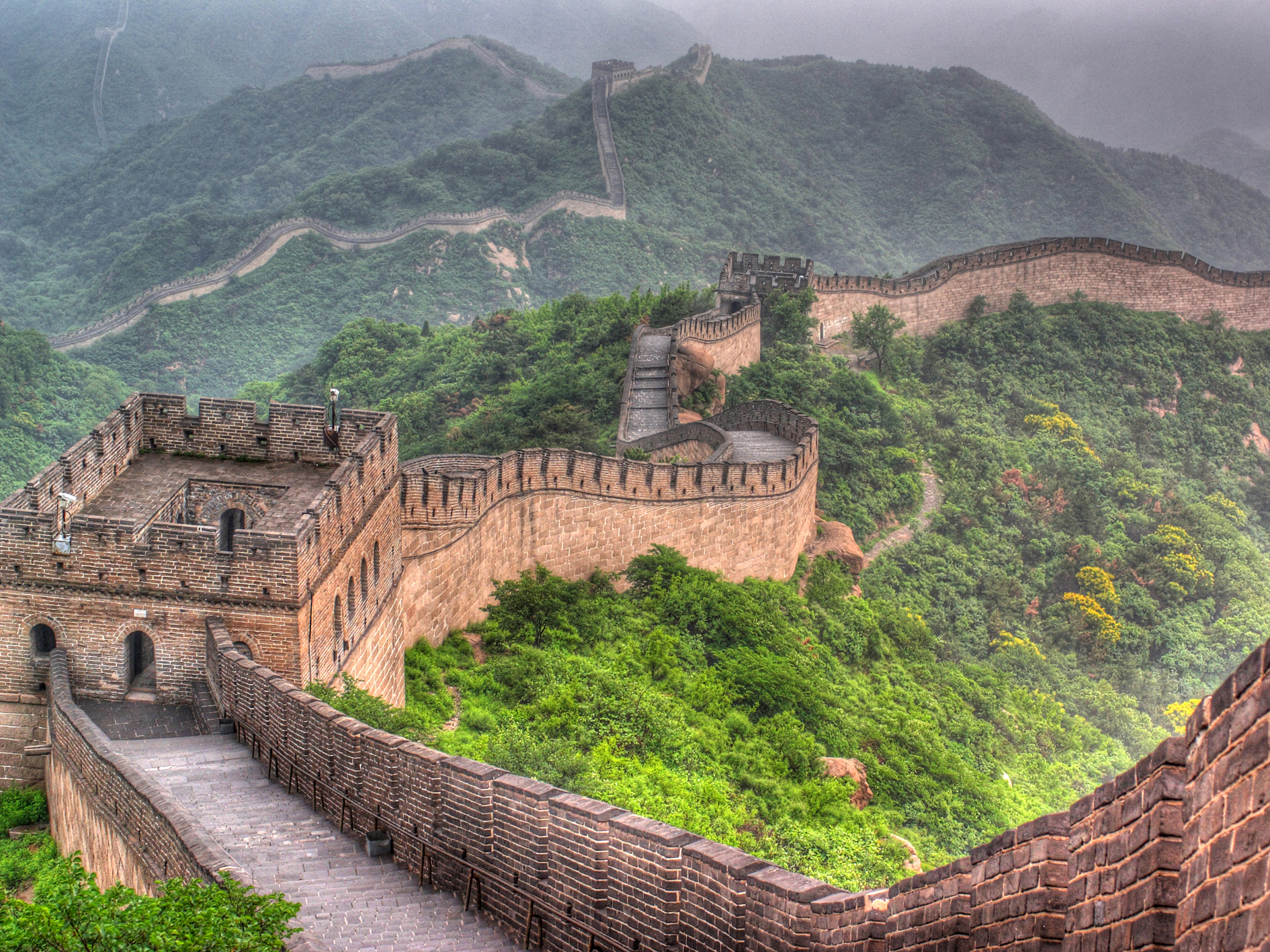
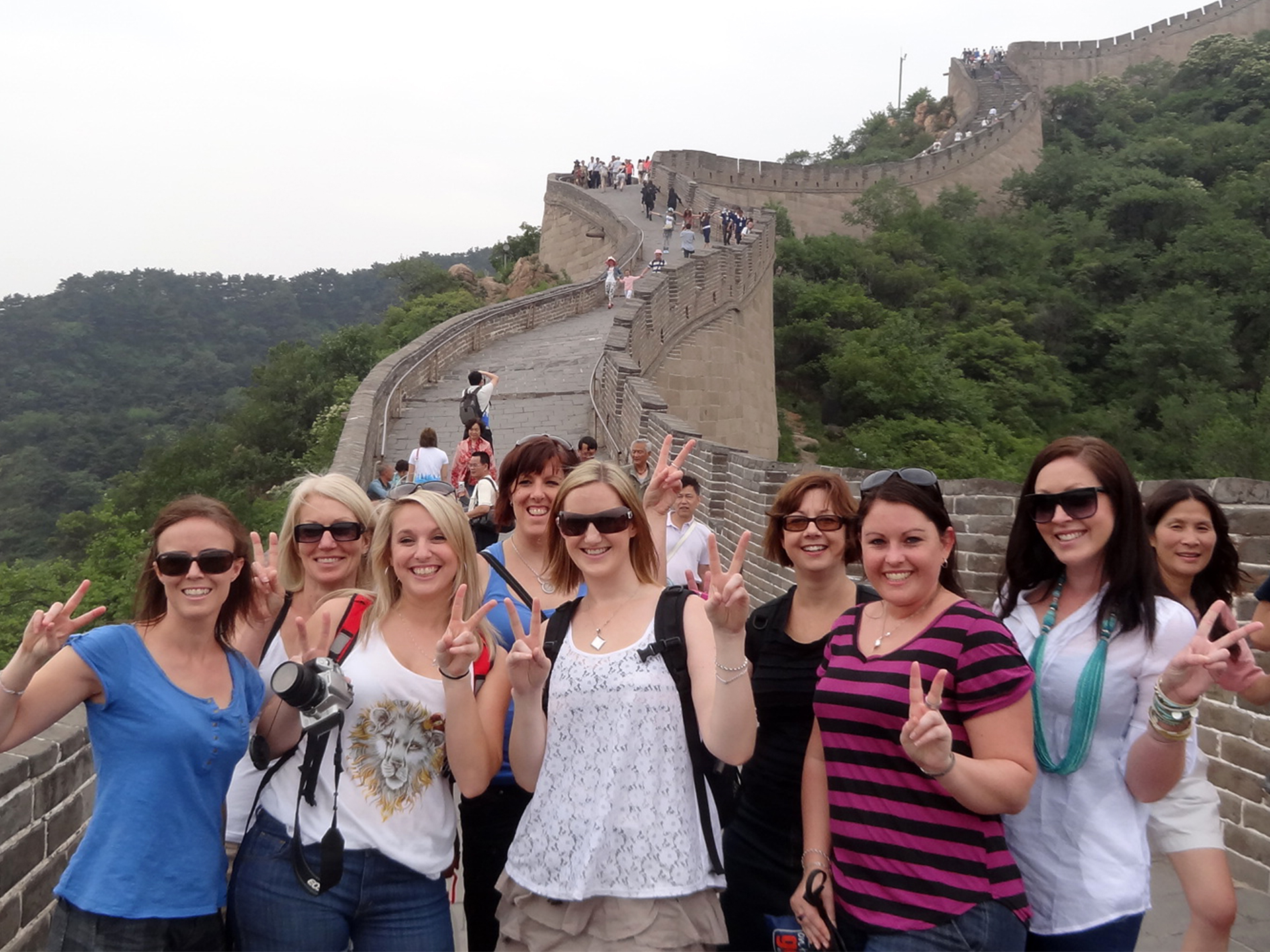
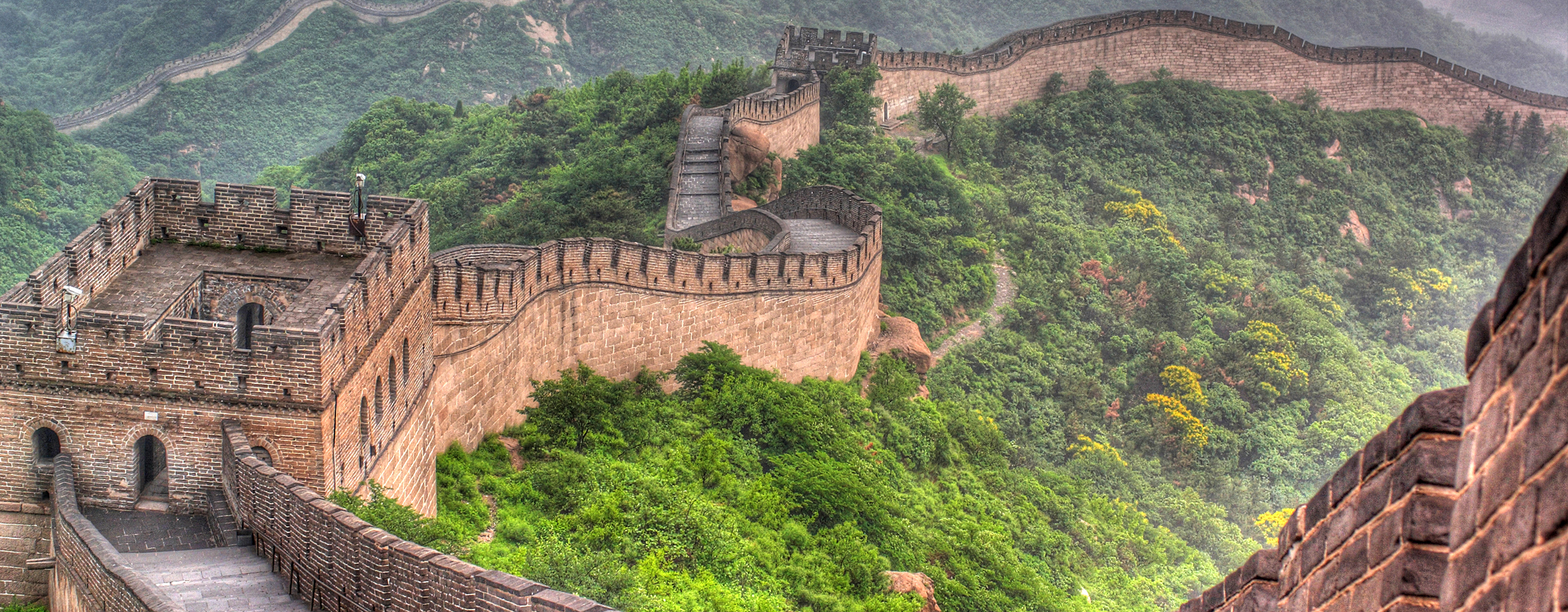
Some say it can be seen from space, but unless you’re a top gun at NASA, perhaps you’ll never know. Instead, experience the real deal. One of the Seven Wonders of the World and an enduring symbol of Chinese civilisation and genius, the UNESCO-protected Great Wall of China was built as a defensive structure to protect China against marauding invaders from the north. Although the present wall dates mainly from the Ming dynasty, some 20 states and dynasties were involved in its immense construction over a period of 2,000 years and followed different routes and building extensions as required. Snaking some 6700 km across barren hills, deserts, mountains, and plateaus, the now partially ruinous Great Wall stretches east to west in northern China and is believed to be the longest man-made structure in the world.
Guilin
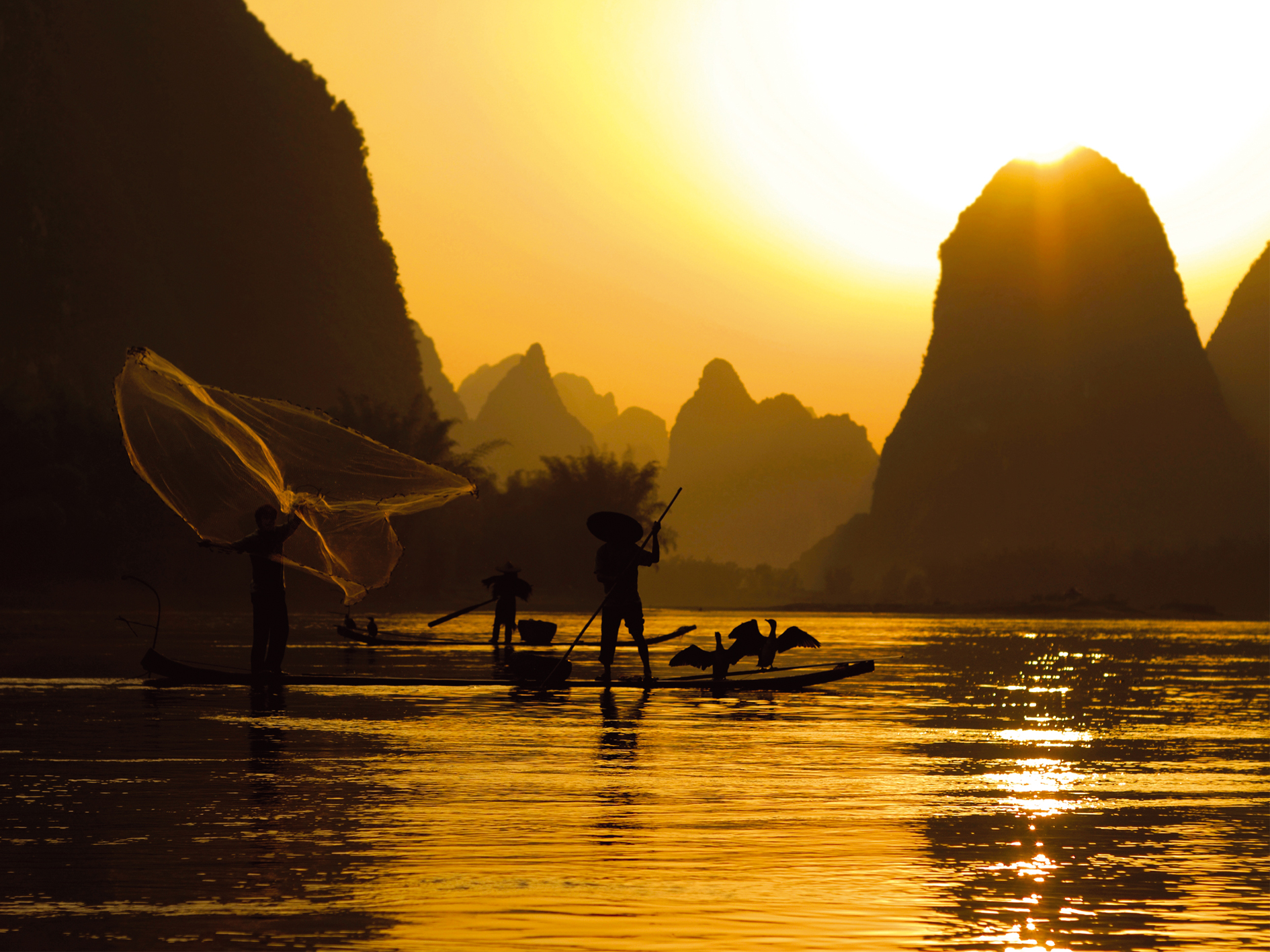
Renowned for it’s striking, if bizarre, scenery—vast areas of karst limestone outcrops that rise up from flat rice paddy fields and beautiful pagodas—Guilin is often the subject of Chinese painting. On our tours that travel to Guilin, we will visit the enormous and dazzlingly beautiful Reed Flute Caves. The city is filled with a delicious fragrance of Sweet Osmanthus trees, and indeed, this is the meaning of the name Guilin, "forest of Sweet Osmanthus.". As it is located in the subtropical zone in the southern part of the country, Guilin boasts a pleasant climate throughout the year. When there, take in the views from the intriguingly named Elephant Trunk Hill and visit the beautiful Banyan Lake, so smooth it looks like a mirror.
Beijing
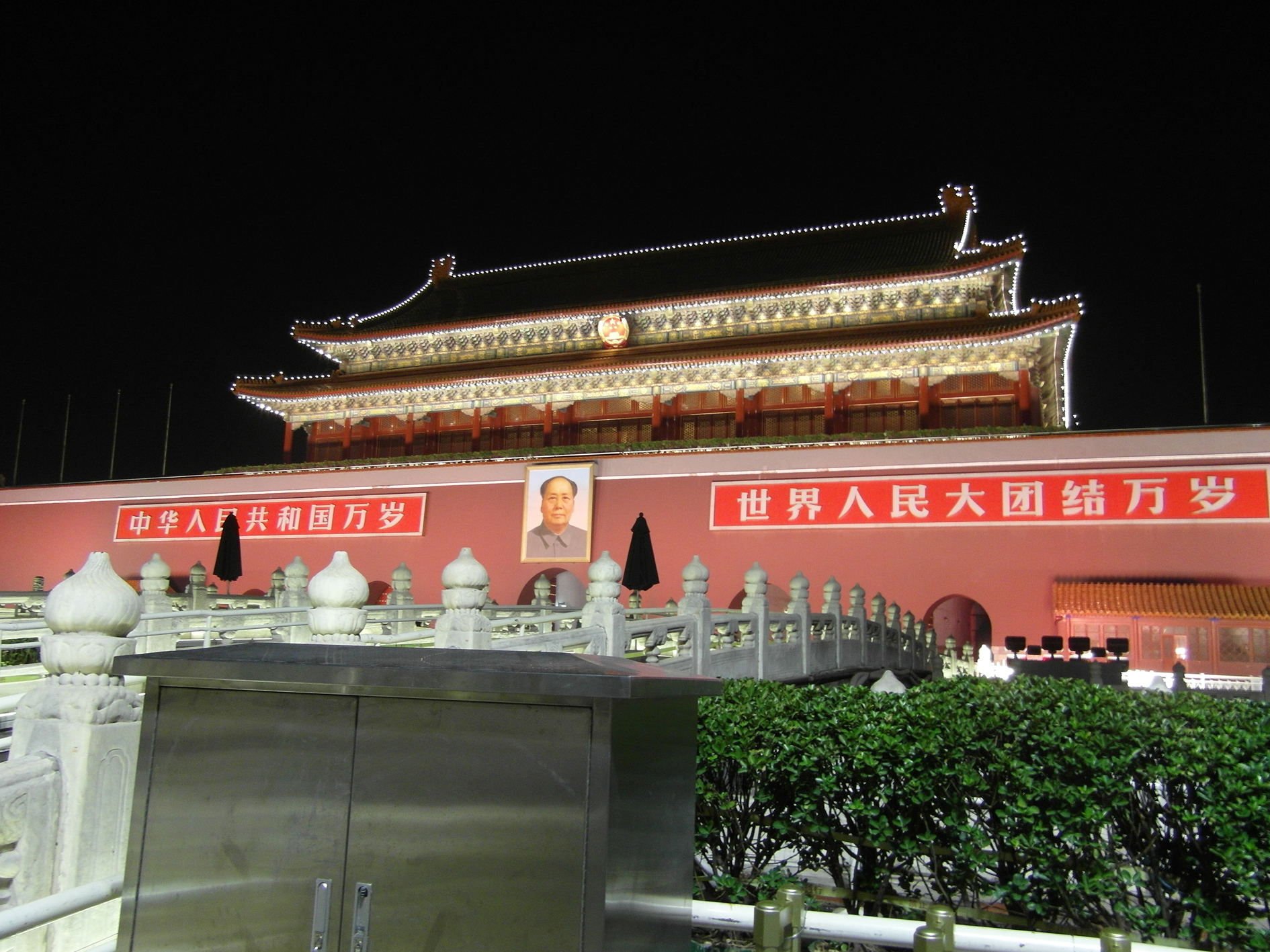
Capital of the People’s Republic, Beijing is China’s political, economic, and cultural centre. With a chequered history, Beijing was established in 1045 BC and for 800 years served as the capital of several dynasties. At first glance, Beijing can appear as nothing more than a modern cosmopolitan city with soaring skyscrapers, sprawls of apartment blocks, and a crisscross of motorways. But hidden amid the concrete and glass, one can still find remnants of the city’s past and evidence of traditional Chinese culture still practiced today. Vast squares, magnificent palaces, and beautiful gardens are just some of the treasures still visible from the city’s imperial past, while down narrow alleyways one can find charming teahouses, traditional workshops, and quiet courtyards.
Yangtze and the Three Gorges
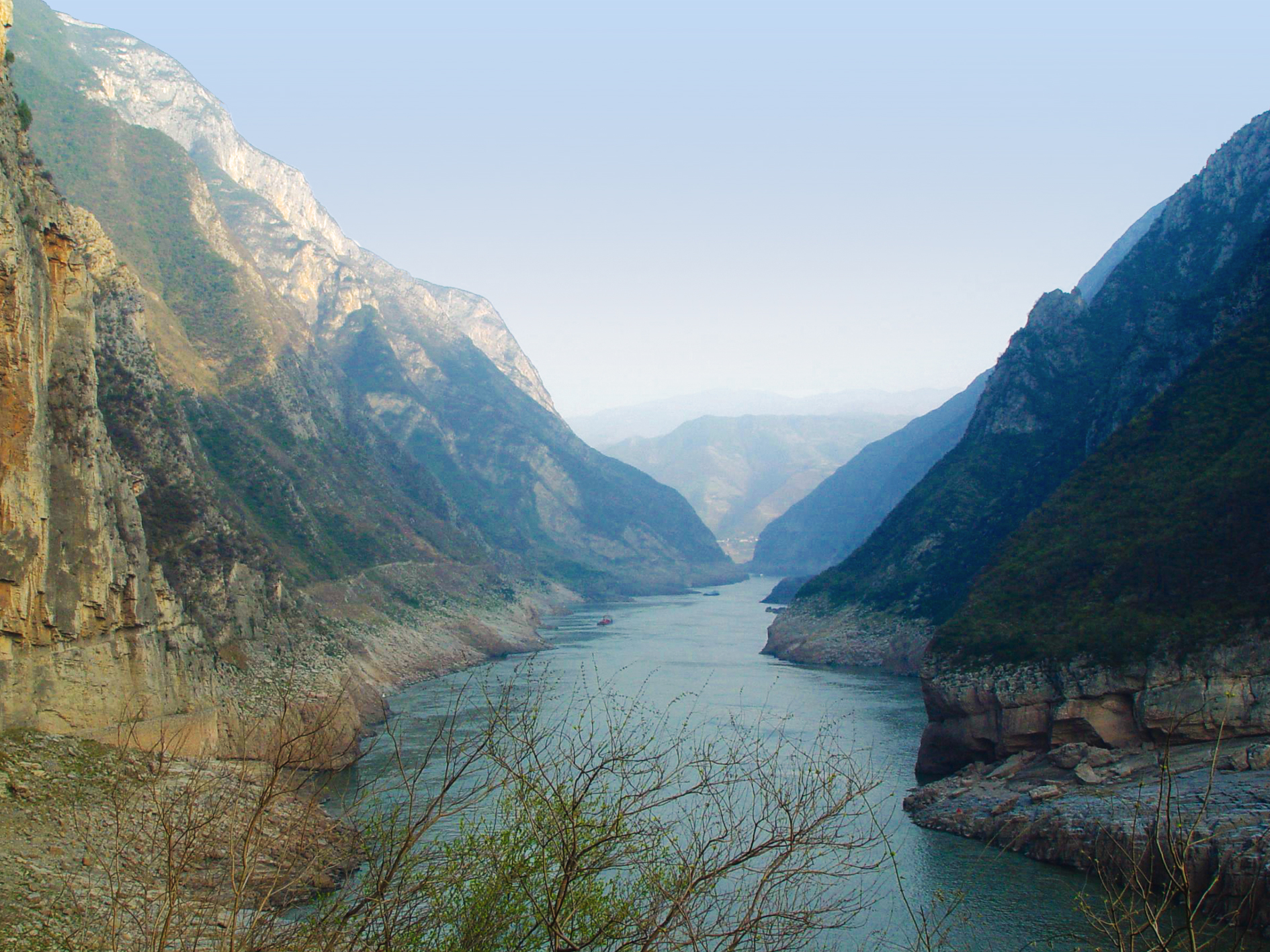
Although the river itself and life along the banks are fascinating in themselves, centre stage on a Yangtze cruise is the awesome journey through the Three Gorges on a cruise from Chongqing to Wuhan. The Three Gorges (Qutangxia, Wuxia, and Xiling) were formed around 70 million years ago during movements in the earth’s crust. Towering perpendicular cliffs and sharp gorges give way to the Yangtze below. Despite China’s controversial Yangtze dam project, where the waters are set to gradually rise until 2009, creating the world’s largest dam, it is thought the Gorges will still be as breathtaking, although some villages and landmarks will ultimately disappear.
Shanghai
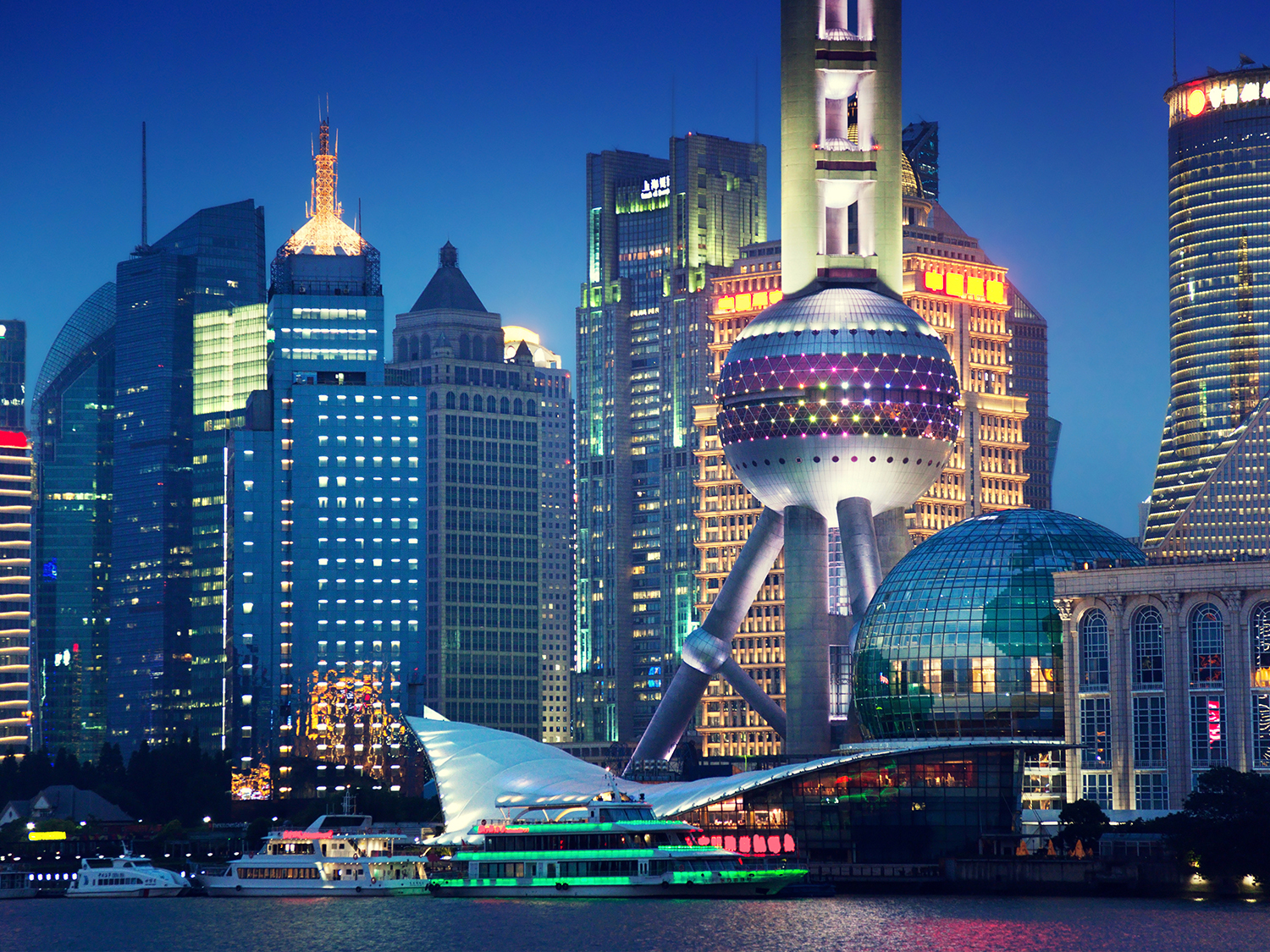
Buzzing with energy and activity from its gleaming skyscrapers all the way to its charming Old Town, the megacity of Shanghai epitomises China’s meteoric rise to global power status. Everywhere you look, there is something to do, see, or buy, and you're unlikely to ever find yourself having a dull moment during your stay. Even the train that gets you from the airport to the city, the Shanghai Maglev train, is a symbol of Shanghai’s fast-paced progress as it reaches a speed of 450 km/h, making it the fastest train in the world. Aside from its transport, one of the most exciting things about Shanghai is its culinary scene, which unpretentiously embraces cuisine from all over the world whilst still providing top-quality regional fare for those looking for a taste of China.
Chengdu
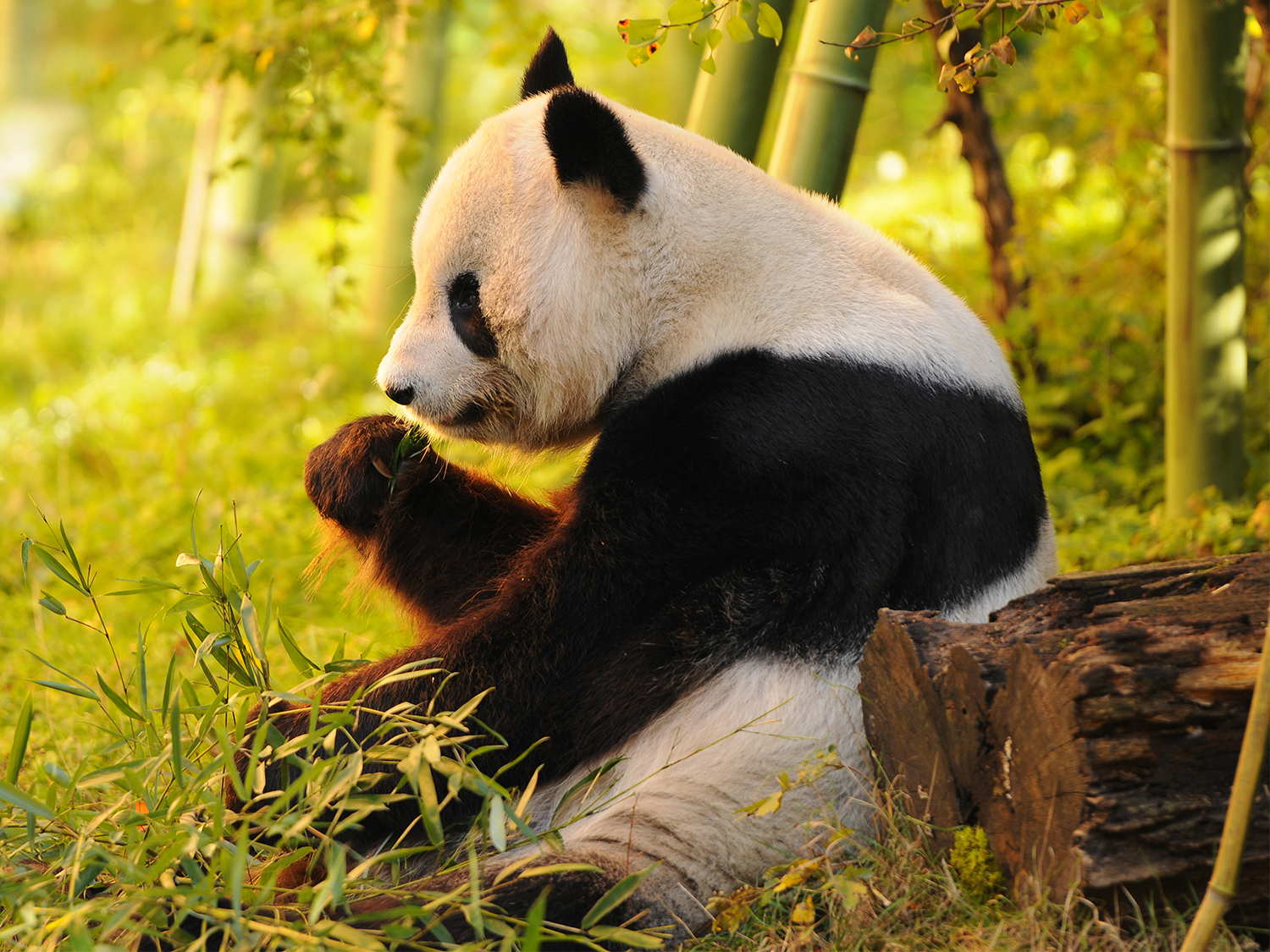
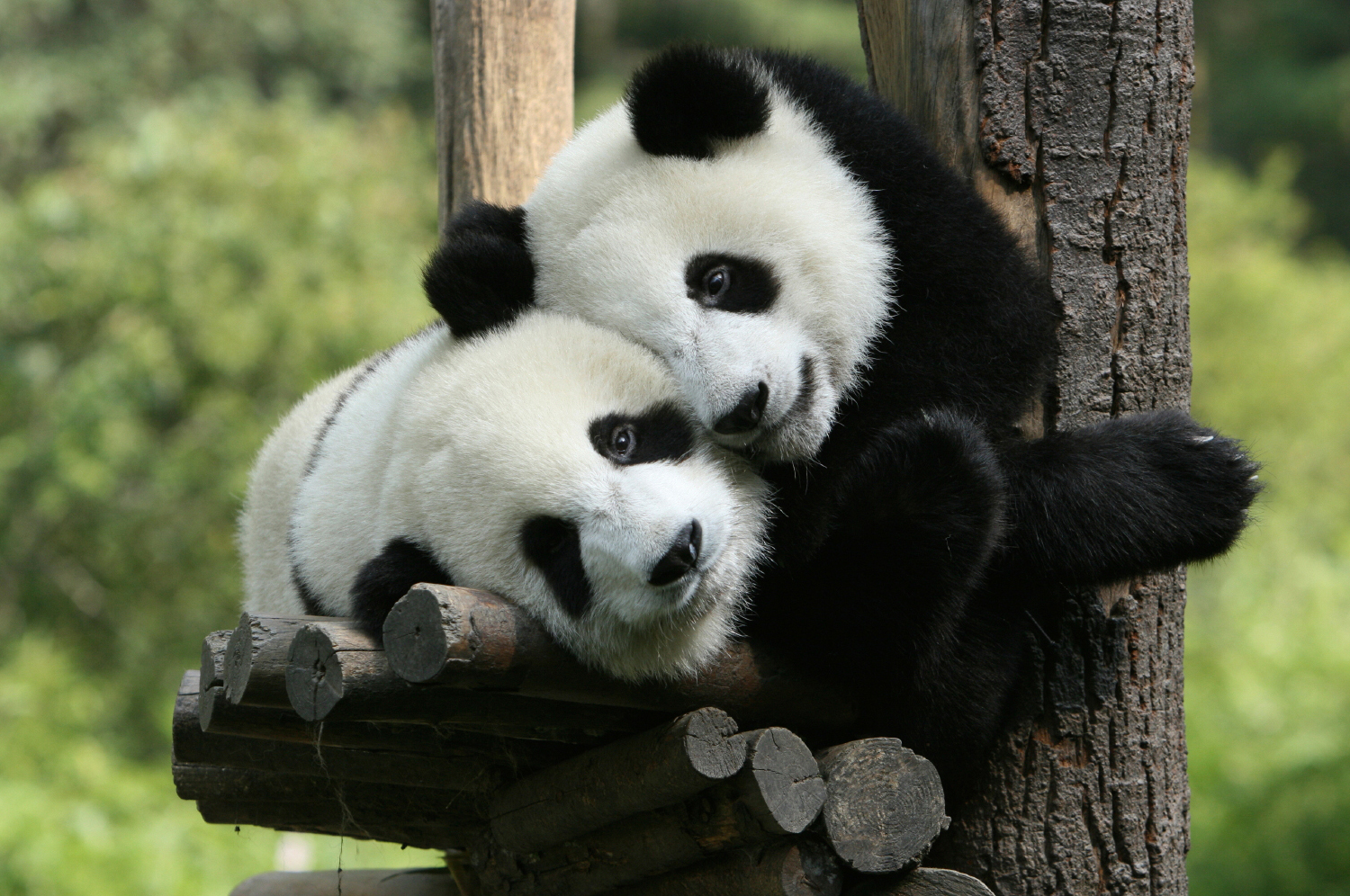
The Panda capital of China, Chengdu, is an unassuming city with a peaceful way of life that draws people in and tends to keep them there. Naturally, the number one draw of Chengdu is its giant pandas that are believed to have inhabited the region for around 2 million years, making the human history of the city pale in comparison. The best place to observe these beautiful animals is the Chengdu Panda Research Base, a facility dedicated to their breeding and conservation. Other than marveling at the wildlife, travellers to Chengdu should take the time to visit one of the city’s tea houses for an authentic Chinese experience. A trip to a local restaurant for a traditional Sichuan meal is also a great (and delicious) way to make the most of your stay. For those seeking a bit of culture, head to Luodai, an ancient town full of glorious old architecture.
Harbin
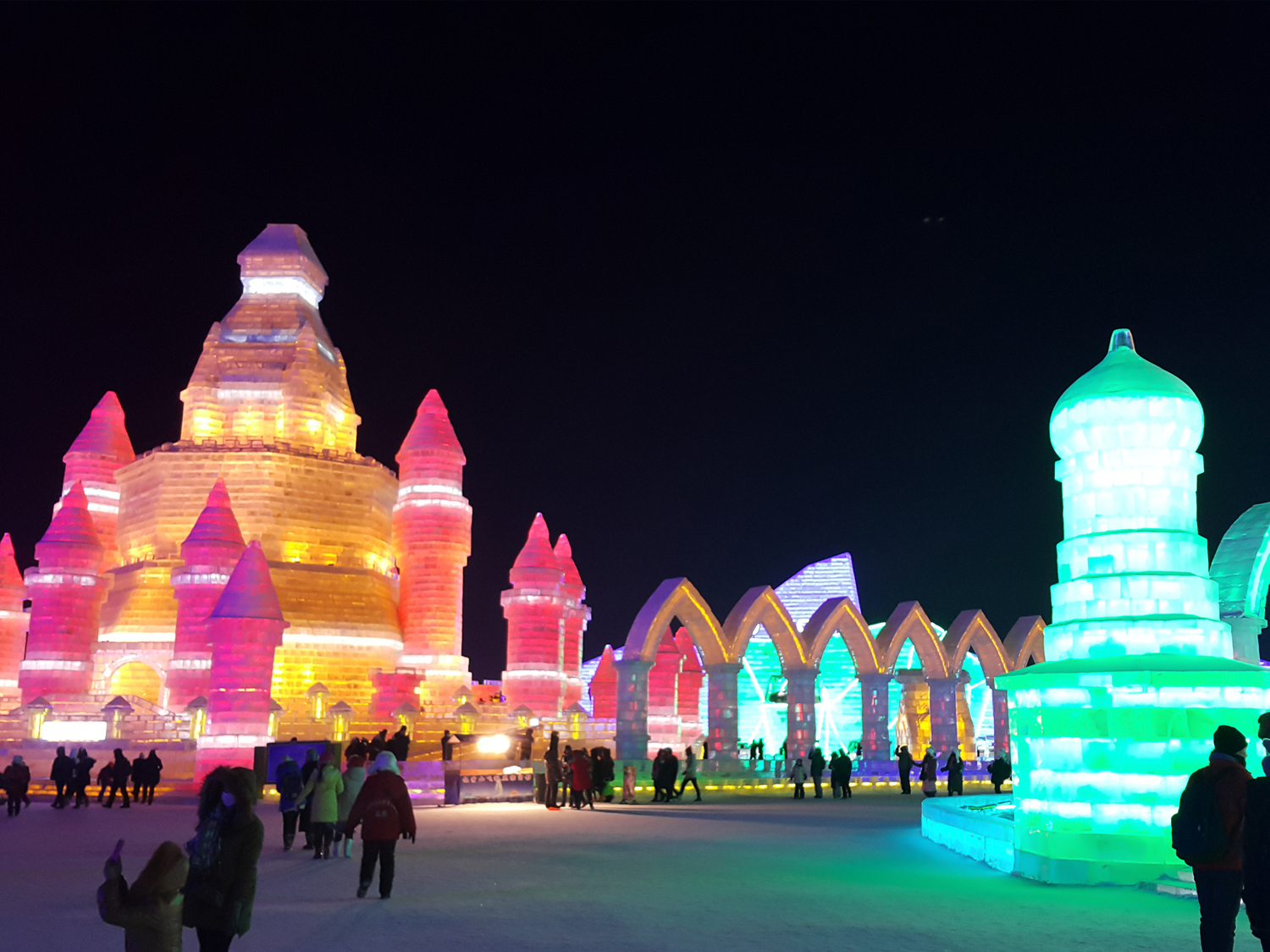
Known as the ‘Ice City’, Harbin is located in the far north of China and is the capital of the Heilongjiang Province. It was the birthplace of the Jin and Qing Dynasties before Russia connected the city to Vladivostok through the China Far East Railway. The city displays its Chinese, Russian, and Jewish heritage through its architecture, with top sights including the Russian Cathedral, Old Synagogue, and the Temple of Bliss. However, the city’s main attraction is the annual Harbin International Ice and Snow Festival, which begins in January. The event sees sculptors from all over the world come to compete, and if you visit at night, you’ll see their gigantic ice sculptures lit up in a fabulous display of ice and colour.
Luoyang
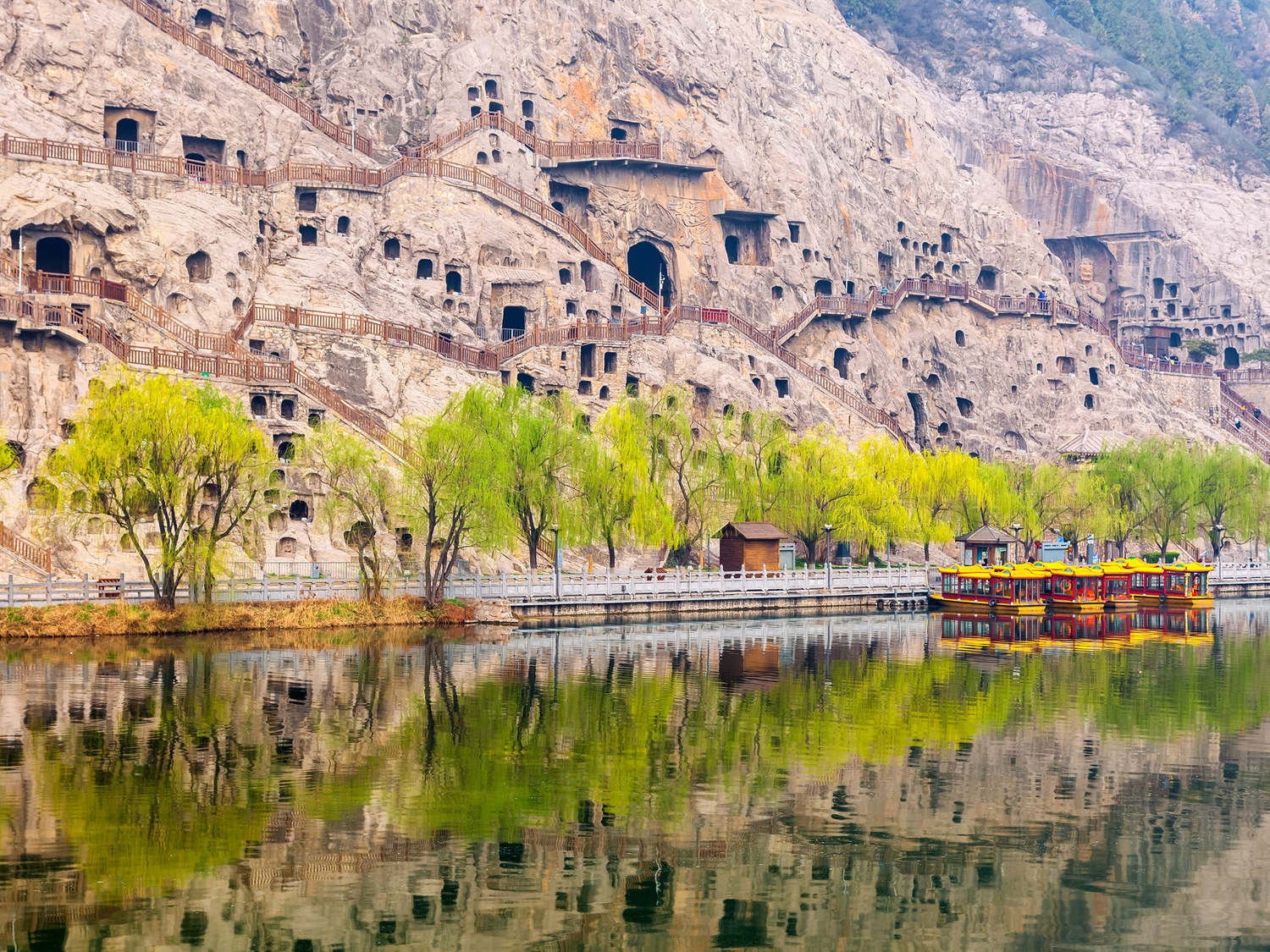
Situated in the Henan province of central China, Luoyang is considered the cradle of Chinese civilization. The city was the capital of not one but 13 dynasties, beginning in the 21st to 16th centuries BC with the Xia Dynasty and lasting until the Northern Song dynasty in the 10th century AD. The city has a rich history, with around 400,000 artefacts kept in its museums; sadly, however, little remains of Luoyang’s glorious past. What the city does offer is close proximity to the UNESCO World Heritage-listed Longmen Grottoes. The site features well over 2,000 grottoes and niches, as well as 100,000 statues carved into the cliffs along the Yi River. Devoted entirely to the Buddhist religion, these works represent some of the largest and most impressive collections of Chinese art.
Hangzhou
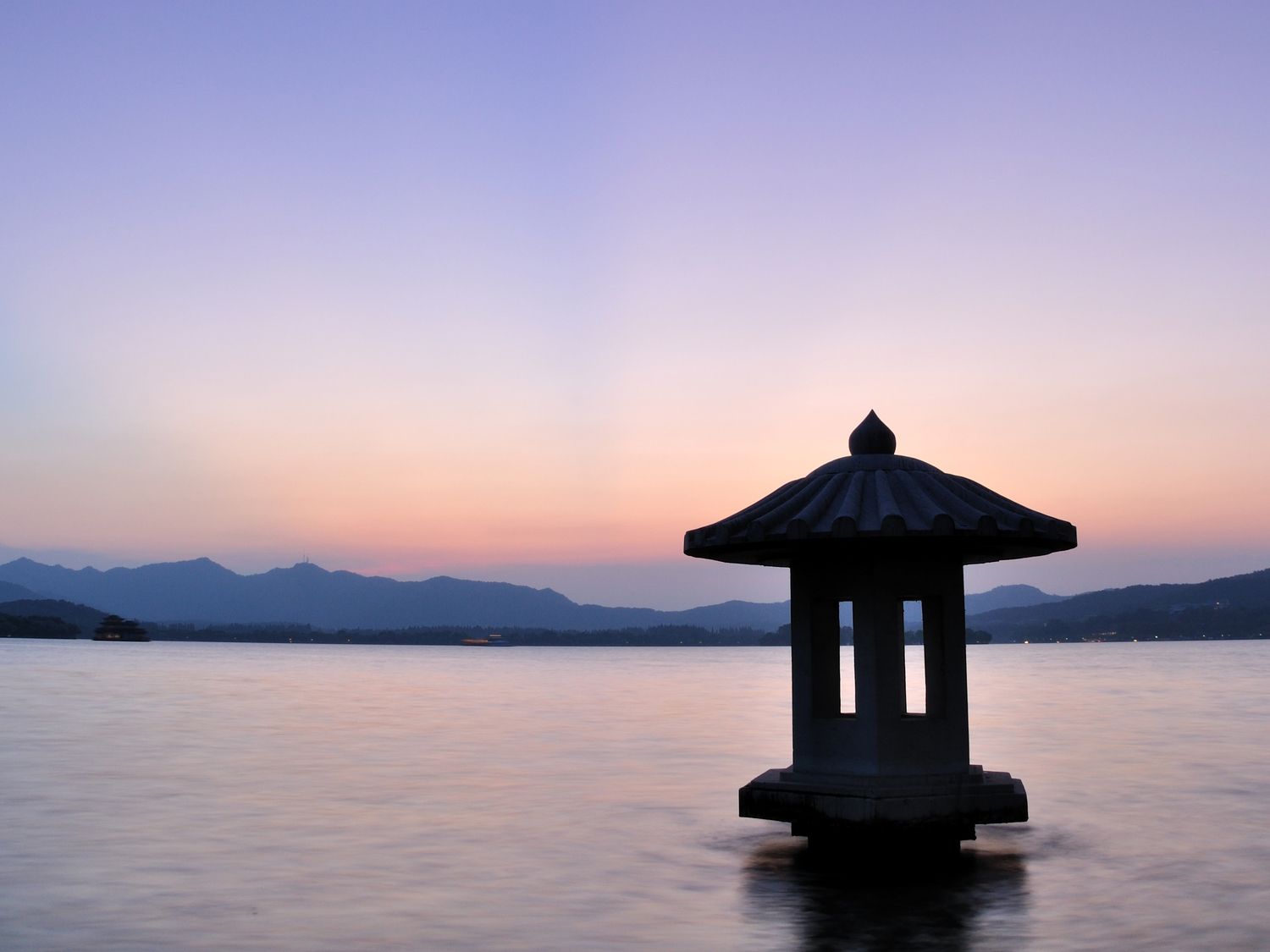
One of China’s seven ancient capitals, Hangzhou has a history stretching back over 2,200 years to the Qin Dynasty. Nowadays, being just an hour’s train journey from Shanghai, this city is one of China’s most popular travel destinations. It’s most renowned landmark and symbol of the city is the beautiful West Lake. Recognized as a UNESCO World Heritage site, the lake boasts fabulous panoramas complete with green hills, temples, and pagodas—a landscape that has been celebrated by writers and artists for centuries. Alongside the lake, Hangzhou also offers an exciting food scene, numerous walkways, and the world’s longest canal. Running from Beijing in the north to Hangzhou in the south, the Grand Canal has a length of more than 2,000 kilometres.
Huangshan
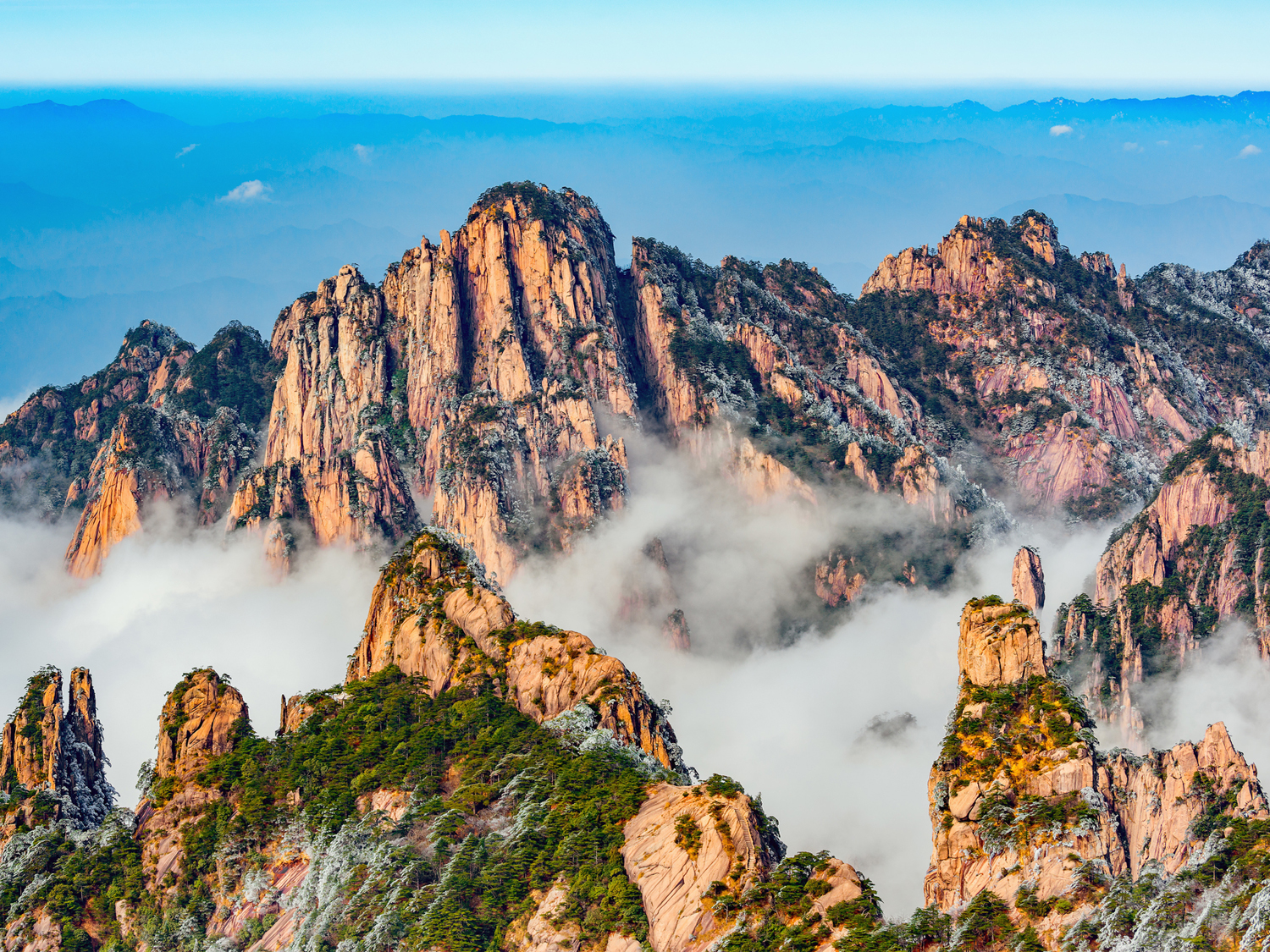
Of all of China’s mountains, Mount Huangshan, known as the Yellow Mountain, is widely considered the most beautiful. Located in the east of the country, it’s renowned for its magnificent scenery, with pines, granite peaks, and strangely-shaped rocks emerging through the sea of clouds. Reaching a height of over 1,800 meters, Huangshan offers some excellent hiking, or there’s the option of a cable car for those looking to avoid the estimated 60,000 steps to its peak. Visitors, painters, and photographers have long been fascinated by the mountain’s beauty, and it was inscribed on the UNESCO World Heritage List in 1990. The scenic area also offers many ancient Huizhou-style settlements, including the villages of Xidi and Hongcun, alongside some natural hot springs at the foot of the mountain.