On The Go Tours
Our agents are waiting to chat to you...
Are you a Travel Agent or Customer?
Do you have an booking reference?

Trips and Tours to GuilinDiscover the natural beauty of Guilin from cruises on the Li River to exploring the Reed Flute Cave.
When do you want to go?
2026
I'm flexible
Passengers
Adults (18+)
Children (0 - 17)
Visit Guilin
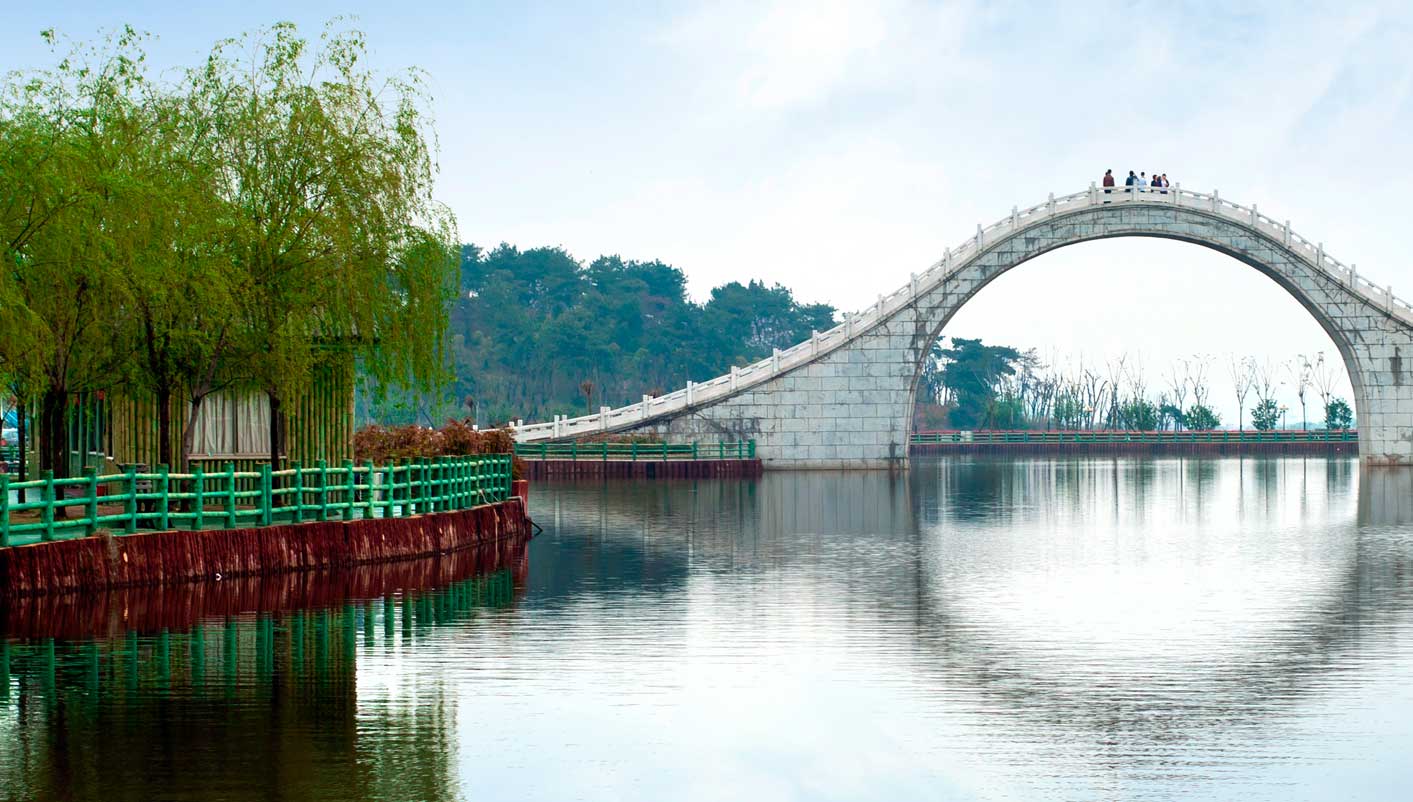
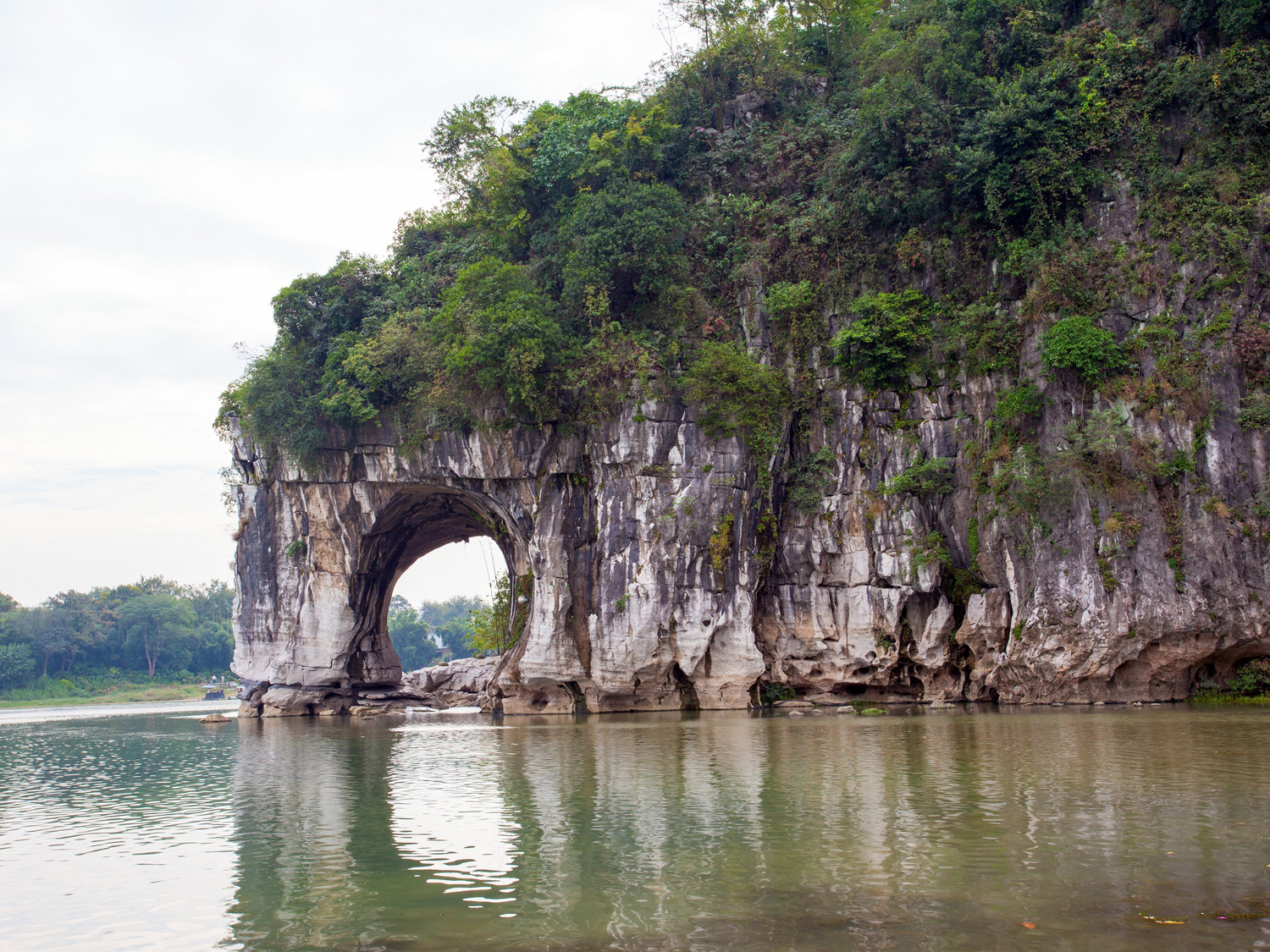
Considered the pearl in the crown of China's thriving tourism industry, the attractively landscaped city of Guilin is famed for its idyllic scenery. This striking landscape is often the subject of traditional Chinese paintings and has long inspired the country's top artists. For many foreign visitors, Guilin and its scenery perfectly encapsulate the exotic Chinese landscape that they have previously only imagined. The compact city is a great place to explore the natural endowments of the region, with plenty of shaded avenues, thoroughfares, and rocky parkland to explore within the city limits. The main points of interest are Elephant Trunk Hill and the Reed Flute Cave. Located on the western bank of the Li River, Elephant Trunk Hill is one of the city's top scenic spots, likened to a large elephant using its trunk to drink water from the river with an almost perfect semi-circular cave between the 'trunk' and 'body' of the elephant. Guilin is also famous for several caves, including the Reed-Flute Cave, named after the reeds growing around the cave mouth. The gargantuan cave, which eats into the south side of Guangming Mountain, represents one of the most extraordinary examples of limestone erosion in China.
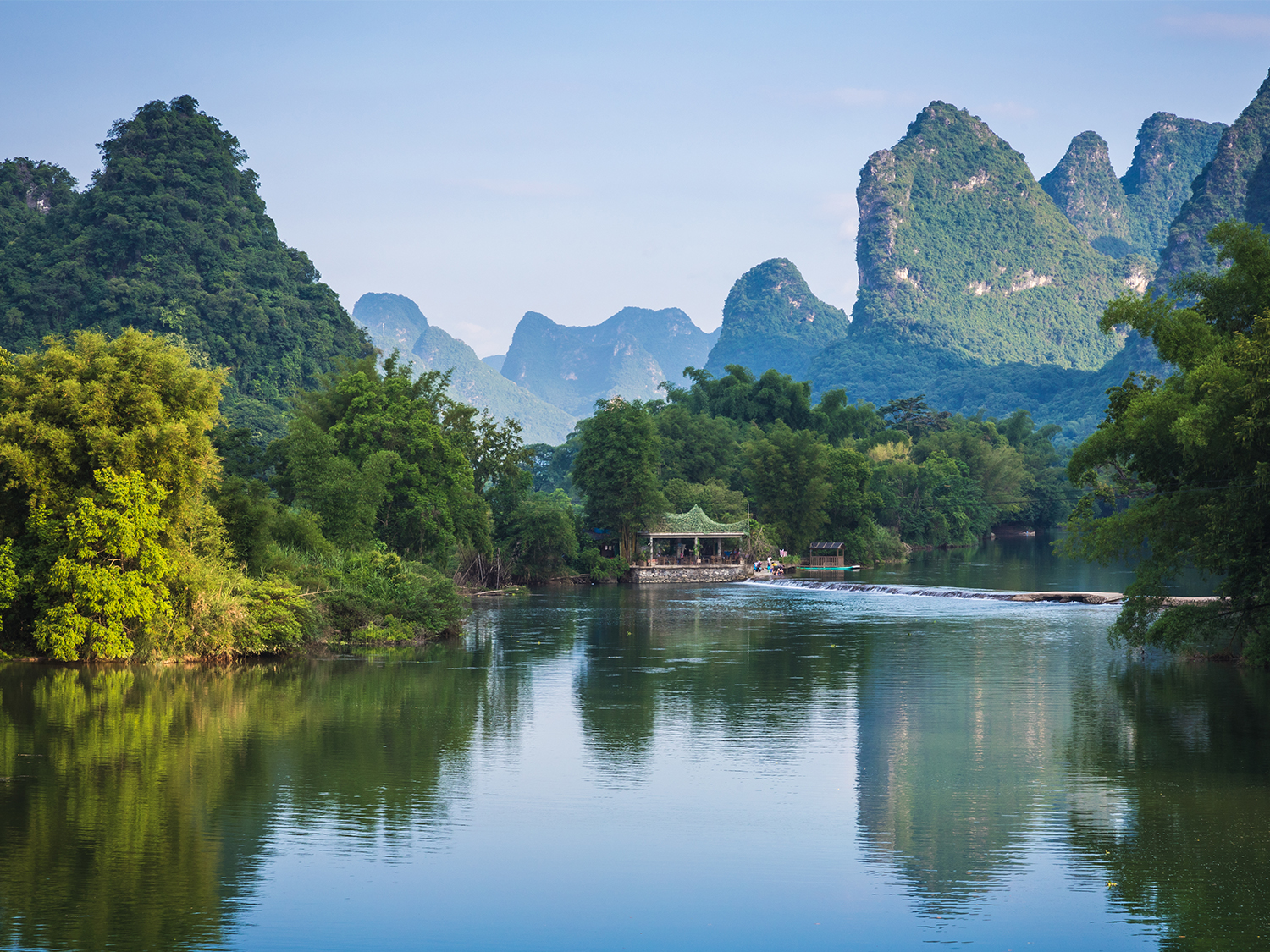
A trip to Guilin would not be complete without a leisurely cruise down the Li River to the village of Yangshuo. Taking around 4-5 hours, the Li River boat journey passes wonderful scenes of rice paddies tended by local farmers, water buffalo lazing in yellow fields, and fishermen working with their trusty cormorants for the catch of the day. Around each bend, you'll be confronted with breath-taking panoramas of towering rocky outcrops punctuated by small hilltop pagodas and sleepy ancient towns.
Tours to Guilin
We have many popular tours visiting China that include a trip to Guilin. Join us on a group tour and explore the natural beauty of this stinging landscape. From the limestone cave formations to the calming Li River, there is so much to see in this picturesque city.















What to expect when visiting Guilin
When visiting Guilin, you can expect to be immersed in one of China's most picturesque landscapes. The city is famous for its karst mountains, winding rivers, and lush greenery. The limestone hills, which have been weathered into dramatic peaks, rise up majestically from the Li River, creating an almost dreamlike atmosphere that has been the subject of Chinese art and poetry for centuries. A cruise down the Li River is a must, offering an unparalleled view of these towering formations, especially during the misty mornings when the scenery takes on an ethereal quality. As you glide along the water, you’ll pass quaint fishing villages and watch as water buffalo meander along the riverbanks. The city of Guilin itself is small and easy to navigate, with a relaxed pace compared to many of China's bustling metropolises. Its parks, such as Seven Star Park and Elephant Trunk Hill, provide tranquil spots to take in the natural beauty without leaving the urban area. Elephant Trunk Hill is a well-known symbol of the city, with its arched rock formation resembling an elephant drinking from the Li River.
The local cuisine in Guilin is another highlight. Dishes such as Guilin rice noodles, which are simple yet flavourful, can be found throughout the city. Street food stalls offer an array of snacks, giving visitors a chance to try something new and authentic. Finally, the overall vibe of Guilin is peaceful and slow-paced. The surrounding natural beauty and calm environment make it a perfect escape from the busyness of everyday life, offering a deep sense of connection with nature. Whether exploring on foot, taking a boat ride, or venturing into nearby rural areas, the landscape of Guilin never ceases to impress.
What to do in Guilin

Take a Li River cruise
Taking a cruise along the Li River is one of the most captivating experiences in Guilin, offering a close-up view of the region's iconic karst landscape. As the boat drifts down the serene river, towering limestone peaks, shrouded in mist, rise dramatically from the water, creating a surreal, almost otherworldly scene. Along the journey, you’ll pass by traditional villages, terraced hills, and bamboo groves, while local fishermen on bamboo rafts float by, often with their cormorant birds perched beside them. The peaceful rhythm of the river, combined with the breath-taking scenery, offers a sense of tranquillity and a perfect escape into nature's untouched beauty. The ever-changing views, especially around the famed Nine Horses Hill and Xingping Town, have inspired poets and artists for centuries, making this cruise a must for anyone visiting the area.

Visit the Reed Flute Cave
Visiting the Reed Flute Cave is like stepping into a fantastical underground world filled with vibrant colours and otherworldly formations. This natural limestone cave, known as the "Palace of Natural Art," is famous for its stunning stalactites, stalagmites, and rock formations, all illuminated by multi-coloured lights that create a mesmerizing atmosphere. As you walk through the cavern, the intricate shapes resemble mythical creatures, grand palaces, and abstract sculptures, sparking the imagination at every turn. The cave's walls are also inscribed with ancient Chinese poetry and calligraphy dating back over a thousand years, adding historical depth to the surreal beauty. The Reed Flute Cave offers not just a geological wonder but an immersive sensory experience that captures the essence of Guilin’s natural and cultural heritage.
Visit Elephant Trunk Hill
Elephant Trunk Hill is a natural wonder that embodies the spirit of the region. This iconic limestone formation, which resembles an elephant dipping its trunk into the Li River, is not only a symbol of Guilin but also a serene spot where nature and legend intertwine. As you approach, the graceful arch created by the "trunk" over the water offers a picturesque view, especially when reflected in the river below. The surrounding park is peaceful, dotted with pagodas and walking paths, inviting visitors to stroll and take in the scenic beauty. Climbing up to the Puxian Pagoda at the top of the hill offers panoramic views of the city and the river, further enhancing the experience. With its blend of natural beauty, local folklore, and tranquil atmosphere, Elephant Trunk Hill is a must-see destination that captures the essence of Guilin's unique landscape.
When is the best time to visit Guilin?
The best time to visit Guilin is during spring and autumn. During these months, the weather is mild, and the scenery is at its most vibrant. In spring, the landscape comes alive with blooming flowers and lush greenery, and occasional mist enhances the mystical feel of the karst mountains. Fall brings cooler temperatures, clear skies, and less rain, making it ideal for outdoor activities like cruising the Li River. The rice terraces are especially stunning in the fall, as they turn golden during the harvest season.
Conclusion
Guilin is one of China's most enchanting and picturesque landscapes, where nature, culture, and tranquillity blend seamlessly. The breath-taking karst mountains, serene rivers, and idyllic rural scenes come together to create an unforgettable experience. Whether you're drifting along the Li River, exploring ancient villages, or hiking through the terraced fields. Guilin’s charm lies not only in its dramatic scenery but also in its peaceful atmosphere, offering a perfect escape from the rush of modern life. With its rich cultural heritage, delicious local cuisine, and warm hospitality, a trip to Guilin leaves visitors with lasting memories of China’s natural beauty at its finest.
Frequently asked questions
What is the best way to see the Li River?
The best way to experience the Li River is by taking a river cruise between Guilin and Yangshuo. The cruise lasts around 4-5 hours and offers stunning views of the famous karst landscape.
What is the local food like in Guilin?
Guilin is famous for its rice noodles, known as Guilin mifen. The dish is often served with a rich broth, pickled vegetables, peanuts, and various meats. Local cuisine tends to be mild with an emphasis on fresh ingredients, including river fish and locally grown vegetables. Don’t miss trying the street food stalls for snacks like sticky rice cakes and fried pastries.
Are there any cultural tips I should know before visiting Guilin?
Like elsewhere in China, respect for local customs is appreciated. Be mindful when visiting rural villages, and always ask for permission before photographing local people. When visiting temples or religious sites, dress modestly and observe any posted rules.
Is Guilin a family-friendly destination?
Yes, Guilin is very family-friendly. Kids will love the outdoor activities, like exploring the caves, hiking the rice terraces, or taking a boat ride on the Li River. The city is safe, with plenty of parks and open spaces where families can relax.
China travel guides






Highlights of China
Our top picks of things to see and do in China!
The Great Wall
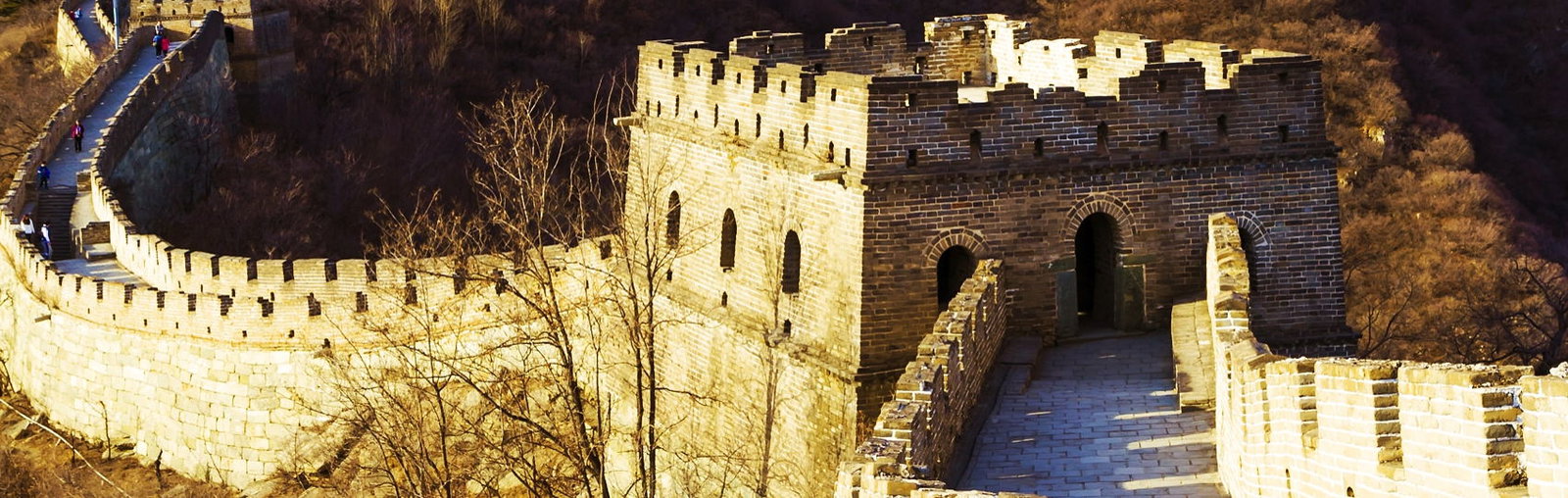
Stretching for more than 20,000km from the Yellow Sea in the eats to the Gobi Desert in the west, the Great Wall of China is known around the world and is a major factor in many people's decision to visit China. Dating back more than 2,300 years, the UNESCO-listed wall measures 7 metres in width and 6-14 metres in height with over 25,000 battlements snaking a path along precarious mountain ridges and thick forests.

See pandas in Chengdu
Known for being absolutely adorable, Great Pandas are endemic to china making it the perfect place to see them in their natural habitat. Watch them as they play, sleep and wander around their conservation sites and learn all about China's effort to increase the panda population to stop these beautiful bears from going extinct.
The Terracotta army in Xi'an
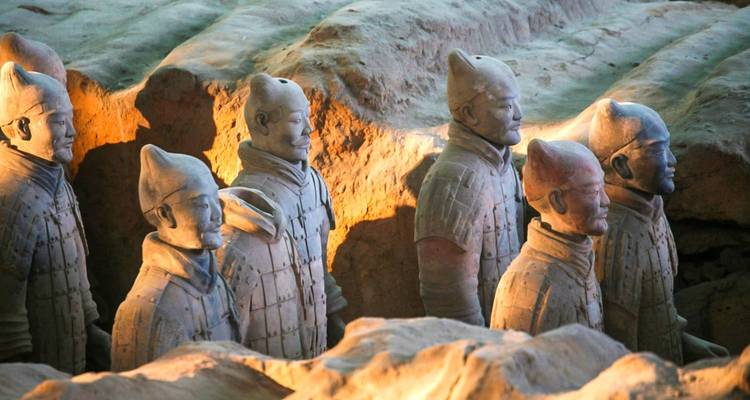
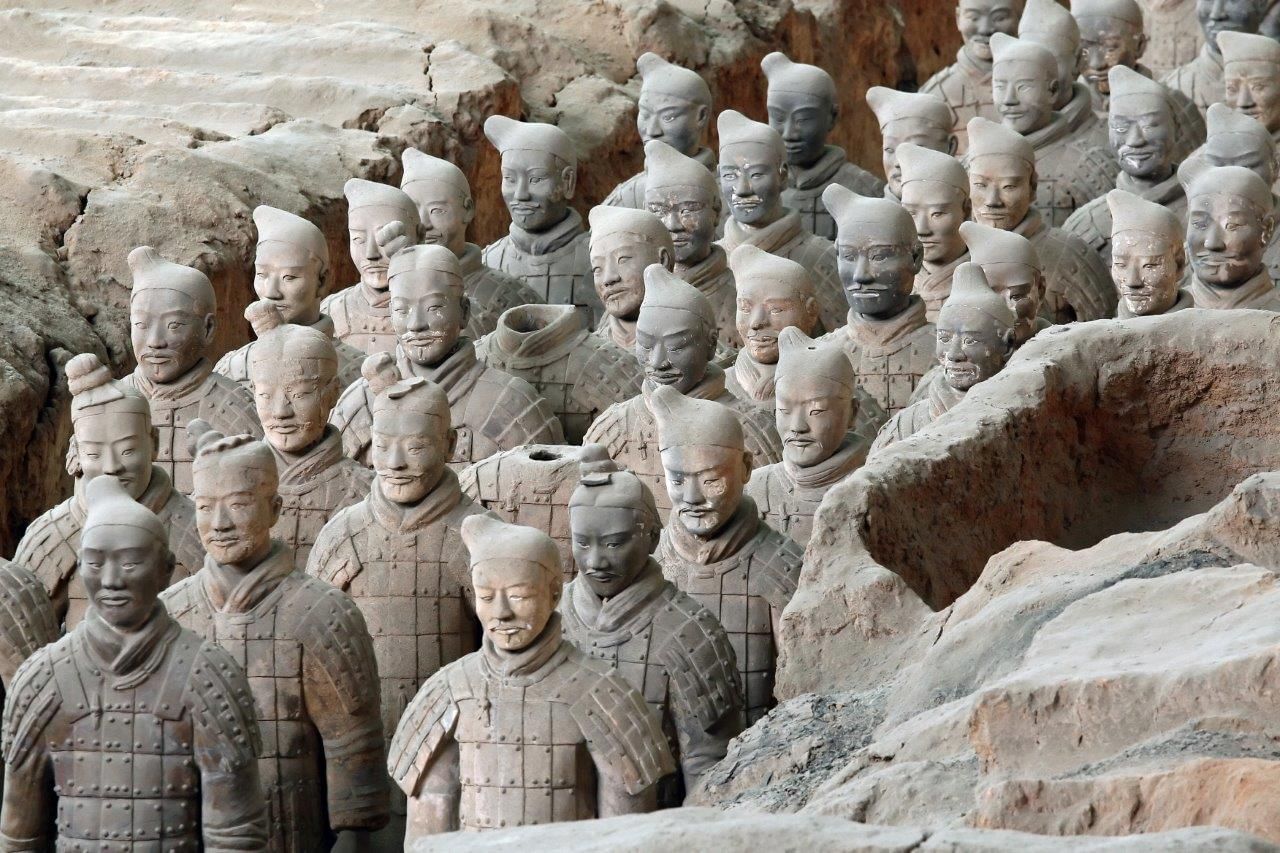
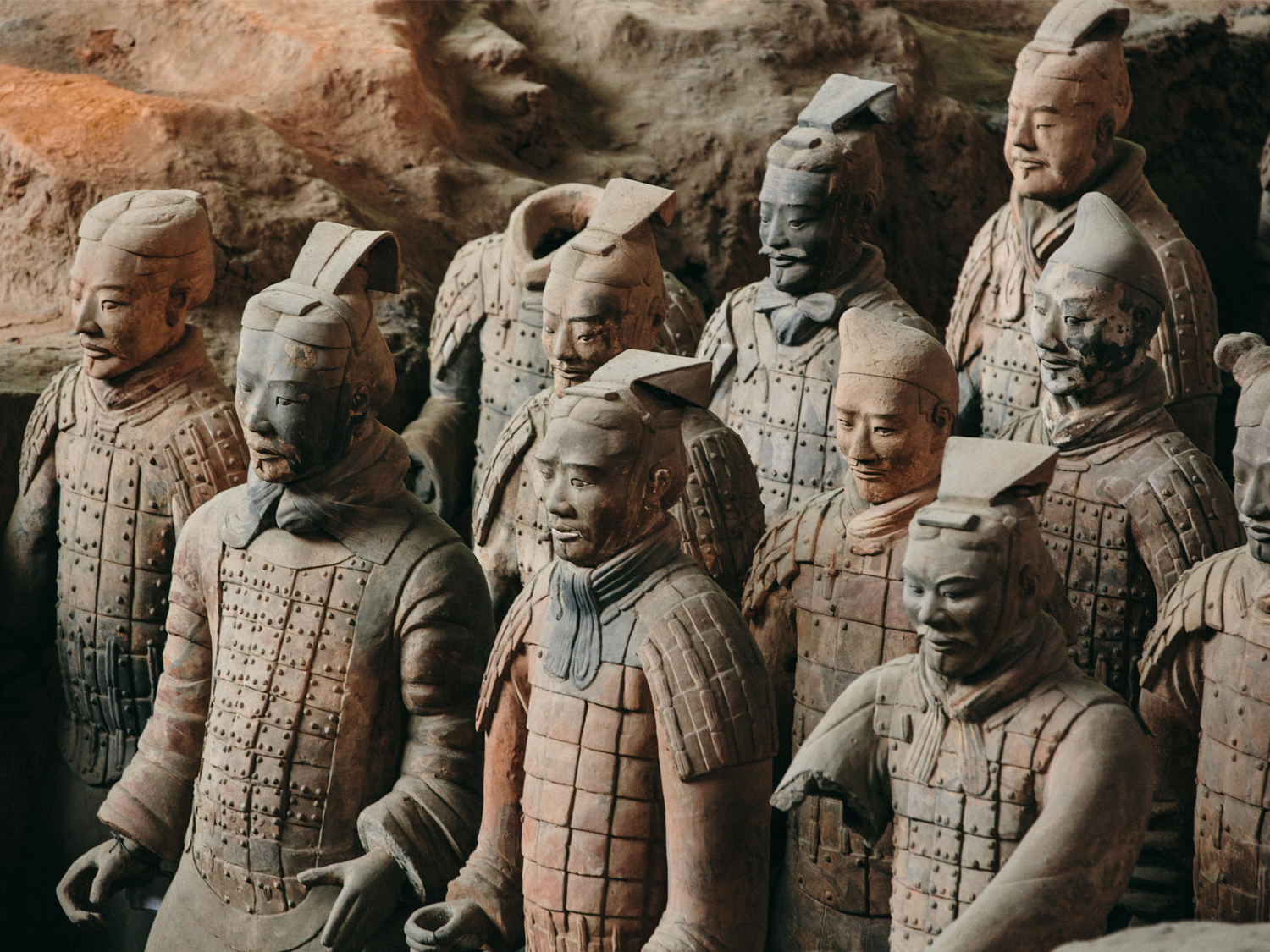
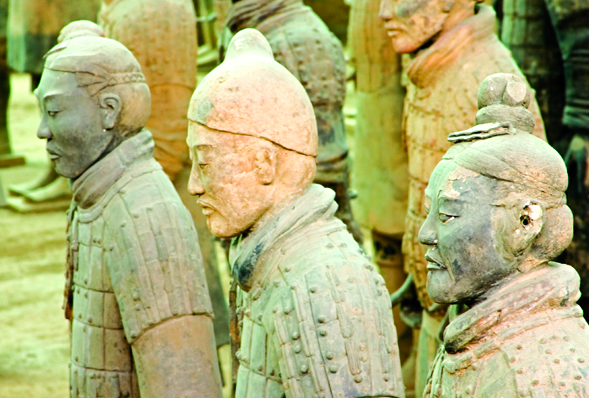
In 1976 three farmers near the city of Xi'an were digging a well and in doing so discovered one of China's greatest treasures - Emperor Qin's 7000-strong terracotta army. Believed to have been made 2200 years ago these life-size warriors stand in military formation in excavated pits under the cover of a modern protective hanger. Made of local clay, no two faces are alike – each is said to be an individual portrait.

Beijing
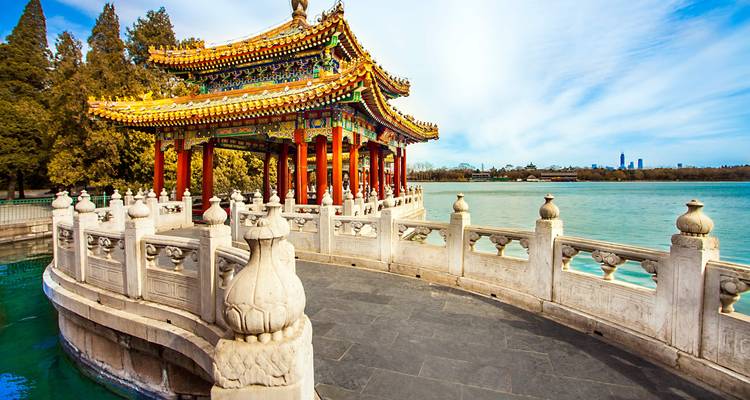
Capital of the People’s Republic, Beijing is China’s political, economic and cultural centre. With a chequered history, Beijing was established in 1045 BC and for 800 years served as the capital of several dynasties. At first glance Beijing can appear as nothing more than a modern cosmopolitan city with soaring skyscrapers, sprawls of apartment blocks and a crisscross of freeways. But hidden amid the concrete and glass one can still find remnants of the city’s past and evidence of traditional Chinese culture still practised today.

Shanghai
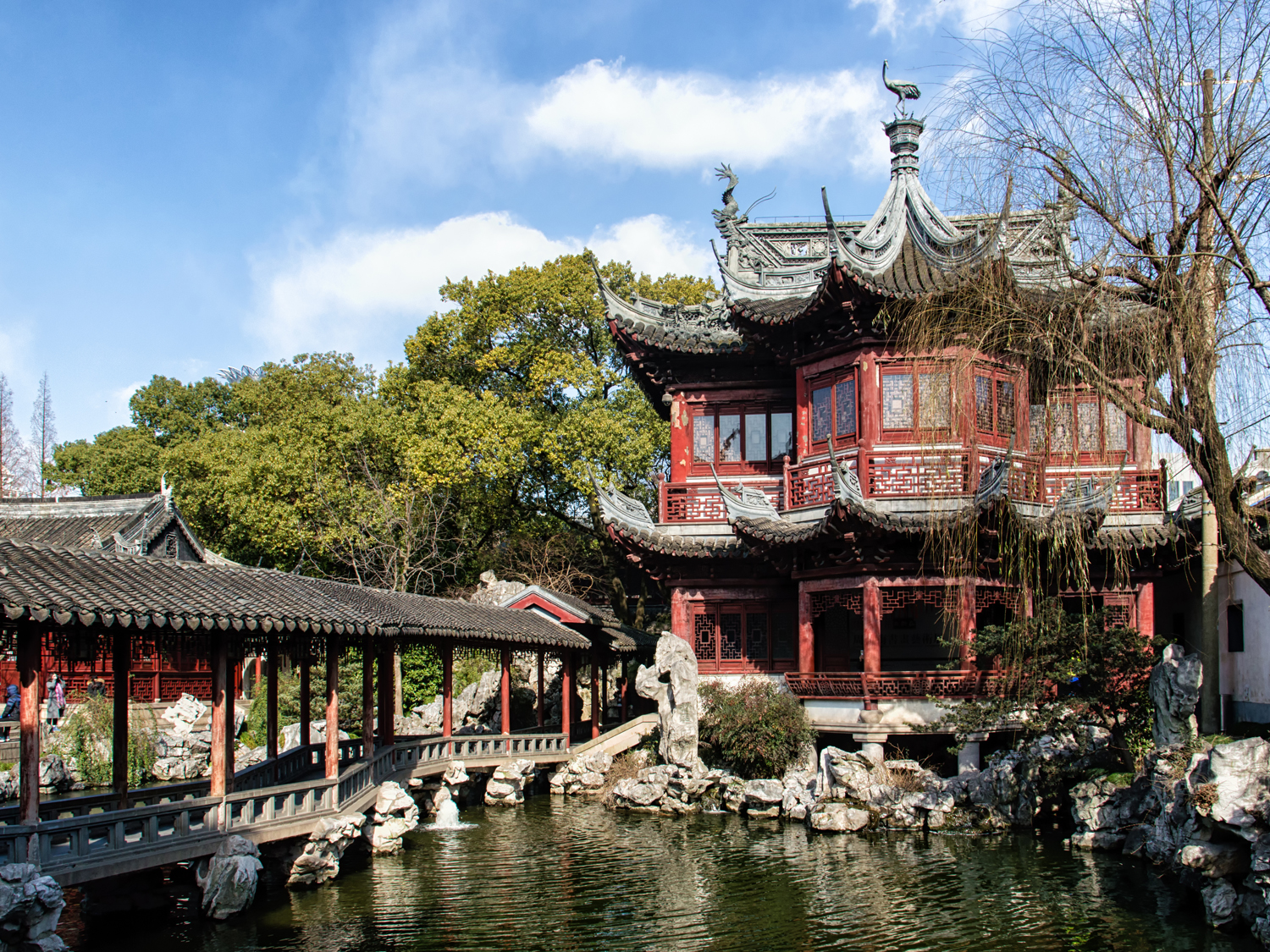
Buzzing with energy and activity from its gleaming sky scrapers all the way to its charming Old Town, the mega city of Shanghai epitomises China’s meteoric rise to global power status. Everywhere you look, there is something to do, see or buy, and you're unlikely to ever find yourself having a dull moment during your stay.

Guilin
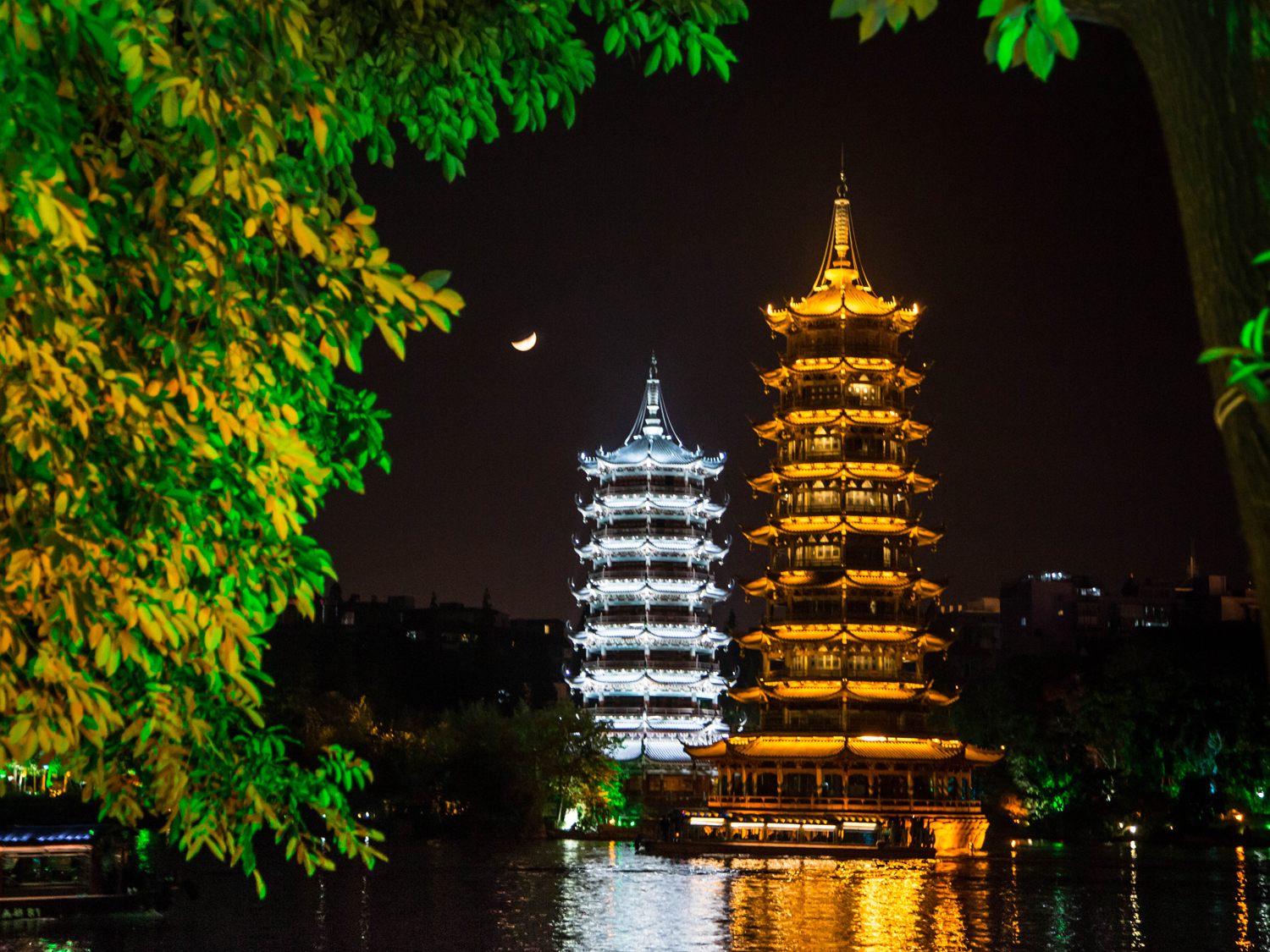
Renowned for it’s striking, if bizarre scenery - vast areas of karst limestone outcrops that rise up from flat rice paddy fields, and beautiful pagodas, Guilin is often the subject of Chinese painting. On our tours that travel to Guilin, we will visit the enormous and dazzlingly beautiful Reed Flute Caves. The city is filled with a delicious fragrance of Sweet Osmanthus trees and indeed this is the meaning of the name Guilin - "forest of Sweet Osmanthus".