On The Go Tours
Our agents are waiting to chat to you...
Are you a Travel Agent or Customer?
Do you have an booking reference?
Iceland Travel TipsEssential Iceland Travel Tips: Your Guide to an Unforgettable Adventure
When do you want to go?
2026
I'm flexible
Passengers
Adults (18+)
Children (0 - 17)
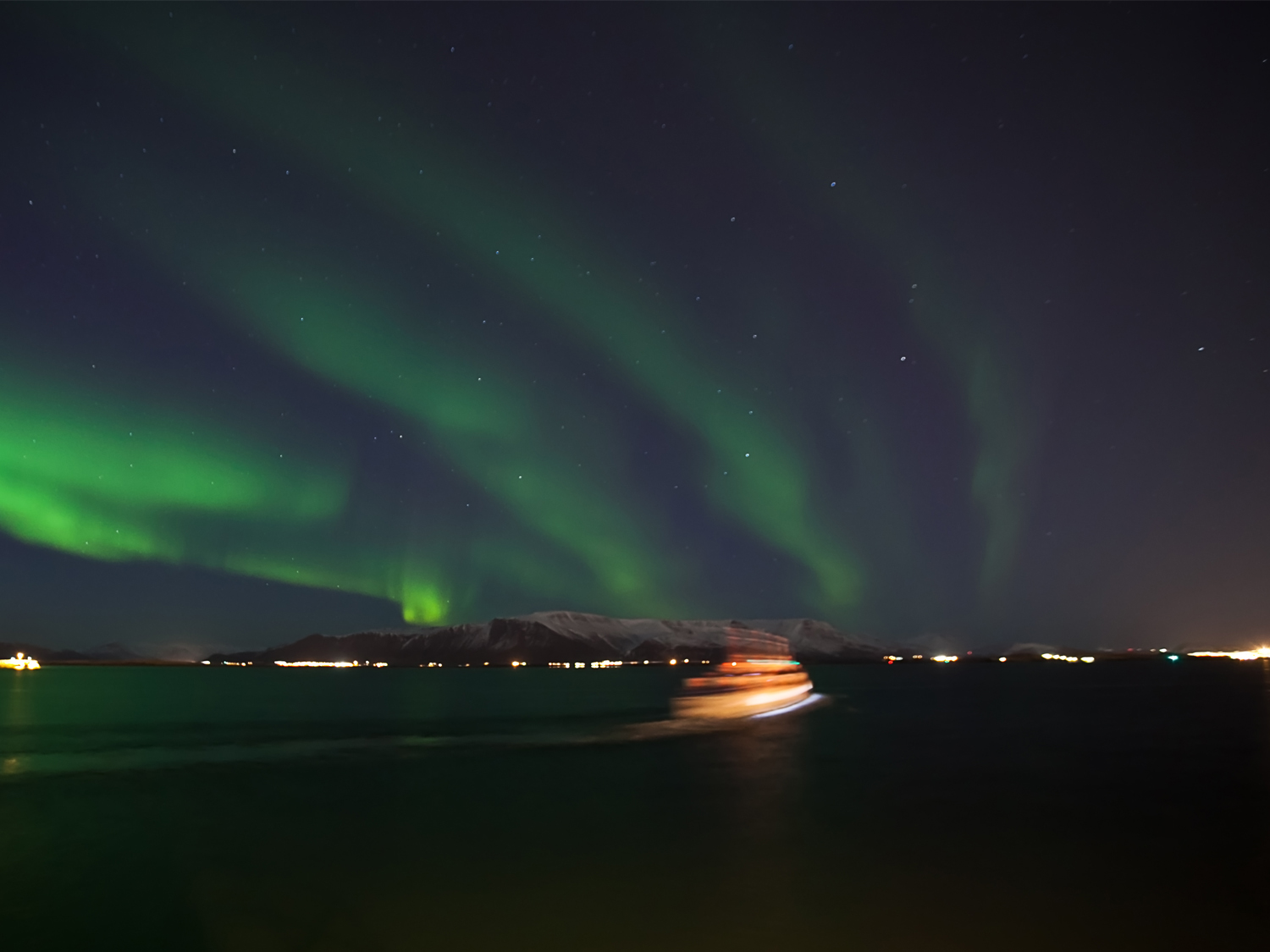
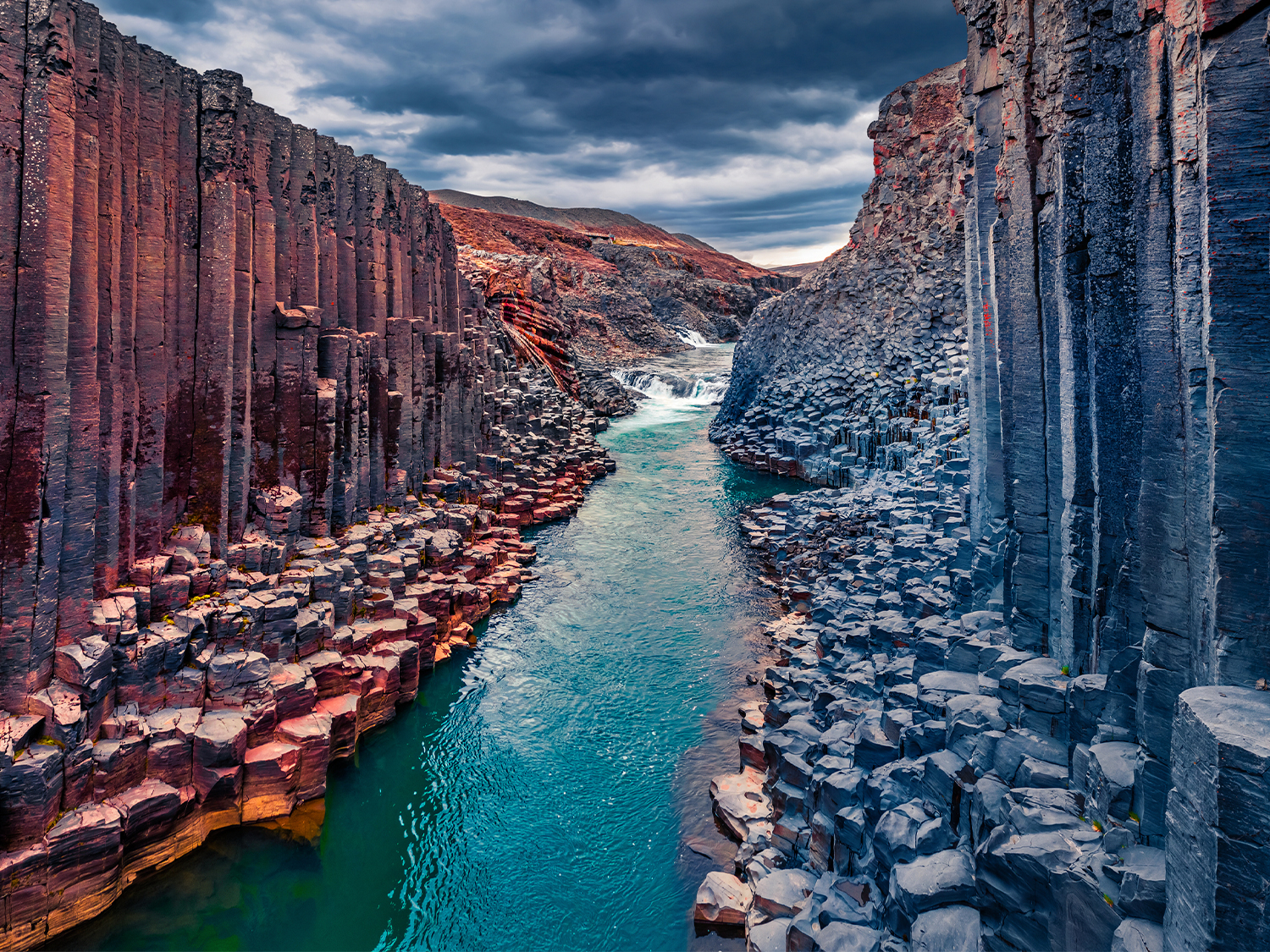
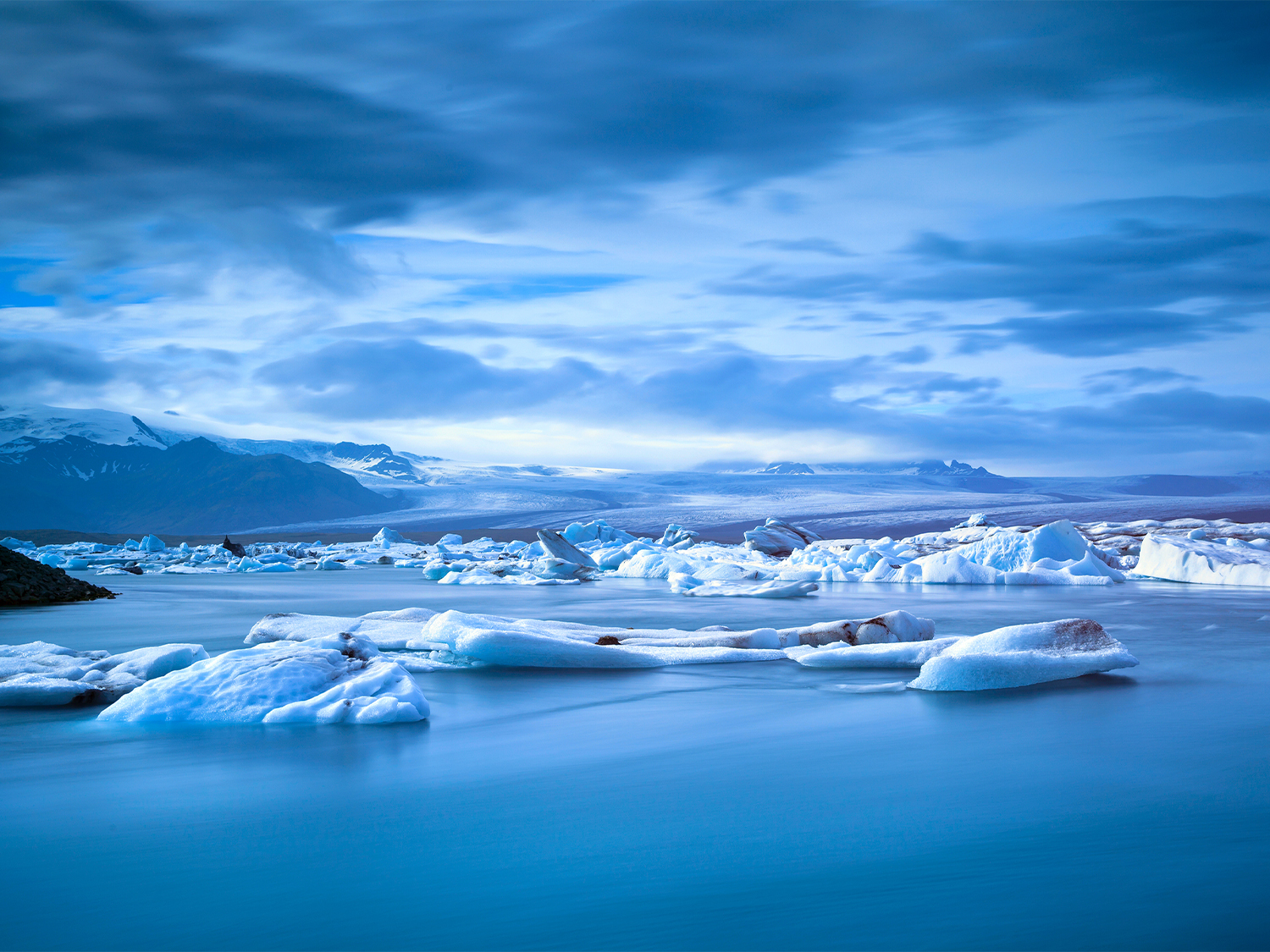
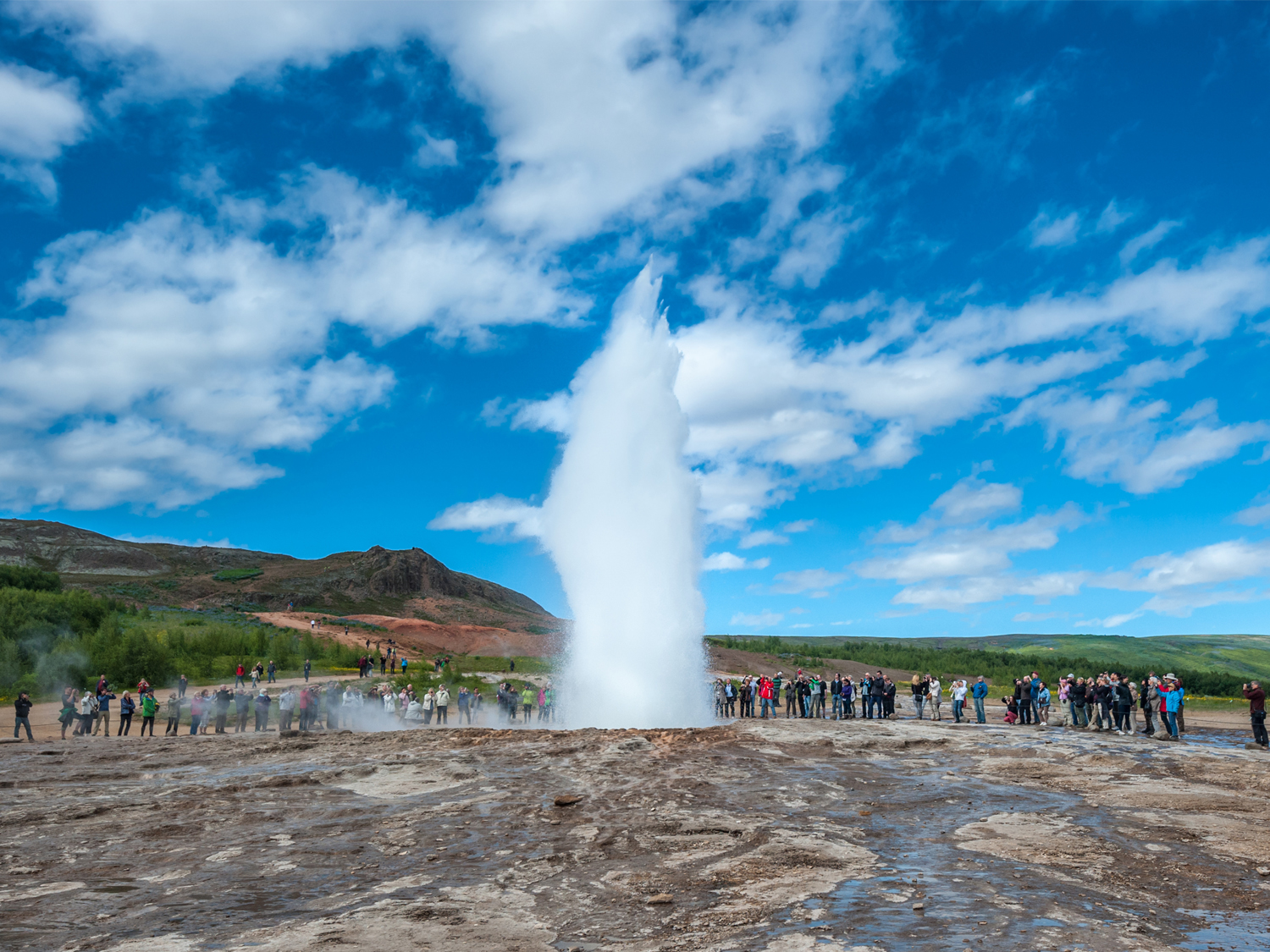
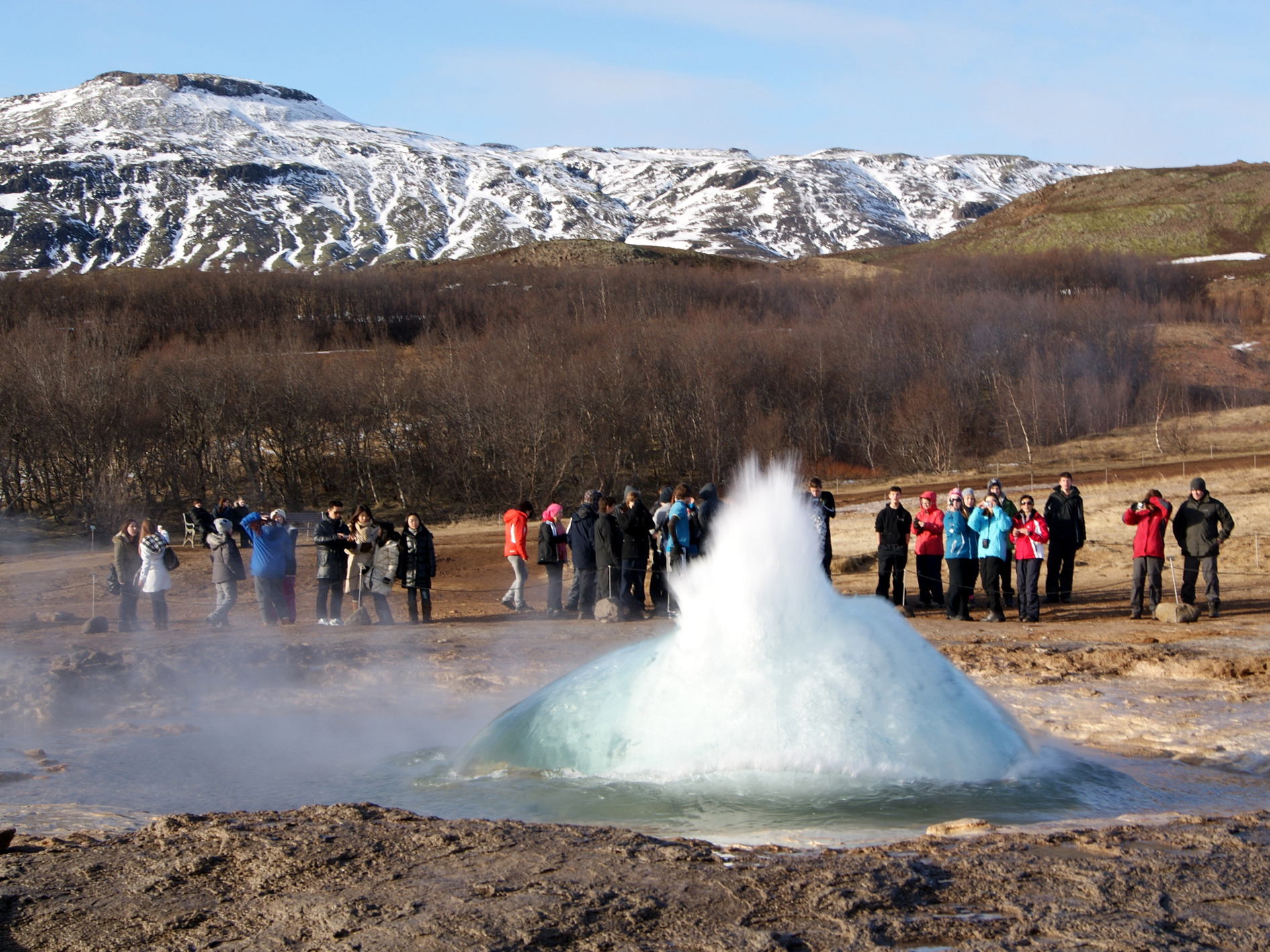
Planning a visit to the land of ice and snow and want to know what to expect? Iceland, with its dramatic landscapes of glaciers, geysers, volcanoes, and hot springs, offers an adventure like no other. From the bustling streets of Reykjavik to the serene beauty of the countryside, there's something for every traveler. Whether you're planning to soak in the Blue Lagoon, marvel at the Northern Lights, or hike through stunning national parks, preparation is key.
I'm interested to know what foods they eat in Iceland and how much they cost. Icelandic cuisine is a unique blend of traditional dishes and modern culinary innovations. You can savor local specialties like lamb stew, skyr, and fresh seafood while also indulging in contemporary Nordic cuisine at top-notch restaurants. Understanding the cost of food, accommodation, and activities is crucial for budgeting your trip effectively, as Iceland can be an expensive destination.
Well, we're here to help with our handy travel tips packed full of information to assist with your holiday preparations. From packing essentials and weather considerations to transportation options and must-see attractions, our comprehensive guide covers everything you need to know. Learn about the best times to visit, how to navigate Iceland's unique landscapes, and tips for making the most of your stay. We've got practical advice on accommodations, dining, and staying safe, along with insights into Icelandic culture and customs. With our guide, you'll be well-equipped to embark on an unforgettable Icelandic adventure.
Iceland Tours
Your Questions Answered

What vaccinations do I need for Iceland?

Is it safe to drink tap water in Iceland?

What's the food like in Iceland?

Is it standard to tip in Iceland?

What is the duty free allowance for Iceland?

Is WiFi widely available in Iceland?
What time zone is Iceland on?

What sort of plugs do I need for Iceland and what is the voltage?
What's good to shop for in Iceland?
With an inner layer that is light yet insulating and an outer layer that is strong and water repellent, Icelandic sheep wool is a prized and versatile textile that is used to make jumpers, hats, scarves, and gloves. The traditional lopi sweater is the perfect souvenir with its distinctive pattern of concentric rings. It's not the cheapest of items, but it's guaranteed to keep you warm and make you look stylish.
For a souvenir that enables you to wear a piece of Iceland, look out for jewellery made with lava rocks. Watches, necklaces, rings, bracelets, and earrings can be made of rounded black rock collected from Iceland's numerous volcanic fields to create trendy and modern designs.
If you're planning on visiting the Blue Lagoon while in Iceland, then not only can you enjoy a day soaking in the therapeutic waters, but you can also take some of it with you in the form of spa products such as clay masks and body lotions.
What is the currency in Iceland?
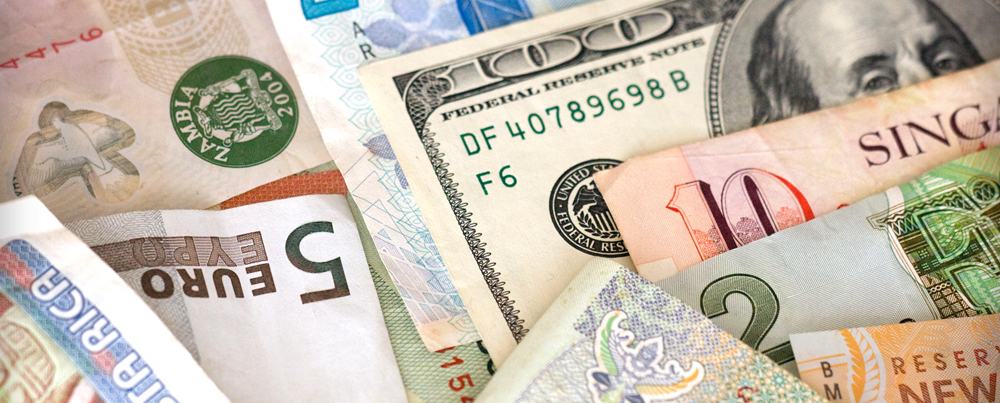
The official currency in Iceland is Icelandic Krona. The vast majority of banknotes in circulation are of the 500, 1,000, 2,000, and 5,000 denominations. Check OANDA for the latest exchange rates.
Pound Sterling, US Dollars, and other major currencies can be exchanged in Iceland, and you'll get a better rate of exchange if you buy and sell in your destination. Just about every establishment in Iceland will accept credit cards, including taxis, gas stations, souvenir stands, and even the most remote guest house, so it is not necessary to carry large amounts of Icelandic currency. However, due to the currency's instability, some credit cards are still wary of Krona transactions, so check with your bank before you go and don't rely entirely on plastic. It's advisable to request bank notes in smaller denominations, as it can sometimes be hard to get change from large notes, and smaller notes are handy for smaller purchases.
You'll find ATMs in the vast majority of towns in Iceland, as pretty much every town that has a bank has an ATM. Mastercard and Visa are widely accepted. Traveller's checks are not recommended as they're often difficult to exchange and incur high fees.
What do things cost in Iceland?
Before the currency crash of 2008, Iceland was known as a particularly expensive travel destination, and although it has become more affordable since, it's certainly not a cheap destination. A meal at an inexpensive restaurant will be in the region of $15 per person, while a three-course meal at a more upmarket restaurant will be around $45 per person.
Alcohol is certainly not cheap, with a half-liter of beer costing $7, while a bottle of mid-range wine bought from a store costs around $25. Those who fancy a tipple while on holiday would be wise to take advantage of their duty-free allowance. A bottle of water is close to $2, so those on a budget should stick to tap water.
Surprisingly, despite the lure of the Northern Lights, winter is a cheaper time to travel to Iceland than during the summer months, with prices a fair bit cheaper. Icelanders take their holidays during the summer months, which coincide with the high season. For a double en suite room at a decent hotel, you can expect to pay anywhere between $100 and $250 per night during high season, depending on whereabouts in the country you're staying.
What are the local customs in Iceland?
To ensure you don't cause offence, here's our quick guide to dos and don'ts while in Iceland:
• Do shower before getting into a hot-tub or public pool. This usually involves stripping naked, which can cause some people to feel self-conscious. But nudity is nothing to be ashamed of in Iceland, nobody will give you a second thought!
• Don't worry if you walk past an unattended pram left outside cafes or shops - Icelanders tend to leave their little ones outside while they shop and catch up with friends and in Iceland it's perfectly safe to do so.
• Don't smoke indoors in public places. This includes bars and restaurants - you will have to go outside to smoke as it is illegal to smoke indoors.
• Do celebrate the 1st of March with a pint for this marks the day when the ban on alcohol in Iceland was lifted.
• Don't ask Icelanders if they believe in fairies, elves or trolls - in all likelihood they do, but they won't want to share that information with a stranger.