Holi, Festival of Colour
Combine a tour of the famous Golden Triangle with the exuberant festivities of Holi - India’s most dazzling celebration, when streets throughout the country are transformed into a kaleidoscope of colour.
For a detailed itinerary and information about visas, money, weather and more.
Latest 3 star review
Tour Overview
Duration
8 daysHotel Rating
3 - 4 star & heritage hotelsStarts
DelhiEnds
DelhiMinimum Age
15 years oldMaximum Age
Tours have upper age limits for several reasons, such as but not limited to: tour pace, activity level, and accommodation standards. If you fall outside of this age limit, we do have lots of other tours in India that are suitable for all ages!
Arrival Transfer
YesDeparture Transfer
No - can be booked for a supplementTour Guide
Yes - escorted by a tour guideCountry
IndiaMeals Included
Breakfast: 7, Lunch: 1, Dinner: 1Passengers
$1,043.00
$400.00
Tour Style
Group Size
Min 2 / Max 24
Trip Type
Festival Tours
Range
This On The Go Tours Signature Journey is operated in conjunction with our local partners and On The Go Tours accredited expert guides, to deliver you an unforgettable tour.
Guiding Style
This tour is led by a dedicated tour guide or tour leader who stays with you throughout the entire journey. From start to finish, they manage logistics, offer insights at every stop, and are on hand to assist with anything you need. You may also enjoy sightseeing with local expert guides, as per the Inclusions. For more information, check the Inclusions of this tour.
Tour Pace
A balanced pace, with a mix of free time and visits to multiple locations, allowing for both relaxation and exploration. Generally doesn't visit more than one or two destinations per day.
Physical Rating
A moderate amount of walking is required during sightseeing, with some free time, offering a balance between activity and relaxation. As a general rule, you should be able to walk 2-kilometres without stopping.
Tour Guide
Yes - escorted by a tour guideGroup Size
Min 2 / Max 24Range
This On The Go Tours Signature Journey is operated in conjunction with our local partners and On The Go Tours accredited expert guides, to deliver you an unforgettable tour.
Guiding Style
This tour is led by a dedicated tour guide or tour leader who stays with you throughout the entire journey. From start to finish, they manage logistics, offer insights at every stop, and are on hand to assist with anything you need. You may also enjoy sightseeing with local expert guides, as per the Inclusions. For more information, check the Inclusions of this tour.
Tour Pace
A balanced pace, with a mix of free time and visits to multiple locations, allowing for both relaxation and exploration. Generally doesn't visit more than one or two destinations per day.
Physical Rating
A moderate amount of walking is required during sightseeing, with some free time, offering a balance between activity and relaxation. As a general rule, you should be able to walk 2-kilometres without stopping.
Trip Type
Festival ToursTour Highlights
Included
Not Included
Itinerary
Day 1 - Welcome
Saturday 20th March 2027. On arrival in Delhi you are met at the airport and transferred to our hotel. The rest of today is free to explore India’s capital at leisure before meeting the group and guide at the hotel at 18:00 for a Welcome meeting.
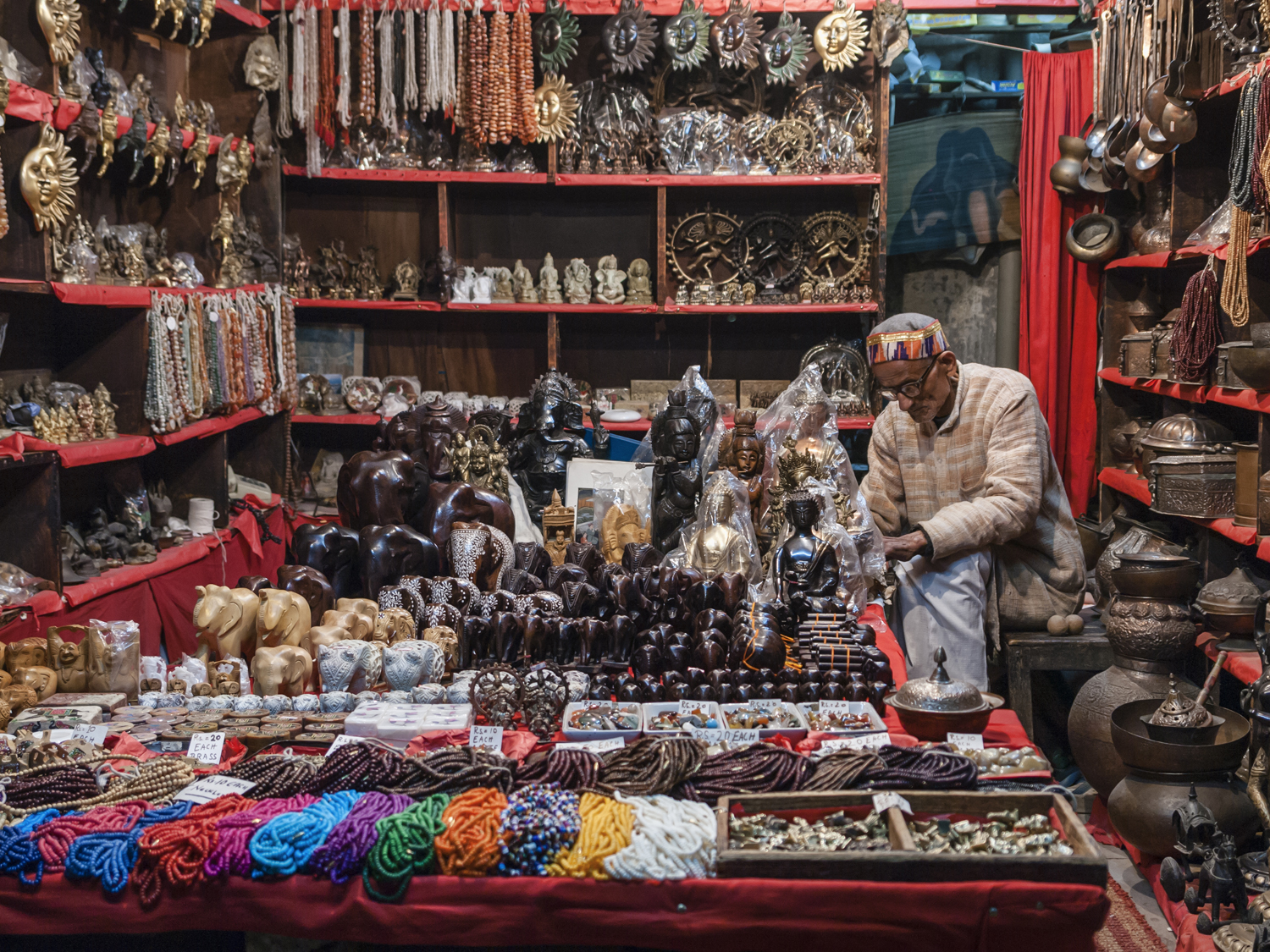
For those able to arrive very early today or the day prior, why not get off the beaten track and explore Old Delhi with us on our optional 'Backstreets of Delhi' add-on tour. You will get to relish the taste of various street foods, from savoury to sweet. Along the way, visit Khari Baoli, the largest spice market in India and the colourful Bazar Matia Mahal, located opposite the majestic Jama Masjid Mosque. The tour will combine a mixture of metro, electric rickshaw and walking to get around.
Day 2 - Delhi to Jaipur
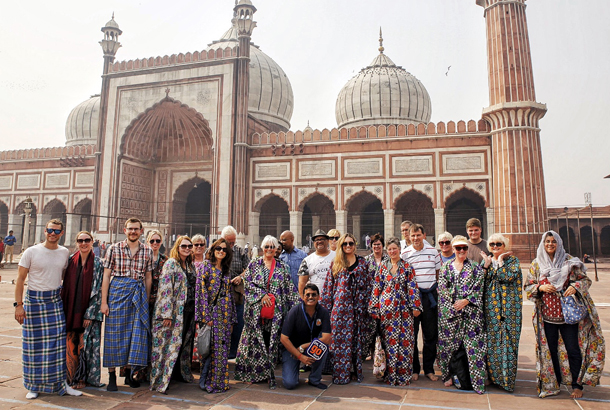
Delhi - Jaipur. This morning, we embark on a packed sightseeing tour of Old Delhi. Visit Jama Masjid, India’s largest and oldest mosque, before experiencing the vibrant energy of Chandni Chowk with an exciting rickshaw ride through its bustling bazaar.
Later, we drive to Jaipur, the Pink City. Upon arrival, we stop at a textile shop, where you'll have the chance to try on traditional Kurta Pyjamas, browse India's famous fabrics, or even have garments tailored to your liking. We then continue to our hotel for check-in.
Day 3 - Holi
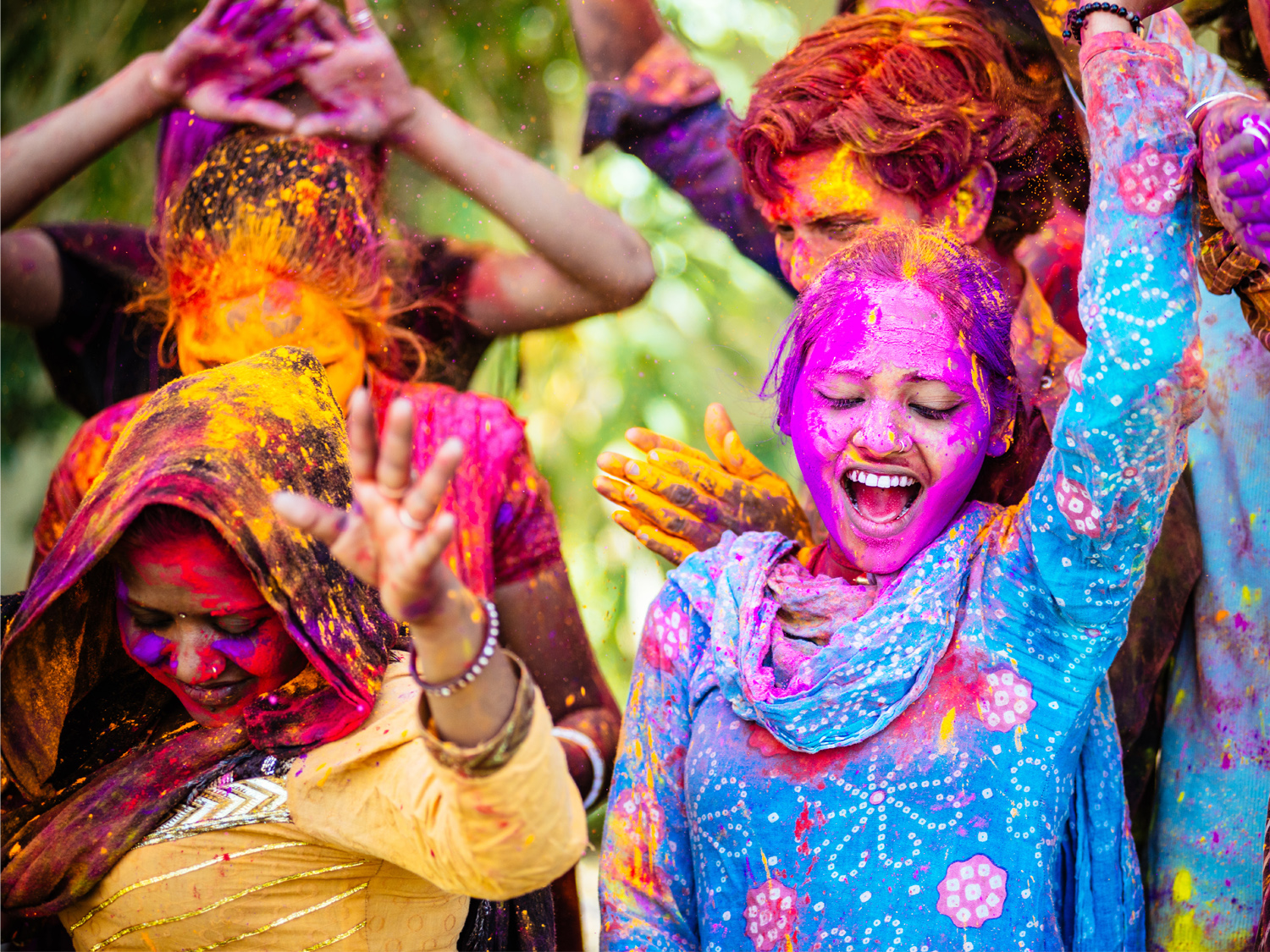
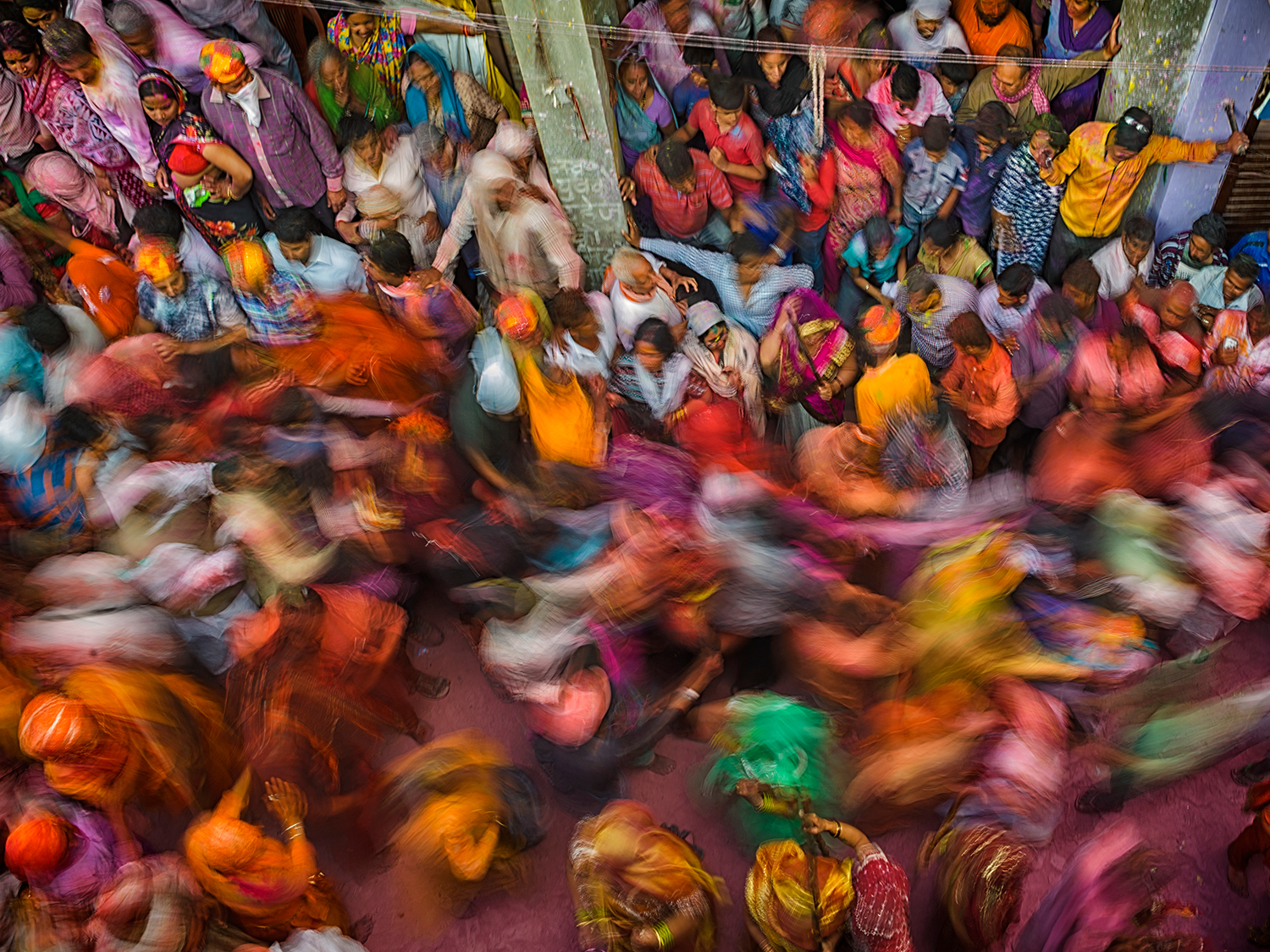
Jaipur. Monday 22nd March 2027. Today is the day that India celebrates the fabulous Holi Festival. This ancient Hindu festival originated as a celebration of the end of winter and beginning of spring in honour of Prahlada, who was protected from the flames by Vishnu when he was tricked into near death by his father, King Hiranyakashipu. Holi symbolises the triumph of good over evil and is an important part of Hindu tradition.
What better way to kick off the day with an optional hot air balloon ride (booked and paid locally, see trip notes for further information)?
Afterwards, it's time to let the festivities begin. Indians across the nation gather together with family and friends to throw coloured powder bombs, fire water pistols and splash coloured water. We will celebrate with locals - white kurta pyjamas will be provided to protect your clothes, as will organic colours for you to throw as you join the celebrations. After dancing away to Rajasthani folk music, we will be treated to a traditional Indian lunch.
Enjoy the rest of the day at leisure at the swimming pool or visit a local temple in the evening with your tour guide.
Day 4 - Amber Fort & Jantar Mantar
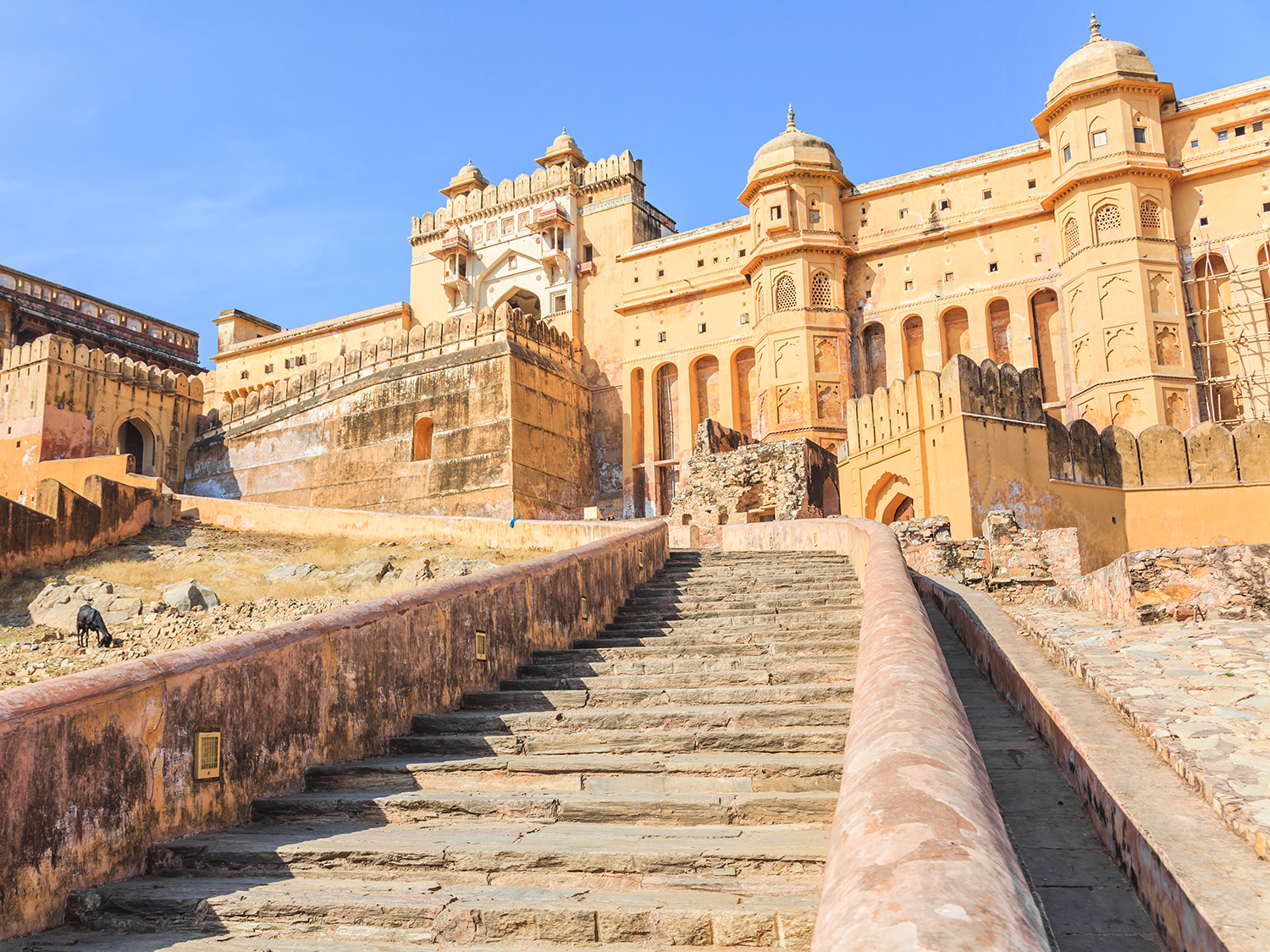
Jaipur. This morning we will visit the impressive 16th century palace complex, Amber Fort. A jeep will take you to the sprawling fortress, which is laid out over four levels and overlooks the shimmering Maota Lake.
Afterwards, we head out on a tour of the illustrious City Palace and the UNESCO-listed Jantar Mantar Space Observatory, which features 19 separate astrological instruments.
The remainder of the day is at your leisure, why not opt to explore the Johari Bazaar in the Old Pink City.
Day 5 - Karauli or Dholpur
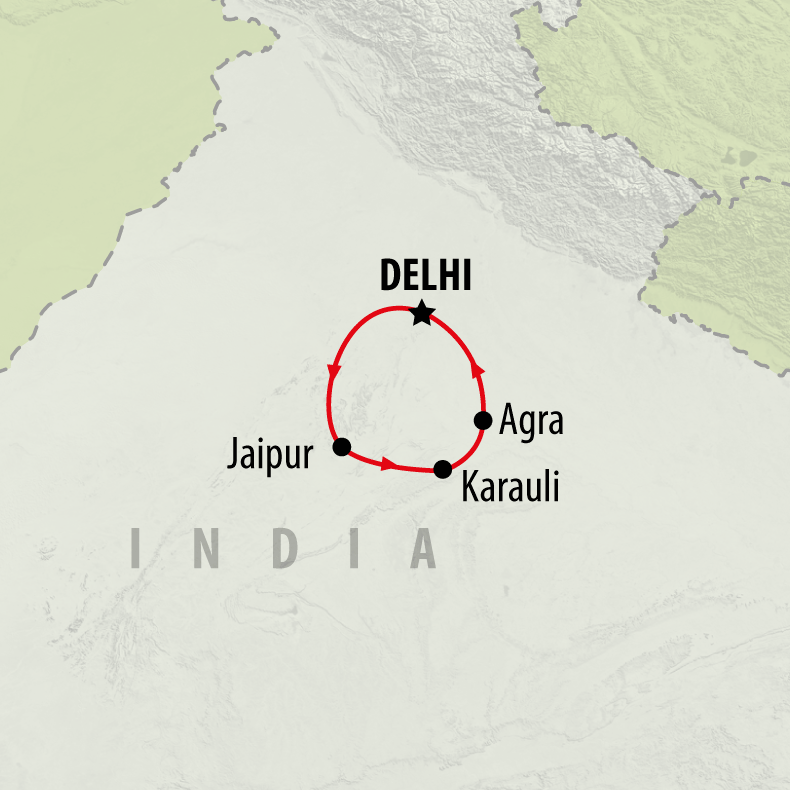
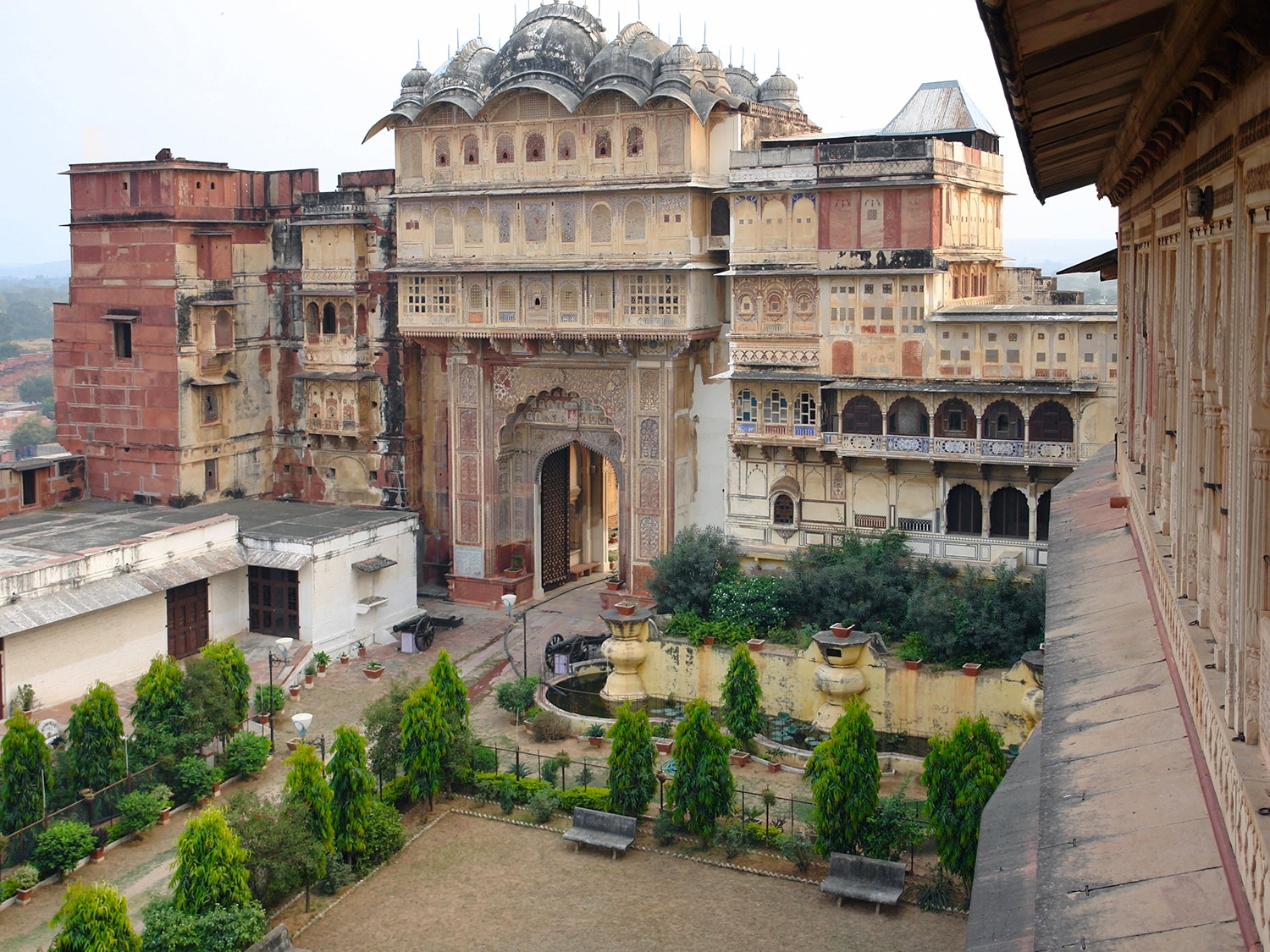
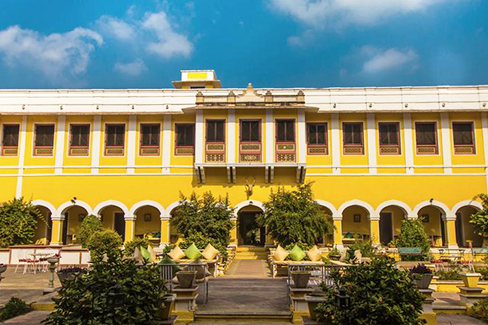
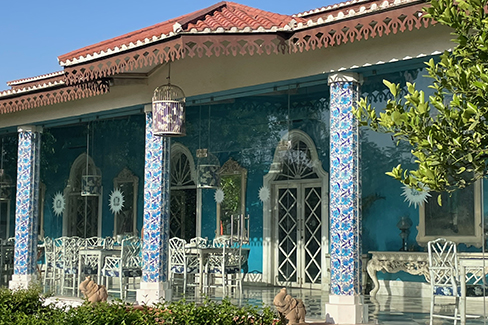
Jaipur - Karauli/Dholpur. Today, we travel to either Karauli or Dholpur. In Karauli, we will stay in the beautiful Palace Bhanwar Vilas. An eclectic melding of both Oriental and Art Deco architecture, the heritage-listed hotel was built in 1938 as a family home of the Maharaja of Jaipur. In Dholpur, we will stay at the magnificent Raj Niwas Palace, which is known for its red sandstone, traditional Rajisthani architecture, and European-style ceramics. It's said that this heritage-listed hotel was built by the Maharaja to welcome HRH Albert Edward, who visited in 1876.
Spend the afternoon at your leisure exploring the grounds, perhaps check out the vintage cars or take a dip in the swimming pools. This evening, you can also opt to attend the evening Aarti (prayer).
Day 6 - Taj Mahal
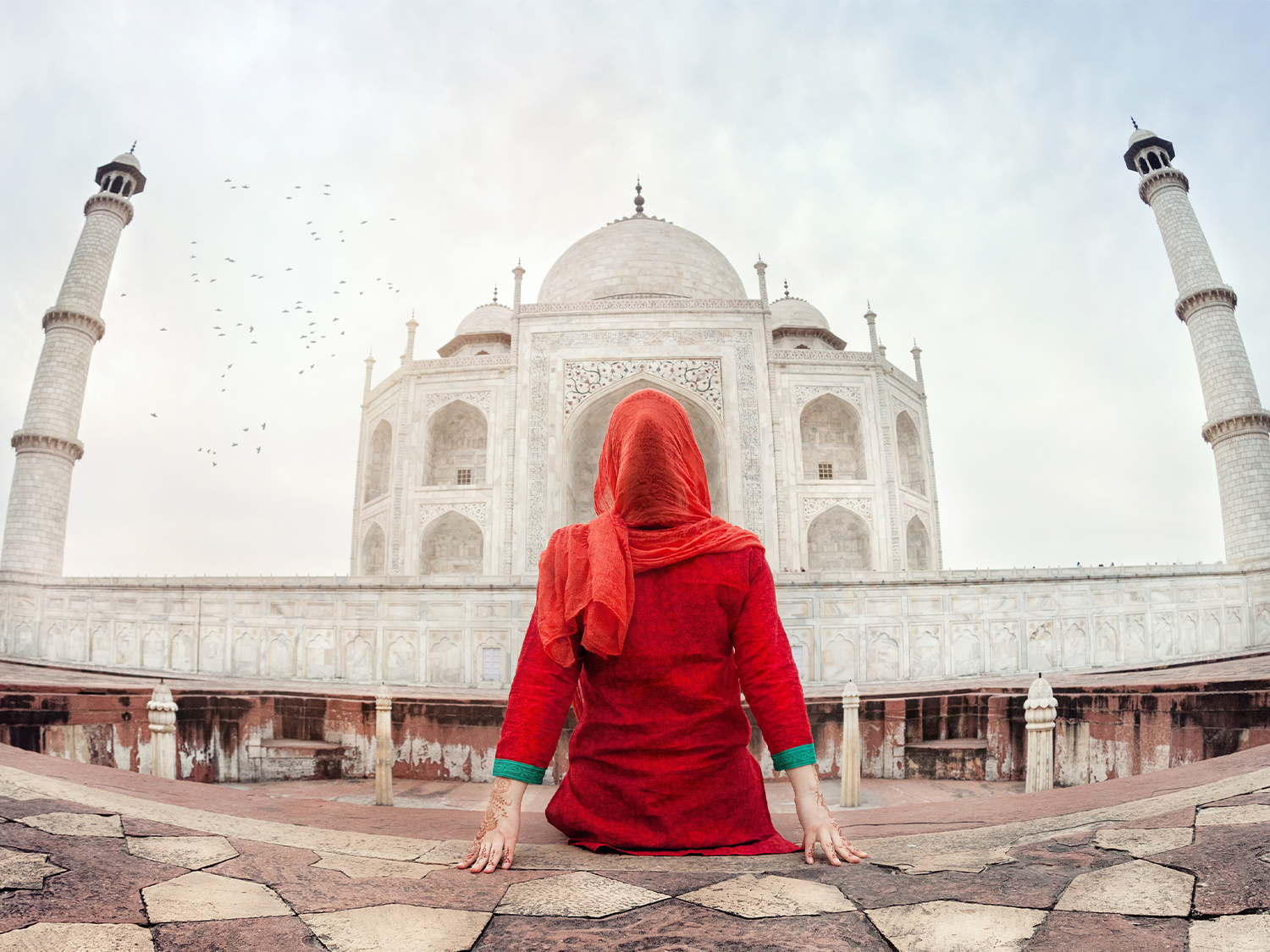
Karauli/Dholpur - Agra. Early this morning we'll visit the legendary Taj Mahal for sunrise, India’s most famous site. This iconic white monument was built by the Emperor Shah Jahan in the 17th century in memory of his beloved wife. It is perhaps the most extravagant symbol of love the world has ever seen and has no rival. This is a once-in-a-lifetime opportunity watch the sunset fade over the magnificent mausoleum so make sure to take plenty of photos!
After breakfast back at the hotel we will make our way to the impressive Agra Fort, which boasts some of India's finest Mughal buildings behind its fortified walls.
Later this afternoon we depart Delhi and head to Agra, the home of the famous Taj Mahal. Upon arrival we'll check into our hotel and this evening is at leisure.
Day 7 - Return to Delhi
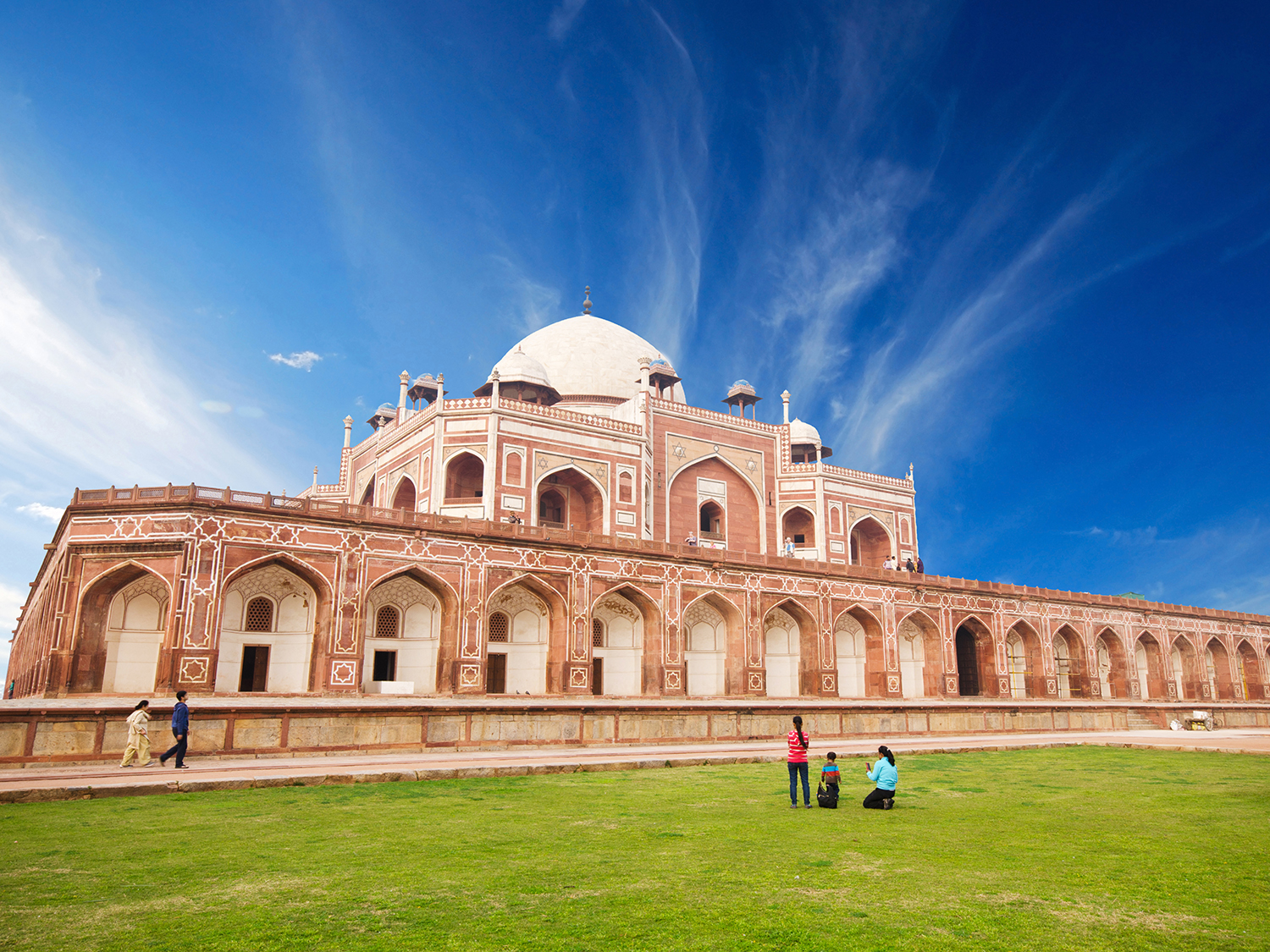
Agra - Delhi. This morning, we drive back to Delhi where we will enjoy a packed day of sightseeing in New Delhi. Check out the UNESCO-listed Humayun’s Tomb and walk down the Rajpath, formerly known as the ‘King’s Way’ and see the famous India Gate monument.
Afterwards, check in to our hotel with our final night at leisure.
Day 8 - Goodbye
Saturday 27th March 2027. Our Indian adventure comes to an end today. Make your own way to the airport or contact us to book a departure transfer.
Tour Reviews
Extras and add-ons
If you'd like to add extras or add-ons to your booking, you can do this easily during checkout. Just review the available options and select any additional services or upgrades you'd like before completing your purchase.
Pre and Post Tour Accommodation
Extend your tour with us by booking pre and post-accommodation, available at a per-person, per-night rate.
Pre-Tour Accommodation - Delhi
Double
Twin
Single
Post-Tour Accommodation - Delhi
Double
Twin
Single
Additional Extras
Enhance your tour with these optional extras, helping you to get the most from your adventure.
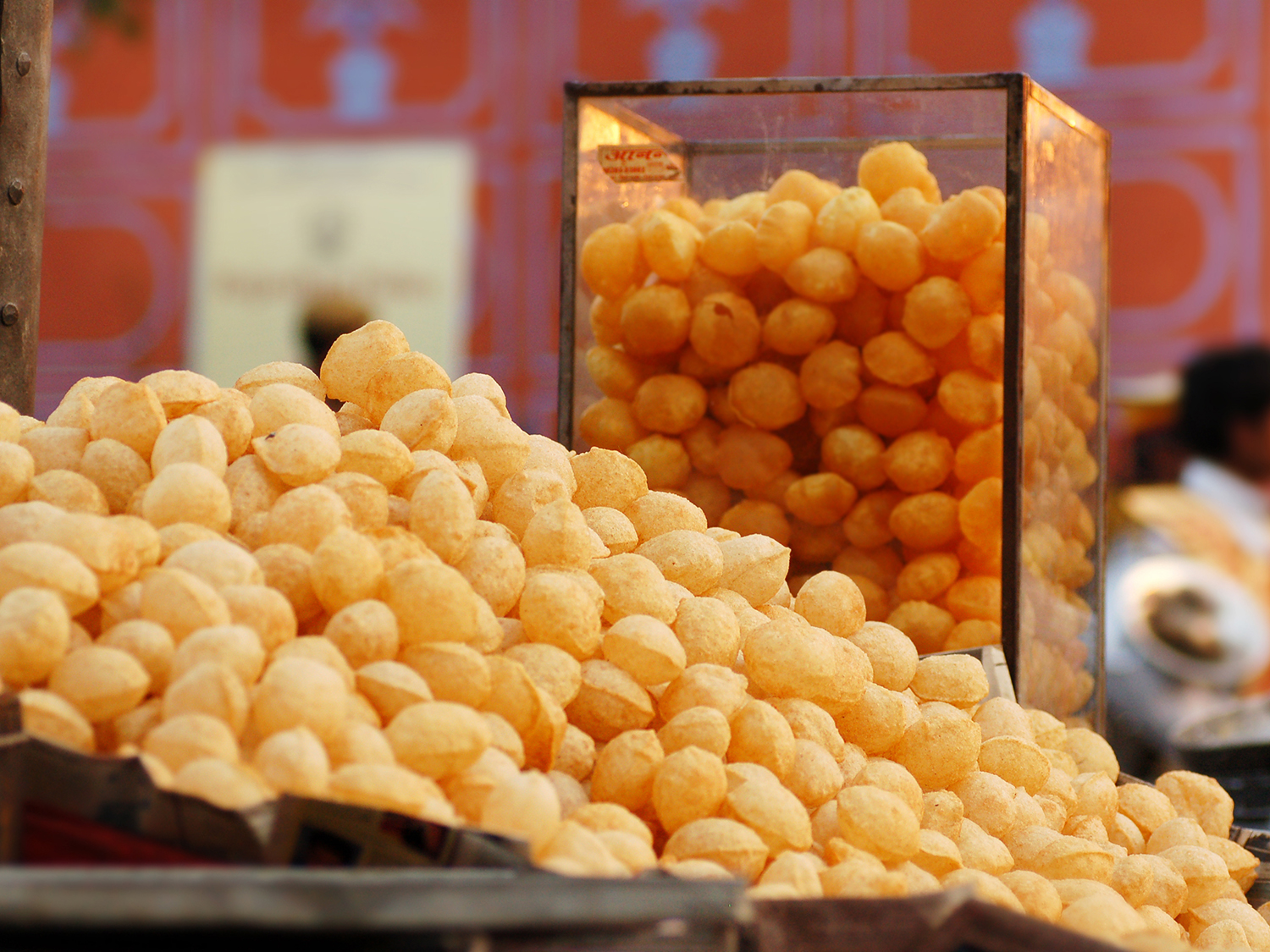
Explore the vibrant and colourful streets of Old Delhi on this walking tour that takes you to some of the most famous and delicious spots in the city. This tour is the perfect way to experience the authentic, diverse cuisine and culture of Old Delhi.
Add-on
Add-on
Tour Extensions
Extend your trip with our multi-day tour extensions, including accommodation, sightseeing and free time.
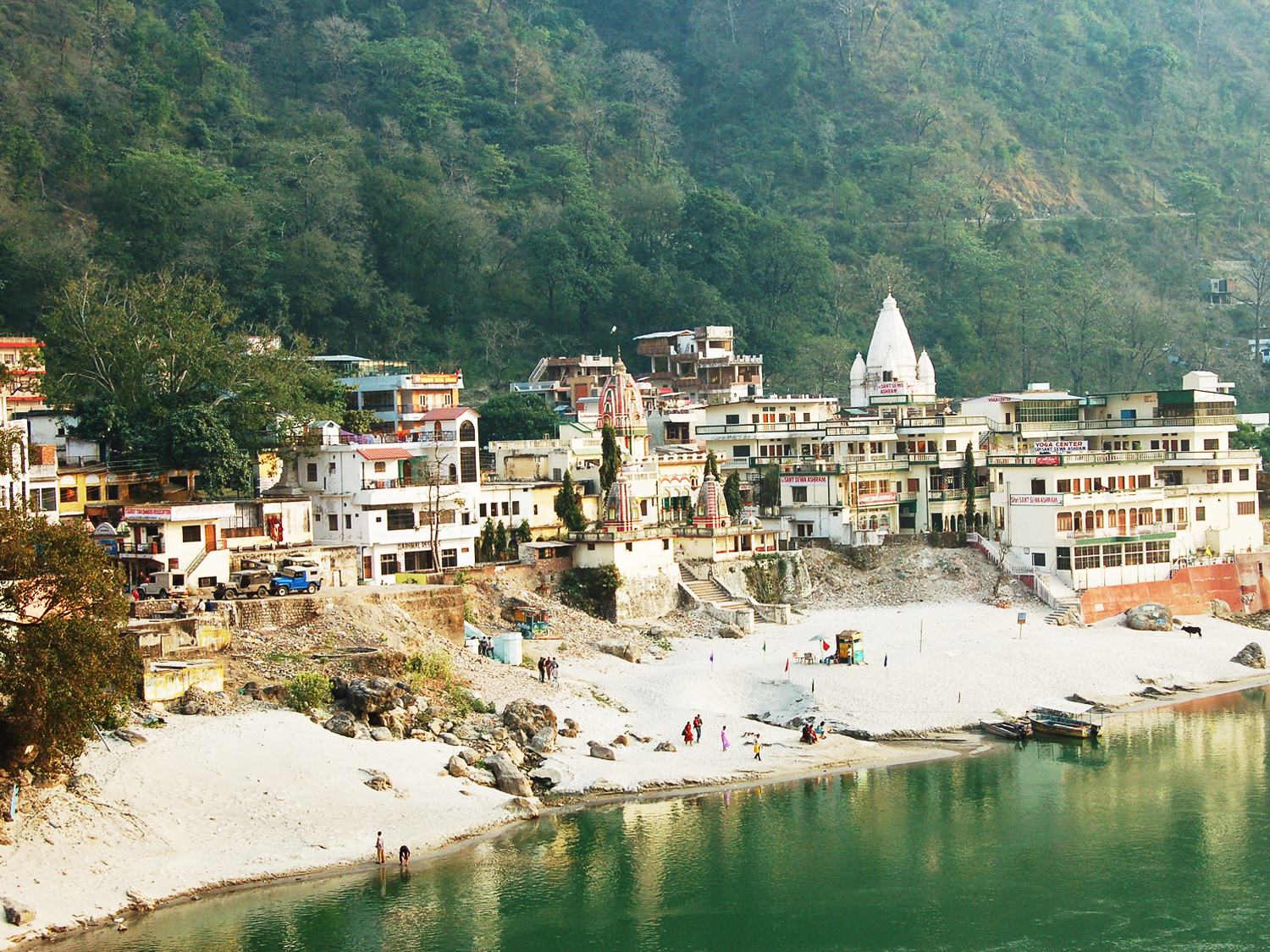
4 days
Our team will be in touch with you to discuss whether you would like to book this extension before or after your tour. This extensions starts & ends in Delhi, taking you to the holy cities of Haridwar & Rishikesh. With guided sightseeing, accommodation & transportation included.
Double
Twin
Single
Hotels
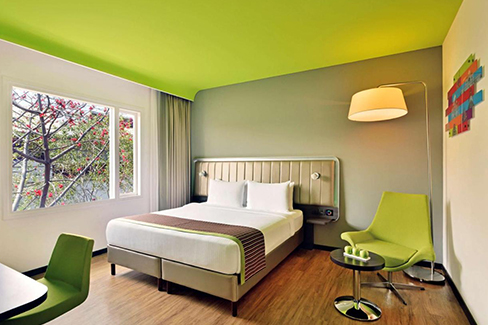
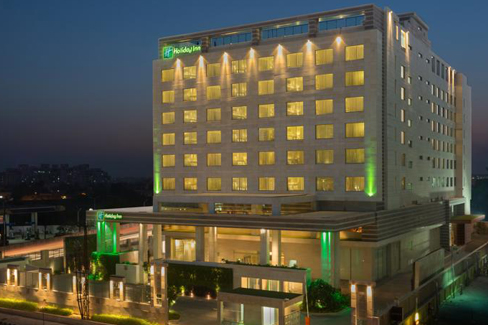
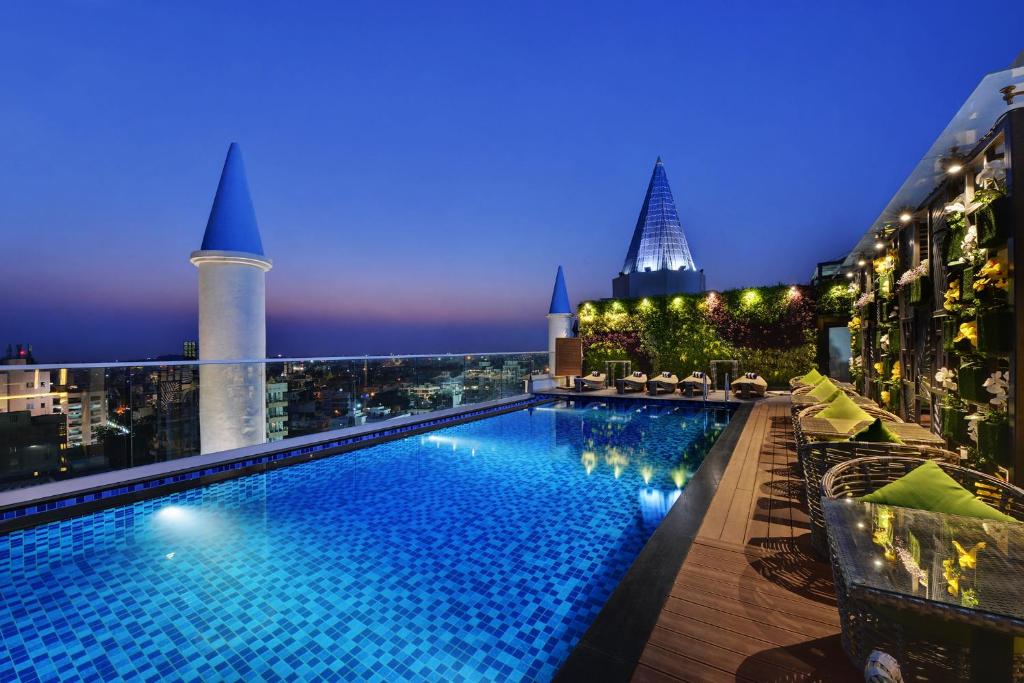
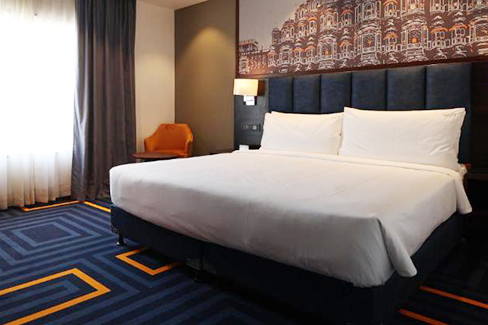
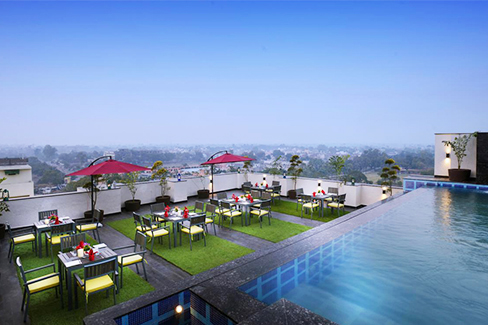
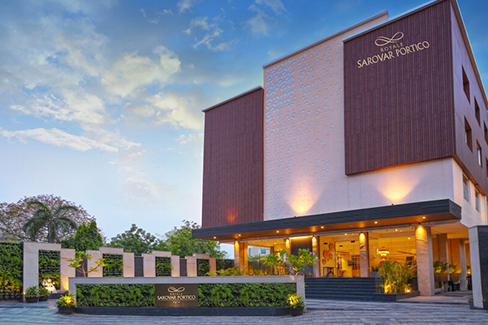
The hotels listed below are examples which we frequently use on this tour. Alternative hotels of a similar standard may be used instead.
If you are interested in booking pre or post-tour accommodation, here are some of the hotels we typically use.
Prices & Dates
All departure dates are guaranteed to operate when there are 2 persons booked on the tour. 'Twin/Double' prices are per person when there are 2 people on the same booking sharing a room. 'Single' prices are applicable to solo travellers and anyone wanting the privacy of their own room. Room sharing is not available on this tour.
Can't find a date that works for you?
Looking for a date not yet released?
Similar Tours
Explore more exciting tours in India to discover even more unforgettable adventures!

On The Go Tours
Our agents are waiting to chat to you...
Are you a Travel Agent or Customer?
Do you have an booking reference?