On The Go Tours
Our agents are waiting to chat to you...
Are you a Travel Agent or Customer?
Do you have an booking reference?
India Tours
4.31 (421 reviews)
437
Private Tours
87
Group Tours
22
City Explorer
When do you want to go?
2026
I'm flexible
Passengers
Adults (18+)
Children (0 - 17)
Discover India tours
Iconic landmarks, sacred rivers, tea hills and wildlife, shaped into smooth adventures
India tours suit a wide range of travel styles, from guided journeys that cover headline landmarks to short city getaways with time to explore at your own pace. You can also choose private trips, with knowledgeable local guides in key places and a clear plan for travel days. Expect a lively contrast of old and new, where busy bazaars and monumental forts sit alongside contemporary neighbourhoods and modern skylines. Many itineraries link Delhi, Agra and Jaipur for a first taste of North India, while other routes slow down in Kerala for a more relaxed rhythm. In the south you can pass through tea hills and spice-growing areas, then unwind on a backwater cruise aboard a traditional rice boat. Wildlife fans often add national parks for game drives, and some tours pair India with Nepal or Sri Lanka for a broader view of the region.
Latest Offers, Money Saving Trips

Which trip type suits you?
Compare the key features of each trip type to find the perfect fit for you.
Choose your guiding style
India guiding styles: from fully guided to self-guided, find the right experience for you
Maximum support
Fully Guided
A dedicated guide or tour leader is with you throughout, with each detail arranged.
Escorted by a guide or tour leader
Smooth, hassle-free travel
Support throughout the journey
Best for:
Complete support
Guided highlights
Partially Guided
Expert-led sightseeing in key places, with free time to explore between activities.
Guided sightseeing at key sites
Free time between activities
A balance of structure and flexibility
Best for:
Highlights with flexibility
Flexible independence
Semi-Independent
Some guided sightseeing, with hotels and transport arranged for independent exploration.
Some guided sightseeing
Hotels and transport arranged
More independence on the road
Best for:
Structure with independence
Most independence
Self-Guided
Your stays and travel arrangements are organised, so you can explore independently.
Travel at your own pace
Accommodation and key logistics arranged
Freedom to explore your way
Best for:
Planned independent travel
Travel with confidence
Real reviews from our travelers
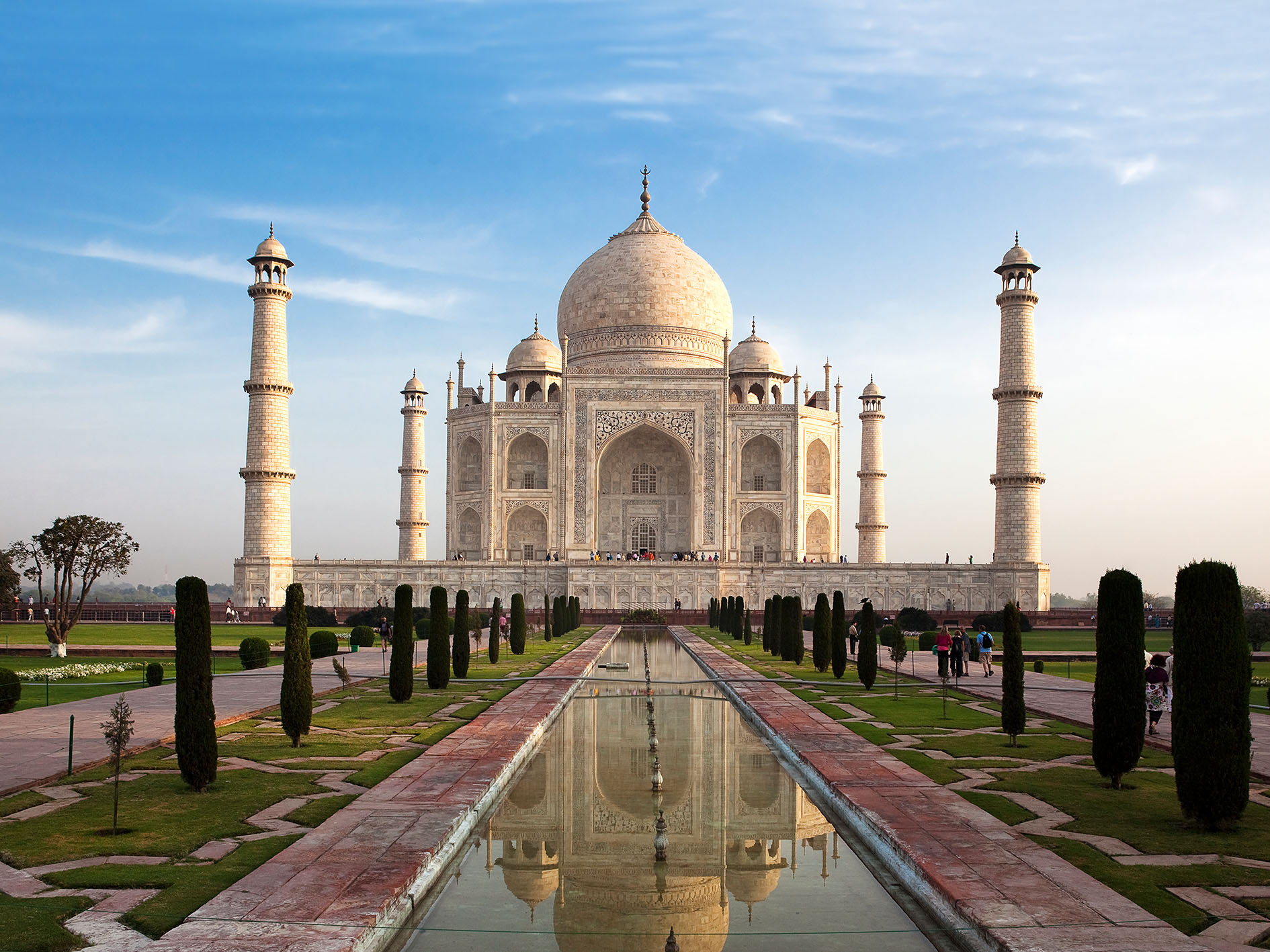 Taj Express - 8 daysSpend eight days discovering the cultural wonders of northern India, starting and ending in Delhi. From the bustling bazaars of Old Delhi to the majestic Taj Mahal in Agra, this tour is packed with iconic sights and rich history. Stay in heritage properties in Karauli or Dholpur, and explore Jaipur’s ornate palaces and the striking Amber Fort. Highlights include rickshaw rides, Mughal architecture, and the vibrant Pink City. With plenty of free time and optional experiences like hot-air ballooning and street food tours, this trip offers a colourful, well-rounded introduction to India’s Golden Triangle.Signature Journeys8
The Taj Mahal was a once in a lifetime experience. The Akshardham Temple was exquisite, just a pity we were not allowed to take pictures in there. The Connaught Clubhouse in Delhi where we had lunch 2 days in a row has a fantastic menu. The Molecule in Agra was also a winner, fantastic atmosphere It was just the unbearable heat but that is not controllabble.
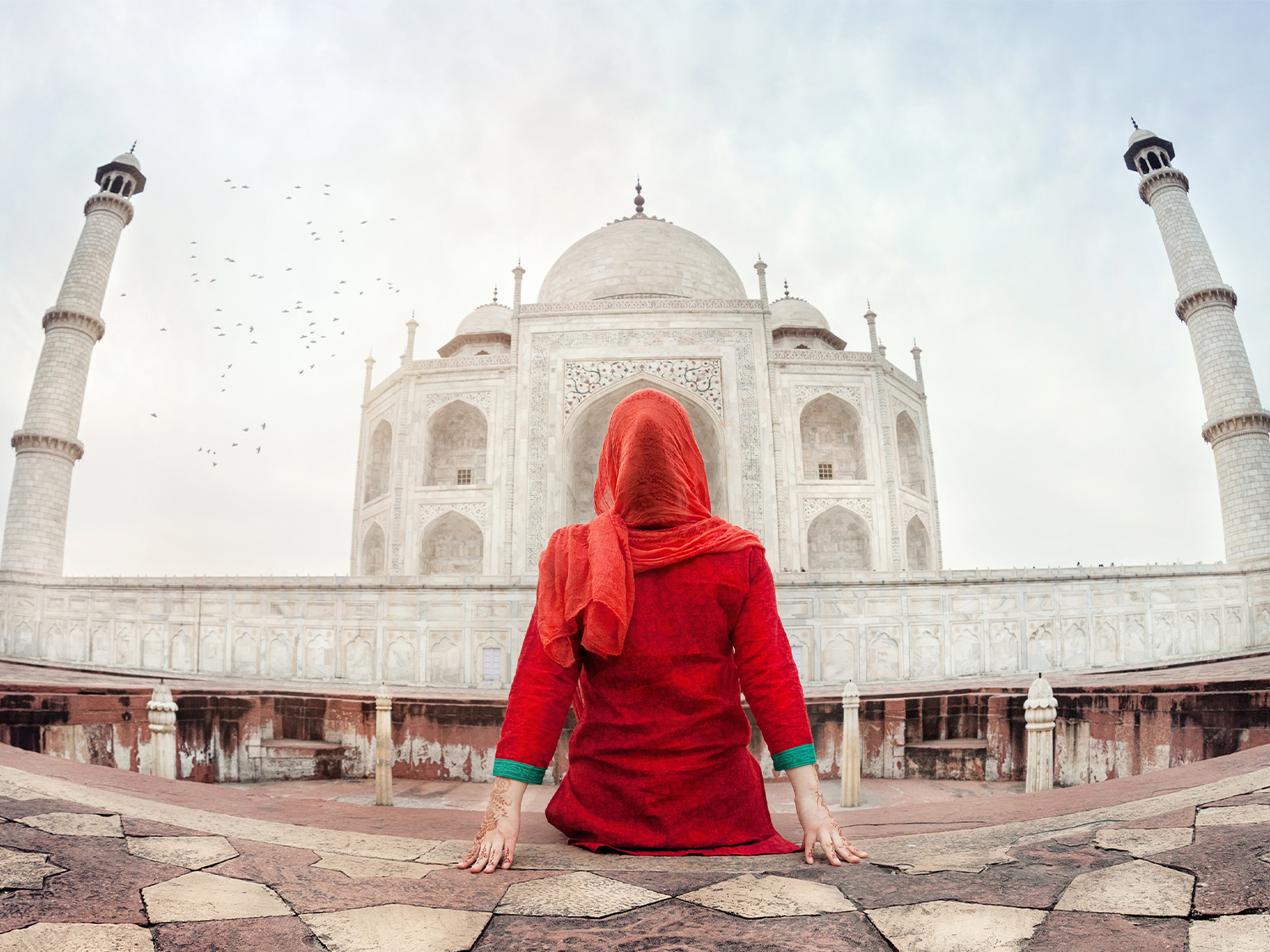 Golden Triangle Express - 5 daysTake in the best of India in five breathless days, perfect for those short on time or looking to see the Taj Mahal without breaking the bank! Explore the Indian capital of Delhi, visiting the Jama Masjid mosque, a memorial to Gandhi at Raj Ghat and see the UNESCO-listed Red Fort. Discover the sights of Jaipur on a guided tour and spend two nights. And in Agra, visit the legendary Taj Mahal and Agra Fort, before returning to Delhi, with an included drop off at the airport.Worldwide Touring5
This tour was great, there were only 4 of us on it and we all got along. Akash who was with us the whole time was excellent and our driver Set, I don’t know how he negotiated the crazy Indian reason so seamlessly. Everything was perfect. The transportation, the locations and the food! I think this tour was really well done
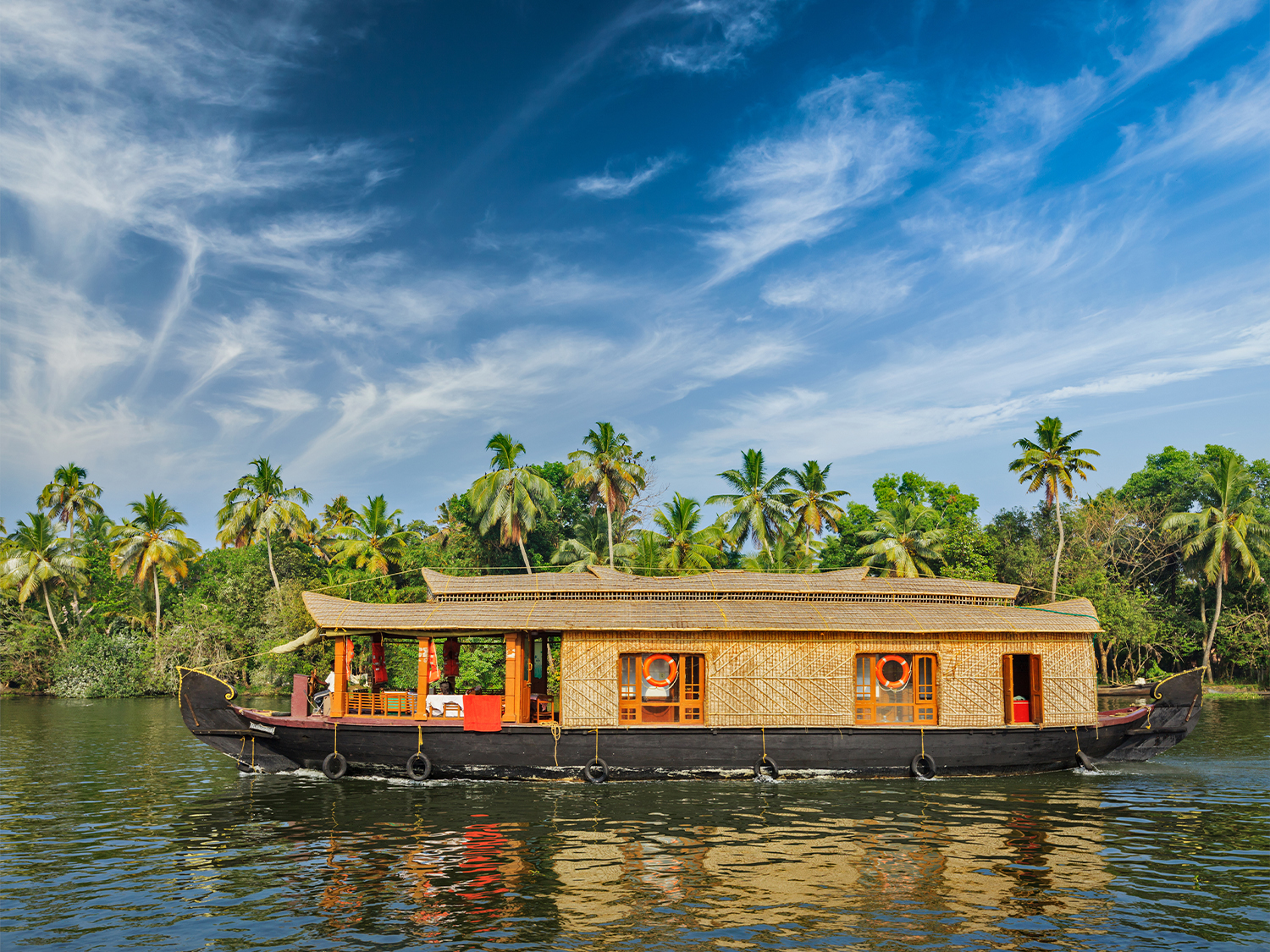 Captivating Kerala - 8 daysUncover the delights of tropical Kerala in India's deep south on this 8-day group tour. From Kochi visit the picturesque hill station of Munnar with its verdant tea plantations as well as Periyar Wildlife Sanctuary. Spend a night aboard a houseboat, gliding along the tranquil, palm fringed backwaters.Signature Journeys8
The houseboat on the backwaters. The calm and peace of Kerala. The beautiful scenery. Guide didn't come with us (we were only 3). My travel agent checked when I booked and was told a guide would accompany us with just 3. Some of the hotels were too remote. They were lively but you couldn't leave the hotel to eat or explore. Particularly in Kochi, the hotel should be in old town.
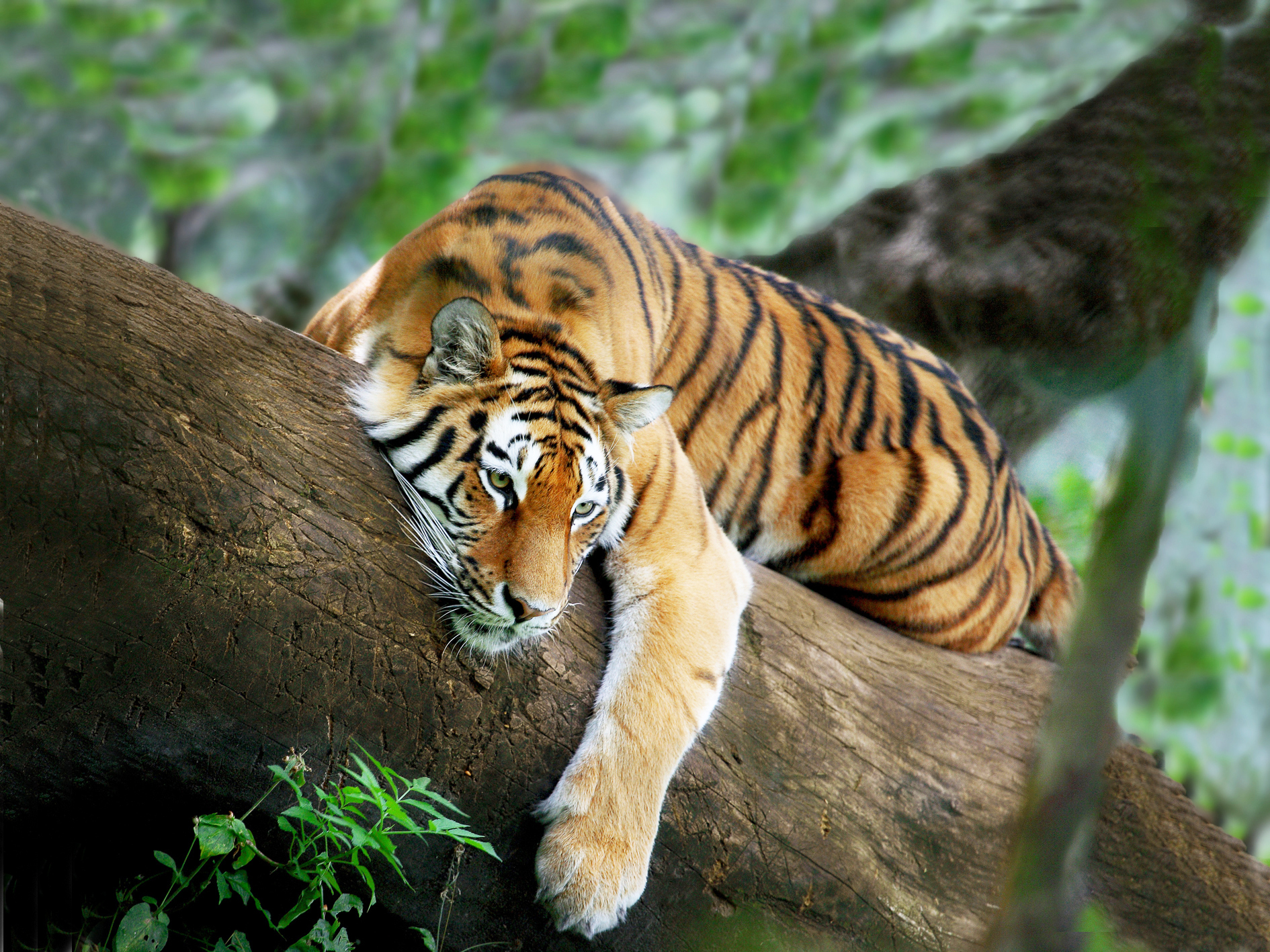 Golden Triangle & Tigers - 10 daysWILDLIFE TOUR: Experience the magic of northern India on this 10-day adventure from Delhi. Discover Old and New Delhi, marvel at the majestic Taj Mahal, and explore the mighty Agra Fort. Stay in a heritage palace in Karauli or Dholpur before heading to Jaipur for its vibrant bazaars, Amber Fort and royal palaces. Enjoy a thrilling jeep safari in Ranthambore National Park in search of elusive Bengal tigers, then return to Delhi for a final night. With historic sights, colourful culture, wildlife encounters and stays in regal settings, this tour offers an unforgettable taste of India’s Golden Triangle and beyond.Signature Journeys10
Yusuf was an incredible tour guide - engaging, knowledgeable, funny, and attentive to his tour members' needs. The ancient landmarks of India were amazing to see, deserving of their worldwide fame. All the hotels and restaurants chosen for the tour were of excellent quality.
Golden Triangle Express - 5 daysTake in the best of India in five breathless days, perfect for those short on time or looking to see the Taj Mahal without breaking the bank! Explore the Indian capital of Delhi, visiting the Jama Masjid mosque, a memorial to Gandhi at Raj Ghat and see the UNESCO-listed Red Fort. Discover the sights of Jaipur on a guided tour and spend two nights. And in Agra, visit the legendary Taj Mahal and Agra Fort, before returning to Delhi, with an included drop off at the airport.Worldwide Touring5Everything was outstanding—sightseeing, food, and warm hospitality. The highlight was our driver, Durgeshwar. He was accommodating, courteous, well-spoken, and entertaining, drove safely, and cared for us like family. He made the journey truly comfortable and memorable. Please share our appreciation We felt the Delhi tour guide missed a few key spots. The Agra guide was generally good, though we noticed some issues with ticket handling. However, our Agra guide, Sumit, was outstanding—professional, friendly, and knowledgeable. He explained the Taj Mahal beautifully, took great photos of us.
Golden Triangle Express - 5 daysTake in the best of India in five breathless days, perfect for those short on time or looking to see the Taj Mahal without breaking the bank! Explore the Indian capital of Delhi, visiting the Jama Masjid mosque, a memorial to Gandhi at Raj Ghat and see the UNESCO-listed Red Fort. Discover the sights of Jaipur on a guided tour and spend two nights. And in Agra, visit the legendary Taj Mahal and Agra Fort, before returning to Delhi, with an included drop off at the airport.Worldwide Touring5Our visit to the Taj Mahal - this was partly due to the guide we had. He had extensive knowledge and was very pleasant and easy to interact with. Our Delhi morning tour wasn't as dynamic as the other places. It was cold when we visited Jaipur and our room had an air conditioning unit that didnt work. Staff gave us a small fan heater which was quite inadequate. The towels and sheets were wet, staff gave new dry towels when we asked
Golden Triangle & Tigers - 10 daysWILDLIFE TOUR: Experience the magic of northern India on this 10-day adventure from Delhi. Discover Old and New Delhi, marvel at the majestic Taj Mahal, and explore the mighty Agra Fort. Stay in a heritage palace in Karauli or Dholpur before heading to Jaipur for its vibrant bazaars, Amber Fort and royal palaces. Enjoy a thrilling jeep safari in Ranthambore National Park in search of elusive Bengal tigers, then return to Delhi for a final night. With historic sights, colourful culture, wildlife encounters and stays in regal settings, this tour offers an unforgettable taste of India’s Golden Triangle and beyond.Signature Journeys10Seeing the Taj Mahal and a Tiger in the wild We were supposed to be picked up at the airport on arrival, and the driver wasn't there and told to take a taxi which charged 7500 rupees for the ride to the hotel.
Taj Express - 8 daysSpend eight days discovering the cultural wonders of northern India, starting and ending in Delhi. From the bustling bazaars of Old Delhi to the majestic Taj Mahal in Agra, this tour is packed with iconic sights and rich history. Stay in heritage properties in Karauli or Dholpur, and explore Jaipur’s ornate palaces and the striking Amber Fort. Highlights include rickshaw rides, Mughal architecture, and the vibrant Pink City. With plenty of free time and optional experiences like hot-air ballooning and street food tours, this trip offers a colourful, well-rounded introduction to India’s Golden Triangle.Signature Journeys8So many things! Taj Mahal was a definite stand out though Long drives between locations weren't great but obvioulsy unavoidable
India tours at a glance
Trip and guiding style
India tours come as group or private trips, with guiding that can be fully guided or partly guided. A few are self-guided or semi-independent, with key plans set out and help with the main steps.
Accommodation
Accommodation depends on the itinerary, from 3 star, 4 star and 5 star hotels, and many trips use heritage hotels too. Some itineraries add lodges, resorts, forts, homestays, a deluxe houseboat, hostel dorm accommodation, a desert camp, or a fixed tented camp, and we may swap to a same-level stay if rooms sell out.
Trip pacing
Pace varies a lot, from slow city getaways and beach stays to fast routes that cover more in less time. Many itineraries have early starts, and travel days by road, rail, or flight, so it helps to stay flexible.
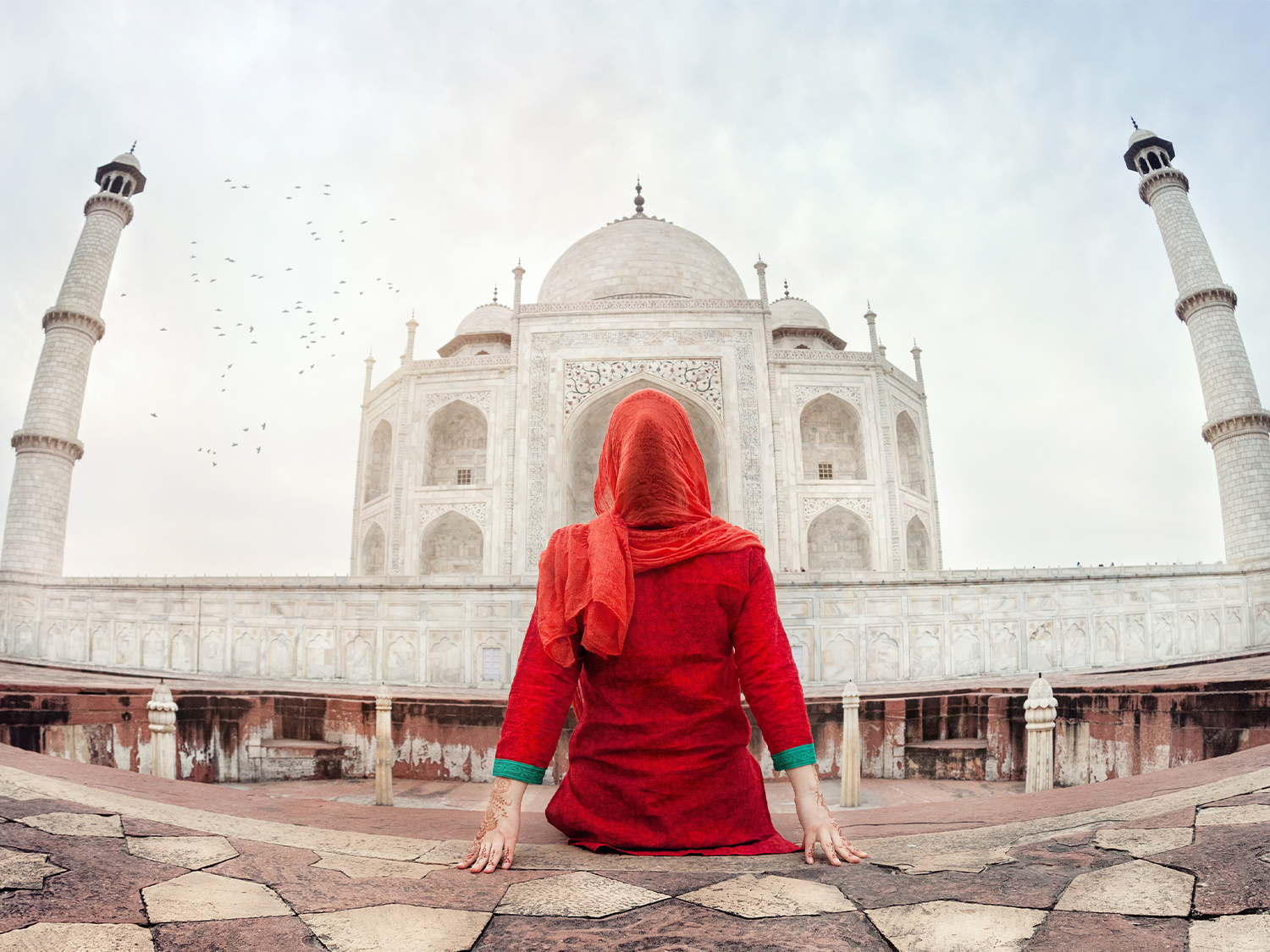
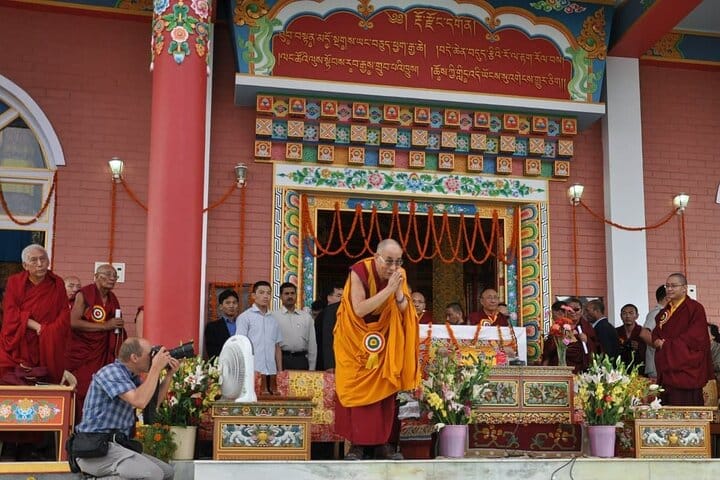
Group Tours: Shared experiences
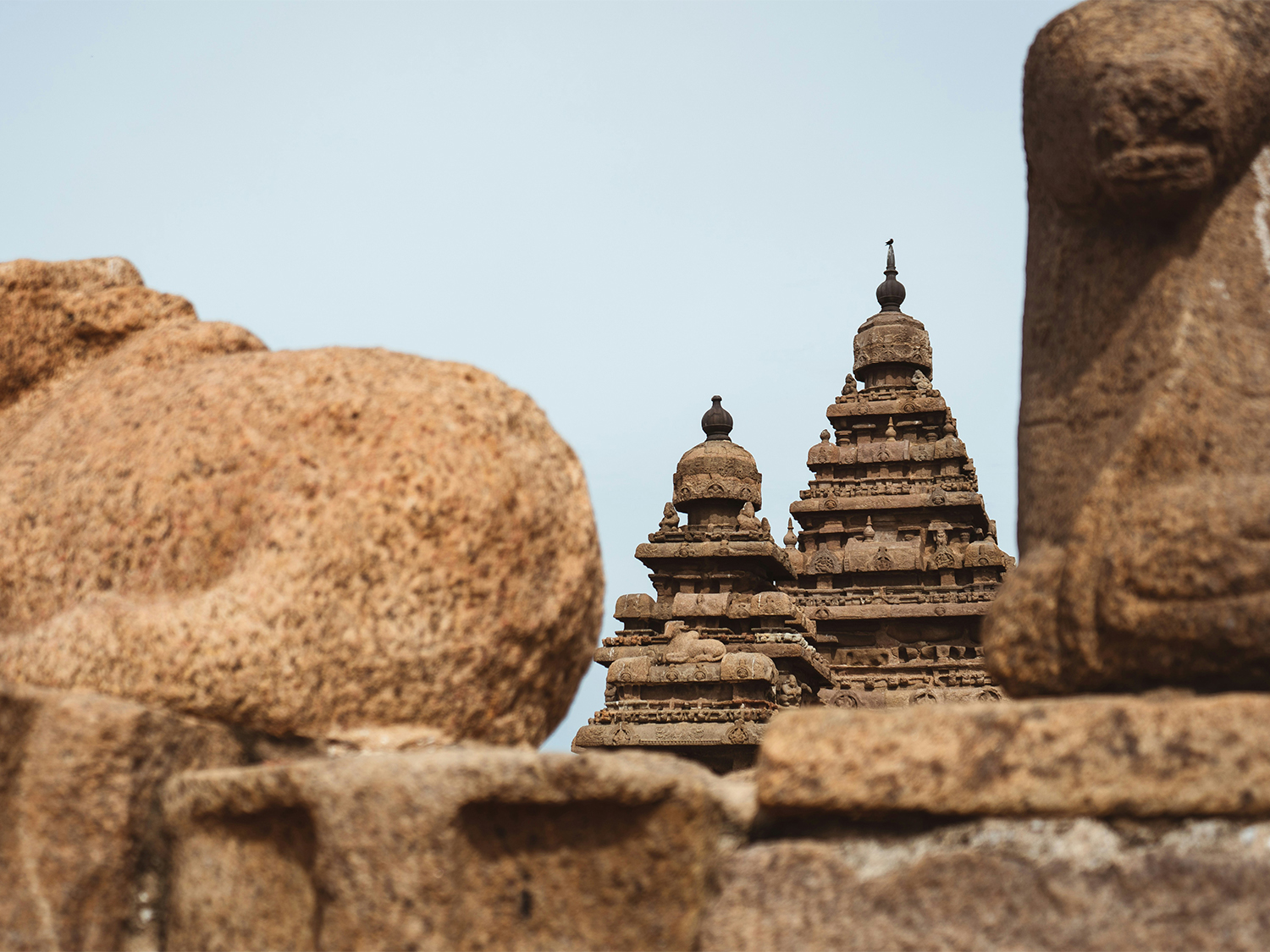
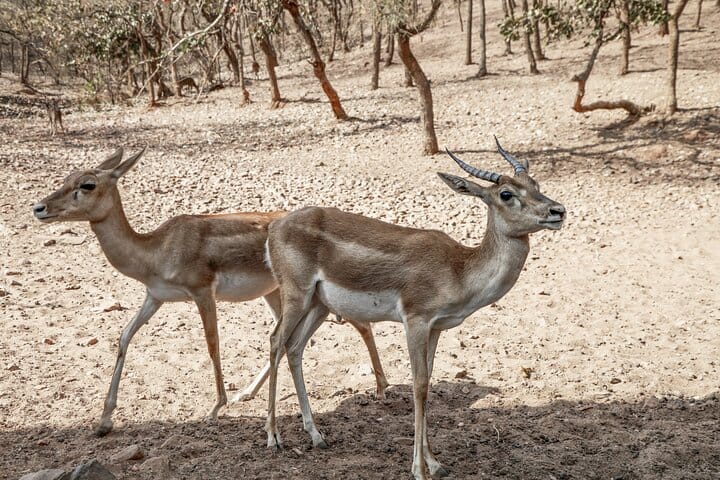
Private Tours: Travel with friends and family
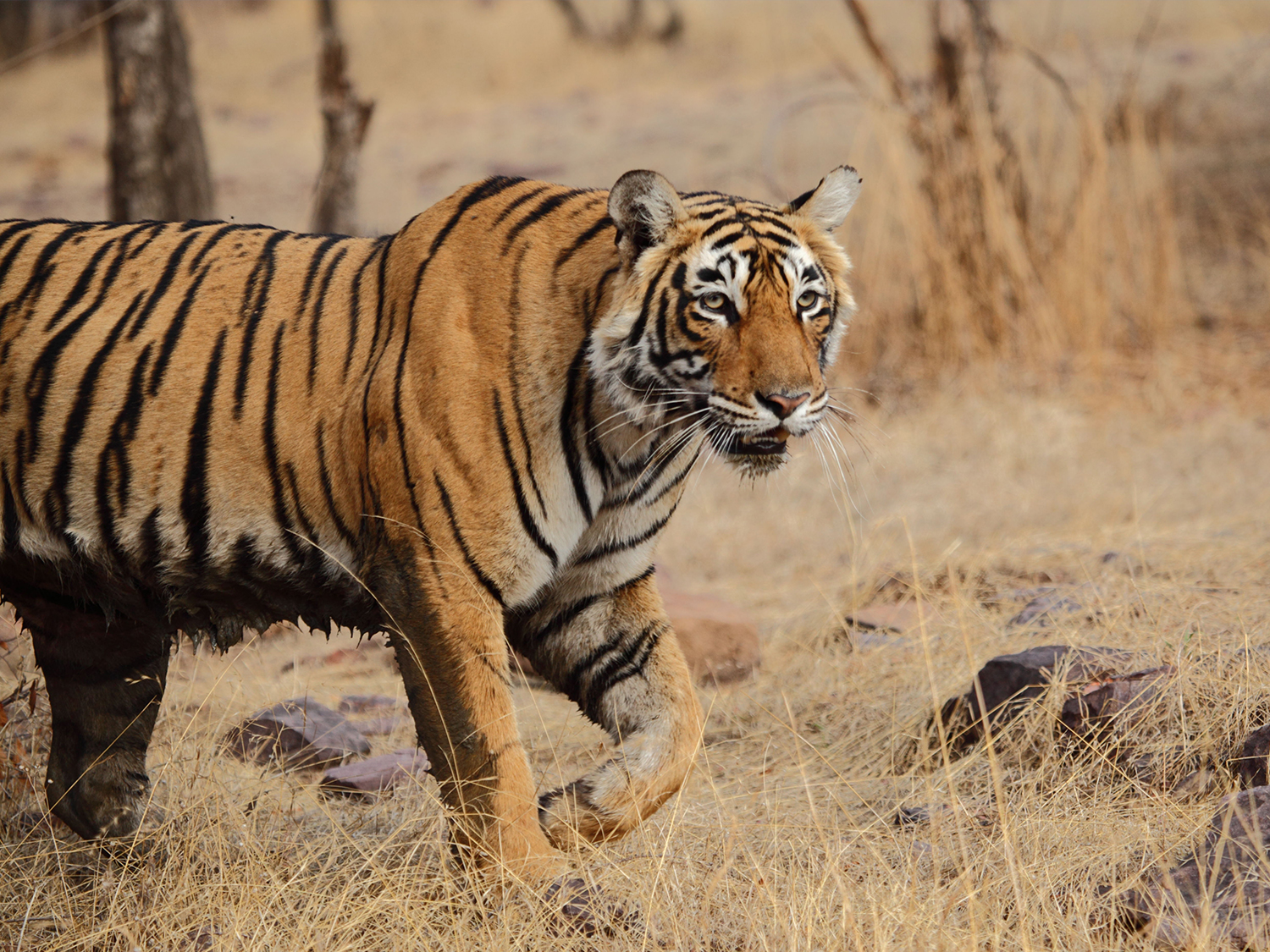

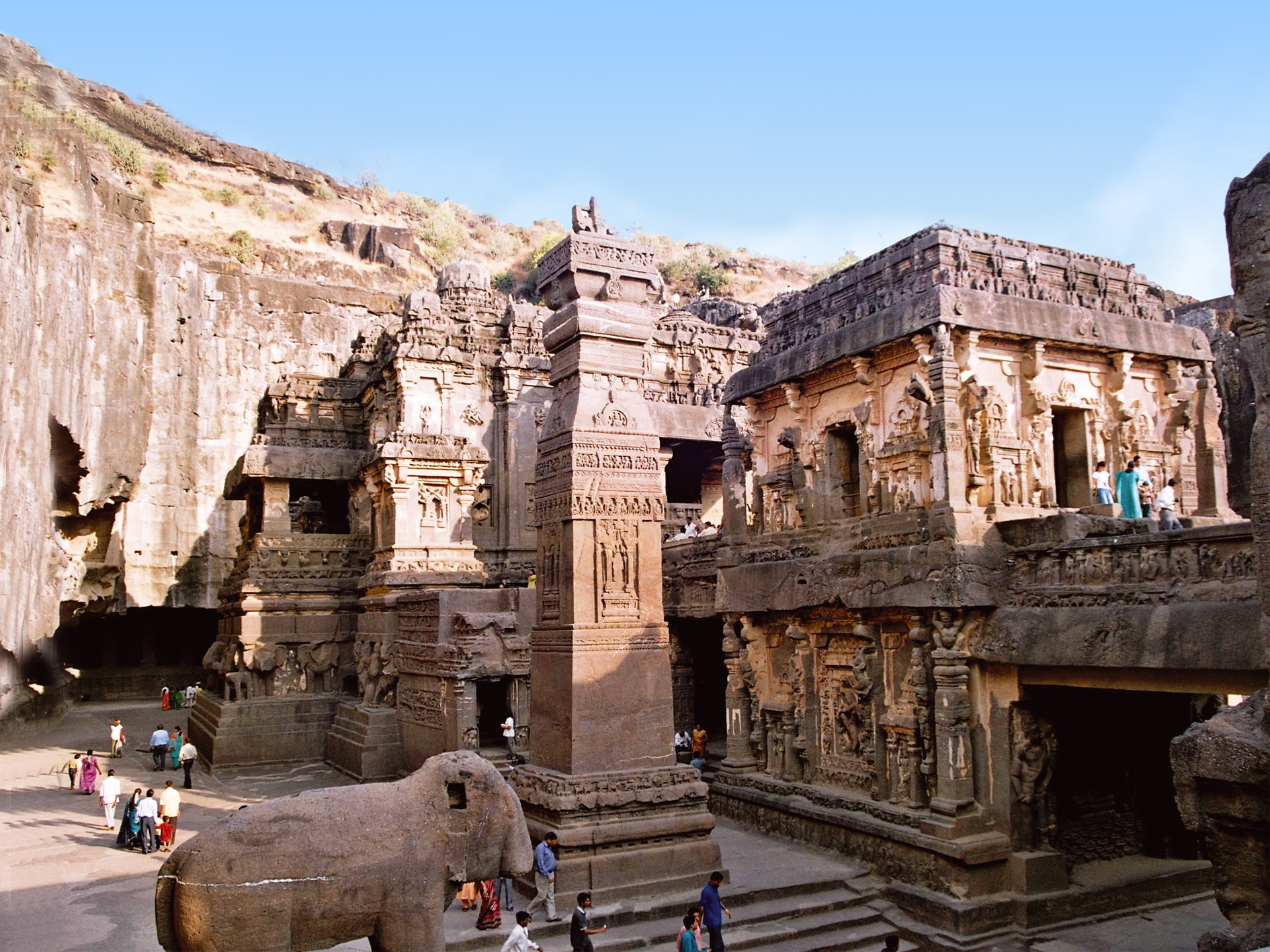
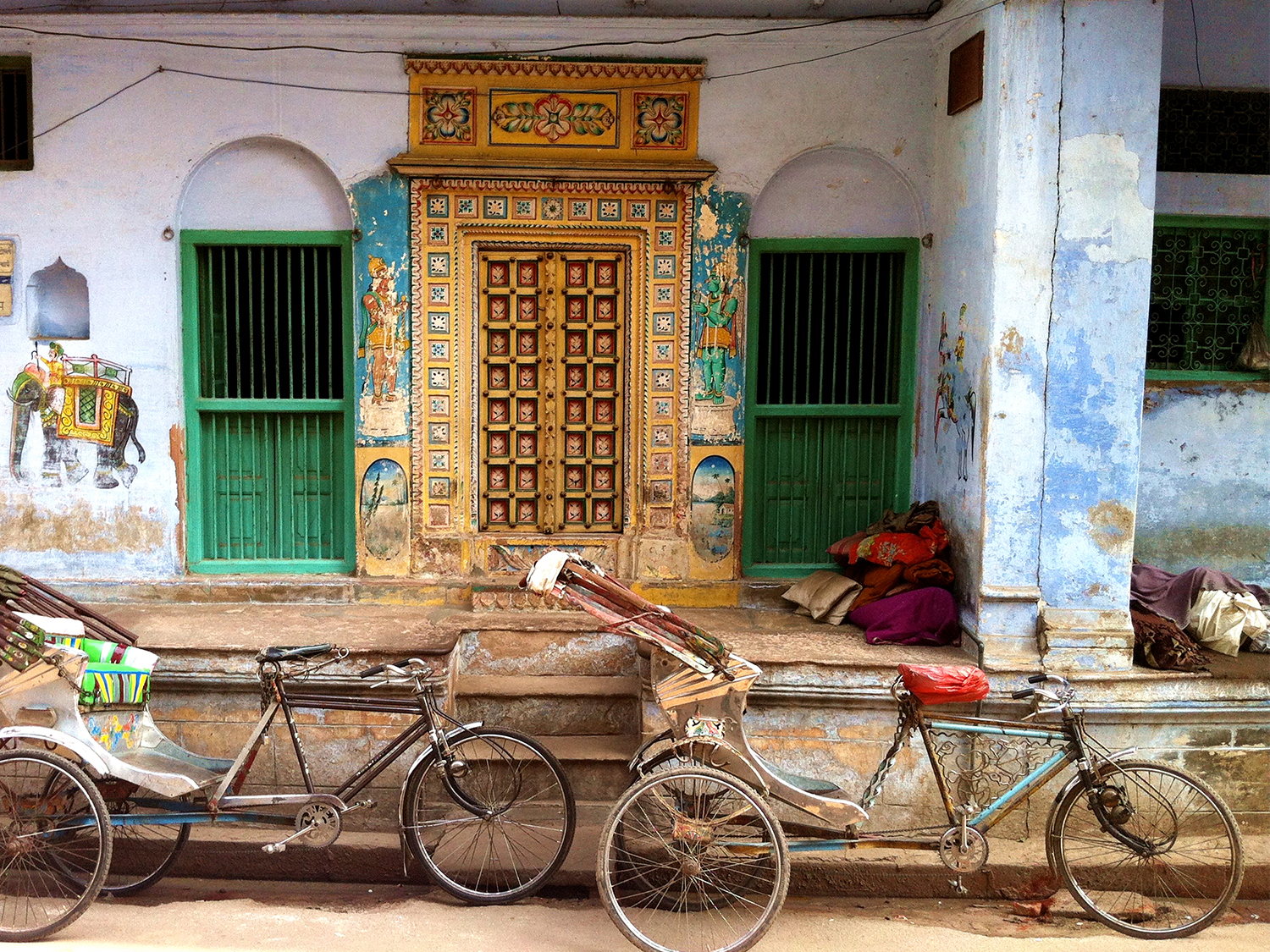
City Explorer: Discover the city and beyond
Find your perfect duration
Expertly planned itineraries help you make the most of every day.
What you'll see in India
Famous cities, royal forts, sacred waters and calmer corners of India
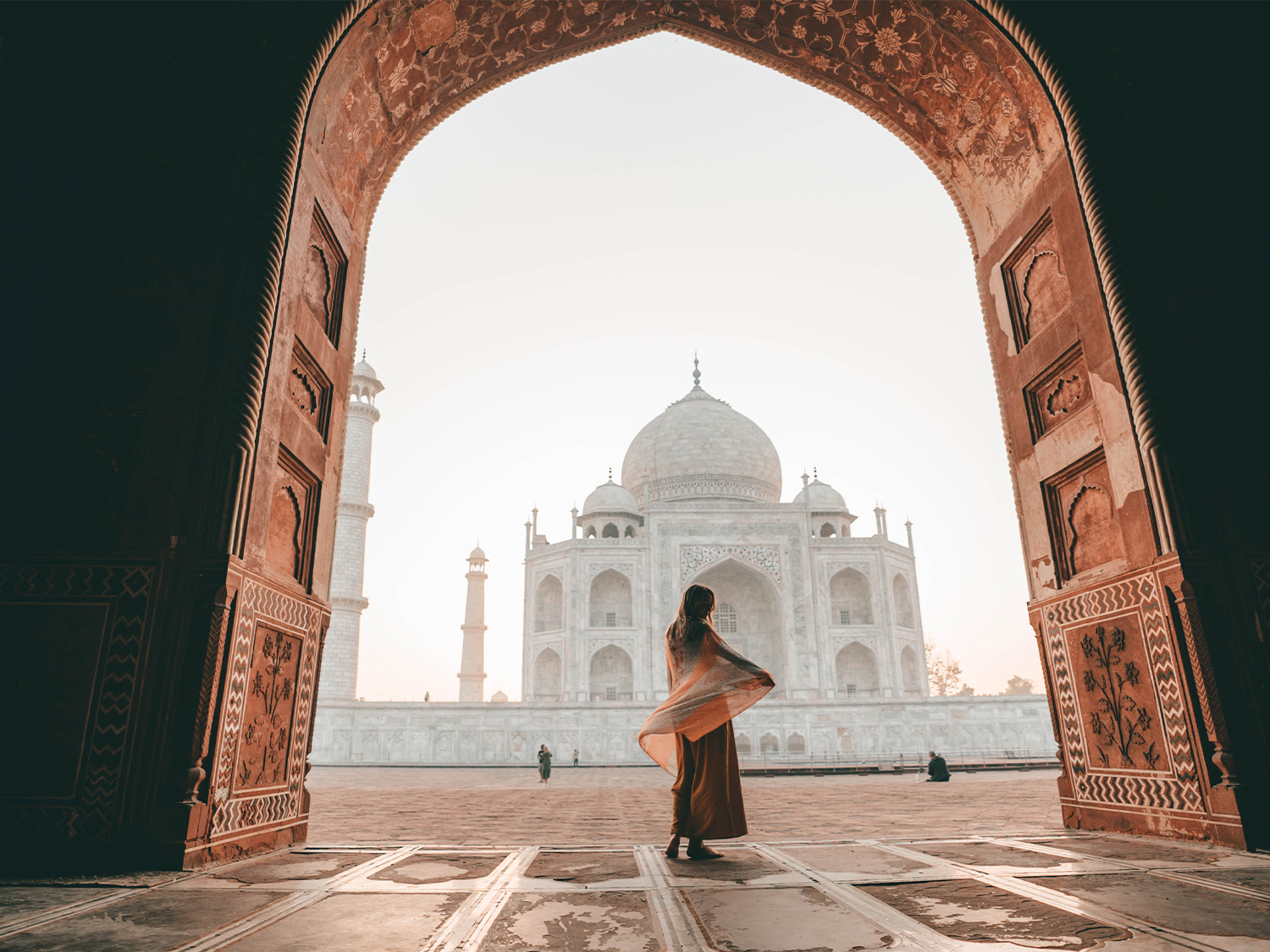
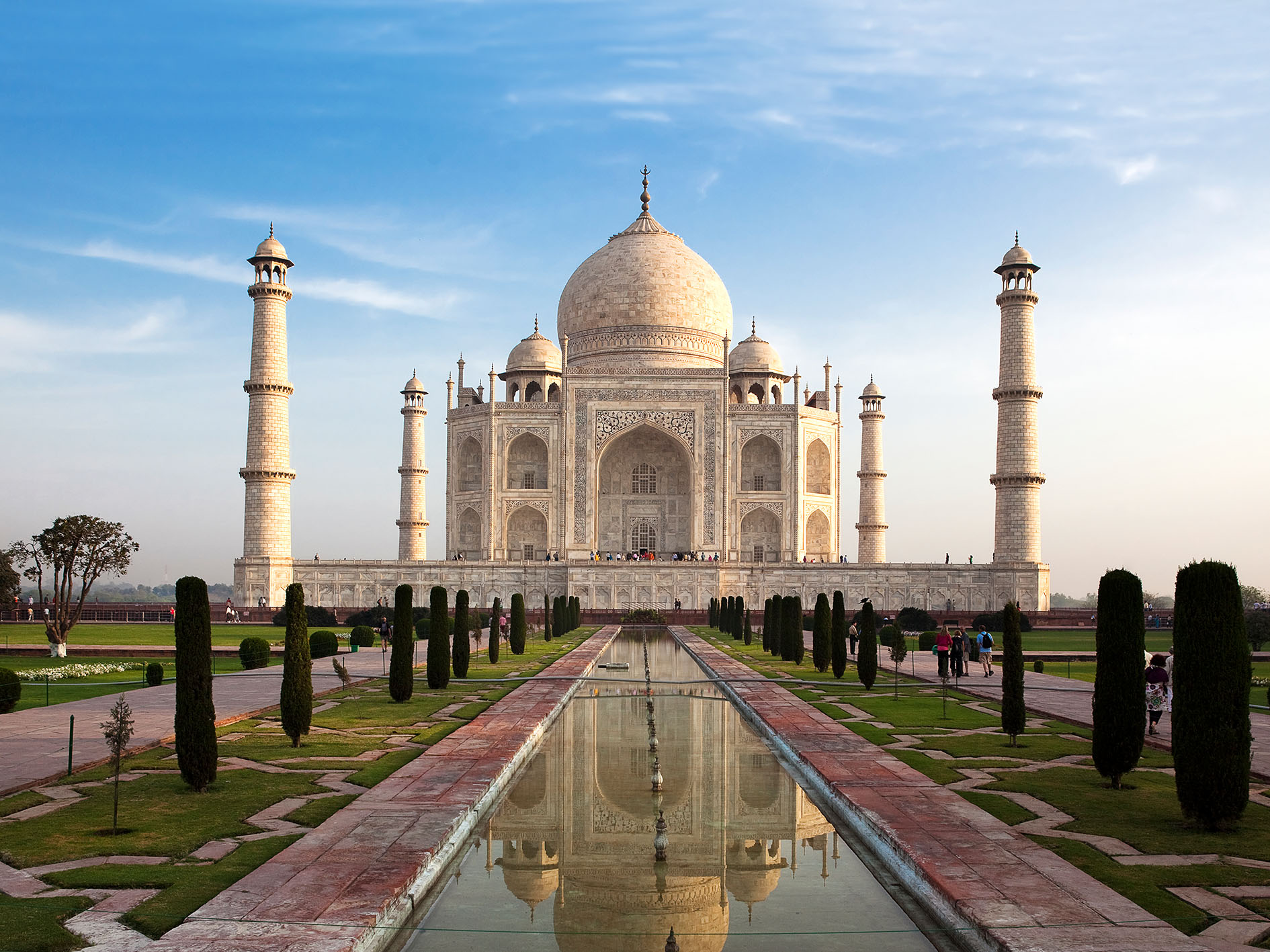
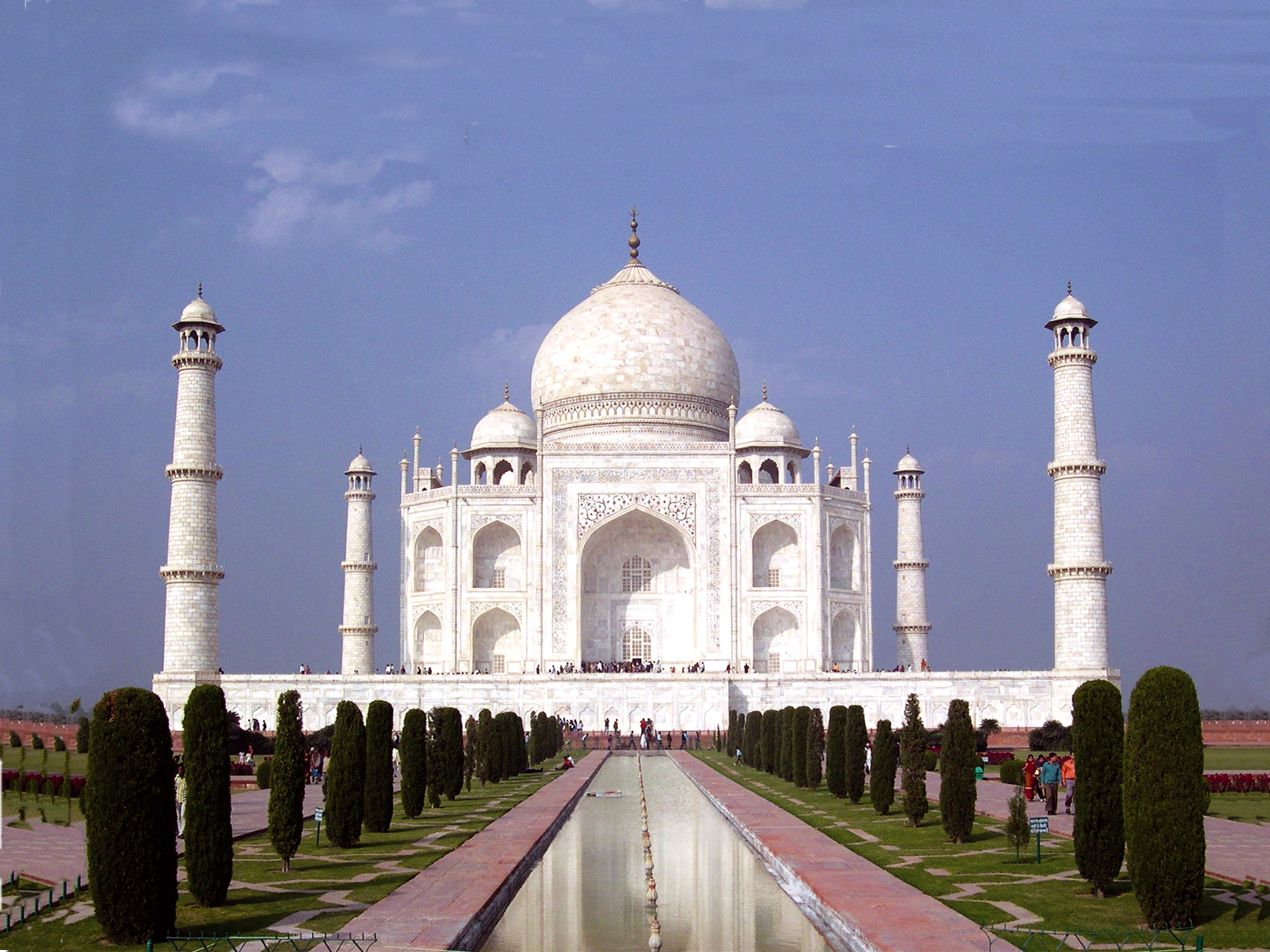
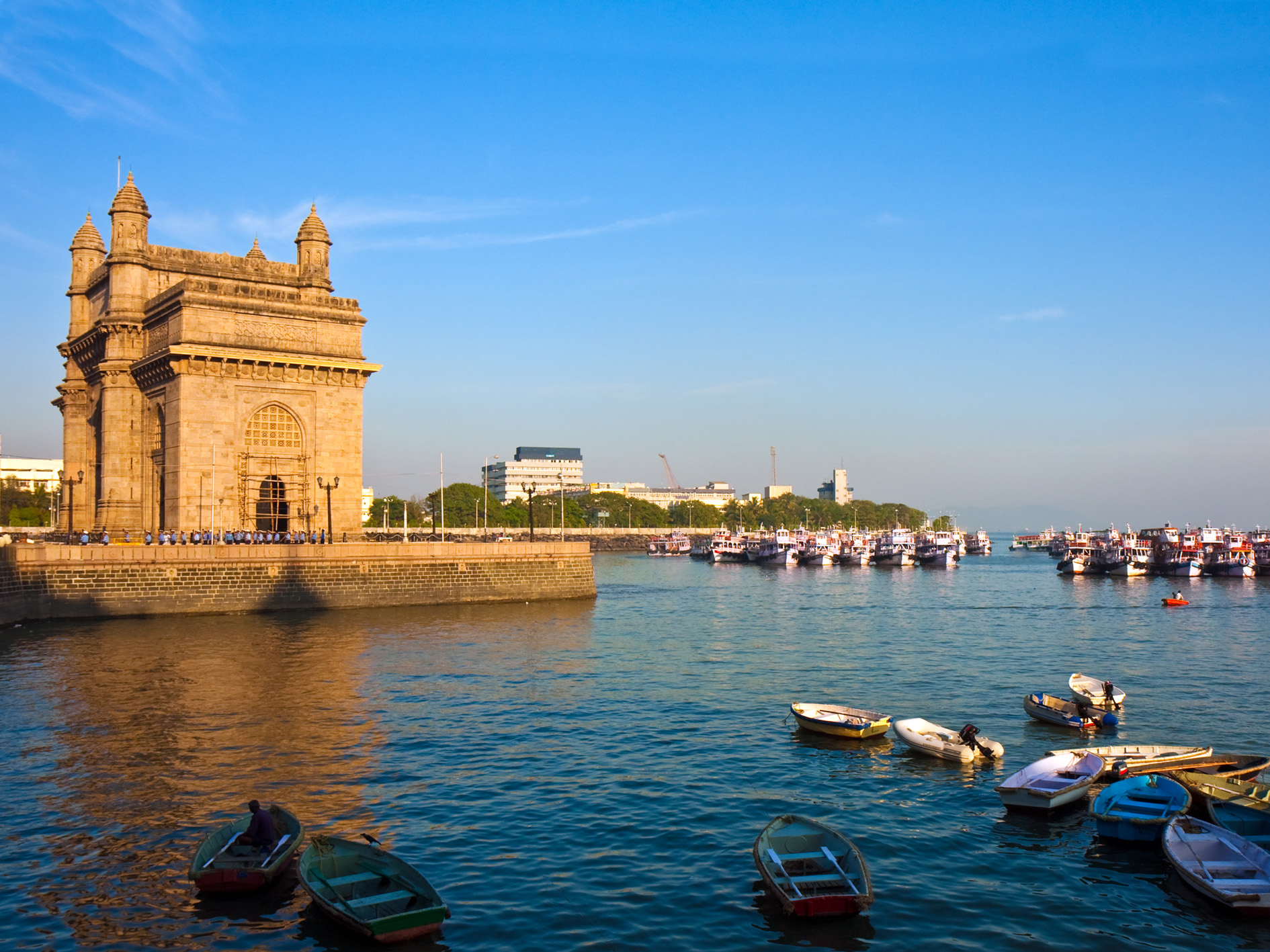
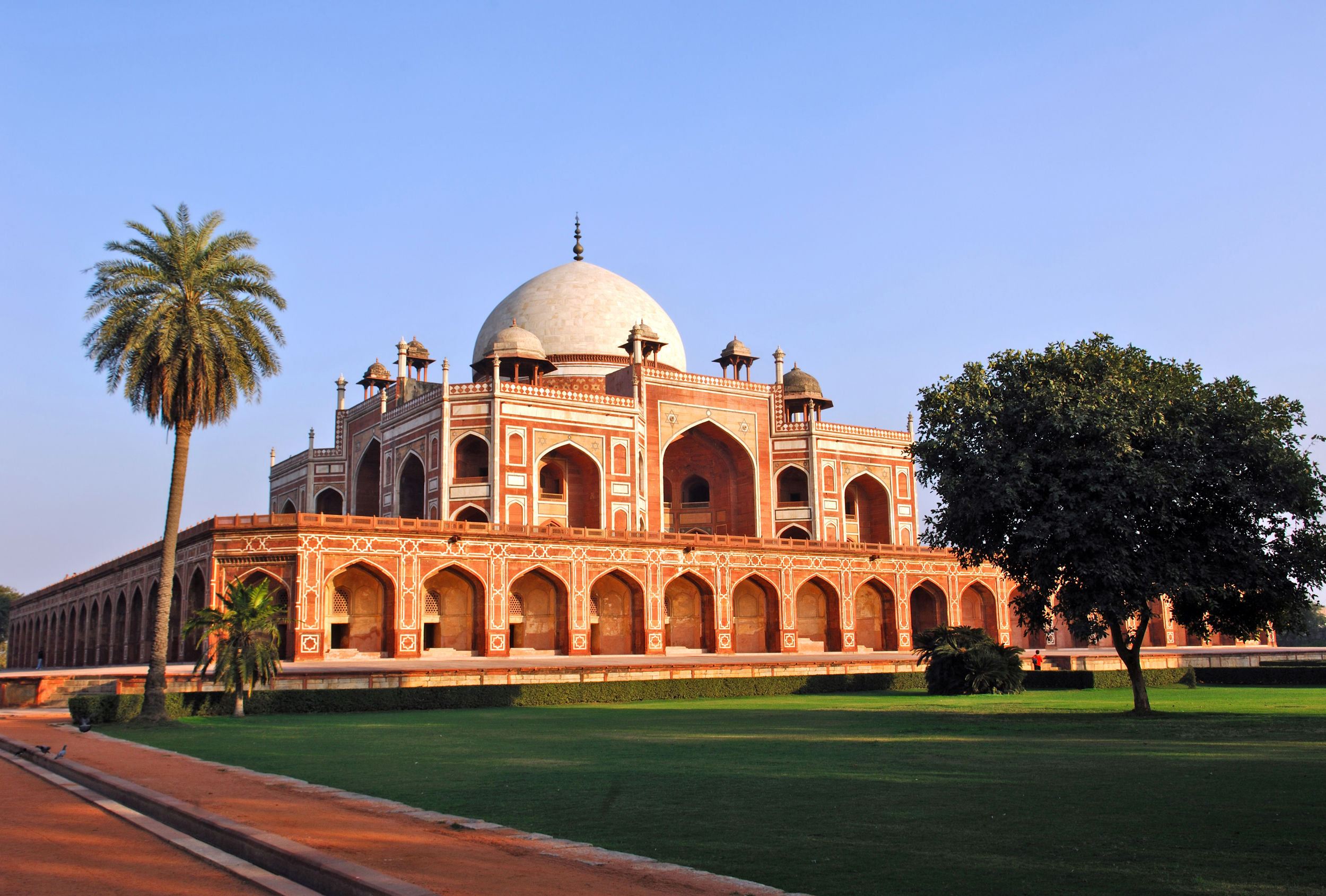
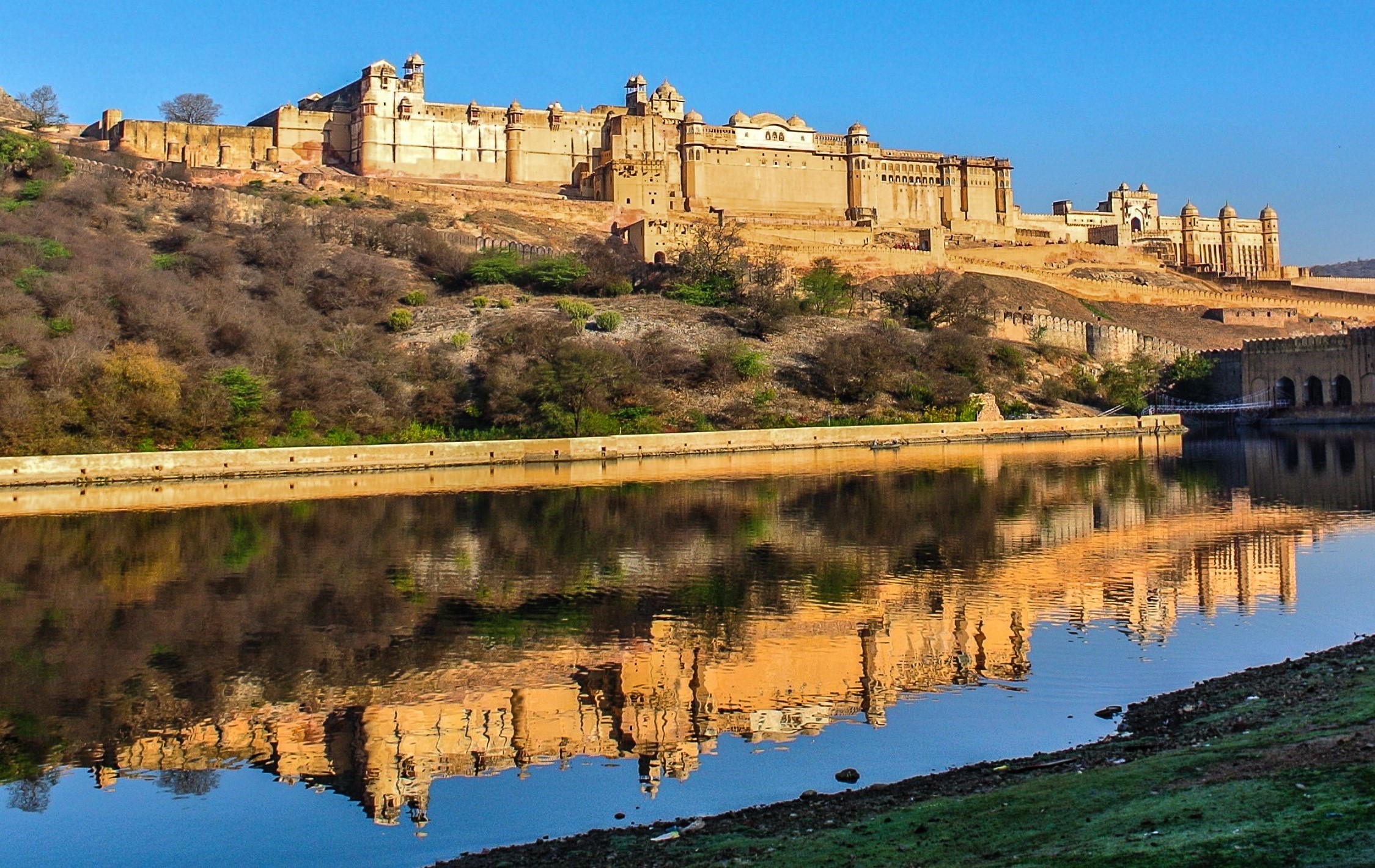
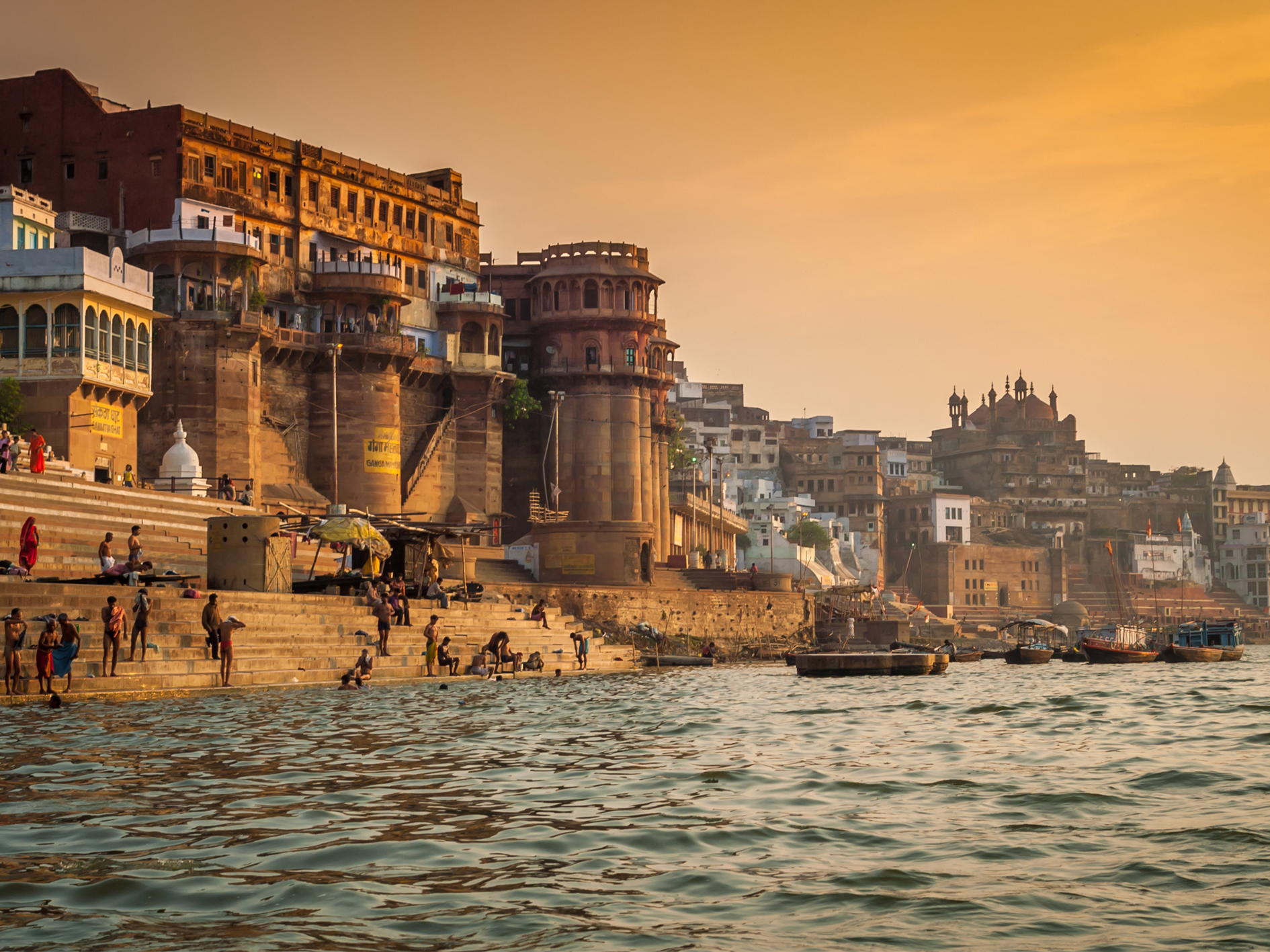
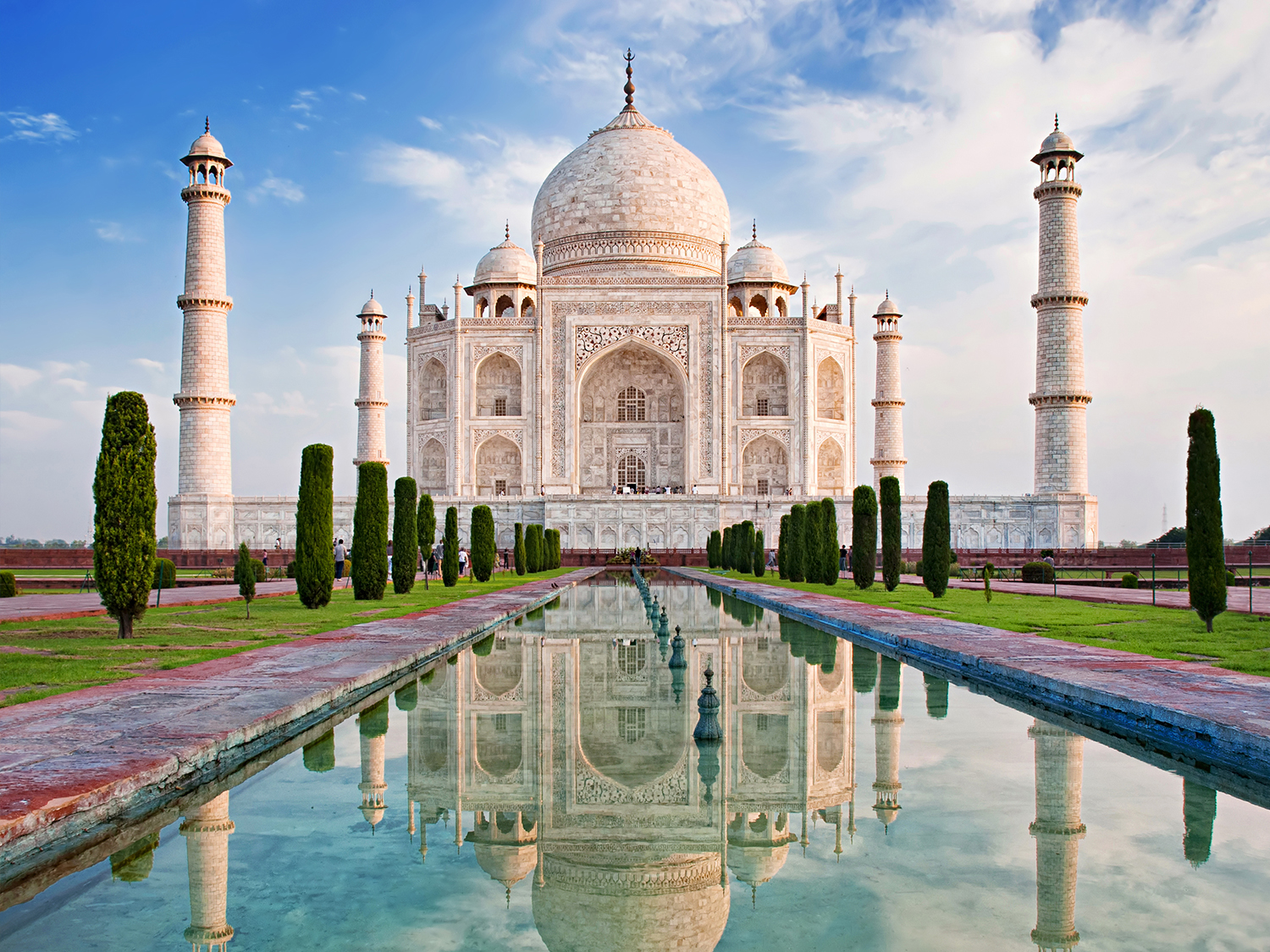
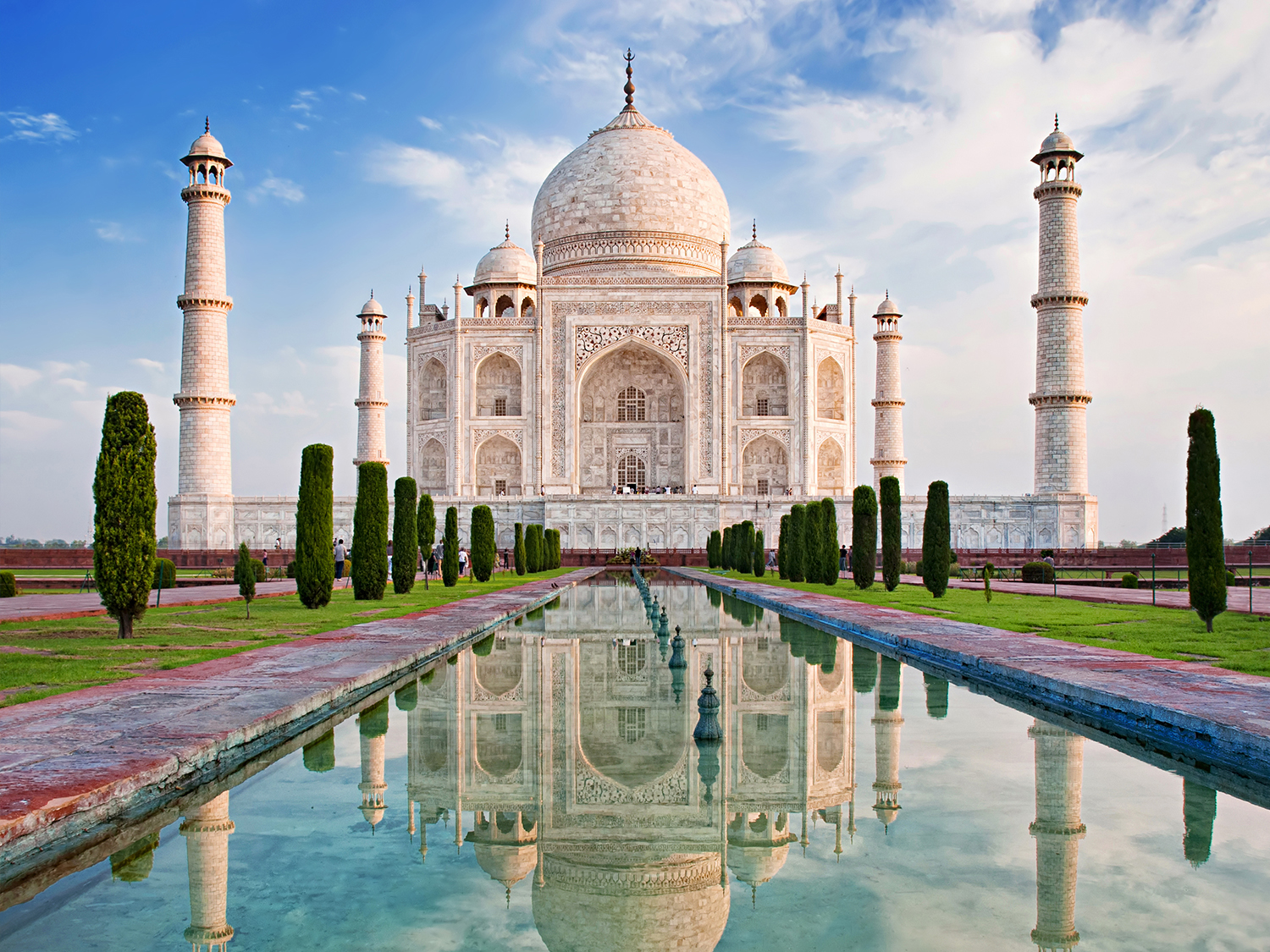
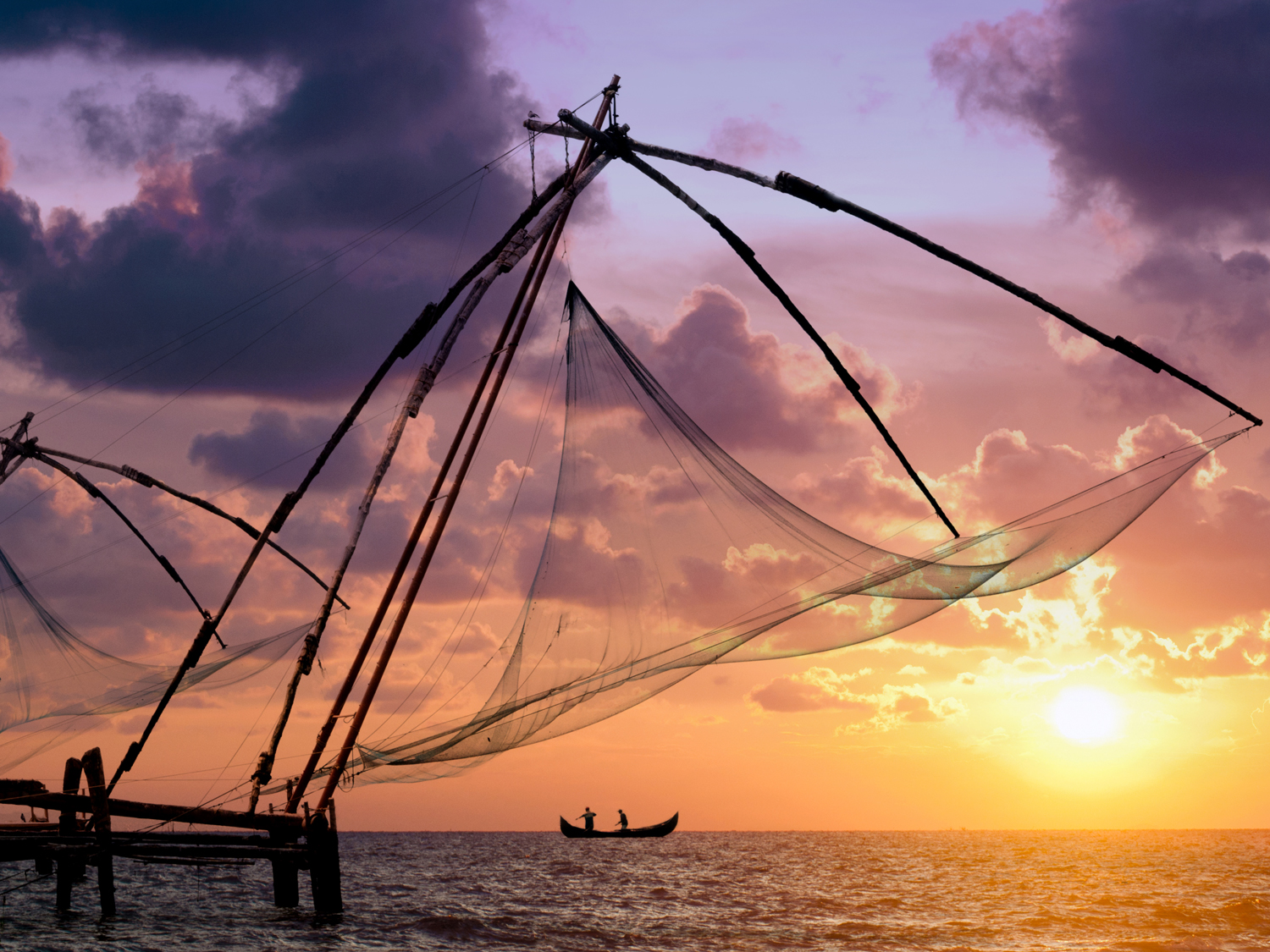
Many India tours start in Delhi, where Jama Masjid, the Red Fort and the energetic lanes of Chandni Chowk set the pace for the days ahead. From there, itineraries often continue to Agra for the Taj Mahal and Agra Fort, with time to understand the Mughal detail that shapes the city’s most famous sites. Jaipur is frequently next, bringing Amber Fort, royal avenues and pink-hued facades that glow in the afternoon light. Further east, Varanasi can feel deeply moving on the River Ganges, with early-morning boat rides and evening rites that unfold on the ghats. In the south, Kochi’s waterfront, colonial-era buildings and older lanes lead naturally into Kerala’s slower rhythm and greener landscapes. Here you can visit Munnar’s tea fields, spend time in the area around Periyar, and cruise the Kerala Backwaters by houseboat or traditional rice boat. Some routes also include Udaipur, Jodhpur and Ranthambore National Park, depending on the pace and focus of the itinerary.
Discover the highlights of India
Why visit India
A journey of color, history and faith, with wildlife and coastline too
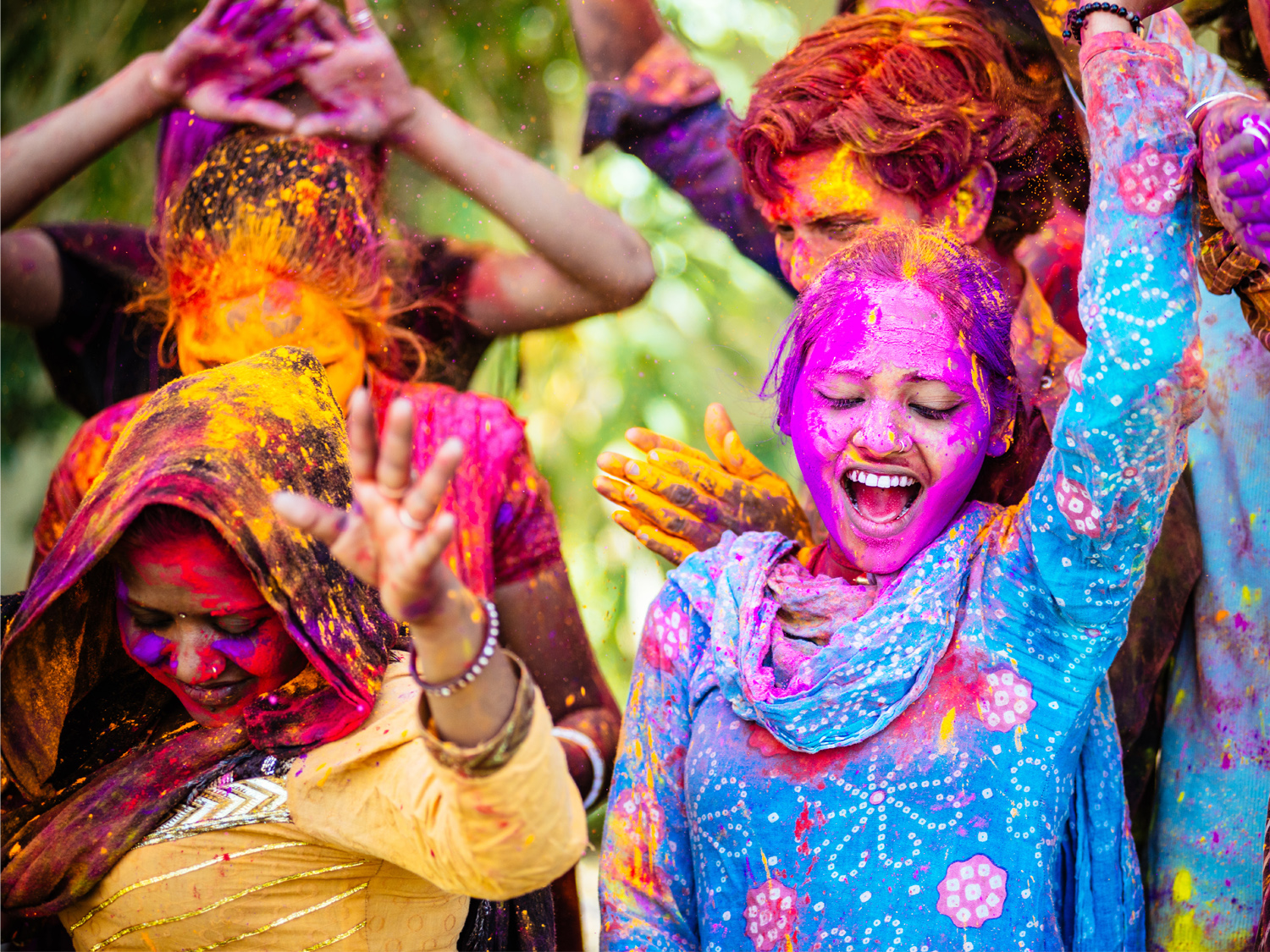
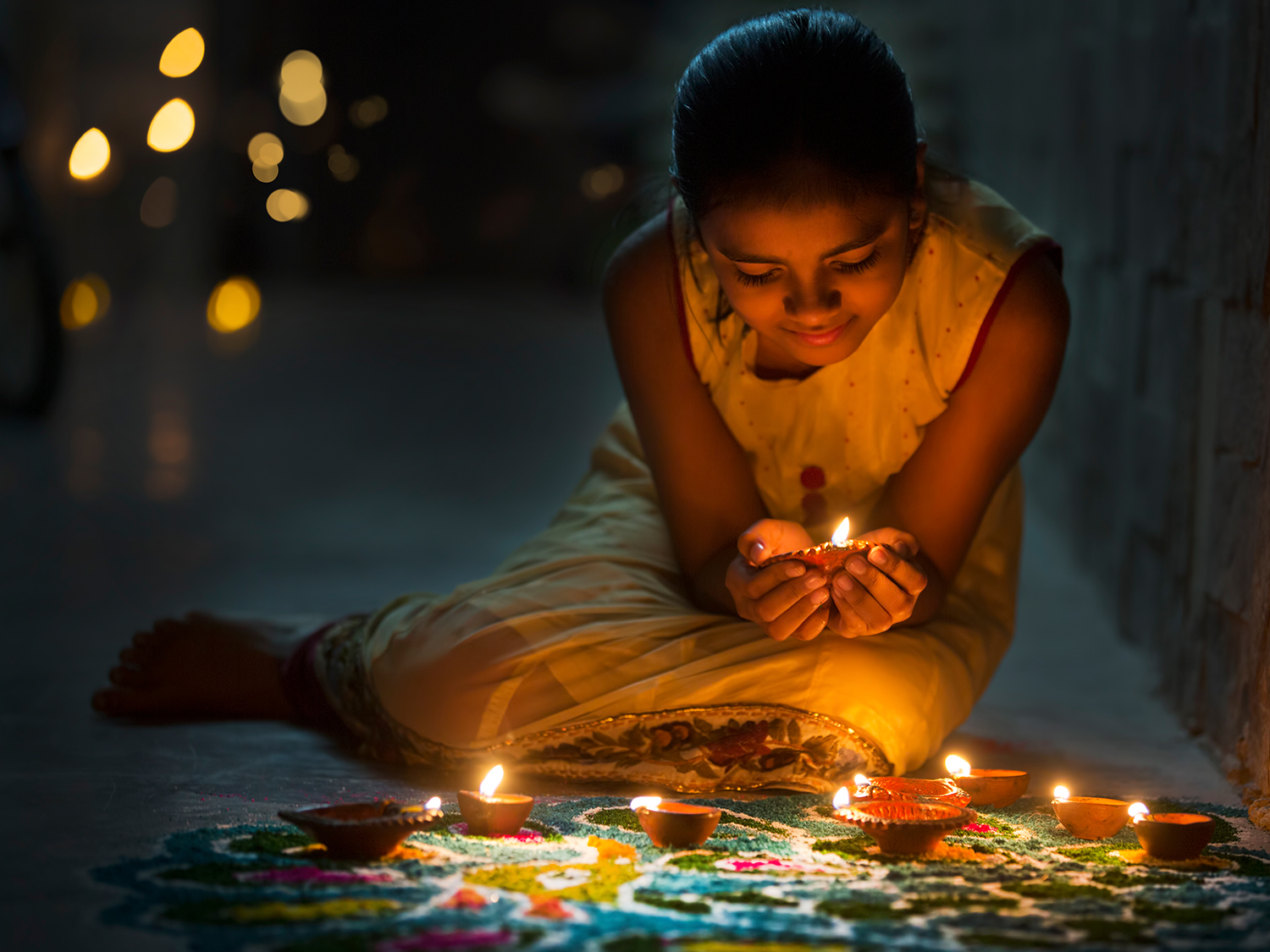
India rewards curiosity, with days that move between grand architecture and everyday street life in a way that feels constantly engaging. You might hear the call to prayer near a mosque, then later watch aarti by the river as lamps and chanting fill the evening air. Mughal and Rajput history is especially vivid in vast forts and ornate palaces, and the Taj Mahal more than earns its reputation when you see it in person. Beyond the famous icons, many tours also slow down and feel more local, from the tea hills around Munnar to the spice-scented forests near Periyar. In Kerala, an overnight stay on a rice boat offers a calm counterpoint to the cities, with quiet waterways and village scenes drifting past. If you enjoy nature, parks such as Ranthambore, Kanha and Pench add a different dimension, where game drives look for a range of animals and birdlife, not only the tiger. You can also plan travel around festivals like Holi or Diwali, which can give your itinerary an extra layer of meaning through local traditions and celebrations. Guided tours and private trips help simplify complex travel days, leaving you free to focus on places, food and the stories behind them.
Frequently asked questions
Are India tours fully guided or more independent?
India tours come in several styles, ranging from fully guided trips with a tour guide throughout to partly guided itineraries. On partly guided trips you’ll usually meet expert local guides in key places, while travel between stops follows a set plan that keeps the journey organized. Some short breaks are self guided, which can suit travelers who want more independence. Each itinerary explains the guiding style clearly, so you can choose the level of support that feels right.
What are the most common places on India guided tours?
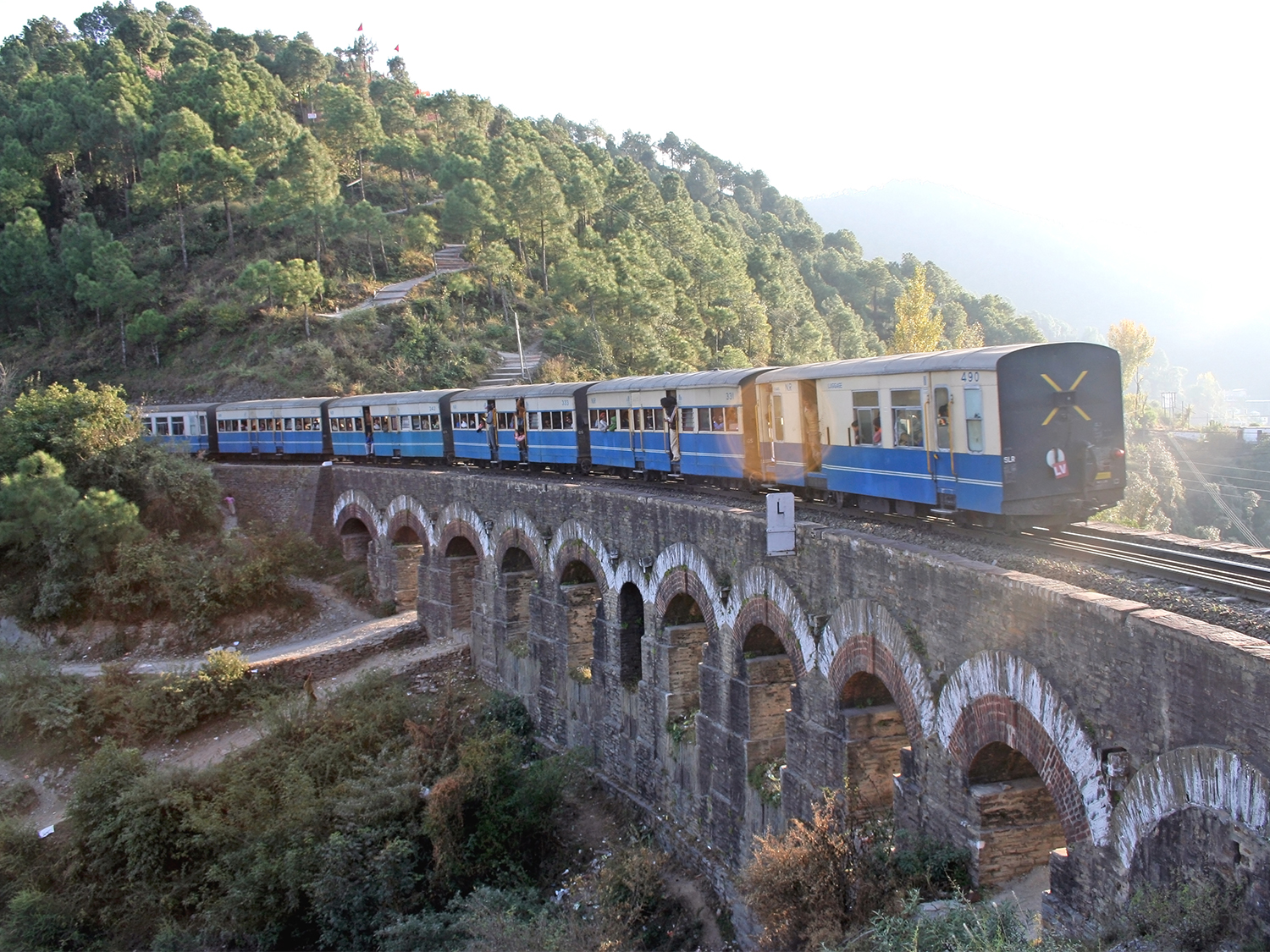
Many guided tours cover Delhi, Agra and Jaipur, often known as the Golden Triangle, because the route gives you a strong introduction to North India’s major landmarks. A number of itineraries also add Varanasi on the River Ganges, or head south to Kerala for Kochi, Munnar, Periyar and the Kerala Backwaters. The exact route and pace depend on the itinerary you choose, as some focus on highlights while others include slower, more regional travel.
Do India tours include the Taj Mahal?
Many India tours include the Taj Mahal in Agra, particularly those that follow a Golden Triangle route via Delhi and Jaipur. However, some itineraries focus on other regions, such as Kerala, the Himalayas, or wildlife parks, so the Taj Mahal is not included on every tour. Check the day-by-day itinerary to confirm what is covered and when key visits take place.
What accommodation can be expected on India tours?
Accommodation depends on the trip and destination, and can range from 3 star hotels and heritage properties to 4 star and 5 star accommodation with a higher level of comfort and facilities. Some itineraries also include distinctive stays, such as a night on a deluxe houseboat in Kerala, which can be a highlight in its own right. A small number of trips may use hostel dorm rooms or desert camping, where that fits the route and travel style. Your chosen itinerary will outline the accommodation standard and the type of stay you can expect.
Are there India tours that focus on Kerala backwaters?
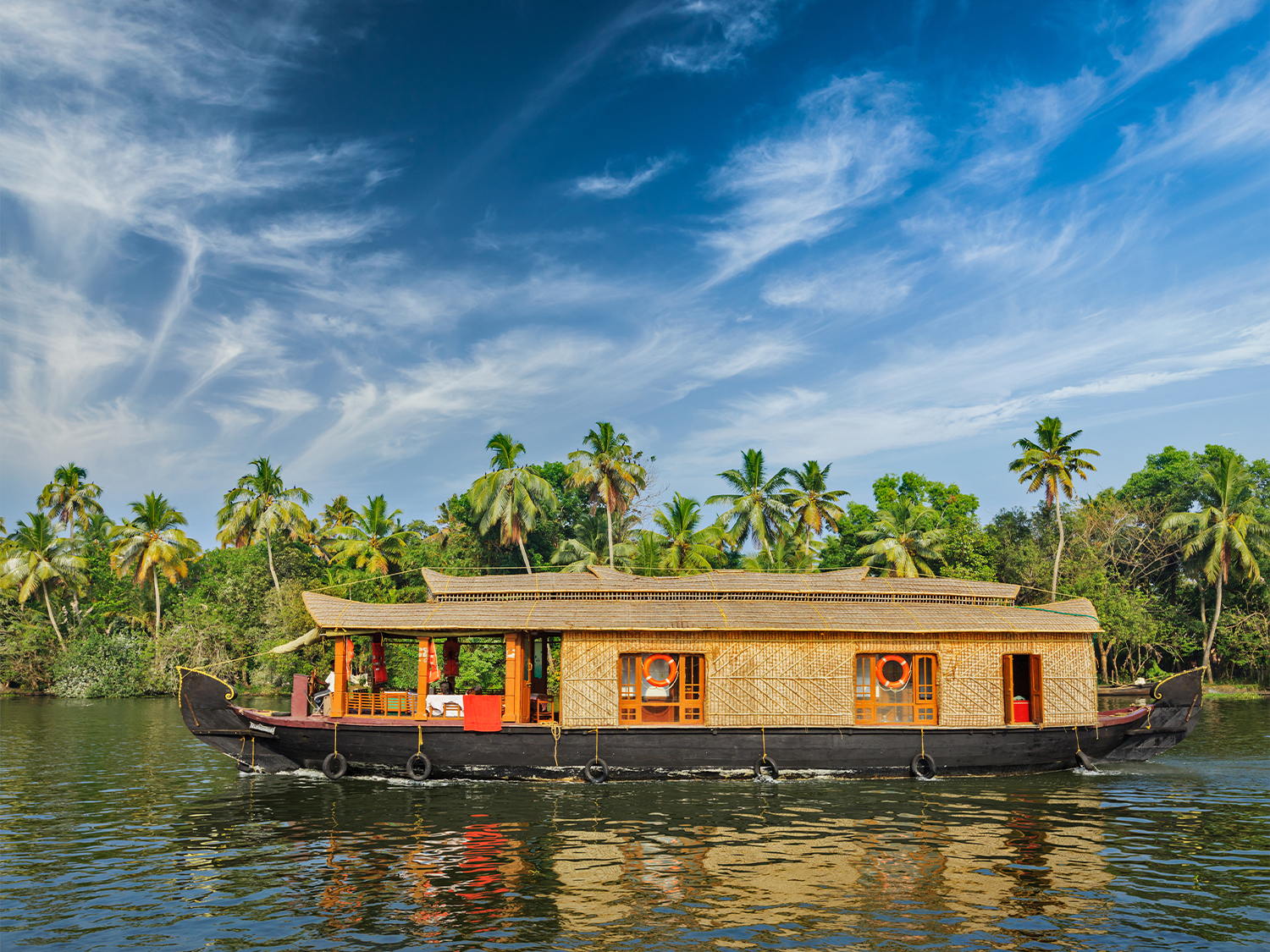
Yes. Some itineraries focus on Kerala, with time in Kochi, Munnar and Periyar, followed by a backwater cruise through palm-lined canals and village waterways. Many include an overnight stay on a houseboat or rice boat, which offers a slower pace and an easy way to take in the scenery. These tours suit travelers who want a more relaxed rhythm while still seeing key sights and cultural highlights.
Are there wildlife-focused tours in India?
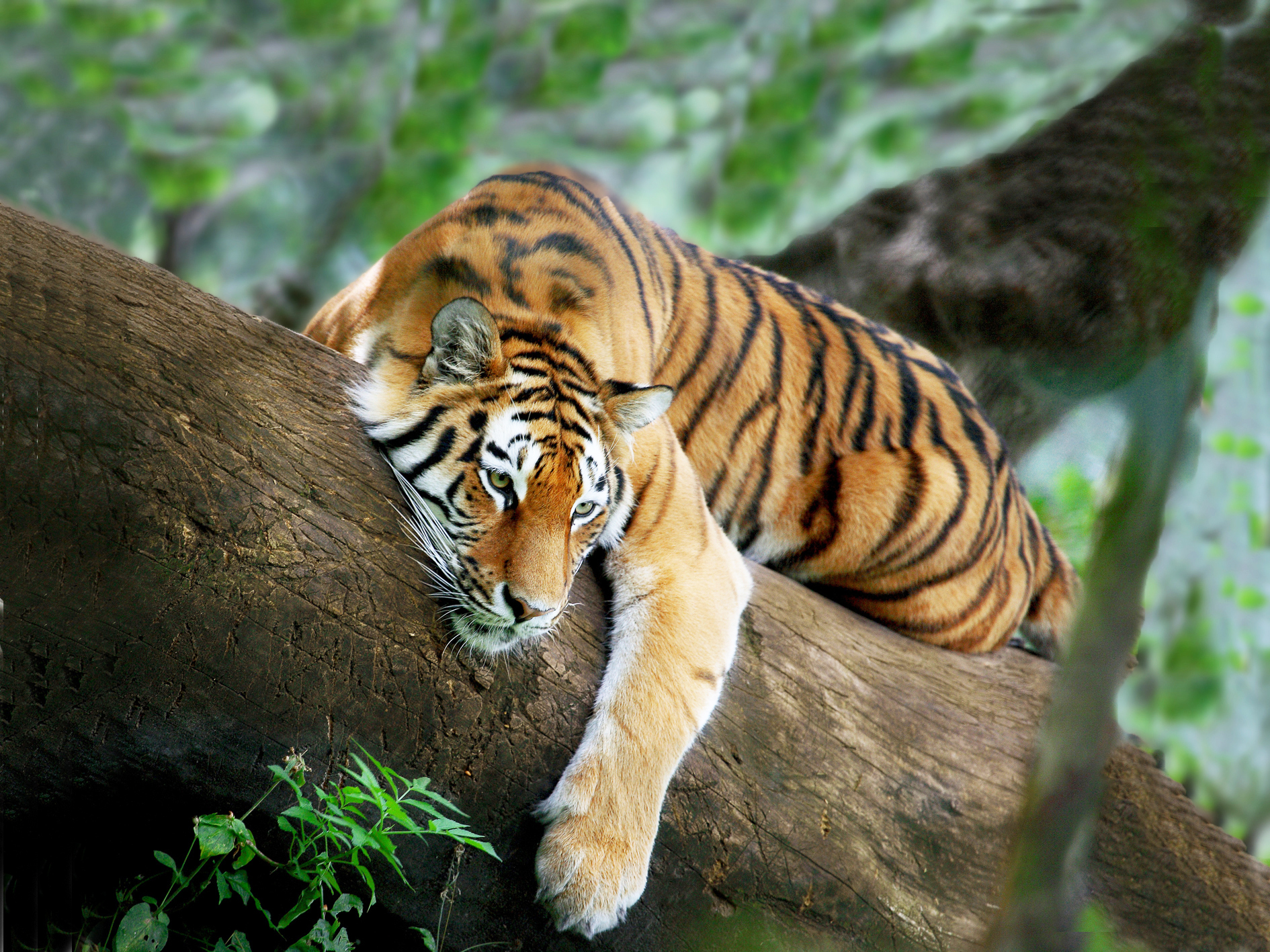
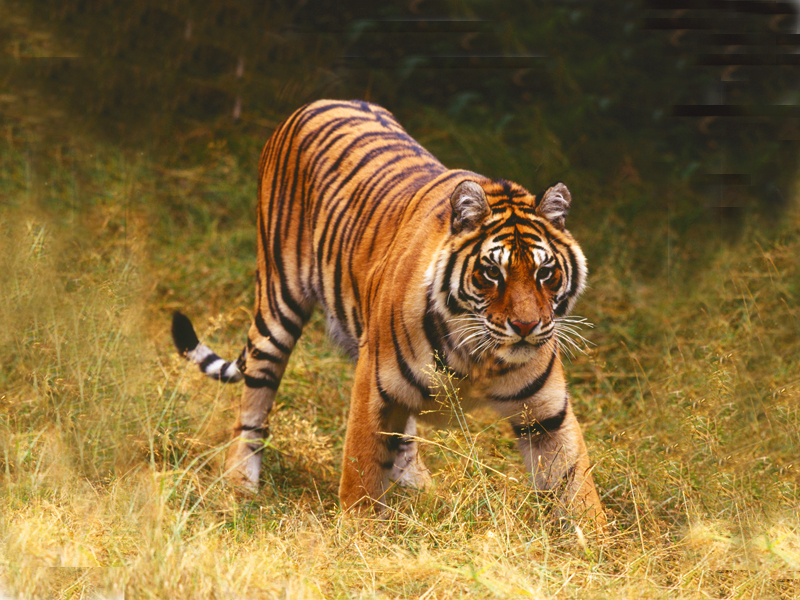
Yes. Some tours include game drives in national parks such as Ranthambore, Kanha and Pench, with local park experts leading the safaris and sharing insight into habitats and behavior. You may see a wide variety of animals and birds, depending on the season, conditions and a bit of luck on the day. While many travelers hope to spot a tiger, wildlife viewing in India is about much more than a single species.
What is the typical group size on India tours?
Group size depends on the specific trip, as different itineraries set different maximums based on transport, accommodation and the style of travel. Some tours cap groups at 24 people, while others cap at 15, 16, 20 or 22. Private tours are also available, which means you won’t be traveling as part of a shared group and can enjoy a more tailored pace.
Do India tours include meals?
Meals vary by itinerary, but many tours include breakfast each day to keep mornings simple and predictable. Some trips also include lunches or dinners on selected days, particularly on wildlife stays, houseboat nights, or where a special meal is part of the experience. Each trip page lists exactly what meals are included, so you can plan for extra dining costs and preferences.
Are there festival departures for India tours?
Some tours operate during major festivals such as Holi and Diwali, with planned experiences included in the itinerary so you can take part in key moments. These departures combine classic sightseeing with festival time, making them a good fit for travelers who want a stronger cultural focus. Dates, timings and the exact program can vary by year and route, so it’s worth checking the itinerary details.
Do any India tours visit more than one country?
Yes. Some itineraries combine India with Nepal or Sri Lanka, with travel arranged between countries so connections feel manageable. The India portion still follows a clear plan, usually with guided sightseeing in key places, before the route continues onward. The itinerary will show where the trip goes next and how border crossings or flights are handled.
India guides
Check out these India guides to help you plan your upcoming trip!


Choose your India experience
Discover the best ways to experience India.
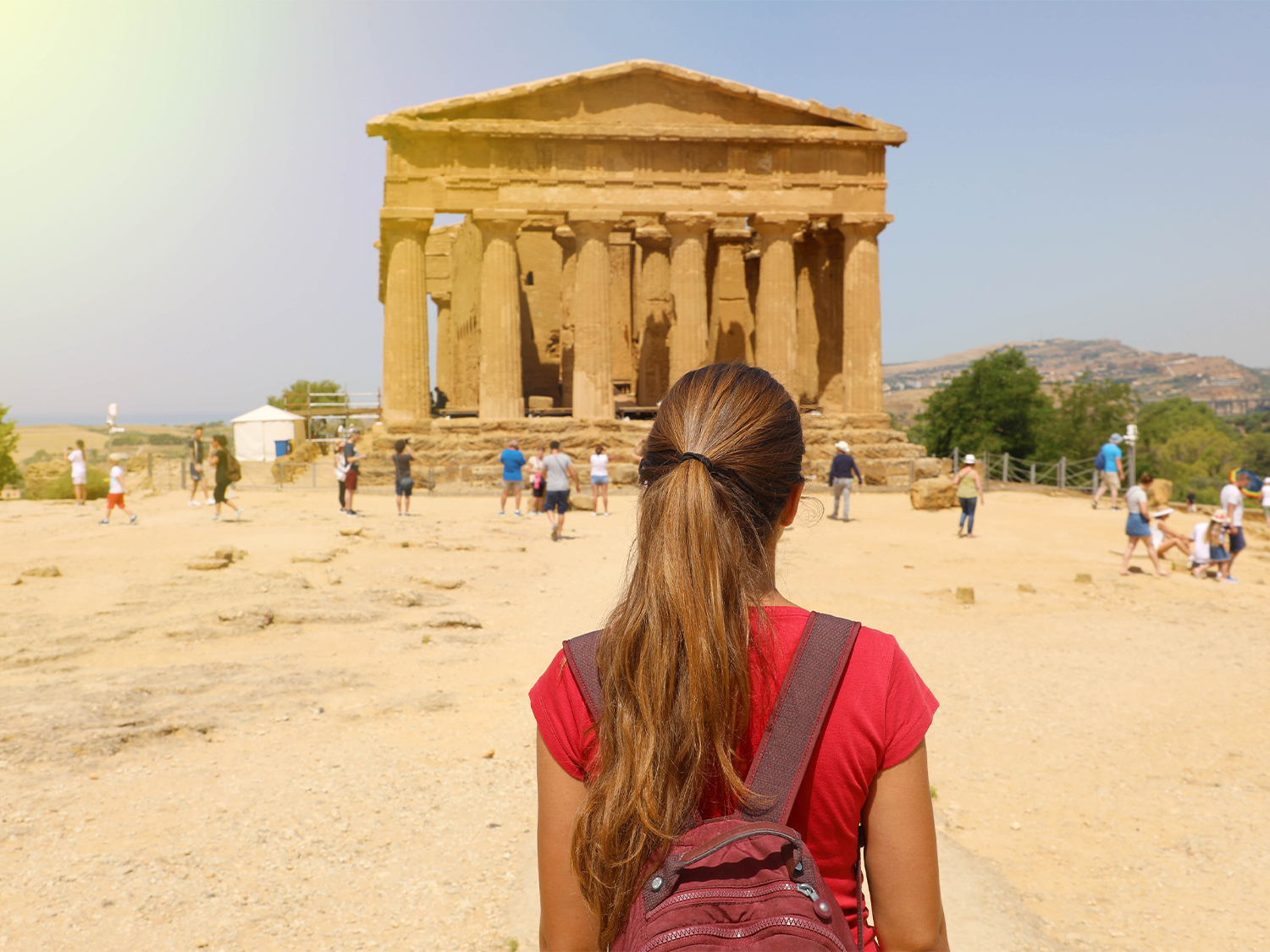
India Private Tours
Enjoy the benefits of expert planning and local guides, with a trip designed just for you and your travelling companions.
437 trips

India Group Tours
Travel with like-minded people on a guided itinerary that takes care of the planning while leaving room to explore.
87 trips
India City Explorer
Stay in one well-chosen base and discover the city and surrounding highlights through guided day trips and free time.
22 trips