On The Go Tours
Our agents are waiting to chat to you...
Are you a Travel Agent or Customer?
Do you have an booking reference?
Best Places to Visit in India Top Destinations to Explore in India: A Journey Through Culture and Beauty
When do you want to go?
2026
I'm flexible
Passengers
Adults (18+)
Children (0 - 17)
Top 10 Destinations to visit in India
Agra - Taj Mahal
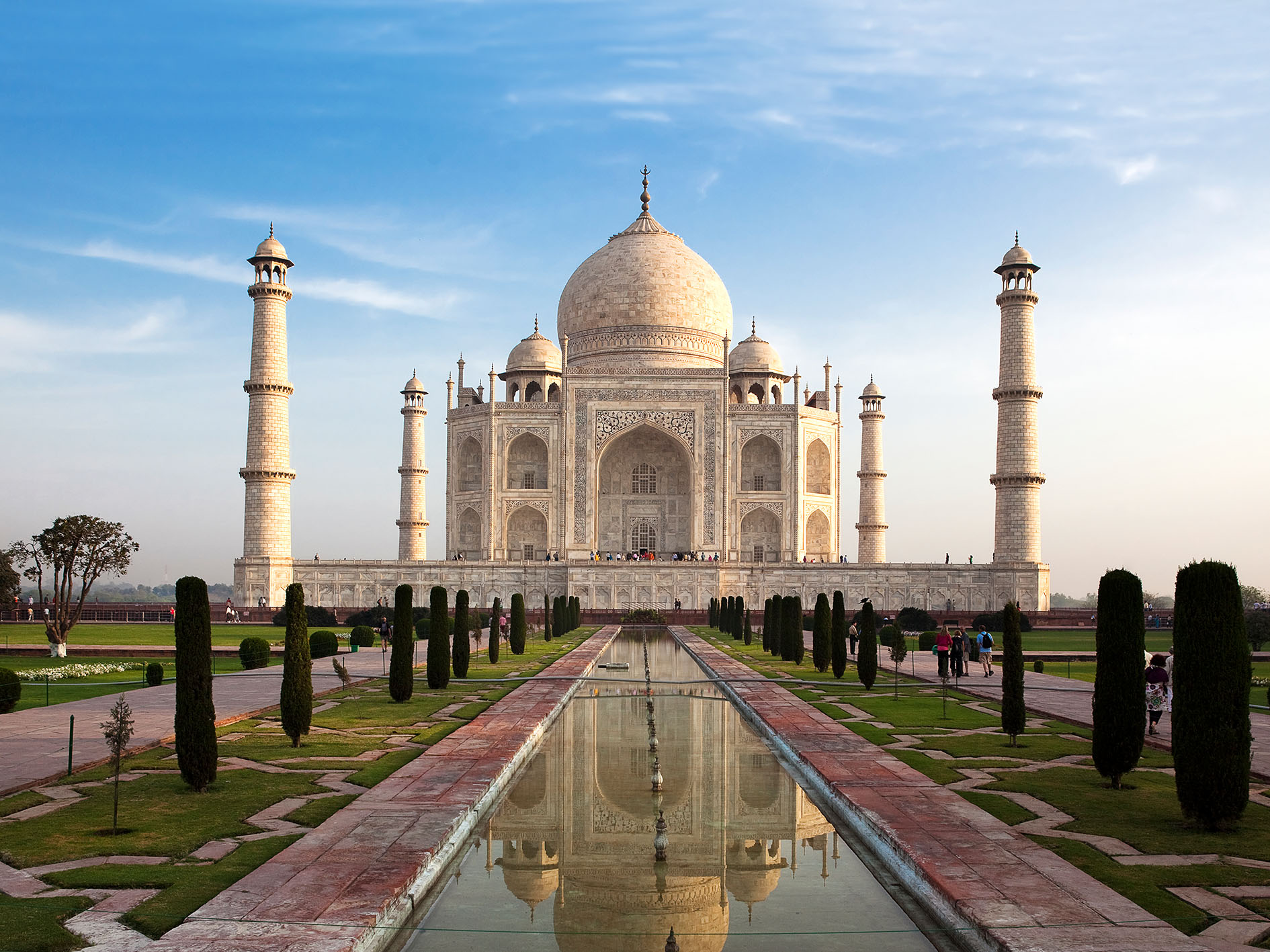
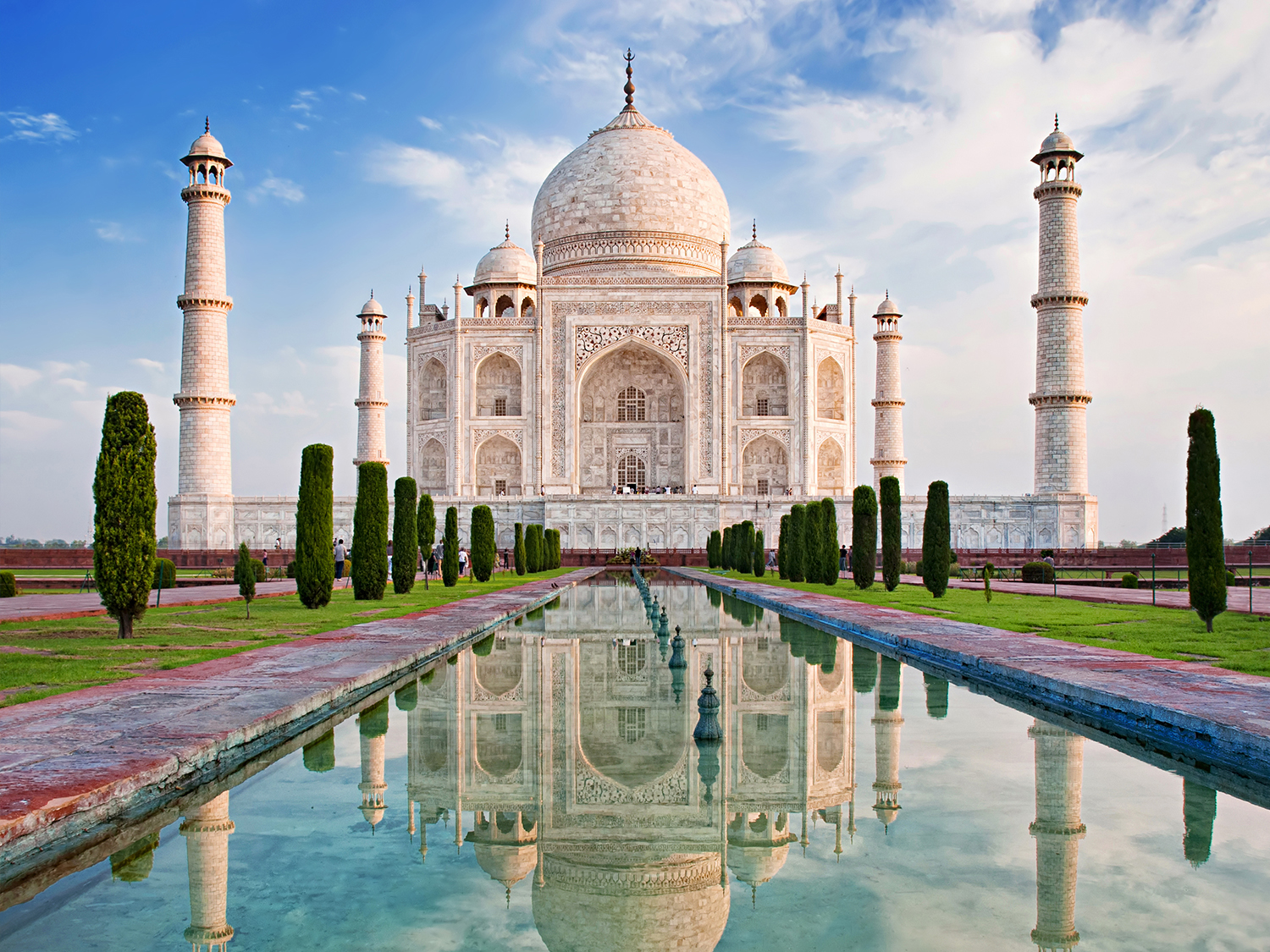
One of the Seven Wonders of the Modern World and an enduring Indian icon, the Taj Mahal in Agra was built by Mughal Emperor Shah Jahan in memory of his wife, Mumtaz Mahal. Mumtaz died in 1631, after giving birth to his 14th child. In her dying breath, she urged Shah Jahan to build a mausoleum for her, more beautiful than any the world had ever seen. In 1632, construction began on the world’s greatest monument to love, which, even today, has no peer.
Varanasi
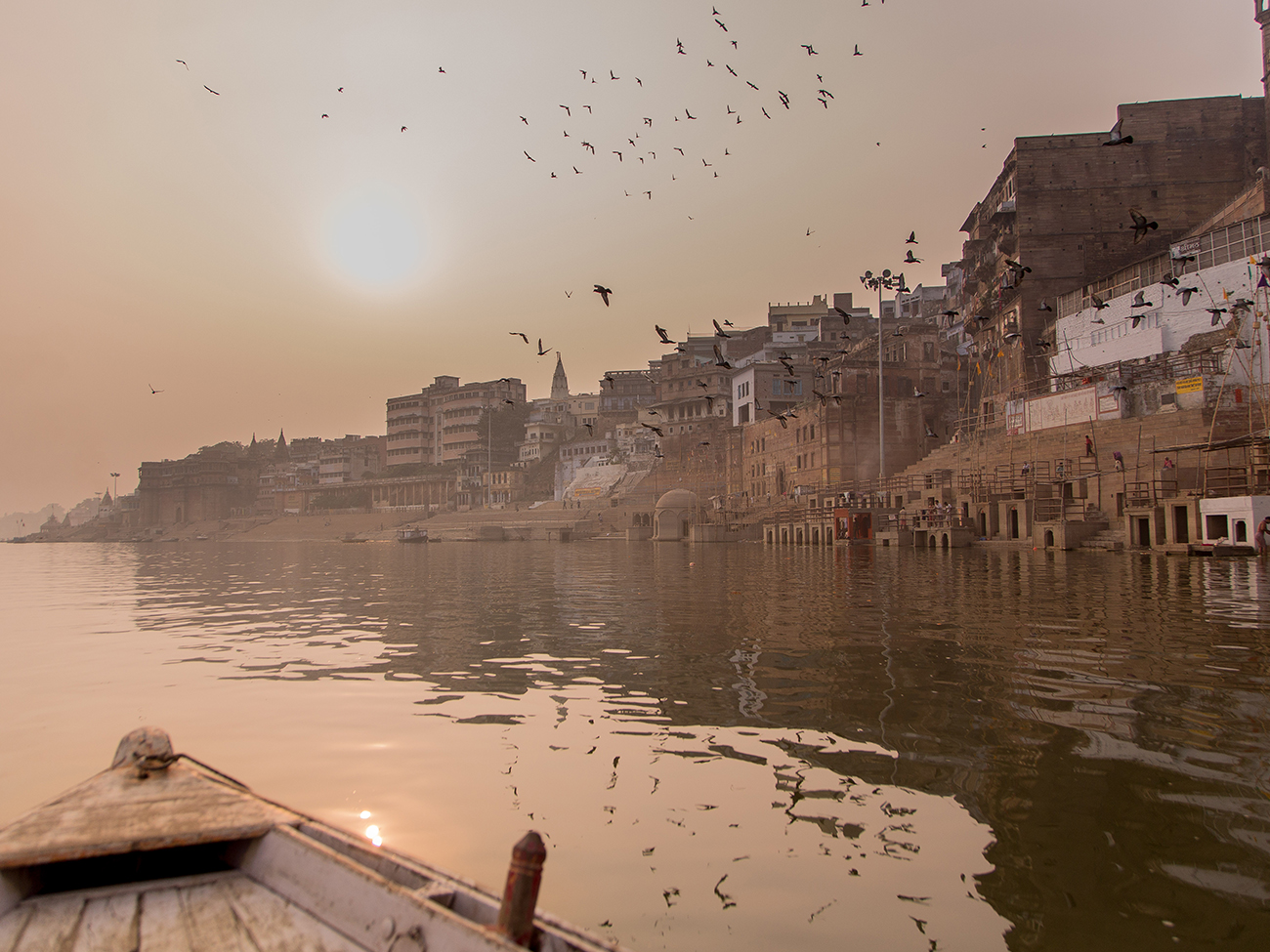
Varanasi is the holiest city in India, and thousands of Hindu pilgrims tour its temples and bathe in the Ganges River to gain religious merit. Take a boat ride on the Ganges at dawn to see scores of people enter the water from the ghats (riverside platforms with steps) to purify themselves before the rising sun. Some perform religious rituals in the water; others go to bathe and swim. While you watch all of this, cremations take place on some of the ghats. Providing the backdrop is an incredible array of temples and ancient buildings, several of them standing at odd angles because their foundations have been eroded unevenly by flood waters. There are 2,000 temples and shrines in Varanasi, including Vishvanatha, the holiest, and the Durga Temple, which is teeming with monkeys, so hold onto your valuables!
Kochi
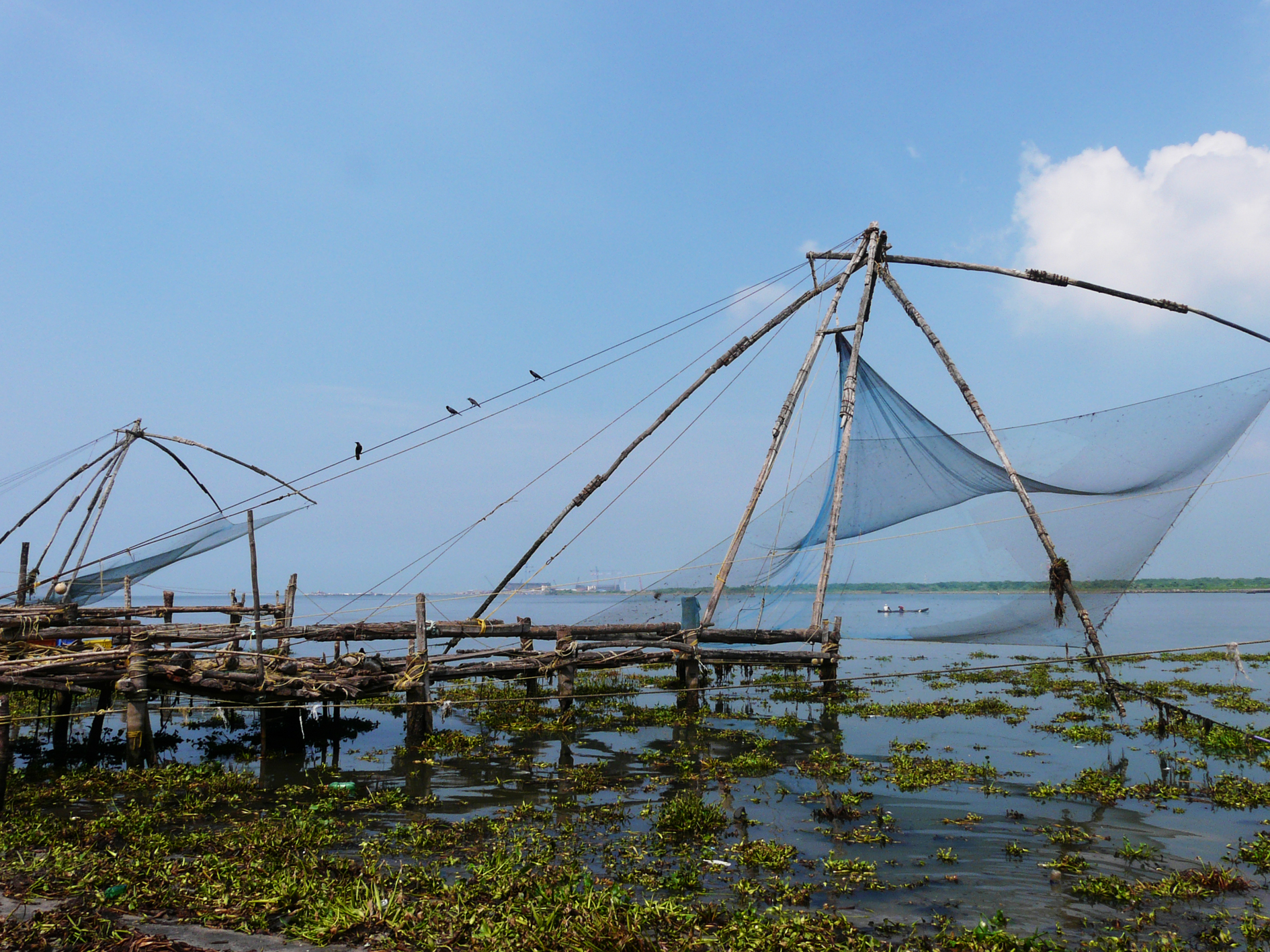
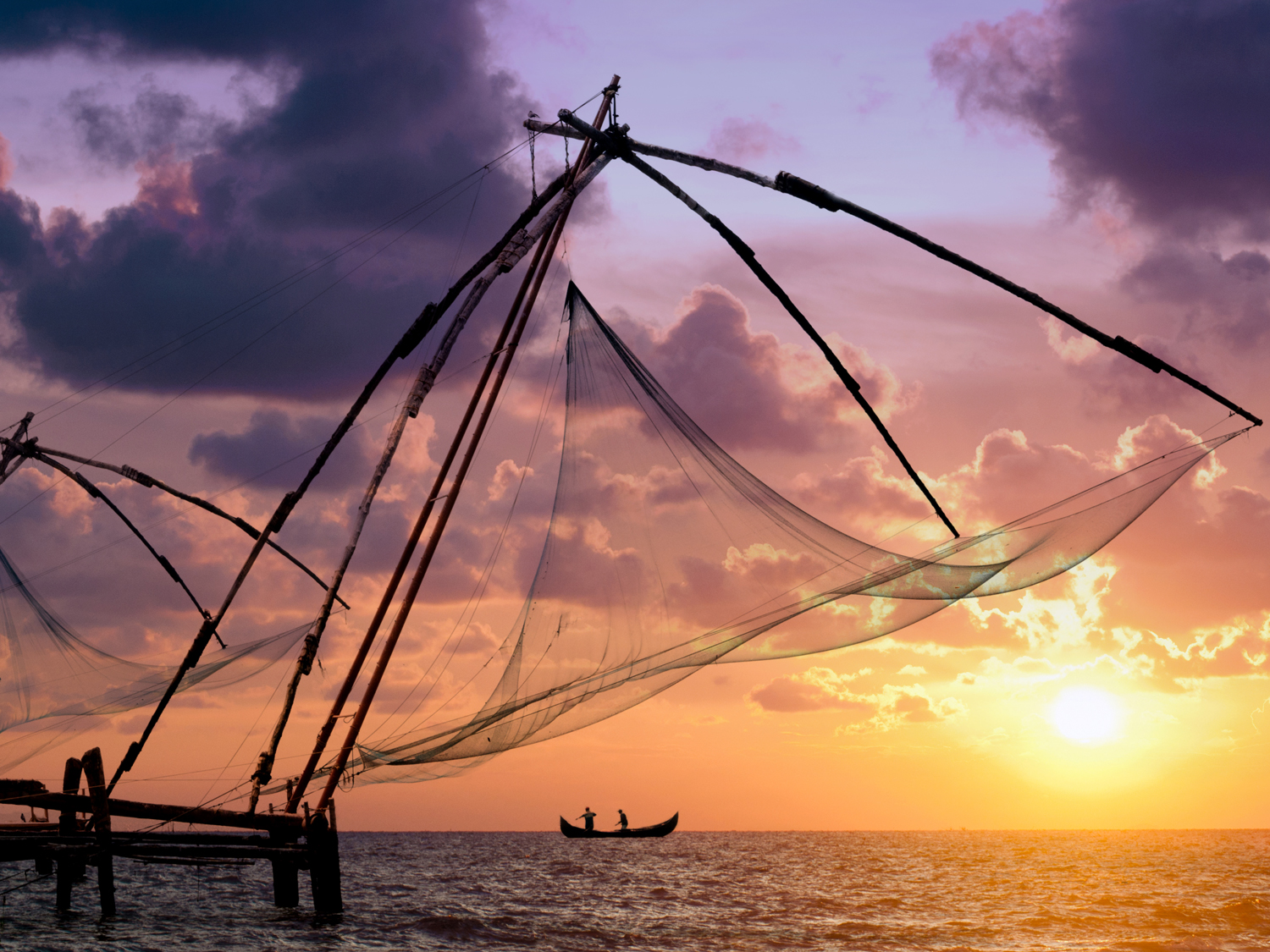
With its beautiful lagoons, lakes, and greenery, Kochi (formerly known as Cochin) is rightly known as the Queen of the Arabian Sea and perfectly reflects the eclecticism of the state of Kerala. Here in historical Kochi, one can see winding streets with mosques, a 16th-century Jewish synagogue, 500-year-old Portuguese cottages, old churches, and a palace built by the Portuguese and later renovated by the Dutch. Fort Cochin boasts St. Francis Church, India’s oldest European-built church, the Santa Cruz RC Basilica, fine homes built by the wealthy Europeans, Dutch cottages, and elegant Chinese fishing nets that grace the northern shores. In the Mattancherry area is the 16th-century Mattancherry Palace, also known as the Dutch Palace.
Darjeeling
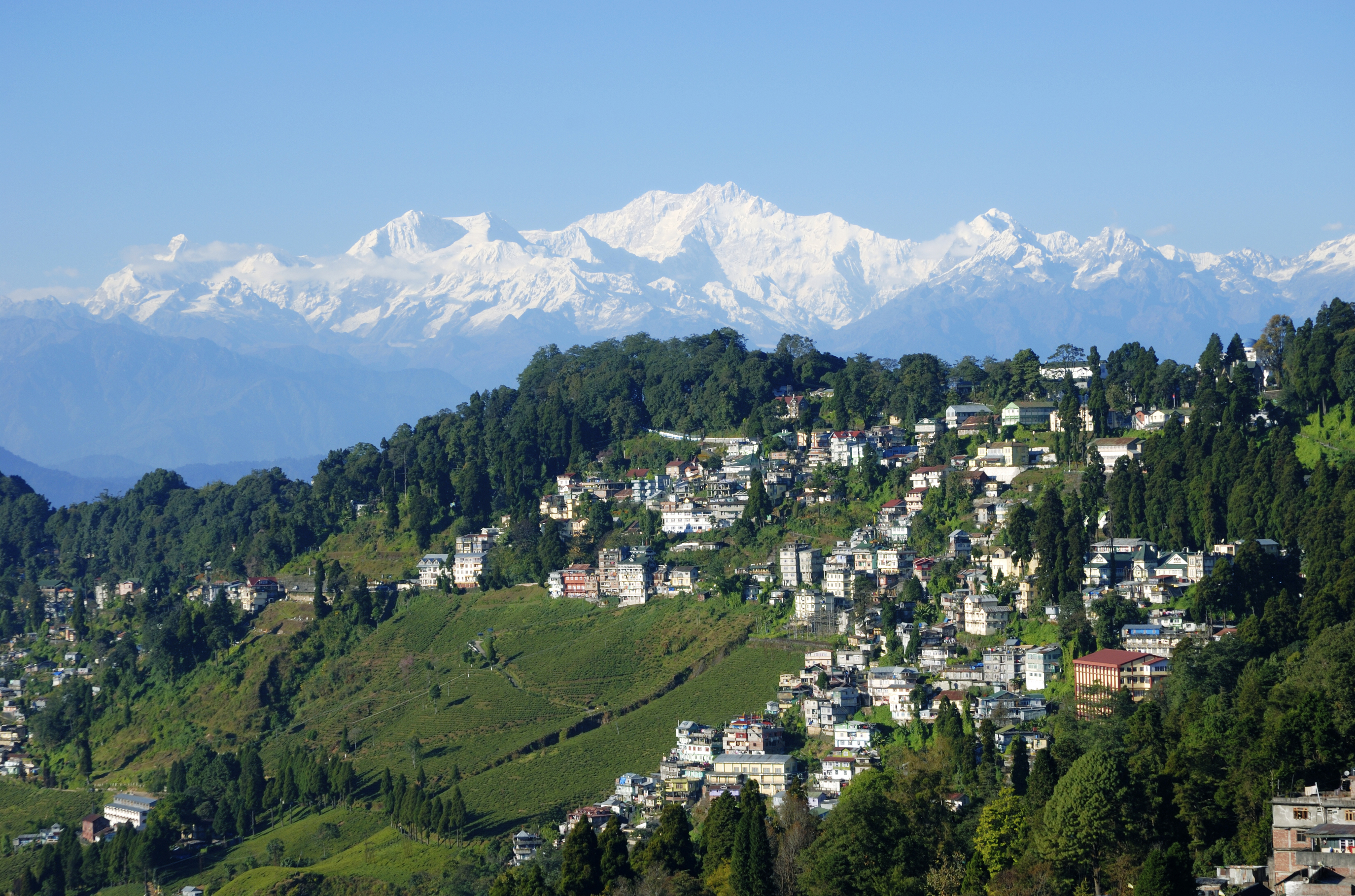
Sitting at a spectacular altitude of nearly 2200 meters with a backdrop of mighty snow-clad Himalayan peaks and surrounded by verdant tea plantations, the scenic hill station of Darjeeling offers a pleasant respite from India’s oppressive summer heat. The main attractions here include a number of Buddhist monasteries, lush tea plantations, faded relics from the Raj, colourful markets, and trekking possibilities in the surrounding area. From mid-April until the end of June, it’s usually possible to see Mount Kanchenjunga, the third-highest mountain on earth, from the city. An entertaining way to reach Darjeeling is on the famous “toy train," climbing more than 8000 feet over eight hours along a narrow-gauge track before reaching the city.
Jaipur
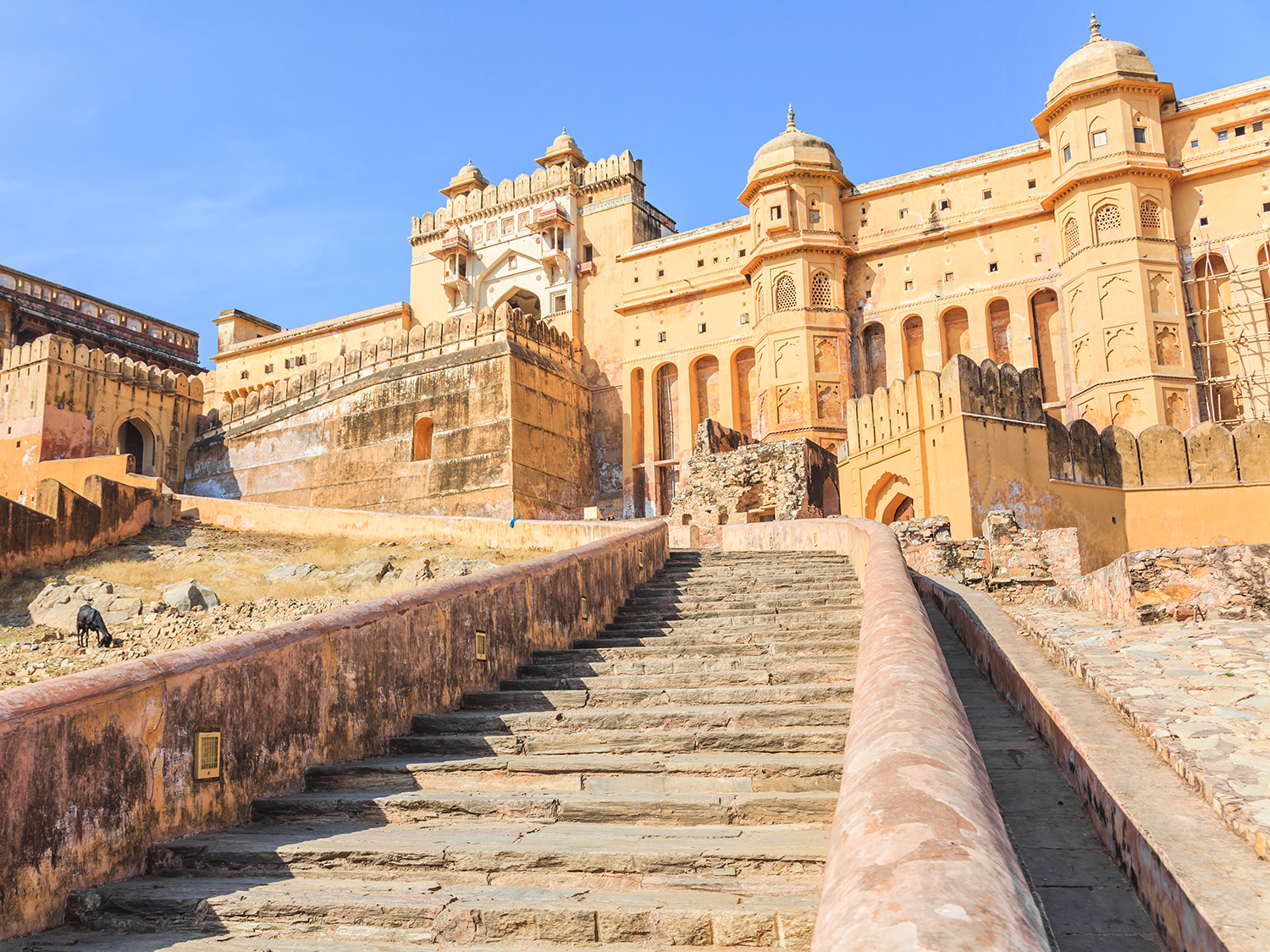
A flamboyant showcase of Rajasthani architecture, the vibrant capital of Rajasthan is popularly known as the ‘Pink City’. Jaipur was chosen by Maharaja Jai Singh II (1693–1743) for his capital. A skilled astronomer and visionary, he worked with superb Bengali architect Vidyadhar Bhattacharya to complete the design and construction of Jaipur in less than eight years. The 18th-century Jantar Mantar is the largest and best preserved of five observatories built by the astronomer prince. Other must-sees within the city include the City Palace Complex, with its blend of Rajasthani and Mughal architecture. The son of the last Maharaja and his family still reside in a wing of the palace. What better way to explore this historic city than with an early morning hot-air balloon ride over the temples and streets below?
Goa
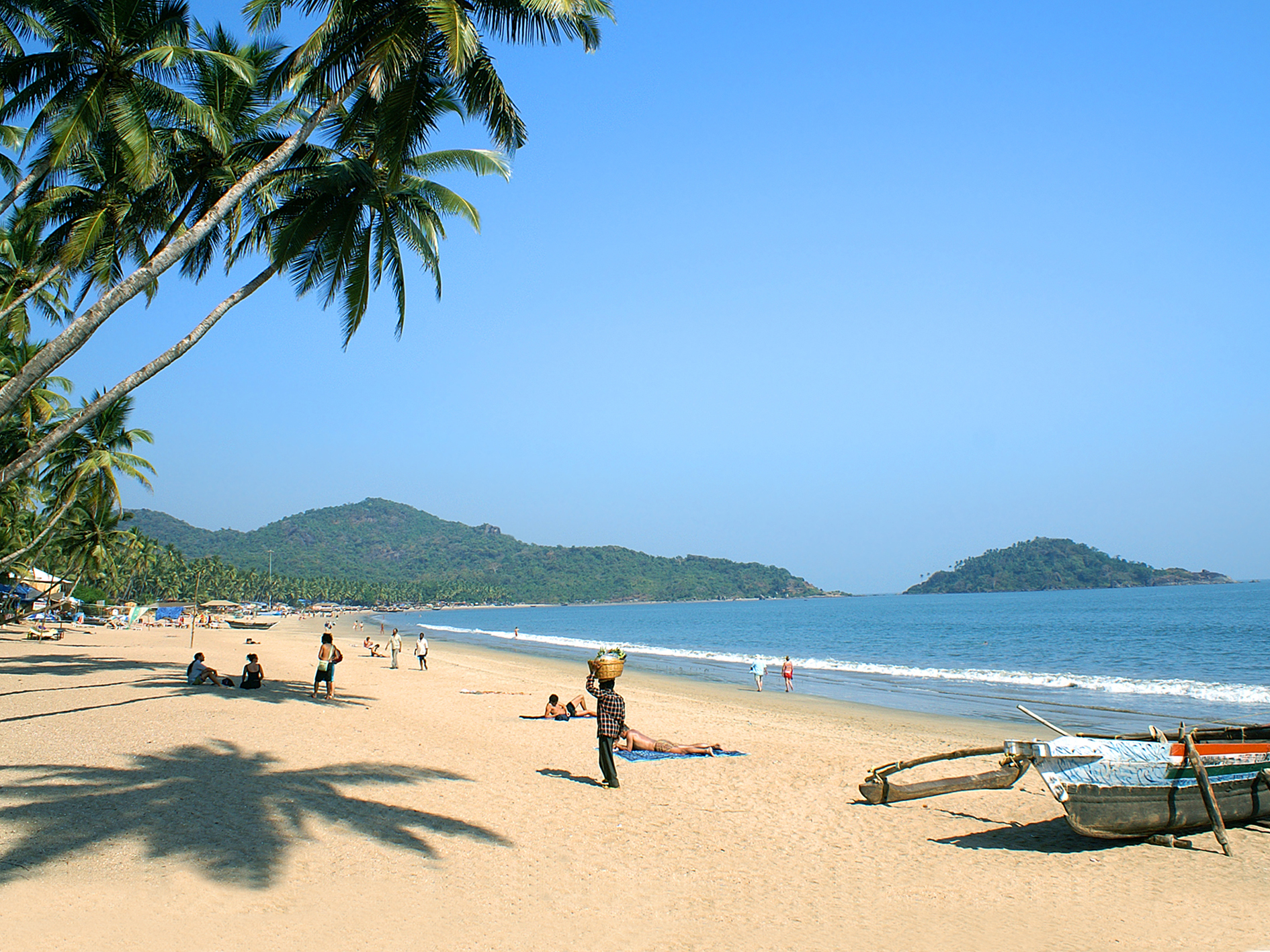
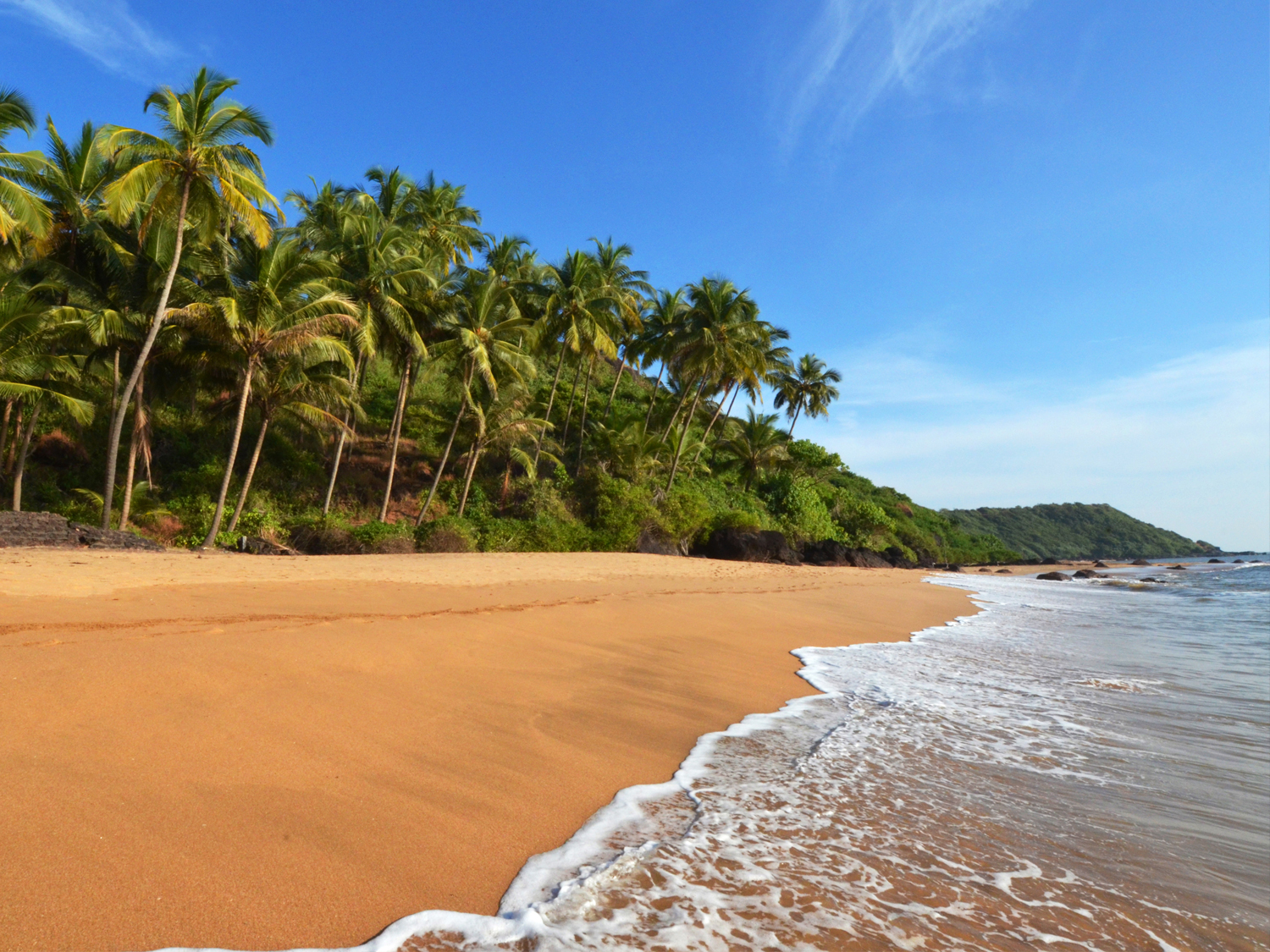
Thanks to its picturesque location on the Mandovi River, between the Western Ghats and the Arabian Sea, and its large stretch of magnificent, palm tree-lined beaches, Goa is one of India’s hot spots. The state’s Portuguese past is most apparent in its plazas, cathedrals, and architecture, including the Catholic Church of Old Goa, St. Anne’s Church, and the Basilica of Bom Jesus. The surrounding countryside is dotted with luxurious old estates built by wealthy Indians, including Braganza Palace, which is open to the public. Lively North Goa has the state capital, Panaji, with its interesting churches and buildings. Notable beaches in North Goa include Fort Aguada, Candolim, Calangute, and Anjuna, famous for its Wednesday flea market. South Goa is more laid-back, and beaches here include Bogmalo, Colva, and Benaulim.
Amritsar
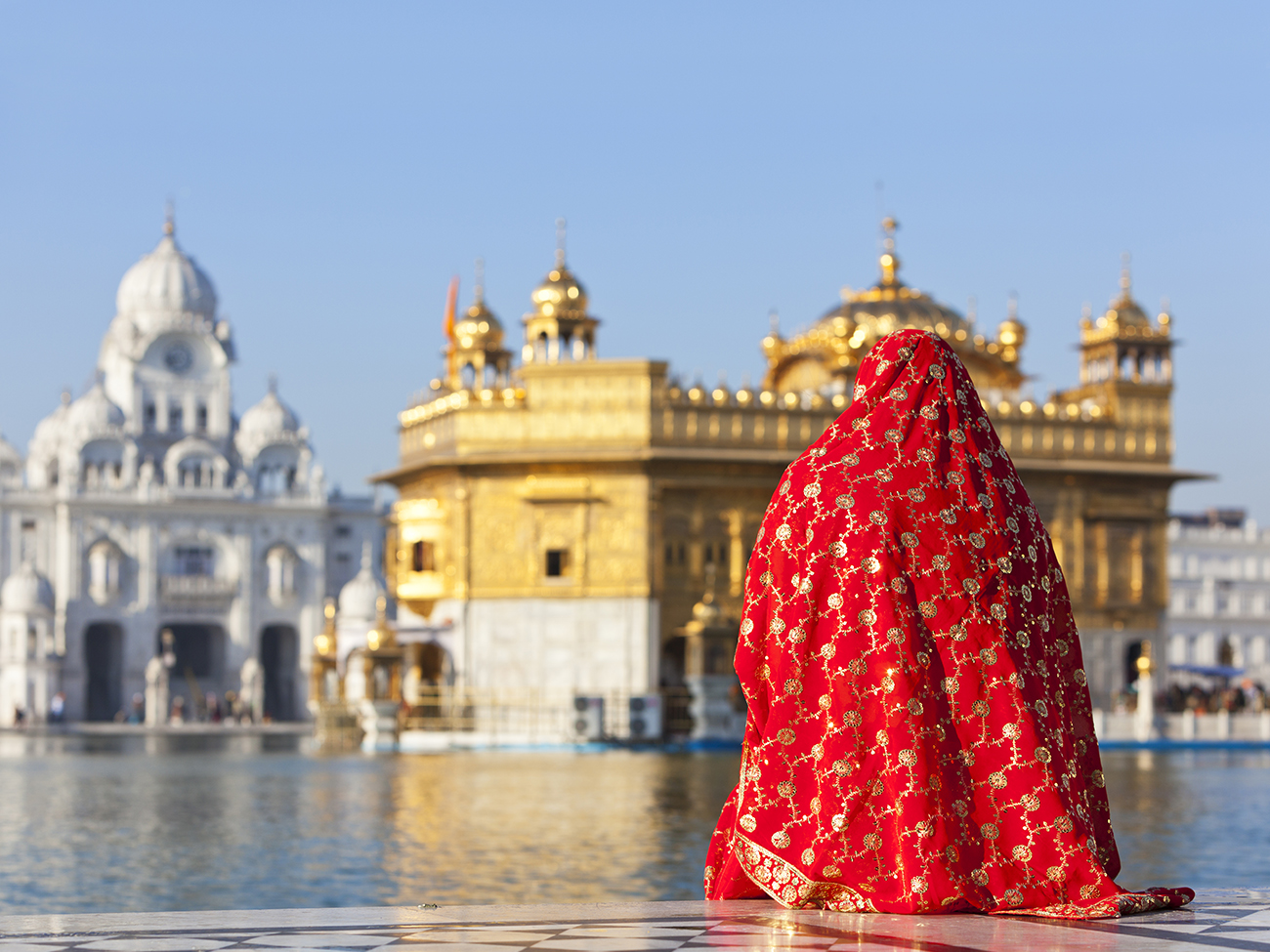
Holy Amritsar, located in the northwest part of India in the State of Punjab, is the holy centre of the Sikh religion. Amritsar’s main attraction is the revered and beautiful Golden Temple made of white marble, bronze, and gold leaf. Maharaja Ranjit Singh built this seat of Sikh religion in 1803. The Golden Temple has four entrances, and the walls are inlaid with semi-precious stones in floral patterns, frescoes, and glasswork. To enter the temple, one must don a traditional headscarf, wade through a shallow pool as part of a purification ritual, and merge with the mass of bodies that circle the embankment around the holy structure.
Mumbai
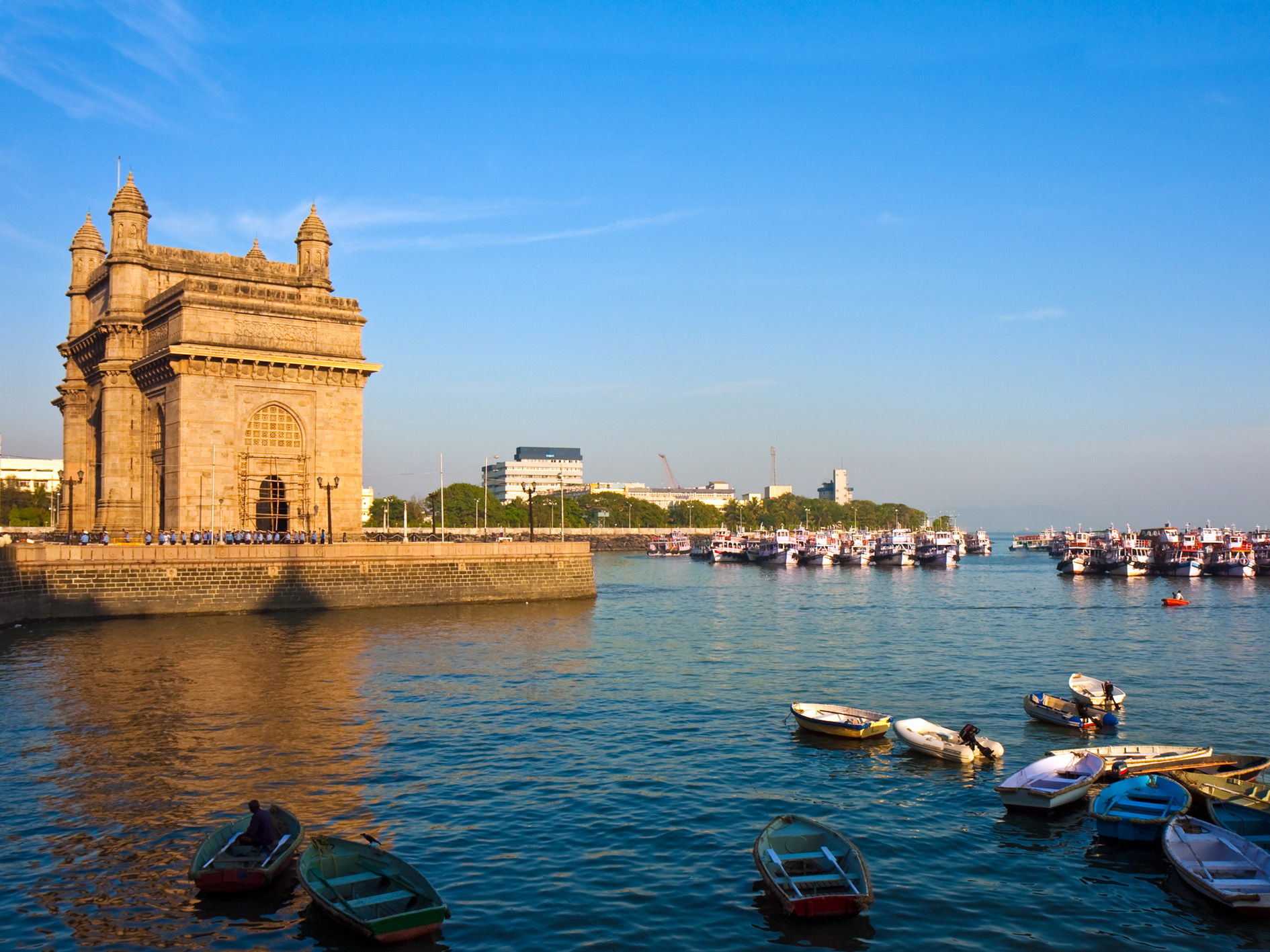
Mumbai, or Bombay as it was formerly known, remains India’s city of dreams. Built largely by the British around one of the best-protected natural harbours in the world, Mumbai is India’s strategic economic centre. The city is also home to the country’s prolific Bollywood film industry, which produces more feature films than any place in the world. The main draw of Mumbai, like much of India, remains its contradictions. In Mumbai, be sure to head to the Gateway of India—a former colonial monument and now a popular emblem of the city and a hubbub of life. Sample bhelpuri (Mumbai’s favourite snack) at Chowpatty Beach along what is known as Marine Drive, one of the city’s most popular promenades. Visit the bazaars of Kalbadevi and Bluleshwar and take a boat trip to the beautiful Elephanta Caves.
Ranthambore National Park
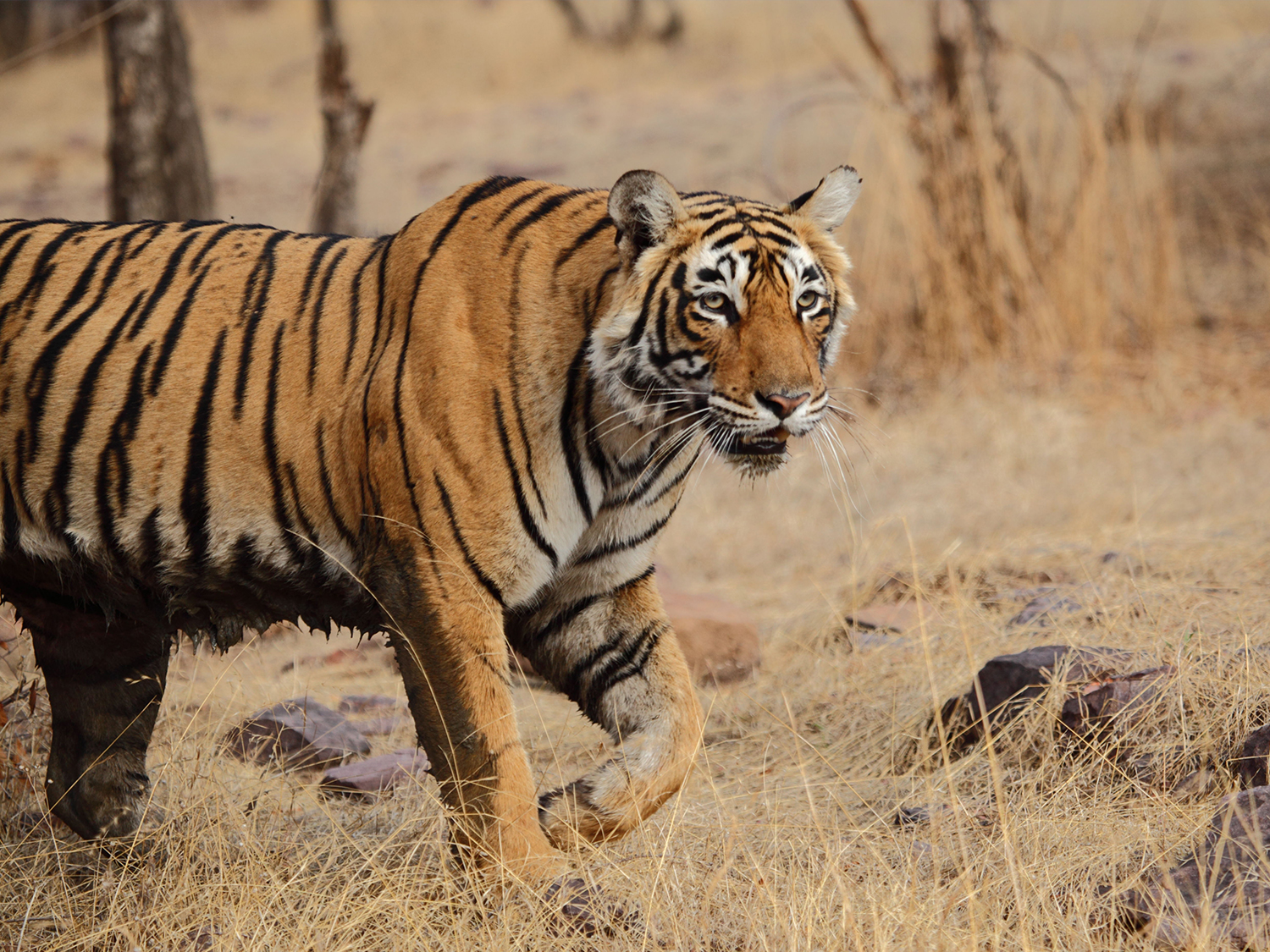
When you think of wildlife in India, you think of tigers. Nearly the entire wild population of this majestic big cat is found in the national parks of India, and a tiger safari is one of the best things to do in India! Tiger numbers are on the rise after years of persecution, thanks to conservation efforts by the Indian government and NGOs, as well as education in Indian society, helping tigers and people to live in harmony alongside each other. Ranthambore is one of the best places in India to spot tigers in the wild, where they can be seen following the dirt paths, cooling off in the park's ponds, and hunting the resident deer. A must-visit for any wildlife lover exploring the Golden Triangle, as Ranthambore is located just a few hours drive from Jaipur.
Kolkata
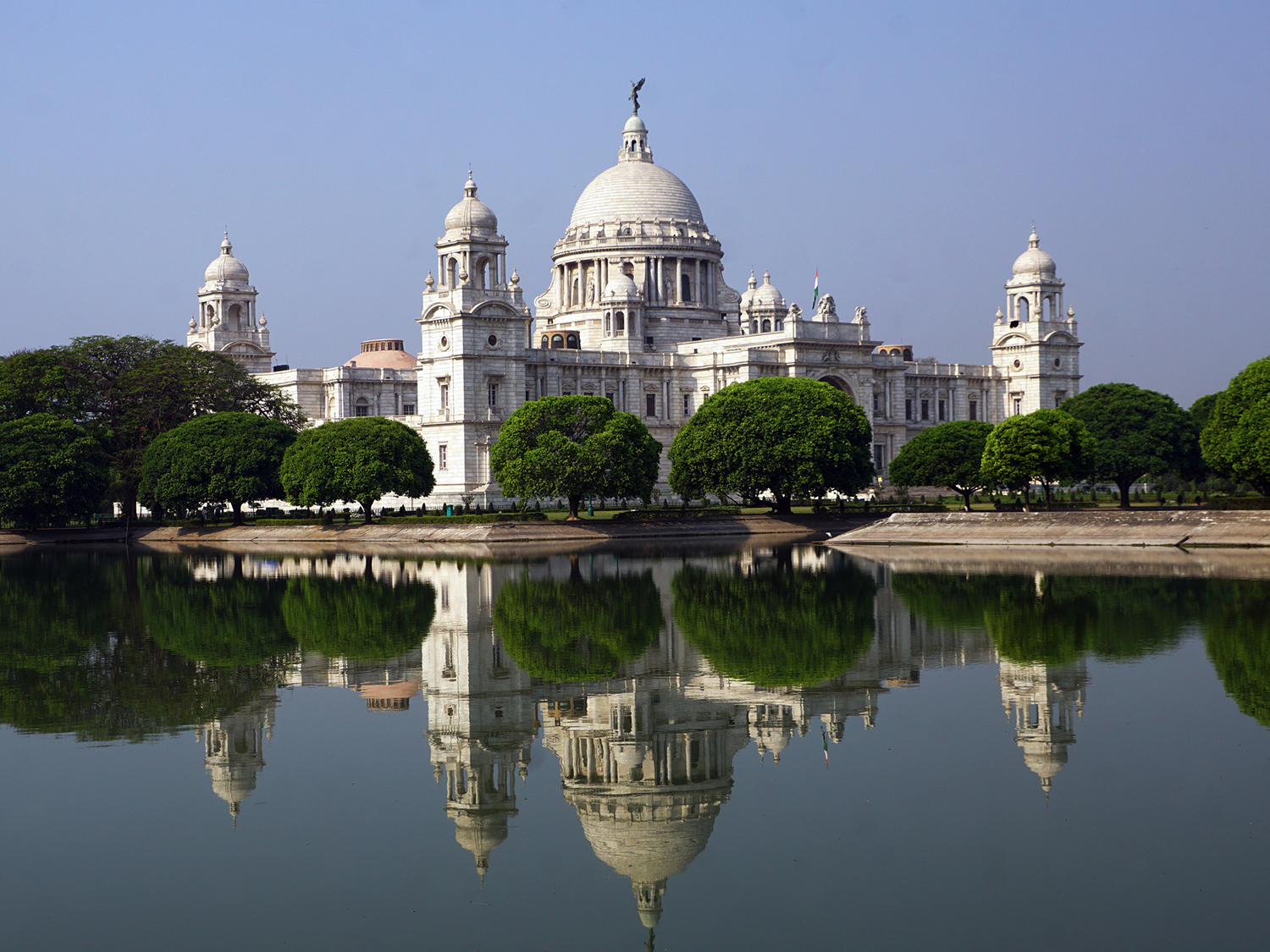
Once the capital of British India, Kolkata, formerly known as Calcutta, is a fascinating destination in the state of West Bengal. In the heart of the city, you’ll find the Victoria Memorial, one of Kolkata’s most important landmarks and arguably one of the greatest buildings in India. Other popular attractions include the Grand India Museum, the oldest in the country, and the bustling New Market. Alongside which, colonial-era architecture, skyscrapers, and urban slums interweave in a vibrant display of poverty that meets wealth. The city is also a fantastic destination for foodies, being the perfect place to sample Bengali cuisine with some of India’s best street food on offer.
See more of India
India guides
Check out these India guides to help you plan your upcoming trip!