On The Go Tours
Our agents are waiting to chat to you...
Are you a Travel Agent or Customer?
Do you have an booking reference?
Konya Turkey ToursDiscover the birthplace of the whirling dervishes
When do you want to go?
2026
I'm flexible
Passengers
Adults (18+)
Children (0 - 17)
About Konya
An ancient city turned modern day metropolis, Konya is a vibrant bustling city that perfectly blends the old and the new. The region is believed to have been inhabited since 7000 BC which would make it one of the oldest settlements in Anatolia. Situated on the famous silk road, Konya has benefited greatly as a trade center, earning the city great economic importance. Historically, the most important aspect that defines that city of Konya is that it is the home of the famous whirling dervishes.
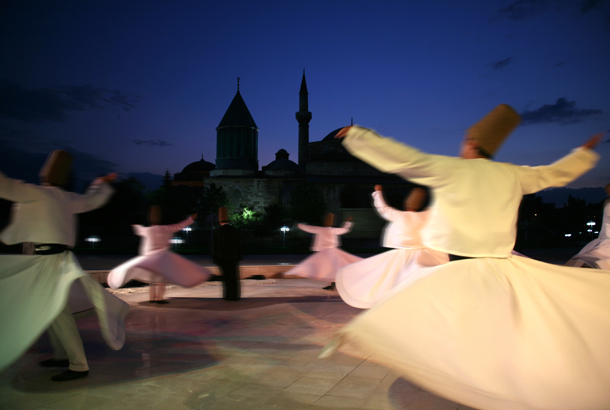
The religious ritual of ‘whirling’ dates back to the 13th century and is attributed to the famous poet and acclaimed Sufi Rumi. Perfectly synchronized, the dervishes continue to practice Rumi's unique method of demonstrating his admiration and love for the divine. The tomb of Rumi himself can be found in Konya, in the Mevlana Museum, where you can pay your respects to the great poet.
Konya Tours
Booking a tour to Konya, Turkey, promises an enchanting journey into the heart of Turkish culture and history. Renowned for its mystical heritage, Konya offers visitors a captivating blend of ancient traditions, breath-taking architecture, and warm hospitality. From exploring the iconic Mevlana Museum, dedicated to the poet Rumi, to wandering through the bustling bazaars brimming with spices and handicrafts, every moment in Konya is filled with wonder.

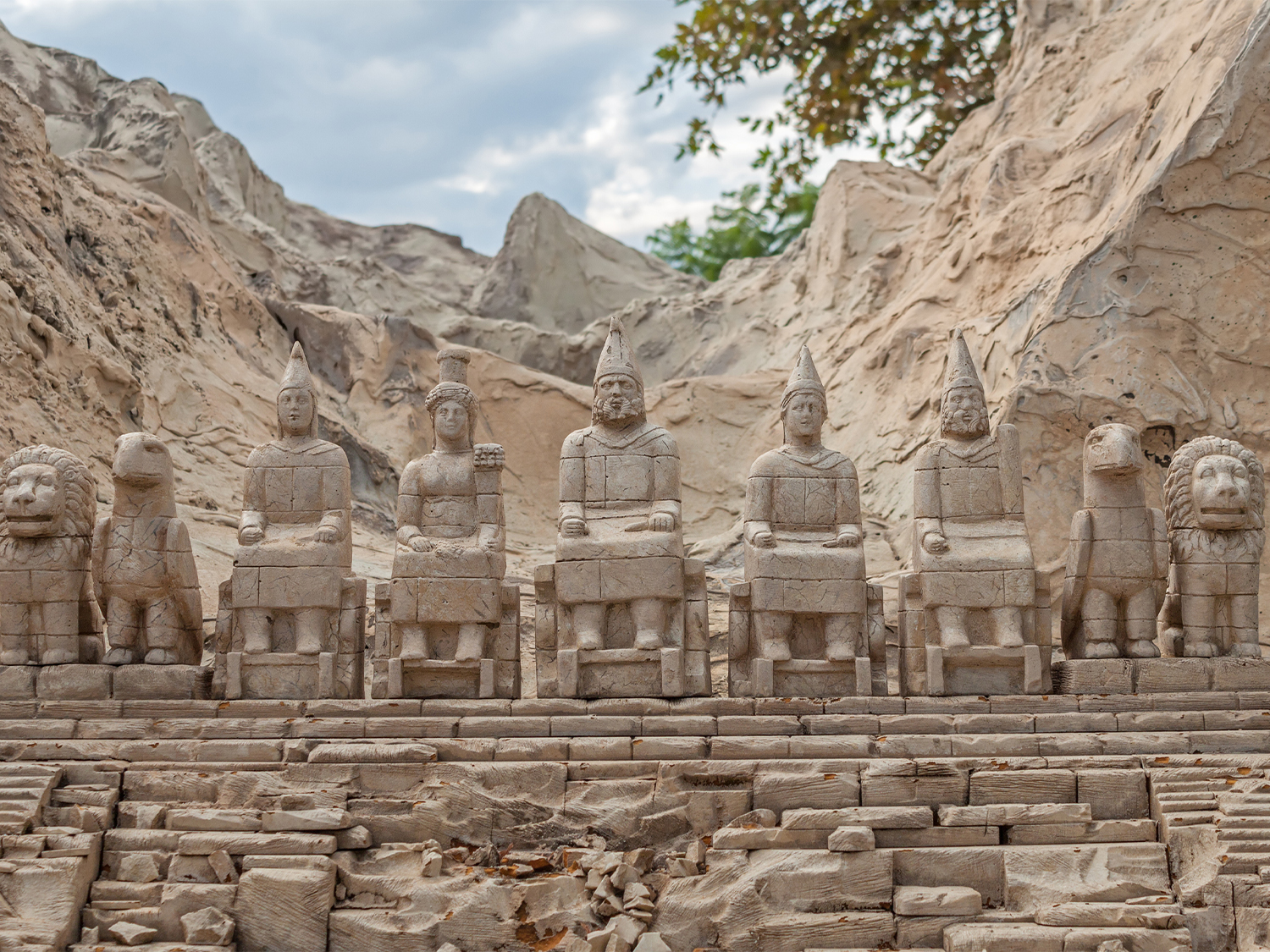
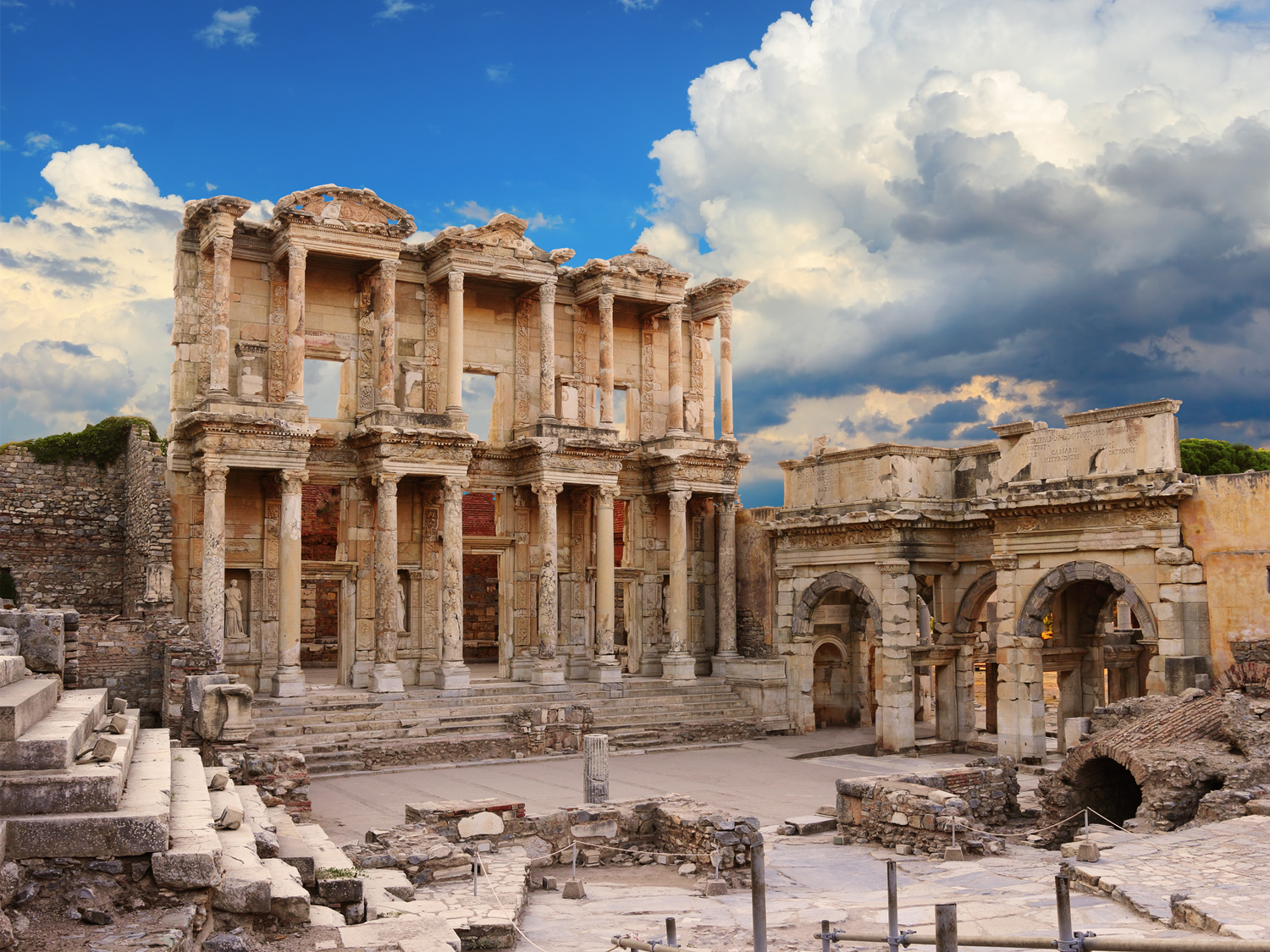

Konya tourism
When visiting Konya expect to be greeted by a city full of legend and tradition. The city has been the setting of myths for centuries. Today the city is a modern metropolis with a deep connection to the Muslim faith. To this day Konya is an important destination for religious pilgrimages. With its connection to Rumi and as the home of the whirling dervishes, Konya sees thousands of Sufi's make the pilgrimage to the city ever year.
What to see in Konya
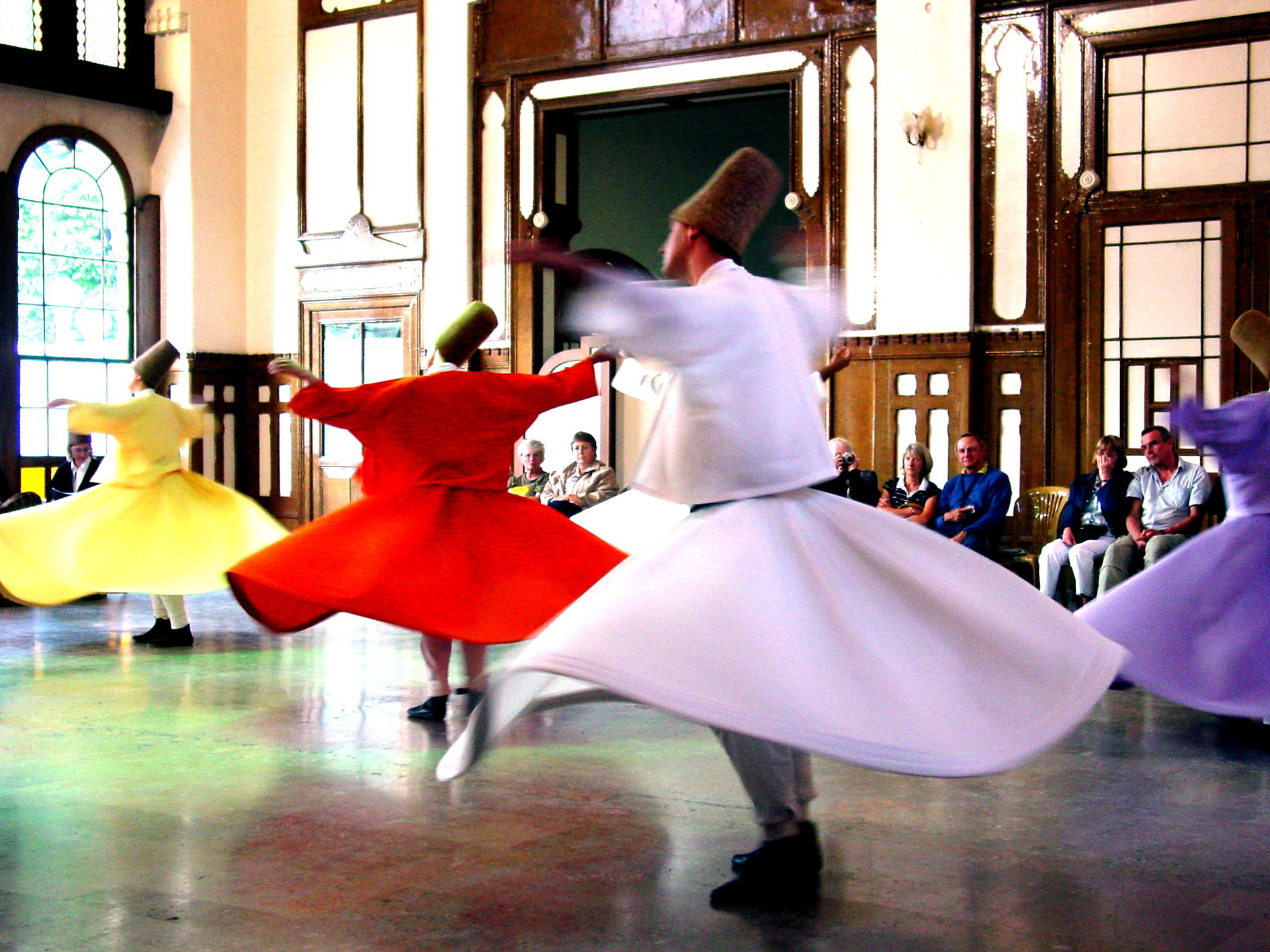
Watch the whirling dervishes
Konya is famous as the home of the whirling dervishes. Whirling was started by the famous Sufi and poet Rumi. He used whirling as a form of meditation, it is said that he would use this dance to help reach a state of enlightenment. Inspired by Rumi’s way of worship other began to learn his dance and the ritual was made. Today you can visit the Mevlana Cultural Center to see the whirling dervishes in all their glory, and experience beautiful ceremony first hand.
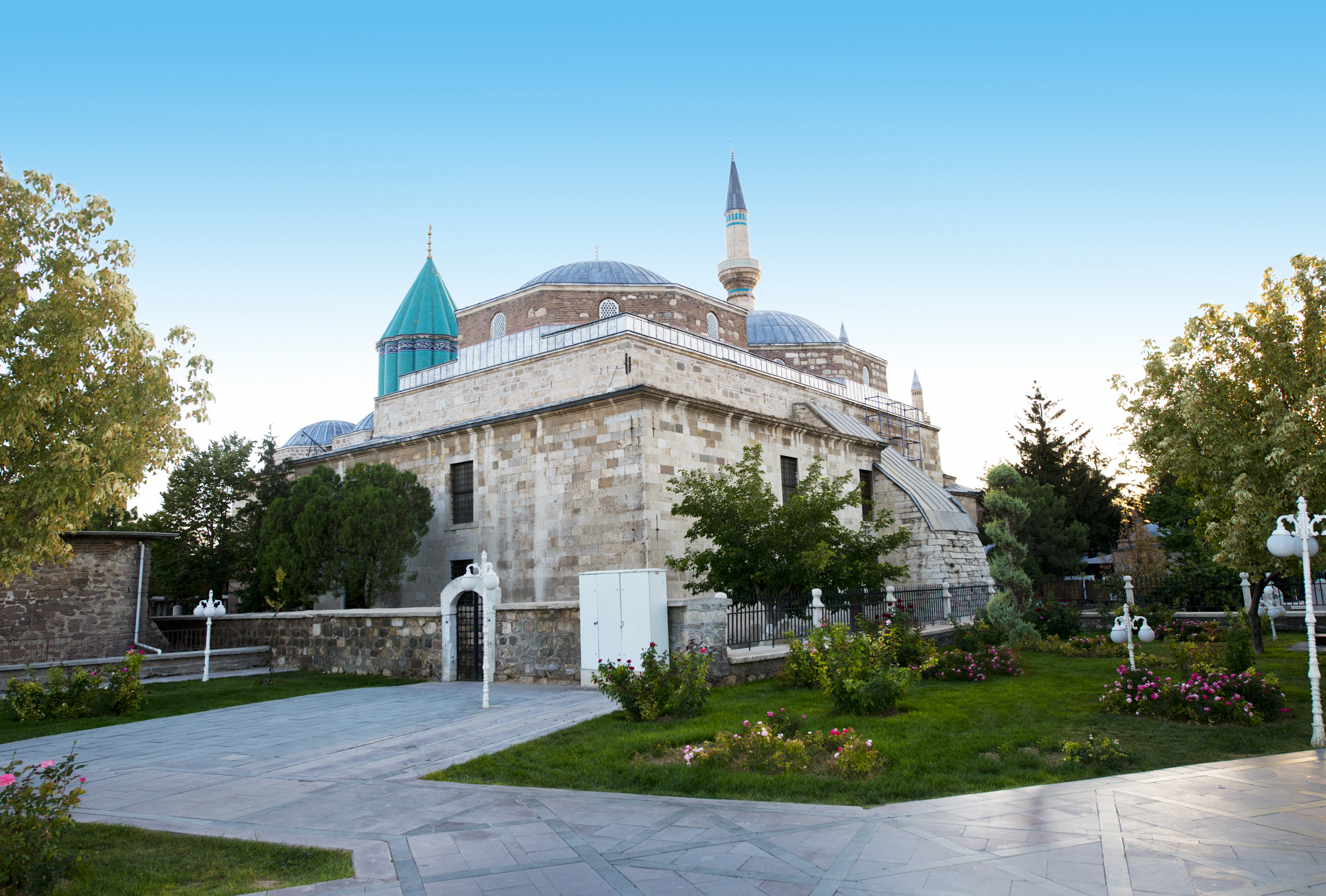
The Mevlana Museum
The Mevlana Museum was originally the lodge for the whirling dervishes. Now the building has been converted into a museum and mausoleum. Here you can visit the tomb of Rumi, the beautifully decorated sarcophagus is a place many people come to pray and pay their respects to the great poet and Sufi. The museum has multiple exhibits dedicated to the Muslim faith. Visiting the Mevlana Museum is a great way to learn more bout the culture of the city and connect with its history.
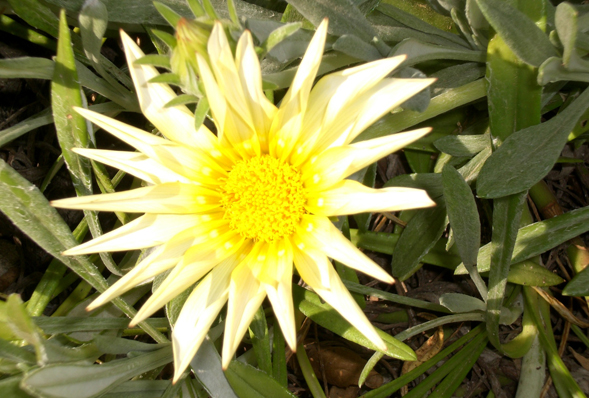
The Konya tropical butterfly garden.
The Konya tropical butterfly garden has the largest butterfly flying field in all of Europe. Home to multiple species of beautiful butterflies the tropical butterfly garden is a great place to spend an afternoon. Wander through the tropical garden with over 90 species of plants and get a close up look at the butterflies as you learn all about their life cycles. The tropical garden also has an attached museum where you can learn in more depth about butterflies and insects.
Frequently asked questionsFrequently Asked Questions
Is Konya safe for tourists?
Yes, Konya is generally considered safe for tourists. Like any other city, it's essential to take standard precautions, but Konya has a low crime rate and our guides are there to make sure you have a safe and enjoyable tour.
What local dishes should I try while in Konya?
Konya is famous for its culinary delights, including Etli Ekmek, Konya Kebab, and Mevlana Çöreği. Don't forget to indulge in traditional Turkish tea and Turkish delight as well!
How can I learn more about the history and culture of Konya during my visit?
Consider hiring a local guide or joining guided tours of key landmarks and museums. Additionally, exploring the city's historical sites and interacting with locals can provide valuable insights into Konya's rich heritage and culture.
When is the best time to visit Konya?
Spring and Fall are ideal times to visit Konya, as the weather is pleasant, and there are fewer crowds compared to the peak summer season.
Conclusion
From the serene halls of the Mevlana Museum to the bustling streets of the bazaars, Konya offers an immersive experience that captivates the senses and enriches the soul. Our tours ensure that every traveler discovers the enchanting allure of this Turkish gem, guided by expert knowledge and immersed in warm hospitality. Whether you're drawn to the mysticism of the whirling dervishes or the flavors of authentic Turkish cuisine, Konya promises moments of awe, inspiration, and unforgettable memories.
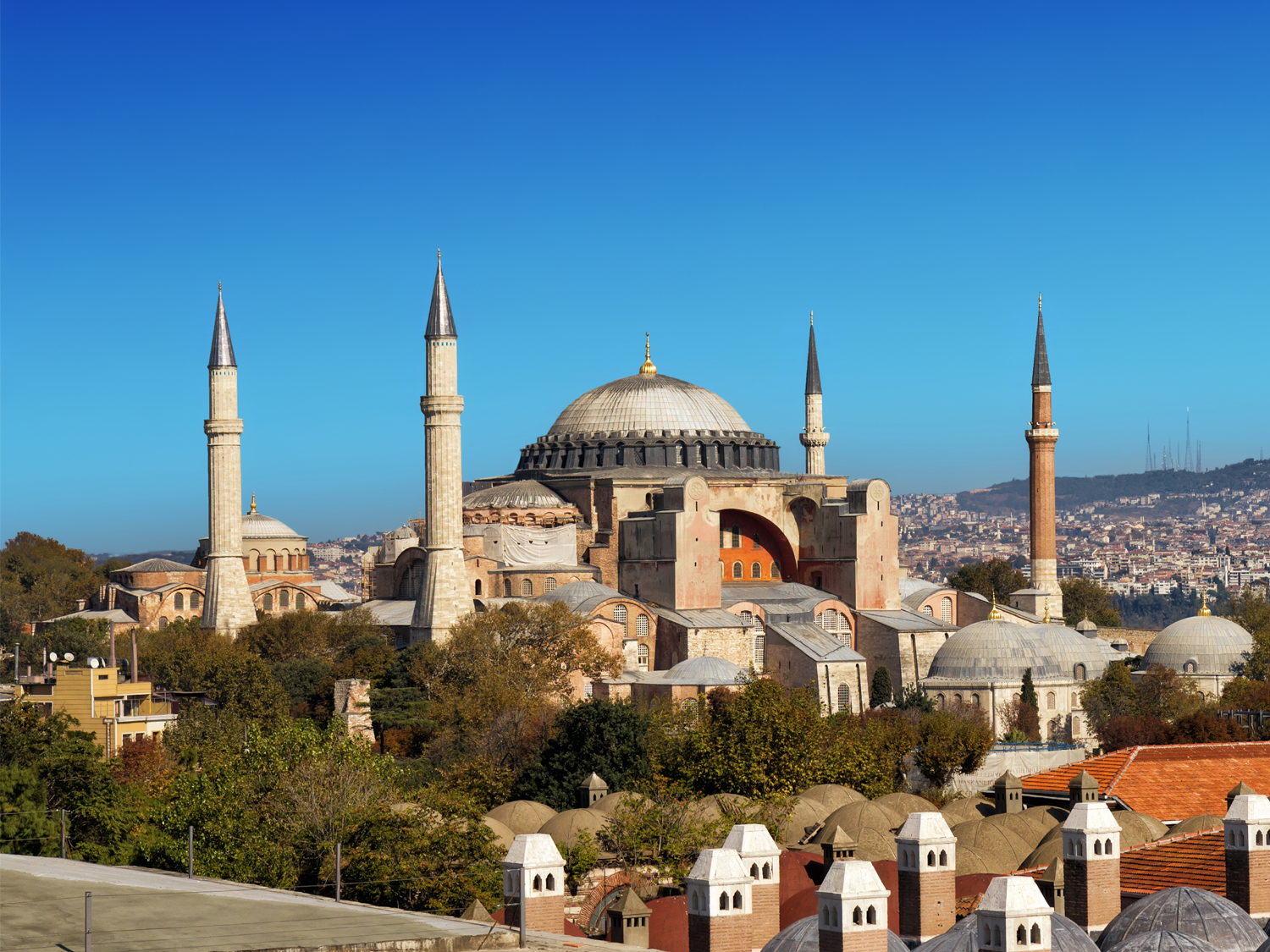

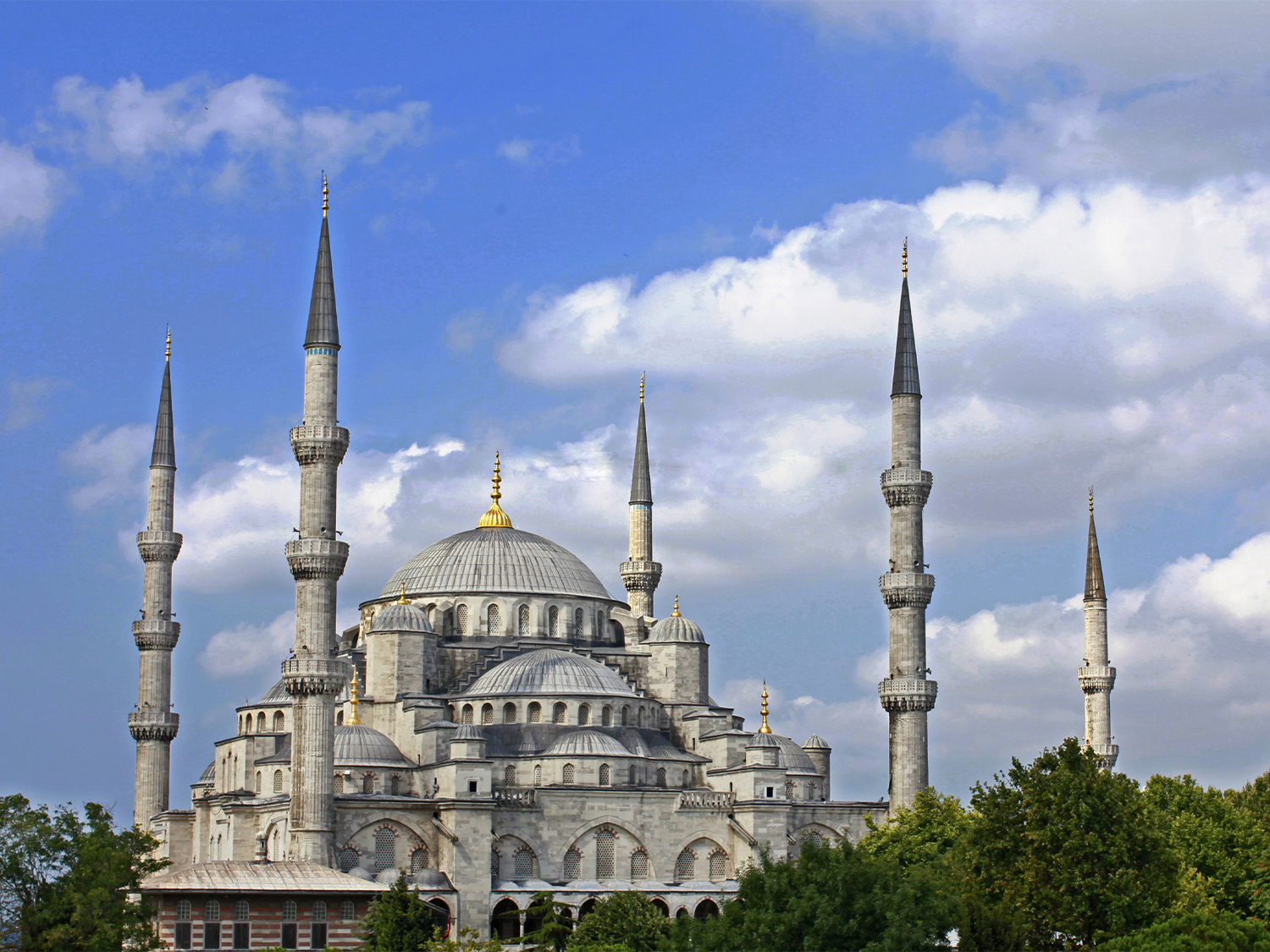
Highlights of Turkey
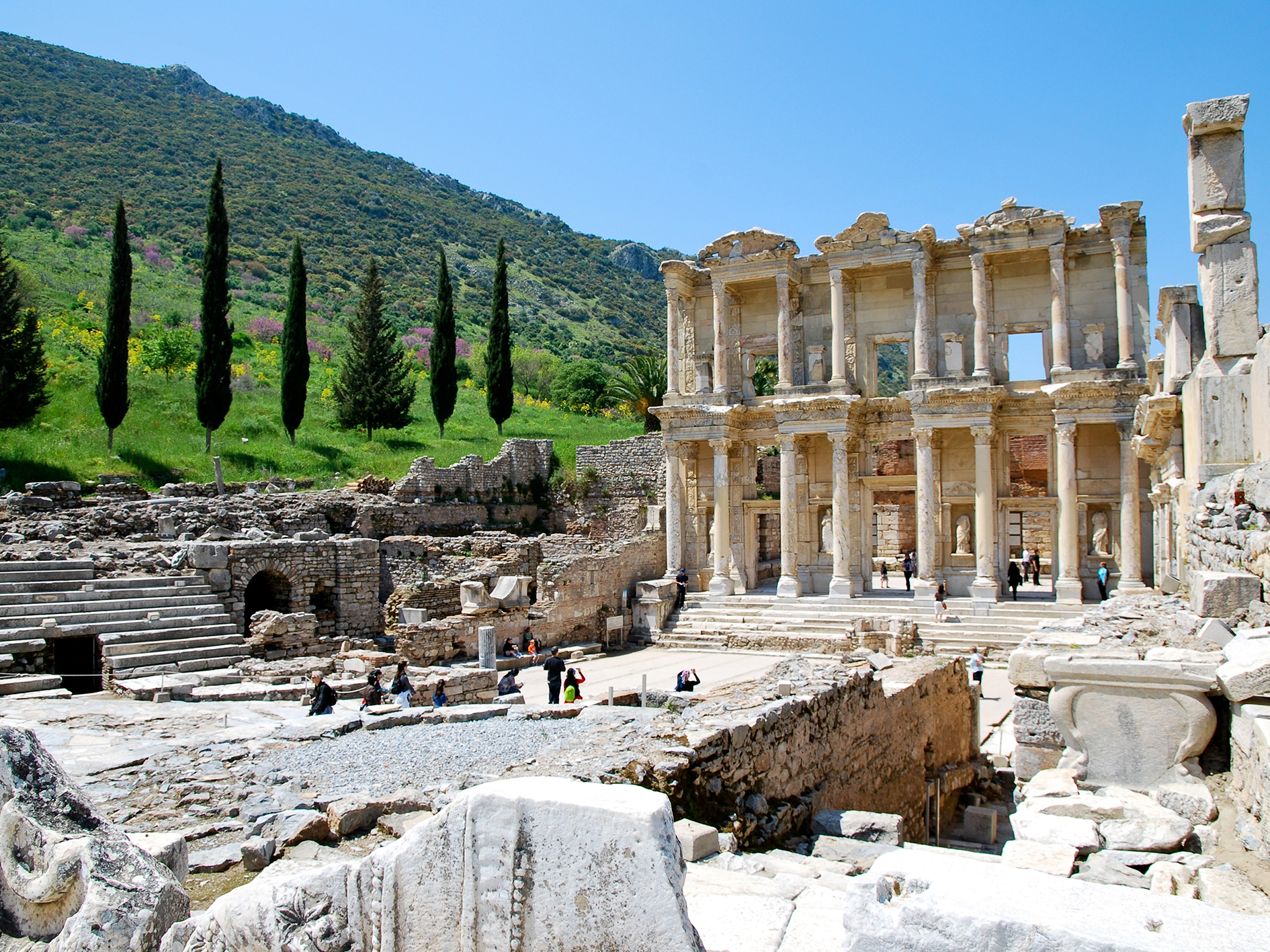
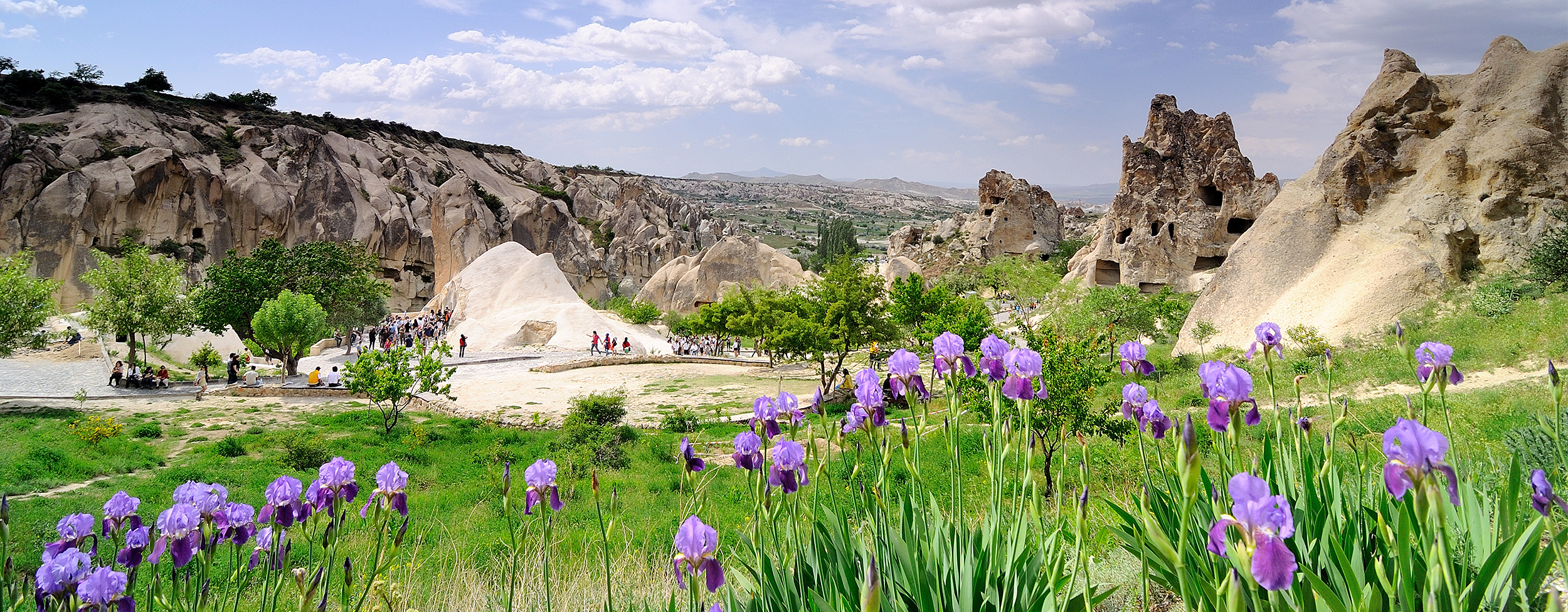
The kind-hearted hospitality of the locals is unlike anywhere else. Whether you're being offered a cup of traditional Turkish tea or chatting about local life and Turkish culture, you'll leave with the fondest memories. And that's not the only thing that stands out about our Turkey trips. From Istanbul's Blue Mosque to the underground cities of Cappadocia, here are some of the country's main highlights, and places you simply can't leave Turkey without visiting.