On The Go Tours
Our agents are waiting to chat to you...
Are you a Travel Agent or Customer?
Do you have an booking reference?
The Ultimate Month-by-Month Travel Guide to IndiaExplore India's Diverse Destinations, Weather, and Festivals Throughout the Year
When do you want to go?
2026
I'm flexible
Passengers
Adults (18+)
Children (0 - 17)
Visiting India
India, a land of diverse landscapes, climates, and cultures, offers unique experiences throughout the year. Whether you’re drawn to its snow-capped, mountains, sun-drenched beaches, bustling cities, or tranquil rural escapes, planning your visit based on the time of year can significantly enhance your travel experience. Each month in India brings a distinct blend of weather, festivals, and activities, making it possible to tailor your journey according to your interests and preferences.
With its vast geographical expanse, India’s climate varies dramatically from region to region. The northern plains experience cold winters and scorching summers, while the southern coastal regions enjoy a more tropical climate year-rounds. The monsoon season transforms landscapes with lush greenery, while the dry season offers clear skies and ideal conditions for sightseeing. Understanding these seasonal changes allows travellers to explore different aspects of India at the best possible time.
Beyond the weather, India’s vibrant cultural calendar adds another layer of excitement to each month. From grand religious festivals such as Diwali and Holi to regional celebrations like Pongal and Baisakhi, every month presents an opportunity to witness the country’s deep-rooted traditions and colourful heritage. Adventure seekers can plan treks in the Himalayas during the summer, while beach lovers may find the winter months perfect for a coastal retreat in Goa or Kerala. Wildlife enthusiasts can time their visits to national parks during the cooler months for the best chance of spotting elusive species such as tigers and leopards.
This month-by-month guide to visiting India provides an overview of the best destinations, weather conditions, and notable events to help you plan your perfect trip. Whether you’re looking at India’s cultural heritage, relaxing in natural surroundings, or participating in lively festivities, this guide will ensure that you make the most of your visit, no matter the time of year.
Visiting India in January
January is an excellent time to visit India, offering pleasant weather across most regions, vibrant festivals, and diverse experiences ranging from cultural exploration to natural adventures. With temperatures varying across the country—cool and crisp in the north, mild and comfortable in the central and southern regions, and pleasantly cool along the coastal areas—January provides an ideal climate for sightseeing and outdoor activities. From the snow-capped peaks of the Himalayas to the sun-kissed beaches of Goa, India in January is a traveller’s delight.
Weather Across India in January
The weather in India during January varies significantly by region. In northern India, cities like Delhi, Agra, and Jaipur experience cool temperatures, ranging from 5°C to 20°C (41°F to 68°F), with occasional foggy mornings. In the higher altitudes of Himachal Pradesh and Uttarakhand, snowfall is common, making it a perfect time for winter sports and scenic views.
Central India, including Madhya Pradesh and Maharashtra, enjoys mild weather, with temperatures averaging between 10°C and 25°C (50°F to 77°F), making it comfortable for exploring historical sites and wildlife reserves. Southern India, including Kerala, Tamil Nadu, and Karnataka, offers warm and pleasant weather, with temperatures ranging from 15°C to 30°C (59°F to 86°F), ideal for beach vacations and backwater cruises. Coastal regions such as Goa and the Andaman Islands enjoy balmy temperatures, perfect for relaxing by the sea.
Must Visit Destinations in January
The Golden Triangle (Delhi, Agra and Jaipur) is a popular itinerary in January, offering cooler temperatures that make sightseeing enjoyable. Explore the bustling streets of Old Delhi, visit the majestic Taj Mahal in Agra with the summer crowds, and wander through the pink-hue palaces of Jaipur, including the Hawa Mahal and Amer Fort. The mild weather ensures a comfortable journey through these culturally rich cities.
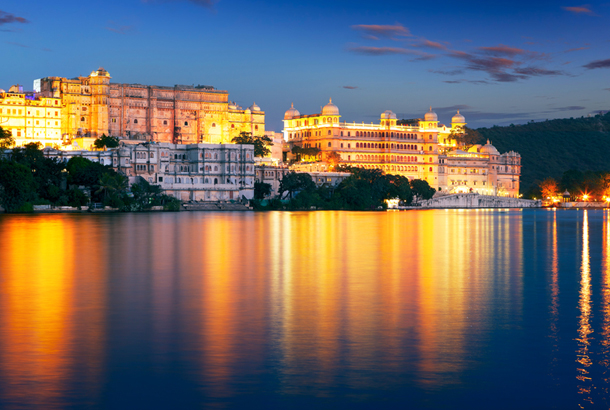
For those seeking scenic landscapes, the Rajasthan desert cities of Jaisalmer, Jodhpur, and Udaipur offer stunning forts, colourful markets, and tranquil lakes. Desert safaris in the Thar Desert are particularly enjoyable in the cool January evenings, complete with cultural performances and traditional Rajasthani cuisine.
In the southern part of the country, Kerala is an excellent choice for January, with its lush greenery, serene backwaters, and pleasant temperatures. A houseboat cruise through the Alleppey backwaters, a visit to Munnar’s tea plantations, and a walk through the spice gardens of Thekkady offer a refreshing escape from the colder north. Similarly, Goa is a perfect beach destination in January, with its vibrant nightlife, pristine beaches, and lively festivals.
For nature and wildlife enthusiasts, January is an ideal time to visit national parks such as Ranthambore (Rajasthan), Kanha (Madhya Pradesh) and Uttarakhand, where the cooler weather increases the chances of spotting tigers and other wildlife. Birdwatchers can head to Bharatpur Bird Sanctuary, which attracts migratory birds during this season.
Festival and Events in January
India celebrates several festivals in January, offering visitors a chance to experience the country's cultural diversity. The most notable event is Makar Sankranti, celebrated across India on the 14th January. In Gujarat, it is marked by the International Kite Festival in Ahmedabad, where the sky is filled with colourful kites and the atmosphere is festive with music and traditional food. In Tamil Nadu, the festival is known as Pongal, a four-day celebrations of harvest, marked by traditional dances, feasts, and cultural performances.
Another major event in January is Republic Day, celebrated on 26th January with a grand parade in New Delhi. The parade showcases India’s military strength, cultural heritage, and unity in diversity, with colourful floats, marching contingents, and aerial displays by the Indian Air Force. Travellers in Delhi during this time can witness this spectacular event at Rajpath.
In Rajasthan, the Bikaner Camel Festival, held in mid-January, offers a glimpse into the desert culture with camel races, folk performances, and traditional crafts. For music and literature enthusiasts, the Jaipur Literature Festival, usually held in late January, attracts renowned authors, poets, and speakers from around the world.
Practical Travel Tips for January
When visiting India in January, packing appropriately for the weather variations is essential. In northern and central regions, warm clothing, including jackets and layers, is necessary, especially for early mornings and evenings. In the south and coastal areas, lightweight clothing is suitable, with an additional light jacket for cooler nights. Comfortable walking shoes are recommended for sightseeing.
Visiting India in February
February is an excellent month to visit India, offering comfortable weather, fewer crowds compared to peak winter months, and an array of cultural events and festivals. With temperatures gradually rising as the country transitions from winter to spring, visitors can explore India’s diverse landscapes without the intense summer heat. From the bustling cities of the north to the serene beaches of the south, February provides an ideal setting for both adventure and relaxation.
Weather Across Different Regions in February
In northern India, cities such as Delhi, Agra, and Jaipur experience pleasant daytime temperatures ranging from 10°C to 25°C (50°F to 77°F), making it perfect for sightseeing. While early mornings and nights can be chilly, the overall climate remains favourable for exploring historical sites and outdoor attractions. In the Himalayan regions of Himachal Pradesh and Uttarakhand, snowfall may persist at higher altitudes, offering opportunities for winter sports and scenic mountains views.
Central India, including Madhya Pradesh and Maharashtra, enjoys mild temperatures between 15°C and 30°C (59°F to 86°F), making it an excellent time to visit wildlife sanctuaries and historical landmarks. Southern India, including Kerala, Tamil Nadu, and Karnataka, experiences warm but not overly hot weather, with temperatures ranging from 20°C to 32°C (68°F to 90°F), ideal for beach holidays, temple visits, and backwater cruises. Coastal regions such as Goa and the Andaman Islands offer warm, sunny days perfect for relaxation and water activities.
Must Visit Destinations in February
The Golden Triangle (Delhi, Agra, Jaipur) remains a popular itinerary in February, with the comfortable weather enhancing the experience of visiting iconic landmarks such as the Taj Mahal, Red Fort and Amer Fort. February is also a great time to explore Rajasthan’s desert cities of Jodhpur, Udaipur, and Jaisalmer, where the mild climate allows for enjoyable desert safaris, fort tours, and cultural performances.
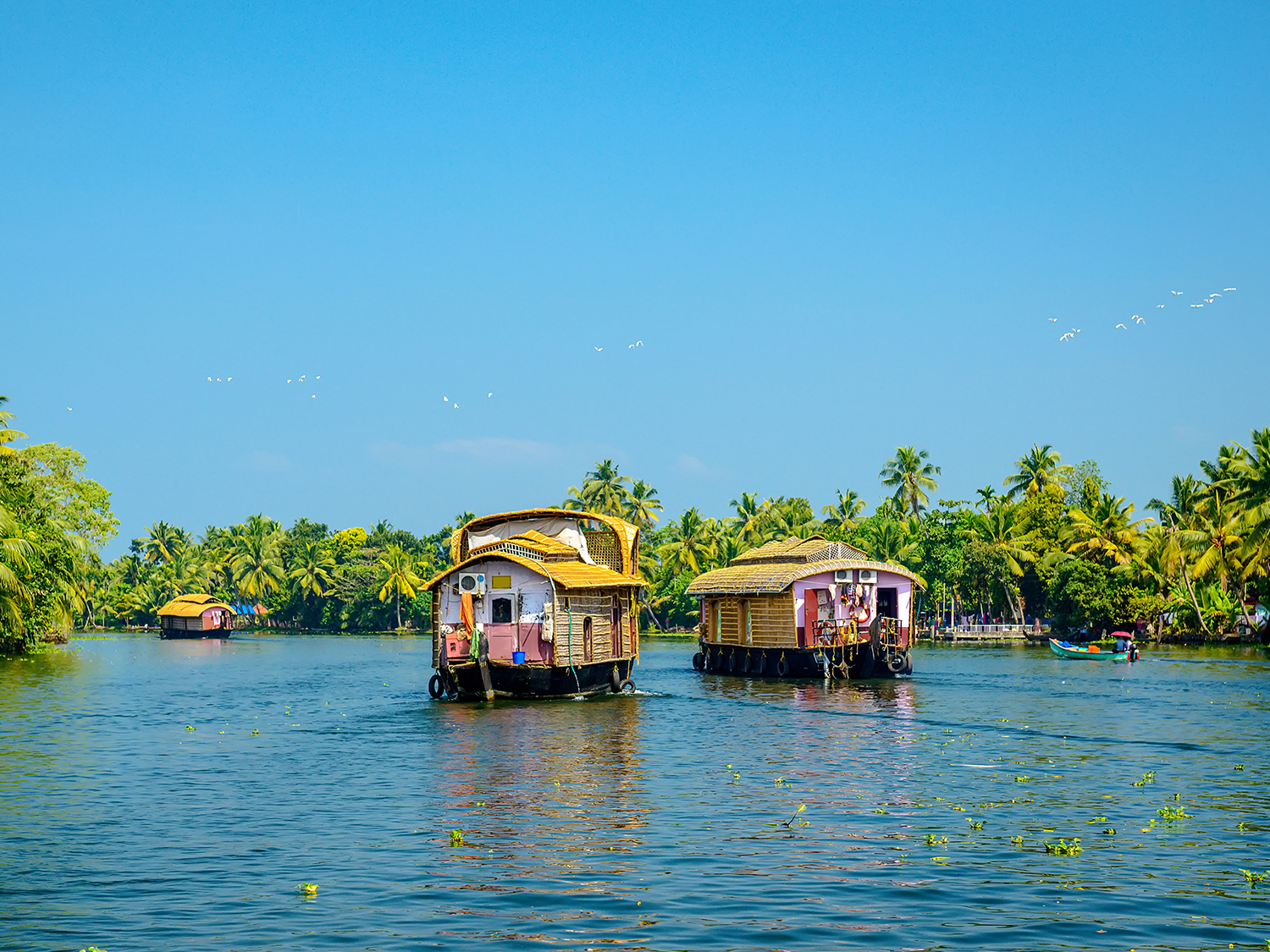
For those seeking tranquillity and scenic beauty, the Kerala backwaters offer a peaceful retreat. A houseboat cruise through Alleppey, a visit to the tea plantations of Munnar, and exploring the coastal town of Kovalam provide a perfect blend of relaxation and adventure. Goa, with its golden beaches and vibrant nightlife, is another ideal destination in February, free from the monsoon humidity and bustling with post-New Year celebrations.
In the northeast, destinations such as Shillong and Kaziranga National Park offer lush landscapes and rich biodiversity. February is a great time to spot the one-horned rhinoceros in Kaziranga, as the park’s open grasslands provide excellent visibility. Meanwhile, the hill stations of Darjeeling and Gangtok in the eastern Himalayas offer stunning views of snow-capped peaks and cultural experiences.
Festivals and Events in February
February is a festival month in India, offering travellers the chance to witness and participate in various cultural celebrations. One of the most significant festivals is Vasant Panchami, which marks the arrival of spring and is celebrated with great enthusiasm is states like West Bengal, Punjab, and Rajasthan. People wear yellow clothing, fly kites, and offer prayers to Saraswati – the goddess of wisdom.
The Khajuraho Dance Festival, held in Madhya Pradesh, showcases India’s classical dance forms against the stunning backdrop of the UNESCO-listed Khajuraho temples. It is an excellent opportunity to witness performances of Bharatanatyam, Kathak, Odissi, and more by renowned artists.
In Gujarat, the Rann Utsav continues in February, offering a unique experience in the white salt desert of Kutch. This cultural extravaganza features folk music, camel rides, and handicraft exhibitions, providing a glimpse into Gujarat’s vibrant culture.
The Goa Carnival, usually held in mid-February, is another major highlight, feature colourful parades, music, dance, and elaborate floats. The Portuguese-inspired celebration brings Goa to life with vibrant street parties and culinary delights.
Practical Travel Tips
When visiting India in February, packing should include a mix of light and warm clothing, especially for northern regions where mornings and evenings can still be chilly. In southern and coastal areas, lightweight clothing is sufficient, but carrying a light jacket is advisable for cooler nights.
Visiting India in March
March is a fantastic time to visit India, offering a transition from winter to summer, making it an ideal period for exploring diverse landscapes, historical landmarks, and cultural experiences. The weather in most parts of the country is warm but not yet uncomfortably hot, with average temperatures ranging from 15°C to 30°C (59°F to 86°F), depending on the region. March also marks the arrival of vibrant festivals and the blooming of flora, adding a colourful charm to travel across the country.
Weather Across Different Regions in March
India’s climate in March varies by region. Northern India, including Delhi, Agra, and Rajasthan, experiences pleasant daytime temperatures of around 20°C to 30°C (68°F to 86°F), making it an excellent time for sightseeing before the peak summer heat arrives. However, evenings can still be cool, especially in the desert areas. In the Himalayan foothills, such as Himachal Pradesh and Uttarakhand, temperatures are milder, ranging from 10°C to 20°C (50°F to 68°F), providing great conditions for trekking and nature walks.
Central India, covering states like Madhya Pradesh and Maharashtra, enjoys moderate weather, with temperatures between 18°C and 32°C (64°F to 90°F). It's an ideal time to explore wildlife sanctuaries and historical sites without the scorching heat that follows in the summer months.
Southern India, including Kerala, Tamil Nadu, and Karnataka, experiences warm and humid conditions, with temperatures averaging between 25°C and 35°C (77°F to 95°F). The coastal regions remain pleasant for beach vacations, while hill stations like Munnar and Coorg offer cooler getaways.
In the eastern and northeastern regions, places like Kolkata and Assam enjoy moderate temperatures, making it a good time to explore cultural sites and natural beauty before the onset of heavy pre-monsoon showers.
Must-Visit Destinations in March
March is an ideal time to explore India's diverse destinations, from bustling metropolises to serene retreats.
Rajasthan, with its majestic palaces and forts, is particularly inviting in March. Cities such as Jaipur, Jodhpur, and Udaipur boast pleasant temperatures for sightseeing, with highlights including the City Palace, Mehrangarh Fort, and Lake Pichola. Additionally, desert safaris in Jaisalmer offer an unforgettable experience with camel rides and cultural performances under the stars.
In North India, spiritual seekers can visit Rishikesh and Haridwar, which are buzzing with activity in March due to the annual International Yoga Festival. Rishikesh, nestled along the Ganges River, offers opportunities for adventure sports like river rafting and serene meditation retreats in the Himalayan foothills.
For those drawn to wildlife, Ranthambore National Park (Rajasthan), Bandhavgarh National Park (Madhya Pradesh), and Kaziranga National Park (Assam) are great options in March. The dry season makes it easier to spot tigers, elephants, and rhinos as they gather around water sources.
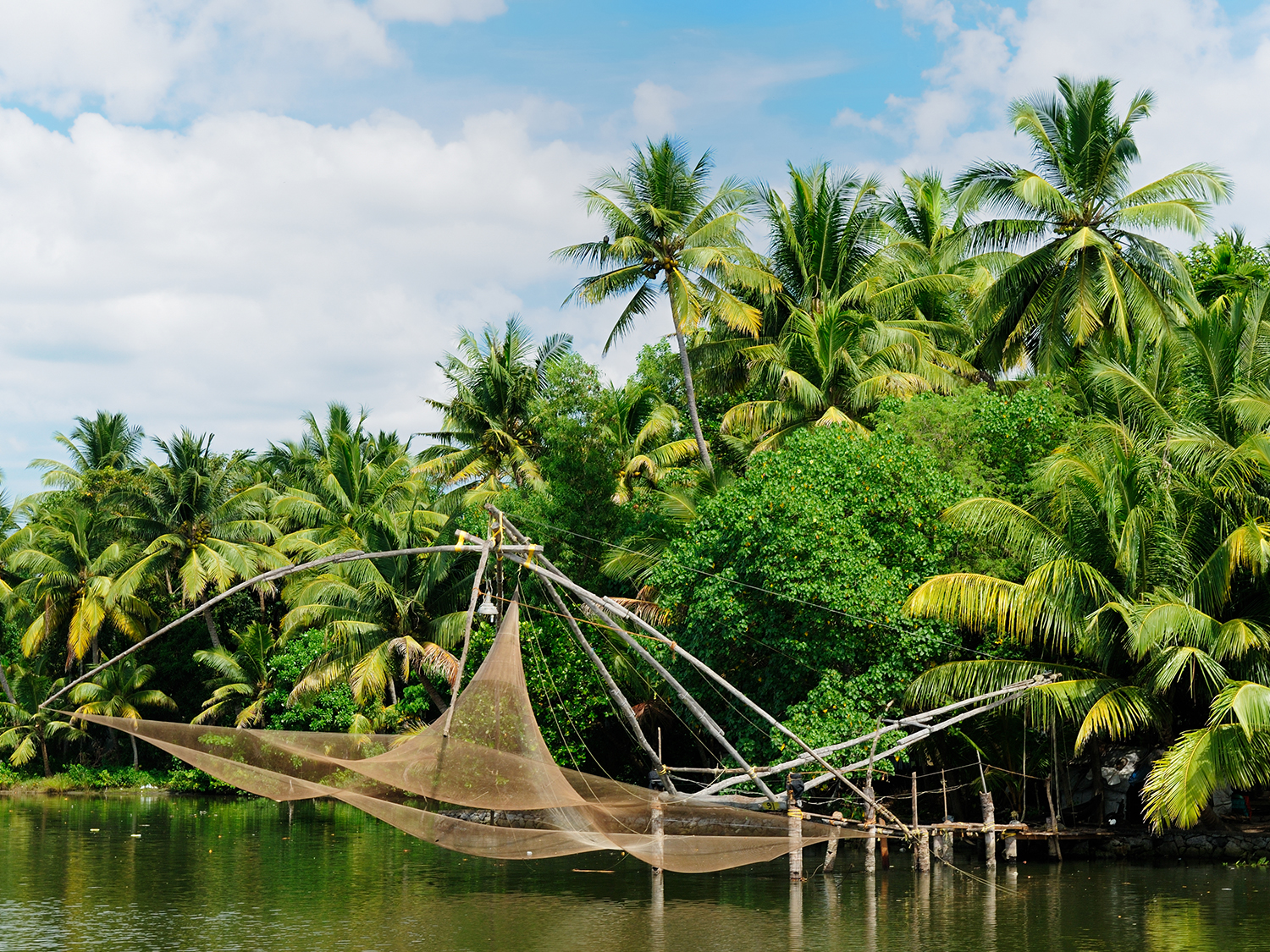
Beach lovers should head to Goa, where the crowds from peak season begin to thin, offering a more relaxed vibe while still enjoying sunny days and beach activities. Further south, the tranquil backwaters of Kerala, best explored via houseboats in Alleppey, provide a serene escape with lush greenery and traditional village life.
Festivals and Events in March
One of the most famous celebrations in India takes place in March – Holi, the festival of colours. Celebrated across the country, Holi marks the arrival of spring with vibrant festivities, music, dance, and playful colour-throwing. Cities such as Mathura and Vrindavan in Uttar Pradesh are particularly renowned for their elaborate Holi celebrations, featuring temple rituals and cultural performances that offer a deeper insight into the festival’s traditions.
In Rajasthan, the Gangaur Festival, celebrated in Jaipur and Udaipur, honors Goddess Parvati with processions, folk performances, and colorful traditional attire. It’s a wonderful opportunity to witness local customs and enjoy Rajasthan’s rich heritage.
Down south, the Attukal Pongala Festival in Kerala, one of the largest gatherings of women devotees in the world, takes place in March, where millions offer prayers and cook traditional dishes in devotion to the goddess Attukal Amma.
The northeastern state of Sikkim hosts the Losar Festival, marking the Tibetan New Year. Visitors can experience Buddhist rituals, cultural programs, and traditional dances in monasteries such as Rumtek and Pemayangtse.
Practical Travel Tips
When traveling to India in March, it's essential to pack lightweight clothing for the warmer regions, while carrying a light jacket for cooler evenings in the north. Sun protection, including hats and sunscreen, is important as temperatures begin to rise. Comfortable footwear is a must for exploring cities and outdoor activities.
Visitors should also be mindful of local customs, especially during religious festivals, and take part respectfully.
Visiting India in April
April marks the beginning of summer in India, bringing warm temperatures across most regions and a lively atmosphere with blooming landscapes and cultural events. As the weather transitions, visitors can explore the country's diverse offerings—from the cool hill stations of the north to the sunny beaches of the south. With average temperatures ranging from 25°C to 35°C (77°F to 95°F) in most parts, coastal and mountainous areas offer pleasant retreats, while cultural festivals and wildlife experiences make April an exciting time to visit.
Weather in April
April temperatures vary greatly across India. In northern regions like Delhi, Rajasthan, and Uttar Pradesh, temperatures rise steadily, often reaching 35°C (95°F), though mornings and evenings remain relatively cooler. In the Himalayan foothills and hill stations such as Shimla, Darjeeling, and Manali, temperatures are much milder, making these destinations popular for those seeking a respite from the heat.
Southern India, including Kerala, Tamil Nadu, and Karnataka, experiences warm and humid conditions with average temperatures around 30°C (86°F), while the coastal breeze in places like Goa and the Andaman Islands offers a comfortable escape. In contrast, central India, including Madhya Pradesh and Chhattisgarh, can experience dry heat, with temperatures climbing above 40°C (104°F) in some areas.
Best Places to Visit in April
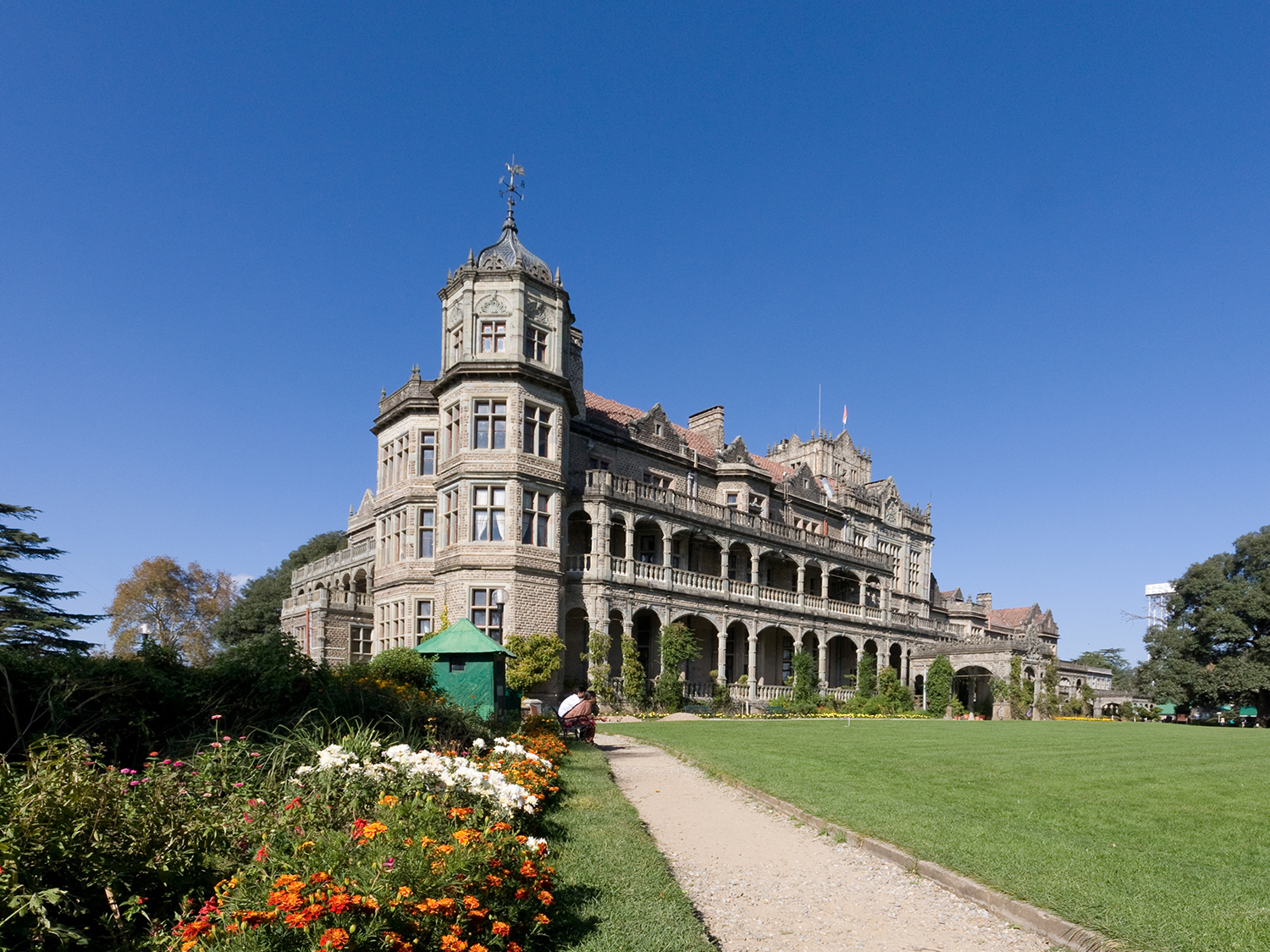
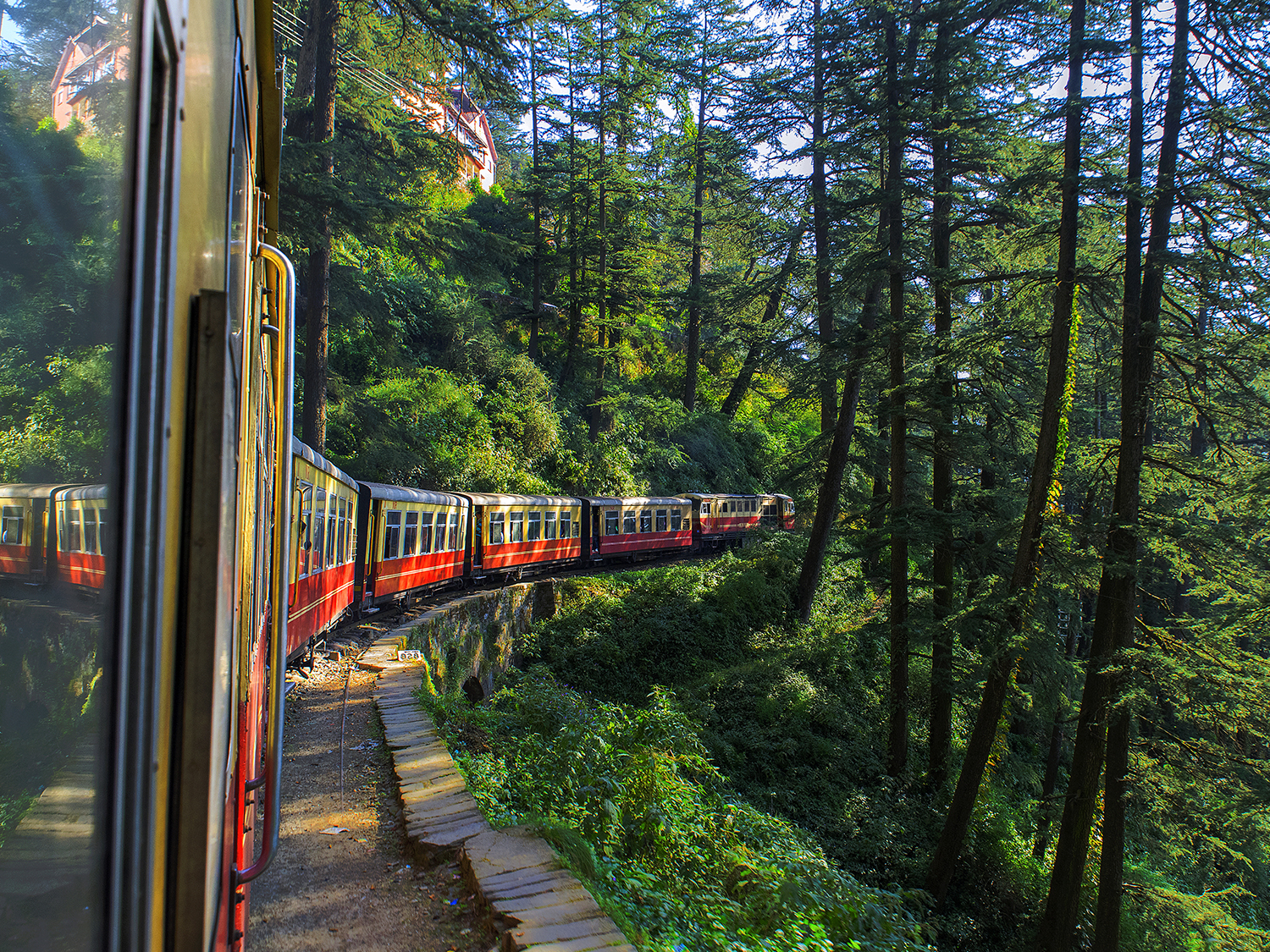
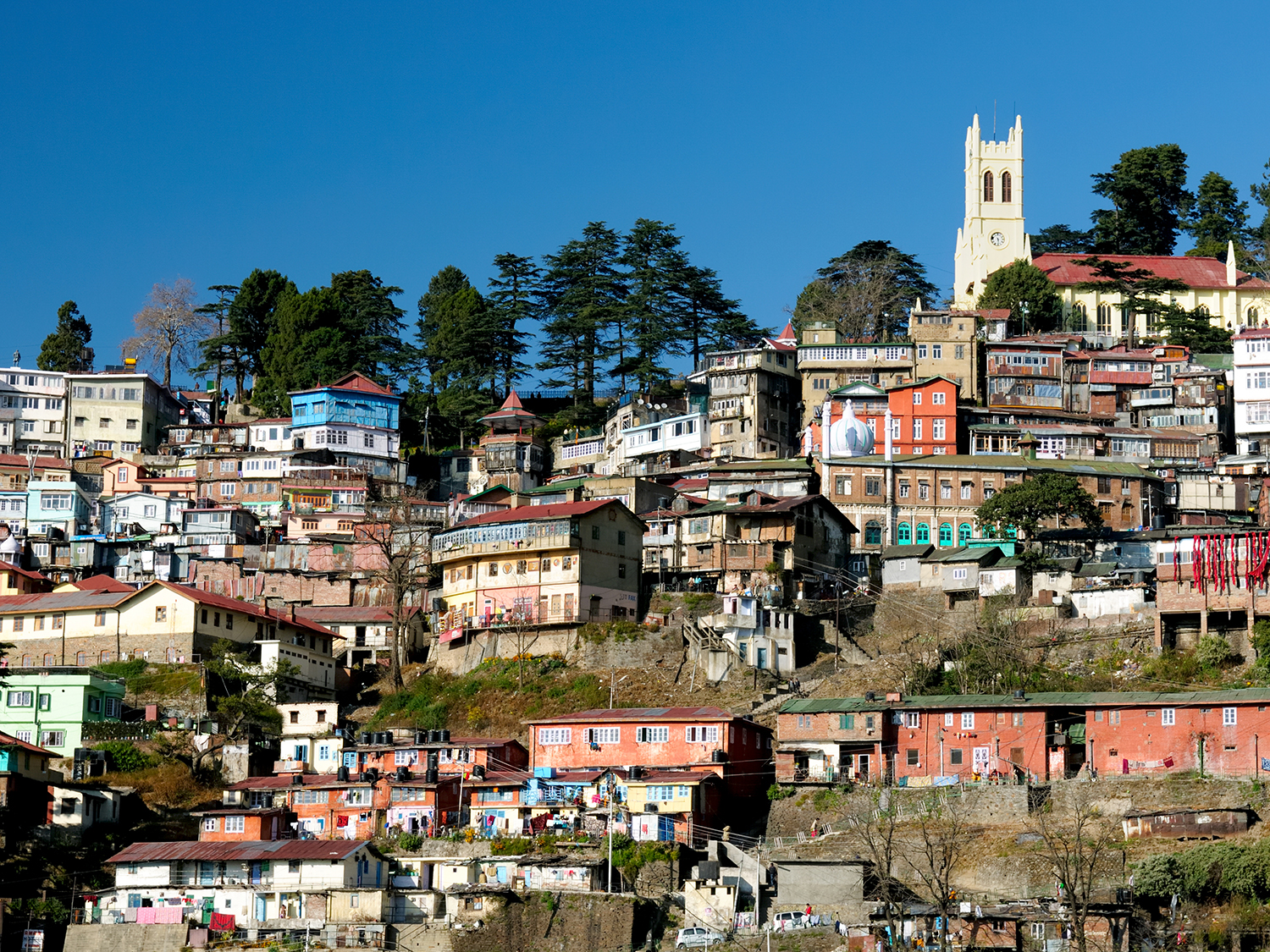
April is an excellent time to explore India’s hill stations, which provide cooler temperatures and scenic beauty. In the north, Shimla, Manali, and Mussoorie are popular destinations offering lush greenery, colonial-era charm, and adventure activities such as trekking and paragliding. In the east, Darjeeling provides breathtaking views of the Kanchenjunga mountain range, along with lush tea plantations and the charming Darjeeling Himalayan Railway.
In the south, hill stations like Munnar, Ooty, and Coorg offer a peaceful retreat amidst rolling tea gardens, waterfalls, and spice plantations. These destinations provide opportunities for nature walks, plantation tours, and boat rides, making them ideal for families and honeymooners.
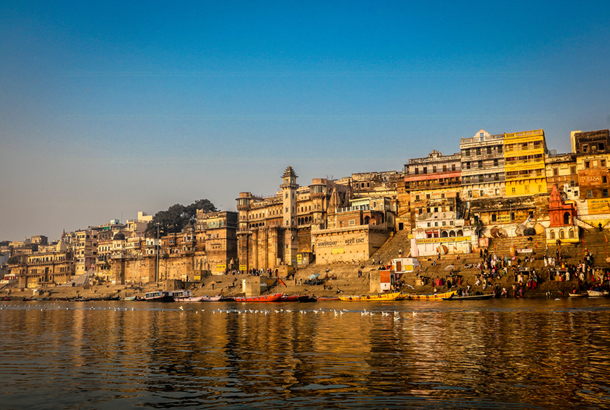
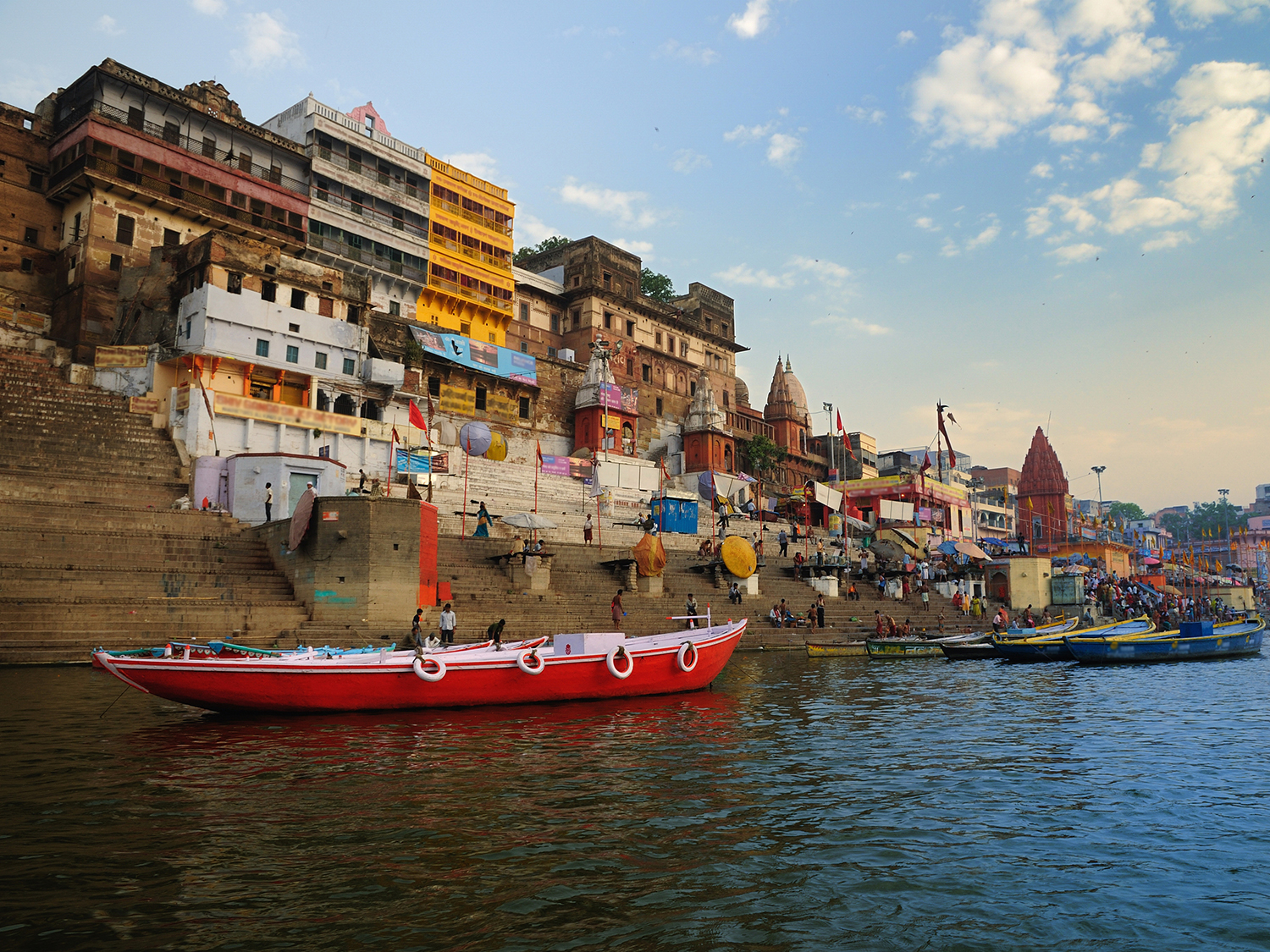
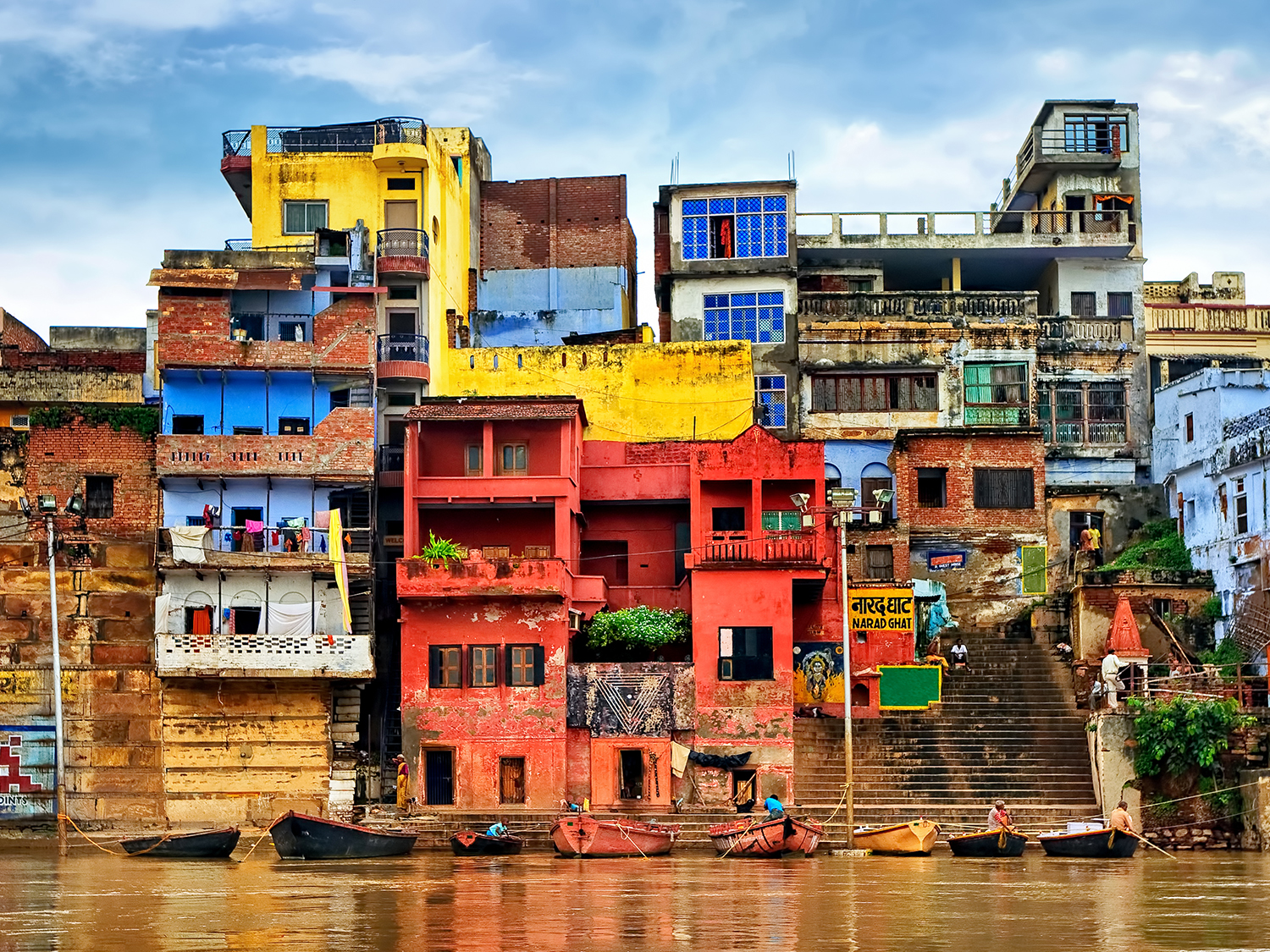
If you prefer cultural exploration, Varanasi, one of the world's oldest cities, offers an immersive spiritual experience with its ghats along the Ganges, mesmerizing evening aartis, and ancient temples. In the west, Rajasthan remains an attractive destination, with its majestic forts in Jaipur, the shimmering lakes of Udaipur, and the golden sands of Jaisalmer providing a regal experience.
Festivals and Events in April
April is a festive month in India, with several regional celebrations taking place. One of the most significant festivals during this time is Baisakhi, celebrated in Punjab and northern India, marking the harvest season and the Sikh New Year. Vibrant processions, traditional dances such as Bhangra, and festive feasts make this an exciting time to visit cities like Amritsar and Ludhiana.
In Tamil Nadu and other southern states, Tamil New Year (Puthandu) is observed with special rituals, family gatherings, and elaborate feasts. Similarly, Bihu in Assam welcomes the Assamese New Year with music, dance, and community celebrations, offering visitors an opportunity to experience northeastern India's unique culture.
For those interested in religious festivities, Ram Navami, which celebrates the birth of Lord Rama, is widely observed in cities such as Ayodhya and Rameswaram with devotional singing, temple visits, and grand processions. Additionally, Mahavir Jayanti, an important festival for the Jain community, is marked by processions and prayers in major cities like Mumbai and Gujarat.
Practical Travel Tips
When visiting India in April, it’s essential to stay hydrated and protect yourself from the sun by wearing light, breathable clothing, sunglasses, and sunscreen. Carrying a reusable water bottle and wearing a hat or scarf can help manage the heat, especially in urban areas.
It’s advisable to plan sightseeing activities for early mornings or evenings to avoid peak afternoon temperatures. Booking accommodations with air conditioning and ensuring comfortable transportation arrangements will enhance the travel experience.
Visiting India in May
May in India marks the peak of summer, bringing high temperatures and dry conditions to many parts of the country. Despite the heat, this month offers unique travel opportunities, from exploring the cool hill stations in the north to enjoying serene coastal escapes in the south. While much of the northern plains experience soaring temperatures between 30°C to 45°C (86°F to 113°F), the Himalayan foothills and coastal regions provide a more comfortable retreat. With fewer crowds at popular tourist destinations and off-season discounts on accommodations, May can be an ideal time for those looking for a quieter travel experience.
Weather Conditions Across Regions in May
India’s weather in May varies significantly by region. The northern plains, including Delhi, Rajasthan, and Uttar Pradesh, experience high temperatures, often exceeding 40°C (104°F). In contrast, the hill stations in Himachal Pradesh, Uttarakhand, and Jammu & Kashmir provide a much-needed respite with temperatures ranging from 10°C to 25°C (50°F to 77°F).
The western region, including Gujarat and Rajasthan, remains hot and arid, but destinations like Udaipur and Mount Abu offer relatively cooler conditions. Southern states such as Kerala, Tamil Nadu, and Karnataka experience pre-monsoon showers, keeping the temperatures moderate between 25°C and 35°C (77°F to 95°F), making destinations like Munnar, Ooty, and Coorg popular getaways. Coastal areas such as Goa and the Andaman Islands provide relief with refreshing sea breezes and water activities.
Ideal Destination to Visit in May
Hill Stations in the North – May is the perfect time to escape to the cool retreats of the Himalayas. Popular destinations such as Shimla, Manali, Mussoorie, and Nainital offer scenic landscapes, pleasant weather, and outdoor activities like trekking and boating. Lesser-known gems such as Kasauli, Tirthan Valley, and Chamba provide quieter escapes surrounded by lush greenery and snow-capped peaks.
Northeast India – The northeastern states of Meghalaya, Sikkim, and Arunachal Pradesh are excellent options in May. With their lush landscapes, cool weather, and cultural diversity, places like Shillong, Gangtok, and Tawang offer breathtaking views of rolling hills, waterfalls, and monasteries.
Southern Escapes – The Western Ghats in Kerala and Karnataka provide a perfect blend of cool weather and natural beauty. Destinations such as Munnar, Wayanad, and Coorg boast misty hills, coffee plantations, and abundant wildlife. The backwaters of Kerala offer a tranquil experience with houseboat stays and Ayurvedic retreats.
Beach Destinations – While the coastal regions can be warm and humid, destinations such as Goa, Pondicherry, and the Andaman Islands are still attractive, offering beachside relaxation, water sports, and vibrant nightlife. May is also a good time for scuba diving and snorkeling in the Andaman and Lakshadweep Islands, with clear visibility underwater.
Practical Travel Tips
Visiting India in May requires some preparation due to the heat in many regions. It is important to stay hydrated and wear lightweight, breathable clothing to remain comfortable. Sunscreen, sunglasses, and a hat are essential for protection against the strong sun.
In urban areas, it’s advisable to plan sightseeing activities early in the morning or late in the evening to avoid the peak afternoon heat.
Despite the heat, May can be an excellent time to explore India with proper planning, as off-season discounts and fewer crowds make popular destinations more accessible.
Visiting India in June
June marks the transition from summer to the monsoon season in India, offering a mix of warm temperatures and the first refreshing showers in many regions. While parts of the country experience high humidity and soaring temperatures, hill stations and coastal destinations provide a pleasant escape. With fewer crowds in many popular tourist spots and lush landscapes beginning to emerge, June presents a unique opportunity to explore India’s diverse terrain, cultural richness, and seasonal festivities.
Weather Across Different Regions in June
India experiences varied climatic conditions in June. In the northern plains, including Delhi, Rajasthan, and Uttar Pradesh, temperatures can range from 30°C to 45°C (86°F to 113°F), with dry heat and occasional pre-monsoon showers providing some relief. Meanwhile, the southern states such as Kerala, Karnataka, and Tamil Nadu start receiving the early monsoon rains, resulting in cooler temperatures and greener landscapes. Coastal regions like Goa and the Andaman Islands remain humid but experience intermittent showers, making them quieter and more serene for travellers.
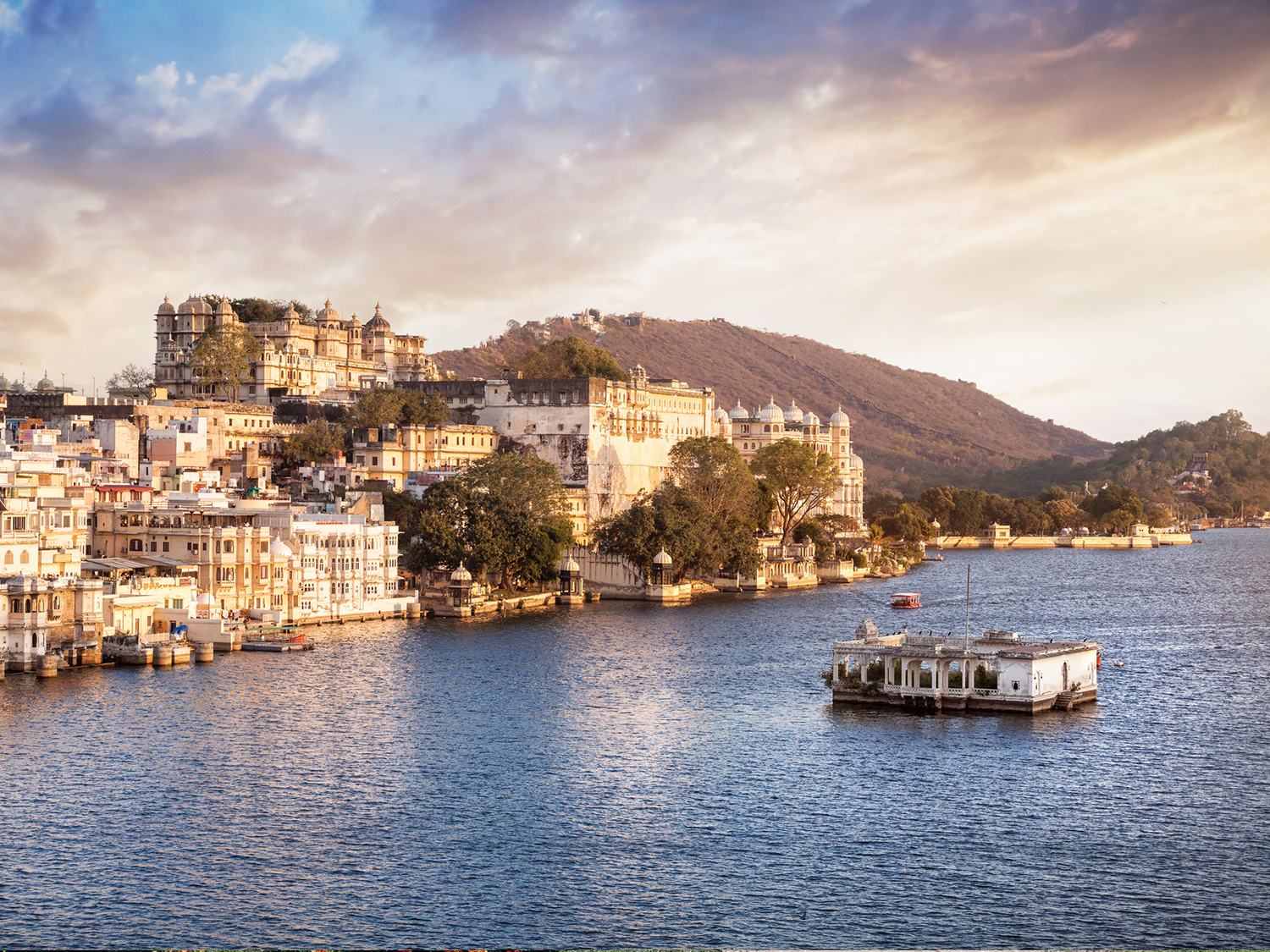
In the Himalayan regions of Himachal Pradesh, Uttarakhand, and Ladakh, June offers some of the best conditions for trekking and sightseeing. With temperatures ranging from 10°C to 25°C (50°F to 77°F), it is an ideal time to escape the heat of the plains and enjoy the breathtaking mountain vistas.
Must-Visit Destinations in June
For those looking to escape the heat, Ladakh is a prime destination in June, offering dramatic landscapes, ancient monasteries, and thrilling adventures. The famous Leh-Manali highway opens in June, allowing access to stunning spots such as Pangong Lake, Nubra Valley, and the Khardung La Pass.
Shimla and Manali, nestled in the foothills of the Himalayas, are perfect for a leisurely retreat in June. Visitors can enjoy scenic hikes, colonial-era architecture, and local delicacies in the cool mountain air. Similarly, Darjeeling and Sikkim, with their rolling tea plantations and views of the Kanchenjunga mountain range, provide a refreshing escape from the summer heat.
If you're seeking a coastal retreat, Goa offers a quieter experience in June. While the monsoon rains begin, the lush landscapes and less crowded beaches make it a great time for relaxation and enjoying Goa’s famous spa retreats and scenic drives through the Western Ghats. Kerala, with its serene backwaters and misty hills in Munnar and Wayanad, offers lush green landscapes as the monsoon sets in, making it a perfect destination for nature lovers.
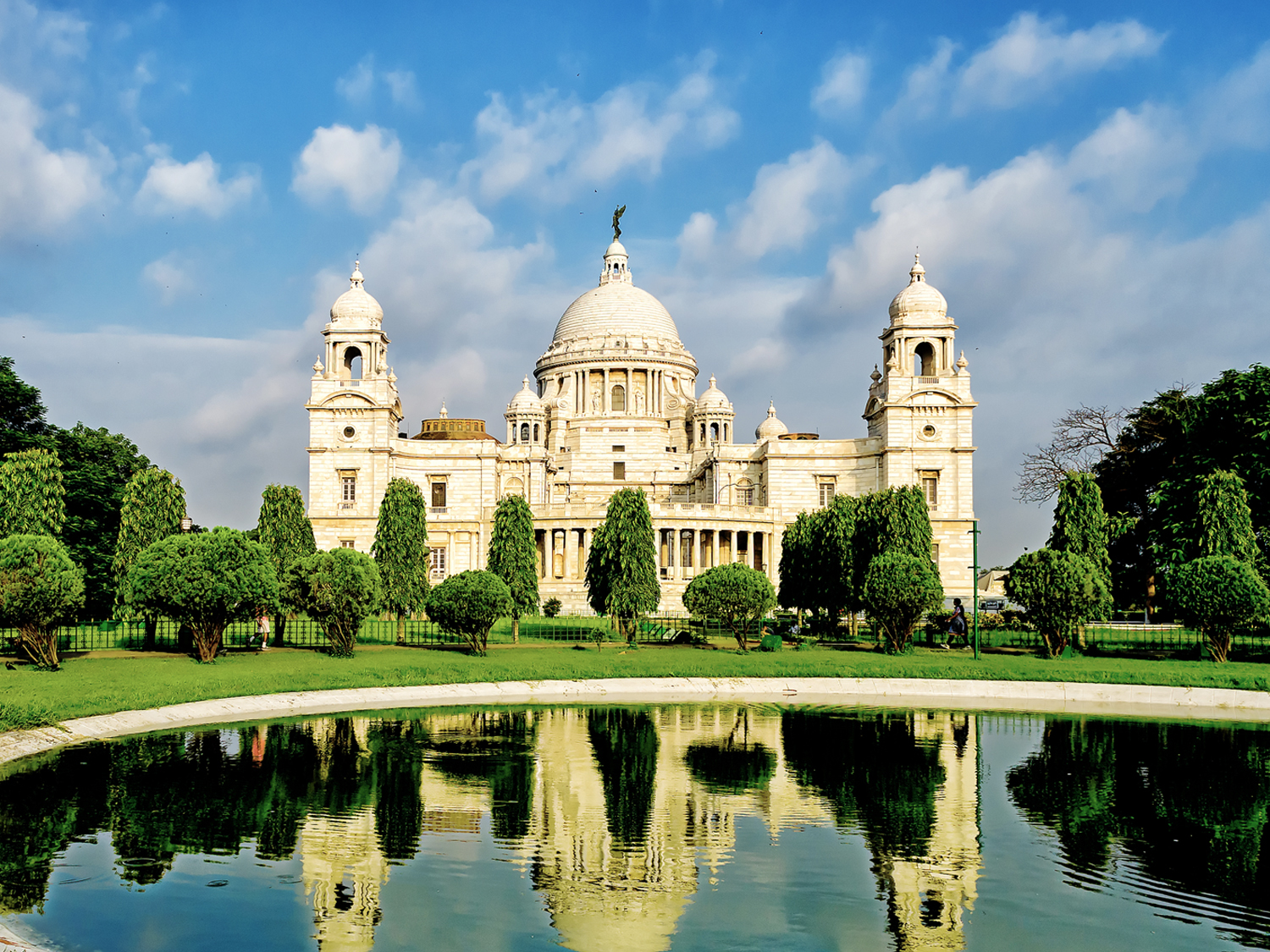
For wildlife enthusiasts, national parks such as Jim Corbett in Uttarakhand, Periyar in Kerala, and Kaziranga in Assam remain open before the heavy rains arrive, offering opportunities to spot tigers, elephants, and rhinoceroses amidst dense forests.
Practical Travel Tips in June
When traveling to India in June, it’s important to be prepared for varying weather conditions. In northern and central regions, lightweight cotton clothing, sunglasses, and sun protection are essential for dealing with the heat. If visiting coastal and hill regions, carrying an umbrella or raincoat is advisable due to the early monsoon showers.
Travelers should also check weather forecasts and road conditions, as heavy rains can occasionally lead to travel disruptions in certain areas.
Visiting India in July
Visiting India in July presents a unique opportunity to experience the country in a different light, as the monsoon season brings refreshing rains, lush landscapes, and a slower, more serene pace of life. While the weather can vary across regions, with some areas experiencing heavy rainfall and others remaining relatively dry, July offers a chance to explore India's natural beauty, cultural heritage, and vibrant local life away from the peak tourist crowds. Travellers can enjoy verdant hill stations, offbeat coastal retreats, and a range of seasonal festivals that highlight India’s diverse traditions.
Weather Across Different Regions in July
July marks the height of the monsoon season in most parts of India, with varying levels of rainfall depending on the region. The western coast, including Goa, Kerala, and Maharashtra, experiences heavy rain, transforming the landscape into a lush green paradise. In contrast, northern regions such as Delhi, Rajasthan, and Punjab receive moderate showers, offering occasional relief from the summer heat, with temperatures ranging from 25°C to 35°C (77°F to 95°F).
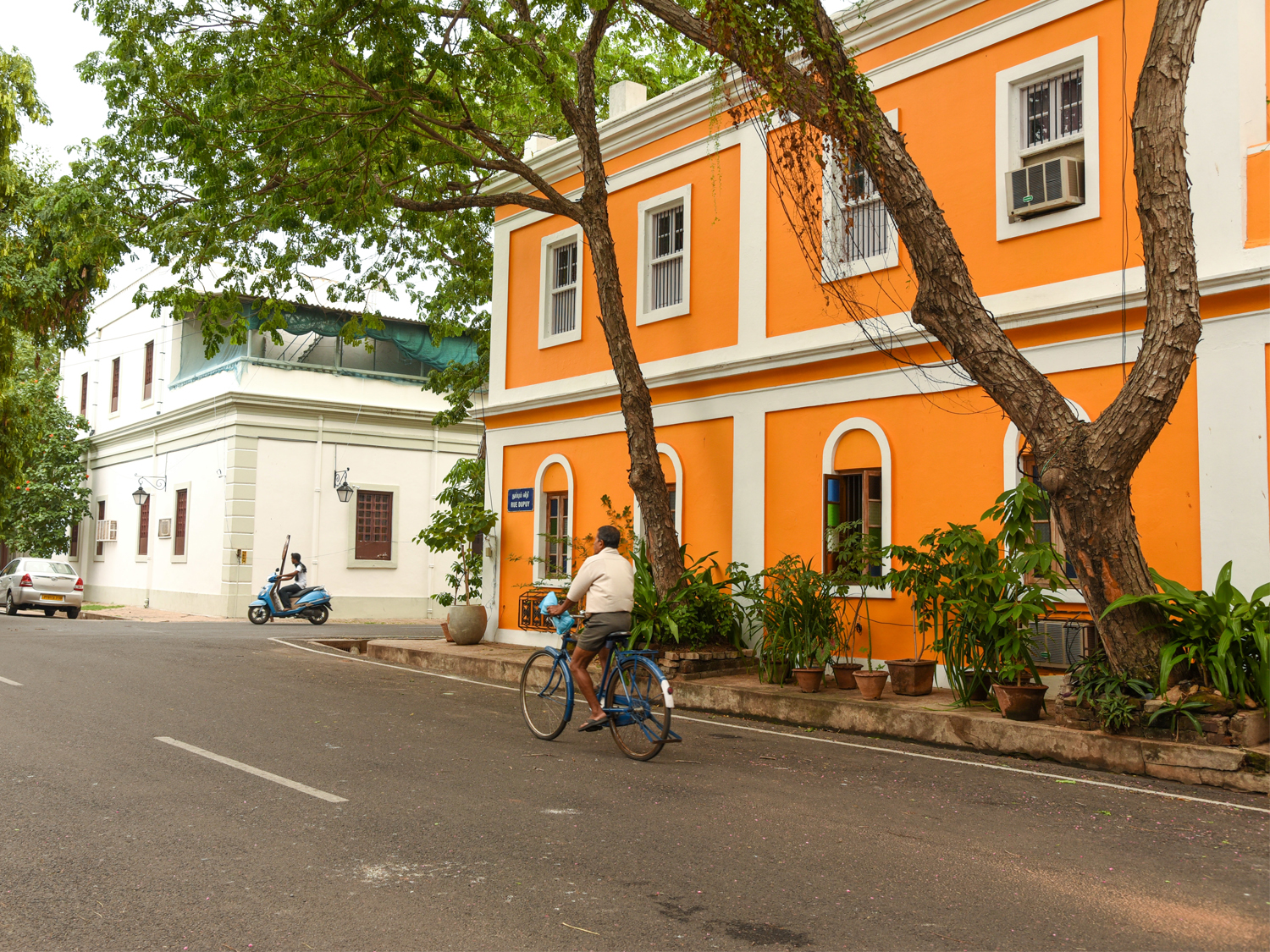
The hill stations of Himachal Pradesh and Uttarakhand enjoy cooler temperatures, with mist-covered valleys and cascading waterfalls creating a picturesque atmosphere. Meanwhile, the central regions, including Madhya Pradesh and Chhattisgarh, experience moderate rain and humidity. The eastern states of West Bengal, Assam, and Meghalaya see substantial rainfall, creating stunning green landscapes but also requiring caution due to occasional flooding. The southern states, particularly Tamil Nadu, experience relatively less rainfall, making it a favourable destination for travellers seeking a mix of culture and nature.
Destinations to Explore in July
Despite the rain, many destinations in India shine in July, offering stunning natural beauty and cultural experiences. The Western Ghats, a UNESCO World Heritage site stretching across Maharashtra, Goa, Kerala, and Karnataka, come alive during the monsoon with misty mountains, dense forests, and spectacular waterfalls such as Jog Falls and Dudhsagar Falls. Hill stations like Munnar, Coorg, and Lonavala provide the perfect monsoon retreat with their cool climate, tea plantations, and scenic viewpoints.
For those seeking an offbeat experience, the Valley of Flowers in Uttarakhand blooms in July with a breathtaking array of wildflowers. This UNESCO-listed national park is a paradise for nature lovers and trekkers, offering an ethereal experience amidst mist-covered meadows and vibrant flora.
In Rajasthan, cities like Udaipur and Mount Abu receive minimal rainfall, making them ideal destinations to explore grand palaces, tranquil lakes, and historic temples without the sweltering summer heat. Udaipur’s serene Lake Pichola and Mount Abu’s scenic Nakki Lake provide perfect backdrops for monsoon reflections.
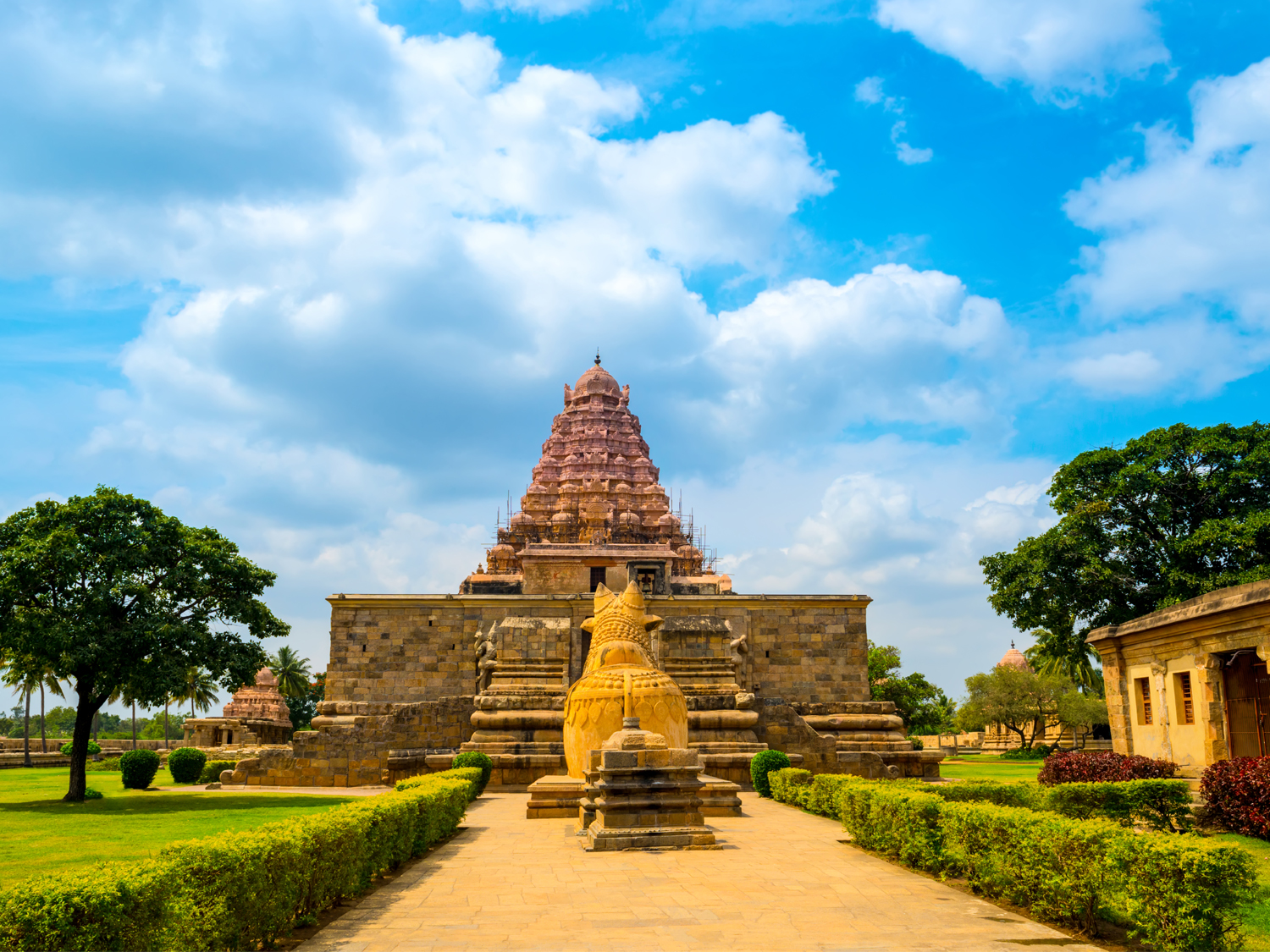
For a coastal escape, Goa in July offers a different experience from its usual sun-soaked vibe. The monsoon season brings fewer crowds, lush greenery, and discounted accommodations. It’s an ideal time to explore spice plantations, heritage Portuguese architecture, and serene beaches without the peak-season hustle.
Festivals and Cultural Events in July
India’s vibrant culture is reflected in its monsoon festivals, and July is no exception. One of the most significant festivals celebrated during this time is Rath Yatra in Puri, Odisha. This grand chariot festival, dedicated to Lord Jagannath, draws thousands of devotees and tourists who witness the massive chariots being pulled through the streets in a grand procession.
In Maharashtra, the festival of Guru Purnima, held in July, is a time to honour teachers and spiritual mentors. Celebrations take place at various ashrams, temples, and spiritual centres across the country, including the famous Shirdi Sai Baba temple.
Another fascinating event is Hemis Festival in Ladakh, which takes place at Hemis Monastery and features colourful masked dances, traditional music, and vibrant costumes, offering visitors a glimpse into the region's Tibetan Buddhist heritage.
In Kerala, Onam preparations begin in July, with the state coming alive with traditional music, elaborate flower decorations, and preparations for the famous boat races. While the main festival occurs in August, visiting Kerala in July offers an early glimpse of the festive spirit.
Practical Travel Tips in July
When traveling to India in July, it’s essential to be prepared for the monsoon weather. Pack light, breathable clothing along with a waterproof jacket, sturdy footwear, and quick-dry clothing to stay comfortable during unexpected showers. Umbrellas and insect repellent are also useful for navigating both urban and rural areas.
Visiting India in August
August offers a unique opportunity to experience India during the monsoon season, when the country is transformed into a lush and vibrant landscape. With rains sweeping across much of the subcontinent, the weather is generally warm and humid, with temperatures ranging from 25°C to 35°C (77°F to 95°F) in most regions. While the rainfall can be heavy at times, it brings a refreshing change, turning hill stations, forests, and rural areas into verdant paradises. August is also a culturally significant month, with major festivals and events adding a lively atmosphere to the travel experience.
Weather Conditions Across Regions in August
India’s diverse geography results in varying weather conditions across different regions in August. In North India, including Delhi, Punjab, and Rajasthan, the rains bring temporary relief from the summer heat, although humidity levels remain high. The hill stations of Himachal Pradesh and Uttarakhand receive moderate to heavy rainfall, creating misty landscapes and lush greenery, perfect for nature lovers.
Central India, covering Madhya Pradesh and Chhattisgarh, experiences intermittent showers, which enhance the beauty of national parks and historical sites. The forests become dense and teeming with wildlife, offering unique safari experiences.
South India, including Kerala, Karnataka, and Tamil Nadu, receives heavy rainfall during August, making it an ideal time to explore the region's waterfalls, lush backwaters, and scenic hill stations such as Munnar and Coorg. On the other hand, coastal areas such as Goa and Chennai can experience rough seas and heavy showers, making it a quieter season for beach tourism.
In Eastern India, states like West Bengal, Odisha, and the northeastern states see consistent rainfall, with the landscapes bursting with greenery. The tea gardens of Assam and the hills of Meghalaya are particularly picturesque at this time. The western states of Maharashtra and Gujarat also experience monsoon showers, with Mumbai’s famous monsoon culture providing a unique urban experience.
Top Destinations to Visit in August
August is a great time to explore India's scenic hill stations, waterfalls, and offbeat destinations that thrive during the monsoon.
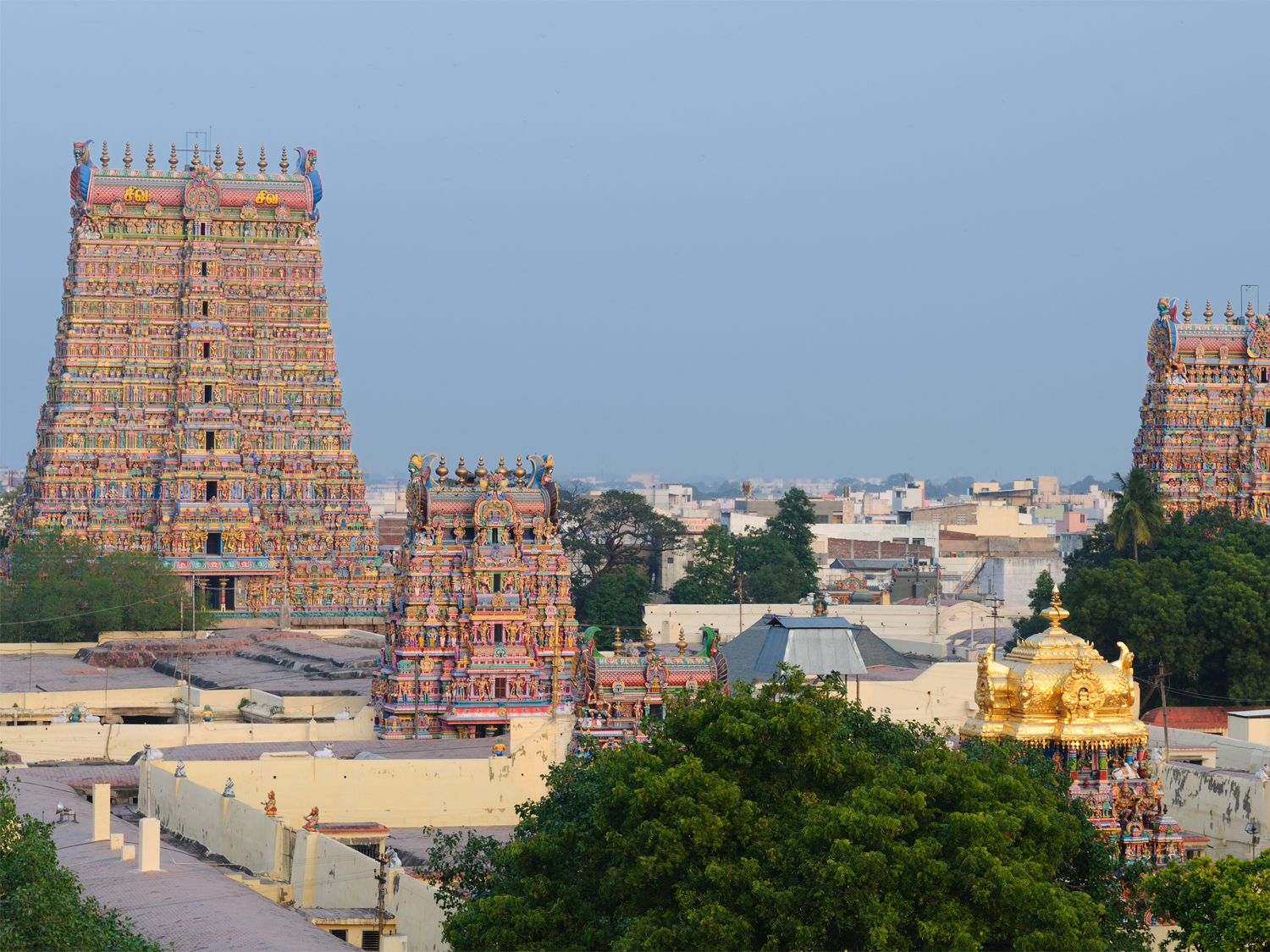
Kerala, often referred to as “God’s Own Country,” is at its most beautiful during August. The backwaters of Alleppey, the misty hills of Wayanad, and the majestic waterfalls such as Athirappilly are at their peak beauty. Ayurveda retreats in Kerala are also popular during this season, as the climate is considered ideal for rejuvenation treatments.
Rajasthan, despite its arid climate, sees light showers in August that make the palaces and forts of Jaipur, Udaipur, and Jodhpur more pleasant to explore. The monsoon brings a sense of romance to the lakes of Udaipur, while desert safaris in Jaisalmer remain a unique experience under the occasional cloud cover.
For adventure enthusiasts, the Western Ghats, spanning Maharashtra and Karnataka, offer breathtaking trekking trails during August. Destinations like Lonavala, Mahabaleshwar, and Chikmagalur become lush green havens with cascading waterfalls and mist-covered hills.
In the northeast, Meghalaya is a must-visit, with places like Cherrapunji and Mawsynram, known for being among the wettest places on Earth, offering breathtaking waterfalls and living root bridges that are best experienced in the rainy season.
Festivals and Events in August
August is a festive month in India, with several important celebrations taking place. Independence Day, observed on August 15th, is marked by grand celebrations across the country, with the main event held in New Delhi, where the Prime Minister hoists the national flag at the Red Fort, followed by cultural performances and parades.
The festival of Raksha Bandhan, celebrated in August, honors the bond between siblings with the tying of a sacred thread (rakhi) and the exchange of gifts. Markets are filled with colorful rakhis and sweets, making it a culturally rich time to visit.
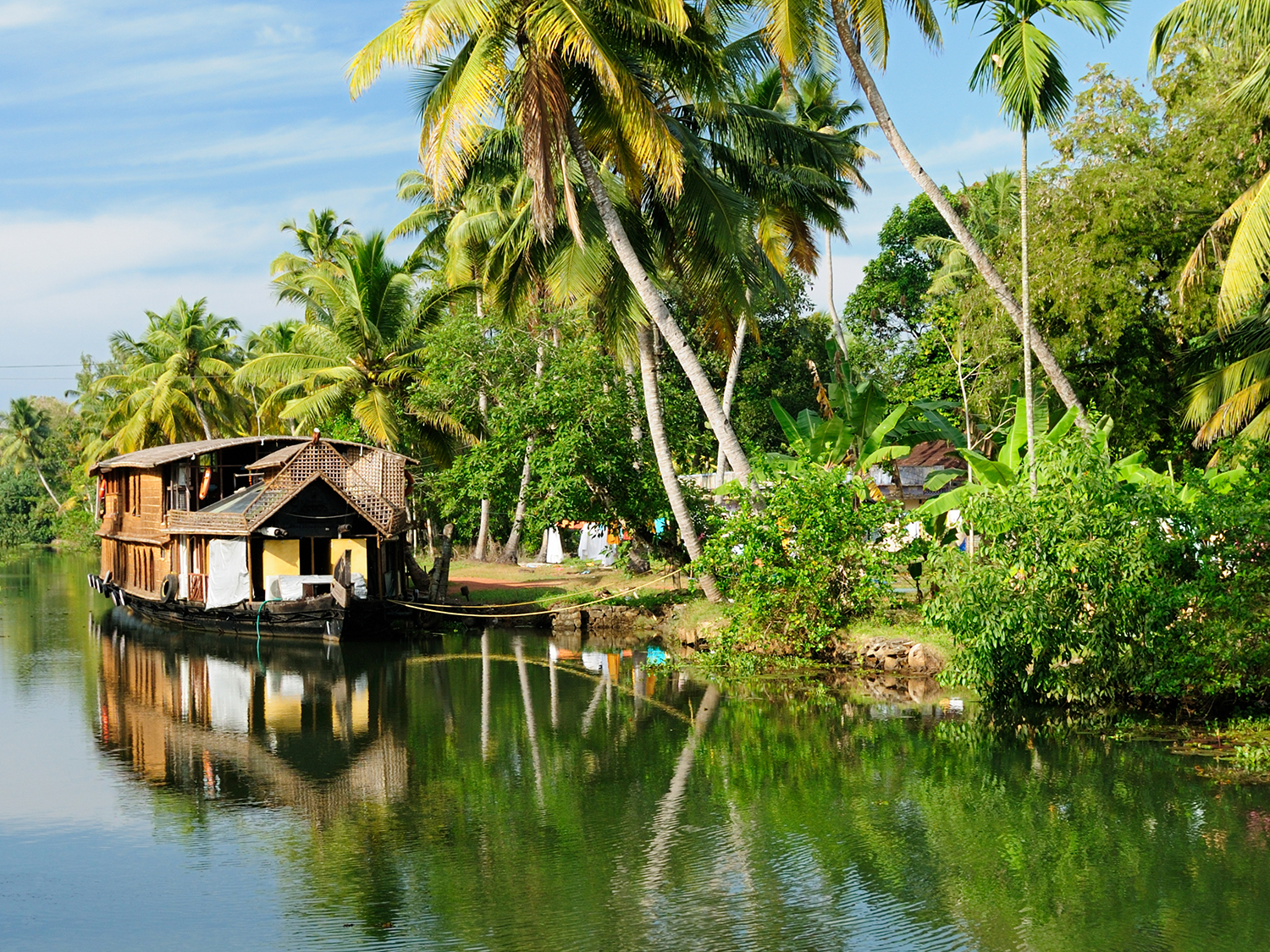
In Kerala, Onam, the state’s biggest festival, typically falls in August or early September. This ten-day festival celebrates the harvest season with grand feasts (Onam Sadhya), traditional boat races (Vallam Kali), and vibrant cultural performances. Visitors can experience the festive atmosphere in cities like Kochi and Thiruvananthapuram.
In Maharashtra, Ganesh Chaturthi preparations begin in August, with artisans crafting intricate idols of Lord Ganesha in the lead-up to the grand celebrations. Mumbai's streets come alive with processions, music, and devotion during this period.
Practical Travel Tips for August
When visiting India in August, it is important to pack for the monsoon. Lightweight, quick-drying clothing, a sturdy umbrella, waterproof footwear, and insect repellent are essential items. Be prepared for occasional travel delays due to heavy rains, particularly in regions prone to flooding.
It’s advisable to check the weather forecast before planning outdoor activities, especially in areas with a high likelihood of landslides, such as the Himalayan foothills.
Visit India in September
September marks the transition from the monsoon season to autumn in India, offering a unique blend of lush landscapes, cooler temperatures, and fewer crowds compared to the peak tourist months. With the rains gradually subsiding, this month provides an excellent opportunity to explore both natural and cultural attractions without the intense summer heat. Temperatures across the country range from 25°C to 35°C (77°F to 95°F), with northern regions experiencing cooler climates and southern areas remaining warm and humid. September is an ideal time for travellers seeking a mix of adventure, relaxation, and cultural immersion.
Weather Across Different Regions in September
The weather in September varies significantly across India's diverse geography. In northern regions such as Delhi, Rajasthan, and Punjab, temperatures begin to cool down, making it more comfortable to explore bustling markets, historical landmarks, and outdoor attractions. However, occasional post-monsoon showers can still occur. The hill stations of Himachal Pradesh and Uttarakhand, including Manali, Shimla, and Mussoorie, offer crisp mountain air and verdant landscapes, making them perfect for trekking and scenic getaways.
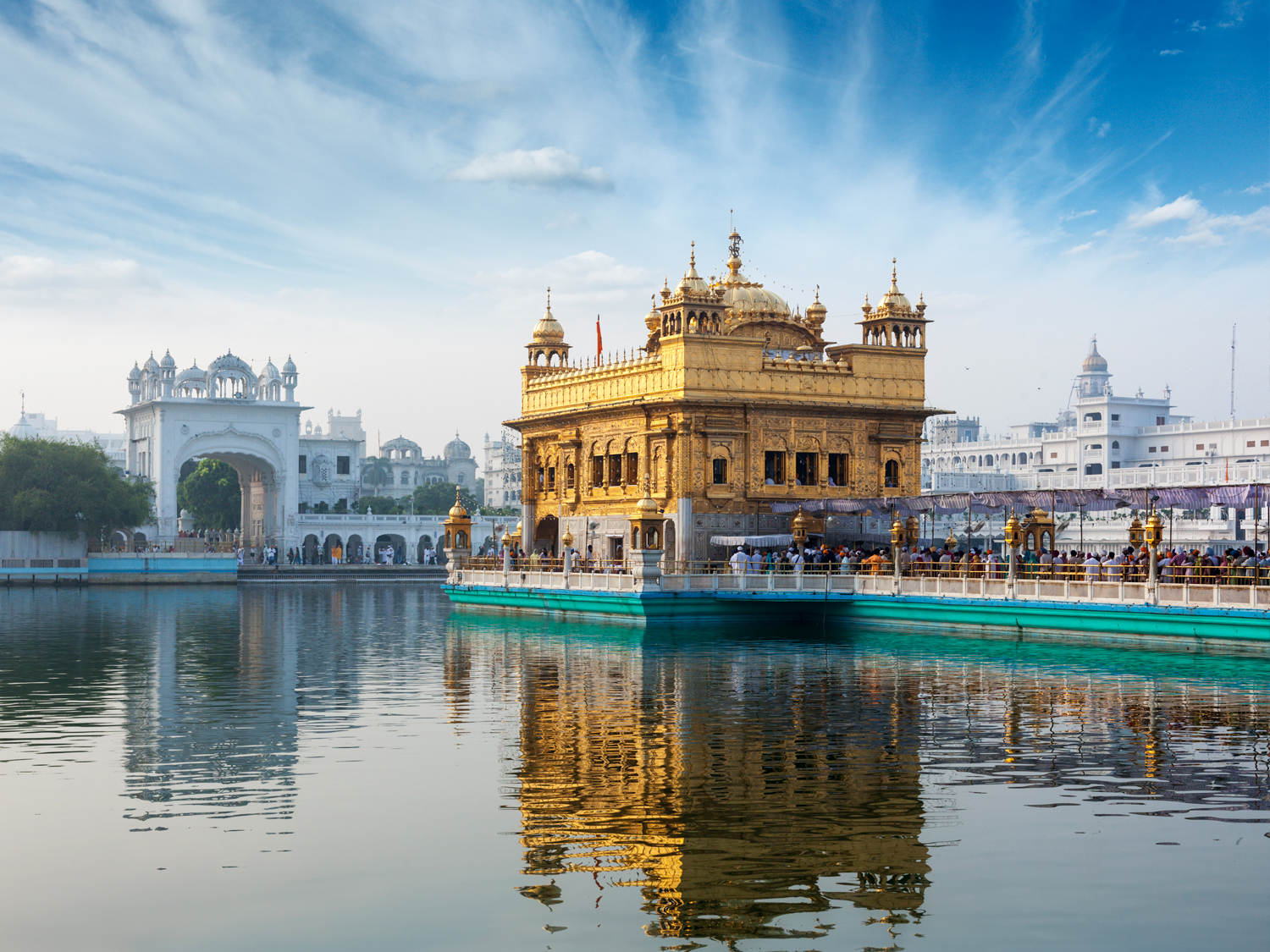
In the western part of the country, Mumbai and Goa experience a gradual reduction in monsoon showers, leading to pleasant coastal weather. This is an excellent time to visit Goa’s beaches before the peak tourist season begins. The southern states, including Kerala, Tamil Nadu, and Karnataka, retain a tropical climate with lush greenery, making September an ideal month for exploring rain-washed landscapes and tranquil backwaters. Eastern regions such as West Bengal and Odisha witness a mix of warm days and occasional rains, creating vibrant scenery, especially around the Sundarbans and the temple cities of Bhubaneswar and Puri.
Best Places to Visit in September
Kerala, often referred to as "God’s Own Country," is a top destination in September. The backwaters of Alleppey and Kumarakom are at their most beautiful, with lush surroundings and rejuvenated water bodies after the monsoon. This is also a great time for an Ayurvedic retreat, as many wellness centers offer post-monsoon detox treatments. The hill station of Munnar, known for its sprawling tea gardens and misty hills, is another must-visit spot in Kerala during this month.
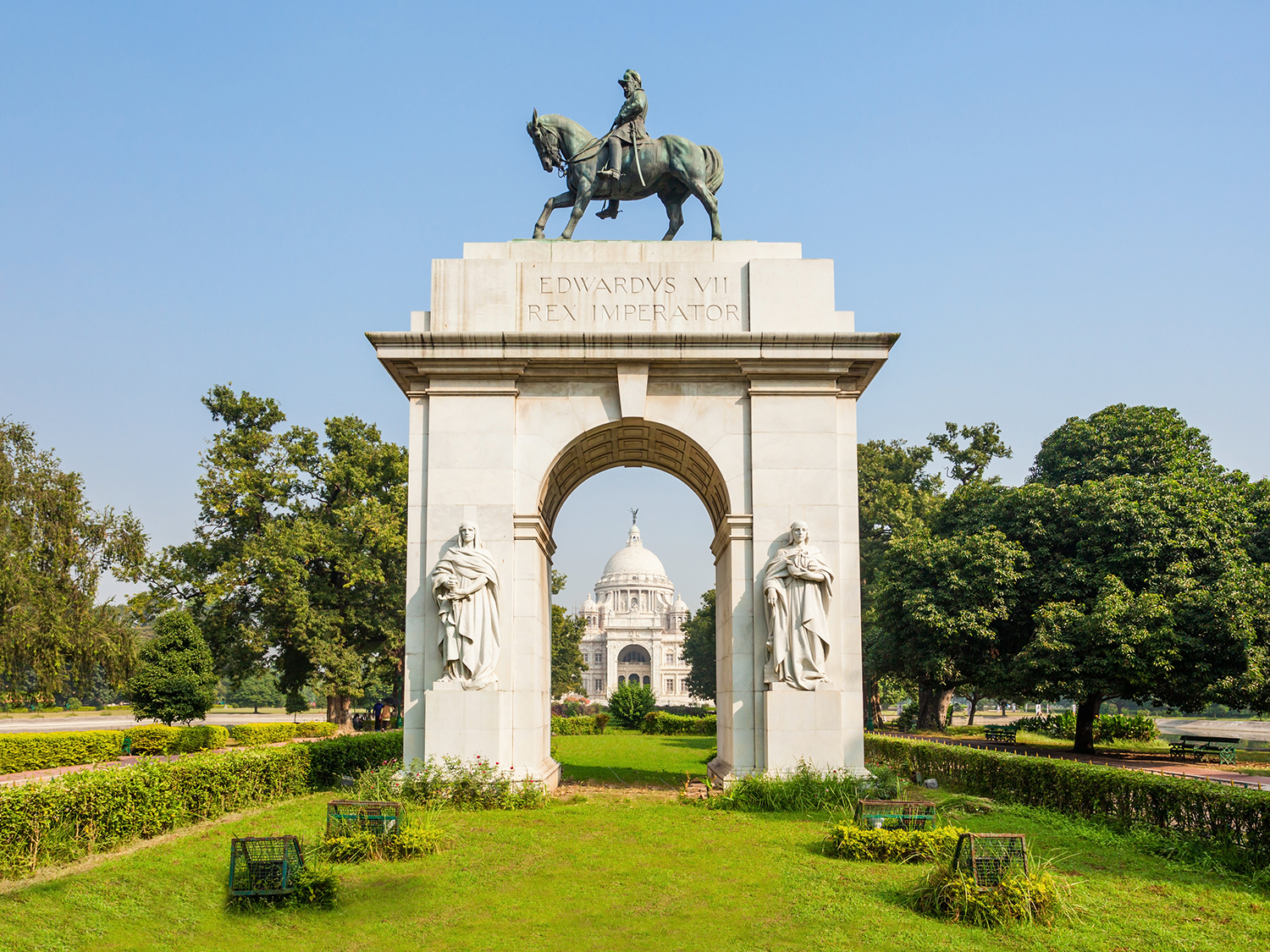
For those seeking a cultural experience, Kolkata is a fascinating destination in September, as the city starts preparing for the grand Durga Puja celebrations in October. Visitors can witness the artisans crafting elaborate idols of Goddess Durga in the Kumartuli neighbourhood and explore colonial-era landmarks such as Victoria Memorial and Howrah Bridge.
Adventure enthusiasts should consider visiting Leh-Ladakh, as September offers clear skies and stunning landscapes without the harsh winter chill. The roads are still accessible, and the famous Pangong Lake and Nubra Valley look especially breathtaking against the autumn backdrop. Trekking options such as the Markha Valley Trek and the Chadar Trek (before winter) provide thrilling experiences for adventure lovers.
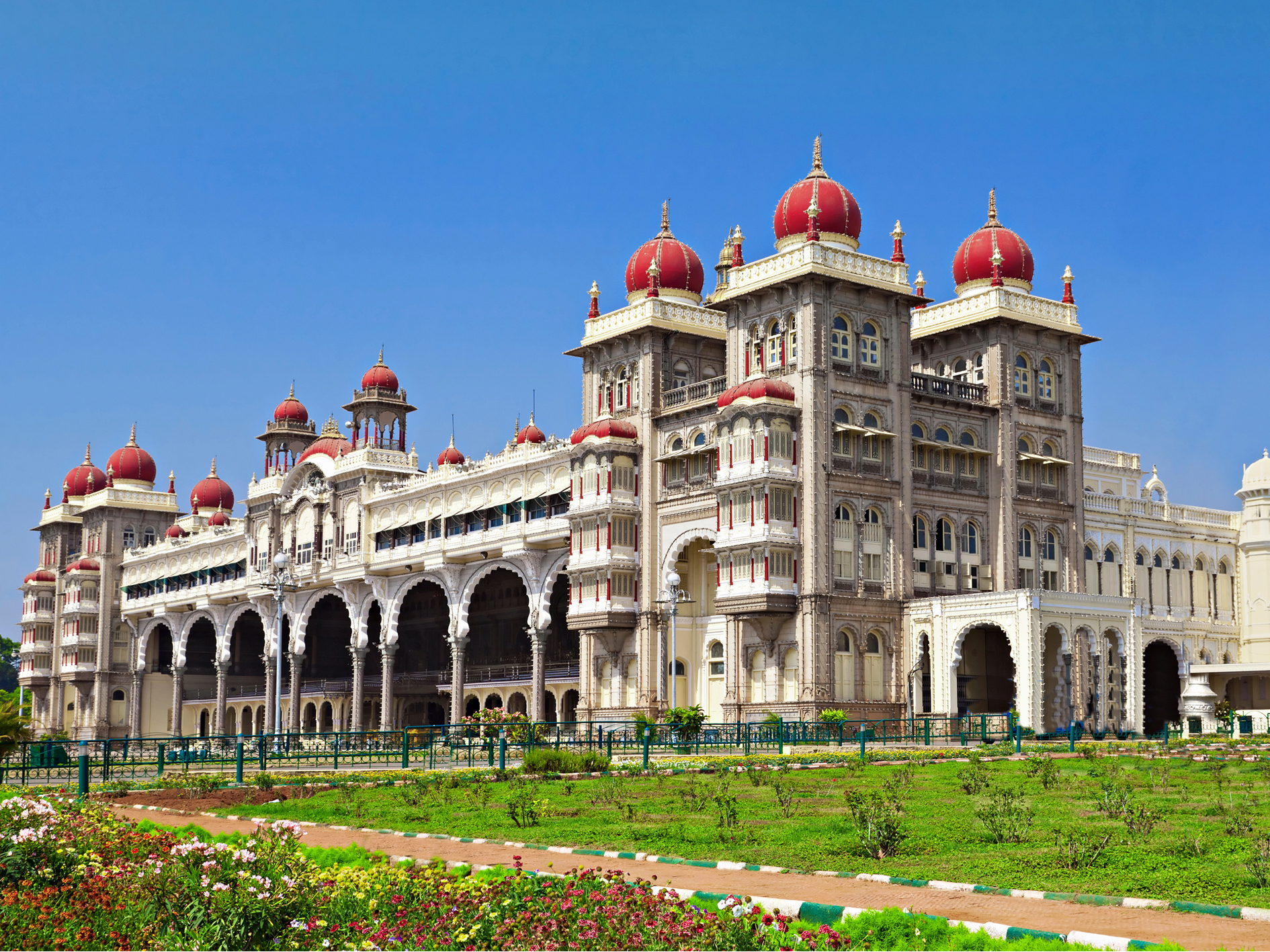
Festivals and Events in September
September brings a variety of festivals that showcase India's rich cultural diversity. One of the most significant celebrations during this month is Ganesh Chaturthi, predominantly celebrated in Maharashtra, especially in Mumbai and Pune. This vibrant festival honours Lord Ganesha with grand processions, elaborate idols, and devotional music. Travelers can witness the immersion processions, where thousands of devotees gather to bid farewell to their beloved deity with great enthusiasm.
In Rajasthan, Marwar Festival takes place in Jodhpur, offering a glimpse into the region's royal heritage with folk performances, traditional music, and camel polo matches. Similarly, the Onam Festival in Kerala marks the harvest season and is celebrated with grand feasts, boat races, and cultural performances, providing an authentic taste of Kerala’s traditions.
For music and literature enthusiasts, the Ziro Music Festival in Arunachal Pradesh is a must-visit. Set against the picturesque Ziro Valley, this outdoor festival features performances by indie bands from across the country, attracting music lovers and backpackers alike.
Practical Travel Tips in September
When planning a trip to India in September, it’s advisable to carry light rain gear, as occasional showers can still occur in some regions. Comfortable clothing suitable for humid conditions in the south and layered outfits for cooler northern destinations are recommended. Travelers should also be mindful of potential disruptions due to residual monsoon effects, particularly in remote or mountainous areas.
Visiting India in October
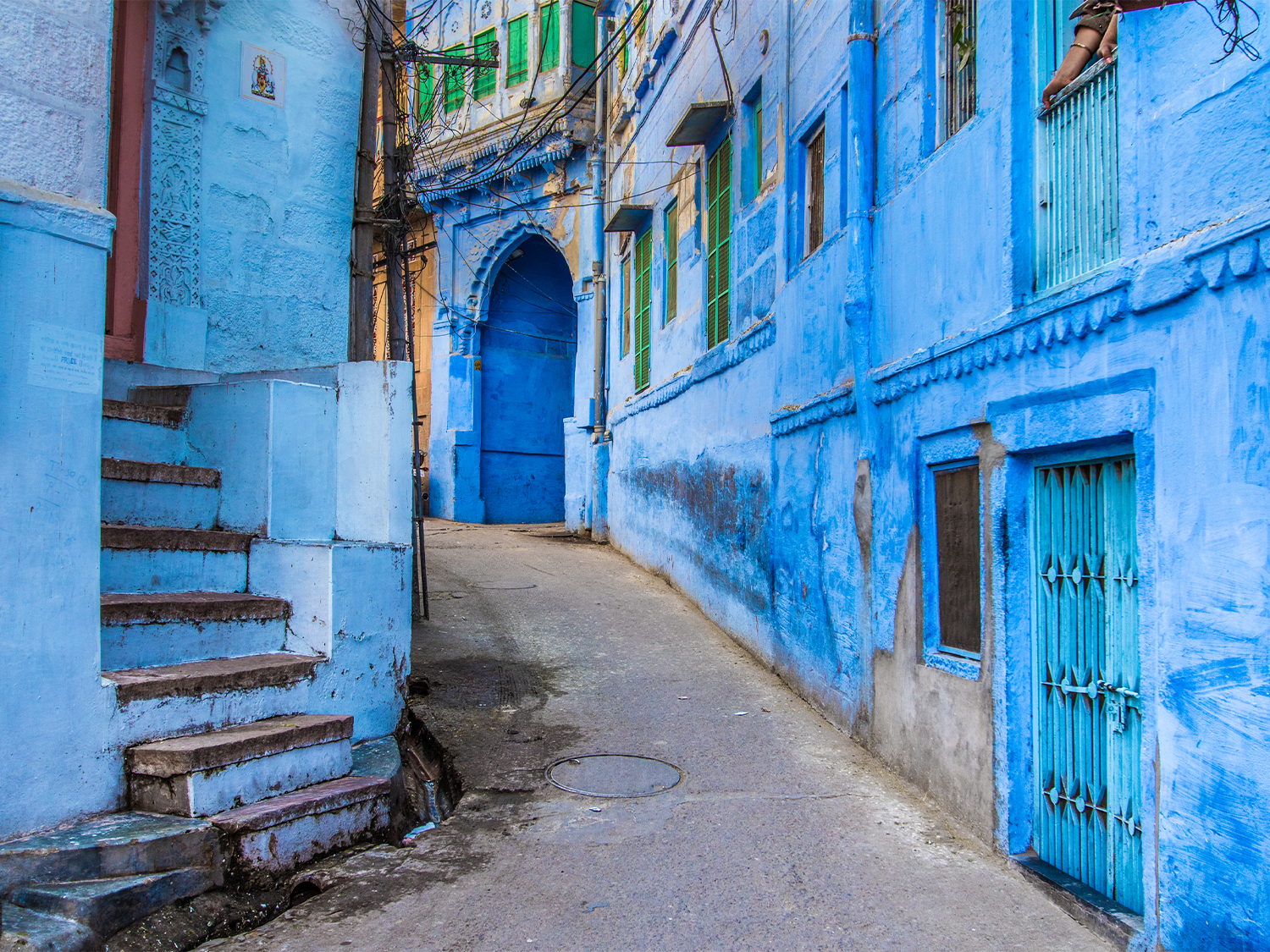
October marks the beginning of India’s autumn season, offering a delightful blend of pleasant weather, cultural festivities, and opportunities for exploration. With the monsoon rains retreating, the landscape is lush and vibrant, making it an ideal time to explore the country’s diverse regions without the extreme heat of summer or the crowds of peak tourist season. Whether you're looking to immerse yourself in historical landmarks, scenic landscapes, or colourful festivals, October provides a perfect balance of travel experiences.
Weather Across Different Regions in October
October brings moderate temperatures across much of India, with average daytime temperatures ranging from 20°C to 30°C (68°F to 86°F). In northern regions such as Delhi, Rajasthan, and Uttar Pradesh, the weather is comfortable, with cooler evenings and warm afternoons. The Himalayas experience crisp autumn air, with some higher-altitude areas beginning to see snowfall by the end of the month.
Southern India, including Kerala, Tamil Nadu, and Karnataka, enjoys a warm but bearable climate, with temperatures averaging between 25°C and 32°C (77°F to 90°F). The retreating monsoon leaves the region lush and green, making it an excellent time to explore hill stations and coastal areas. In western India, cities like Mumbai and Goa see a transition to drier, sunnier days, perfect for beach outings and sightseeing.
Must-Visit Destinations in October
For history and culture enthusiasts, October is an excellent time to explore India’s iconic heritage sites. Rajasthan, with its royal palaces and desert landscapes, offers a pleasant climate for visiting Jaipur’s Amer Fort, Udaipur’s shimmering lakes, and Jaisalmer’s golden sand dunes. Exploring the bustling bazaars and tasting traditional Rajasthani cuisine adds to the experience.
In the north, a visit to Varanasi, one of the world’s oldest cities, allows travelers to witness the spiritual rituals along the Ganges River. The cooler weather makes it easier to explore the ghats, take boat rides at sunrise, and experience the city’s vibrant cultural life. Agra, home to the magnificent Taj Mahal, is also a popular choice, with October offering comfortable conditions for sightseeing.
For those seeking natural beauty, Himachal Pradesh and Uttarakhand offer breathtaking autumn landscapes. Destinations like Shimla, Manali, and Mussoorie provide a peaceful retreat with scenic mountain views, apple orchards, and opportunities for outdoor activities such as hiking and paragliding.
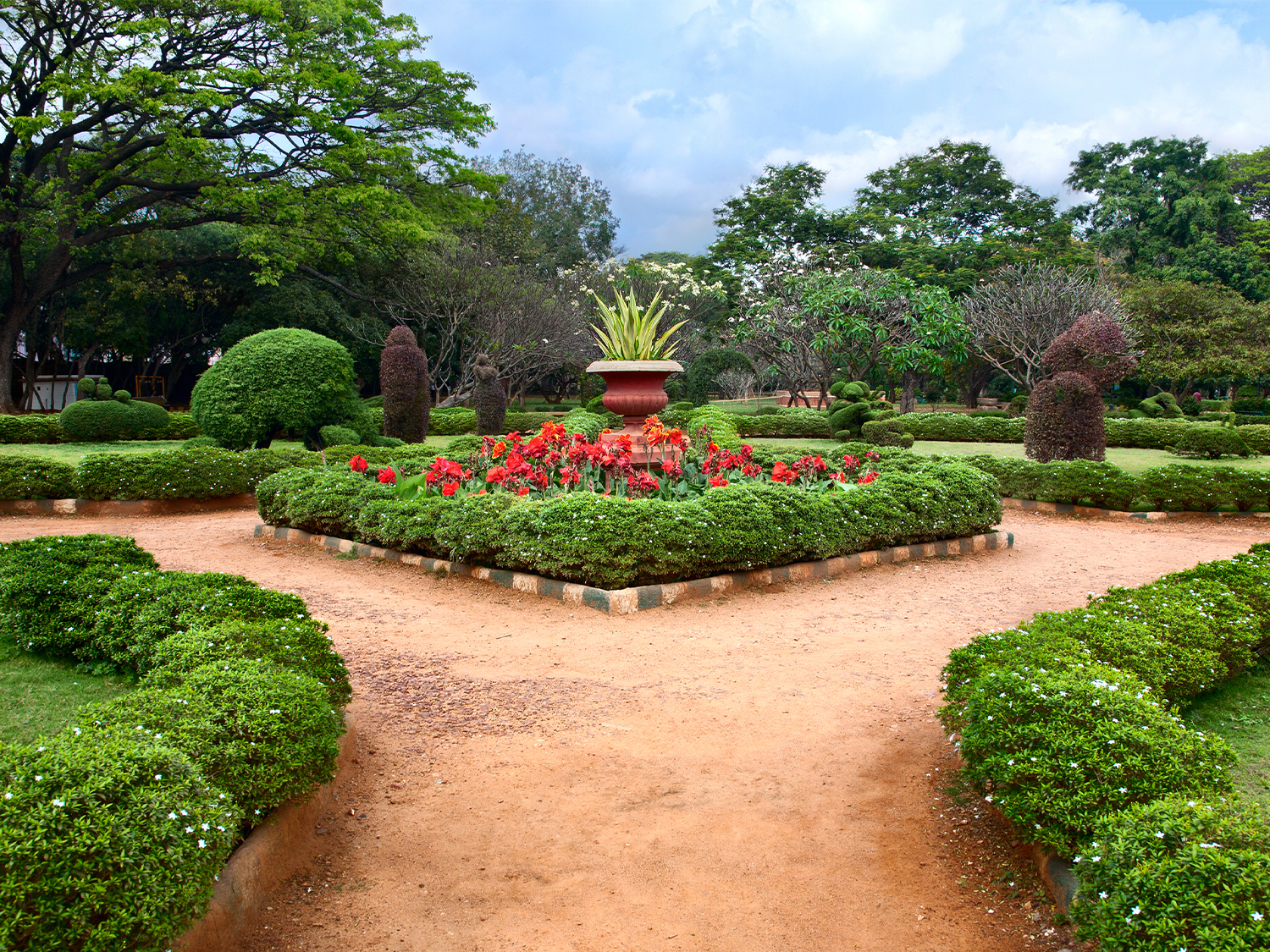
In the south, Kerala’s backwaters are particularly beautiful in October, with post-monsoon greenery creating a serene environment for houseboat cruises through Alleppey’s canals. The Andaman and Nicobar Islands, with their pristine beaches and clear waters, are another great choice for those looking for a tropical escape.
Festivals and Events in October
October is one of the most festive months in India, with several major celebrations taking place across the country. The most significant festival of the month is Navratri, a nine-day celebration dedicated to the Hindu goddess Durga. In Gujarat, Navratri is marked by energetic Garba and Dandiya Raas dance performances, while in West Bengal, Durga Puja transforms cities like Kolkata into a grand spectacle of colorful pandals, artistic idols, and cultural performances.
Another major festival in October is Dussehra, celebrated with great enthusiasm across India. In cities like Mysore, grand processions and illuminated palaces mark the occasion, while in northern cities like Delhi and Varanasi, large effigies of the demon king Ravana are burned to symbolize the victory of good over evil.
In Rajasthan, the Marwar Festival in Jodhpur showcases the region's folk music, dance, and camel shows, offering visitors a taste of Rajasthani culture. Meanwhile, in Tamil Nadu, the Mahabalipuram Dance Festival, held against the backdrop of ancient rock-cut temples, presents a mesmerizing display of classical Indian dance forms.
Practical Travel Tips in October
When travelling to India in October, it’s important to pack for varying temperatures. Light cotton clothing is suitable for daytime, but carrying a light jacket or shawl is recommended for cooler evenings, especially in northern and hill regions. Comfortable footwear is essential for exploring historical sites and city streets.
Since many festivals involve large crowds and public gatherings, it's important to stay informed about local customs and security guidelines. Additionally, staying hydrated and carrying basic medications for minor health concerns can ensure a smooth and enjoyable trip.
Visiting India in November
November is an excellent month to explore India, as the monsoon season ends and the weather turns pleasant across the country. With mild temperatures, clear skies, and numerous cultural festivals, November offers a perfect opportunity to experience India's diverse landscapes and heritage. The cooler temperatures in the north, moderate climate in central India, and warm coastal regions make it an ideal time for sightseeing, outdoor adventures, and cultural immersion. Whether you're drawn to the historic cities of Rajasthan, the serene backwaters of Kerala, or the vibrant festivals in Gujarat, November is a great time to visit.
Weather in November
The weather in November is generally comfortable, with temperatures ranging from 10°C to 25°C (50°F to 77°F) in northern and central regions and around 20°C to 32°C (68°F to 90°F) in southern and coastal areas. In the Himalayan foothills, temperatures can drop significantly, especially in places like Leh and Shimla, where early winter sets in. Meanwhile, cities like Mumbai, Chennai, and Goa enjoy warm but not oppressive temperatures, making it a good time to explore urban attractions and beaches.
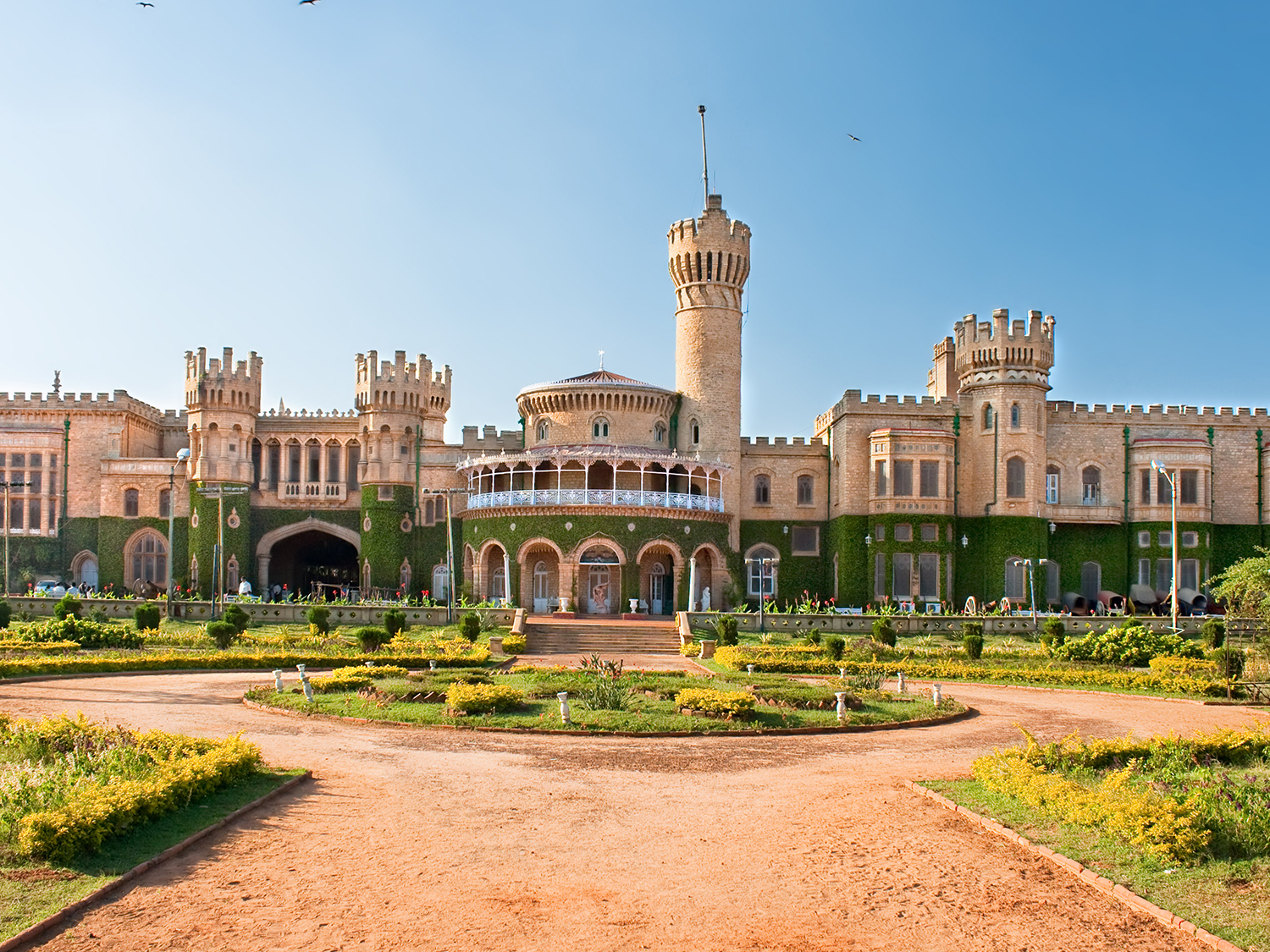
Top Destinations to Visit in November
Rajasthan, with its regal palaces, grand forts, and colorful bazaars, is a prime destination in November. The cities of Jaipur, Udaipur, and Jodhpur offer a glimpse into the opulent past of India's royal dynasties. Desert safaris in Jaisalmer become particularly enjoyable in the cooler evenings, with camel rides, traditional folk performances, and starlit dinners in the dunes.
For those interested in India's spiritual heritage, Varanasi, one of the world’s oldest living cities, offers a profound experience in November. The cool mornings provide the perfect setting for a boat ride on the Ganges, while the evening aarti (prayer) ceremony creates an enchanting atmosphere along the ghats. Nearby, the sacred town of Bodh Gaya, where Buddha attained enlightenment, is another peaceful retreat for spiritual seekers.
In southern India, Kerala is a must-visit in November, with lush greenery still fresh from the monsoon rains and a pleasant climate ideal for houseboat cruises in Alleppey, wildlife safaris in Periyar, and rejuvenating Ayurvedic treatments in Kovalam. The picturesque hill stations of Munnar and Wayanad provide a refreshing escape, with their tea plantations, spice gardens, and misty hills.
For beach lovers, Goa in November offers the perfect blend of relaxation and adventure. The peak tourist season starts to pick up, with lively beach shacks, water sports, and cultural events such as the Goa International Jazz Festival. The less crowded beaches of South Goa, such as Palolem and Agonda, offer tranquil getaways, while the bustling nightlife in North Goa attracts partygoers.
Festivals and Events in November
November is packed with cultural celebrations and festivals that showcase India’s rich traditions. One of the most important and widely celebrated festivals is Diwali, the festival of lights, which usually falls in October or November. Cities and towns across India are adorned with decorative lights, diyas (lamps), and fireworks. Celebrating Diwali in cities like Jaipur, Amritsar, or Varanasi offers an immersive experience with grand decorations, cultural performances, and festive delicacies.
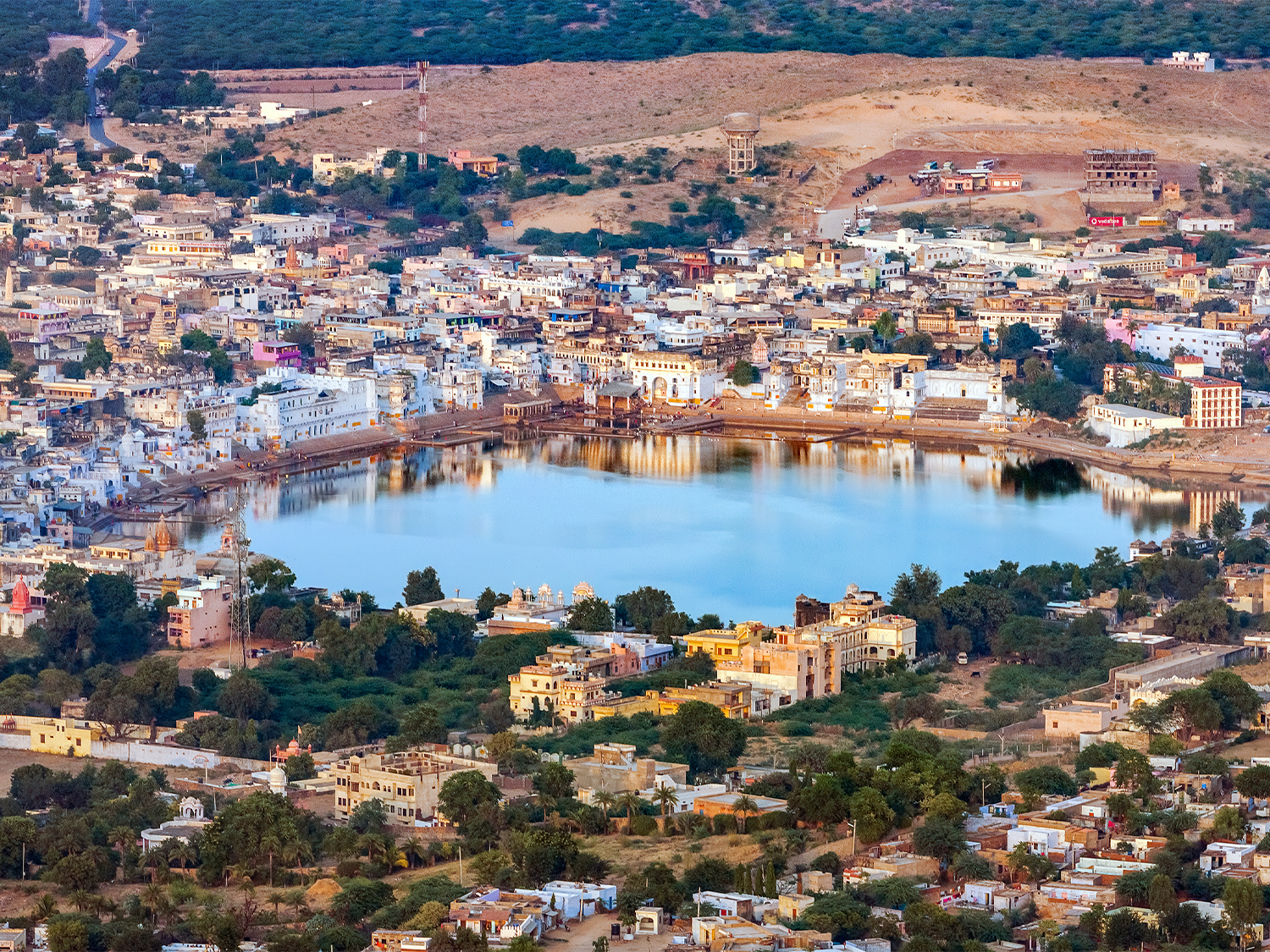
In Rajasthan, the Pushkar Camel Fair, held in early November, is one of the most iconic events of the month. This vibrant festival brings together thousands of camels, cattle, and traders from across the region, creating a lively atmosphere with folk performances, camel races, and traditional competitions. It's a great opportunity to witness rural Rajasthan's cultural heritage.
In Gujarat, the Rann Utsav begins in November, celebrating the beauty of the white salt desert of the Rann of Kutch. The festival showcases local crafts, music, dance, and food, offering visitors a chance to experience the unique culture of Gujarat in a surreal setting under the full moon.
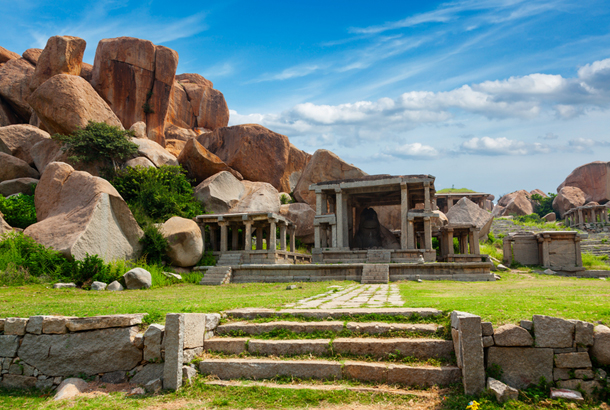
The southern state of Karnataka celebrates Hampi Utsav, a festival held in the ancient UNESCO-listed city of Hampi, where the ruins of the Vijayanagara Empire come alive with cultural performances, processions, and traditional sports.
Practical Travel Tips in November
When traveling to India in November, it's advisable to pack light layers for most regions, with warmer clothing needed for northern areas and the hill stations. Sunscreen and comfortable footwear are essential for sightseeing, and insect repellent may be useful for visits to rural and forested areas.
Visiting India in December
December is a wonderful time to explore India, offering cool and comfortable weather across most parts of the country, a festive atmosphere, and a variety of cultural and natural experiences. Whether you seek snow-capped mountains, serene beaches, vibrant cities, or spiritual retreats, India in December presents countless opportunities for travellers. The weather varies from the chilly north to the pleasantly warm south, making it an ideal month for sightseeing and outdoor activities without the intense summer heat.
Weather Across India in December
India experiences diverse weather conditions in December. In northern regions such as Delhi, Rajasthan, and Punjab, temperatures can range from 5°C to 20°C (41°F to 68°F), with crisp mornings and cool evenings. The hill stations of Himachal Pradesh and Uttarakhand often experience snowfall, creating a picturesque winter landscape. In contrast, southern states such as Kerala and Tamil Nadu enjoy milder temperatures ranging from 15°C to 30°C (59°F to 86°F), perfect for coastal getaways and nature retreats. Western India, including Gujarat and Maharashtra, remains dry and pleasant, making it ideal for exploring cultural sites and wildlife sanctuaries.
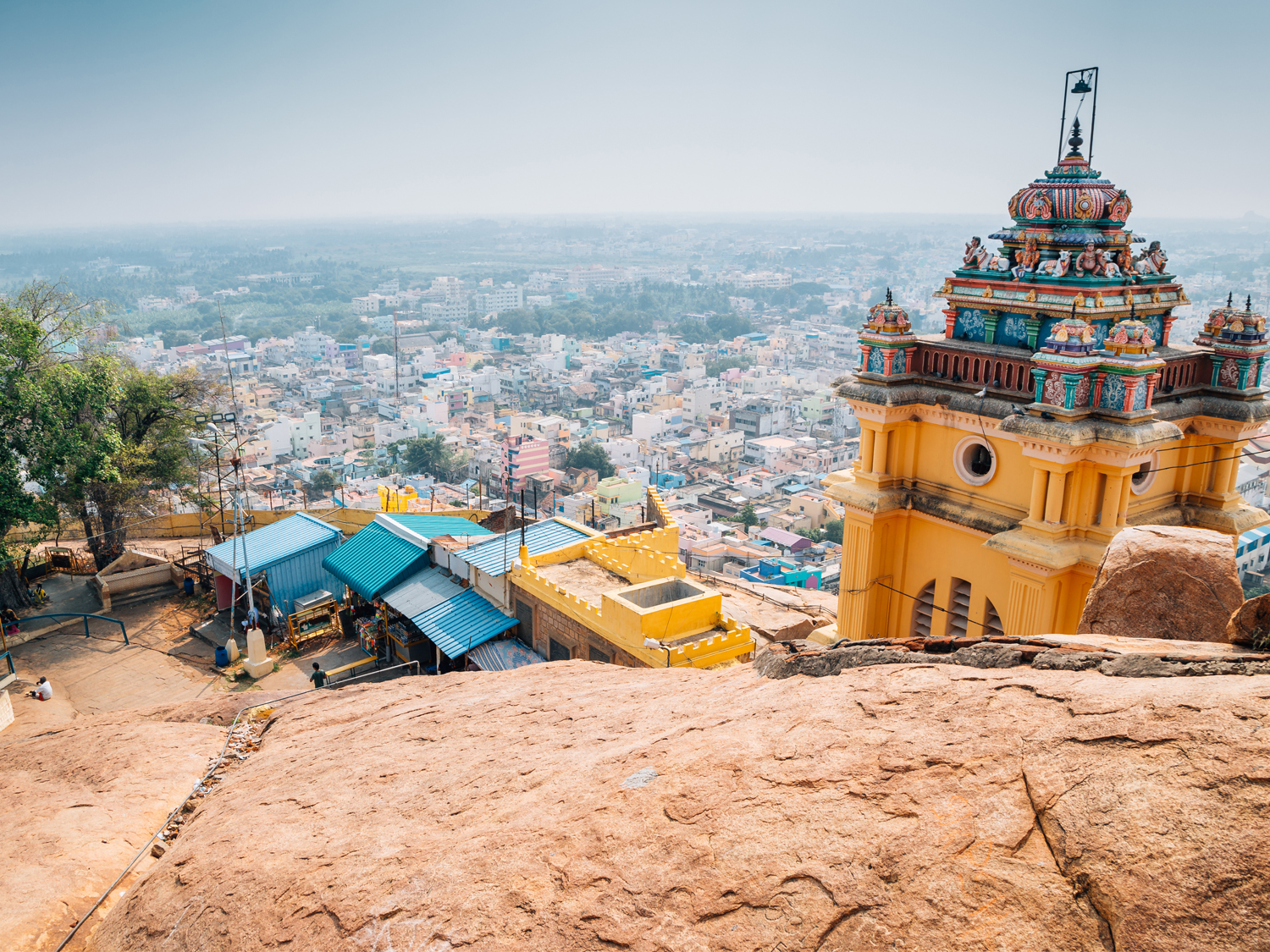
Top Destinations to Visit in December
Delhi and Agra, part of the famed Golden Triangle, offer a fantastic winter escape with fewer crowds and pleasant weather. December is an excellent time to visit iconic landmarks such as the Taj Mahal, Red Fort, and Qutub Minar without the sweltering heat. The fog that occasionally blankets the northern plains in the mornings adds an ethereal charm to these historic sites.
For those seeking scenic beauty, the hill stations of Shimla, Manali, and Mussoorie are ideal for experiencing snowfall and cozy retreats. The snow-covered landscapes offer opportunities for winter sports, and the colonial-era architecture adds to the charm of these destinations. Meanwhile, Rajasthan, with its desert cities of Jaipur, Udaipur, and Jodhpur, is at its most inviting in December, allowing travelers to explore grand palaces and forts comfortably. The cool evenings are perfect for enjoying traditional folk performances and rooftop dining.
In the south, Goa is one of the most popular destinations in December, attracting tourists for its Christmas and New Year celebrations. The beaches come alive with lively parties, music festivals, and cultural events, while quieter travelers can escape to hidden beaches and spice plantations for a more relaxed experience. Kerala, known for its lush landscapes and backwaters, offers a tranquil retreat with houseboat cruises, Ayurvedic therapies, and beautiful hill stations like Munnar.
The Northeast region, including destinations such as Shillong and Gangtok, is perfect for travelers seeking offbeat experiences. The crisp weather and festive atmosphere in these hill towns make them an appealing choice for a peaceful December getaway.
Festivals and Events in December
December is a month filled with festivals and celebrations across India. One of the most anticipated events is Christmas, widely celebrated in cities like Goa, Mumbai, and Kolkata. Churches are beautifully decorated, and midnight masses attract large crowds. The festive spirit can also be felt in cities like Bangalore and Chennai, where holiday markets and special events take place.
The Hornbill Festival, held in the northeastern state of Nagaland during the first week of December, showcases the diverse tribal heritage of the region with traditional dances, crafts, and music. It is a unique cultural experience that offers insight into the customs and traditions of the Naga people.
In Tamil Nadu, the Mamallapuram Dance Festival features classical dance performances against the backdrop of ancient rock-cut temples, making it a must-see for art enthusiasts. Additionally, the Rann Utsav in Gujarat, which takes place from November to February, offers an opportunity to witness the vast white salt desert under the moonlight while enjoying cultural performances, handicrafts, and local cuisine.
Travel Tips for December
When visiting India in December, it’s important to pack accordingly based on the region you plan to explore. Warm clothing is essential for northern India, especially for early mornings and evenings. In contrast, lighter clothing with a light jacket or shawl is sufficient for southern and coastal regions.