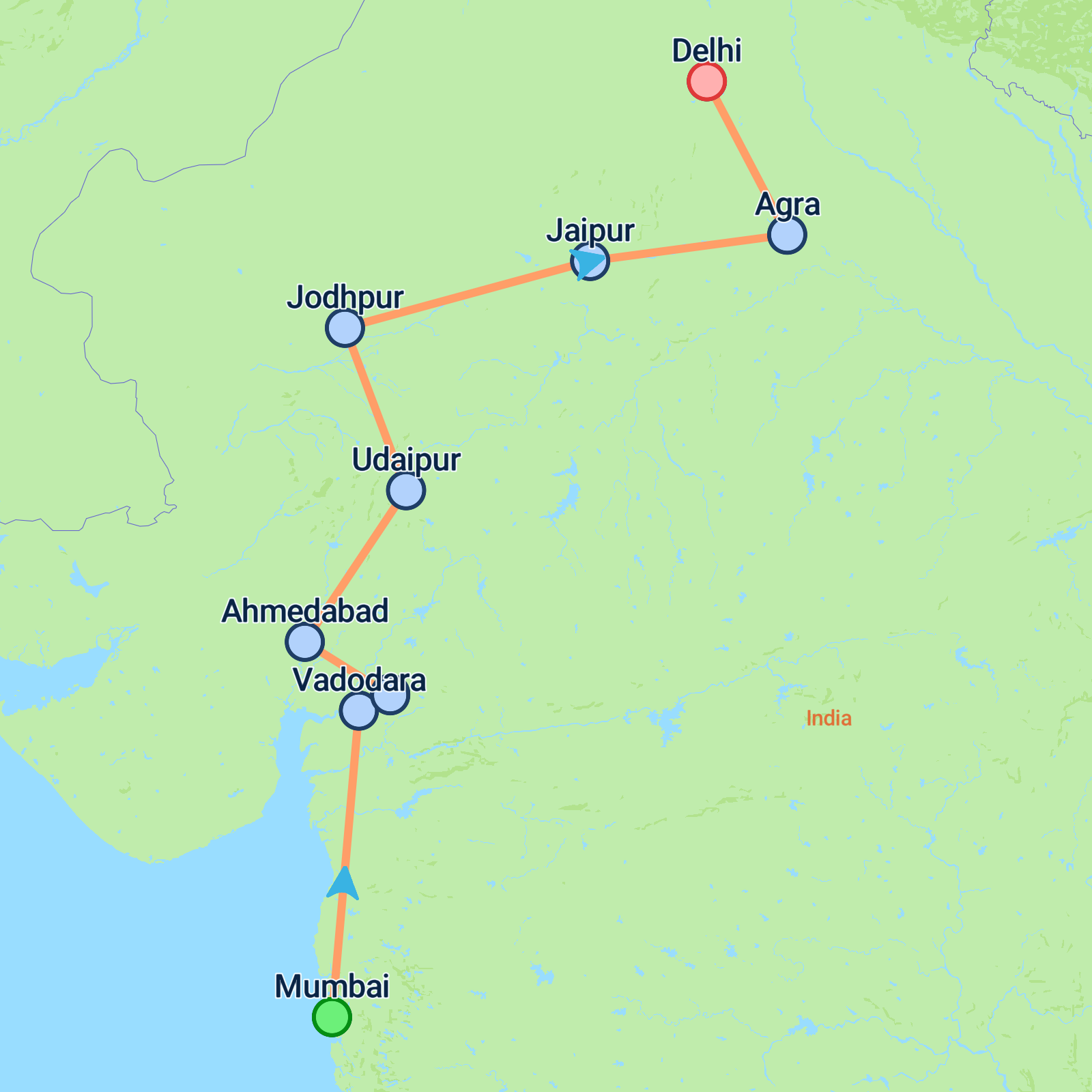
Mumbai, Gujarat & Rajasthan Explorer
Begin in Mumbai and finish in Delhi on a 15 day tour of royal cities and Mughal icons. In Mumbai, you’ll cruise to the Elephanta Caves and stroll Marine Drive. Fly to Vadodara for Lakshmi Vilas Palace, then take in Champaner–Pavagadh’s UNESCO ruins and the soaring Statue of Unity – with a light show. In Ahmedabad, browse Sabarmati Ashram. Drift across Udaipur’s Lake Pichola, then continue via Ranakpur’s exquisite Jain temple and a Bishnoi village to Jodhpur’s Mehrangarh. Jaipur brings Amber Fort and bazaars, before Abhaneri, Fatehpur Sikri and a sunrise at the Taj Mahal – capped by Delhi highlights.
For a detailed itinerary and information about visas, money, weather and more.
Tour Overview
Prices
Duration
15 daysHotel Rating
3, 4 or 5 star hotelsStarts
MumbaiEnds
DelhiMinimum Age
No minimum ageMaximum Age
Tours have upper age limits for several reasons, such as but not limited to: tour pace, activity level, and accommodation standards. If you fall outside of this age limit, we do have lots of other tours in India that are suitable for all ages!
Arrival Transfer
YesDeparture Transfer
YesTour Guide
Yes - for included sightseeing.Country
IndiaTour Style
Prices
Group Size
Min 1 / Max Private Tour
Min 1 / Max Private Tour
Trip Type
Private Tours
Travel Style
Private Tours
On this tour, you won't be joined by other travellers, and will just be travelling with your booking party. Some transportation & sightseeing may be shared, check the Inclusions for more information.
Guiding Style
Partially Guided
This tour includes scheduled sightseeing with expert guides in key destinations as per the Inclusions, as well as transportation (either with a driver or public transport), plus of course your accommodation. There is no single tour guide or tour leader throughout the trip. You’ll have support where it counts, and more freedom in between. Our cruise tours also fall into this category where you will be looked after by a crew. For more information, check the Inclusions of this tour.
Tour pace
A balanced pace, with a mix of free time and visits to multiple locations, allowing for both relaxation and exploration. Generally doesn't visit more than one or two destinations per day.
Physical rating
A moderate amount of walking is required during sightseeing, with some free time, offering a balance between activity and relaxation. As a general rule, you should be able to walk 2-kilometres without stopping.
These ratings are a general guide and may vary from tour to tour.
Tour Guide
Yes - for included sightseeing.Group Size
Min 1 / Max Private TourRange
On this tour, you won't be joined by other travellers, and will just be travelling with your booking party. Some transportation & sightseeing may be shared, check the Inclusions for more information.
Guiding Style
This tour includes scheduled sightseeing with expert guides in key destinations as per the Inclusions, as well as transportation (either with a driver or public transport), plus of course your accommodation. There is no single tour guide or tour leader throughout the trip. You’ll have support where it counts, and more freedom in between. Our cruise tours also fall into this category where you will be looked after by a crew. For more information, check the Inclusions of this tour.
Tour Pace
A balanced pace, with a mix of free time and visits to multiple locations, allowing for both relaxation and exploration. Generally doesn't visit more than one or two destinations per day.
Physical Rating
A moderate amount of walking is required during sightseeing, with some free time, offering a balance between activity and relaxation. As a general rule, you should be able to walk 2-kilometres without stopping.
Trip Type
Private ToursPassengers
€3,380.00
€1,815.00
Places You'll See
Mumbai
Vadodara
Pavagadh
Champaner
Kevadia
Ahmedabad
Dungarpur
Udaipur
Udaipur Division
Ranakpur
Jodhpur
Pushkar
Jaipur
Abhaneri
Fatehpur Sikri
Agra
Delhi
New Delhi
Delhi Division
Included
Prices
Not Included
Prices
Itinerary
Prices
Day 1 - Mumbai
Arrive in Mumbai. On landing at Mumbai airport, our representative will meet you and assist with your transfer to the hotel – standard check-in is from 12:00, and early check-in is subject to availability. Mumbai runs around the clock and is India’s financial powerhouse, offering lively markets, restaurants, theatres, nightlife and varied sightseeing. The rest of the day is at leisure – you can relax after your flight or take a gentle walk for a first look at the city, perhaps browsing local markets and trying a nearby restaurant. Overnight at the hotel.
Day 2 - Mumbai
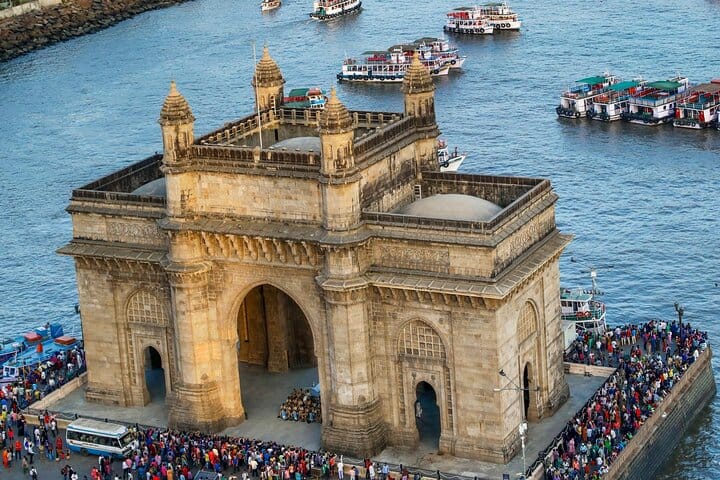
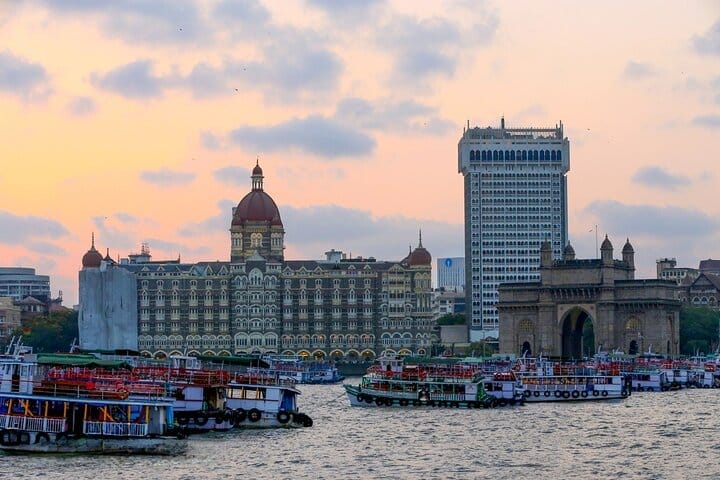
After breakfast at the hotel, we take a panoramic drive along Marine Drive – one of Mumbai’s most elegant seafront boulevards. From the Gateway of India, we board a motorboat to Elephanta Caves (closed on Mondays) and climb about 100 steps to reach the hilltop complex. Returning to the Gateway in the afternoon, we continue with exterior views of Parliament House – the Maharashtra State Assembly – and Chhatrapati Shivaji Terminus, a UNESCO World Heritage Site. We stop at Dhobi Ghat to see the city’s famous open air laundry, visit the Prince of Wales Museum (closed on Mondays), and explore Mani Bhawan – the Gandhi Museum where he laid the foundations for several independence movements. If time permits, we drive through Bandra and Juhu to view Bollywood celebrity homes from the outside, and visit Mount Mary Church – originally built in 1640 and rebuilt in 1761. In the evening, we visit ISKCON Temple, dedicated to Lord Krishna and noted for its murals and sculptures.
Day 3 - Mumbai
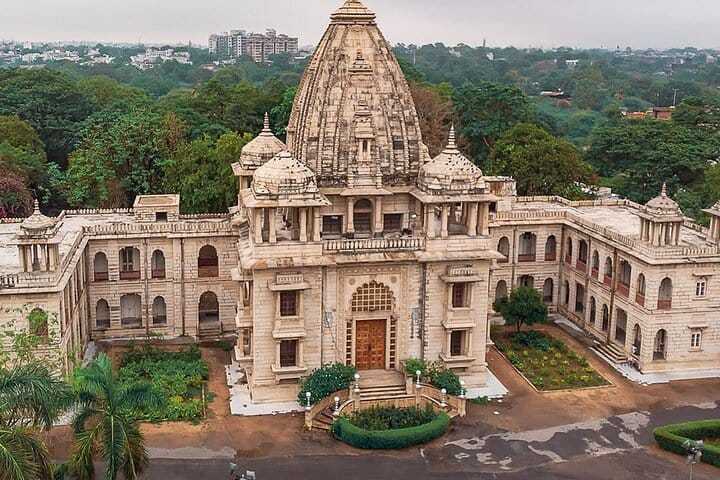
After breakfast in Mumbai, we transfer to the airport for our flight to Vadodara. On arrival, we’re met for assistance and driven to the hotel for check-in. Later, we visit Lakshmi Vilas Palace – reputedly the largest private residence ever built and around four times the size of Buckingham Palace – once fitted with the most modern amenities such as lifts and styled like a grand European country house. It remains the residence of the royal family, who are still held in high esteem by Baroda’s residents, within a 500–acre compound that also includes LVP Banquets & Conventions, Moti Bagh Palace and the Maharaja Fateh Singh Museum. We then tour the Maharaja Fateh Singh Museum – originally a school for the Maharaja’s children – which now houses royal portraits, depictions of Hindu mythologies and fine marble and bronze sculptures. We finish at Kirti Mandir, commissioned by Maharaja Sayajirao Gaekwad III to mark fifty years of his rule and to commemorate family cremations – its 33 m central arch is adorned with the sun, moon and earth, and the rooms display sculptures and photographs of the Gaekwad family. Overnight at hotel.
Day 4 - Vadodara - Champaner
After breakfast in Vadodara, we drive about 150 km – approximately 3 hours – towards the Statue of Unity, stopping to explore the UNESCO World Heritage Site of Champaner–Pavagadh Archaeological Park. We take in its forts, temples, mosques, mausolea, pavilions, wells and tanks, including Champaner’s Jami Masjid, built around 1523 and regarded as a high point of 16th century Indo–Saracenic architecture. We also visit the Bhavanaderi (Navlakha) Temple, the temples of Suparshvanath and Chandraprabhu, and the group of shrines on the south‑eastern point of Pavagadh Hill beside the Dudhia tank. Many temples were damaged during the reign of Mahmud Begada and later repaired in 1880.We then continue to the Sardar Sarovar Dam and the Statue of Unity and check in at Tent City or a nearby hotel. Later we visit the dam, Selfie Point and the Valley of Flowers. In the evening we watch the laser light and sound show projected onto the Statue of Unity – held every evening except Monday – which narrates Sardar Patel’s life, his role in the Independence Movement and the unification of India. We round off the day with dinner at the dining area accompanied by live music. Overnight at the tented camp or hotel.
Day 5 - Pavagadh
After breakfast, we visit the Statue of Unity – at 182 metres, the world’s tallest statue. We explore the 4,647 square metre exhibition hall in the pedestal, which presents Sardar Patel’s life, his leadership in the freedom movement and his role in unifying the princely states. We then take high speed lifts through the core of the statue to an observation level about 400 feet up for panoramic views of the surroundings. After sightseeing, we drive to Ahmedabad – about 200 km, approximately 2 hours – and check in at the hotel. The rest of the day is free for you to relax. Overnight at hotel.
Day 6 - Ahmedabad
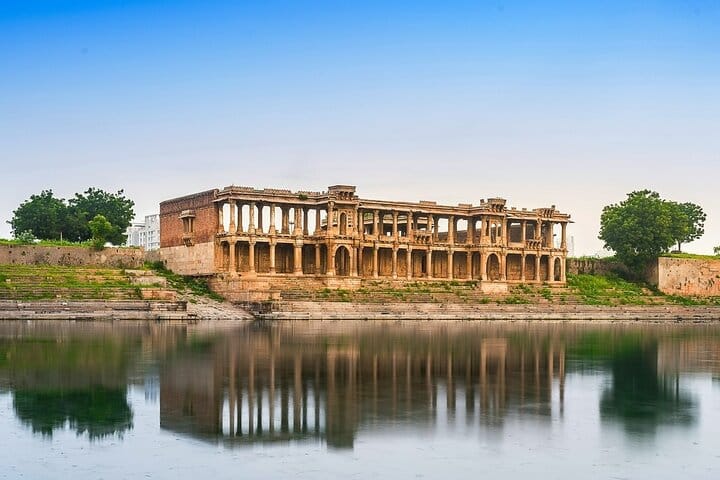
Ahmedabad After breakfast at the hotel, we set out on a city tour. We visit the Hatheesing Jain Temple, founded in 1850 by the merchant Seth Hatheesing and dedicated to the 15th Jain tirthankar, Dharamnath. We continue to Bhadra Fort, noted for its intricate carvings, patterned stonework and frescoes – the entrance arches carry inscriptions linked to the fort’s history. At Jama Masjid, which has several entrances, we see the nearby tomb of Sultan Ahmed Shah that holds the graves of Ahmed Shah, his son Mohammed Shah and his grandson Qutub-ud-Din Ahmed Shah. We then explore the Kite Museum – the first of its kind in India and second in the world – which displays rare kites reflecting the city’s celebrated Kite Festival. We also see the Shaking Minarets at Sidi Bashir Mosque near Sarangpur Gate, one of Ahmedabad’s most unusual monuments. Later, we visit Sabarmati Ashram. On his return from South Africa, Gandhi first established an ashram at Kochrab on 25 May 1915, moving it on 17 June 1917 to open land by the Sabarmati River to enable experiments in living, including farming, animal husbandry, cow breeding, khadi and related constructive activities. Overnight at the hotel.
Day 7 - Ahmedabad
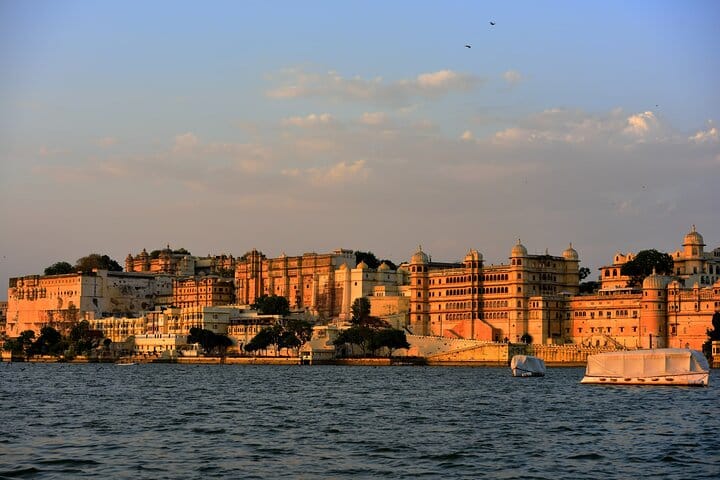
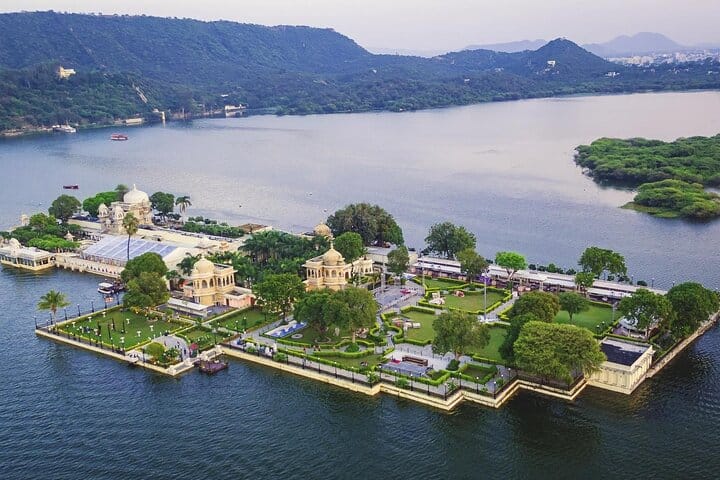
After breakfast we drive from Ahmedabad to Udaipur via Dungarpur – 280 kilometres – approx 6 hours. En route we explore Dungarpur, known for its green marble exported worldwide and the distinctive palace architecture with jharokhas that flourished under Maharawal Shiv Singh (1730–1785). Local goldsmiths and silversmiths are noted for lacquer‑painted toys and picture frames. We visit Udai Bilas Palace, Juna Mahal, Gaib Sagar Lake, Vijay Rajrajeshwar Temple, Badal Mahal, Beneshwar Temple and Surpur Temple.We then continue to Udaipur and check in at the hotel. In the evening we take a boat cruise on Lake Pichola to view the ghats and landmark buildings along the banks – the panorama of the City Palace from the water is a highlight. Lake Pichola is an artificial freshwater lake created in 1362 and named after nearby Picholi village; it is part of a network of lakes developed over centuries by dams for drinking water and irrigation. Its two islands, Jag Niwas and Jag Mandir, are home to historic palaces.Overnight at hotel.
Day 8 - Udaipur
After breakfast at the hotel, we set out on a guided tour of Udaipur, the city of lakes framed by the Aravalli hills. We take in views of the Lake Palace set in the middle of Lake Pichola and note Jaisamand Lake, considered the second largest manmade freshwater lake in Asia. The City Palace and Sajjangarh – the Monsoon Palace – showcase the city’s grand architecture, and Udaipur is also known for its zinc and marble. On Lake Fateh Sagar, the solar observatory is the only observatory in India located on an island – modelled on the facility at Big Bear Lake in Southern California.We explore the City Palace and its museum, Jagdish Temple and Saheliyon Ki Bari, then continue to the temples of Eklingji and Nagda. In the evening, we watch the Dharohar folk dance show at Bagore-ki-Haveli – an 18th century haveli now a museum of Mewar art and architecture – where performers present Rajasthani dances in brightly coloured traditional dress for about an hour. Overnight at the hotel.
Day 9 - Udaipur
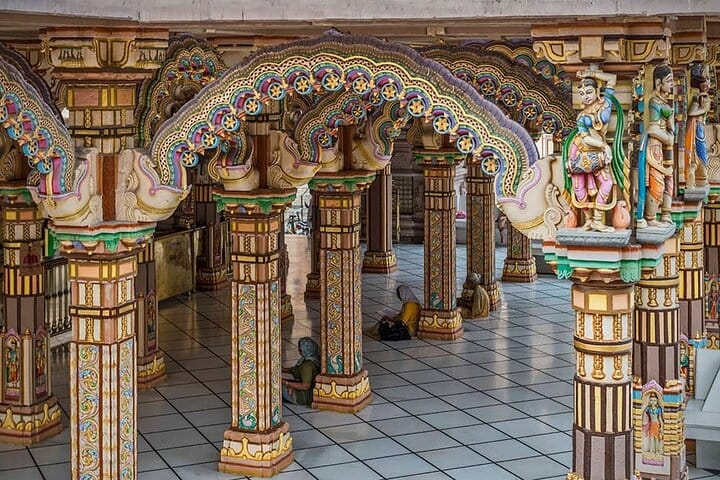
After breakfast we drive from Udaipur to Jodhpur – 260 km, around 5 hours – stopping at Ranakpur to explore its remarkable Jain temple complex with 1,444 intricately carved pillars, 24 pillared halls and 80 domes. No two pillars are alike, and the five-spired structure includes the Chaumukha shrine with a 6‑foot statue of Lord Adinath, intricate geometric ceilings and a distinctive four‑headed image of Adinath sheltered by a 108‑headed serpent. We then continue to Guda, a Bishnoi village known for its strong tradition of nature conservation and a habitat for migratory birds such as the Demoiselle crane, as well as antelopes and blackbuck around the local lake. We arrive in Jodhpur and check in at the hotel. Overnight in Jodhpur.
Day 10 - Jodhpur
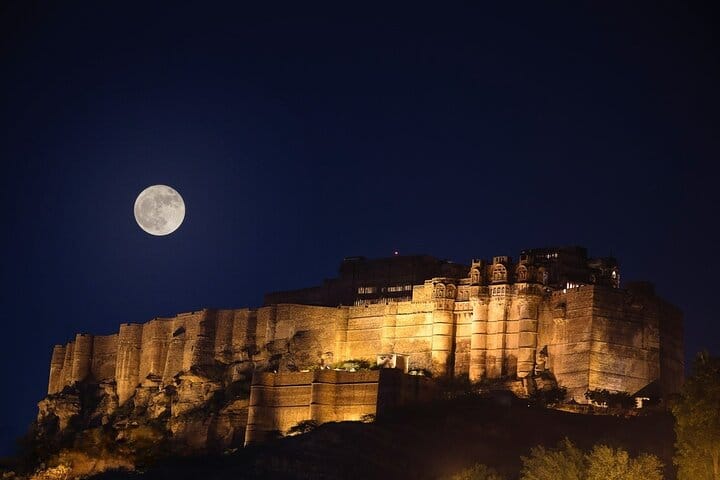
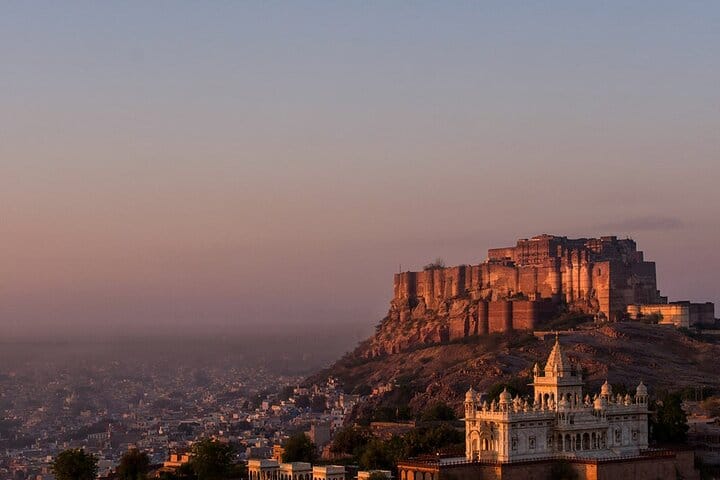
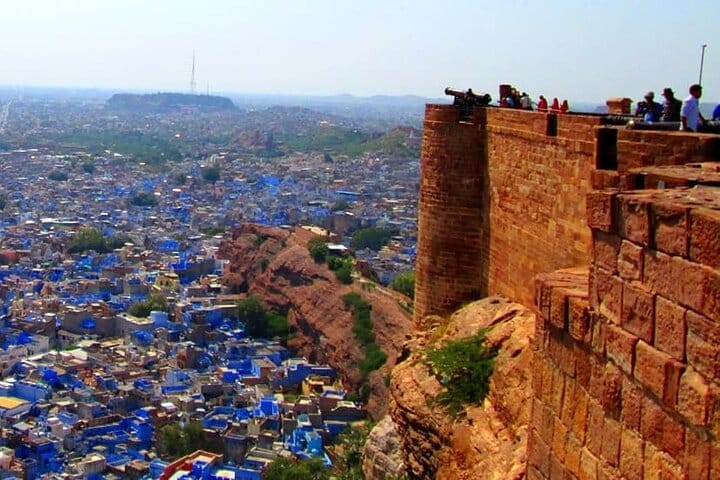
After breakfast at the hotel, we set out on a full-day tour of Jodhpur – the Blue City – founded in 1459 by Rao Jodha. We explore the imposing Mehrangarh Fort, whose rocky ridge and eight gateways command the city, then visit Jaswant Thada and the Umaid Bhawan Palace. In the afternoon we drive about 10 km to Mandore, the former capital of Marwar, to see its temples, gardens and cenotaphs – distinctive here for following the lines of Hindu temples rather than the typical chhatri form. We return to the hotel for the night.
Day 11 - Jodhpur - Ajmer - Bundi - Kota
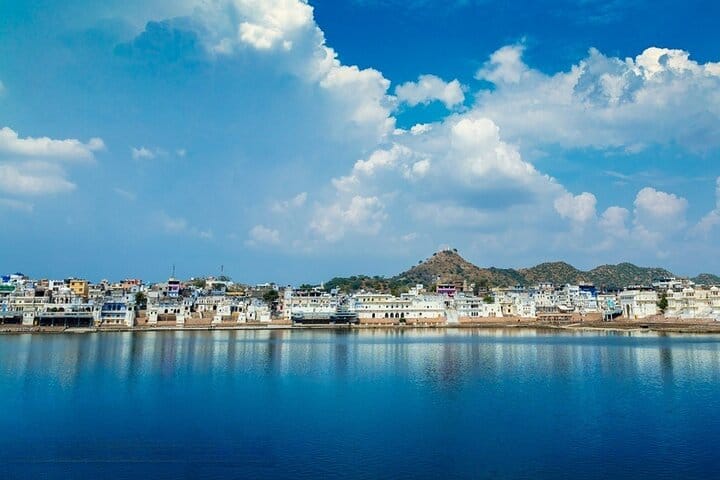
After breakfast in Jodhpur, we drive 310 km – around 7 hours – to Jaipur, stopping in Pushkar, one of India’s oldest cities set amid low hills. According to legend, Lord Brahma dropped a lotus here, creating the lake – Pushkar is home to the only temple dedicated to Lord Brahma. In Pushkar, we visit sacred Pushkar Lake with its 52 bathing ghats, along with the Brahma and Savitri Temples. We then continue to nearby Ajmer for an excursion to Khwaja Dargah E Sharif, Adhai Din Ka Jhonpda and Anasagar Lake. Later, we drive on to Jaipur and check in at the hotel.In the evening, we explore the Pink City’s colourful bazaars. You can also visit the Albert Hall Museum – inspired by the Victoria and Albert Museum in London – which displays metalwork, woodcraft, carpets, sculpture, arms and weapons, and miniature paintings from Bundi, Kota, Kishangarh, Udaipur and Jaipur schools. Overnight at the hotel.
Day 12 - Jaipur
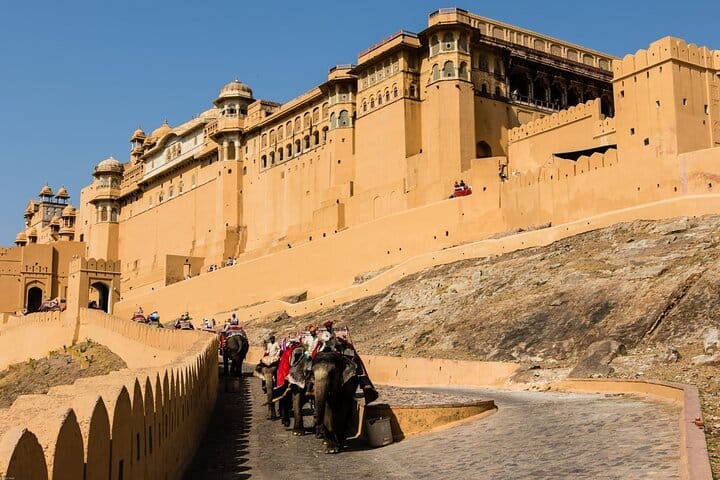
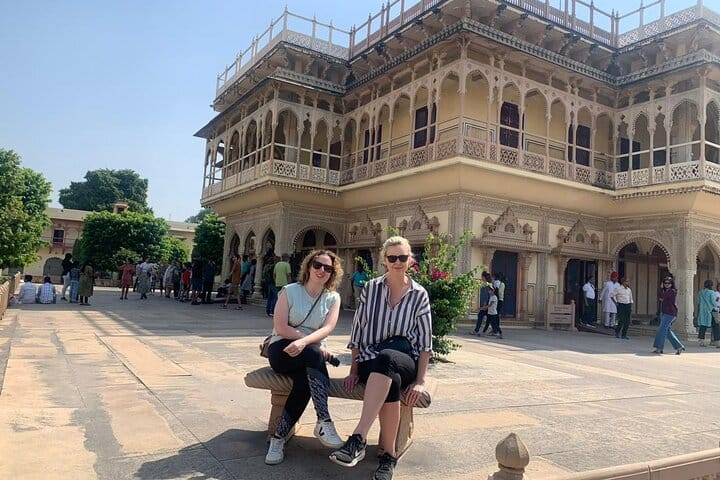
After breakfast, we set out on a city tour of Jaipur, India’s first planned city, laid out in 1727 by Maharaja Sawai Jai Singh II using principles of Vastu Shastra. In 1876 the city was painted pink to welcome the Prince of Wales – a gesture of hospitality that still defines its look today. This morning we drive to Amber Fort, then continue to Jaigarh Fort and the terraced Sisodia Rani Garden. In the afternoon we visit the City Palace, the Observatory and the iconic Hawa Mahal, before exploring the colourful bazaars of the Pink City. In the evening we attend the aarti ceremony at Birla Temple. Overnight at the hotel.
Day 13 - Jaipur - Agra
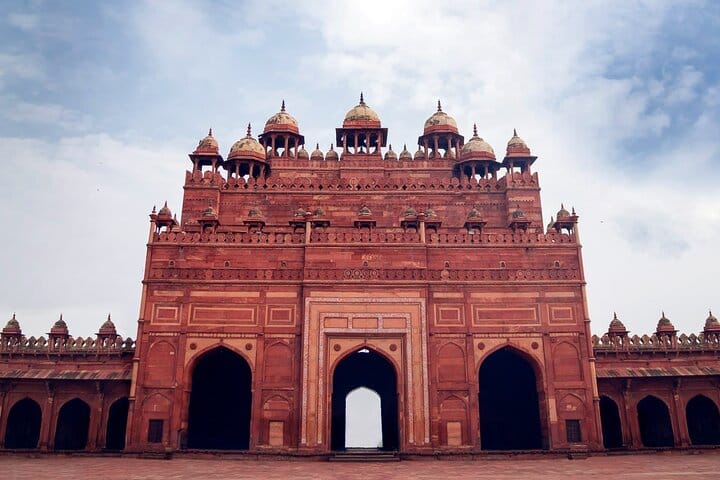
After breakfast at the hotel, we drive from Jaipur to Agra – about 245 km and roughly five hours – with visits en route to Abhaneri and Fatehpur Sikri. In Abhaneri, we explore Chand Baori, one of India’s deepest and largest stepwells, and the nearby Harshat Mata Temple. We then continue to Fatehpur Sikri, founded in 1569 by Emperor Akbar and abandoned about 15 years later due to water scarcity, to see its red sandstone ensemble including the Diwan e Khas hall, Jodha Bai’s Palace, Jama Masjid, the Tomb of Salim Chishti, Panch Mahal and the Buland Darwaza. We arrive in Agra and check in at the hotel for the night.
Day 14 - Agra
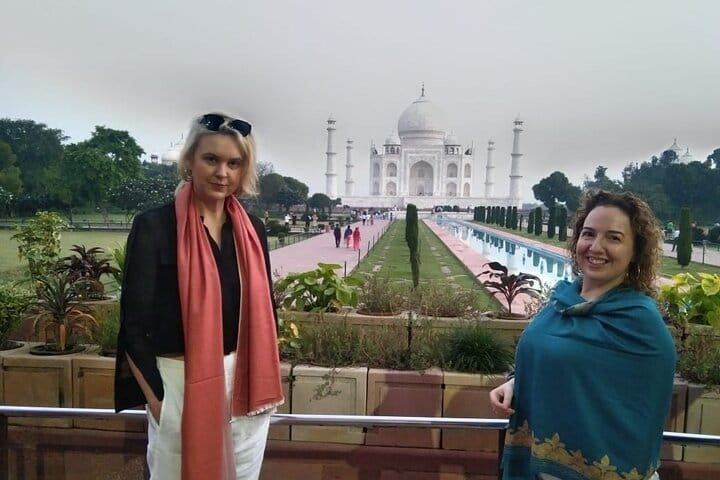
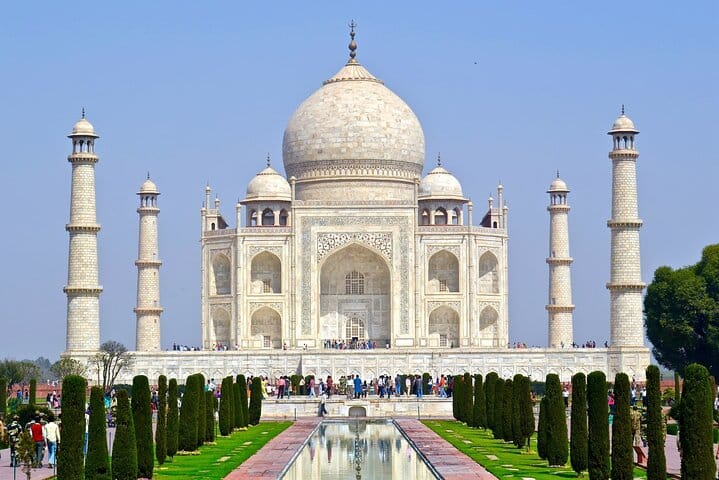
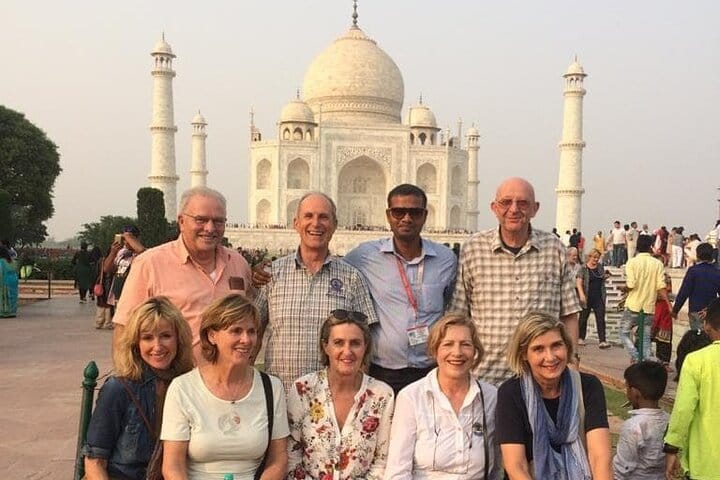
We start at sunrise with a visit to the Taj Mahal – the ivory‑white marble mausoleum on the banks of the Yamuna, commissioned in 1632 by Emperor Shah Jahan for Mumtaz Mahal and later his own resting place. After breakfast, we explore Agra Fort – the main Mughal residence until 1638 – and continue to the Itmad‑ud‑Daula Tomb, commissioned by Nur Jahan for her father, Mirza Ghiyas Beg. In the afternoon we drive to Delhi – around 204 kilometres, approximately 4 hours – and check in at the hotel. You have the remainder of the day free to relax. Overnight at hotel.
Day 15 - Delhi
After breakfast at the hotel, we set out on a full day exploration of Old and New Delhi. In Old Delhi, we visit the Red Fort – seat of the Mughal emperors for nearly two centuries until 1857 – and Jama Masjid, one of the largest mosques in the world built by Shah Jahan. We then take a cycle rickshaw through the lanes of Chandni Chowk to the Khari Baoli spice market, before paying our respects at Raj Ghat, the memorial to Mahatma Gandhi.In New Delhi, we continue to Humayun’s Tomb – the subcontinent’s first garden tomb, commissioned by Empress Bega Begum in 1569–70 – and Qutub Minar, a 73 metre minaret within the Qutb complex and a fine example of early Afghan architecture. We also visit the Lotus Temple, a Bahai House of Worship known for its flowerlike design and open to all, regardless of religion. The day ends with a drive along the capital’s ceremonial avenues, passing the President’s House, Parliament and India Gate.
Tour Reviews
Prices
Extras and add-ons
Prices
If you'd like to add extras or add-ons to your booking, you can do this easily during checkout. Just review the available options and select any additional services or upgrades you'd like before completing your purchase.
Hotels
Prices
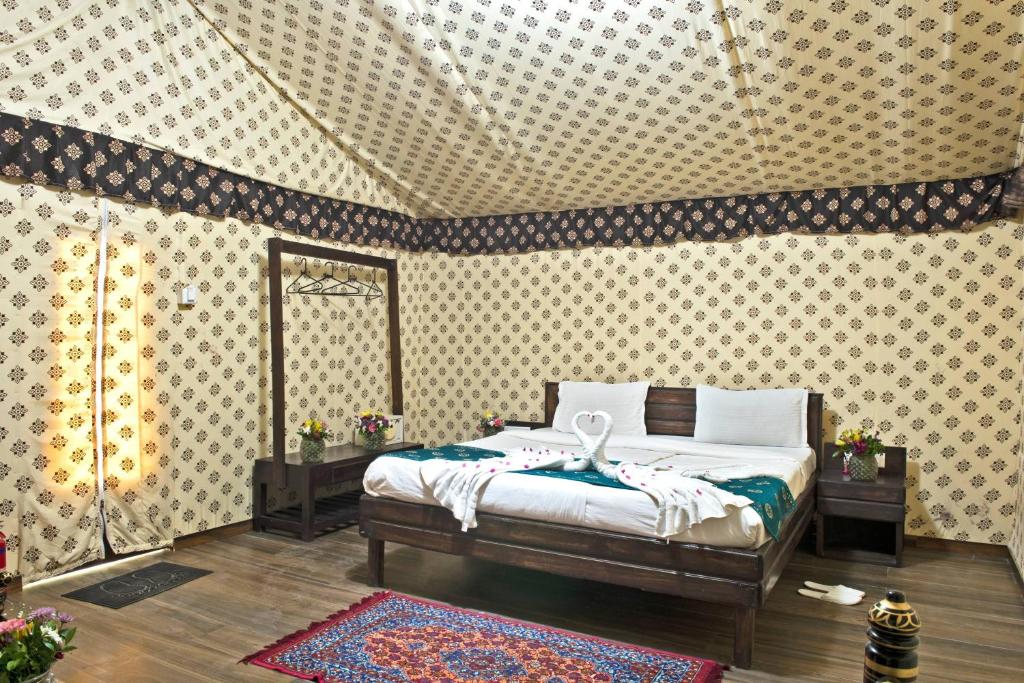
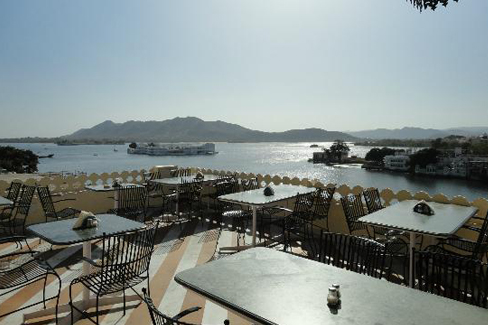
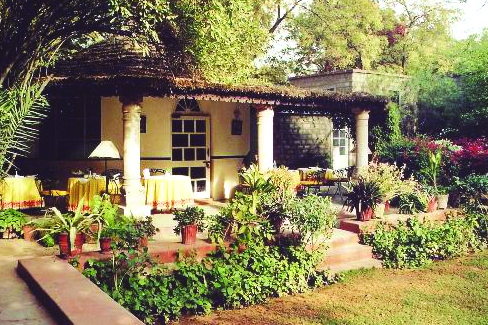
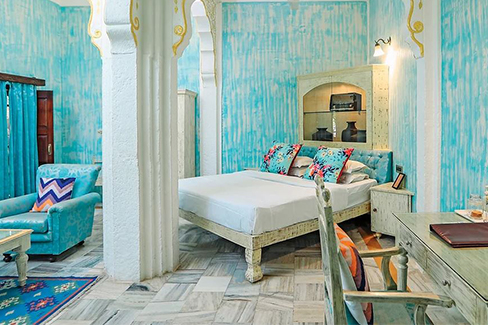
The hotels listed below are examples which we frequently use on this tour. Alternative hotels of a similar standard may be used instead.
Prices & Dates
Prices
The prices you see below are a guide, with final prices per person being determined by the number of travellers in your booking party, desired hotel standard and the rooming arrangements required. To see an accurate price, please click "Book Dates" and enter the details for your booking party.
Can't find a date that works for you?
Looking for a date not yet released?
Similar Tours
Explore more exciting tours in India to discover even more unforgettable adventures!

On The Go Tours
Our agents are waiting to chat to you...
Are you a Travel Agent or Customer?
Do you have an booking reference?