
On The Go Tours
Our agents are waiting to chat to you...
Are you a Travel Agent or Customer?
Do you have an booking reference?
Best Time to Visit Japan
How the seasons, cherry blossom and autumn colour shape when to travel across Japan
Best Time to Visit Japan
How the seasons, cherry blossom and autumn colour shape when to travel across Japan
When do you want to go?
2026
I'm flexible
Passengers
Adults (18+)
Children (0 - 17)
A season for every kind of trip
The best time to visit Japan is spring, from late March to May, or autumn, from October to November. Both seasons bring mild temperatures, clear skies and the country's two great natural displays, cherry blossom in spring and red maple colour in autumn. Spring draws the largest crowds and the highest prices, so your choice comes down to how much you will trade comfort and colour against cost and quiet. Booking figures show March, April and May as the busiest months to travel, with autumn a close and quieter second.
We offer multi-day trips ranging from 2 to 25 days across Japan.
Japan weather by season
Japan is a country transformed by its seasons, each offering a distinctly different experience. From the delicate cherry blossoms of spring to the fiery foliage of autumn, snow-blanketed winters and vibrant summer festivals, there's no single best time to visit, only the season that suits you best. Here's what to expect across the year to help you plan the perfect trip.
Summer
June to August
Expect high humidity throughout, plus the rainy season (tsuyu) in June across much of the country. July and August bring the hottest, most vibrant days, ideal for festivals and coastal escapes.
Autumn
September to November
Cooler, drier air replaces summer's humidity, making it ideal for sightseeing. October and November bring spectacular foliage (kōyō), when maples and ginkgoes turn fiery red and gold across parks, temples and mountainsides.
Winter
December to February
Expect crisp, clear days in much of the country and heavy snowfall in regions like Hokkaido and the Japan Alps, perfect for skiing, hot springs and snow festivals.
Spring
March to May
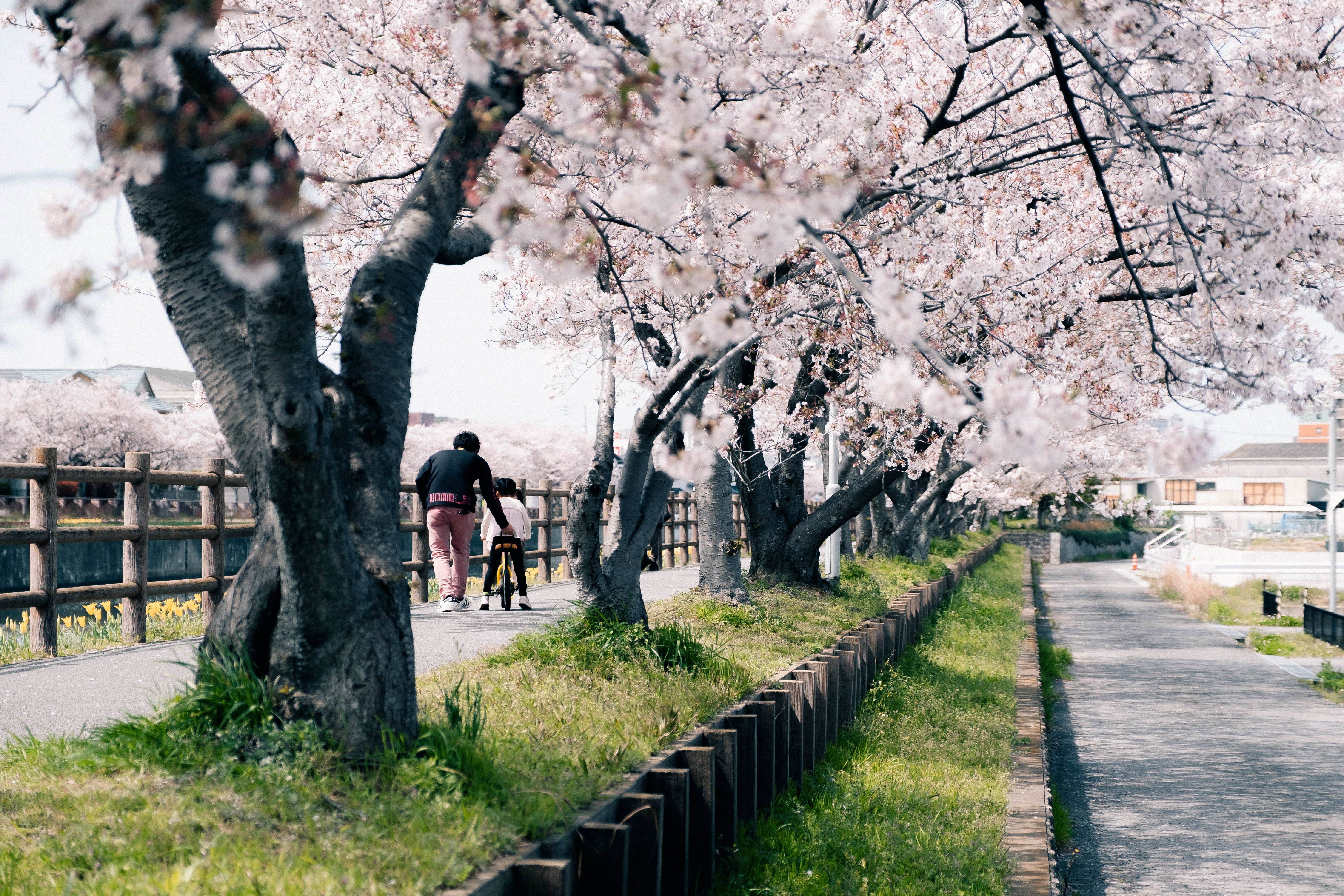
Mild, comfortable weather makes it ideal for exploring. Late March and early April bring the famous cherry blossoms (sakura), when parks and riversides turn pink, drawing crowds for hanami picnics beneath the flowering trees.
April: Spring and the cherry blossom season
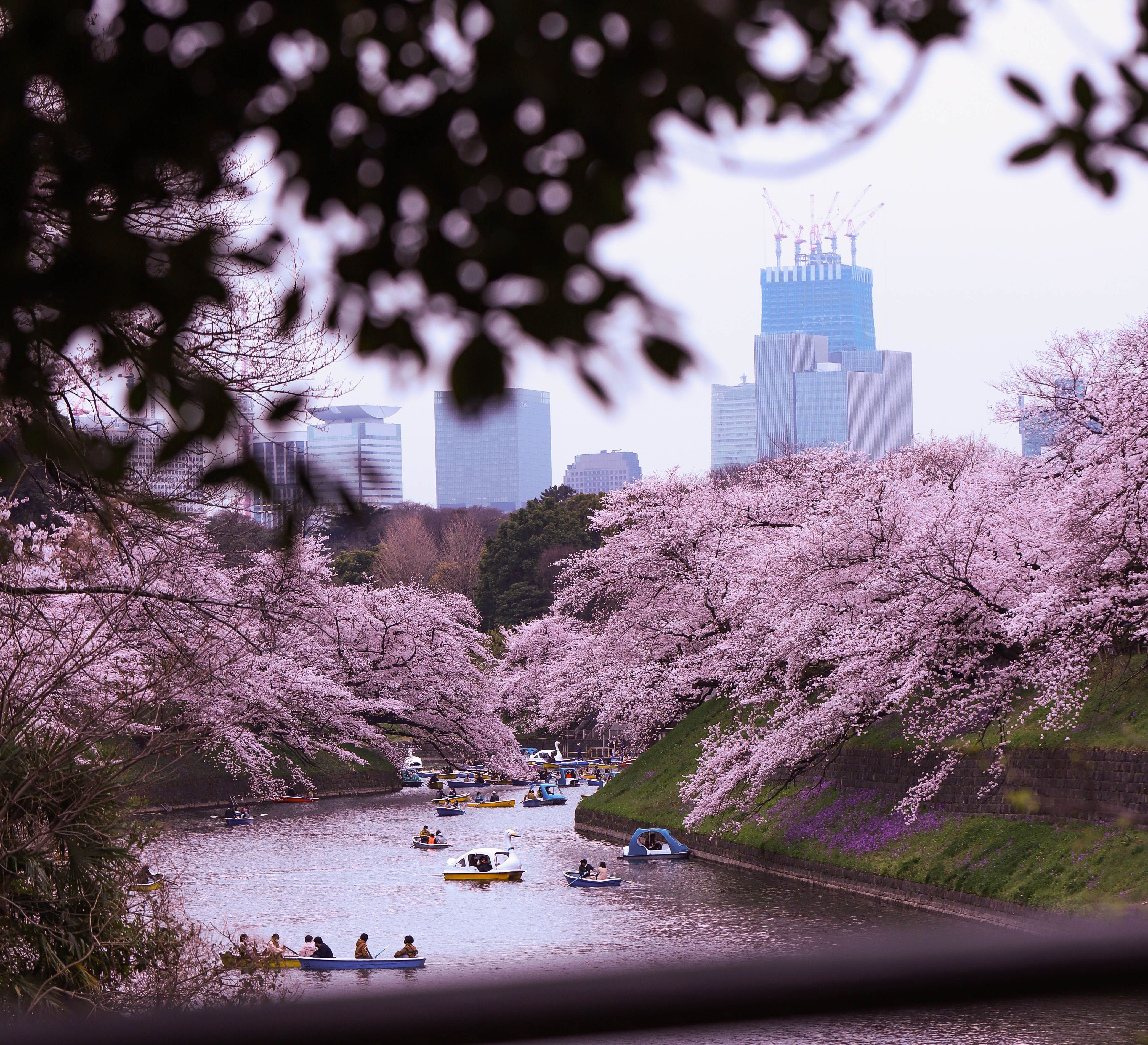
Cherry Blossoms in Japan
Spring is the reason many travellers pick Japan in the first place. From late March the cherry blossom moves north in a wave that reaches Tokyo and Kyoto first, then the mountains and Hokkaido weeks later. The bloom is short, often little more than a week in any one city, and the exact dates shift every year with the weather. Forecasters publish blossom predictions each spring, but even these change, so build a few days of flexibility into any trip planned around sakura.
This season provides ideal conditions to explore iconic landmarks. You can admire spring blooms while visiting historic temples, shrines and vibrant city quarters.
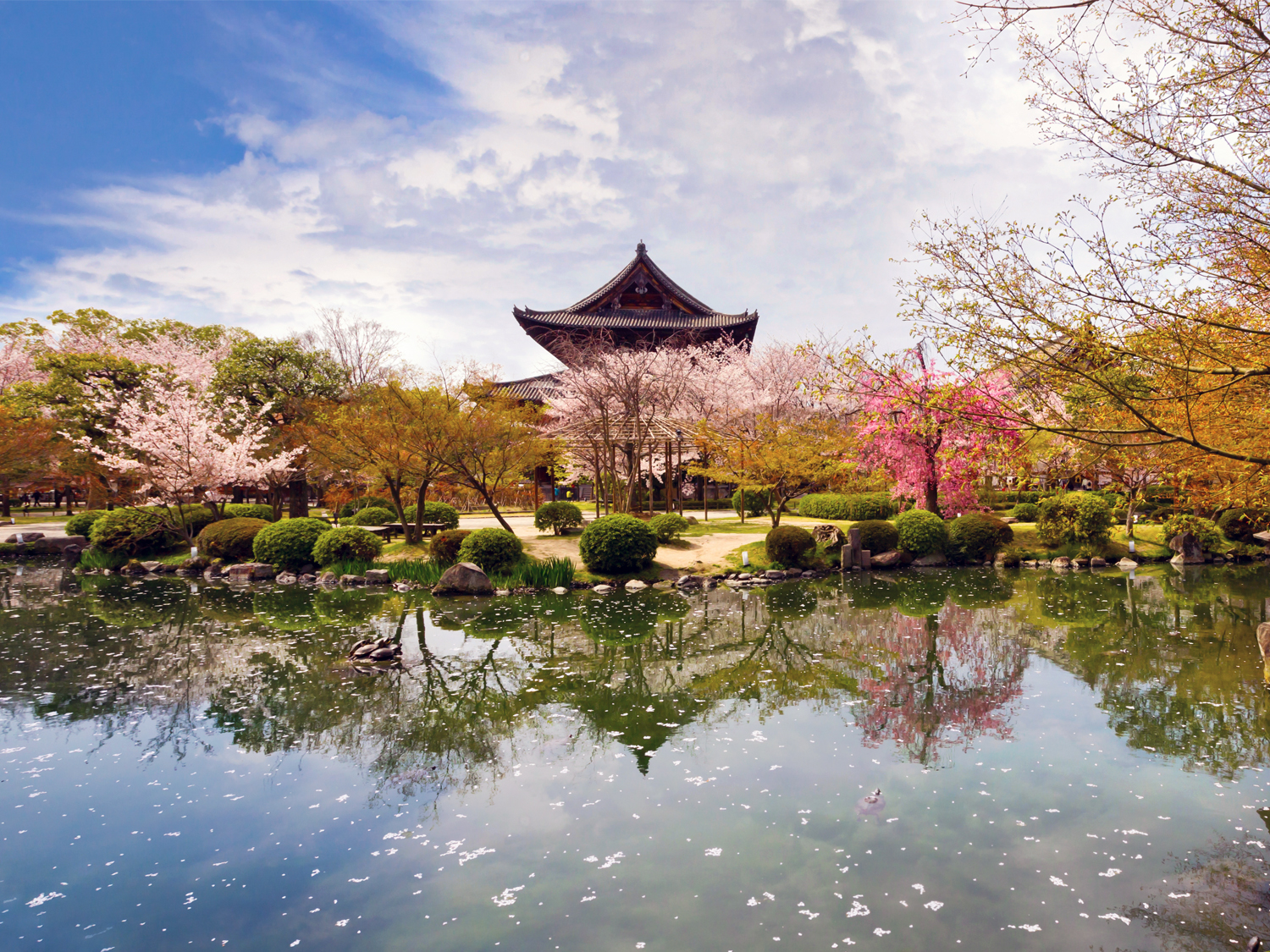
Spring transforms Japan into a landscape of soft pink petals, and for many travellers it is the single most compelling reason to time a visit for late March through April. The cherry blossom, or sakura, blooms for only a week or two in any one place, so knowing where to be and when makes all the difference to a spring itinerary.
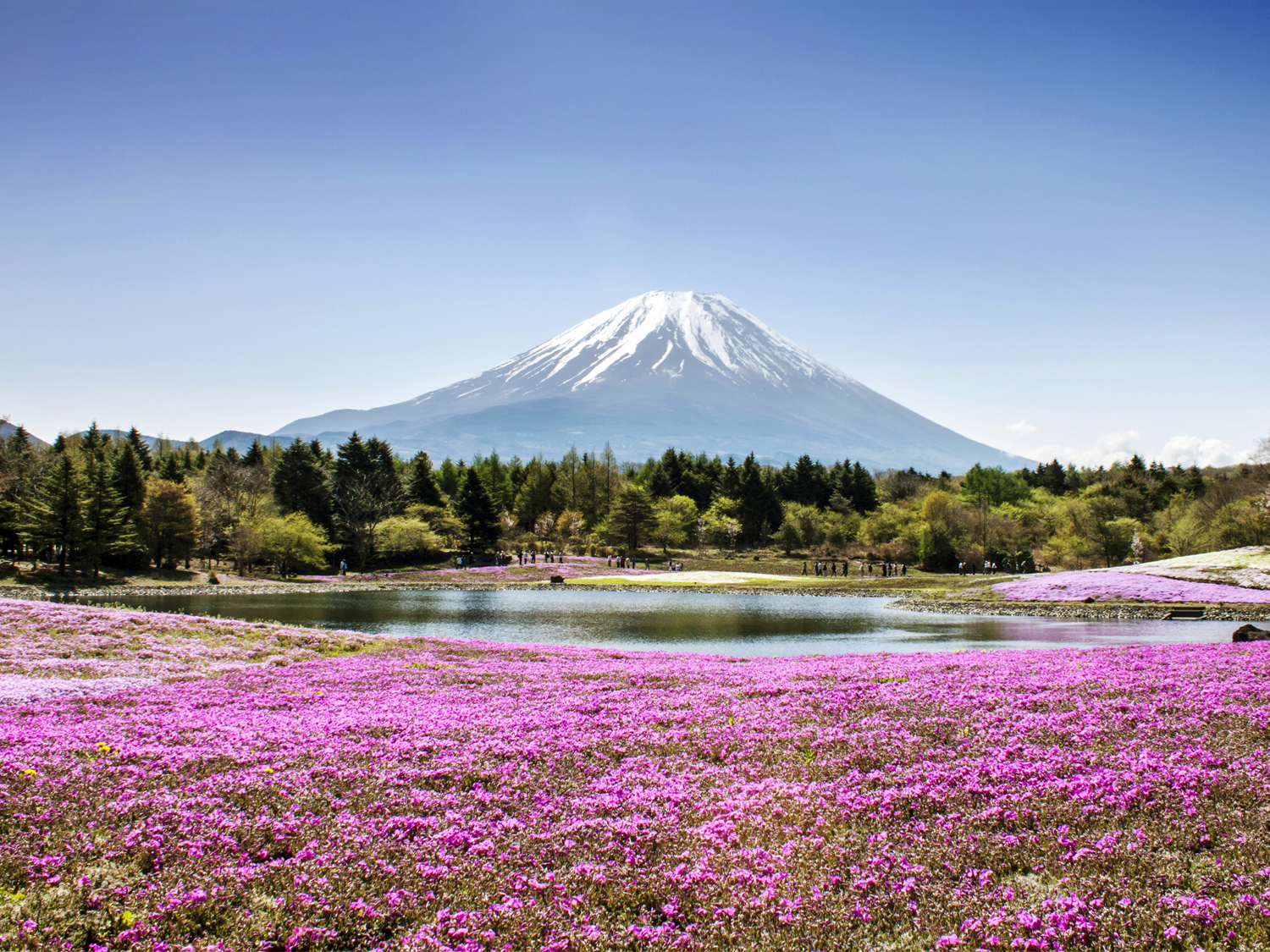
This guide to the cherry blossom festival covers everything worth understanding before travelling. It explains the centuries-old tradition of hanami, the flower-viewing custom that dates back to the 8th century, and how the season is celebrated today with picnics, street parties and lantern-lit evening gatherings known as yozakura. There is practical detail on how the blossom front moves from Okinawa in late January up to Hokkaido in May, plus the best places to catch it, from Tokyo's Ueno Park and Kyoto's Philosopher's Path to Mount Yoshino and the shores of Lake Kawaguchi beneath Mount Fuji.
Read the full guide to plan a blossom-season visit with confidence.
July: Summer festivals and the rainy season
Summer in Japan
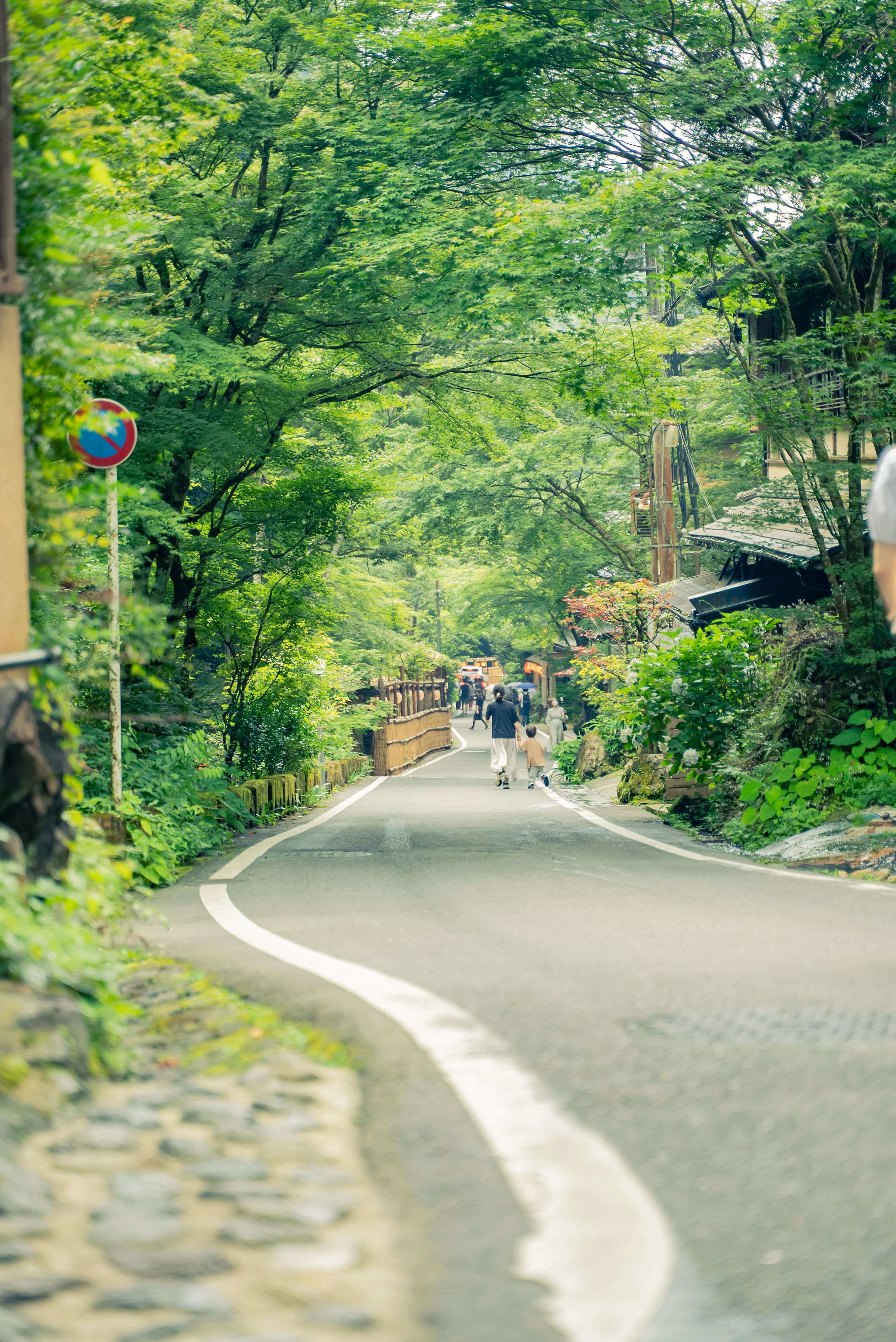
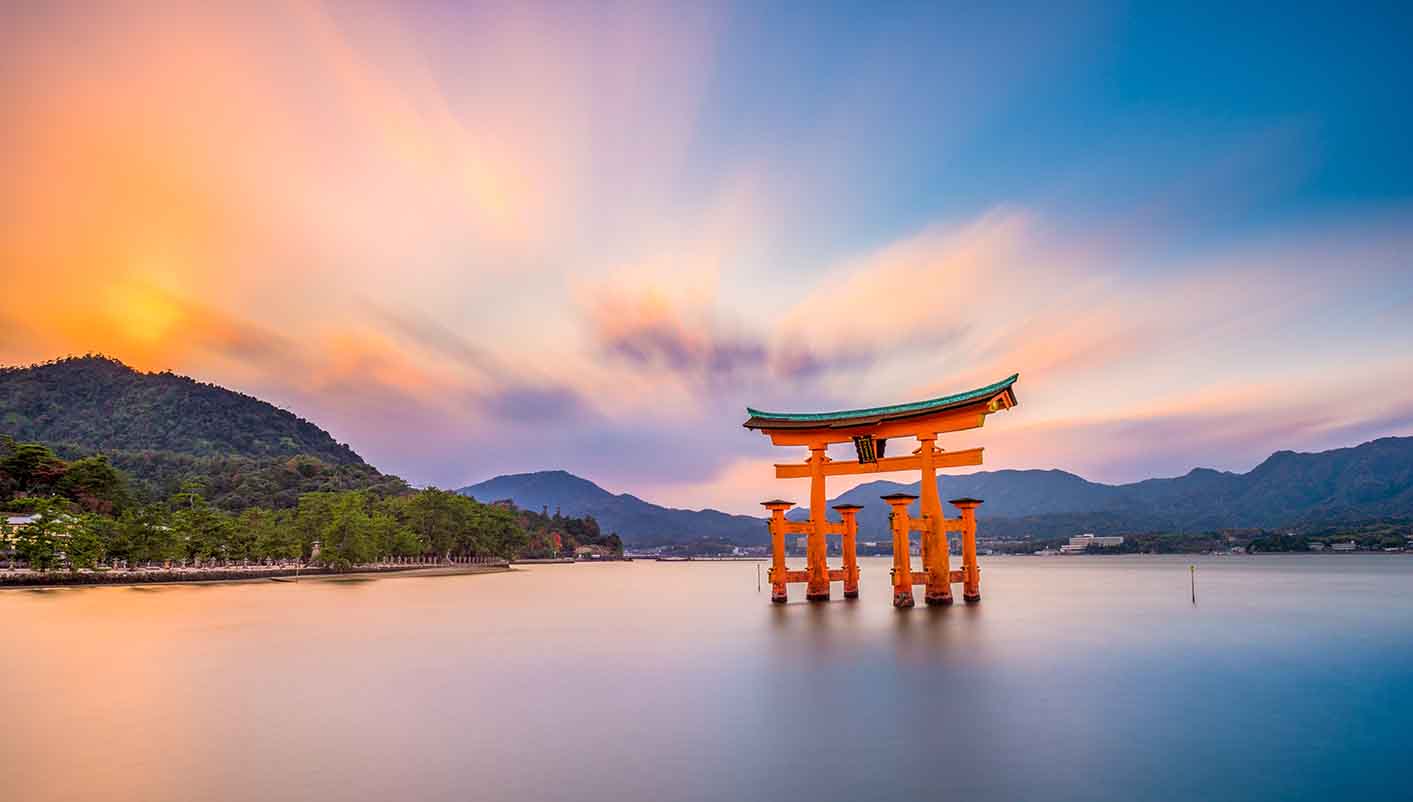
Summer is hot, humid and lively. The rainy season, tsuyu, runs from early June to mid July across most of Honshu, bringing heavy but often short downpours rather than all day rain. July and August then turn muggy, with temperatures in the cities regularly above 30°C. The trade off is the festival calendar. Kyoto's Gion Matsuri fills July with tall wooden floats hauled through the streets, and in August the Obon period brings lantern ceremonies, including the floating lanterns on the river in Hiroshima. Early summer also brings the greenest countryside of the year before the heat sets in. If you travel now, plan indoor sights and museums for the middle of the day and save temples and gardens for the cooler mornings.
October: Autumn colour and the koyo season
Autumn in Japan
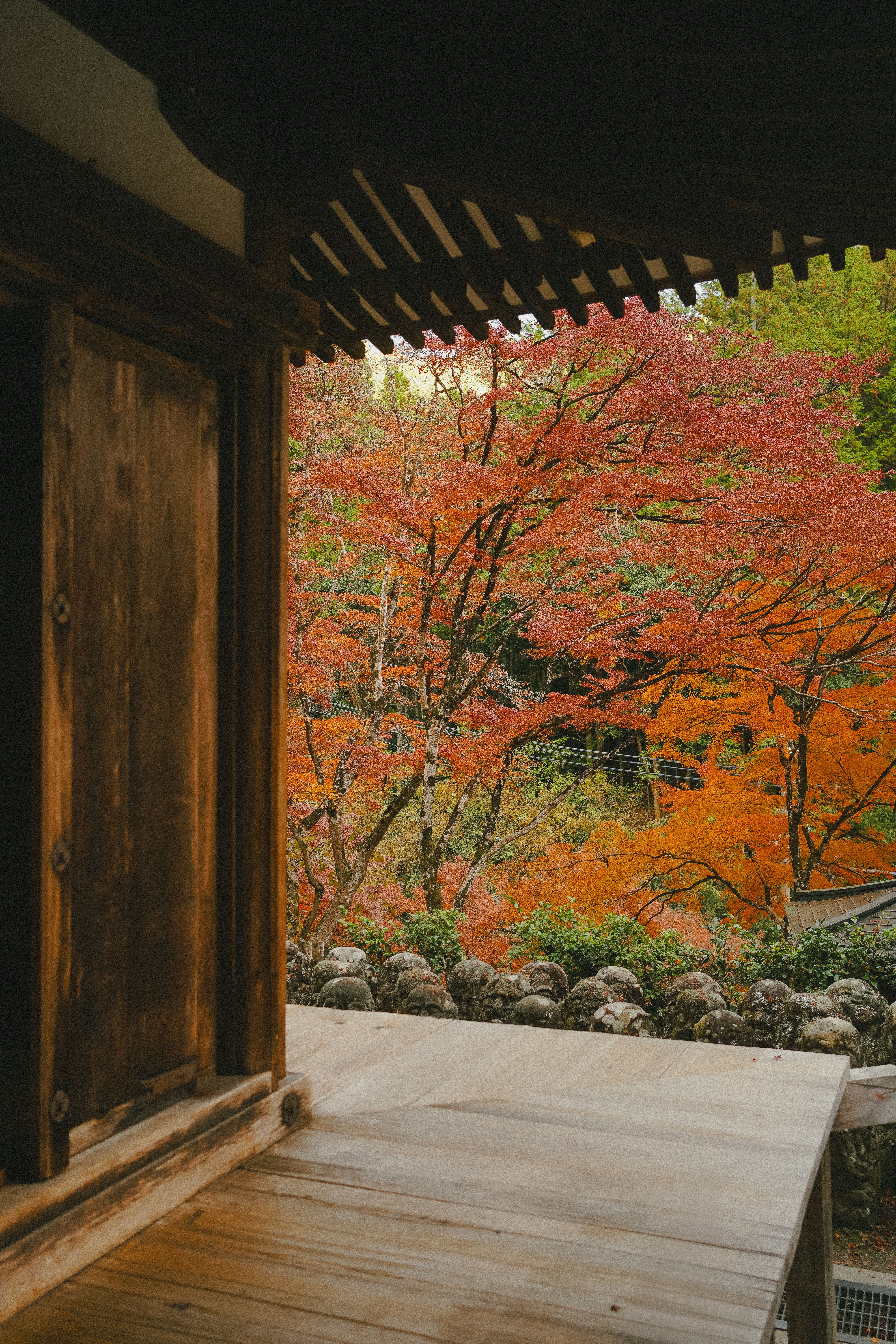
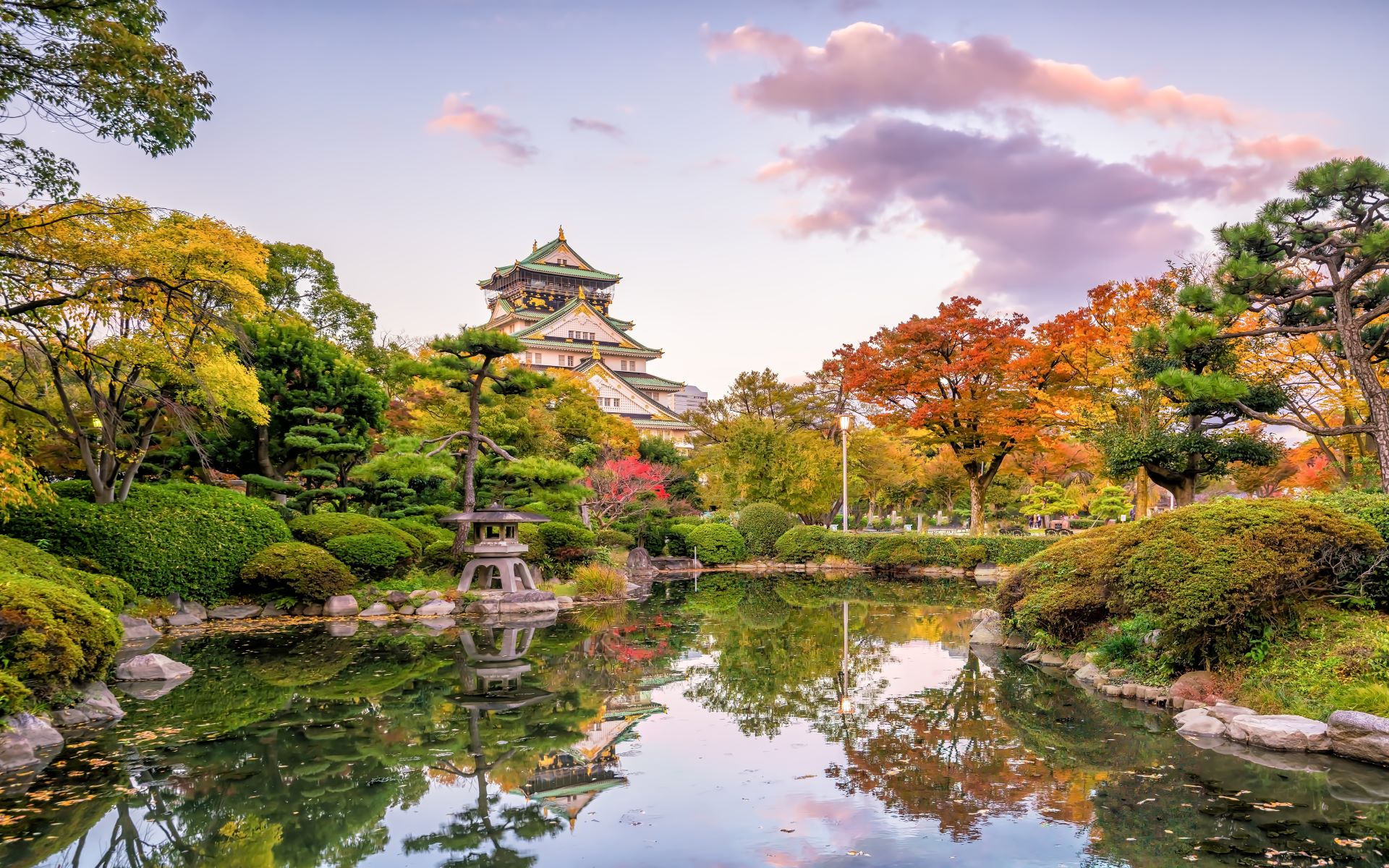
Autumn is the quieter equal of spring. From late September the maples and ginkgo turn, a change the Japanese call koyo, and the colour drifts south through October and November in the reverse of the blossom. Honshu holds the display longest, with November the reliable month for deep reds around Kyoto and the gardens of western Japan. The weather works in your favour. Cool, dry air and clear light make long sightseeing days comfortable, and queues at the headline temples are shorter than in spring. Korakuen Garden in Okayama and the hillsides around Nikko are among the settings that repay a visit at this time.
January: Winter travel and clear views of Mount Fuji

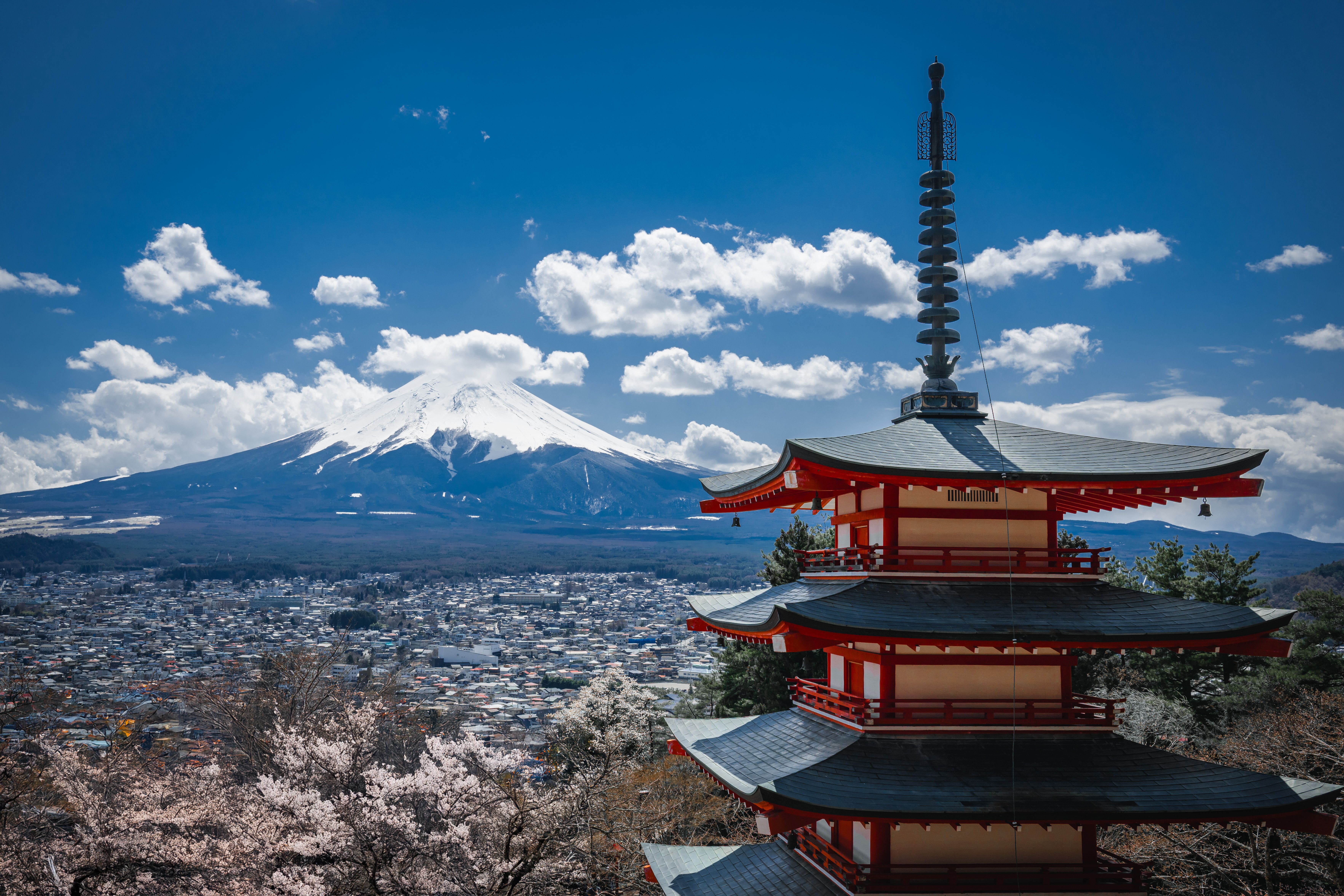
Mount Fuji
Winter is the season most visitors overlook. Tokyo and Kyoto stay cold but mostly dry, with daytime figures around 5°C to 10°C and bright, settled skies. Those clear winter days give the most dependable views of Mount Fuji, which spends much of the warmer months hidden in haze. The north is a different country in winter. Heavy snow falls across Hokkaido and the Japan Sea coast, feeding the ski resorts and the snow festivals, while central Honshu stays clear enough for easy travel between the main cities. Crowds thin, prices ease and the classic Tokyo to Kyoto route runs comfortably throughout.
Japan Festivals and Cultural Events by Month
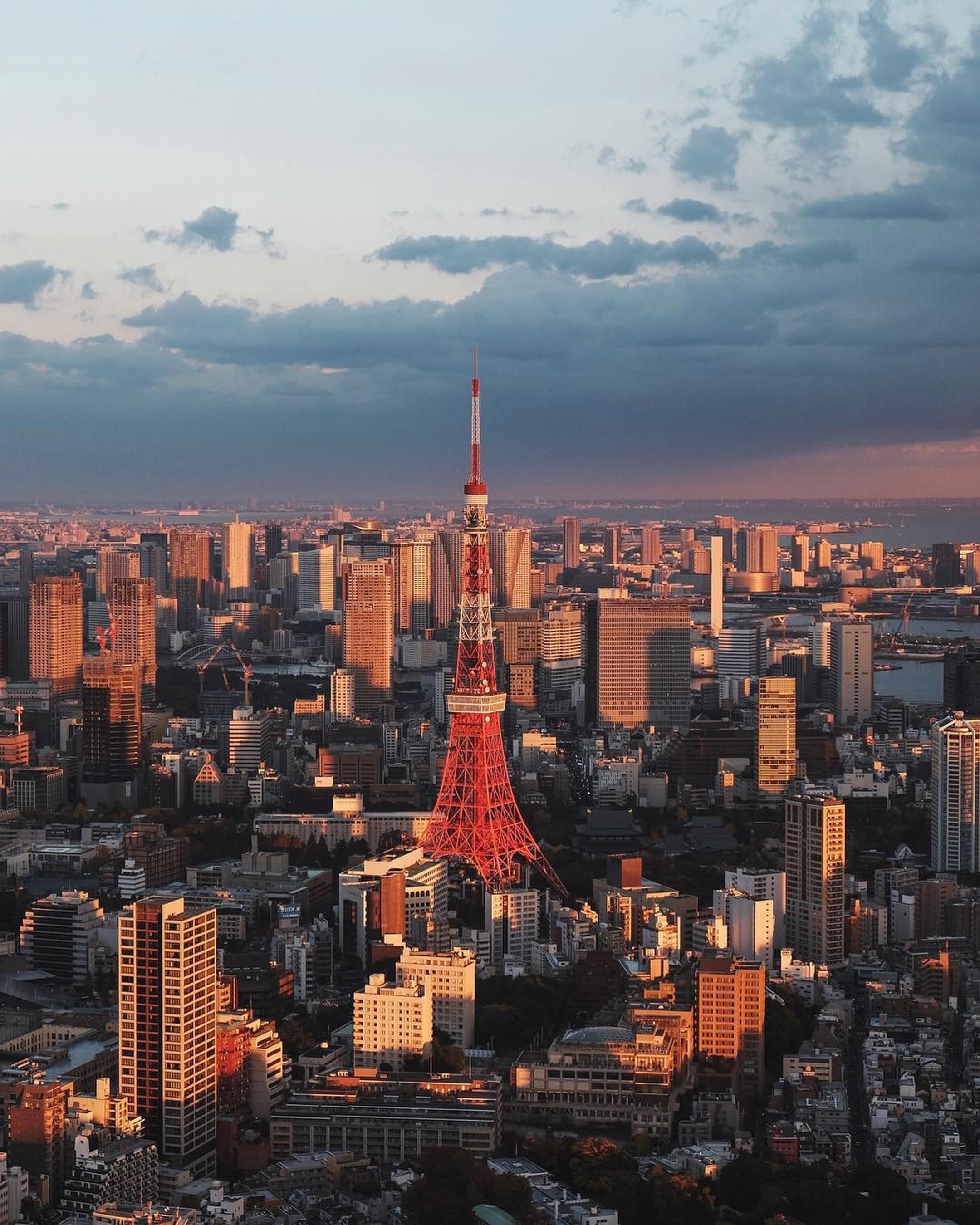
Tokyo tower
Planning your trip around local celebrations adds deep cultural insight to your travel experiences. Japan hosts thousands of festivals throughout the year, with spring and summer offering some of the most famous events. In January, the Hatsumode tradition sees millions visit shrines like Meiji Jingu in Tokyo. Spring brings cherry blossom viewing parties, known as hanami, which peak during our most popular travel months of March, April, and May. Kyoto comes alive in July with the Gion Matsuri, featuring massive decorative floats moving through the city centre. Mid August brings the Obon festival and the lantern-floating ceremonies in Hiroshima in early August, remembering past generations. Autumn brings vibrant foliage along with the Jidai Matsuri in Kyoto during October, where participants wear historic costumes.
Travelling off-peak for fewer crowds
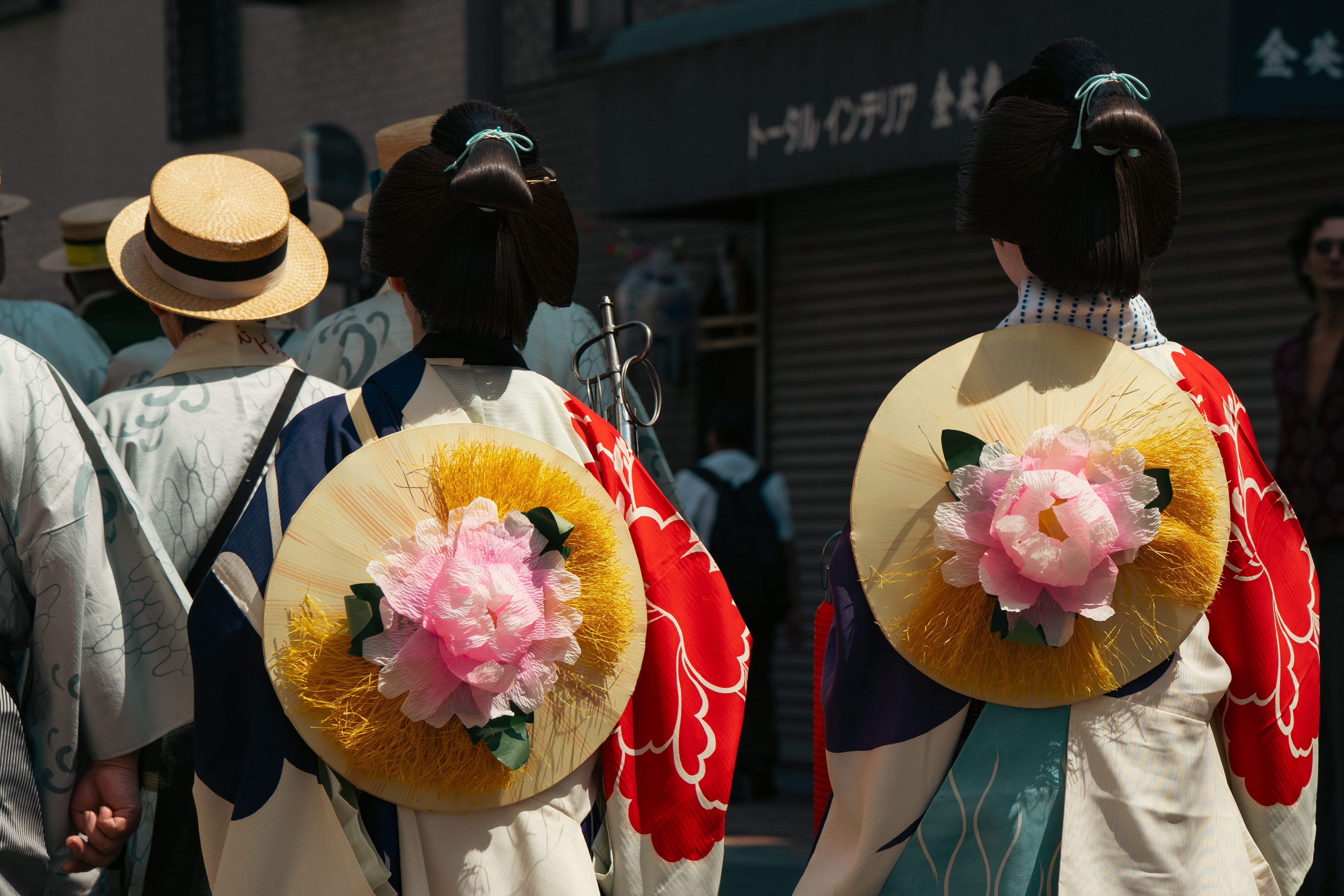
Walking in Japan
If crowds and cost matter more than catching the blossom, the shoulder months reward you. June, before the worst of the heat, and late November, after the autumn rush, both bring lower prices on flights and hotels and noticeably shorter queues at the major sites. Early summer gives lush green countryside, while late autumn holds on to the last of the red maples. Prices for accommodation and transport drop away from the spring peak, so the same trip often costs less outside March, April and May. Smaller group departures suit the quieter months well. The Scenic Japan trip, an eight day itinerary for a maximum of six travellers, takes in Hakone and Mount Fuji alongside Tokyo, Kyoto and Osaka.
Japan tours across the seasons
Trips across Japan through every season, from short breaks to itineraries of three weeks or more. Spring and autumn departures such as the seven day Journey Through Japan's Cultural Treasures and the eight day Best of Honshu Express follow the central Honshu route through Tokyo, Kyoto and Hiroshima, while the Scenic Japan trip suits smaller groups wanting Mount Fuji and Hakone.

Frequently asked questions
When is cherry blossom season in Japan?
Cherry blossom usually begins in late March in Tokyo and Kyoto and moves north over the following weeks, reaching Hokkaido by early May. The bloom lasts only about a week in each city and the dates change every year with the weather. Blossom forecasts are published each spring, so check them close to departure and allow some flexibility.
When is the rainy season in Japan?
The rainy season, known as tsuyu, runs from early June to mid July across most of Honshu. It brings heavy but usually short showers rather than constant rain, so sightseeing is still possible. Okinawa and the south see the rain arrive a little earlier.
When can you see Mount Fuji most clearly?
Mount Fuji is clearest in the winter months, from December to February, when the dry air and settled skies cut the summer haze. Early mornings give the best chance of a clean view. Late autumn is a good second choice. In midsummer the mountain is often hidden by cloud and humidity, even on warm days.
When is autumn foliage season in Japan?
Autumn foliage, known as koyo, runs from late September in the north to late November further south. Around Kyoto and western Honshu, November is the most reliable month for deep red maples. The colour follows cool nights, so a warm autumn can push the peak back by a week or two. Clear, dry days make it one of the most comfortable times of year to travel.