
On The Go Tours
Our agents are waiting to chat to you...
Are you a Travel Agent or Customer?
Do you have an booking reference?
Following the Moorish Trail Through Andalusia
How to trace eight centuries of Al-Andalus across southern Spain, in the monuments and the everyday.
Following the Moorish Trail Through Andalusia
How to trace eight centuries of Al-Andalus across southern Spain, in the monuments and the everyday.
When do you want to go?
2026
I'm flexible
Passengers
Adults (18+)
Children (0 - 17)
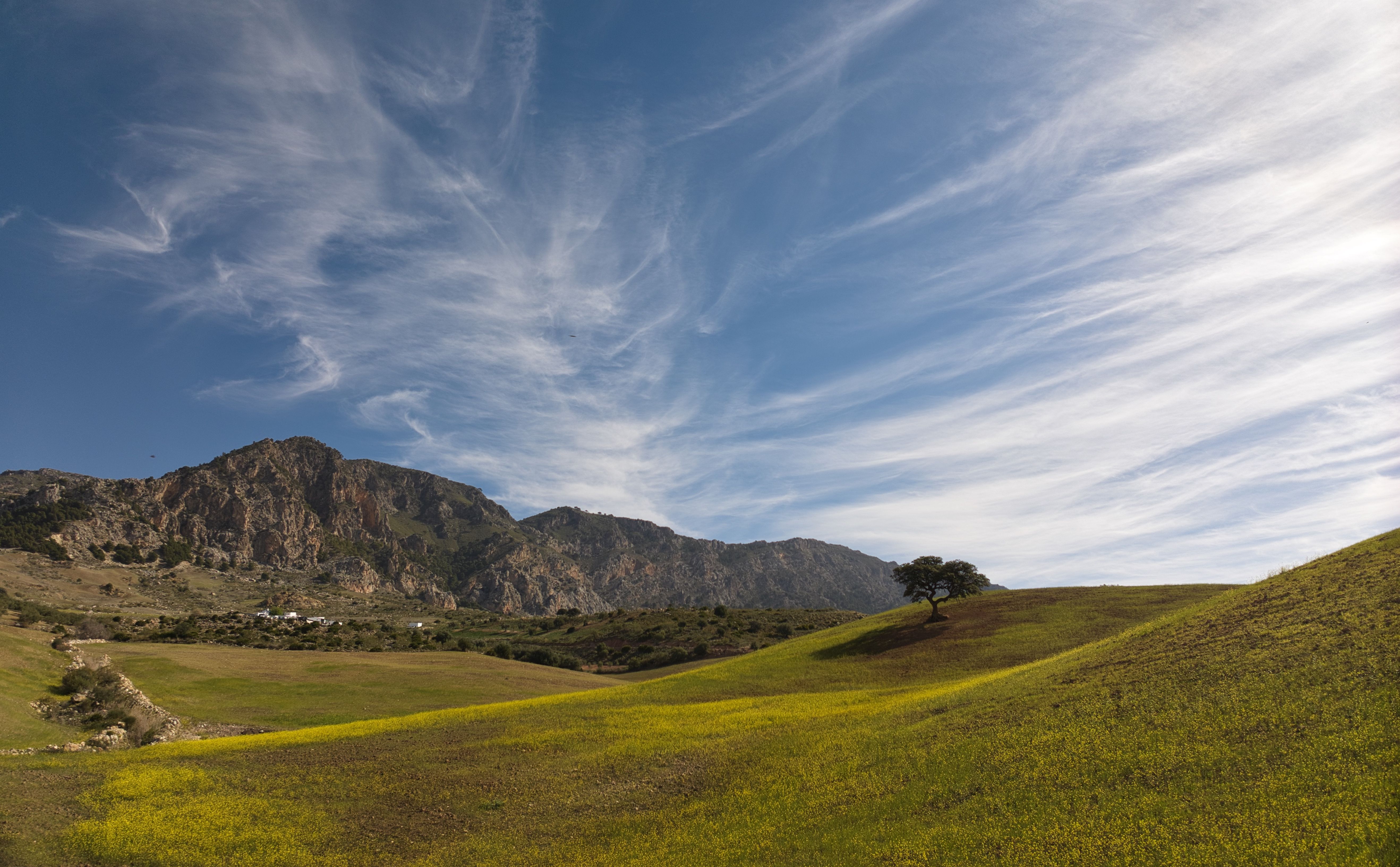
Moorish Andalusia is not a single site but a whole region carrying the memory of eight centuries. For most of the Middle Ages, southern Spain was Al-Andalus, the western edge of the Muslim world, and long after the last emirate fell its mark is everywhere if you know how to look for it. It is in the great monuments, of course, but also in the shape of a garden, the sound of water in a courtyard, the white villages on their ridges and the names of the rivers. Following the Moorish trail through Andalusia is less about ticking off buildings than about learning to read a landscape. Once you can see it, you cannot stop seeing it.
Three Cities, Three Chapters of one story
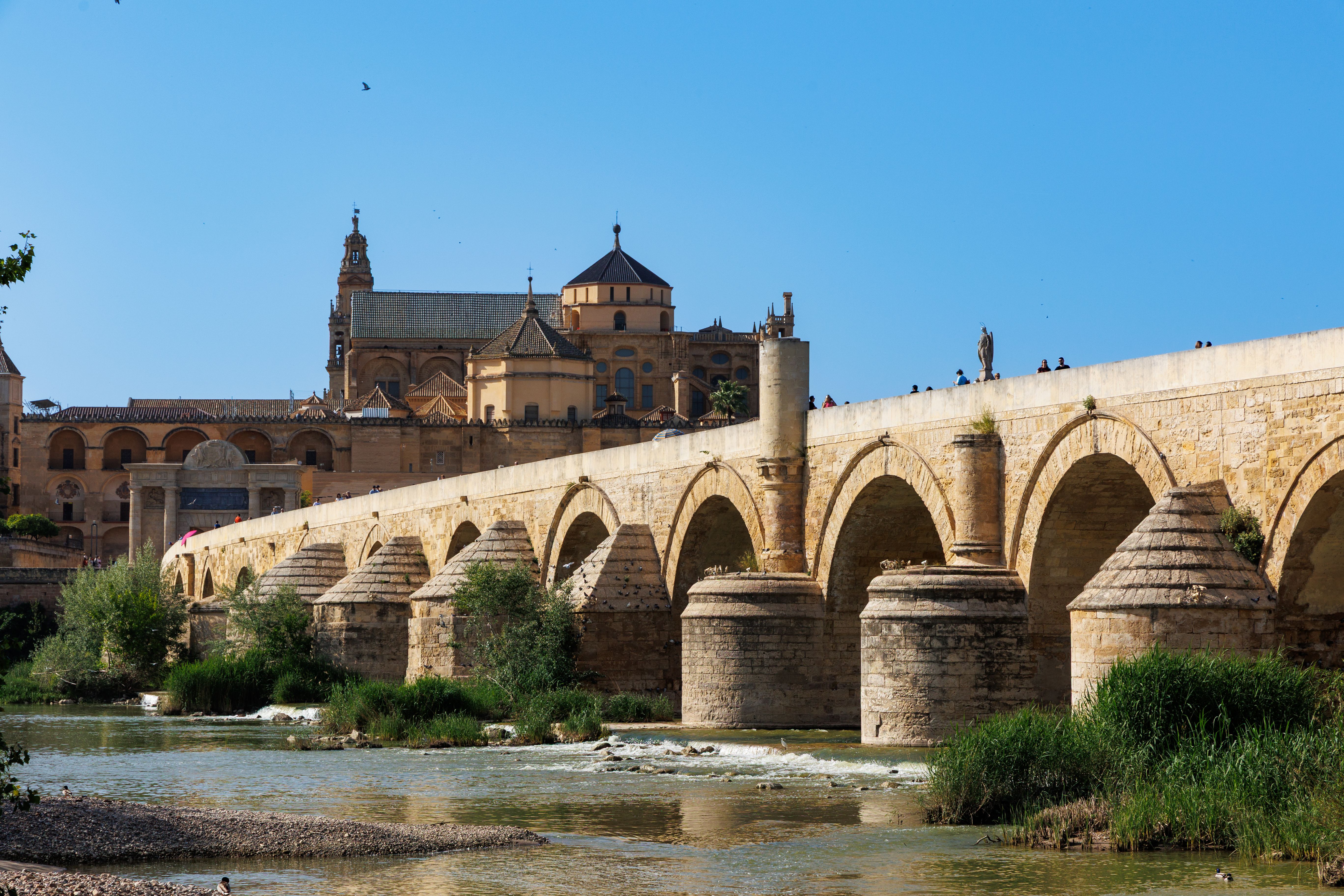
Córdoba
Córdoba came first. In the tenth century it was the capital of a caliphate and one of the largest, most learned cities on earth, and its great mosque, the Mezquita, still holds the confidence of that golden age in its endless arches. This was Al-Andalus at its most powerful, when Córdoba outshone almost anywhere in Europe.
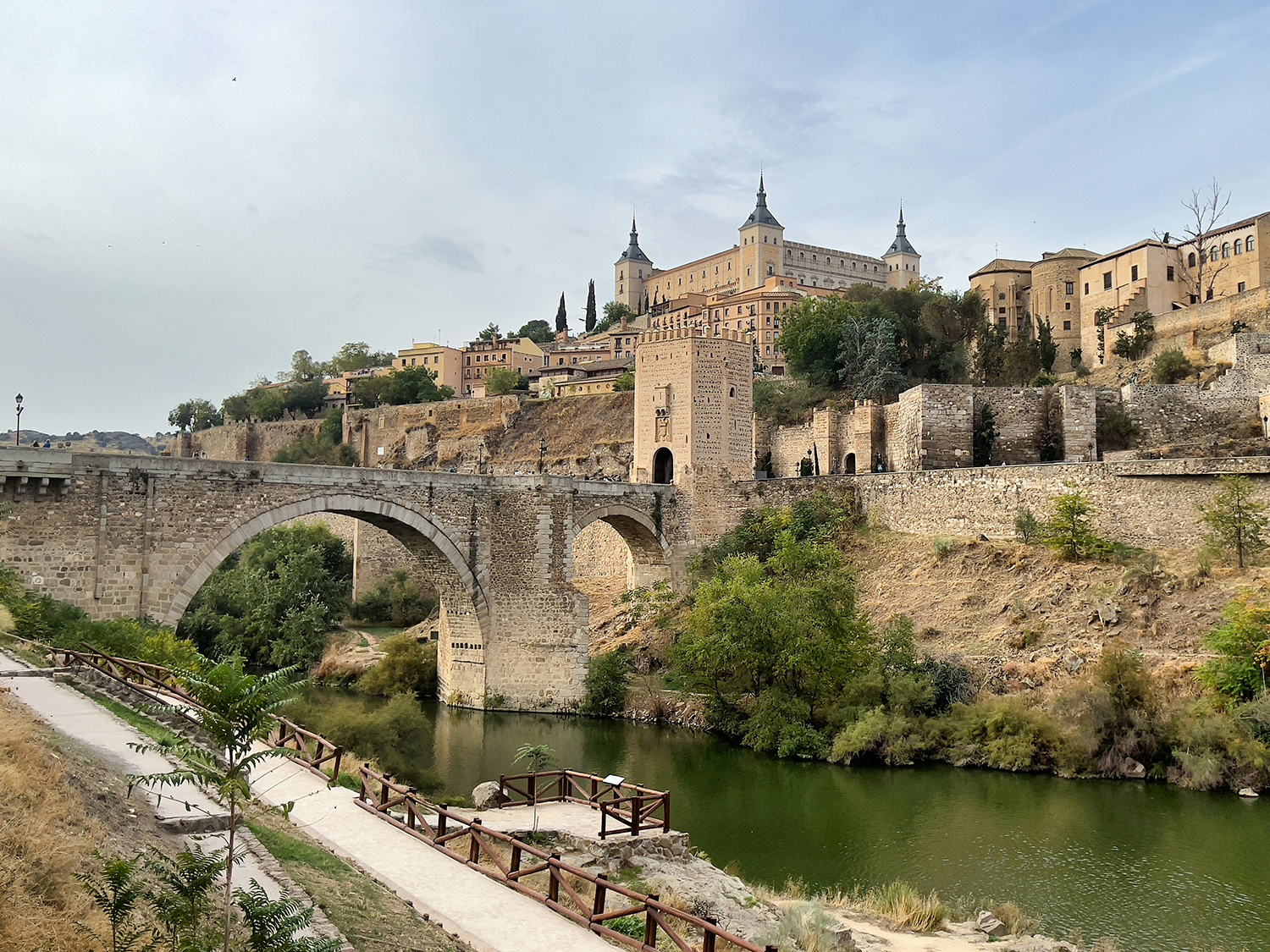
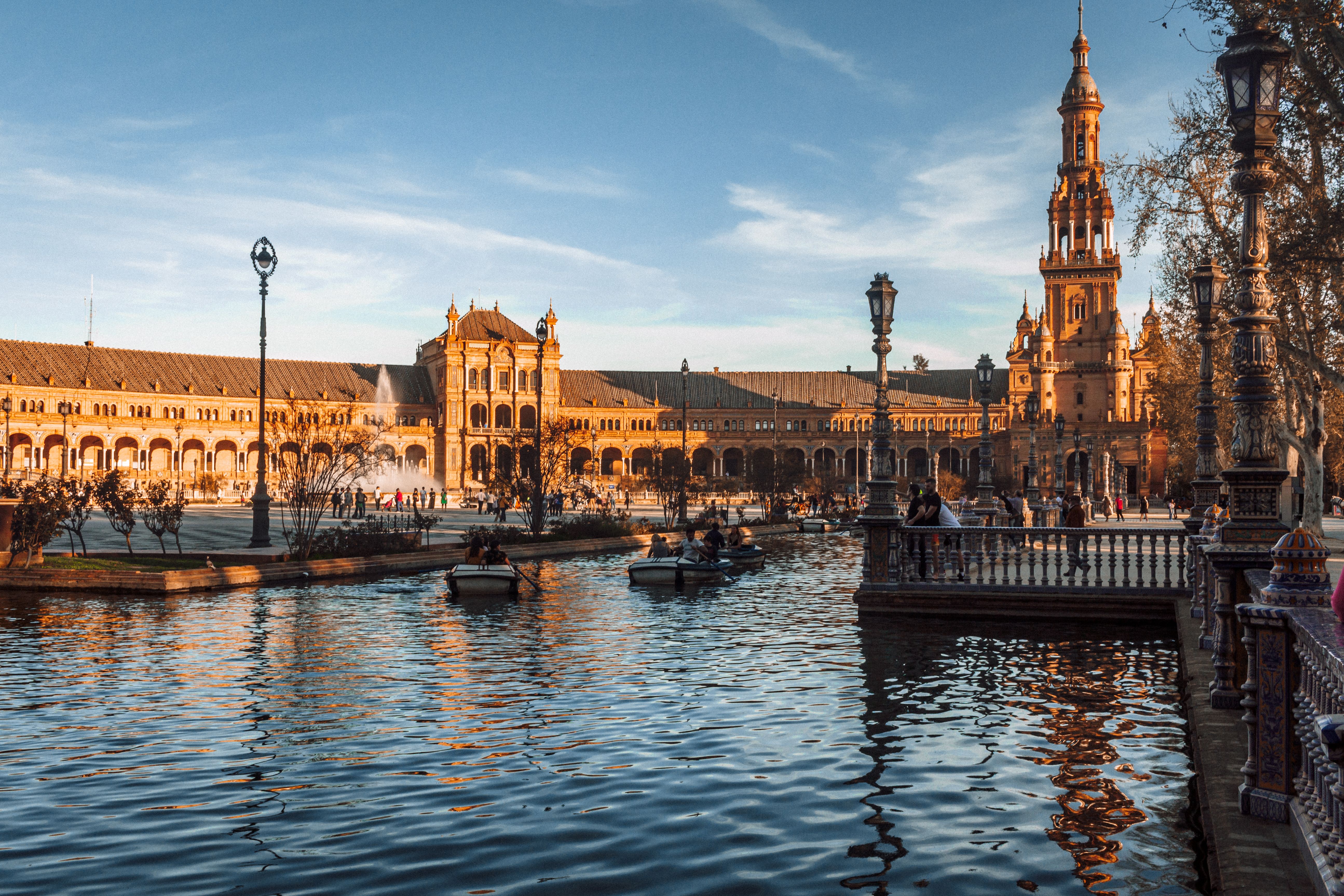
Seville
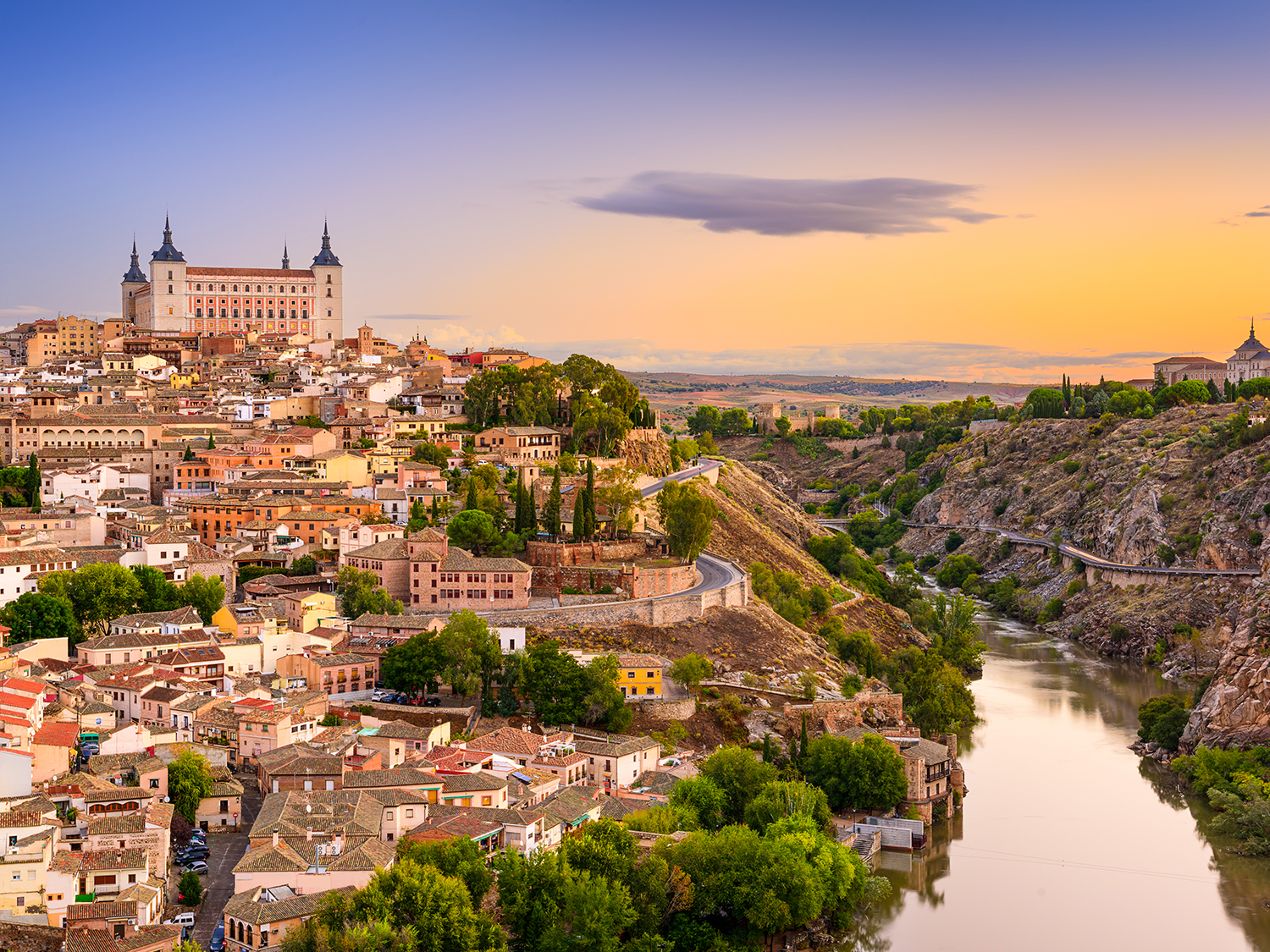
Seville tells the middle of the story. When power shifted, it became the peninsula's Muslim capital under a north African dynasty, and their mark survives in the Giralda, the great tower beside the cathedral that began life as a minaret, and in the Alcázar, a royal palace built and rebuilt in the Moorish manner long after the Christian conquest. Seville is where you see the style outliving the rulers who brought it.

Granada
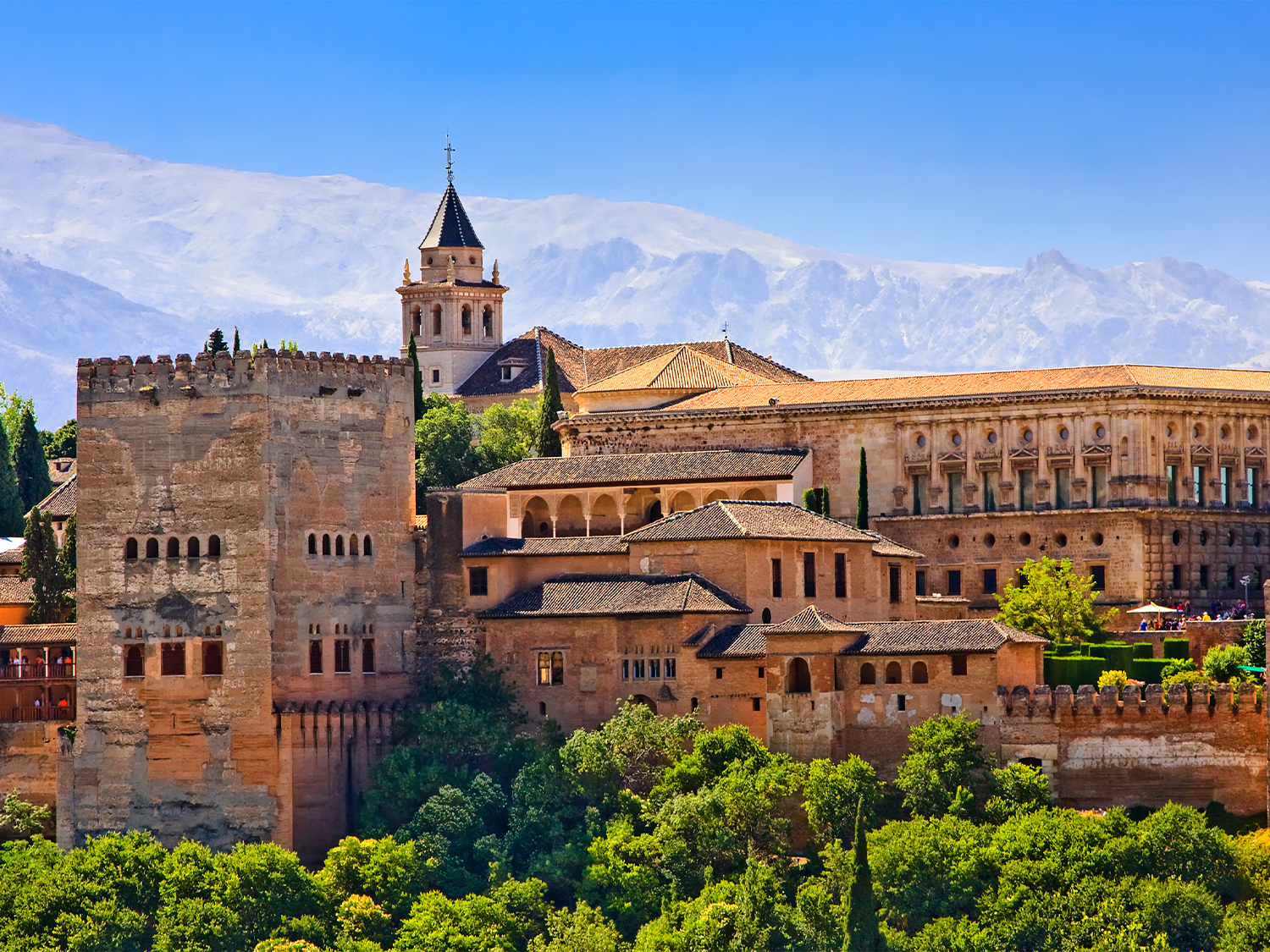
Granada is the last chapter. It held out as the final Muslim kingdom in Spain for two and a half centuries after the rest had fallen, and in that long twilight it built the Alhambra, the palace on the hill that is the most complete thing Al-Andalus left behind. To walk from Córdoba to Granada is to travel the arc of a civilisation, beginning to end, written in stone across the region.
Water, and the gardens they left behind
If one thing gives the Moorish inheritance away more than any other, it is water. The people of Al-Andalus came from dry lands and understood water as something precious, to be moved, shared and enjoyed, and they engineered it across Andalusia in ways the region still runs on.
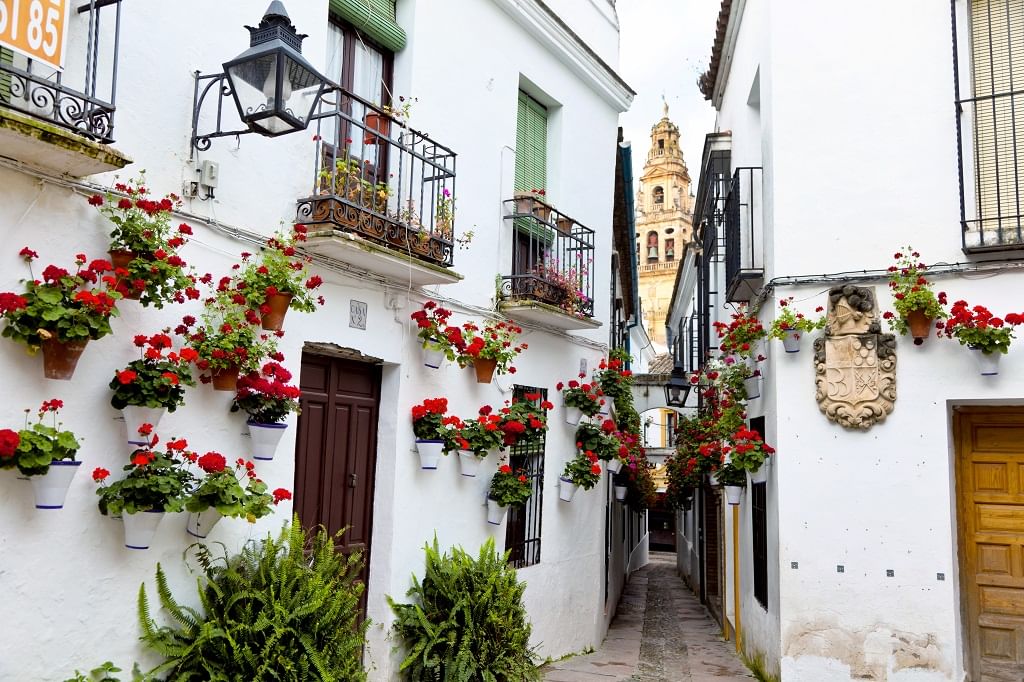
You hear it before you see it. In the courtyards of old houses, in the patios of Córdoba, in the gardens of the Alcázar and the Generalife above the Alhambra, there is almost always the sound of water, a channel running down a stair rail, a still pool reflecting an arch, a fountain at the centre of a garden divided into four. That fourfold garden, quartered by water, is a Moorish idea of paradise made real, and once you have seen one you recognise it everywhere.
Beyond the palaces, the same intelligence is in the fields. The irrigation channels that green the market gardens around the southern cities, the terraced hillsides, the very word for many of them, acequia, come straight from Arabic. The great river through Córdoba and Seville is the Guadalquivir, from the Arabic for the great river, and half the rivers of the south carry the same guada in their names.
To follow the water is to follow the Moors. Sit in a walled patio in the heat of the afternoon, with the fountain going and the temperature dropping in the shade, and you understand the civilisation better than any label could tell you. This was a culture that knew how to make a garden a refuge, and the knowledge never left.
When to go, season by season
The classic line of the trail runs between the three cities, an easy triangle in the heart of Andalusia, with Seville, Córdoba and Granada each a short hop from the next. Add Ronda and a white village or two and you have the fuller picture, the power and the frontier both. Go slowly if you can. The Moorish trail is not a race between monuments but a way of seeing a whole region, and the more you let it unfold, the more of it you notice.
Spring
March to May
The kindest season, with warm days for walking the old quarters and the patios and gardens coming into flower, so the water and greenery are at their best.
Summer
June to August
Fiercely hot in the interior from June onwards, when the cities retreat into the shade by midday and the hilltop villages ask for early starts.
Autumn
September to November
Comfortable and clear once the summer heat breaks, ideal for the city-to-city triangle and climbing to the white villages without the crowds or the glare.
Winter
December to February
Quiet and mild by day but cool in the evenings, with the Sierra Nevada often under snow behind Granada, best suited to the cities rather than the exposed hills.
Tours Along the Moorish Trail
The cities and hill towns of the Moorish trail sit close enough together to see on a single trip, and On The Go Tours runs a range of Spain itineraries that link them. Journeys through Andalusia take in Córdoba, Seville and Granada, with the great monuments of Al-Andalus, and several pair them with the white villages and the wider south. Browse the tours below to find a route that follows the trail, or search all Spain trips to build the journey around the places that draw you most.


Frequently asked questions
What is the Moorish trail through Andalusia?
The Moorish trail is a way of exploring southern Spain through the legacy of Al-Andalus, the Muslim civilisation that ruled the region for much of the Middle Ages. It links the great cities of Córdoba, Seville and Granada with the white hill villages, gardens and everyday traces the Moors left behind, treated as one connected story rather than a list of separate sights.
Which cities should you visit to see Moorish Spain?
Córdoba, Seville and Granada are the three essential cities for Moorish Andalusia, and together they trace the story from its height to its fall. Córdoba has the Mezquita, Seville the Giralda and Alcázar, and Granada the Alhambra. Adding Ronda and a white village or two rounds out the picture with the old frontier country.
What did the Moors leave behind in Andalusia?
Beyond the famous monuments, the Moors left a deep legacy in Andalusia's gardens and irrigation, its whitewashed hill villages, its food and its language. Water gardens, market-garden channels, almond sweets, revived bathhouses and hundreds of everyday Spanish words drawn from Arabic all trace back to Al-Andalus.
What are the pueblos blancos in Andalusia?
The pueblos blancos are the white villages of southern Spain, their houses lime-washed brilliant white and set on ridges and gorges across the hills. Many were frontier towns between Muslim and Christian Spain, which is why a string of them carry the name de la Frontera, and their steep old quarters were laid out to a Moorish plan.
How long do you need to follow the Moorish trail through Andalusia?
A week is enough to take in the three cities at a fair pace, giving each of Córdoba, Seville and Granada a day or so. Add a few more days for Ronda and the white villages, and to travel slowly, which is how the trail rewards you most.