On The Go Tours
Our agents are waiting to chat to you...
Are you a Travel Agent or Customer?
Do you have an booking reference?
A Guide to Iceland's Golden Circle
Discover the natural beauty of Iceland's Golden Circle on a guided tour.
A Guide to Iceland's Golden Circle
Discover the natural beauty of Iceland's Golden Circle on a guided tour.
When do you want to go?
2026
I'm flexible
Passengers
Adults (18+)
Children (0 - 17)
What is the Golden Circle in Iceland?
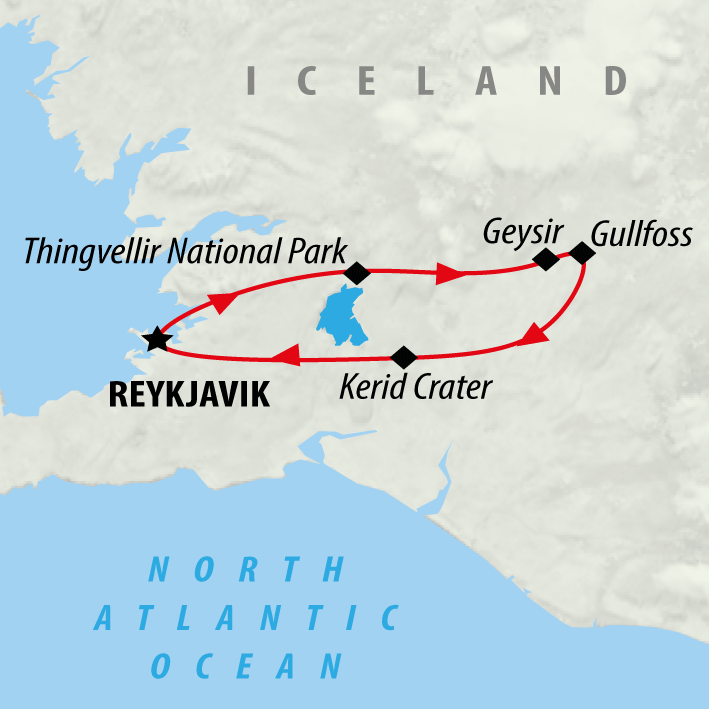
The Golden Circle is a 300km (186-mile) loop route starting and ending in Reykjavik. and heading out East before looping around and winding up back in the capital. It brings travellers to three of the country's most famous natural landmarks in southwest Iceland: Thingvellir National Park, the Geysir Geothermal Area, and Gullfoss Waterfall.
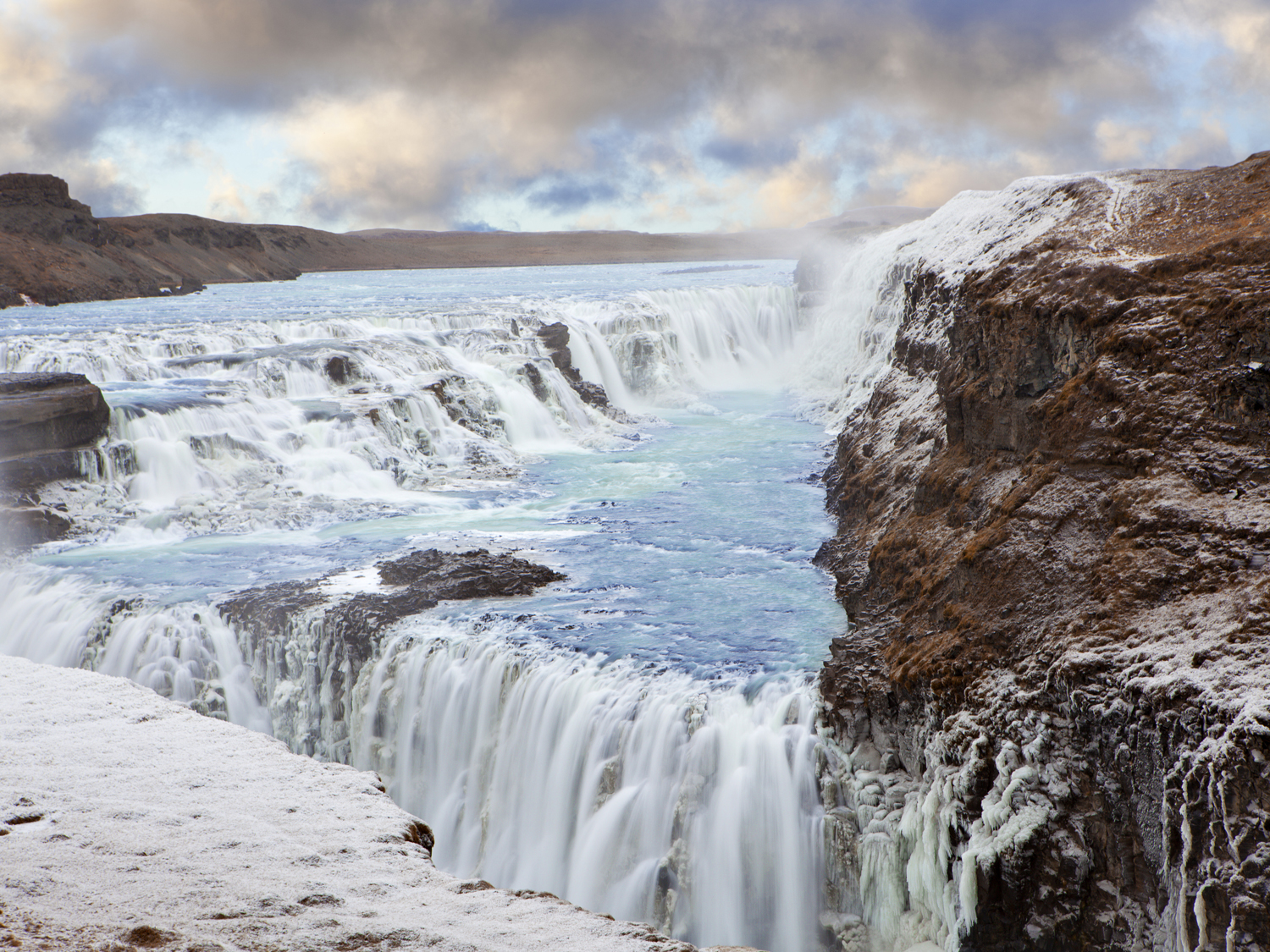
Driving clockwise from Reykjavik, the route first reaches Thingvellir, a UNESCO World Heritage site where the North American and Eurasian tectonic plates pull apart. Next is the Haukadalur valley, home to the Strokkur geyser, which erupts every six to ten minutes, sending hot water up to 20 metres high. The final core stop is Gullfoss, a two-tiered waterfall fed by the Langjokull glacier that drops 32 metres into a rugged canyon.
The core driving route takes roughly three to four hours without stops, though a typical day visit lasts between six and eight hours. Many travellers extend the drive to include surrounding regional highlights, such as the Kerid volcanic crater, the Secret Lagoon in Fludir, or the Fridheimar geothermal greenhouse. Roads along the loop are fully paved, making the area accessible year-round.
The Three Essential Golden Circle Attractions
Most visits to Iceland's Golden Circle focus on three key sites - the rugged Thingvellir National Park, the geyser-filled region of Haukadalur and the mighty Gullfoss waterfall. These are the perfect introduction to Iceland's varied landscapes and it's easy to visit all three of these sites on a day trip from Reykjavik.
Thingvellir National Park
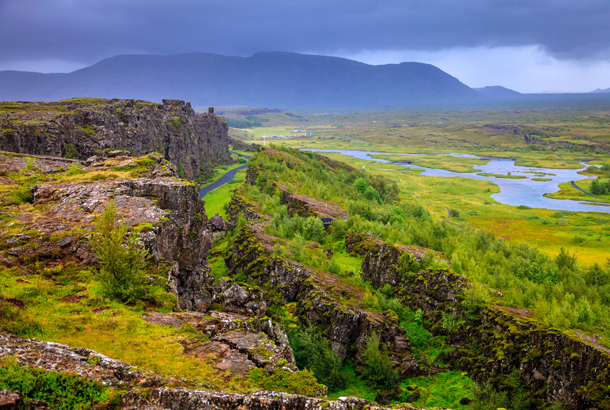
Just 40km from Reykjavik is the breath-taking, UNESCO-listed Thingvellir National Park, an area characterised by its location within a rift valley. Here, grassy slopes trail off to the horizon, providing visitors with plenty of secluded hiking paths and opportunities to slow down and snap some shots of the incredible landscape. Not only is the park a place of rugged, natural beauty, with its staggering tectonic rifts, but it is also one of the most important historical sites in the country. It was here that the world’s oldest existing parliament first assembled all the way back in 930 AD. The park also encompasses the largest natural lake in Iceland, a popular venue for fishing and scuba diving as the continental drift makes for perfect visibility.
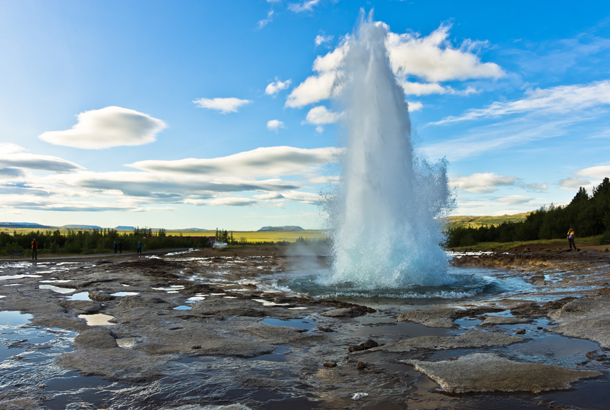
Haukadalur
Beside the Northern Lights, the geysers of Iceland might be some of the country’s most famous features and nowhere are they more impressive than Haukadalur. The two main geysers here are Strokkur and Geysir, the latter of which is actually the origin of the word geyser. Of the two features, Strokkur is the more reliable, erupting every 5-10 minutes. Geysir is much bigger but erupts far less frequently, meaning that witnessing this spectacle is a rare treat. Other than the main two geysers, there are dozens of hot springs, mud pools and fumaroles in the surrounding area, many giving off a rather unpleasant smell, similar to rotten eggs, because of the sulphur.
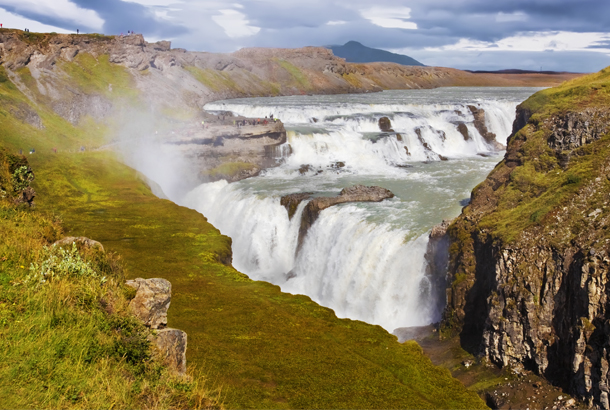
Gullfoss Waterfall
The Gullfoss Waterfall is one of those natural features that literally stops you dead in your tracks as you come to terms with the sheer size and power of it. This magnificent cascade is a stark reminder of the force of Mother Nature and how small we are in comparison. Looking down into the ravine where the water plunges, the spray is sometimes so thick that you cannot even see the pool below, making it seem like the waterfall simply disappears or goes on forever. The waterfall is tiered, the first step dropping down 11m and the second a staggering 21m. There is a viewing platform just above the top of the falls, which commands unparalleled views and is perfect for anyone hoping to snap a couple of nature shots.
Secondary Stops and Popular Detours
Kerid Crater, the Fridheimar geothermal greenhouse, and Laugarvatn Fontana are the most popular secondary stops along the Golden Circle route. Adding these three locations increases the total driving distance from Reykjavik to roughly 250 kilometres, adding 60 to 90 minutes of road time.
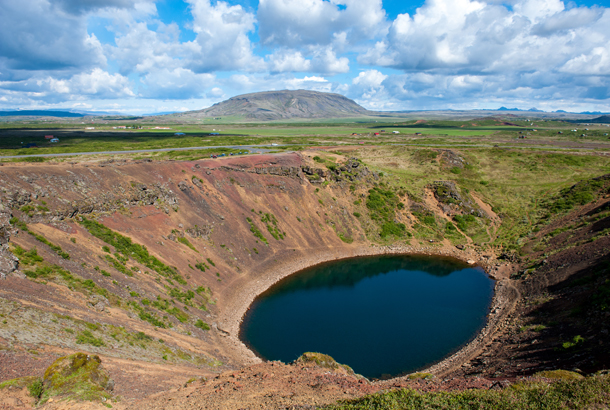
Kerid
Kerid is a 3,000-year-old volcanic crater lake along Route 35. A walking path traces the rim, and wooden steps lead down to the aquamarine water.
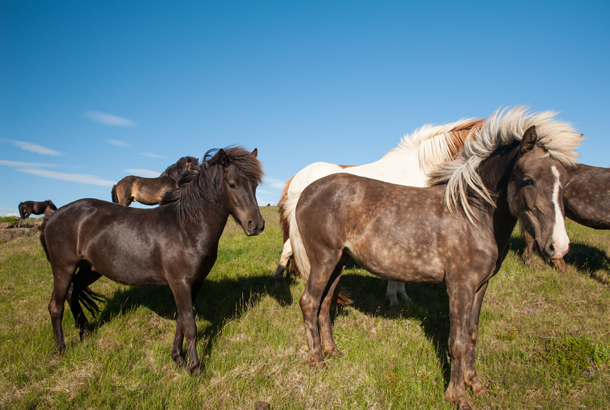
Fridheimar
Fridheimar uses natural geothermal energy to produce tomatoes year-round. Visitors can tour the glasshouses, watch Icelandic horse demonstrations, and try tomato soup in the restaurant. Travellers frequently highlight the fresh produce and horse shows, though dining tables book out far in advance.
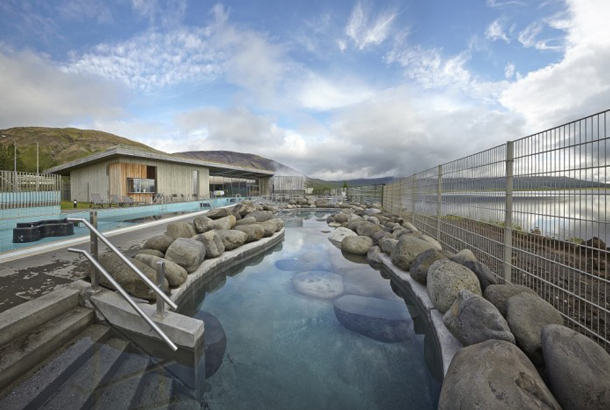
Laugarvatn Fontana
Laugarvatn Fontana sits on Lake Laugarvatn between Thingvellir and Geysir. The site features geothermal baths, steam rooms built over natural boiling vents, and outdoor pools. Staff offer a daily demonstration where dark rye bread is dug up after baking underground in the heated sand for 24 hours, followed by a tasting.
Activities and Thermal Experiences on the Route
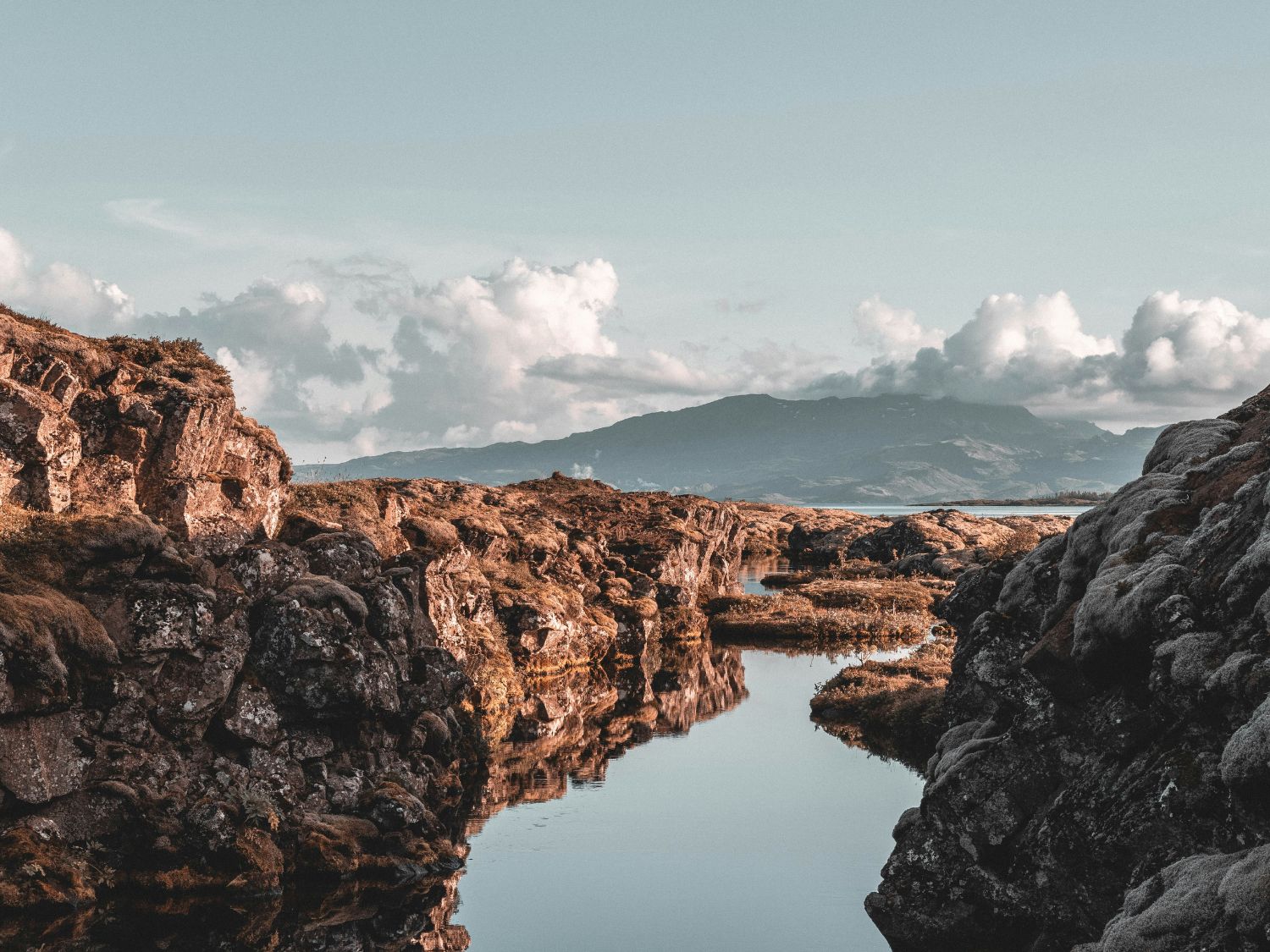
Thermal bathing options along the route offer warm, mineral-rich waters heated by volcanic activity. The Secret Lagoon in Fludir remains at 38-40°C throughout the year, fed by a nearby bubbling hot spring. Nearby slot canyons and river walks provide easy terrain for short daytime hikes. Moving between outdoor viewing platforms and natural warm pools requires minimal physical effort, with well-maintained paths suitable for standard walking footwear.
Thermal bathing options along the route offer warm, mineral-rich waters heated by volcanic activity. The Secret Lagoon in Fludir remains at 38-40°C throughout the year, fed by a nearby bubbling hot spring. Nearby slot canyons and river walks provide easy terrain for short daytime hikes. Moving between outdoor viewing platforms and natural warm pools requires minimal physical effort, with well-maintained paths suitable for standard walking footwear.
When to visit the Golden Circle, Iceland
Iceland is notorious for its unpredictable weather, so it is advisable to take warm clothes and waterproofs with you regardless of when you choose to go. It’s also important to note that it is often much colder it is out in the countryside compared to Reykjavik. Each season will offer a completely unique experience so plan your trip according to what kind of scenery you want to see and whether you prefer a warm or cold climate.
Visiting Iceland's Golden Circle in winter
Winter in Iceland poses one fundamental challenge – a lack of daylight hours. While this isn’t a problem for those seeking the Northern Lights, it can be frustrating for nature-lovers who want to explore the country’s rugged wilderness and take photos as they go. However, winter is beautiful and the blankets of white snow that cover the land are unfathomably stunning but travelling during this time means you will have limited time to admire the land each day, meaning you might need longer to see everything on your itinerary. It can also get really, really cold!
Visiting Iceland's Golden Circle in summer
On the other hand, summers in Iceland are bathed in eternal daylight as the midnight sun phenomenon comes into effect. The weather improves dramatically during this time of the year and you're less likely to get frozen by a bitter wind or caught in a sudden downpour. When it comes to exploring the great outdoors, summer is probably the best time to travel, though the months of July and August can get pretty crowded. It is also a good idea to take an eye mask with you as the constant light can make it hard to sleep at night.
Visiting Iceland's Golden Circle in spring and autumn
Spring and autumn are equally as pleasant for visiting the Golden Circle. Temperatures will be drastically warmer than winter but the summer crowds won’t be there obscuring your view and making noise. Coincidentally, these seasons are also decent for viewing the Northern Lights so if you are hoping to combine your Golden Circle trip with an evening of aurora searching then spring and autumn are ideal. If you want a white landscape, there is usually some leftover snow in early spring and a few pre-winter flakes in late autumn.
Practical Planning, Timing, and Logistics
Driving the full Golden Circle route covers approximately 300 kilometres from Reykjavik, taking three to four hours of continuous driving time. Factoring in stops at Thingvellir National Park, Strokkur geyser, and Gullfoss waterfall, the full loop typically requires six to eight hours. The well-paved roads are accessible in standard two-wheel-drive vehicles during normal weather conditions, though winter weather may require extra caution.
Based on our travellers, August, September, and October are the most popular months to travel. Late summer offers milder temperatures and extended daylight hours that allow for easy, unhurried sightseeing. Moving into autumn brings darker nights, creating early seasonal opportunities to view the Northern Lights alongside daytime travel.
Visiting major viewpoints early in the morning or later in the afternoon helps avoid peak traffic hours. A medium-paced itinerary provides sufficient time to walk the marked paths, observe geothermal demonstrations, and explore each location comfortably without feeling rushed.
Key Distinctions: Golden Circle vs Ring Road
The Golden Circle covers 300 kilometres near Reykjavik in a single day, while the Ring Road spans 1,332 kilometres around Iceland's entire coastline.
A Golden Circle drive takes 3 to 5 hours. It concentrates three major sights into a short loop: Thingvellir National Park, the Geysir geothermal area (including the active Strokkur geyser), and Gullfoss waterfall. The short travel distances between stops allow for easy walking at a relaxed pace.
The Ring Road (Route 1) requires at least 7 to 10 days to drive fully. It connects south coast waterfalls, the black sand beaches near Vik, the east fjords, Lake Myvatn, and the northern coast.
While the Golden Circle offers quick access to classic geological features close to the capital, the Ring Road reveals the island's vast geography across distant, quieter regions.
Explore Iceland with Experts
Travelling through Iceland means covering vast volcanic landscapes. Expert local knowledge ensures smooth transport between major Golden Circle stops like Thingvellir National Park, Geysir, and the Gullfoss waterfall, as well as southern coastal sites.
We offer multi-day trips ranging from 1 to 17 days, including Group Tours, Private Tours, and Trekking Tours. These travel experiences run at an easy physical pace. While group sizes vary across the trips , many operate with around 25 travellers, and August through October remain our most popular booking months.
Frequently asked questions
What is golden circle in Iceland?
The Golden Circle is a popular tourist route that includes three main attractions: Thingvellir National Park, the Geysir Geothermal Area, and Gullfoss Waterfall. The Golden Circle offers a diverse glimpse of Iceland's natural beauty and geological activity, making it a must-see for visitors.
Where is the golden circle in Iceland?
The Golden Circle is located in southwestern Iceland, near the capital city of Reykjavik. The route typically begins in Reykjavik and extends eastward into the southern highlands, covering a roughly 300-kilometer loop. The main attractions are all within a few hours' drive from Reykjavik, making the Golden Circle a convenient and accessible day trip for tourists.
Can you do the golden circle in one day?
Yes, you can complete the Golden Circle in one day. The entire loop is around 300 kilometers (186 miles), and the key attractions are all within a few hours' drive from Reykjavik. Most guided tours and self-drive itineraries allocate a full day for the journey, allowing time to explore each site and enjoy the scenic landscapes along the route. Starting early in the morning will give you ample time to visit each landmark and return to Reykjavik by evening.
How long is the golden circle in Iceland?
The Golden Circle in Iceland is approximately 300 kilometers (about 186 miles) in length, the loop starts and ends in Reykjavik and can be comfortably completed in a day, with plenty of time to stop and explore each of the key sites along the way.
Popular sites to see in Iceland
Tours to similar destinations!
Sign up to our newsletter for exclusive deals
Exclusive deals, travel tips and inspiration