
On The Go Tours
Our agents are waiting to chat to you...
Are you a Travel Agent or Customer?
Do you have an booking reference?
Best Time to Visit Ireland
When to travel for long summer days, quiet shoulder seasons, festivals and cosy winters
Best Time to Visit Ireland
When to travel for long summer days, quiet shoulder seasons, festivals and cosy winters
When do you want to go?
2026
I'm flexible
Passengers
Adults (18+)
Children (0 - 17)
When to visit Ireland
The best time to visit Ireland depends on whether you are chasing long days or small crowds, because the weather itself rarely commits fully either way. Summer, from June to August, brings the warmest days and daylight that lingers past 10pm, which is why it is both the busiest and the most expensive season. May and September sit either side of the rush as the sweet spot, with mild weather, greener country and far shorter queues at the Cliffs of Moher. Spring wakes the landscape with wildflowers and Saint Patrick's Day, while winter trades daylight for warm pubs, city museums and Christmas markets. Rain is possible in any month, especially along the Atlantic coast, so the season shapes the mood more than it guarantees the forecast. Trips here run from seven to 16 days.
Ireland's weather and daylight through the year
Ireland
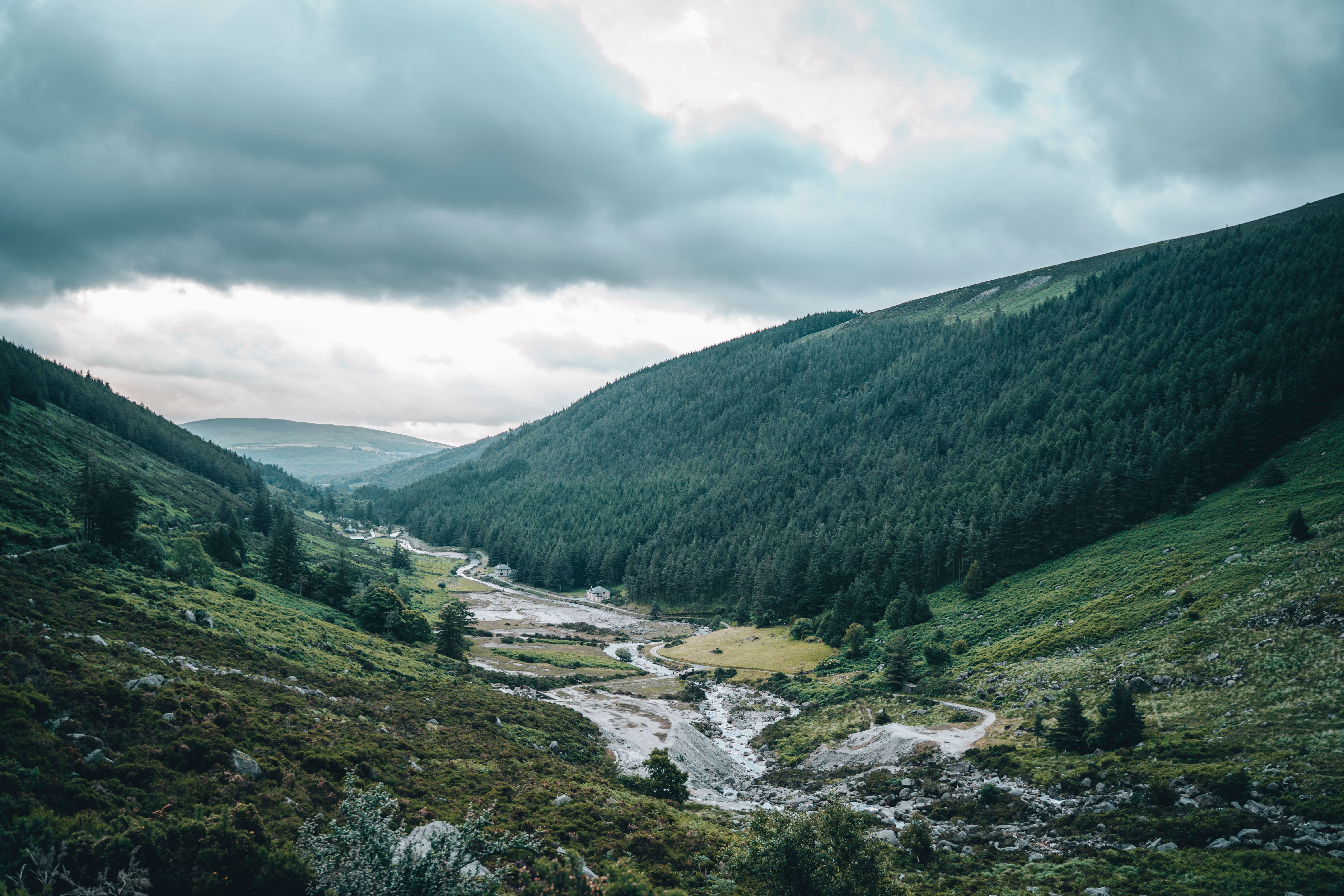
Ireland has a mild, maritime climate with no real extremes, warmed by the Atlantic and rarely far from a cloud. Summer, June to August, is the warmest stretch at around 15C to 20C, and the driest weather often falls in late spring, in May and early June. Autumn cools to about 10C to 14C with more frequent showers, and winter sits between 4C and 8C, wet and windy rather than harshly cold. What shifts most is the light. Around the June solstice Dublin gets close to 17 hours of daylight, with a long bright twilight after sunset, while December offers barely 7 hours. The west, from Kerry up to Donegal, catches more of the Atlantic weather than the drier east around Dublin, so the same day can be grey in Galway and clear across the country in Wicklow.
The 9-day Ireland Coast to Coast trip takes you to Dublin, Belfast, and Killarney with a fast-paced itinerary. Group sizes for this travel experience average around 16 people.
Summer, the long days and peak season
Summer in Ireland
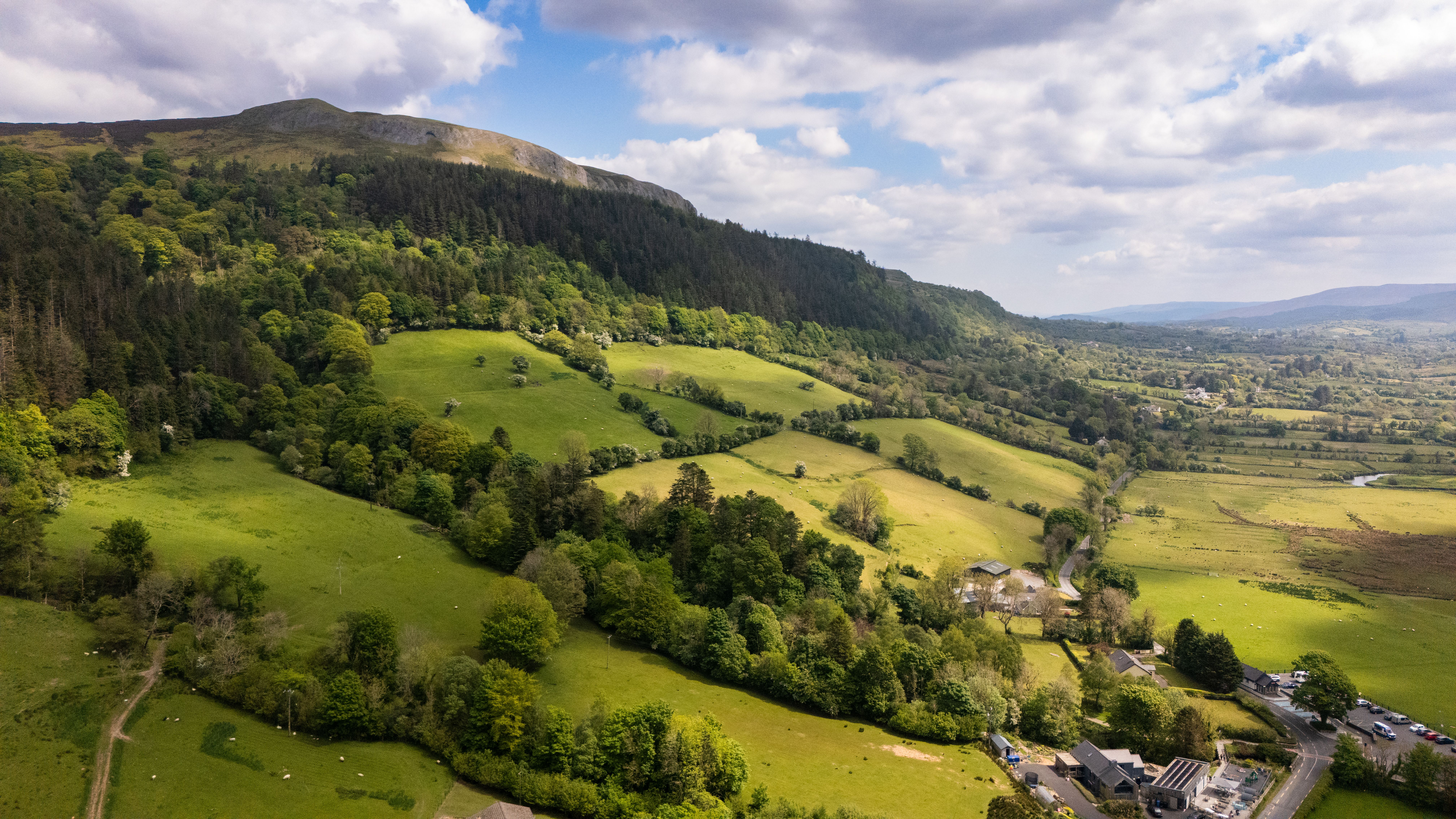
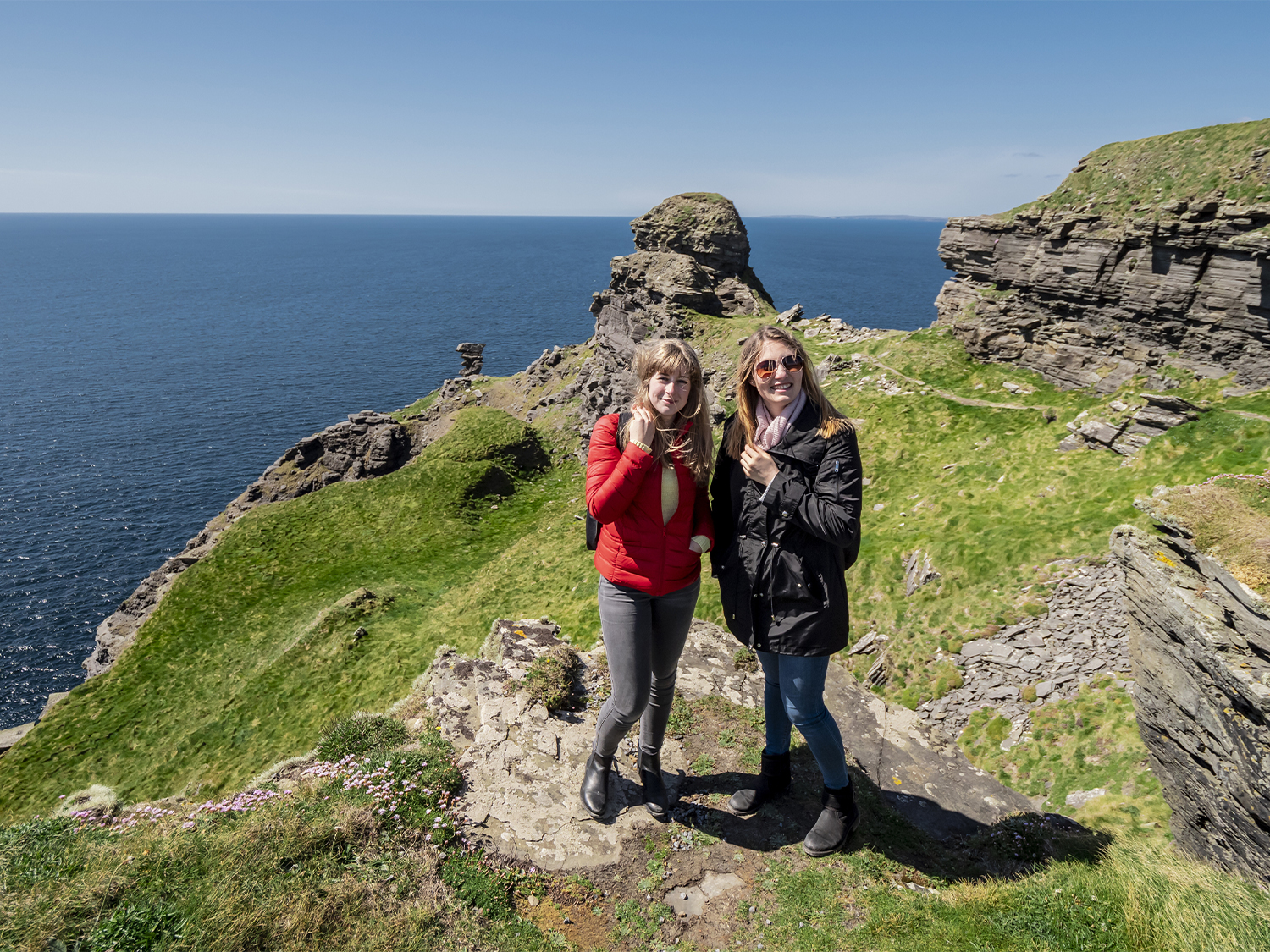
Summer is when Ireland makes the most of its daylight. From June to August the evenings run long enough to drive the Wild Atlantic Way after dinner, walk out to the Cliffs of Moher in low golden light, or take a boat to the Aran Islands and back in a single day. It is the warmest and driest window overall, and the season when rural attractions, island ferries and coastal restaurants are reliably open. The trade off is company. The headline sights are at their busiest and prices peak, so booking ahead matters more than at any other time of year. The seven day Great Atlantic Ireland Explorer runs through these months from Dublin to Dingle and the Aran Islands, while the seven day Irish Explorer takes in the classic loop of cities and coast.
If you visit during summer, you can enjoy fast-paced travel across popular regions. Our 7-day Great Atlantic Ireland Explorer trip operates during these summer months. It takes you from Dublin to the coastal scenery of Dingle and the remote Aran Islands. You can also consider the 7-day Enchanting Irish Odyssey, which visits the Cliffs of Moher and Galway.
Spring and autumn, fewer crowds and better value
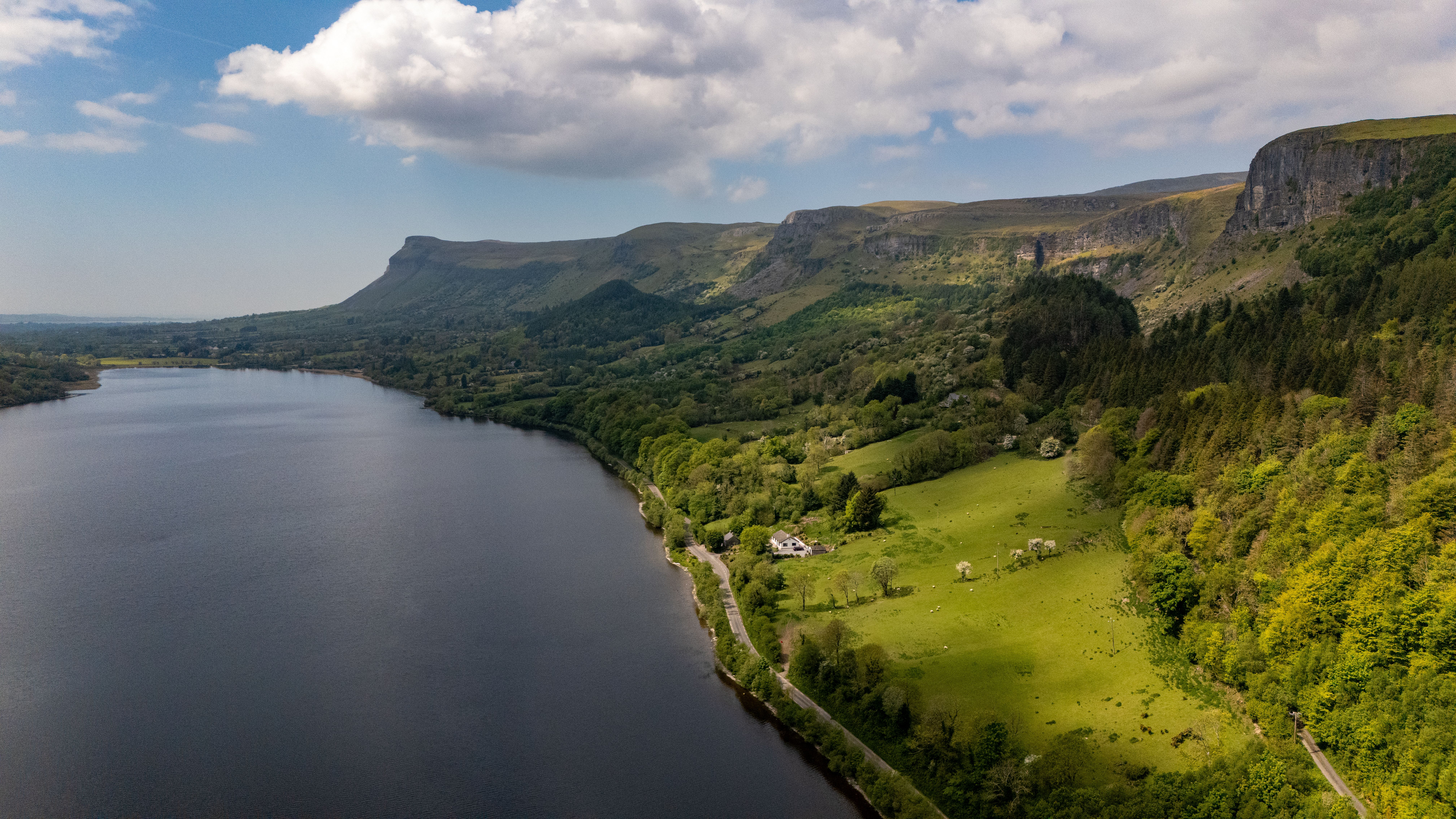
Spring in Ireland
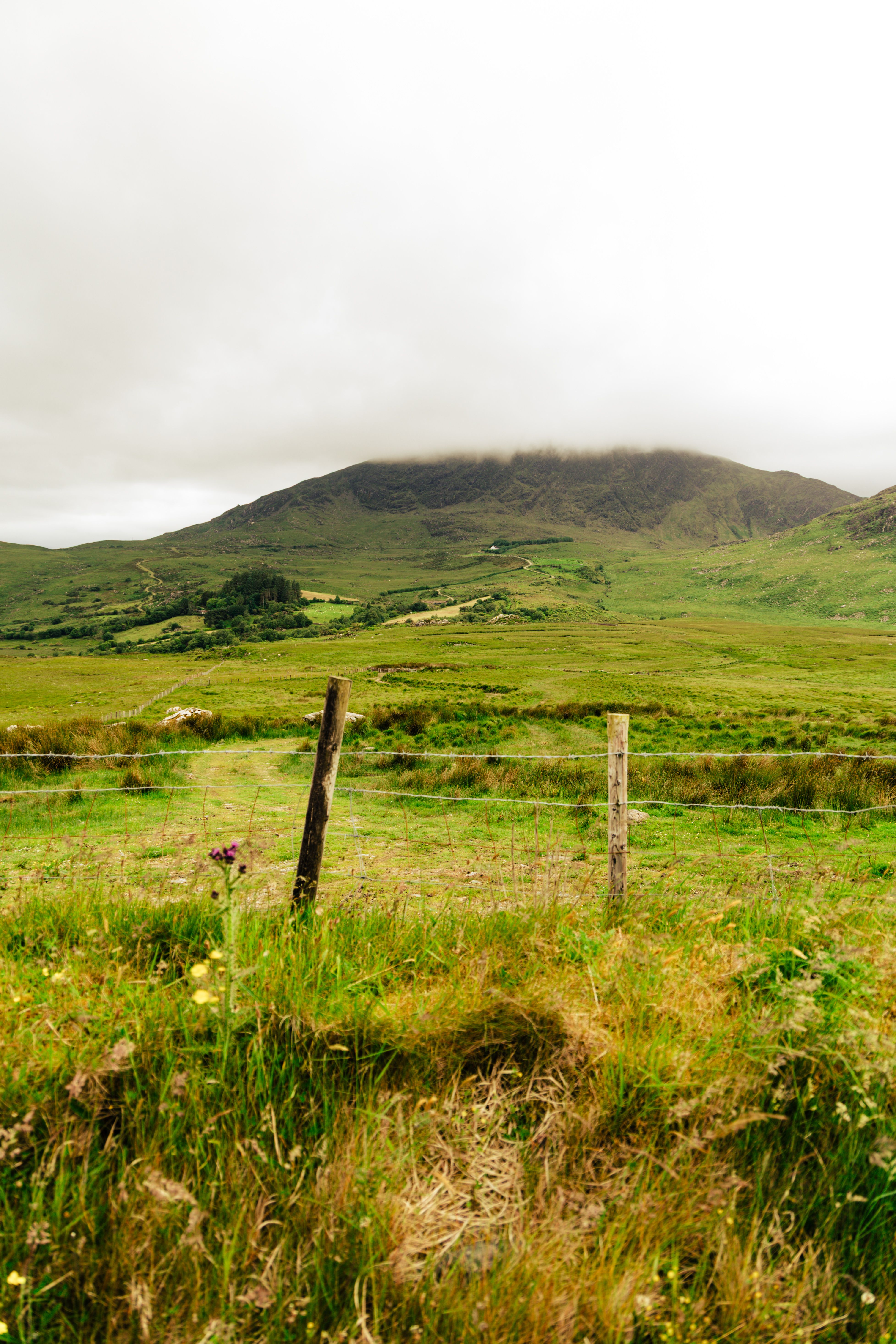
For many travellers the shoulder months are the best time to visit Ireland. April, May, September and October bring lighter crowds, lower prices and weather that is often kinder than its reputation. Late spring is when the Burren erupts with wildflowers, gentians and orchids among the limestone, and the hedgerows fill in across the countryside. Come autumn, Killarney National Park turns copper and gold, and the walking is at its best in the cool, settled spells between showers. Ferries and rural sites are generally still running into October before the winter timetable takes over. The nine day Ireland Coast to Coast covers Dublin, the north and the Dingle Peninsula in these quieter months, and the seven day Enchanting Irish Odyssey links Dublin to Kilkenny, Cork and Galway.
The 7-day Enchanting Irish Odyssey Cities to Cliffs trip highlights these seasonal benefits. You will cover key stops from Dublin to Kilkenny, Cork, and Galway at a fast, easy-walking pace. Inclusions vary by trip, but central accommodation and expert transport are provided. For a broader itinerary, the 9-day Ireland Coast to Coast trip visits Northern Ireland, Donegal, and the Dingle Peninsula during these quiet months. Speak to one of our agents to choose your ideal departure date.
Winter, cosy cities and quiet landscapes

Winter in Ireland
Winter is the quietest and cheapest time to travel, and it rewards a city-led trip. Days are short, roughly 7 to 8 hours of light from November to February, and Atlantic storms can batter the west coast, so many rural attractions and island ferries cut their hours or close for the season. Dublin, Galway, Cork and Belfast stay lively though, with museums, galleries, Christmas markets and traditional music sessions that spill out of the pubs on cold nights. It is a good season for anyone more drawn to history, food and atmosphere than to long coastal drives. The eight day Best of the Emerald Isle small group trip and the seven day Ireland Seasonal Explorer both weight their routes towards the towns and heritage sights that shrug off the weather.
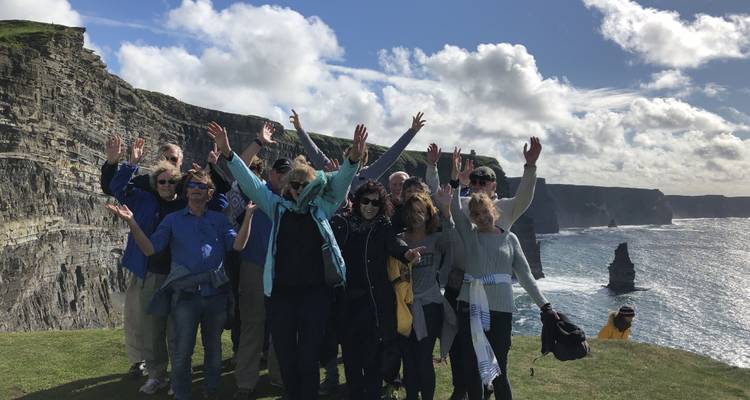
Festivals worth timing a trip around
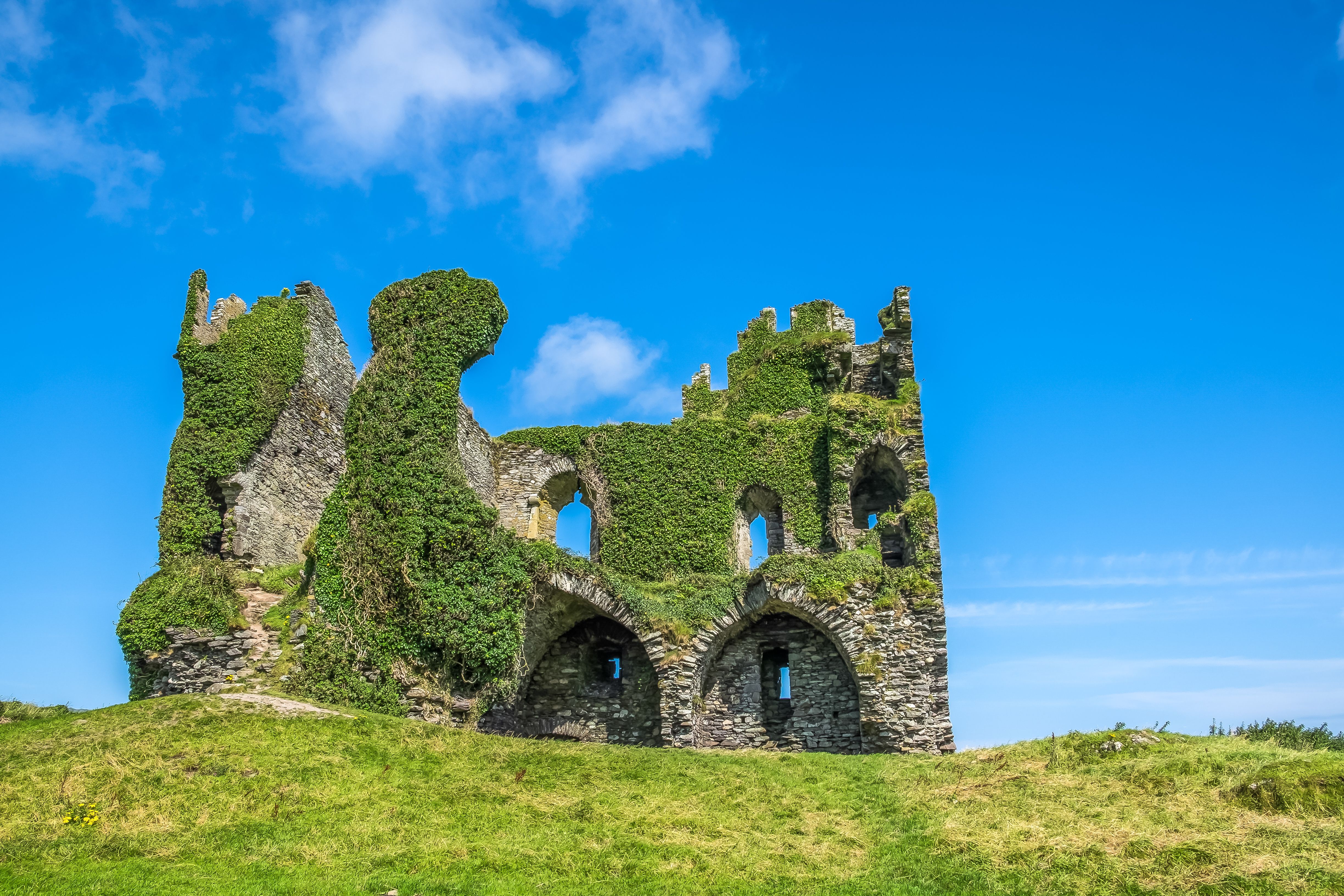
Ireland
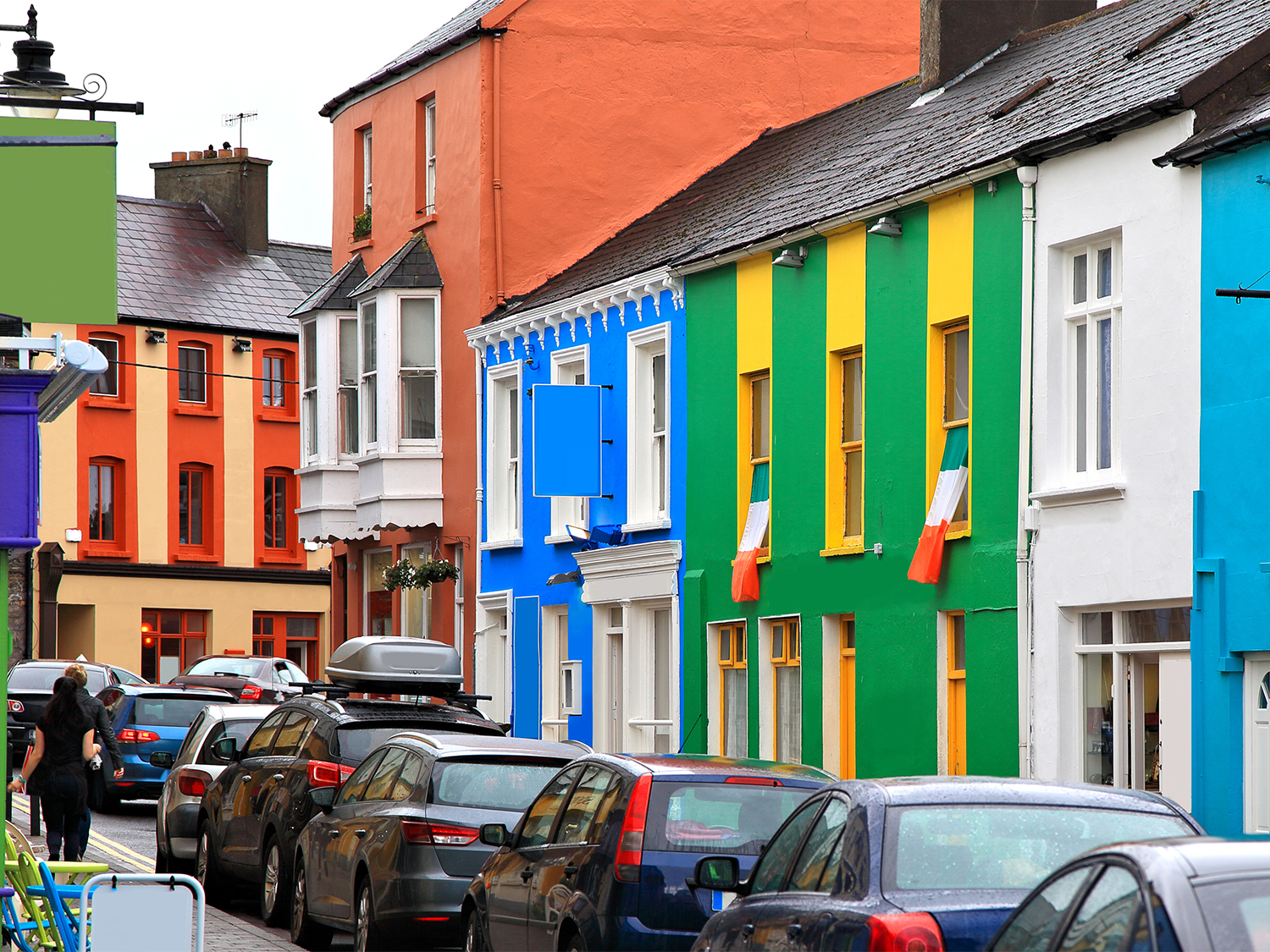
Ireland's calendar runs on music, literature and the odd bit of ancient ritual. Saint Patrick's Day on 17 March turns the whole island into a parade, with Dublin's the largest. On 16 June, Bloomsday sends readers around Dublin in Edwardian dress retracing the route of Joyce's Ulysses. Summer is peak festival season, from the Galway International Arts Festival in July to the Fleadh Cheoil, the roving championship of traditional Irish music, in August. At the end of October comes Samhain, the ancient Gaelic festival that marks the close of the harvest and gave rise to Halloween, still celebrated with one of Europe's largest street festivals in Derry. The seven day Ireland Seasonal Explorer and the eight day Best of the Emerald Isle pass through the cities and coastal towns where much of this happens.
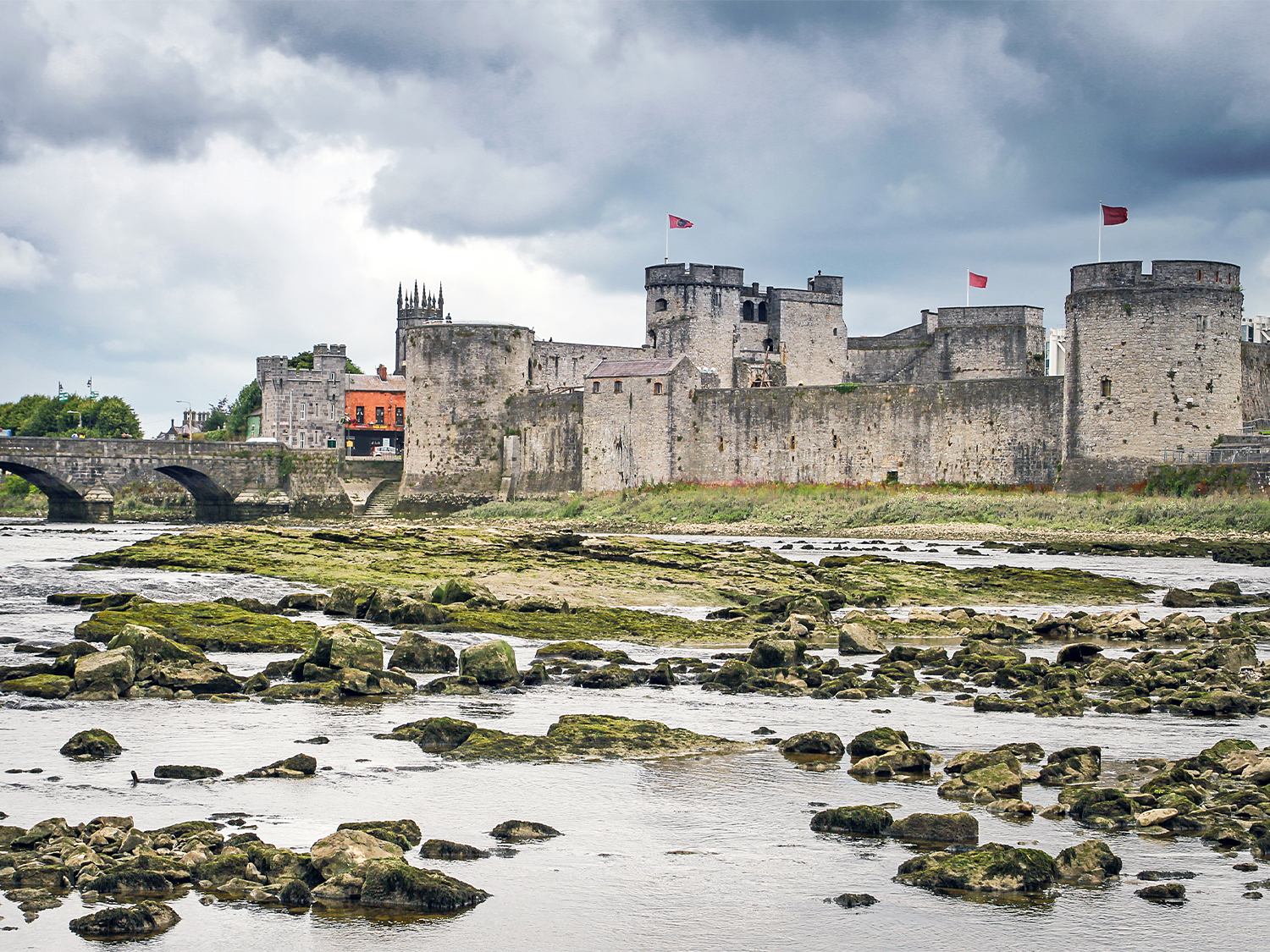
Spring
March to May
Mild, freshening weather brings longer days and blossoming landscapes, though showers are common. May is often the sunniest, driest month, ideal for exploring gardens, coastlines and the greening countryside.
Summer
June to August
These are the warmest, longest days, with daylight stretching past 10pm. Expect a mix of sunshine and showers, perfect for coastal drives, festivals and exploring the countryside.
Autumn
September to November
Cooler, wetter weather sets in as leaves turn golden, and Atlantic winds pick up along the coasts. September often stays mild and pleasant, ideal for sightseeing before winter arrives.
Winter
December to February
Cold, wet and windy days dominate, with short daylight hours. Snow is rare outside the hills, but expect frost, cosy pubs and dramatic, storm-swept coastal scenery.
Ireland tours by season
Trips run from seven to 16 days across Dublin, the Wild Atlantic Way and the north, so the route can follow the long summer days or the quieter shoulder and winter months depending on when you travel.

Frequently asked questions
What is the warmest month in Ireland?
July and August are the warmest months, with daytime temperatures around 15C to 20C. Even in summer the weather is changeable, so warm and waterproof layers are worth carrying whatever the forecast.
What is the wettest time of year in Ireland?
Autumn and winter, from about October to January, tend to be the wettest, and the Atlantic west is wetter than the east all year round. Late spring, especially May, is often the driest stretch, though showers can pass through in any season.
When are the days longest in Ireland?
Around the June solstice, when Dublin gets close to 17 hours of daylight and a long bright twilight that keeps skies light well past 10pm. This is the best stretch for long coastal drives and late evening sightseeing.
Is winter a good time to visit Ireland?
Yes, if you focus on the cities. Dublin, Galway, Cork and Belfast are lively through winter with museums, festive markets and traditional music, and prices are at their lowest. The trade off is short days and reduced opening hours at many rural and island attractions.
How many days do you need in Ireland?
A week covers the highlights of Dublin, the Wild Atlantic Way and one or two other regions, while nine days or more allows time to add the north or a slower coastal route. Trips here range from seven to 16 days, so the length can match how much of the island you want to see.