
On The Go Tours
Our agents are waiting to chat to you...
Are you a Travel Agent or Customer?
Do you have an booking reference?
Best Time to Visit Costa Rica
When to travel for dry Pacific beaches, green season wildlife and turtle nesting
Best Time to Visit Costa Rica
When to travel for dry Pacific beaches, green season wildlife and turtle nesting
When do you want to go?
2026
I'm flexible
Passengers
Adults (18+)
Children (0 - 17)
When to visit Costa Rica
The best time to visit Costa Rica depends on which coast you are chasing and what you want to find there. From mid December to April, the dry season known as verano settles over the Pacific and the central highlands, with reliable sun for volcanoes, cloud forests and beach days. This is the busiest and priciest stretch, especially around Christmas and Easter. From May to November, the green season brings clear mornings and afternoon rain that turns the forest a deep, dripping green, along with fewer crowds and lower prices. The Caribbean coast runs almost to its own calendar, often at its driest in September and October when the Pacific is wettest. Trips here run from seven to 13 days, so a route can be shaped around the season and the wildlife you most want to see.
Weather in Costa Rica: A Seasonal Guide
Costa Rica is a year-round destination, but the best time to visit depends on what you're after. The dry season delivers reliable sunshine for beaches and wildlife, while the green season rewards visitors with lush scenery, fewer crowds and lower prices. Below is what to expect across both.
Spring
March to May
March and April fall in the dry season, bringing sunny beach days, while May marks the first refreshing rains and greener, quieter landscapes.
Summer
June to August
Expect lush scenery and afternoon downpours, though mornings often stay bright. A brief dry spell (veranillo) sometimes arrives in July, offering welcome sunshine.
Autumn
September to November
September and October are the wettest months, bringing dramatic, verdant landscapes and few crowds, before the rains ease in November.
Winter
December to February
This is the heart of the dry season, with warm, sunny days ideal for beaches, wildlife and exploring the national parks.
Costa Rica's two seasons, coast by coast
Costa Rica
Costa Rica sorts its year into two seasons rather than four, split by a spine of volcanoes down the centre of the country. The dry season runs from December to April. Guanacaste in the northwest is the driest corner of all, gold and dusty by March, while the Pacific beaches and the Central Valley around San Jose stay bright and warm. From May the rains return as the green season, usually holding off until early afternoon, so mornings are often clear enough for a canopy walk before the clouds build over Arenal and Monteverde. September and October are the wettest months on the Pacific side. That same pair is the sweet spot on the Caribbean, where Tortuguero and Puerto Viejo see more sun than usual and calmer seas while the west coast is under water. Temperatures barely shift across the year here. What changes is the rain, the crowds and the price.
Best time for wildlife, turtles and whales
Whale Watching
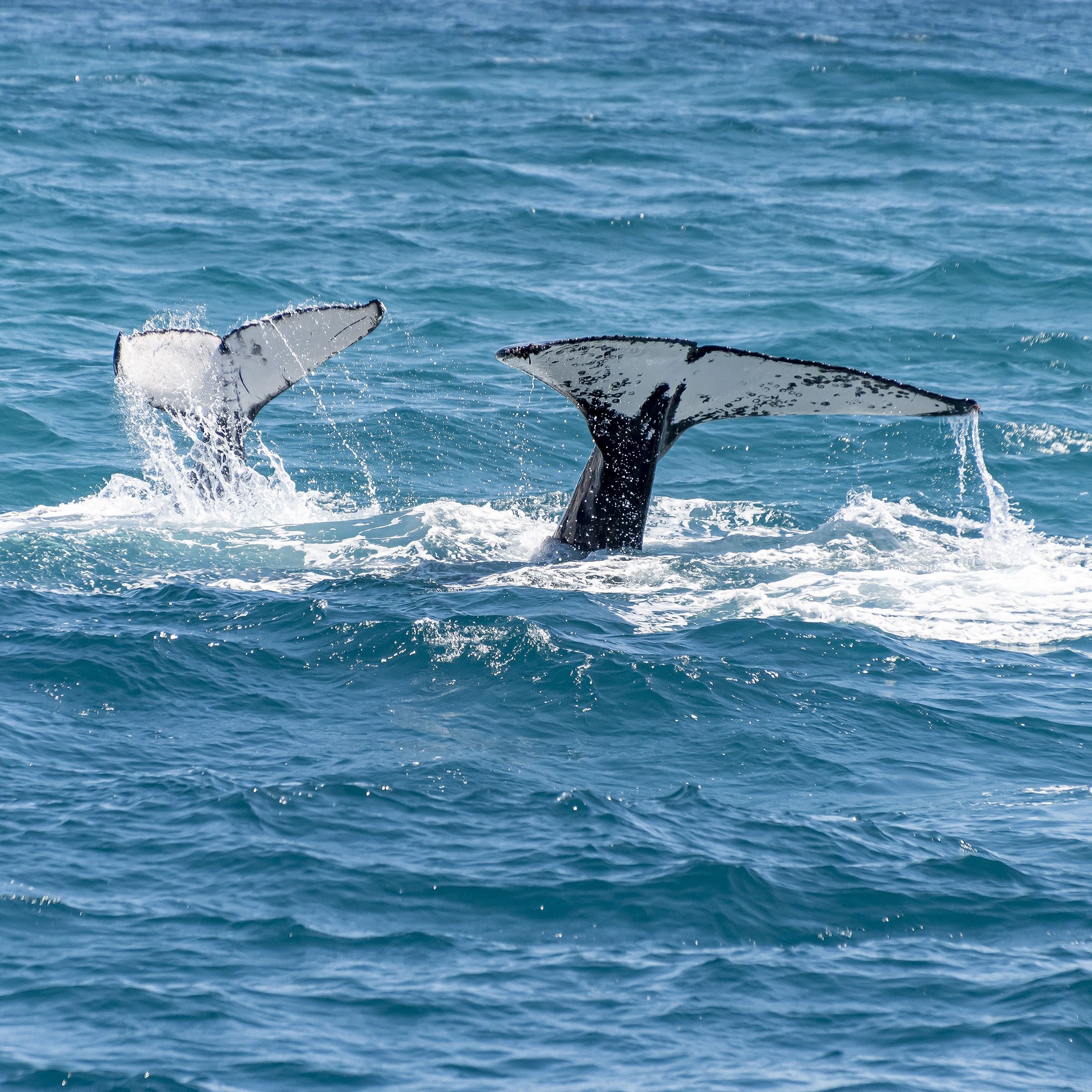
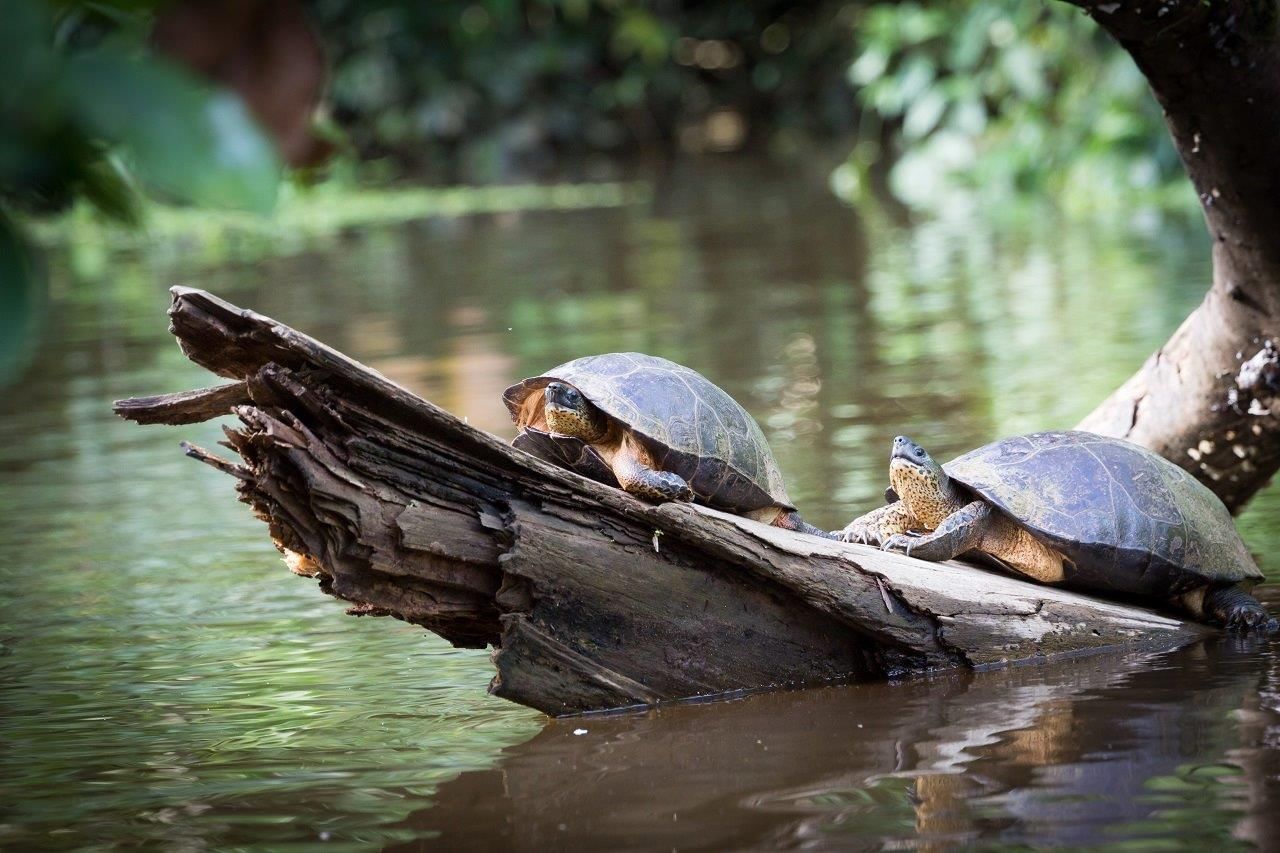
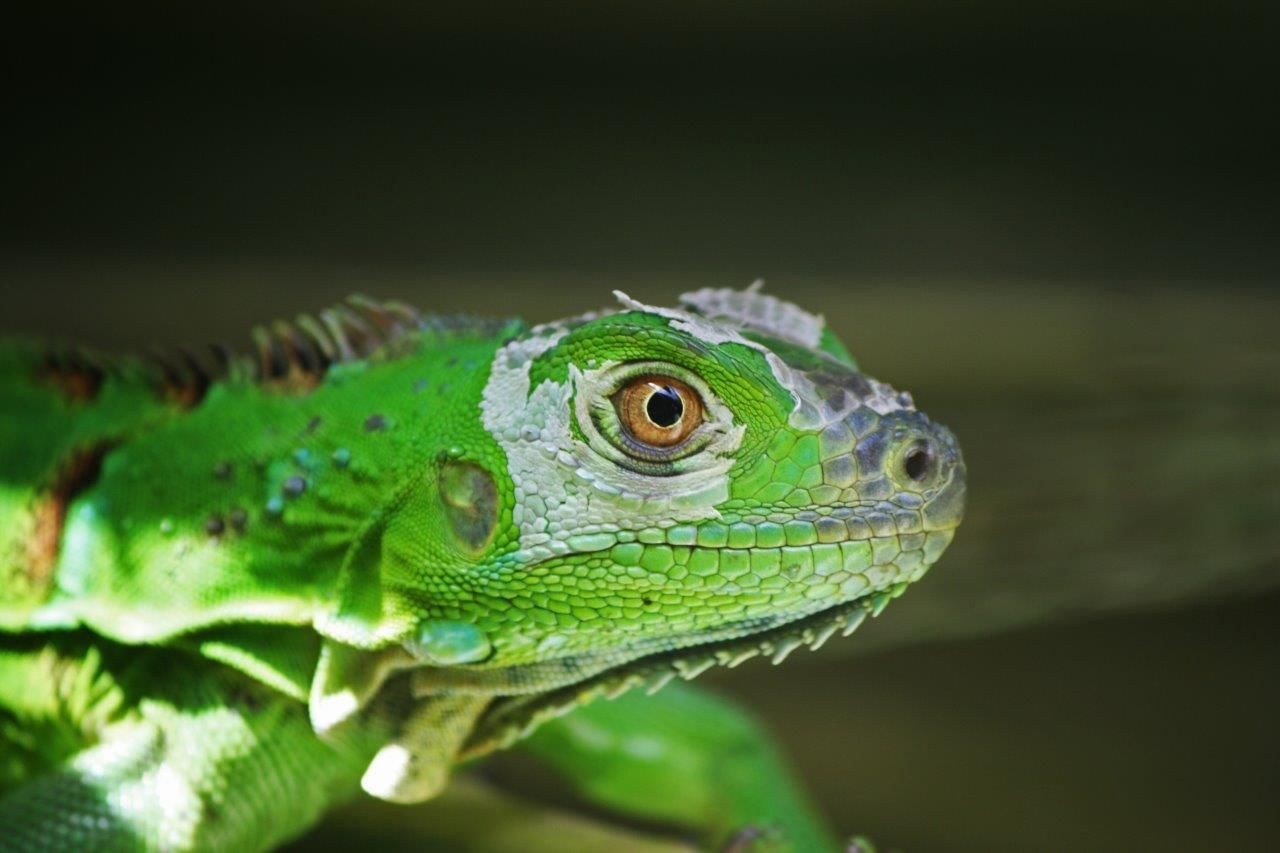
Costa Rica packs an outsized share of the planet's species into a small country, and some of the best sightings are tied to the calendar. Green turtles haul up to nest on the black sand at Tortuguero from July to October, with hatchlings scrambling for the surf into November. On the south Pacific coast around Uvita, humpback whales appear in two separate seasons, roughly July to October and again from December to March, one of the longest whale watching windows anywhere. Up in the cloud forest, the resplendent quetzal is easiest to find in its breeding months from February to June, when the males trail their long tail feathers around Monteverde and San Gerardo de Dota. Howler monkeys, sloths and toucans stay put all year, so there is no wrong month for the forest itself.
Dry season on the Pacific coast and beaches
Costa Rica
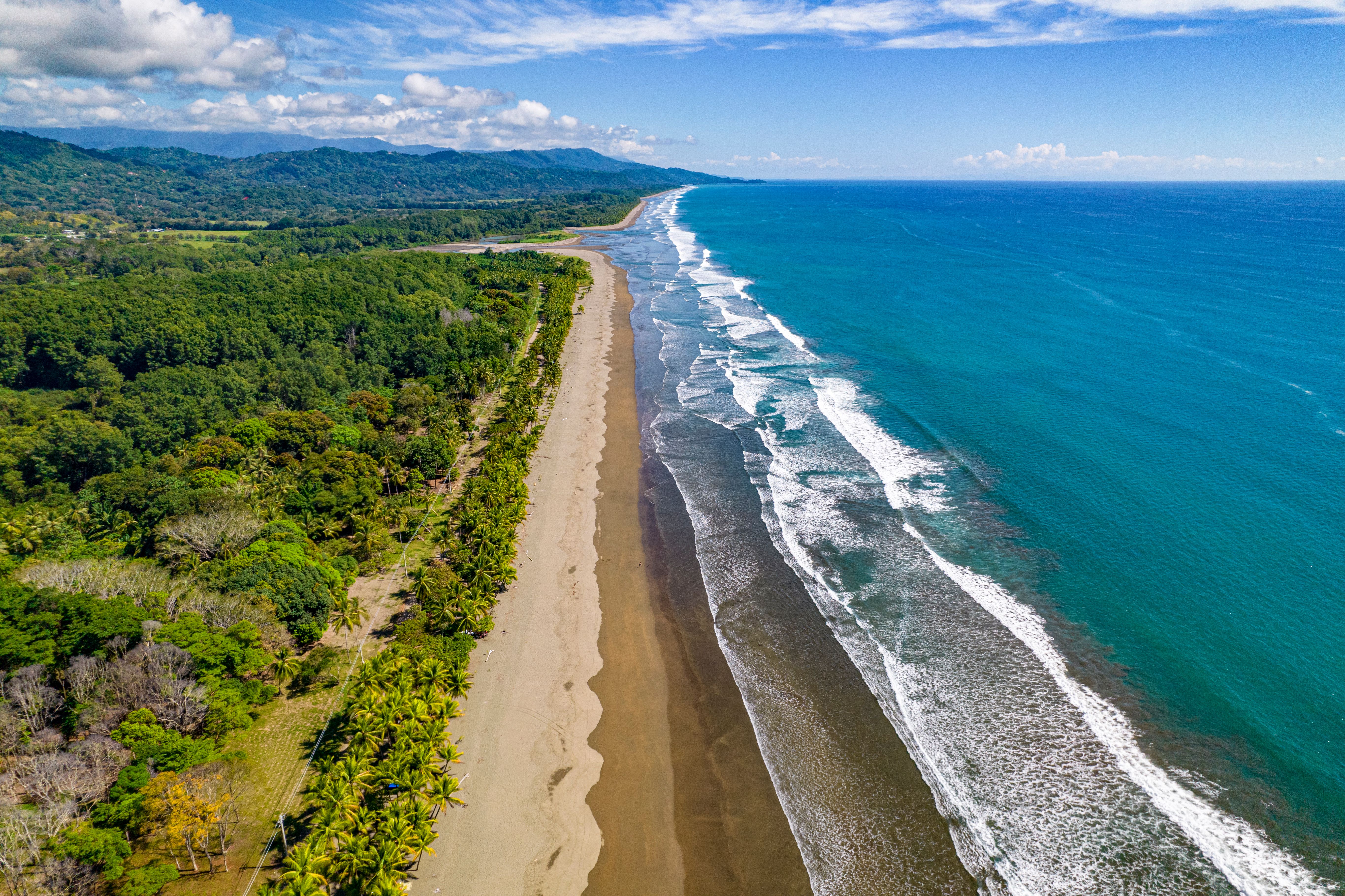
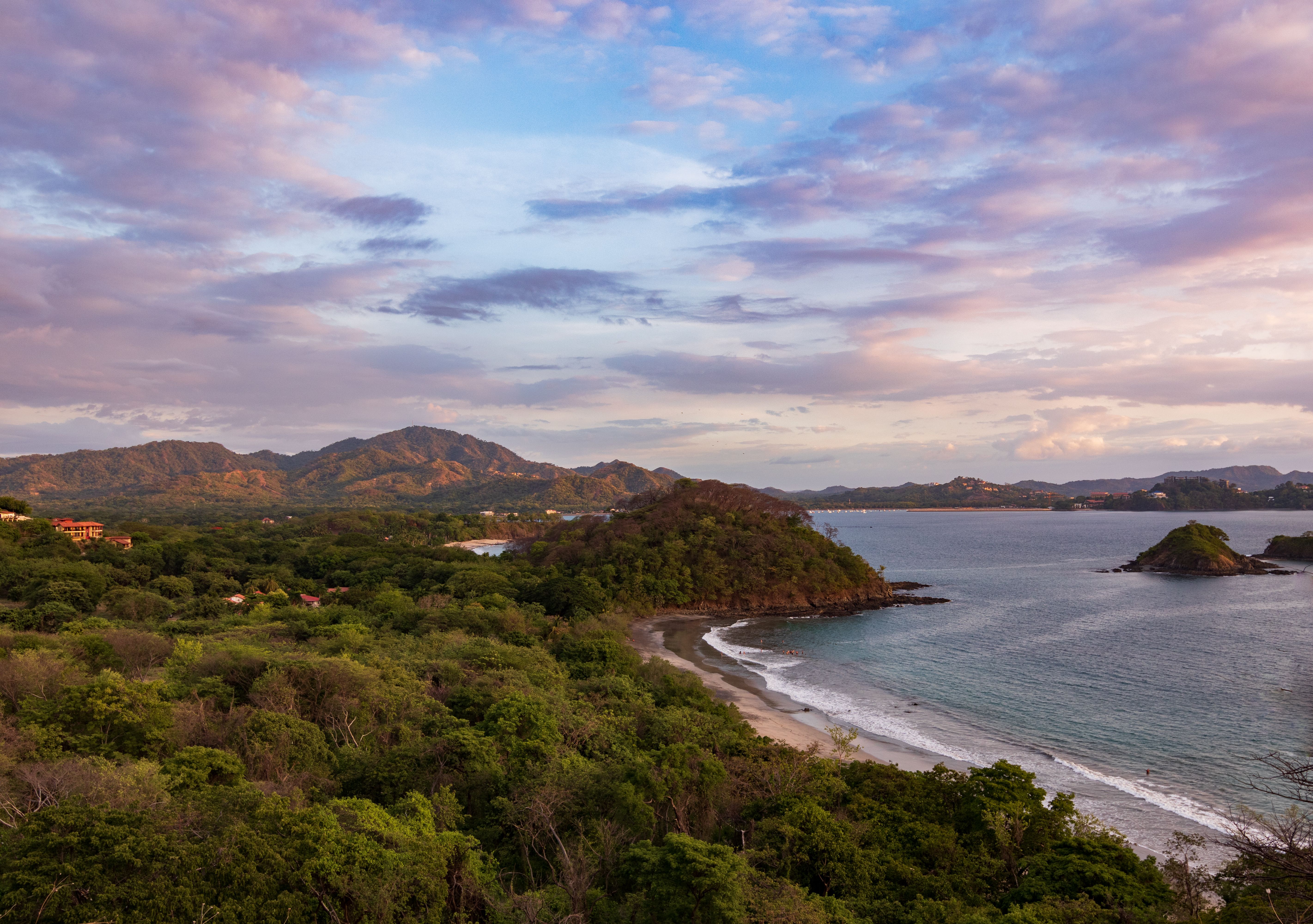
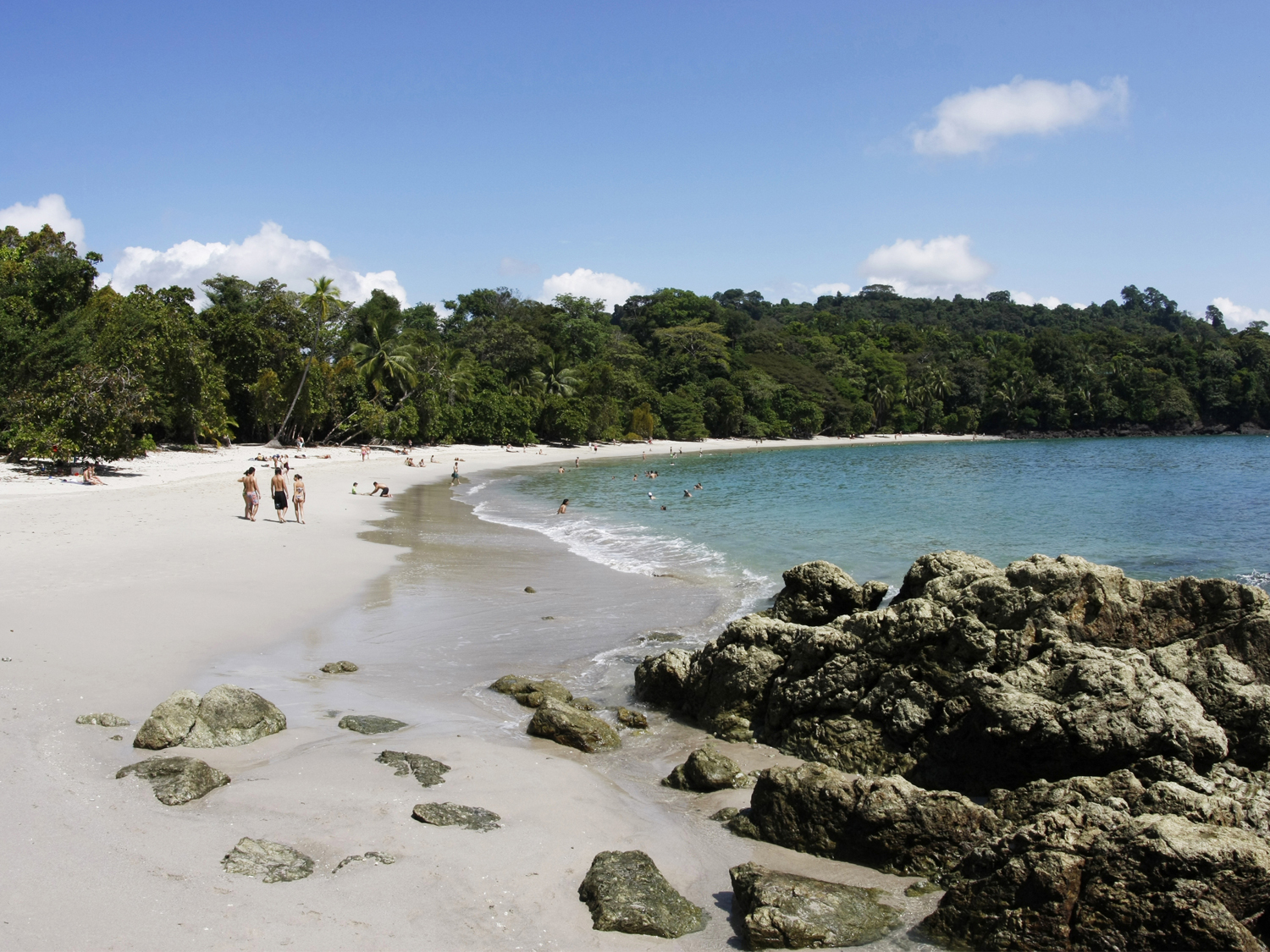
For a beach-first trip, the dry months from December to April are the safe bet. The Pacific sand at Manuel Antonio, Samara, and the Nicoya Peninsula bakes under near daily sun, forest trails stay firm underfoot, and the sea is calm enough for easy swimming. Surfers split the year the other way. Gentler, beginner-friendly waves roll in through the dry season, while the bigger swells arrive with the green season from May onward. The best time to visit Costa Rica's Pacific coast for dependable sun is January to March, before the heat peaks in April.
Green season, fewer crowds and better value
Costa Rica
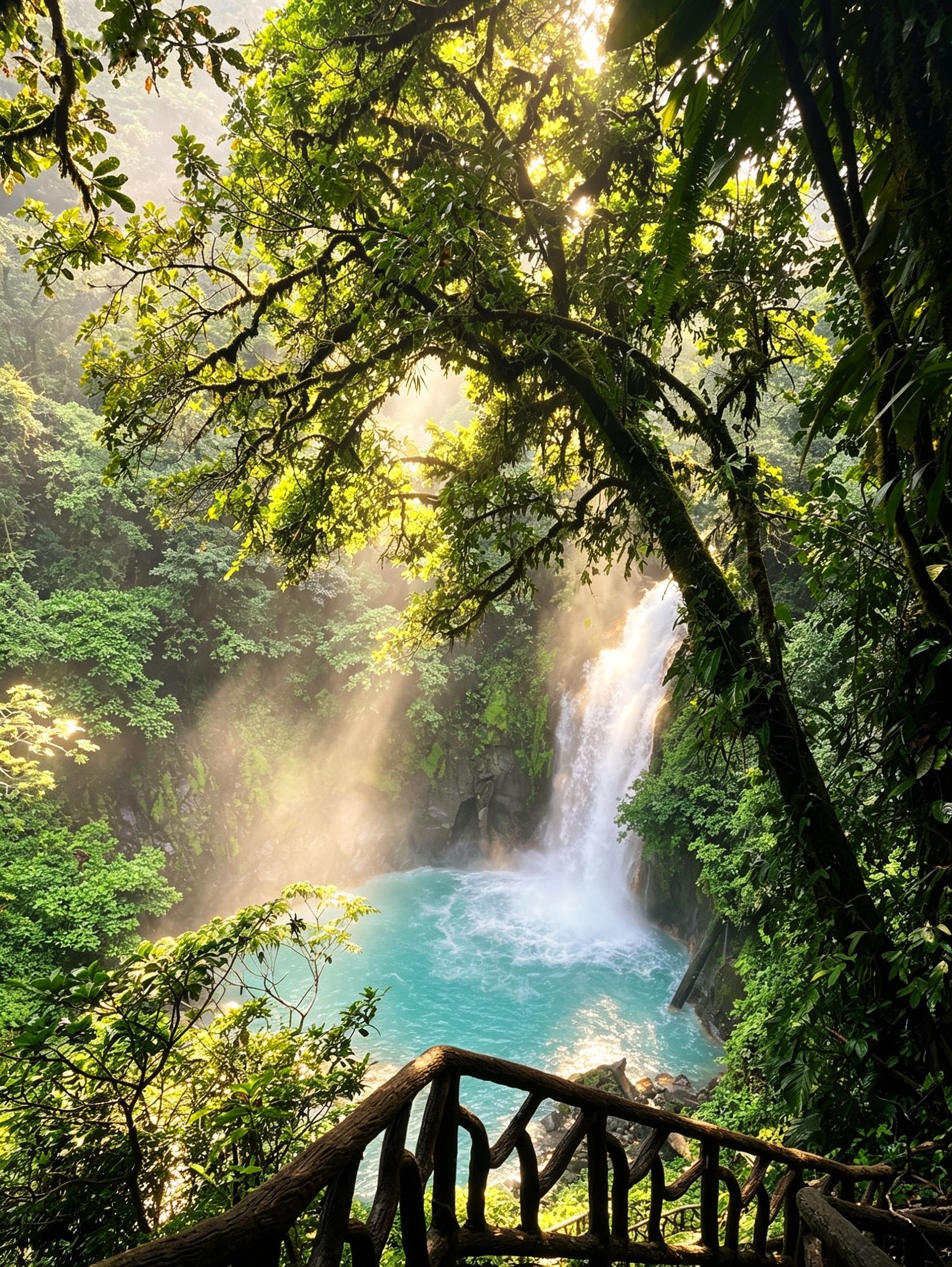
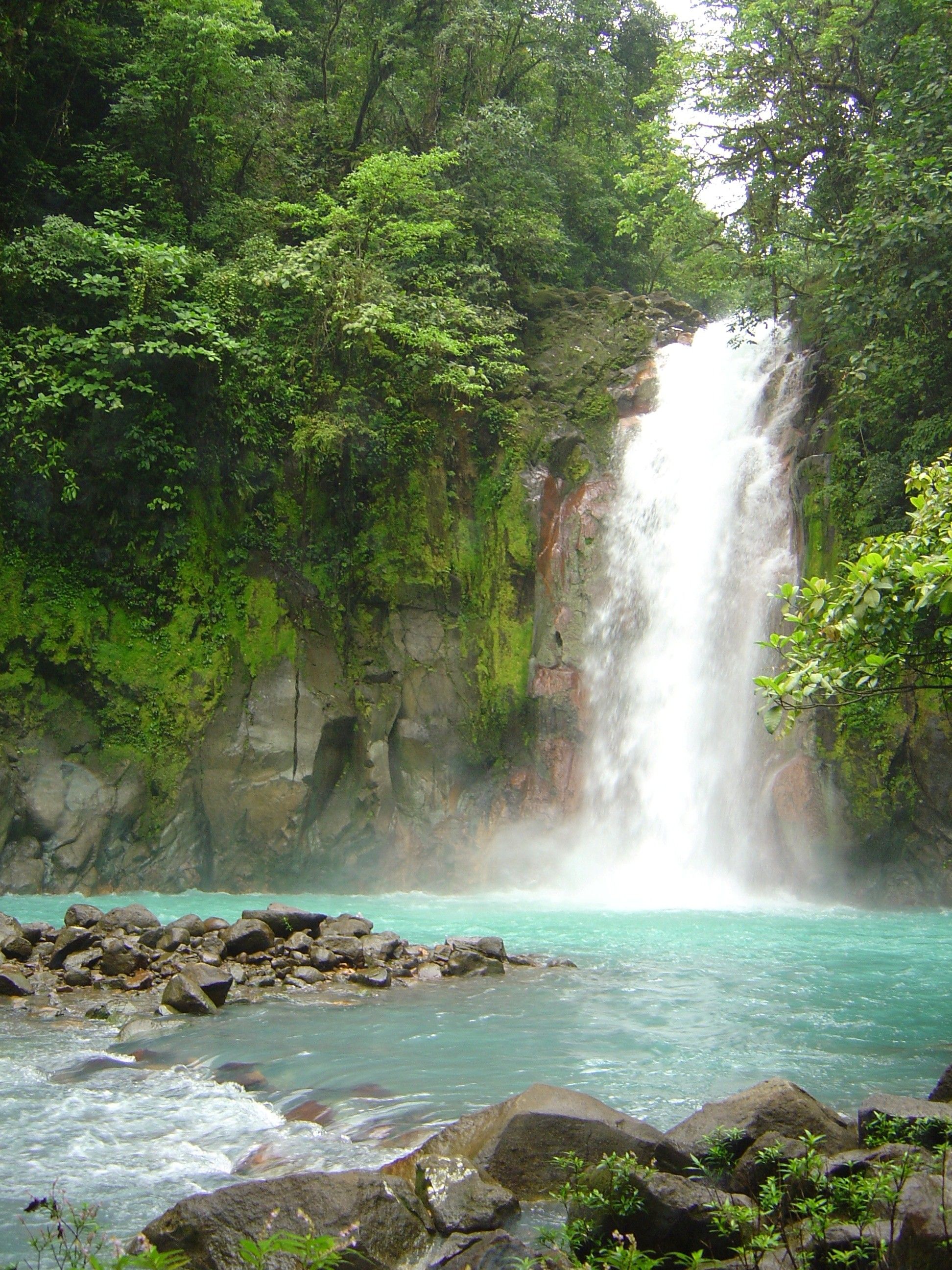
There is a strong case for travelling in the rain. From May to November the crowds thin out, room rates fall, and the country is at its greenest, with rivers running high enough for white water rafting near Turrialba and La Fortuna. The pattern is forgiving. Most days open sunny, the showers come in the late afternoon, and they tend to pass. September and October are the wettest and quietest months, and also the moment the Caribbean coast comes into its own. Coffee drinkers can time the Central Valley harvest, which runs from about November into February as the dry season begins.
Festivals worth timing a trip around

Festival
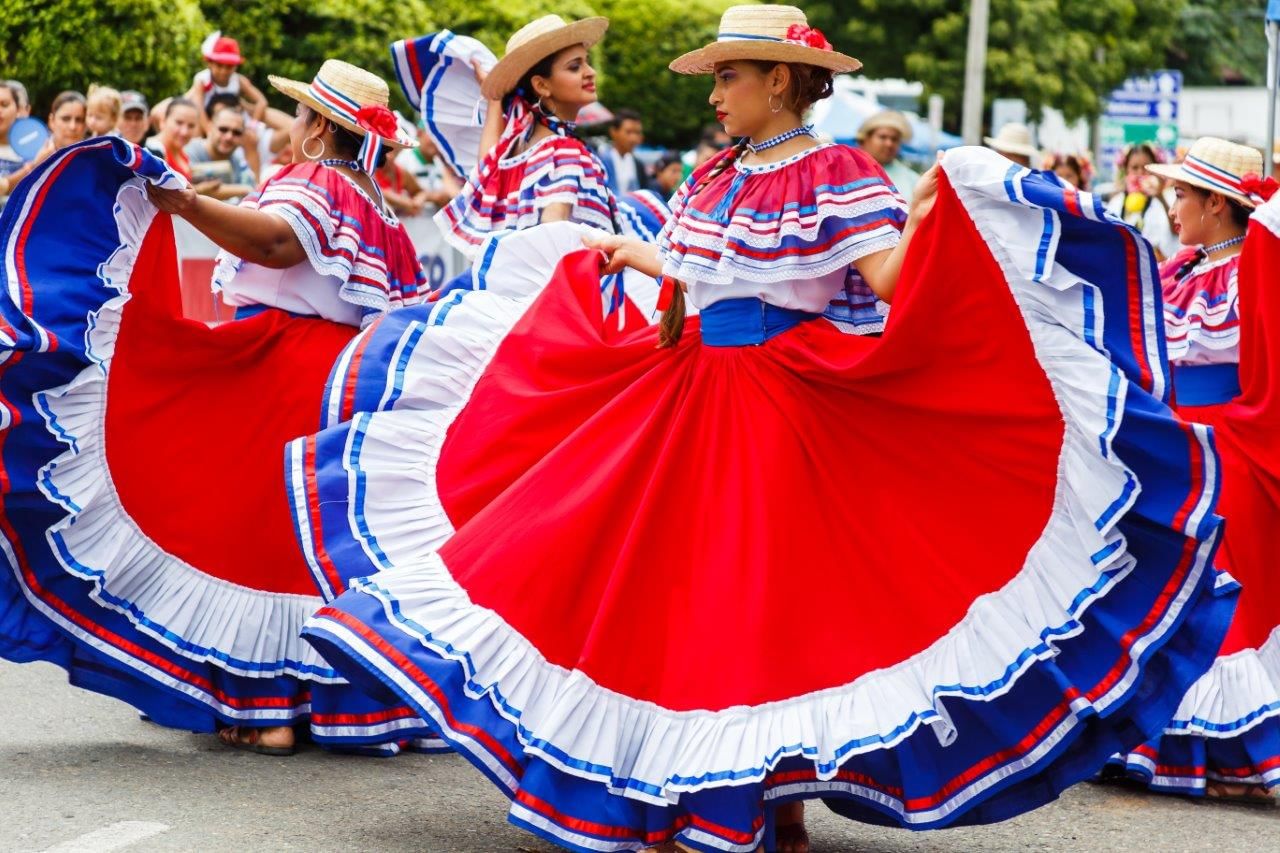
Costa Rican festivals lean on faith, farming and a fondness for a parade. Semana Santa, the week before Easter in March or April, is the biggest of the year, when much of the country slows down and heads for the coast. In the dry season the oxcart drivers of San Antonio de Escazu hold their painted cart parade, a nod to the ox teams that once hauled coffee down to the ports. On 2 August, hundreds of thousands of pilgrims walk through the night to the basilica at Cartago for the Romeria, honouring the country's patron saint. Independence Day on 15 September fills the streets with lantern processions and a relay of runners carrying a freedom torch south from Guatemala. Over on the Caribbean, Limon holds its carnival in October.
Planning a trip around these events allows you to experience regional traditions alongside famous natural sites.
Costa Rica tours by season
Trips run from seven to 13 days across the volcanoes, cloud forests and both coasts, so the route can follow the dry sun or the green season wildlife depending on when you travel.

Frequently asked questions
What is the rainy season in Costa Rica?
The rainy or green season runs from May to November, with September and October the wettest months on the Pacific side. Rain tends to hold off until the afternoon, so mornings are often clear. Rivers run high in this period, which makes it a strong time for white water rafting.
When is the best time to see turtles in Costa Rica?
Green turtles nest at Tortuguero on the Caribbean coast from July to October, with hatchlings emerging into November. On the Pacific, olive ridley turtles gather in large numbers during the green season. Nesting happens at night and is watched with a licensed guide to protect the beaches.
When can you see whales in Costa Rica?
Humpback whales pass the south Pacific coast around Uvita in two seasons, roughly July to October and December to March. This gives Costa Rica one of the longest whale watching windows in the world. Boat trips run from Marino Ballena National Park near Uvita.
Is Costa Rica good to visit in the rainy season?
Yes. The green season offers a greener landscape, active wildlife and lower prices, and the rain usually falls in short afternoon bursts rather than all day. It suits travellers who want fewer crowds and do not mind planning outdoor time around the mornings.
How many days do you need in Costa Rica?
A week covers the classic loop of San Jose, Tortuguero and Arenal, while 10 to 13 days allows time to add the cloud forest at Monteverde and the Pacific beaches. Trips here range from seven to 13 days, so the length can match the regions and wildlife you most want to reach.