
On The Go Tours
Our agents are waiting to chat to you...
Are you a Travel Agent or Customer?
Do you have an booking reference?
Best Time to Visit Iceland
When to travel for the Northern Lights, the midnight sun, ice caves and the Ring Road
Best Time to Visit Iceland
When to travel for the Northern Lights, the midnight sun, ice caves and the Ring Road
When do you want to go?
2026
I'm flexible
Passengers
Adults (18+)
Children (0 - 17)
When to visit Iceland
The best time to visit Iceland comes down to what you want to see, because the country changes character completely between summer and winter. From June to August, near constant daylight opens the highland roads and makes it possible to drive the full Ring Road, with mild temperatures and coastal wildlife along the way. From November to March, long dark nights bring the Northern Lights and the season for natural blue ice caves. The shoulder months of May and September sit in between, with a workable mix of daylight and darkness, fewer visitors at the headline sights and lower prices. Iceland trips run from single-day excursions to itineraries of 15 days, so a route can be built around the season and the daylight you travel in.
Iceland weather and daylight through the year
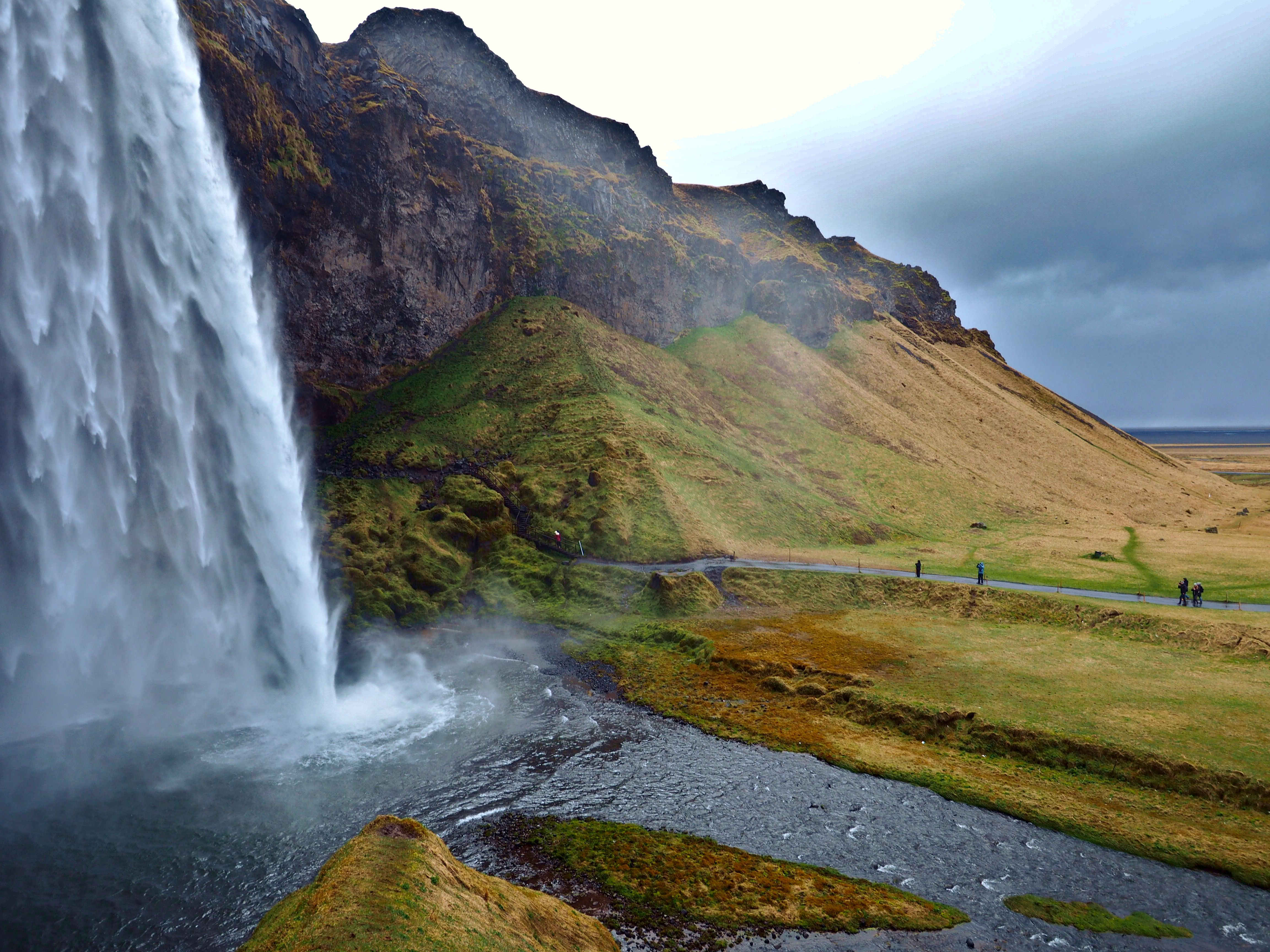
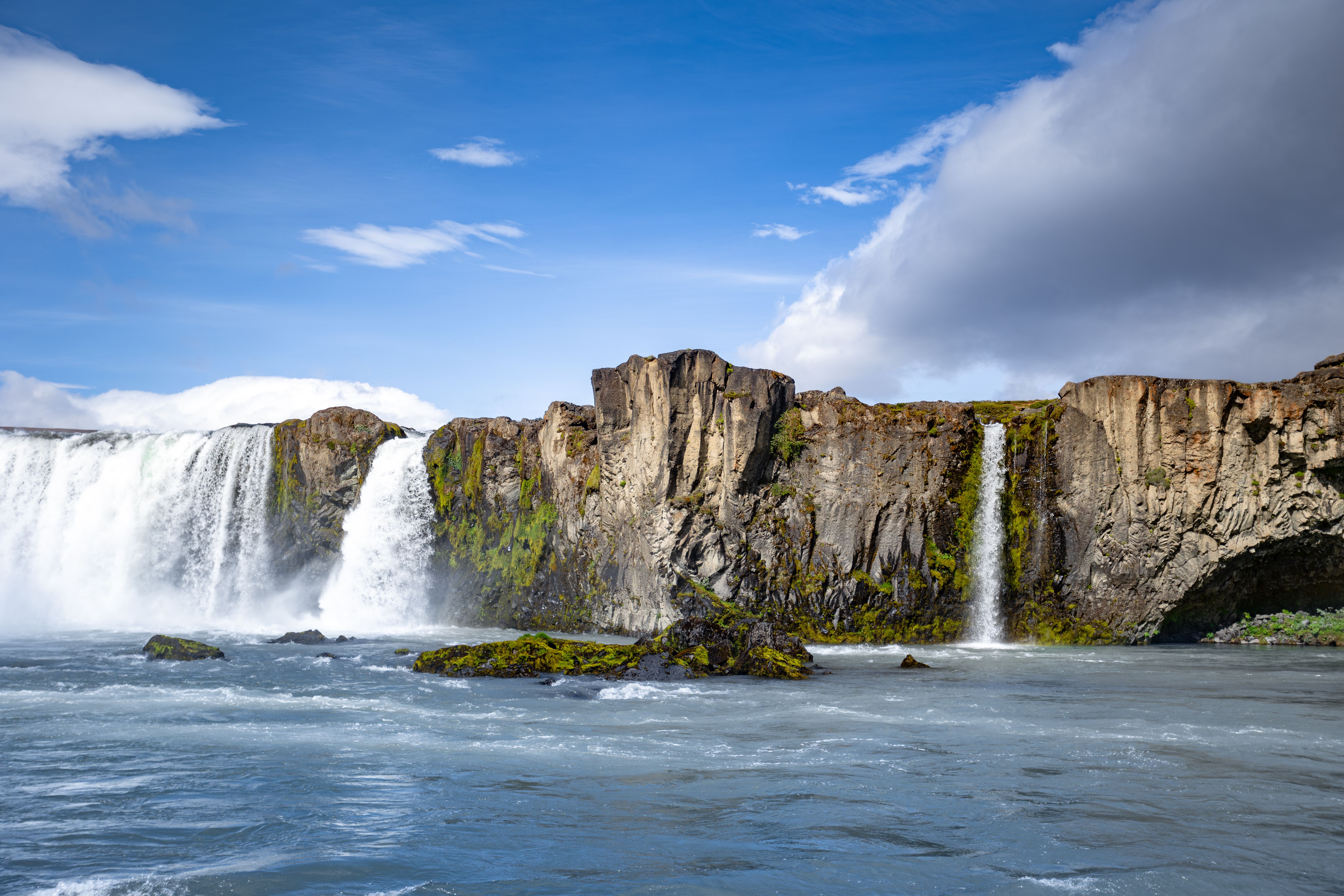
Waterfalls in Iceland
Iceland's weather is changeable in every season, but the daylight swings far more than the temperature. Winter, from December to February, is cold rather than extreme, around 2C by day and near freezing at night, with only 4 to 7 hours of light at the turn of the year. This is the core Northern Lights and frozen-waterfall season. Spring, March to May, warms slowly from about 3C to 10C as daylight climbs from 10 hours in March to as much as 20 by late May, and the first puffins return to the cliffs in April. Summer, June to August, is the mildest stretch, roughly 12C to 14C, with 20 hours of daylight or more around the June solstice and the highland roads open. Autumn, September to November, cools from about 10C back to 4C and the nights draw in again, bringing the aurora back from late September while the roads stay quieter. Rain and wind can arrive at any time of year, so layers and a waterproof matter more than the calendar. In practice the best time to visit Iceland is set by daylight as much as by weather.
Best time to see the Northern Lights in Iceland
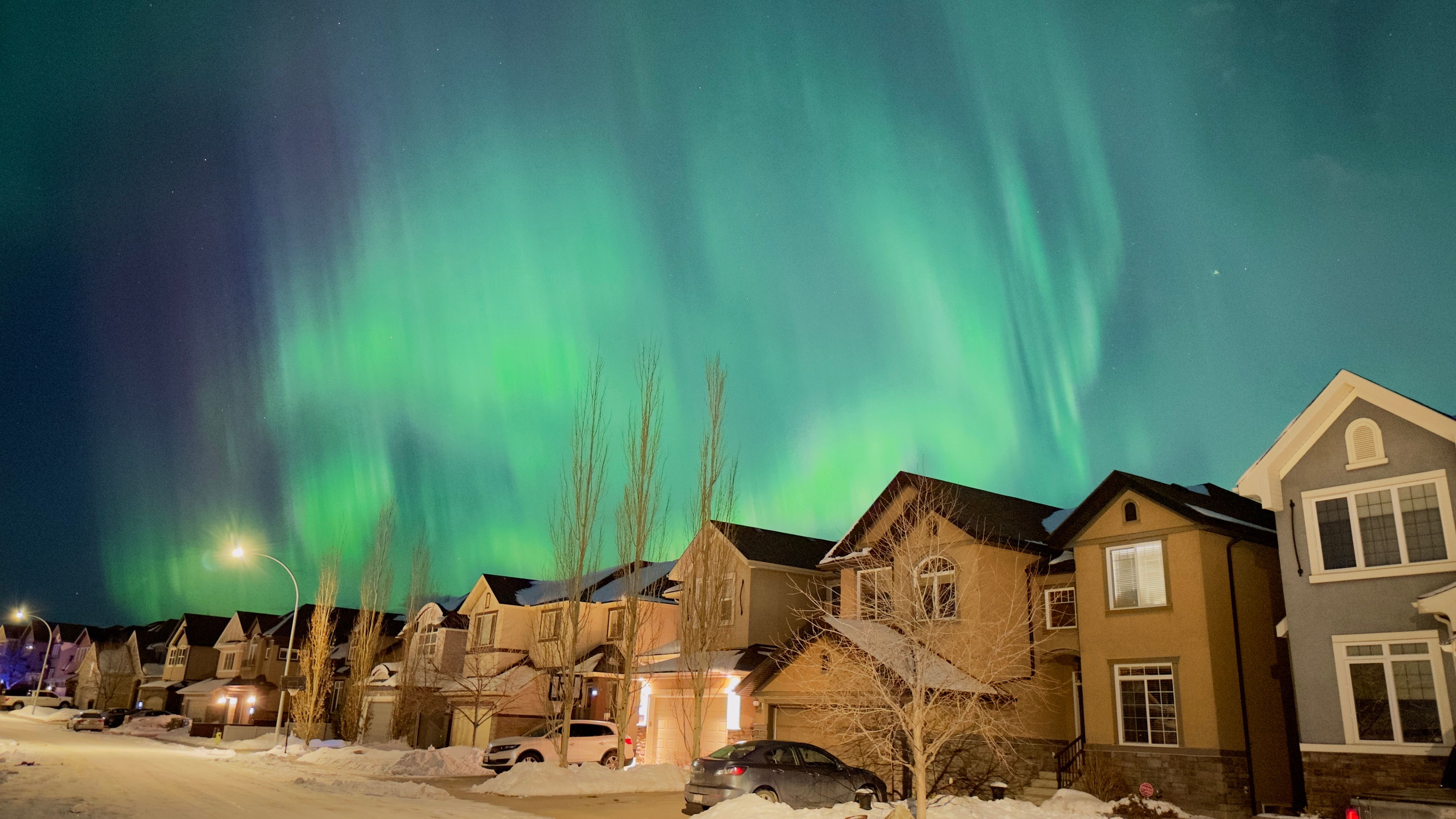
Northern Lights
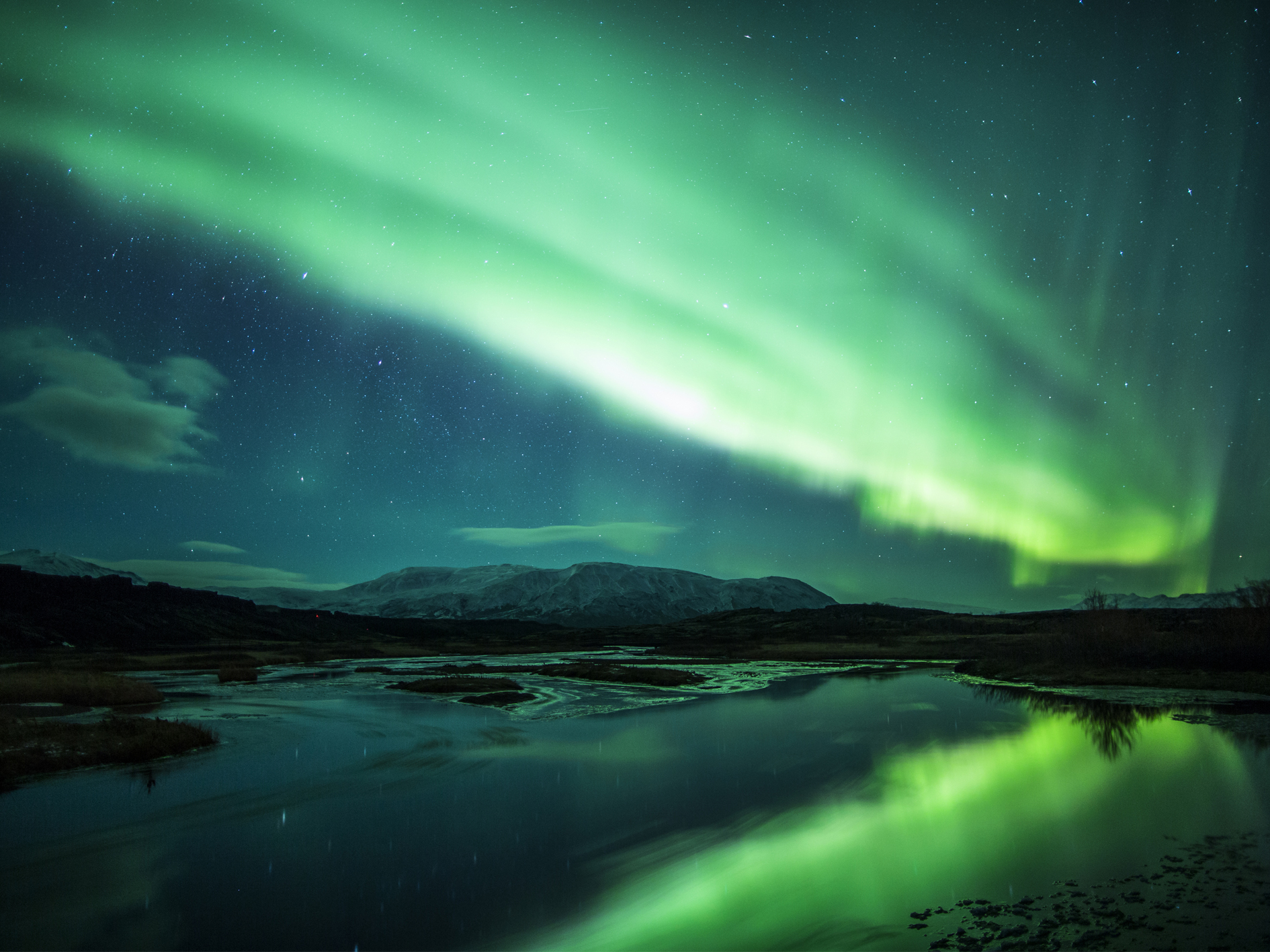
The Northern Lights are visible in Iceland from about September to early April, whenever the sky is dark and clear and solar activity is high. The darkest nights fall around midwinter, from December to February, which gives the longest viewing window each night. March and September are popular for a different reason. They pair genuinely dark evenings with enough daytime light for sightseeing, so the trip works around the aurora rather than being built entirely on it. No sighting can be promised, since it depends on cloud cover and the aurora forecast on the night, but getting well away from Reykjavik's light pollution improves the odds. The four day Iceland Winter Express runs through this season from Reykjavik out to the Snaefellsnes Peninsula, Vatnajokull National Park and the south coast waterfalls, combining evening aurora watching with easier daytime touring.
We offer multi-day trips running from 1 to 17 days that cover these transitional months. The 7-day Totally Iceland itinerary visits both the south coast and the northern loop around Lake Myvatn, with group sizes capped at 19 travellers. For a shorter stay, the 5-day Snaefellsnes & South Iceland trip explores black sand beaches and glaciers in a small group capped at 18.
Summer and the midnight sun
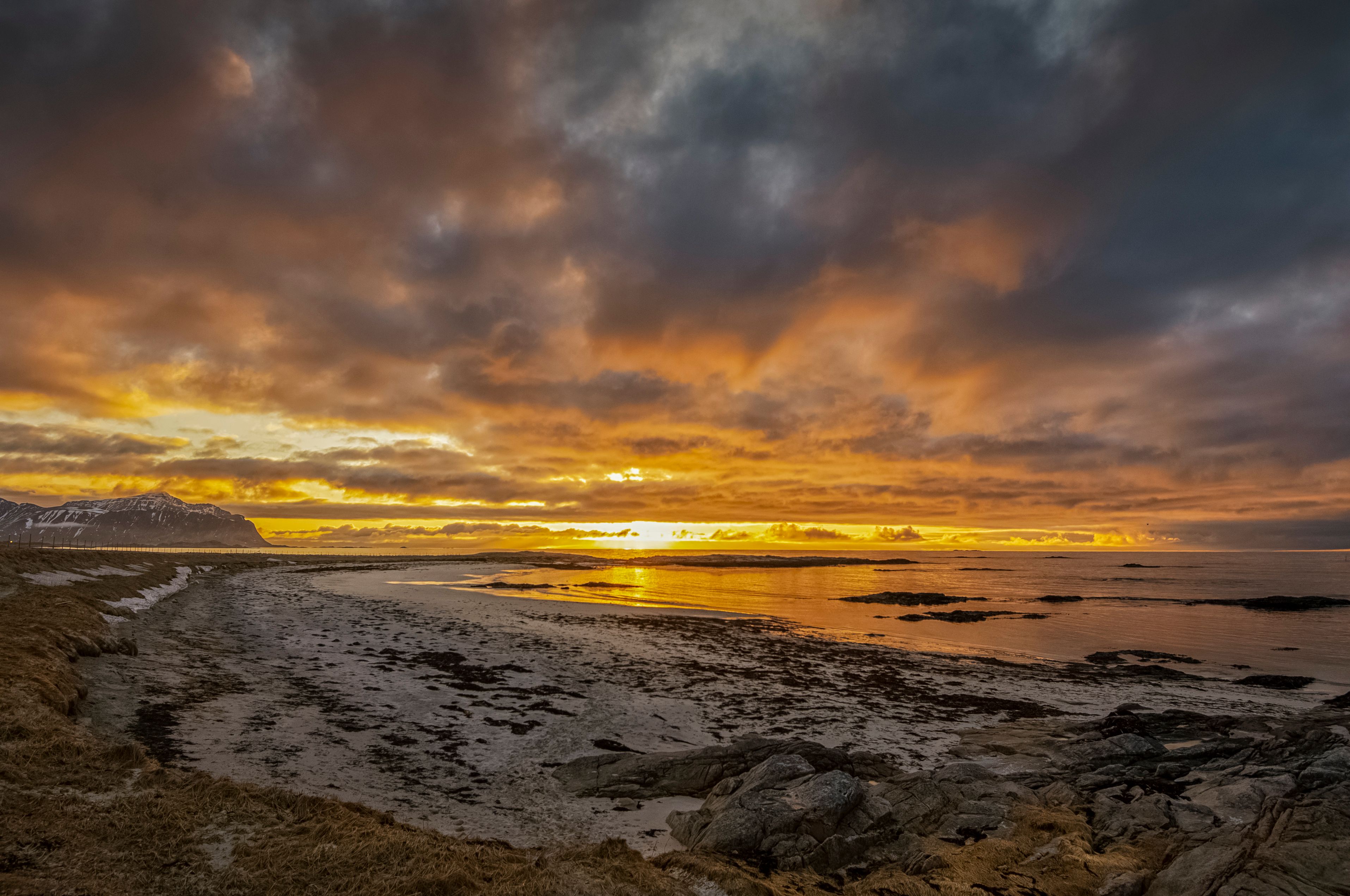
Midnight Sun
Summer is the season of near endless light. Around the June solstice the sun barely sets, and from late May to early August you can be out among geysers, black sand beaches and glacial lagoons close to midnight. Warm settled weather and open roads make this the one time of year to drive the full Ring Road with confidence, and the interior F roads into the highlands usually open from mid June into September. Wildlife peaks too. Puffins nest on the sea cliffs from May to mid August, and whale watching from the north is at its most reliable through the summer. The eight day Classic Iceland Highlights follows the Ring Road past Skogafoss and Seljalandsfoss to Vatnajokull National Park, Lake Myvatn and Akureyri. For a longer trip, the 15 day Best of Iceland & Greenland pairs Thingvellir and the Icelandic highlights with flights on to Ilulissat and Disko Bay.
Long daylight hours give you maximum time on curated itineraries like our 8-day Classic Iceland Highlights trip. You can travel from Reykjavik to the waterfalls of Skogafoss and Seljalandsfoss, continuing past Vatnajökull National Park to Lake Myvatn and Akureyri.
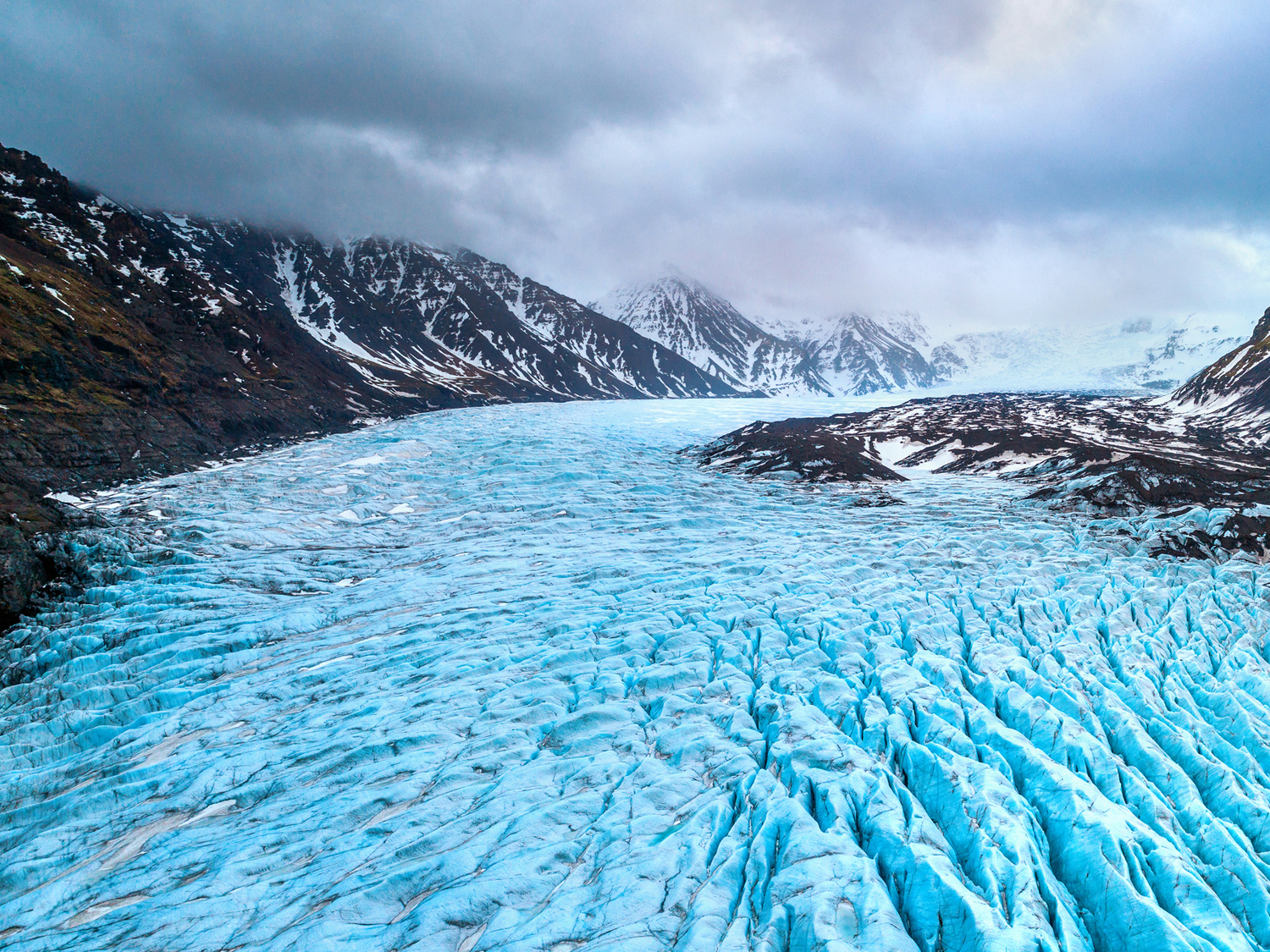
Winter glaciers and ice caves
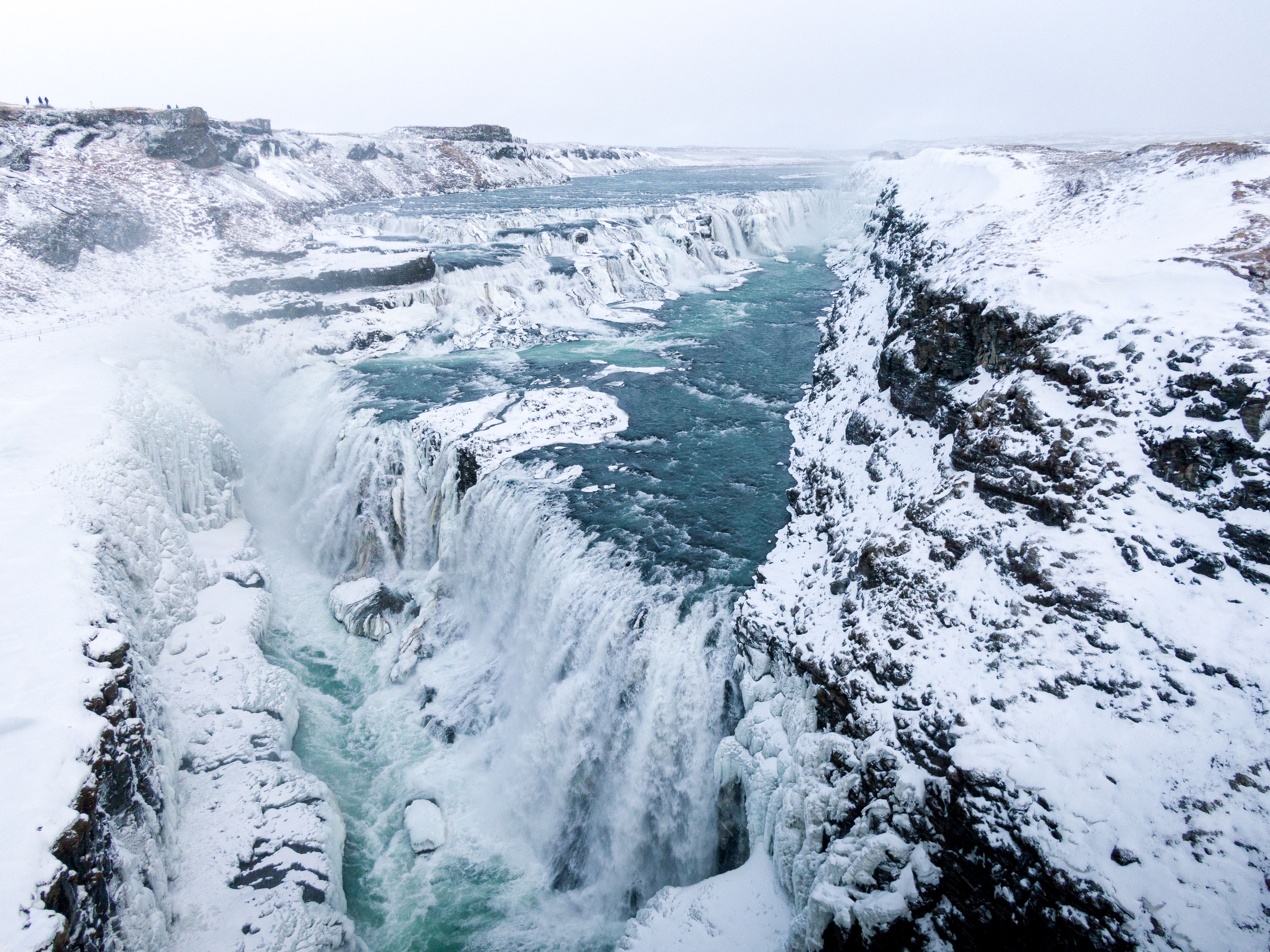
Glaciers
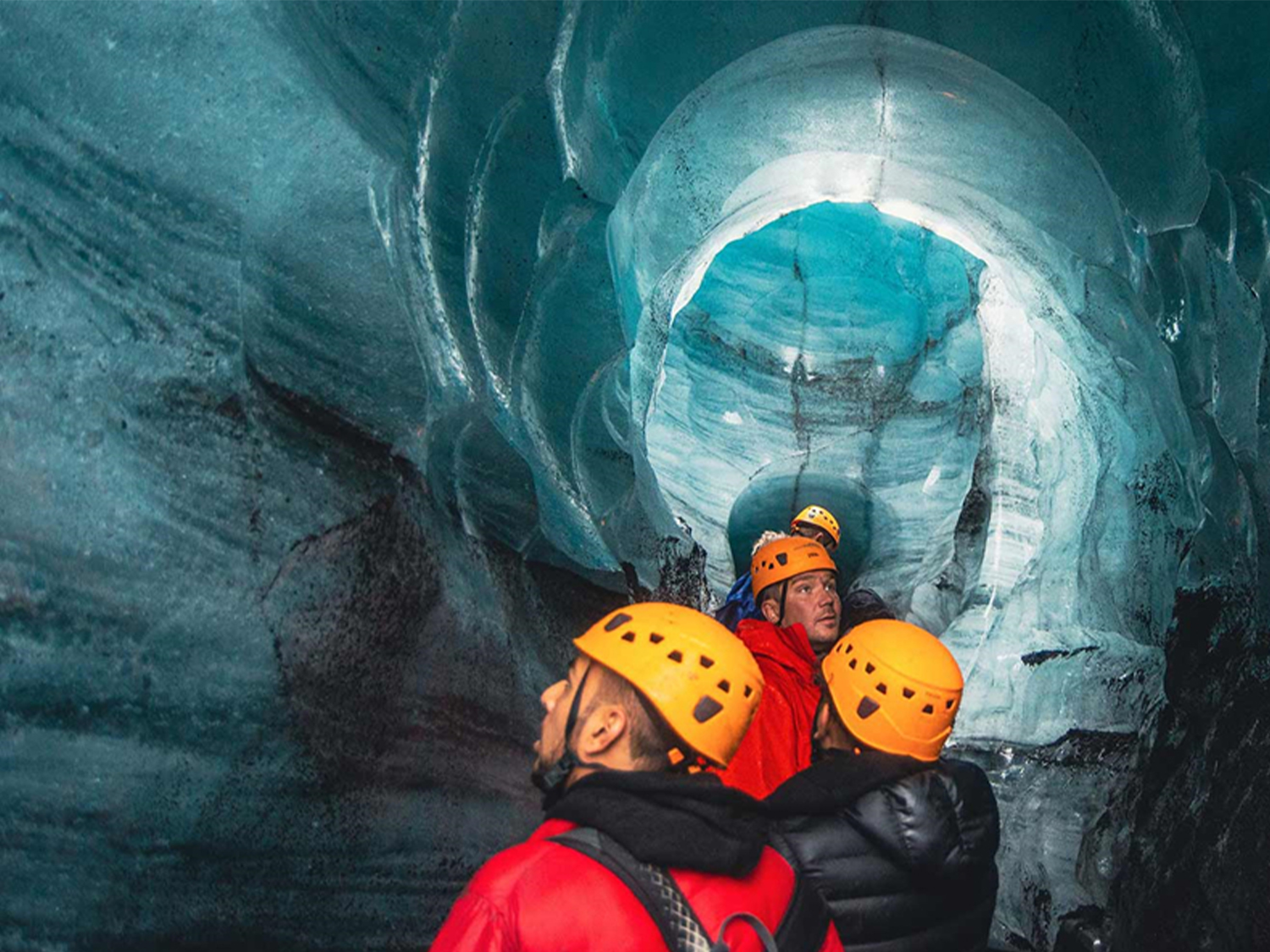
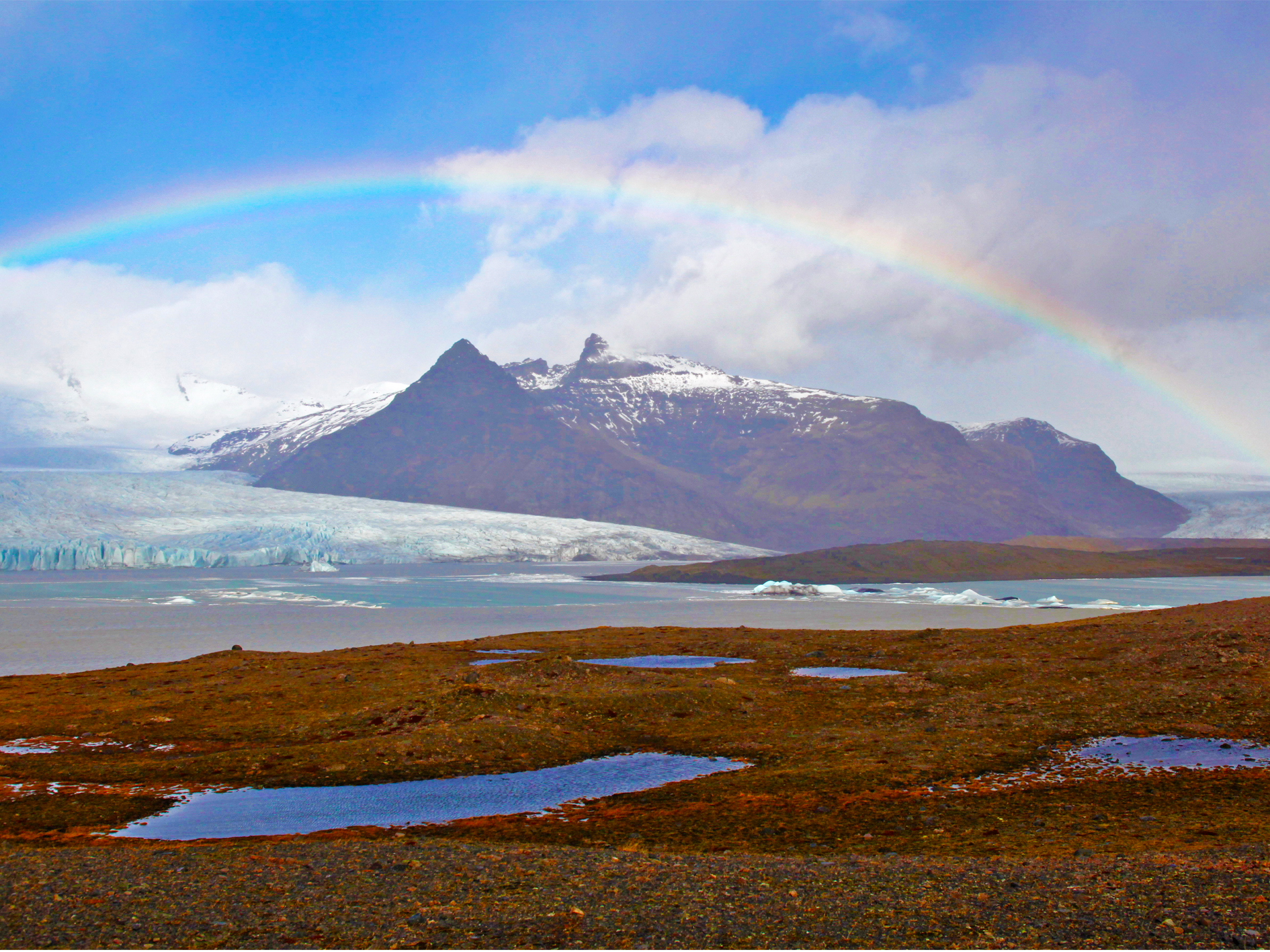
From November to March the cold locks the meltwater channels under the glaciers into solid ice, opening the season for natural blue ice caves beneath Vatnajokull, the largest ice cap in Europe. The caves form fresh each winter and shift year to year, so they are only entered with a guide who knows the current conditions. The one day Ice Cave & Glacier Hike from Reykjavik pairs glacier access with crampon instruction and suits travellers who are short on time. For a fuller winter route, the four day Iceland Winter Express runs from the capital along the south coast to Seljalandsfoss, Skaftafell and Snaefellsnes, taking in frozen waterfalls and black sand beaches as well as the glacier country. Days are short in these months, which leaves long evenings free for the aurora when the sky is clear.
The single-day Ice Cave & Glacier Hike excursion from Reykjavik pairs direct glacier access with step-by-step crampon instruction. It offers an easy, accessible physically rated adventure for travellers short on time. For a broader winter itinerary, the 4-day Iceland Winter Express trip travels from the capital to Snaefellsnes Peninsula, Seljalandsfoss, and Skaftafell. You explore frozen waterfalls, black sand coastlines, and Vatnajökull National Park.
Shoulder seasons and Iceland festivals
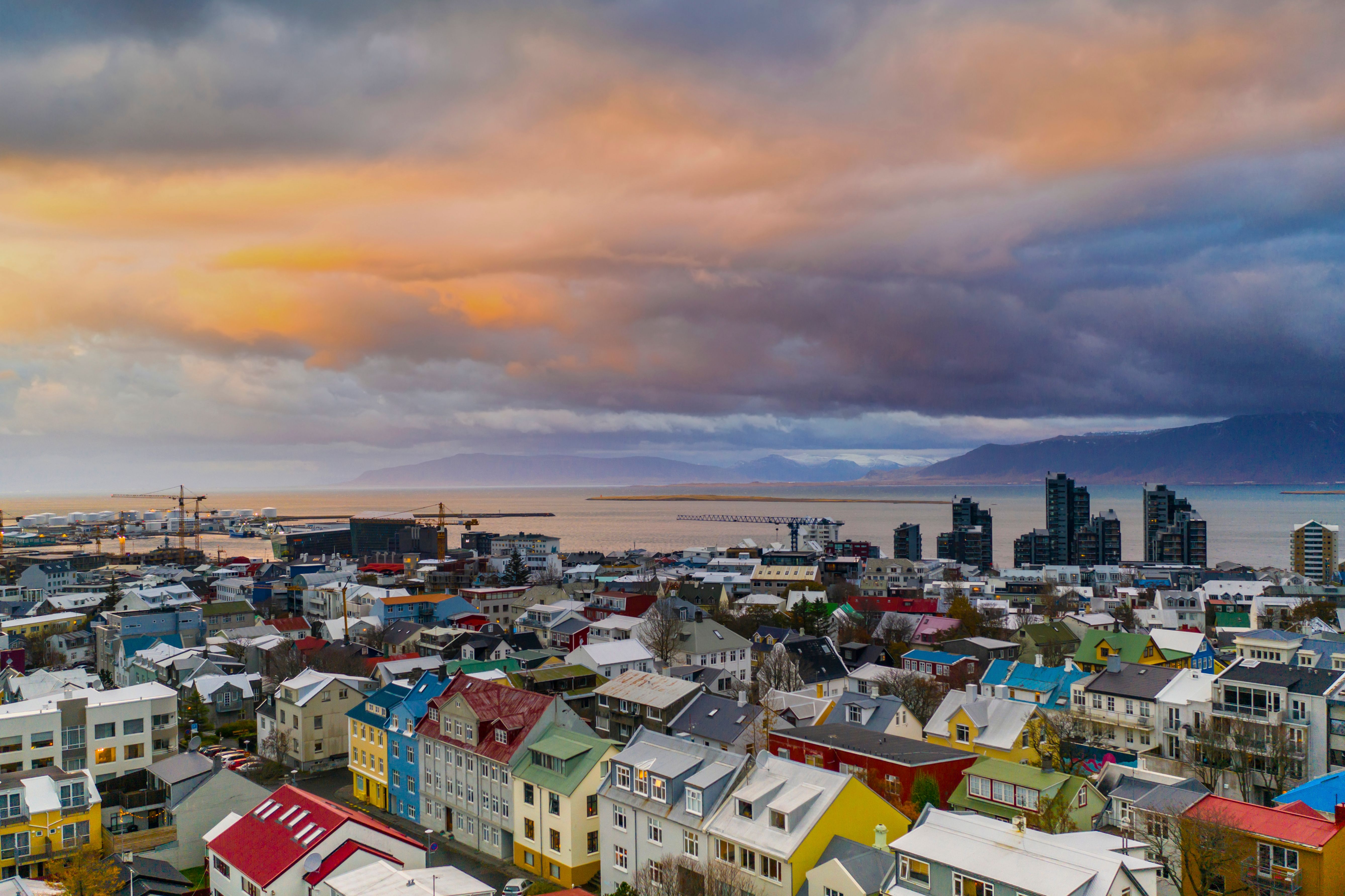
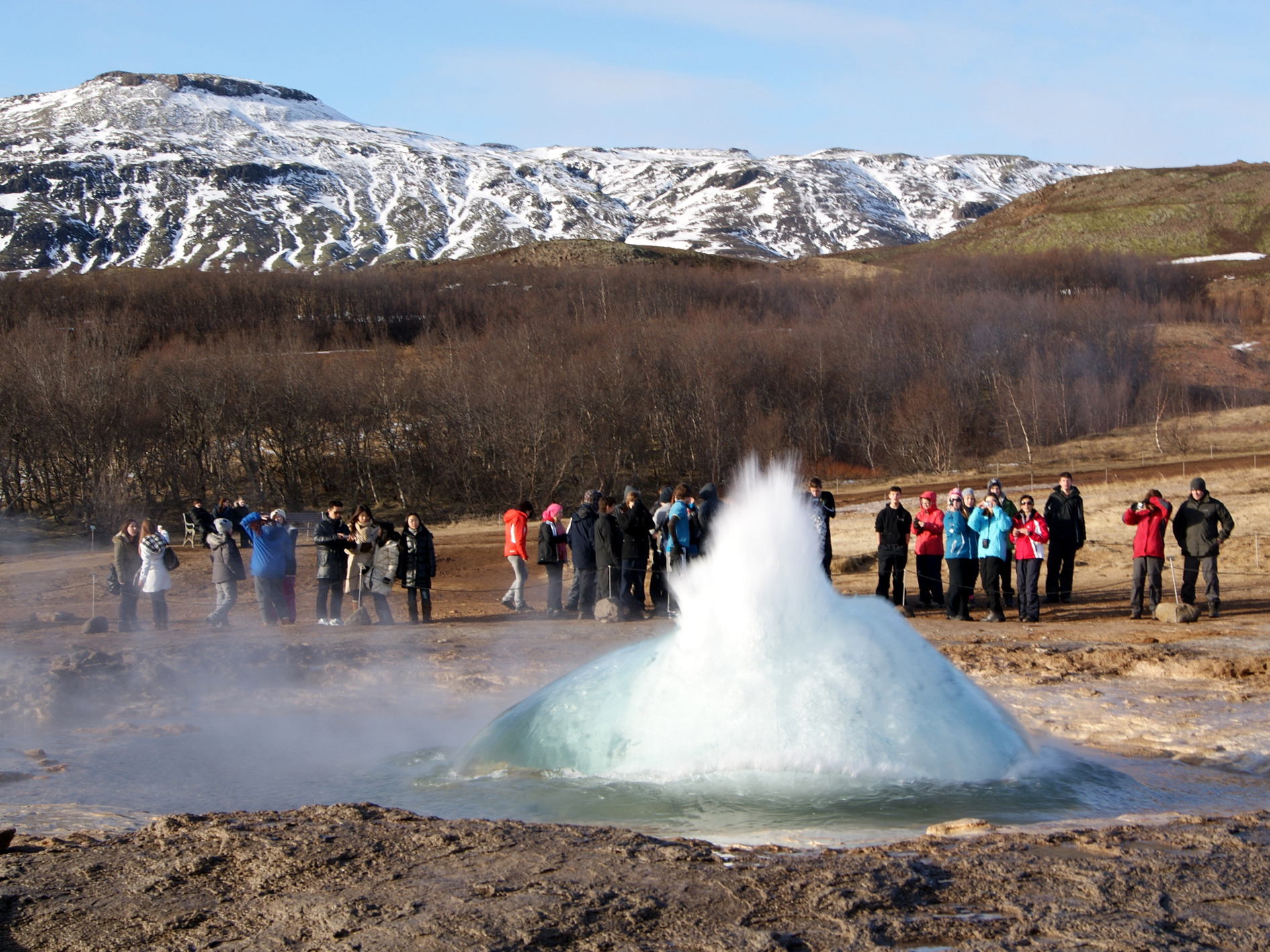
Reykjavik
May and September sit on the shoulders of the busy summer, and both reward travellers who want the main sights without the peak crowds or prices. May brings long days and green valleys before the high season fills the car parks at Seljalandsfoss and Thingvellir. September holds on to enough daylight for the Ring Road while the aurora returns after dark from late in the month. Reykjavik also has a full calendar worth timing a trip around. National Day on 17 June fills the capital with parades and concerts, and Reykjavik Culture Night in August opens museums, streets and gardens for free performances. Earlier in the year, Dark Music Days in January and the Reykjavik Arts Festival in June draw contemporary music and art to the city. The five day Snaefellsnes & South Iceland trip and the seven day Totally Iceland itinerary both begin and end in Reykjavik, leaving time in the city before heading into the countryside.
The 5-day Snaefellsnes & South Iceland trip and the 8-day Classic Iceland Highlights both start and finish in Reykjavik, offering time to explore local events before heading into the countryside.
Summer
June to August
Long daylight hours peak with the midnight sun around the solstice, when the sky never fully darkens. It's the mildest, greenest season, ideal for road trips, waterfalls, puffin-watching and exploring the highlands.
Autumn
September to November
Days shorten quickly as summer fades, and the northern lights return to darkening skies. Mossy landscapes turn gold and russet, making it a quieter, atmospheric time to visit before winter sets in.
Winter
December to February
Short daylight hours and long nights bring prime northern lights viewing, plus ice caves, frozen waterfalls and snow-dusted landscapes across the country.
Spring
March to May
Snow gradually retreats as daylight lengthens rapidly. Migratory birds return and waterfalls swell with meltwater. It's a transitional, uncrowded season offering both lingering winter scenes and the first signs of green.
Iceland tours by season
Trips run from single-day excursions to a 15 day circuit, covering the Ring Road, the Golden Circle, the glaciers and the aurora, so the route can follow the season you travel in.

Frequently asked questions
What is the best month to see the Northern Lights in Iceland?
The aurora is visible from about September to early April, with the darkest and longest nights from December to February. March and September are popular because they combine dark evenings with enough daylight for sightseeing. Clear skies and distance from city lights matter more than the exact month.
When can you see the midnight sun in Iceland?
Around the June solstice the sun barely sets, and from late May to early August there is enough light to sightsee close to midnight. This is also when the highland F roads open and the full Ring Road is easiest to drive.
When is the cheapest time to visit Iceland?
The shoulder months of May, September and October tend to bring lower prices and fewer crowds than the summer peak. Winter outside the Christmas period can also be good value, with the trade off of short days and changeable weather.
Can you drive the Ring Road in winter?
The Ring Road stays open through winter but conditions change fast, and sections can close during storms. Many visitors join a guided trip in the colder months to avoid driving on ice, while summer is the easiest season for a self drive circuit.
When is the warmest time to visit Iceland?
July and August are the warmest months, with daytime temperatures around 13C to 14C in the lowlands. Even then the weather is changeable and evenings stay cool, so warm layers are worth packing in every season.
When can you see puffins in Iceland?
Puffins nest on Iceland's sea cliffs from about May to mid August, then head back out to sea for the rest of the year. The Westman Islands, Latrabjarg in the northwest and Borgarfjordur Eystri in the east are among the most reliable places to see them in those months.