
On The Go Tours
Our agents are waiting to chat to you...
Are you a Travel Agent or Customer?
Do you have an booking reference?
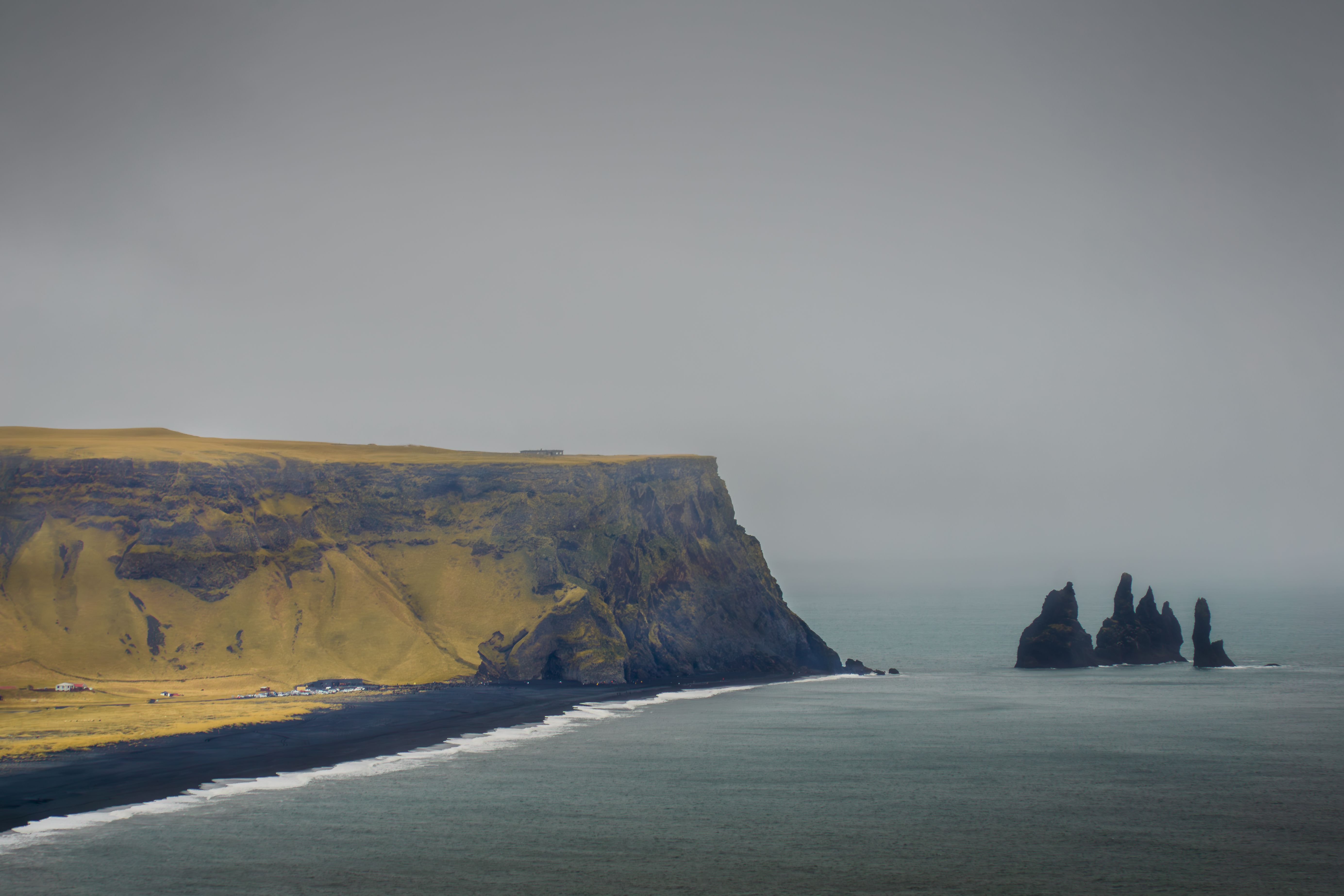
Iceland in Summer, the Midnight Sun and Puffins
Why the underrated season opens up white nights, seabird cliffs and the highlands
Iceland in Summer, the Midnight Sun and Puffins
Why the underrated season opens up white nights, seabird cliffs and the highlands
When do you want to go?
2026
I'm flexible
Passengers
Adults (18+)
Children (0 - 17)
Iceland in the season of no darkness
The midnight sun in Iceland does something strange to your sense of time. Around the summer solstice in late June the sun sinks towards the horizon near midnight, grazes it, and is climbing again within a couple of hours, so the sky over Reykjavik never goes properly dark. Winter gets most of the attention here, all aurora and ice caves, which leaves summer quietly underrated. Yet it is the only season that opens the whole country at once. The interior thaws and its roads reopen, the seabird cliffs fill up, and the days stretch past twenty hours. This is Iceland at its most alive, and its most misjudged.
The midnight sun, and nights that never arrive
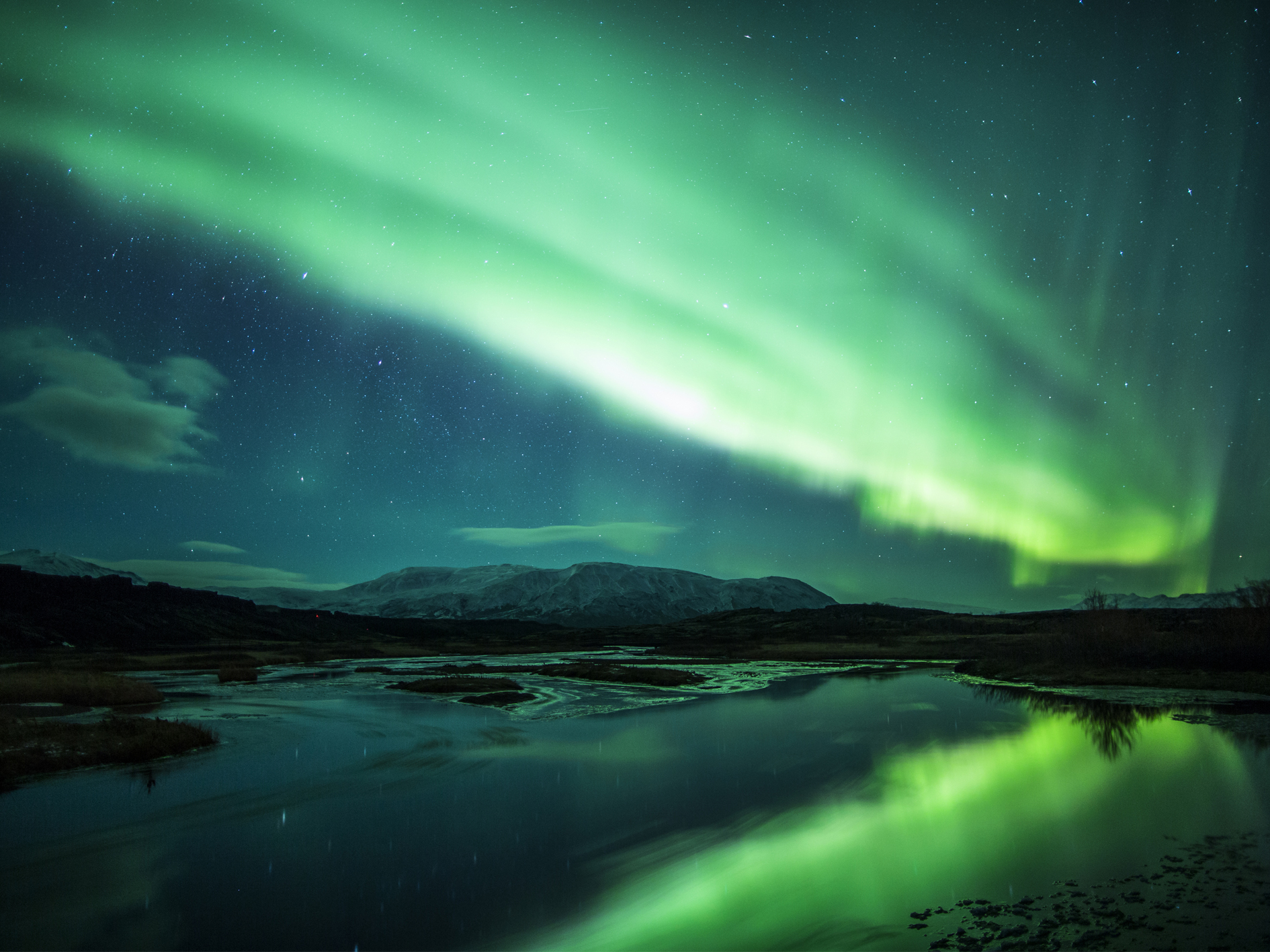
The midnight sun is the reason to come in summer, and the thing that most rearranges a trip. From roughly late May to late July there is no true darkness anywhere in Iceland. Around the June solstice, Reykjavik gets close to twenty-one hours of daylight, and the short stretch in between is not night but a long, low golden dusk that slides straight into dawn.
Go further north and the effect sharpens. In Akureyri the sun barely clears the horizon before rising again. On Grimsey, the small island forty kilometres offshore that sits right on the Arctic Circle, it does not set at all around the solstice. That is the only part of Iceland where the midnight sun is the real, technical thing rather than a very bright twilight. For contrast, the same island gets a few short hours of daylight at the winter solstice, which is what makes the summer swing feel so extreme.
What changes is not just the view but the clock. Waterfalls and coast roads that are busy at two in the afternoon empty out at eleven at night, when the light is at its lowest and softest and every ridge throws a long shadow. Golden hour is not an hour here but most of the evening. Hiking at midnight stops being a novelty and becomes the sensible plan. Icelanders lean into it. Reykjavik holds a Midnight Sun Run through the small hours, Akureyri stages a two-day golf tournament played around the clock, and Grimsey throws a solstice festival inside the Arctic Circle.
The honest catch is sleep. A hotel room at midnight can be as bright as noon, and the body takes a day or two to stop arguing with it. Pack an eye mask, keep the curtains drawn, and do not fight the urge to be out at odd hours. That is rather the point.
Puffins on the cliffs, from May to mid August
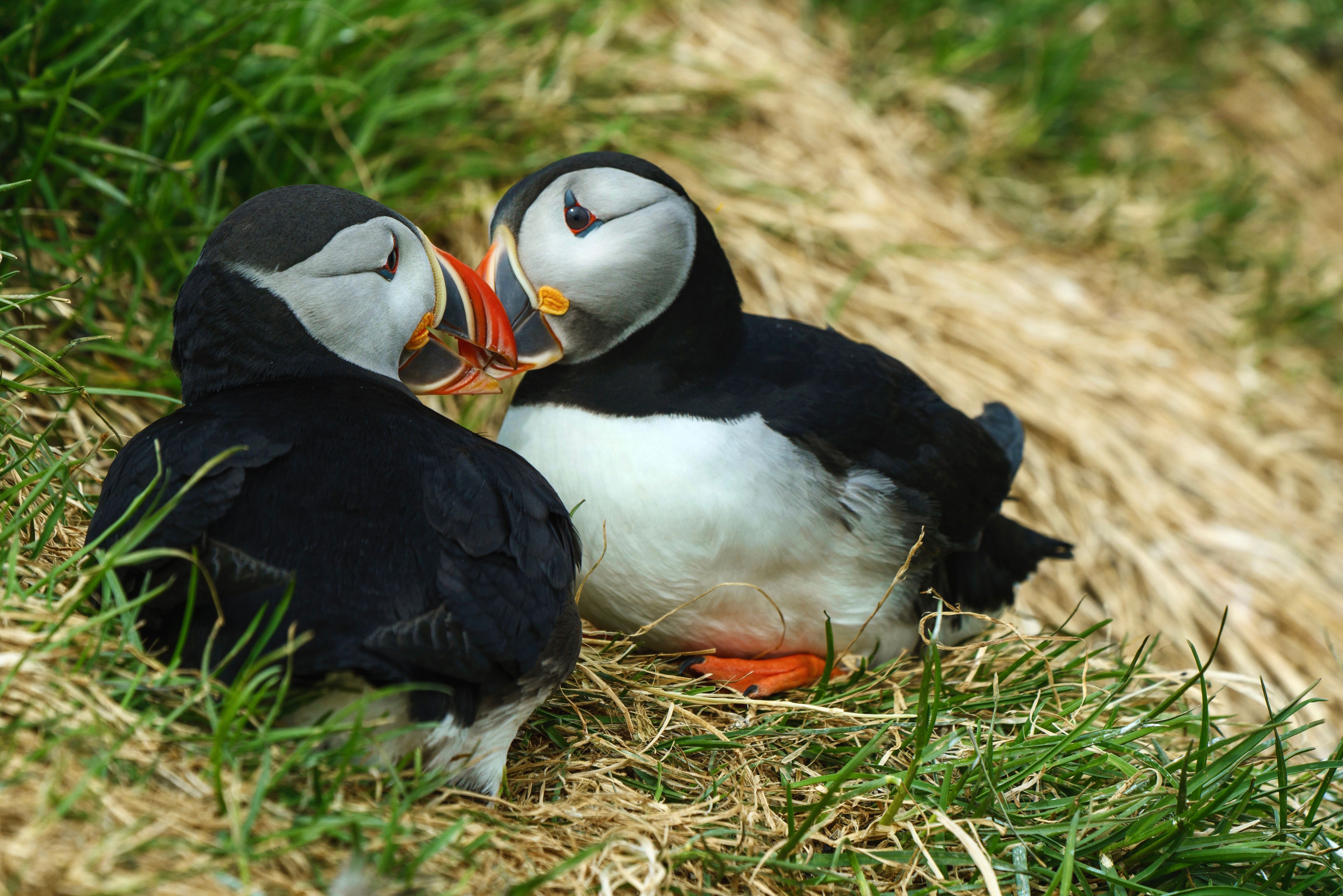
Iceland is the puffin capital of the world, and summer is the only time to prove it. Somewhere between eight and ten million Atlantic puffins breed here, roughly six in ten of the global population, and they come ashore only for the warm months. The first scouts arrive in mid April, the colonies fill through May, and by mid August the birds have gone back out to sea. Miss the window and you miss them entirely.
In June and July the adults are on land all day, ferrying beakfuls of sand eels to chicks tucked in cliff-top burrows. Icelanders call the bird lundi and the chick a pysja. Up close they are smaller than most people expect, about the size of a pigeon, and they whirr rather than glide, wings beating fast to stay in the air. Early morning and late evening are when the colonies are at their busiest.
Where you go depends on how far you will travel. The Westman Islands off the south coast hold the largest colony on earth, reached by a thirty-five minute ferry from Landeyjahofn. Borgarfjordur Eystri in the east has built boardwalks and hides at Hafnarholmi that put you within a few metres of nesting birds, with no cliff edge involved, which makes it the easiest close view in the country. Latrabjarg in the remote Westfjords is a fourteen kilometre wall of cliffs where the puffins are so used to people that you can sit almost within reach, though it is a long drive on gravel to get there.
Short on time and staying in the capital, boat tours from Reykjavik's old harbour run out to the puffin islands of Akurey and Lundey in about an hour. One note on timing. At Dyrholaey on the south coast, the upper area near the lighthouse closes to daytime traffic during nesting, usually from mid May to late June, opening only in the evenings so the birds are left in peace. The midnight sun makes those late visits no hardship at all.
The highlands open up, but only for a few months
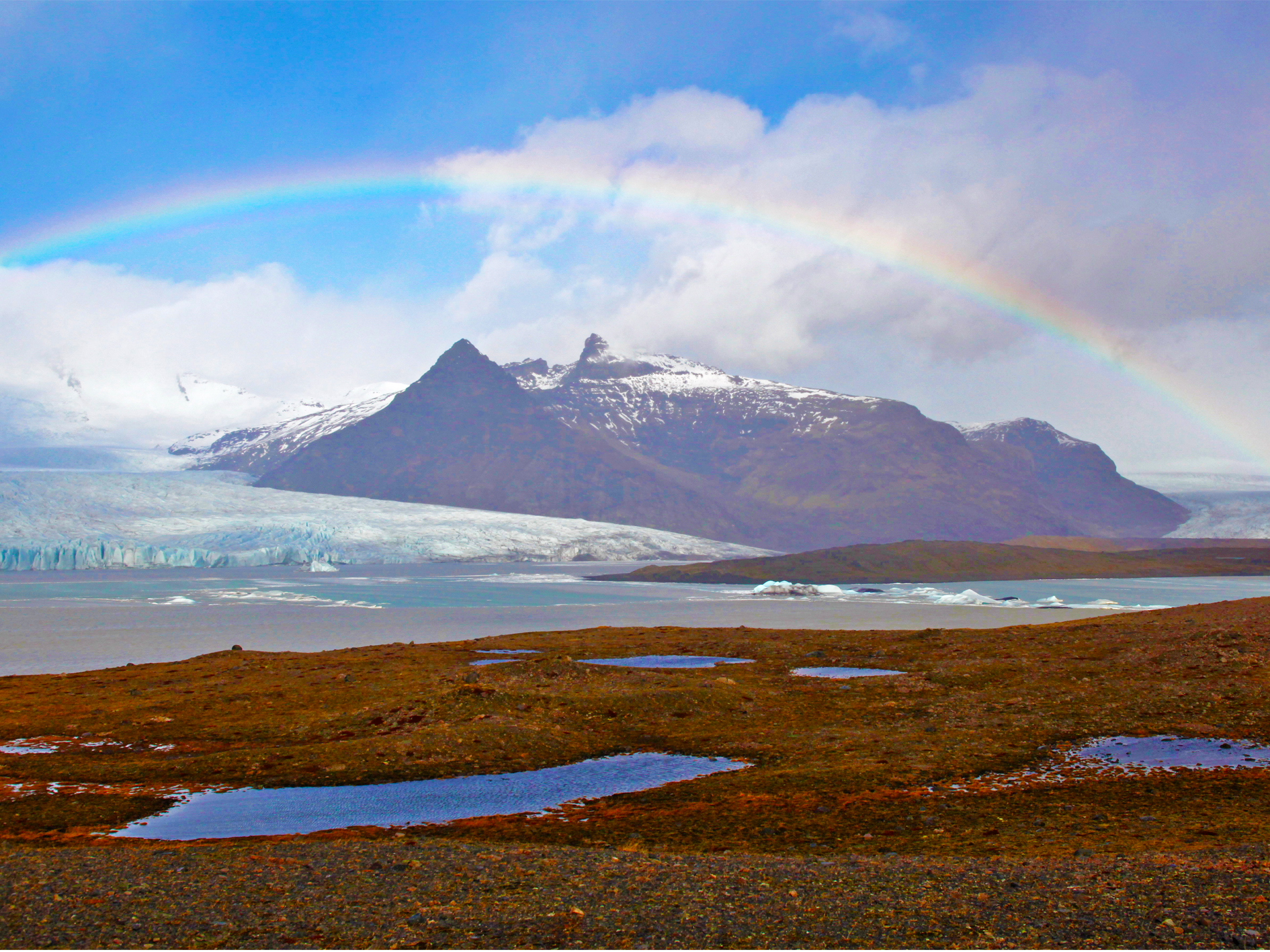
For most of the year the middle of Iceland is sealed off. The interior is a high desert of lava, ash and glacier with no towns and no through roads, and the gravel tracks that cross it, the F-roads, lie under snow from autumn to early summer. They usually open between mid June and early July, once the snow clears, and close again with the first serious snow in September or October. That short window is the only way in to some of the country's strangest country. Landmannalaugar is the draw, a valley of rhyolite mountains streaked orange, pink and green, with a natural hot spring to sink into at the end of a walk and the long Laugavegur trail starting from its edge. The huts here and along the trail book out months in advance, so a summer highland trip is one to plan early rather than on a whim.
Getting there is part of it. F-roads are gravel, rough and often crossed by rivers with no bridges, and Icelandic law requires a 4x4. A normal hire car is not allowed, and its insurance is void the moment it turns onto one. The northern approach to Landmannalaugar keeps the river crossings to a minimum. The southern one, and the route into the glacier-ringed valley of Thorsmork, involves fords deep enough that many people leave their own vehicle behind and take the highland bus instead.
This is genuine wilderness, so treat it that way. There is no fuel once you are inside, the phone signal drops out, and conditions turn fast, so check road.is before you set off and fill the tank in the last town. Driving off the marked track is illegal and scars the ground for decades.
Do it right and you reach the part of Iceland almost no winter visitor ever sees. Beyond Landmannalaugar the tracks run on to places like Askja, a flooded caldera far out in the northeast, and the long desert crossing of Sprengisandur between two icecaps. Empty, enormous, and lit until well past midnight.
The summer window is short, so plan ahead
Everything here runs to a tight calendar. Puffins, the midnight sun and the open highlands only overlap for a few weeks around midsummer, and summer is peak season, so ferries, highland huts and guided trips fill up months out. Group trips also take the driving, river crossings and timing off your plate, which suits the highlands in particular. Whatever shape your trip takes, secure the summer dates early.

Frequently asked questions
When can you see the midnight sun in Iceland?
The midnight sun in Iceland runs from roughly late May to late July, peaking around the summer solstice on 21 June. Around then there is no true darkness anywhere in the country, and in Reykjavik the sun sets only just after midnight and rises again within a few hours. The effect is strongest in the north, where the sun barely sets at all.
Is summer a good time to visit Iceland?
Yes. Summer is the only season when the whole country is accessible at once, since the midnight sun, nesting puffins and the highland roads are all summer-only. Mild weather and open roads make travel easier than in winter. The trade-off is that it is peak season, so it is the busiest and most expensive time to come, and accommodation books up early.
When is the best time to see puffins in Iceland?
June and July are the peak months, when adult puffins are ashore all day tending their burrows. The birds arrive from mid April, and by mid August most have left for the open sea. Reliable colonies include the Westman Islands, Borgarfjordur Eystri in the east and the Latrabjarg cliffs in the Westfjords.
When do Iceland's highland F-roads open?
The F-roads into the highlands usually open between mid June and early July, once the winter snow has melted, and close again with the first heavy snow in September or October. They are gravel mountain tracks, often with unbridged river crossings, and Icelandic law requires a 4x4 vehicle. Check road.is for live opening dates and conditions before setting off.