
On The Go Tours
Our agents are waiting to chat to you...
Are you a Travel Agent or Customer?
Do you have an booking reference?
Best Time to Visit Mexico
When to travel for dry ruins and beaches, monarch butterflies, whale sharks and the Day of the Dead
Best Time to Visit Mexico
When to travel for dry ruins and beaches, monarch butterflies, whale sharks and the Day of the Dead
When do you want to go?
2026
I'm flexible
Passengers
Adults (18+)
Children (0 - 17)
When to visit Mexico
The best time to visit Mexico is the dry season, roughly November to April, when warm sun and low humidity settle over most of the country and the beaches, ruins and colonial cities are all at their easiest. This is peak season, busiest and priciest from December to March. The rainy season, from May to October, is greener and far cheaper, with storms that tend to build in the afternoon rather than wash out the day, though it overlaps the June to November hurricane season on both coasts. Mexico is big enough to sidestep the rules, though. The high central plateau around Mexico City stays mild all year, the monarch butterflies arrive for winter, and the Day of the Dead falls at the start of November. Trips here run from 10 to 20 days, so a route can follow the weather and the season you travel for.
Mexico's seasons and regions
Mexico
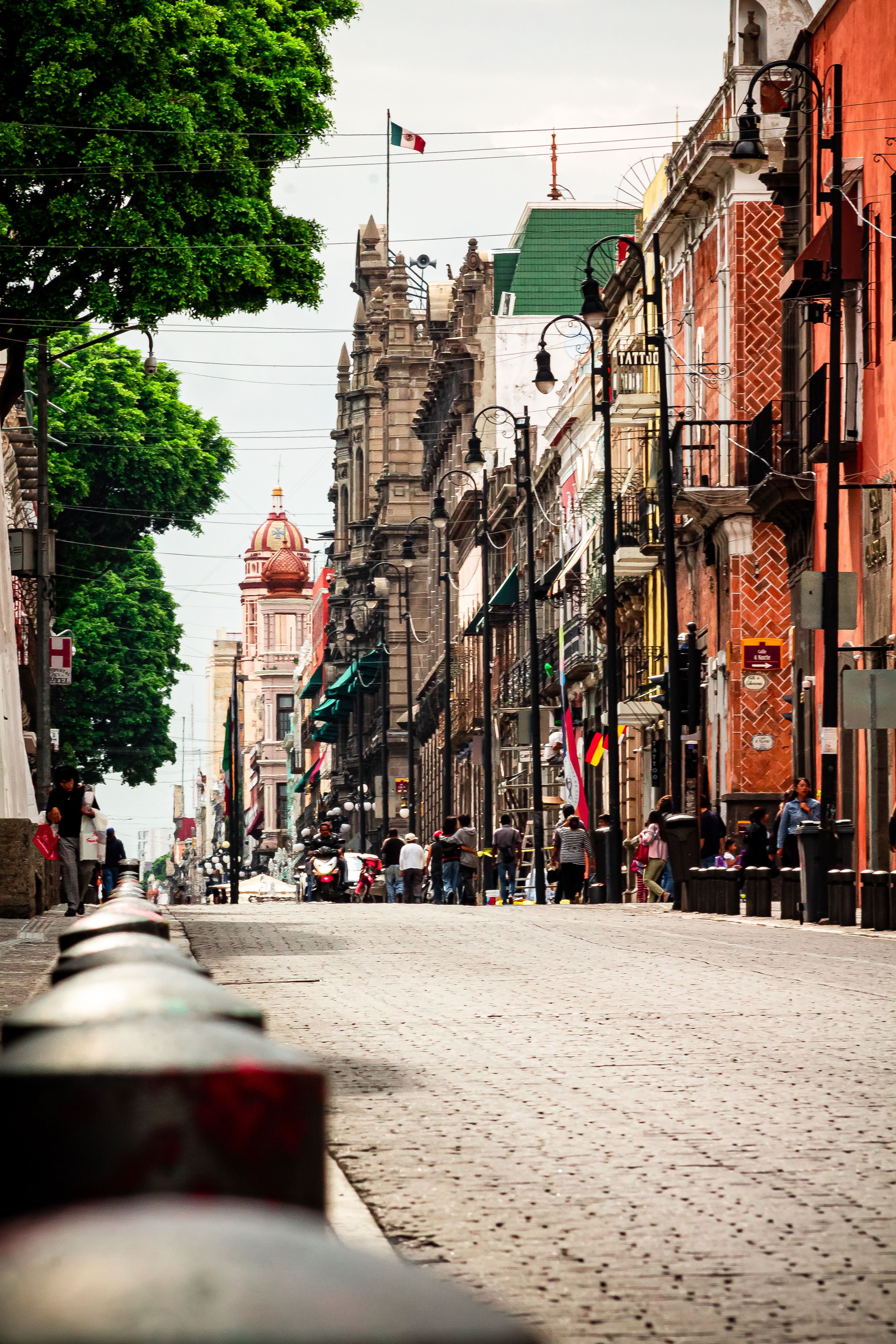
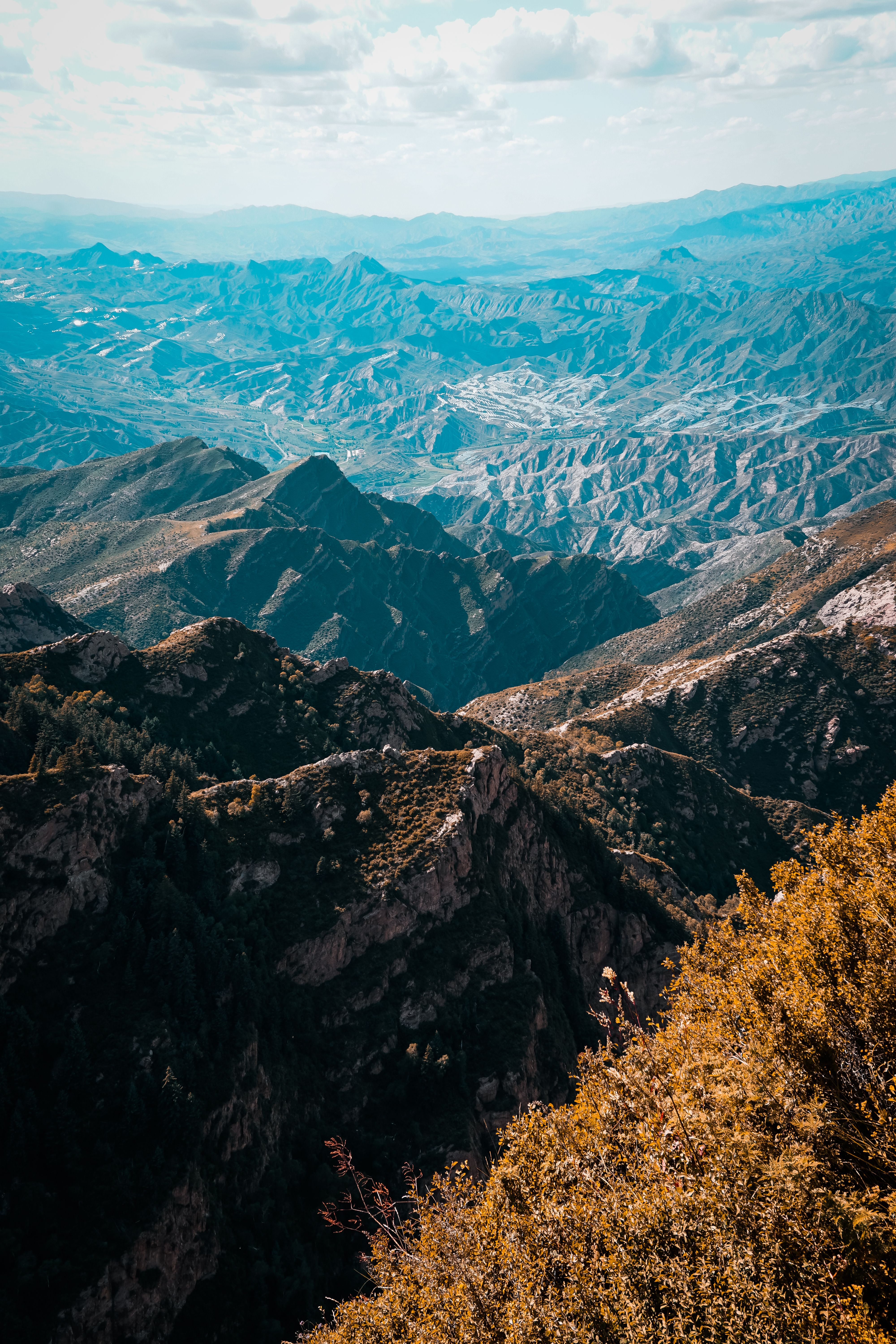
Mexico runs on two seasons, dry and wet, but altitude matters as much as the calendar. The central highlands sit high, with Mexico City more than 2,200 metres up, so days there are mild at around 22C to 25C and nights can turn cold even in the dry months. Down on the Yucatan and the Riviera Maya it stays hot and humid year round, often 28C to 32C, with the sea breeze taking the edge off along the coast. The dry season, November to April, is the reliable window almost everywhere. The wet season, May to October, brings daily afternoon downpours to the south and overlaps the hurricane season, which peaks between August and October on the Caribbean and Pacific alike. One coastal quirk worth planning around is sargassum, the brown seaweed that washes onto Caribbean beaches from about May to October and is at its heaviest in high summer. In winter those same beaches are usually at their clearest.
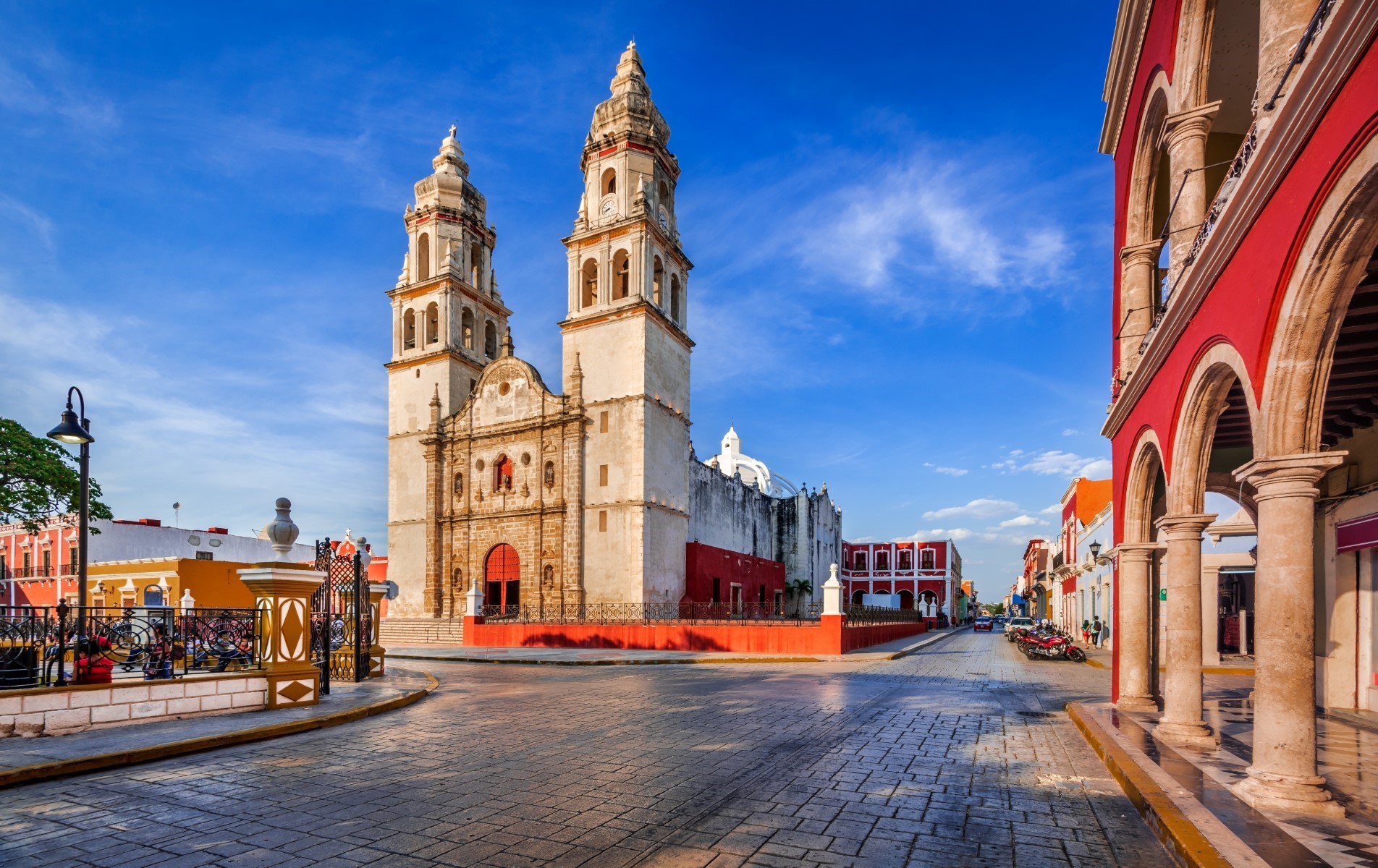
The dry season enhances the 13-day Mexico Capital to Coast trip. You can travel easily from inland heritage sites down to the Yucatan Peninsula, enjoying warm sunshine for outdoor excursions and beach days alike.
Best time for wildlife and natural wonders
Mexico
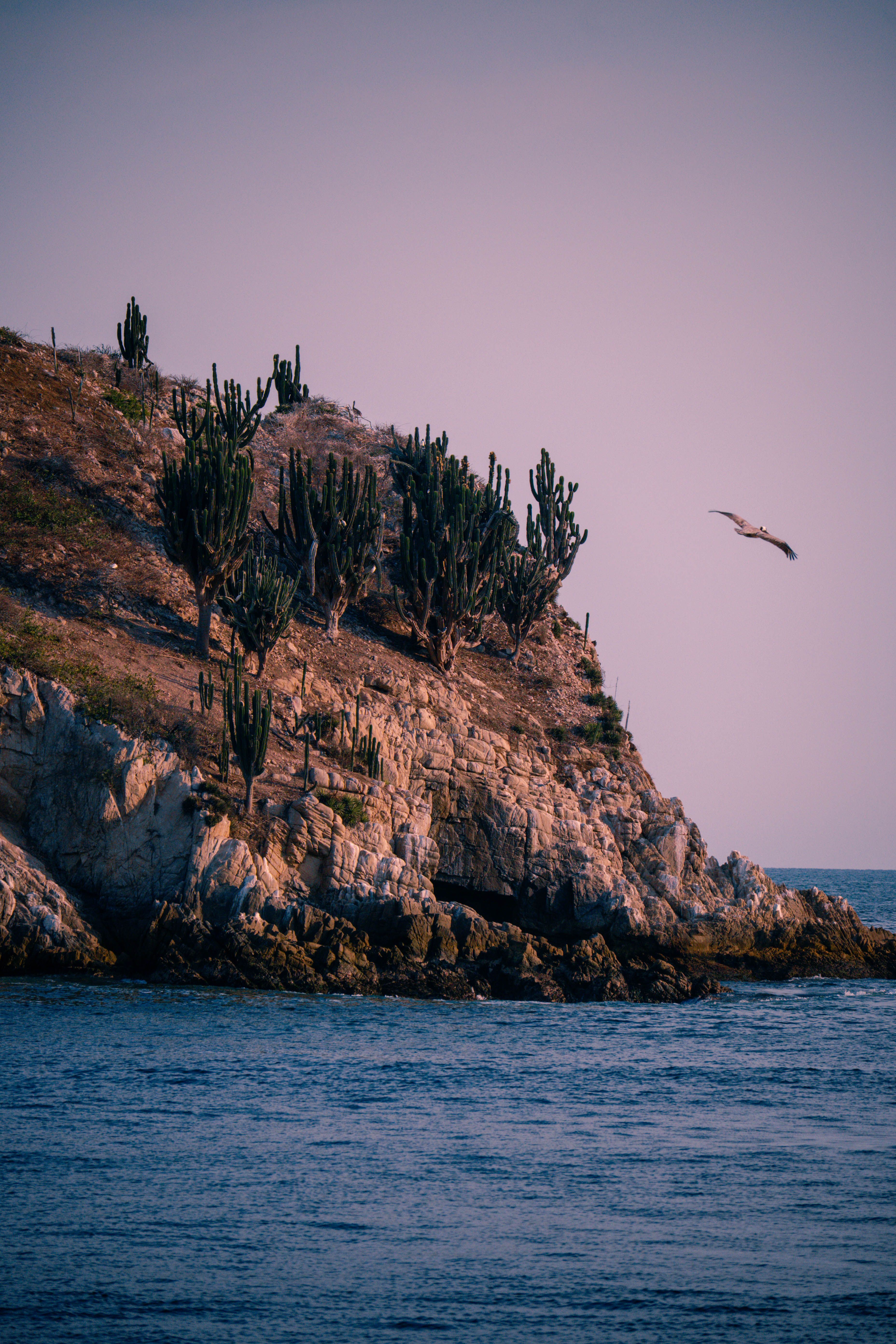
Some of Mexico's finest sights keep their own timetable. From November to March, tens of millions of monarch butterflies blanket the fir forests of Michoacan after flying down from Canada, thickening the branches until they bend, with the calmest viewing weather from December to February. Off the Caribbean, whale sharks, the largest fish in the sea, gather near Isla Holbox and Isla Mujeres from about May to September, when you can snorkel alongside them in the warm water. Over on the Pacific side, gray whales come into the sheltered lagoons of Baja California to calve between December and April. And wherever you are in the Yucatan, the cenotes, the flooded limestone sinkholes threaded through the jungle, stay cool and swimmable all year. The 14 day Magic Mexico Adventure includes Isla Holbox on its route along the Caribbean coast.
Plan your trip around these seasonal events with our range of travel experiences. You can combine coastal stops with cultural landmarks on curated itineraries like the 14-day Magic Mexico Adventure, which visits Isla Holbox, or the 12-day Mayan Wonders and Mexican Treasures Tour.
Dry season, the Yucatan and the ruins
Mexico
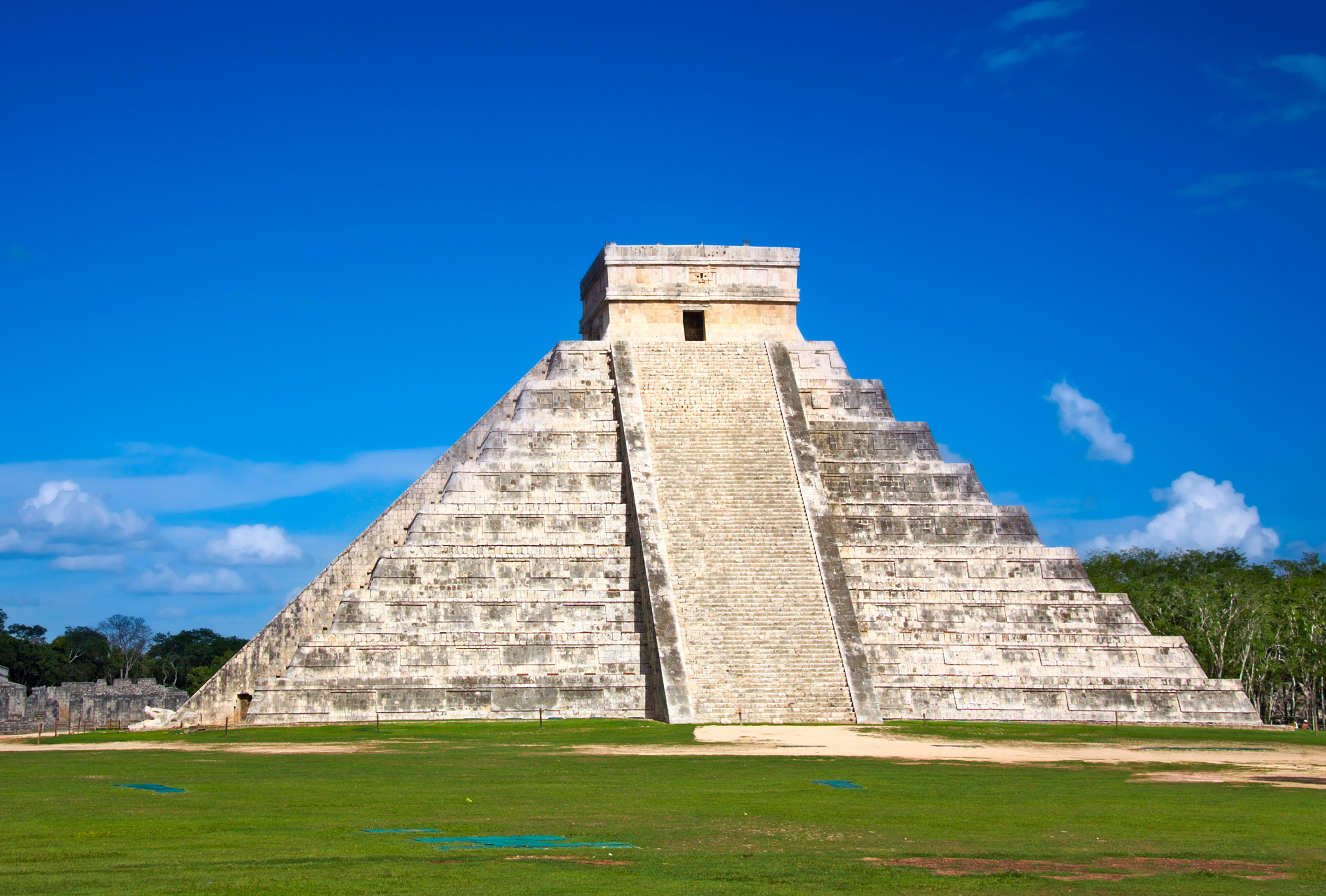
Winter is the classic season for Mexico's ruins and beaches. From November to April the Yucatan dries out, the humidity drops, and the Caribbean sand is usually free of sargassum, which makes winter the best time to visit Mexico for the coast and the great Maya sites. Early mornings at Chichen Itza bring clear light on the El Castillo pyramid before the heat and the crowds arrive. Around the spring equinox on 21 March, the late afternoon sun throws a rippling shadow down the pyramid's staircase that looks like a serpent descending, and the site fills to watch it. Further south in Chiapas, the jungle temples of Palenque are far drier and easier underfoot from December to February.
The 12 day Mayan Wonders and Mexican Treasures Tour visits both Palenque and Chichen Itza, and the 13 day Mexico Capital to Coast runs from the highlands down to the Yucatan.
Green season, fewer crowds and better value
Mexico
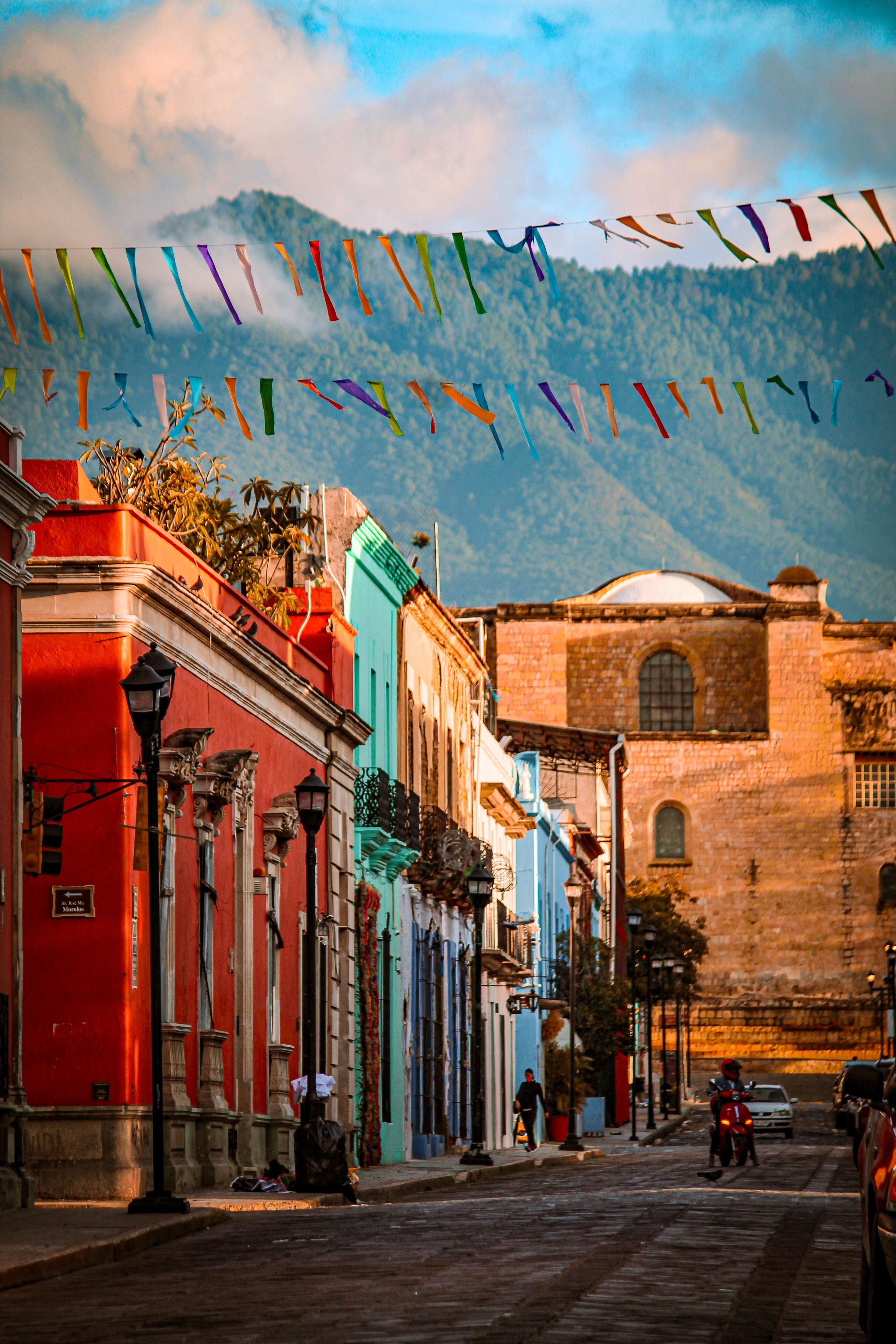
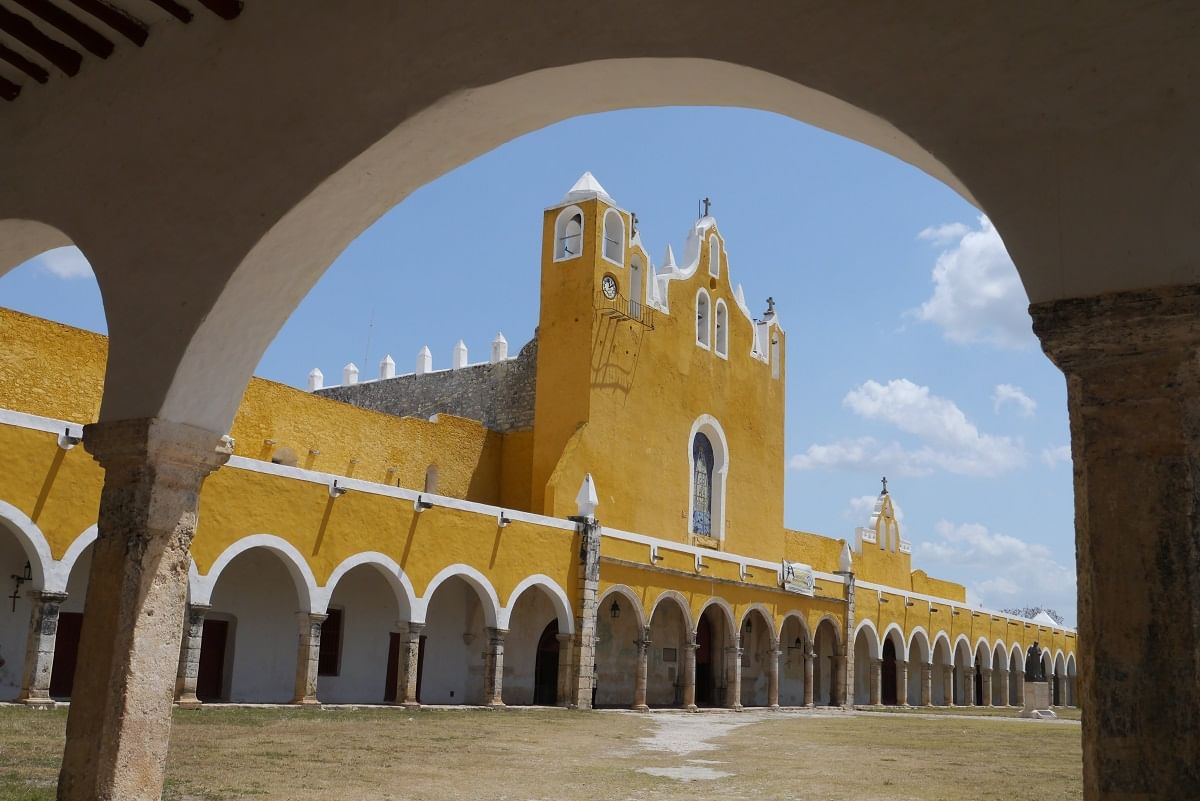
There is a real case for the rains. From May to October room rates drop, the ruins empty out, and the highlands and Oaxaca turn green under skies that usually clear by morning. Rain mostly arrives as a heavy afternoon burst and then moves on, leaving the evenings free. The trade off on the coast is the hurricane risk and the summer sargassum, so this season suits an inland and cultural trip better than a Caribbean beach holiday. Spring, from March to May, is the warm and mostly dry shoulder, when the jacaranda trees turn whole streets of Mexico City lilac.
The 12 day Mexico Oaxaca Merida Cultural Exploration works well in these quieter months, and the 10 day Essential Mexico Adventure pairs the highlands with the coast.
Festivals worth timing a trip around
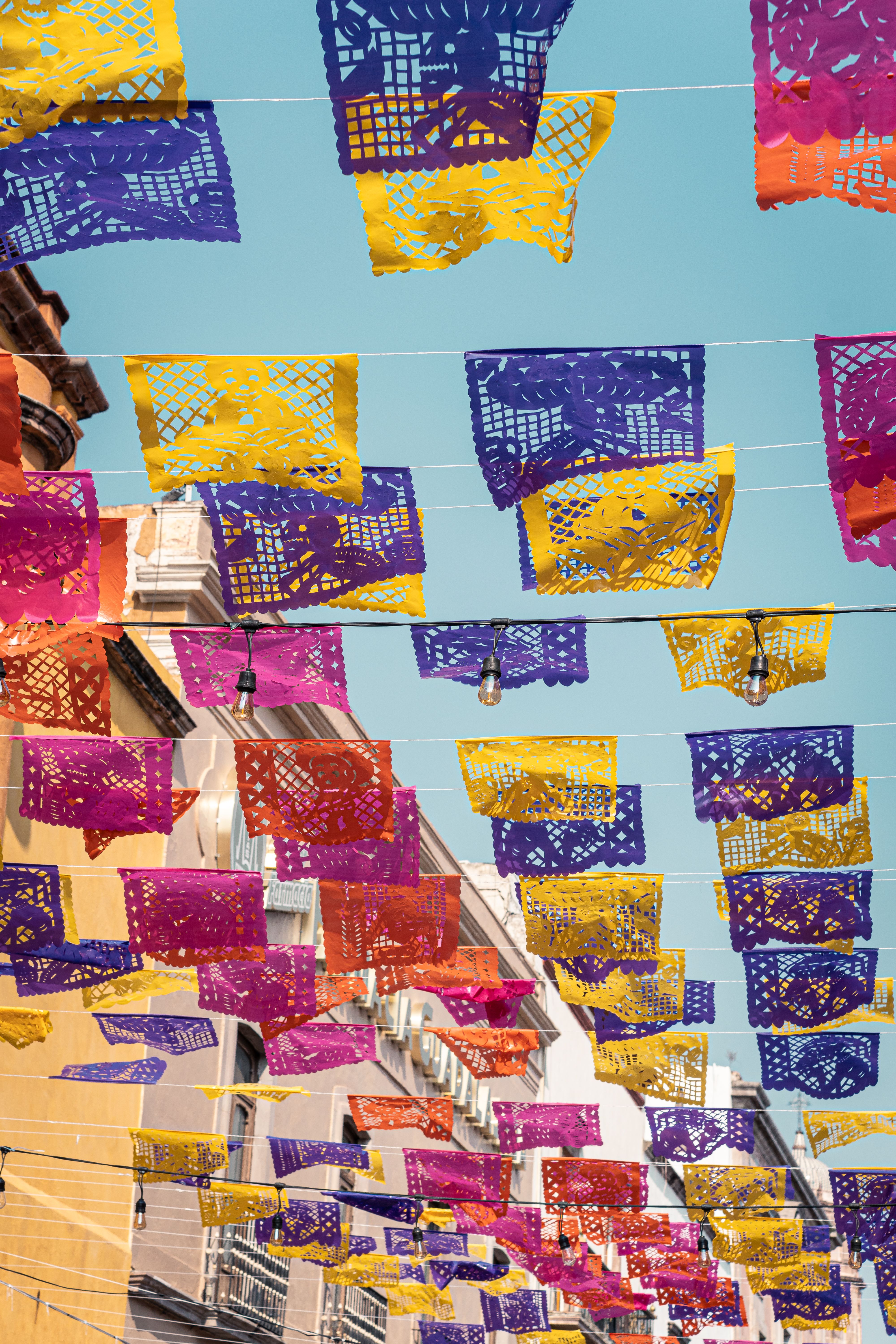
Festival in Mexico
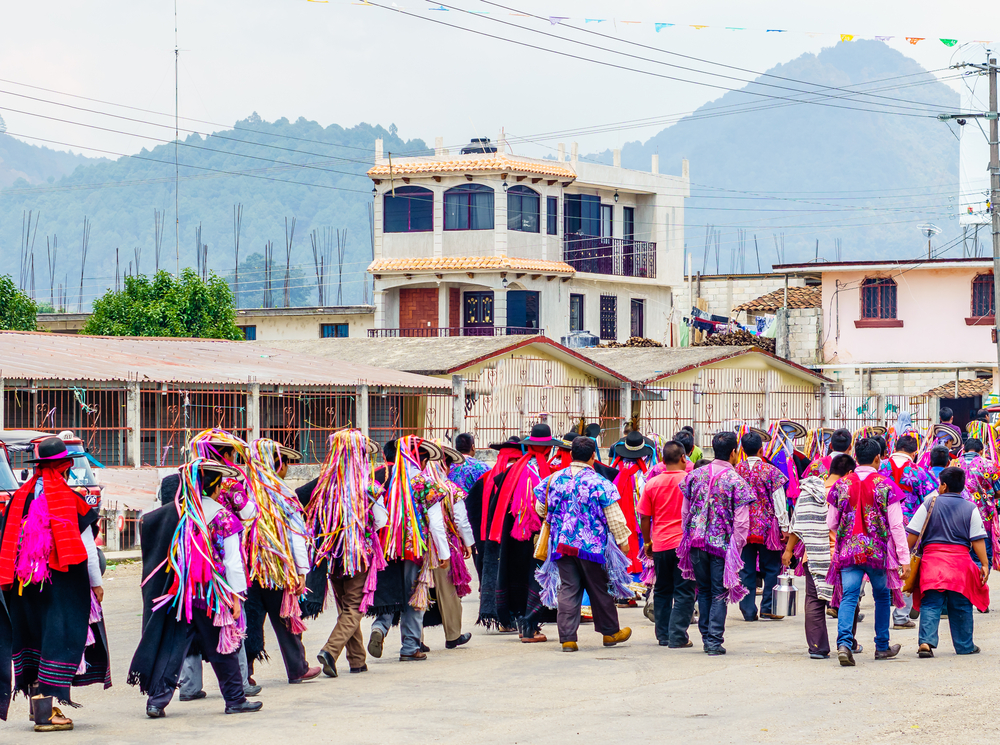
Mexico's festivals are among the strongest reasons to pick a date. The Day of the Dead, on 1 and 2 November, is the great one, when families build marigold-strewn altars and gather in the cemeteries overnight, above all in Oaxaca and around Patzcuaro in Michoacan, while Mexico City stages a huge parade. In July, Oaxaca fills for the Guelaguetza, a gathering of dance and dress from across the state's Indigenous communities. Independence Day brings the Grito on the night of 15 September, with fireworks and crowds in every town square. And through December the Posadas re-enact the search for shelter in the run up to Christmas.
The 12 day Mexico Oaxaca Merida Cultural Exploration and the 12 day Mayan Wonders and Mexican Treasures Tour both pass through the cities where these are easiest to catch.
Mexico tours by season
Trips run from 10 to 20 days across the highlands, the Maya ruins and both coasts, so the route can follow the dry season sun or the quieter green season depending on when you travel.

Frequently asked questions
What is the rainy season in Mexico?
The rainy season runs from May to October, bringing daily afternoon downpours to the south and the coasts, though mornings often stay dry. It overlaps the June to November hurricane season, which peaks between August and October. Inland highland cities like Mexico City and Oaxaca still see plenty of dry morning hours.
When is the best time to see monarch butterflies in Mexico?
The monarchs overwinter in the fir forests of Michoacan from November to March, with the best viewing weather from December to February. Millions cluster on the trees, and warm still days are when they take to the air in the greatest numbers.
When can you swim with whale sharks in Mexico?
Whale sharks gather off the Caribbean coast near Isla Holbox and Isla Mujeres from about May to September, with July and August the peak. Boat trips run out to snorkel alongside them in the warm summer water.
What is sargassum and when does it affect Mexico's beaches?
Sargassum is a brown seaweed that drifts onto the Caribbean beaches of the Riviera Maya from around May to October, at its heaviest in high summer. The winter dry season, November to April, is usually when the coast is at its clearest.
How many days do you need in Mexico?
Around 10 days covers Mexico City, a Maya site or two and a stretch of the Yucatan coast, while two weeks allows time to add Oaxaca or Chiapas. Trips here range from 10 to 20 days, so the length can match how many regions you want to reach.