
On The Go Tours
Our agents are waiting to chat to you...
Are you a Travel Agent or Customer?
Do you have an booking reference?
Best Time to Visit Sri Lanka
When to travel for dry coasts, cool hill country, wildlife and island festivals
Best Time to Visit Sri Lanka
When to travel for dry coasts, cool hill country, wildlife and island festivals
When do you want to go?
2026
I'm flexible
Passengers
Adults (18+)
Children (0 - 17)
When to visit Sri Lanka
The best time to visit Sri Lanka depends on which coast you are heading for, because the island runs two monsoons that reach opposite sides at opposite times of year. For the south, west and central highlands, December to April brings the most reliable dry weather. For the north and east, May to September is the settled window. January, March and April are the busiest travel months across the island, when conditions line up well for climbing Sigiriya, spending time in Kandy and watching elephants at Udawalawe. Travelling in a shoulder month such as April or September makes it easier to combine both coasts in a single trip, since the weather is in transition rather than locked to one side.
Timing Your Trip to Sri Lanka
Sri Lanka is a year-round destination, but the ideal time depends on where you're headed. The island is shaped by two monsoons rather than four seasons: the west and south coasts and hill country are at their best from December to March, while the east coast comes into its own from May to September. Temperatures stay warm across the lowlands all year, typically 26°C to 33°C, so choosing your timing is really about chasing the sunshine to the right coast.
Spring
March to May
These are among the hottest, most humid months, though the southwest coast and hill country stay pleasant before the southwest (Yala) monsoon arrives in May.
Summer
June to August
The Yala monsoon brings rain to the southwest, while the east coast around Trincomalee stays dry and sunny, ideal for beaches and diving.
Autumn
September to November
October and November bring inter-monsoonal rains and occasional thunderstorms across much of the island, before the northeast (Maha) monsoon settles over the north and east.
Winter
December to February
This is peak season, with warm, dry weather along the west and south coasts, perfect for beaches, wildlife safaris and cultural sightseeing.
Sri Lanka weather patterns by region
Sri Lanka
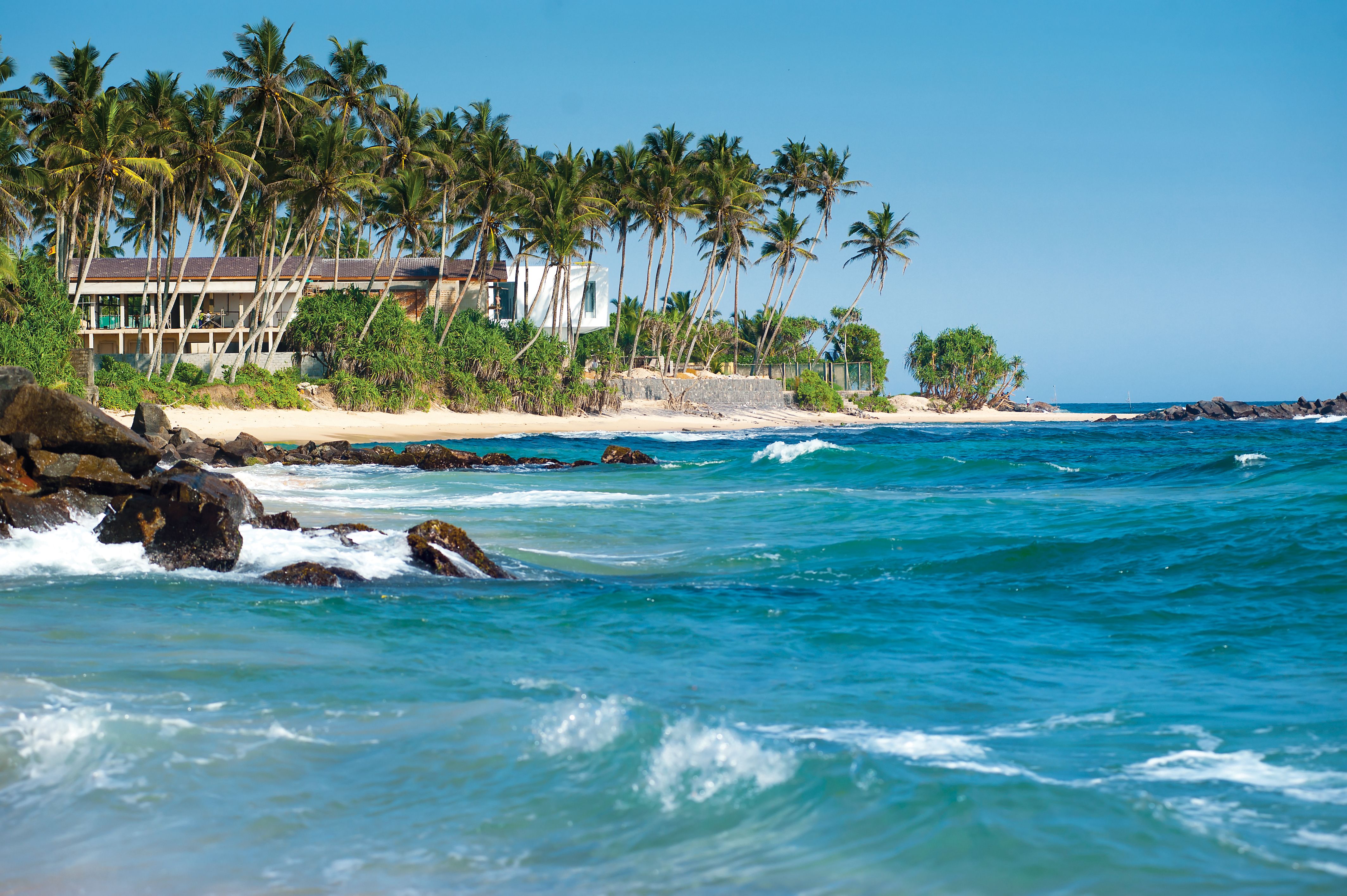
Sri Lanka sits in the path of two monsoons that behave almost as mirror images. The Yala monsoon brings rain to the southwest coast and central hills from May to September. The Maha monsoon turns to the northeast between October and January. Because the wet weather is regional rather than national, one side of the island is usually dry while the other is not, which is why you can travel here in almost any month if you choose the coast to match. As a rough guide, the northeast around Trincomalee and Jaffna is driest from May to September, the southwest around Colombo and Galle from December to March, and the central highlands around Kandy and Nuwara Eliya from January to April. Coastal temperatures sit in the high 20s to low 30s Celsius for most of the year, while the hill country stays cooler, often between 15C and 25C.
Month by month guide to Sri Lanka weather
Sri Lanka
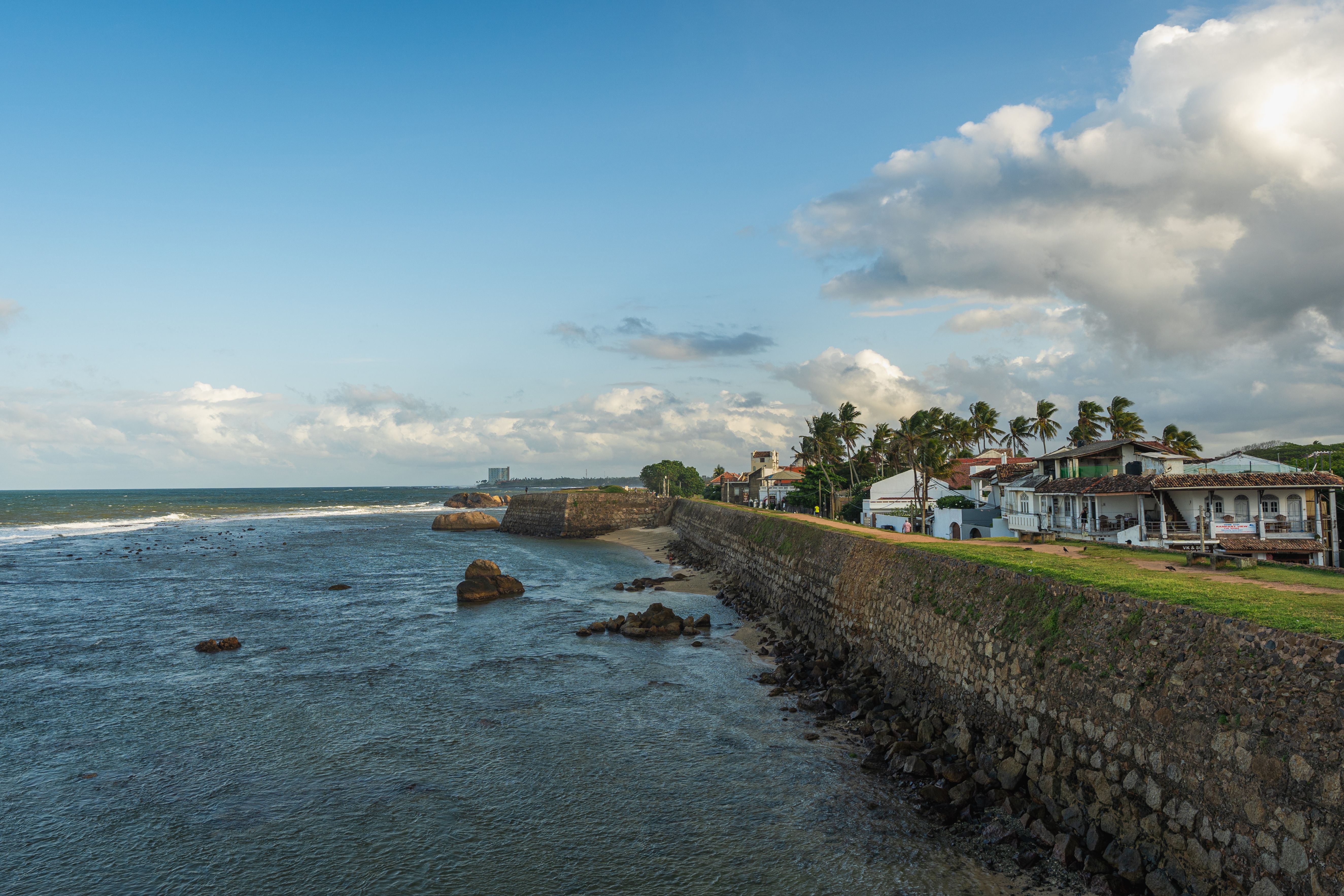
January to March is the clearest stretch on the west and south coasts and across the cultural triangle, and the easiest time to combine Sigiriya, Anuradhapura and Polonnaruwa with wildlife in the southern parks. April is a warm, bright transition month nationwide, with temperatures peaking on the central plains before the southwest turns wet. May to August sees the Yala monsoon settle over the south and west, while the north and east stay dry and reliable for beaches and sightseeing around Trincomalee. September and October are inter-monsoonal, with short, unpredictable showers possible almost anywhere and high humidity. November and December bring the Maha monsoon to the northeast, and by late December the southern towns of Galle and Bentota dry out as the west coast season begins again.
Best time for wildlife safaris and national parks
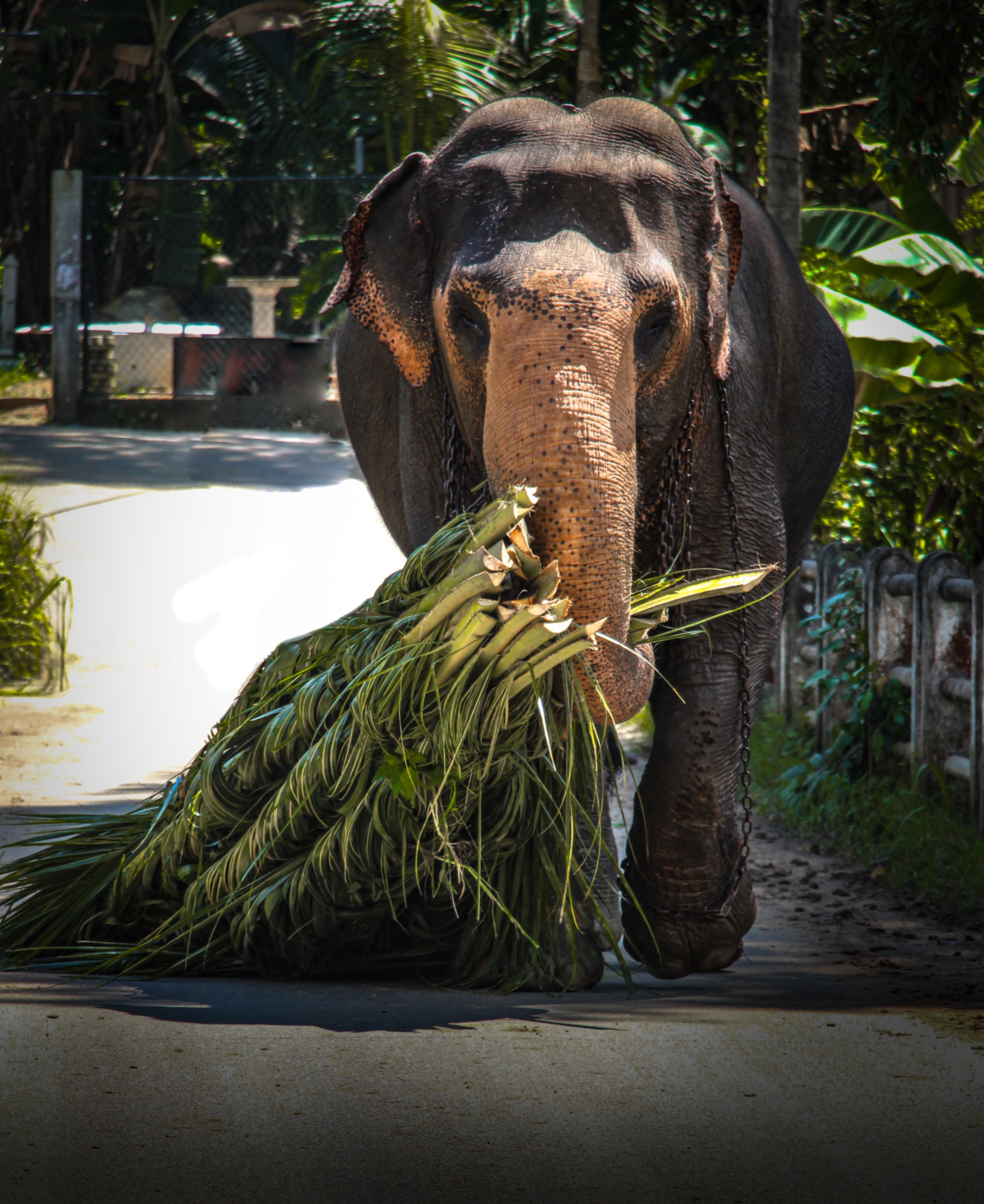
Elephants in Sri Lanka
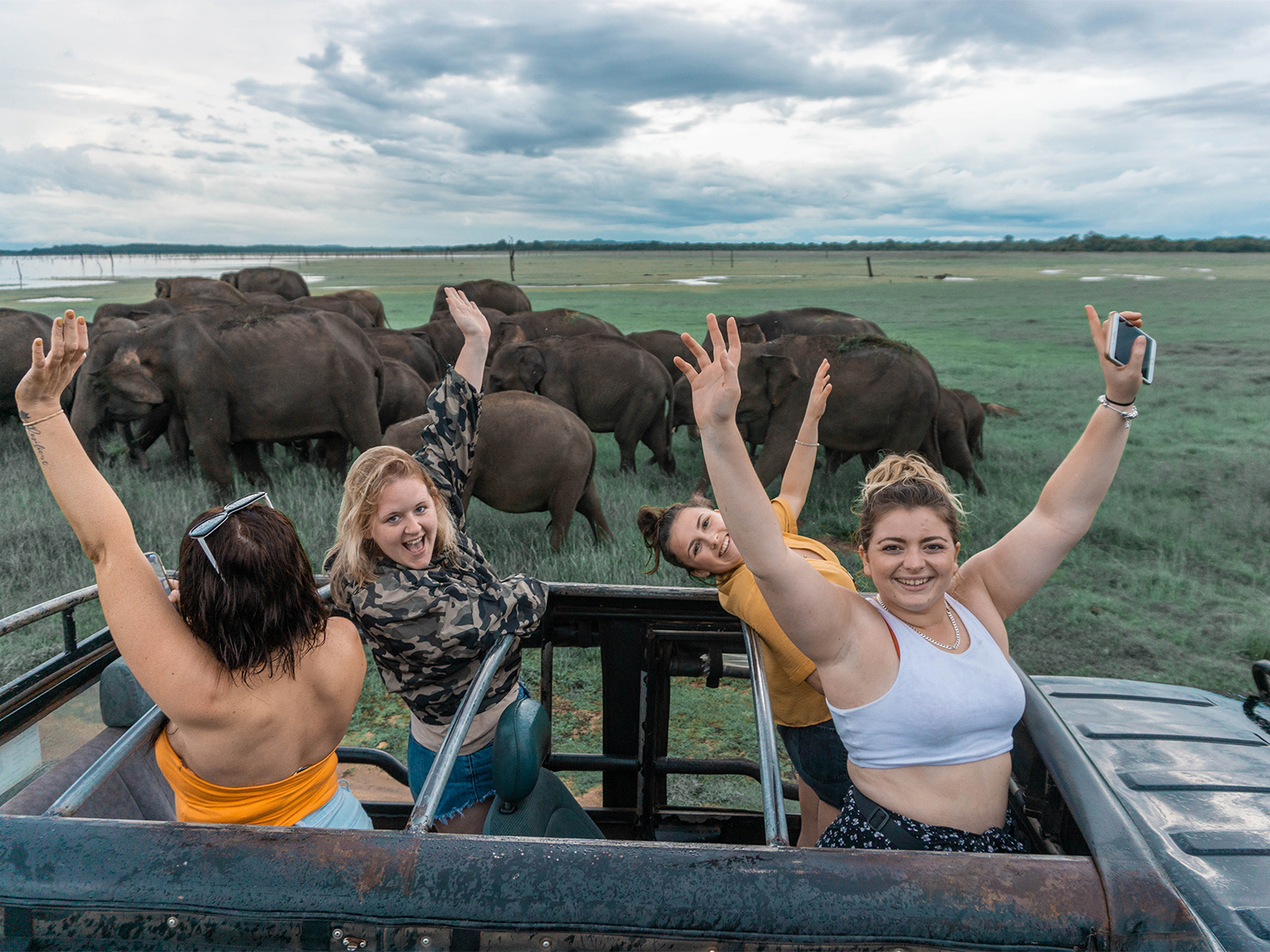
Game viewing in Sri Lanka follows the dry weather. As water levels drop between February and September, leopards, elephants and sloth bears gather around the shrinking waterholes of the southern parks, which makes this the strongest window for jeep safaris at Yala and Udawalawe. Yala's most visited zone, Block One, usually closes for maintenance from early September to mid October, so late summer trips tend to favour Udawalawe or the quieter blocks. March and April line up dry conditions with the busier travel season, a good pairing if you want reliable sightings without travelling in the wet months. Off the coast, the season flips with the monsoon. Blue and sperm whales pass Mirissa on the south coast from November to April, and Trincomalee on the east coast from May to September.
Best time to explore the central highlands
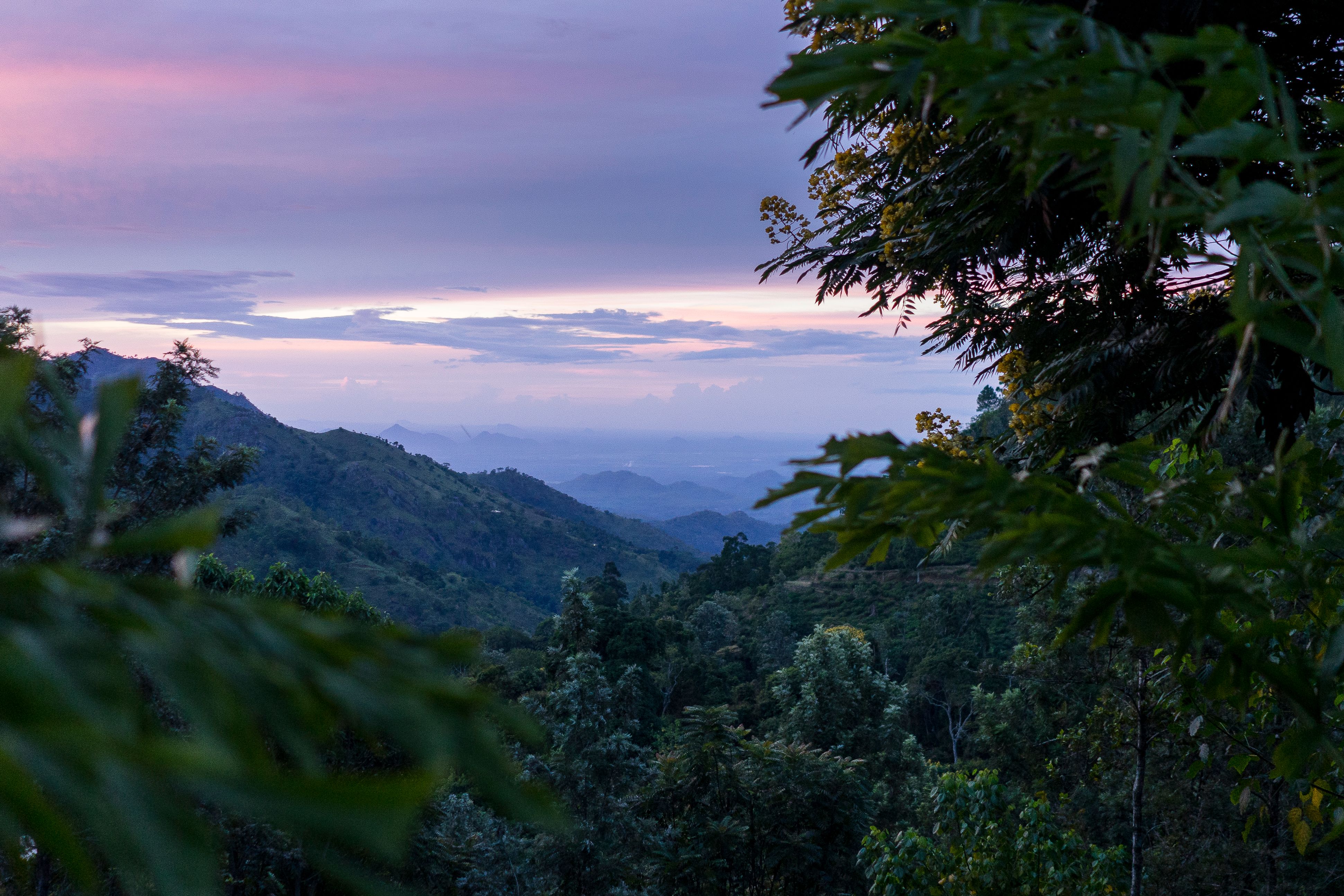
Central Highlands
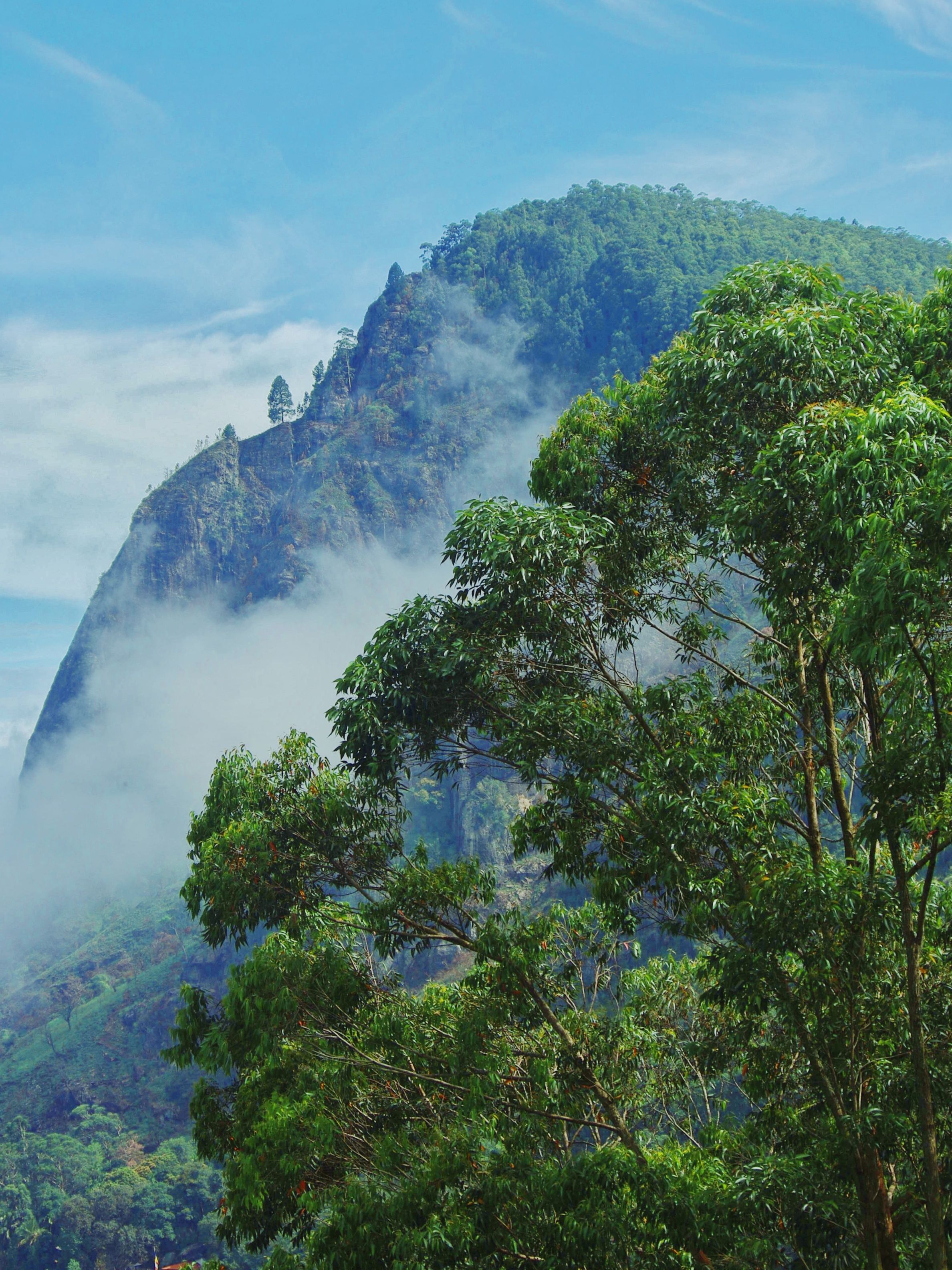
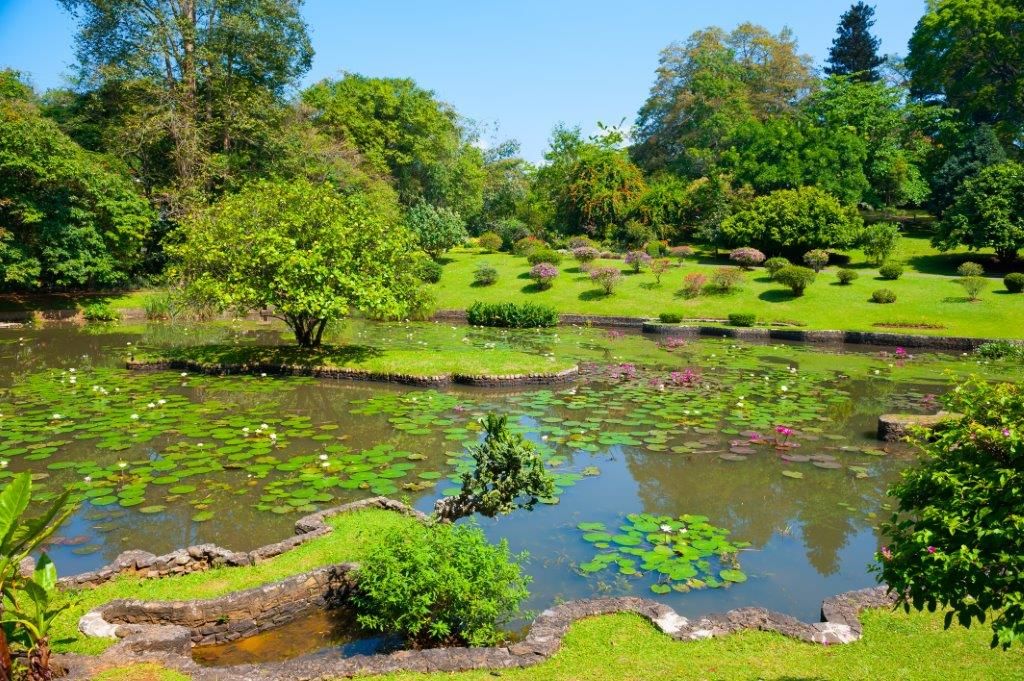
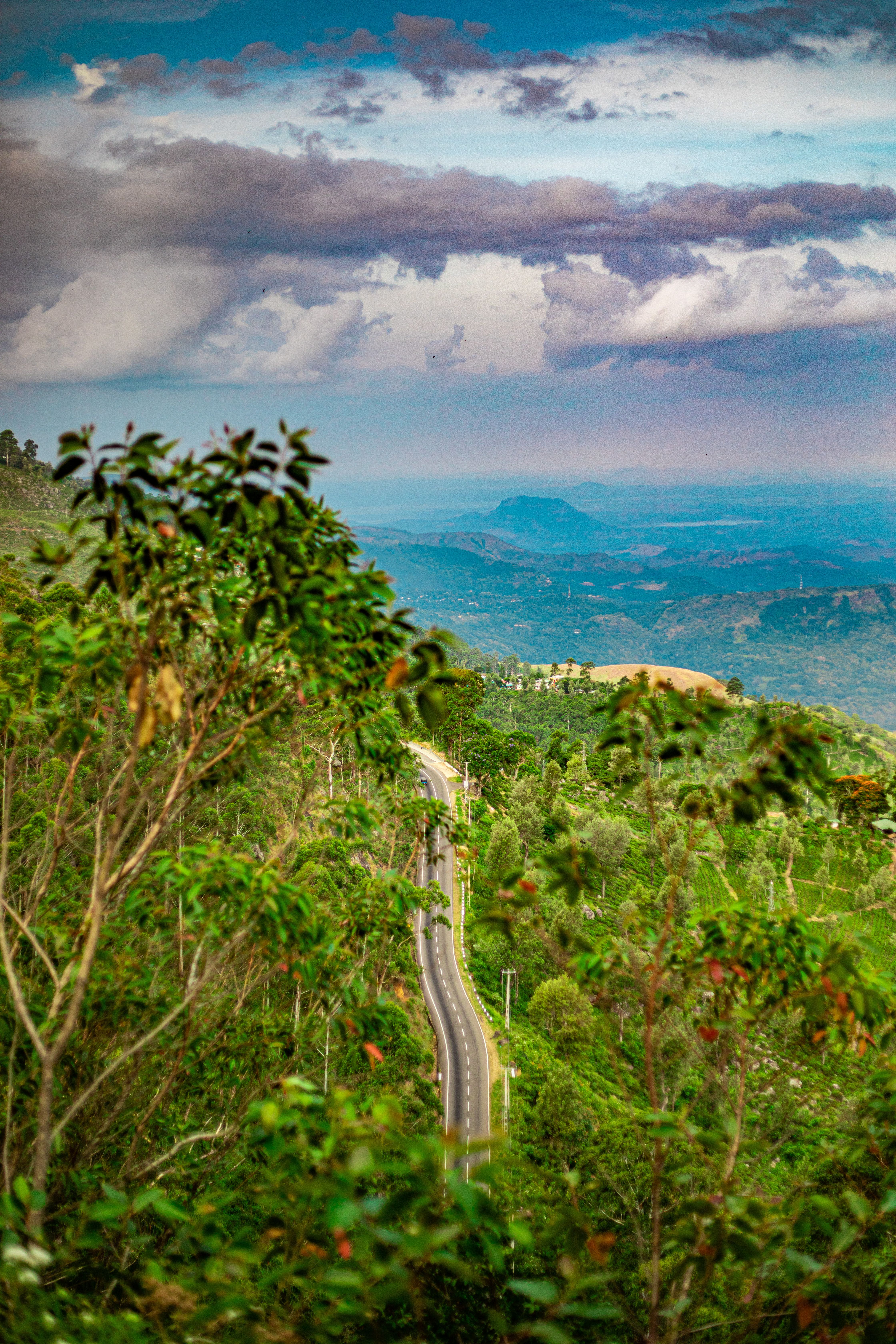
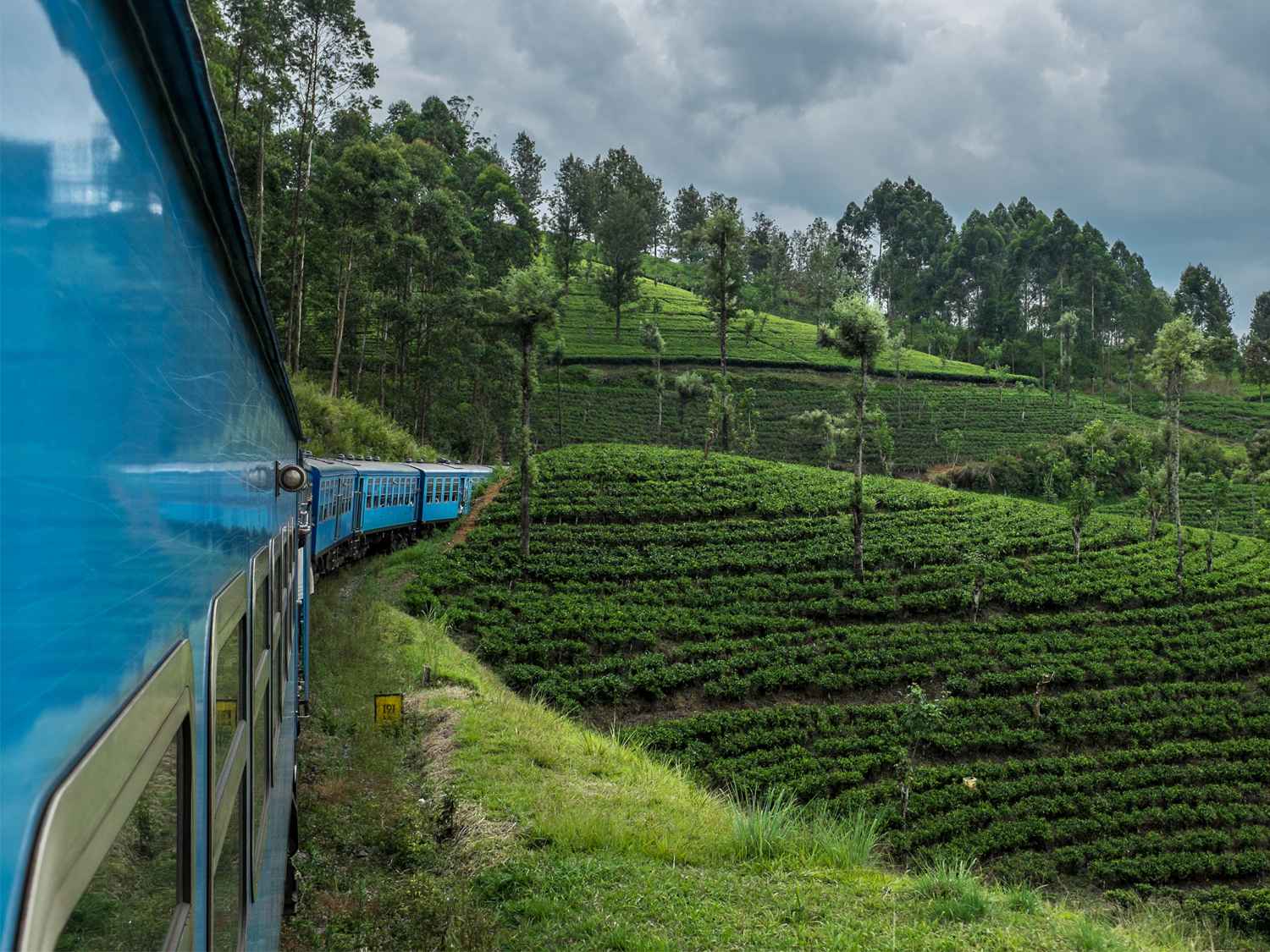
The best time to visit Sri Lanka's central highlands falls between December and April, when clear skies and mild days settle over the hill country of Kandy, Ella and Nuwara Eliya. Low rainfall keeps the views open along the scenic railway between Kandy and Ella, and makes walking through the tea estates and the botanical gardens at Peradeniya far more pleasant. Nights are cool at altitude, so a warm layer is worth packing even in the dry season.
Sri Lanka festivals worth planning around
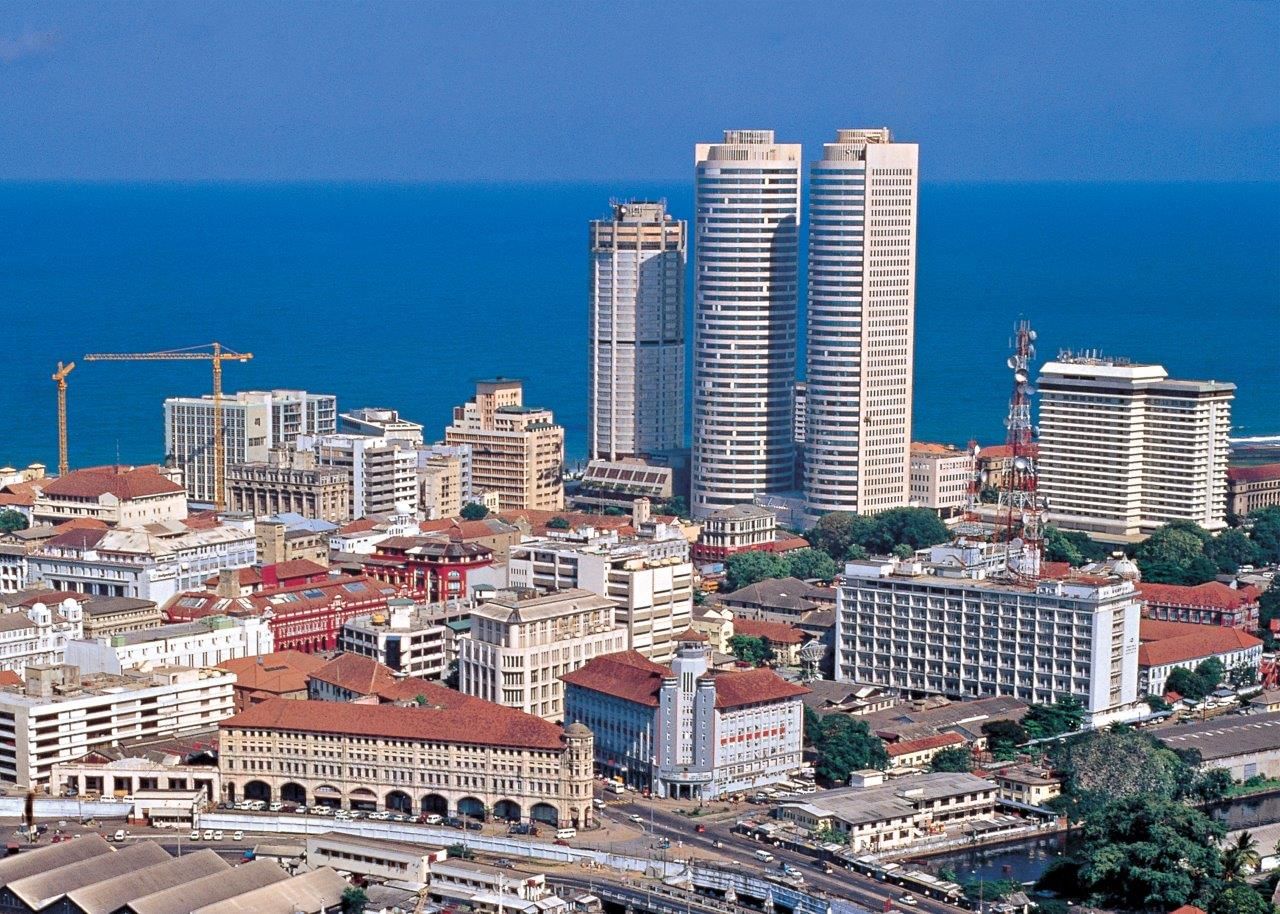
Sri Lanka
Timing a trip around a festival puts you in the middle of local life. In mid January, the Tamil harvest festival of Thai Pongal is marked with sweet rice dishes and decorated homes. Independence Day falls on 4 February, with parades and cultural dances in Colombo. In July or August, depending on the lunar calendar, Kandy holds the Esala Perahera, a nightly procession of drummers, dancers and decorated elephants that is one of the largest Buddhist pageants in the region. May brings Vesak Poya, the most significant Buddhist festival of the year, when streets across the country fill with paper lanterns and bamboo pandals lit after dark to mark the birth, enlightenment and passing of the Buddha.
Sri Lanka tours to match the season
Trips run from six to 15 days and cover the coasts, the cultural triangle and the hill country, so the route can follow the dry weather whenever you travel.
Frequently asked questions
When is monsoon season in Sri Lanka?
Sri Lanka has two monsoons. The Yala monsoon brings rain to the southwest coast and hill country from May to September. The Maha monsoon affects the northeast from October to January. Short inter-monsoonal showers can also appear across the island in April and October.
Can you visit Sri Lanka all year round?
Yes. Since the rain is regional rather than national, there is a dry coast in every month. Head to the south and west between December and April, and switch to the north and east between May and September for the settled weather.
When is the best time for a wildlife safari in Sri Lanka?
February to September is the strongest window for safaris, when falling water levels draw leopards and elephants to the waterholes at Yala and Udawalawe. Yala's Block One usually closes for maintenance from early September to mid October, so late summer trips often focus on Udawalawe.
What is the quietest time to visit Sri Lanka?
The inter-monsoonal months of September and October tend to be the quietest, with fewer visitors and lower demand, though brief showers are possible almost anywhere. Choosing a coast that is between its wet spells keeps sightseeing comfortable during these shoulder weeks.