On The Go Tours
Our agents are waiting to chat to you...
Are you a Travel Agent or Customer?
Do you have an booking reference?
Namibia and South Africa Package Tours
When do you want to go?
2026
I'm flexible
Passengers
Adults (18+)
Children (0 - 17)
Discover the magic of Namibia and South Africa in one perfectly planned adventure
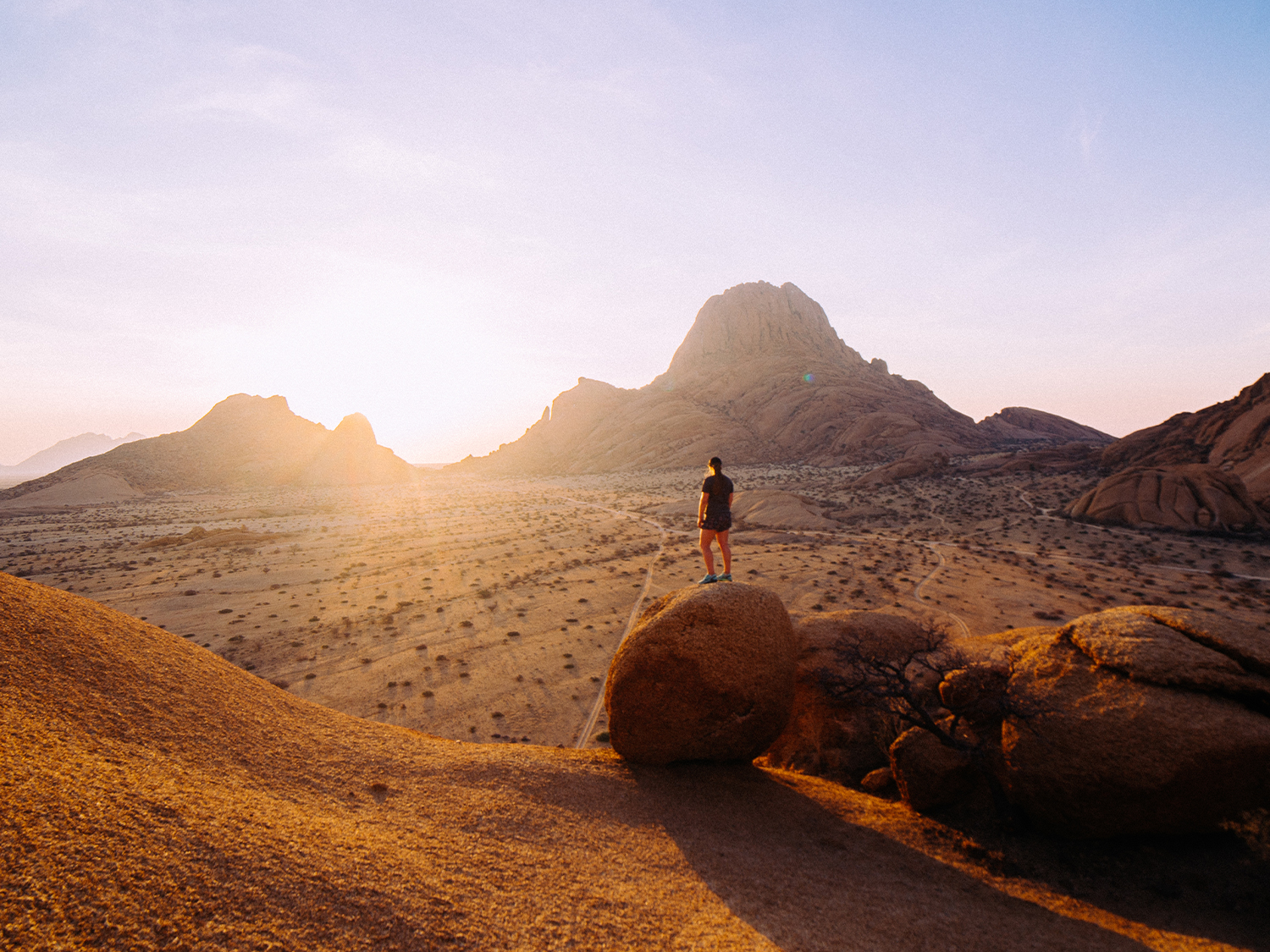
Discover Namibia and South Africa on a multi-country journey through Southern Africa’s most striking landscapes. From the rugged beauty of the Namib Desert to iconic wildlife destinations like Kruger National Park, this journey blends dramatic scenery with unforgettable safari experiences. Make lasting memories as you travel seamlessly between Namibia’s vast wilderness and South Africa’s vibrant cities and renowned reserves. With opportunities to encounter incredible wildlife and explore diverse natural wonders, a combined tour of Namibia and South Africa offers an inspiring way to experience the very best of this remarkable region.
Multi Country Tours Namibia and South Africa




Why take a combined tour
Geographical Convenience
Namibia and South Africa pair perfectly for a seamless multi-country adventure, thanks to their close proximity and well-connected travel routes. Moving between destinations is effortless, whether by road or short regional flights, allowing you to experience two contrasting landscapes in one well-paced journey. From Namibia’s vast deserts to South Africa’s dynamic cities and renowned reserves, this combination makes exploring Southern Africa both simple and rewarding.
Explore More
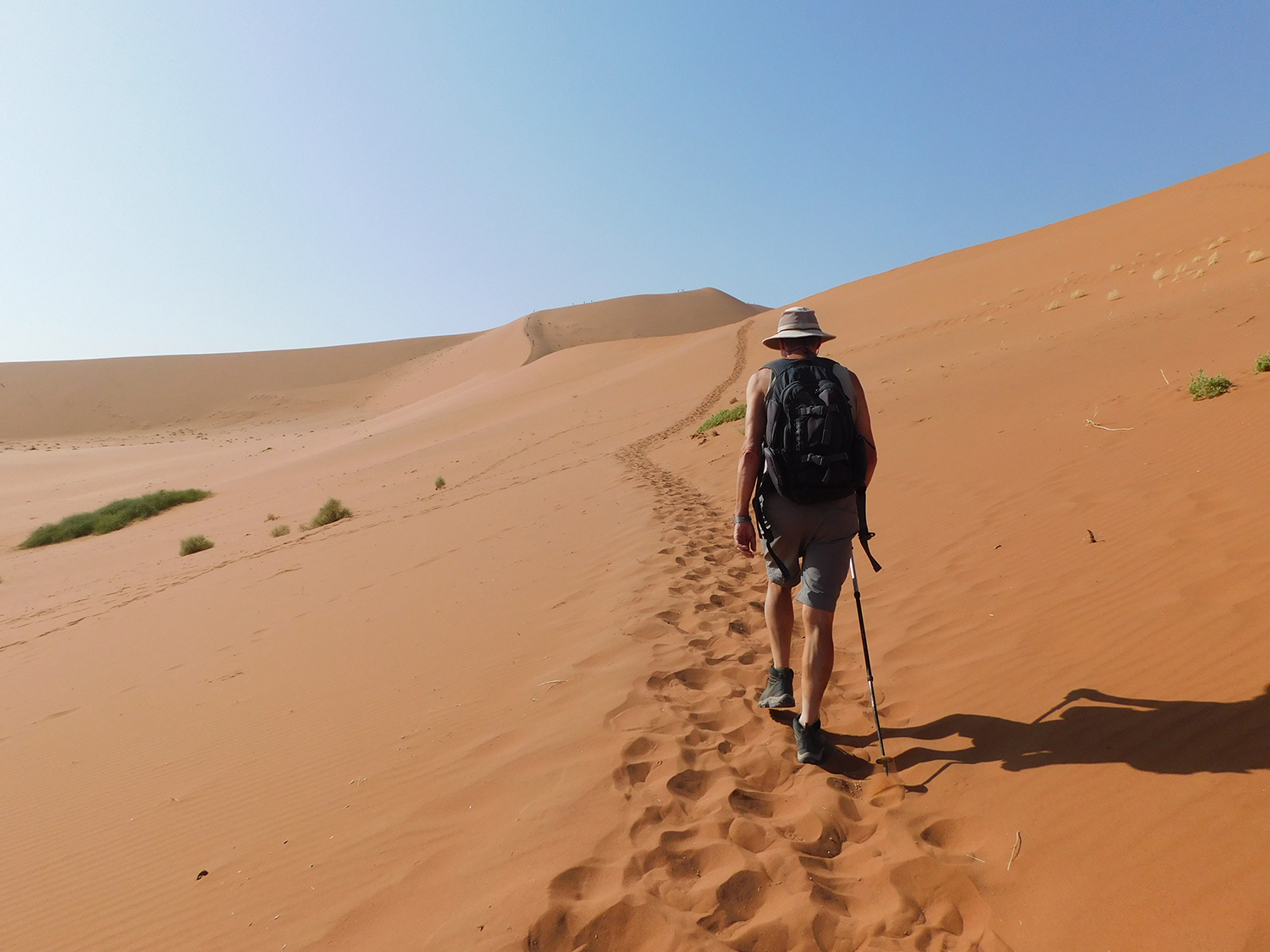
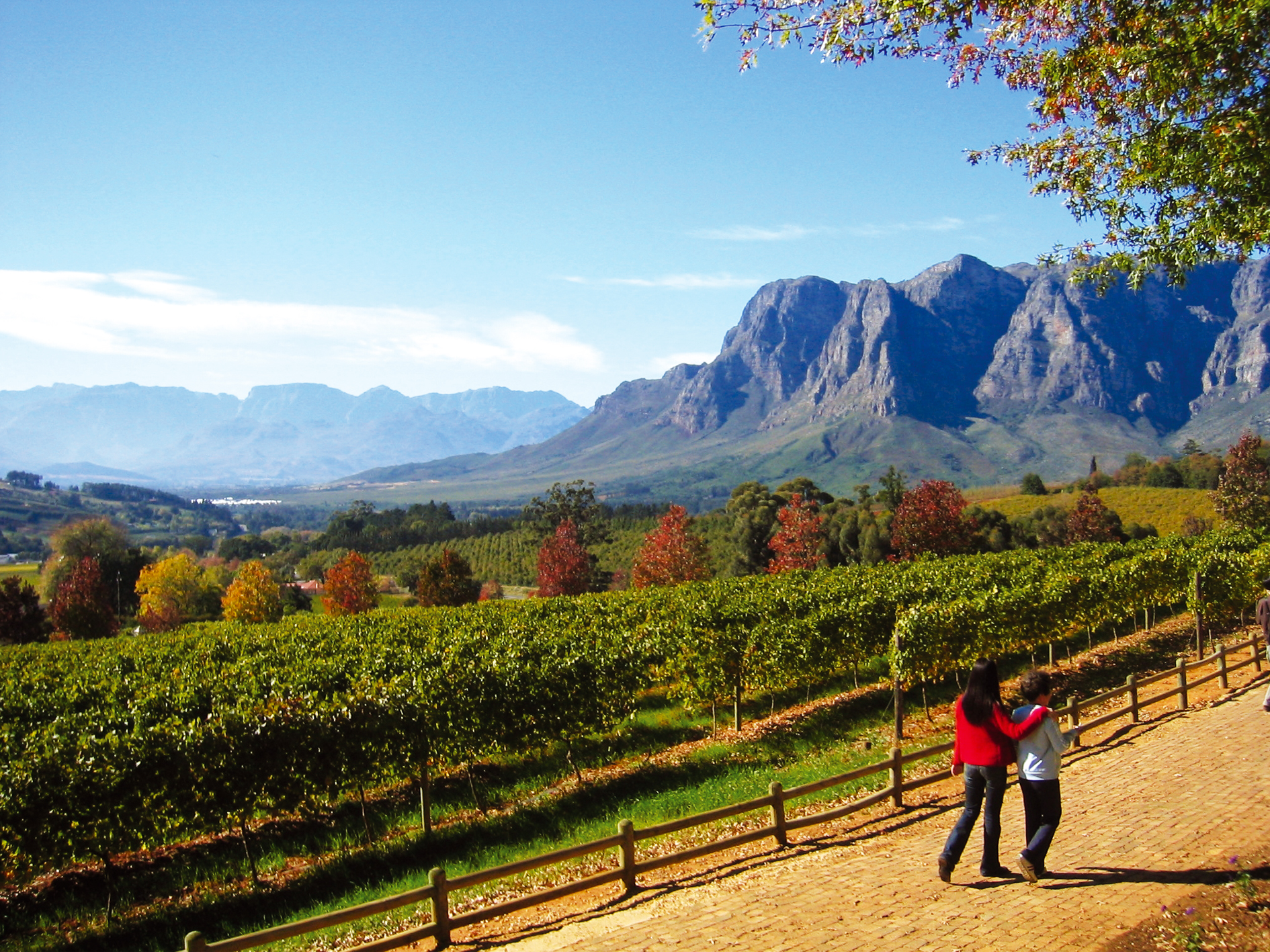
Combining Namibia and South Africa allows you to experience diverse landscapes and experiences in a single itinerary. Discover the surreal beauty of the Namib Desert, explore coastal towns like Swakopmund, and then transition to South Africa’s iconic highlights, from Cape Town’s vibrant culture to world-class vineyards and scenic coastlines. With every detail thoughtfully planned, you can maximise your time and enjoy a rich, varied journey without the stress of organising it yourself.
Witness World-Famous Wildlife
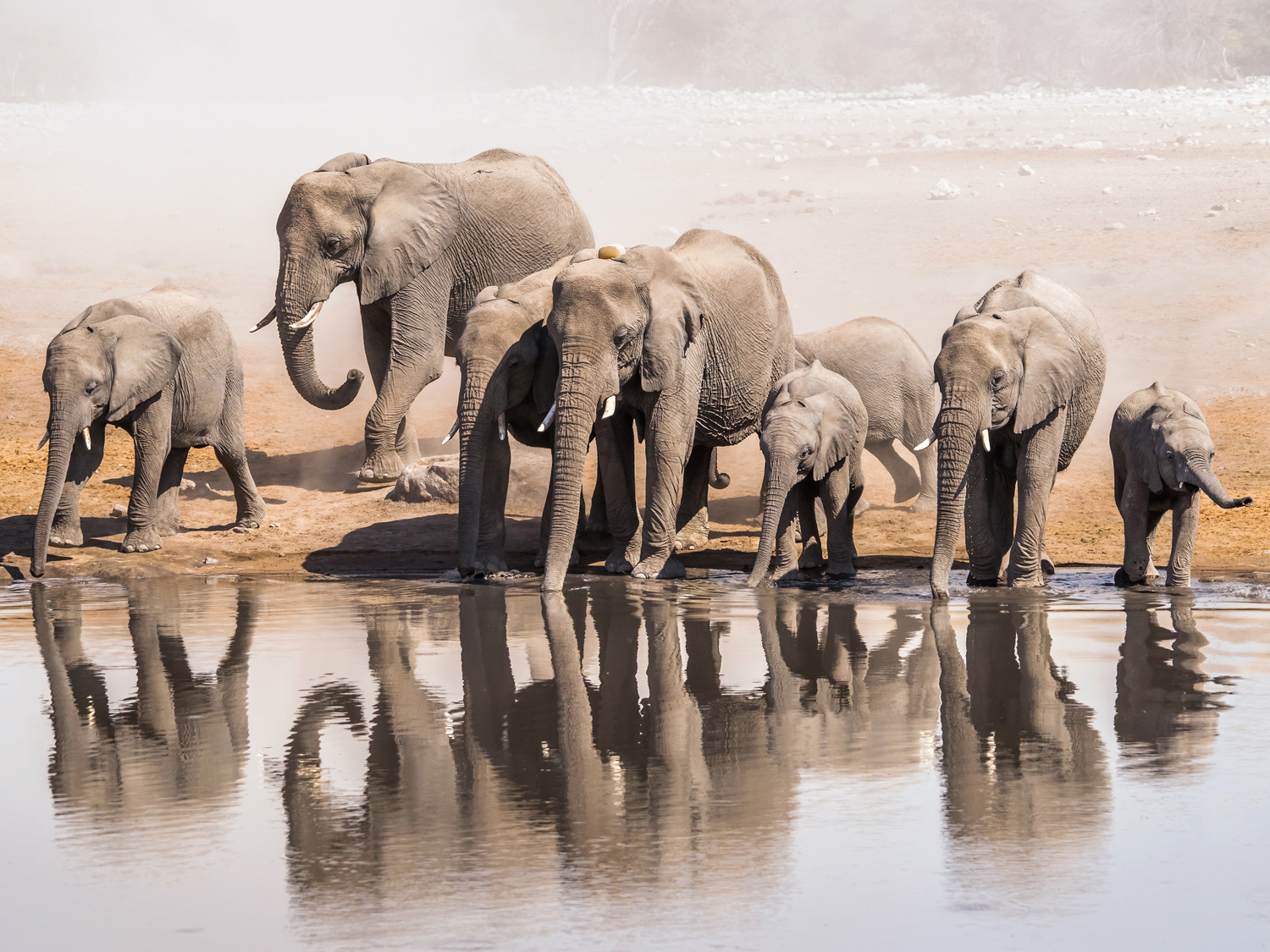
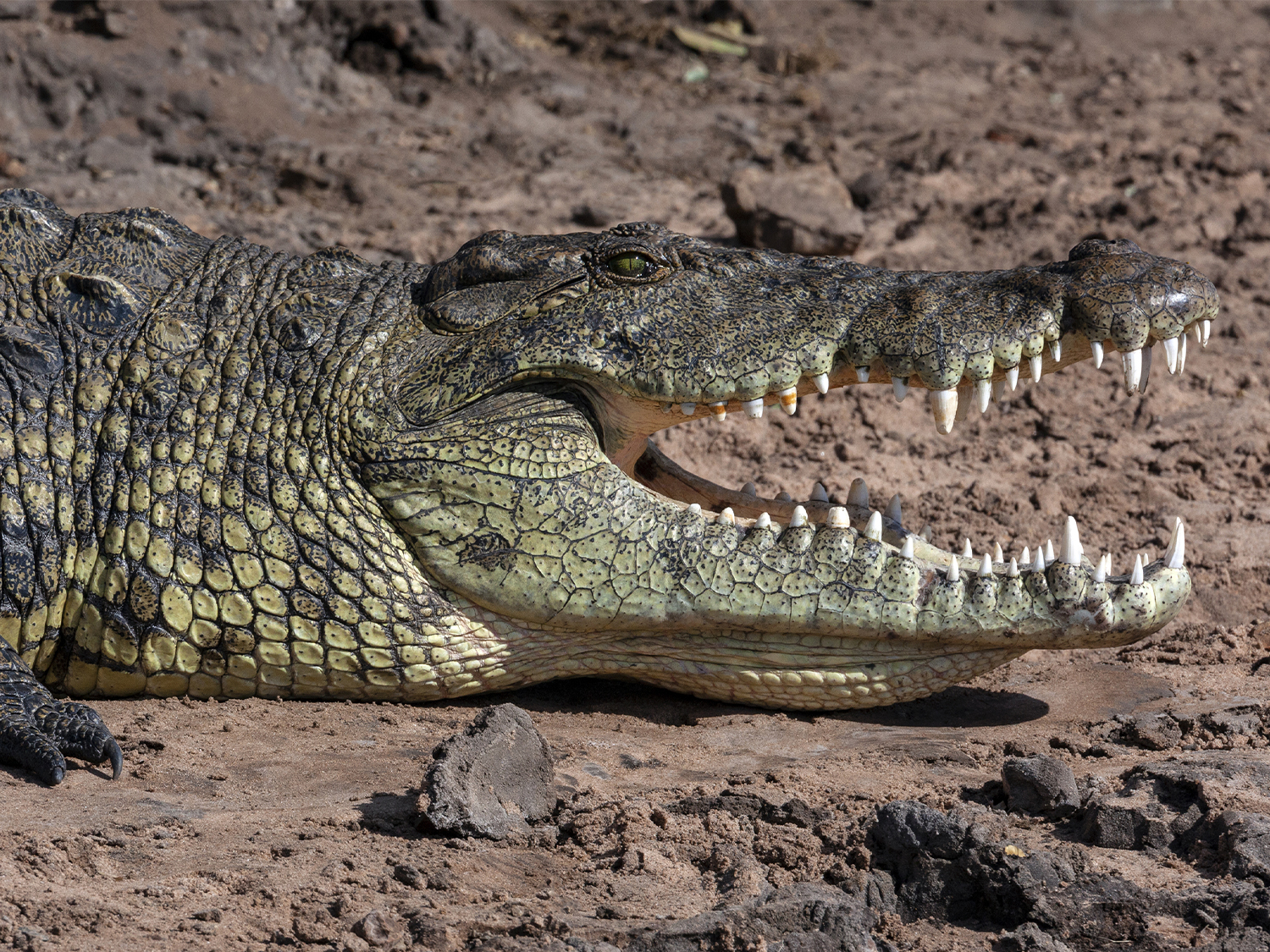
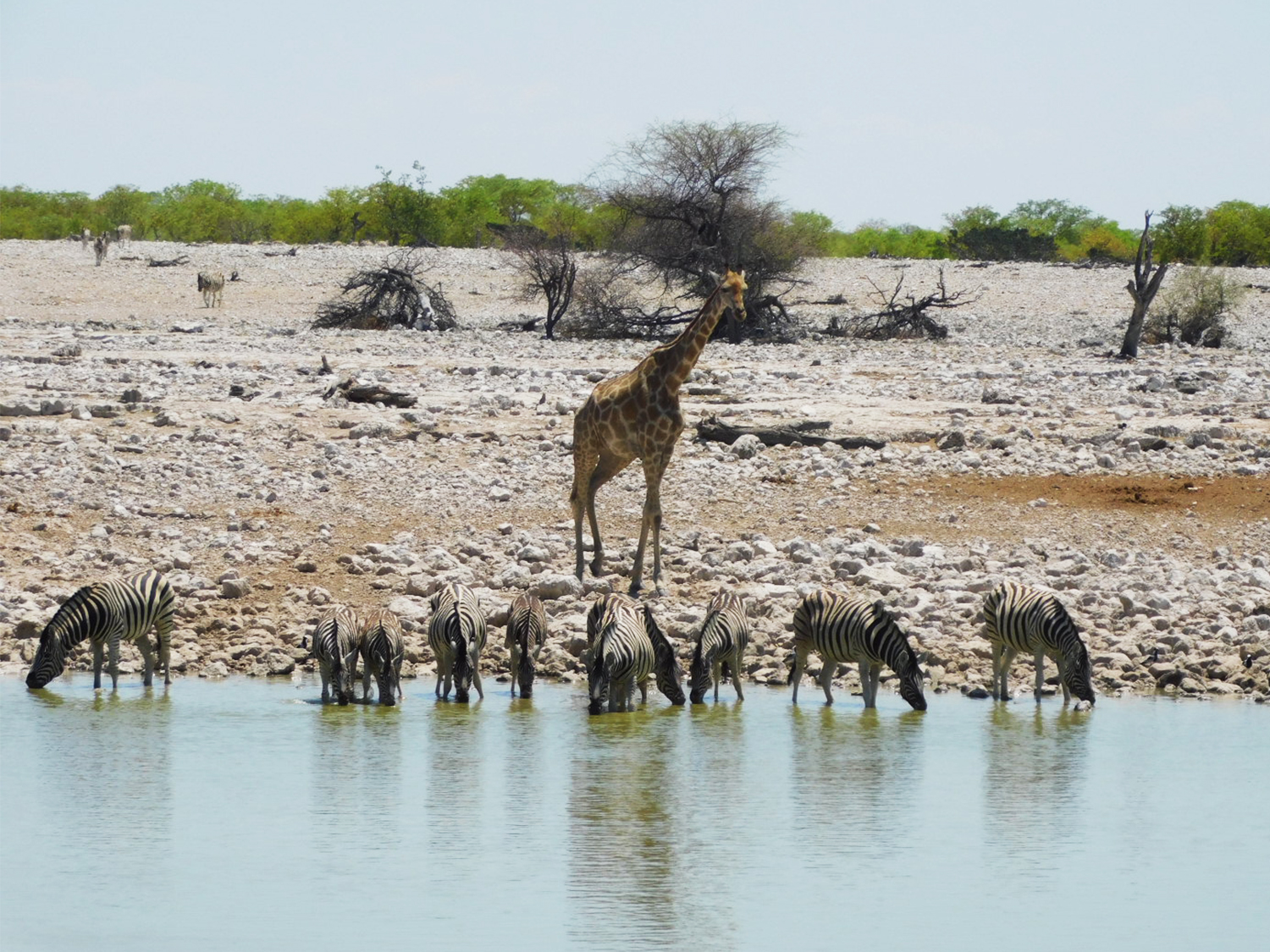
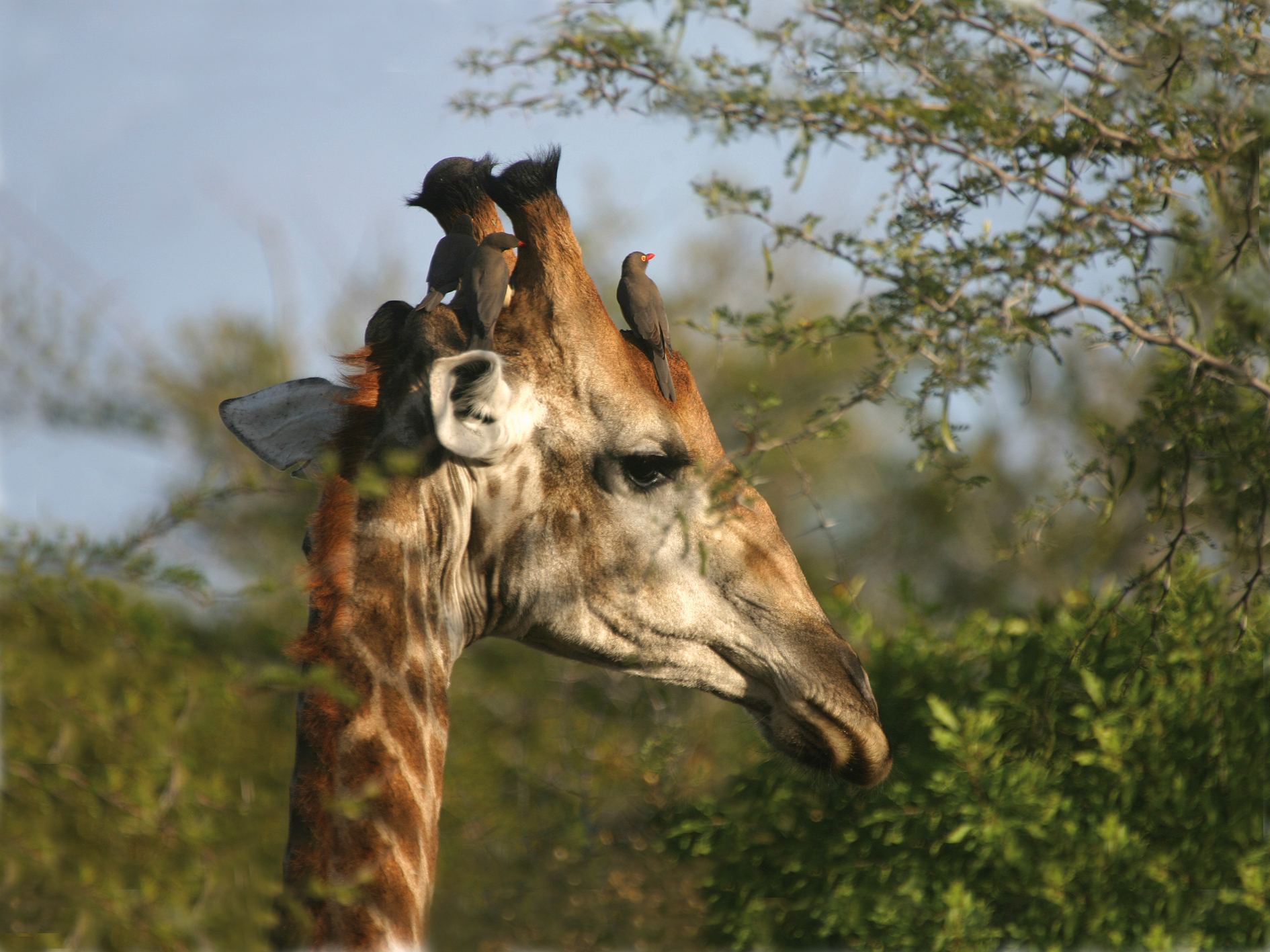
A multi-country tour through Namibia and South Africa offers exceptional opportunities to encounter some of Africa’s most iconic wildlife. Track animals across the vast plains of Etosha National Park and continue your safari in South Africa’s legendary Kruger National Park, home to the Big Five. With expert guides and carefully selected reserves, you’ll enjoy unforgettable wildlife encounters set against some of the continent’s most breathtaking natural backdrops.
Why choose a package to Namibia and South Africa
Guides Included
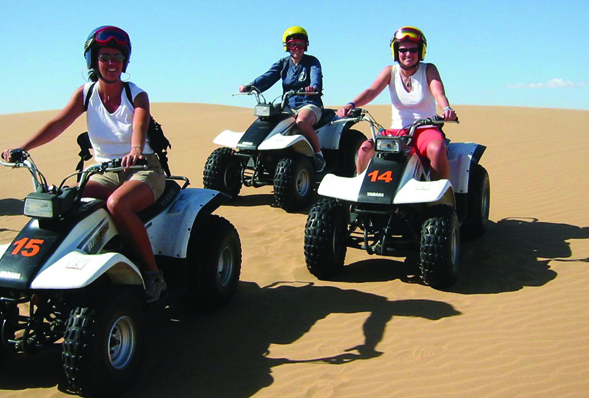
Travel through Namibia and South Africa with knowledgeable guides who bring each destination to life. From navigating the vast Namib Desert to tracking wildlife in Kruger National Park, your guides offer expert insight and local perspective every step of the way. Whether on safari or exploring vibrant cities, their experience ensures you see more, learn more and enjoy a deeper connection to every place you visit.
Accommodation and Seamless Travel
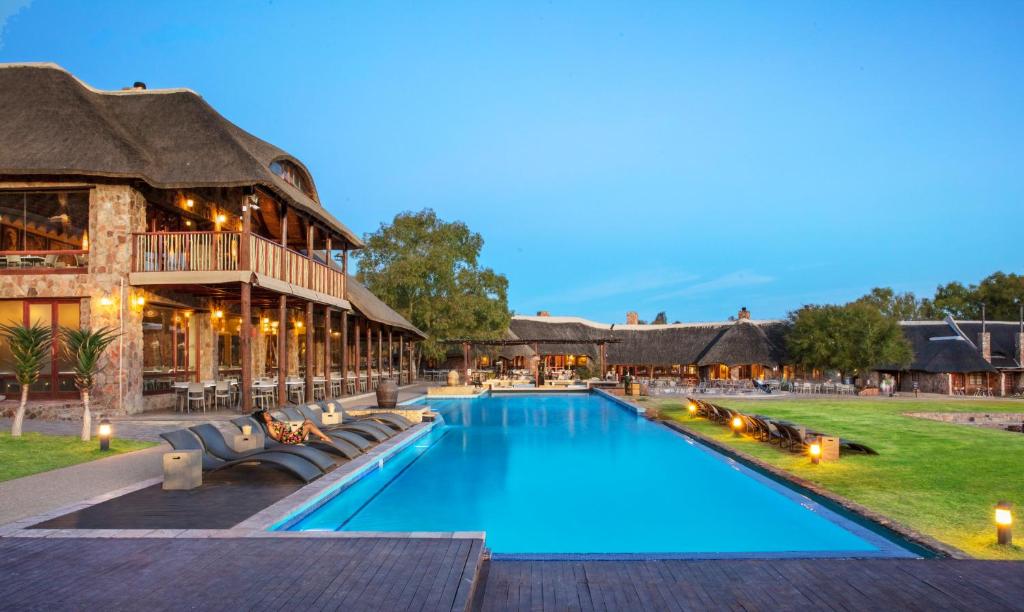
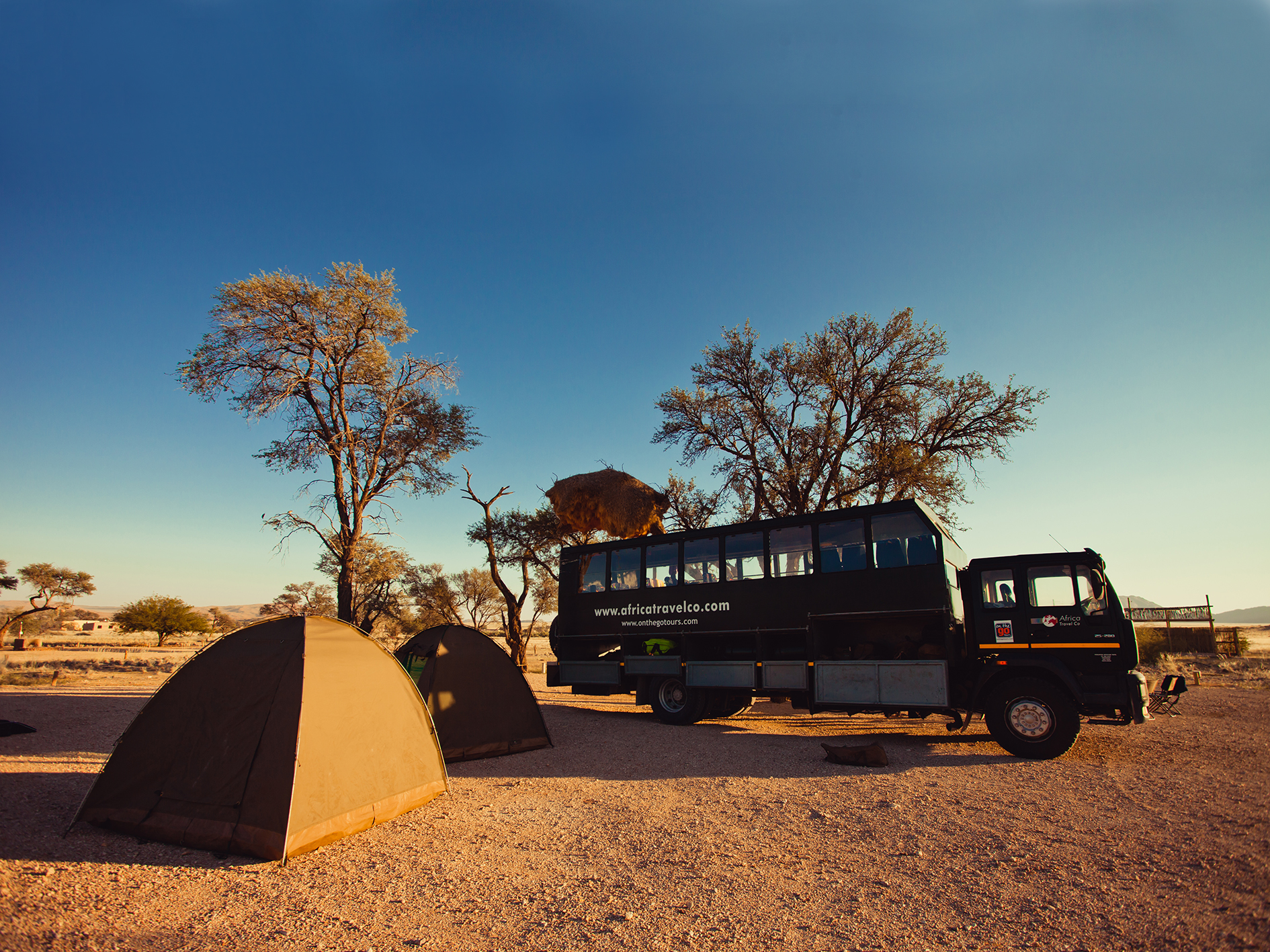
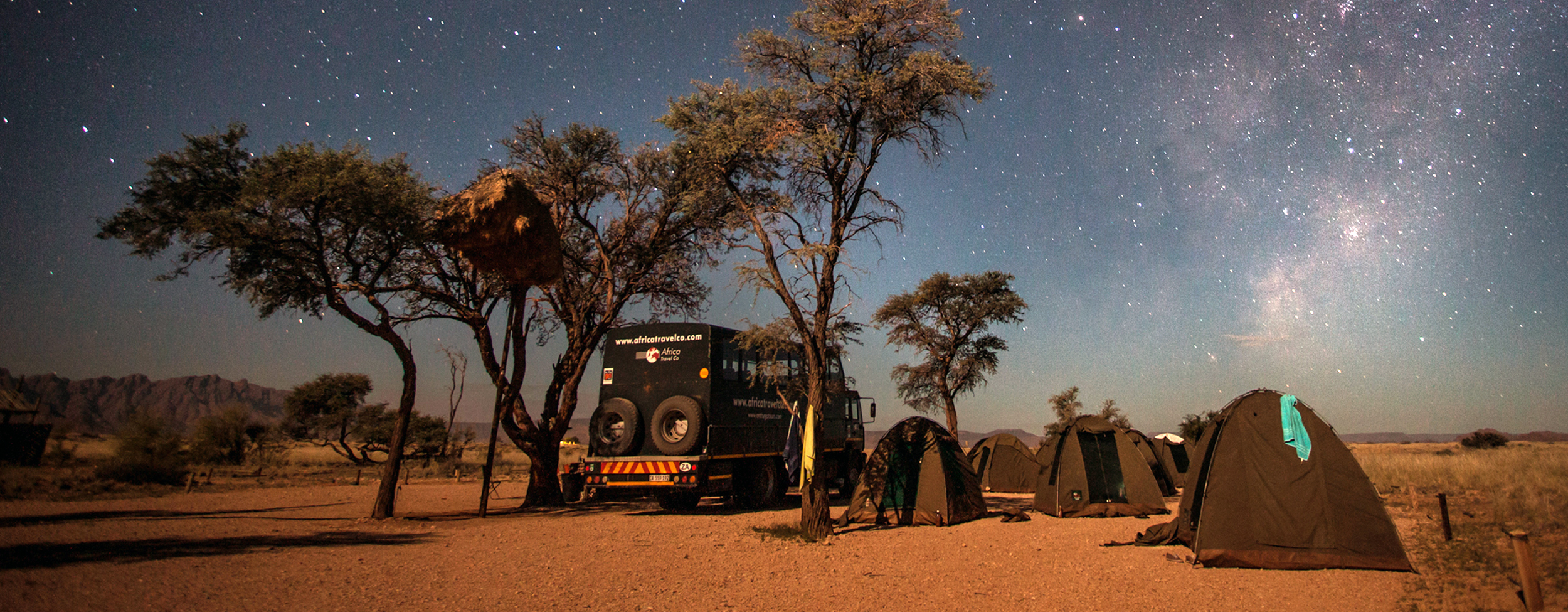
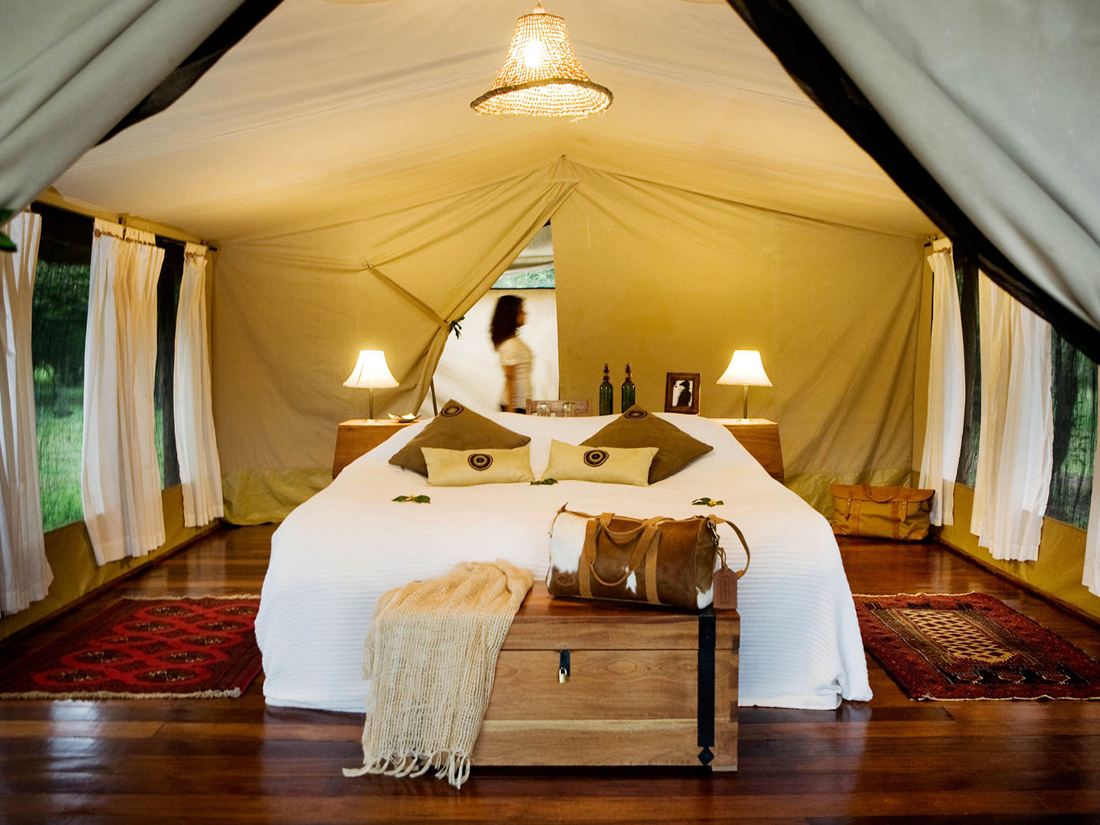
Stay in a handpicked selection of lodges, hotels and safari camps chosen for their comfort, character and exceptional locations. Wake up to desert sunrises or unwind after a day on safari surrounded by nature. With all transport carefully arranged, your journey between Namibia and South Africa is smooth, efficient and completely stress-free.
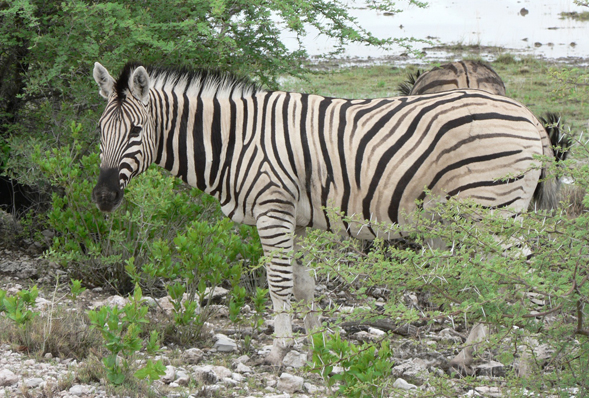
Carefully Planned Safaris
Each itinerary is thoughtfully designed to showcase the very best of Namibia and South Africa. Experience the striking contrasts of towering dunes and wildlife-rich reserves, with expertly timed game drives and unforgettable scenic moments the way. With a balance of guided safari experiences, cultural highlights and time to relax, every journey is crafted to help you make the most of these two extraordinary destinations.
Namibia Guides

South Africa guides
Planning a South Africa safari holiday and got some questions that need answering? Look no further than our handy travel guides, packed with useful information to help you plan your trip!
Africa's Big Five
Elephant
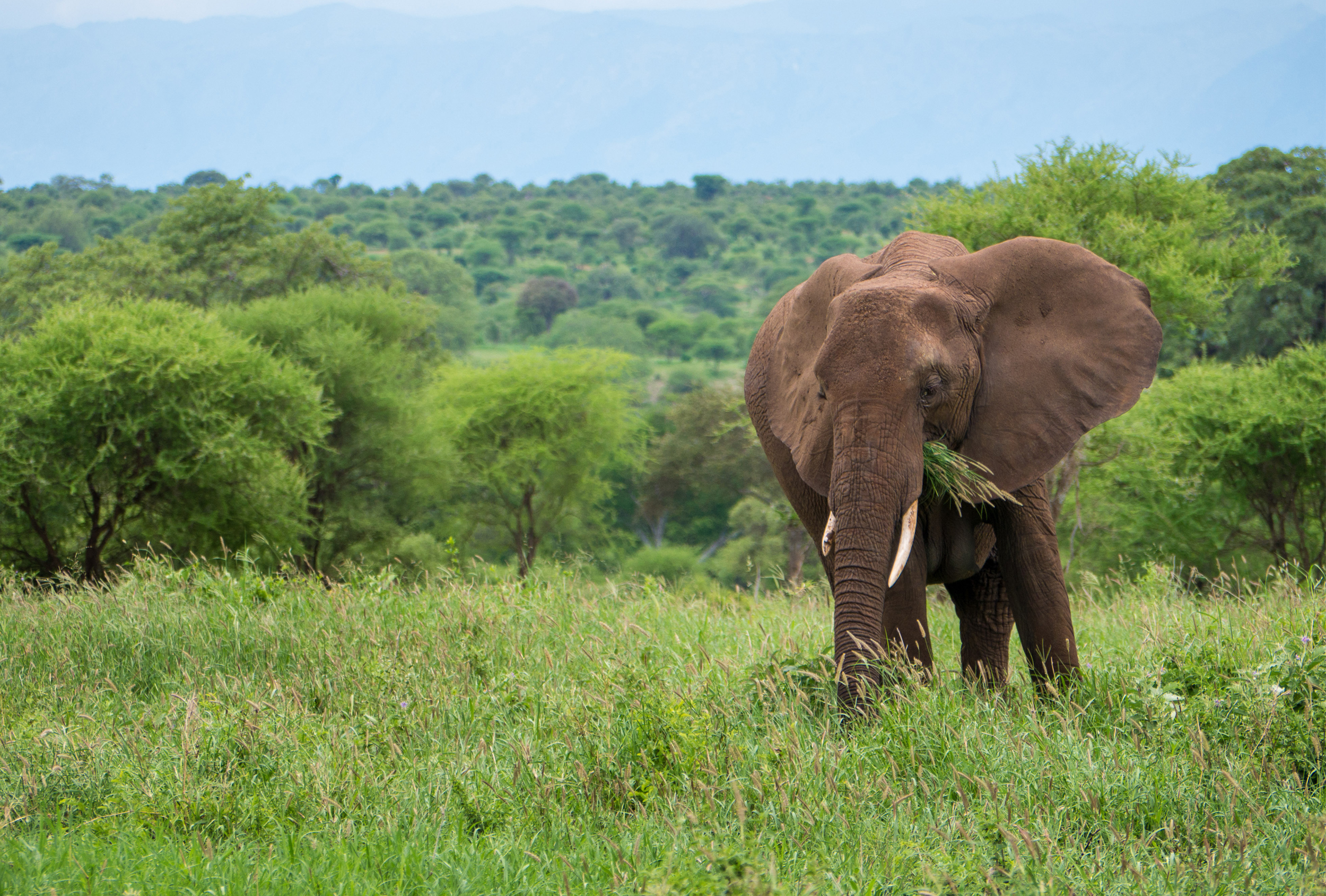
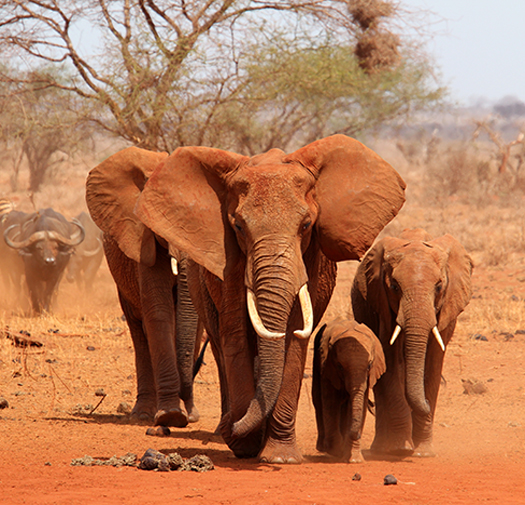
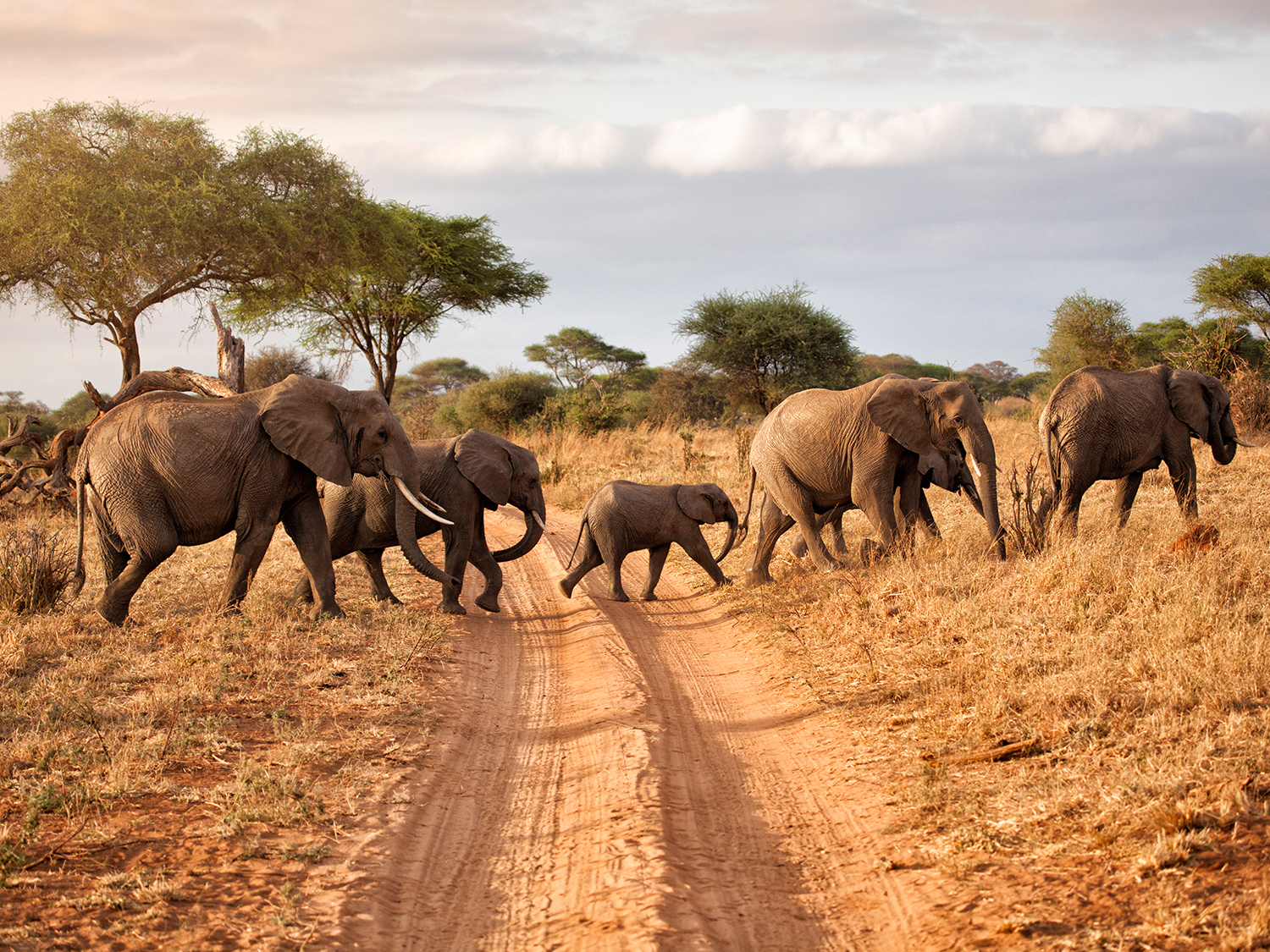
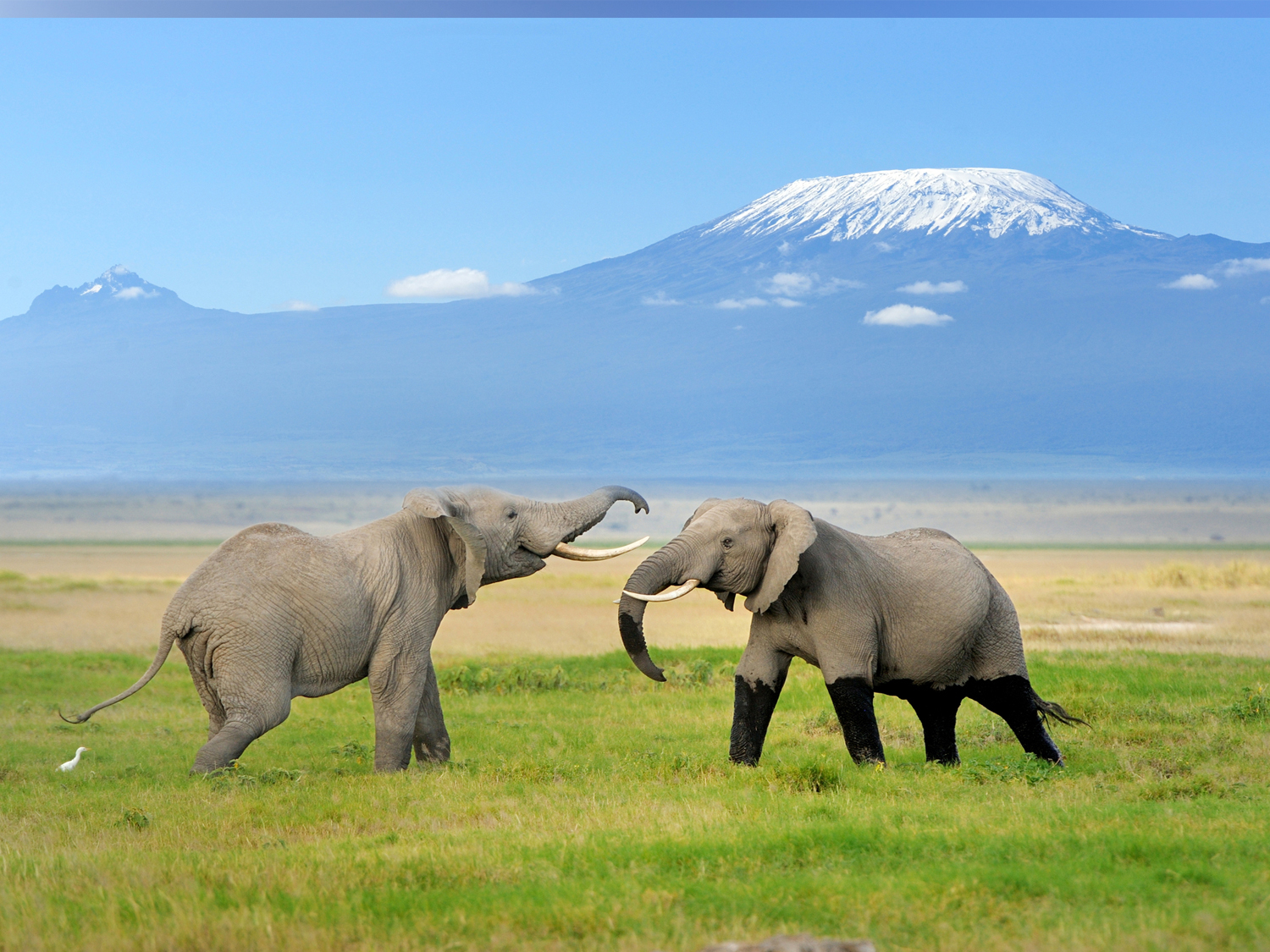
The African elephant (Loxodonta africana) is the largest land animal on Earth, with adult males (bulls) weighing up to 6,000 kilogrammes (13,200 pounds). Elephants are known for their complex social structures, which are typically led by a matriarch, the oldest and often largest female. They have remarkable memories, which help them navigate their environment and recall the locations of water sources across vast distances. Elephants are also highly intelligent, displaying behaviours such as tool use, mourning their dead, and showing empathy. Their large ears, shaped like the African continent, help regulate their body temperature, and their tusks, made of ivory, are used for digging, lifting objects, and as a weapon.
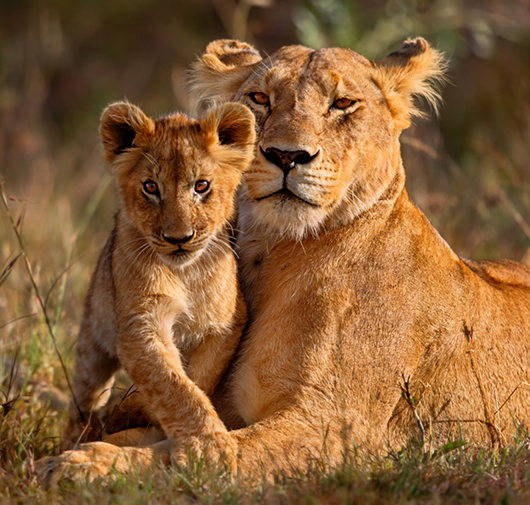
Lion
The African lion (Panthera leo) is often called the "king of the jungle," although they actually inhabit savannas and grasslands. Lions are the only cats that live in social groups called prides, which typically consist of related females, their offspring, and a few male lions. Male lions are known for their majestic manes, which vary in color and are a sign of health and virility. Lions are apex predators, primarily hunting large herbivores like zebras, wildebeests, and buffaloes, often using cooperative hunting strategies to bring down their prey. Their roar, which can be heard up to 8 kilometers (5 miles) away, is used to communicate with pride members and establish territorial boundaries.
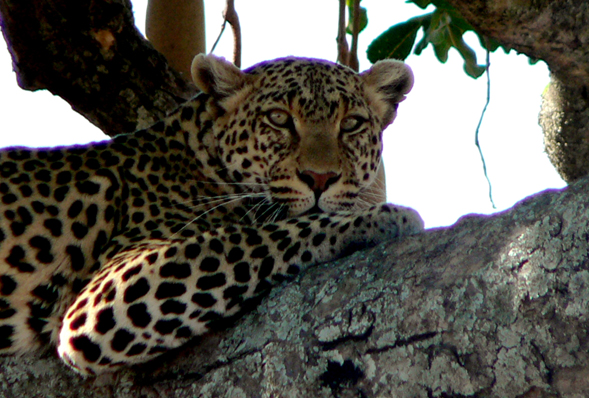
Leopard
The leopard (Panthera pardus) is a solitary and highly adaptable predator found in various habitats across Africa, from rainforests to deserts. Leopards are known for their strength and agility, often dragging their prey up into trees to avoid scavengers like hyenas. Their rosette-patterned coats provide excellent camouflage, making them difficult to spot in the wild. Leopards are opportunistic hunters, with a diet that includes everything from antelope to birds, fish, and even insects. They are also strong swimmers and are known to fish or hunt in water when necessary. Despite their elusive nature, leopards are widespread, though their populations are threatened by habitat loss and human-wildlife conflict.
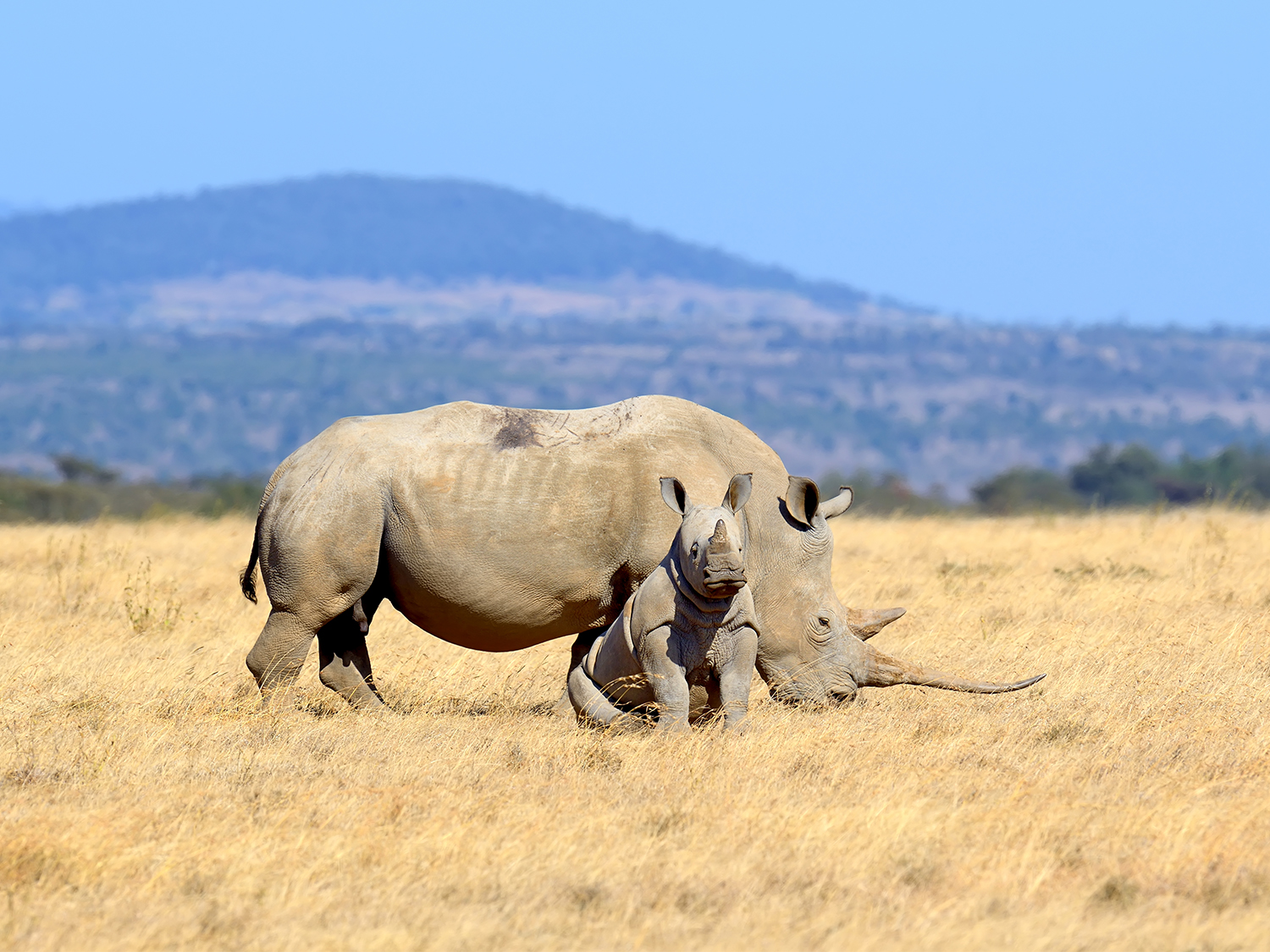
Rhinoceros
The Big Five include two species of rhinoceros: the black rhinoceros (Diceros bicornis) and the white rhinoceros (Ceratotherium simum). The black rhino is critically endangered and more aggressive, known for its hooked lip, which it uses to browse shrubs and trees. In contrast, the white rhino is larger, with a wide, square-shaped lip adapted for grazing on grasses. Despite their names, both rhino species are gray in color. Rhinos have thick skin, which protects them from thorns and insect bites, and their horns, made of keratin, are used for defense, digging, and breaking branches. Unfortunately, rhinos are severely threatened by poaching, driven by the demand for their horns in illegal wildlife trade.
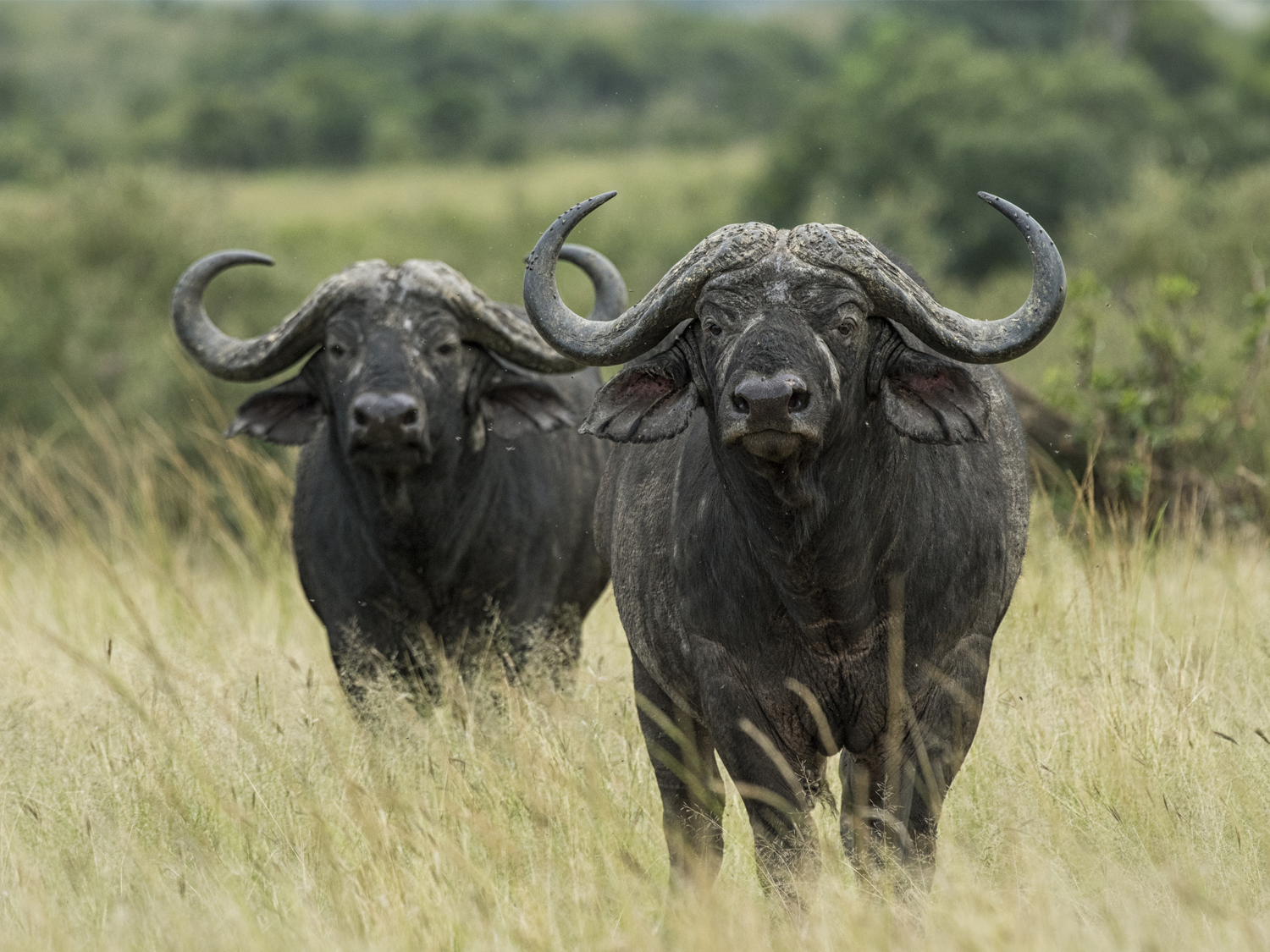
Cape Buffalo
The Cape buffalo (Syncerus caffer), also known as the African buffalo, is a formidable and unpredictable animal, weighing up to 900 kilograms (2,000 pounds). They are known for their strong, curved horns, which they use to defend themselves against predators, including lions. Buffaloes are social animals, living in large herds that can number in the hundreds or even thousands. They have a reputation for being one of the most dangerous animals in Africa due to their aggressive nature, particularly when wounded or threatened. Despite their bulk, buffaloes are surprisingly agile and can run at speeds of up to 57 kilometers per hour (35 miles per hour). They play a crucial role in their ecosystems by influencing vegetation patterns and providing prey for top predators like lions.
African Travel Guides
Find more inspiration and information about Africa to help you choose the right tour for you.
Frequently asked questions
Do I need a visa to visit Namibia and South Africa?
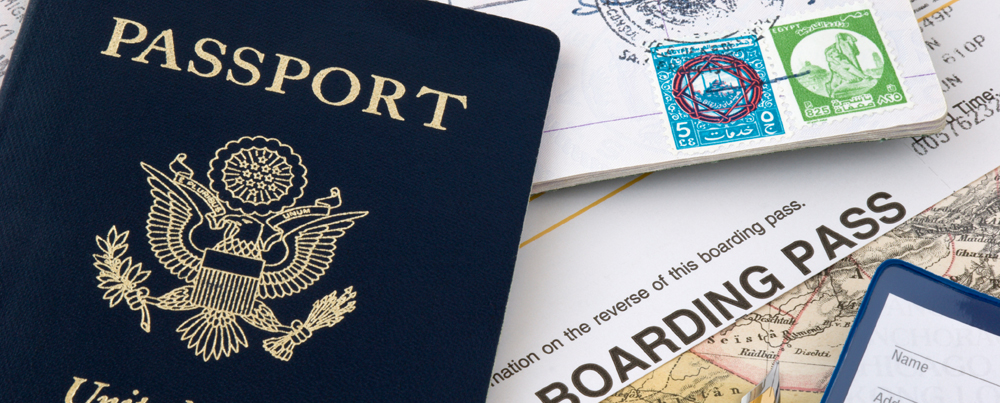
Visa requirements depend on your nationality, but many travellers can enter both Namibia and South Africa visa-free for short stays. It’s important to check the latest entry requirements before travelling, as regulations can change.
What is the best time to visit Namibia and South Africa?
Both destinations are great year-round, but May to October is particularly popular for safaris due to the dry season and excellent wildlife viewing. Namibia’s desert landscapes are striking at any time, while South Africa offers seasonal highlights from whale watching to vibrant city life.
What wildlife can I expect to see on this tour?
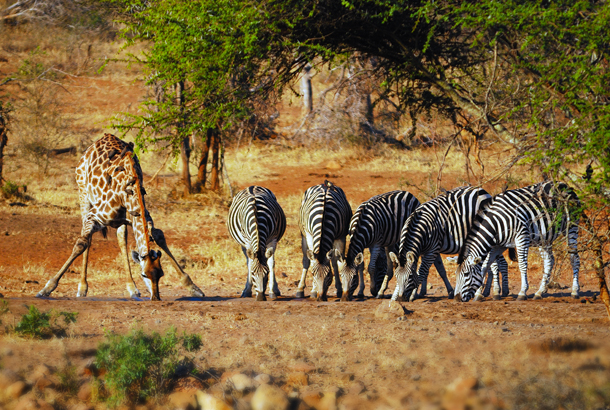
You’ll have the chance to see a wide range of wildlife, including elephants, lions, rhinos, giraffes and more. South Africa’s Kruger National Park is renowned for Big Five sightings, while Namibia offers unique desert-adapted wildlife in places like Etosha National Park.
Are internal flights and transfers included?
Yes, most tours include all essential transport, such as road transfers and, where needed, internal flights. This ensures smooth travel between Namibia’s remote landscapes and South Africa’s key highlights.
What type of accommodation is included?
Accommodation is typically a mix of comfortable lodges, boutique hotels and safari camps. Each stay is selected for its quality, location and ability to enhance your overall travel experience.
Is this tour suitable for first-time safari travellers?
Yes, this is an excellent introduction to safari travel. With well-planned itineraries, expert guides and seamless logistics, it’s an easy and rewarding way to experience two iconic destinations in one trip.
How physically demanding is the tour?
Most activities, including game drives and sightseeing, are not physically demanding. Some walking may be involved, but the tour is generally suitable for travellers with a moderate level of mobility.
What should I pack for a Namibia and South Africa tour?
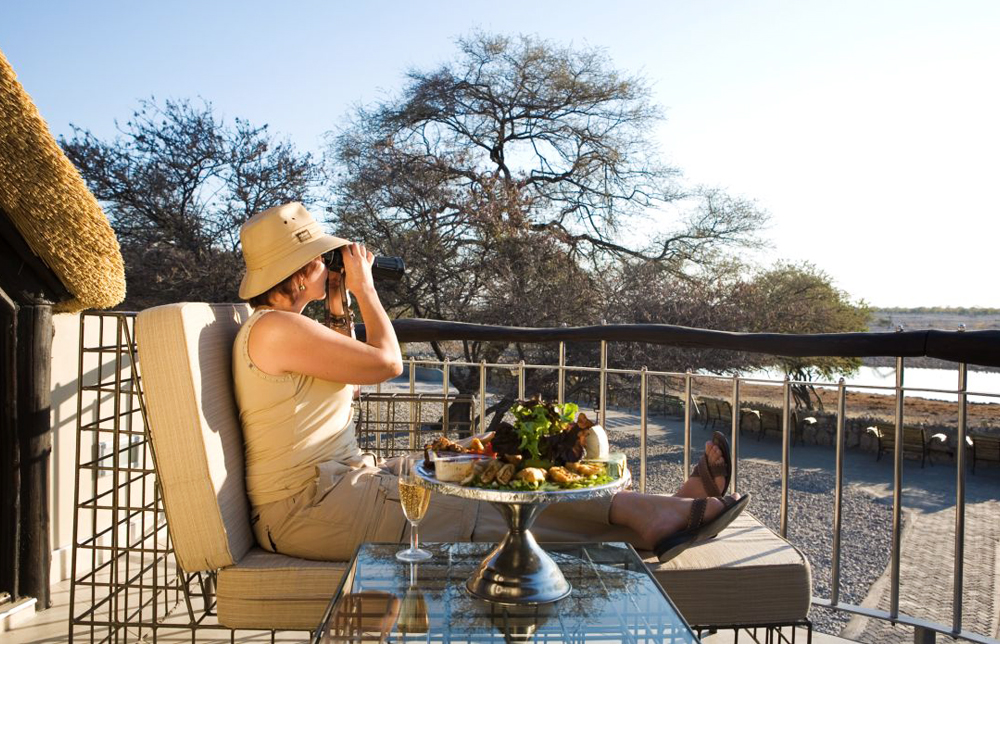
Pack lightweight, neutral-coloured clothing, comfortable shoes, sun protection and a warm layer for early morning or evening safaris. A camera and binoculars are highly recommended for wildlife viewing.
Is it safe to travel to Namibia and South Africa?
Both countries are well-established tourist destinations and are generally safe when travelling as part of an organised tour. Your guides will provide advice and support to ensure a smooth and secure journey.
Will I be travelling in a group?
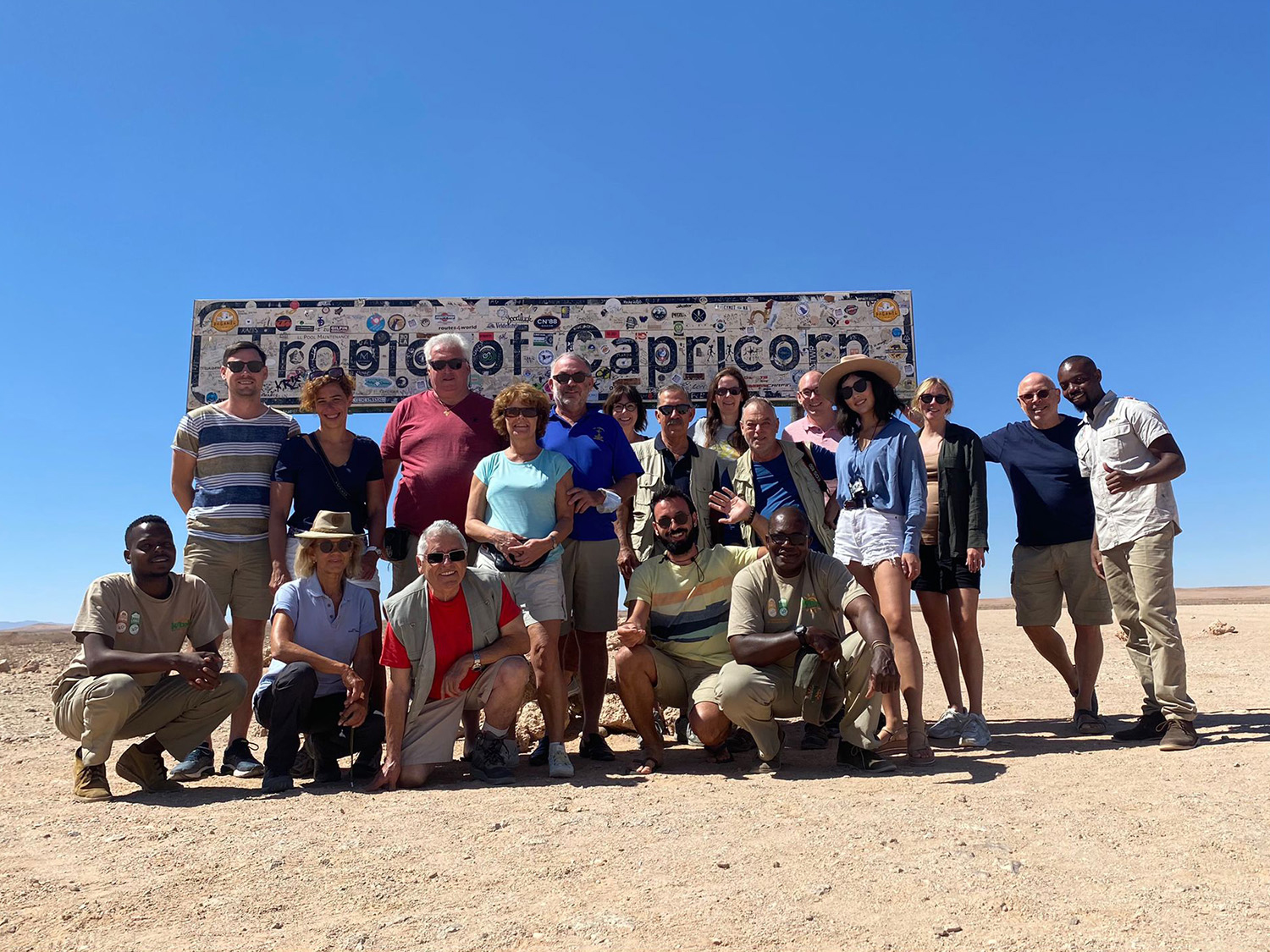
Most tours operate with small groups, creating a more personal and immersive experience. Smaller group sizes also enhance wildlife viewing and allow for better interaction with your guide.