
On The Go Tours
Our agents are waiting to chat to you...
Are you a Travel Agent or Customer?
Do you have an booking reference?
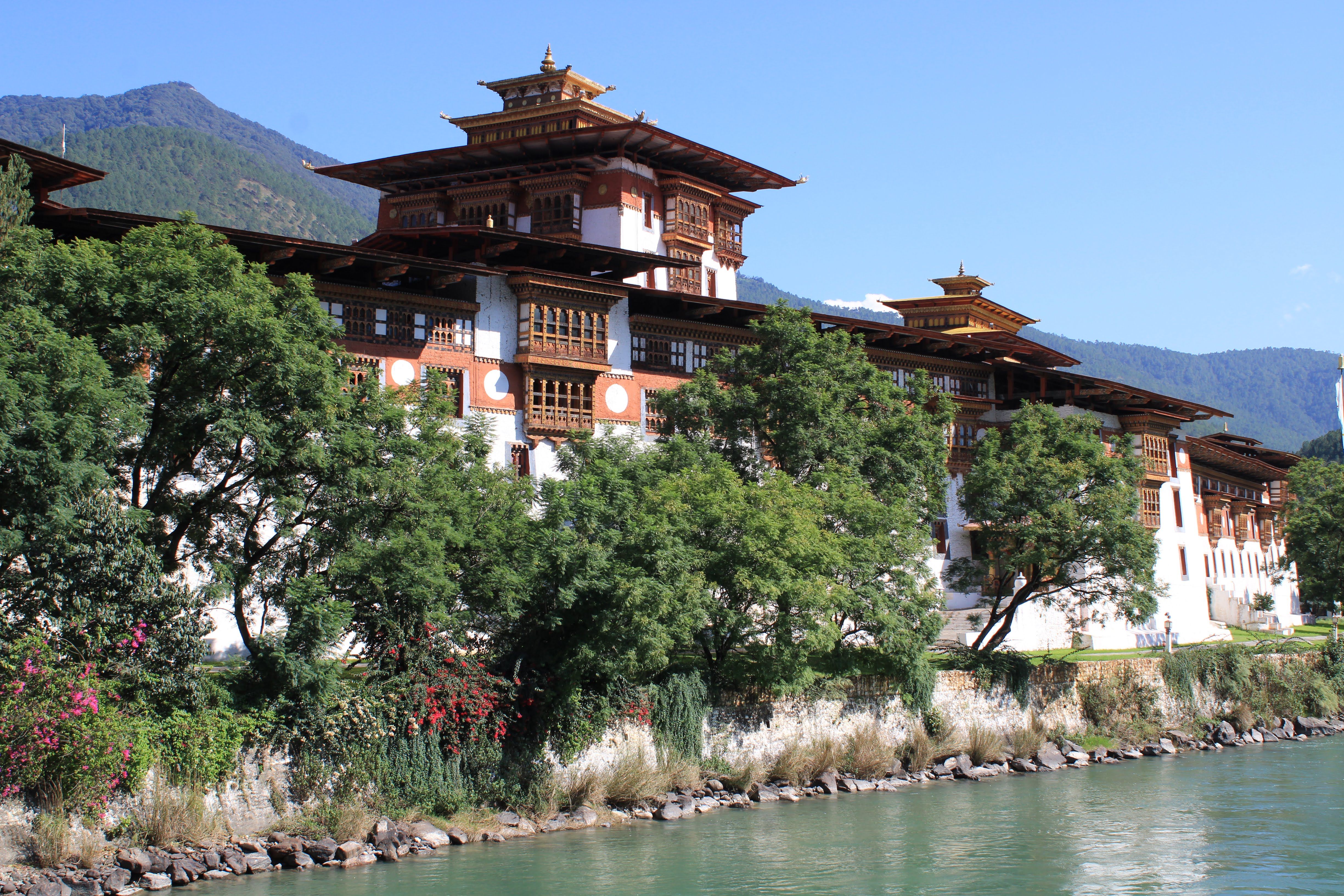
Best Time to Visit Bhutan
When to travel for clear Himalayan skies, spring blooms, masked festivals and black-necked cranes
Best Time to Visit Bhutan
When to travel for clear Himalayan skies, spring blooms, masked festivals and black-necked cranes
When do you want to go?
2026
I'm flexible
Passengers
Adults (18+)
Children (0 - 17)
When to visit Bhutan
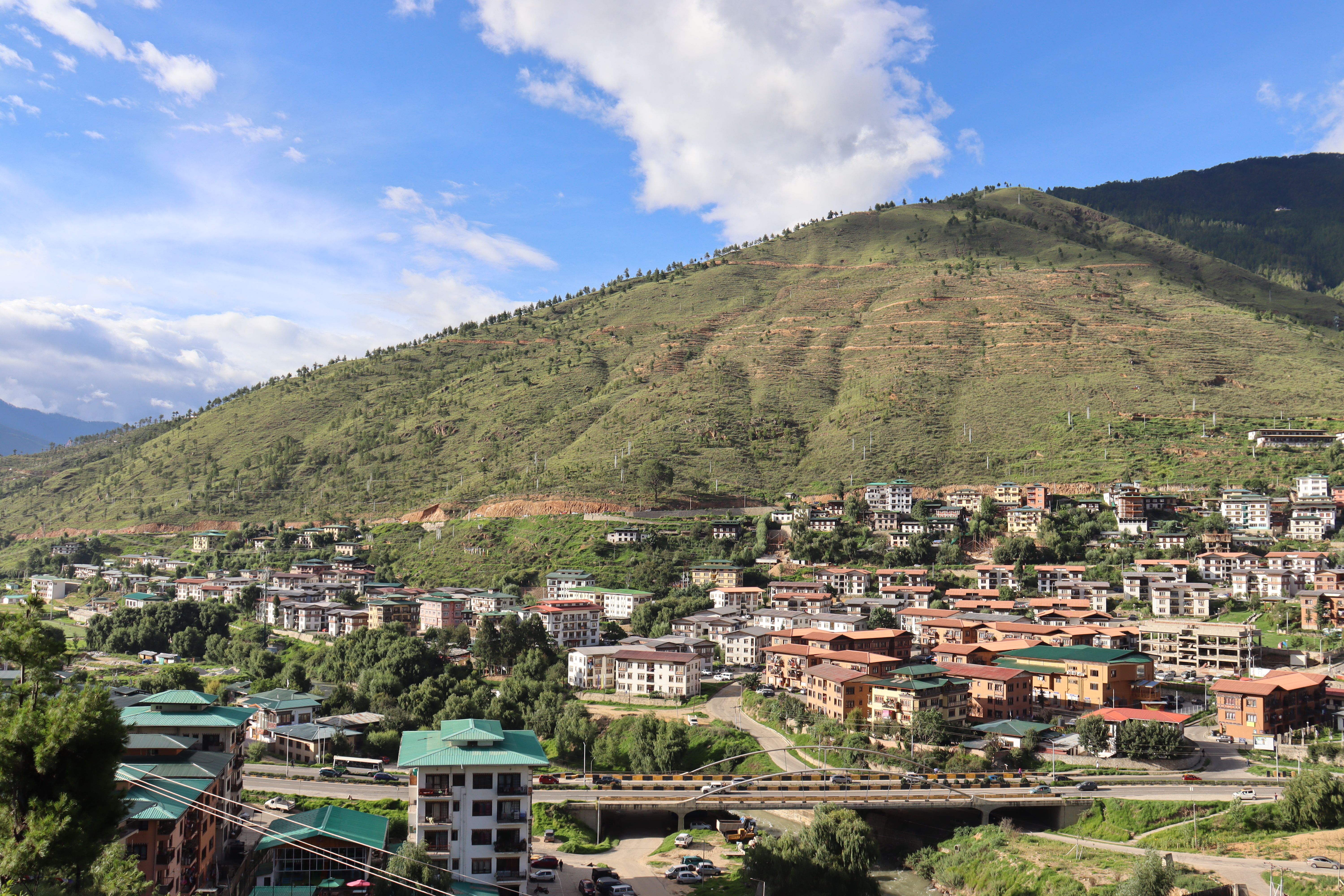
The best time to visit Bhutan is autumn, from September to November, when the monsoon has cleared and the Himalayan peaks stand out against sharp blue skies while the year's biggest festivals fill the fortress courtyards. Spring, March to May, runs it close, trading the mountain views for hillsides of wild rhododendron and the great Paro Tshechu. Both are peak season, dry and comfortable. The summer monsoon, June to August, is wet and green, with far fewer visitors and lower prices, while winter, December to February, brings cold nights, sharp clear days and the arrival of the black-necked cranes in the Gangtey valley. Because so much comes down to altitude, the lower valleys like Punakha stay mild when the high passes turn cold. Trips here run from five to 12 days.
Bhutan's seasons and altitude
Bhutan
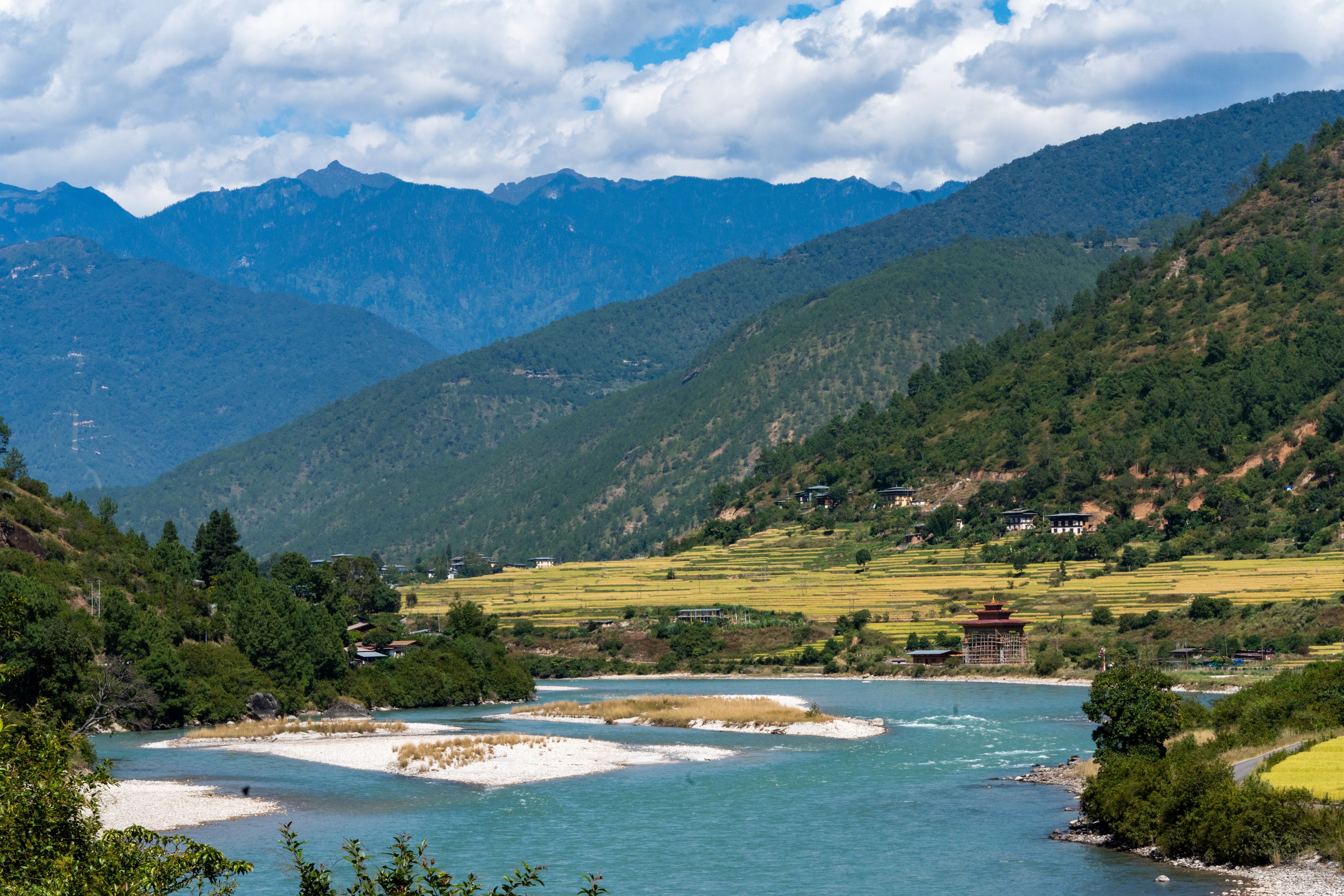
In Bhutan the altitude matters as much as the month. Most trips move between Paro and Thimphu, both around 2,300 metres, and warmer, lower Punakha, so temperatures swing with the terrain as much as the season. Autumn, September to November, is the driest and clearest stretch, with comfortable days of 12C to 22C and cold nights. Spring warms from around 10C in March to 20C by May, and the passes fill with rhododendron. The monsoon takes over from late June to August, when the rain, often 300mm a month or more, mostly falls in the afternoon and overnight, greening the valleys but hiding the peaks behind cloud. Winter days are bright and dry at 5C to 15C in the western valleys, though nights drop below freezing and snow can close the higher passes and trekking routes. Rain and mountain views, more than heat, are what really shift across the year.
Autumn, clear skies, festivals and cranes
Bhutan
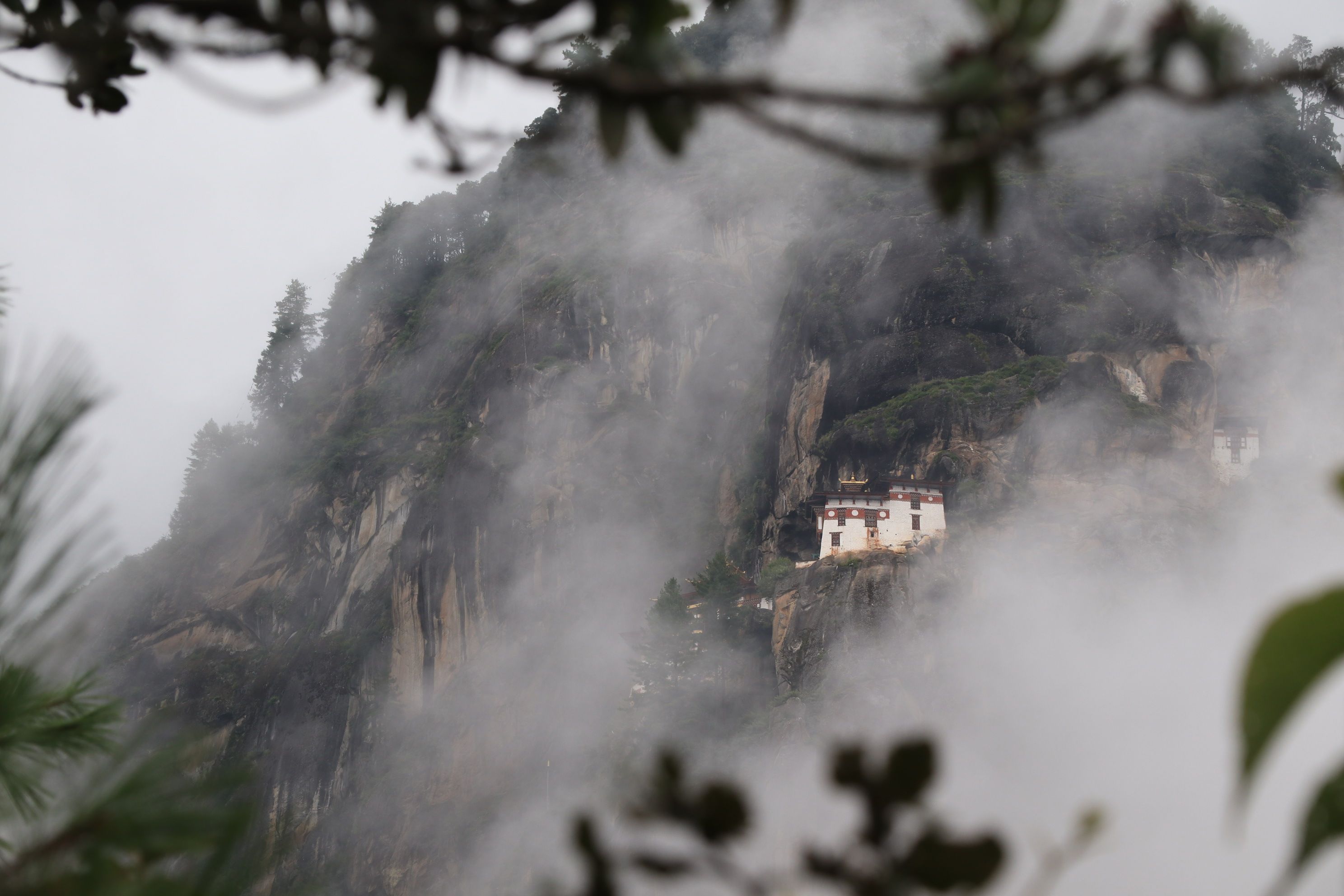
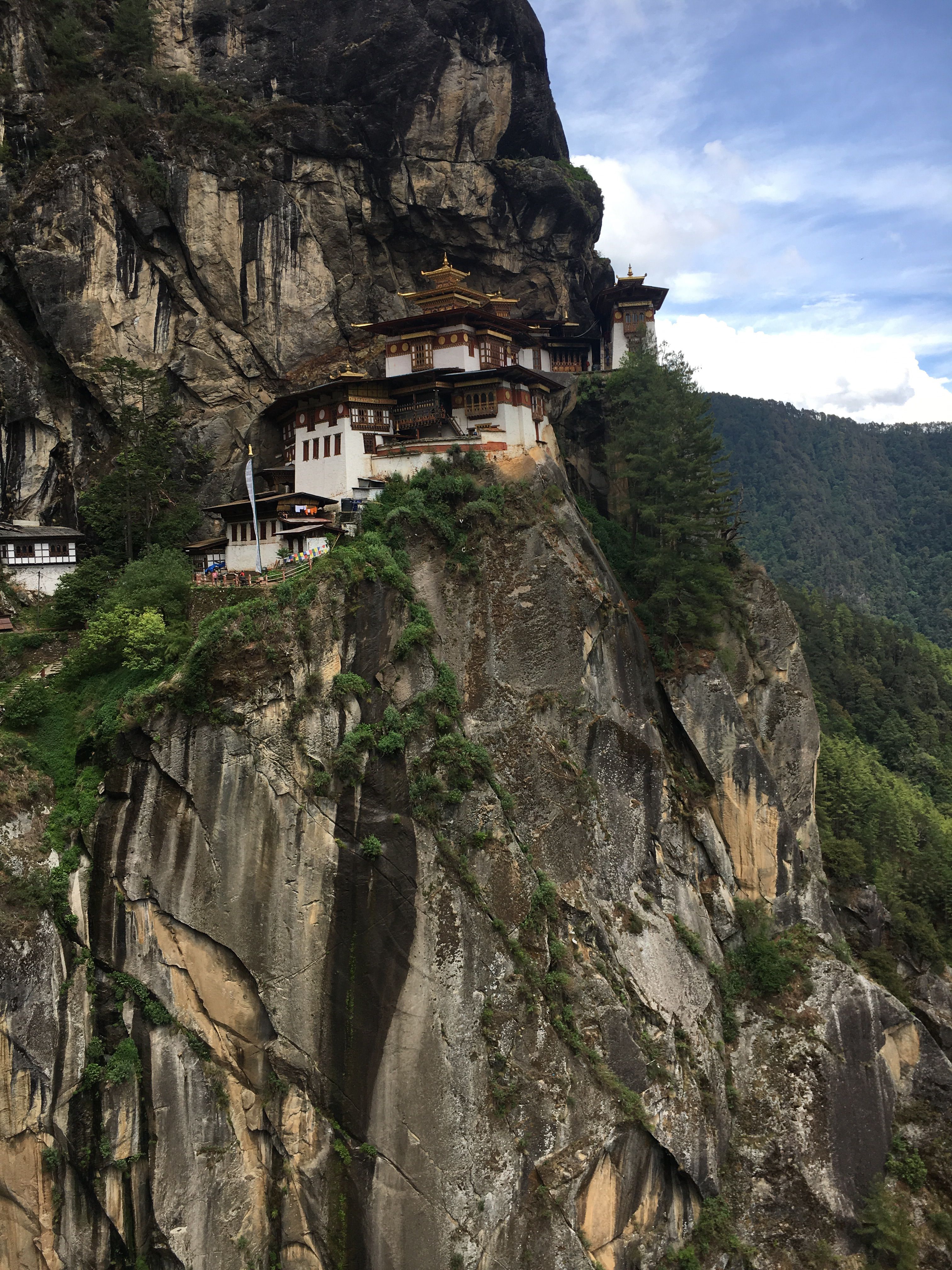
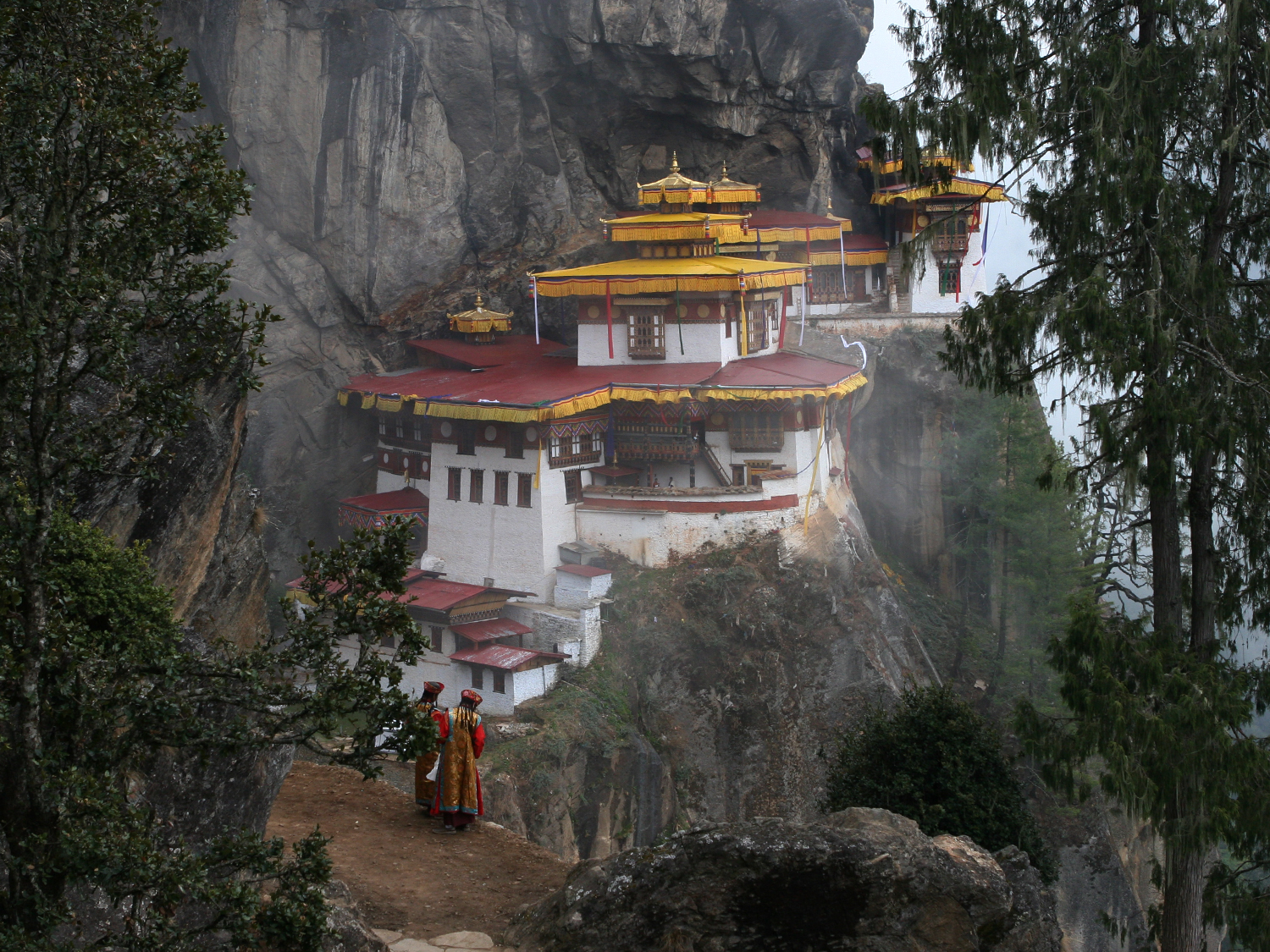
Autumn is the best time to visit Bhutan. From September the monsoon retreats, the air turns crisp, and the snow line of the eastern Himalaya comes into clear view for the first time in months. It is the finest window for the walk up to the Tiger's Nest, the monastery that clings to a cliff nearly a thousand metres above the Paro valley, and for trekking the high routes before winter closes them. Autumn is also the height of the festival calendar, led by the Thimphu Tshechu, when thousands gather in traditional dress to watch masked cham dances in the courtyard below the dzong. Late October brings another arrival, as the black-necked cranes fly in from the Tibetan plateau to winter in the glacial Gangtey valley.
The 12 day Bhutan Thimphu Festival is built around the capital's celebration, while the 10 day Bhutan Discovery Journey reaches Gangtey and Bumthang in the eastern valleys.
Spring, rhododendrons and the Paro Tshechu
Bhutan
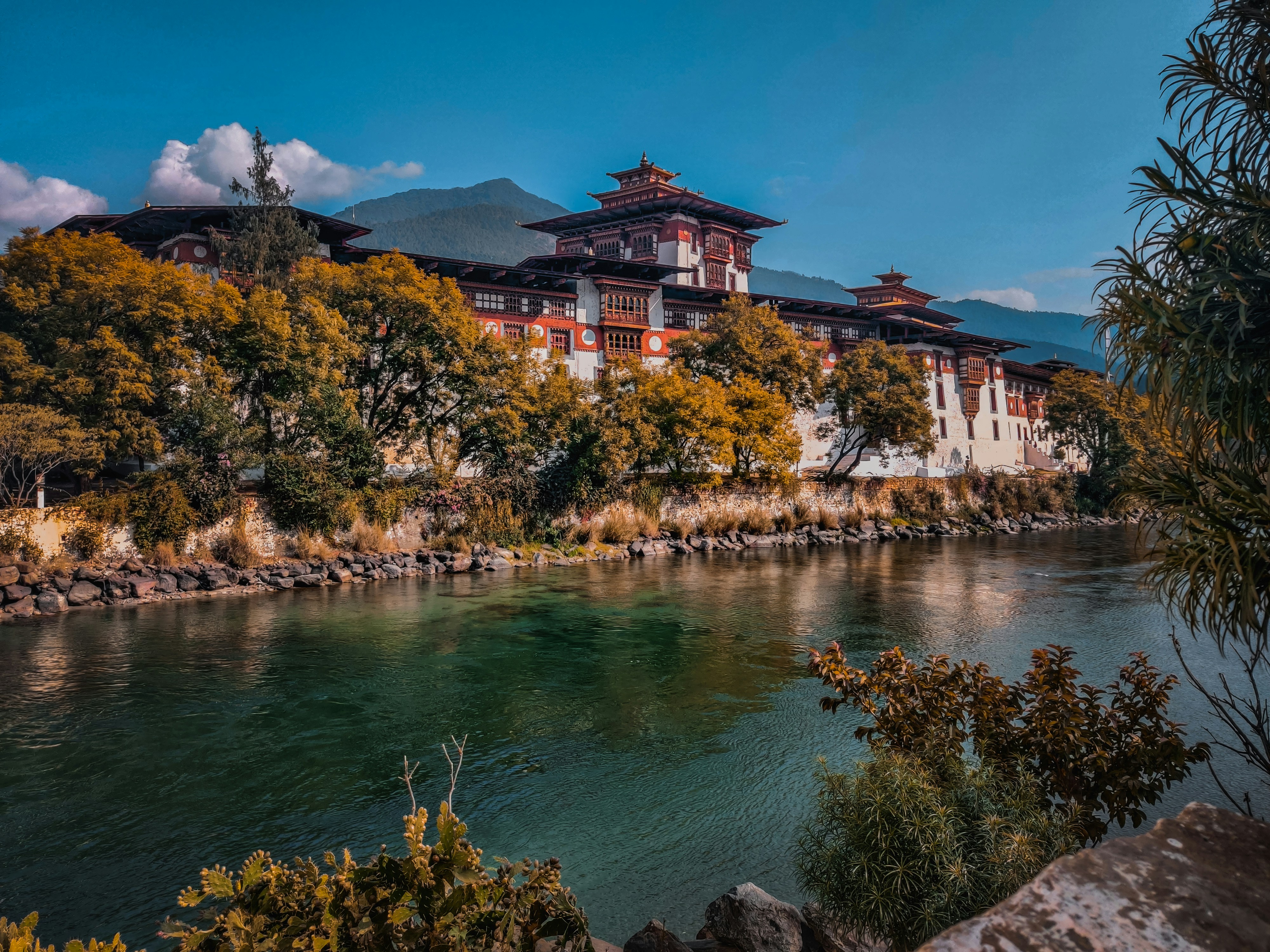
Spring is the other peak season, and the one for colour. From March the valleys warm and the slopes above the passes turn red, pink and white with wild rhododendron and magnolia, while the jacaranda blooms lilac over the lower town of Punakha. Skies are often clear early in the season before the pre-monsoon haze builds, and the days are mild enough for the long climb up to the Tiger's Nest or gentler valley trails. Spring also holds the Paro Tshechu, one of the country's largest festivals, which ends at dawn with the unfurling of a vast embroidered thongdrel said to bless all who see it.
The five day Brilliant Bhutan covers the western valleys of Paro, Thimphu and Punakha, and the 10 day Bhutan Discovery Journey carries on into the quieter Gangtey valley and Bumthang.
Monsoon and winter, quieter and better value
Bhutan
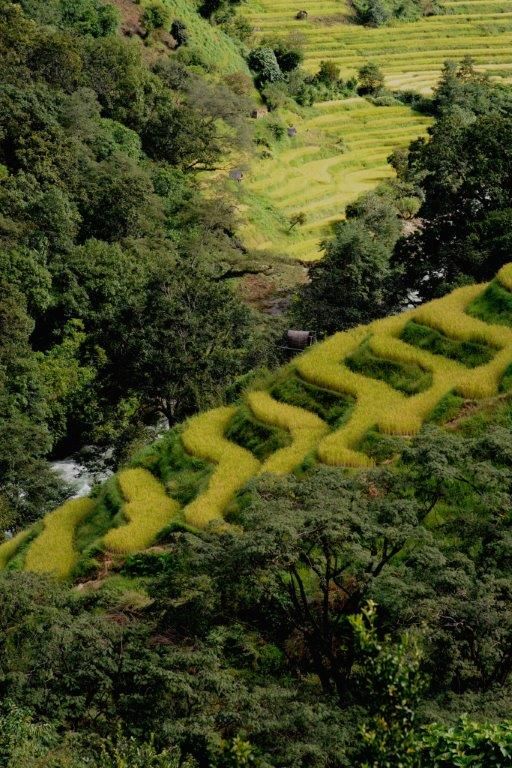
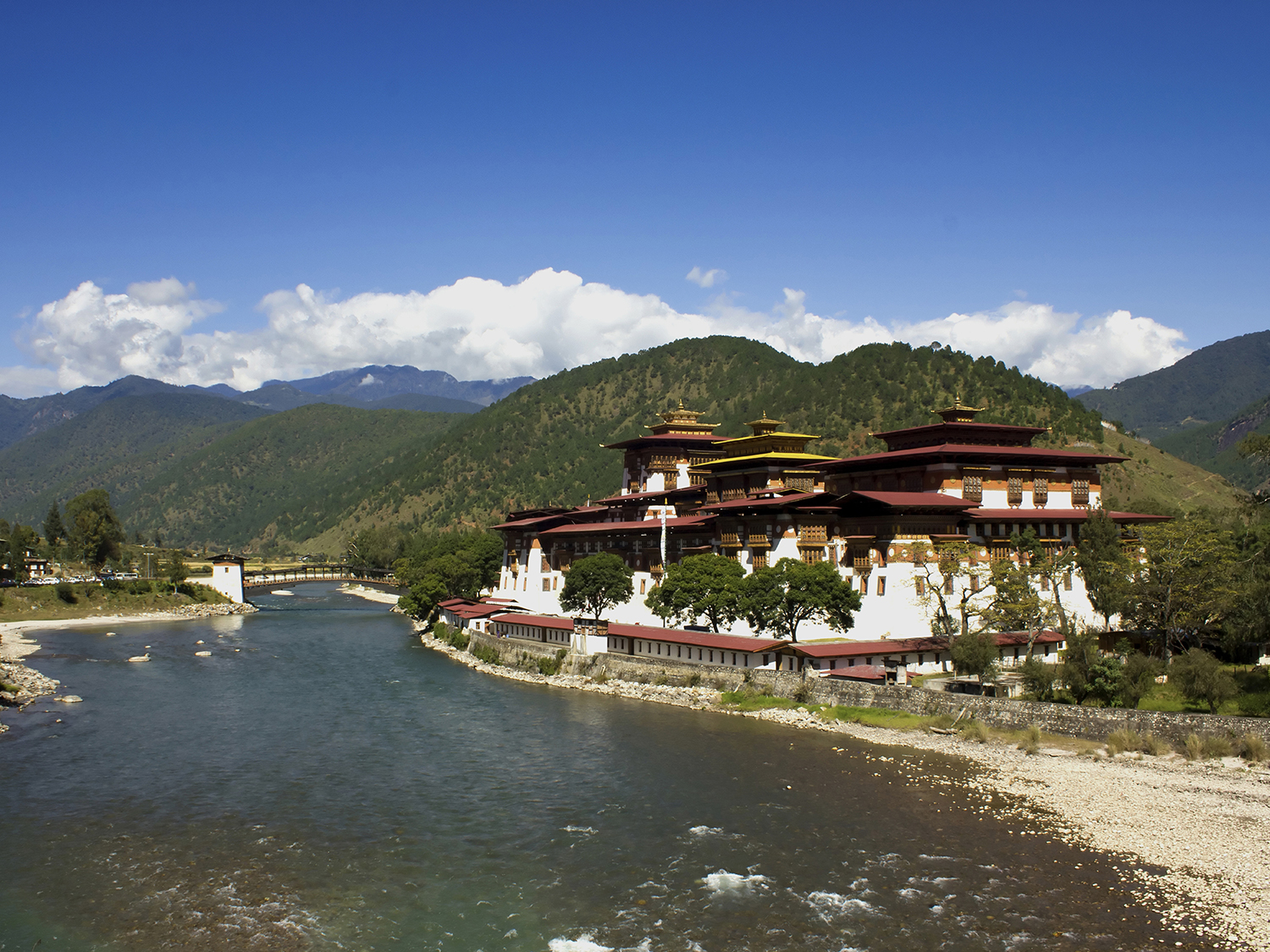
The two off-peak seasons reward travellers who do not mind a compromise. Through the monsoon, from June to August, the rain mostly holds off until late afternoon, so mornings stay open for sightseeing while the valleys are at their greenest and Punakha Dzong stands almost empty. In July the Haa valley holds its summer festival of nomadic yak-herding culture. Winter, from December to February, swaps warmth for clarity. The snow-capped peaks are at their sharpest against the cold blue sky, the cranes are still in Gangtey, and the mild lower valleys around Punakha suit a shorter western loop while the high passes are under snow. Both seasons bring lower prices and quiet roads.
The five day Brilliant Bhutan and the six day Best of Bhutan focus on the western valleys where the roads stay clear year round, while the 12 day Bhutan Extended Journey travels further in the greener, calmer months.
Festivals worth timing a trip around
Bhutan
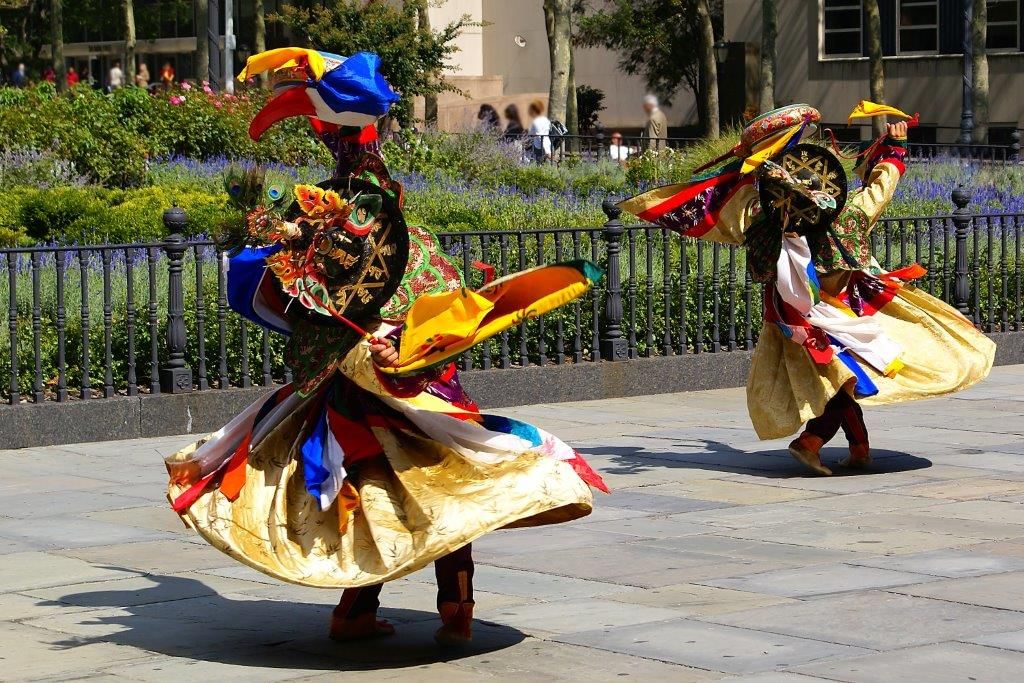
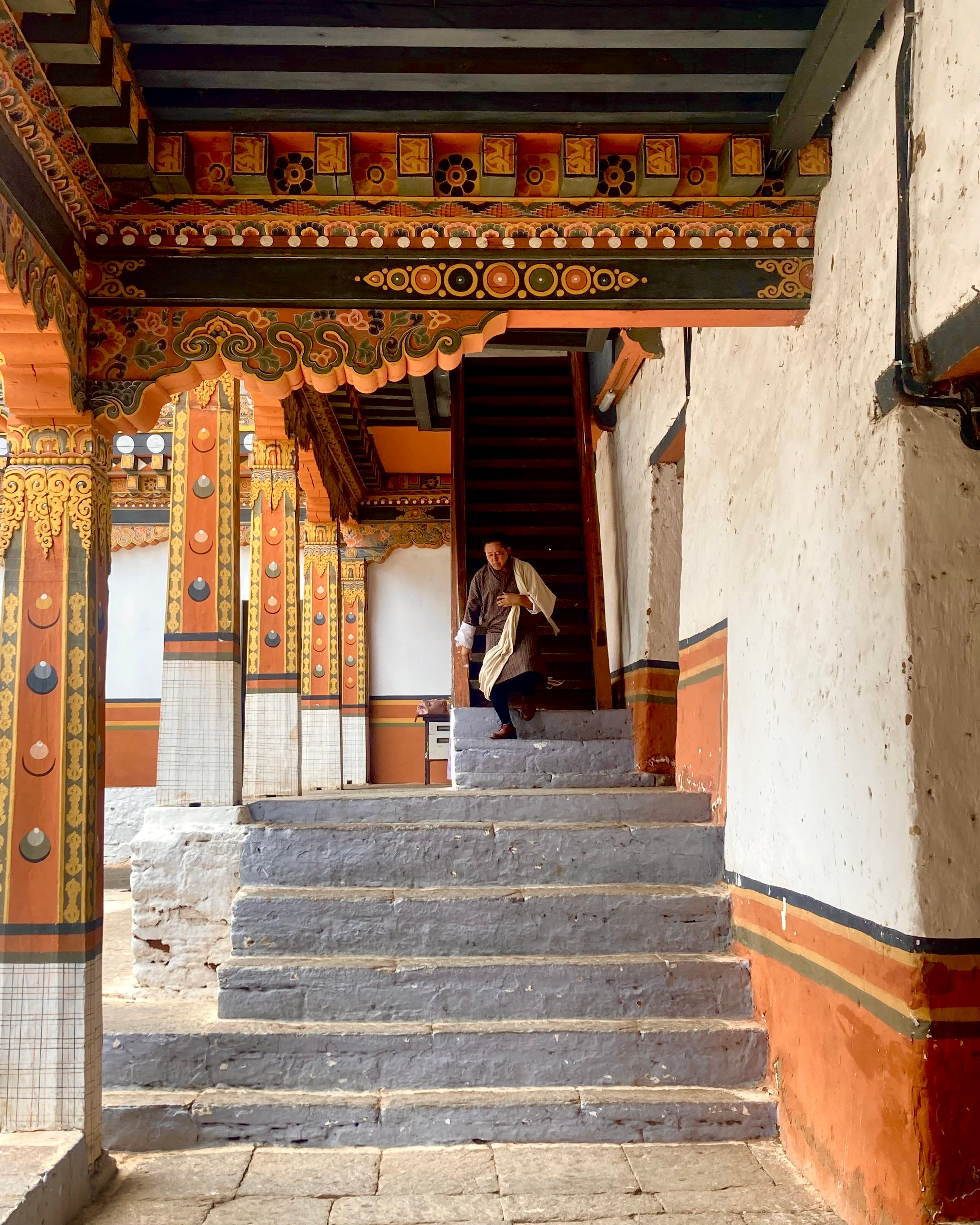
Bhutan's tshechus are religious festivals of masked dance, held in the courtyards of the dzongs to drive off ill fortune for the year ahead. The Paro Tshechu in spring and the Thimphu Tshechu in autumn are the largest, drawing whole valleys in their finest woven kira and gho. In Bumthang, the autumn festival at Jambay Lhakhang is known for a midnight fire ritual, where crowds run beneath a burning gateway to be cleansed. Late winter brings the Punakha Drubchen, which re-enacts a seventeenth century victory over a Tibetan army in the warmer courtyards of Punakha Dzong. And on 11 November the village of Gangtey marks the return of the black-necked cranes with a festival of masked crane dances performed by local schoolchildren.
The 12 day Bhutan Thimphu Festival and the 12 day Bhutan Jambay Lakhang Festival are timed to catch these gatherings.
Bhutan Season by Season
Bhutan is a year-round destination, but each season offers something different. Spring and autumn are the most popular, with mild weather, clear Himalayan views and the country's biggest festivals. Summer brings lush, green landscapes and fewer crowds during the monsoon, while winter delivers crisp, sunny days and the chance to spot rare black-necked cranes. Whenever you visit, there's a reason to fall for the Thunder Dragon Kingdom.
Spring
March to May
Valleys bloom with rhododendrons and wildflowers, while the vibrant Paro Tshechu festival draws crowds to watch masked dances beneath the fortress walls.
Summer
June to August
This is the monsoon season, bringing frequent rain, lush green landscapes and misty valleys. Fewer tourists visit, so trails and dzongs feel peaceful, though mountain views can be obscured by cloud.
Autumn
September to November
Clear skies and crisp air make it the most popular season for trekking and Himalayan views. The spectacular Thimphu and Jakar Tshechu festivals fill this period with colour, music and traditional celebration.
Winter
December to February
Days are dry and sunny, though nights turn bitterly cold, especially at altitude. Lower valleys like Punakha stay mild and pleasant, and rare black-necked cranes gather in the Phobjikha Valley.
Monasteries, Mountains and Timeless Tradition
Discover the Land of the Thunder Dragon with a carefully planned tour that takes the hassle out of travel. From the iconic Tiger's Nest Monastery clinging to its cliffside to the fortress towns of Paro and Punakha, you'll experience Bhutan's rich culture, dramatic Himalayan scenery and warm hospitality with expert guides leading the way.

Frequently asked questions
What is the weather like in Bhutan?
Bhutan's weather depends heavily on altitude. In the main valleys of Paro and Thimphu, autumn and spring days sit around 12C to 22C with cold nights. The monsoon from June to August is wet and warm, while winter brings bright dry days but nights below freezing, with snow on the higher passes.
When can you see the black-necked cranes in Bhutan?
The cranes overwinter in the Gangtey valley, also called Phobjikha, from late October to mid February, after flying in from the Tibetan plateau. The village marks their arrival with a crane festival on 11 November each year
When are the main festivals in Bhutan?
The largest tshechus are the Paro Tshechu in spring, usually March or April, and the Thimphu Tshechu in autumn, usually September. Bumthang's Jambay Lhakhang fire festival falls in autumn, and the Punakha Drubchen comes in late winter. Dates follow the lunar calendar, so they shift from year to year.
Is the monsoon a bad time to visit Bhutan?
Not necessarily. From June to August the rain tends to fall in the late afternoon and overnight, leaving clear mornings, and the valleys are green and uncrowded. The main drawbacks are cloud over the high peaks and the chance of road delays in the east.
Can you visit Bhutan in winter?
Yes. Winter, from December to February, brings some of the sharpest mountain views of the year and the fewest visitors. Days are bright in the western valleys, though nights drop below freezing and high-altitude treks close, so trips focus on the lower, milder areas like Punakha.
How many days do you need in Bhutan?
Five or six days covers the western valleys of Paro, Thimphu and Punakha and the walk up to the Tiger's Nest. 10 days or more allows time to reach the Gangtey valley and Bumthang further east. Trips here range from five to 12 days.