
On The Go Tours
Our agents are waiting to chat to you...
Are you a Travel Agent or Customer?
Do you have an booking reference?

South Korea Latest Travel Updates
Everything you need to know before travelling to South Korea in 2026
South Korea Latest Travel Updates
Everything you need to know before travelling to South Korea in 2026
When do you want to go?
2026
I'm flexible
Passengers
Adults (18+)
Children (0 - 17)
Travelling to South Korea
South Korea has long been one of Asia's most visitor-friendly destinations, and 2026 makes it easier than ever to plan a trip. Entry requirements have been simplified for travellers from many countries, and the country's transport and payment systems continue to improve for international visitors. From the temples of Gyeongju to the markets of Seoul and the volcanic landscapes of Jeju Island, South Korea rewards those who arrive well prepared. This guide covers the latest updates on entry requirements, safety, payments, transport, and connectivity for travellers heading to South Korea.
Entry requirements and the K-ETA
South Korea requires most foreign nationals to hold either a visa or a Korea Electronic Travel Authorization (K-ETA) before arrival. However, citizens of 22 specific countries are currently exempt from the K-ETA entirely until 31 December 2026, meaning they do not need to apply at all. Travellers without a K-ETA who fall under the exemption must instead complete South Korea's digital e-Arrival Card before or on arrival. All COVID-19 related entry restrictions, including mandatory quarantine, vaccination proof, and pre-departure testing, have been lifted as of 2026. Passport validity of at least six months from the date of entry is recommended. Entry requirements can change, so checking the latest guidance from the South Korean embassy or consulate for your country before travel is advisable.
Health and safety
South Korea ranks among the safest destinations in Asia for international tourists. Violent crime rates are low, emergency services are efficient, and English-language support is available in major cities including Seoul, Busan, and Jeju. Tourist areas in Seoul such as Myeongdong, Hongdae, and Gangnam maintain a visible police presence. Standard urban precautions apply in busy markets and on public transport. Drink spiking incidents have been reported occasionally in nightlife areas, so keeping an eye on your drink is sensible. Geopolitical tensions on the Korean peninsula can generate news coverage, but daily life in South Korean cities remains stable and these tensions have not affected tourism safety within the country's borders. Seasonal flooding can affect transport networks during heavy rainfall periods. Travel insurance covering medical treatment, emergency evacuation, and trip disruption is strongly recommended.
Payments and money in South Korea
International credit and debit cards are widely accepted at hotels, restaurants, shops, and larger businesses throughout South Korea. For public transport, a rechargeable transit card is by far the most practical option. The T-money card is the standard choice and is accepted on all subways, city buses, airport buses, taxis, and at convenience stores nationwide. Standard T-money cards are topped up with Korean Won cash at subway station kiosks. For travellers who prefer to avoid cash, the WOWPASS card combines a T-money transit balance with a foreign-currency debit card, and can be topped up using international cards via a companion app. It is available at major airports on arrival. For those staying in Seoul and planning frequent travel, the Climate Card Tourist Pass offers unlimited subway and bus rides within the city for a flat daily or weekly rate. As of 2026, foreign Mastercard holders can also load transit credit directly into the MobileTmoney app via Apple Wallet, removing the need for a physical card entirely. Carrying a small amount of Korean Won cash remains useful for street food stalls, traditional markets, and smaller local restaurants.
Getting around
South Korea's public transport network is one of the most reliable in the world. Seoul's metro system is extensive, well-signed in English, and connects the city's major attractions efficiently. High-speed KTX trains link Seoul to Busan, Gyeongju, and other destinations across the country, making day trips and multi-city itineraries straightforward. For navigation, Google Maps does not provide walking or transit directions in South Korea due to local data restrictions. Naver Map and KakaoMap are the recommended alternatives and should be downloaded before arrival. Taxis are plentiful and affordable, and the KakaoTaxi app works well for booking with payment via card.
Connectivity
South Korea has some of the fastest and most reliable mobile internet in the world. Picking up a local SIM card or eSIM at Incheon Airport on arrival is straightforward and provides immediate 4G or 5G access. Airport kiosks and convenience stores such as CU and GS25 stock tourist SIM packages with data included. Having mobile internet from the moment you land is particularly useful for transport apps, navigation, and payment tools.
Frequently asked questions
Do UK travellers need a K-ETA to visit South Korea in 2026?
The K-ETA exemption for eligible nationalities, including UK passport holders, has been extended until 31 December 2026. This means UK travellers do not need to apply for a K-ETA for tourist stays. Instead, a digital e-Arrival Card must be completed. Entry requirements can change, so checking the latest guidance from the South Korean embassy before travel is recommended.
Are there any COVID-19 entry restrictions for South Korea in 2026?
No. All COVID-19 related entry requirements have been lifted, including mandatory quarantine, vaccination certificates, and pre-departure testing. No health declaration form is required for entry into South Korea as of 2026.
Is it safe to travel to South Korea in 2026?
South Korea is considered one of the safest destinations in Asia for international tourists, with low violent crime rates and efficient emergency services. Geopolitical tensions on the Korean peninsula attract media attention but have not affected tourism safety within South Korean borders. Standard precautions apply in busy tourist areas and nightlife districts.
What is the best way to pay for public transport in South Korea?
A T-money card or WOWPASS card covers all subway, bus, and taxi journeys and can be topped up at subway station kiosks or via app. For travellers staying in Seoul and planning frequent travel, the Climate Card Tourist Pass offers unlimited rides within the city for a flat rate. As of 2026, iPhone users with a Mastercard can also load transit credit directly through Apple Wallet via the MobileTmoney app.
Can I use Google Maps to navigate in South Korea?
Google Maps does not provide walking or public transit directions in South Korea due to local data restrictions. Naver Map and KakaoMap are the apps used locally and both offer English-language interfaces. Downloading one or both before departure is strongly recommended.
Do I need travel insurance for South Korea?
Travel insurance is strongly recommended. There is no reciprocal health agreement between the UK and South Korea, meaning private medical costs fall entirely on the traveller. A policy covering medical treatment, emergency evacuation, and trip disruption provides important protection.
Highlight of South Korea
Discover our top picks for places to visit in South Korea and experience them first hand on one of our south Korean tours!
Seoul
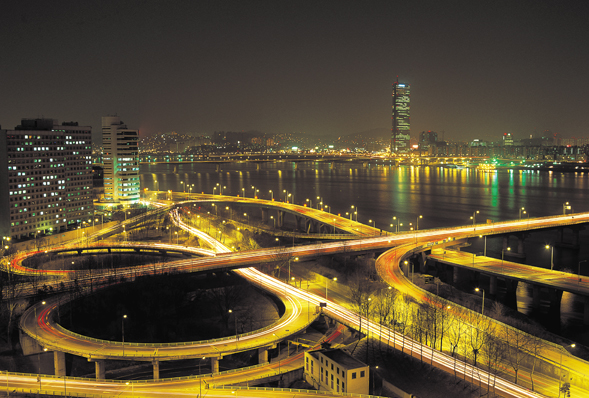
Where the bright lights of the future meet relics of the past. Traditional temples and ancient ruins hide within the bustling streets of Seoul. Seoul is also a '24 hour city' that never sleeps. From the bars of Hongdae to the shops of Gangnam and the developed banks of the Han river, you'll never run out of things to do.
The DMZ
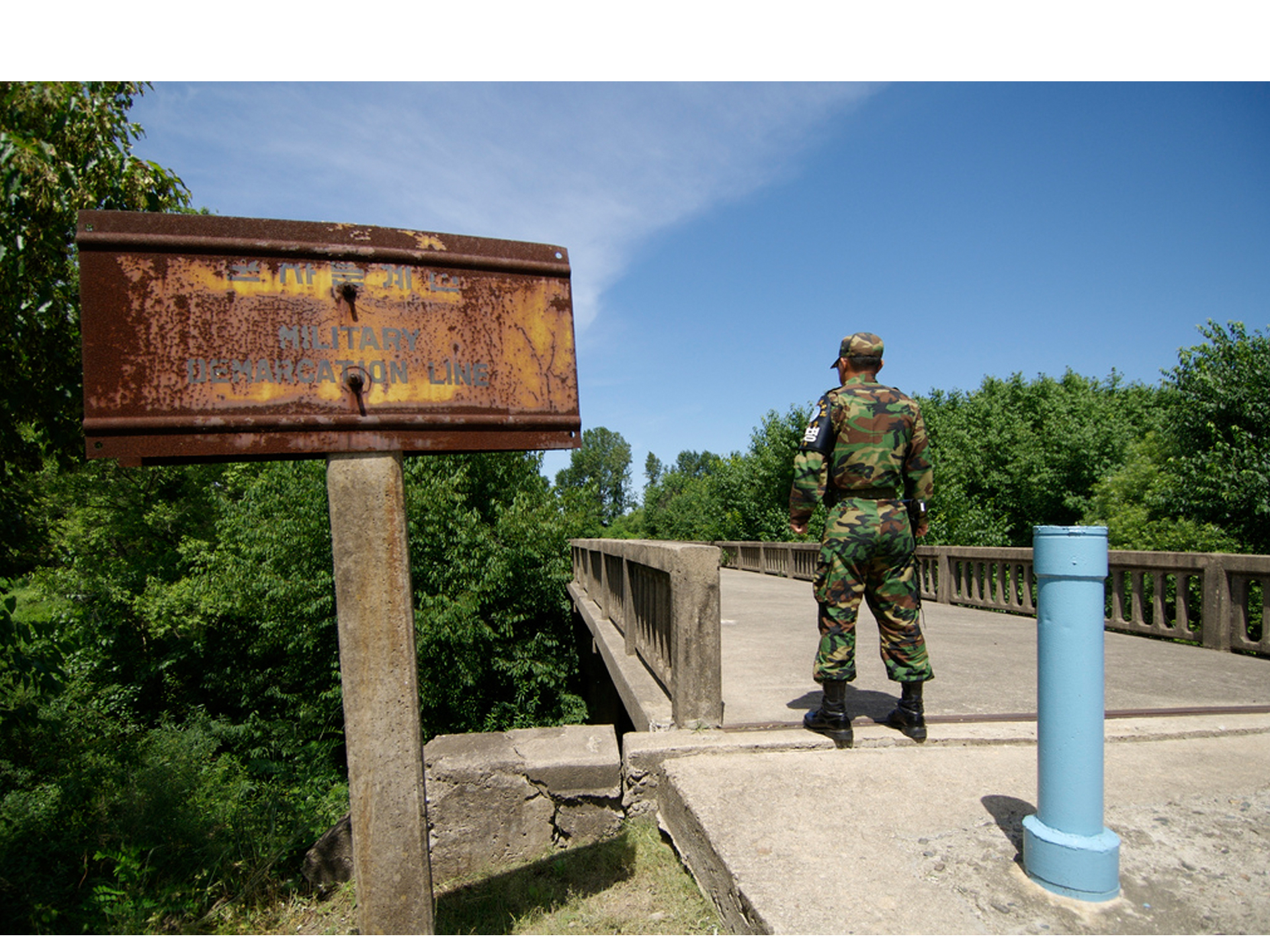
A buffer zone between North and South Korea that has become a de facto nature reserve. A walking tour to a stretch of the DMZ yields uniformed soldiers, memorials to the victims of the 1950 - 1953 Korean War and an observatory where you can peek into the reclusive North.

Jeju Island
Lying off the south coast of the Korean peninsula and home to a unique layer of South Korean culture, Jeju is an island getaway like no other. Head towards its idyllic beaches, mountain hikes, and unrivalled views. Jeju was voted one of the New Seven Wonders of Nature - let us help you find out why!

Gyeongju
Gyeongju glitters with traditional Buddhist temples and towering pagodas. It brims with tales of ancient Korean culture. It's where a proud, colourful history comes to life.
Mount Seoraksan National Park
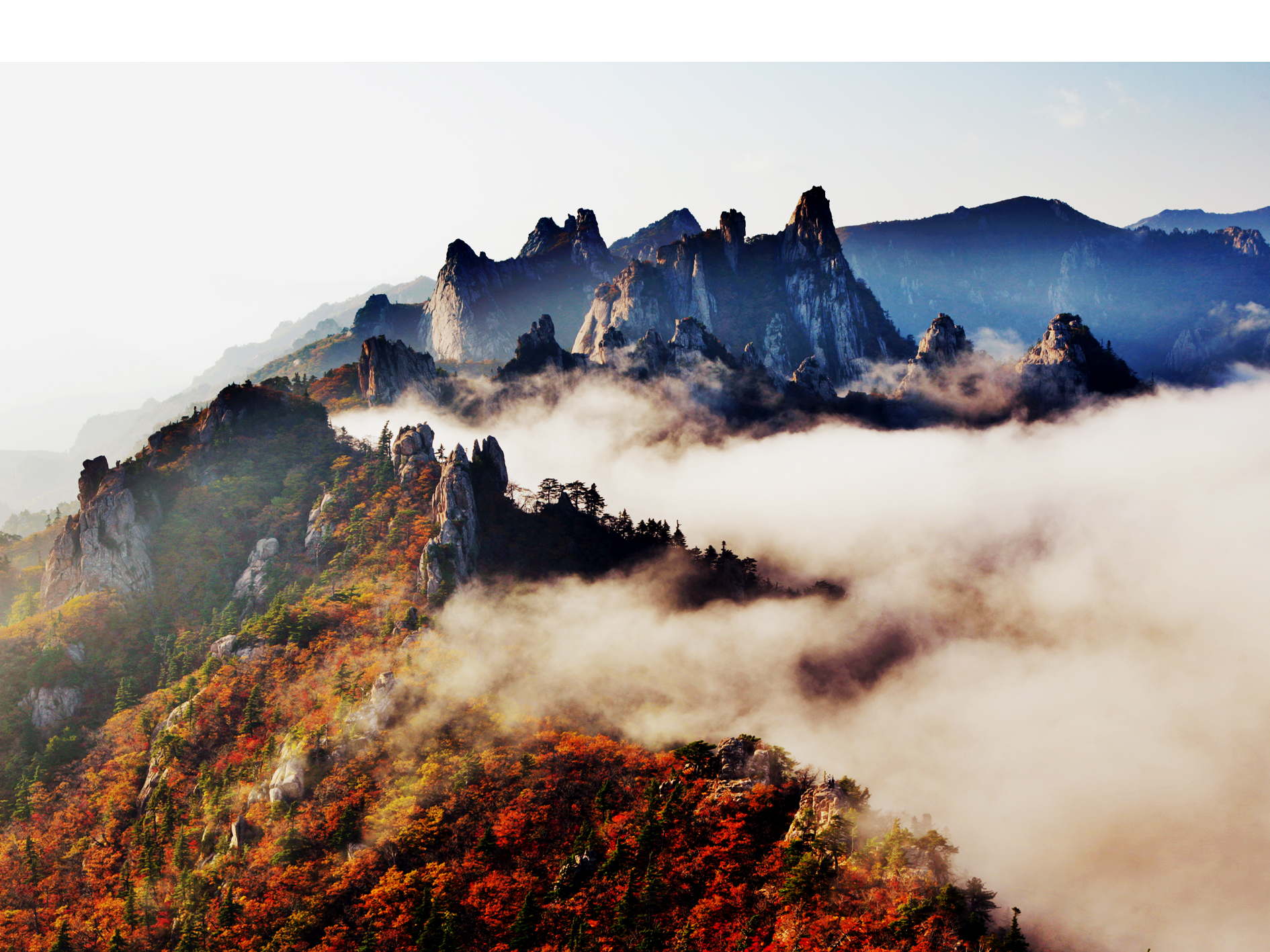
Mountain peaks, hot springs, and untouched natural beauty. Uncover South Korea's hidden side at Seoraksan National Park. A Biosphere reserve protected by UNESCO, it's a great location for hiking, nature, and wildlife holidays.
Busan
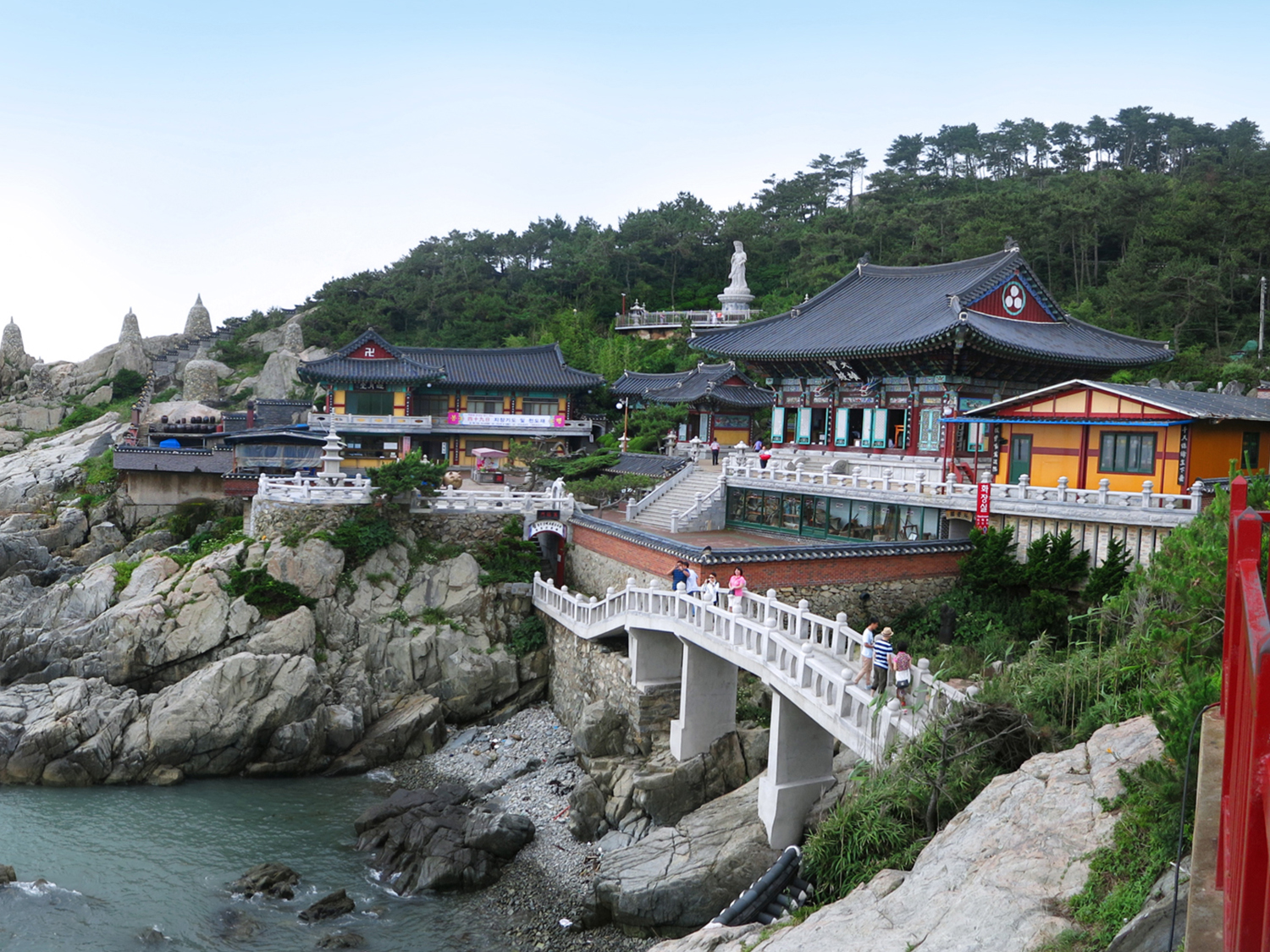
Trendy Busan is South Korea's hippest destination, with tropical beaches, stunning mountain scenery and a thriving cultural scene to be found alongside historic temples. The city is also home to one of the world's largest department stores, and a lively night scene.