
On The Go Tours
Our agents are waiting to chat to you...
Are you a Travel Agent or Customer?
Do you have an booking reference?
Best time to visit Italy
When to go for the weather and fewer crowds, season by season
Best time to visit Italy
When to go for the weather and fewer crowds, season by season
When do you want to go?
2026
I'm flexible
Passengers
Adults (18+)
Children (0 - 17)
Italy through the seasons
The best time to visit Italy is late spring and early autumn, with May, June and September. These months bring warm, settled weather without the fierce heat of high summer. Crowds are thinner too, and flights and hotels sit well below the July and August peak.
Italy rewards travel in every season, so the right month depends on what you want from the trip. Spring covers Tuscany and the northern lakes in colour. Summer belongs to the coast. Autumn brings the grape harvest and quieter cities, and winter empties the galleries of Rome, Florence and Venice. The weather also shifts sharply from the Alps down to Sicily, so where you go matters as much as when.
Itineraries range from 3 to 21 days, covering iconic routes at a medium, accessible pace. The 11-day Best of Italy by Train trip uses rail to connect Venice, Florence, Naples, and the Amalfi Coast. For a longer travel experience, the 16-day Journey Through Italy's Timeless Charms combines mainland highlights like Pisa and Portofino with coastal Sicily.
Spring and autumn, the shoulder season sweet spot
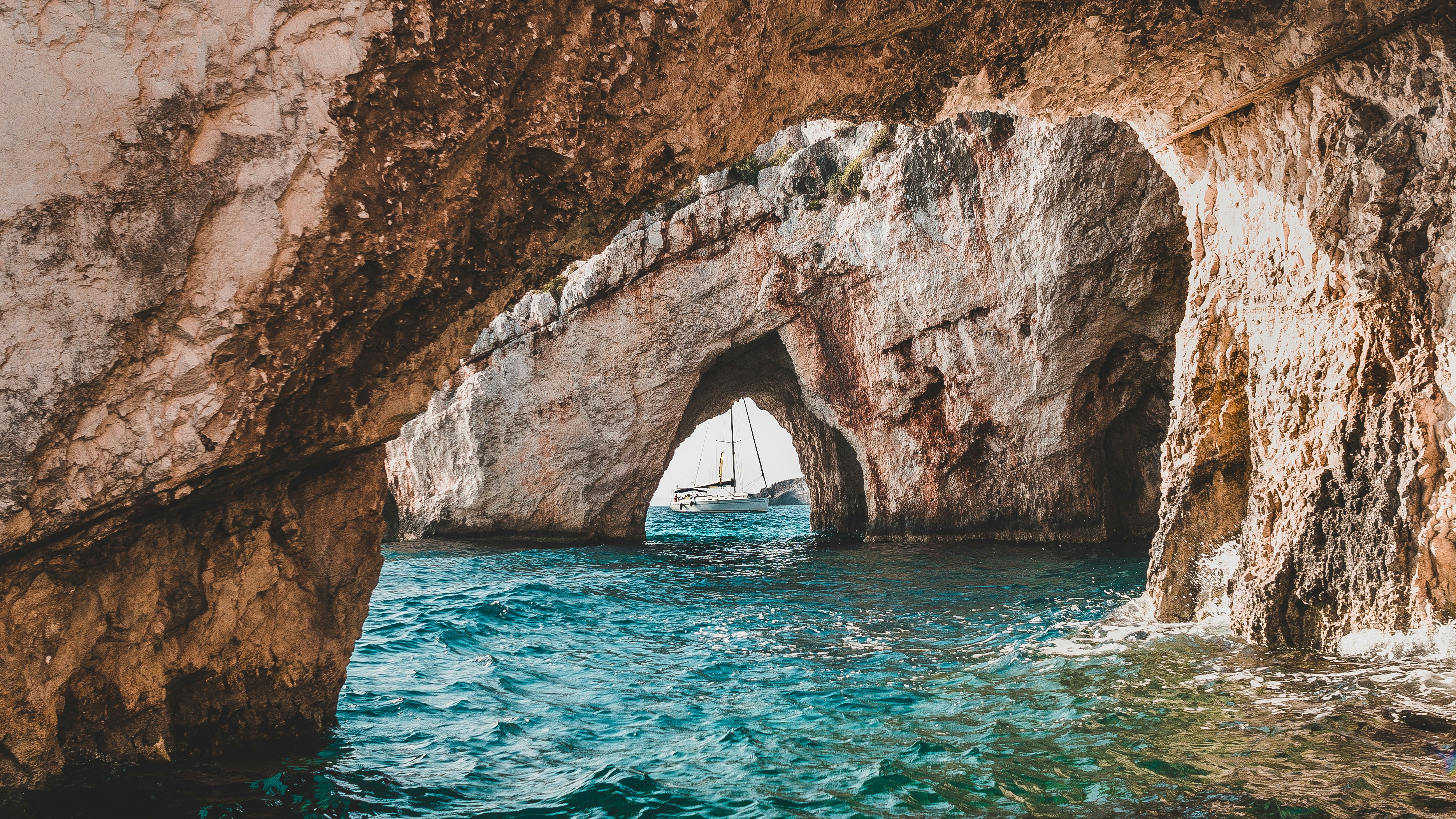
Amalfi Caves
Spring and autumn are the seasons most travellers come home happiest about. From March to May, and again from September to November, daytime temperatures across central and northern Italy usually sit between 18 and 25℃ (65-77 °F). That is comfortable weather for long days on foot.
Walking through Rome or climbing to a viewpoint in Florence is far easier without the midsummer heat. Queues shorten at sights like the Colosseum and the Uffizi. Spring scatters wildflowers across the countryside, while autumn brings the Tuscan grape harvest and the first pressing of olive oil. Coastal towns are calmer in these months, and the sea stays warm enough to swim well into September. The 9-day Italy's Iconic Cities and Scenic Wonders trip runs regularly during these pleasant months. This medium-paced itinerary takes you through Rome, Florence, Pisa, Venice and the Lakes Region. You can join guided city walks and travel comfortably between highlights on a large coach tour.
Summer on the coast and the northern lakes
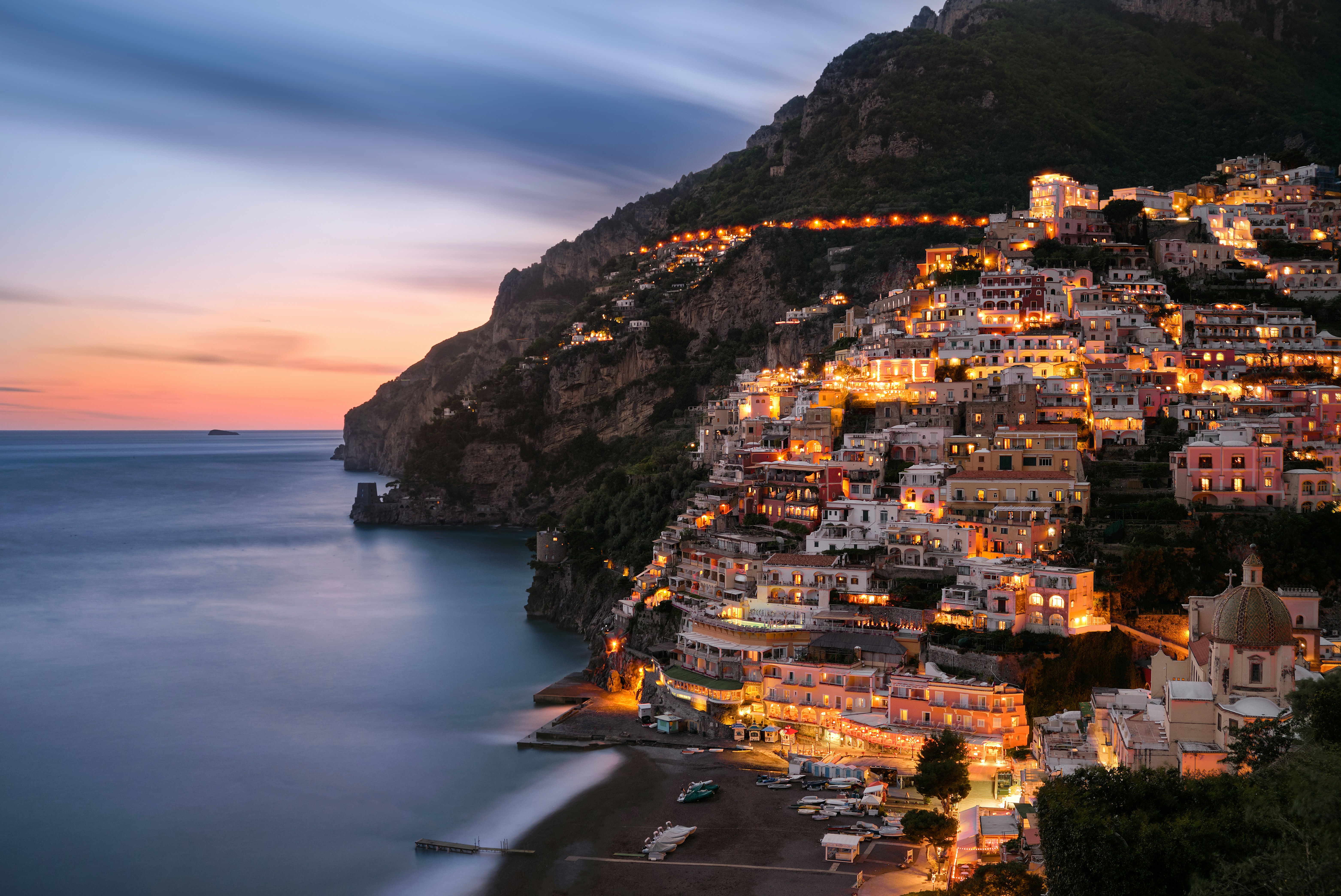
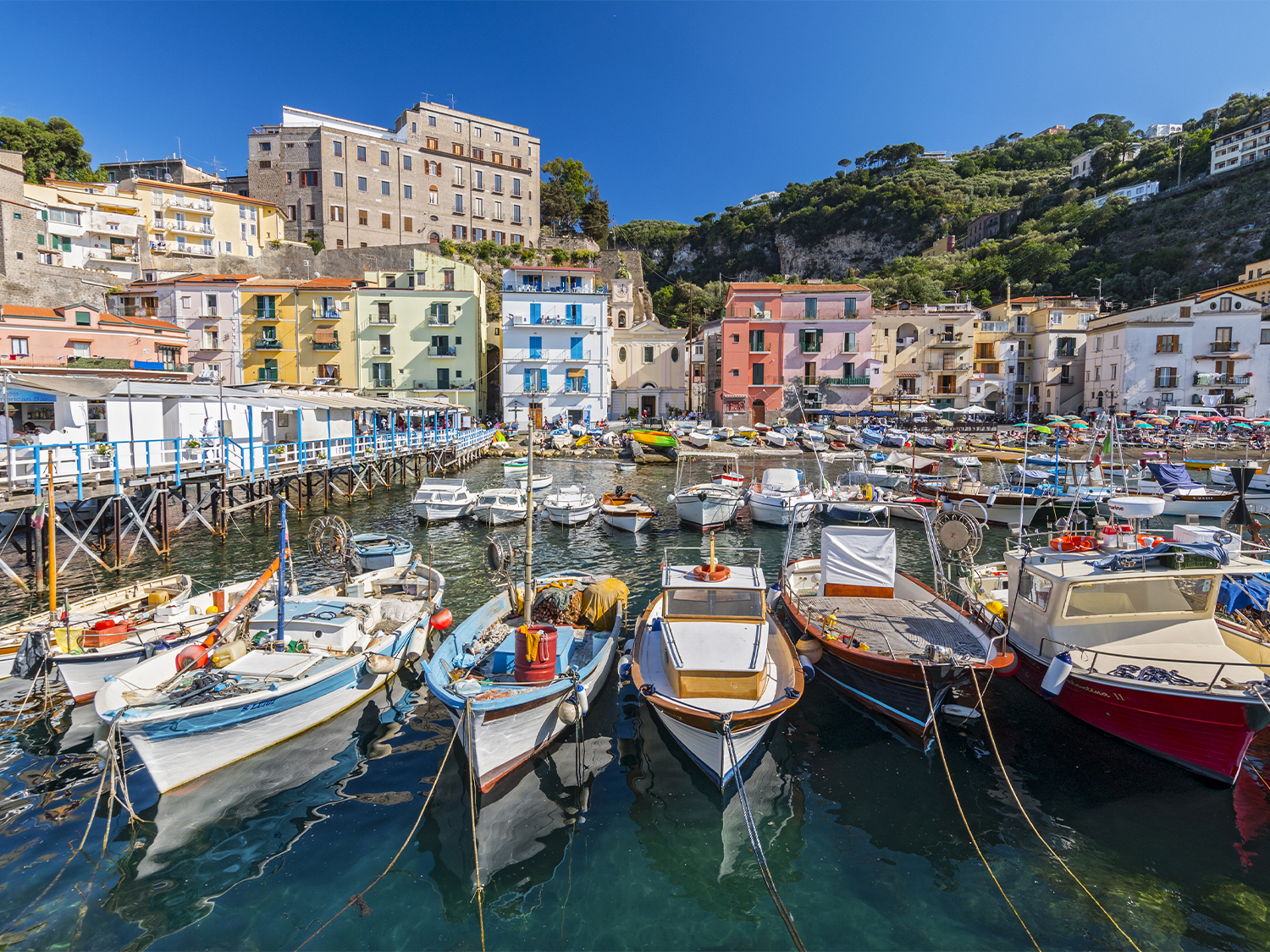
Amalfi Coast
Summer draws crowds for a reason. Long, hot days suit the Amalfi Coast, Capri and the southern beaches, where July temperatures often climb past 30℃ (86°F). Early morning is the time for a seaside walk, before the heat and the day trippers arrive. The water around Capri turns clear and warm, good for boat trips and swimming.
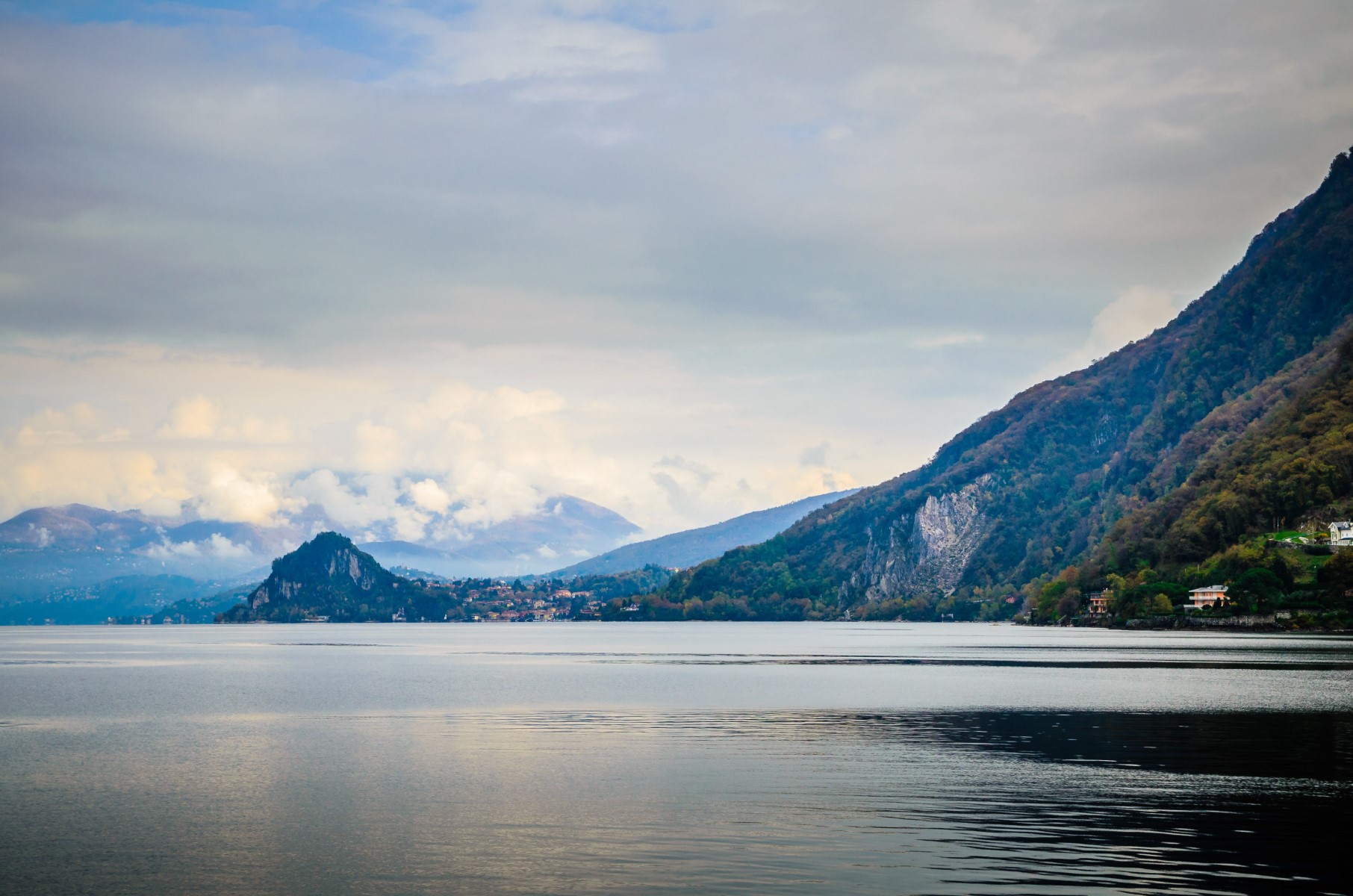
Inland cities are a harder sell in July and August. Rome and Florence get hot and busy, and some smaller businesses close for the Italian summer break. The northern lakes are a cooler alternative. A breeze comes off Lake Como and Lake Garda, and the pace is slow, built around ferry rides and lakeside strolls. The 11-day Best of Italy by Train trip visits Sorrento, Capri, and Positano during the coastal season. Trips run as large coach tours or group tours with up to 65 travellers. Inclusions vary by trip.
Winter in Italy's cities without the crowds

Snowy winters in Italy
Winter is the quiet season, and for a city break that is the appeal. Between November and February, daytimes in Rome, Florence and Venice hover around 8 to 13℃ (46-55°F). You will want a warm coat. In return you get short queues at the Colosseum, calm museum galleries and clear light across the Venetian canals.
Prices drop outside the Christmas and New Year window, which stays busy with weekend visitors. The north tells a different story again. Snow settles over the Alps and the ski resorts fill, so winter is worth a look if you would rather be on a mountain than in a piazza. Group tours and large coach tours run throughout the season, offering reliable transport and expert local insights.
How the weather shifts from the Alps to Sicily
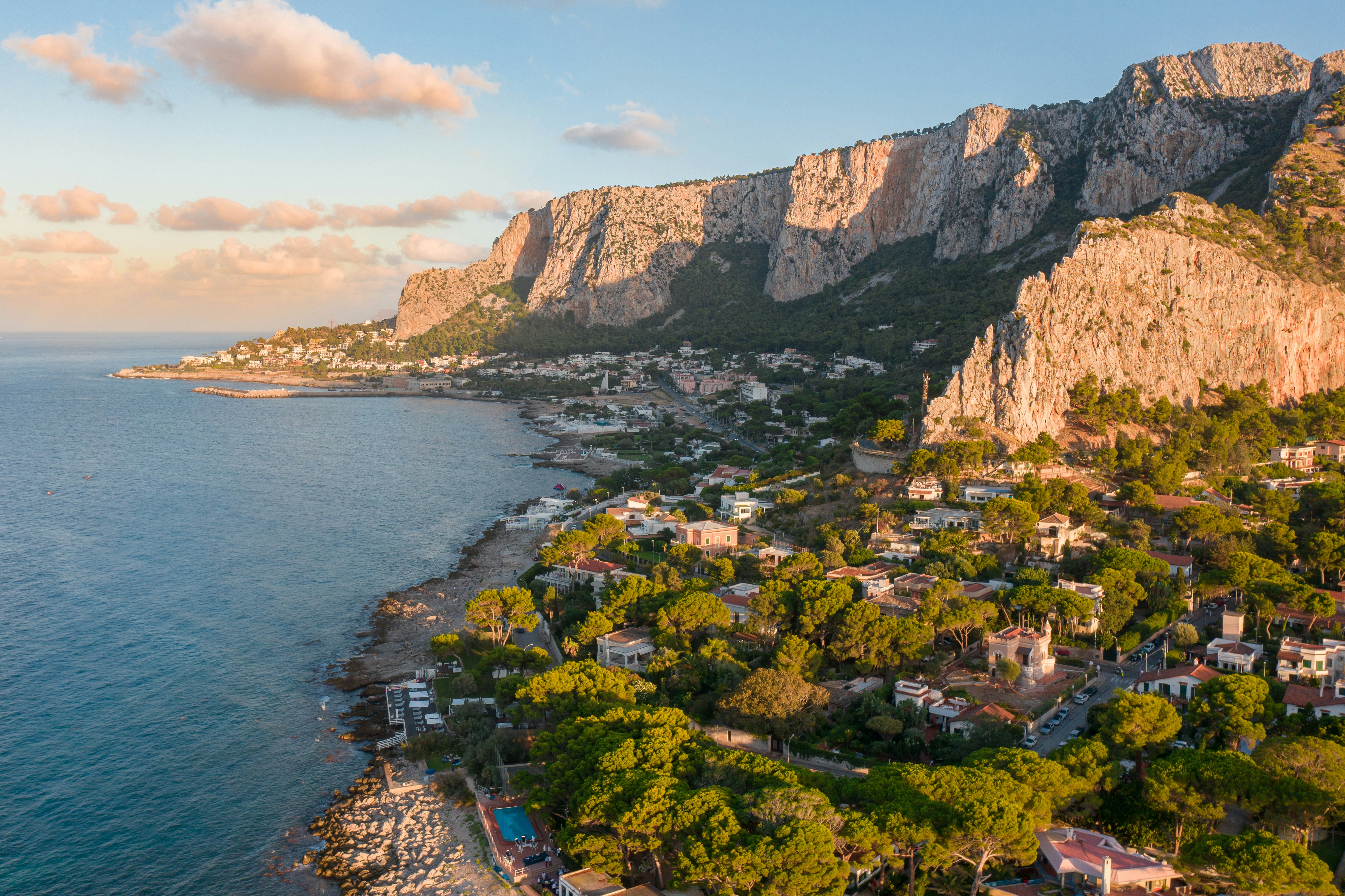
Sicily
Italy is long, and its climate changes as you travel south. The Alps and northern lakes stay cooler and see more rain, so late spring through early autumn is the comfortable window there. Central regions like Tuscany and Rome warm to a pleasant 20 to 25℃ (68-77°F) in spring and early autumn. The far south and Sicily hold their summer heat well into October.
The contrast shows city by city. Venice runs cold and damp in winter, with highs near 6℃ (43°F) in January, then climbs into the high twenties by July. Rome is milder in winter and hot and dry at the height of summer, with July highs around 32℃ (90°F) and almost no rain. Palermo in Sicily rarely drops below 13℃ (55°F) even in January, which makes the island a strong choice for winter sun. The 16-day Journey Through Italy's Timeless Charms captures these regional climate changes as you travel south. You will explore northern hubs like Milan and Venice before venturing to Sicily's sun-drenched coastlines. Inclusions vary by trip, but choosing a well-paced itinerary lets you enjoy iconic landmarks in every region comfortably. Speak to one of our agents to help select the ideal departure date for your trip.
Beat the heat and the crowds

Family Trips
The right month depends as much on who you are travelling with as on the weather.
Families are often tied to the school holidays, which means July and August. That is the hot, busy and expensive stretch, so the coast and the northern lakes tend to work better than the cities, where children and midday heat rarely mix well. If you can travel outside term time, Easter and late May bring warmer days and shorter queues.
Solo travellers get the most from the shoulder months and even winter. Cities are cheaper and calmer, and a group tour is an easy way to have company on the road when you want it and quiet time when you do not. Spring and autumn strike a good balance of pleasant weather and a sociable feel. For sightseeing without the heat, aim for spring, autumn or winter. Walking Rome, Florence and Venice is far more comfortable when the temperature sits in the teens or low twenties, and the queues at the major galleries and ruins are shorter. Summer suits the water, not a full day on your feet around the sights.
Planning your multi-day trip to Italy
Once you have a season in mind, the shape of the trip is the next choice. Multi-day trips in Italy run from short city breaks of a few days to longer routes of two weeks or more that link several regions. Most travel at a steady, accessible pace built around the main sights, with local transport, accommodation and daily activities arranged for you.
Late spring and early autumn suit the longer overland routes, when the weather is kind across the whole country. Summer favours the coast and the lakes. Winter works well for a focused city break. Group tours and private trips are both available, and many are operated by trusted local partners. Options and inclusions vary by trip, so check the detail before you book.
With multi-day trips ranging from 3 to 21 days, choosing an itinerary depends on how much ground you want to cover. Most group tours run at a medium pace with easy physical activity. The 11-day Best of Italy by Train offers a smooth way to visit Venice, Florence, Sorrento, and the Amalfi Coast. For a broader regional route, the 9-day Italy's Iconic Cities and Scenic Wonders travels from Rome through Tuscany and Genoa to the northern Lakes Region.
Options include large coach tours, group trips, and private travel experiences. Local transit, accommodation, and daily activities are organised for you, supported by 24/7 assistance from our team.
Choose an Italy tour to suit the season
Whatever month you choose, there is a multi-day trip to match it. Italy tours range from short city breaks to longer routes across several regions, with transport, accommodation and sightseeing arranged for you. Many are operated by trusted local partners, with departures throughout the year, so browse the options below to find dates that suit your plans.


Frequently asked questions
When is the best time to visit Italy?
The best time to visit Italy is May, June or September. These months give you warm, settled weather, thinner crowds than high summer and lower prices for flights and hotels. Spring and early autumn also suit sightseeing in the cities, when the heat is manageable and queues are shorter.
What is the cheapest time to visit Italy?
November to February is the cheapest time to visit, outside the Christmas and New Year period. Flights and accommodation fall to their lowest, and the cities are quiet. You trade warm weather for the savings, so pack for cool, sometimes wet days.
Is it too hot to visit Italy in August?
August is hot, especially in Rome, Florence and the south, where temperatures often pass 30℃ (86°F). It suits the coast and the lakes far better than the inland cities. Many Italians take their own holidays in August, so some city businesses close for part of the month.
When is the best time to visit Italy to avoid crowds?
For fewer crowds, travel in the shoulder months of April, early May, late September and October, or in winter outside the festive weeks. Major sights like the Colosseum and the Uffizi are noticeably quieter, and popular spots on the Amalfi Coast feel calmer
When is the best time to visit the Amalfi Coast?
Late May to September is the season for the Amalfi Coast, when the sea is warm and the towns are lively. September is a strong choice, with warm water and fewer visitors than the July and August peak. Many hotels and ferries wind down from late October.
How hot is Italy by month?
Italy ranges from average highs of around 6°C (43°F) in Venice in January to 32°C (90°F) in Florence and Rome in July and August, with the south staying roughly 5 to 9°C warmer than the north year-round.