On The Go Tours
Our agents are waiting to chat to you...
Are you a Travel Agent or Customer?
Do you have an booking reference?
Trips and Tours to Chobe National ParkTake a Safari tour to Chobe National Park
When do you want to go?
2026
I'm flexible
Passengers
Adults (18+)
Children (0 - 17)
About Chobe National Park
Chobe National Park, located in northern Botswana, is one of Africa’s premier wildlife destinations, renowned for its breathtaking landscapes and diverse ecosystems. Established in 1968, the park spans approximately 11,700 square kilometres and is home to one of the largest concentrations of elephants in the world. The Chobe River, which runs along the park’s northern boundary, attracts an abundance of wildlife, including hippos, crocodiles, and a variety of bird species, making it a prime location for boat safaris and game viewing. With its rich biodiversity and stunning scenery, Chobe offers an unforgettable experience for nature lovers and adventure seekers alike.
The park is the second largest park in Botswana and has sections of marshland, flood plains, savannah, grassland, woodland and two rivers. The park is incredibly diverse and makes up some of the most spectacular scenery in the country. In 1932 a non-hunting area was set up and eventually, in 1957, Chobe became the first National Park in Botswana. Both driving tours and boat excursions along the river are popular ways to see the indigenous game of this park.
Tours to Chobe National Park
We offer a range of safari tours visiting the Chobe national park. Take a cruise along the Chobe River and keep an eye out for the many elephants that live in the park. Take a game drive thought the park in search of the Big Five and enjoy the stunning scenery of one of Botswana’s most beloved national parks.




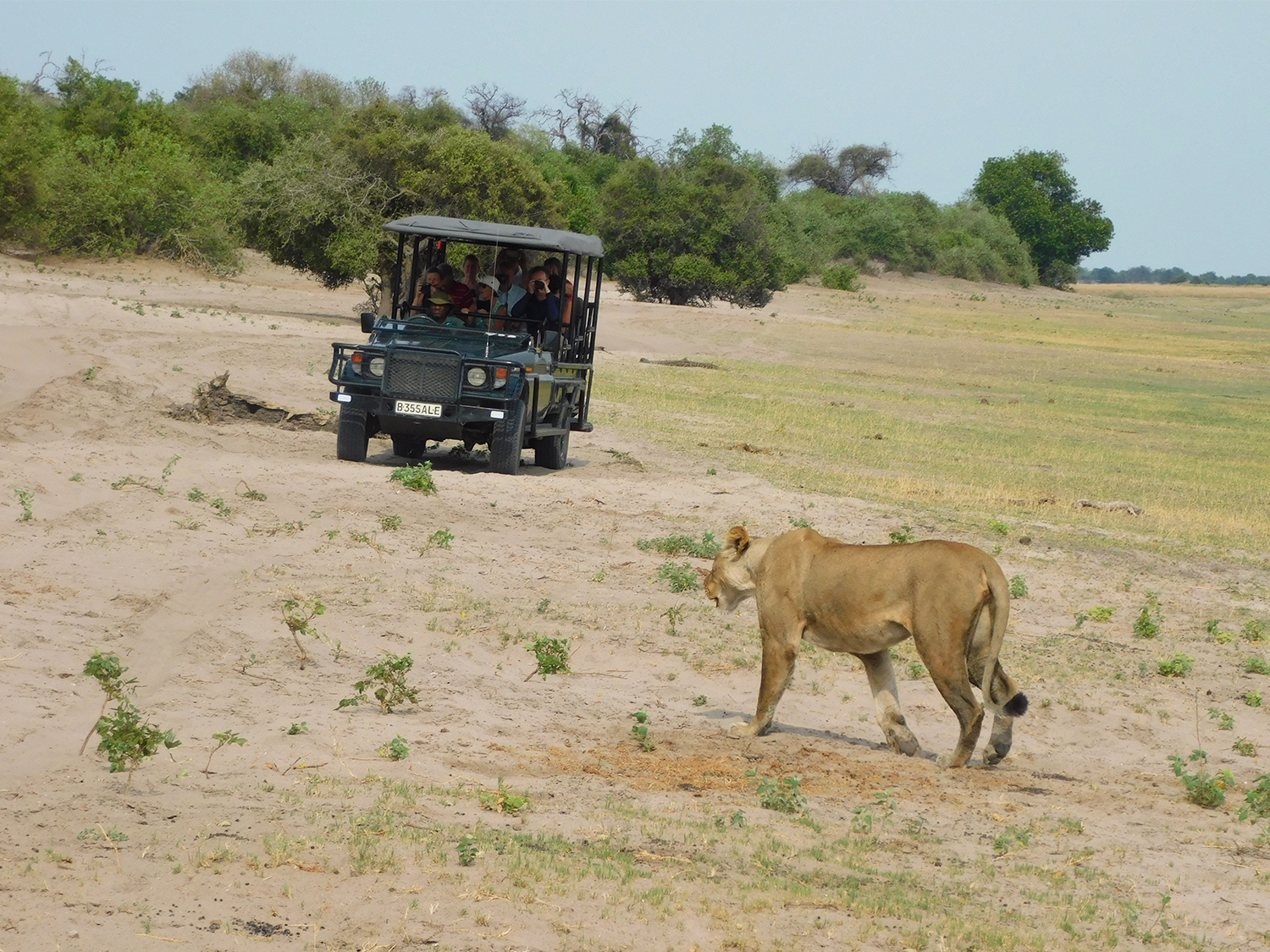
What to expect on a tour to Chobe National Park
When visiting Chobe Park you can expect a variety of wildlife, from herds of elephants, hippos, lions, leopards and so much more. The park also has a diverse mix of terrains from crystal blue rivers to sandy plains, taking a drive through the park is a beautiful exploration of the natural world.
Animals to see in Chobe National Park
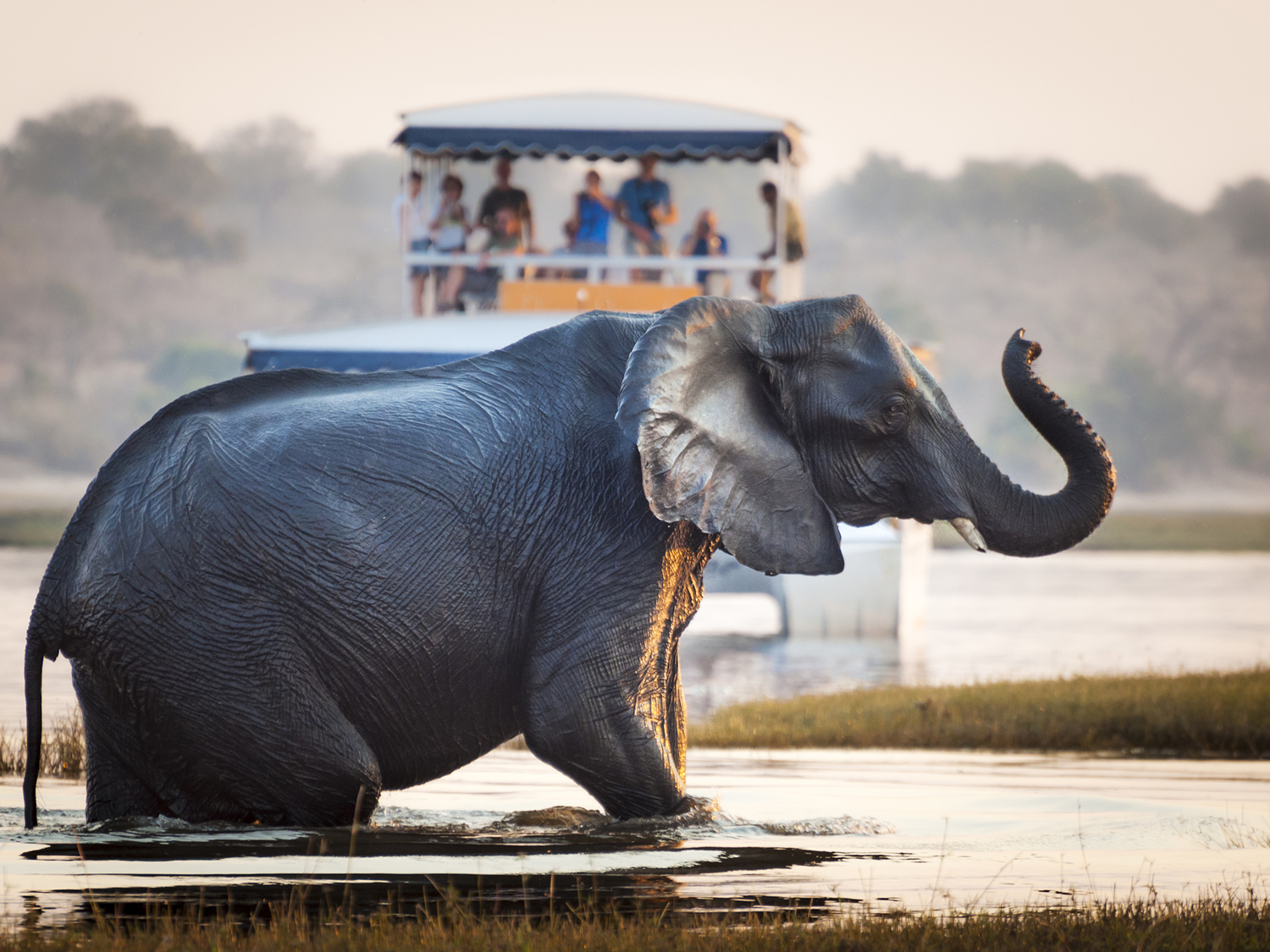
Elephants
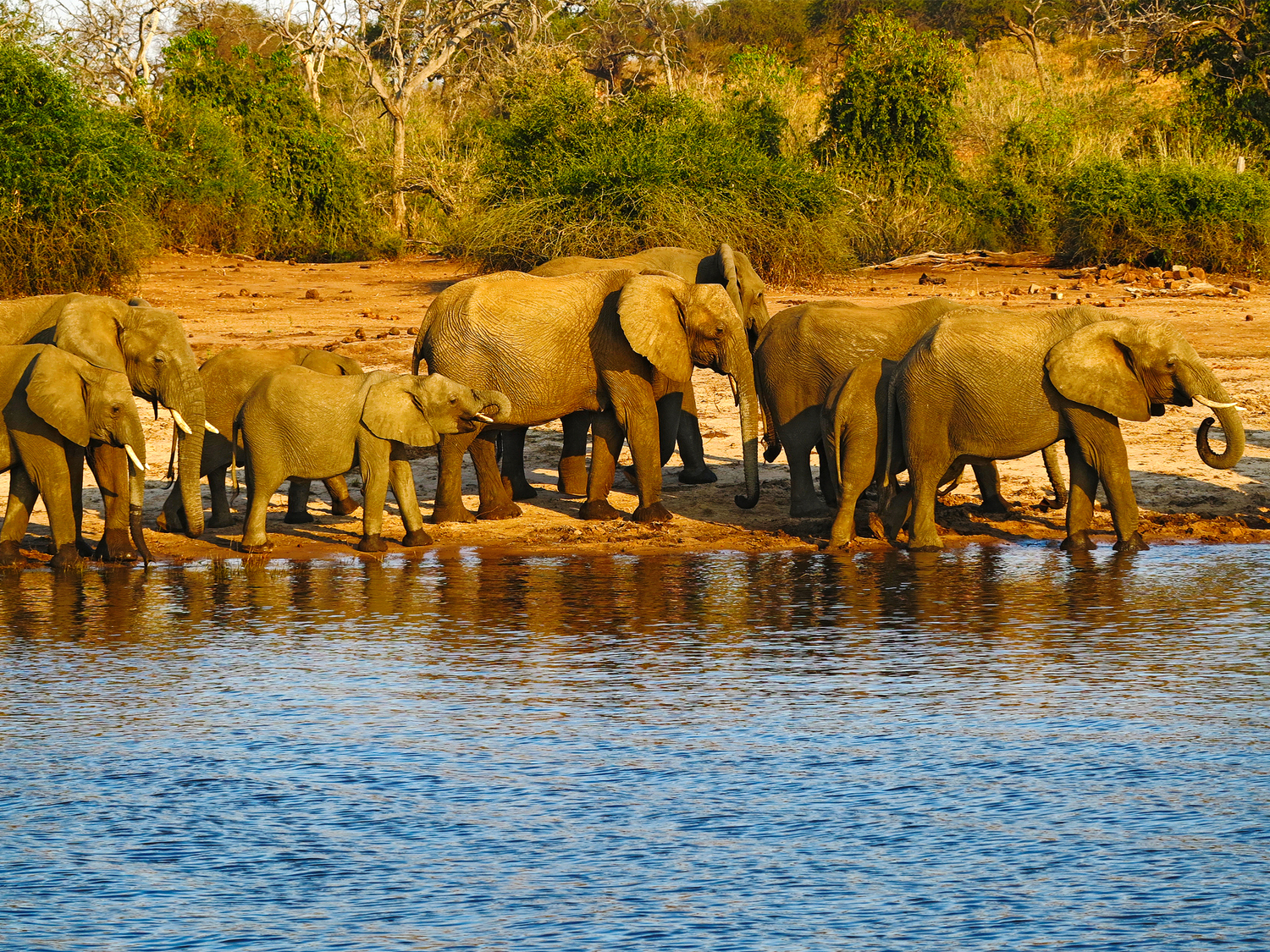
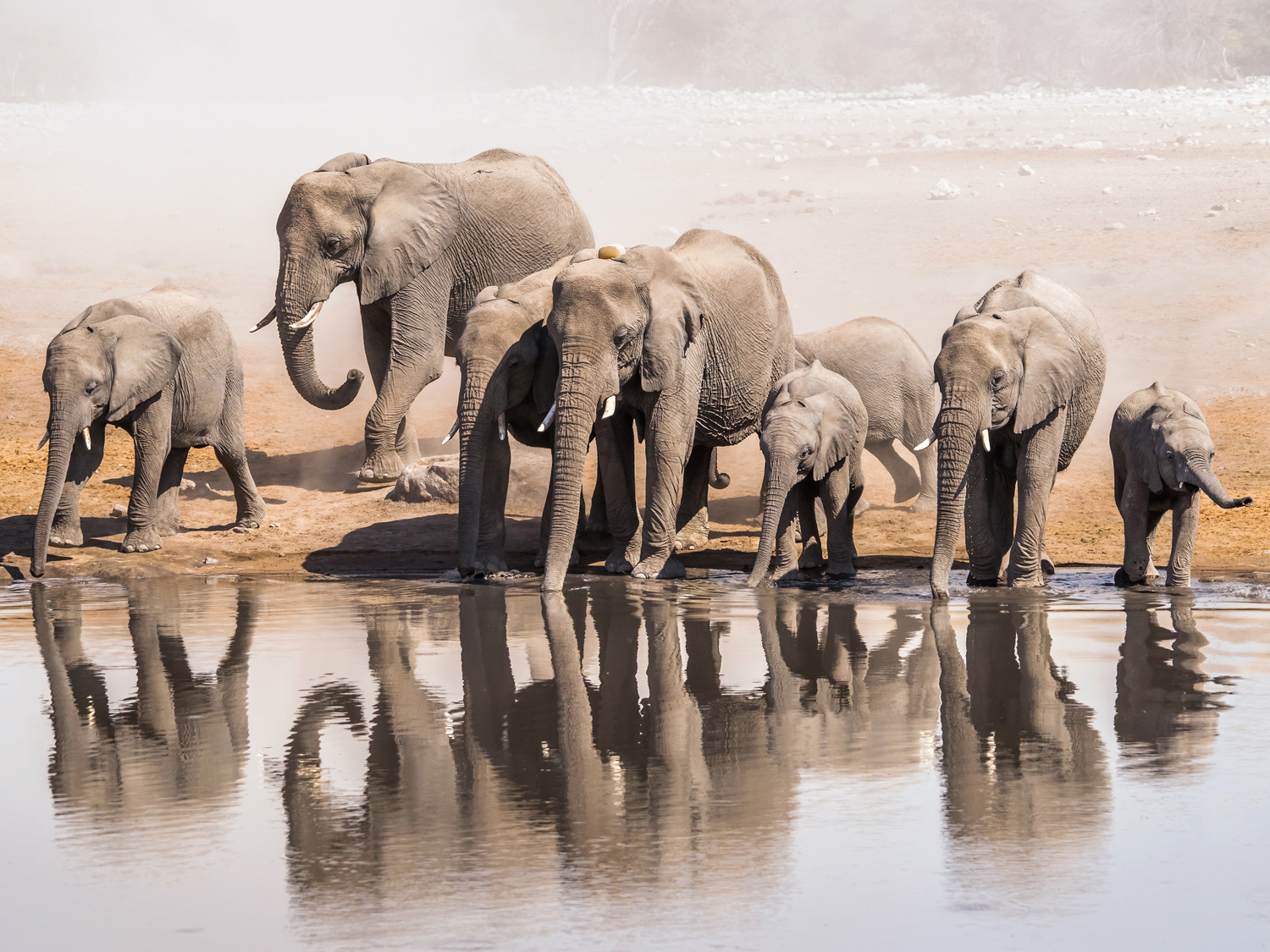
Chobe National Park is home to one of the largest elephant populations in Africa. These magnificent creatures can often be spotted in large herds along the Chobe River, especially during the dry season when they gather to drink, bathe, and play in the water. Visitors on boat safaris get an up-close view of elephants swimming across the river or using their trunks to spray water over themselves. On land, game drives reveal elephants roaming the vast savannas, grazing peacefully or interacting with their young. Whether seen from a boat or a safari vehicle, encountering these gentle giants in their natural habitat is a truly unforgettable moment.
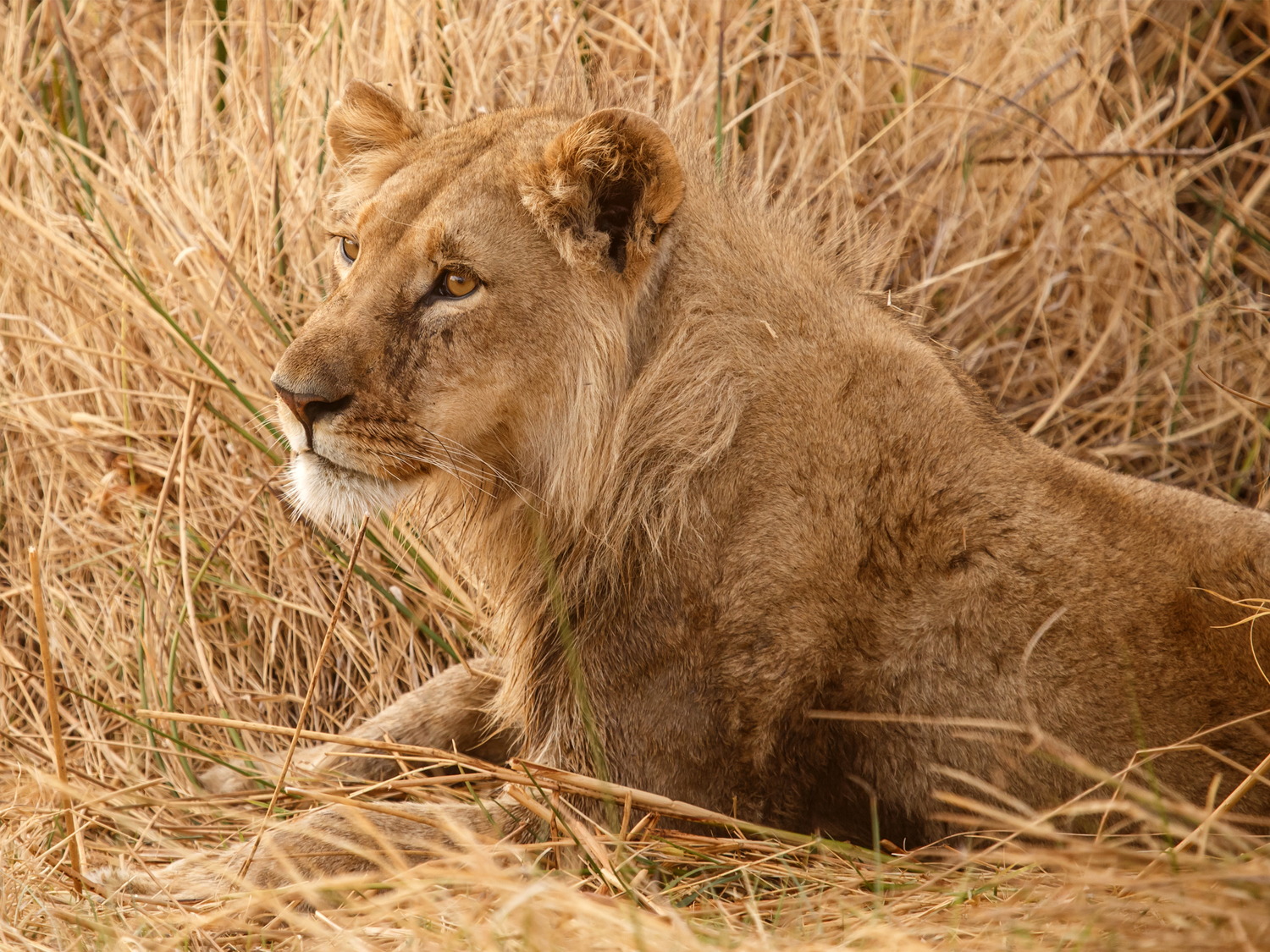
Lions
Lions in Chobe are often spotted in open savannas, along riverbanks, or resting in the shade during the heat of the day. Early morning and late afternoon game drives offer the best chances to witness them in action, whether they are hunting, interacting within their prides, or simply lounging after a meal. The park’s abundant prey, including buffalo, antelope, and even elephants, sustains strong lion prides, making sightings frequent and often dramatic. Observing these majestic big cats in their natural habitat is a highlight for visitors, showcasing the raw beauty and intensity of Africa’s wilderness.
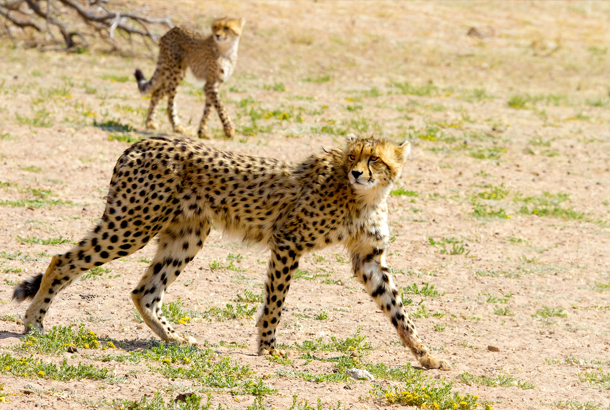
Cheetah
These sleek and fast predators are less common than other big cats like lions and leopards, making seeing them in the wild all the more exhilarating. Preferring the open grasslands and savannahs of the park’s Linyanti and Savuti regions, cheetahs rely on their incredible speed and keen eyesight to hunt antelope such as impalas and steenboks. Early morning and late afternoon game drives offer the best chances of spotting them as they move through the landscape in search of prey. While cheetahs are more elusive in Chobe compared to other predators, lucky visitors may witness their breathtaking sprints or see a mother with her cubs, making for an unforgettable safari moment.
When is the best time to visit Chobe National Park?
The best time to visit Chobe national park depends on what you are wanting to see. The dry season (May to October) is the best time for wildlife viewing, as animals gather around water sources, and the weather is cool and clear. However, it's also the busiest time. The wet season (November to April) offers lush landscapes, fewer tourists, and excellent birdwatching, but wildlife is more dispersed. It's also a great time to see newborn animals despite occasional rains.
Conclusion
A visit to Chobe National Park promises an unforgettable safari experience, with its incredible wildlife, stunning landscapes, and diverse activities. Whether you're watching elephants along the Chobe River, spotting big cats in the Savuti, or enjoying a peaceful boat safari at sunset, every moment is a true adventure. With expert guides, you can explore the park’s wonders in comfort and style. Don’t miss the chance to witness one of Africa’s greatest wildlife spectacles, book your Chobe safari today and embark on the journey of a lifetime!
Frequently asked questions
What wildlife can I expect to see?
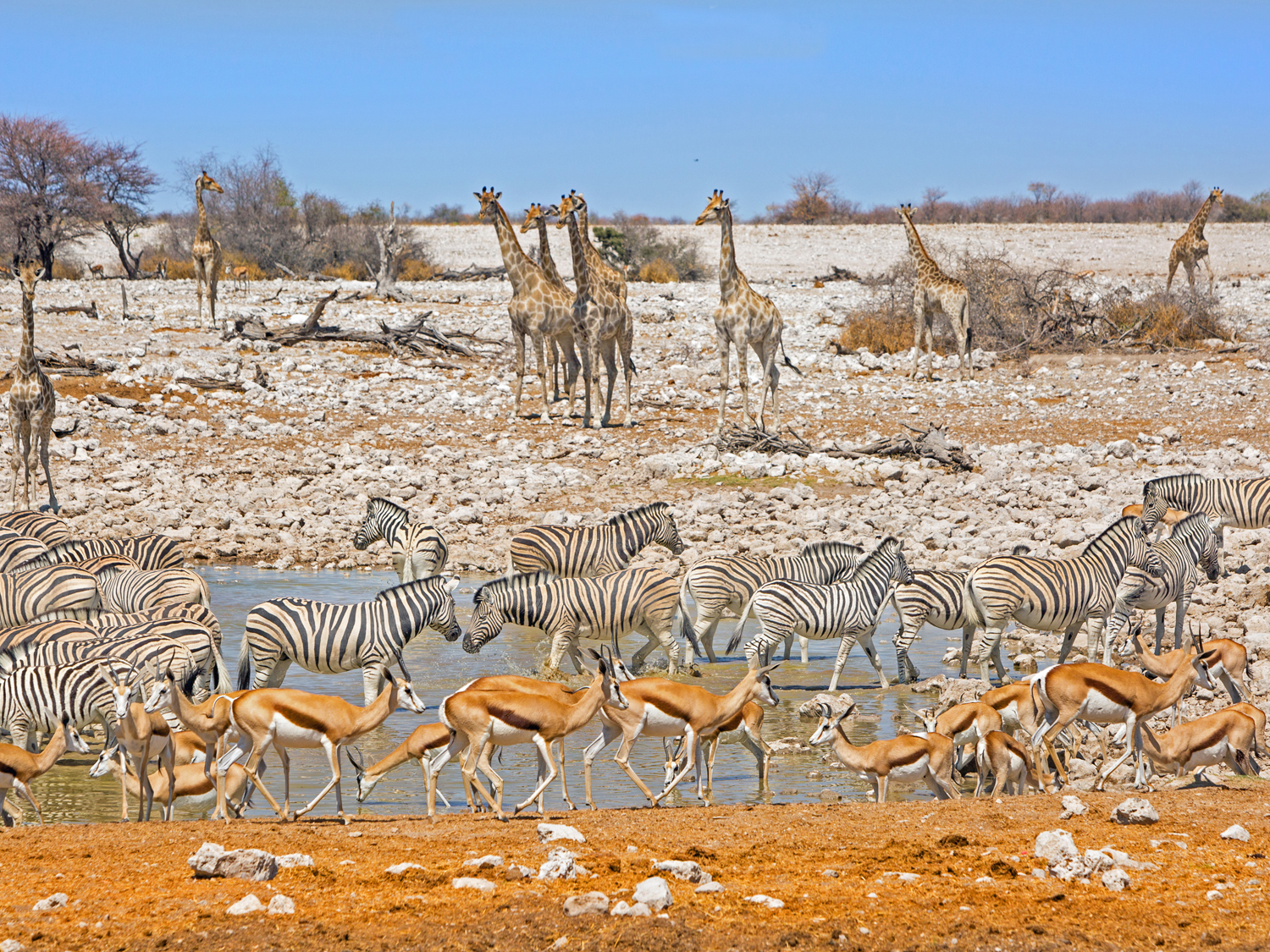
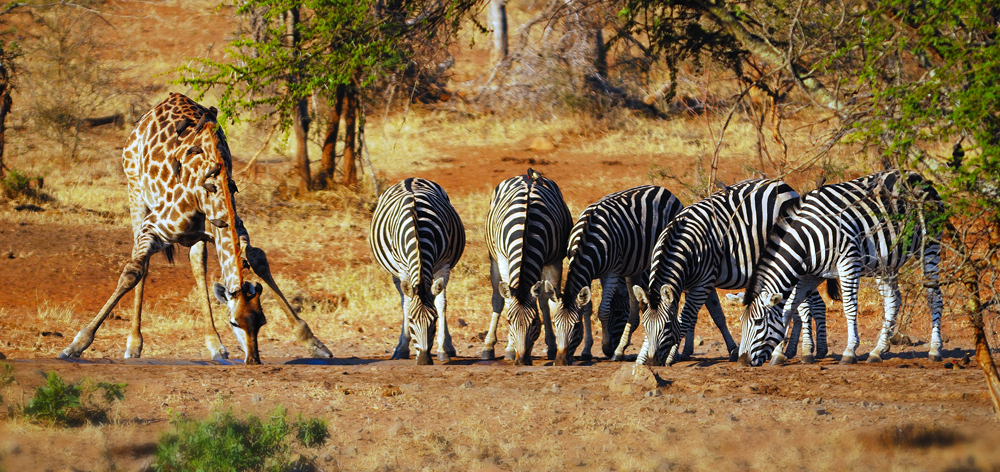
Chobe is famous for its large elephant population, along with lions, leopards, buffalo, giraffes, zebras, hippos, and crocodiles. You can also spot cheetahs, hyenas, and over 450 bird species.
Do I need a visa to visit Chobe?
Botswana's visa requirements depend on your nationality. Many visitors from Europe, the U.S., and Commonwealth countries don’t need a visa for short stays. Check with the Botswana government for the latest requirements.
What should I pack for my trip?
Essentials include light, neutral-coloured clothing, a hat, sunscreen, binoculars, a camera, comfortable walking shoes, insect repellent, and warm layers for cool mornings and evenings.
Are malaria precautions necessary?
Yes, Chobe is a malaria-risk area, so it's recommended to take antimalarial medication, use insect repellent, and sleep under a mosquito net when necessary.
Is Chobe National Park suitable for families with children?
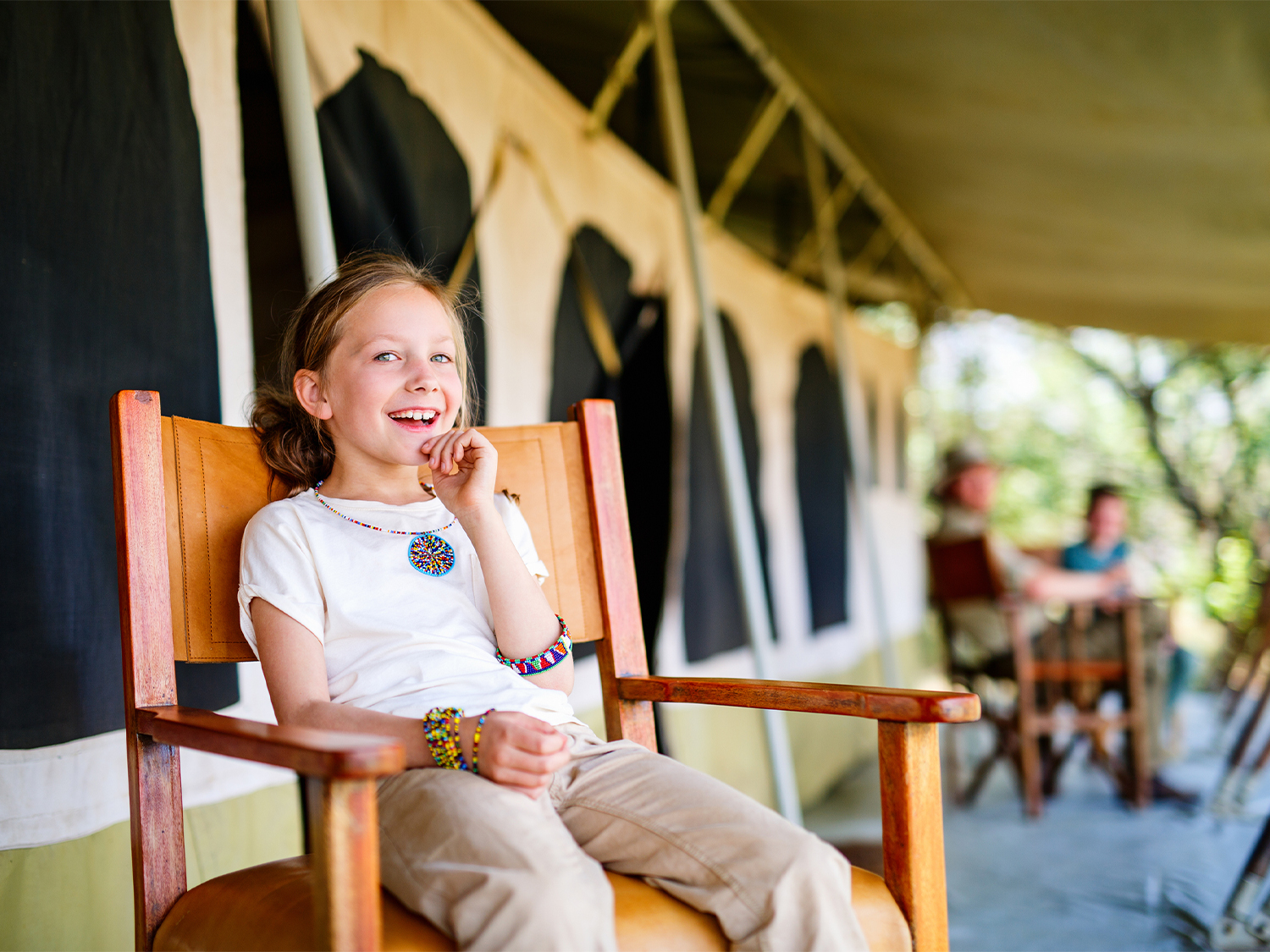
Yes! Many lodges are family-friendly, and boat safaris provide a safe way for kids to see wildlife. However, some safari activities have age restrictions, so check in advance.
Botswana travel guides

Africa's Big Five
Elephant
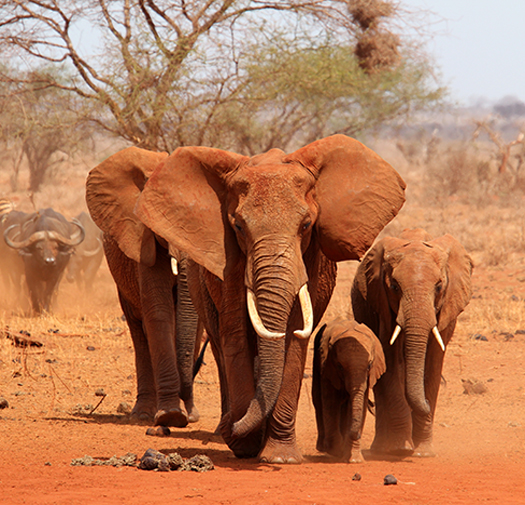
The African elephant (Loxodonta africana) is the largest land animal on Earth, with adult males (bulls) weighing up to 6,000 kilogrammes (13,200 pounds). Elephants are known for their complex social structures, which are typically led by a matriarch, the oldest and often largest female. They have remarkable memories, which help them navigate their environment and recall the locations of water sources across vast distances. Elephants are also highly intelligent, displaying behaviours such as tool use, mourning their dead, and showing empathy. Their large ears, shaped like the African continent, help regulate their body temperature, and their tusks, made of ivory, are used for digging, lifting objects, and as a weapon.
Lion
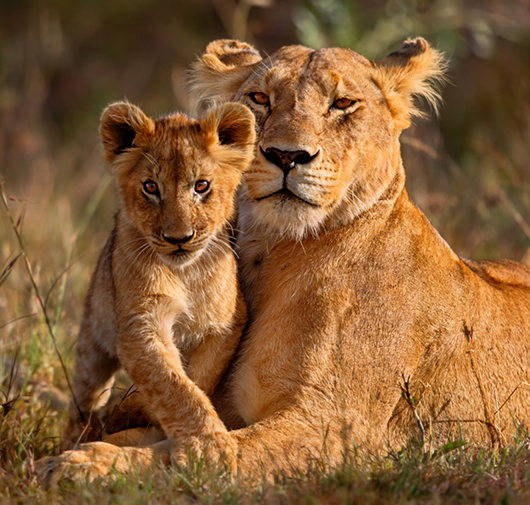
The African lion (Panthera leo) is often called the "king of the jungle," although they actually inhabit savannas and grasslands. Lions are the only cats that live in social groups called prides, which typically consist of related females, their offspring, and a few male lions. Male lions are known for their majestic manes, which vary in color and are a sign of health and virility. Lions are apex predators, primarily hunting large herbivores like zebras, wildebeests, and buffaloes, often using cooperative hunting strategies to bring down their prey. Their roar, which can be heard up to 8 kilometers (5 miles) away, is used to communicate with pride members and establish territorial boundaries.
Leopard
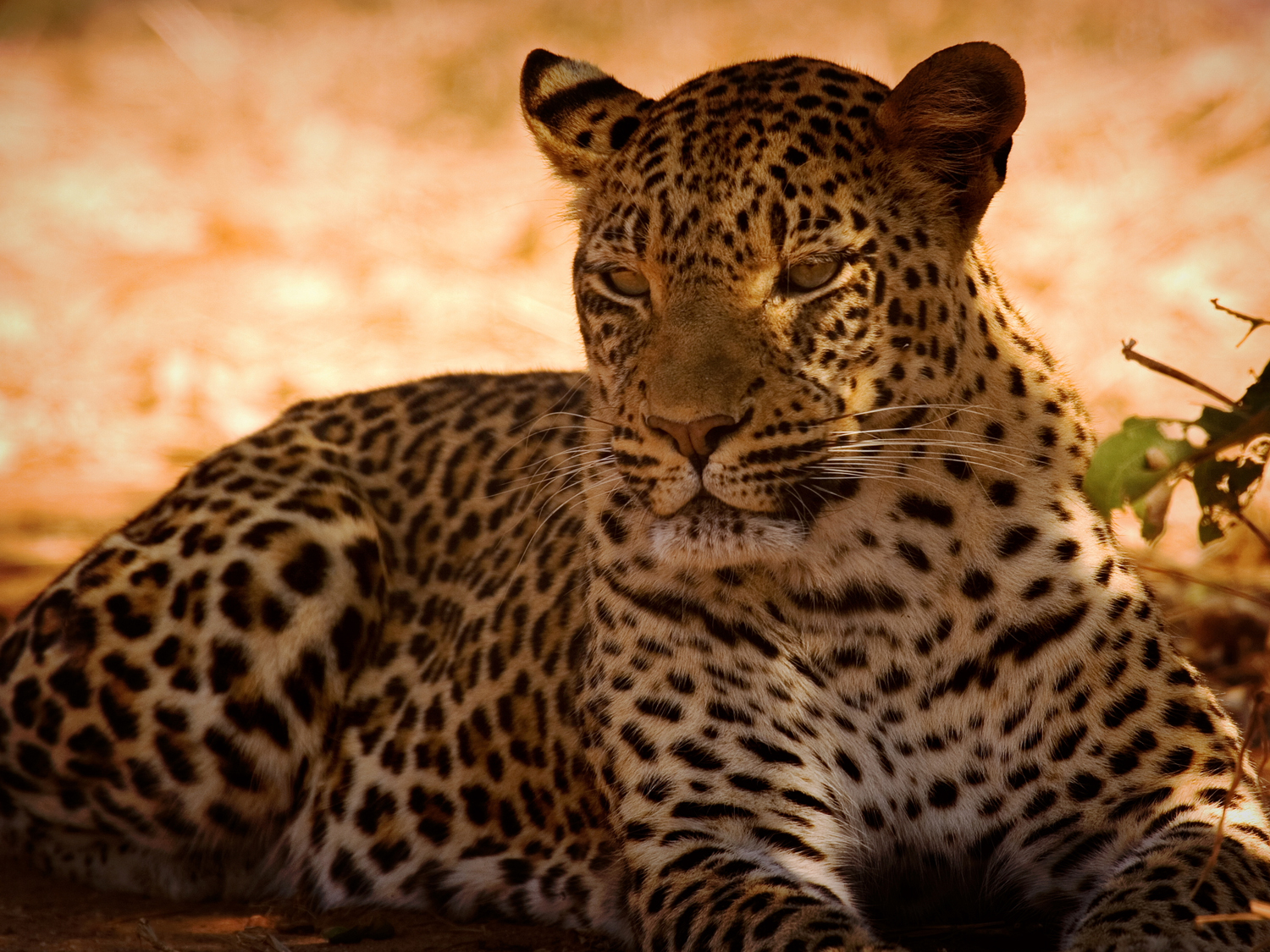
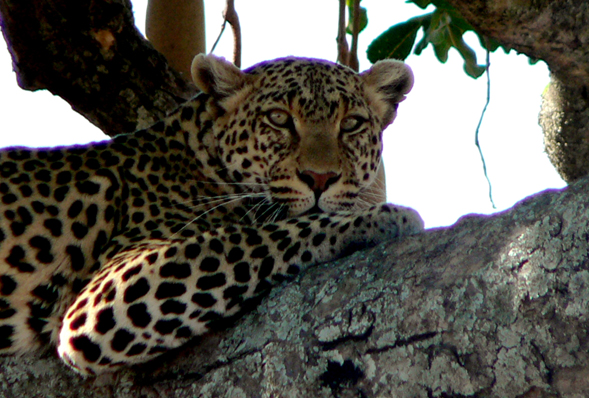
The leopard (Panthera pardus) is a solitary and highly adaptable predator found in various habitats across Africa, from rainforests to deserts. Leopards are known for their strength and agility, often dragging their prey up into trees to avoid scavengers like hyenas. Their rosette-patterned coats provide excellent camouflage, making them difficult to spot in the wild. Leopards are opportunistic hunters, with a diet that includes everything from antelope to birds, fish, and even insects. They are also strong swimmers and are known to fish or hunt in water when necessary. Despite their elusive nature, leopards are widespread, though their populations are threatened by habitat loss and human-wildlife conflict.
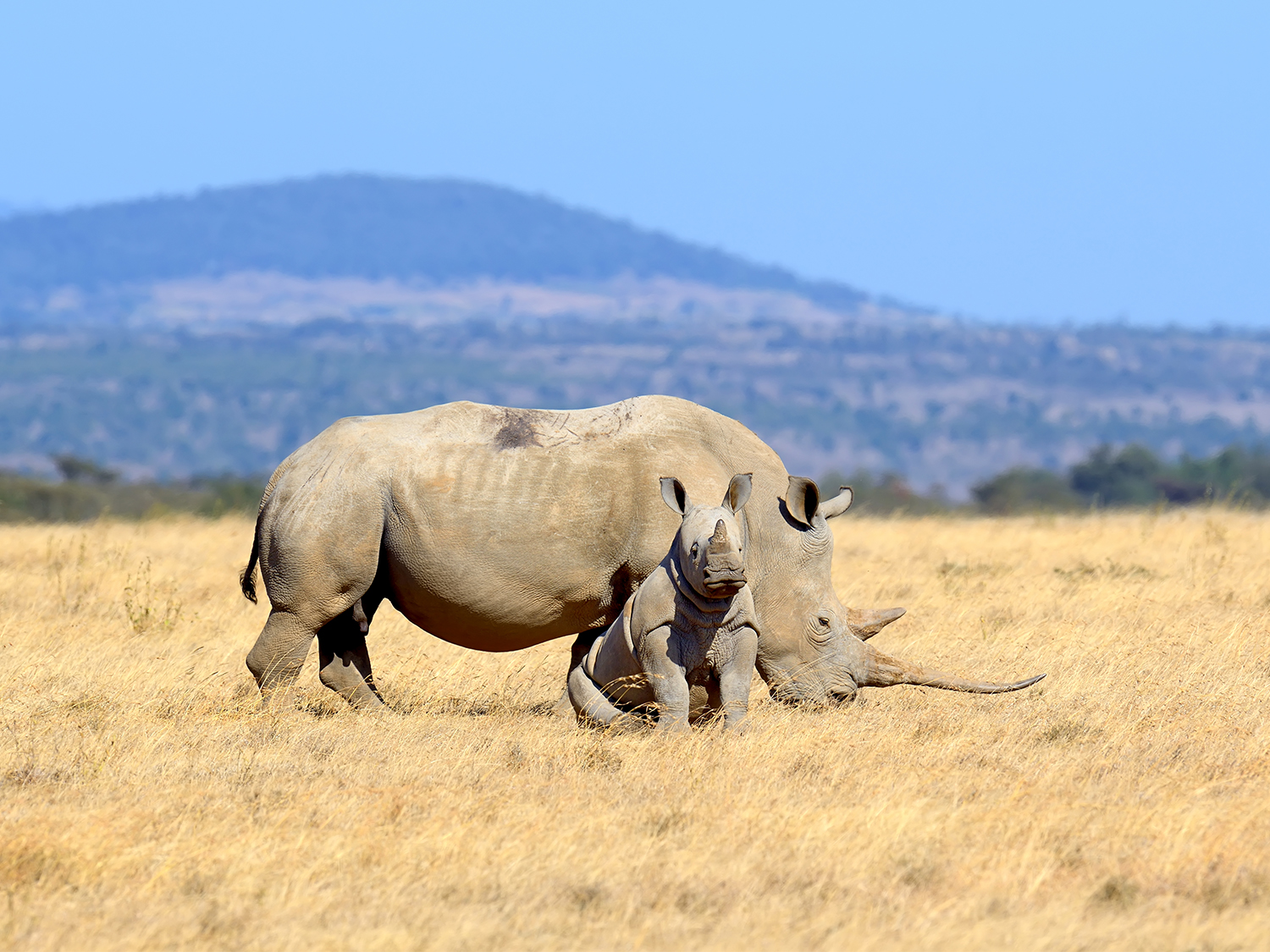
Rhinoceros
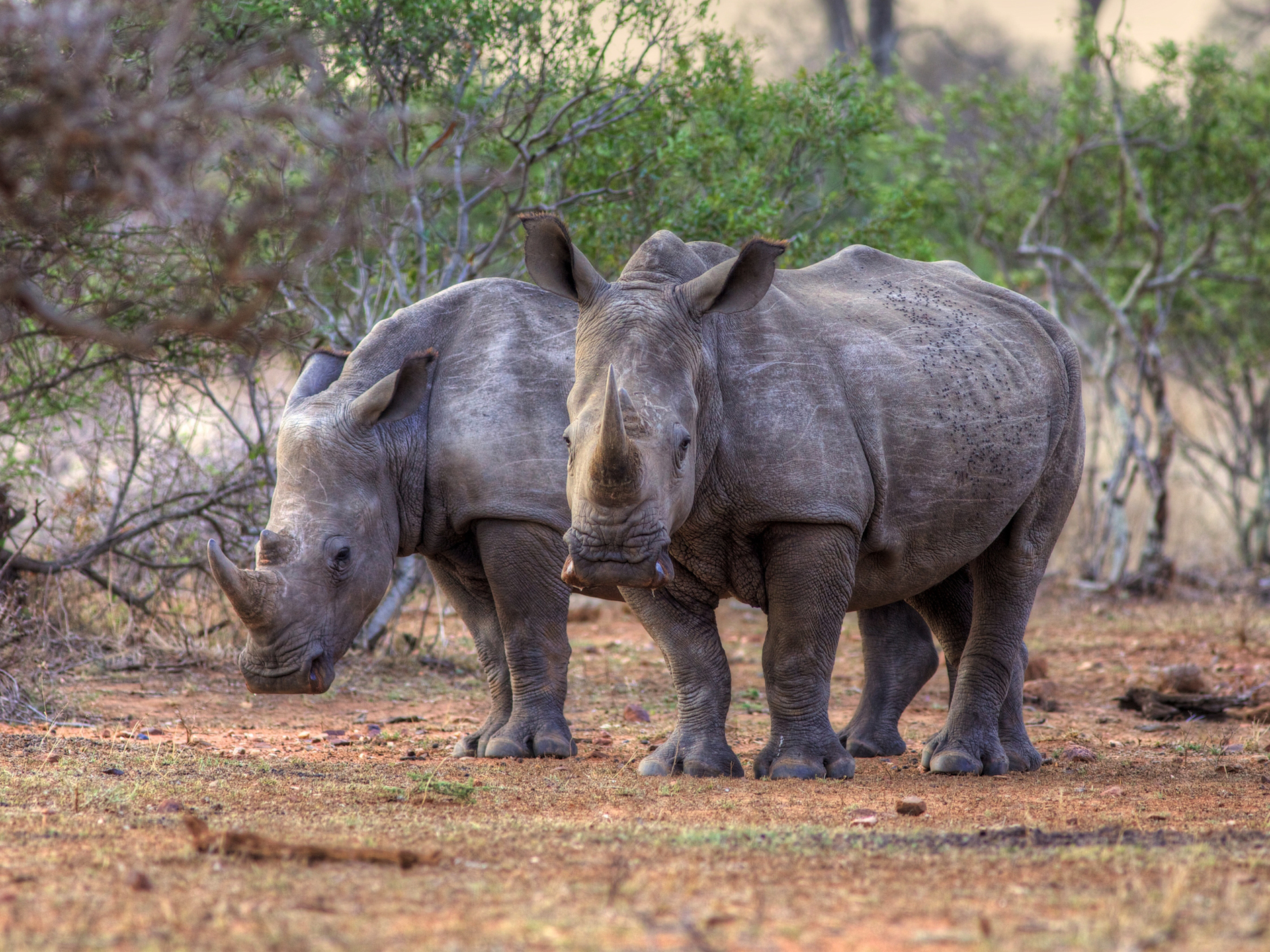
The Big Five include two species of rhinoceros: the black rhinoceros (Diceros bicornis) and the white rhinoceros (Ceratotherium simum). The black rhino is critically endangered and more aggressive, known for its hooked lip, which it uses to browse shrubs and trees. In contrast, the white rhino is larger, with a wide, square-shaped lip adapted for grazing on grasses. Despite their names, both rhino species are gray in color. Rhinos have thick skin, which protects them from thorns and insect bites, and their horns, made of keratin, are used for defense, digging, and breaking branches. Unfortunately, rhinos are severely threatened by poaching, driven by the demand for their horns in illegal wildlife trade.
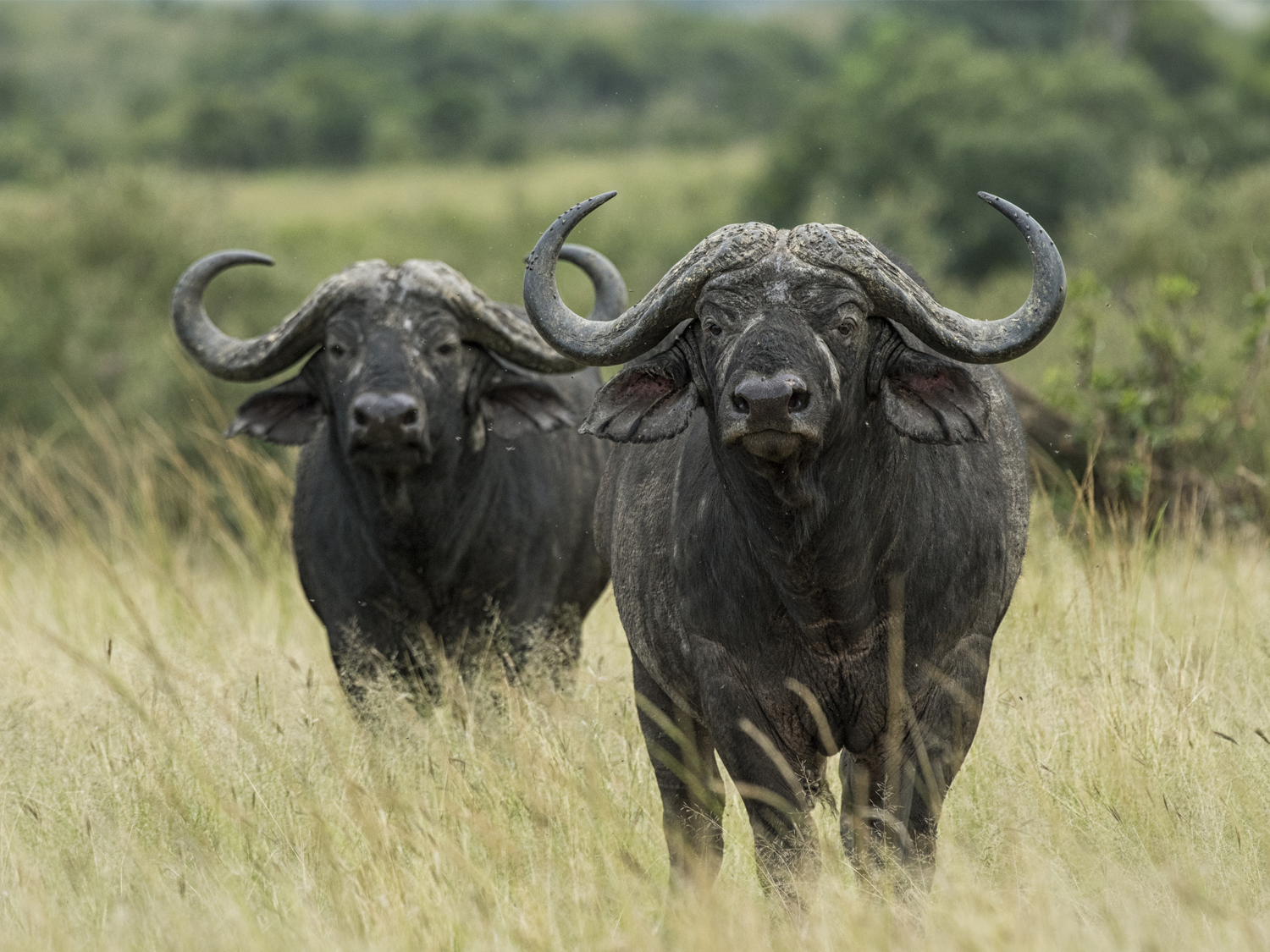
Cape Buffalo
The Cape buffalo (Syncerus caffer), also known as the African buffalo, is a formidable and unpredictable animal, weighing up to 900 kilograms (2,000 pounds). They are known for their strong, curved horns, which they use to defend themselves against predators, including lions. Buffaloes are social animals, living in large herds that can number in the hundreds or even thousands. They have a reputation for being one of the most dangerous animals in Africa due to their aggressive nature, particularly when wounded or threatened. Despite their bulk, buffaloes are surprisingly agile and can run at speeds of up to 57 kilometers per hour (35 miles per hour). They play a crucial role in their ecosystems by influencing vegetation patterns and providing prey for top predators like lions.
Our Africa travel styles
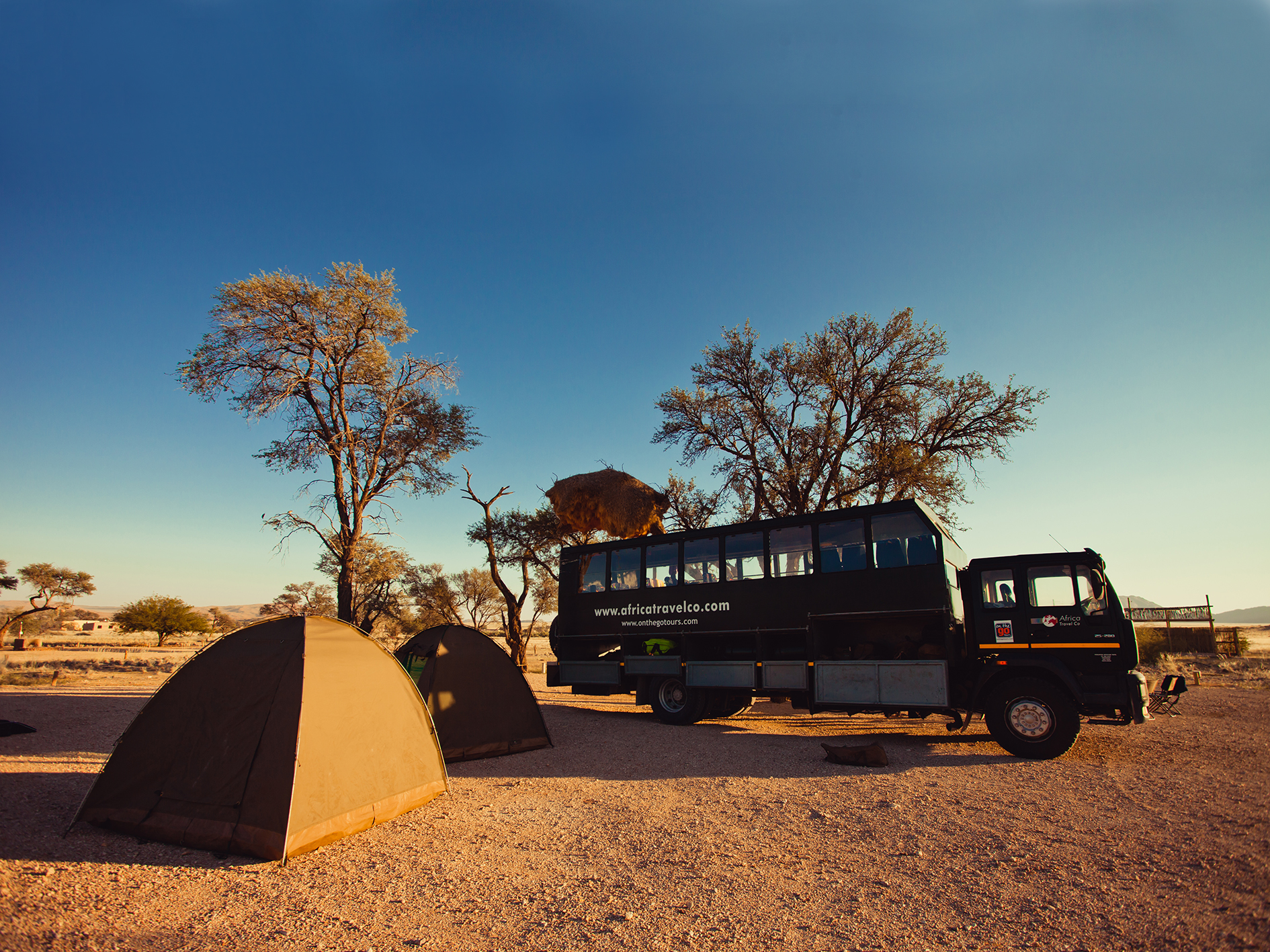
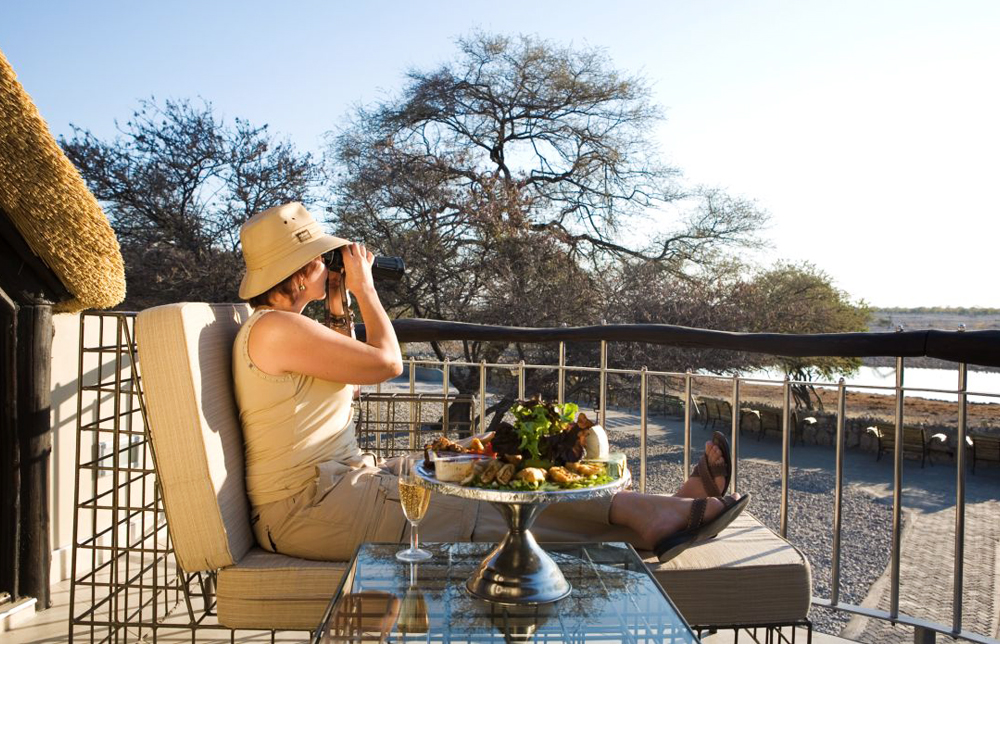
We offer a range of different trip types in Africa. From overland camping tours to lodge safaris and everything in between. As well as group trips, we also offer a selection of private safaris and those suitable for families with children aged 8 and over. Discover our different Africa travel styles below.