Abu Simbel Sun Festival Oct 2026
SUN FESTIVAL TOUR: Add an extra special element to your Egyptian holiday by combining it with the magical Abu Simbel Sun Festival in October 2026. Marvel at the spectacular temple of Abu Simbel and the legendary Pyramids of Giza. Enjoy a 5-star Nile cruise and visit Aswan's beautiful Philae Temple. Explore Luxor's incredible Valley of the Kings, mighty Karnak Temple and bustling Cairo, all in 10 unforgettable days!
For a detailed itinerary and information about visas, money, weather and more.
Latest 5 star review
Tour Overview
Duration
10 daysHotel Rating
4 - 5 starStarts
CairoEnds
CairoMinimum Age
15 years oldMaximum Age
Tours have upper age limits for several reasons, such as but not limited to: tour pace, activity level, and accommodation standards. If you fall outside of this age limit, we do have lots of other tours in Egypt that are suitable for all ages!
Arrival Transfer
YesDeparture Transfer
YesTour Guide
Escorted by a tour guideCountry
EgyptMeals Included
Breakfast: 8, Lunch: 3, Dinner: 3Passengers
$2,341.75
$400.00
Tour Style
Group Size
Min 2 / Max 24
Trip Type
Group Tours
Range
This On The Go Tours Signature Journey is operated in conjunction with our local partners and On The Go Tours accredited expert guides, to deliver you an unforgettable tour.
Guiding Style
This tour is led by a dedicated tour guide or tour leader who stays with you throughout the entire journey. From start to finish, they manage logistics, offer insights at every stop, and are on hand to assist with anything you need. You may also enjoy sightseeing with local expert guides, as per the Inclusions. For more information, check the Inclusions of this tour.
Tour Pace
A balanced pace, with a mix of free time and visits to multiple locations, allowing for both relaxation and exploration. Generally doesn't visit more than one or two destinations per day.
Physical Rating
A moderate amount of walking is required during sightseeing, with some free time, offering a balance between activity and relaxation. As a general rule, you should be able to walk 2-kilometres without stopping.
Tour Guide
Escorted by a tour guideGroup Size
Min 2 / Max 24Range
This On The Go Tours Signature Journey is operated in conjunction with our local partners and On The Go Tours accredited expert guides, to deliver you an unforgettable tour.
Guiding Style
This tour is led by a dedicated tour guide or tour leader who stays with you throughout the entire journey. From start to finish, they manage logistics, offer insights at every stop, and are on hand to assist with anything you need. You may also enjoy sightseeing with local expert guides, as per the Inclusions. For more information, check the Inclusions of this tour.
Tour Pace
A balanced pace, with a mix of free time and visits to multiple locations, allowing for both relaxation and exploration. Generally doesn't visit more than one or two destinations per day.
Physical Rating
A moderate amount of walking is required during sightseeing, with some free time, offering a balance between activity and relaxation. As a general rule, you should be able to walk 2-kilometres without stopping.
Trip Type
Group ToursTour Highlights
Included
Not Included
Itinerary
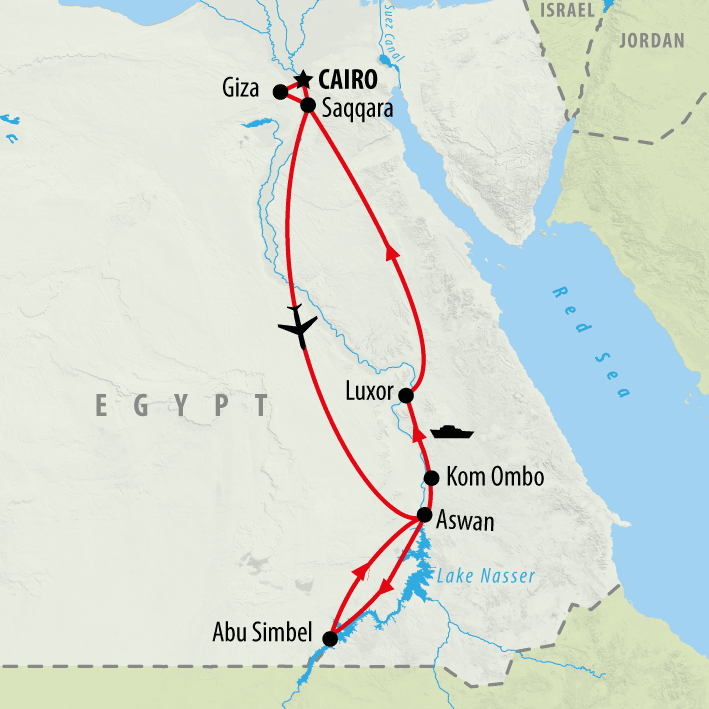
Day 1 - Cairo
Sunday 18 Oct 2026. Welcome to Egypt! Arrive Cairo, included transfer to hotel. Spend the rest of the day at leisure or those arriving early, opt to join our optional Backstreets of Cairo tour which departs the hotel at 10am. Tonight, your Welcome Meeting will be held at 7pm.
Day 2 - Pyramids & Saqqara
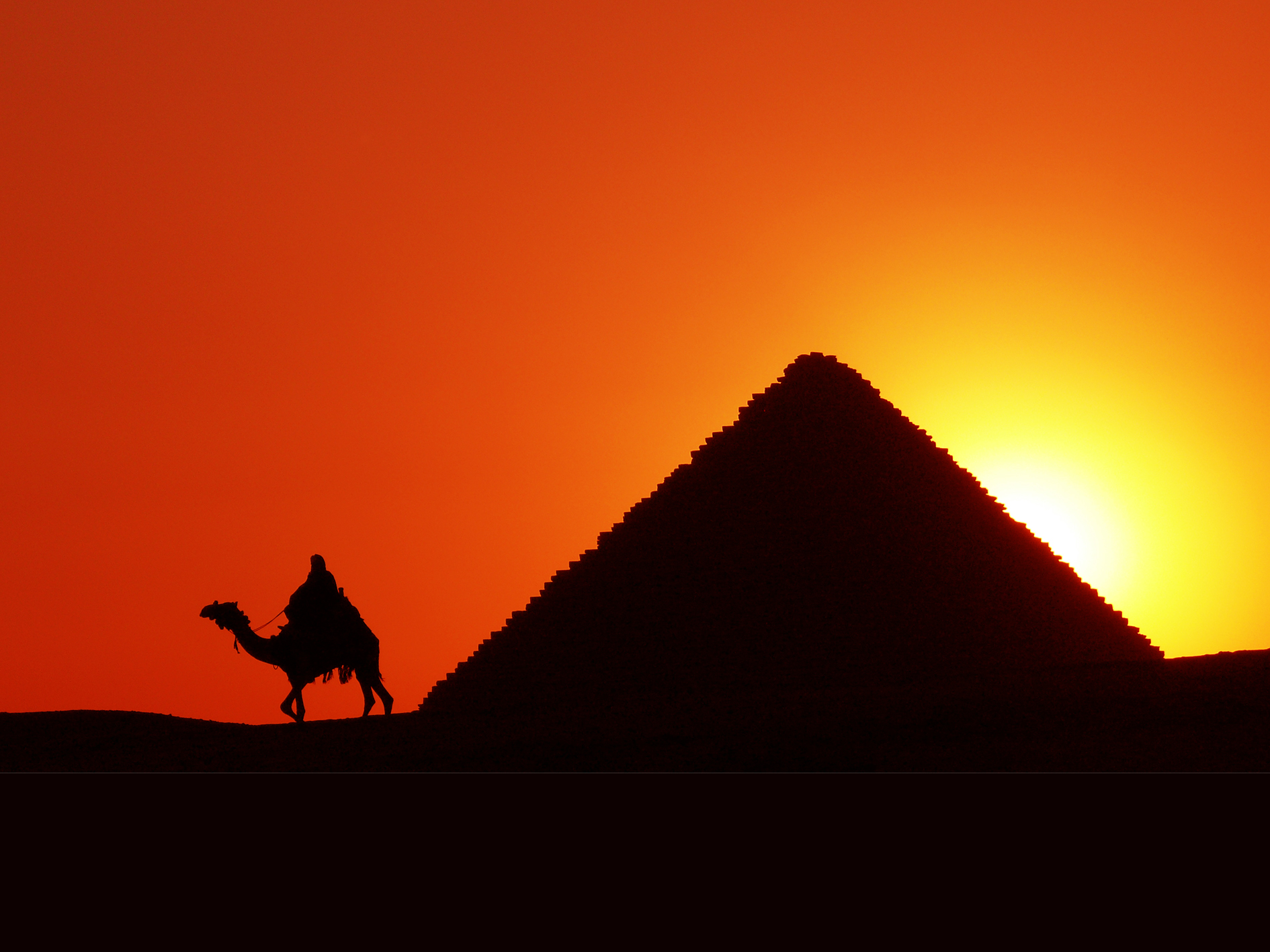
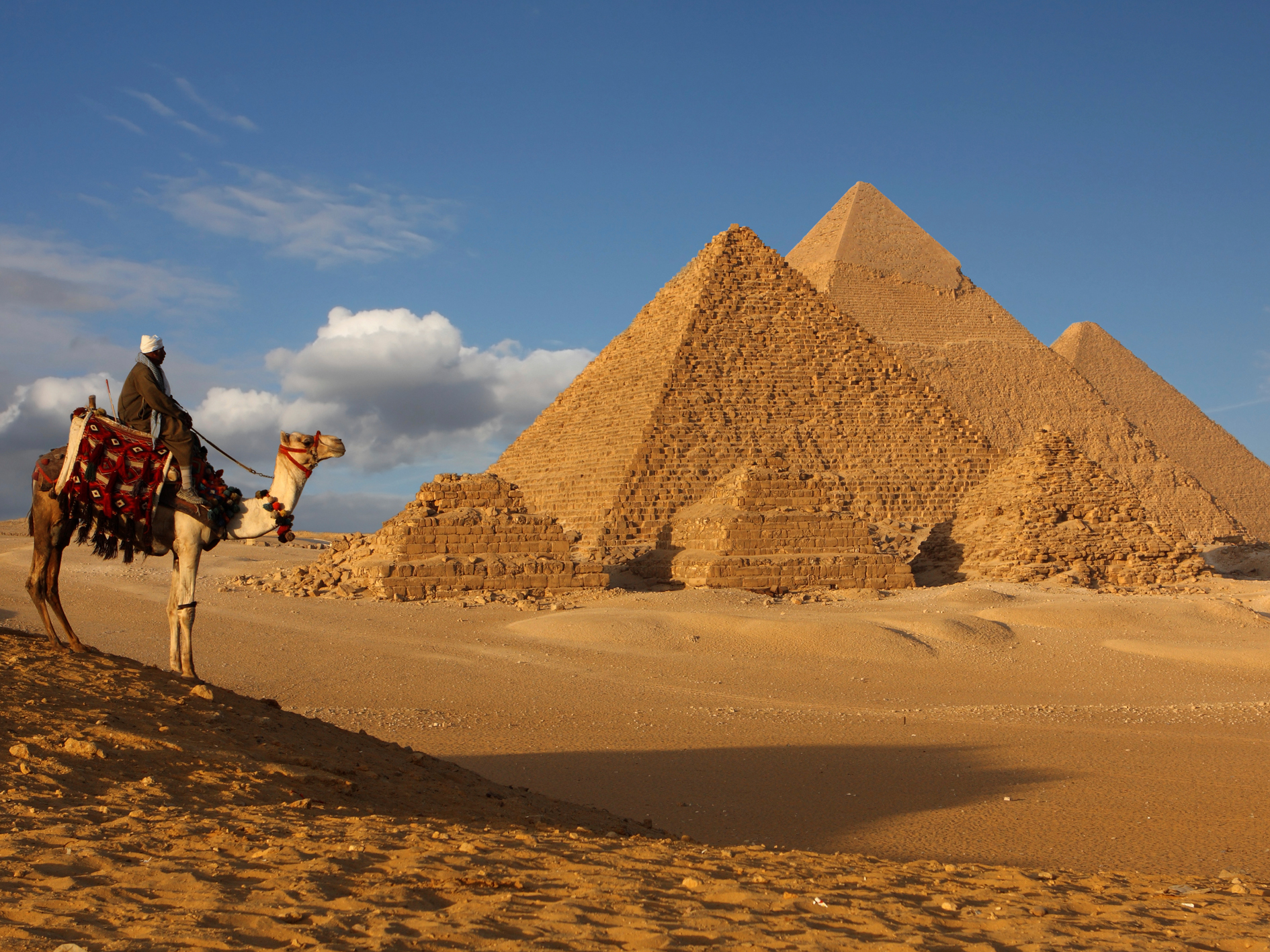
Today we visit the stunning pyramids and the Sphinx at Giza Plateau. Sole survivors from the ancient Greek-listed Seven Wonders of the World, the pyramids are the planet’s oldest tourist attraction. Gaze in awe at Cheops (Khufu) - the largest of the three great pyramids. Constructed from over 2.5 million limestone blocks it is thought to have taken more than 20 years to construct. Continuing to Saqqara, we explore the myriad tombs and temples at this site and see Zhoser’s step pyramid - constructed by Imhotep, the pharaoh’s chief architect in 2700 BC. This evening is at your leisure.
Day 3 - Grand Egyptian Museum
Cairo - Aswan. Today we embark on a guided tour of the Grand Egyptian Museum, an extraordinary 490,000 sq.m complex that houses over 100,000 artefacts and will eventually showcase a giant exhibition featuring the complete treasures of King Tutankhamun. Many items already on display are being exhibited for the first time, gathered from across Egypt and around the world. Wander through vast galleries filled with statues, sarcophagi, everyday objects, and beautifully restored antiquities that bring Egypt’s ancient civilisation to life.
Among the highlights is Tutankhamun’s collection, including iconic pieces such as his golden funerary mask, regal chariot, ornate jewellery, and ceremonial treasures, offering an unforgettable look into the world of the boy king.
Later today we fly south to Aswan and transfer to our hotel for the night.
Day 4 - Aswan & Philae Temple
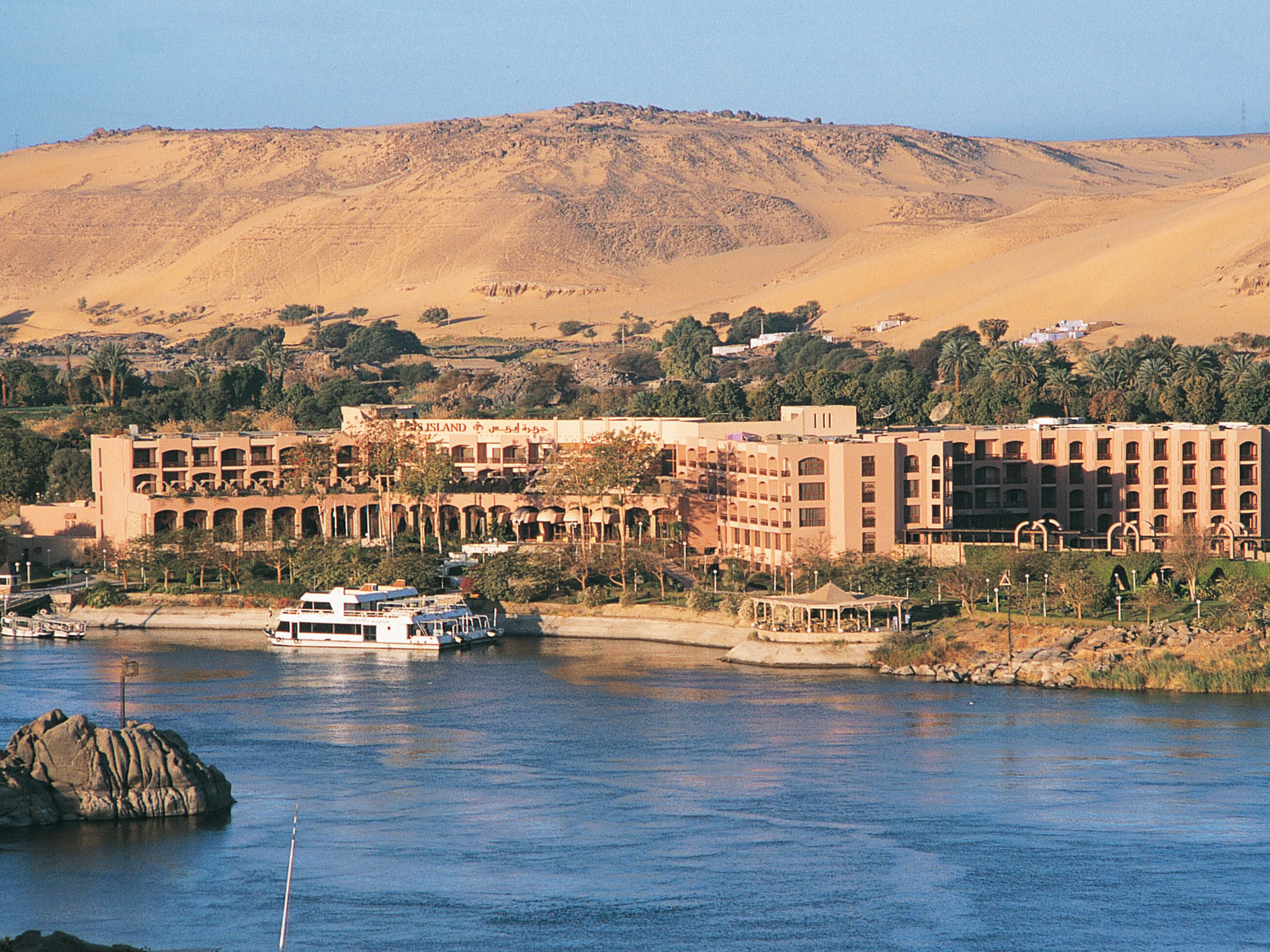
Aswan - Abu Simbel - Nile Cruiser. This morning we enjoy a short boat trip to Agilika Island for Philae Temple - dedicated to the goddess Isis. Upon returning to Aswan we visit a perfume oil emporium. Then check-in on board your Nile Cruiser, home for the next three nights. Later, there is free time to perhaps enjoy some shopping in the colourful souks and markets or simply relax in this attractive town which straddles the River Nile.
On board the cruiser there is free time to relax before departing in the early hours of the morning on our coach journey toward the Temples of Abu Simbel. Here we await the first rays of sunlight to touch the temple gate signifying the start of the Sun Festival of the mighty King Ramses II.
Day 5 - ABU SIMBEL SUN FESTIVAL
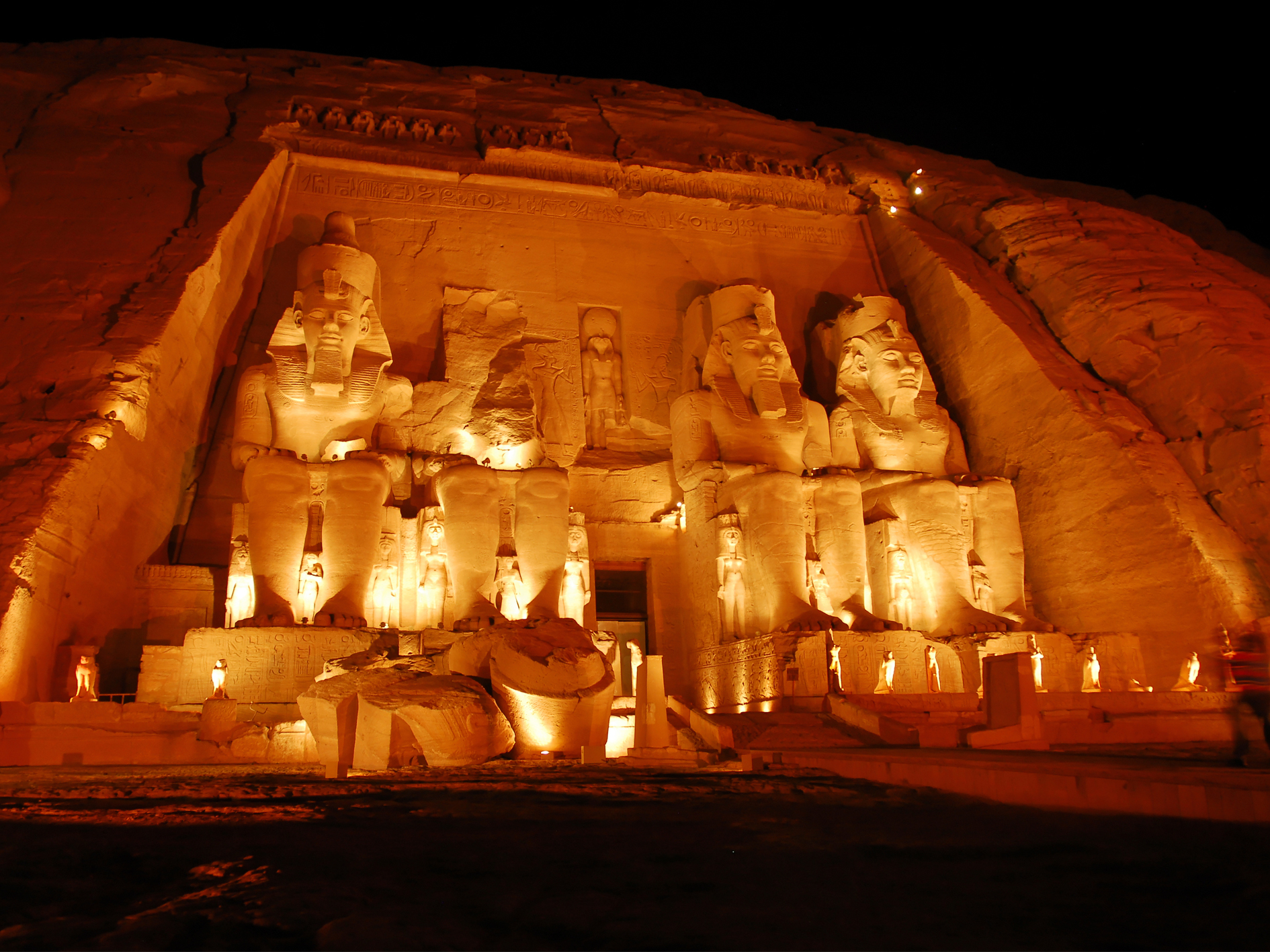
22 October. Abu Simbel - Aswan - Nile Cruiser. Possibly the most awe-inspiring temple of all ancient Egypt, with its gargantuan rock-cut façade, the great Sun Temple of King Ramses II at Abu Simbel was created to revere the mighty pharaonic ruler King Ramses II. Ramses the Bold, Ramses the Great, Ramses the Narcissist are perhaps all apt titles for one of ancient Egypt’s most powerful rulers. Celebrating a life that spanned nearly a centenary, Ramses had plenty of time for his more than 200 wives and concubines who produced him some 96 sons and 60 daughters.
Built by Ramses II to demonstrate his political clout and divine backing to the ancient Nubians, Abu Simbel is an awesome self-tribute. Guarding the entrance to the temple (built between 1290 and 1224 BC) hewn into the side of a mountain are four famous colossal statues of the pharaoh himself, which sit majestically staring out across the desert. Over the centuries, the desert sands imperceptibly shifted until the temple was all but lost to humanity. It was rediscovered by chance in 1813 by a Swiss explorer called John Lewis Burkhardt. Only one of the heads of the pharaohs was showing and only a small part of the rest of the colossal temple peeked above the desert sands. It wasn’t until the British happened upon Abu Simbel and starting excavating, that the full glory of the temple of Abu Simbel was revealed to the modern world.
The temple was dedicated to the deified Pharaoh, King Ramses II, known also as the great builder and the gods Amun-Re, Re-Herakhte and Ptah. In a fit of precision and architectural egotism, Ramses II had the entire temple precisely positioned in order for the sun’s rays to align just twice a year, on the date of his ascension to the throne (21 February) and on his birthday (21 October) to illuminate the inner sanctum of the temple. This incredible natural phenomenon provides for a most spectacular sight, which has come to be referred to as the Sun Festival of King Ramses II. Crowds pack into the temple before sunrise and watch the shafts of light slowly creeping through the rock hewn inner Hypostyle Hall (replete with further statues of the King) and through to the Sanctuary. As we are lead through the temple there will be time to pause for a moment to watch the sun illuminating the statues of Amun-Re, Re-Herakhte and Ramses the god, whilst the statute of Ptah - the god of darkness - remains in the shadows.
Famously, the temple was re-located in a multi-million dollar operation in 1972, further up from the shoreline of Lake Nasser, which had threatened to erode the foundations of this monolithic temple complex. For this reason, the sun now strikes a day later than Ramses had originally planned, though the event this morning itself is no less stunning. After the event, there is plenty of time to explore the Sun Temple of King Ramses II, the Temple of Hathor and take pictures.
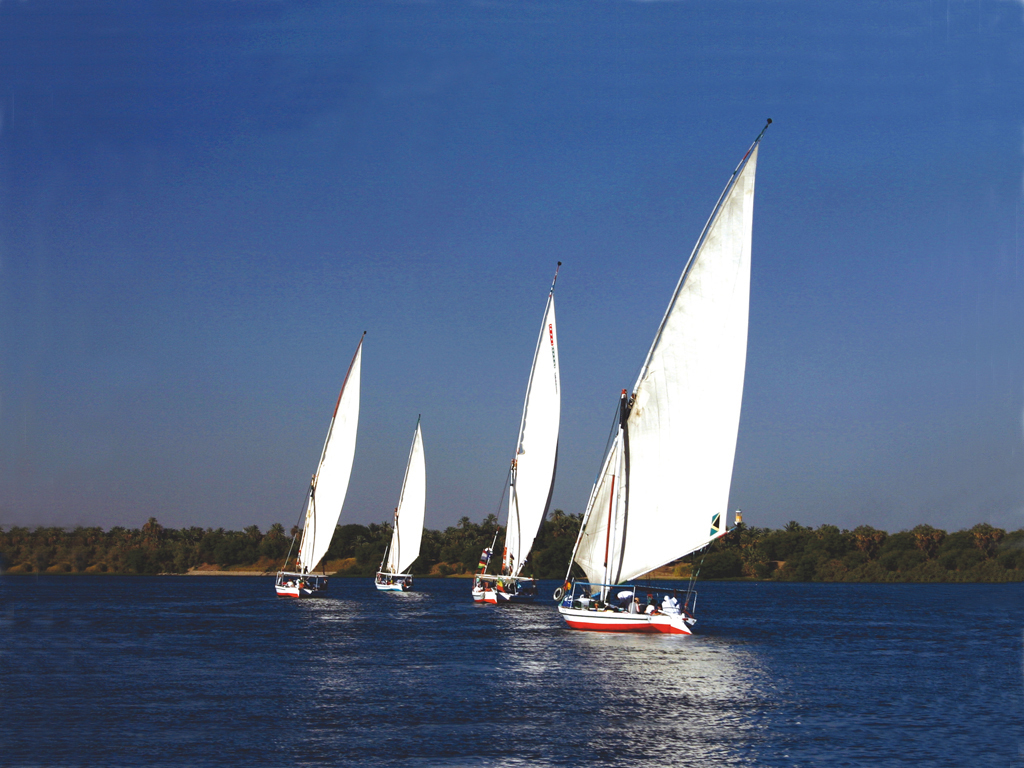
After watching this incredible event unfold we return to Aswan. Our Nile Cruiser departs Aswan this afternoon and we cruise the River Nile to Kom Ombo where we disembark to visit the temple which is dedicated to the crocodile headed god - Sobek before returning to the cruiser.
Day 6 - Nile Cruise to Luxor
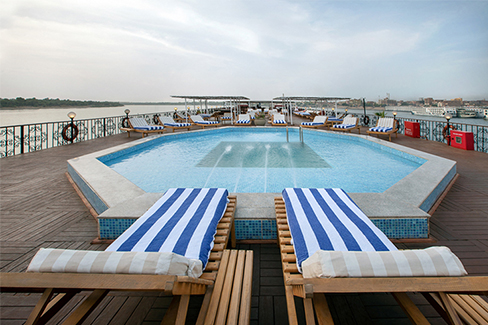
Nile Cruiser - Luxor. Relax, enjoy a swim in the pool and chill out in the sun on deck this morning. Let your troubles melt away as we cruise the River Nile to Luxor. Home of the legendary Valley of the Kings and Temple of Karnak, 4000 year-old Luxor is ancient Egypt at its best. Arriving into Luxor this afternoon, the rest of the day is free to explore the city before we spend our final night aboard the cruiser.
Day 7 - Luxor
This morning we disembark and check into our 5 star Luxor hotel. The day is free to relax and explore. Tonight, there is an optional visit available to the beautifully illuminated Temple of Luxor.
Day 8 - Valley of the Kings
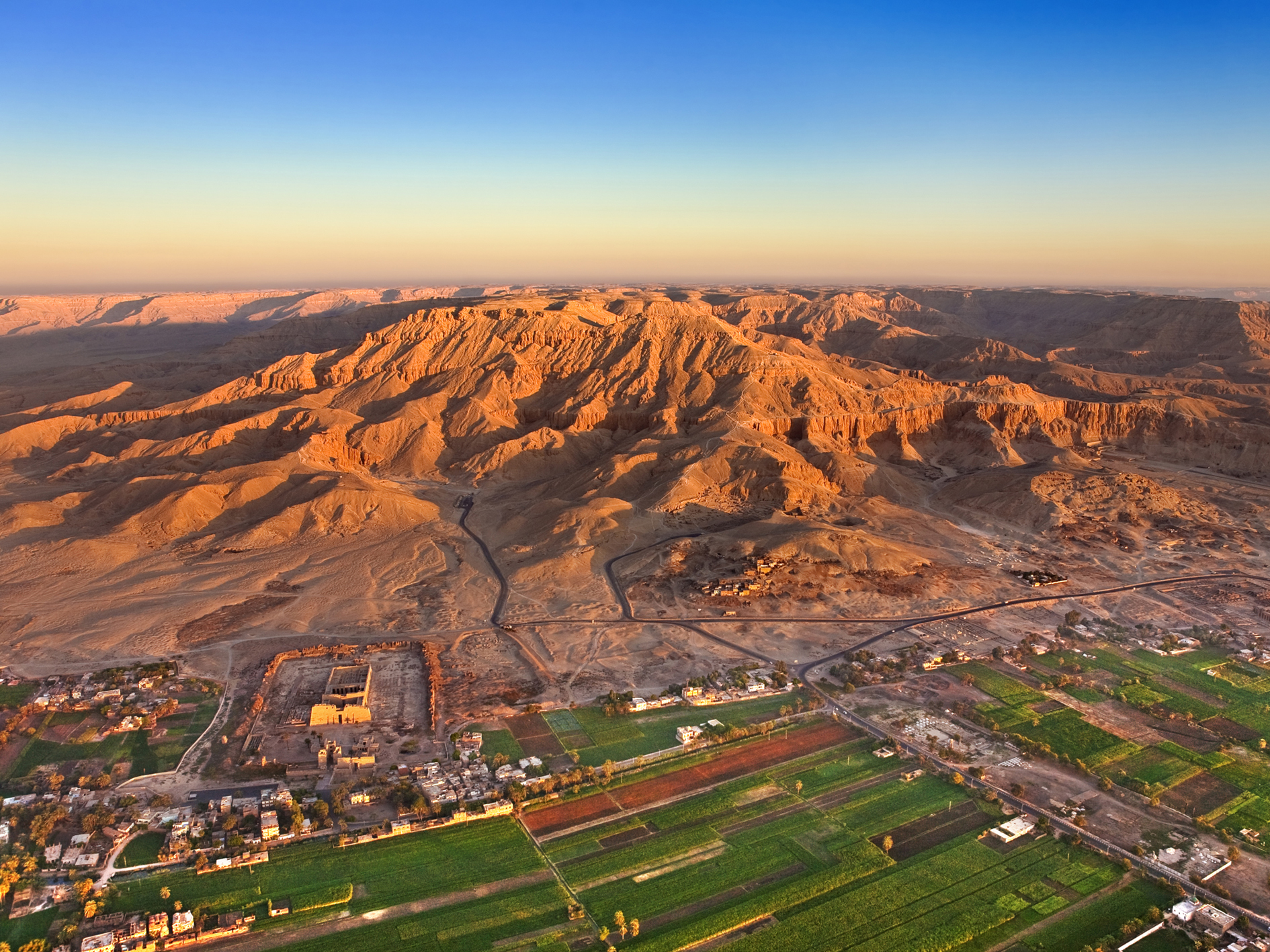
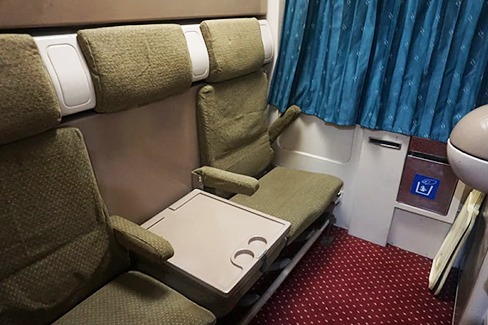
Luxor - Cairo. Today we visit the famous Valley of the Kings to explore some of the lavishly decorated tombs of important pharaohs. Our tour will also take us to the temple of Queen Hatshepsut and the giant Colossi of Memnon. Admire these two towering statues of King Amenhotep III before we continue to Karnak Temple this afternoon. Stroll down the Avenue of Sphinxes and marvel at the towering pillars of Hypostyle Hall as we explore this gigantic complex. The site took more than 1,500 years to complete and around 30 different pharaohs contributed to it in some way. This evening, we board the overnight train and return to Cairo.
Day 9 - Free time in Cairo
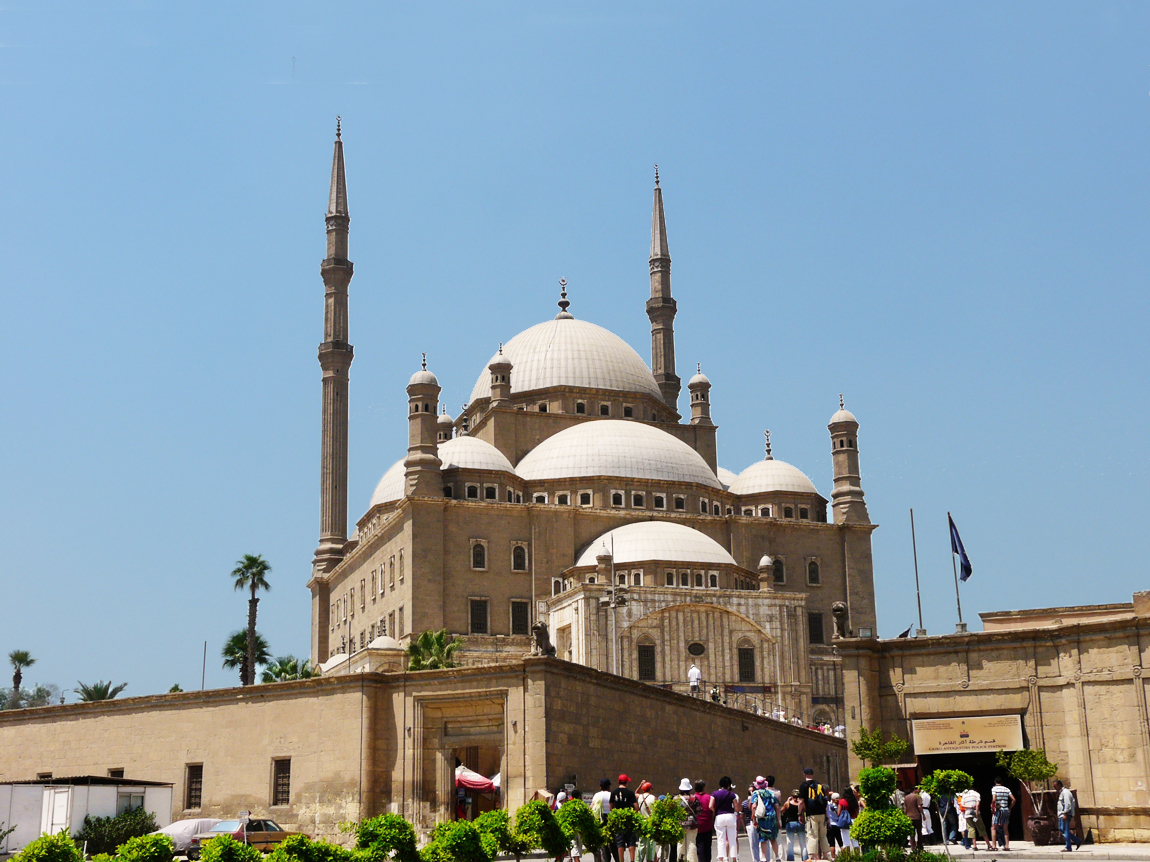
Arrive in Cairo this morning for a free day to explore Egypt’s bustling capital. Visit the famous Khan el Khalili bazaar or admire the imposing Citadel of Saladin.
Day 10 - Cairo
Tuesday 27 Oct 2026. Our Egyptian adventure comes to an end today. Included departure transfer to the airport later today in time for your international flight.
Tour Reviews
Extras and add-ons
If you'd like to add extras or add-ons to your booking, you can do this easily during checkout. Just review the available options and select any additional services or upgrades you'd like before completing your purchase.
Pre and Post Tour Accommodation
Extend your tour with us by booking pre and post-accommodation, available at a per-person, per-night rate.
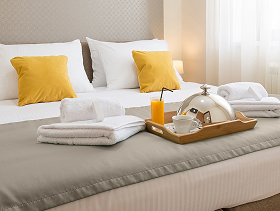
Pre Tour Accommodation - Cairo
Double
Twin
Single
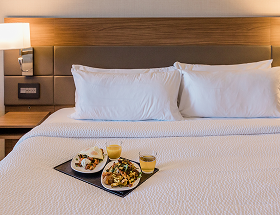
Post Tour Accommodation - Cairo
Double
Twin
Single
Additional Extras
Enhance your tour with these optional extras, helping you to get the most from your adventure.
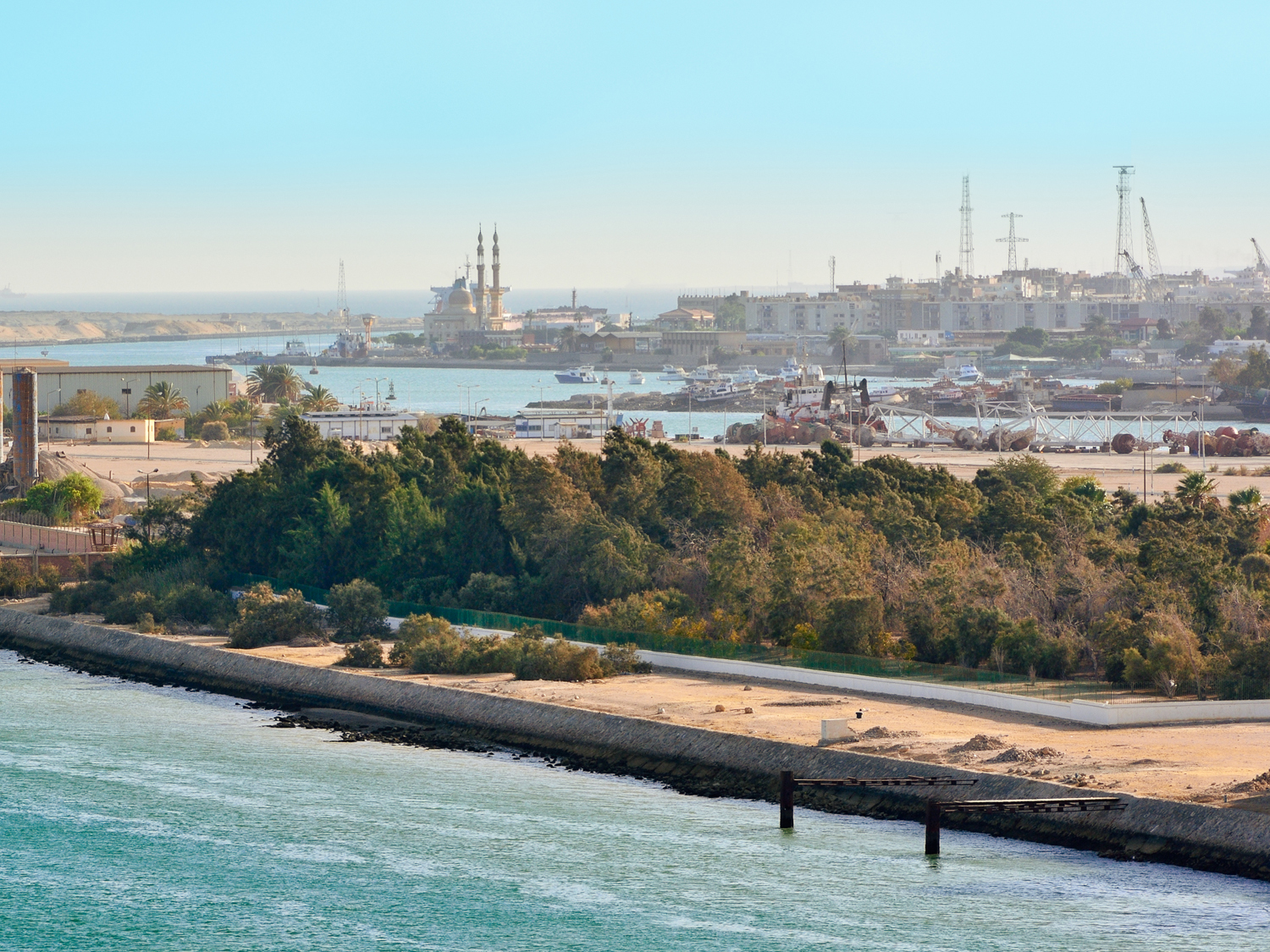
Enjoy a full-day excursion to the historic city of Suez from Cairo, on the northern coast of the Gulf of Suez. Explore the Moses Springs Military Tourist Shrine, a significant site from the October War, and visit the Suez National Museum, which showcases the rich history of the Suez Canal through rare artifacts. Stop at Port Tawfik to watch the sea convoys passing through the canal, followed by a local lunch and a short city tour through Suez's well-known streets. This fascinating excursion offers a unique blend of military history, maritime heritage, and local culture before returning to Cairo in the evening.
Add-on
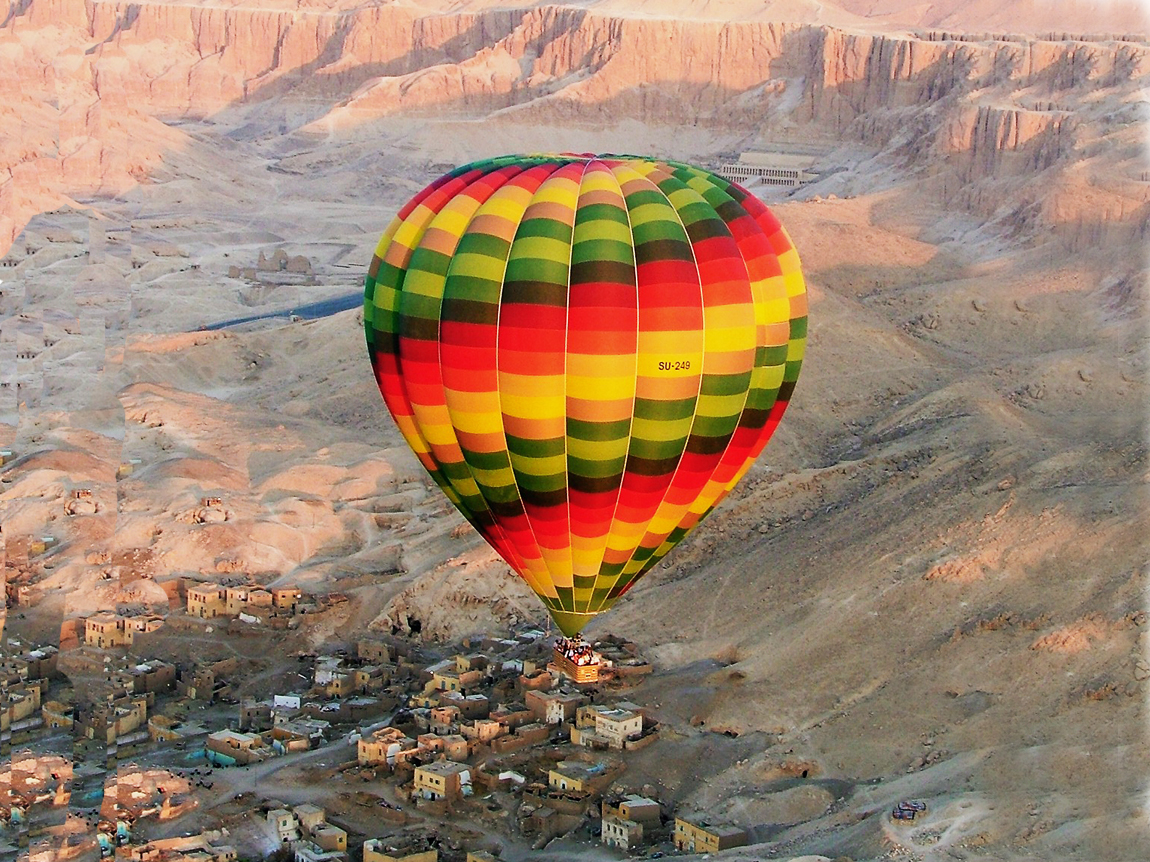
Experience the magic of sunrise over Luxor with a breath-taking hot air balloon ride, complete with private transfers from/to your hotel. After an early morning pick-up (approx. 4.30am), enjoy a safety briefing before gently ascending into the sky for a 30-45 minute flight, depending on weather conditions. Marvel at stunning aerial views of the River Nile and ancient landmarks like Karnak and Queen Hatshepsut's Temple as the first light of day bathes the landscape. After landing, receive a personal flight certificate before returning to your hotel in time for breakfast and your day's adventures.
Add-on
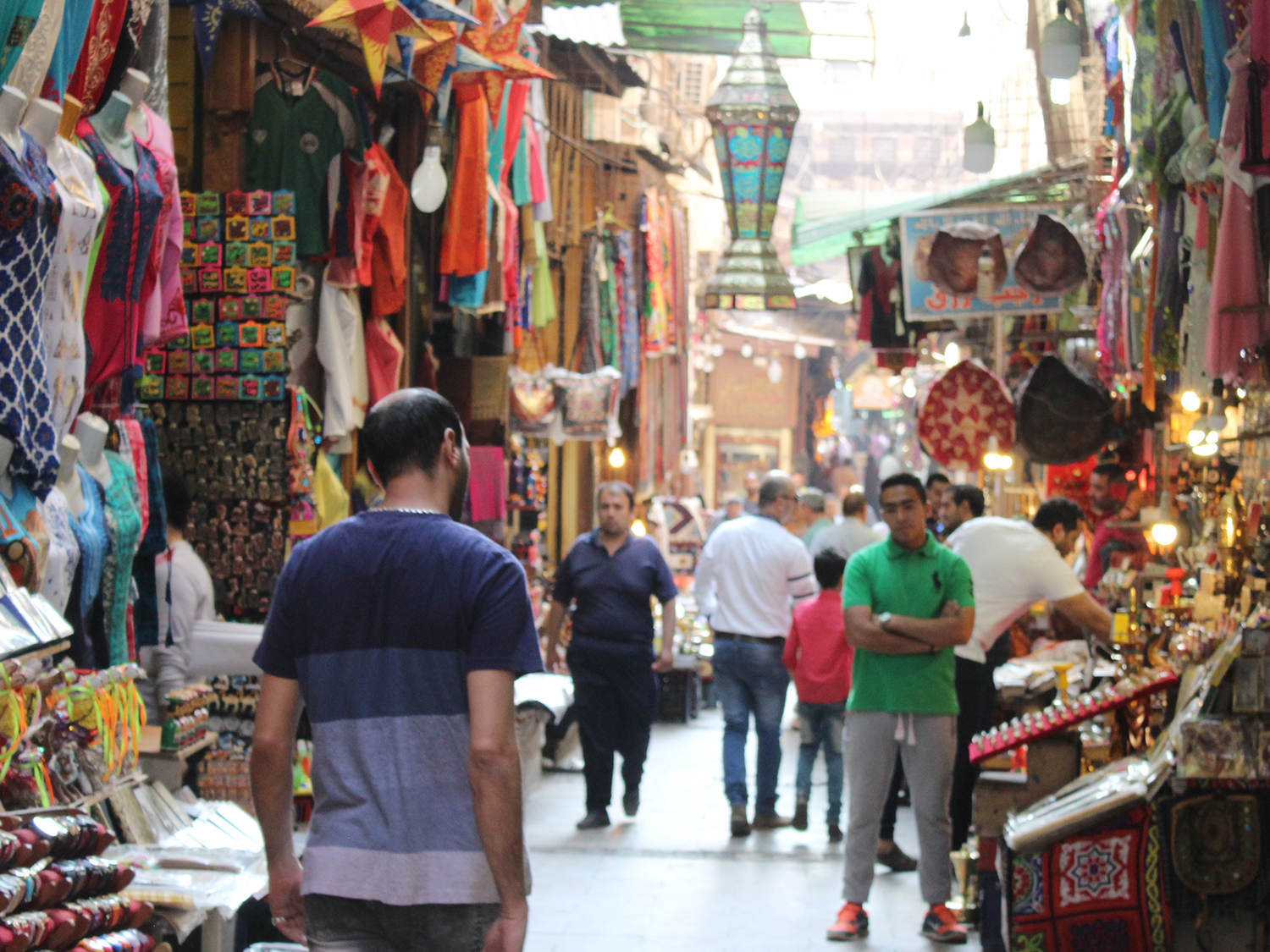
Discover some of Cairo's most fascinating neighbourhoods and get off the beaten track on this Backstreets of Cairo tour. Stroll through the bustling Downtown and explore the beautiful mosques and monuments of Islamic Cairo's spectacular El Moez Street, before bartering for goods at Khan el Khalili Bazaar. Then learn about the life of the Zabbaleen waste pickers, before visiting the famous Cave Church of St Simon.
Add-on
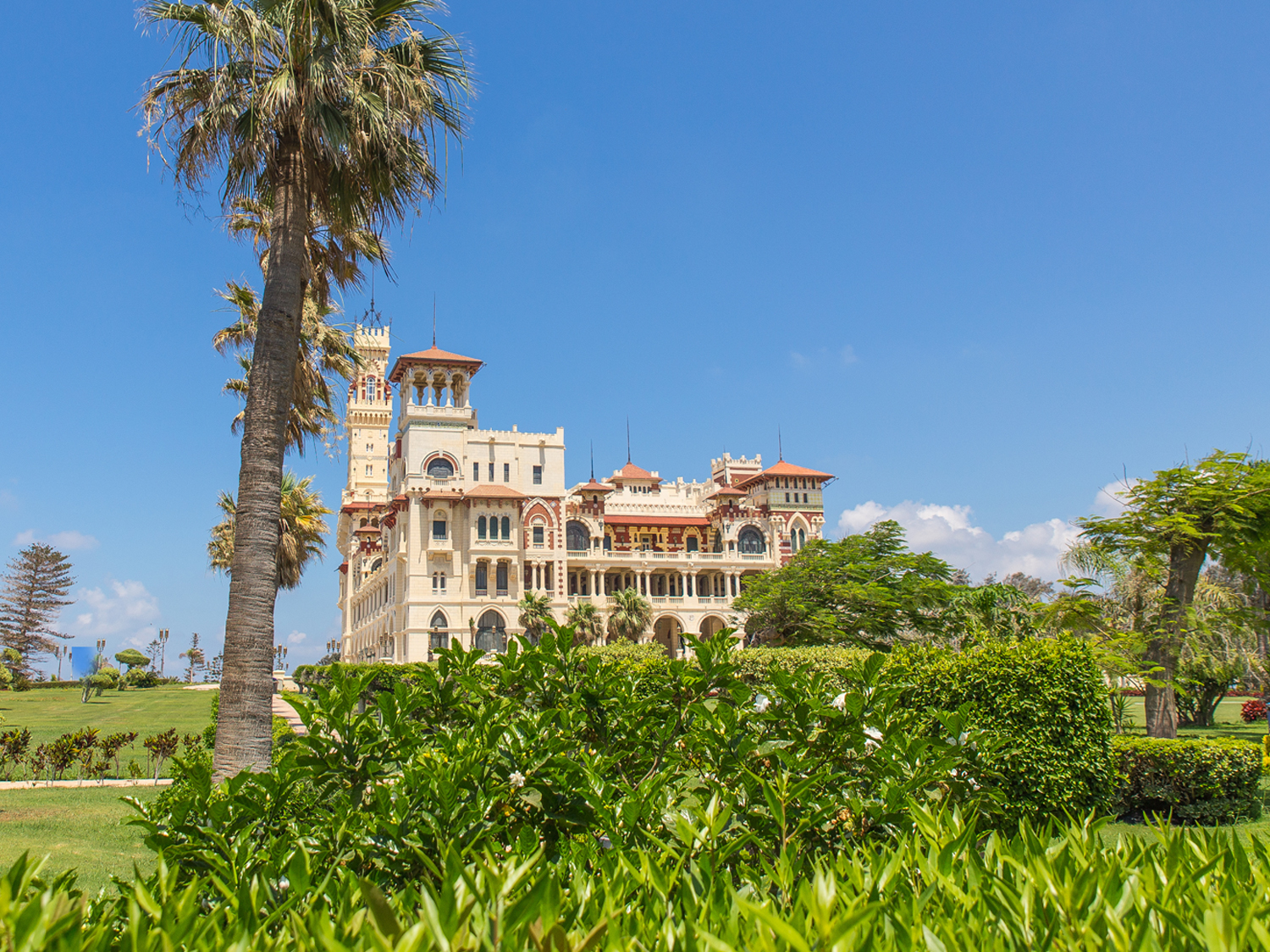
Carry on your Egyptian affair before or after your tour, with a day tour (including lunch) to amazing Alexandria on the Mediterranean Coast. Founded by Alexander the Great, Alexandria boasts wonderful beaches and an impressive seafront corniche, along which are dotted cafes and restaurants, as well as catacombs, souks and relics from a bygone age.
Add-on
Hotels
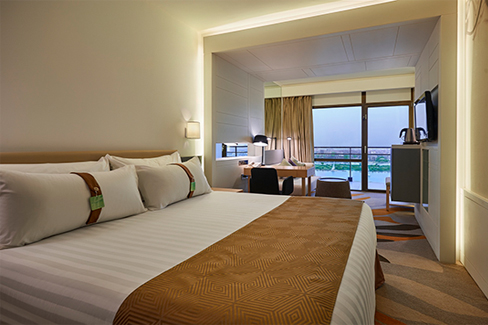
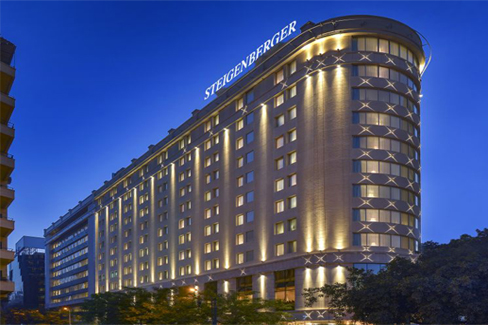
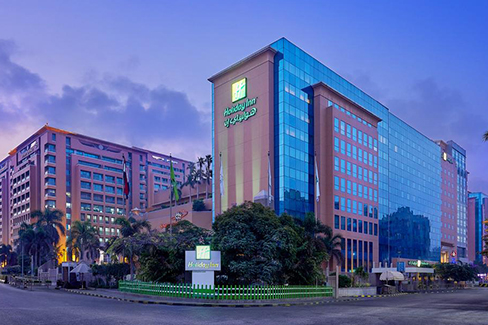
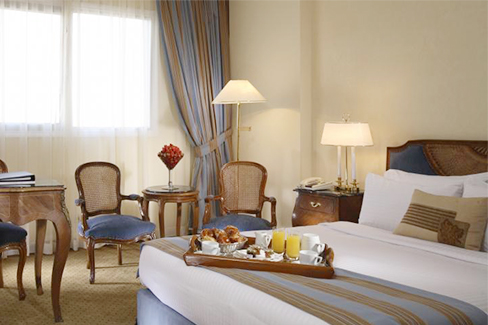
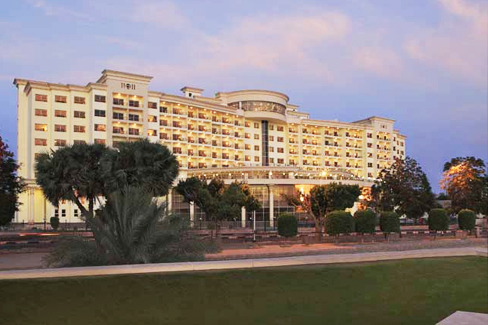
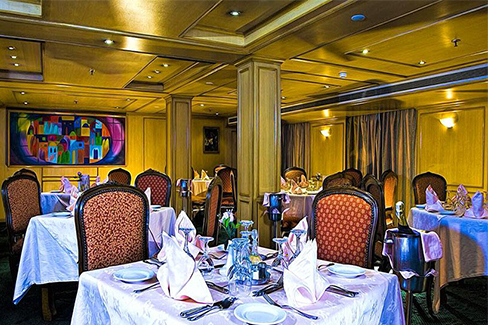
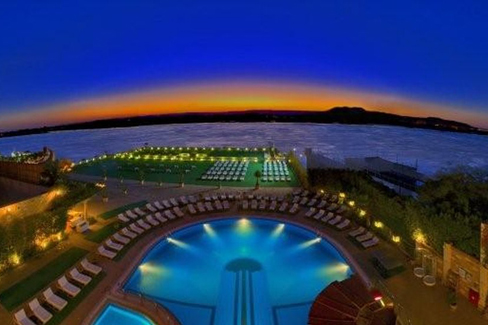
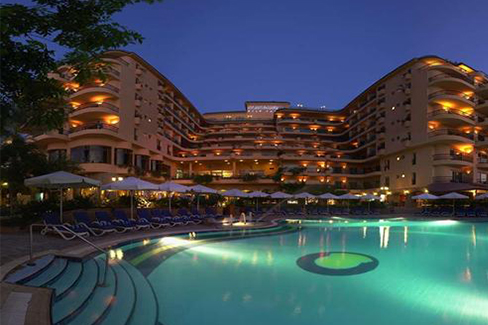
The hotels listed below are examples which we frequently use on this tour. Alternative hotels of a similar standard may be used instead.
If you are interested in booking pre or post-tour accommodation, here are some of the hotels we typically use.
Prices & Dates
The Nile Cruise Upgrade version of this tour includes 3 nights on board a 5 star Nile Cruiser (en suite cabin) in place of the felucca. For full details, please refer to the 'Nile Cruise Upgrade Trip Notes' in the right hand column for details. All dates are guaranteed to operate when there are 2 persons booked on the tour. 'Twin/Double' prices are per person when there are 2 people on the same booking sharing a room. 'Single' prices are applicable to solo travellers and anyone wanting the privacy of their own room. Room sharing is not available on this tour.
Can't find a date that works for you?
Looking for a date not yet released?
Similar Tours
Explore more exciting tours in Egypt to discover even more unforgettable adventures!

On The Go Tours
Our agents are waiting to chat to you...
Are you a Travel Agent or Customer?
Do you have an booking reference?