On The Go Tours
Our agents are waiting to chat to you...
Are you a Travel Agent or Customer?
Do you have an booking reference?
Africa Overlanding
When do you want to go?
2026
I'm flexible
Passengers
Adults (18+)
Children (0 - 17)
What is overlanding?
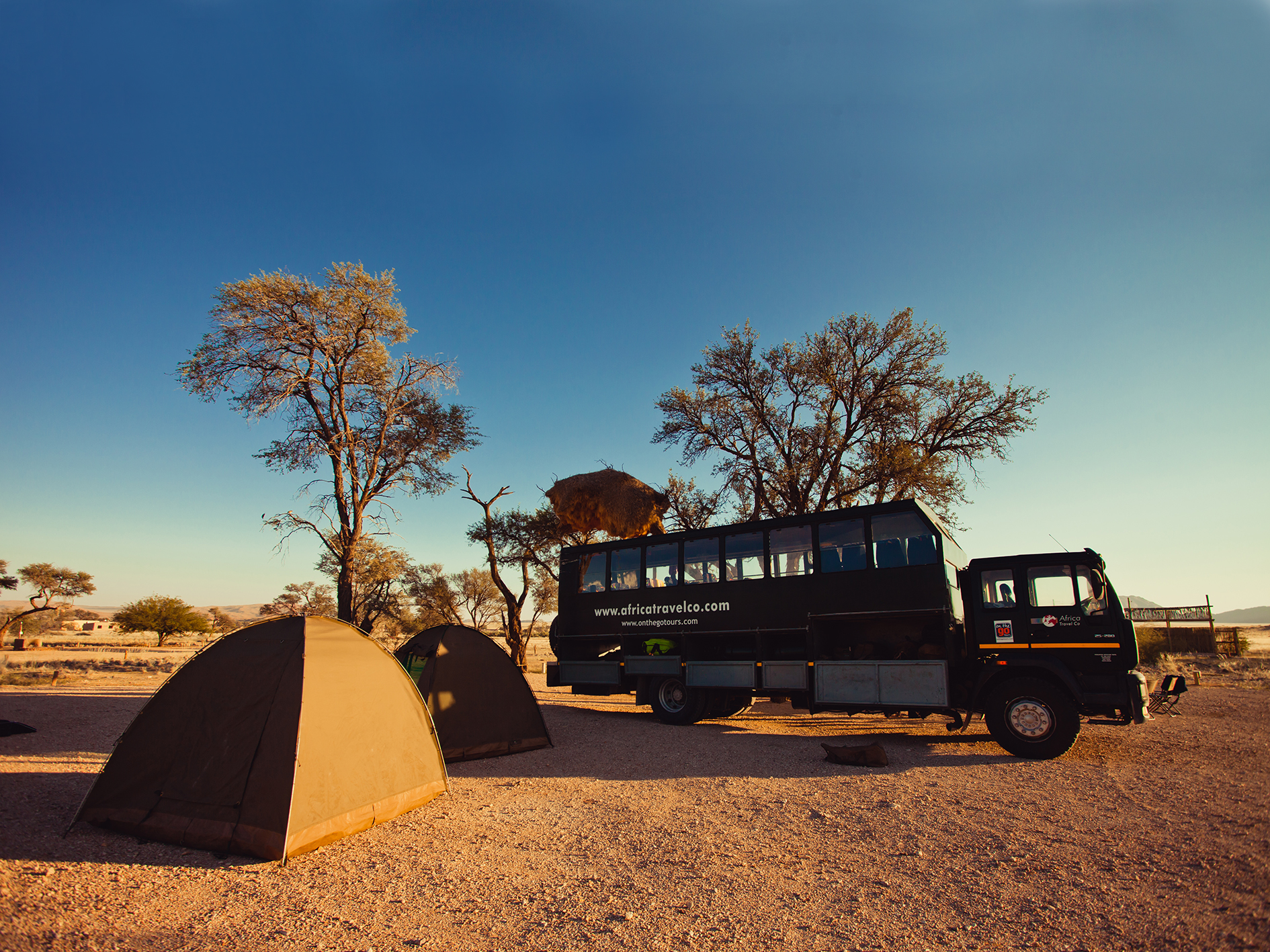
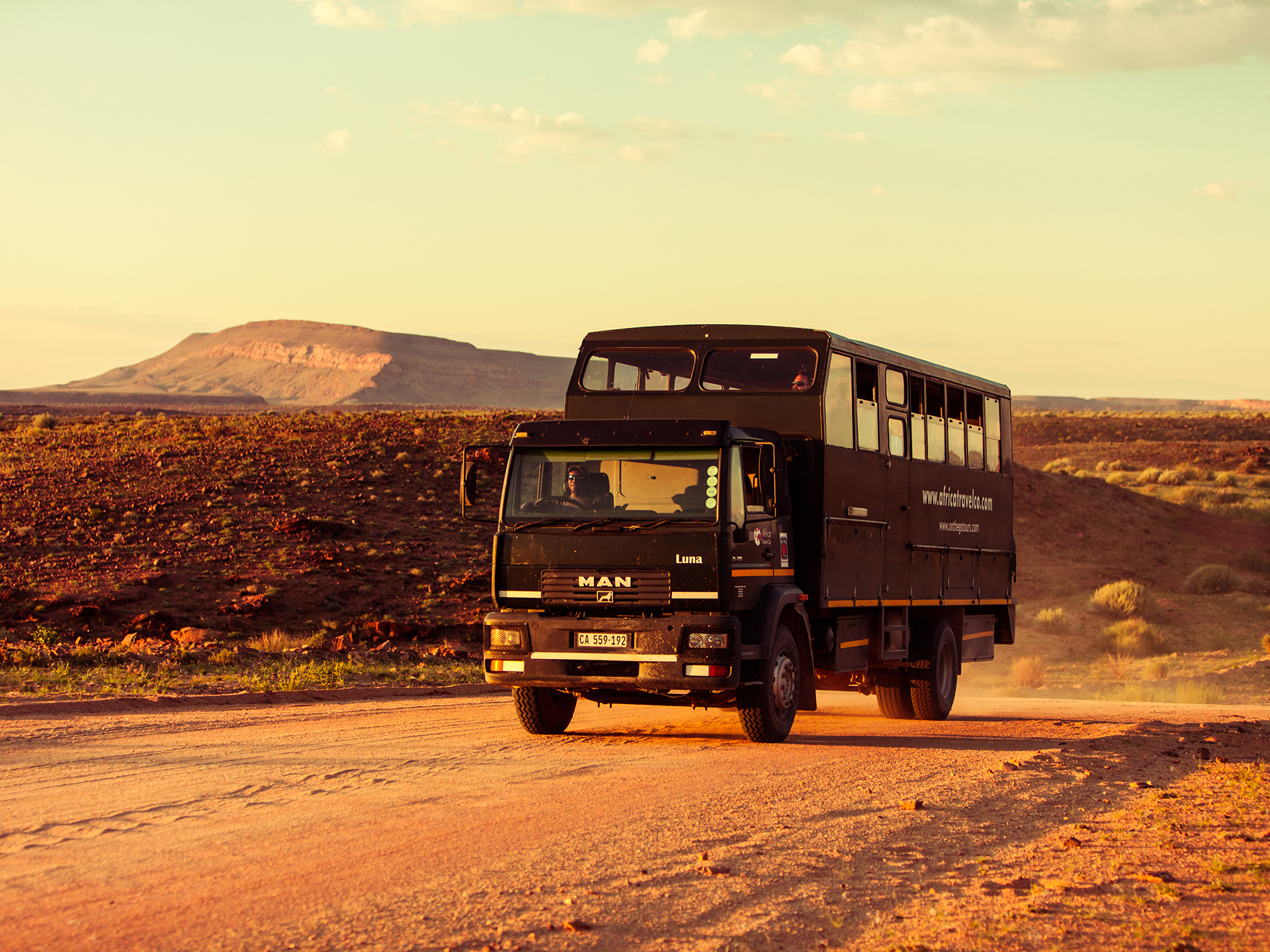
Every year, hundreds of overland trucks make the journey across Africa between Kenya and South Africa on what has become one of the most popular and well-established overland routes in the world. On our Overland Adventure Safaris, we use custom-built 28-seater overland trucks, carrying a maximum of 16 travelers plus crew, and carry all the equipment necessary for camping and cooking on a trip of up to 56 days. By using these rugged vehicles, which are capable of travelling long distances over rough terrain, costs are considerably cheaper than a luxury safari that utilizes flights and luxury lodges.
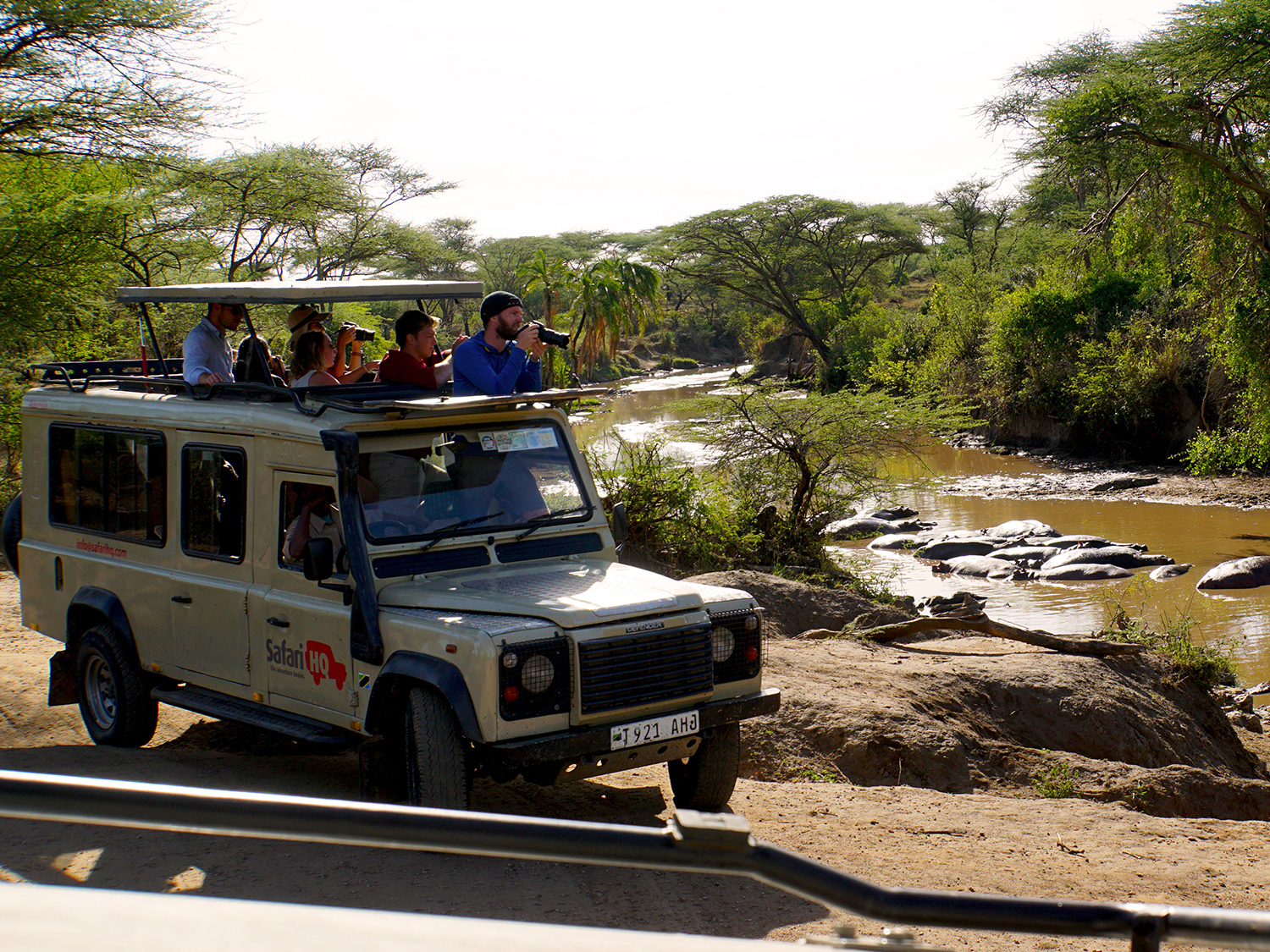
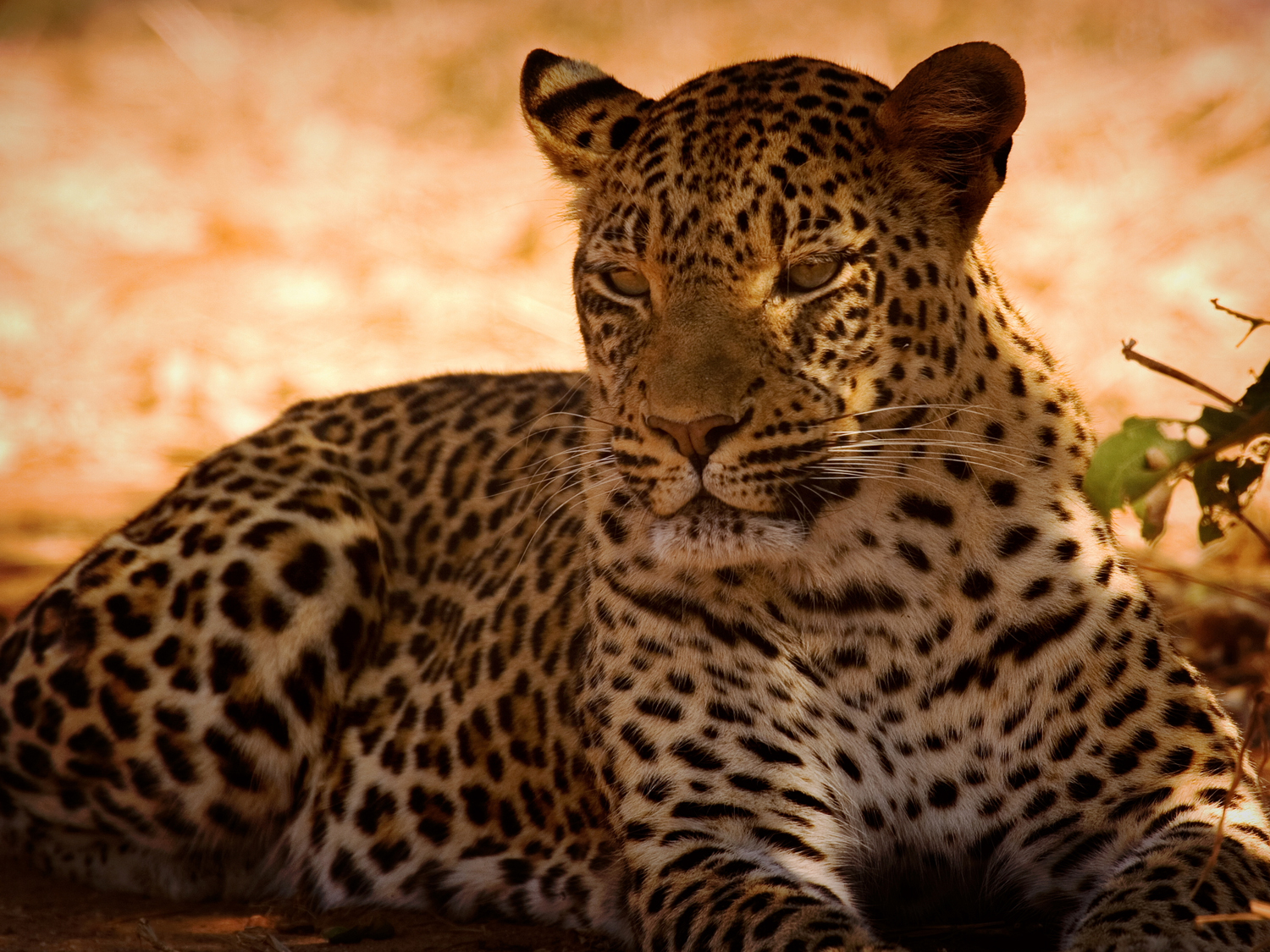
The wildlife experiences you will have in the game parks and reserves are no different than those you’d have on a luxury safari. In fact, with lots of pairs of eyes peeled for a glimpse of an elusive leopard or a camouflaged African wild dog, you may have a far more rewarding wildlife experience from the back of an overland truck than on a smaller safari.
Then there is the added excitement of sleeping under the African sky with the far-off roar of the lion. The beauty is that you can share all these travelling experiences with like-minded travellers, many of whom will leave as friends. Camping under the stars, cooking and washing up together, hiking, diving, abseiling, white-water rafting, and sharing the odd cold beer or ten—it may not be a luxury holiday, but it’s undoubtedly a lot of fun.
Is overlanding for me?
If you’re an active and adventurous traveler who’d rather spend a night camping in the African bush than luxuriating in a boutique hotel, then overlanding is for you. This is grass-roots travel, and you experience Africa firsthand. It’s perfect for people travelling as a group of friends, a couple, or alone. Most things are done as a group, and chores are shared, so everyone works and plays together.
If you’re a first-time traveler, joining an overland tour still gives you that sense of adventure, but a professional safari crew of two and the companionship of the group mean you’ll always have backup. If you’re looking for a trip that goes beyond a mere holiday and gives you the opportunity to make a lot of new friends and see a lot of new places in a relatively short time, then overlanding is for you!
What will the group profile be?
Our Overland Adventure Safaris appeal to the young and the young at heart. The average age is 30–40 years, and given the nature of these trips, we are unable to accept travelers aged 75 or above. You will need to have a reasonable level of fitness, enjoy camping, and have a good sense of adventure. Our overland trips attract a varied mix of solo travelers, couples, and groups of friends from around the world. The group size is dependent upon the season or time of the year and the expedition itself, but the maximum group size is 16. As these safaris are modular, new travelers will join the group at different points along the way, so there is plenty of opportunity to make new friends!
All of our Overland Safaris are active, so you need to be fit and healthy with a good sense of adventure to enjoy the trip. For seasoned travelers (aged 40 plus) who still want to camp, we highly recommend our Comfort Camping Safaris.
On our Overland Adventure Safaris you will be required to put up & take down your own tent each day and help out with cooking & cleaning duties, and you will experience long and often bumpy road journeys. You will also need to be able to climb the ladder steps to get on & off the overland trucks. Passengers over 65 years are required to have a medical certificate and complete a Tour Suitability form before the booking can be confirmed.
What does it involve?
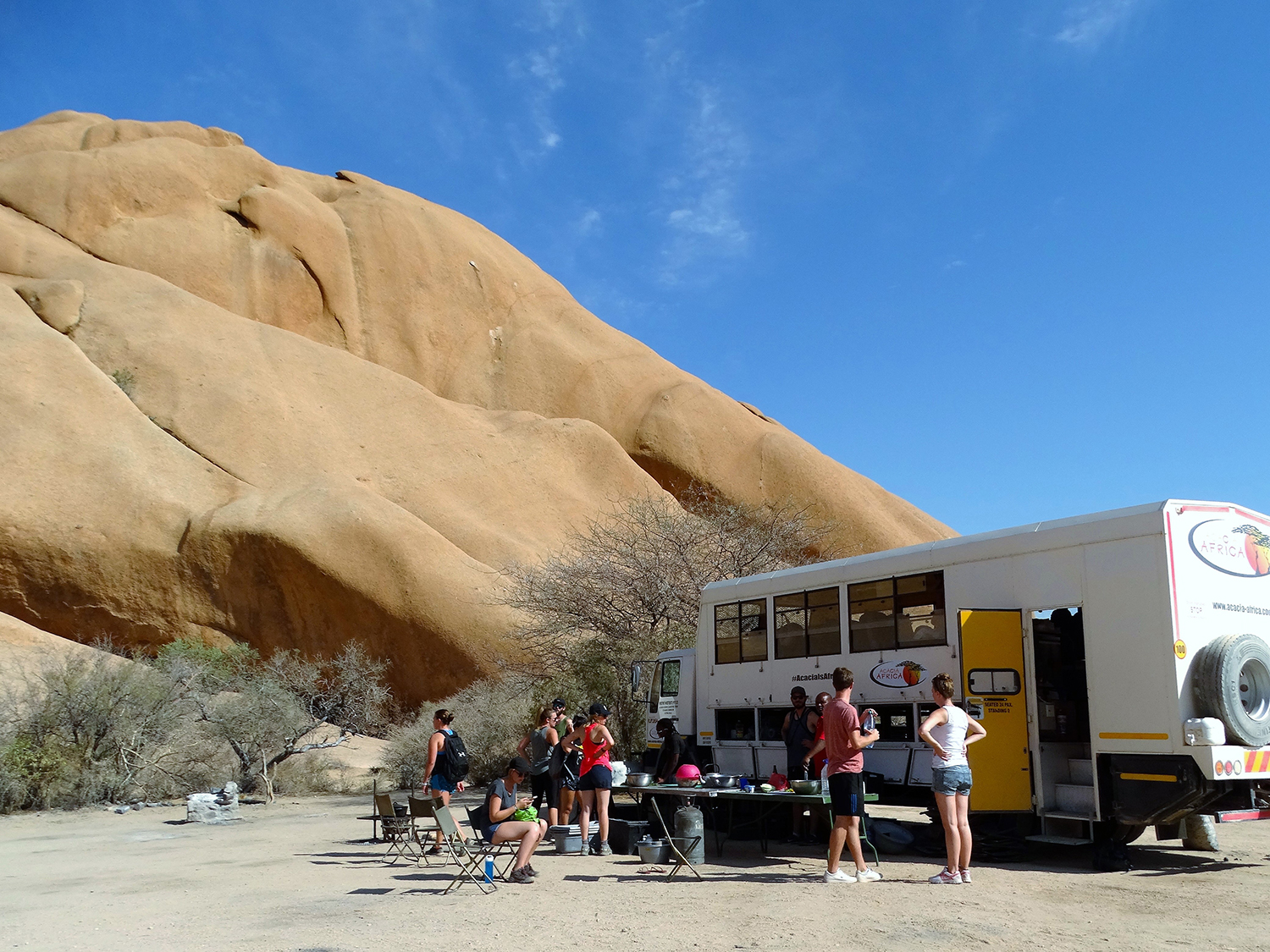
Each overland truck is completely self-sufficient, carrying everything you could possibly need during your adventure. The trucks each have a fully equipped kitchen (food, cutlery, pots and pans, and a gas stove). Chores such as cleaning, washing up, and helping the crew to shop for supplies and prepare food are shared amongst all passengers, so you have to be prepared to roll up your sleeves and muck in.
Despite this, you'll still have plenty of free time to relax and enjoy some sightseeing or wildlife spotting. There are sightseeing activities and game drives included in our itineraries, as well as plenty of free time for you to spend at leisure. In some destinations we'll be able to dine at local restaurants as well, to give us all a night off cooking!
What conditions can I expect?
Where once overland groups would camp in the bush each night, today there are a wide range of great campsites catering for overlanders and vehicles, with activities, bars, restaurants, and excellent facilities, often including a swimming pool. Our trips spend the night in a secure campsite every night (with one or two exceptions). There are a handful of campsites that may not have a shower or a beer available, though most have running water. Sometimes conditions can be challenging—it may be dusty or rainy, and it can get exceedingly hot or very cold—so come prepared for the respective season you’re travelling in, and you’ll have little to worry about. You can find information about the campsites and accommodations we use on each tour page.
Africa is a vast continent, and distances between the highlights we visit can be big. Some of the drives will be long, and there are a few patches where the roads range from lightly bumpy to almost impassable. Long driving distances usually require an early start, so expect to marvel at an array of breathtaking African sunrises during your journey. There may be a few hiccups in the itinerary when a bridge is washed away or there’s a mechanical emergency. But, none of these will spoil your trip if you approach them with a flexible attitude and a good sense of humor.
Camping Overland Adventure Safaris
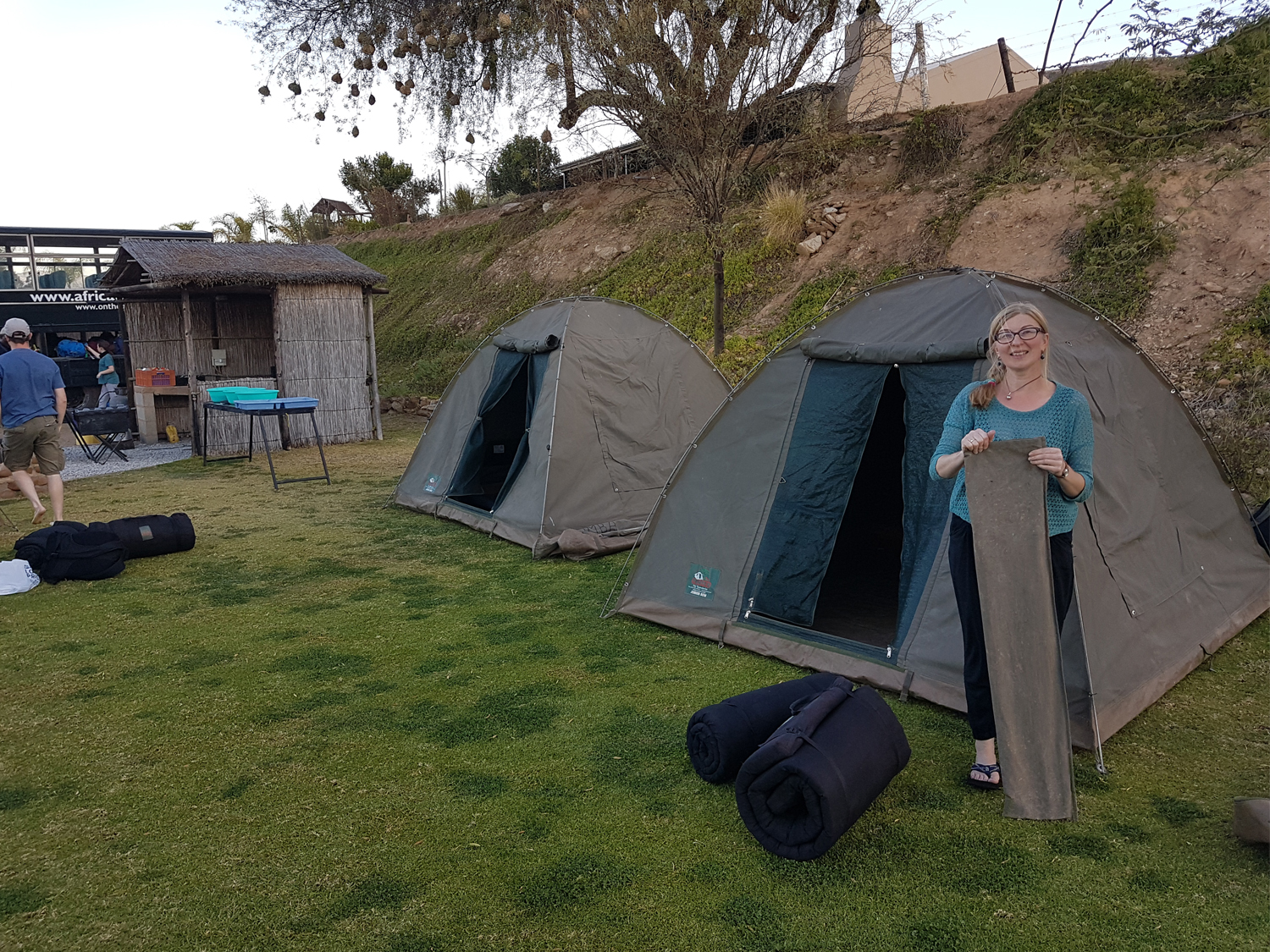
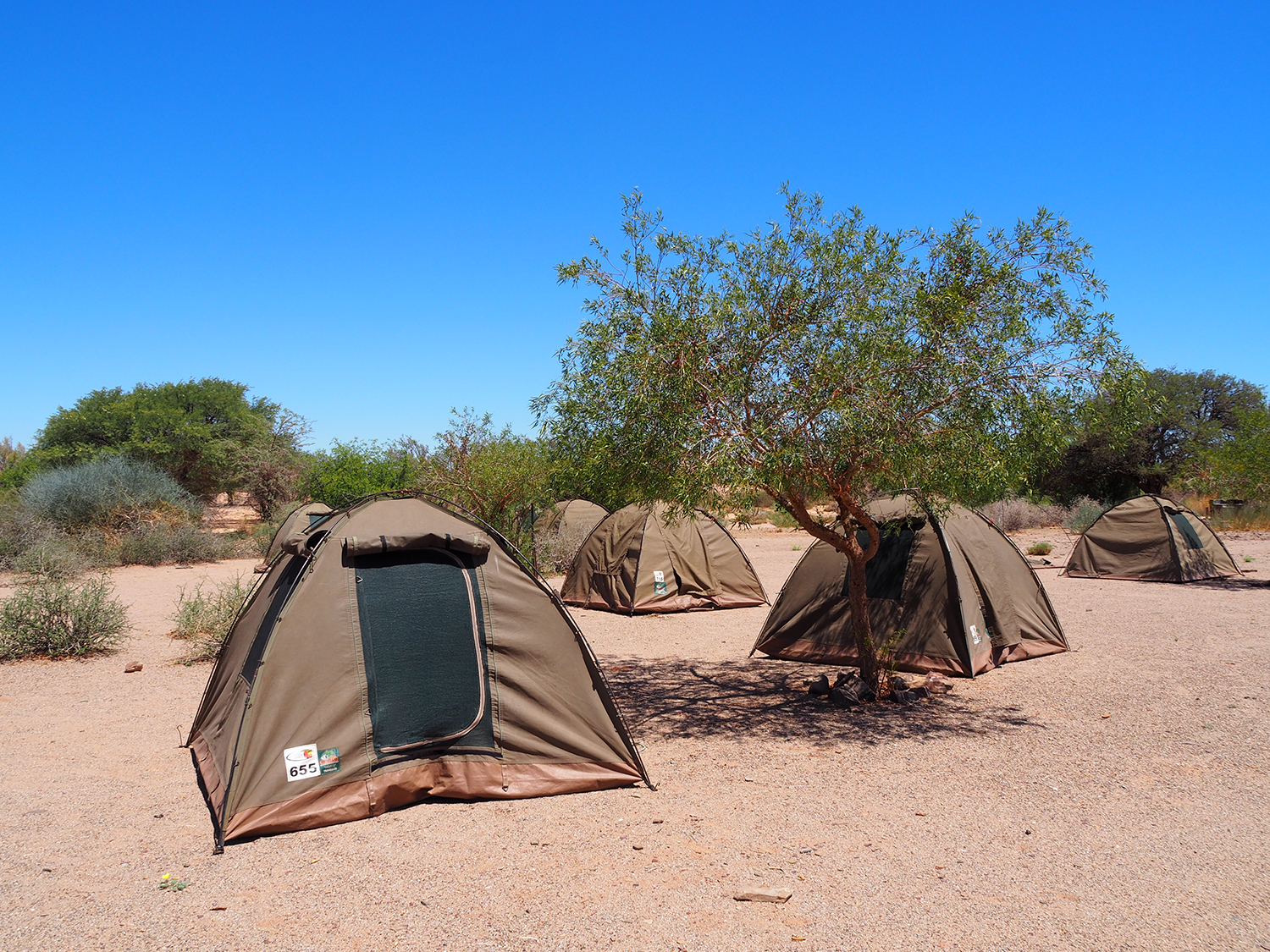
On these trips we use two-man dome tents with mosquito nets over the door and window areas, a sewn-in ground sheet, and a separate flysheet, which you share with a fellow traveller. If you’re a camping novice, rest assured, the tents are very easy to put up, and your tour leader will give you a demonstration. Mattresses are provided, so you will just need to bring your own sleeping bag, and remember a small pillow is always great for extra comfort.
Tents have a rain cover that is designed to aid the flow of rainwater from the tent sides to the ground. These are really effective, but please keep in mind that when camping in the rain, one can still expect some dampness and the occasional leak. Our tents are maintained regularly to avoid leaks, and each vehicle is equipped with a couple of spares to swap out any tents that may be damaged.
We camp in set campsites along our routes that specifically cater to overland passengers. Bear in mind some of the campsites in Africa can be pretty basic and have a great rustic “under African skies” feel. Campsites in Southern Africa generally have better facilities than their East African counterparts, and almost all campsites have a facility to wash; many have electricity points to charge your phone and camera batteries. Some nights we may bush camp—this means you are camping without ablution facilities and not at a built-up campsite, but being out under the African skies surrounded by her sounds makes this all worthwhile. You'll find details of the campsites on our tour pages.
Recommended Overland Camping Safaris





Accommodated Overland Adventure Safaris
If you’re looking for an amazing safari adventure that discovers some of the most incredible landscapes in Africa but are not keen on the idea of camping, then our accommodated Overland Adventure Safaris could be just the ticket. These run alongside our camping trips, visiting the same sights and staying at the same places—the only difference is that you will stay in simple accommodation rather than camping.
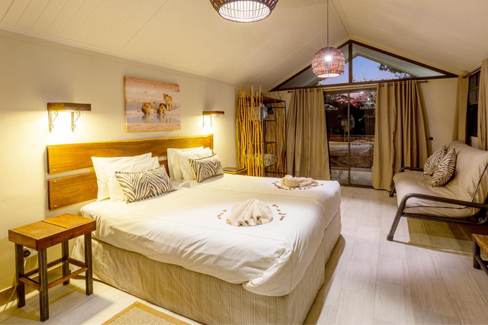
Accommodation in both Southern and East Africa varies from place to place, dependent on the infrastructure and settlement in different areas. Some destinations visited have high-quality accommodation options complete with fluffy duvets and en-suite bathrooms, whereas other places may be more basic with shared facilities.
In the Serengeti, Ngorongoro Crater, and Spitzkoppe, we are out in wild and natural surroundings where there isn't any accommodation. We've included your tent, mattress, and sleeping bag at these destinations, so you'll still have a comfortable stay and get to enjoy the essence of what makes Africa so special. On each tour page, you can find information regarding the accommodations we typically use, though this is subject to change at our discretion.
On these tours solo travelers will share a room with someone of the same gender, so there's no need to worry about paying a higher price. We do not offer a single room option on our Overland Adventure Safaris.
Recommended Accommodated Overland Adeventure Safaris

Comfort Camping Safaris
We also offer a small selection of Comfort Camping safaris in Southern Africa, which are ideal for those who want a more relaxed camping experience. You’ll still sleep in a 2-man dome tent, but these tours include a camp bed, mattress, sleeping bag, and small pillow. They are also fully serviced, which means a team of three experienced crew takes care of all camp duties. There is no cooking, washing up, or tent assembly; the crew will handle all of this for you, so you can relax when you’re back at camp.
Although we do accept younger travellers, these safaris tend to appeal to the over-40s and also welcome families with children aged 10 and above. The maximum group size on our Comfort Camping Safaris is 16, and you'll travel aboard a 16- or 20-seater custom-built overland truck. On these safaris you will enjoy the comfort of a hotel for a few nights.
Our Expedition vehicles
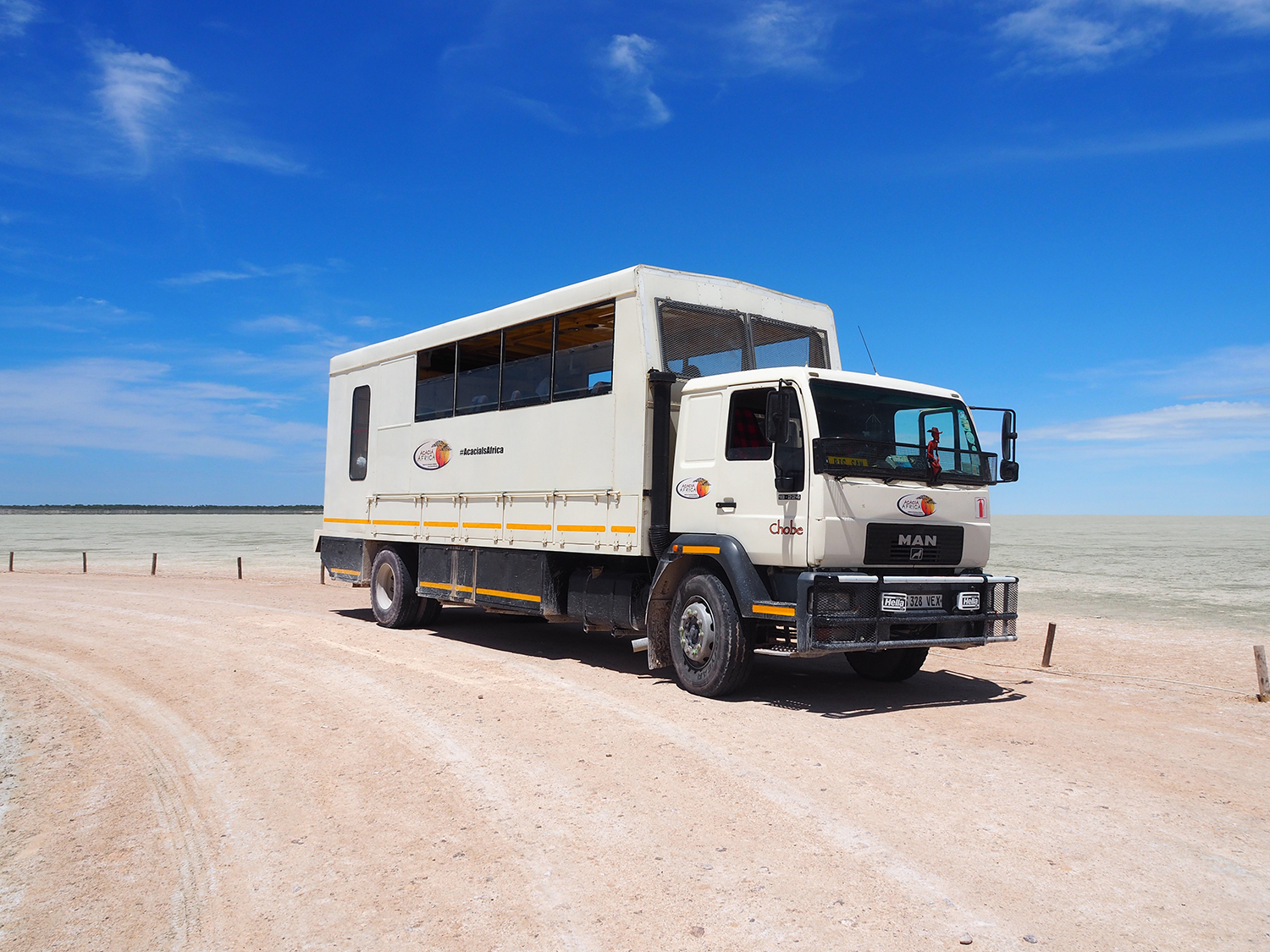
Our overland vehicles are custom-built converted trucks that have seating space for our passengers and storage areas for luggage and all trip equipment. The truck seats between 1 and 4 passengers, depending on the tour you book. Most seats are forward-facing, though some models have a combination of forward, backward, and some inward-facing seats with tables. There is no air-conditioning on board; instead, vehicles have sliding glass windows, and the seating area is raised, providing a great advantage for game viewing and photography. Seats are cushioned, and there is storage space for personal items like cameras, snacks, and daypacks in the seating area.
The storage sections are separate from the seating area and are located underneath the main passenger compartment. There is a specific kitchen area with slide-out tables for food preparation, all the cutlery, crockery, cooled storage, and supplies; and a separate area for storing chairs, tents, and other equipment. The main luggage storage is located toward the back of the vehicle, and as space is limited, we do request travelers bring soft-pack luggage between 15 and 20 kg to ease the packing process.
All the vehicles are equipped with water tanks and long-range fuel tanks and are mechanically maintained on the ground between trips. Additionally, our drivers are trained to attend to any minor mechanical problems that may be experienced along the way, and as such, it is rare for a trip to be delayed due to mechanical breakdown.
Our Crew
Our trips are fully escorted by 2 - 3 crew members, including a driver and tour leader. Your crew are generally Kenyan, Zimbabwean, Namibian, or South African. They have a wealth of experience and are more than happy to share it with you. Your trip leader is generally African, European, or Australasian. They have travelled through Africa, either independently or as a passenger. Most of our crew have been on the road for a number of years and have vast experience in running successful trips throughout the route we travel. NB: Your trip leader is not a “tour guide” in the normal sense. They are not experts in all aspects of the culture, history, and wildlife of each area. They are employed to ensure the smooth running of your trip. That said, all of our crew have a passion for Africa and have acquired much knowledge of each area, which they’ll happily share. In some places, such as the Serengeti National Park, specialist local guides will join you for your excursion to help you get even more from your visit.
Due to circumstances beyond our control, like impassable roads or group safety, it may be necessary to make alterations to the planned itinerary. If this is necessary, the trip leader will discuss the problem with the group and alter the itinerary accordingly. The trip leader will obviously consider the wishes of the group, but there may be occasions where they have to make an unpopular decision. In ALL matters relating to the trip’s running, the trip leader’s decision will be final.
Ablutions
The majority of campsites and accommodations we use in Eastern and Southern Africa will have either long-drop or flushing toilets and showers. However, on the road things are a bit different. There is no toilet or restroom aboard the truck. We will make stops to use the facilities, mainly in the form of service stations—don't expect sparkling clean toilet facilities here! In emergencies, or if we are on a long drive in a remote area, it’s back to basics. Toilet paper is kept aboard the truck, along with a shovel. Also keep a personal supply of toilet paper in your daypack. Dispose of waste by digging a small hole and burying everything. At campsites, there will be an ablutions block with toilets and showers. Rural or remote campsites may only offer one or two facilities. Expect ‘longdrop’ toilets in remote locations. Water is a precious commodity in many, many parts of Africa. If showering, turn off the water whilst soaping up.
Luggage
Pack all your gear in a rucksack/backpack for this type of trip. Bring also a daypack to keep personal items such as your camera, water bottle, reading books, and medication to hand. Your rucksack/backpack must not have an exterior frame. Only the soft, flexible variety is permitted. Leave your suitcase at home; they’re simply not practical.
Travelling with Children
Our Overland Camping and Overland Accommodated Safaris are suitable for travelers that are 18 or over. However, children aged 10 and over are welcome on our Comfort Camping Safaris, as long as they are accompanied by an adult.
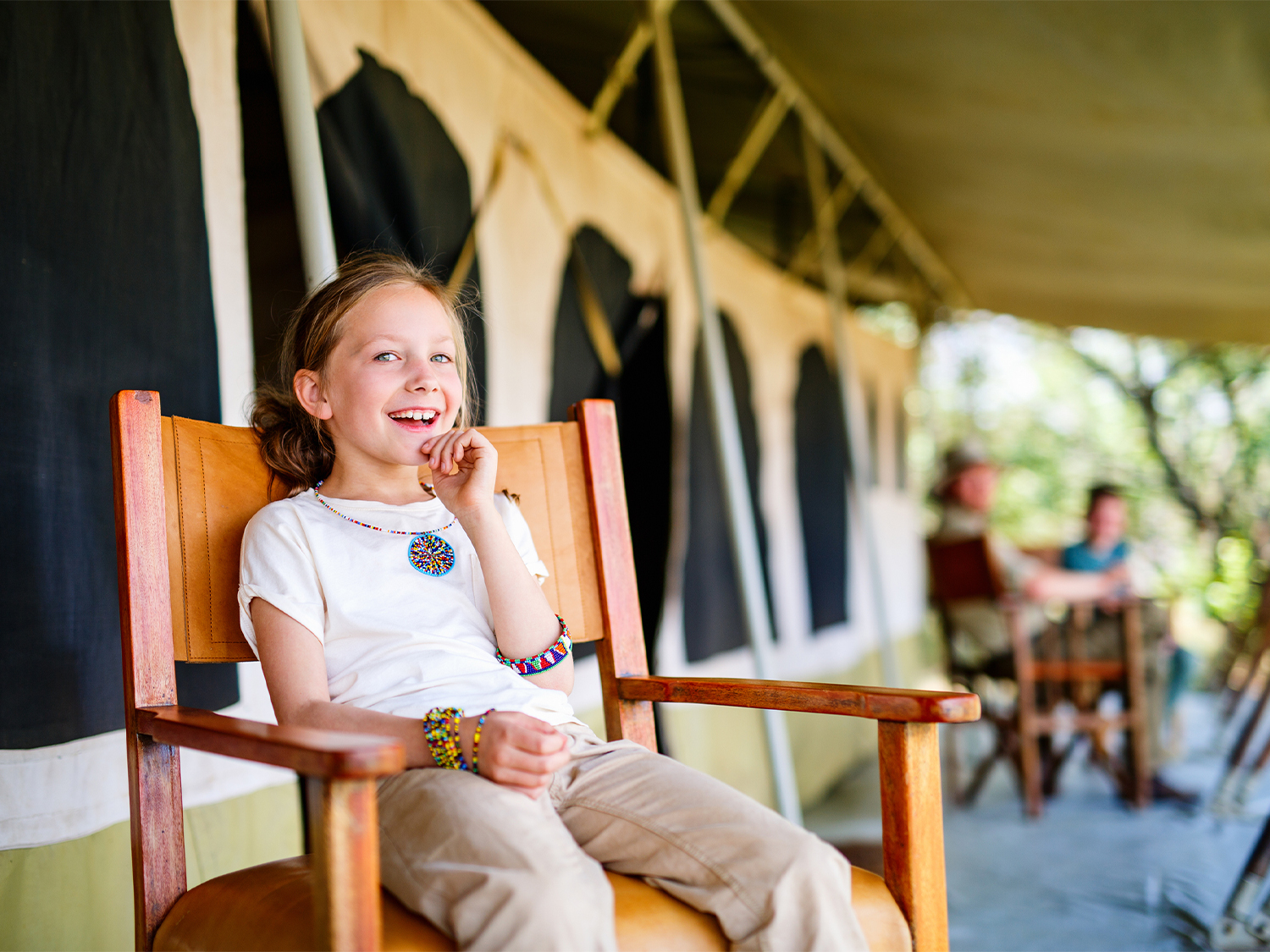
On our lodge-accommodated safaris, we accept children aged 10 and over on a request basis, as some lodges have restrictions regarding children. Certain exceptions apply, as not all lodges accept children and not all activities are suitable for children.
Our Africa travel styles
We offer a range of different trip types in Africa. From overland camping tours to lodge safaris and everything in between. As well as group trips, we also offer a selection of private safaris and those suitable for families with children aged 8 and over. Discover our different Africa travel styles below.
African Travel Guides
Find more inspiration and information about Africa to help you choose the right tour for you.