Journey Across South America
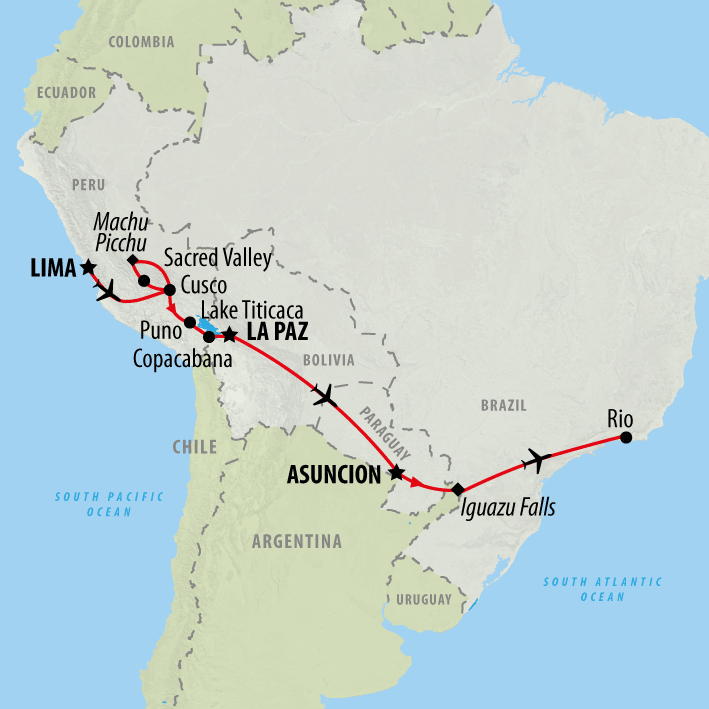
Cross the width of South America from the Pacific to the Atlantic coast on this 19 day group tour from Lima to Rio de Janeiro. Marvel at legendary Machu Picchu, cruise to the islands of Lake Titicaca and ride to the summit of Corcovado Mountain. Browse the famous Witches Market in La Paz and admire the thundering Iguazu Falls.
For a detailed itinerary and information about visas, money, weather and more.
Latest 4 star review
Tour Overview
Duration
19 daysHotel Rating
3 star hotelsStarts
LimaEnds
Rio de JaneiroMinimum Age
12 years oldMaximum Age
Tours have upper age limits for several reasons, such as but not limited to: tour pace, activity level, and accommodation standards. If you fall outside of this age limit, we do have lots of other tours in Bolivia that are suitable for all ages!
Arrival Transfer
YesDeparture Transfer
YesTour Guide
Yes - escorted by tour leaderCountries
Bolivia, Brazil, Paraguay, Peru, ArgentinaMeals Included
Breakfast: 18Passengers
$6,865.00
$2,059.50
Tour Style
Group Size
Min 4 / Max 20
Trip Type
Group Tours
Range
This tour is operated by our trusted local partner and has been handpicked by us to deliver you an unforgettable trip.
Guiding Style
This tour is led by a dedicated tour guide or tour leader who stays with you throughout the entire journey. From start to finish, they manage logistics, offer insights at every stop, and are on hand to assist with anything you need. You may also enjoy sightseeing with local expert guides, as per the Inclusions. For more information, check the Inclusions of this tour.
Tour Pace
A balanced pace, with a mix of free time and visits to multiple locations, allowing for both relaxation and exploration. Generally doesn't visit more than one or two destinations per day.
Physical Rating
A moderate amount of walking is required during sightseeing, with some free time, offering a balance between activity and relaxation. As a general rule, you should be able to walk 2-kilometres without stopping.
Tour Guide
Yes - escorted by tour leaderGroup Size
Min 4 / Max 20Range
This tour is operated by our trusted local partner and has been handpicked by us to deliver you an unforgettable trip.
Guiding Style
This tour is led by a dedicated tour guide or tour leader who stays with you throughout the entire journey. From start to finish, they manage logistics, offer insights at every stop, and are on hand to assist with anything you need. You may also enjoy sightseeing with local expert guides, as per the Inclusions. For more information, check the Inclusions of this tour.
Tour Pace
A balanced pace, with a mix of free time and visits to multiple locations, allowing for both relaxation and exploration. Generally doesn't visit more than one or two destinations per day.
Physical Rating
A moderate amount of walking is required during sightseeing, with some free time, offering a balance between activity and relaxation. As a general rule, you should be able to walk 2-kilometres without stopping.
Trip Type
Group ToursTour Highlights
Included
Not Included
Itinerary
Day 1 - Lima
Wednesday. Welcome to Peru and the beginning of our South American adventure! On arrival at the airport in Lima you’ll be transferred to our hotel in the city where the rest of the day is free to relax or independently explore.
Day 2 - Flight to Cusco
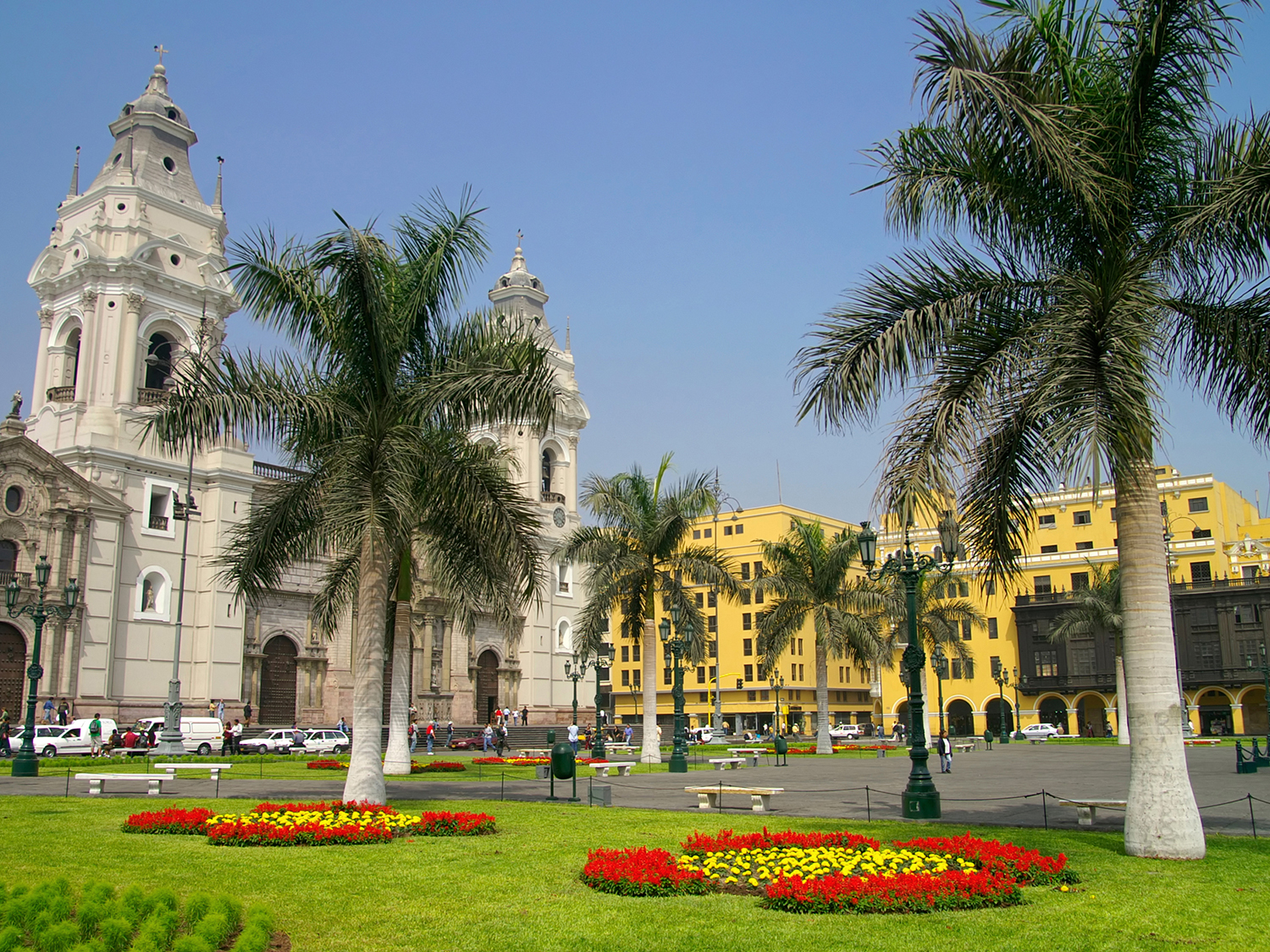
Lima - Cusco. Start the day with a walking tour of the colonial centre with our tour leader. After, a brief 90-minute flight transports us to the renowned city of Cusco in the Andes. The name "Cusco" comes from the Quechua word for navel, reflecting its role as the heart of the Inca Empire. The city is known for its impressive original Inca walls, showcasing remarkable craftsmanship, and its squares are adorned with ornate colonial churches. Cusco is a bustling and vibrant city, where shoeshine boys and postcard vendors vie for your attention along cobblestone streets lined with handicraft shops and cafés. By evening, the town center comes alive as locals and visitors gather in its many restaurants, bars, and clubs.
Day 3 - Cusco sightseeing
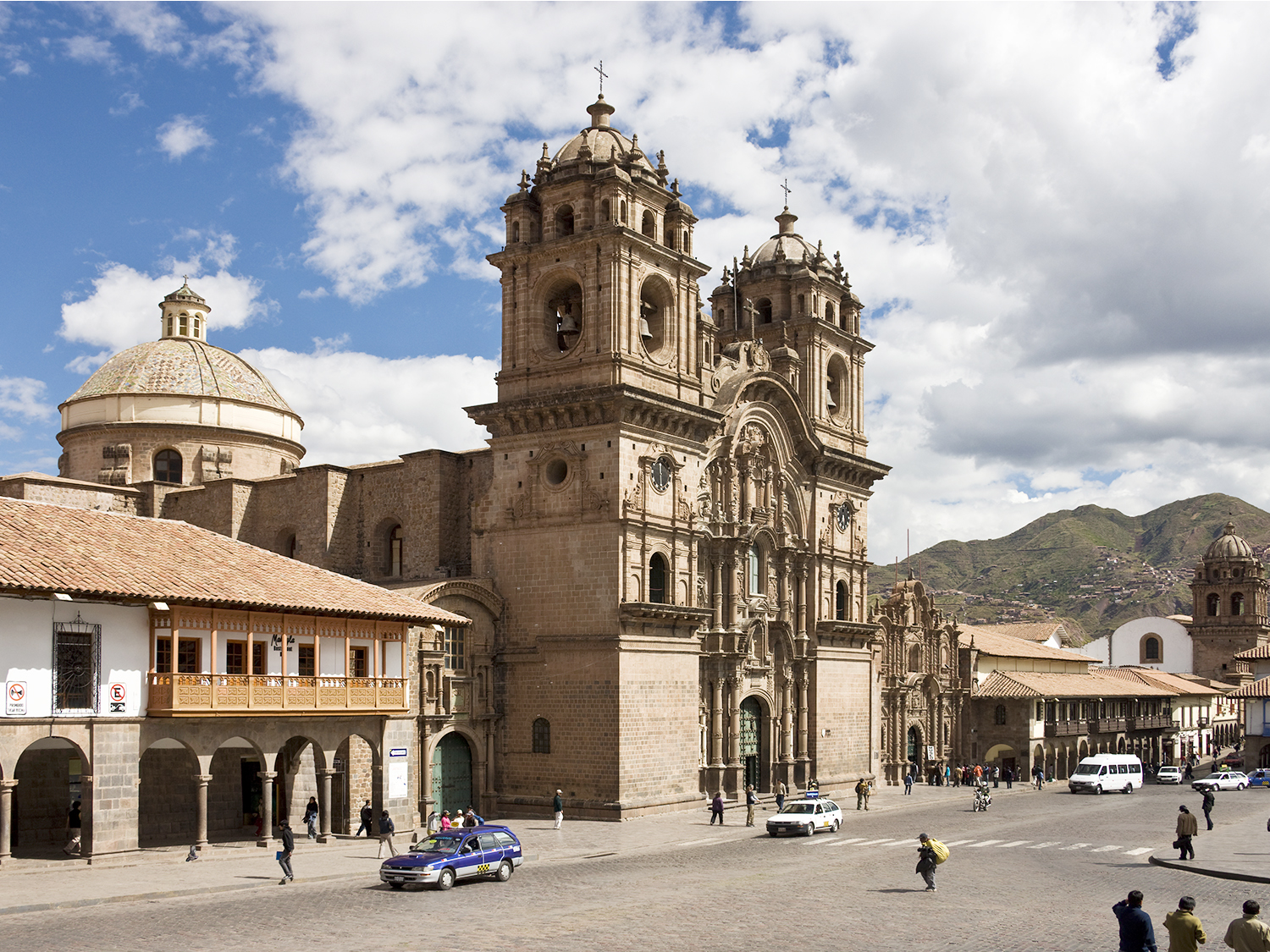
Today we enjoy a guided sightseeing tour of Cusco, taking in several important Inca ruins. Visit Q’oricancha, which was once the most important Inca Sun Temple. We also explore the Plaza de Armas and the colossal fortress of Sacsayhuaman, sitting on a hillside above the city.
Day 4 - The Sacred Valley
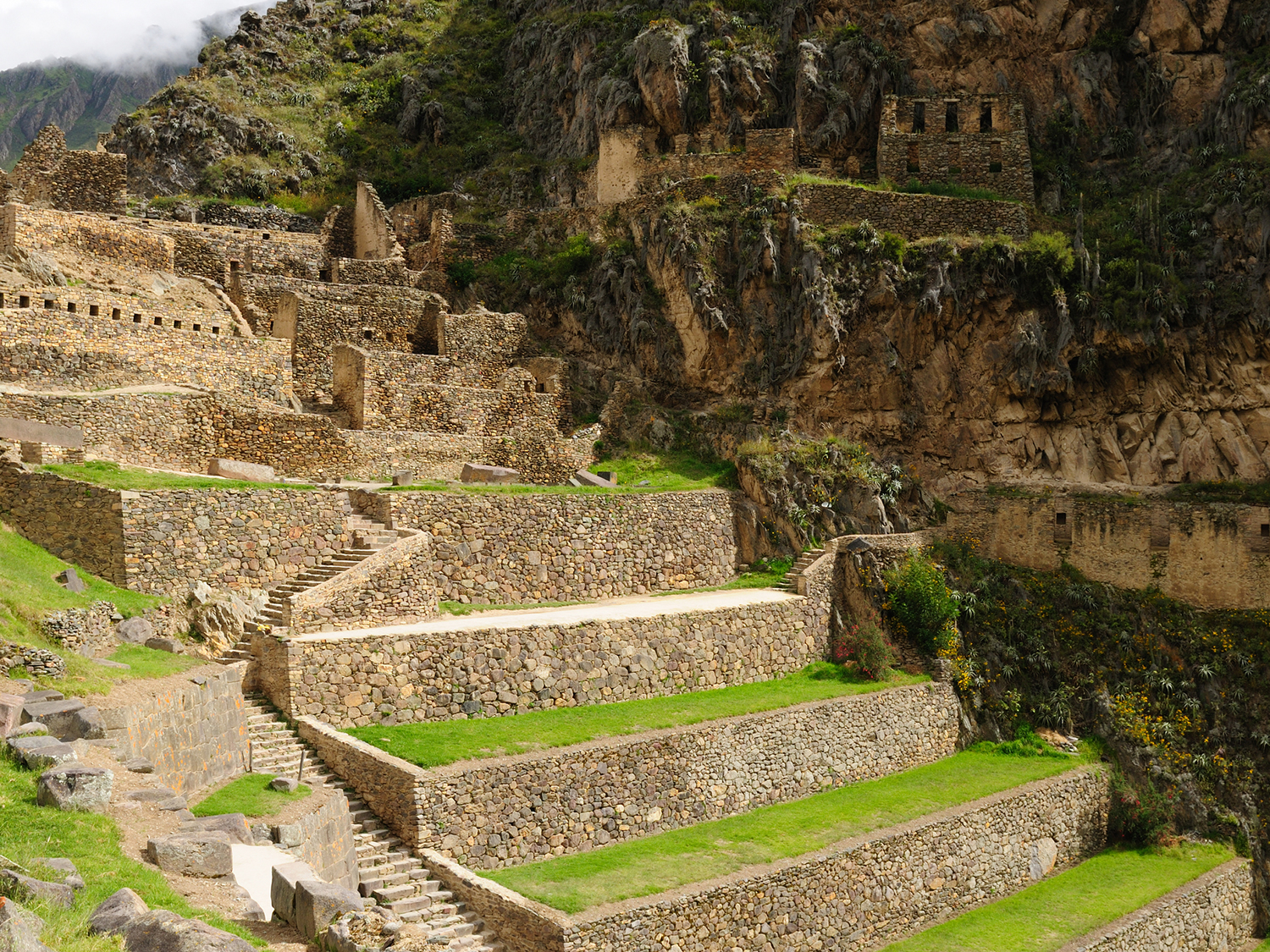
Cusco - Sacred Valley. Explore the Sacred Valley today, beginning at the impressive Pisac ruins. This ancient Inca citadel is popular with visitors and sits high above Pisac village on the hillside. After our visit we continue to the bustling Pisac markets where you can barter with the local merchants for souvenirs and enjoy the vibrant atmosphere. This afternoon we continue to the famous and well preserved Inca fortress of Ollantaytambo, which once guarded the valley from invasions by nearby jungle tribes.
Day 5 - Machu Picchu
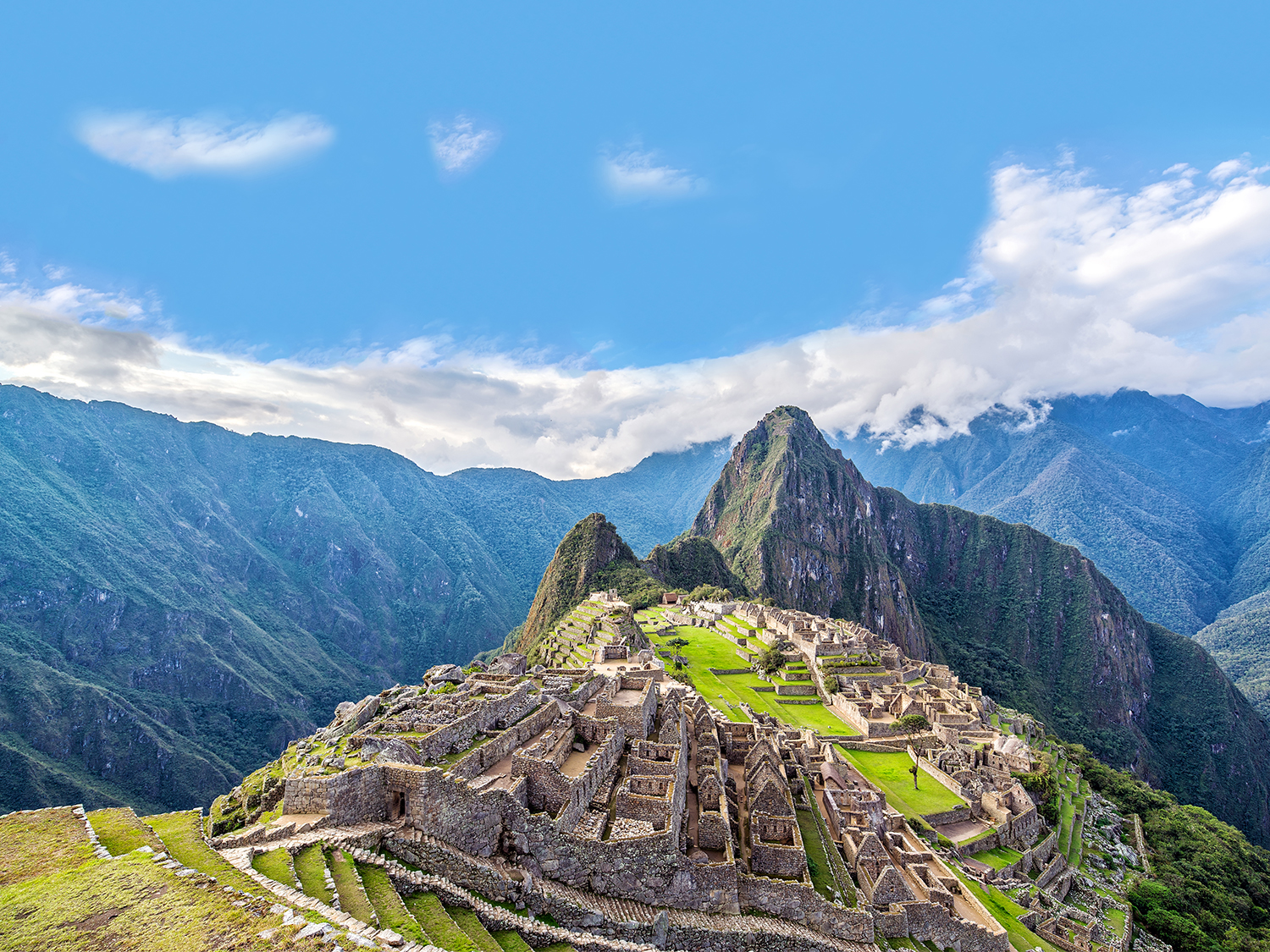
Sacred Valley - Machu Picchu. Say goodbye to the Sacred Valley as we enjoy a scenic train ride to Aguas Calientes this morning. On arrival we take a short bus journey up the mountain to the magnificent “Lost City” of Machu Picchu. Abandoned by the Incas and never found by the conquering Spanish, Machu Picchu lay hidden until its rediscovery in 1911 by the American explorer Hiram Bingham. Enjoy a guided tour of the stunning site, including the Main Plaza and the famous Sacred Sun Dial. After our tour we return to Aguas Calientes for the evening.
Fancy hiking some of the Inca Trail without interrupting your tour? We can arrange for you to walk the mini Inca Trail today whilst still enjoying a guided tour of the ruins and staying with the group this evening. Please ask us for more details.
Day 6 - Option to revisit Machu Picchu
Machu Picchu - Cusco. There is time today to revisit the ancient citadel if you choose or perhaps explore some of the main trails around the site, rail schedules permitting. Hike up the steep path to Huayna Picchu for incredible views over Machu Picchu or trek to the Inca Bridge, carved into the steep cliff face. Alternatively, you can relax and stroll the streets of Aguas Calientes (Macchu Pichu Village), full of souvenir shops and cafes, before we return to Cusco by train this afternoon.
Please note: Those wanting to book the trails need to enquire with the office and pre-book as availability is limited.
Day 7 - Free day in Cusco
Today is free to relax or explore Cusco as you please. There are several optional excursions in the surrounding region, which you may wish to join. Perhaps visit the town of Moray, located about an hour from Cusco. The town is home to spectacular Incan irrigation paths, which form circular depressions in the ground. From here it’s a short walk to Maras, a town famous for its terraced salt pans high in the mountains.
Day 8 - Scenic bus journey to Puno
Cusco - Puno. Today we enjoy a scenic drive from Cusco to Puno, on the shore of the majestic Lake Titicaca. Climb through fertile fields of corn and potatoes to the pass at La Raya (4,200m) and then continue across the striking Altiplano, a large and windswept plain dotted with market towns and herds of llamas. We arrive into Puno early this evening.
Day 9 - Lake Titicaca & Copacabana
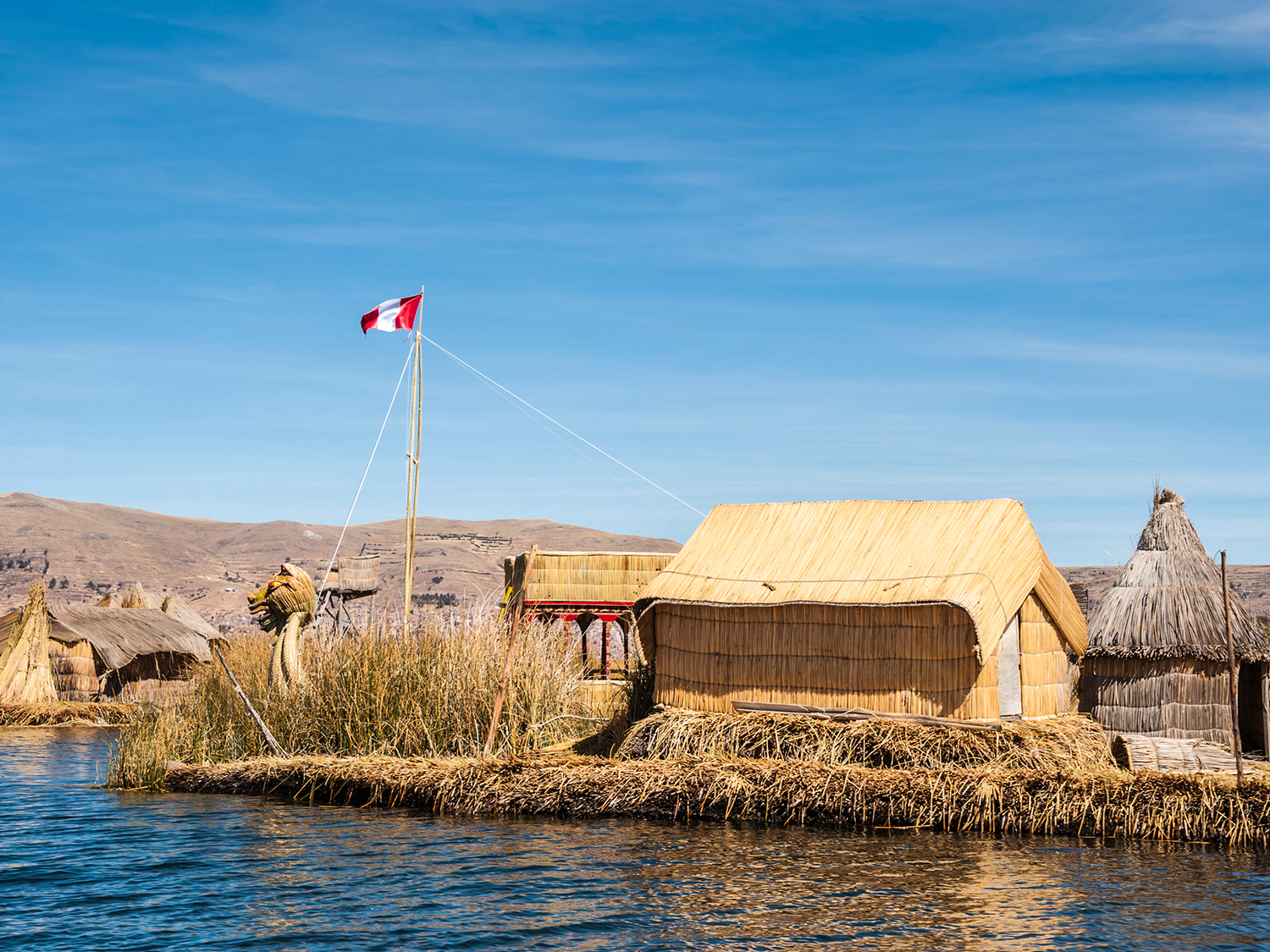
Puno - Copacabana (Bolivia). This morning we enjoy a motorboat cruise on Lake Titicaca to the famous Uros Islands. The Uros people build these islands entirely from tortora reeds, which grow around the lake. They also use them in the construction of their boats and houses. Meet the islanders and perhaps purchase some of their handicrafts before we say goodbye to Peru and cross into Bolivia and Copacabana.
The pretty town of Copacabana is a religious sanctuary and is home to an iconic whitewashed Basilica, frequented by pilgrims who bring flowers and other gifts to be blessed by the 16th century Dark Virgin of the Lake. We see this site and there is also free time if you wish to climb into the hills for incredible views over Lake Titicaca.
Day 10 - Boat trip to Sun Island
Copacabana - La Paz. Explore the Isla del Sol (Sun Island) today as we return to the waters of Lake Titicaca on a boat ride. According to legend, this spot marked the beginning of Inca civilization, when children of the sun god sprung from the depths of the lake.
Later, leave Copacabana and travel across the Altiplano to La Paz, one of the highest cities in the world at over 3,500 metres. The evening is free to relax or begin to discover the city independently, under the gaze of the colossal snow-capped Mount Illimani.
Day 11 - La Paz sightseeing
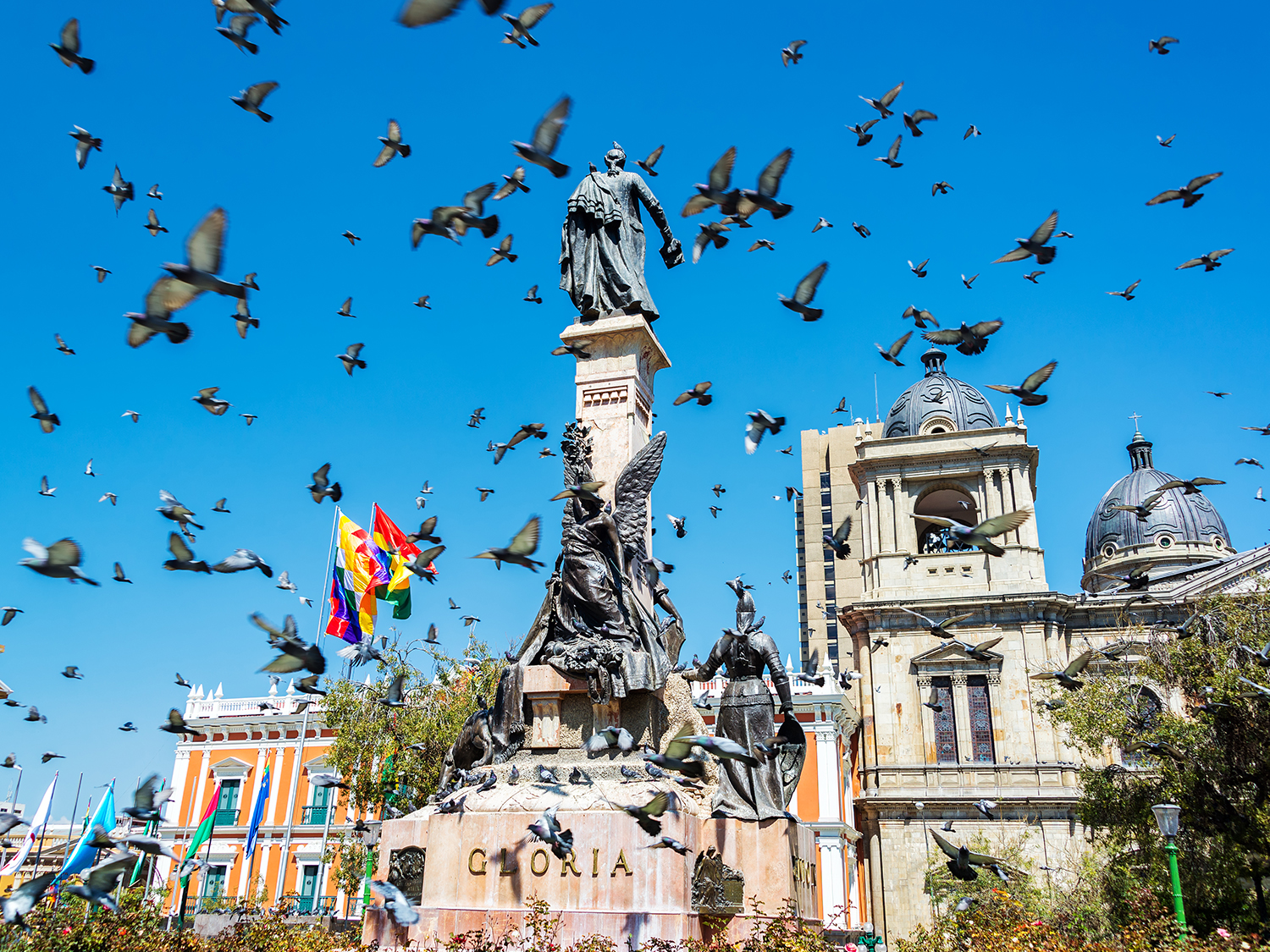
Today we enjoy a guided tour of the La Paz city. Discover highlights including the Government Palace and the Cathedral. Continue to the famous Witches Market, brimming with potions, amulets and ritual offerings. We take a ride on public buses to get a real feel for the city and then ride above La Paz with wonderful aerial views from the Telefericos (cable cars), which zig zag the city. We ride up to El Alto for magnificent views of our surroundings.
Days 12-13 - Asuncion
La Paz - Asuncion (Paraguay). We leave Bolivia today and fly to Asuncion for 2 days, the capital city of Paraguay. Nestled on the banks of the Rio Paraguay River, this old world city feels trapped in history - a legacy of its years in isolation from the outside world under a series of dictators. The city is finally beginning to emerge and the contrast between the old and the new is striking. This afternoon is free to explore the vibrant city as you please. You may wish to stroll down the tree lined avenues, browse the dubious electrical goods on offer at the markets or relax with a beer in the 1950s Lido Bar.
Days 14-15 - Iguazu Falls
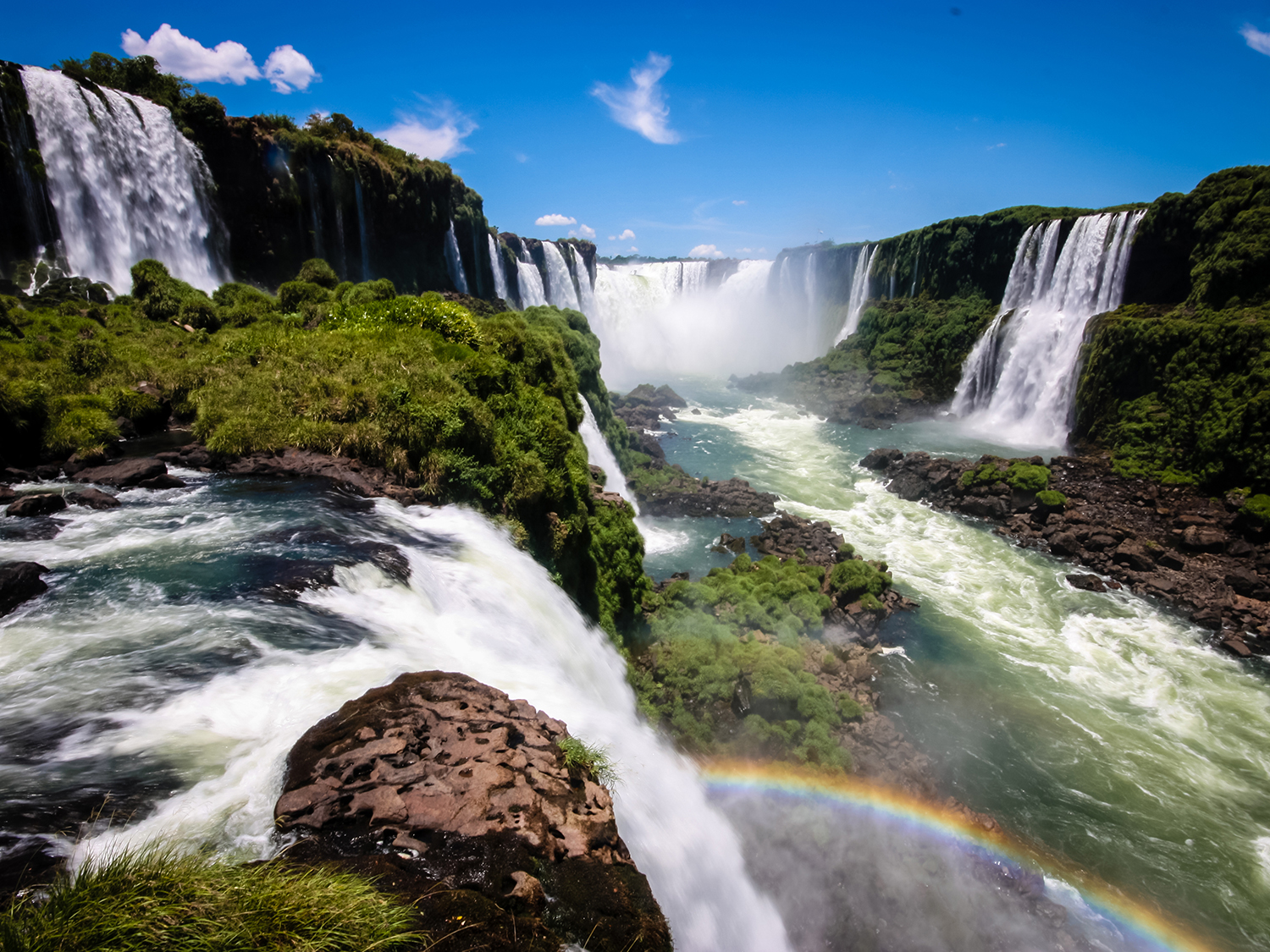
Asuncion - Puerto Iguazu (Argentina). Today we drive to Puerto Iguazu, gateway to the mighty Iguazu Falls at the border between Argentina and Brazil. The first evening is at leisure in the city before we explore the Argentinean side of the falls on day 15. Setting off into the lush rainforest from the National Park Visitor Centre, we take a natural-gas powered train to Cataratas Station, where our walk begins. Pass dozens of tiny basalt islands and cross over some of the many streams that feed the falls. We then continue on the train to The Devil’s Throat, where the fourteen falls drop away over the cliff in a thunderous, foaming torrent. A permanent spray is thrown up by the water as it crashes onto the rocks below.
Day 16 - Rio de Janeiro
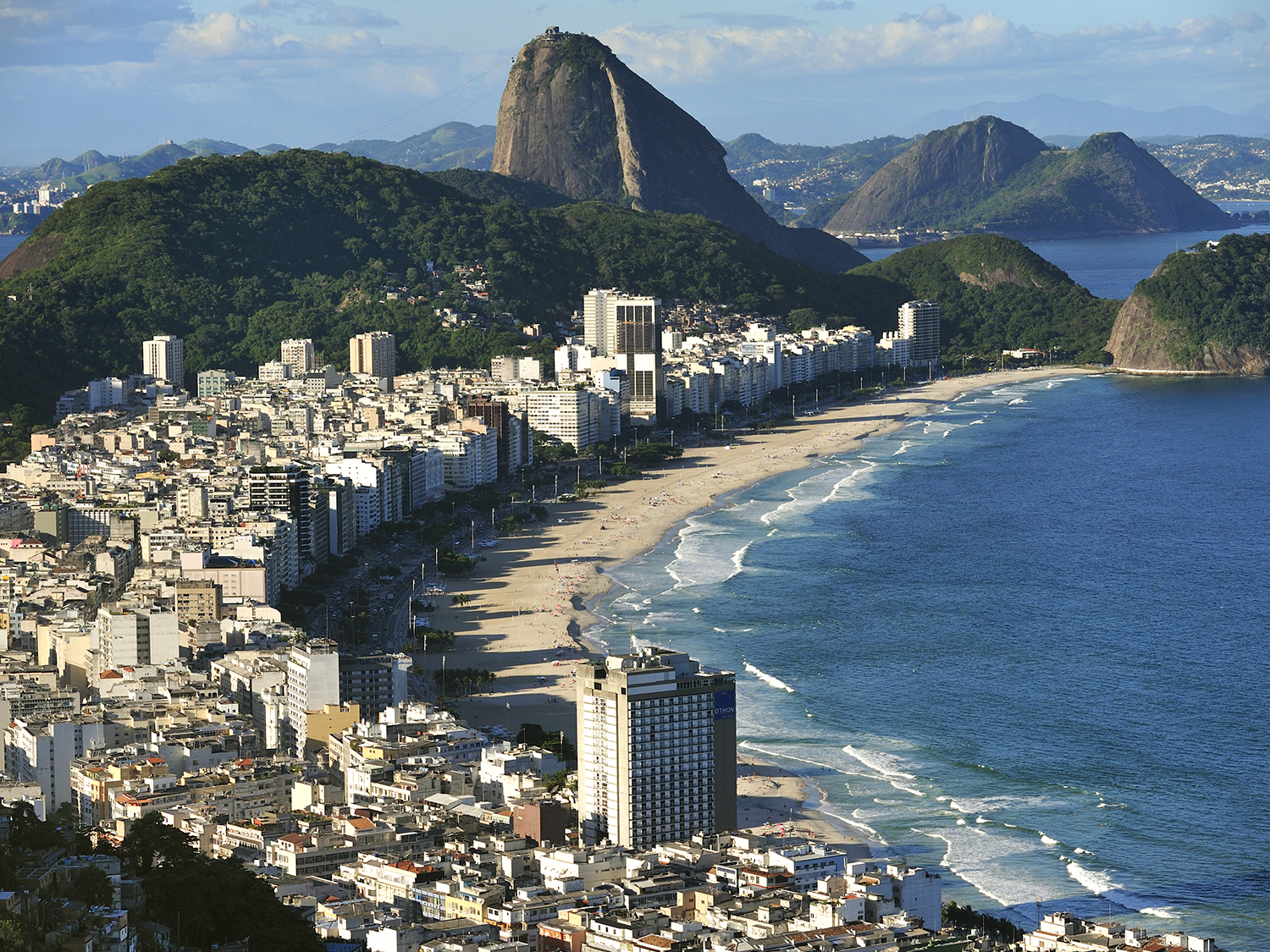
Puerto Iguazu - Rio de Janeiro (Brazil). This morning we explore the Brazilian side of the falls and enjoy fantastic panoramic views of the full sweep of the cascades. We then transfer to the airport and fly to Rio de Janeiro. There is an included transfer to our hotel, which is located near the famous Copacabana Beach. You may wish to take a stroll on the beach as you enjoy the rest of today at leisure.
Day 17 - Rio Sightseeing
Enjoy a guided tour of this famous city today, where glamorous apartments and sandy beaches are set against the favelas and shanty towns clinging to the hillside. Our tour visits highlights of the city and includes a ride on the cable car up to the iconic Sugarloaf Mountain. From this incredible vantage point you can enjoy views of the sprawling city, with the Atlantic Ocean on one side and mountains on the other. There's a lovely nature walk around the foot of the mountain, or perhaps go for a drink in the nearby neighbourhood of Urca, the leafy home to Rio’s rich and famous.
Day 18 - Corcovado Mountain
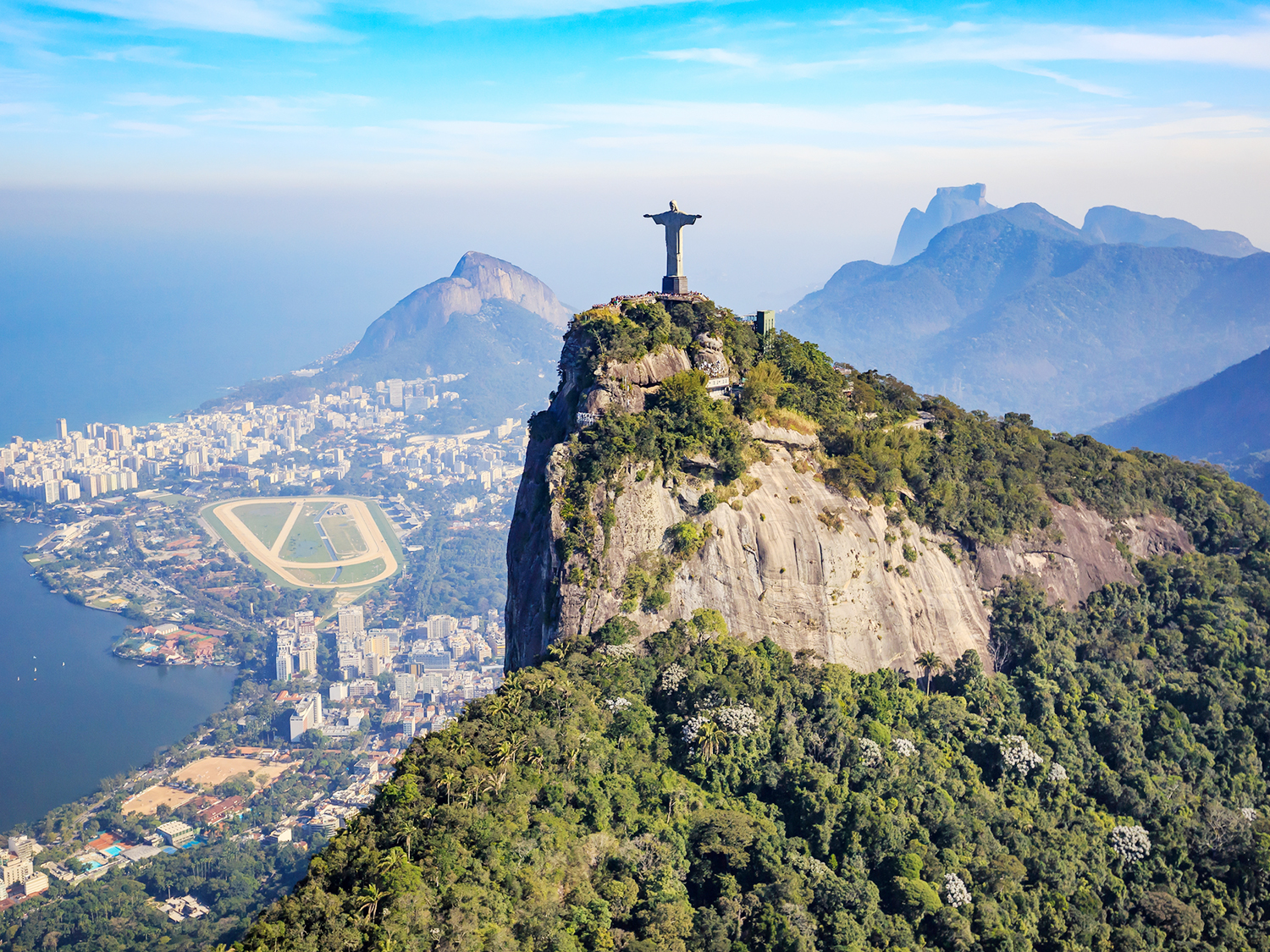
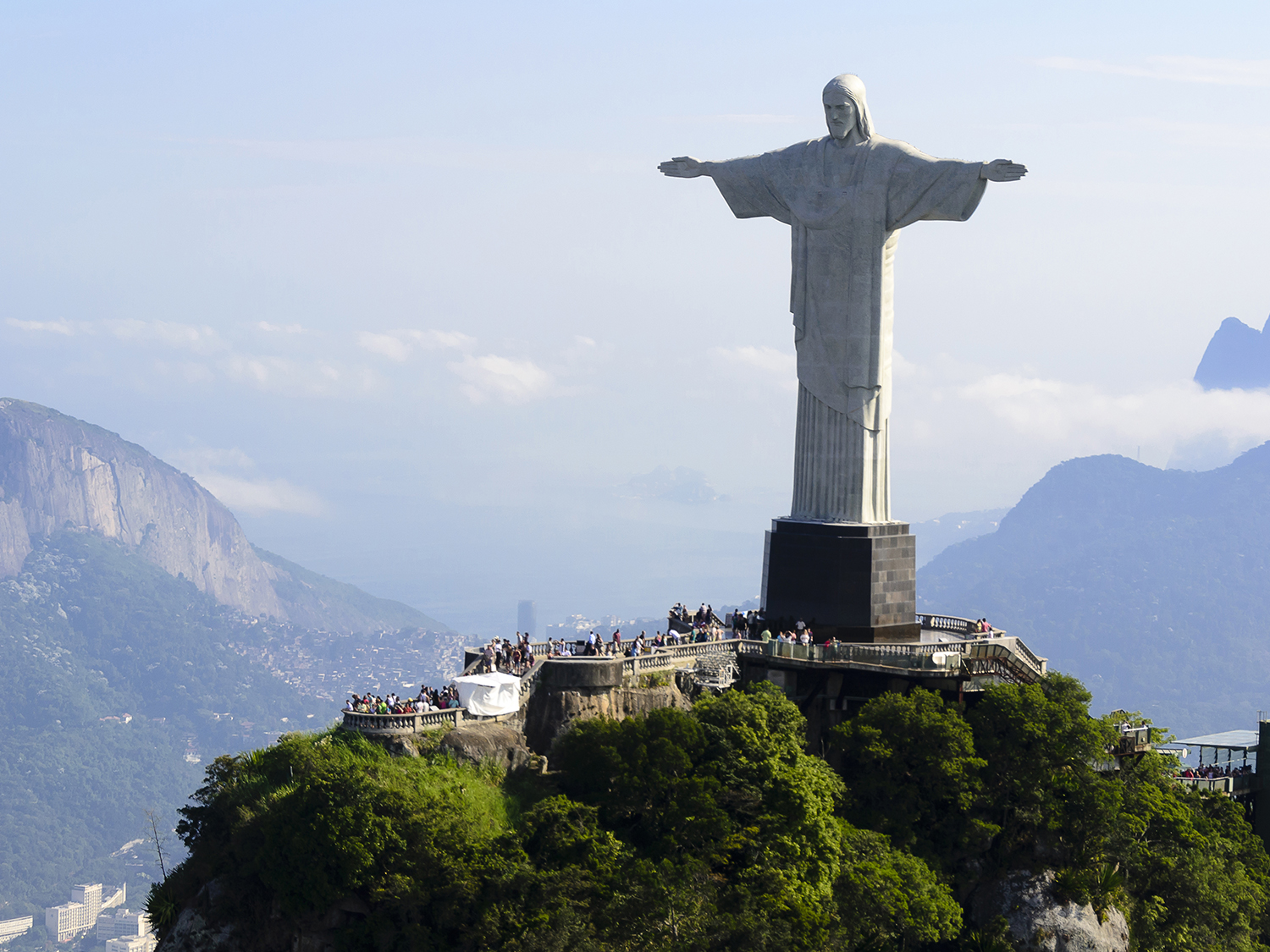
Our final day of sightseeing begins with a ride on the steep rack-and-pinion railway through Tijuca National Park, the largest urban forest in the world and all that remains of the rainforest that once surrounded the city. We reach the summit of Corcovado Mountain and marvel at the iconic 40 metre Christ the Redeemer statue, which overlooks the city. On a clear day, the views from this point over the city and the ocean are unrivalled.
The rest of today is at leisure. You may wish to visit the peaceful hill-top neighbourhood of Santa Teresa, away from the bustle of the city. Alternatively, there is an optional excursion along the Avenue of the Royal Palms. Keep an eye open for the colourful toucans and marmosets that frequent the park.
Day 19 - Rio de Janeiro
Sunday. Our South American adventure comes to an end today with an included departure transfer to the airport. If you’d like to extend your stay in Rio de Janeiro, then we can arrange this for you.
Tour Reviews
Extras and add-ons
If you'd like to add extras or add-ons to your booking, you can do this easily during checkout. Just review the available options and select any additional services or upgrades you'd like before completing your purchase.
Pre and Post Tour Accommodation
Extend your tour with us by booking pre and post-accommodation, available at a per-person, per-night rate.
Post Tour Accommodation - Rio de Janeiro
Double
Twin
Single

Pre Tour Accommodation - Lima
Double
Twin
Single
Additional Extras
Enhance your tour with these optional extras, helping you to get the most from your adventure.
Only book airport transfers in conjunction with pre or post tour accommodation. Airport transfers are included on the first and last day of the tour.
Add-on
Only book airport transfers in conjunction with pre or post tour accommodation. Airport transfers are included on the first and last day of the tour.
Add-on
Add-on
Add-on
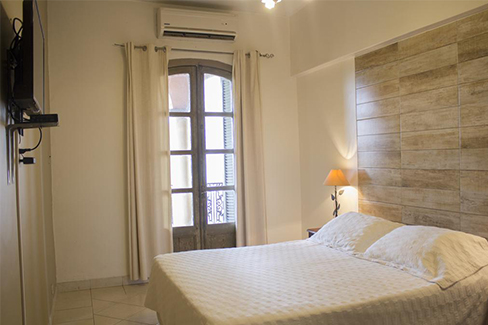
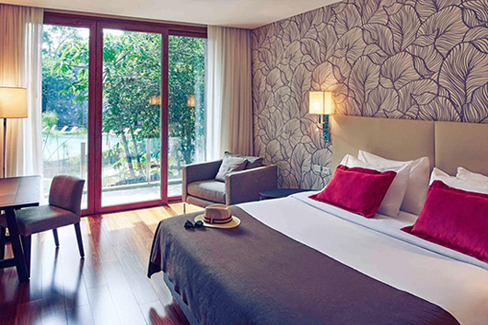
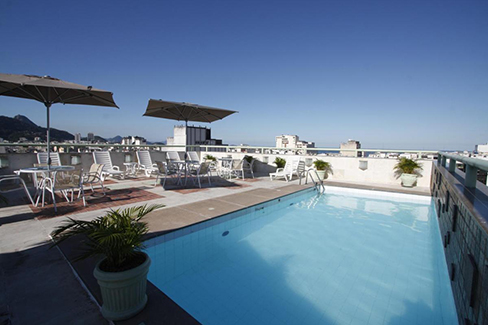
Hotels
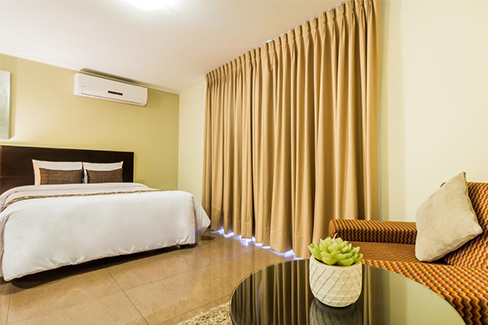
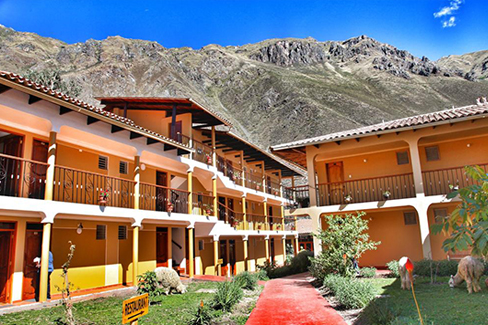
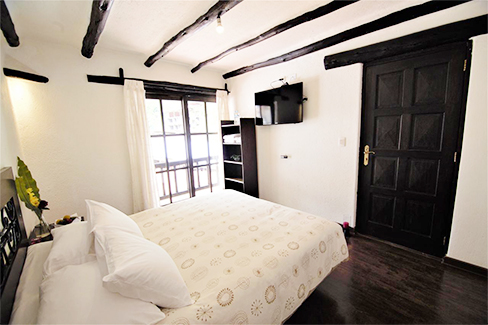
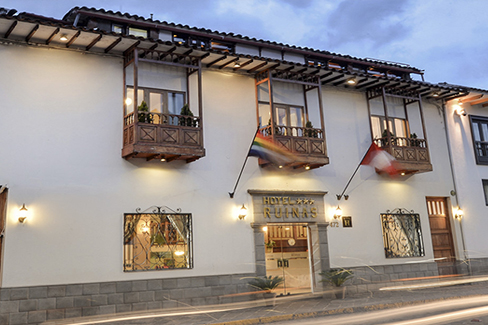
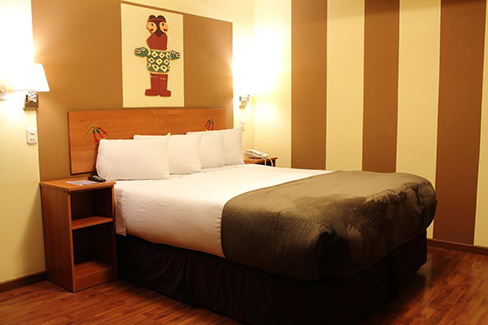
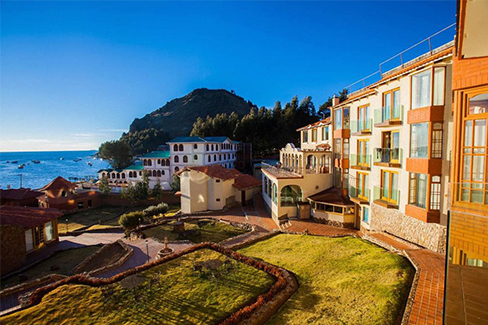
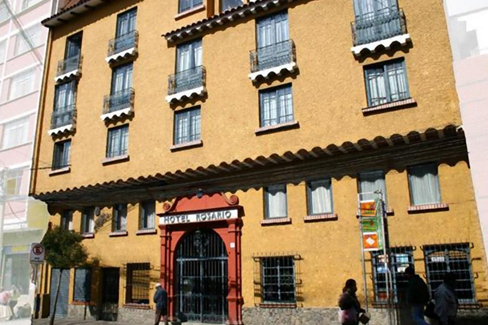
The hotels listed below are examples which we frequently use on this tour. Alternative hotels of a similar standard may be used instead.
If you are interested in booking pre or post-tour accommodation, here are some of the hotels we typically use.
Prices & Dates
Departure dates are guaranteed with a minimum of 4 persons. 'Twin/Double' prices are per person when there are 2 people on the same booking sharing a room. 'Single' prices are applicable to solo travellers and anyone wanting the privacy of their own room. 'Shared' prices are applicable to solo travellers who are happy to share a room with another traveller of the same sex.
Can't find a date that works for you?
Looking for a date not yet released?
Similar Tours
Explore more exciting tours in Bolivia to discover even more unforgettable adventures!

On The Go Tours
Our agents are waiting to chat to you...
Are you a Travel Agent or Customer?
Do you have an booking reference?