
On The Go Tours
Our agents are waiting to chat to you...
Are you a Travel Agent or Customer?
Do you have an booking reference?
Festival Tours & Special EventsFrom Diwali to the Abu Simbel Sun Festival, secure a trip like no other
When do you want to go?
2026
I'm flexible
Passengers
Adults (18+)
Children (0 - 17)
Make a special trip extra special
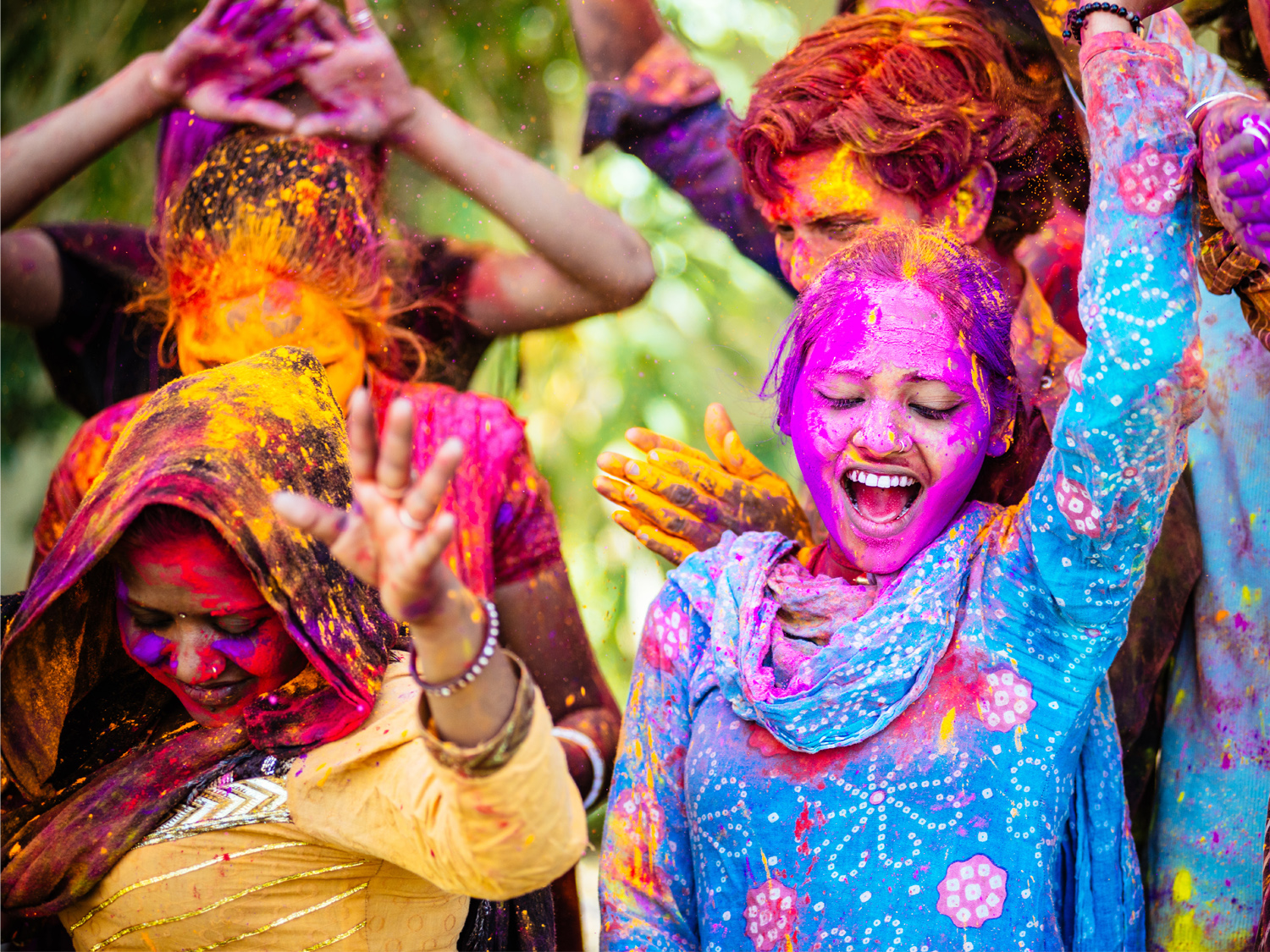
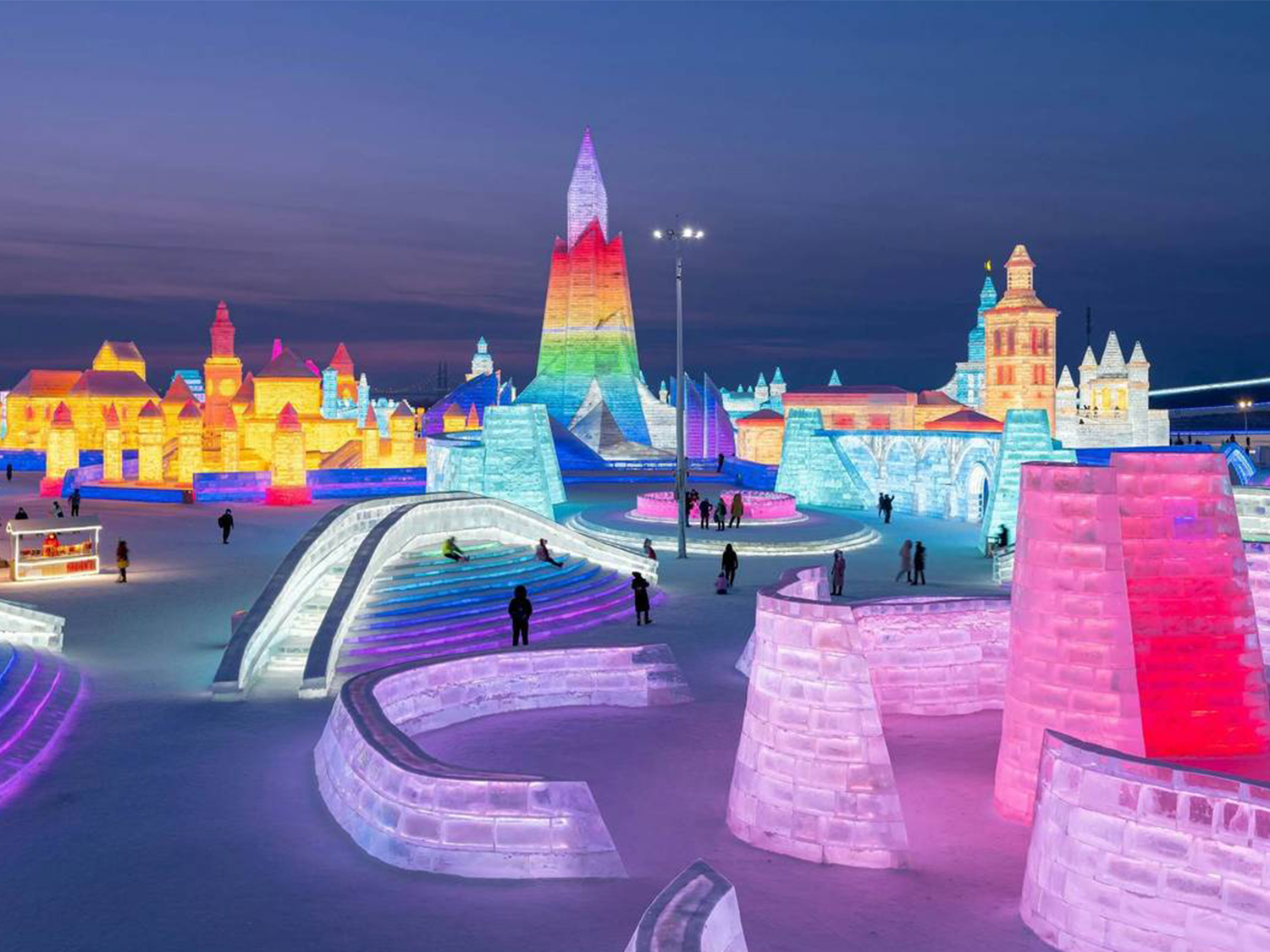
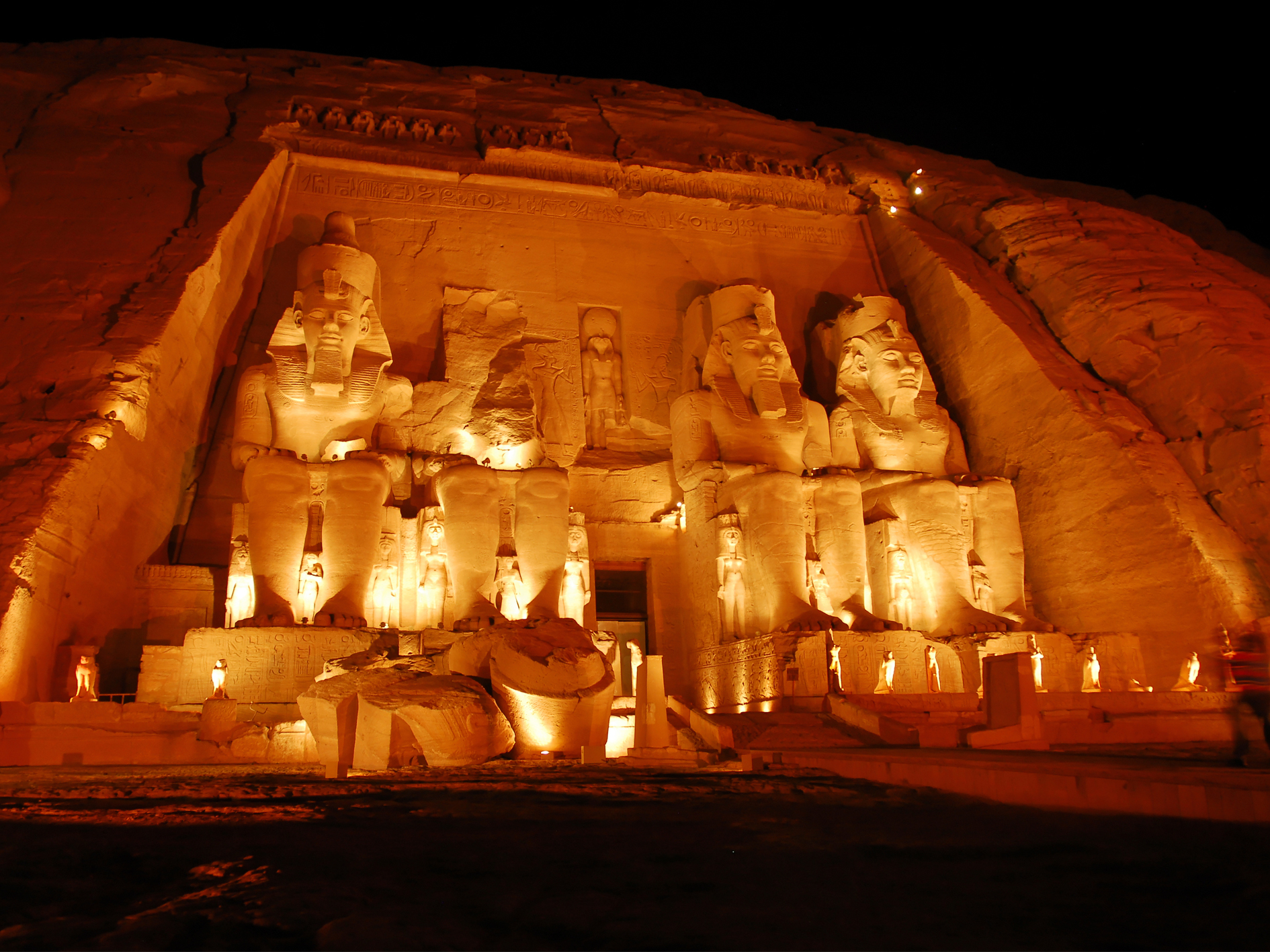
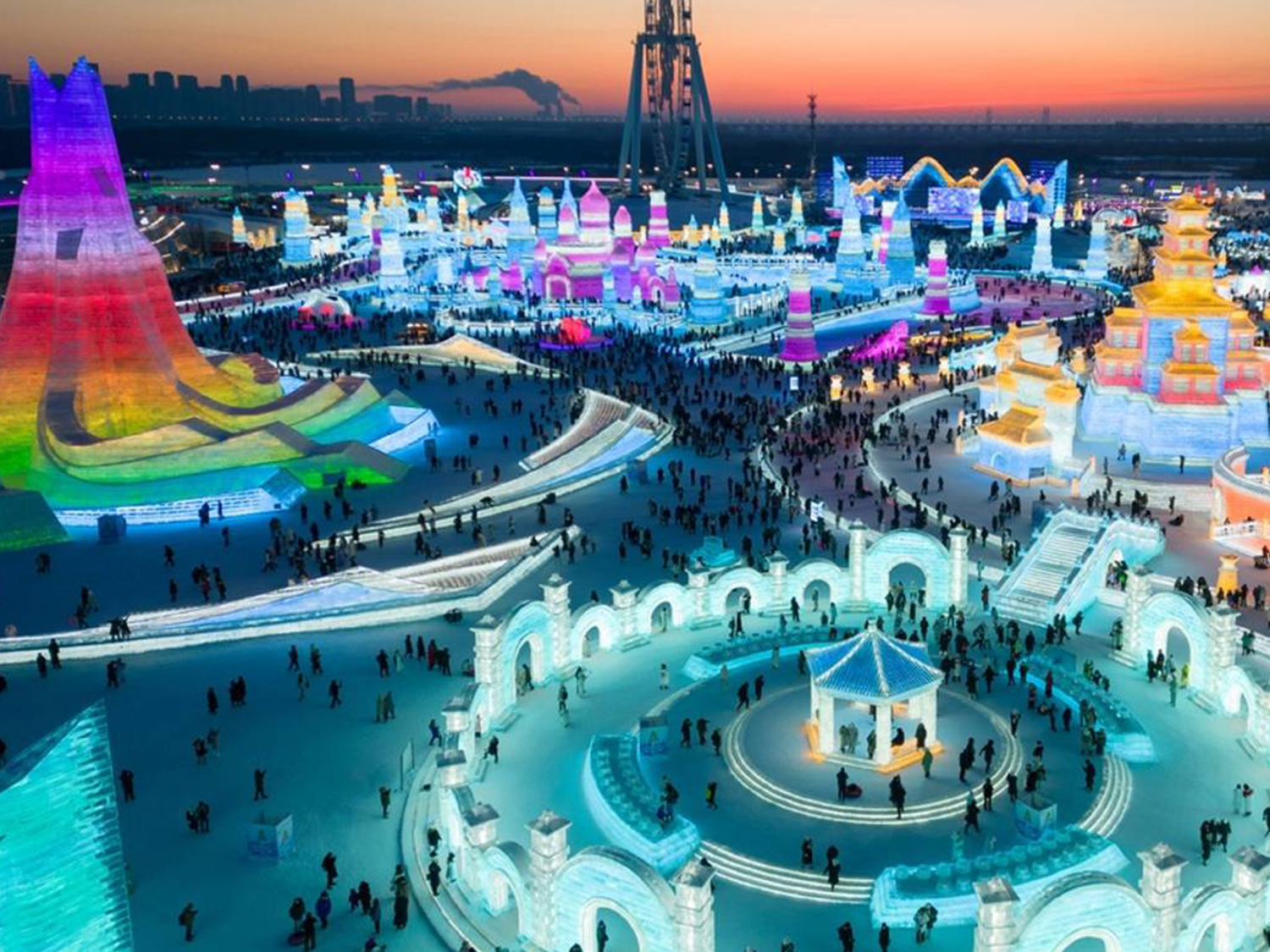
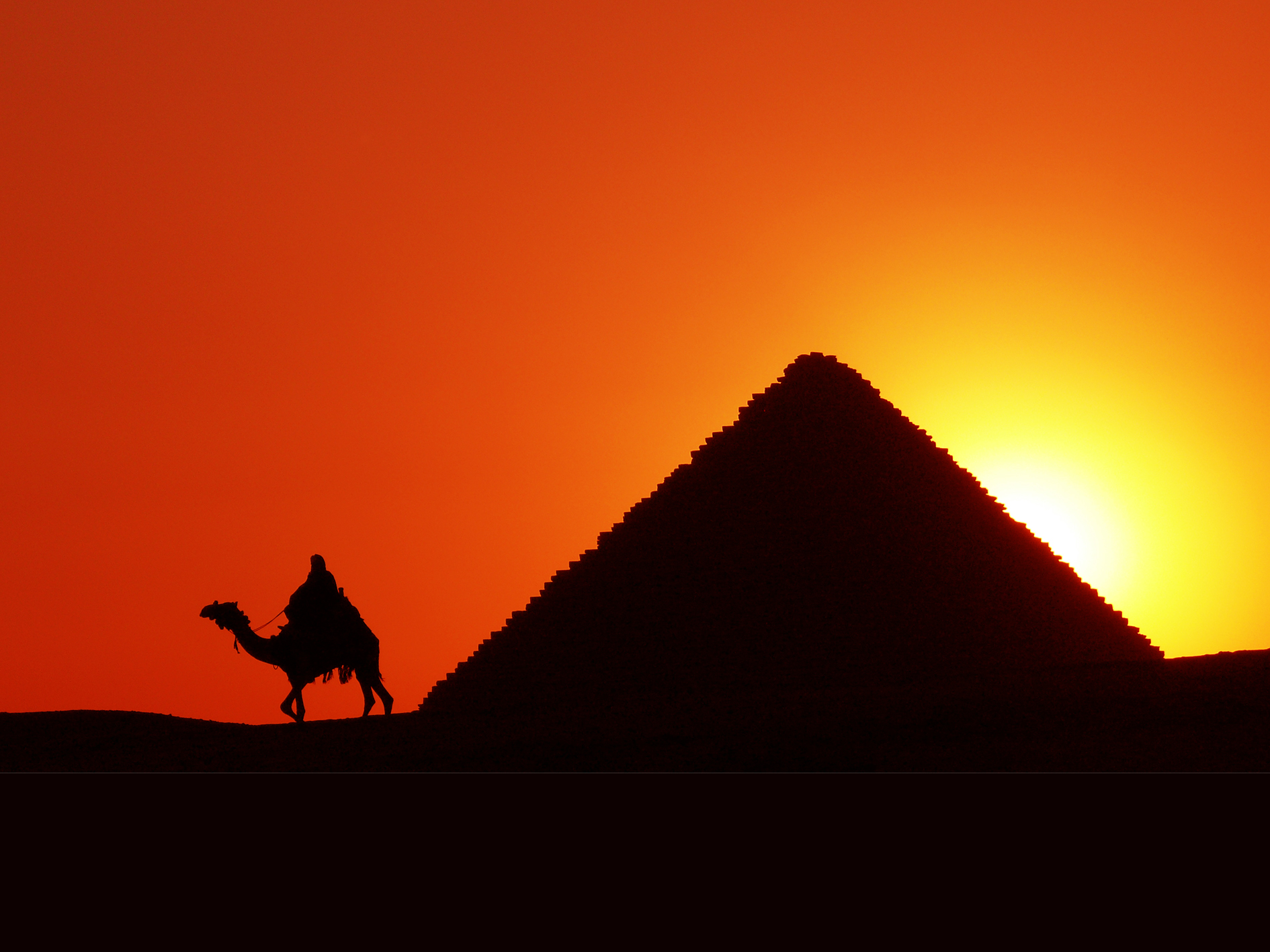
Do you dream of visiting ancient Egypt to uncover its ancient treasures? If so, why not combine your trip with the bi-annual Abu Simbel Sun Festival for a unique experience? Want to immerse yourself in the enchanting chaos of India? There's no better time to do so than during Holi, when the entire country comes to life. Always dreamed of a visit to China? Combine the Great Wall and Xi'an's Terracotta Army with the dazzling Harbin Ice Festival.
Our festival and special events tours just offer that little something different. You will enjoy all the same benefits as on any of our group tours, including sightseeing, transportation, accommodation, group camaraderie, and the services of an expert local guide. But you can do so whilst also immersing yourself in a memorable cultural event—sounds like a win-win, right?
Best festival tours & special events
Here are our favorite festival and special events tours, for those looking for something different.









Find out more about our festivals & special events
Like the look of one of our festival trips, but need more info? We've got you! Check out our articles, itineraries, and guides to some of our best festivals and special events here.
Festive Christmas & New Year tours
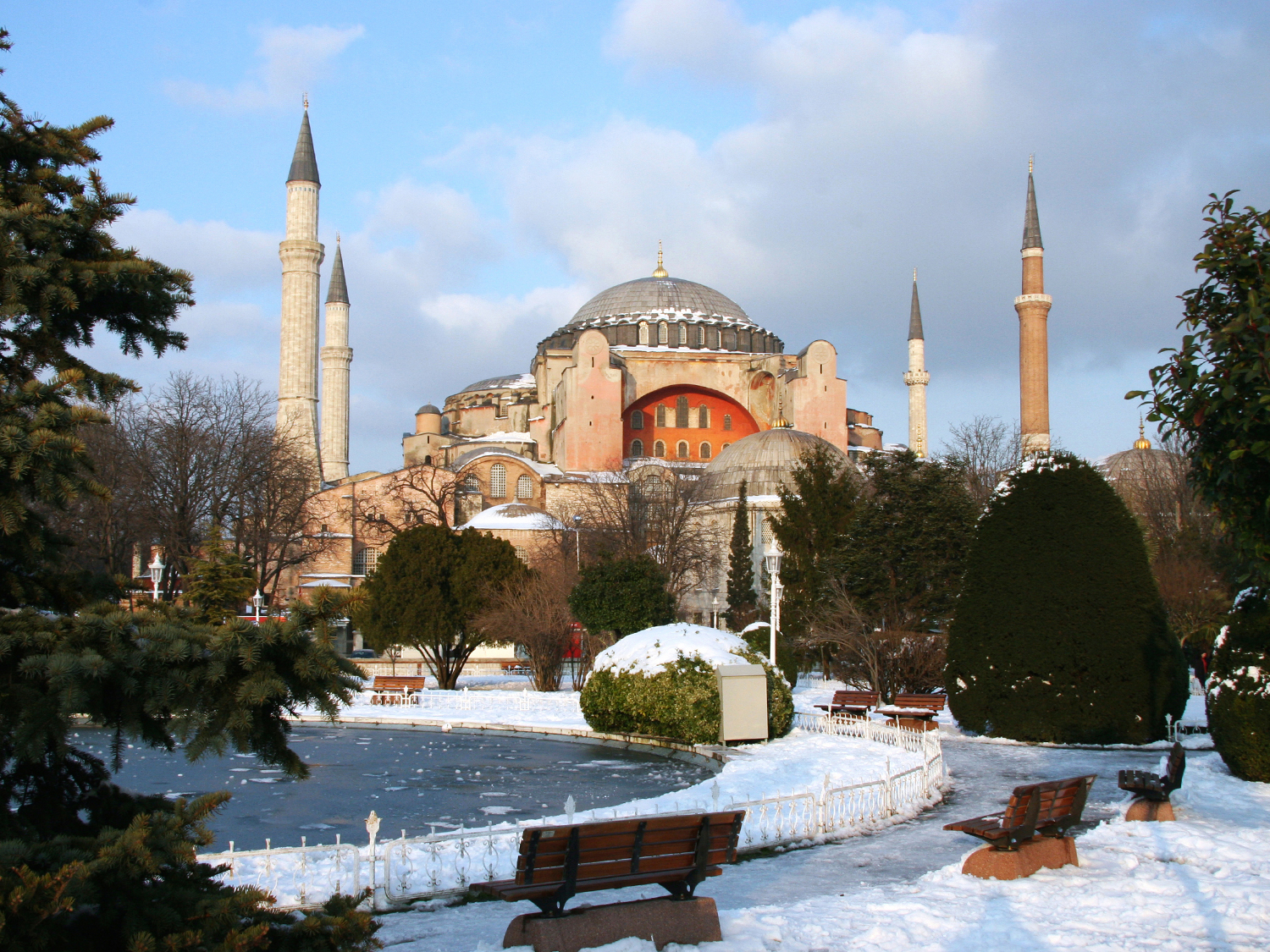
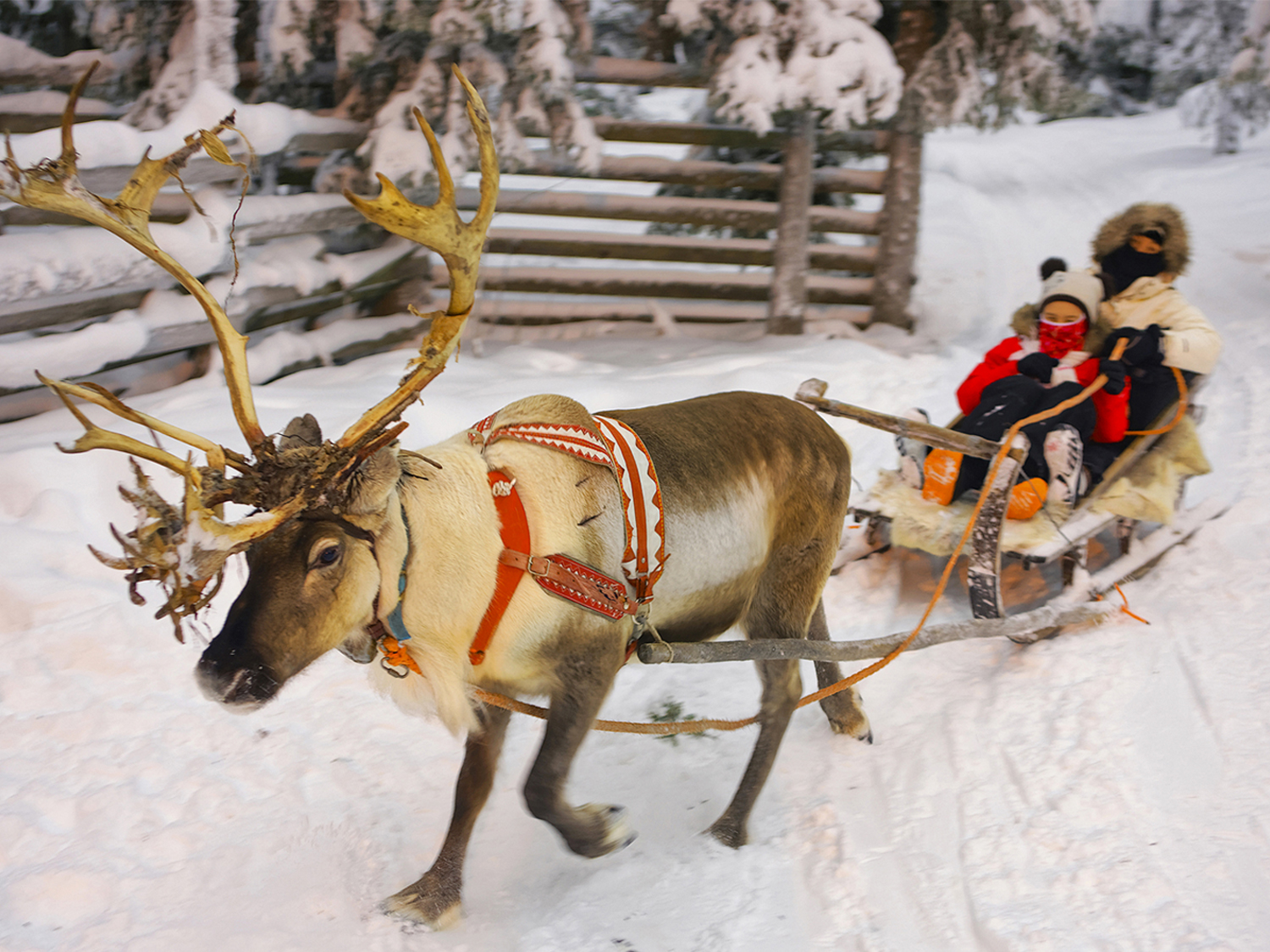
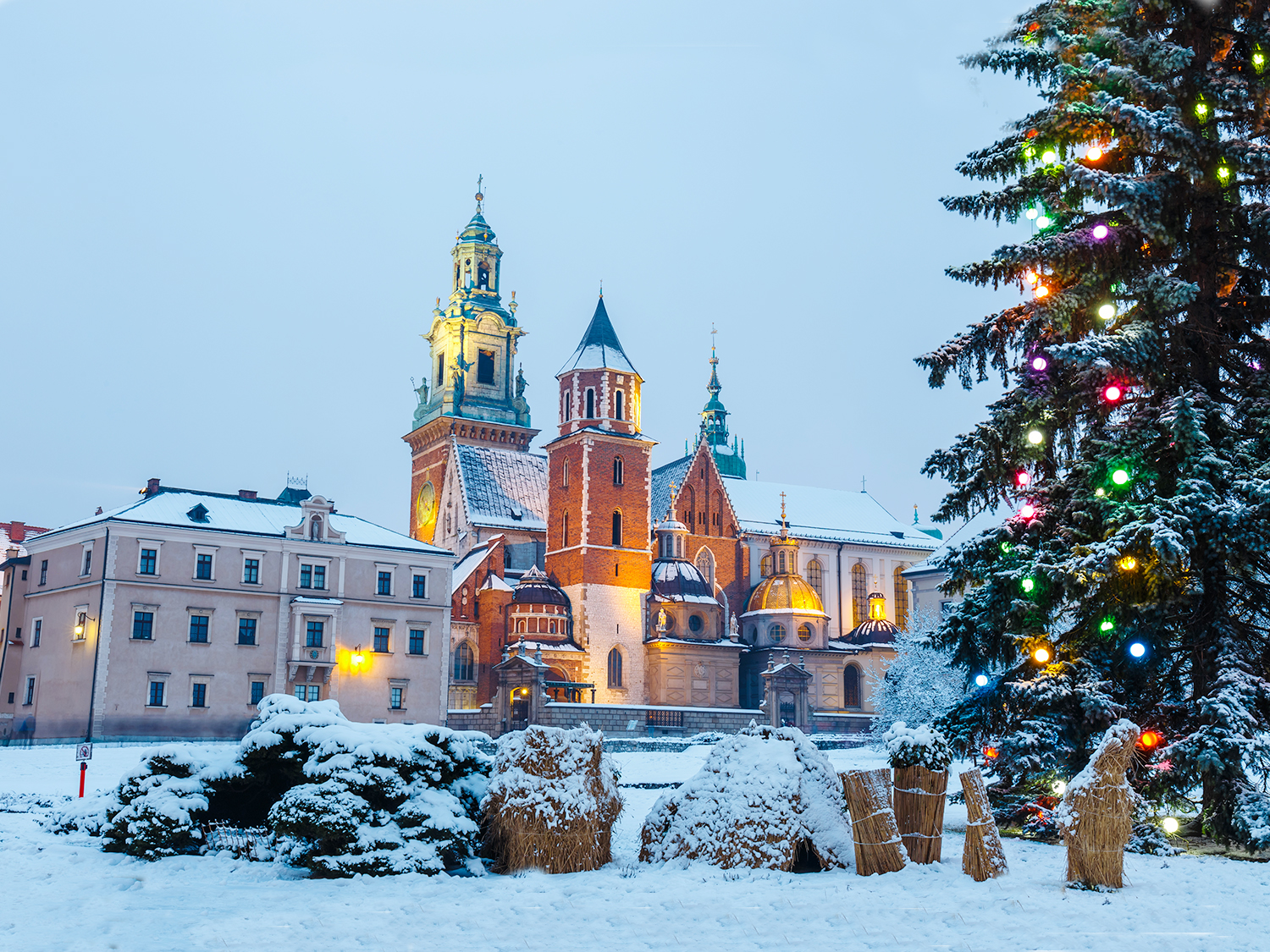
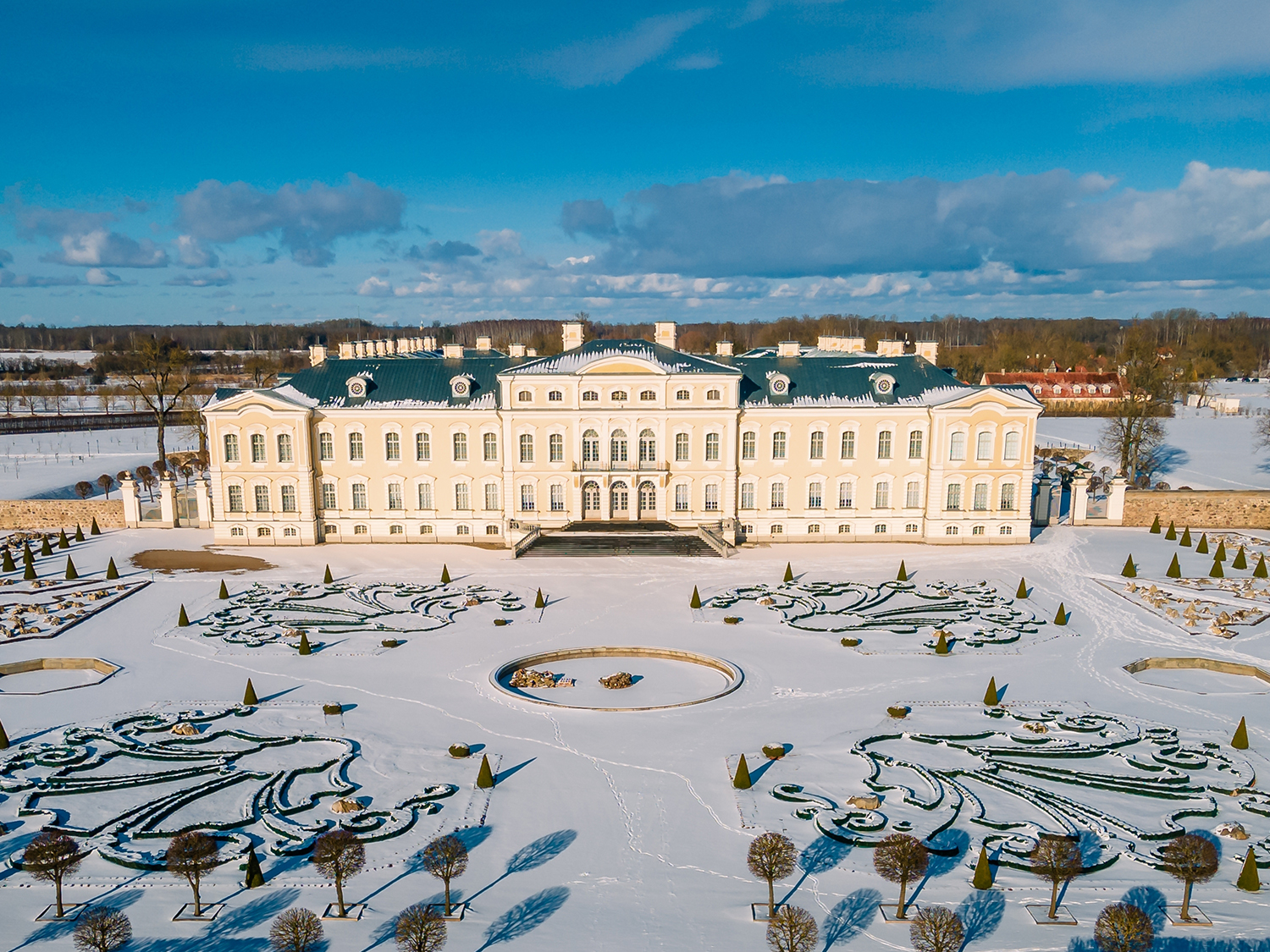
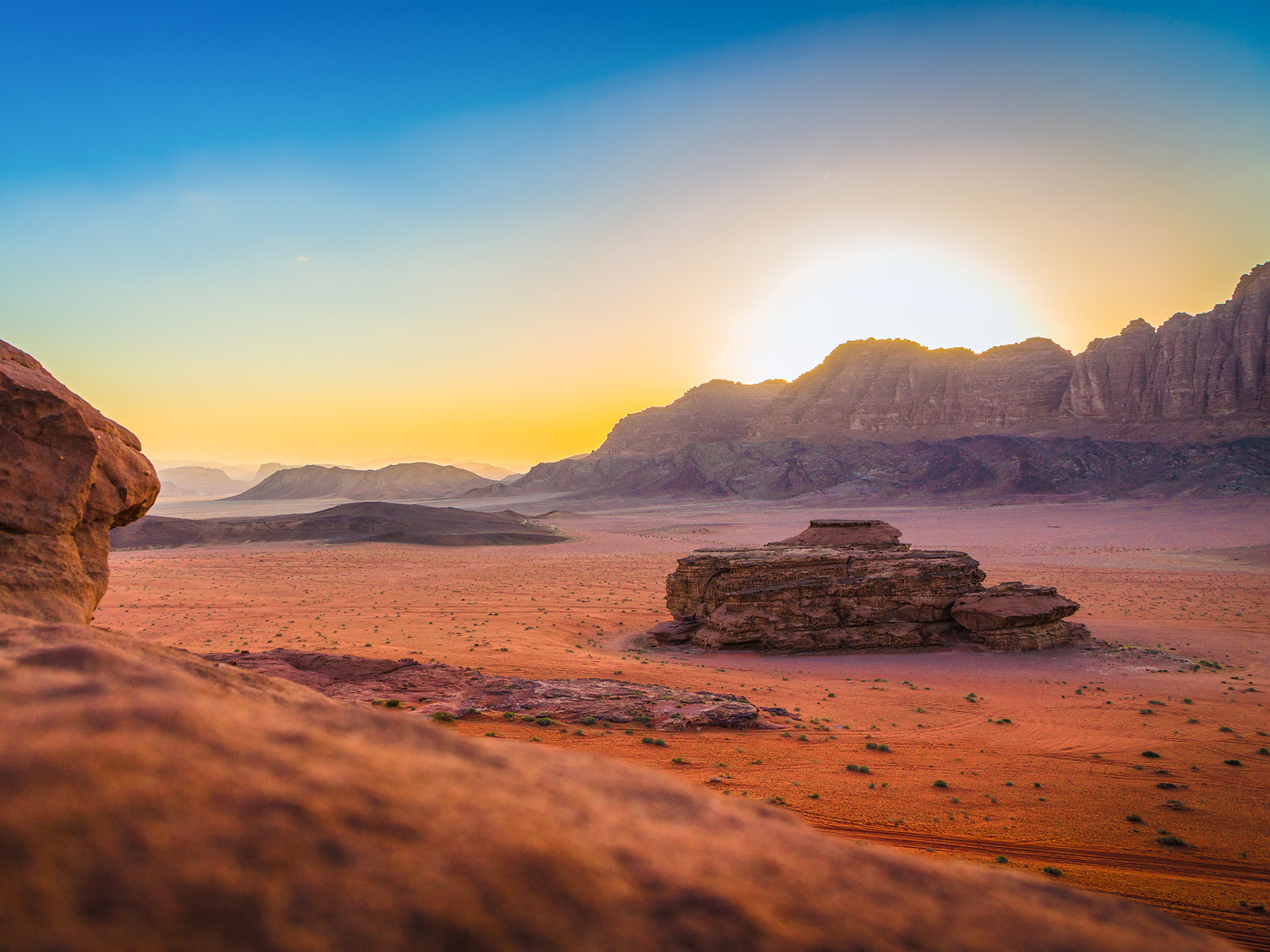
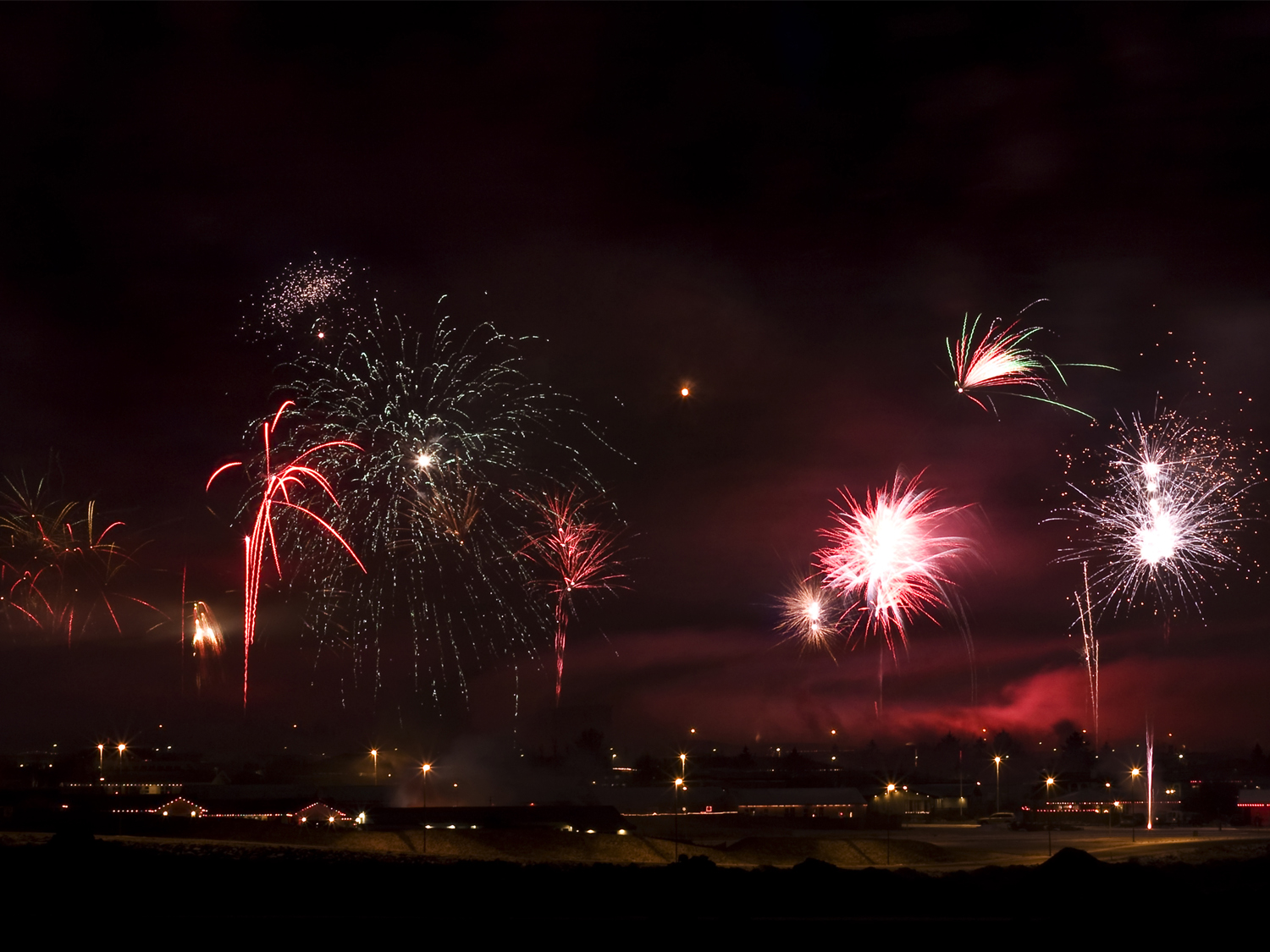
As well as our festival tours, we offer a range of special itineraries for those looking to travel over Christmas and New Year. From Egypt to Turkey, Canada to Iceland and Scandinavia to Jordan, where will you escape to this year? Here are some of our most popular festive trips.





A calendar of special events and festivals
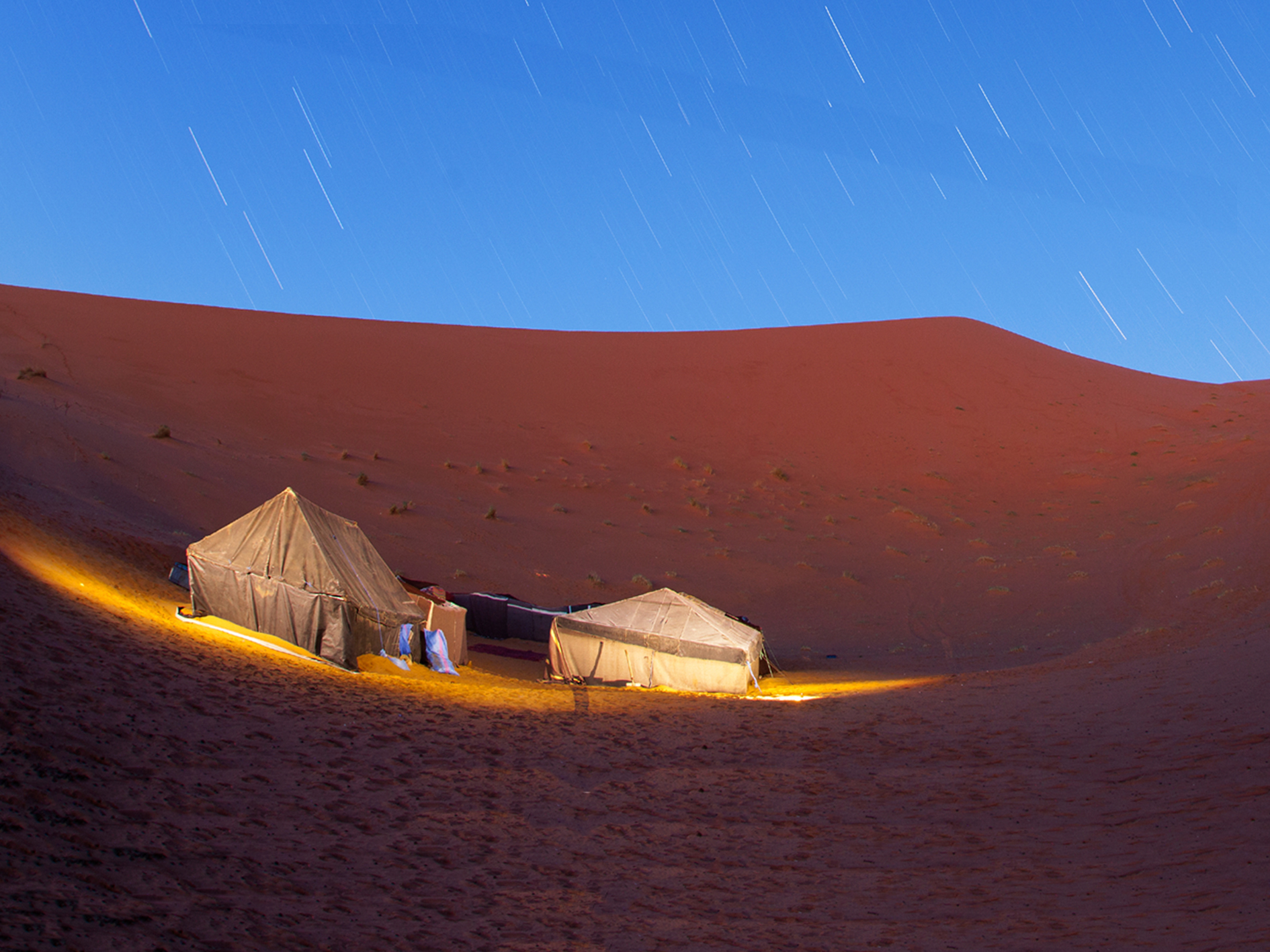
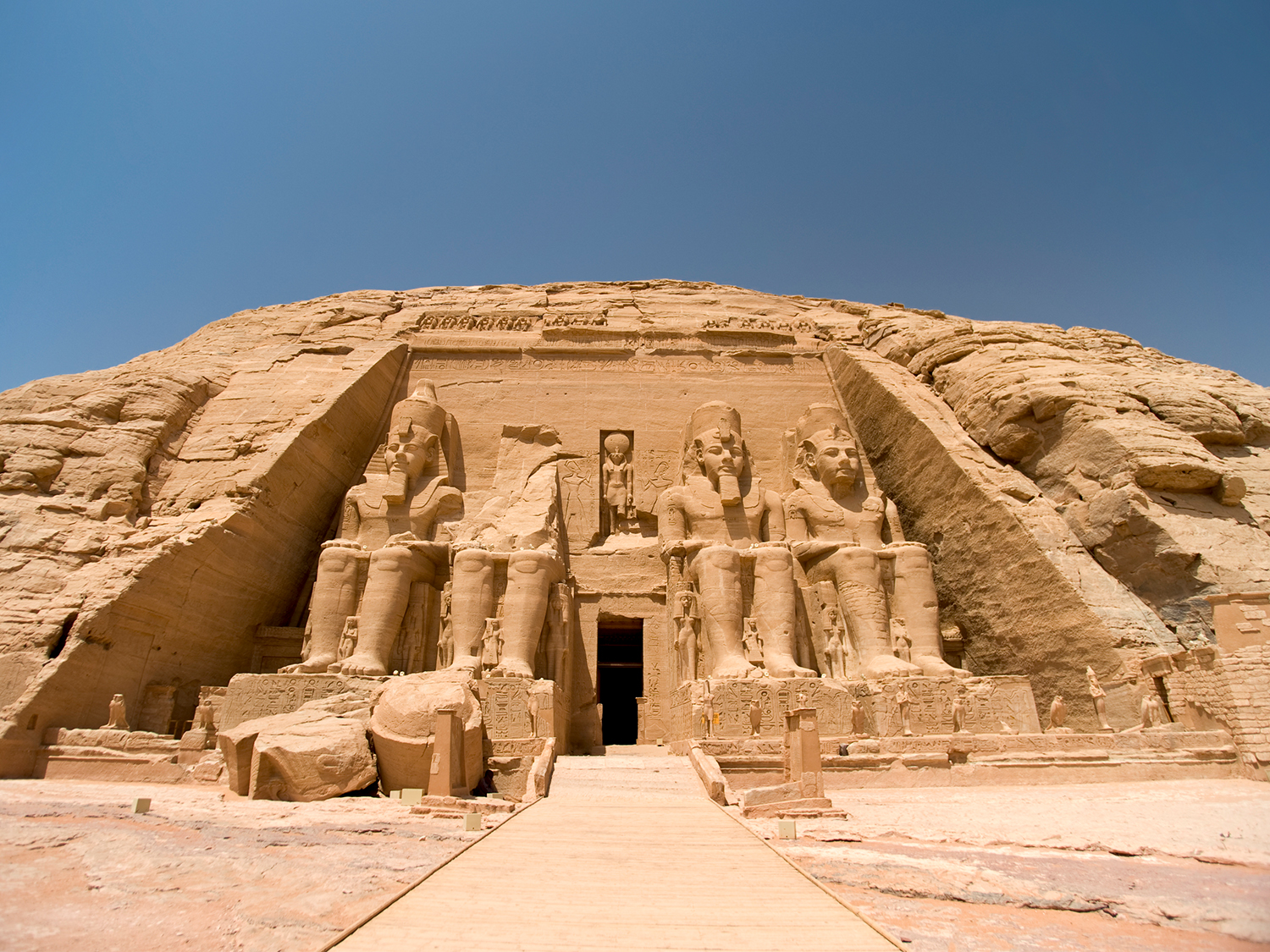
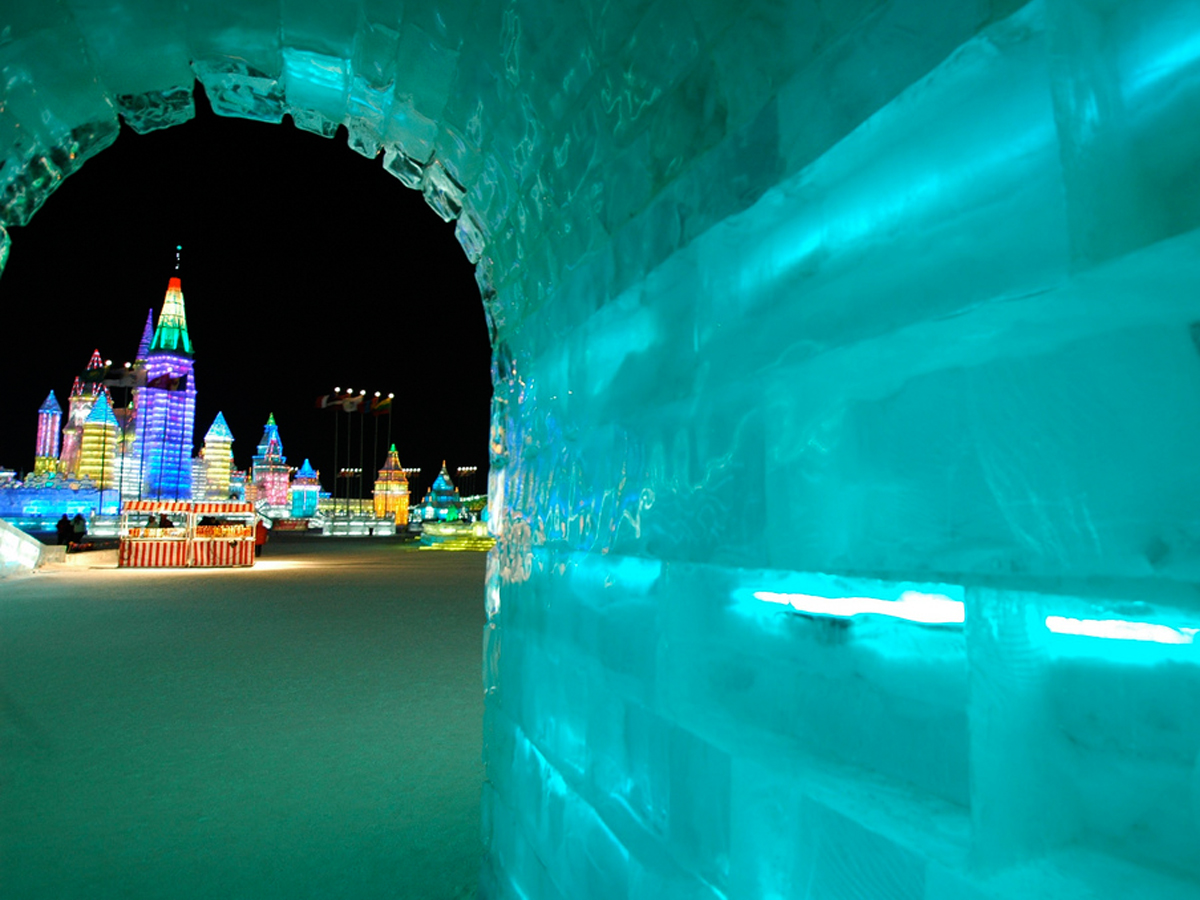
Throughout the year, the world is alive with vibrant festivals and events. In January, the Harbin Ice Festival in China transforms the city into a glittering wonderland with extraordinary ice sculptures. February brings the first Abu Simbel Sun Festival in Egypt, where the sun illuminates the statues of Ramses II, and the Rio Carnival in Brazil, a spectacular celebration of music, dance, and elaborate costumes.
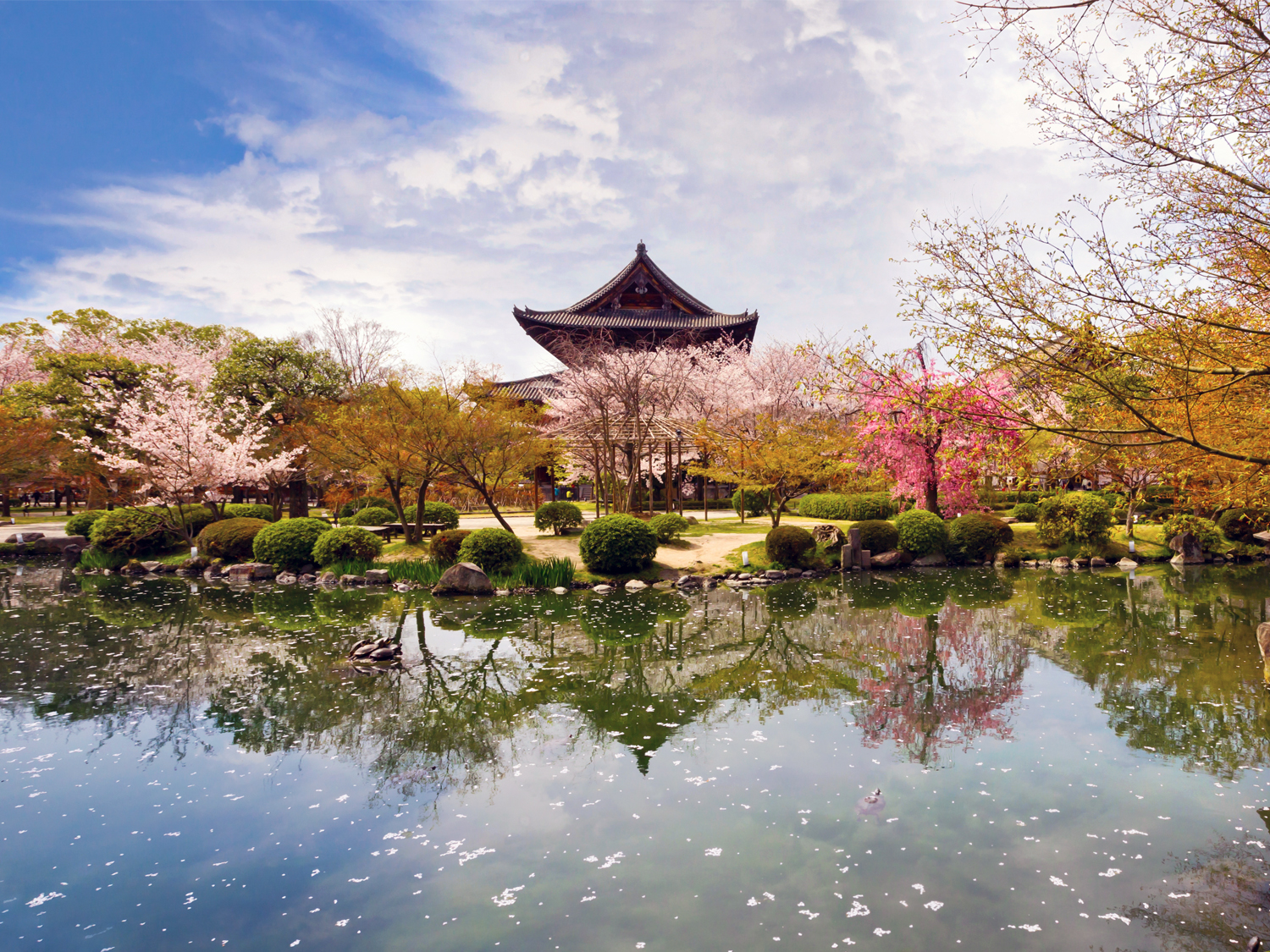
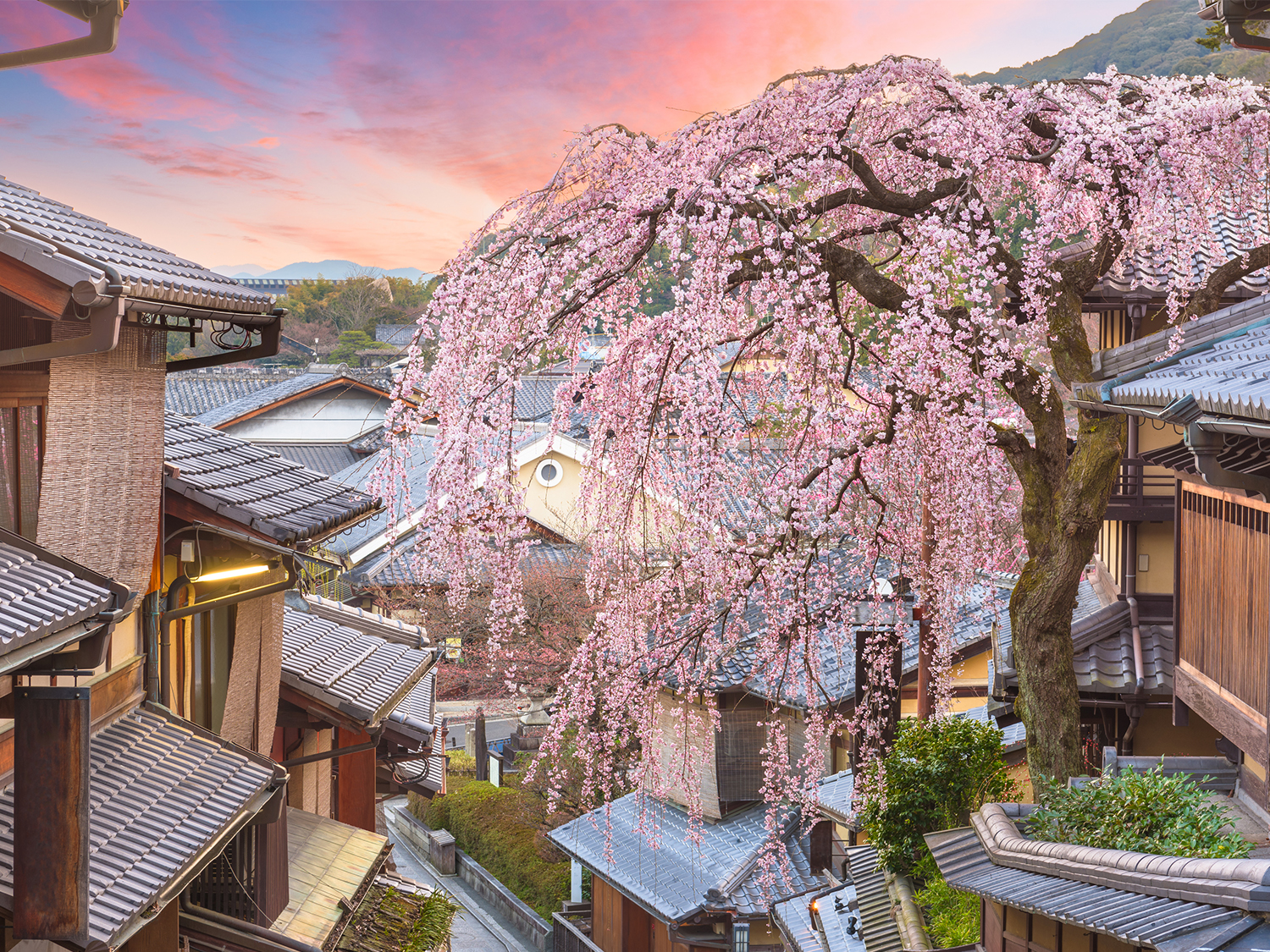
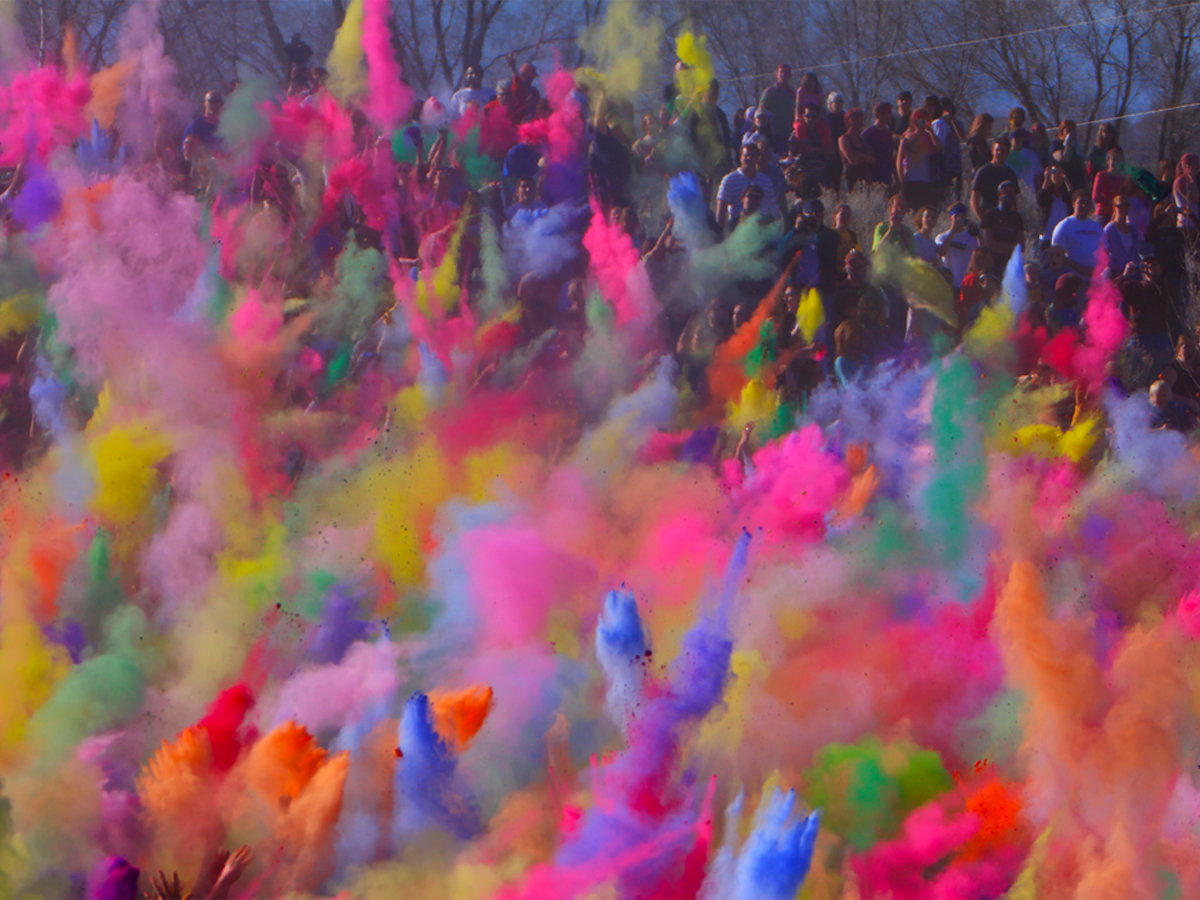
March is marked by the exuberant celebration of Holi in India, a joyful festival where people throw colorful powders to welcome spring. From March to April, Japan is adorned with delicate cherry blossoms, inviting people to partake in hanami picnics under the blooming sakura trees. The same month, Thailand celebrates Songkran, the traditional New Year, with vibrant water fights.
May sees the exuberant Cinco de Mayo celebrations in Mexico, commemorating the victory at the Battle of Puebla with parades, music, and dancing. In June, Sweden's Midsummer Festival welcomes the longest day of the year with maypole dancing, feasting, and floral wreaths.
July brings Gion Matsuri in Kyoto, Japan, one of the country's most famous festivals featuring colorful processions of floats, traditional performances, and vibrant street festivities. In August, the Notting Hill Carnival in London celebrates Caribbean culture with colorful parades, music, and dancing.
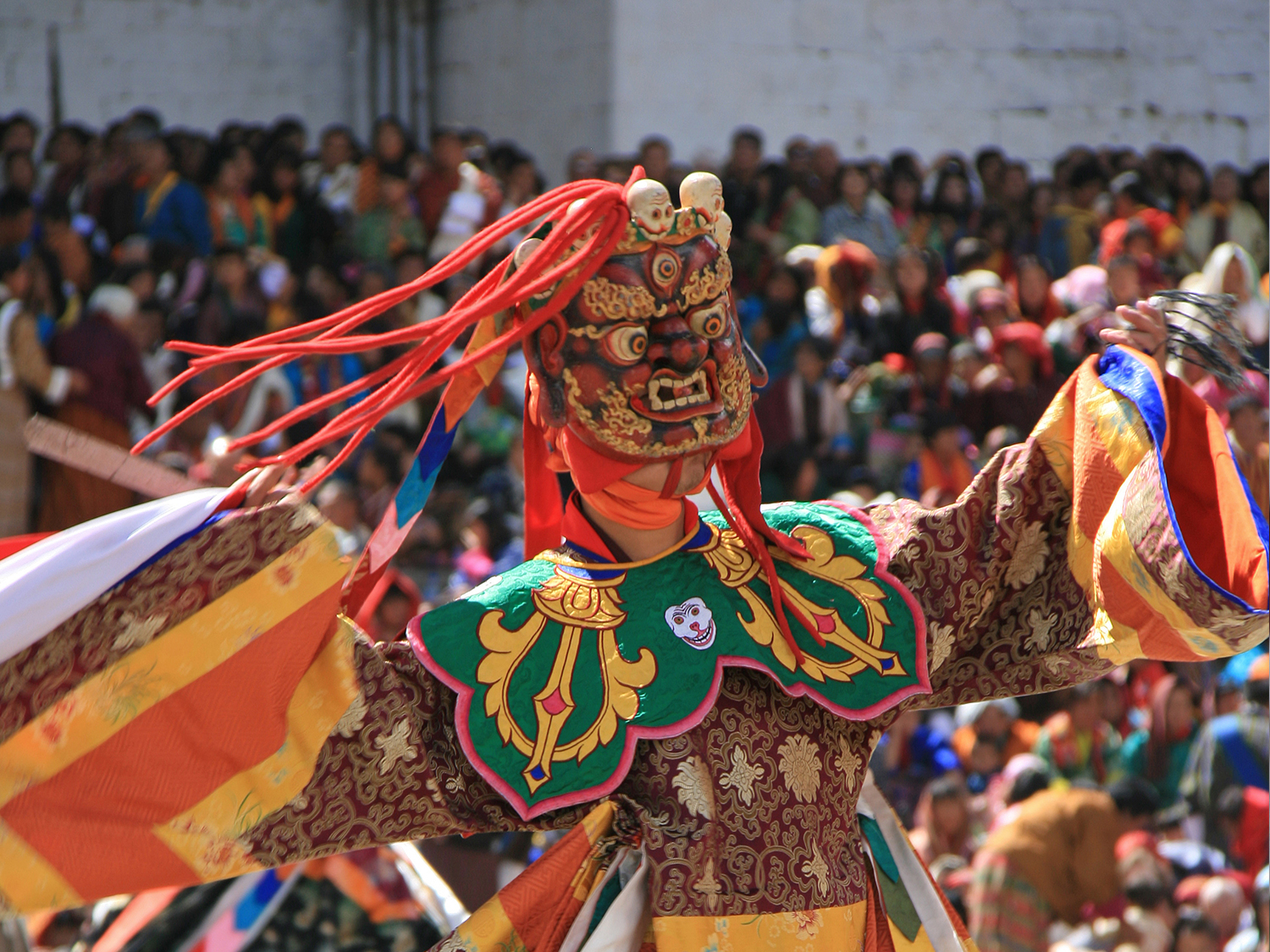
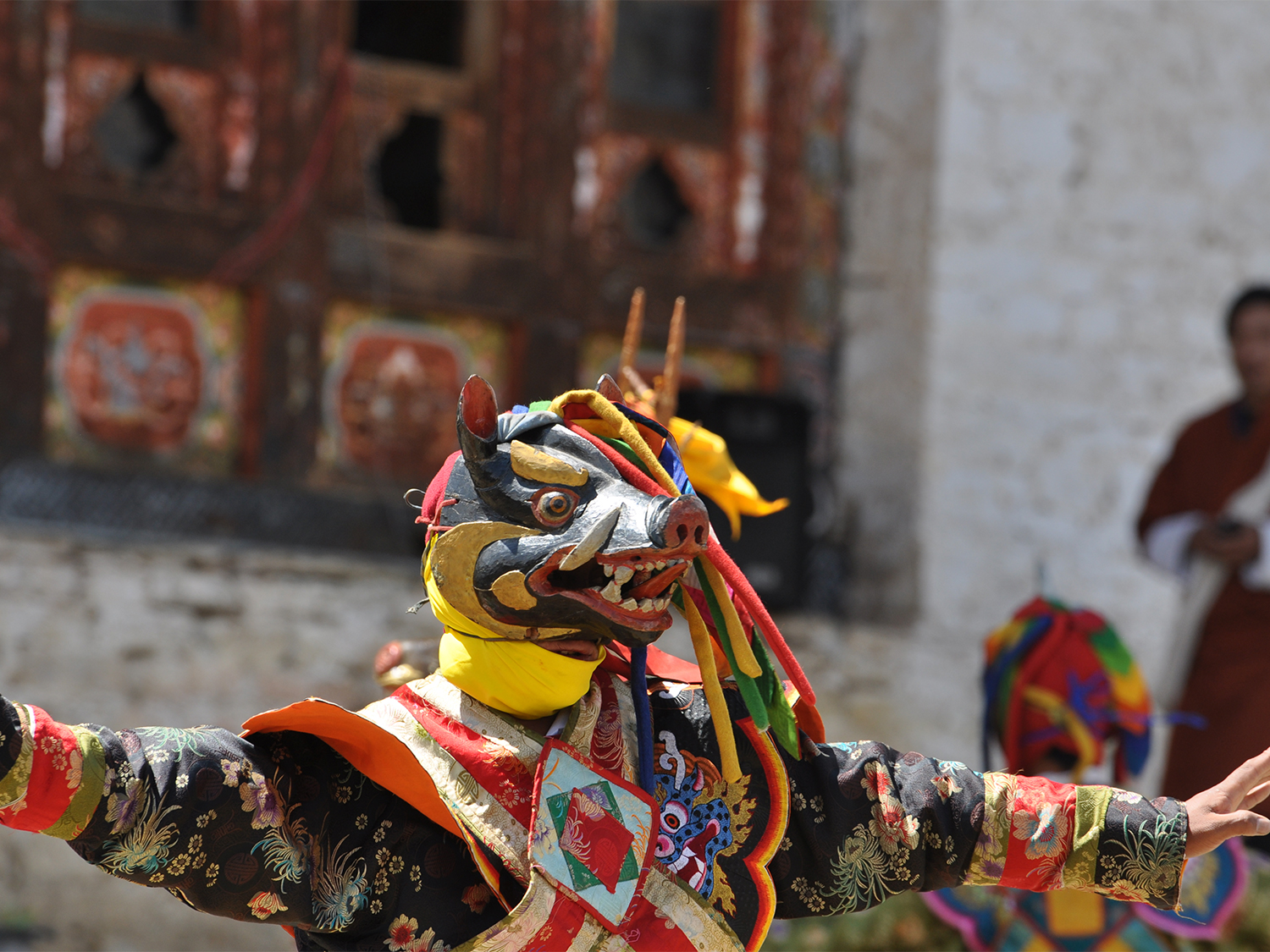
September features the serene Thimphu Tshechu Festival in Bhutan, where traditional music and vibrant mask dances promote spiritual purification and blessings. October offers another chance to witness the Abu Simbel Sun Festival in Egypt, repeating its stunning solar spectacle, while Germany's Oktoberfest in Munich celebrates Bavarian culture with beer, food, and music.
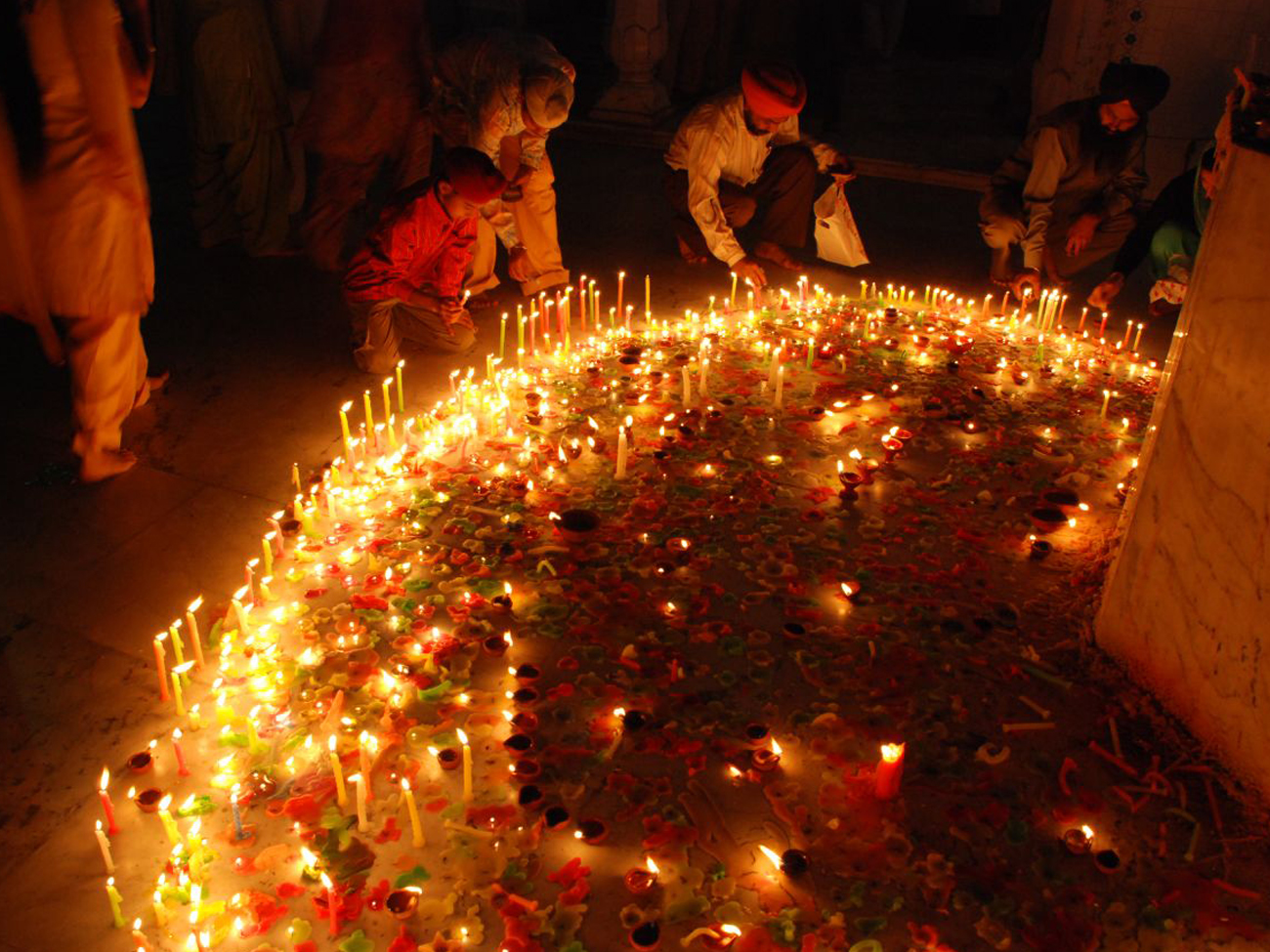
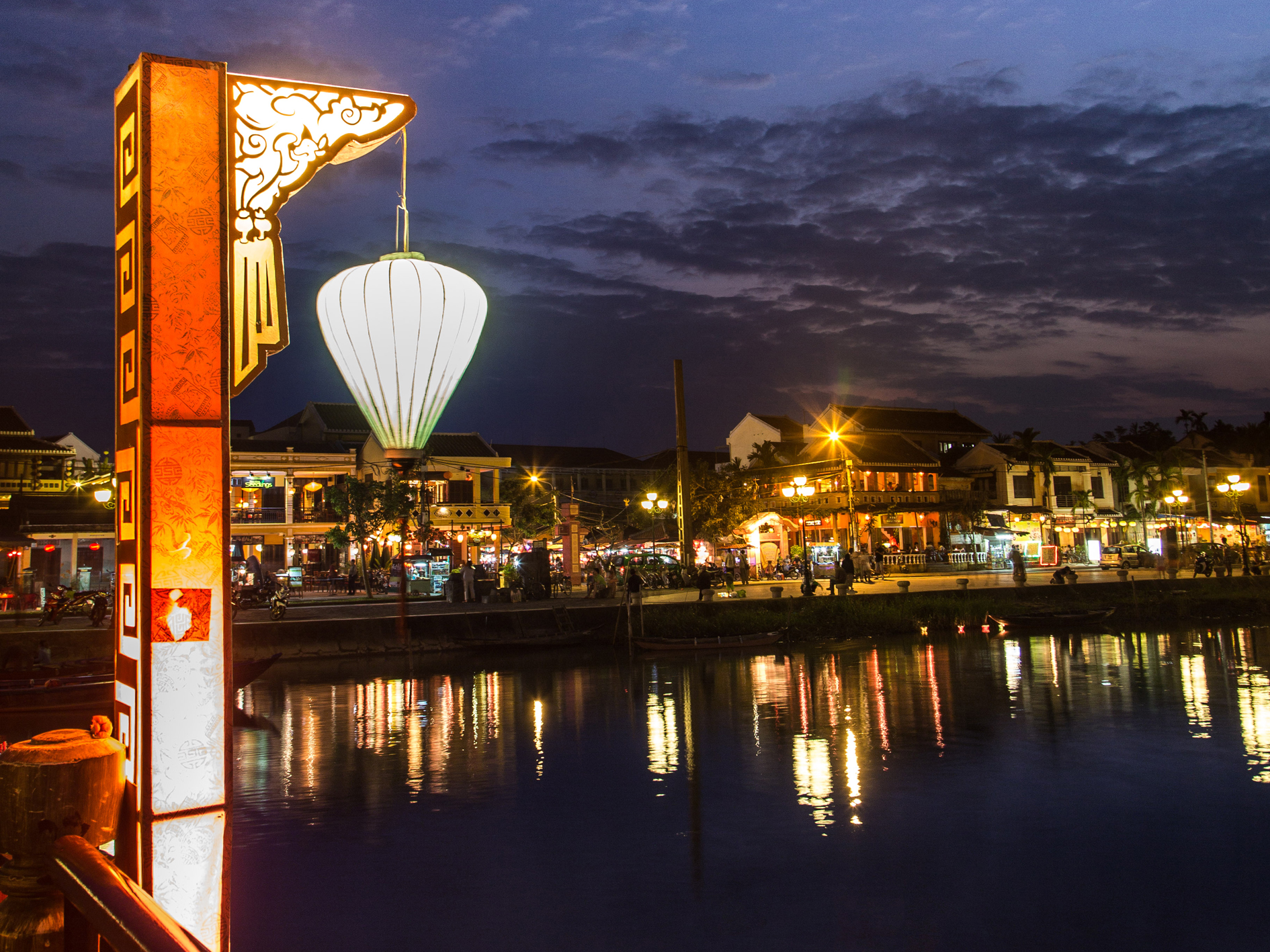
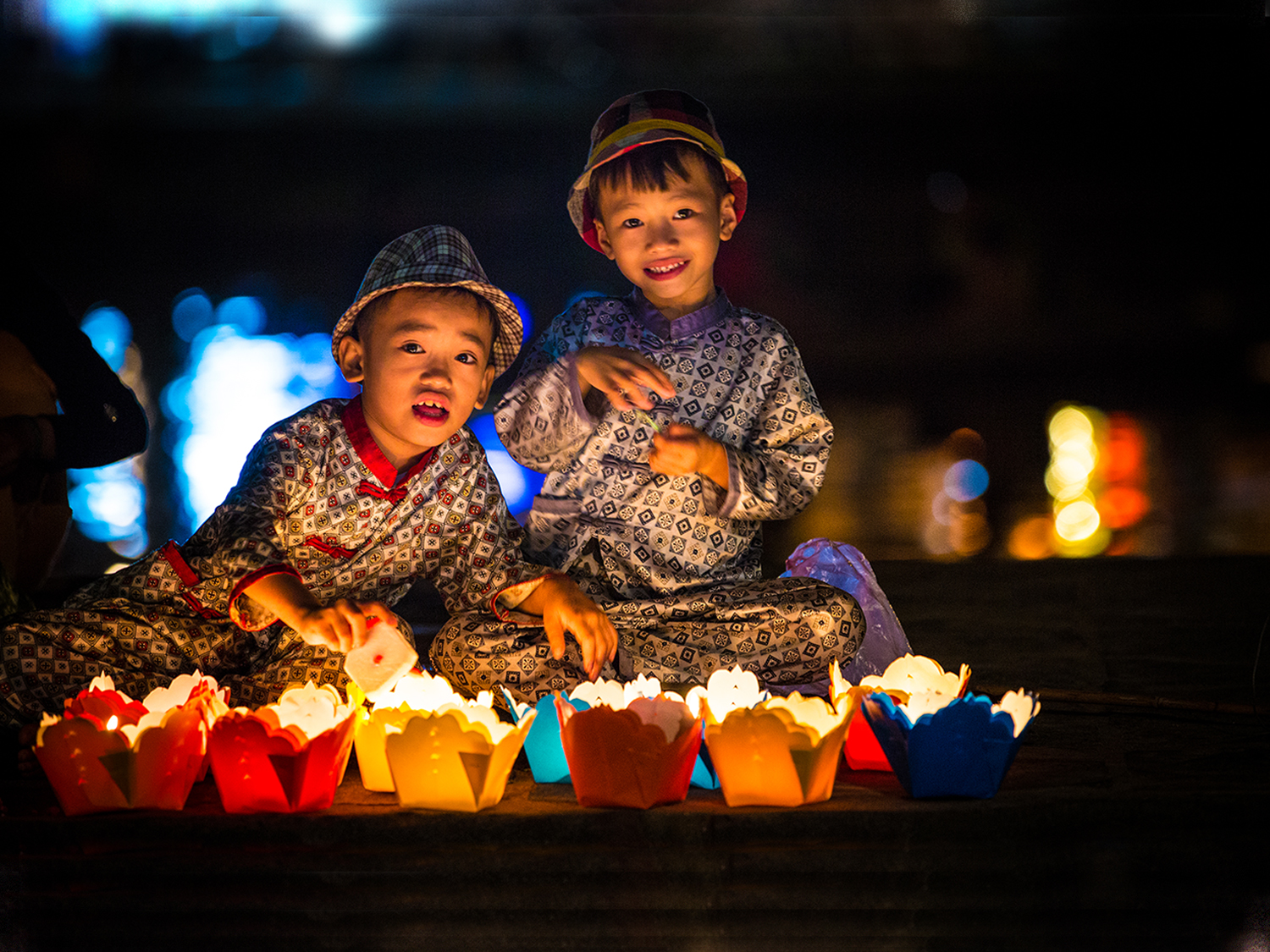
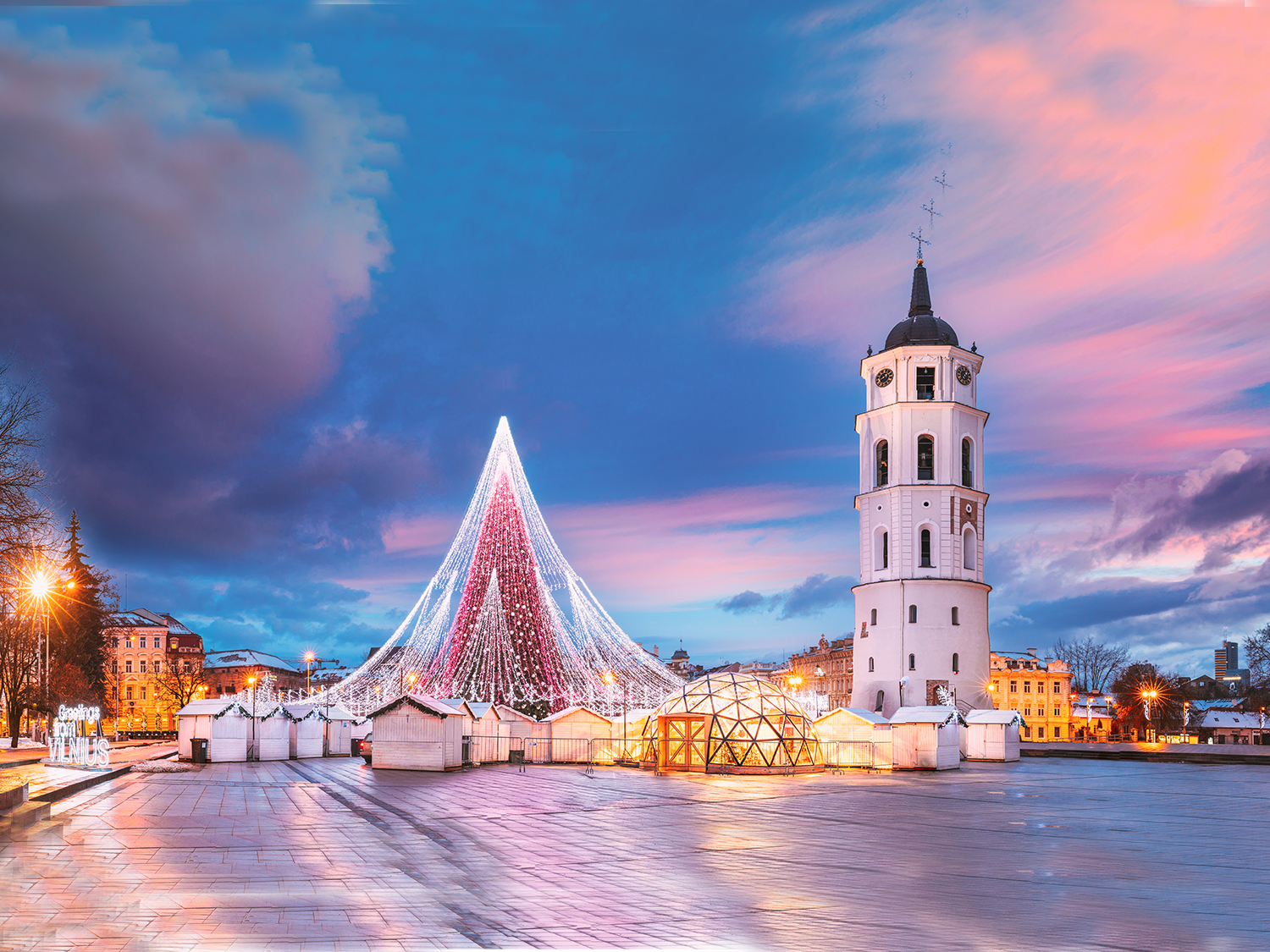
November lights up with Diwali in India, the Festival of Lights, symbolizing the triumph of light over darkness with illuminated streets, fireworks, and festive sweets. In December, the year rounds off with the magical Harbin Ice Festival beginning again in China, casting its icy spell on visitors, and the festive Christmas markets across Europe, bringing holiday cheer with crafts, food, and mulled wine.