|
 | the train

The Orient Express or Blue Train it isn't. In the line's early days, the carriages were sumptuously decorated with deep pile carpets, oak panelling and expensive fixtures that attracted wealthy travellers. Your journey on today's Trans-Siberian railway will certainly be comfortable, rather than luxurious. More of a vision than faded grandeur. Utilitarian, solidly built cabins and public areas are the flavour. Cabins sport mock-wood surfaces, vinyl banquettes, chrome fixtures, heavy mirrors, elderly light fittings, kitsch patterned curtains and carpet of suspect design. The piece de r'sistance is the sometime plastic flower in a vase atop the little cabin table. That said, the train is cosy and warm particularly in winter, cabins offer enough space for comfort and inportantly large windows for great views of the countryside rolling by.
What’s there to eat? Contrary to popular belief, you won't starve! All the main Trans- Siberian trains have a Buffet/Dining wagon, open generally from around 0900-2100hrs local time. Please click here for more info.
|
|
|
Are you a Trans-Sib traveller? The Trans-Siberian adventure is emphatically not a 'tour'. It runs as an independent package combining the train journey(s), stopovers and accommodation (if any) and accompanying ground touring arrangements (if you're stopping and if taking an optional activity) booked specifically and exclusively for you. You will not be travelling in a group and will not have a group tour leader with you. If stopping at intermediate points en route, you will be met on arrival and transferred to your respective accommodation (regardless of the type of Trans-Siberian adventure selected; Eastbound Adventures and Westbound Adventures. If you have reserved a Trans-Siberian classic adventure, there will be further arrangements (as indicated in under 'what you get') at relevant points en route (if stopping). Outside of these arrangements on our classic packages, you are free to do your own thing independently until your departure transfer to the rail way station for your onward journey. If you have selected one of our 'costsaver' adventures, there will be no included sightseeing. It is suggested if you chosen to undertake a 'costsaver' adventure, that you arm yourself with a suitable guide book for use at intermediate points en route.
There will be no on the go representative on the train. This truly is a semi independent adventure!
If you like everything to happen like clockwork, for everyone you encounter to speak English on command, are a 'hilton and hairdryer' traveller where nothing but a 5 star establishment will do, are a room service - king or queen hell-bent on a cheeseburger to room 224 within 15 minutes, cannot get by with a little extra assistance from a trusty guidebook and absolutely cannot work out which way is the go without 24 hour continual assistance on the ground from travel representatives, then a Trans-Siberian adventure is probably not the type of holiday for you. Our Trans-Siberian adventures are suitable for semi-independent travellers. We provide the necessities and on our 'classic' adventures, some additional inclusions such as sightseeing and planned excursions. However, a Trans-Siberian adventure is emphatically not a tour.
Are you ready for the time of your life? Your train is departing!
|
|
|
Your cabin All our programs are based on 2nd Class 4-berth mixed - sex compartments, though an optional upgrade to 1st Class 2-berth travel is possible, perhaps if you're a couple and want your own space.
The only difference is that 1st Class has 2 people to a 2-berth compartment whilst 2nd Class has 4 people to a 4-berth (2 x bunk style banquettes) compartment. Aside from 1st Class wagons being closer to the Buffet/Dining wagon, there is almost no difference between 1st and 2nd Class compartments.
Despite the myth, neither offer shower or ensuite facilities! There is however a WC/wash basin at the end of every wagon. There is plenty of luggage space in the bins under the two lower berths and also in the deep and wide cavity above the cabin door. The cabin door can be locked by turning the door catch and pulling a metal catch out to the left of the door. Each cabin has a small table (with bottle opener underneath), a small fold-out ladder to help people to the upper berths and coathangers and hooks to allow you to hang stuff up. Russians and Mongolians tend to make themselves at home with regards to luggage space, so a bit of juggling may be in order! It is a good idea to keep money, cameras, electronics etc. on one's person when the cabin is empty and luggage should be locked at all times.
All routes longer than 24 hours have a buffet/ Dining car service. Available to all passengers, you can sit down to cafe-style food paid for in local currency.
On some trains now there is sometimes a shower facility available in the 'special services wagon' for an additional cost. The cost is approx: USD 5 where you will need to bring your own soap, towel and shower shoes are also useful. However, do not count on this service being available on your journey.
|
|
|
Changing Time zones When you're on the Trans-Siberian, one of the things you'll find yourself doing often is working out what time it really is! The important thing to remember is that all long-distance trains run on Moskovskaya Vremya or Moscow Time in Russia. It has to be this way in a country that has 11 time zones.
All timetables, station clocks, train clocks and announcements are on Moscow Time. Clocks may have the letters 'MB' underneath - which signify the clock is operating to Moscow Time. Later en route you will need to change to Mongolian time and further on Beijing Time.
Whilst on the train, you may find a timetable of sorts on the corridor wall, usually near to the samovar, but it is best to check with your provodnitsa at each stop as to how long the stop will be. Make sure you are back on board in plenty of time or you could be left stranded in the middle in Siberia!
|
|
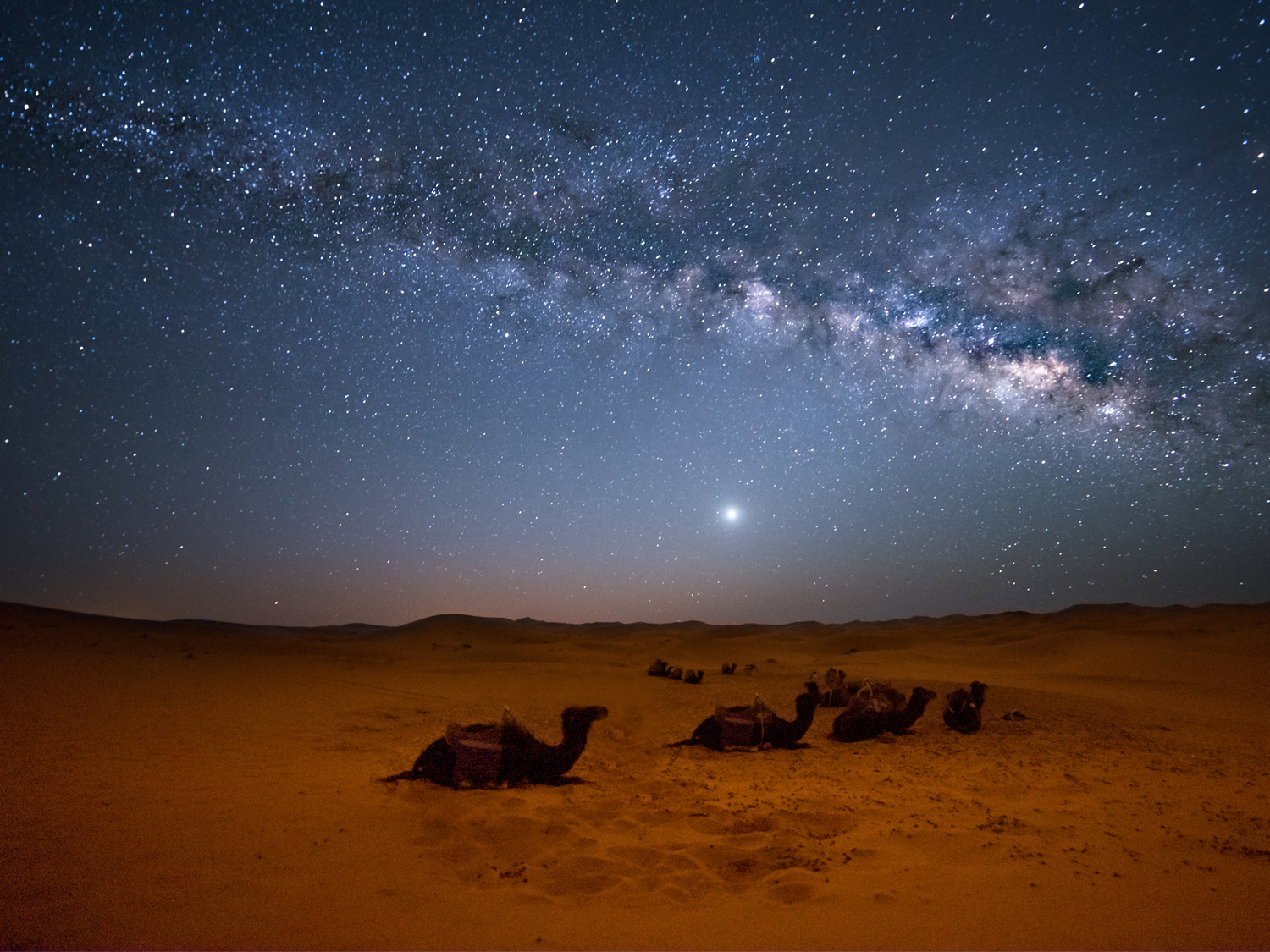
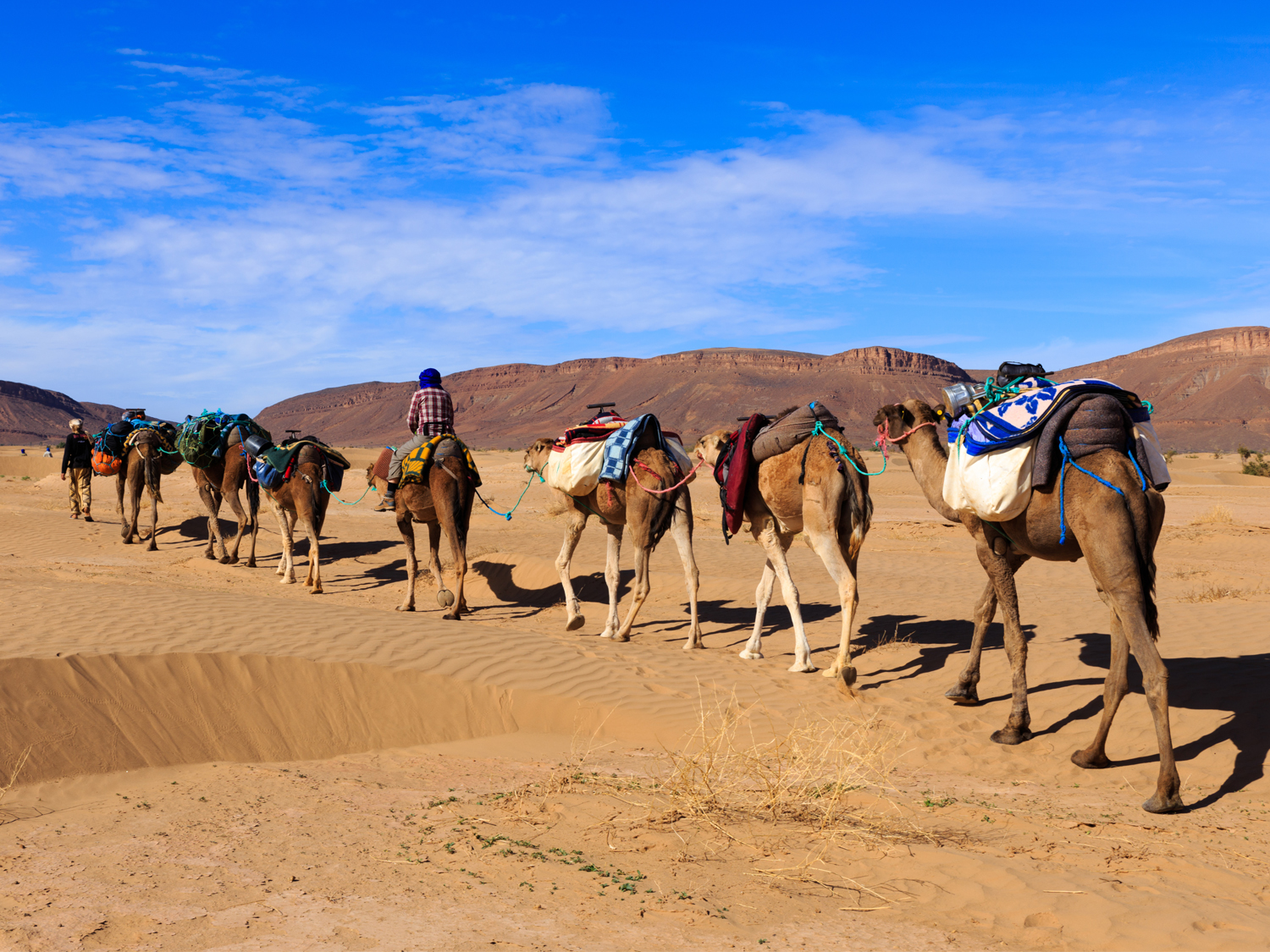
A cabin with a view In Russia, much of the scenery is gentle hills, thick birch, pine, spruce and larch forests, small villages with mud streets and wooden houses. There are occasional glimpses of onion-domed churches. Of course, it's not all rural. Around the cities, you'll see much of Siberia's heavy industry. Rounding Lake Baikal, you'll get some good views of the lake. From Ulan Ude you'll travel through some of the most spectacular scenery along a wide valley floor with mountains in the distance. The scenery across Mongolia and the Gobi desert is dramatically different from Russia. Across the harsh Gobi Desert, you'll maybe glimpse nomadic herdsmen, gers (felt tents) and camels. Crossing the Great Wall, the train sallies south to Beijing - China's mightiest city.
|
|
Trans-sib: A couple of on-board quirks
The cabin: There are 4 berths (2 up, 2 down) in a 2nd class compartment, and plenty of luggage space in the bins under the two lower berths and also in the wide cavity above the door. The cabin door can be locked by turning the door catch, and pulling a metal catch out to the left of the door. Each cabin has a small table (with bottle opener underneath), a small ladder for oompaloompas (short people) to reach the upper berths and hooks to hang your gear. All that in one cabin. Magic, huh?
The Samovar/hot water facility: A type of fire-powered hot water urn, the samovar is great for burning your fingers when the train suddenly jerks and also useful for adding to tea, instant coffee and chocolate and pot noodles.
The WC/hand-basin: The WC flushes using the pedal next to it. The hand-basin works by depressing the metal stud under the spout up into the spout. If there is no hot water for your ablutions, you can get some from the samovar. With a flannel and mug in hand, you'll get quite deft about getting clean. There's a 220v AC 2-pin razor socket, too. Ask the attendant to switch the power on, if it's off. As the toilet flushes directly onto the tracks, it will almost always be locked when approaching and leaving major stations. Just outside the toilet, there's a bin under the triangular seat in the corridor.
The trash can: Just outside the WC, under the triangular seat in the corridor.
The provodnitsa: Almost exclusively a woman attendant staffs each train wagon. Known in Russia as a provodnitsa, their duties include checking your tickets, distributing pre-packaged linen (at additional and nominal cost) and keeping the public areas of the wagon clean. They also keep their eye on the WC facilities, the samovar and the cabins. Flashing your biggest grin upon boarding may keep you in favour with the provodnitsa for the duration of your journey!
|
|  |
|
|