

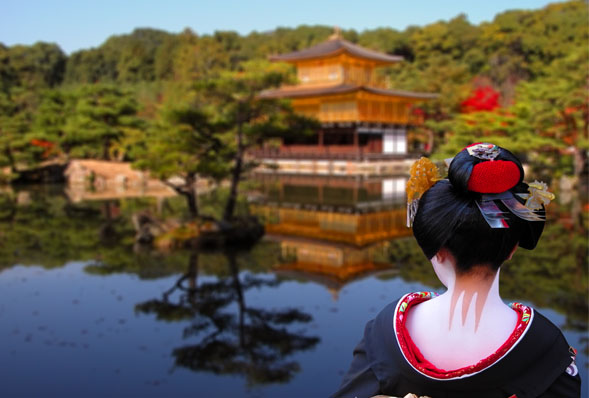
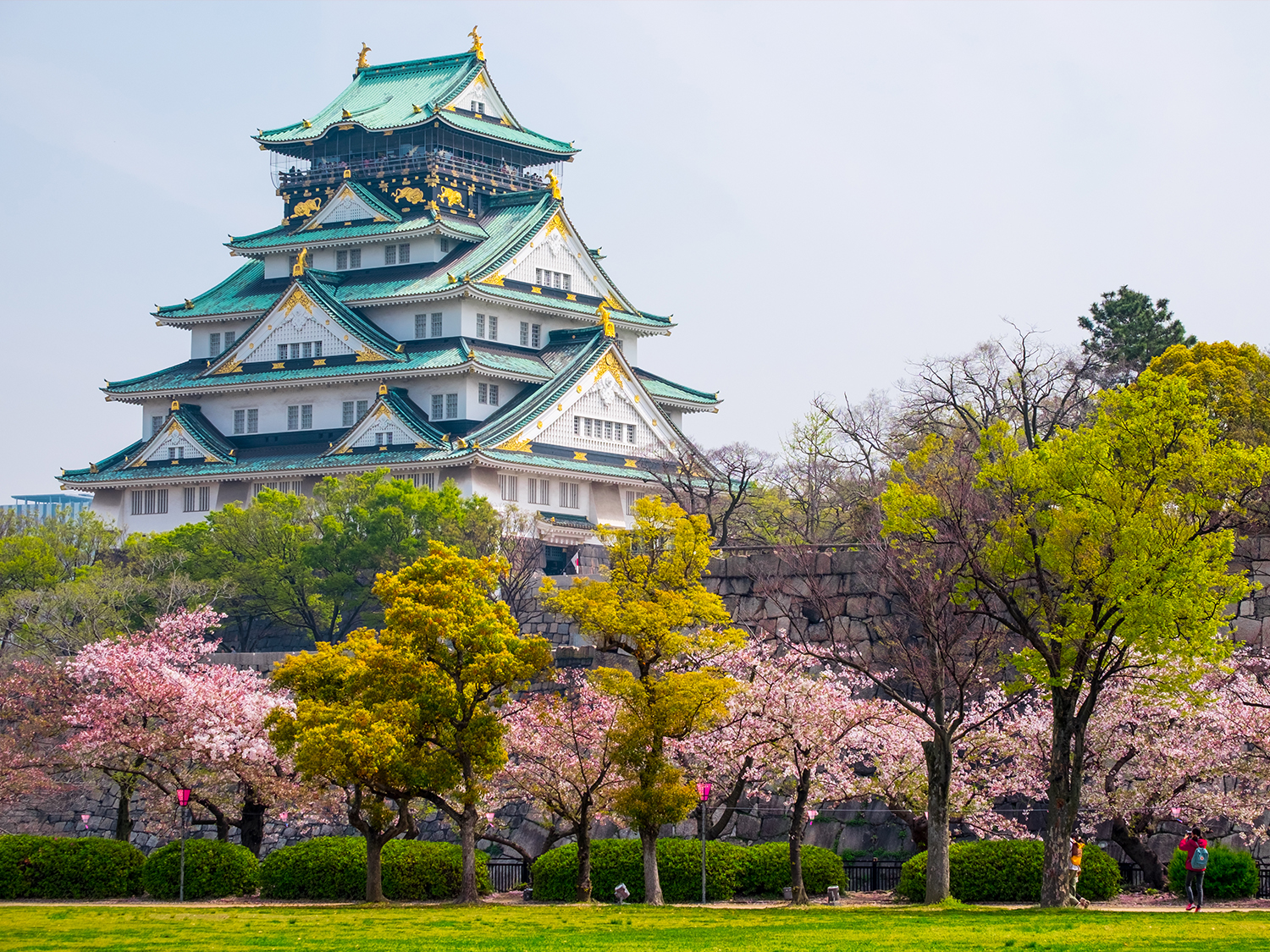
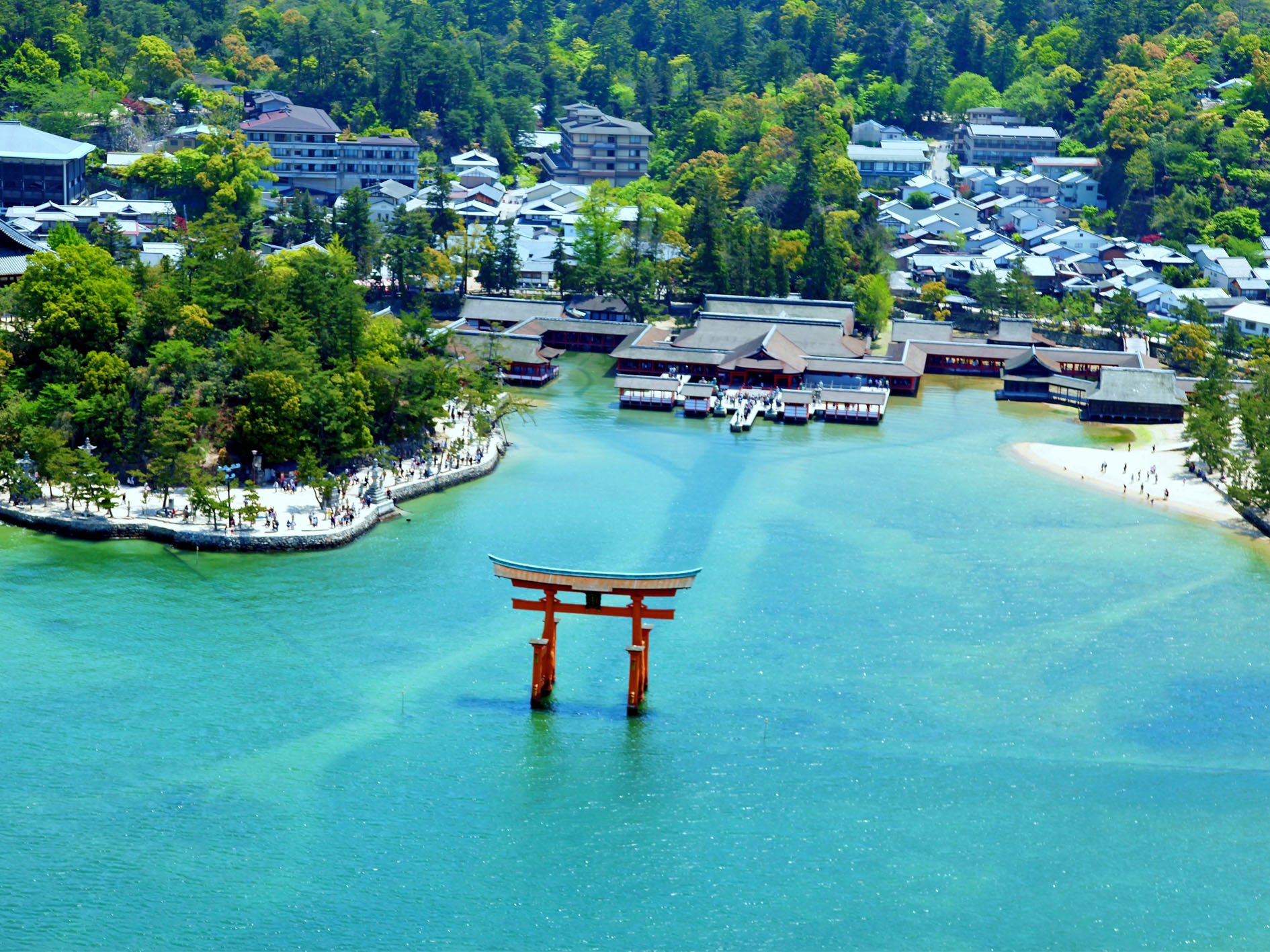
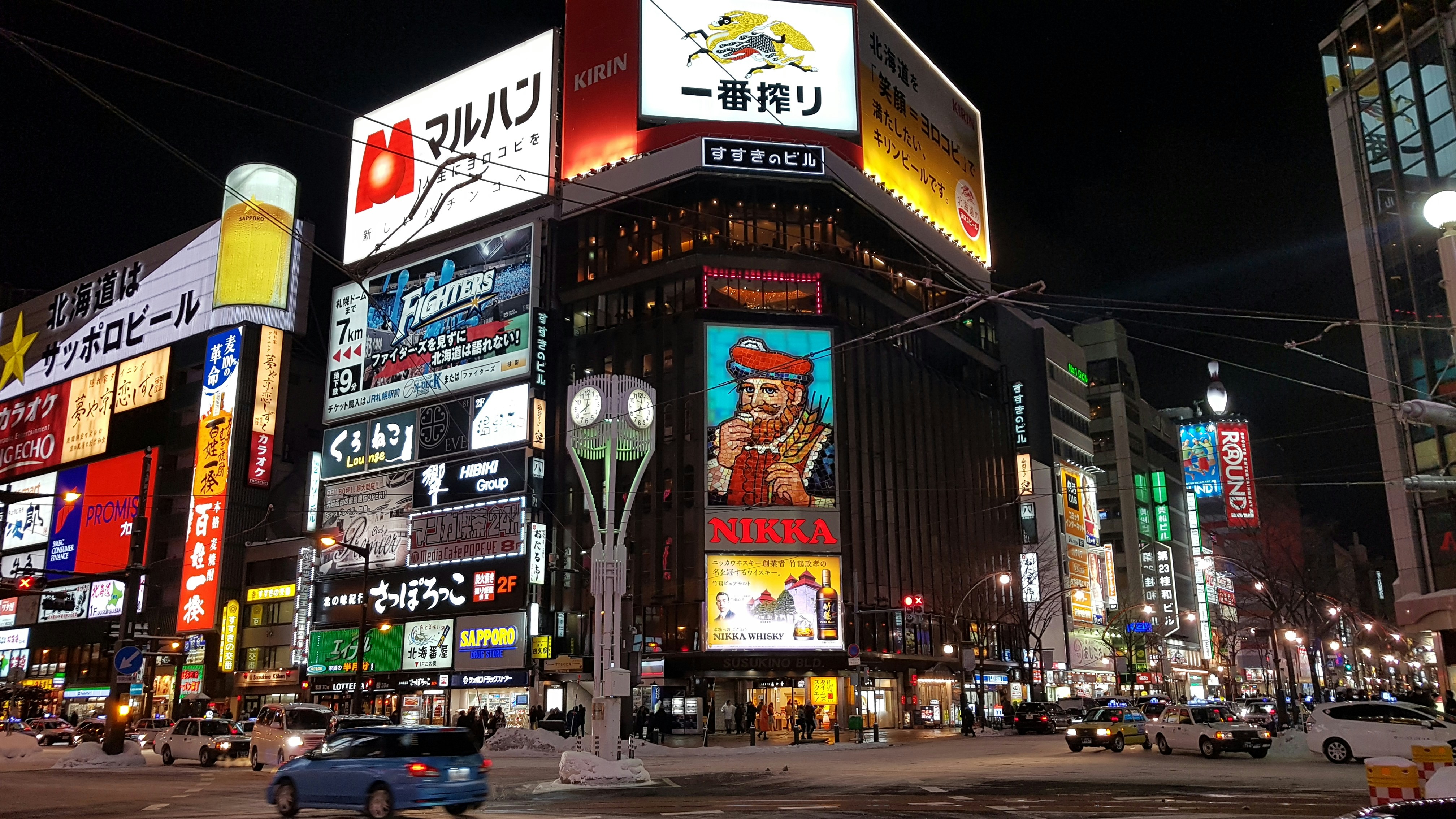
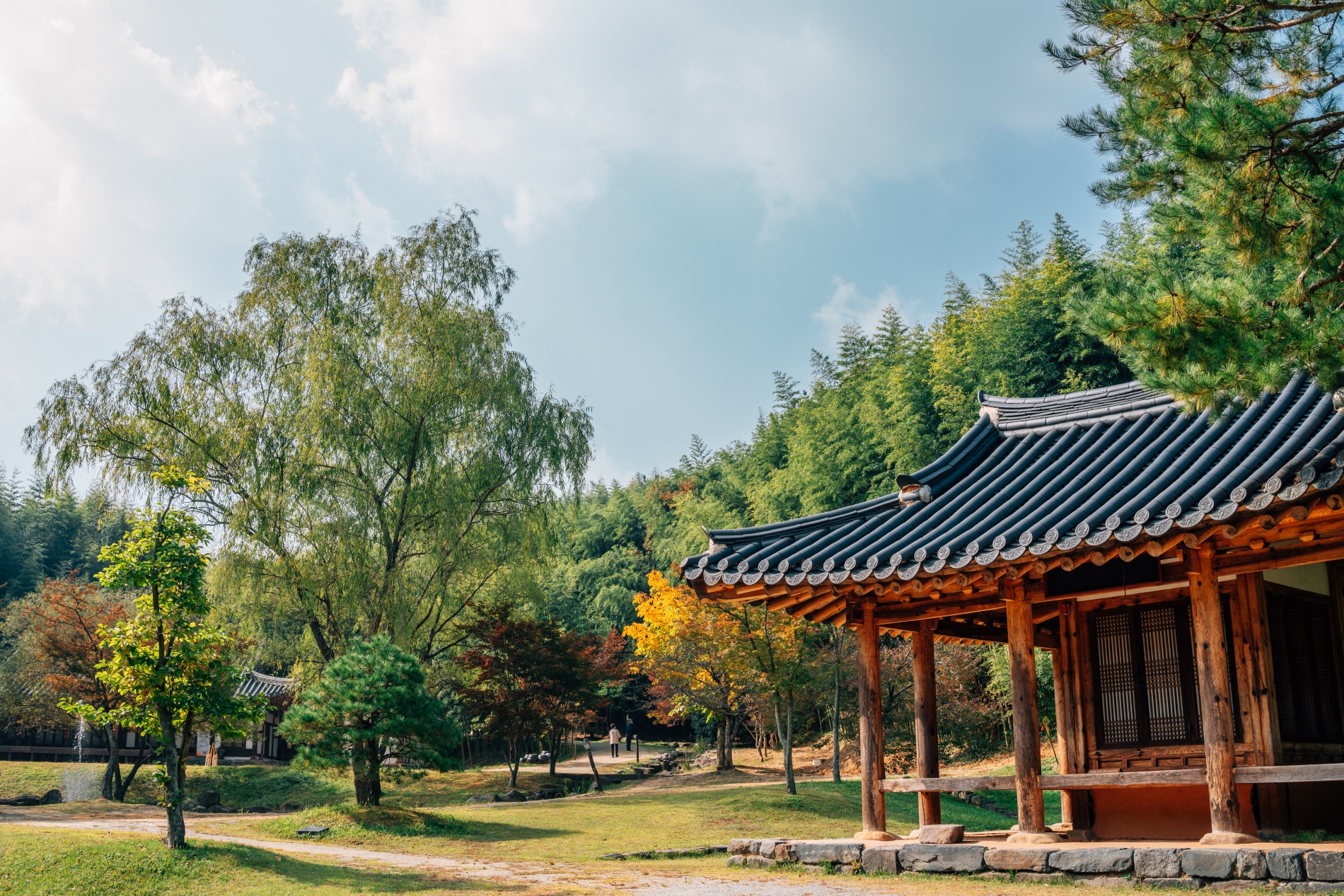
Japan and South Korea
Combine Tokyo, Kyoto and Osaka with Seoul and the temples and markets of South Korea.
View toursOn The Go Tours
Our agents are waiting to chat to you...
Are you a Travel Agent or Customer?
Do you have an booking reference?
4.32 (165 reviews)
76
Group Tours
13
Private Tours
5
City Explorer
When do you want to go?
2026
I'm flexible
Passengers
Adults (18+)
Children (0 - 17)
94tours
2–26days
USD $840pp
Apr, Oct, Nov
The biggest savings on guided Japan tours. Grab reduced fares on the latest deals while offers last.
4.32 (165 reviews)
I travelled with my 19 year old daughter, and both of us absolutely loved this tour and our ever-patient guide, Toshi. Highlights included seeing Mount Fuji on a cloudless day and staying at the Japanese Ryokan. We loved the hustle and bustle of Tokyo and Kyoto and the beautiful town of Takayama.
 Elizabeth
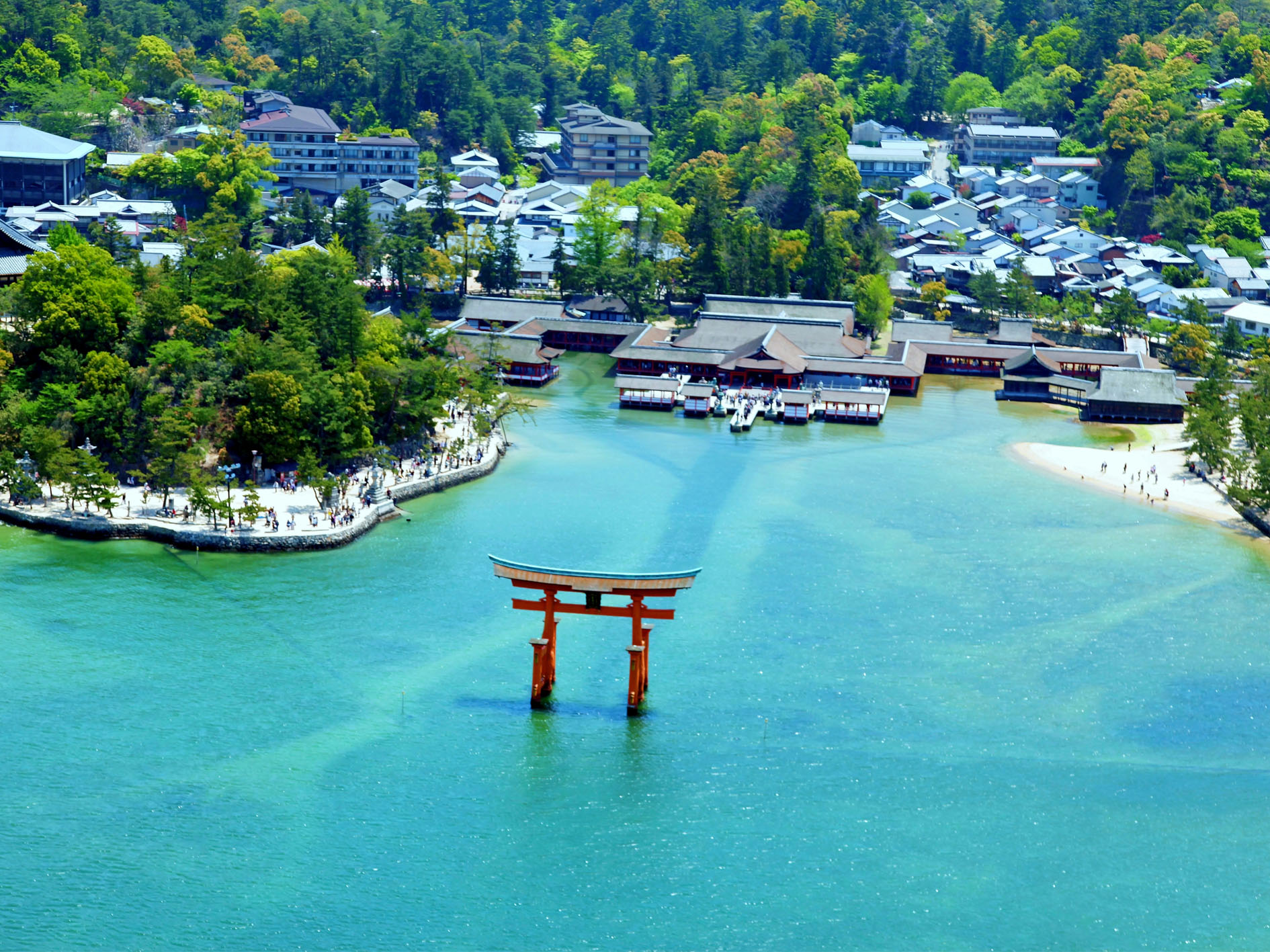
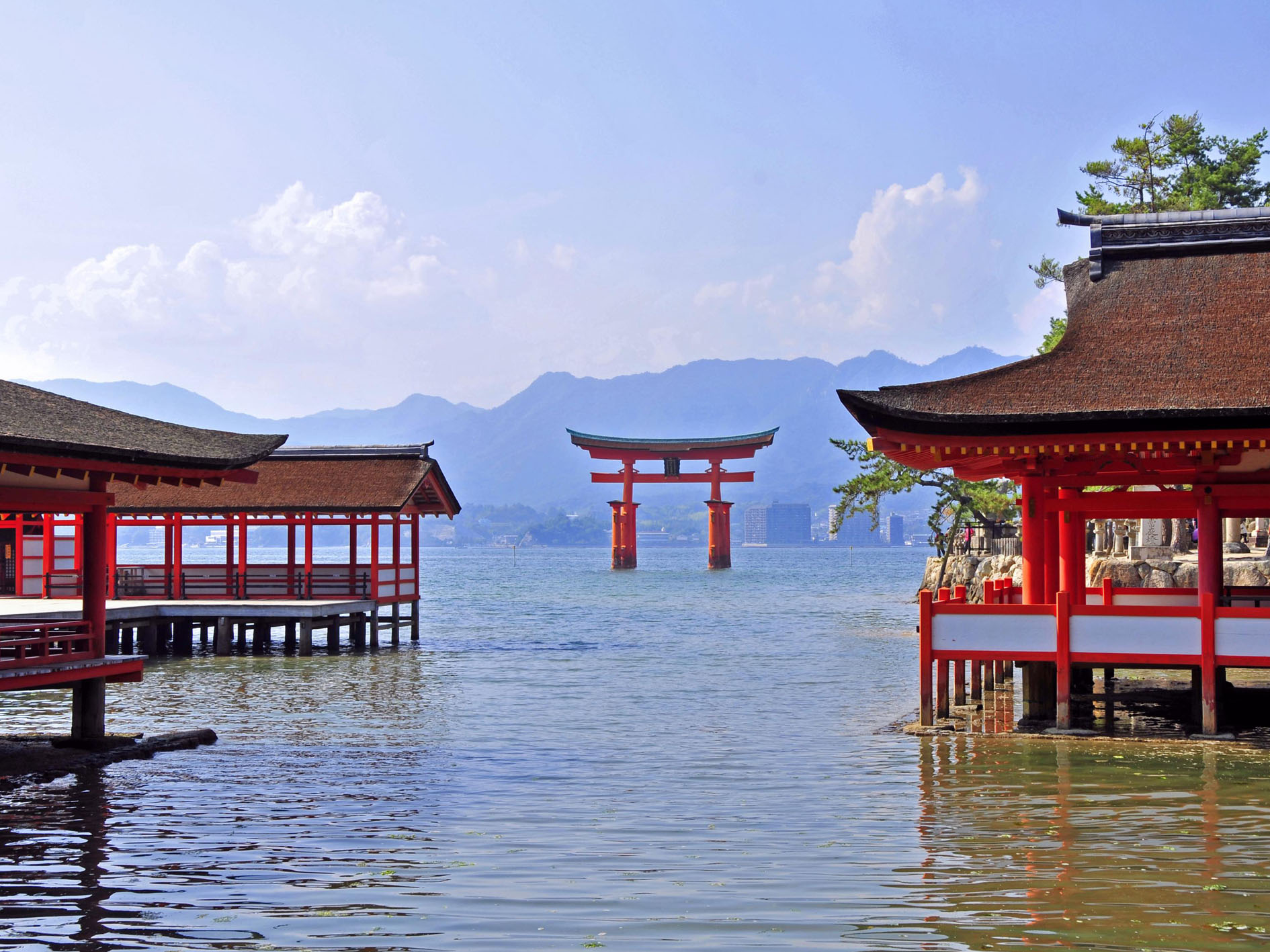
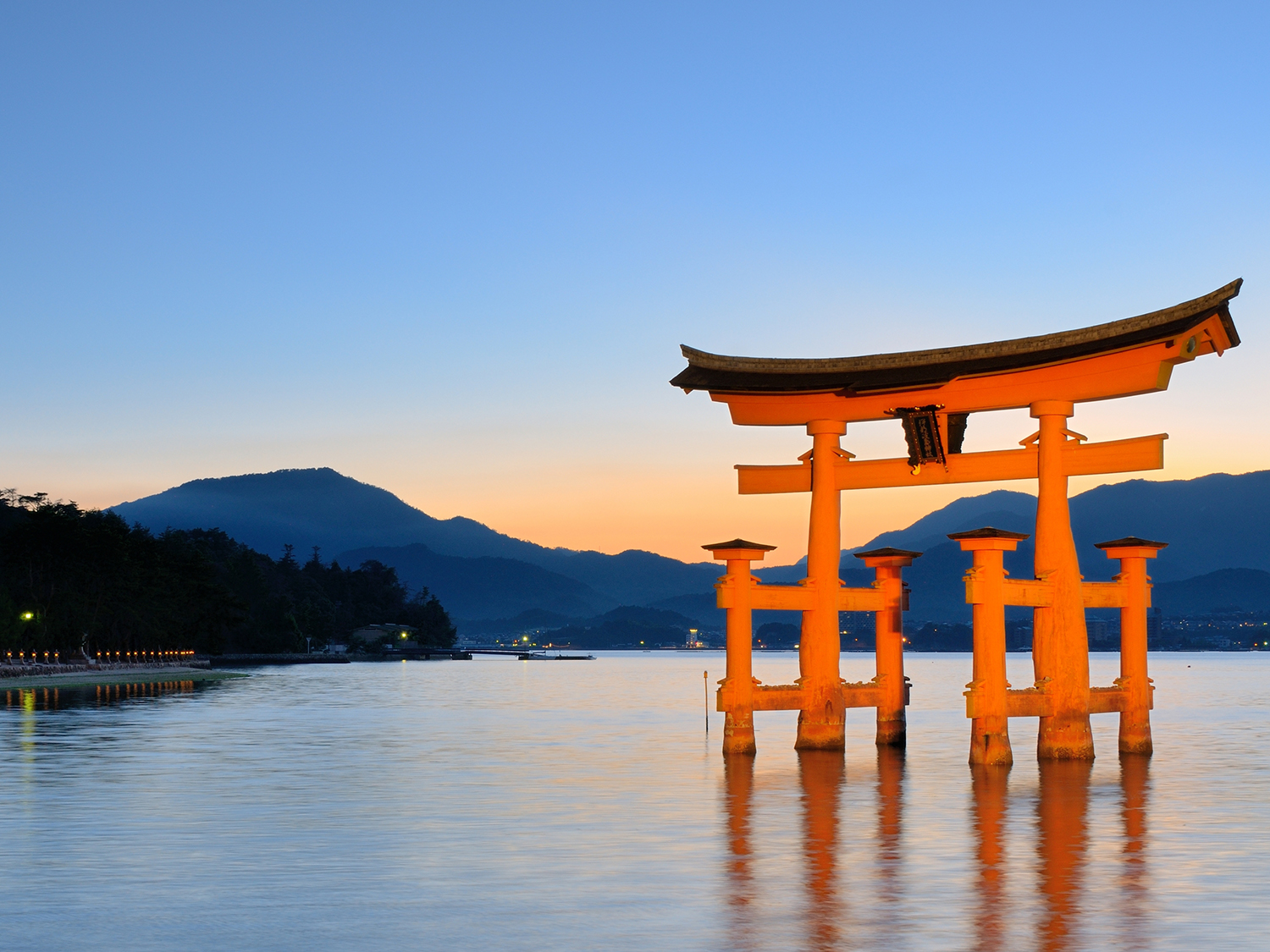
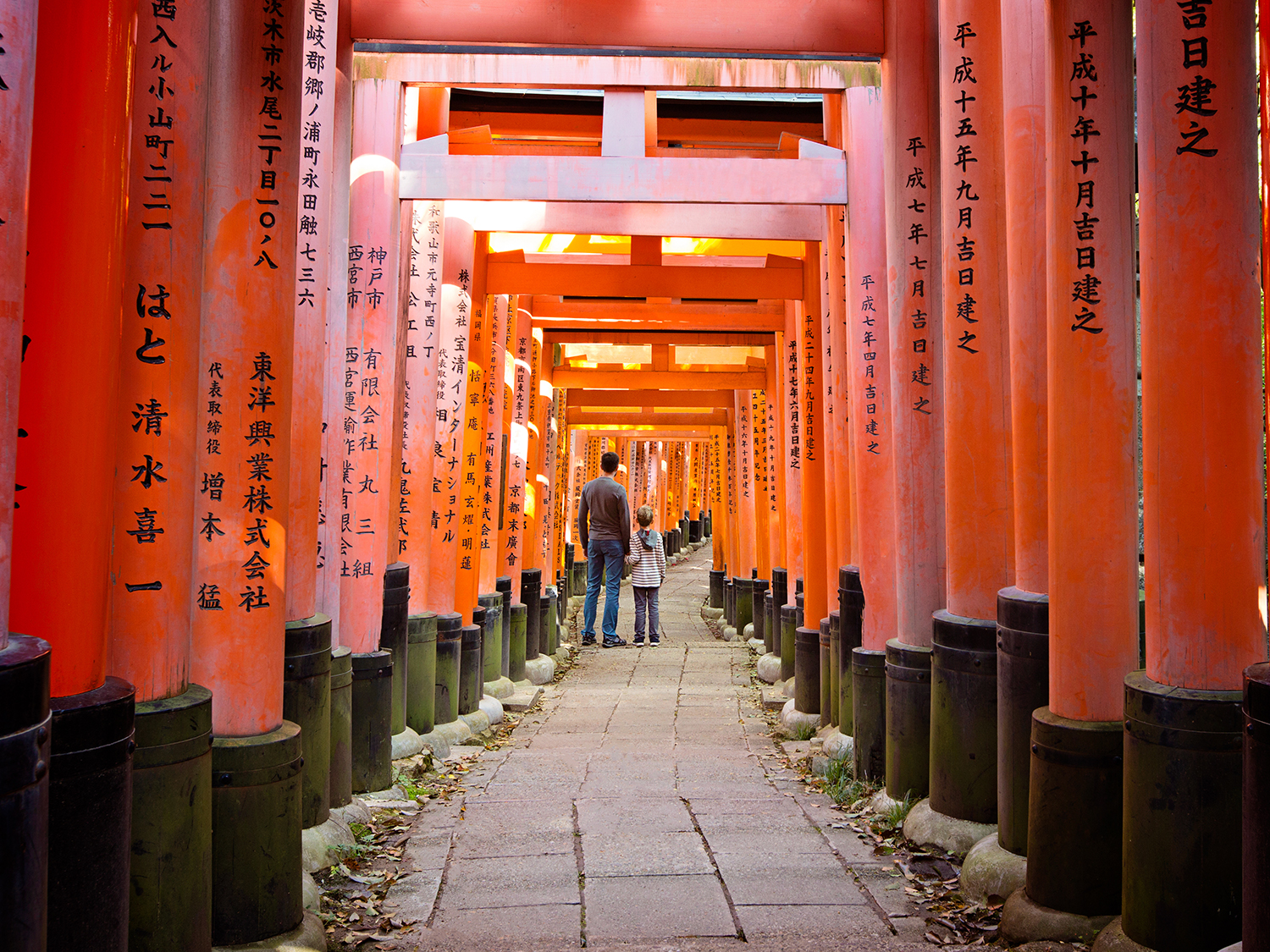
Miyajima, Big Buddha Kamakura and 10000 gates at Inari Kyoto (not on the official itinerary)
MARKFrom the moment I arrived through the airport security and was meet by a lady, whoms name has slipped my memory my sincere apologies. Everyone and every adventure was absolutely amazing our guide Tosshi was brilliant I feel in love completely with the people and the culture every day gave way new
PeterWe moved around on public transport as the locals do. The Japanese experience at Lake Kawaguchi is the most memorable part of the tour for us. Toshi our guide was perfect - he was so organised and very knowledgable, able to describe traditional culture and talk about living in Japan today.
 Shelley
Our guide Koira was beautiful and so easy to get along with. We had a fantastic group bar one arrogant man. I loved the Big Buddha and I loved the 1000 buddha temple. Bullet train was great and I loved Kyoto. Hotels were fabulous.
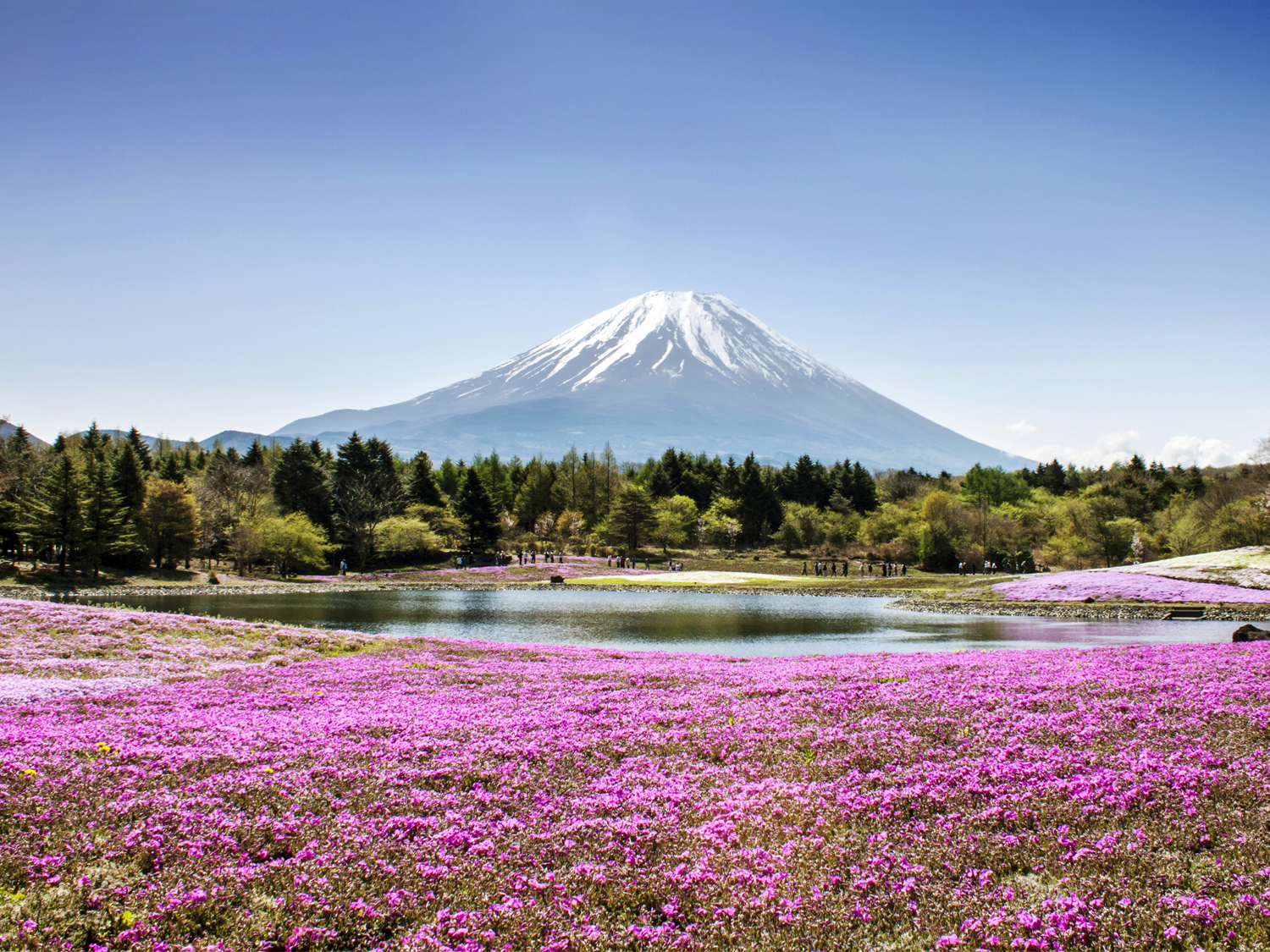
JennyI loved the Meiji Shrine and Nijo Castle; and I also loved Mt Fuji. The ryokan that we stayed at in Mt Fuji was so authentic. The dinner and breakfast were the most authentic foods we had the entire time. I wish we could've stayed one more night in Kyoto.
 Tanya
TanyaOur guide (Masa) was excellent! Takayama, Mt. Fuji and Hiroshima were great. Kyoto and Tokyo were good. Our group was great.
 Bec
BecWe had a fabulous trip and enjoyed the food, Japanese culture, people and the transport system. Toshie our guide was excellent and kept us under control.Most of the accommodation was just right.
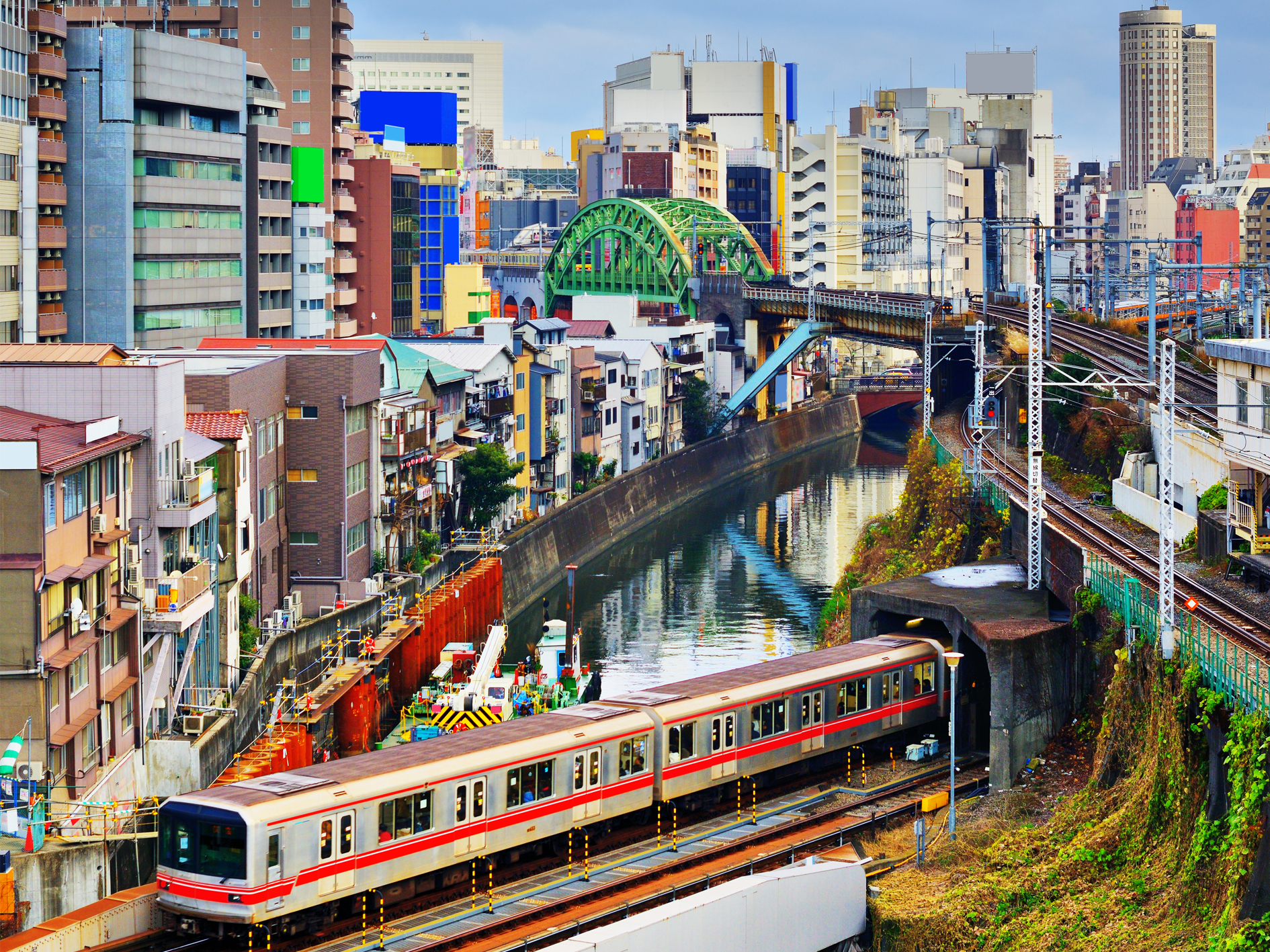
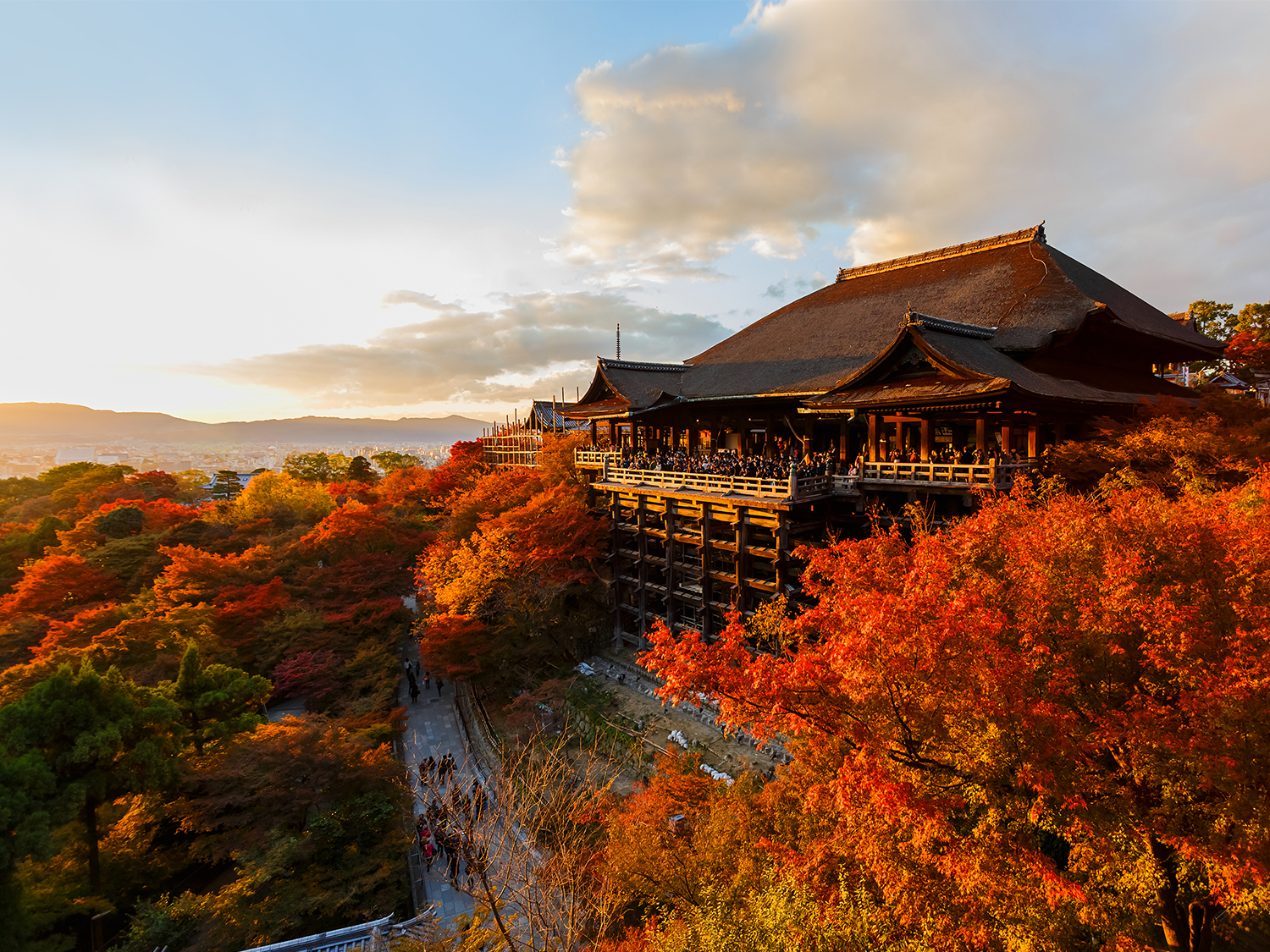
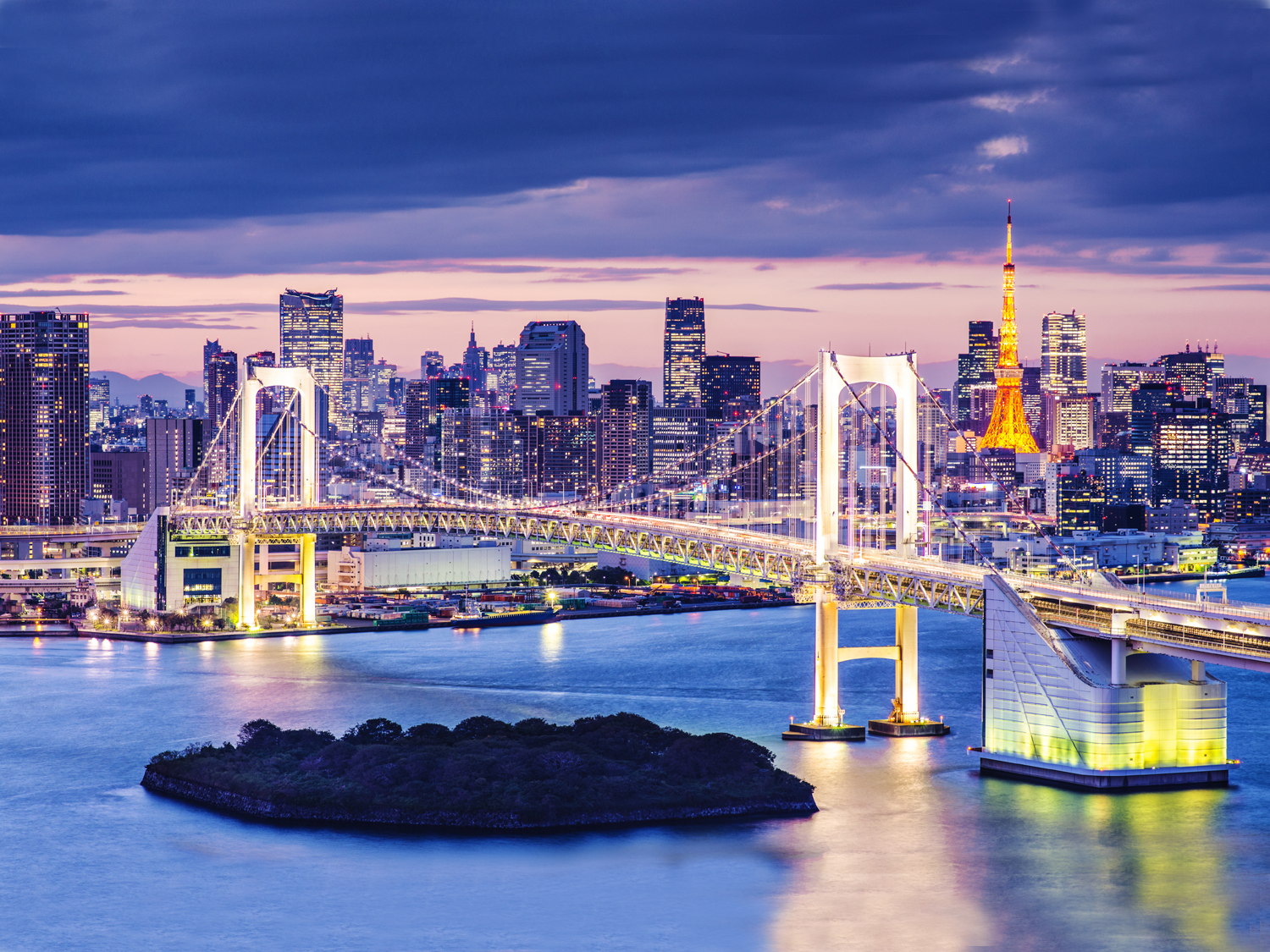
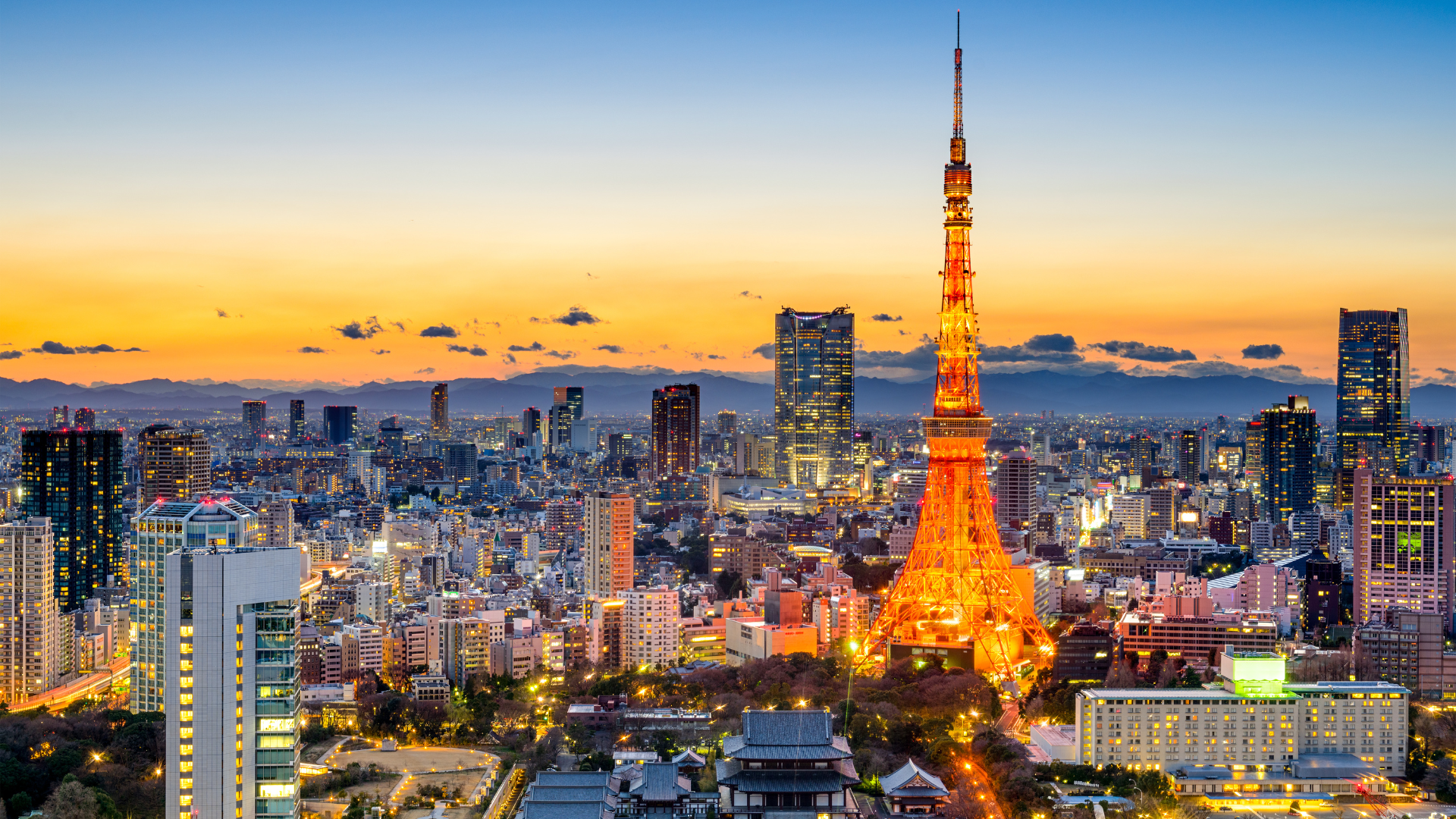
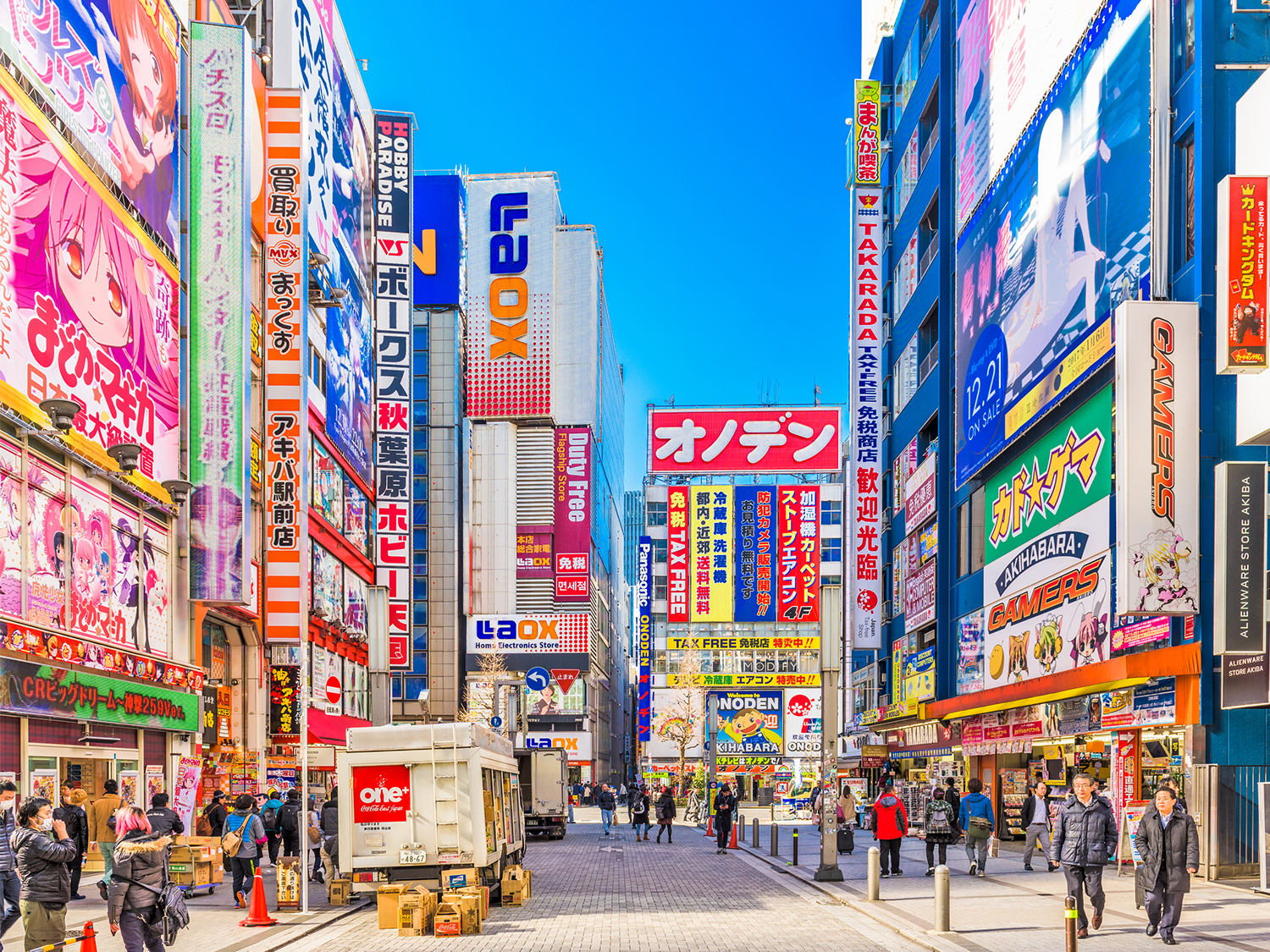
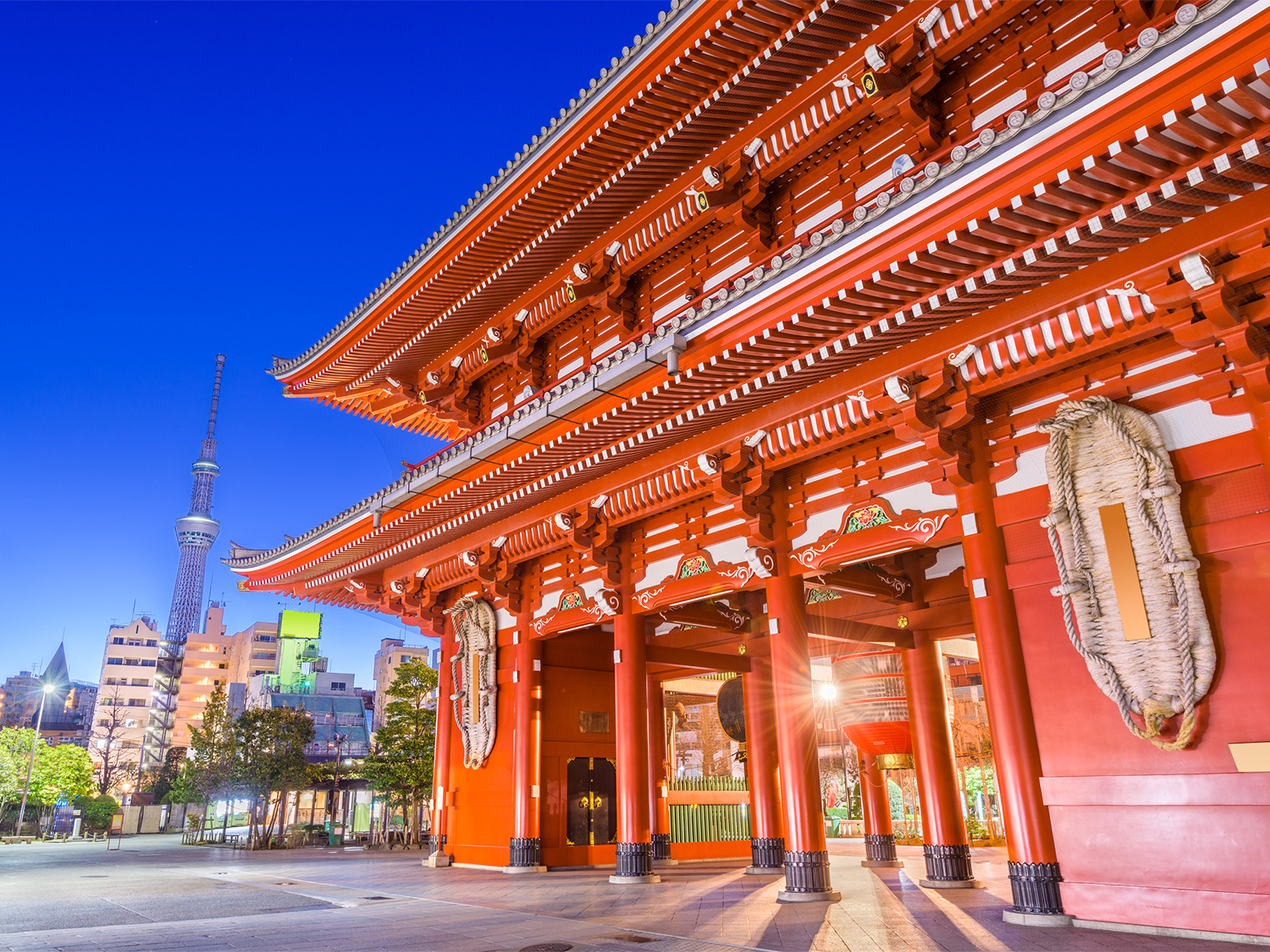
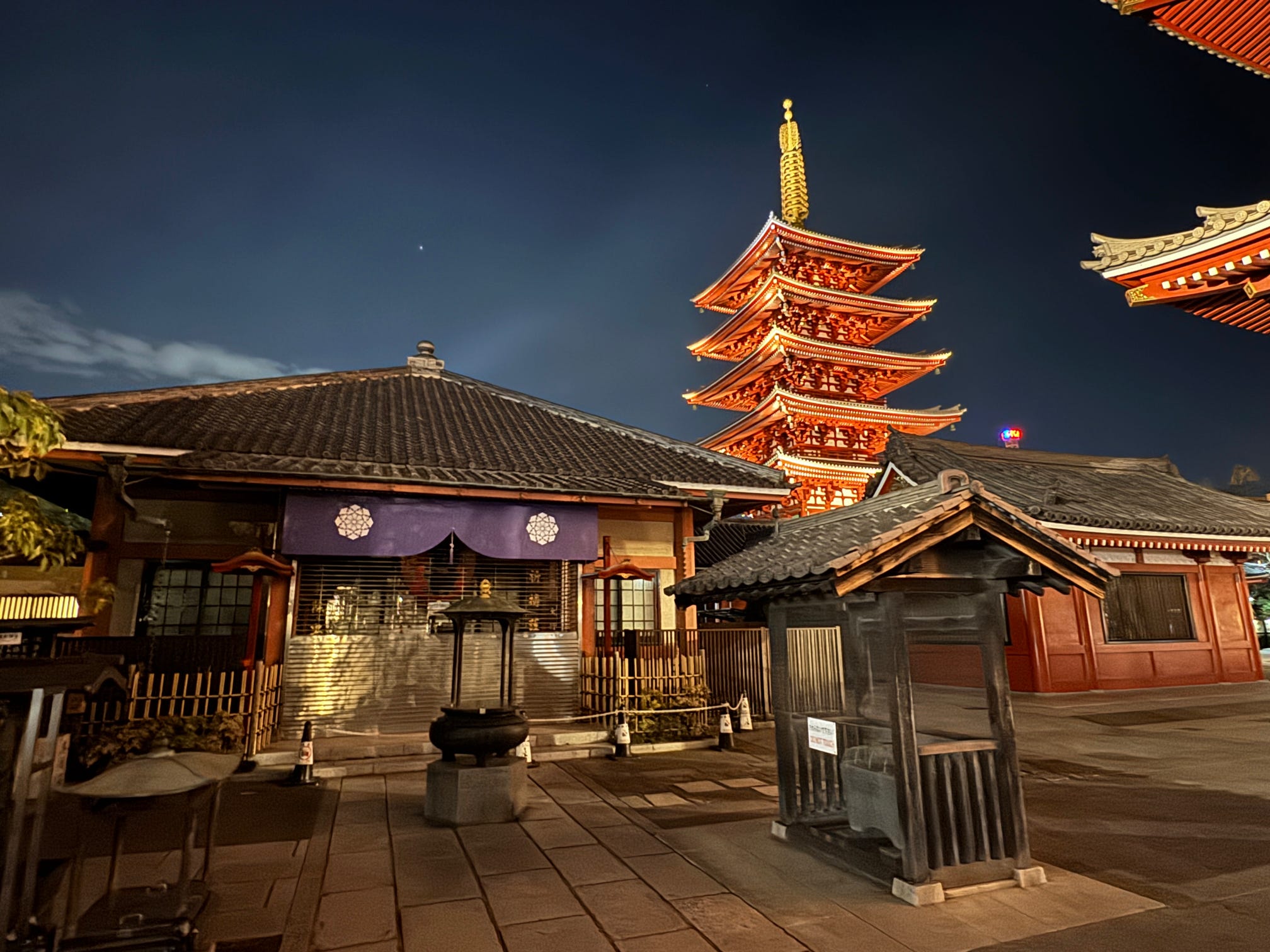
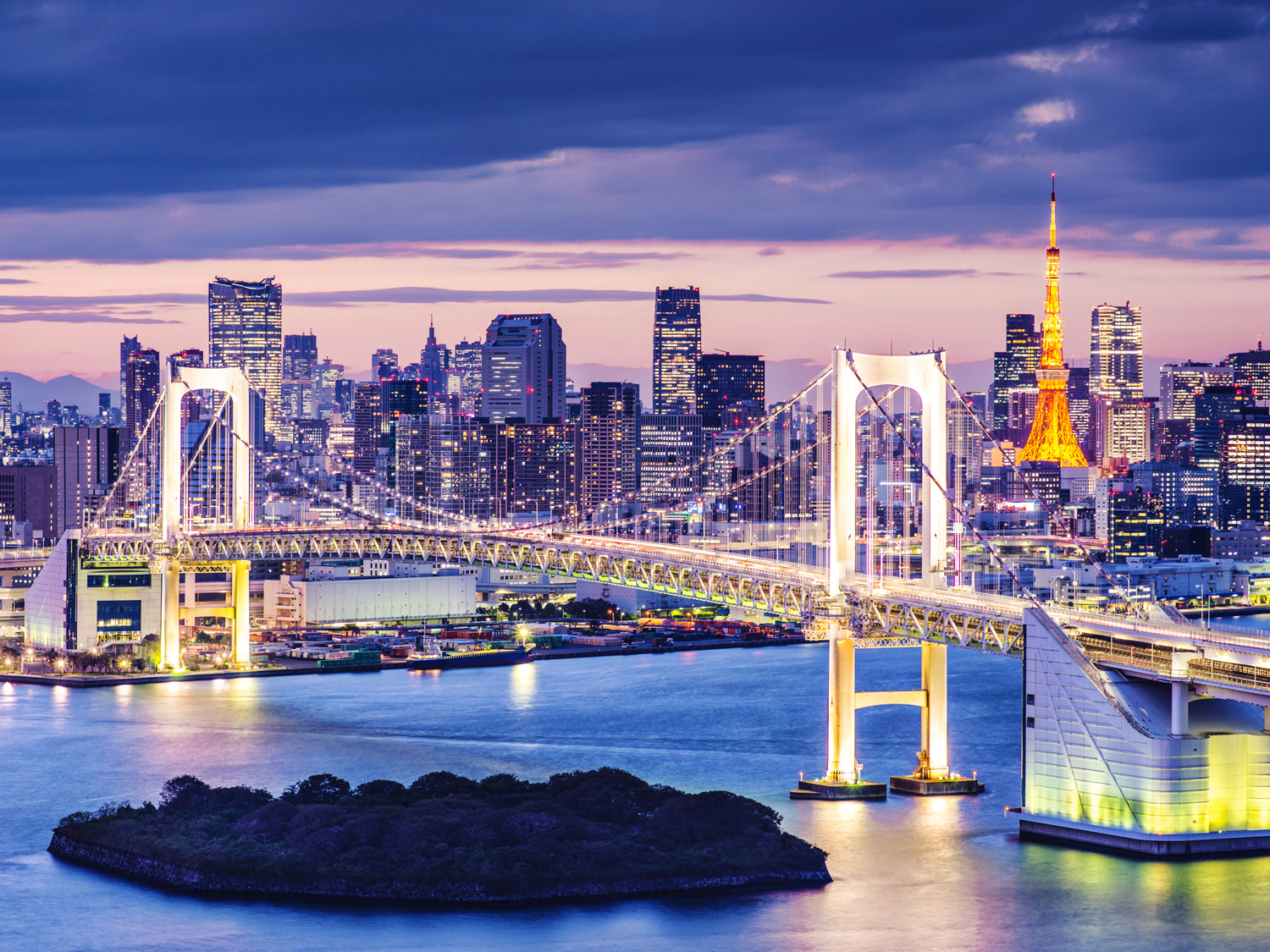
JoelExperiencing Japan is perfect for a guided tour because the way the country changes as you explore is so clear, one day brings bright signs and busy streets, the next brings quiet shrines and old lanes. In Tokyo, modern life sits beside long-held customs, so a guide can help it all make sense, and you still get time to roam iconic locations such as Shibuya, Harajuku or Akihabara. Kyoto then feels calmer, with temples, gardens and historic areas that are richer with a guide to tell the stories. Many itineraries also add time around Mount Fuji, often in Hakone or Kawaguchiko, for fresh air and wide views. Japan tours fit many travel styles, from fun group trips to private options, and also some city explorer itineraries that remain in one base and add day trips. Guiding levels also vary, from fully guided to partially guided, so you can match the trip to the level of support you want.
Plan your perfect trip to Japan
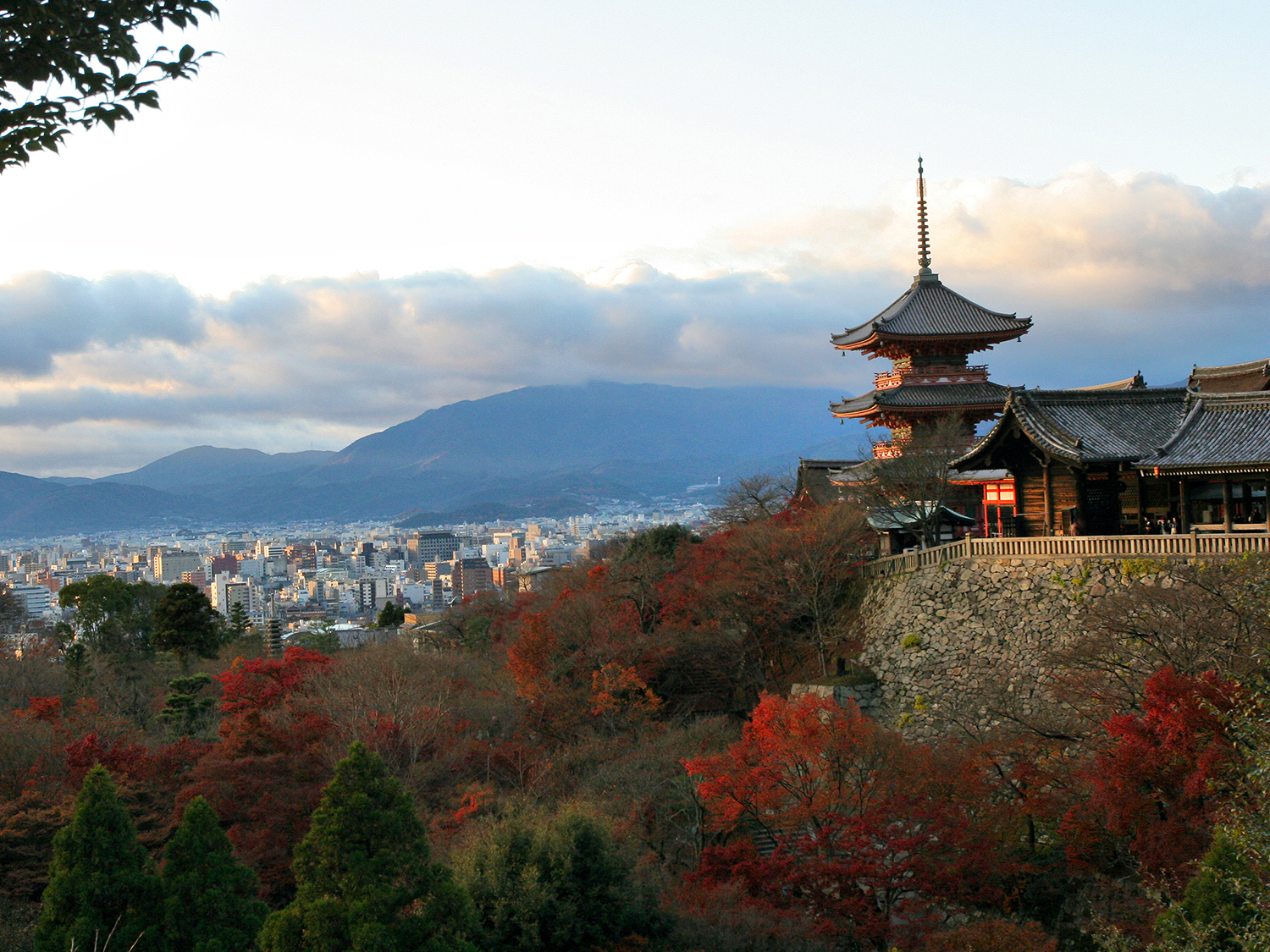
Spring and autumn are the most popular months for touring, with mild days, clear skies and the cherry blossom and autumn leaves moving steadily across the country. Summer is hot and humid with a rainy spell in June, while winter is cold in the north and crisp and clear around Tokyo and Kyoto.
Temperature figures are day-and-night averages for Tokyo. Kyoto and Osaka run similar, Hokkaido is much colder and snowier, and Okinawa and the south stay warmer through winter.
A few practical tips to help you travel smart and make the most of your time in Japan.
Japanese Yen (JPY)
Japanese
Tokyo
Type A / B
Two flat pins (B adds a round pin), 100VJapan uses the yen. Cards are widely accepted in cities and hotels, though cash is still needed at small restaurants, shrines and rural stops. If you need to withdraw cash at any point, convenience store machines are your best bet. Tipping is not practised and can cause confusion, so there is no need to leave anything.
Comfortable walking shoes that slip on and off easily are a must as shoes come off at temples, traditional inns and some restaurants. Pack light layers, a compact umbrella for the June rains, and a small bag for rubbish, since public bins are rare. Also insure to leave room in your case for any mementos you purchase during your trip.
What you eat depends on the region you are in, from sushi and ramen in Tokyo to okonomiyaki in Osaka and kaiseki in Kyoto. Convenience stores are a genuinely good option for breakfasts and snacks between stops. Tap water is safe to drink everywhere, and green tea is often free with a meal.
Japan is a very straightforward country to travel in, with low crime and reliable public transport. Typhoons are possible between August and October and can affect trains and flights, so follow local guidance if one is forecast. Earthquake drills and signage are part of daily life and require a little more attention than you may be used to.
Most are partially guided rather than fully guided, and each itinerary states which it is. Partially guided trips have a driver and local guides at the sights, with the rail reservations and transfers still arranged and more free time in each city. A smaller set of fully guided group tours has a tour director throughout, including Best of Japan over eight days.
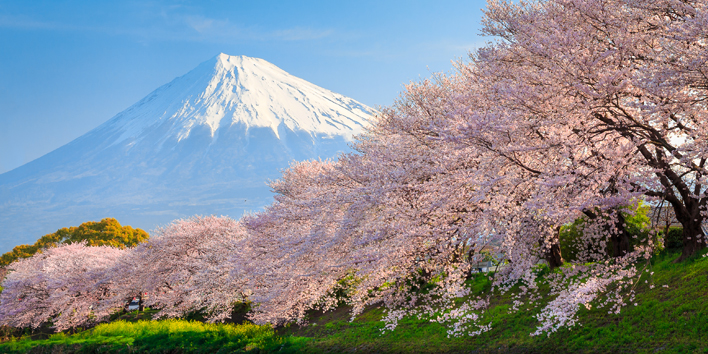
Late March and April for cherry blossom and October and November for autumn leaves are the two standout windows. Both are popular so tourist destinations can get busy. Summer is hot and humid with a rainy spell in June, and winter is cold and bright in the cities with heavy snow further north.
Yes. Cherry Blossom Festival is a 13-day fully guided trip from Tokyo timed around the bloom, and several spring departures on the standard routes fall within the same window. The bloom moves north across the country through late March and April, so the timing shifts by region and by year.
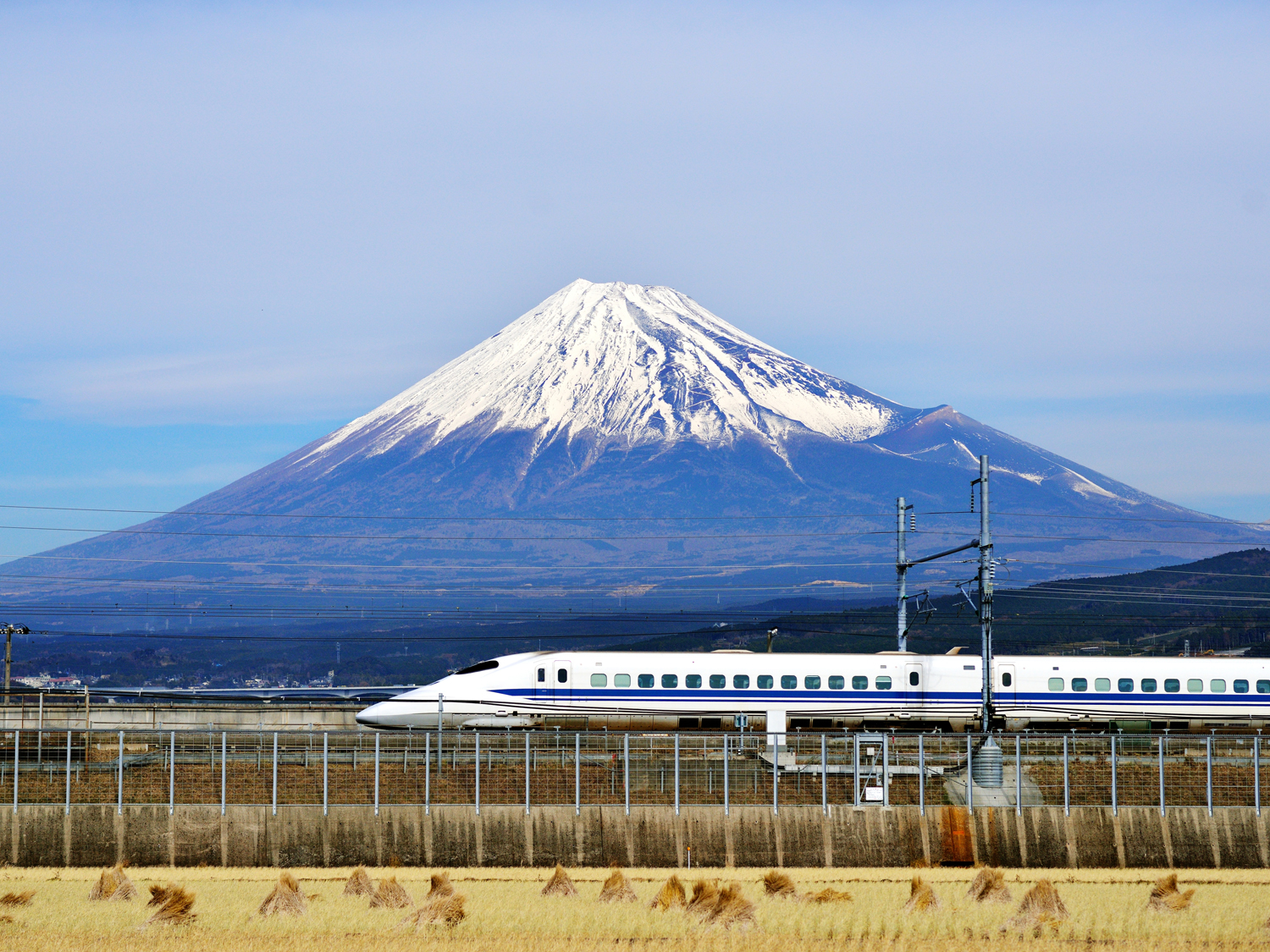
The bullet train features on many Japan itineraries with bus transfers covering the mountain and rural sections. Trips such as Tokyo to Osaka Explorer over 10 days and Tokyo to Takayama over 13 days are built around these connections, and Best of Japan pairs the rail legs with a Mount Fuji visit over eight days. Rail reservations and seat reservations are arranged as part of the tour, which removes most of the planning difficulty.
Yes, though the private range is smaller than the group program. Private trips are exclusive to your own party, run on set departure dates and range from four to 13 days. Some are self-guided, pairing a planned route with rail tickets so you travel independently between cities, while others include a guide in each destination.
Hot springs feature on most Japan itineraries and a traditional ryokan stay on around half, usually as one or two nights rather than the whole trip. Expect tatami rooms, futon bedding, a multi-course dinner and shared bathing, with shoes left at the entrance. Trips such as Heart of Japan over 11 days and Land of the Samurai over 12 build these nights into the route. The itinerary will state where a ryokan night falls.
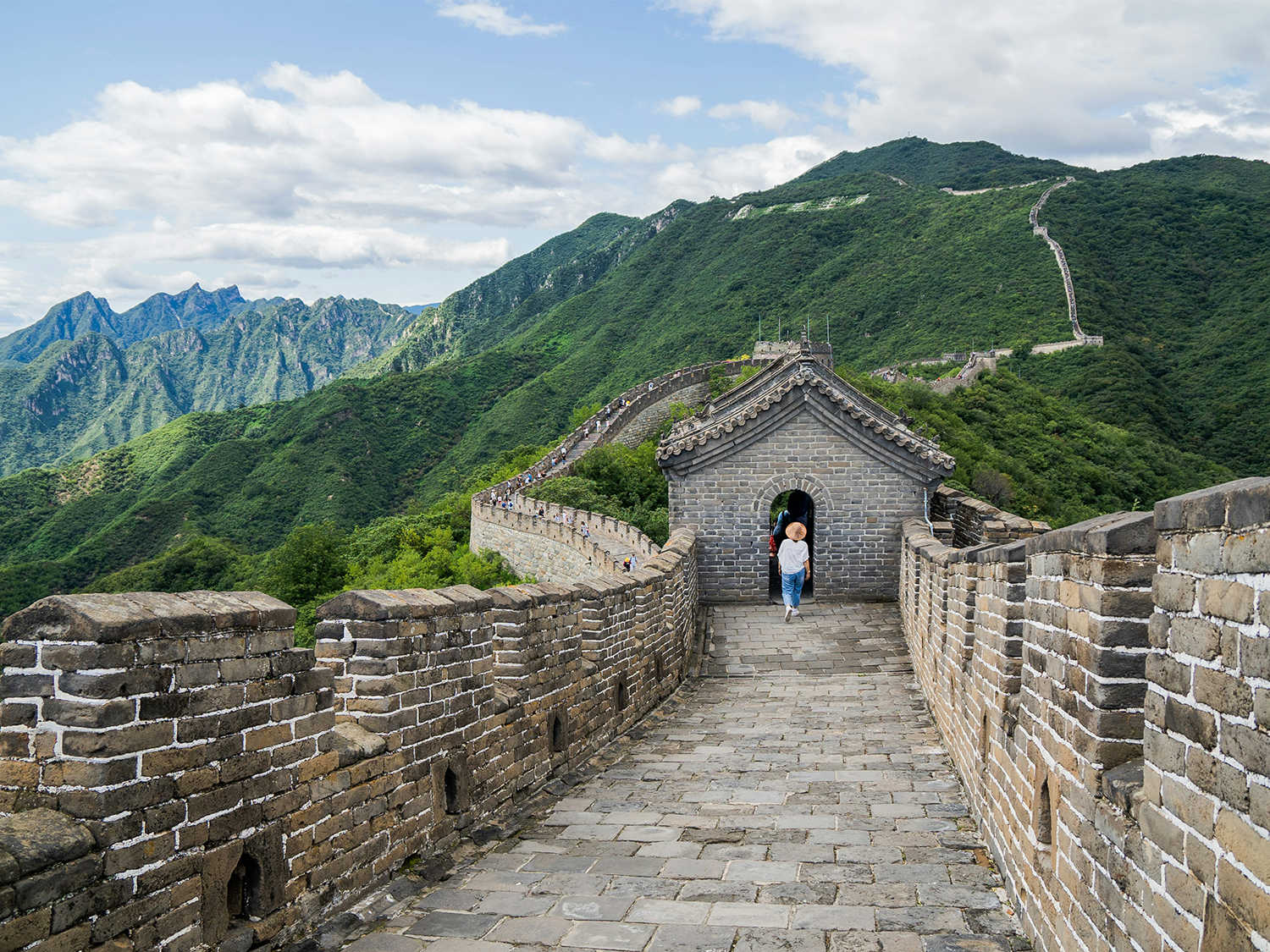
Yes. Japan and South Korea is the most established pairing, linking Tokyo, Kyoto and Osaka with Seoul, including Japan and South Korea Cultural Odyssey at 15 days and Tokyo to Seoul & Jeju at 20. China and Japan is the other option, pairing Beijing and Shanghai with Tokyo and Kyoto on trips from nine to 16 days.
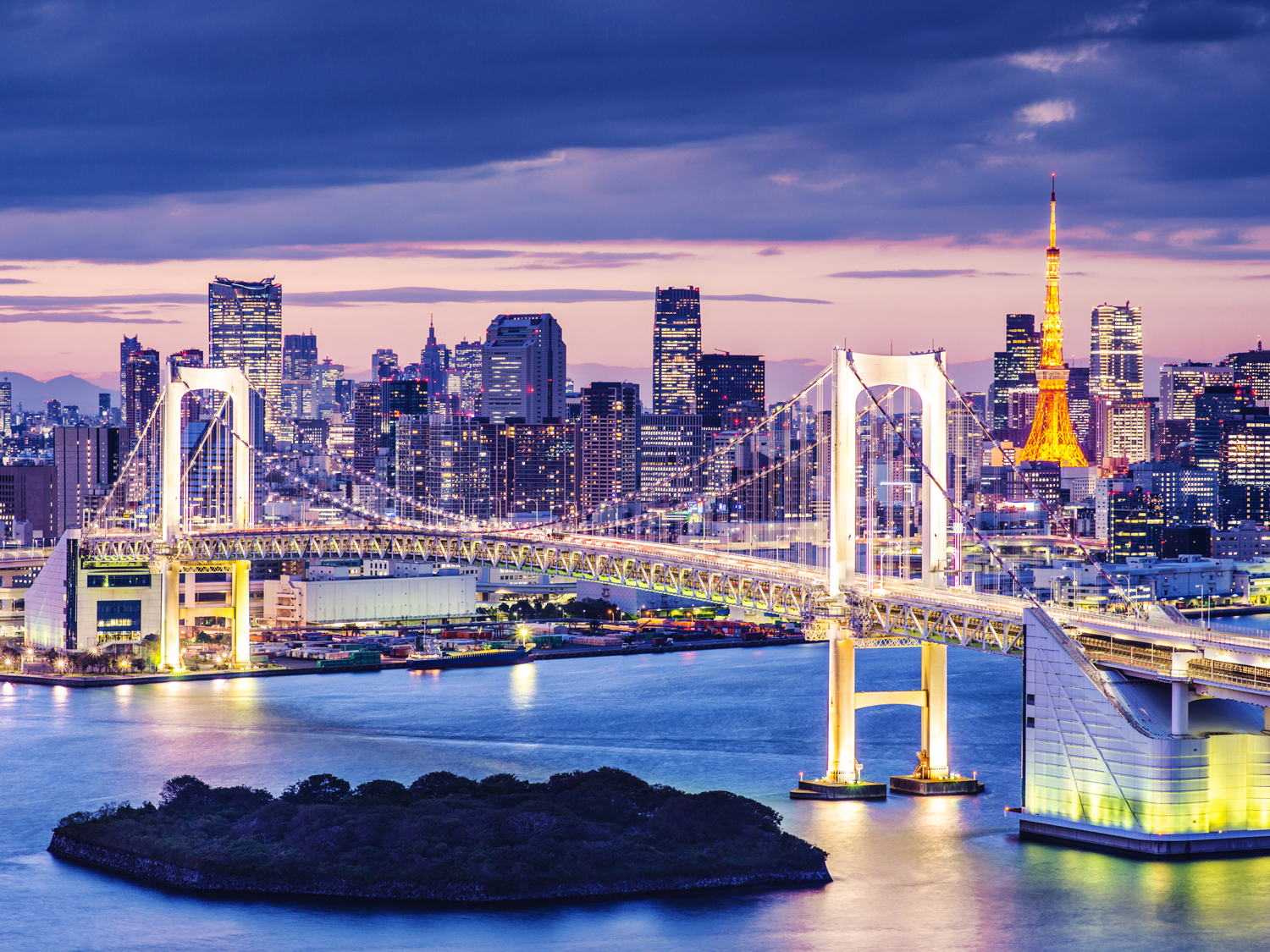
Some places deserve your attention and here's our choice of Japan's top 10
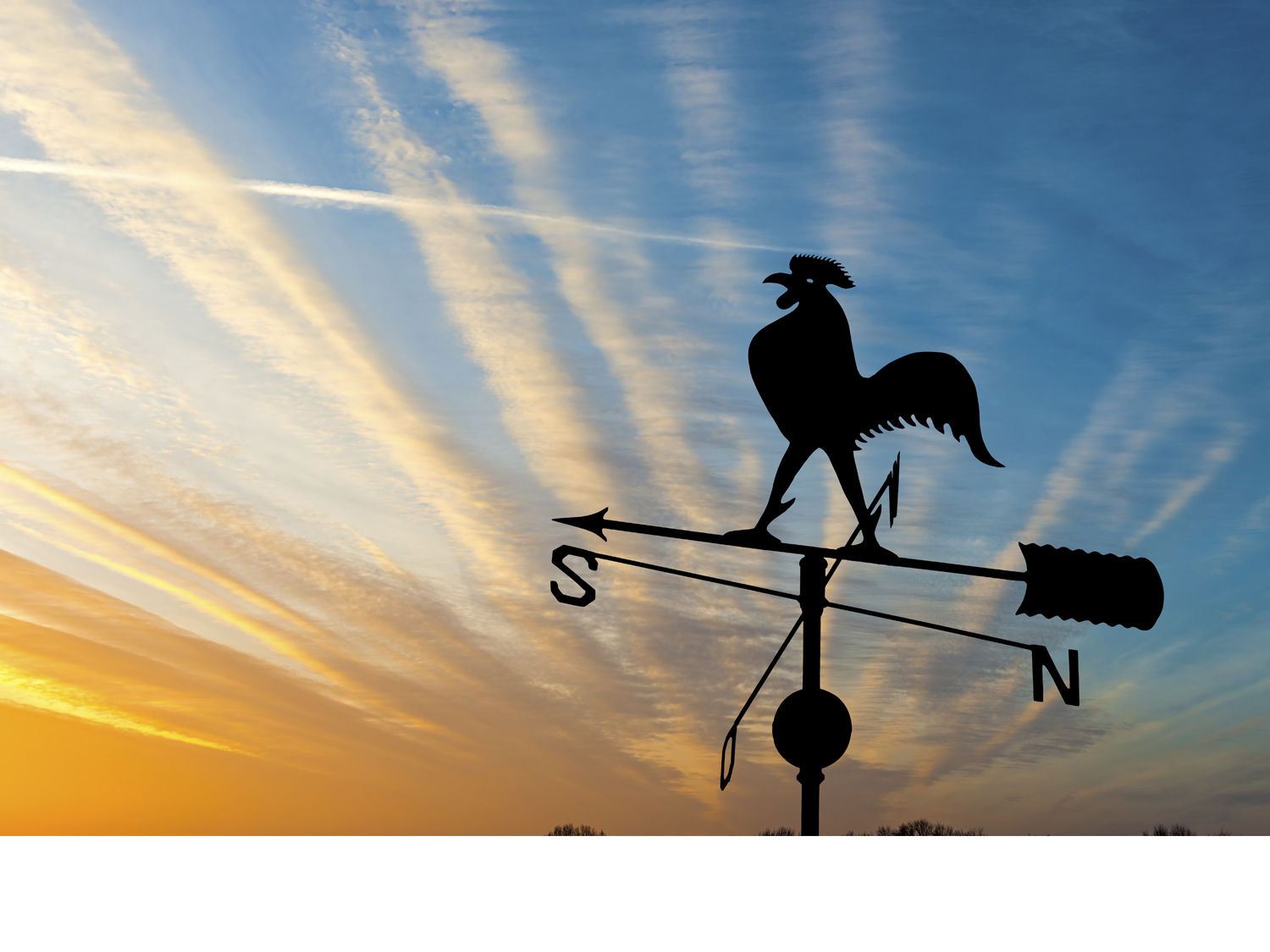
Timing is everything. Plan your visit to Japan by the season.
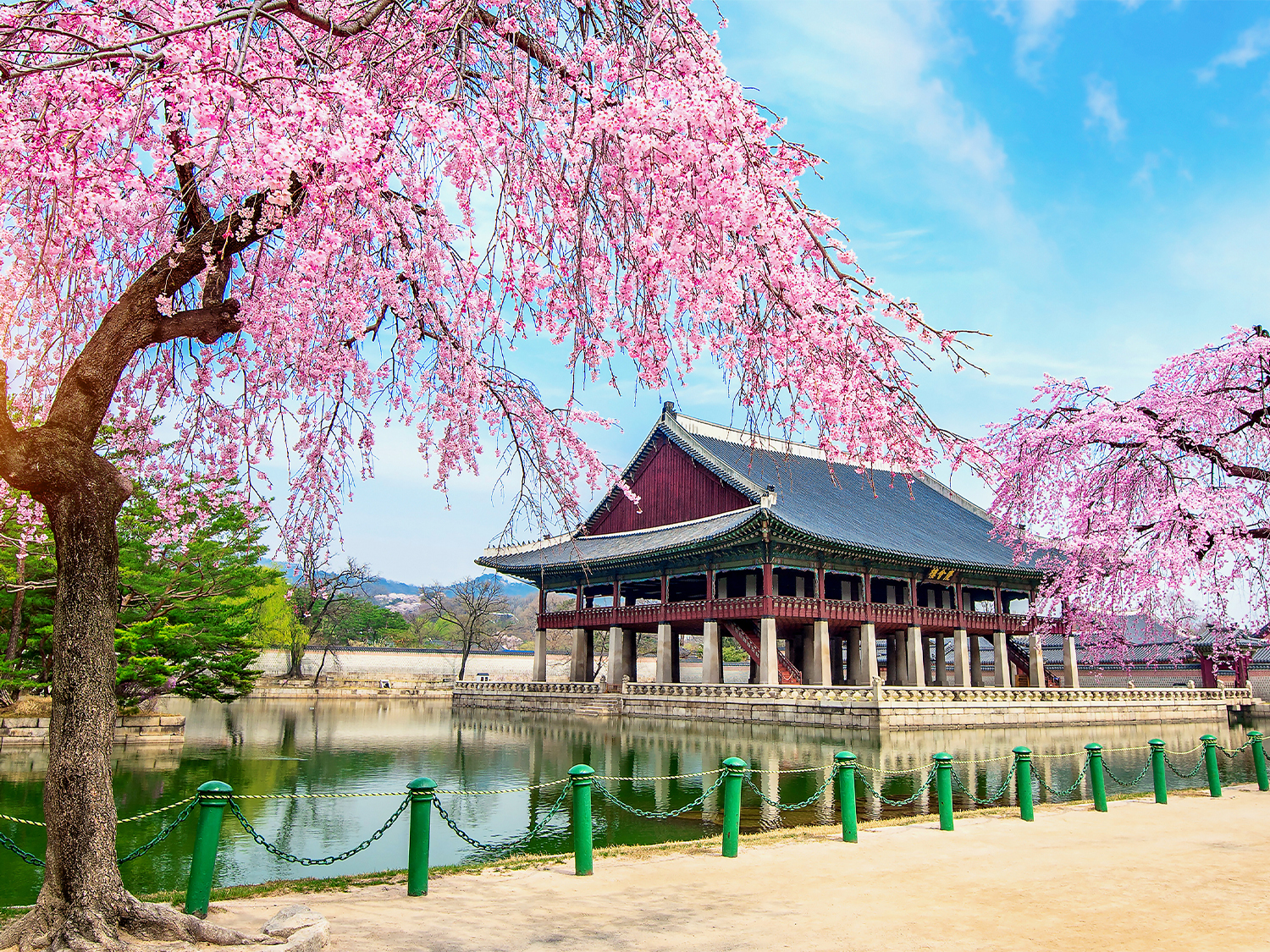
Combine Tokyo, Kyoto and Osaka with Seoul and the temples and markets of South Korea.
View tours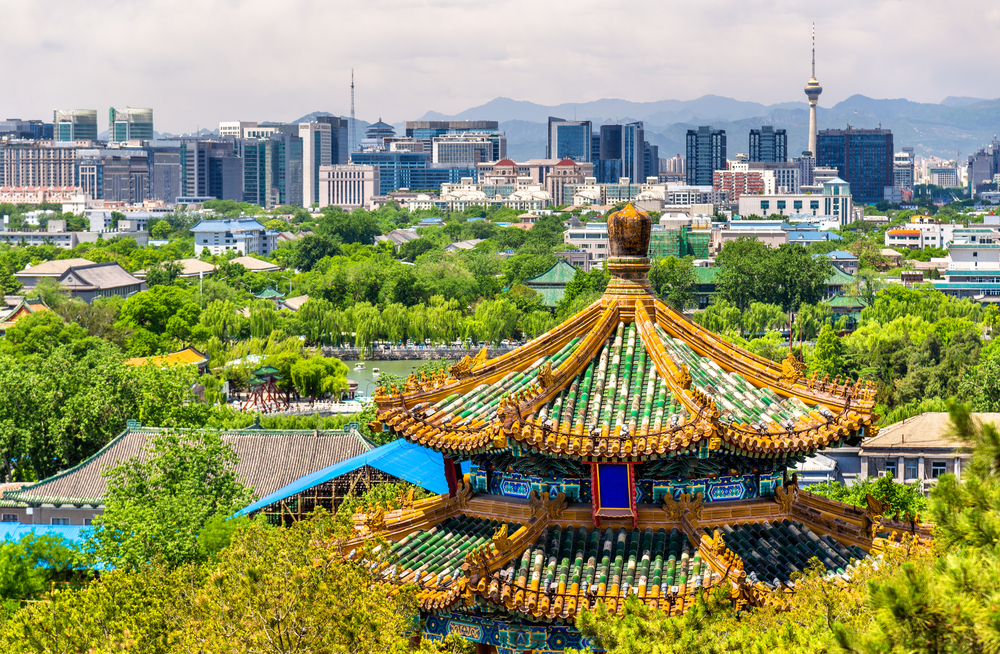
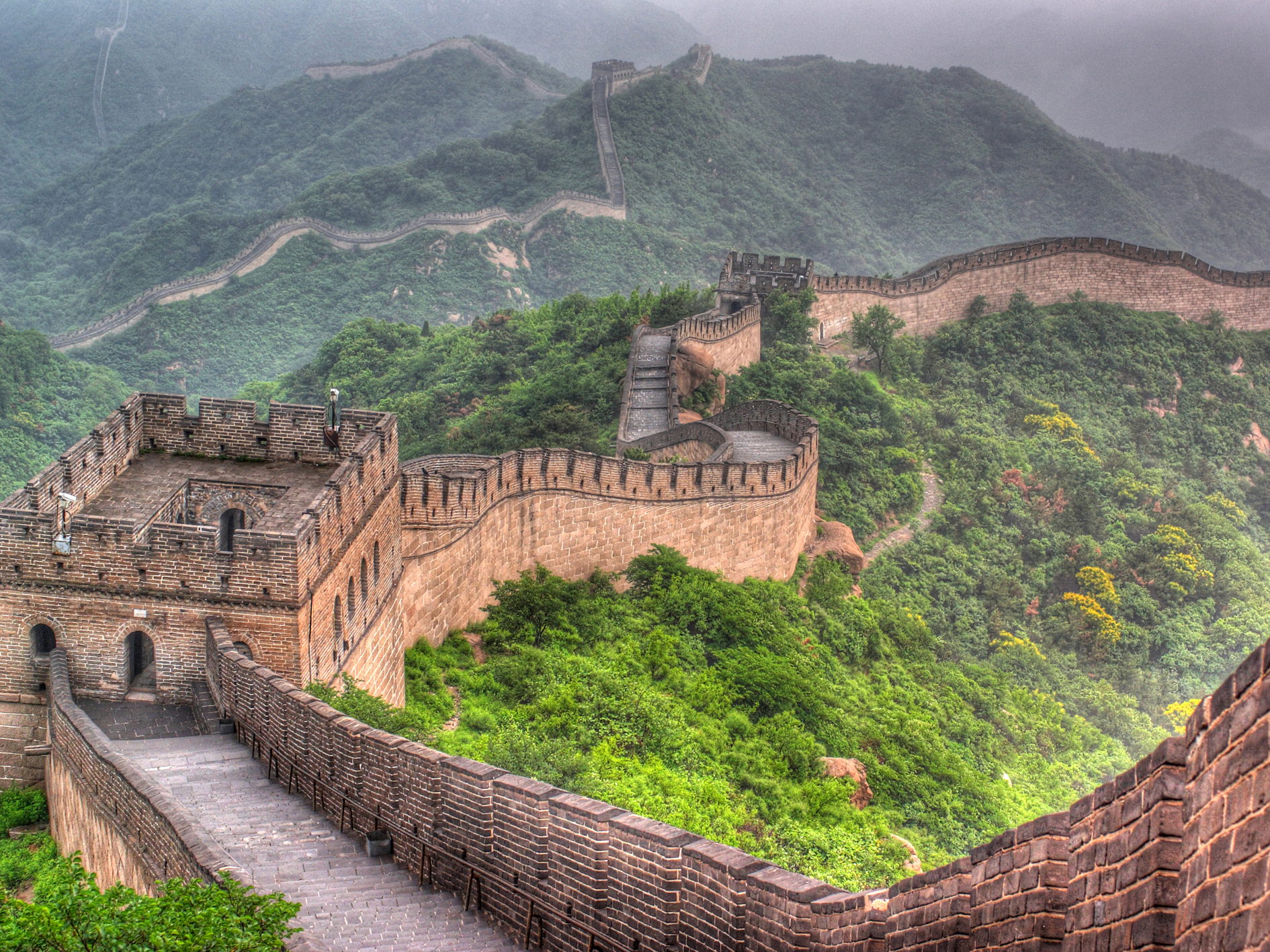
Pair Beijing, Xian and Shanghai with Tokyo and Kyoto on one longer journey across Asia.
View toursDiscover other destinations that offer similar experiences to Japan.