On The Go Tours
Our agents are waiting to chat to you...
Are you a Travel Agent or Customer?
Do you have an booking reference?
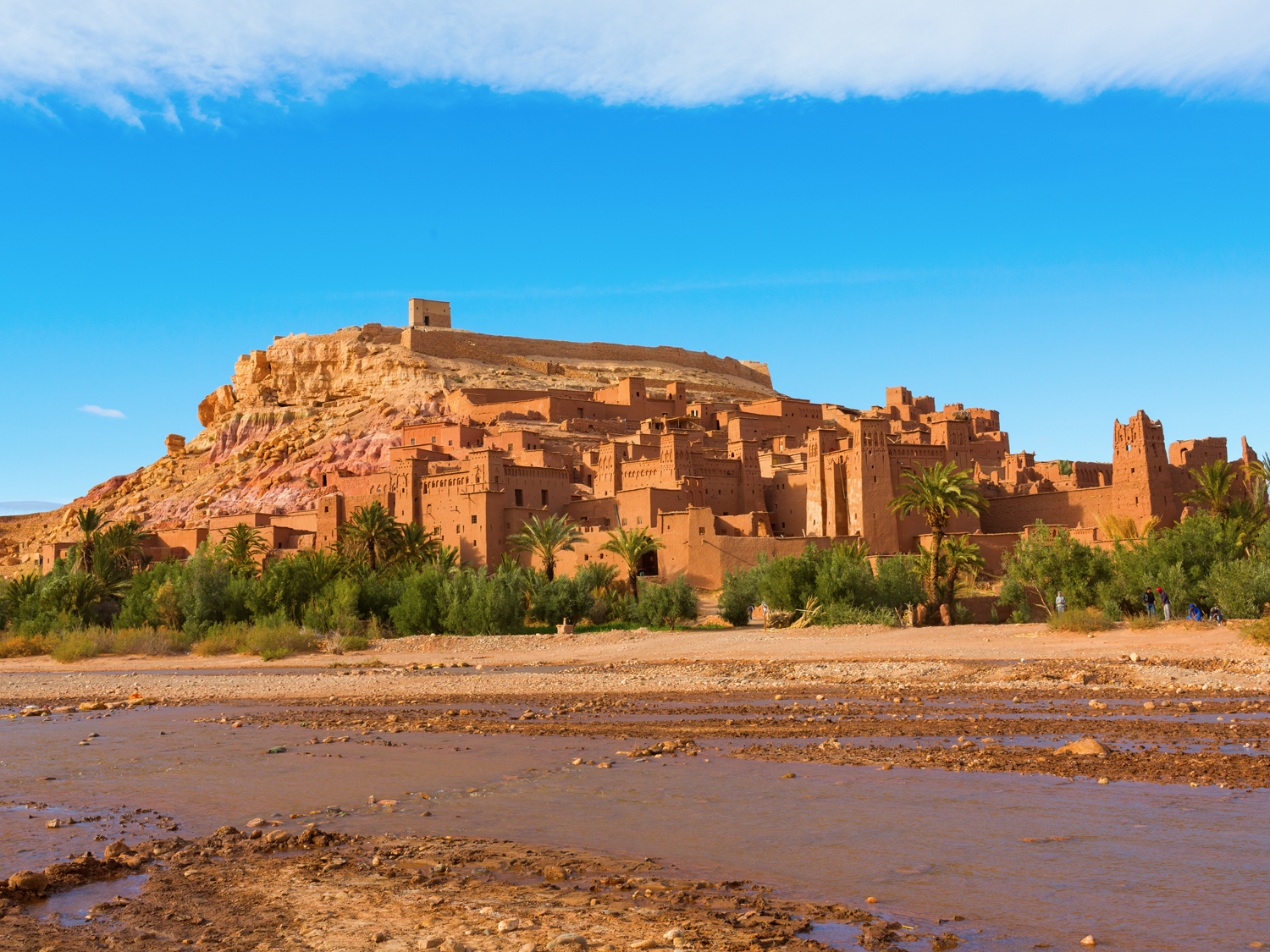
Morocco Travel Guide and Useful InfoStart your Moroccan tour off right by reading our top tips to make sure your trip runs smoothly.
When do you want to go?
2026
I'm flexible
Passengers
Adults (18+)
Children (0 - 17)
Morocco Travel Guide
We've put together this helpful guide to help make your Morocco trip run smoothly. This page is full of useful info to help you prepare for your tour. From emergency service numbers to cultural etiquette, we’ve compiled all the information you could need before embarking on your Moroccan adventure.
Common Questions
What vaccines do I need.
Before traveling to Morocco, you should speak with your healthcare provided to see which vaccinations you should have before arriving. As a guide, Hepatitis A, Tetanus and Typhoid vaccines are highly recommended, you may also be recommended Hepatitis B, Rabies and Tuberculosis vaccines. For more information on health precautions for Morocco, check out the NHS Fit to Travel page or the CDC Traveler's Health page.
Can I drink the tap water?
Whilst the tap water is generally safe for locals to drink we advise visitors should stick to bottled water as the chlorination process used in Morocco can upset your stomach if you’re not used to it.
What is the food like in Morocco?
Moroccan cuisine is bursting with flavors, reflecting the country's diverse cultural influences and abundant local ingredients. You can expect hearty tagines, slow-cooked stews often prepared with lamb, chicken, or fish, paired with vegetables, dried fruits, and aromatic spices like saffron, cumin, and cinnamon. Couscous, Morocco’s national dish, is a staple, typically served with a medley of vegetables and meat in a fragrant broth. Morocco is known for street food and includes warm, flaky msemen (pan-fried flatbread), and grilled meats like kefta skewers. Salads, often feature ingredients such as tomatoes, peppers, and eggplants, dressed with olive oil and lemon. Bread is a cornerstone, with varieties like khobz, a crusty flatbread, accompanying most meals.
Don’t miss out on indulging in some sweet treats like honey-drenched baklava, almond-stuffed briouats, and chebakia, a sesame cookie, often paired with mint tea. Fresh seafood is abundant in coastal areas, while inland regions showcase hearty dishes like harira, a tomato-based soup with lentils and chickpeas. The use of preserved lemons, olives, and argan oil adds unique regional touches to Moroccan dishes.
Do you tip in Morocco?
Tipping is customary in Morocco and is greatly appreciated. For most restaurants and cafes, a 10% tip is the standard, tips are also appreciated at hotels, bars and taxis so it is advised to carry a small amount of cash with you for tipping.
Is haggling customary in Morocco?
Haggling is a fundamental part of the shopping experience in Morocco, especially in the souks and marketplaces in cities like Marrakech, Fez, and Casablanca. It is both an art and a tradition, reflecting the lively, social nature of Moroccan culture. Vendors often expect customers to negotiate, and the initial price is typically set high to allow room for bargaining. The process is a friendly exchange, where both parties aim to reach a fair price while engaging in playful banter and polite persistence. Success in haggling requires patience, a sense of humor, and a willingness to walk away if needed, as this often prompts the seller to lower their price. For tourists, it’s an opportunity to connect with locals, gain insight into the culture, and perhaps walk away with a beautifully handcrafted souvenir or a unique treasure at a price that feels rewarding for both buyer and seller.
Cultural etiquette you should know
In Morocco greetings are warm and often include a handshake, which may be followed by touching your heart to show respect. It is customary to address people formally, using titles such as “Sidi” (Mr.) or “Lalla” (Ms.), particularly when meeting elders or strangers. Modesty is highly valued, and both men and women are encouraged to dress conservatively, especially when visiting rural areas or religious sites. Hospitality is a cornerstone of Moroccan culture; shoes are often removed before entering homes, and it’s common to eat meals using the right hand. Public displays of affection are discouraged, and sensitivity to religious practices, such as refraining from eating or drinking in public during Ramadan, is appreciated. Above all, Moroccans value politeness and genuine interest in their traditions and culture.
Is Morocco right for me?
Is Morocco family friendly?
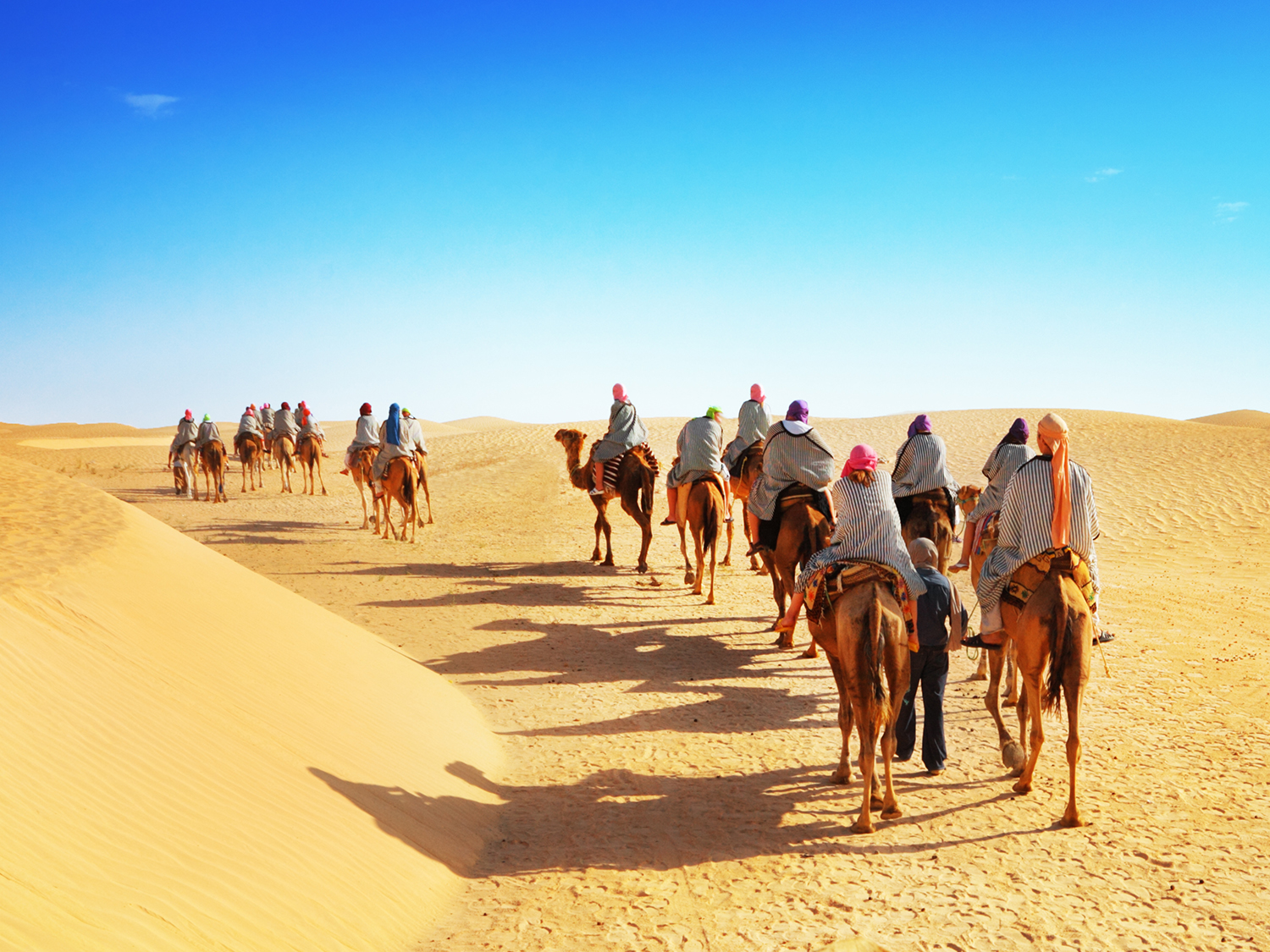
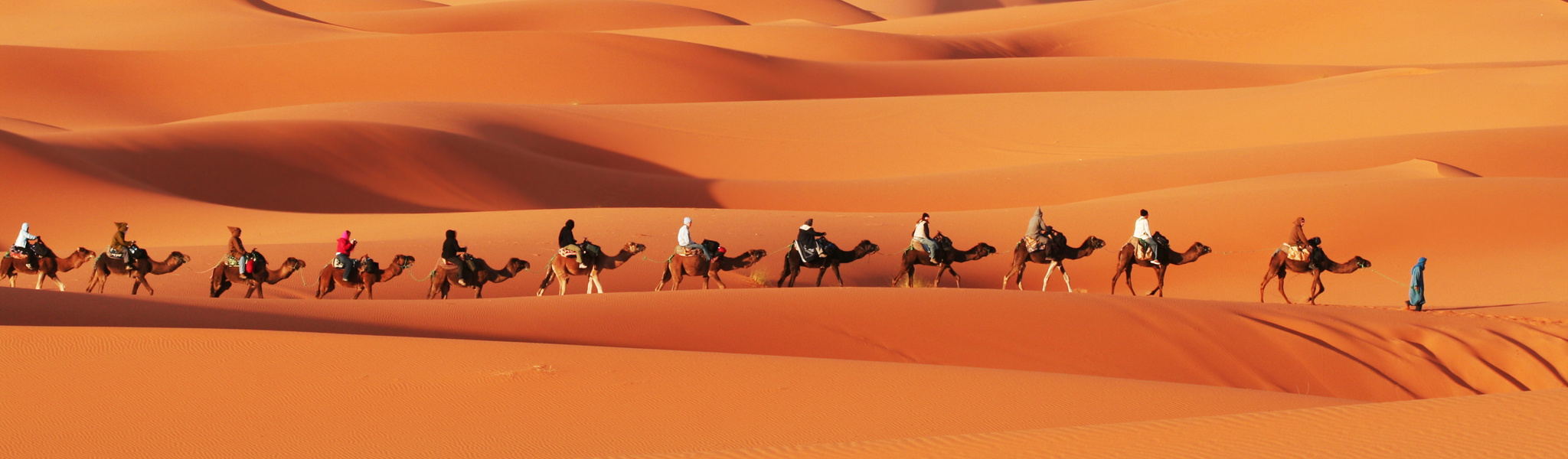
Morocco is very family-friendly, offering a warm and welcoming atmosphere for visitors of all ages. Moroccan culture places great importance on family, and children are often adored and treated with kindness by locals. Many attractions cater to families, from the bustling souks and lively squares to the sandy beaches and towering kasbahs. Adventure-filled activities such as camel rides, desert camping in the Sahara, and exploring the ancient medinas can captivate children and adults alike.
Restaurants typically accommodate families, and traditional Moroccan cuisine, with dishes like tagines and fresh bread, often appeals to children’s palates. While some areas, particularly medinas, can be crowded and bustling, with careful planning, Morocco can provide a rich, safe, and enjoyable experience for families.
Is Morocco safe for female travellers?
Morocco is generally considered safe for women travelers, and many women visit the country without issues. However, like traveling to any destination, it's important to exercise caution and be mindful of local customs to ensure a comfortable experience. Moroccan culture is conservative, so dressing modestly, covering shoulders and knees, can help women avoid unwanted attention. In tourist-heavy areas, as unfortunately the case with many countries across the world, women might experience occasional catcalling or stares. If and when this happens it is best to try and ignore these comments if you can or address it quickly and sternly.
Traveling in groups or pairs can enhance safety, especially at night, and sticking to well-lit and busy areas is advised making our group tours a good choice for female travelers. Overall, with a bit of cultural awareness and standard precautions, Morocco can be a rewarding and safe destination for female travelers.
Money in Morocco
What is the customs allowance in Morocco
The following may be imported into Morocco exempt from customs duty
• 150ml of perfume or 250ml of eau de toilette.
• 1 litre of spirits and 1 litre of wine.
• 400g of tobacco products, 200 cigarettes or 50 cigars.
• Gifts to the value of Dh2,000.
What currency is used in Morocco?
The currency of Morocco is the Moroccan Dirham (Dh)
How expensive is Morocco
Morocco is generally considered an affordable destination, offering options to suit a wide range of budgets. For budget travelers, daily expenses can be quite low, with street food and casual eateries being very affordable you can find meals like tagines, kebabs, or couscous costing $3–$7. If you are looking to spend a little more, you can find nice restaurants where meals typically costs $10–$20 per meal. When shopping at the many markets of Morocco haggling is expected so there is always an opportunity to find a great deal and admission fees to cultural sites like palaces, museums, and gardens are typically inexpensive, ranging from $1 to $10 per person. The cost of a trip ultimately depends on travel style and choices, but Morocco's diverse offerings make it easy to enjoy an enriching experience without breaking the bank.
Good things to know
What kind of plugs do they use in Morocco?
Morocco uses two types of plugs, Type C and Type E. Morocco operates on a 220V and 50Hz. If traveling from a country that uses a different type of plug be sure to bring an adapter on your tour.
Is Wi-Fi available in Morocco?
Wi-Fi is generally available across Morocco with many hotels, restaurants and even some public spaces having their own public Wi-Fi. However, you may find the Wi-Fi to be slow or inconsistent in more rural areas.
What time zone is Morocco in?
Morocco is on Central European Time Zone (CET)
Morocco emergency numbers
Police: 19 or 190
Police from mobile: 112
Ambulance and Fire: 15 or 150
Non-emergency disturbances: 110
Royal Gendarmerie: 177
Planning for public holidays
Traveling in Morocco during public holidays offers a unique cultural experience but requires some planning. Major Islamic holidays like Ramadan and Eid al-Fitr are deeply significant, and daily life changes during these times. During Ramadan, many restaurants and shops may close during daylight hours, but evenings come alive with festive meals and gatherings. Eid celebrations bring closures of businesses and transportation disruptions, as locals prioritize family and religious observances. Public holidays like Independence Day or Labor Day might also feature parades or public events. While these occasions provide insight into Moroccan culture, travelers should anticipate limited availability of services and adjust their plans accordingly.
Morocco Highlights
Discover the finest destinations to explore in Morocco, many of which our tours will guide you through.