On The Go Tours
Our agents are waiting to chat to you...
Are you a Travel Agent or Customer?
Do you have an booking reference?
Black Friday Sale
Save up to 35%
Croatia Tours
4.36 (188 reviews)
82
Group Tours
30
Private Tours
5
City Explorer
When do you want to go?
2026
I'm flexible
Passengers
Adults (18+)
Children (0 - 17)
Croatia tours at a glance
117tours
3–22days
USD $270pp
May, Jun, Sep
Explore Croatia tours
Latest Offers
The biggest savings on guided Croatia tours. Grab reduced fares on the latest deals while offers last.




Croatia tour reviews
4.36 (188 reviews)
Traveler's photos of Croatia
I thought all the cities we visited were great except Motovun.
 Nancy
The people were great, the hotels were good the sights were good.
 Richard
i had a wonderful time. everything about the trip was great. our guide Alisa was superb, she went over and above to make the trip informative, and fun. she directed us to good food restaurants. . the group size was perfect, we all made good connenctions.
MonaThe tour was really nice and interesting. We saw many things in different countries. Our guide was excellent, what a knowledge of history and way of living in all those countries. He was always there for us. We had different wine tastings, great. We could also try some local food, very good.
 Véronique
Supplier was excellent. Transportation was organized and on time. Hotels were nice and in good locations. As I mentioned to Petra - I would suggest only one night in Korcula and make Hvar 2 nights. The information on the On The Go Tours website is incorrect regarding the walking tours. The walking tour in Dubrovnik was included in the cost (so not really optional) and there was no walking tour in Split. Mentioned to Petra as well.
SpencerPlaces visited great, including smaller cities that were quite unique. Sandanski stands out, as the resort was truly beautiful. Tour guides good, in particular, Boris who was our main tour guide.. Hotels good, except Belvedere due to incline and Ibis Styles too many smokers. Tour provided by a supplier and found out after official booking confirmation from OTG tours. The supplier offers transfers (included with their packages) we purchased our own as OTG tours did not offer. Different tour operators and groups. Multiple languages we did not expect. Did not like this
 Teresa
Amazing tour the pictures can’t describe the beauty of these towns and the scenery. Our tour guide Teo was incredible so knowledgeable about the country and its history and took such good care of us!
Being transported meet and greet. Hotels varied in standards.
Why take a tour of Croatia
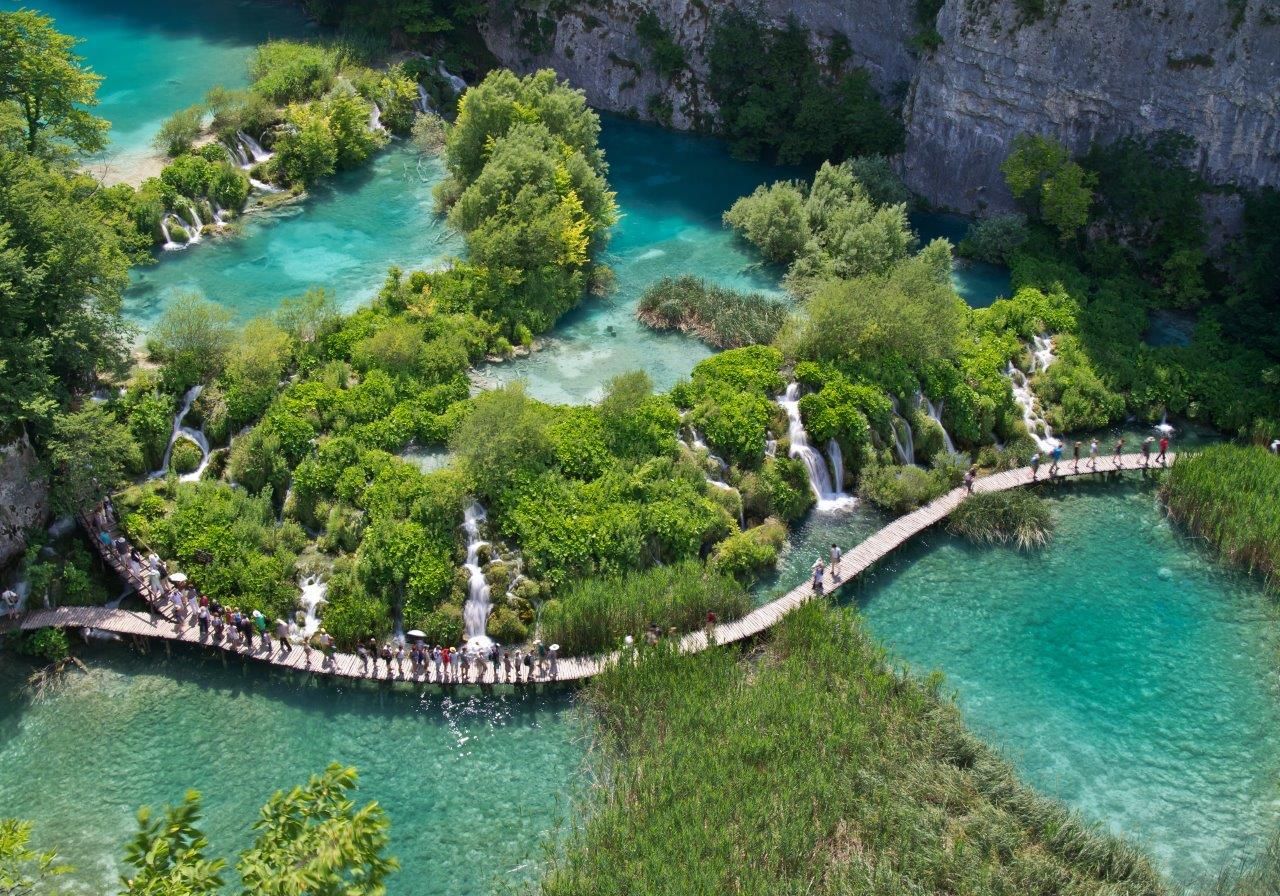
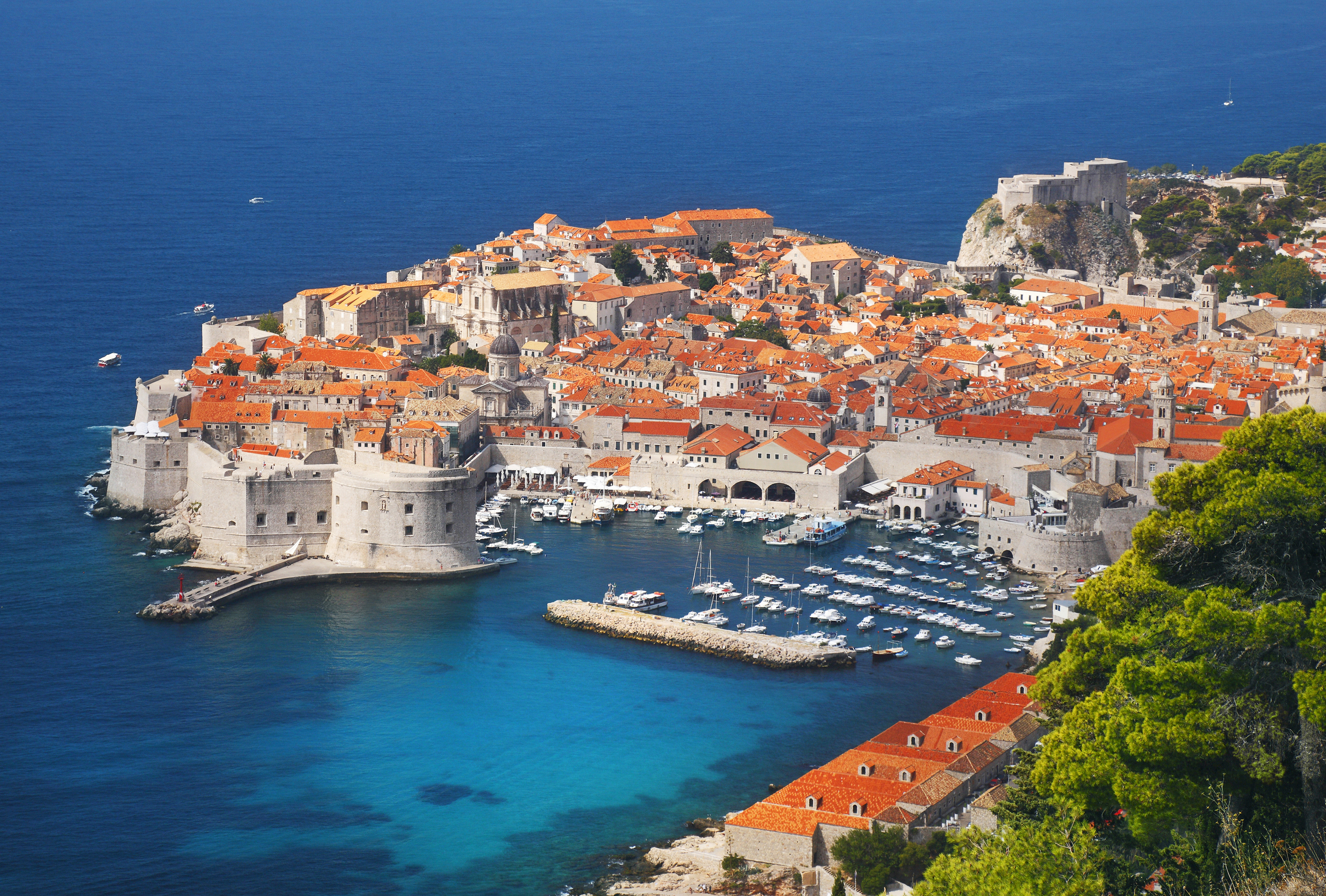
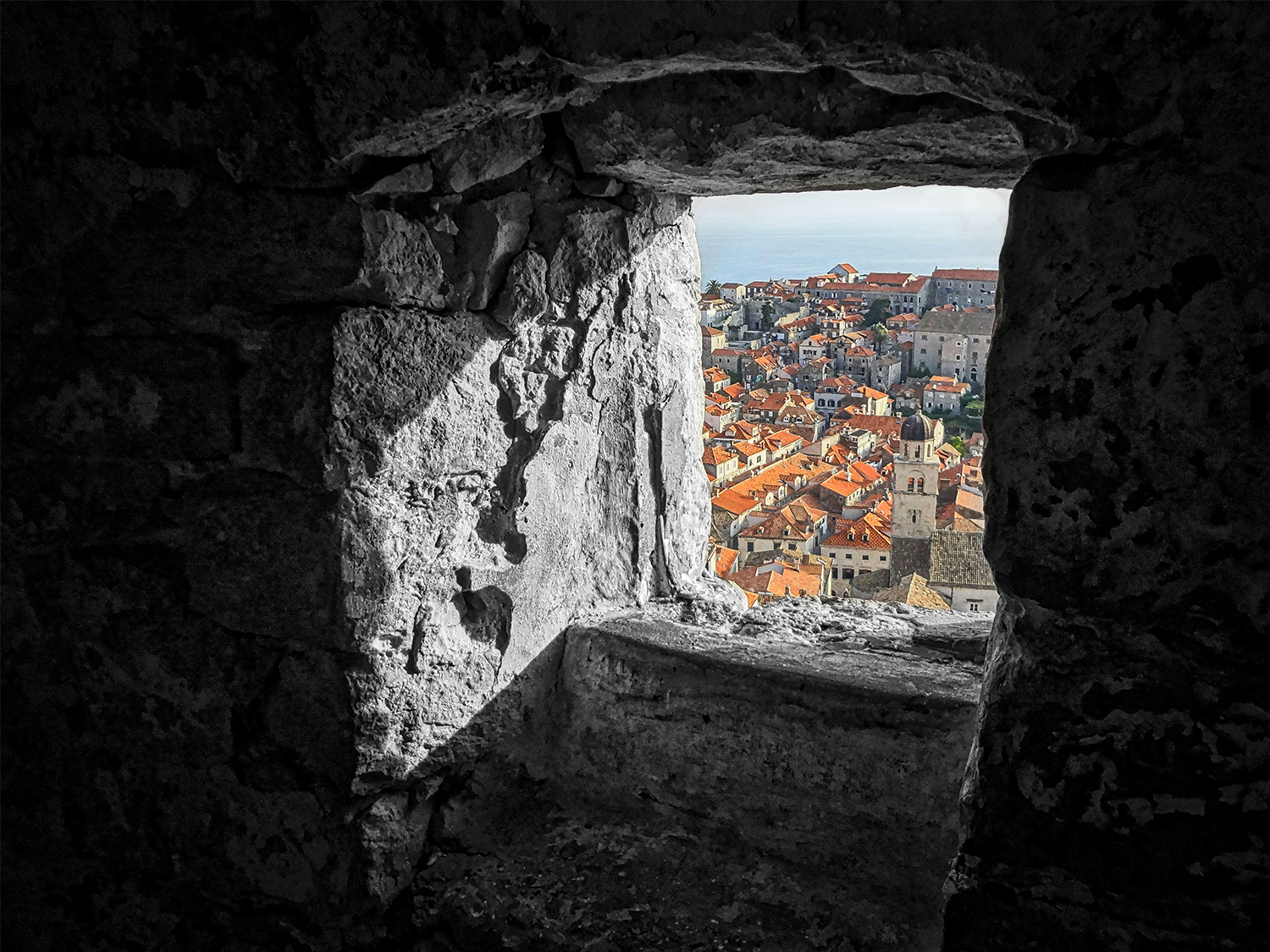
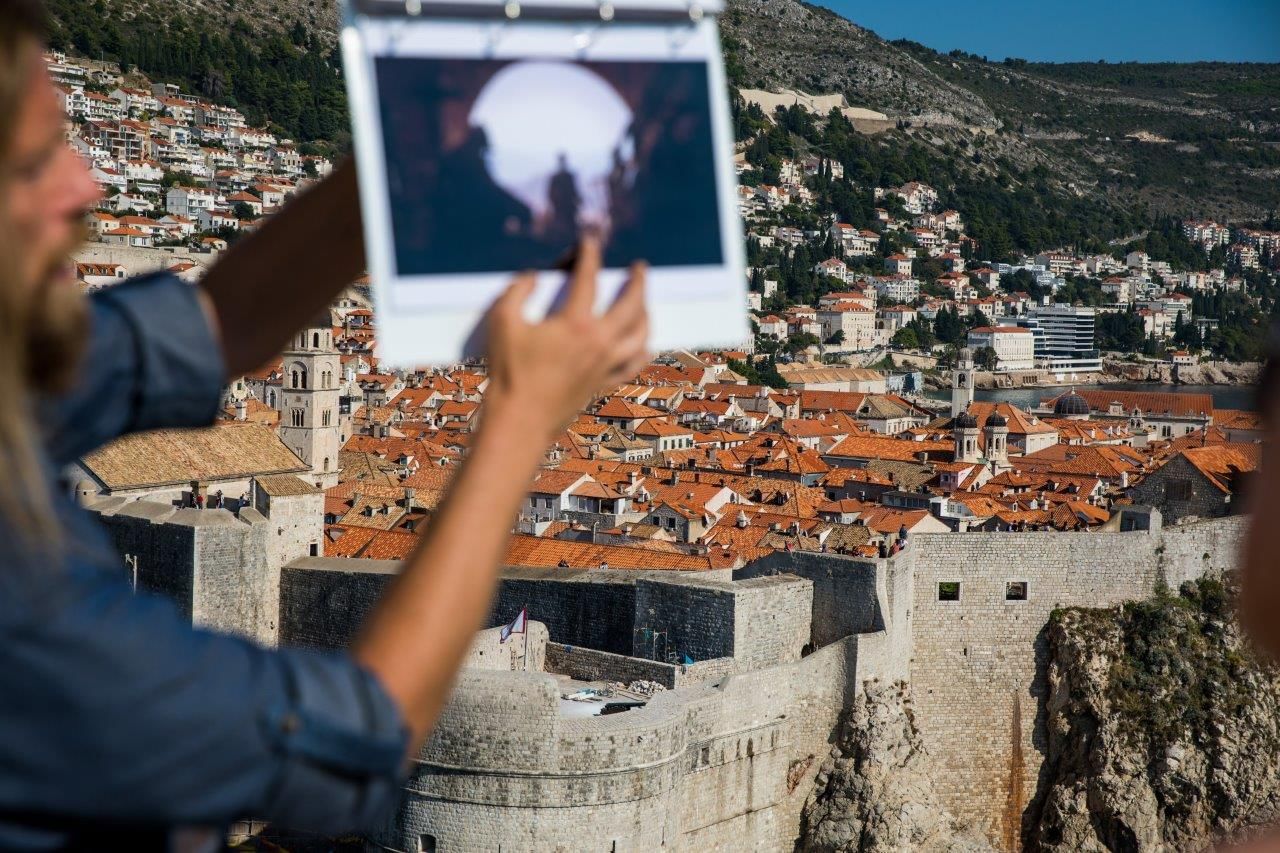
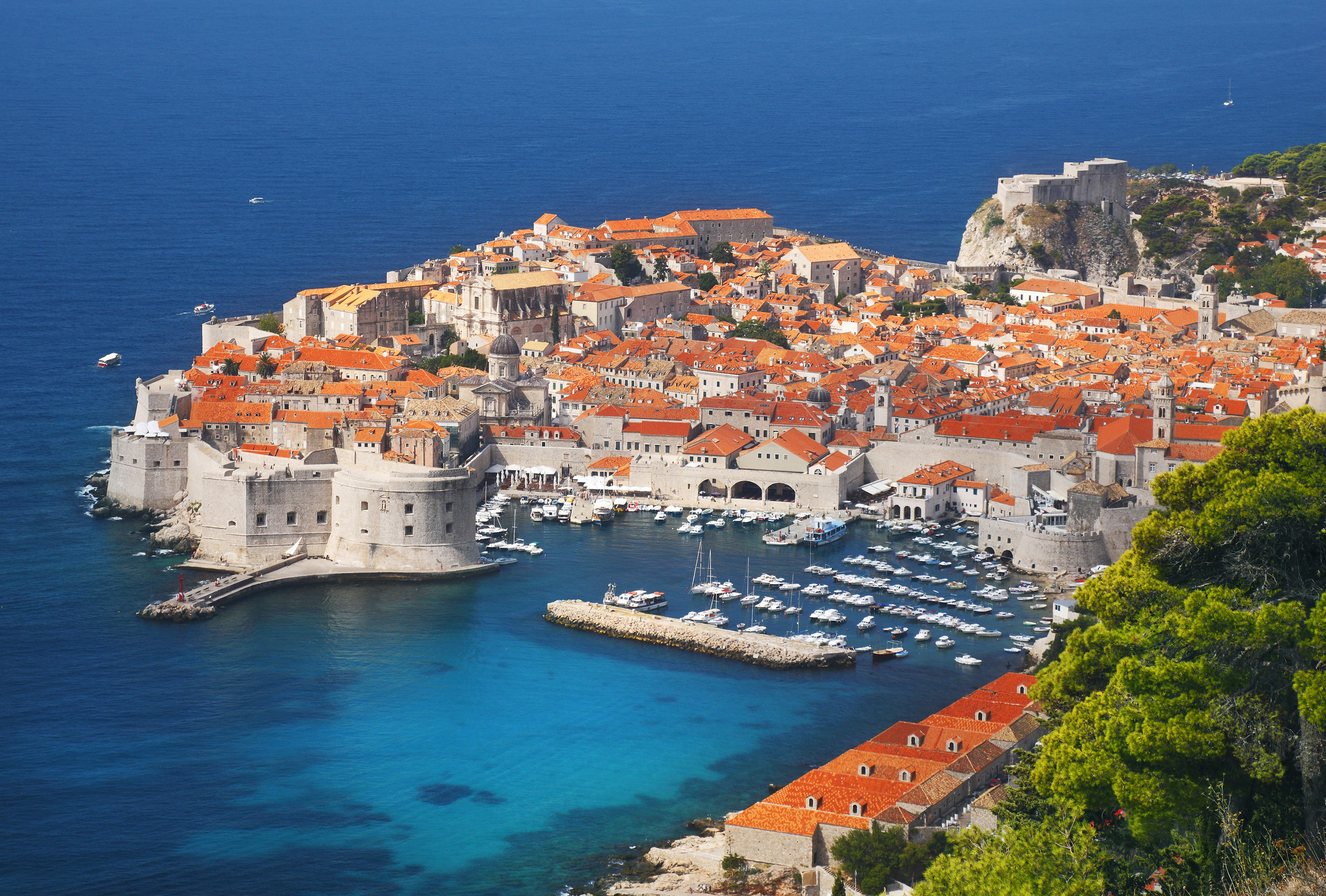
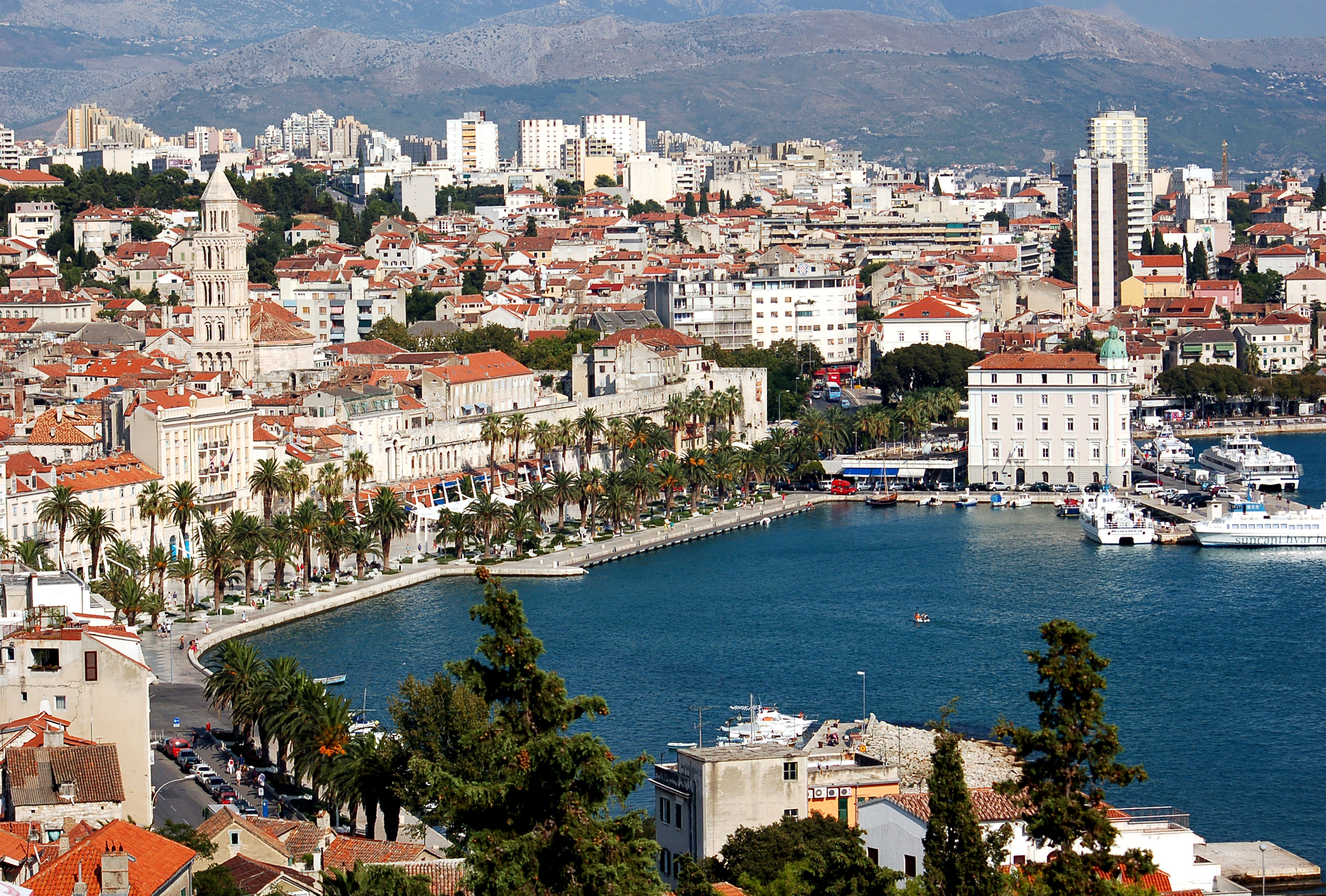
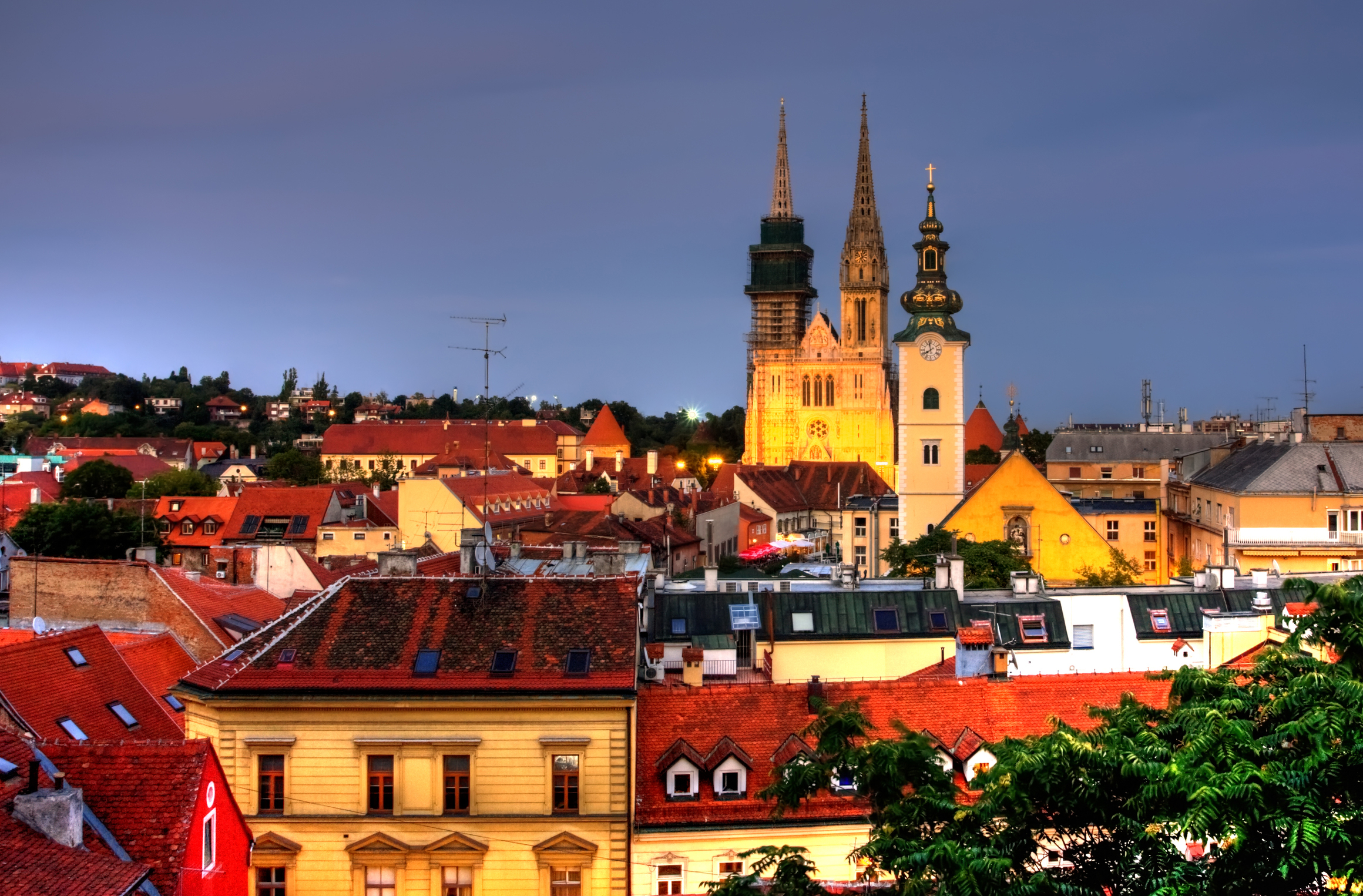
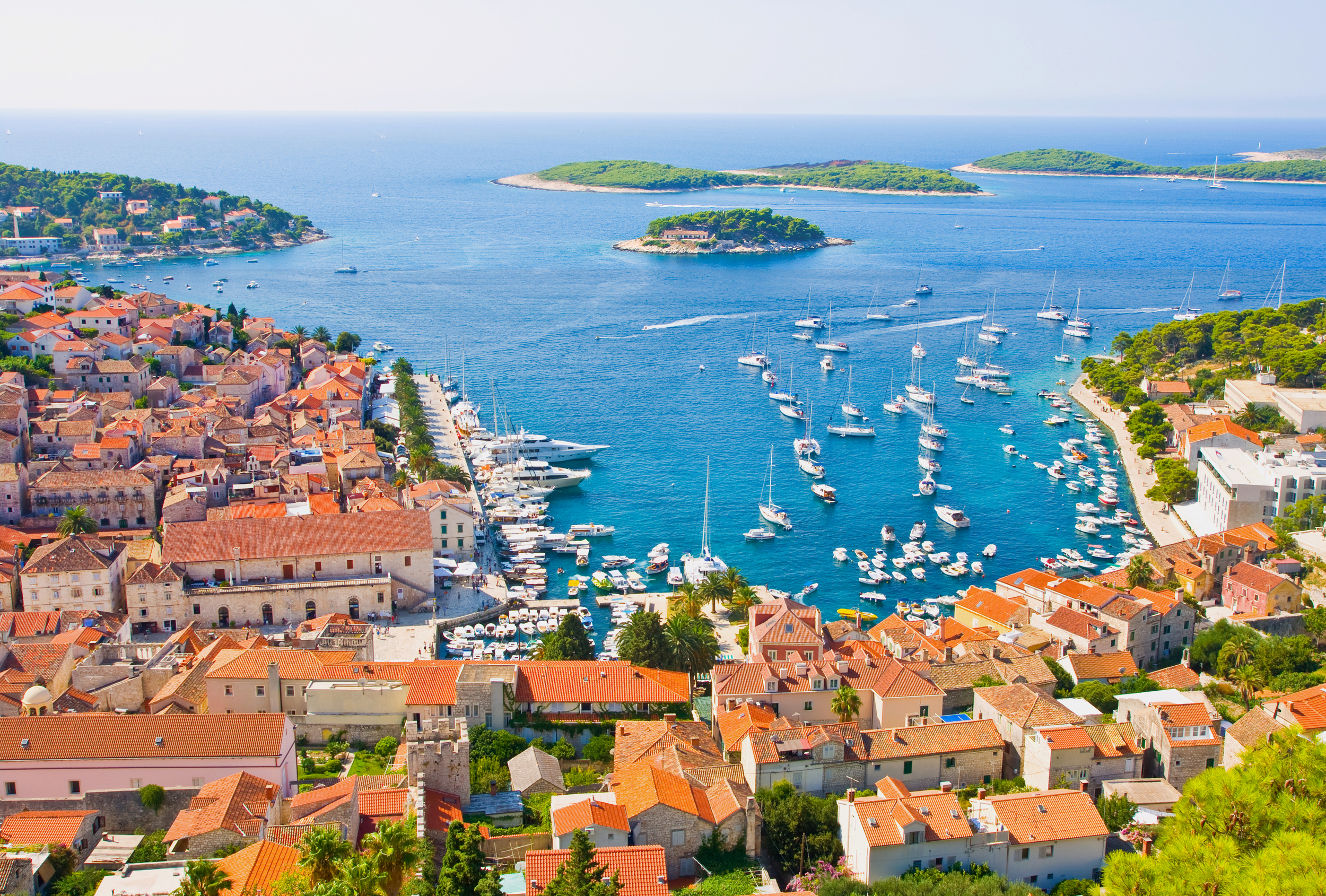
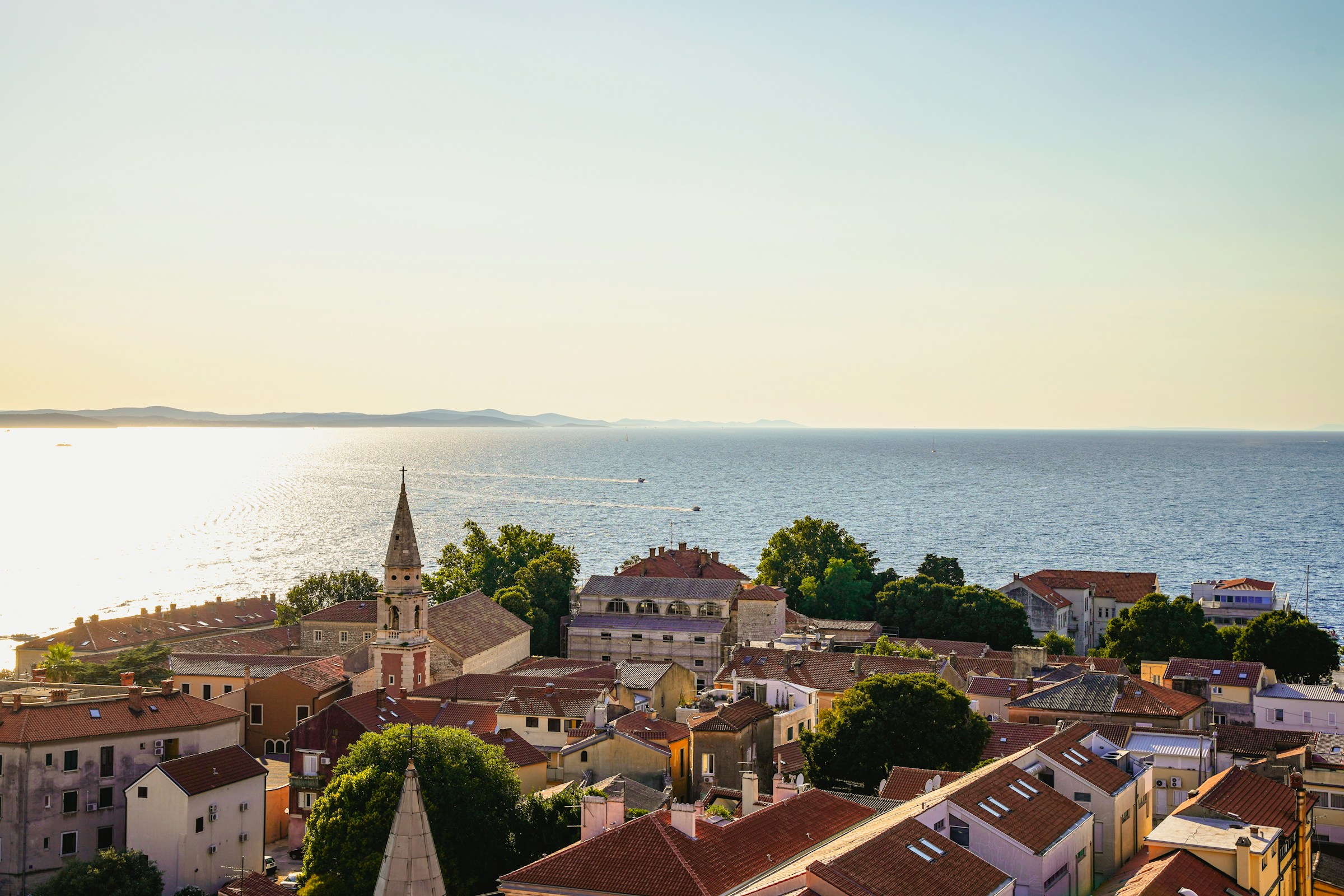
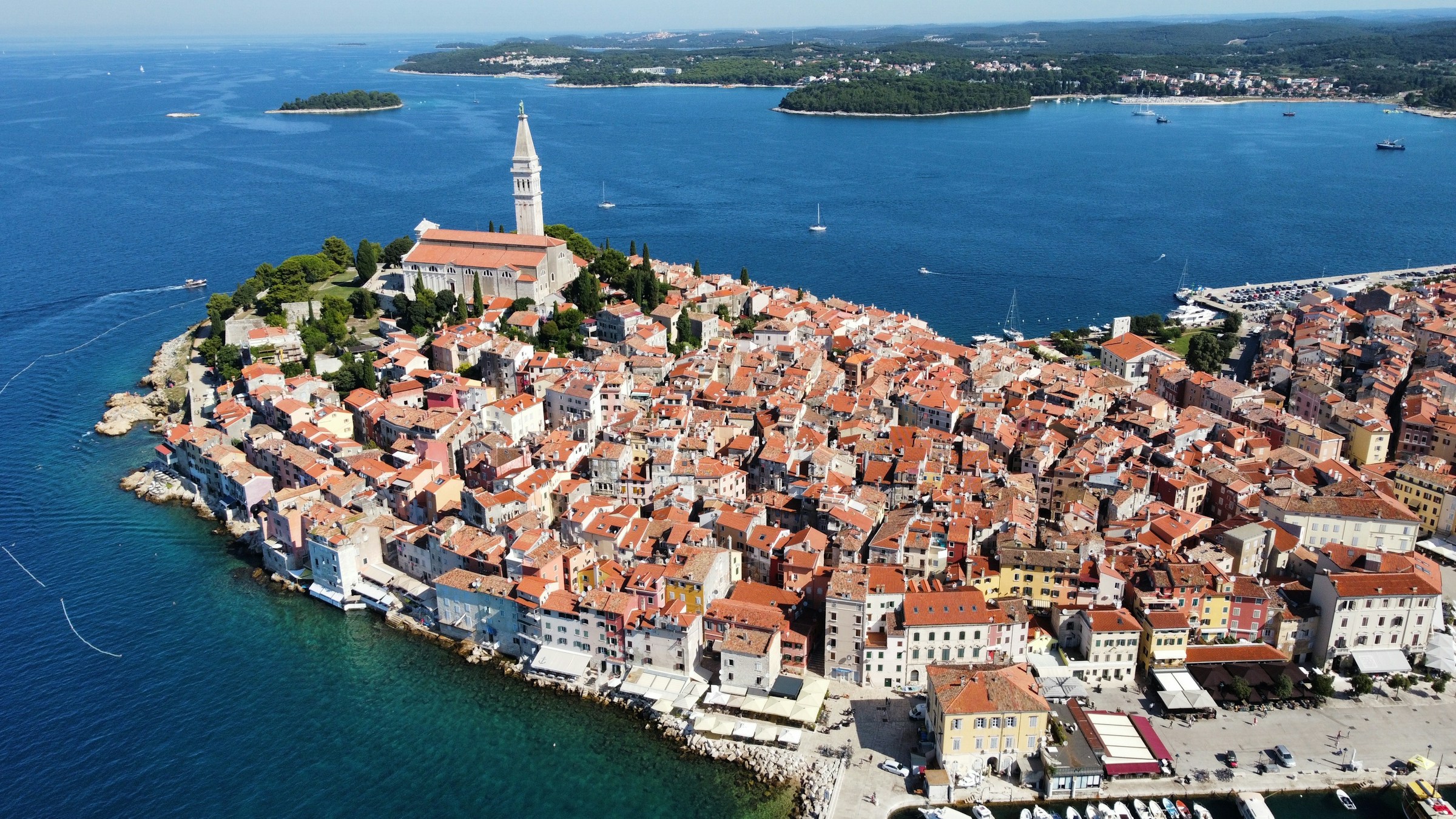
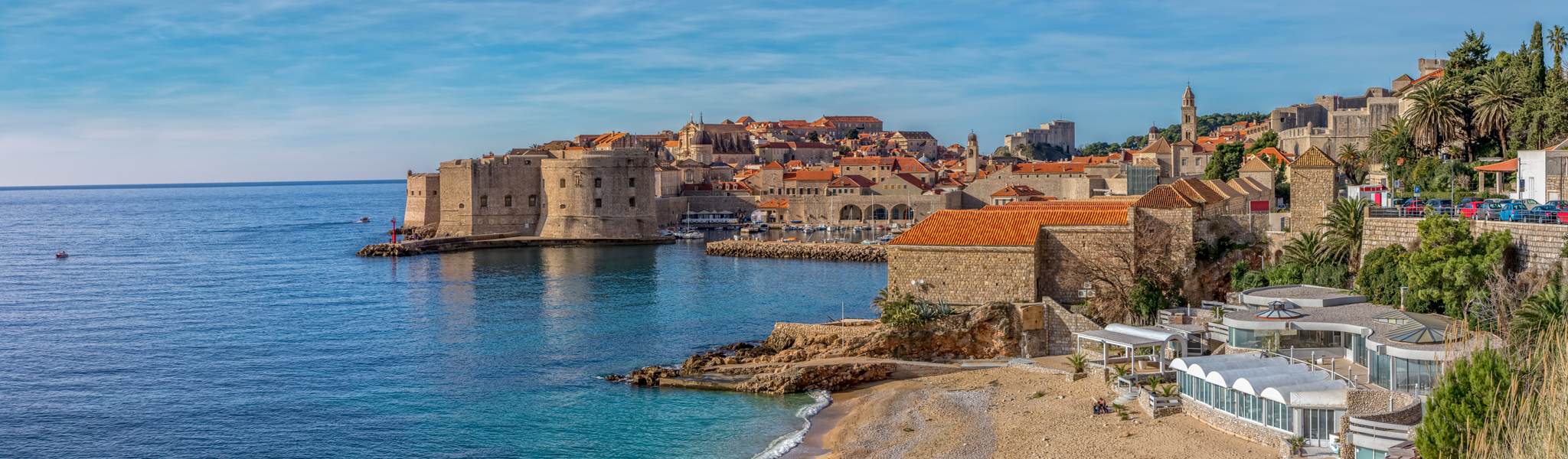
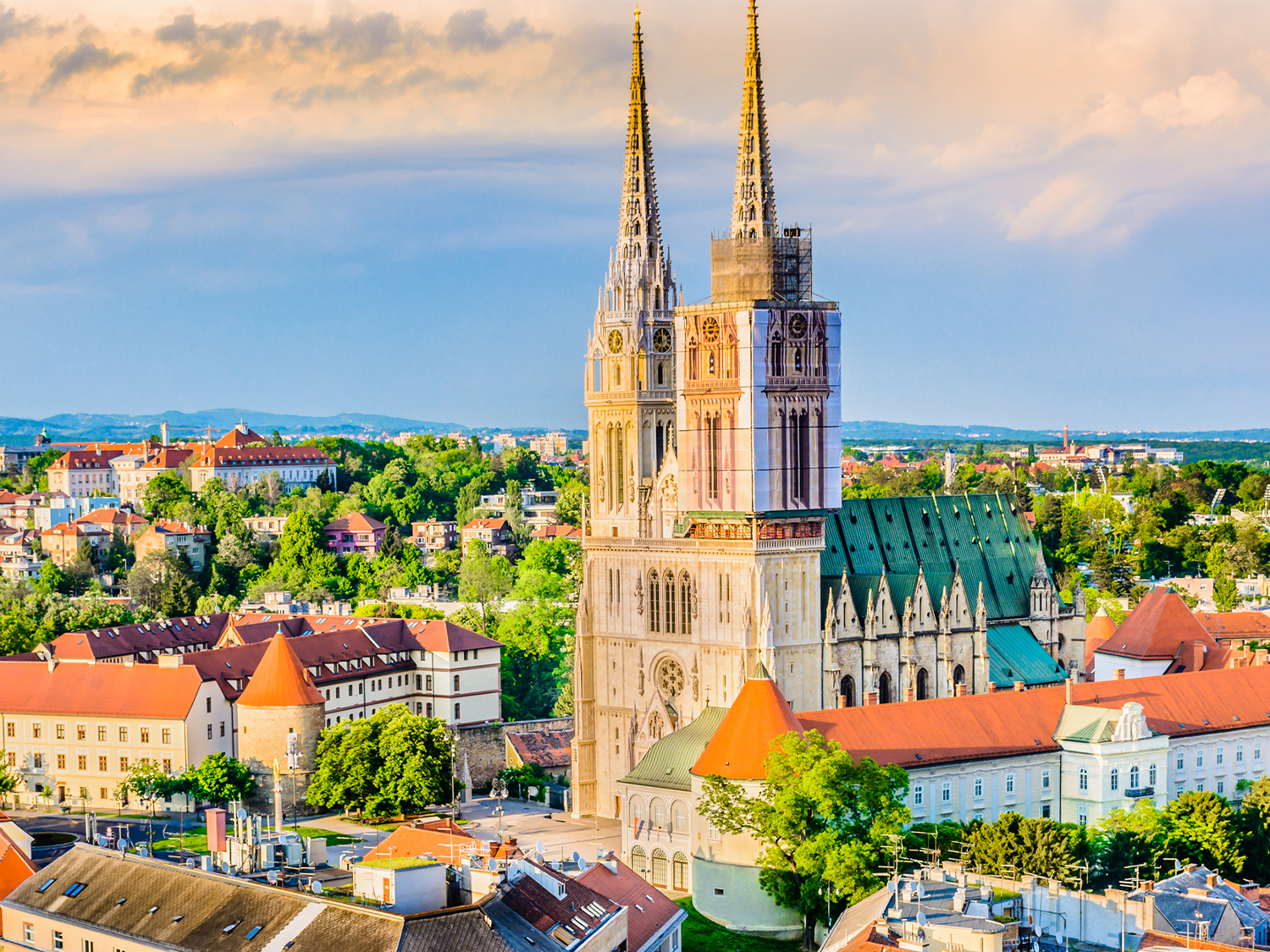
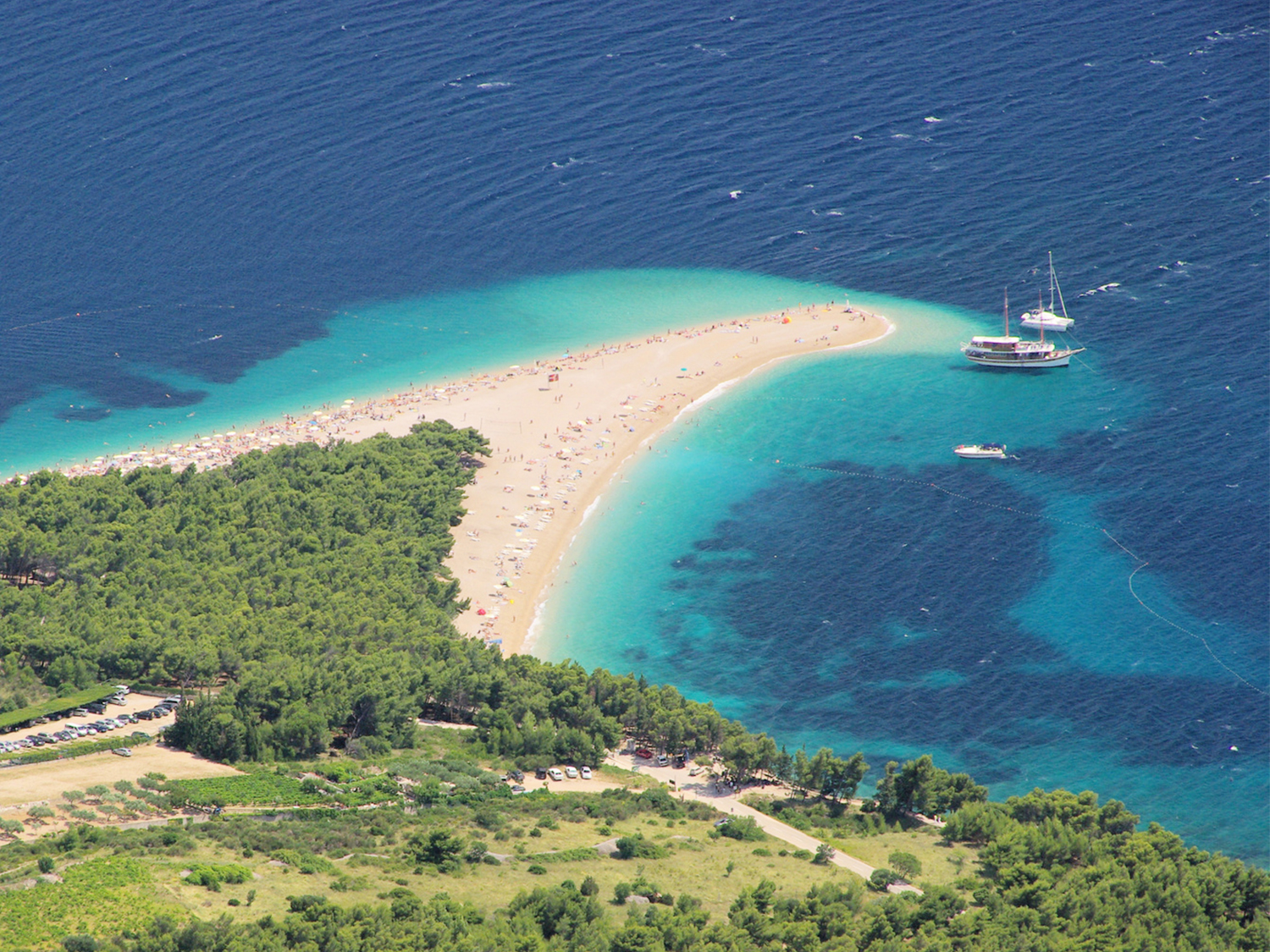
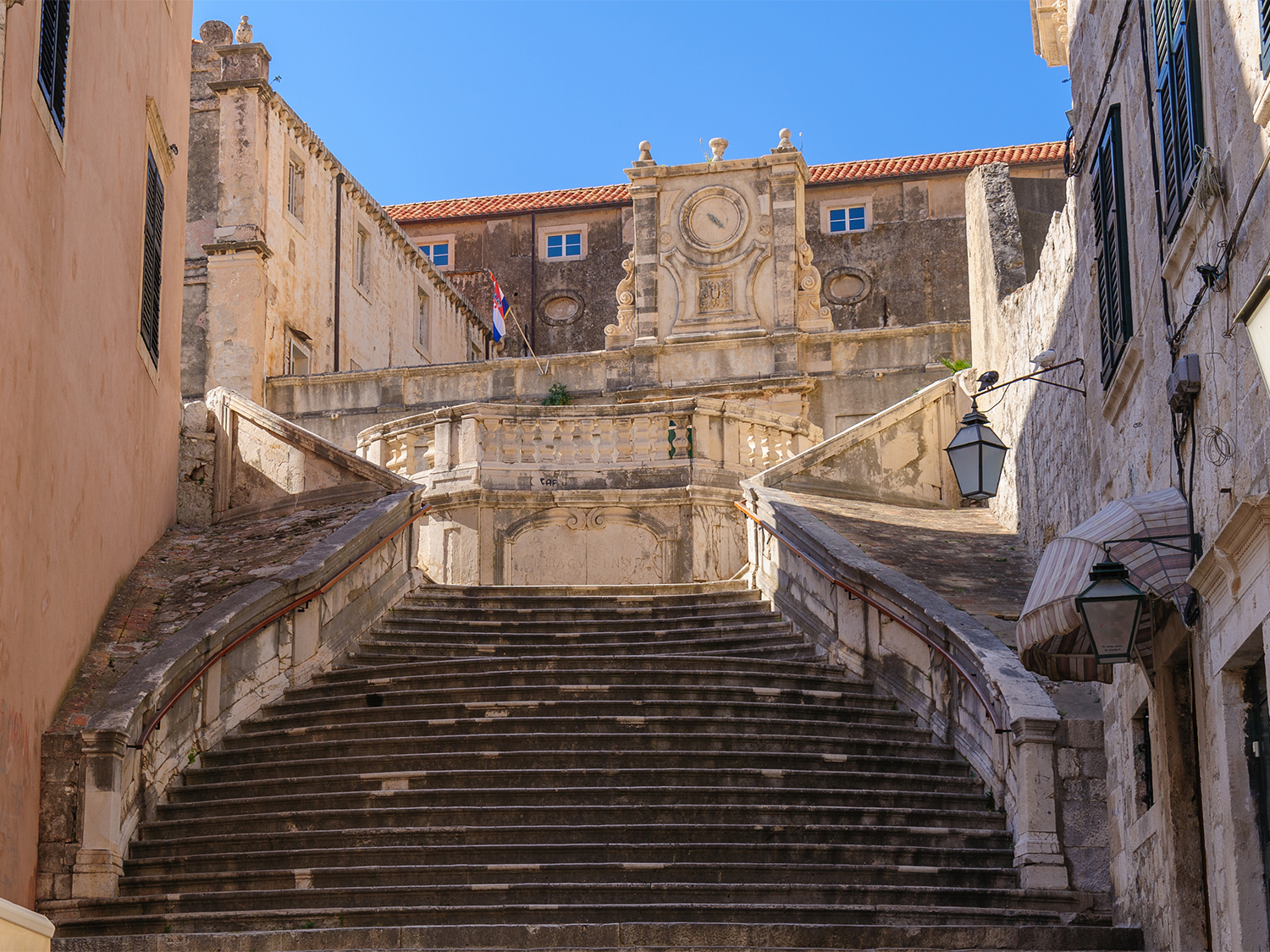
Croatia is long and narrow, and that shapes every trip. Zagreb and Plitvice sit inland, Split and Dubrovnik lie hundreds of kilometers down the coast, and the islands depend on ferries and catamarans whose schedules change with the season. A tour links all of it, with the transfers, crossings and hotels arranged, including in Dubrovnik and Hvar, where summer rooms reserve up early. The towns also reward a guide. Split is built inside a Roman emperor's palace, Dubrovnik's walls hold centuries of Venetian and Ragusan history, and both doubled as Game of Thrones filming locations. A guide explains what you are walking past and keeps the pace sensible on busy summer days, leaving time for the beaches and harbor towns in between.
Plan your perfect trip to Croatia
How long in Croatia?
When is the best time to visit Croatia?
The months either side of summer bring warm seas, long days and old towns that are far easier to enjoy than in July and August. Summer brings guaranteed sunshine and the busiest season on the coast and islands. Winter is mild on the coast but quiet, with fewer ferries and colder weather inland.
Temperature figures are day-and-night averages for Dubrovnik, so afternoons feel several degrees warmer. Zagreb and Plitvice inland run noticeably cooler, with cold winters and occasional snow at the lakes.
Before you go
A few practical tips to help you travel smart and make the most of your time in Croatia.
Euro (EUR)
Croatian
Zagreb
Type C / F
Two round pins, 230VMoney
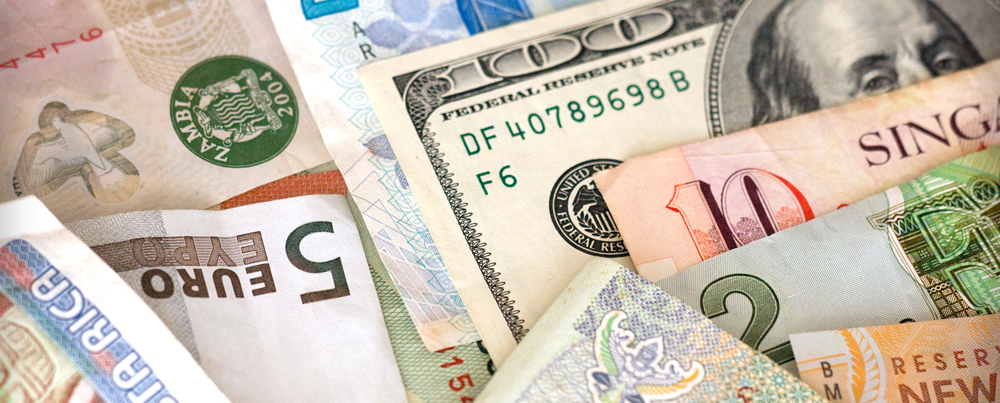
Croatia uses the euro. Cards are widely accepted in towns, restaurants and hotels, but cash is handy for markets, small konobas and island cafés. Tipping is not expected, though leaving around 10% for good service is common.
What to pack
Sun protection, swimwear and water shoes for the many pebble beaches. Bring comfortable shoes with good grip, as the polished stone streets of Dubrovnik and Split can be slippery, plus walking shoes for the boardwalks at Plitvice and a light layer for breezy ferry decks.
Food & drink
Along the coast, try grilled fish, black squid ink risotto and peka, meat or octopus slow cooked under an iron bell. Dalmatian ham, cheese from the island of Pag and truffles in Istria are local favorites, and Croatian wines are well worth trying. Tap water is safe to drink.
Safety
Croatia is generally safe to travel around. Keep an eye on your belongings in busy old towns such as Dubrovnik and Split, especially at peak times. Stay on the marked paths and boardwalks at Plitvice, and take care on rocky beaches and when swimming in open water.
Frequently asked questions
Are Croatia tours fully guided?
Some are, including Captivating Croatia (nine days) and Croatia, Mostar & Montenegro (11 days), which have a guide throughout. Many others are partially guided, with guided sightseeing in the main towns plus free time, and the larger bus tours work the same way. Private trips are a mix of partially guided and self-drive.
What is included on a Croatia tour?
Accommodation, transport between stops and the sightseeing on the itinerary are organized for you, and island itineraries include the crossings between islands. Meals, entrance fees and optional excursions vary from tour to tour. Each itinerary lists exactly what is included, so it is worth checking before you compare trips.
What are the main sights on a tour of Croatia?
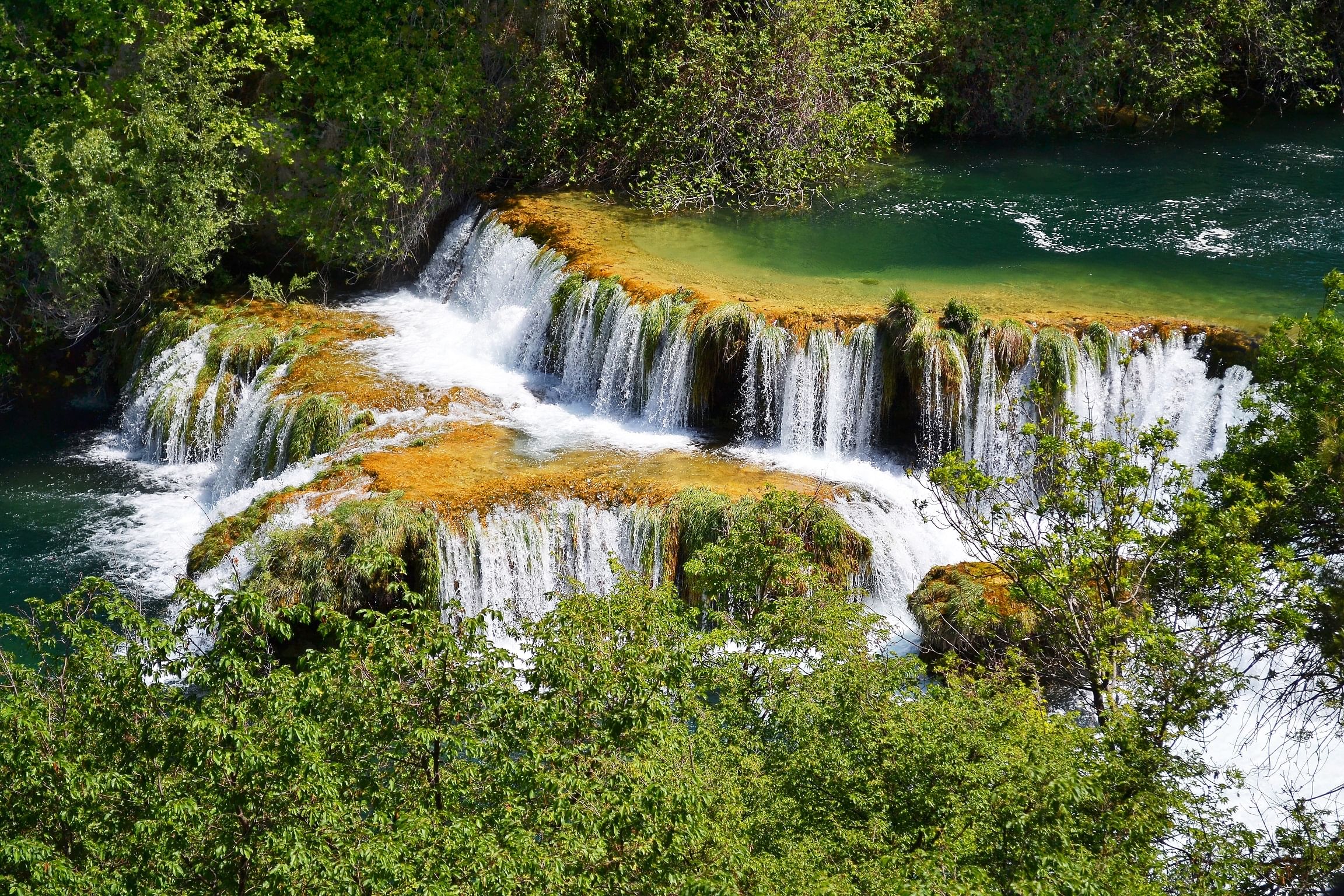
Most tours include Dubrovnik's old town and city walls, Diocletian's Palace in Split, Trogir and the lakes and waterfalls of Plitvice. Others add Zagreb, Zadar, Krka National Park and the islands of Hvar, Brac and Korcula, while Incredible Istria (eight days) focuses on the hill towns and coast of the north.
Can I visit the Croatian islands on a tour?
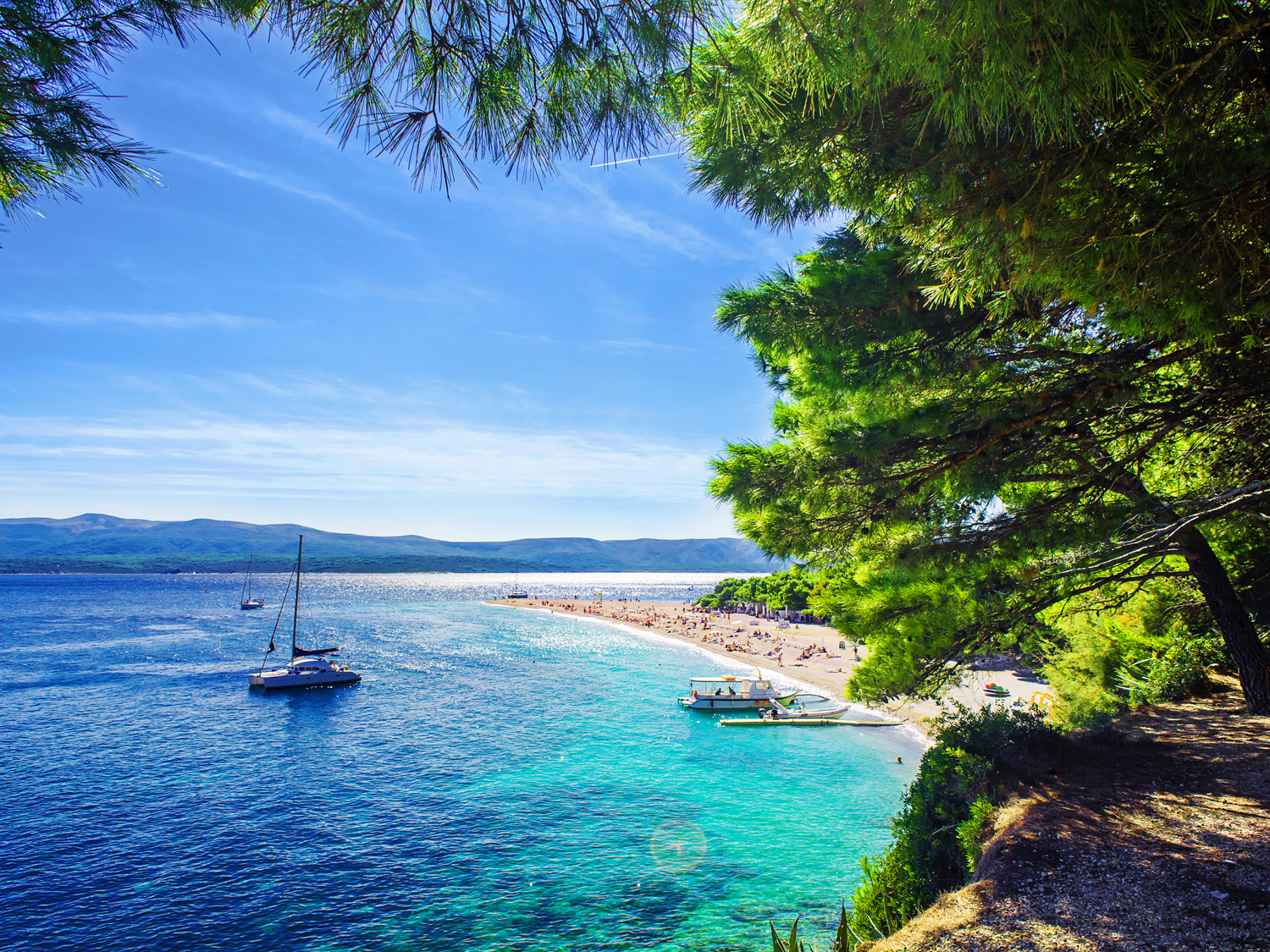
Yes. Croatia Island Hopping Experience (eight days) and Croatia Family Island Hopping Exploration (11 days) are based around the Dalmatian islands, and Alpine Lakes & Dalmatian Islands (11 days) pairs them with the mainland. For a more active trip, Croatia Dalmatian Coast Cycling (eight days) and Croatia Islands & Lakes Walk (eight days) explore the coast by bike and on foot.
Can I take a private tour of Croatia?
Yes. Private tours run on set departure dates, the same as group tours, but the trip is exclusive to your own party. Croatia Island Hop & Stop (eight days) and Zagreb to Dubrovnik (eight days) are popular options, and short city stays are available in Dubrovnik, Split, Zagreb and Pula. Many private trips are self-drive, from Croatia Express Self-Drive (five days) to Croatia Grand Journey Self-Drive (15 days).
Can I combine Croatia with nearby countries?
Yes, many tours cross into the neighbouring Balkan countries. Croatia, Mostar & Montenegro (11 days) adds Bosnia and Herzegovina and the Bay of Kotor, Croatia & Slovenia Exploration (seven days) adds Lake Bled and Ljubljana, and Dubrovnik to Tirana (eight days) continues to Albania. Longer bus tours such as Balkan Treasures Cities, Cultures and Landscapes (10 days) reach as far as Greece and Bulgaria.
How many days do you need for a Croatia tour?
Four days covers one stretch of the country, as on Zagreb to Split or Dubrovnik to Sarajevo. Seven to nine days allows the classic route from Zagreb and Plitvice down to Split and Dubrovnik, as on Captivating Croatia (nine days). With 10 days or more you can add the islands at a slower pace or continue into Bosnia, Montenegro and beyond.
When is the best time to visit Croatia?
May, June and September are the best months, with warm seas, long days and fewer crowds than in high summer. July and August are hot, and Dubrovnik, Split and Hvar are at their busiest. Winter is mild on the coast but quiet, with fewer ferries to the islands and cold, sometimes snowy weather inland at Plitvice.
Croatia guides

Choose your Croatia experience
Discover the best ways to experience Croatia.
Explore more countries like Croatia!
Discover other destinations that offer similar experiences to Croatia.