On The Go Tours
Our agents are waiting to chat to you...
Are you a Travel Agent or Customer?
Do you have an booking reference?
Black Friday Sale
Save up to 35%
Costa Rica Tours
4.10 (10 reviews)
64
Group Tours
45
Private Tours
15
City Explorer
When do you want to go?
2026
I'm flexible
Passengers
Adults (18+)
Children (0 - 17)
Costa Rica tours at a glance
124tours
2–40days
USD $75pp
Jan, Feb, Mar
Explore Costa Rica tours
Latest Offers
The biggest savings on guided Costa Rica tours. Grab reduced fares on the latest deals while offers last.





Costa Rica tour reviews
4.10 (10 reviews)
Fantastic holiday. There were so many highlights, I would recommend Costa Rica to anyone. Tortuguero & Manuel Antonio were highlights for wildlife. La Fortuna was also fantastic.
 Branwen
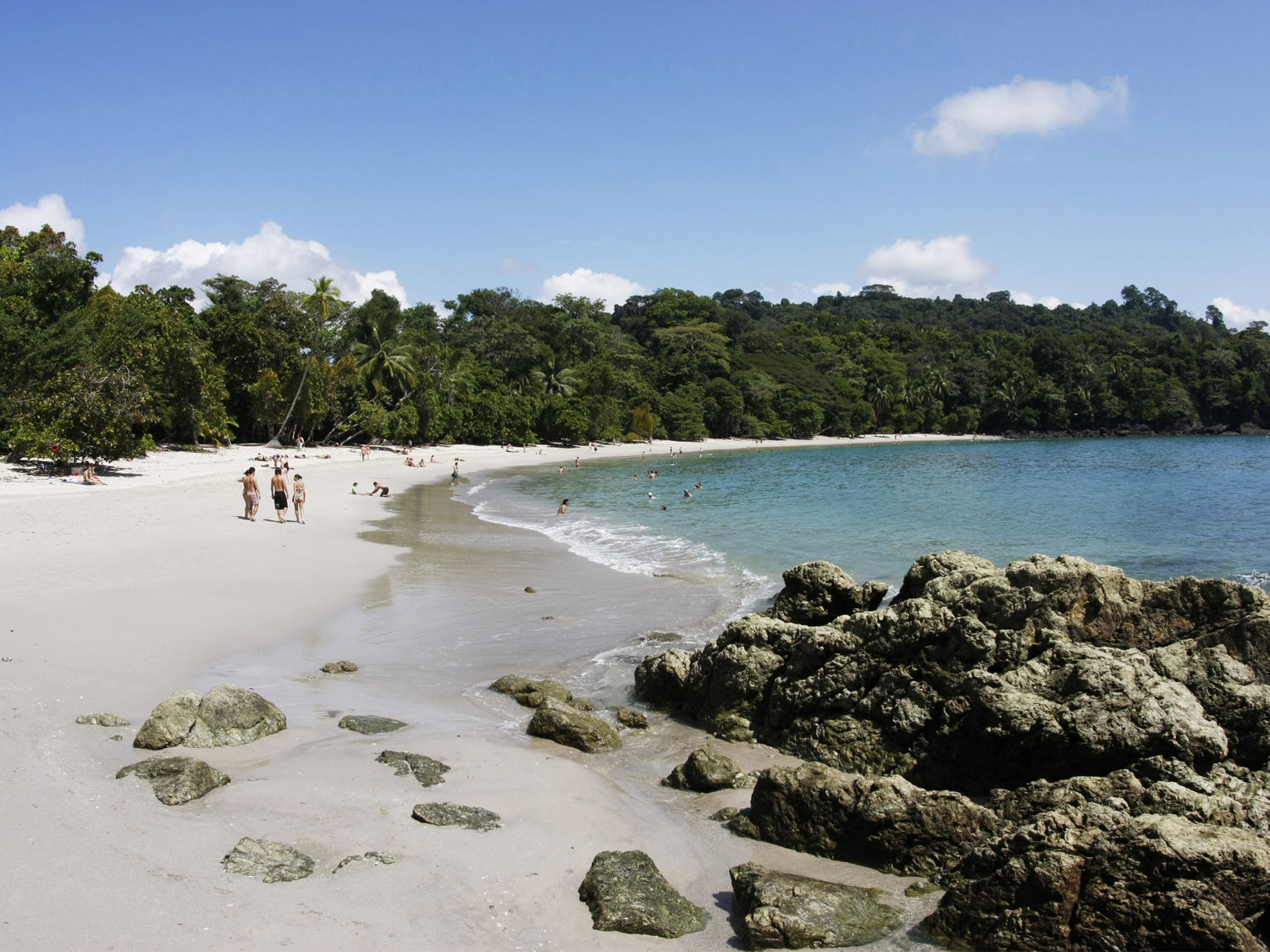
All of the experiences were wonderful and varied, but we loved Manuel Antonio where we enjoyed snorkeling and exploring the national park.
 Tanya
There was no guide with the tour. The only saving grace was that all accommodation and transfers were booked. It is a lovely country and I organised local tours via contacts at the hotels.
AakankshaTortuguero was absolutely amazing. Hands down the best part of the trip.
EricaI like all the arrangements were made. The Whatsap was easy to communicate, Alexanderia was the best. The driver to return to the airport didn't show, another driver came but was 1 hr. away. The tour guides to Tortuguero Freddy and Eli were great. Tommy the driver/guide to LaFortuna also great.
Excellent tour, great selection of hotels, very entertaining options.
Why take a tour of Costa Rica
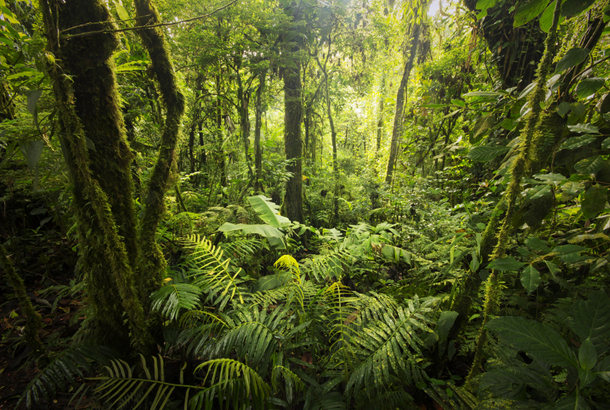
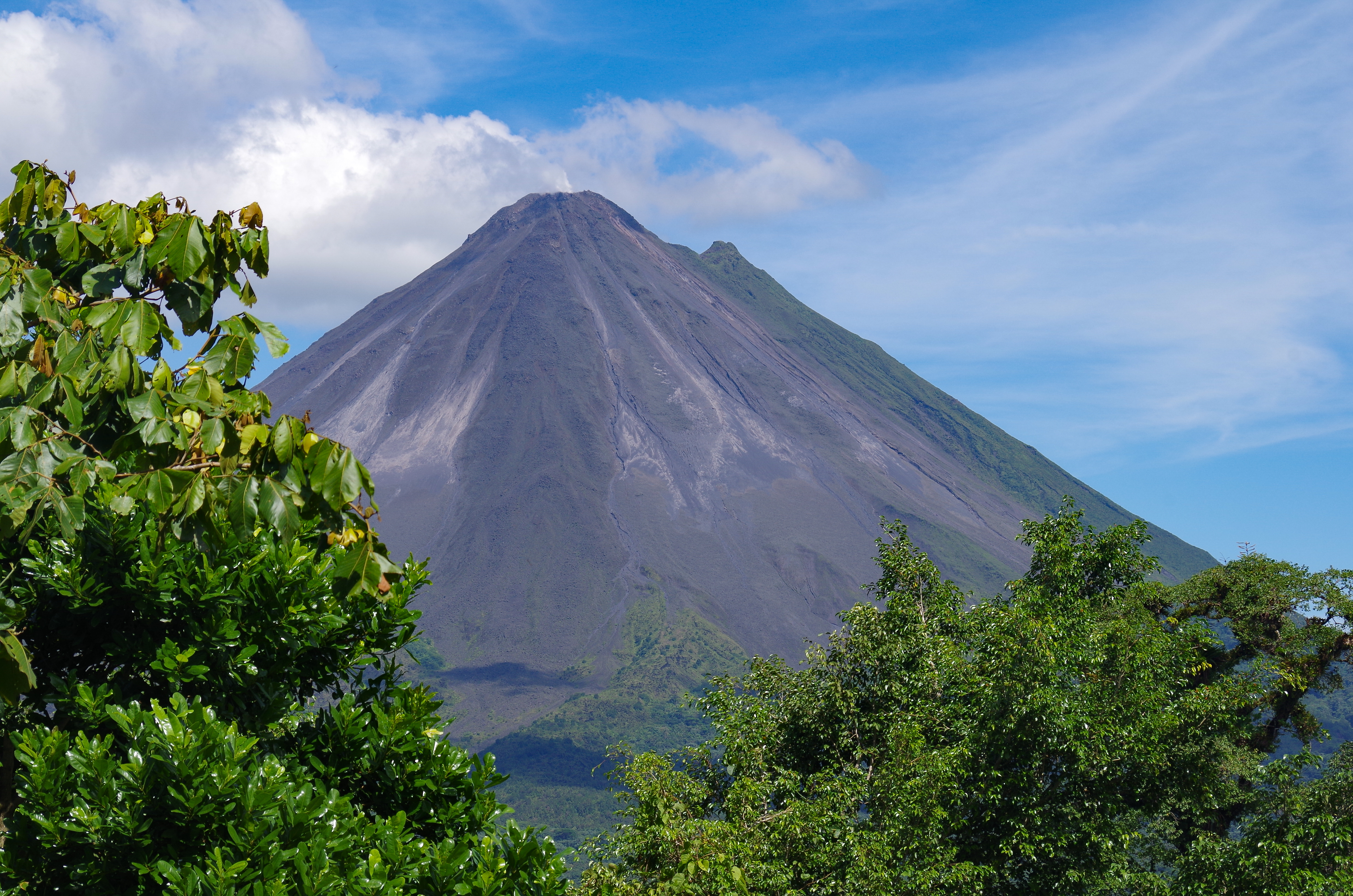
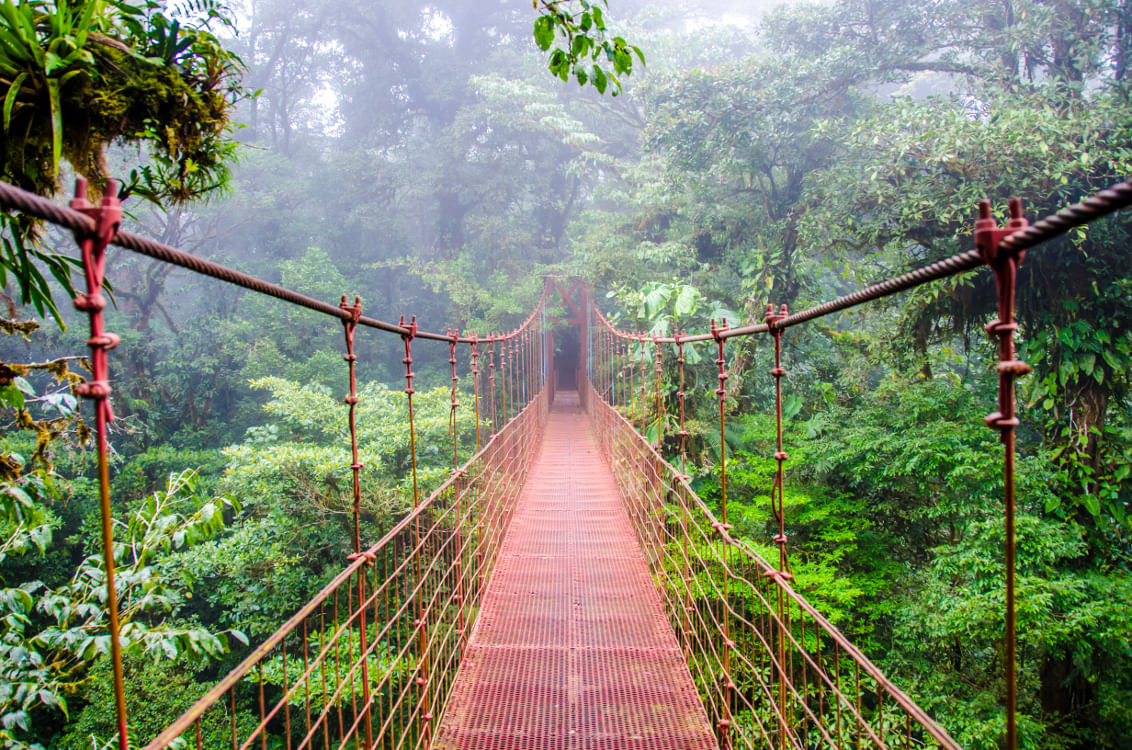
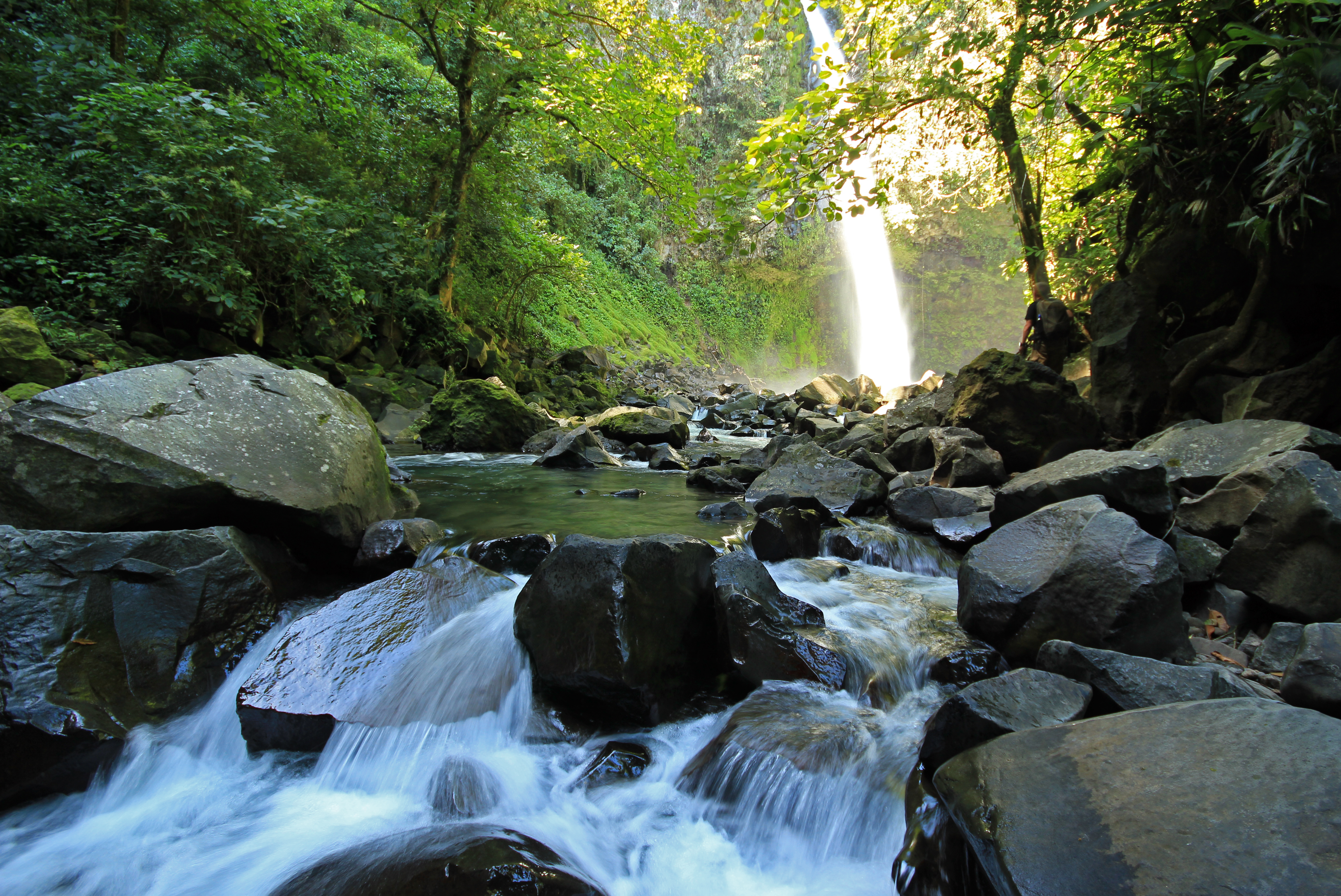
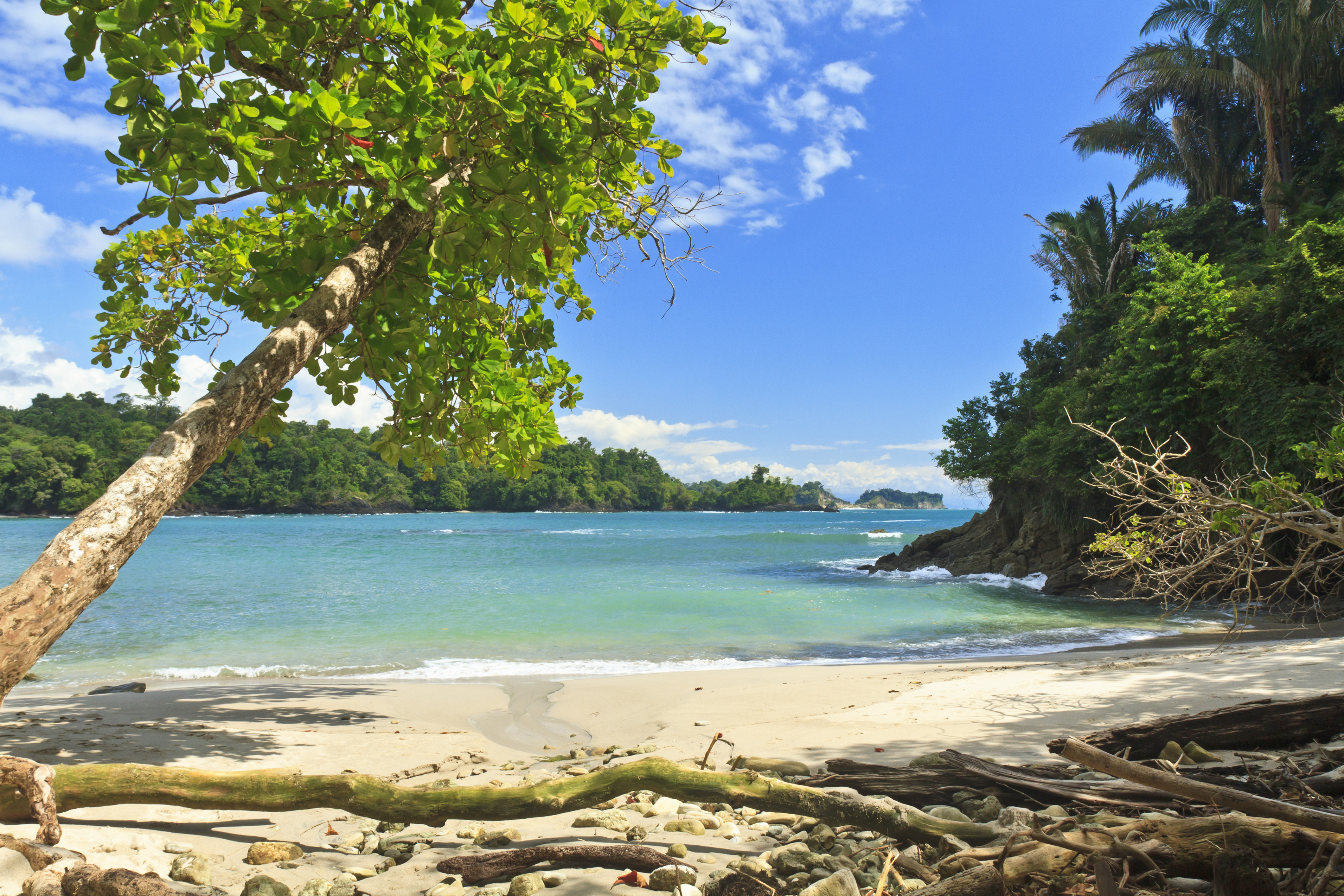
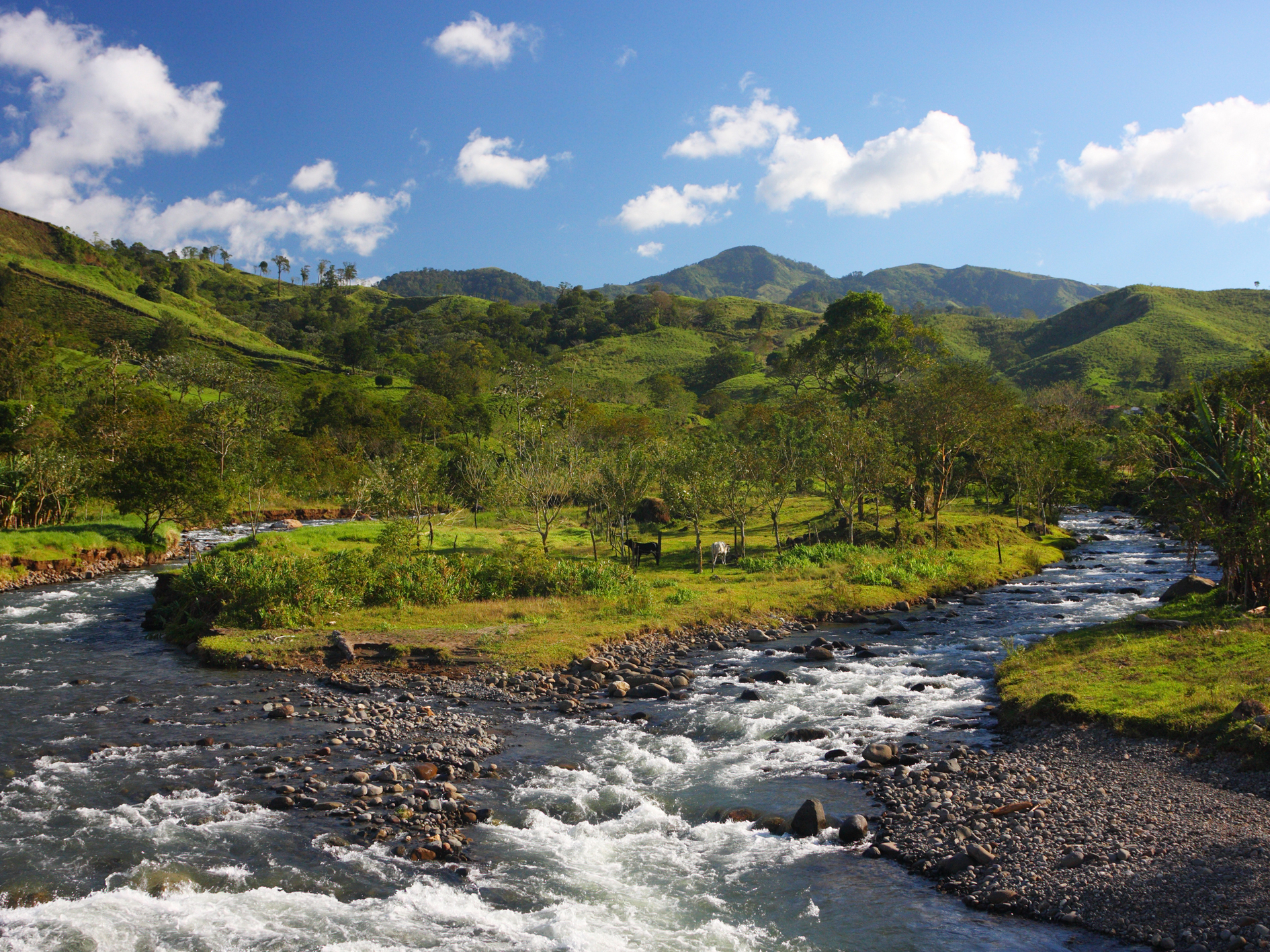
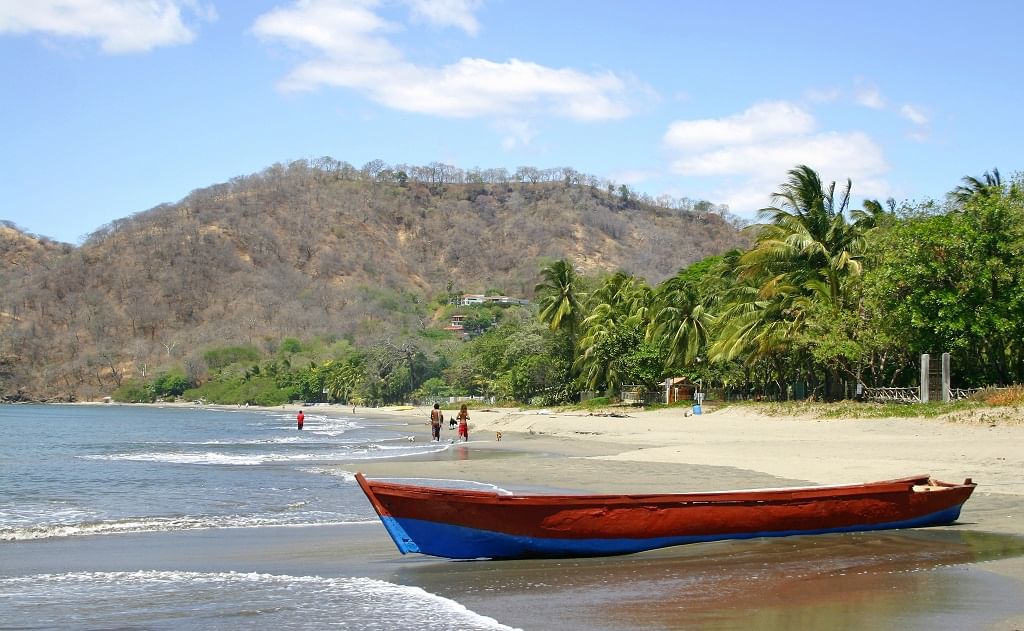
Costa Rica packs rainforest, cloud forest, volcanoes and two coastlines into a small country, but much of its wildlife is well camouflaged. A sloth high in the canopy or a tree frog on a leaf is easy to walk straight past, which is where naturalist guides earn their place. Tours build the best wildlife moments into the route, from boat trips through the canals of Tortuguero and night walks for frogs and insects to early mornings in Manuel Antonio and the hanging bridges of Monteverde. Getting around takes planning too. Roads are slow and winding, Tortuguero can only be reached by boat or small plane, and lodges near the national parks reserve up in the dry season.
Plan your perfect trip to Costa Rica
How long in Costa Rica?
When is the best time to visit Costa Rica?
Costa Rica has a dry season and a green season rather than four distinct seasons. From December to April, the Pacific side and the central highlands are sunny and dry, and lodges are at their busiest. From May to November, afternoon showers keep the forests lush and the crowds thinner, and July to October brings green turtles to nest at Tortuguero, though the Caribbean coast is often driest in September and October.
San José's averages, combining day and night, are shown here, so afternoons feel several degrees warmer. Guanacaste and the Pacific coast are much hotter, often above 30°C by day, while Monteverde's cloud forest and the volcano summits are cool and misty.
Before you go
A few practical tips to help you travel smart and make the most of your time in Costa Rica.
Costa Rican colón (CRC)
US dollars widely acceptedSpanish
San José
Type A / B
Flat pins, 120VMoney
Costa Rican colones and US dollars are both widely used, and tourist businesses often quote in dollars. Cards are accepted in most hotels and restaurants, but carry some colones for small sodas and roadside stalls. A service charge is included on restaurant bills, and tipping guides and drivers is customary.
What to pack
Quick-dry clothing, a rain jacket and walking shoes with good grip are essential, as trails can be muddy at any time of year. Add binoculars for wildlife spotting, insect repellent, reef-safe sunscreen, swimwear for the hot springs and beaches, and a warm layer for chilly evenings in Monteverde's cloud forest.
Food & drink
Gallo pinto, rice and black beans with eggs, is the classic breakfast, and lunch is often a casado, a plate of rice, beans, salad, plantain and fish or meat. On the Caribbean coast, try rice and beans cooked in coconut milk. Coffee here is excellent, and many tours visit a coffee or chocolate farm. Tap water is safe in most areas.
Safety
Petty theft from cars and beaches is the main concern, so never leave bags unattended or valuables in a vehicle. Strong rip currents affect many beaches on both coasts, so swim only where it is known to be safe, and on wildlife walks keep a respectful distance and never feed the animals, especially monkeys.
Frequently asked questions
What wildlife can I see on a Costa Rica tour?
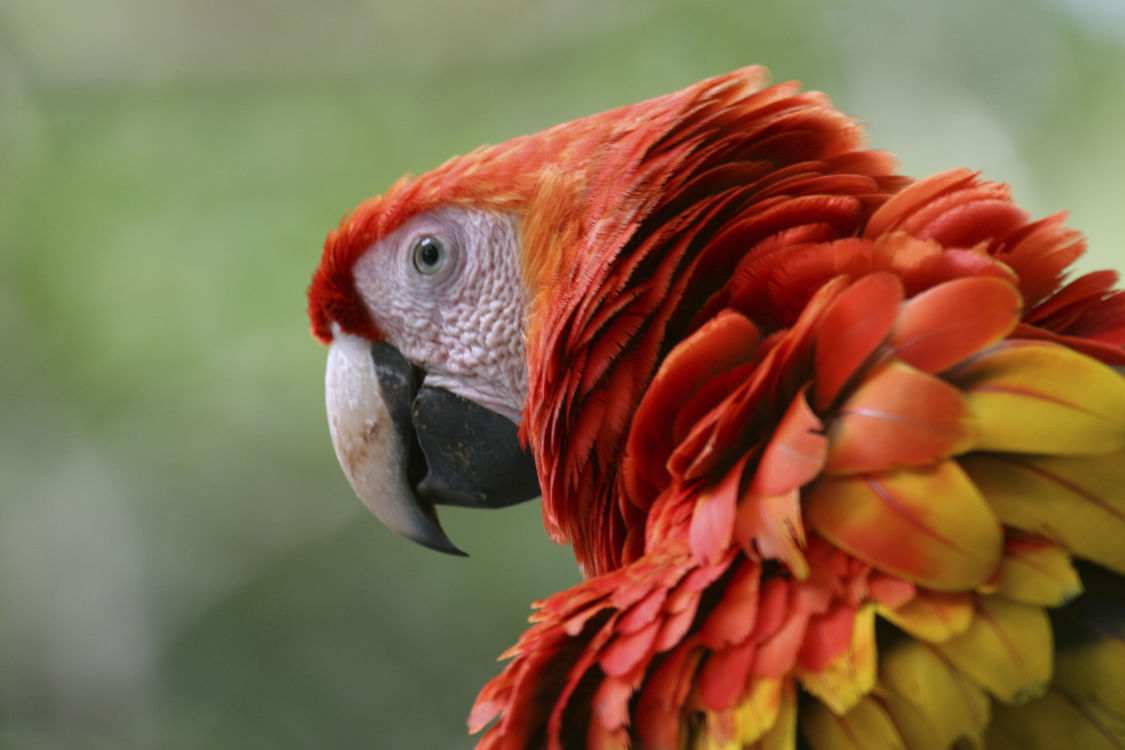
Sloths, howler and capuchin monkeys, toucans and colorful tree frogs turn up on most tours, along with crocodiles on river trips and scarlet macaws on the Pacific coast. Tortuguero adds nesting sea turtles in season, Monteverde is home to the resplendent quetzal, and boat trips on the Pacific sometimes spot dolphins and humpback whales. Night walks reveal frogs, insects and other creatures that hide by day.
When can I see turtles nesting in Tortuguero?
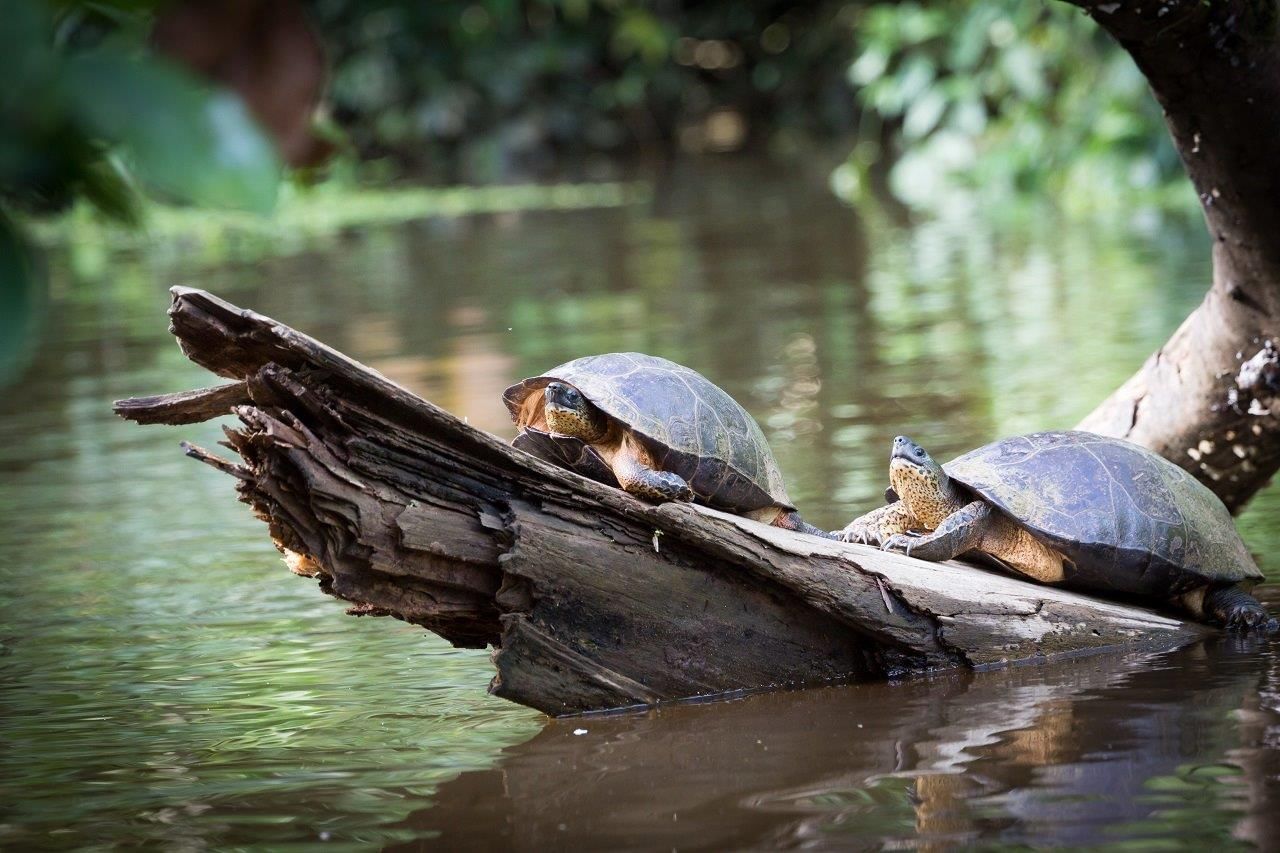
Green turtles nest at Tortuguero from roughly July to October, peaking in August and September, and leatherbacks arrive earlier, from around March to May. Turtle-watching walks run at night with licensed guides, and several tours, such as Tortuguero Jungle Exploration (three days), stay in the area. Outside nesting season, the canals are still rewarding for monkeys, caimans and birdlife.
Where can I see sloths in Costa Rica?
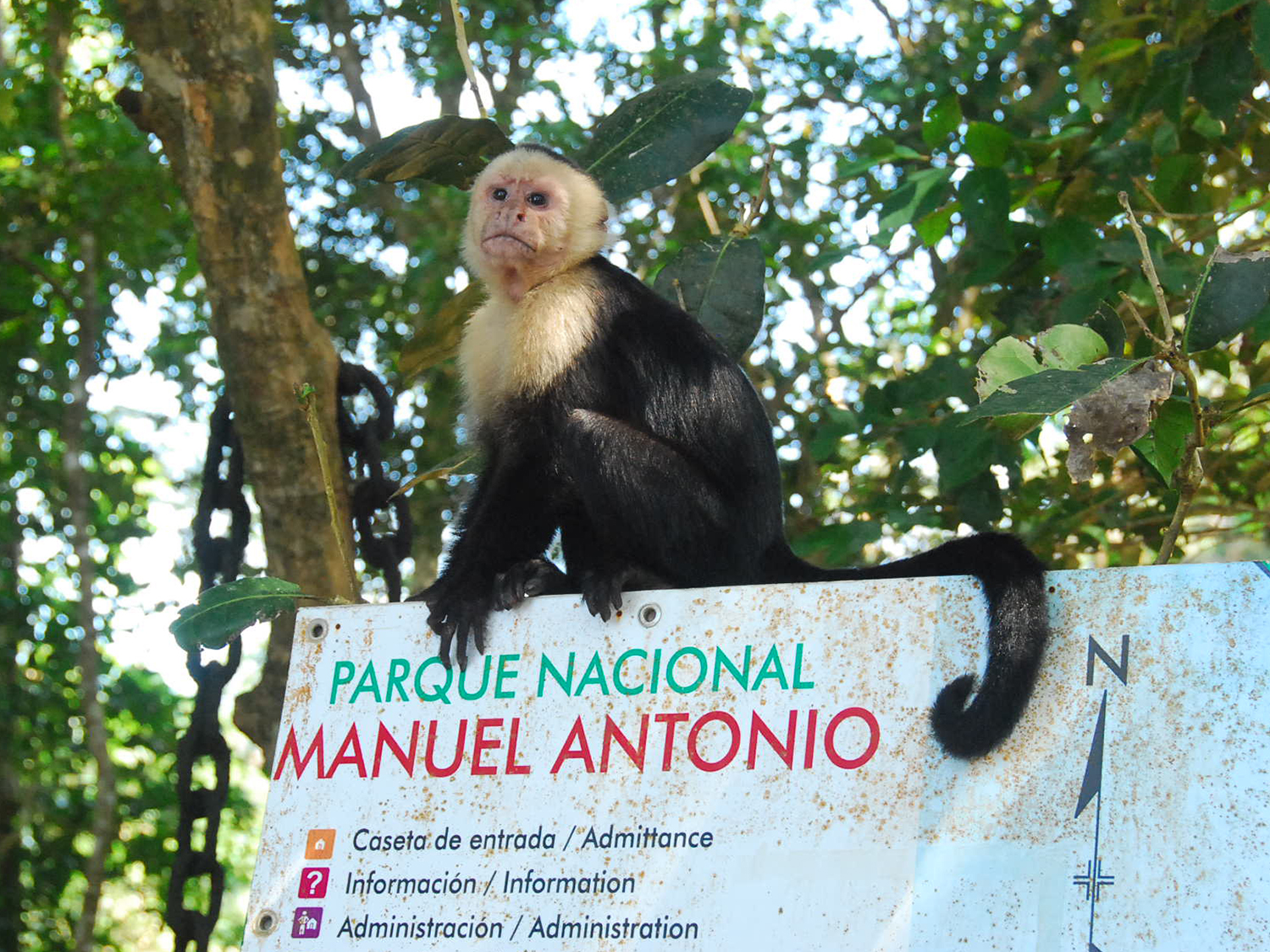
Manuel Antonio National Park is one of the most reliable spots, along with the rainforest around Arenal and La Fortuna, the Caribbean coast near Cahuita and Puerto Viejo, and the canals of Tortuguero. Sloths are hard to spot on your own, as they barely move and blend into the canopy, so a naturalist guide makes a big difference.
Are Costa Rica tours fully guided?
Group tours here are mostly partially guided, with guided wildlife walks, boat trips and transfers between lodges plus free time, as on Costa Rica Manuel Antonio Journey (10 days) and Essential Costa Rica (eight days). Classic Costa Rica Adventure (13 days), Costa Rica Explorer (12 days) and Costa Rica Nature & Urban (nine days) are fully guided, and most private trips are self-drive.
What are the main sights on a tour of Costa Rica?
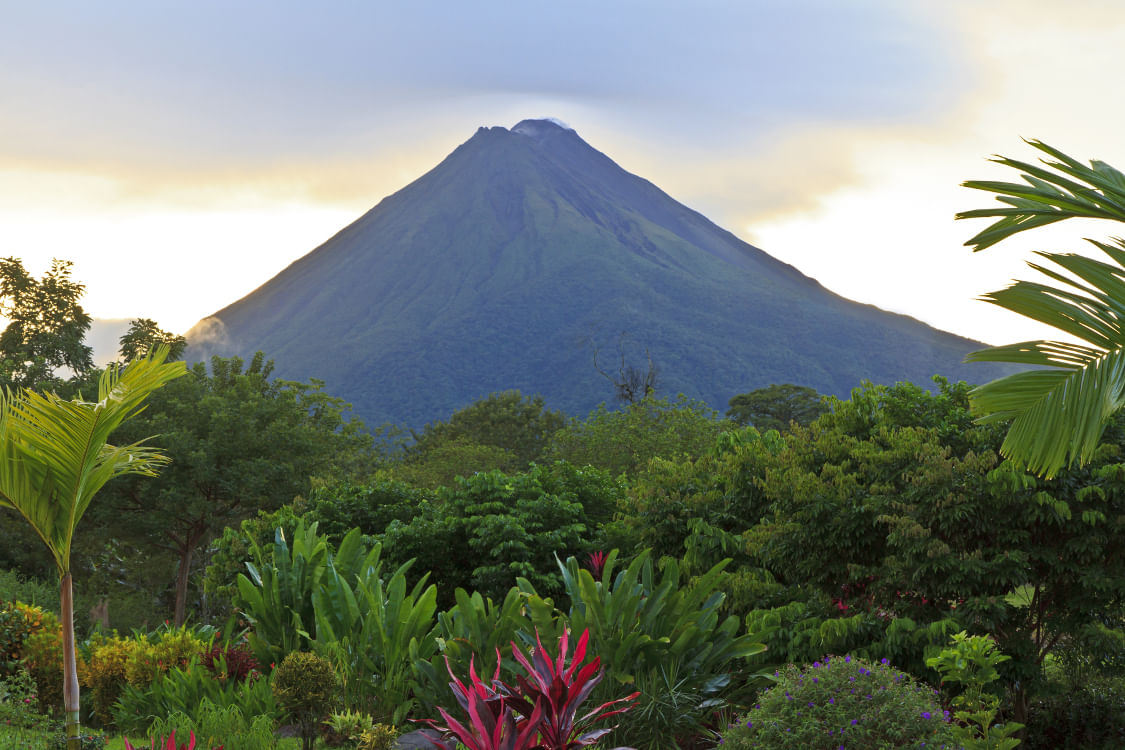
The classic route covers the canals of Tortuguero, Arenal Volcano and the hot springs at La Fortuna, the hanging bridges and cloud forest of Monteverde and the beaches and rainforest of Manuel Antonio. Other tours add Guanacaste and Tamarindo on the Pacific, Rincon de la Vieja, the Osa Peninsula, Cahuita and Puerto Viejo on the Caribbean, or the Poas and Irazu volcanoes near San José.
Can I do adventure activities in Costa Rica?
Ziplining through the rainforest canopy, white-water rafting, hanging bridge walks and hikes around Arenal all feature on Costa Rica tours, and some trips add surfing on the Pacific coast or snorkelling near Cahuita. Activities vary by itinerary, so check which are included and which are optional.
What is included on a Costa Rica tour?
Lodges, transfers between regions, including the boat into Tortuguero, and the guided excursions on the itinerary are arranged for you, while self-drive trips include the rental car, route and lodges instead. Meals, park entrance fees and optional activities vary, so the inclusions on each itinerary are worth checking.
Is self-drive a good way to see Costa Rica?
Self-drive is the most common private option, with the rental car, route and lodges arranged, as on Self Drive Costa Rica (14 days) and Ultimate Costa Rica Escape Self-Drive (11 days). Roads can be slow, winding and unpaved in places, so a 4x4 is often recommended, and guided private trips such as Landscapes of Costa Rica (10 days) and Captivating Costa Rica (nine days) suit those who would rather not drive. All private trips are exclusive to your own party and run on set departure dates.
How many days do you need for a Costa Rica tour?
Three-day trips focus on one area, such as Arenal, Monteverde or Tortuguero. A week to 10 days covers the classic circuit of Tortuguero, Arenal, Monteverde and Manuel Antonio, as on Costa Rica Express (seven days) or Costa Rica Manuel Antonio Journey (10 days), and with two weeks you can add Guanacaste, the Caribbean coast or the Osa Peninsula.
When is the best time to visit Costa Rica?
The dry season from December to April brings the most sunshine on the Pacific side and in the central highlands, and is the busiest time. May to November is the green season, with afternoon showers, fewer visitors and lush forests, and July to October is turtle-nesting time at Tortuguero. The Caribbean coast follows its own pattern, often driest in September and October.
Costa Rica travel guides

Best time to visit
Plan your visit with the best beach weather or with the rains for lush landscapes.

Top travel tips
Perfect for those wanting to know about the currency, food, voltage, duty free and more
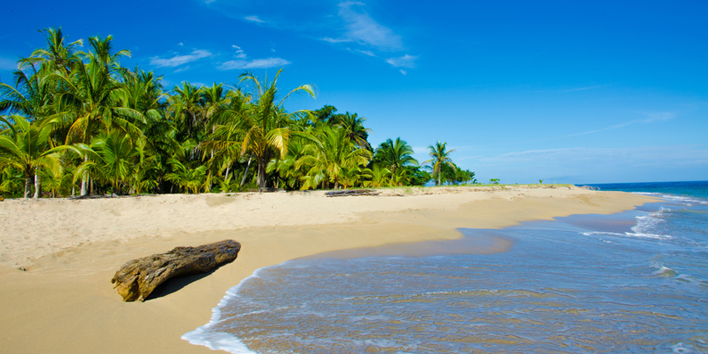
Costa Rica best beaches
Our choice of top beaches in Costa Rica, when best to visit and recommended hotels
Choose your Costa Rica experience
Discover the best ways to experience Costa Rica.
Explore more countries like Costa Rica!
Discover other destinations that offer similar experiences to Costa Rica.