On The Go Tours
Our agents are waiting to chat to you...
Are you a Travel Agent or Customer?
Do you have an booking reference?
China Tours
4.28 (285 reviews)
89
Group Tours
56
Private Tours
29
City Explorer
When do you want to go?
2026
I'm flexible
Passengers
Adults (18+)
Children (0 - 17)
Discover China tours
Historic cities, famous landmarks and striking landscapes, brought together in well-planned itineraries
China tours combine headline attractions with the rhythm of everyday life, moving from imperial history and centuries-old temples to bold, fast-changing cities. Many itineraries link major regions by high-speed train and short flights, which makes it possible to cover a lot without turning every day into a rush. You can choose guided tours that focus on the essential highlights, or itineraries that spend longer in one region, such as Yunnan, for a more local perspective. Many departures run in small groups, while private tours are available if you prefer extra flexibility and a more personal pace. Some trips also extend beyond mainland China with extra stops, including Hong Kong, South Korea, and other nearby destinations.
Latest Offers, Money Saving Trips


Which trip type suits you?
Compare the key features of each trip type to find the perfect fit for you.
Choose your guiding style
China guiding styles: from fully guided to semi-independent, find the right experience for you
Maximum support
Fully Guided
A dedicated guide or tour leader is with you throughout, with each detail arranged.
Escorted by a guide or tour leader
Smooth, hassle-free travel
Support throughout the journey
Best for:
Complete support
Guided highlights
Partially Guided
Expert-led sightseeing in key places, with free time to explore between activities.
Guided sightseeing at key sites
Free time between activities
A balance of structure and flexibility
Best for:
Highlights with flexibility
Flexible independence
Semi-Independent
Some guided sightseeing, with hotels and transport arranged for independent exploration.
Some guided sightseeing
Hotels and transport arranged
More independence on the road
Best for:
Structure with independence
Travel with confidence
Real reviews from our travelers
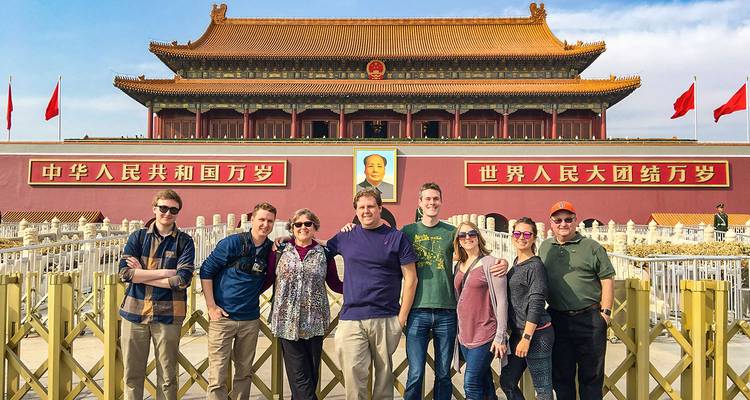
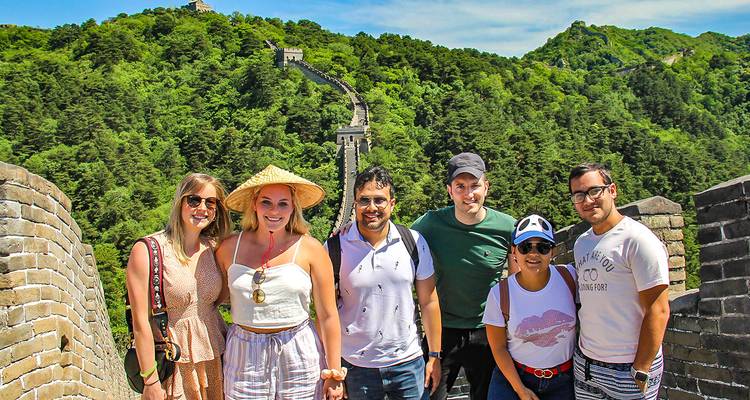
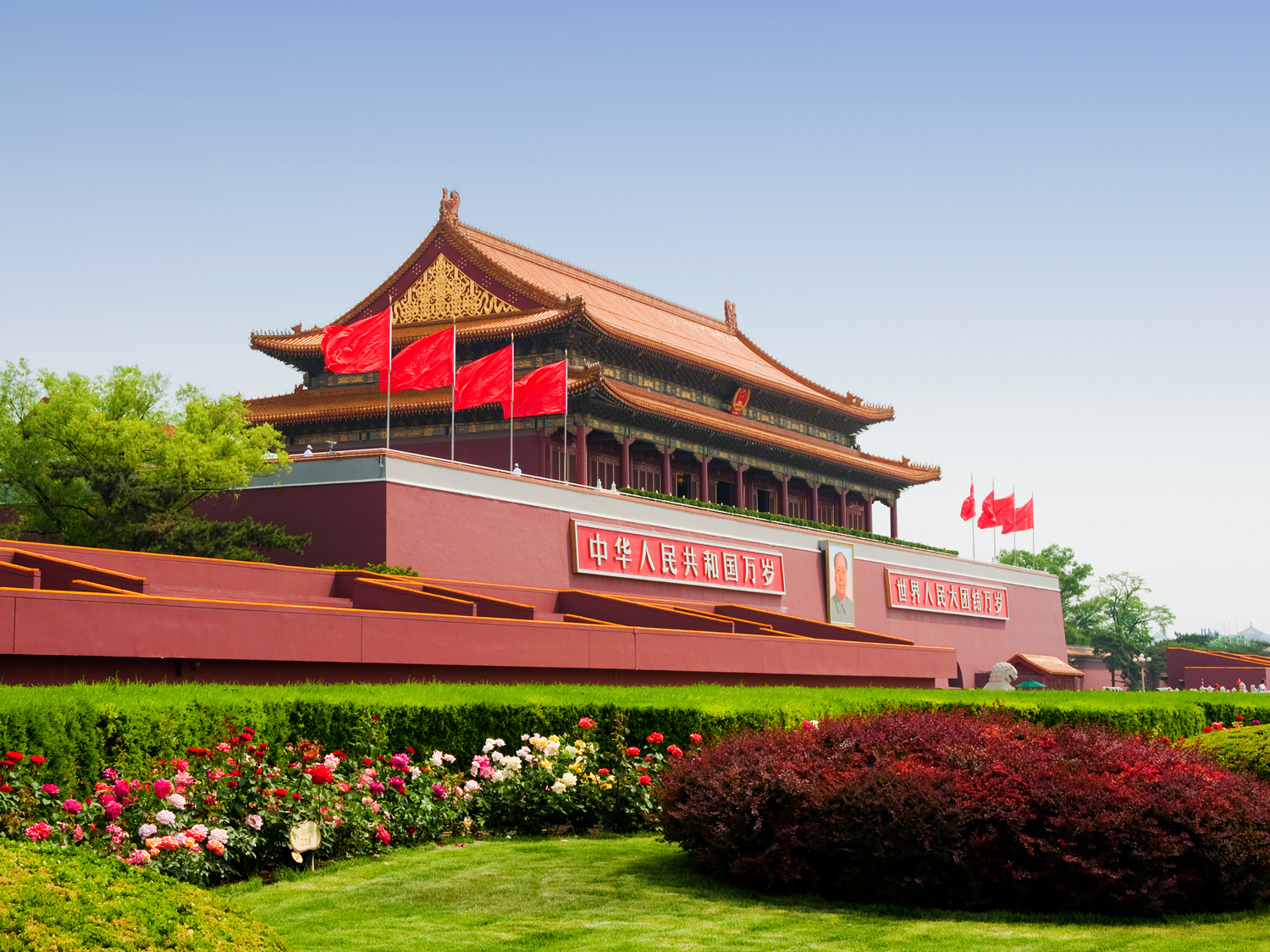 China Express - 8 daysExperience an unforgettable journey through China's cultural gems on this 8-day adventure. In Beijing, explore the historic Tiananmen Square, wander through the magnificent Forbidden City, and savour the world-famous Peking roast duck. Venture to the enchanting Great Wall for a unique hiking experience. In Luoyang, discover the celestial art of Longmen Caves. Witness captivating Kung Fu performances at a Shaolin Monastery. Travel to Xi'an by high-speed train, visit the Terracotta Army and create your own dumplings in an extraordinary culinary experience. Signature Journeys8
Hard to pinpoint a favourite moment but overall as this was my first tour ever I felt it was all well organised and the guides were amazing. On my bucket list was to walk on the Great Wall but most of the other attractions that we went to were most interesting and enjoyable to visit
Deal of the Month
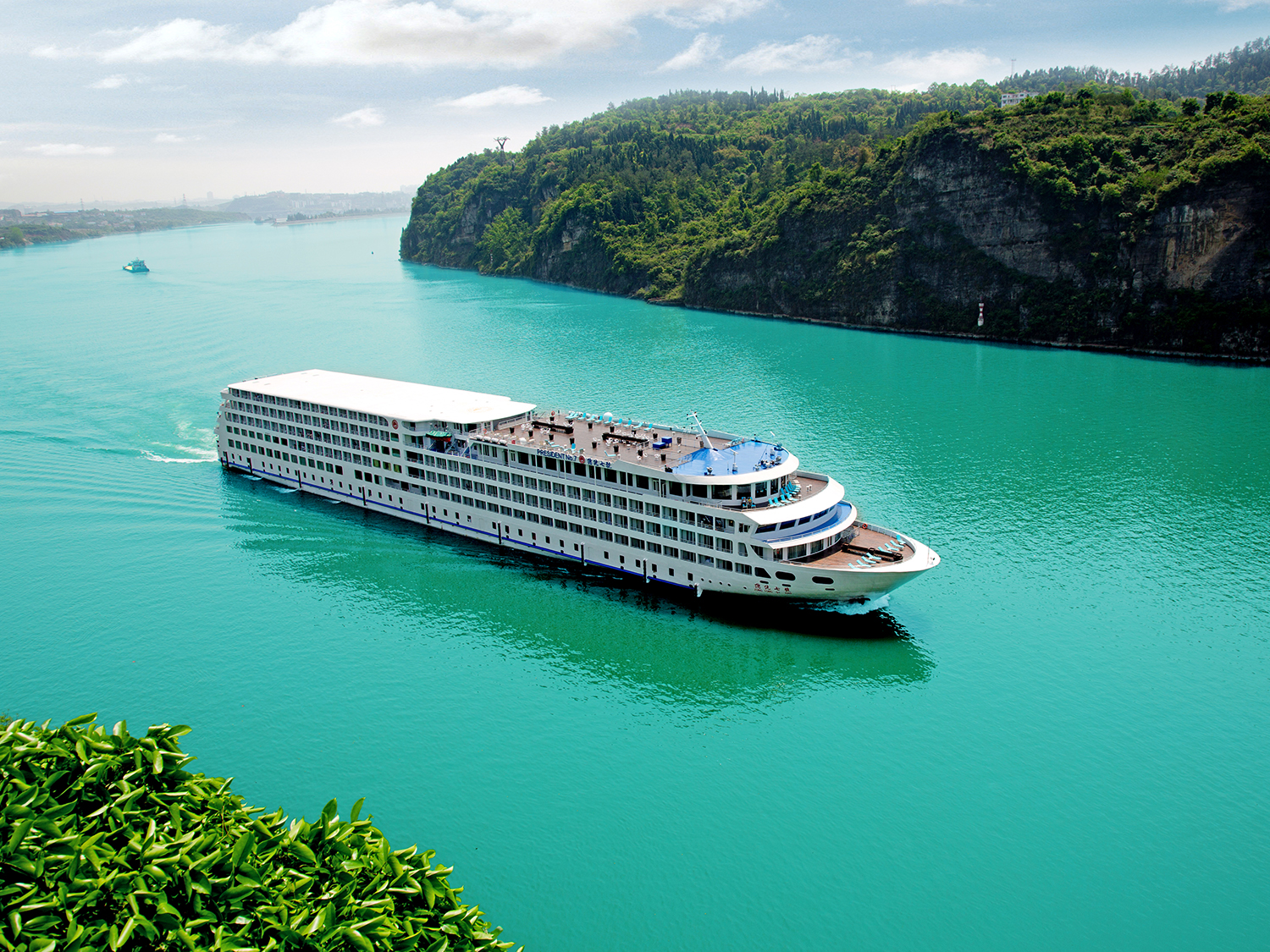 Yin and Yangtze - 15 daysBegin in Beijing, where you'll explore Tiananmen Square, the Forbidden City, and hike the Great Wall. In Luoyang, discover celestial art in the Longmen Caves, then journey to Xi'an to meet the Terracotta Army. Get close to China's adorable pandas at the Panda Research Center in Chengdu. Then, board a Yangtze River cruise and enjoy breathtaking landscapes and historic sites, before ending your adventure in the vibrant metropolis of Shanghai.Signature Journeys15
The sights were definitely amazing. Small group of very pleasant travellers made the trip very enjoyable. The guides were all friendly, engaging and helpful as were the drivers. To many amazing things to see to pin down just one.
 Totally China & Zhangjiajie - 11 daysEmbark on this 11-day tour of China, starting in Beijing and finishing in Shanghai. Explore the imperial grandeur of Beijing’s Forbidden City, Great Wall and Temple of Heaven before heading to Xi’an to marvel at the Terracotta Army and cycle atop ancient city walls. Journey on to Zhangjiajie’s dramatic peaks, with its glass bridges, skywalks and misty forest trails, famously inspiring the film Avatar. Finally, soak up the energy of Shanghai, from tranquil Yu Garden to the historic Bund, and cruise the Huangpu River for skyline views.Worldwide Touring11
It was exceptional tour. Your tour guide are fantastic very friendly and helpful. They very well. They are a asset to your business exceptional L J he was the best. The food was fantastic and to much to eat. All the tours were fantastic and guides were very helpful.
China Express - 8 daysExperience an unforgettable journey through China's cultural gems on this 8-day adventure. In Beijing, explore the historic Tiananmen Square, wander through the magnificent Forbidden City, and savour the world-famous Peking roast duck. Venture to the enchanting Great Wall for a unique hiking experience. In Luoyang, discover the celestial art of Longmen Caves. Witness captivating Kung Fu performances at a Shaolin Monastery. Travel to Xi'an by high-speed train, visit the Terracotta Army and create your own dumplings in an extraordinary culinary experience. Signature Journeys8Our tour guides--Cindy, Linda, Cathy--were great. They made the tour. Our favorite part of the tour were seeing the Terracotta Warriors. Too much walking and going up stairs. Chinese toilets were a challenge for my wife. So much so she would wait until we got back to the hotel or she could find a "western" toilet. She actually could not "go" when crouched.
Deal of the Month
China Express - 8 daysExperience an unforgettable journey through China's cultural gems on this 8-day adventure. In Beijing, explore the historic Tiananmen Square, wander through the magnificent Forbidden City, and savour the world-famous Peking roast duck. Venture to the enchanting Great Wall for a unique hiking experience. In Luoyang, discover the celestial art of Longmen Caves. Witness captivating Kung Fu performances at a Shaolin Monastery. Travel to Xi'an by high-speed train, visit the Terracotta Army and create your own dumplings in an extraordinary culinary experience. Signature Journeys8The Great Wall Terracotta warriors Michael our tour guide The dumpling making was not our thing
Deal of the Month
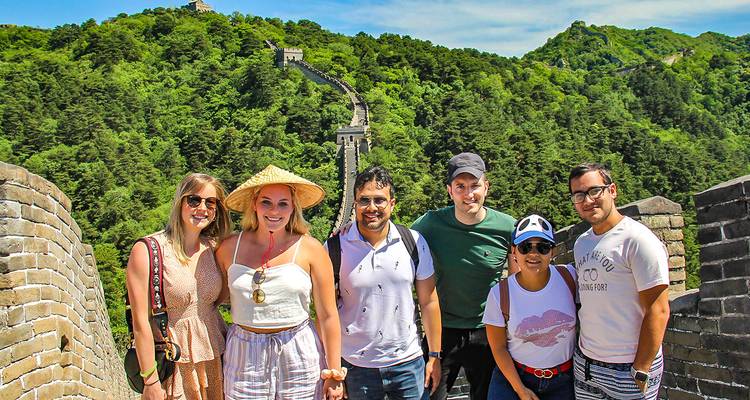 Totally China & Guilin - 11 daysDiscover China on this 11-day tour from Beijing to Shanghai, packed with iconic sights and cultural highlights. Explore the Forbidden City, walk along the Great Wall, and visit the historic Hutongs of Beijing. In Xi’an, admire the awe-inspiring Terracotta Army and ancient city walls. Cruise the scenic Li River from Guilin to Yangshuo, passing picturesque villages and karst landscapes. The journey concludes in dynamic Shanghai, where elegant gardens, lively markets and a glittering skyline await. A rich blend of history, scenery and culture.Worldwide Touring11
The tour was great once we arrived in China. The food was amazing, guided well informed and transportation organized and comfortable. The engagement prior to traveling with the local office in nz was appalling. No trip notes till the day prior to leaving and late payment to China team.
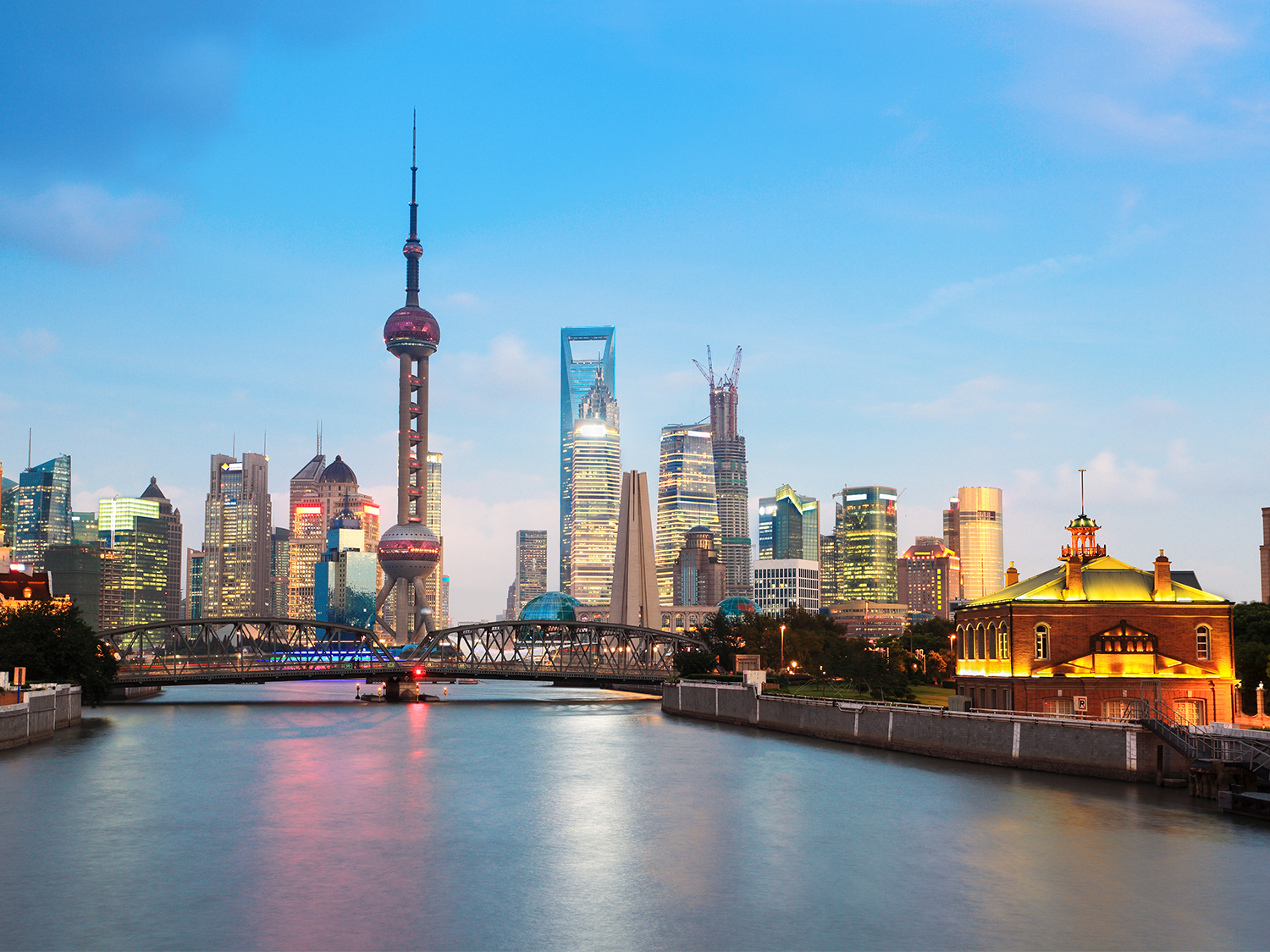 Great Wall & Warriors - 10 daysUncover the wonders of China on this 10-day journey from Beijing to Shanghai. Explore imperial treasures like the Forbidden City, walk the Great Wall, and feast on Peking duck in the capital. Travel by high-speed train to Luoyang for the incredible Longmen Caves and a Kung Fu display at the Shaolin Monastery. In Xi’an, cycle the city walls, wander the Muslim Quarter, and stand before the awe-inspiring Terracotta Army. Then fly to Shanghai to stroll the Bund, explore the French Concession, and witness local traditions. With bullet trains, acrobat shows and dumpling making, this tour offers a rich taste of China’s past and present.
Signature Journeys10
Great Wall & Warriors - 10 daysUncover the wonders of China on this 10-day journey from Beijing to Shanghai. Explore imperial treasures like the Forbidden City, walk the Great Wall, and feast on Peking duck in the capital. Travel by high-speed train to Luoyang for the incredible Longmen Caves and a Kung Fu display at the Shaolin Monastery. In Xi’an, cycle the city walls, wander the Muslim Quarter, and stand before the awe-inspiring Terracotta Army. Then fly to Shanghai to stroll the Bund, explore the French Concession, and witness local traditions. With bullet trains, acrobat shows and dumpling making, this tour offers a rich taste of China’s past and present.
Signature Journeys10Great Wall. Not crowded. A challenge to walk.
Great Wall & Warriors - 10 daysUncover the wonders of China on this 10-day journey from Beijing to Shanghai. Explore imperial treasures like the Forbidden City, walk the Great Wall, and feast on Peking duck in the capital. Travel by high-speed train to Luoyang for the incredible Longmen Caves and a Kung Fu display at the Shaolin Monastery. In Xi’an, cycle the city walls, wander the Muslim Quarter, and stand before the awe-inspiring Terracotta Army. Then fly to Shanghai to stroll the Bund, explore the French Concession, and witness local traditions. With bullet trains, acrobat shows and dumpling making, this tour offers a rich taste of China’s past and present.
Signature Journeys10Cyrus- our first tour guide was exceptional, the Great Wall The last hotel accommodation in Shanghal was poor, reception was not very helpful, When asking for assistance with water, where to buy milk for a cup of tea they were just rude. That being said was the only issue on the whole trip we had. Small group was excellent, bus drivers were great.
China tours at a glance
Trip and guiding style
China tours are available in several formats, from fully guided trips with a tour leader throughout to partly guided or semi-independent itineraries. Most options include guided visits at key sights, while leaving breathing space for independent time in between. Group and private departures are offered, and many trips operate with experienced local partners on the ground.
Accommodation
Accommodation varies by tour and can range from simple, practical properties to 3 star, 4 star, and 5 star hotels. Some itineraries include standout nights such as a Yangtze River cruise, an overnight cruise, or camping, depending on the route. Where availability needs it, we may use comparable hotels, and star ratings can differ between countries and regions.
Trip pacing
Most tours run at a moderate tempo, with early starts on important sightseeing days and dedicated travel days on longer routes. Itineraries typically balance guided touring with free time in major cities, so you can spend evenings trying local dishes, browsing markets, or taking relaxed walks in central neighbourhoods.
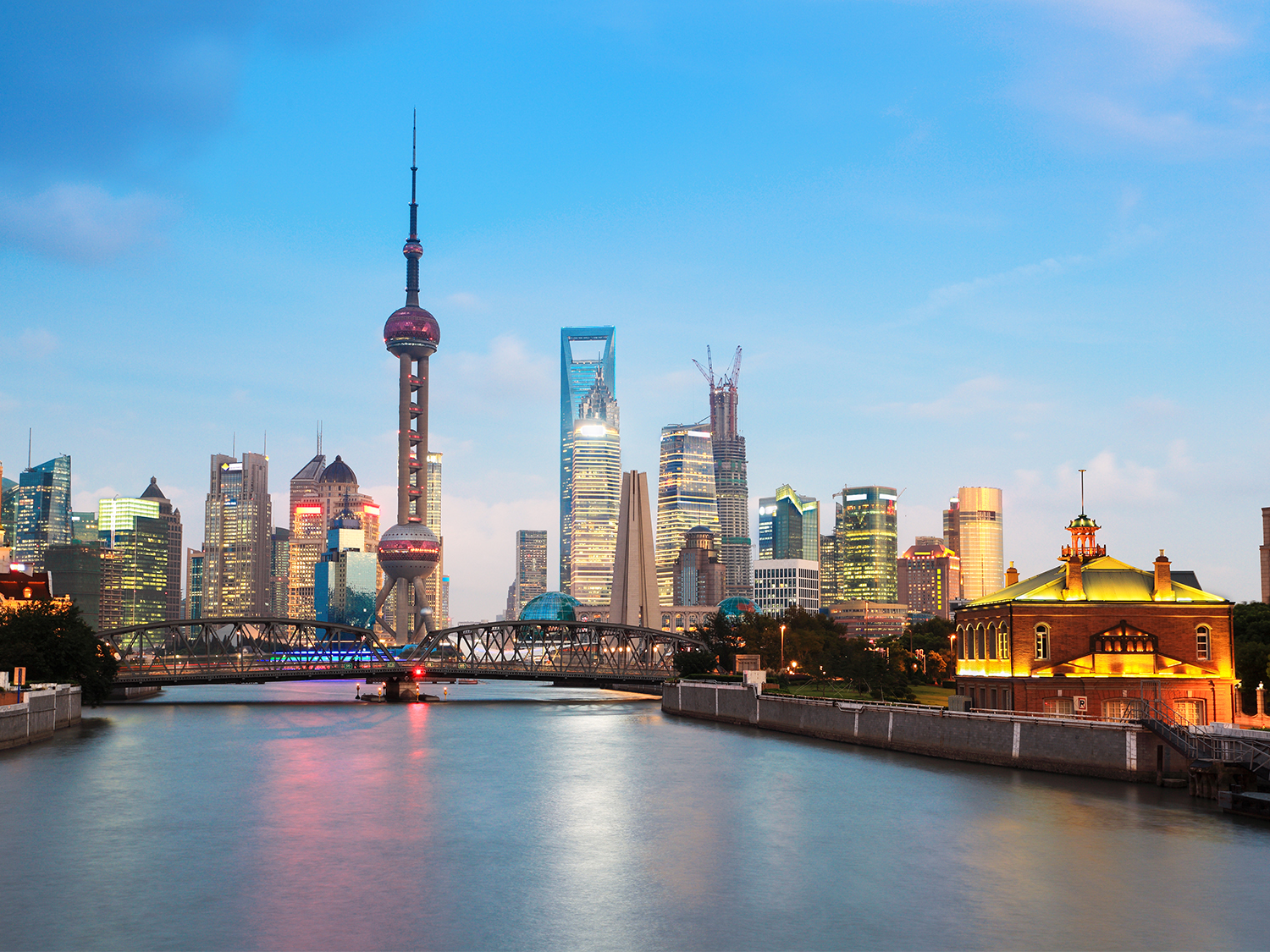
Group Tours: Shared experiences
Private Tours: Travel with friends and family
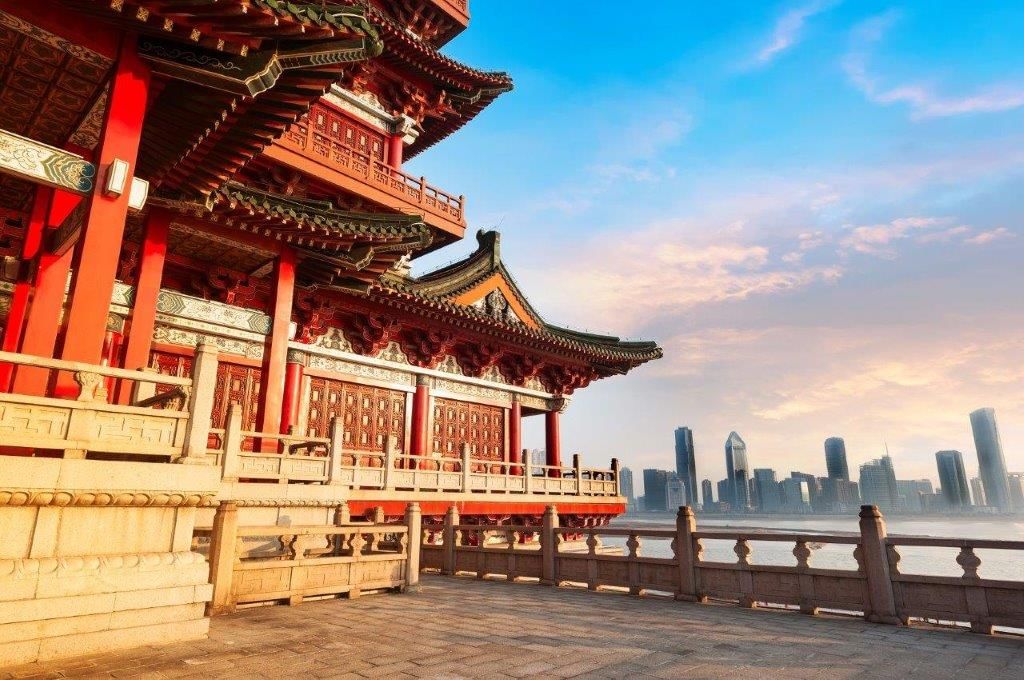
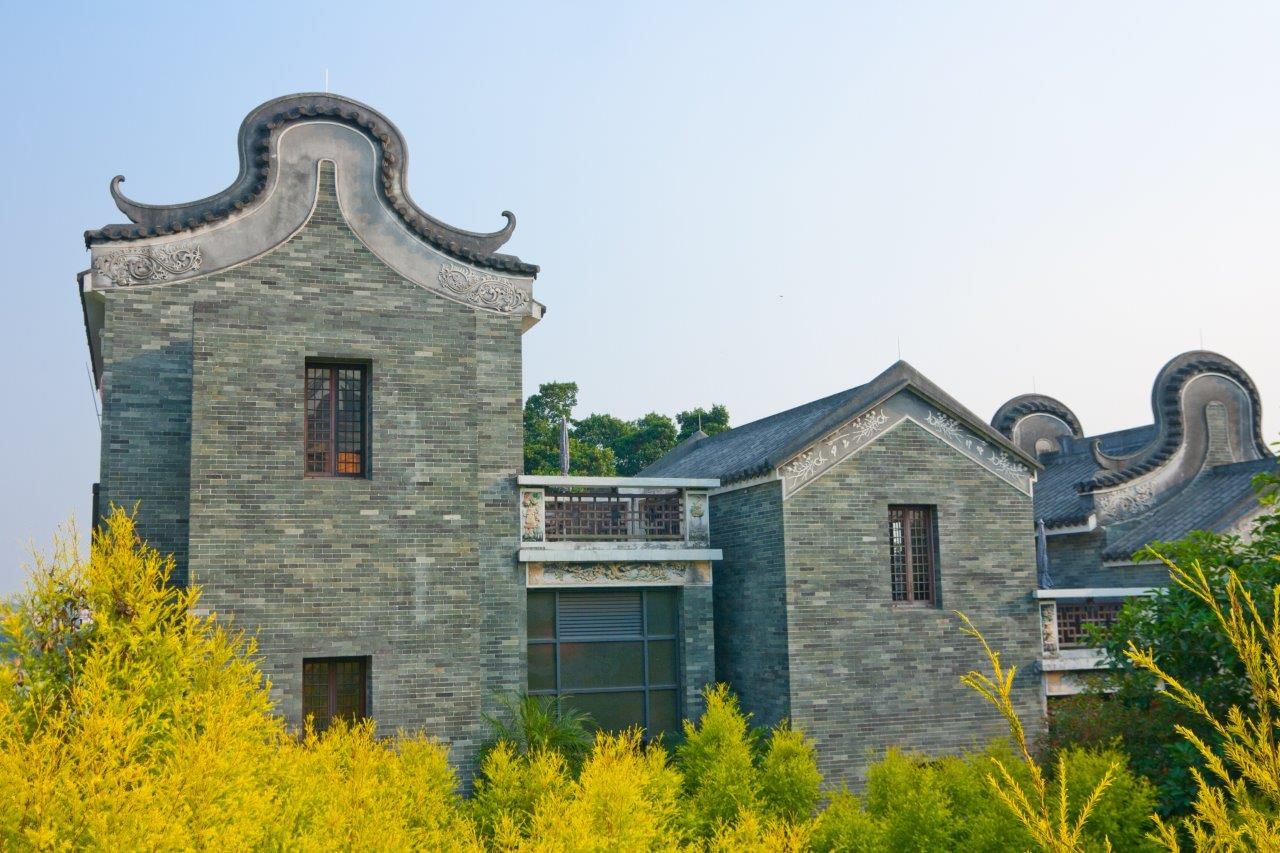
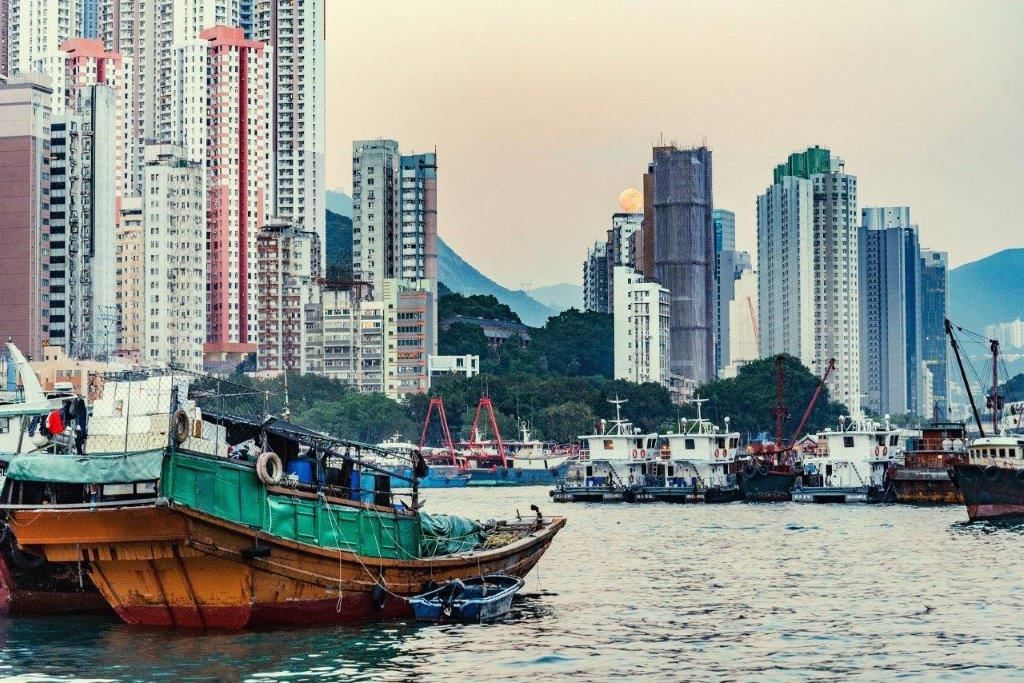

City Explorer: Discover the city and beyond
Find your perfect duration
Expertly planned itineraries help you make the most of every day.
What you'll see in China
Classic highlights and memorable landscapes across China’s best-known regions
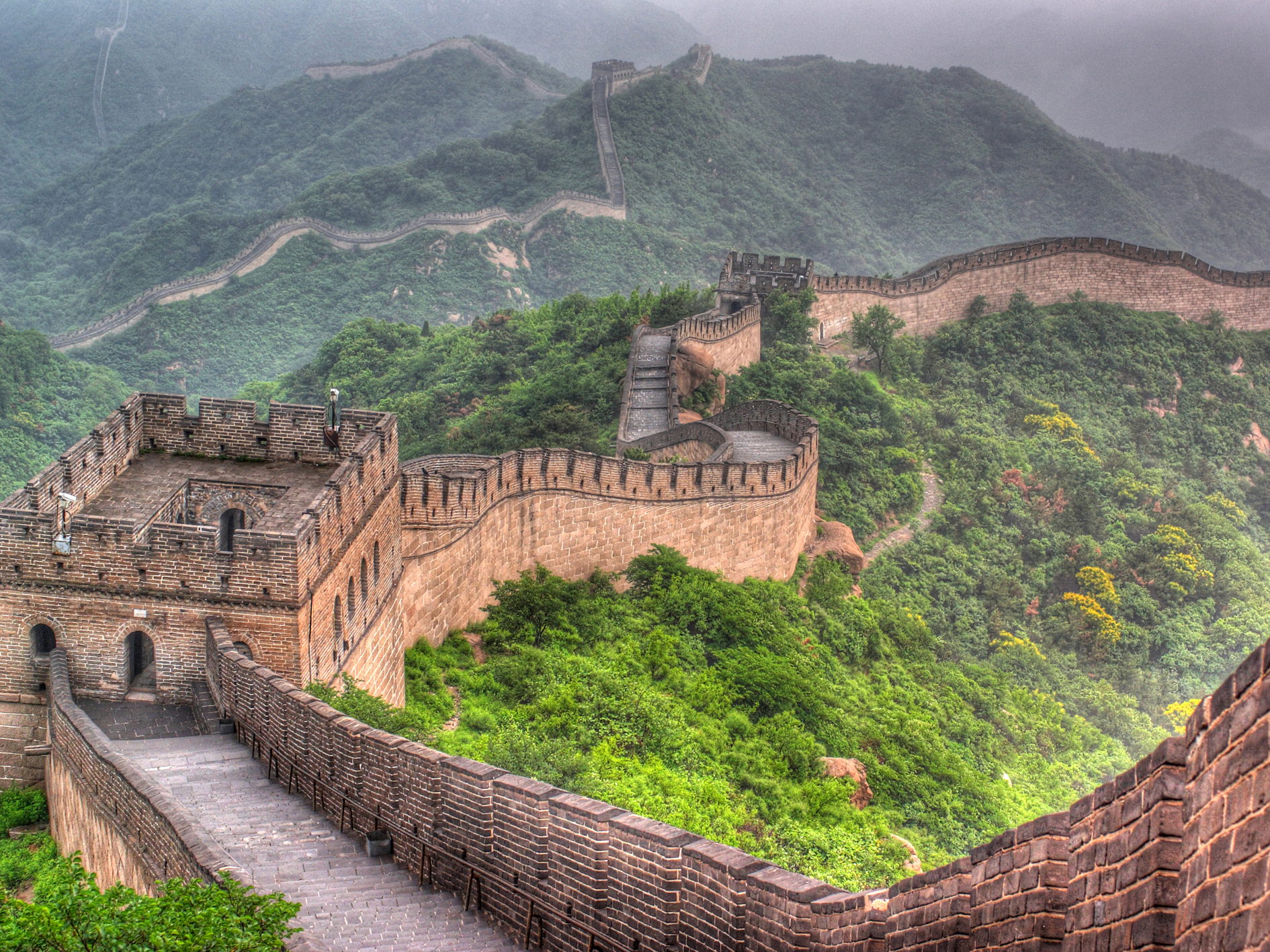
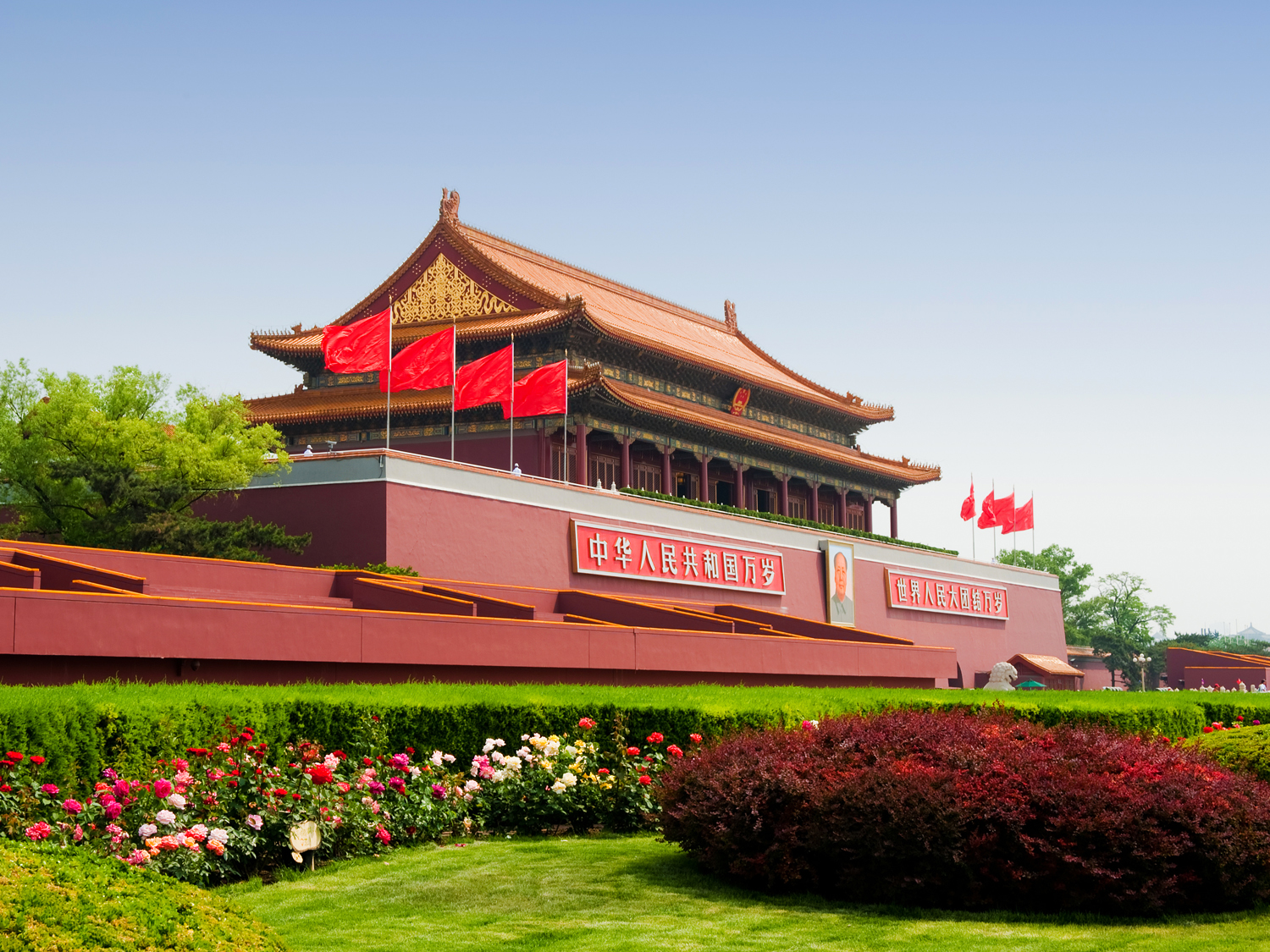
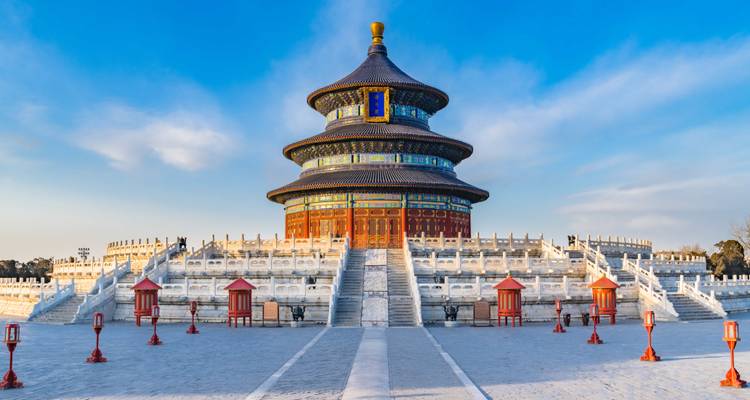
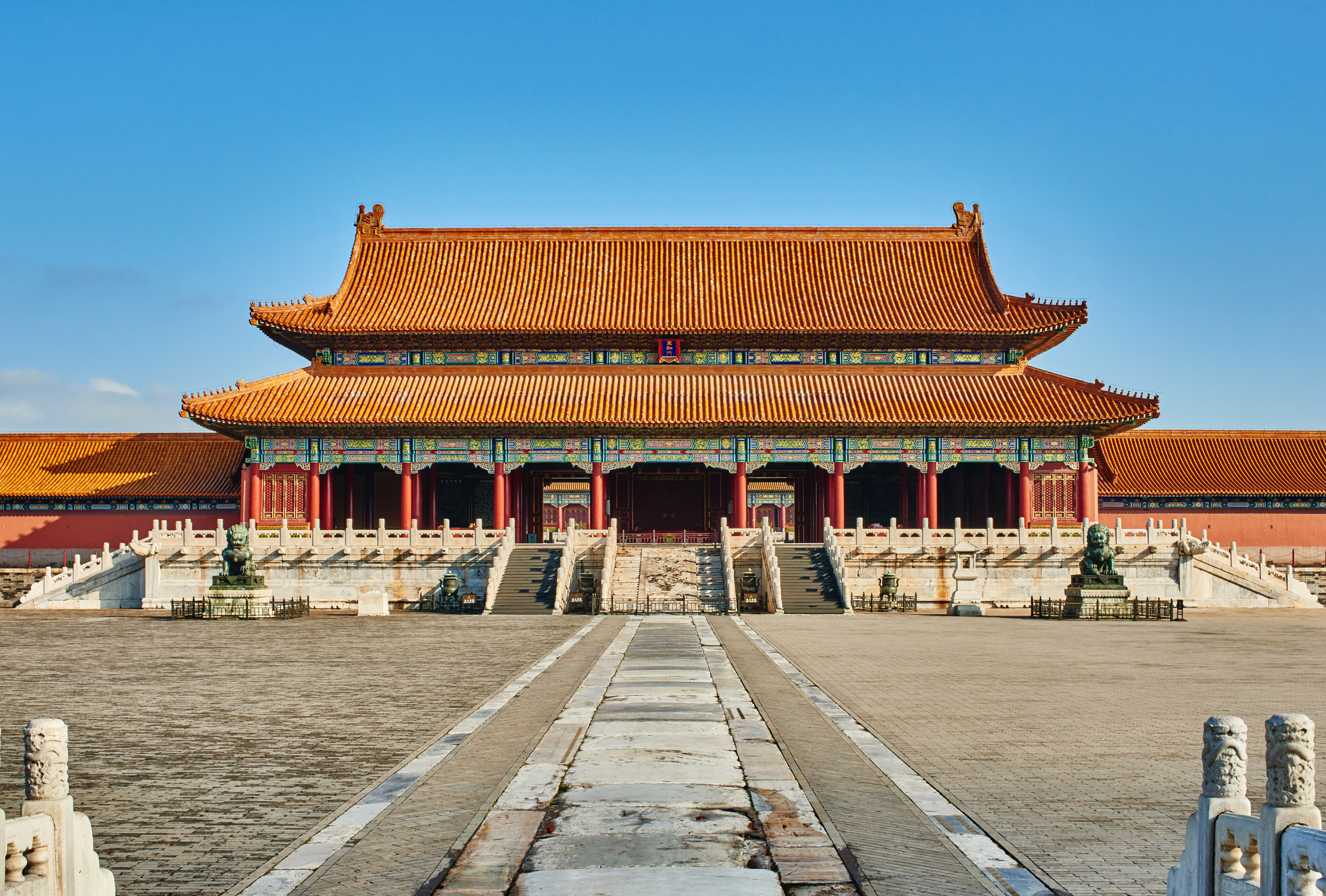
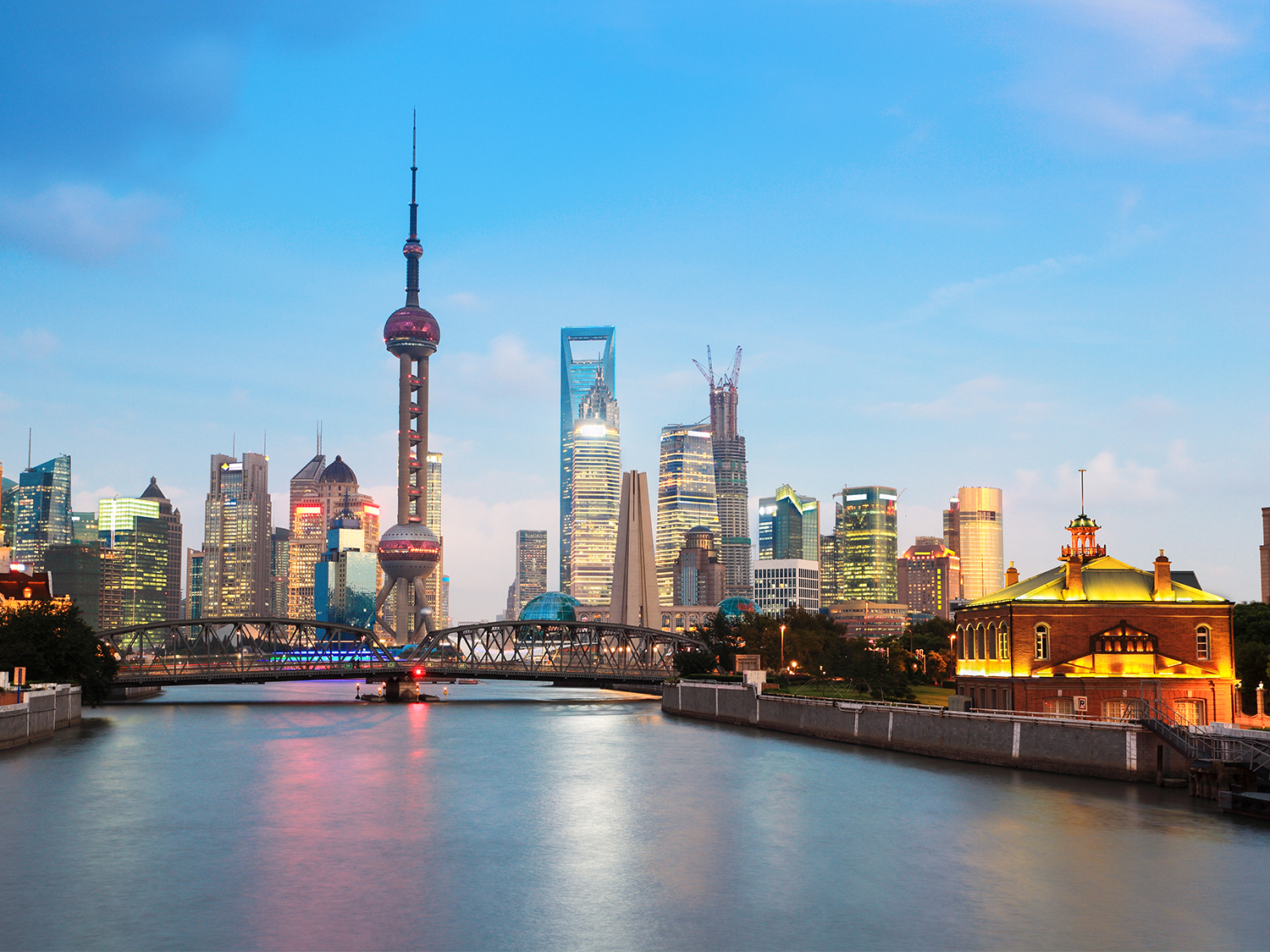
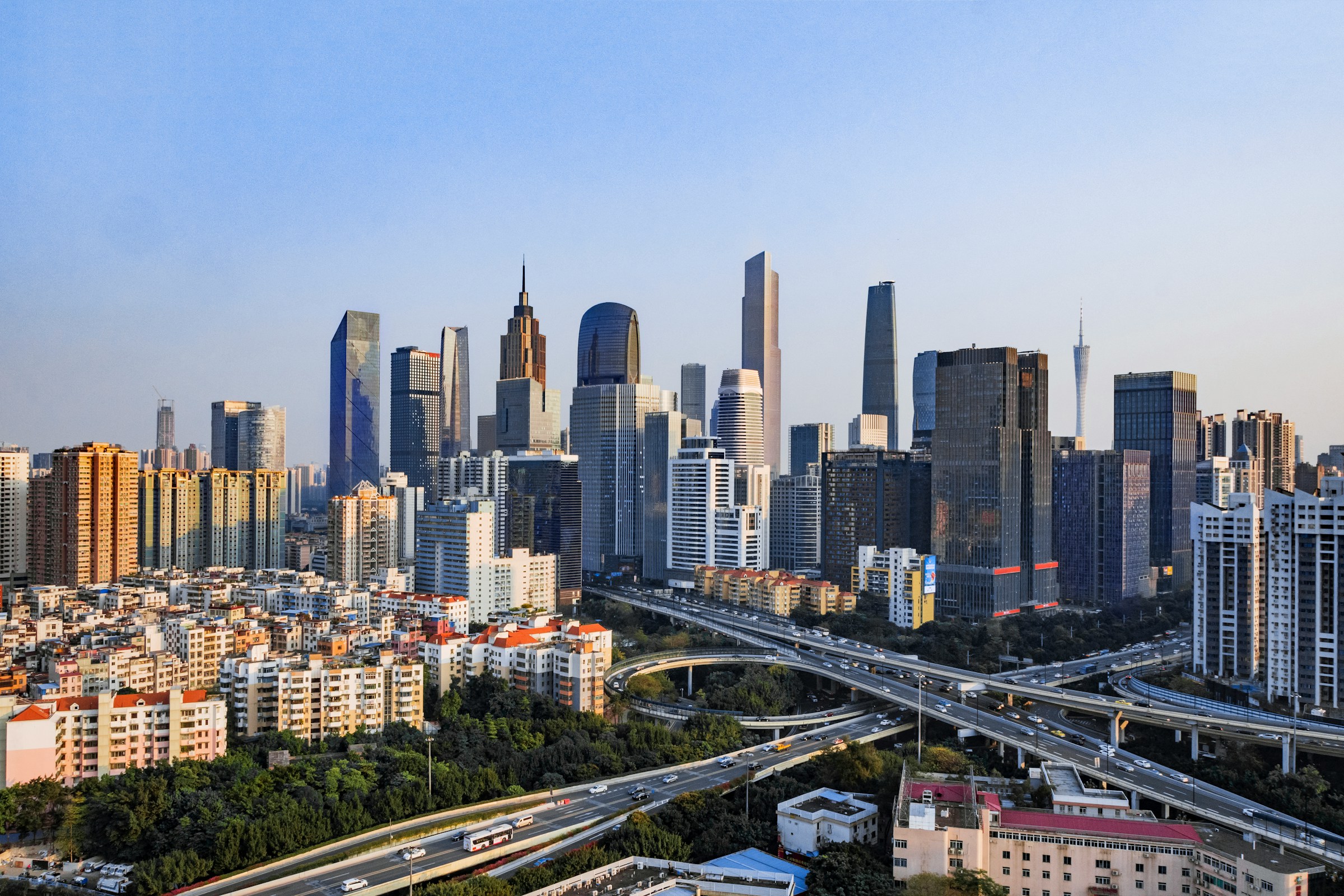
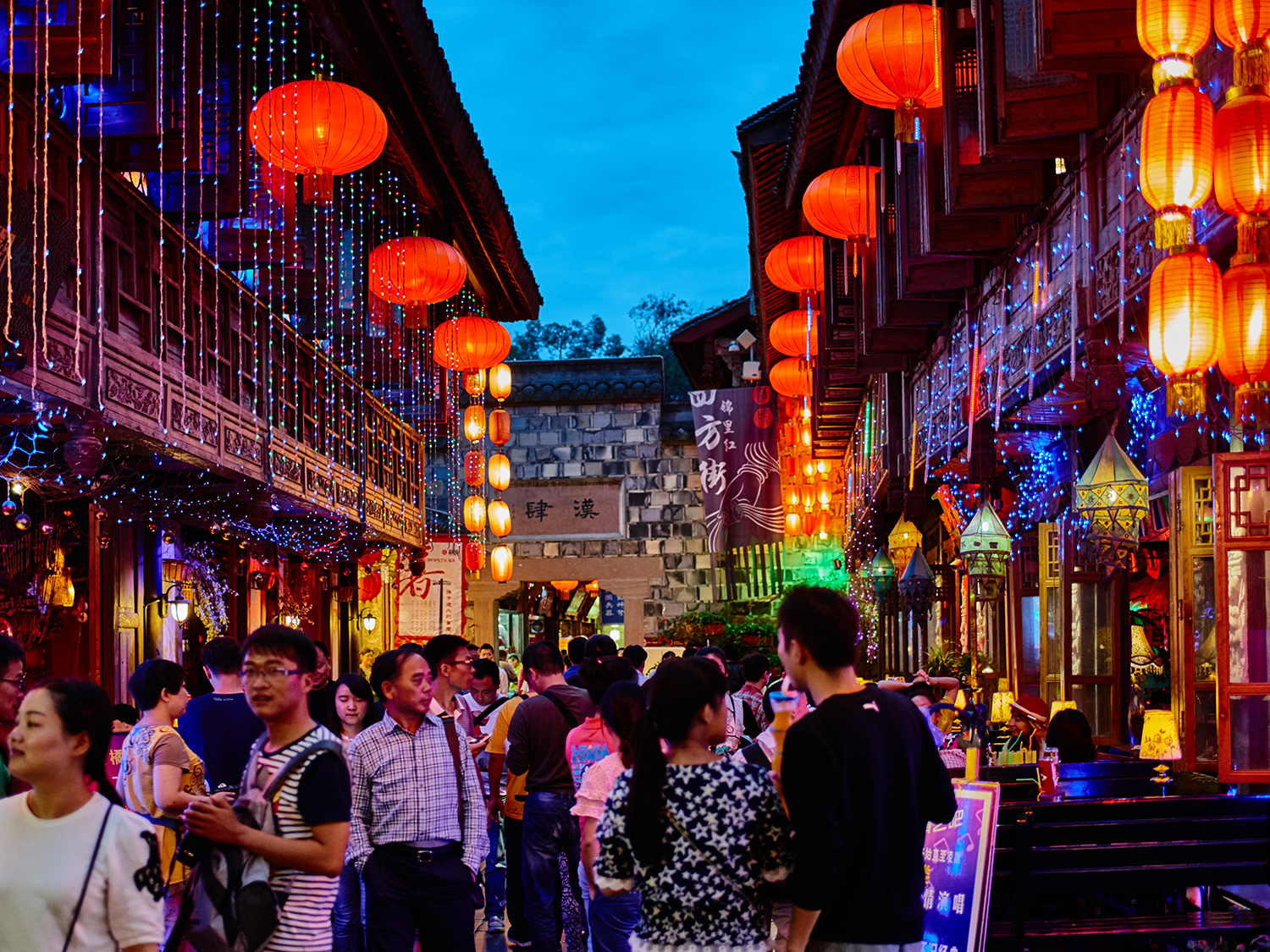
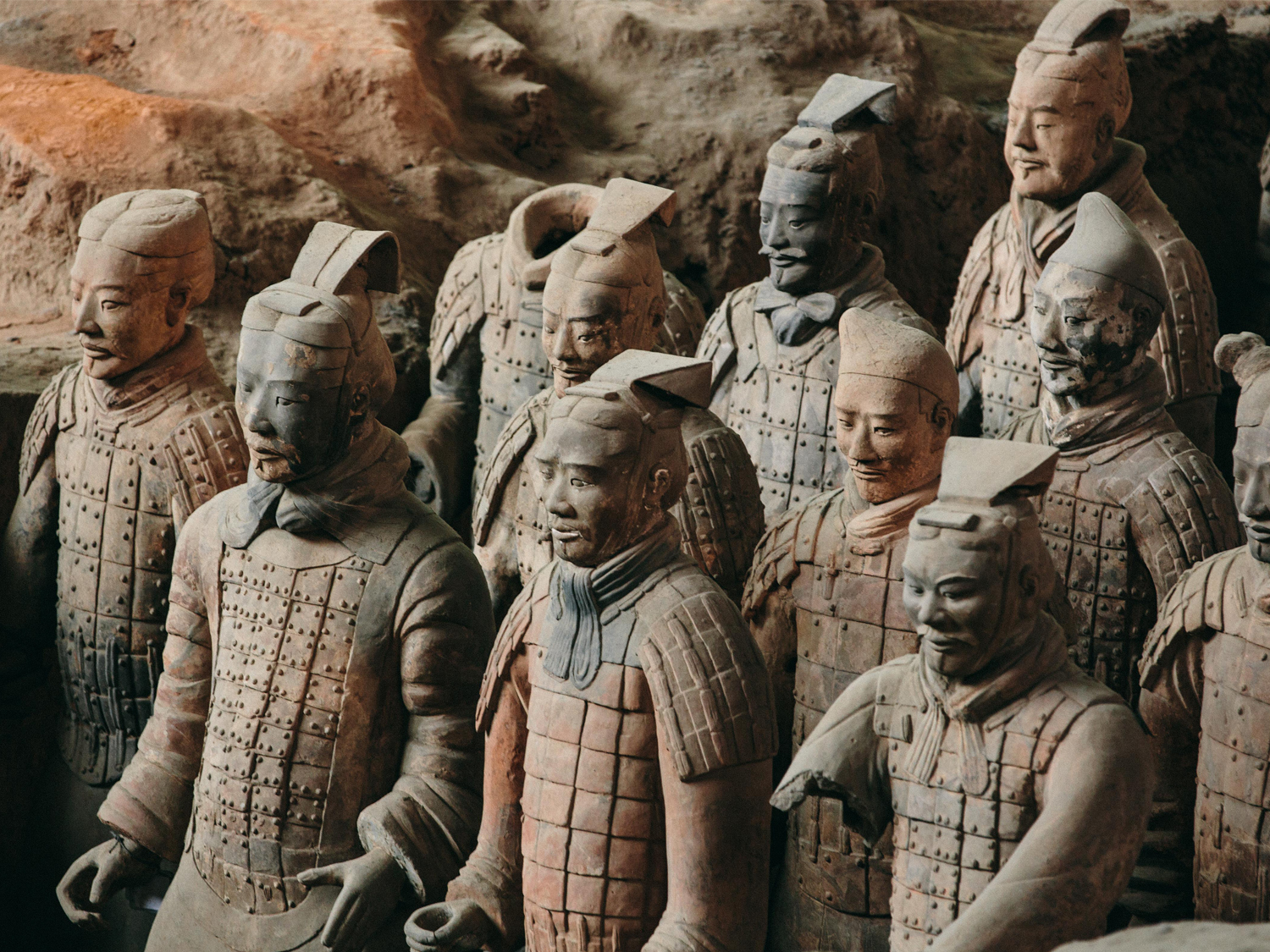
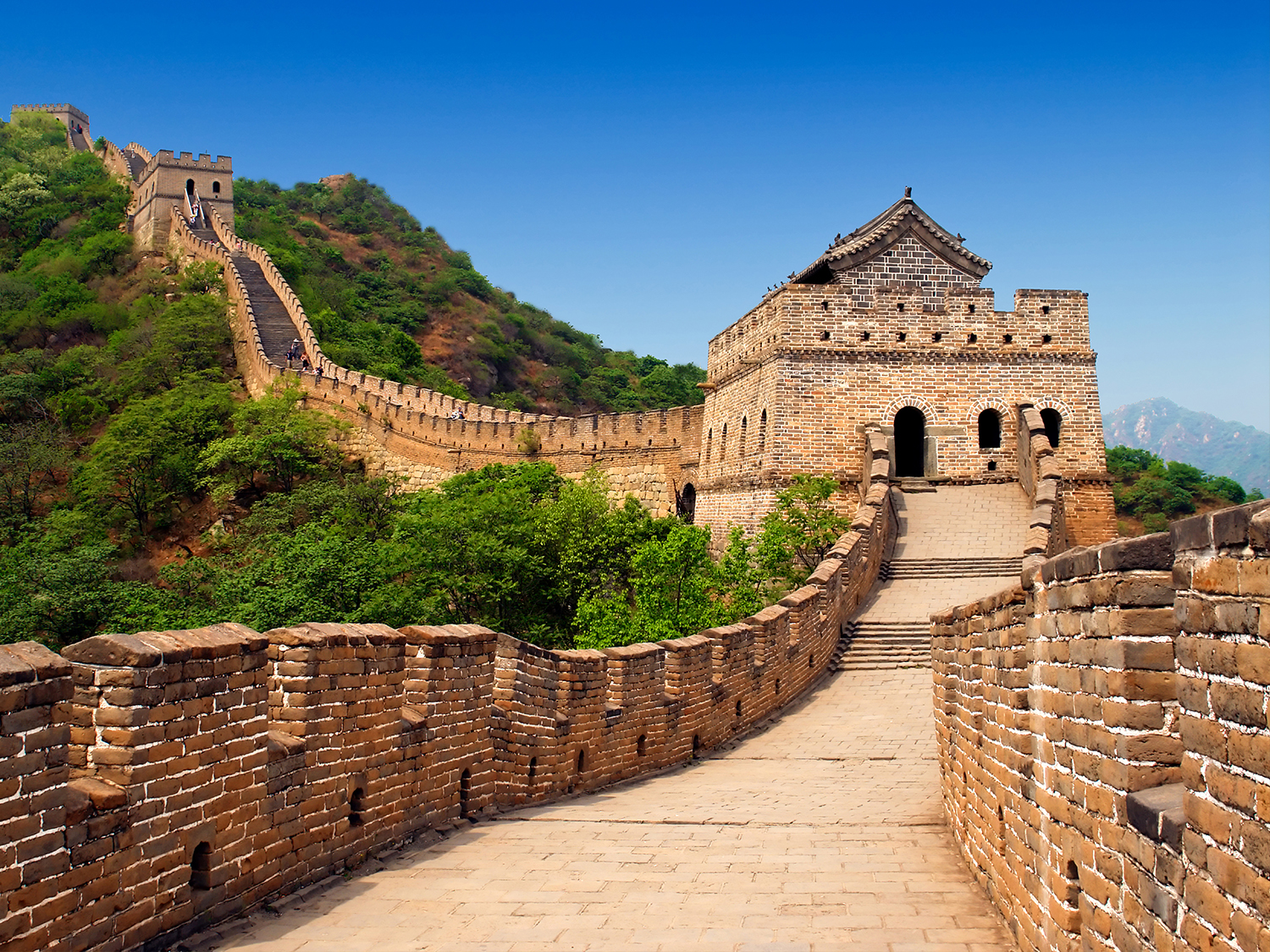
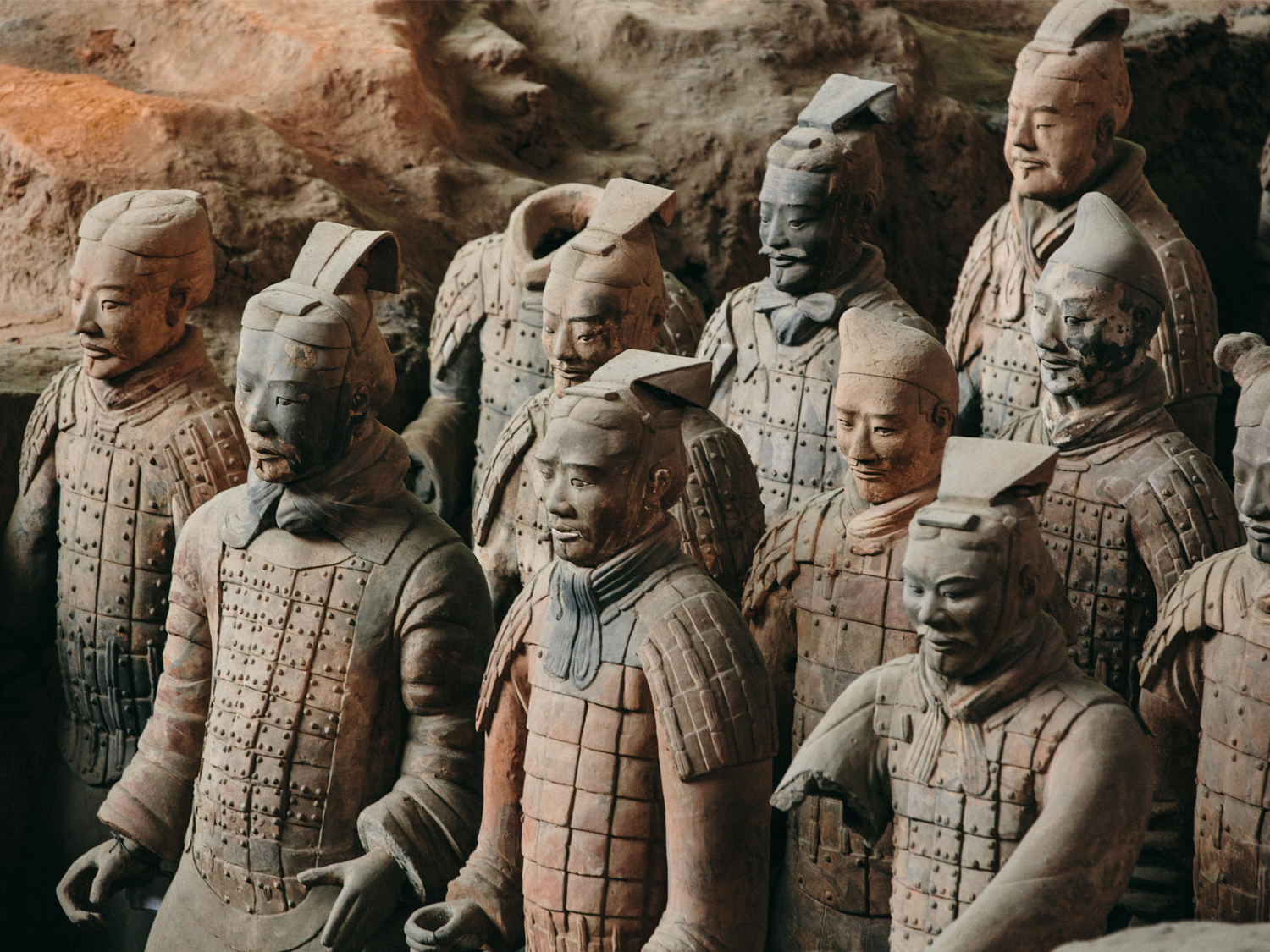
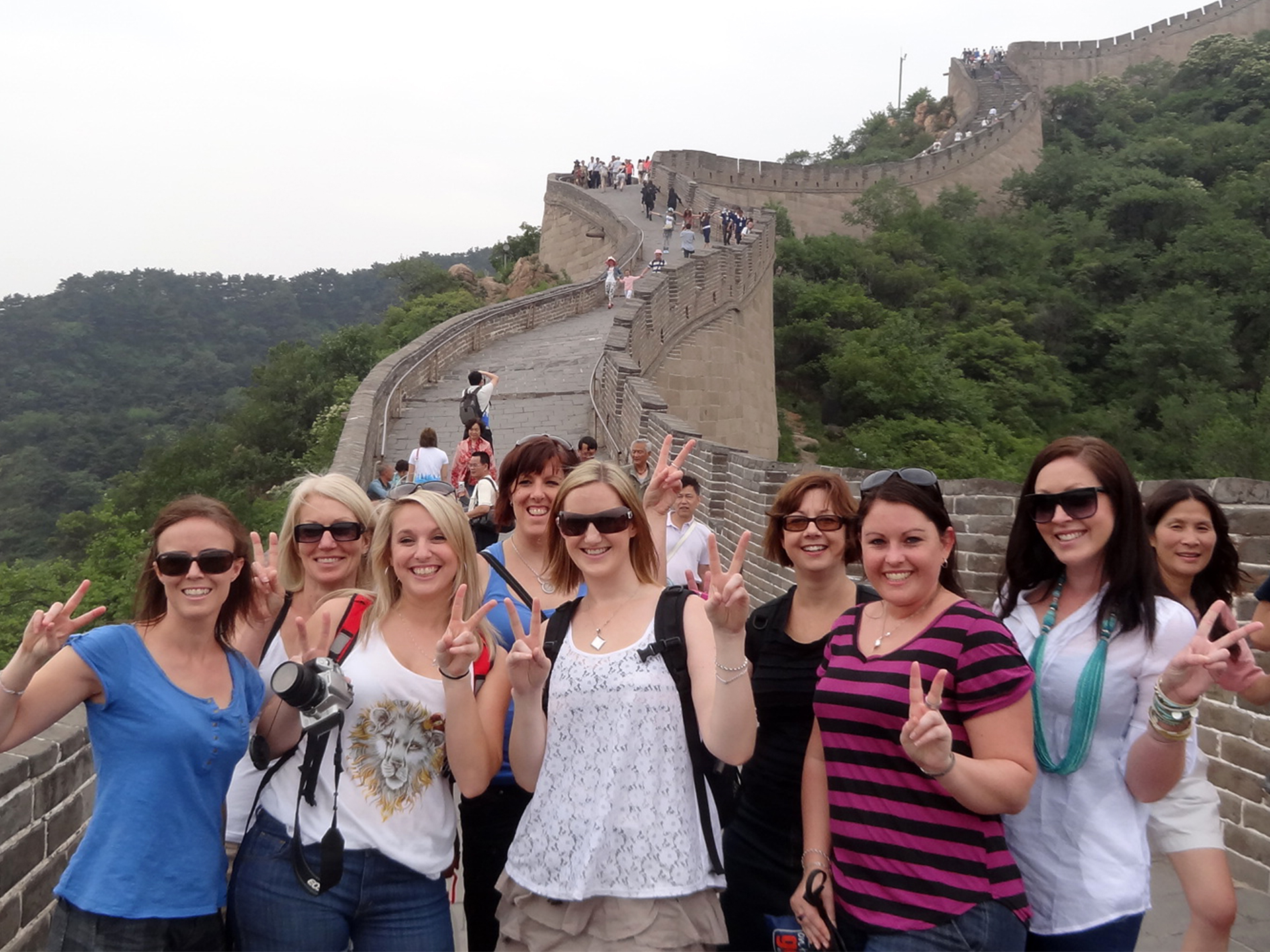
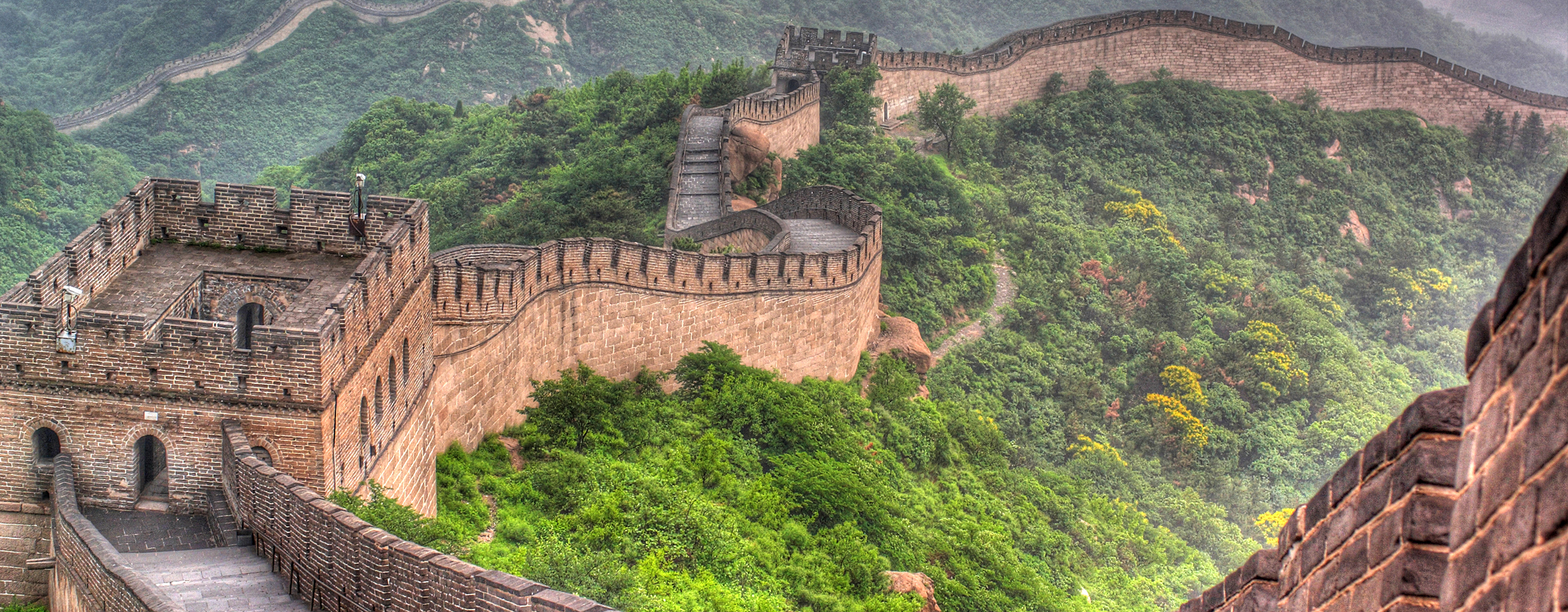
Many China tours begin in the capital with major landmarks such as Tiananmen Square, the Forbidden City, and the Temple of Heaven, often with enough context to understand how each site fits into the country’s imperial story. A day trip to the Great Wall is a common inclusion, typically allowing time for a walk on a scenic section rather than a quick photo stop. In Xi’an, itineraries usually focus on the Terracotta Warriors, time within the old city walls, and the lively Muslim Quarter. Tours that include Luoyang may feature the Longmen Caves and the wider Shaolin area, linking art, religion, and martial-arts heritage in one region. Routes through Chengdu give opportunities to see giant pandas, while also introducing the city’s tea house culture and laid-back street life. For a quieter contrast, Guilin and Yangshuo offer karst hills, rural landscapes, and time on the Li River. Shanghai often rounds out the journey with a mix of classical gardens and striking skylines, and some itineraries also add places such as Hangzhou and West Lake.
Discover the highlights of China
Why visit China
Big-name sights, regional culture and smooth links between major cities
China works well for travelers who want genuine variety, because each region has its own character, landscapes, and pace of life. Many itineraries follow the classic route of Beijing, Xi’an, and Shanghai, which is ideal for first-time visitors who want the key sights covered efficiently. You’ll have support at major attractions, then time afterward to explore on foot, linger in historic districts, or sample local food. For a deeper look, some tours add Chengdu for giant pandas, Guilin and Yangshuo for river scenery and karst peaks, or Yunnan for tea-growing towns and village culture. You may also find itineraries built around Silk Road themes, combining historic trading cities with desert-edge vistas and remote landscapes. With a guided tour, the main highlights are organized in a logical order, supported by local knowledge and practical advice from guides. Transport between cities is arranged in advance, which reduces the time you would otherwise spend comparing trains, reservation tickets, and coordinating transfers.
Frequently asked questions
Are China tours guided?
China tours are offered in a range of guiding styles, depending on the itinerary. Some trips are fully guided with a tour leader throughout, while others are partly guided or semi-independent, combining guided visits at key stops with more freedom in between. The level of support and included guiding is set out in each tour’s plan.
Do China tours include Beijing, Xi’an and Shanghai?
Many China tours cover the classic circuit of Beijing, Xi’an, and Shanghai, often connecting cities by high-speed train and occasional flights. This route suits first-time visitors because it combines major highlights such as the Great Wall and the Terracotta Warriors with time in historic districts and well-known local areas. Exact inclusions vary by itinerary, so it’s worth checking the day-by-day plan.
Can China tours include the Yangtze River?
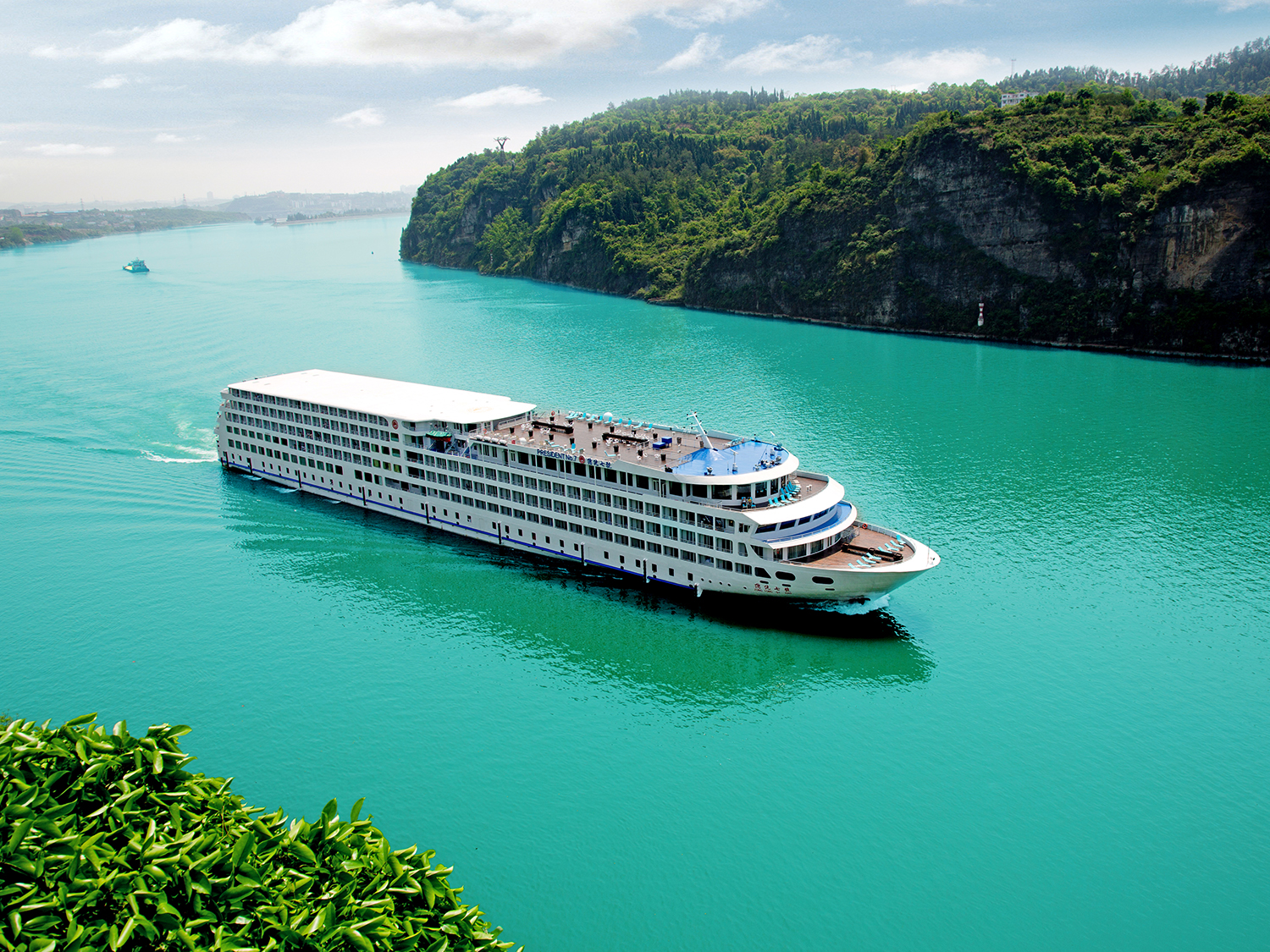
Yes, some itineraries include the Yangtze River, usually as a multi-night cruise through the Three Gorges region. These trips typically combine time on the water with city stays before or after the cruise, so you get a mix of landmark sightseeing and scenic river views.
Are there tours in China that visit Chengdu and giant pandas?
Yes, several tours include Chengdu with a visit to see giant pandas, often at a conservation-focused facility in or near the city. Depending on the itinerary, you may also have time for local meals, parks, and neighbourhoods that showcase Chengdu’s relaxed tea culture. Key touring elements are generally guided, with optional free time built in.
Do China tours visit Guilin and Yangshuo?
Some tours include Guilin and Yangshuo for karst landscapes and river scenery, often with time on the Li River. These areas can feel noticeably slower than the major cities, and itineraries may include more nature-led days alongside relaxed walks and viewpoints. The balance of guided activities and free time depends on the trip.
Are group and private China tours available?
Yes, China tours are available as both group and private options. Group tours follow a shared schedule and tend to suit travelers who enjoy a social dynamic, while private tours keep the itinerary for your party only and can offer more flexibility around pacing. Inclusions and services are listed clearly for each tour.
What is accommodation like on China tours?
Accommodation depends on the itinerary and can range from simple, functional stays to higher-standard hotels, including 3 star, 4 star, and 5 star options. Some tours also feature special nights, such as a cruise or camping, where the experience is a key part of the trip. If a listed property is unavailable, similar accommodation of an equivalent standard may be used, and star ratings can vary by country.
How do travelers move between cities on China tours?
Travel between cities may be by high-speed train, overnight train, or domestic flight, depending on the route and distances involved. Local transport and transfers can include private vehicles, buses, and public transport, particularly in large cities. Each itinerary outlines the planned transport so you know what to expect.
Do China tours suit travelers with an easy fitness level?
Many tours suit an easy fitness level, with sightseeing that typically involves walking at major attractions and a moderate overall pace. Some itineraries include longer walks, steps, hikes, or cycling, especially in scenic areas, so it is sensible to review the trip notes before reservation. That way, you can match the itinerary to your comfort and preferred activity level.
Do any China tours visit Yunnan?
Yes, some tours focus on Yunnan and may include places such as Kunming, Pu’er, and Xishuangbanna. These itineraries often highlight tea culture, subtropical scenery, and the distinct traditions of local communities across the region. It’s a strong choice if you want accommodation and pacing that feel different from the classic east-coast route.
China travel guides



Choose your China experience
Discover the best ways to experience China.

China Group Tours
Travel with like-minded people on a guided itinerary that takes care of the planning while leaving room to explore.
89 trips
China Private Tours
Enjoy the benefits of expert planning and local guides, with a trip designed just for you and your travelling companions.
56 trips

China City Explorer
Stay in one well-chosen base and discover the city and surrounding highlights through guided day trips and free time.
29 trips
Explore more countries like China!
Discover other destinations that offer similar experiences to China.