|
top spots
|

|
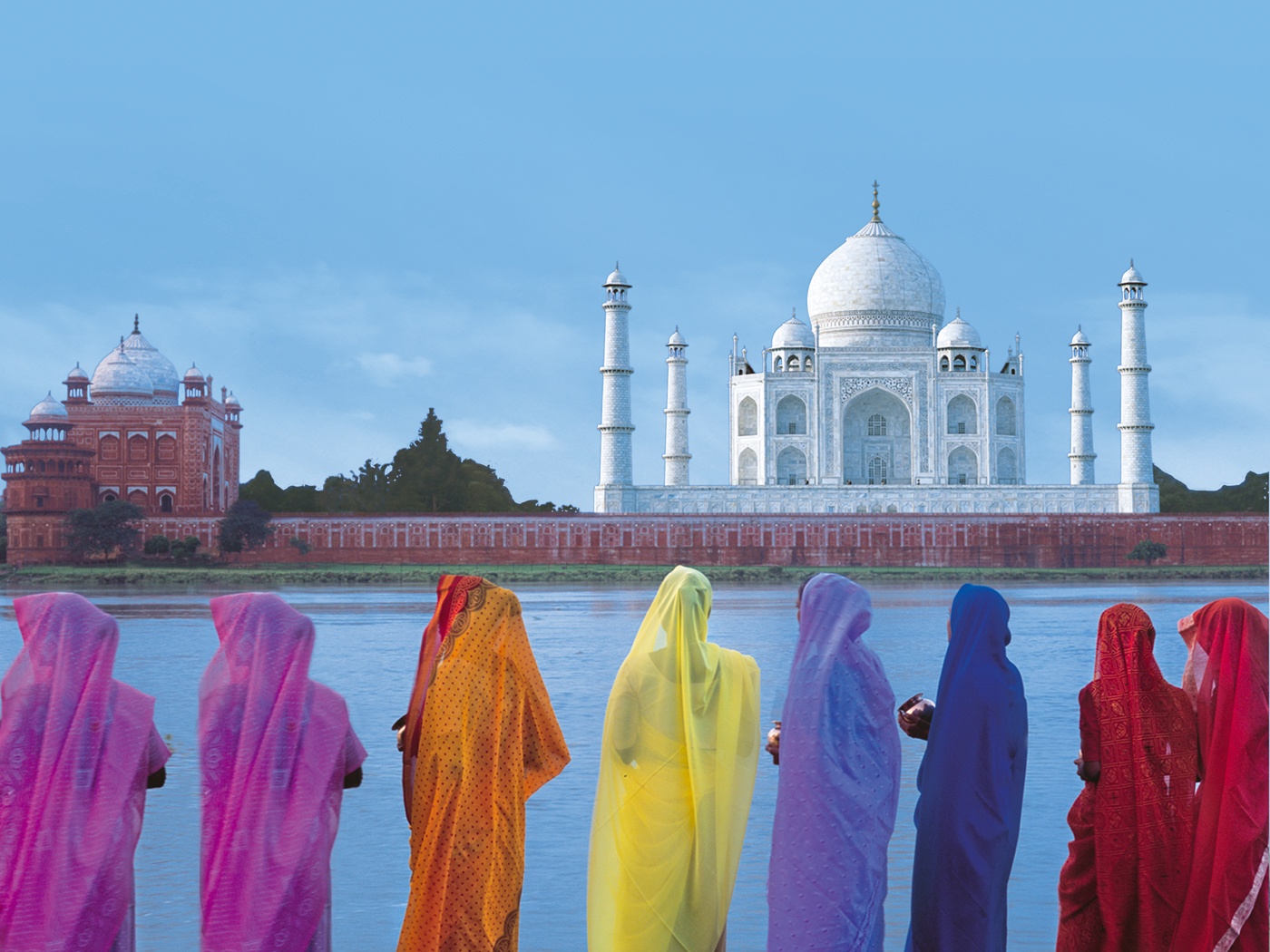
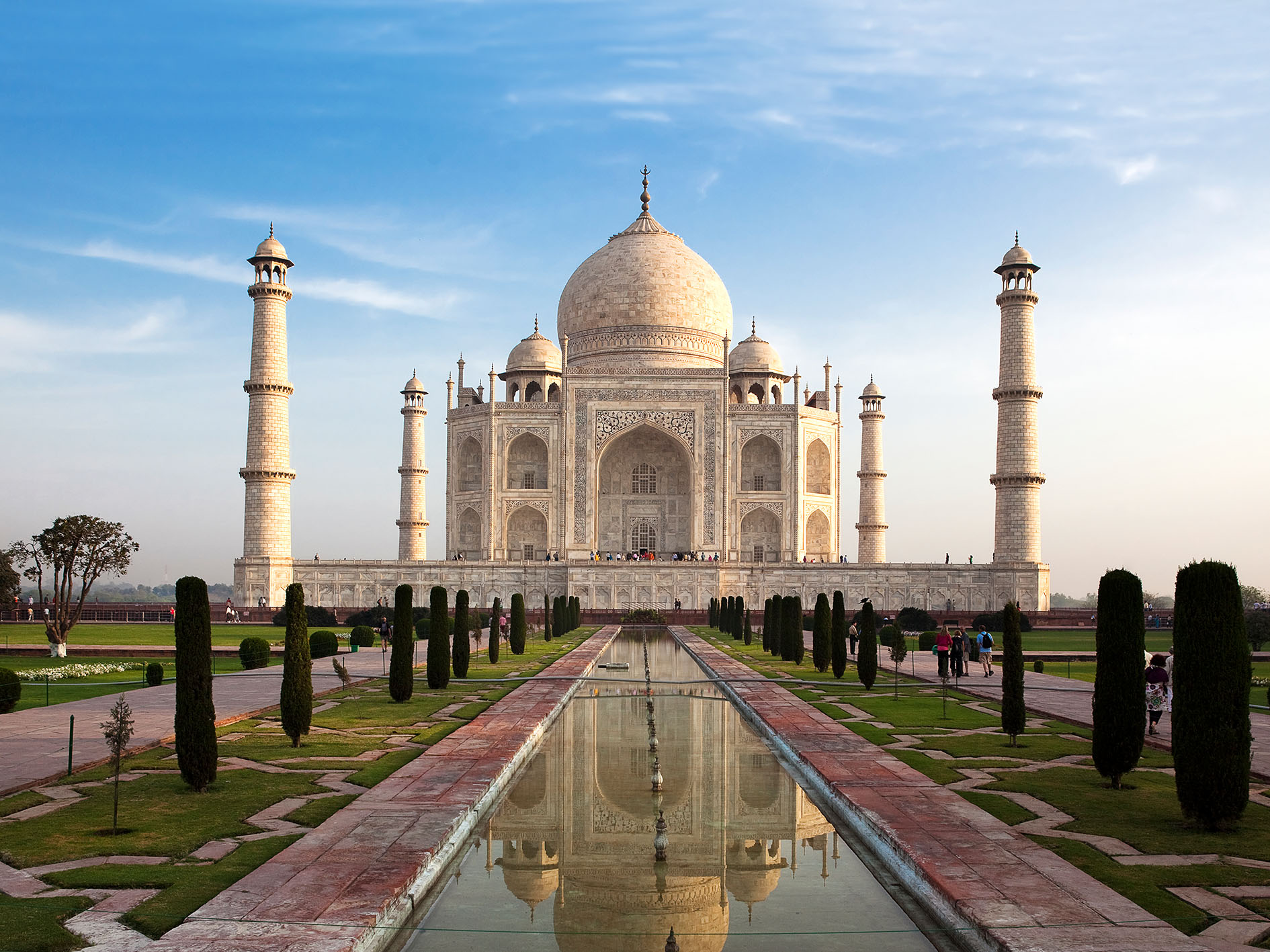
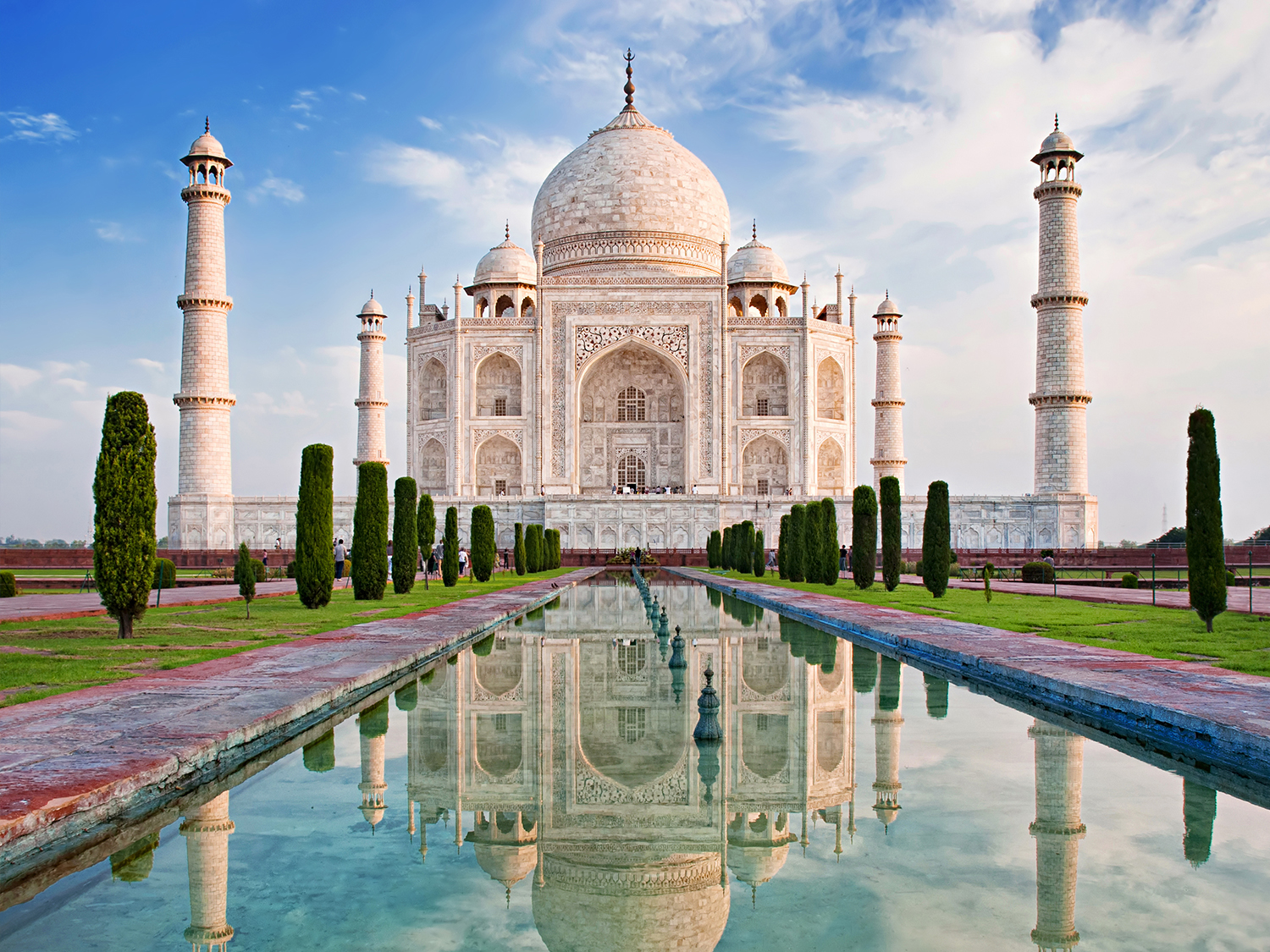
Agra & Taj Mahal This city (pop. 956,000) is best known as the location of the Taj Mahal. The elegant structure was ordered built by Emperor Shah Jahan for his wife, Mumtaz Mahal, who died giving birth to their 14th child. It took some 20,000 labourers 22 years to build the Taj, and every detail is absorbing: the classical gardens, the reflecting pool and elaborate patterns of semiprecious stones decorating the white marble. So precious is the Taj, more than 200 factories in the area have been shut down to prevent air pollution from discolouring the marble. Other sights in Agra include the Agra Fort, built under the Mughal Emperor Akbar in 1565 that contains numerous palaces and a white marble mosque, while Itmad-ud-Daulah’s tomb was a marble forerunner to the Taj. Agra itself is unexceptional, but if you follow the road out of the Taj’s main gate and keep heading straight, you’ll find yourself in old Agra, which has a lively market.
|
|
|
|
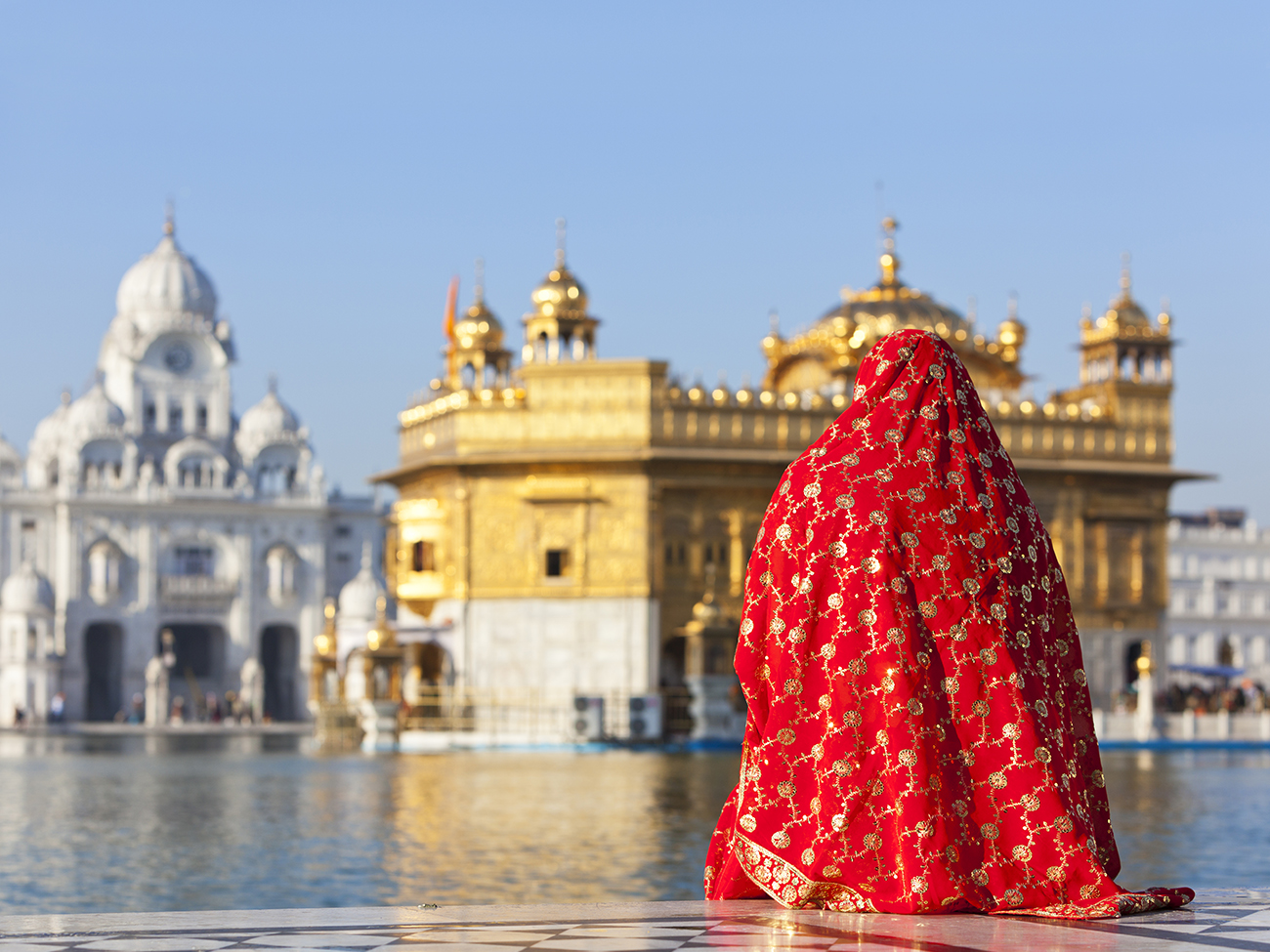
Amritsar As the holy centre of the Sikh religion, Amritsar, a 16th-century Punjabi city (pop. 1,050,000) near the Pakistani border, is a good place to visit for an insight into the Sikh culture. The religion’s adherents don’t cut their hair. The men are easily identified by their turbans, beards and silver bracelets; the women by their salwaar kameez, a dress-and-pants combination that has become popular through India. Amritsar’s main attraction is the beautiful Golden Temple made of white marble, bronze and gold leaf. To enter the temple, you must don a traditional headscarf, wade through a shallow pool (a purification ritual) and merge with the mass of bodies that circle the embankment around the holy structure.
|
|
|

|
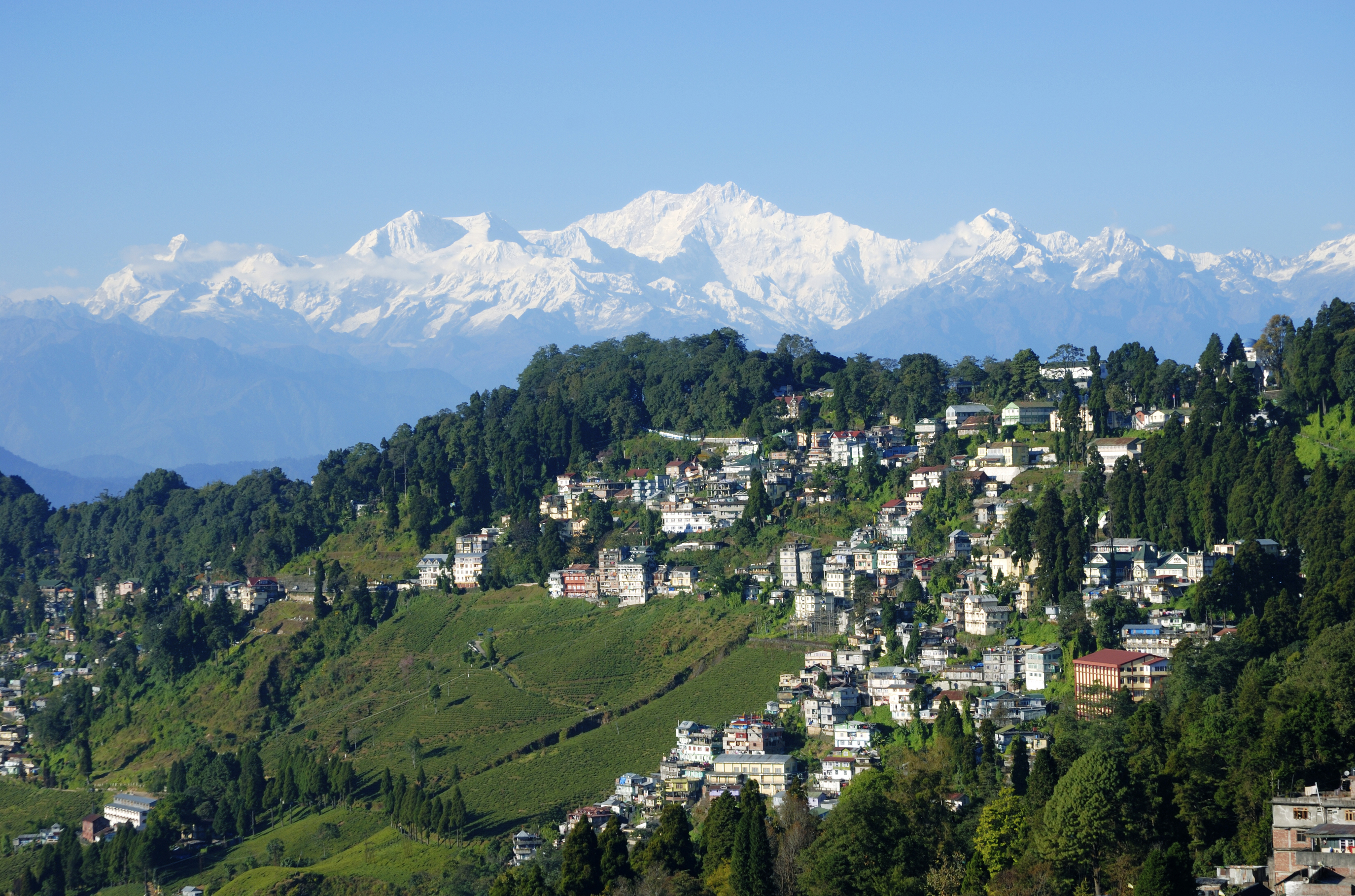
Darjeeling Situated at 7,000 ft, Darjeeling (pop. 73,000) is out of the way, but worth the visit. This pretty resort, built among tea plantations, is one of the cool hill stations where leaders of the British Raj escaped the summer heat. Today, Darjeeling offers the same respite from the heat. Half the fun of visiting Darjeeling is getting there. The famous “toy train” huffs and puffs, climbing more than 8,000 ft along a narrow-gauge track before reaching the city. The trip begins in Siliguri and takes about 8 hours to travel 50 miles. Darjeeling is built among hills that host tea estates and visitors can expect to do a lot of climbing up and down stairs to get from one street to the next. Darjeeling is a place to relax, listen to the Buddhist monks call the faithful to worship on their long, red horns and take in the beautiful views.
A notable attraction is the Himalayan Mountaineering Institute, a training school for mountain climbers. Its museum features memorabilia from the first ascent of Everest. Sir Edmund Hillary’s climbing partner, Sherpa Tenzing Norgay, taught at the institute until his death in 1986. There are also botanical gardens, two Buddhist monasteries, a racetrack and a cable car that connects Darjeeling to the village of Singla Bazar. From mid-April until the end of June, it’s usually possible to see Mount Kanchenjunga, the third-highest mountain on Earth, from town. The best view is at dawn atop Tiger Hill, 7 miles away.
|
|
|
|
Delhi Ancient and modern India collides with startling results in Delhi, the nation’s capital and third-largest city (10,000,000). While you may stay in a gleaming high-rise hotel with all the latest conveniences, you can step outside and see a lawnmower pulled by a bullock. Parts of the city are well planned, with manicured gardens; other areas are criss-crossed by dark, congested alleys that dead-end into centuries-old mosques and palaces. Officially two separate cities, the old city of Delhi and New Delhi are really two parts of one sprawling metropolis. New Delhi, largely built by the British, is clean and modern with broad, tree-lined boulevards. Old Delhi, considerably less clean, is noted for spectacular Mughal architecture dating to the 10th century. The juxtapositions are, of course, what makes this city so fascinating. Travellers will find that its long history and mix of cultures have spawned an array of architectural styles, religious sites, eclectic museums and sumptuous cuisines.
|
|
|

|
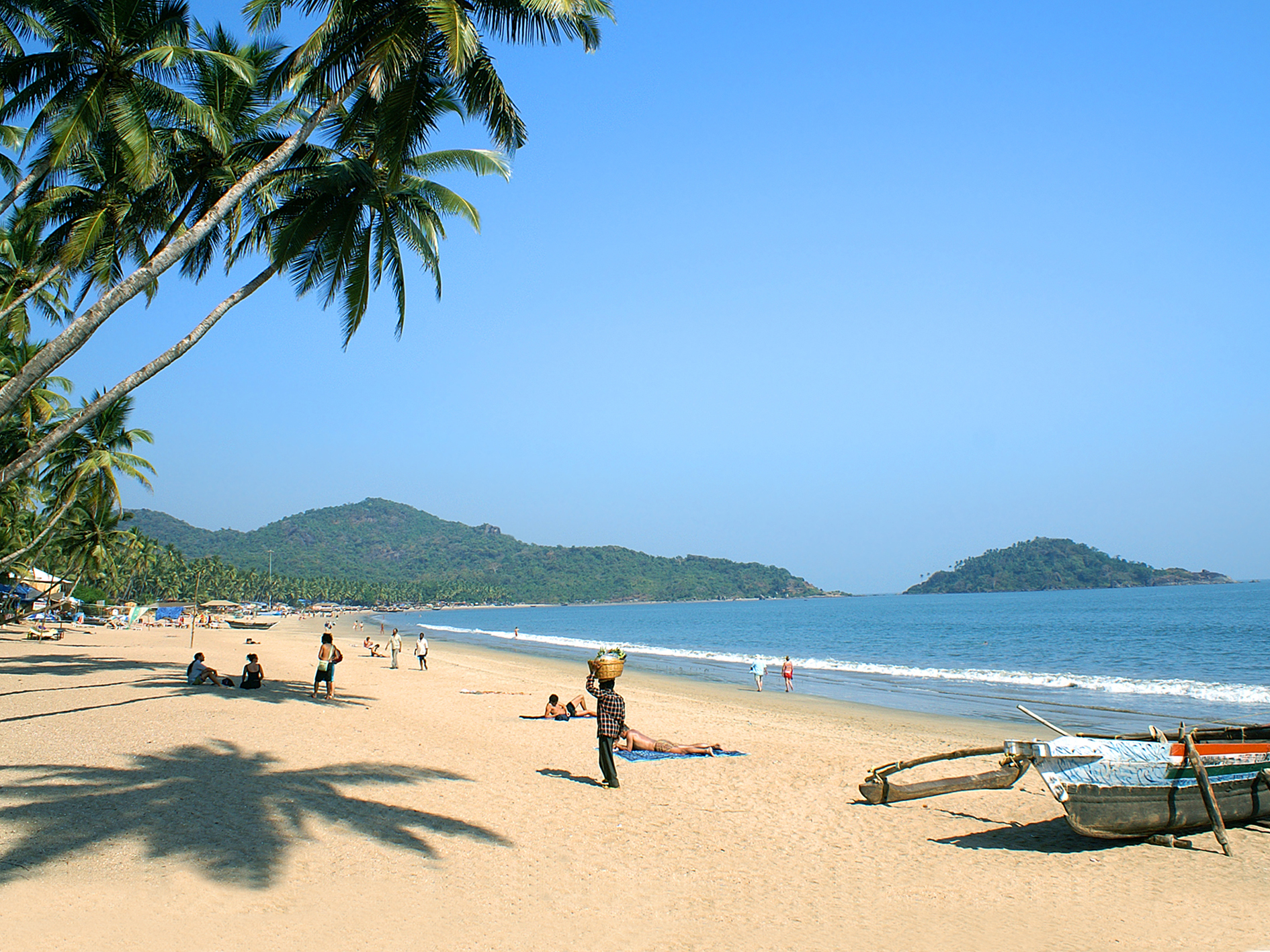
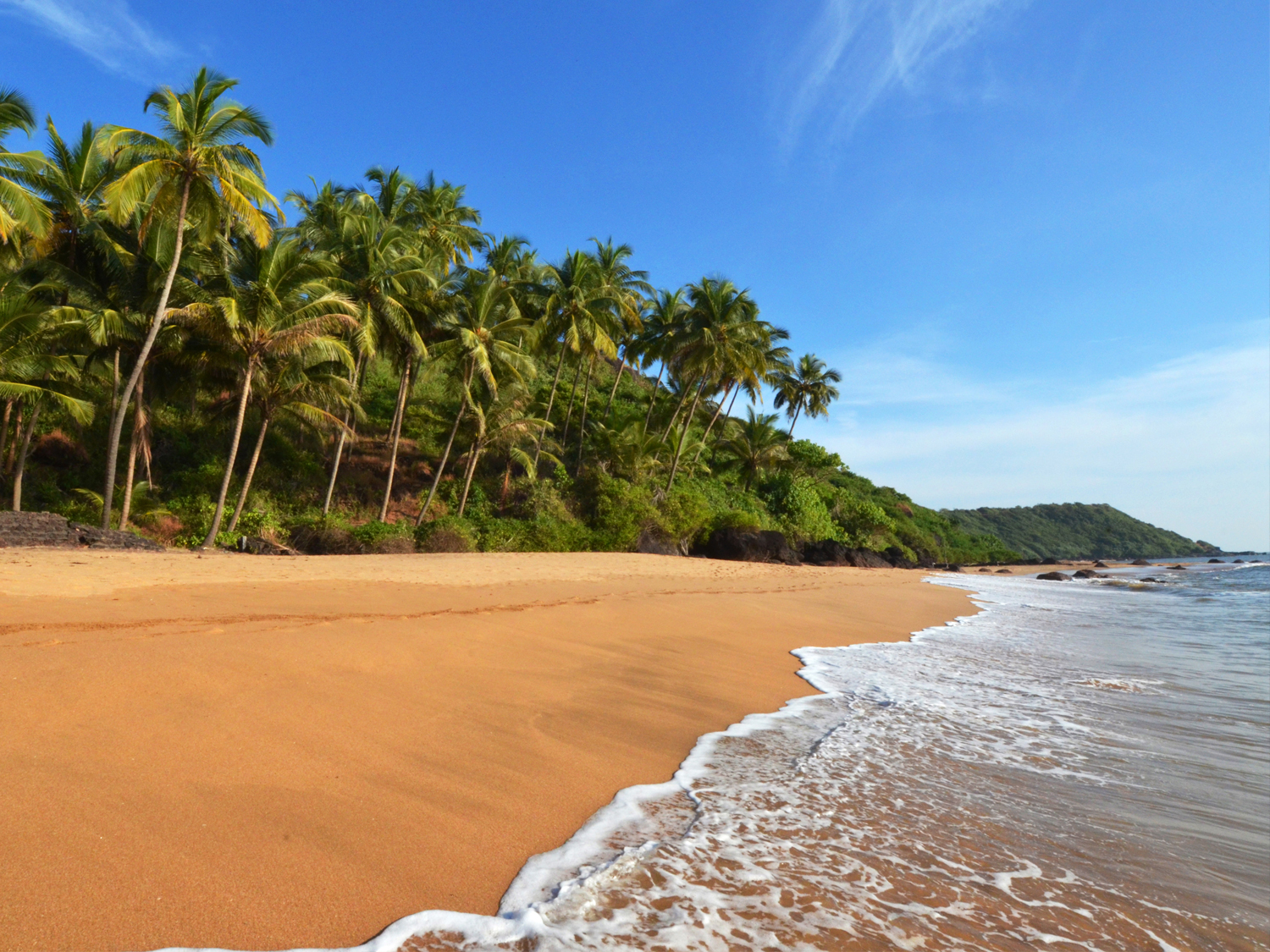
Goa Thanks to its picturesque location on the Mandovi River, between the Western Ghats and the Arabian Sea, Goa is one of India’s prime destinations. The Portuguese, who claimed Goa as the seat of the Catholic Church in the East in the 1500s, controlled the area until 1961, when India invaded to liberate it. The state’s Portuguese past is most apparent in its plazas, cathedrals and architecture and a few Portuguese insist that Goa retains more old world heritage than most of Portugal. A fun way to explore Goa is by renting a bike or scooter. They are easily available, but you must have an International Drivers License and provide passport details. Although best known for its massive stretch of magnificent, palm tree-lined beaches along the Arabian Sea coast, Goa offers other attractions; for example, the Portuguese Catholic Church of Old Goa, St. Anne’s Church (an ornate marvel from the 1600s) and the Basilica of Bom Jesus. The surrounding countryside is dotted with luxurious old estates built by wealthy Indians (many of whom converted to Catholicism), including Braganza Palace which is open to the public.
|
|
|
|
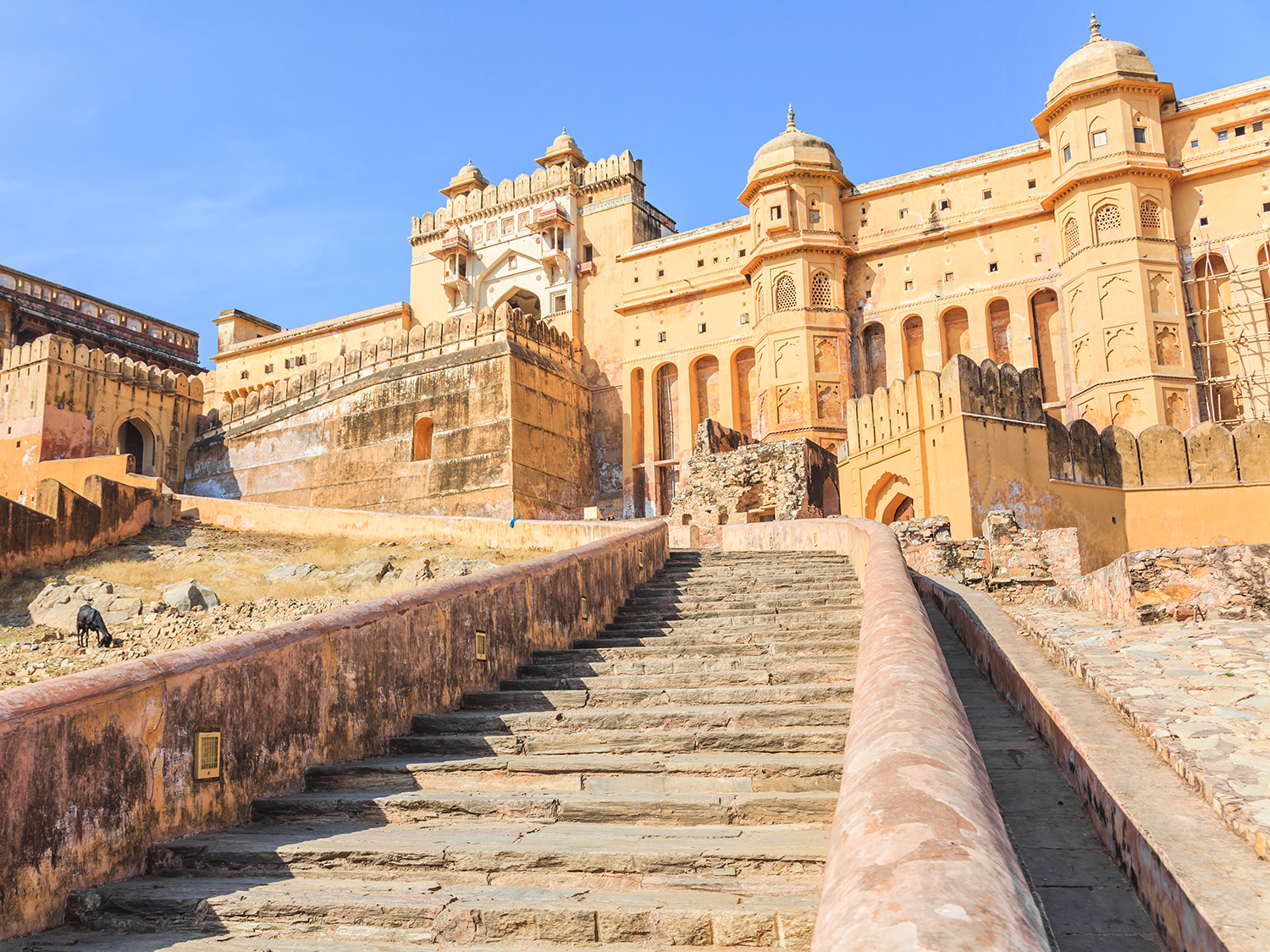
Jaipur This walled Rajasthani capital (pop. 1,460,000) is famous for the unusual rose-colored sandstone architecture that gives the city its nickname, the Pink City. Local maharajahs built quite a few magnificent structures, and two are must-sees. The early 18th century Jantar Mantar is the largest and best preserved of the five observatories built by astronomer prince Jai Singh II. The observatory complex is fascinating - the prince had the huge stone structures built to measure time, chart the declination of celestial bodies and predict eclipses. The other must-see within the city is the palace/museum, which was once a beautiful royal residence. It contains excellent examples of Rajasthani and Mughal art and architecture. Also of interest is the Palace of the Winds (known as Hawa Mahal), whose facade is adorned with elaborate, perforated screens. A nearby market sells hand-decorated textiles, a regional specialty. Not far out of town is the 18th-century Amber Palace and Fort, a stunning Rajput spectacle.
|
|
|

|
Jaisalmer Situated in the mighty Thar Desert, the walled sandstone city of Jaisalmer perches dramatically on a flat-topped hill. The town has several interesting Jain temples, havelis (intricately carved buildings), a maze of narrow alleys and two medieval estates, Patwon-ki-Haveli and Salim-ki-Haveli. Before sundown, walk to the inns and rest houses just outside town or take a camel ride to Bada Bagh, a collection of royal stone cenotaphs north of the city walls. As the sun goes down, the stones of the entire town take on the shades of the fading sky. People watching is another treat. Residents wear especially brilliant colours, perhaps to make up for the starkness of the surrounding terrain.
|
|
|

|
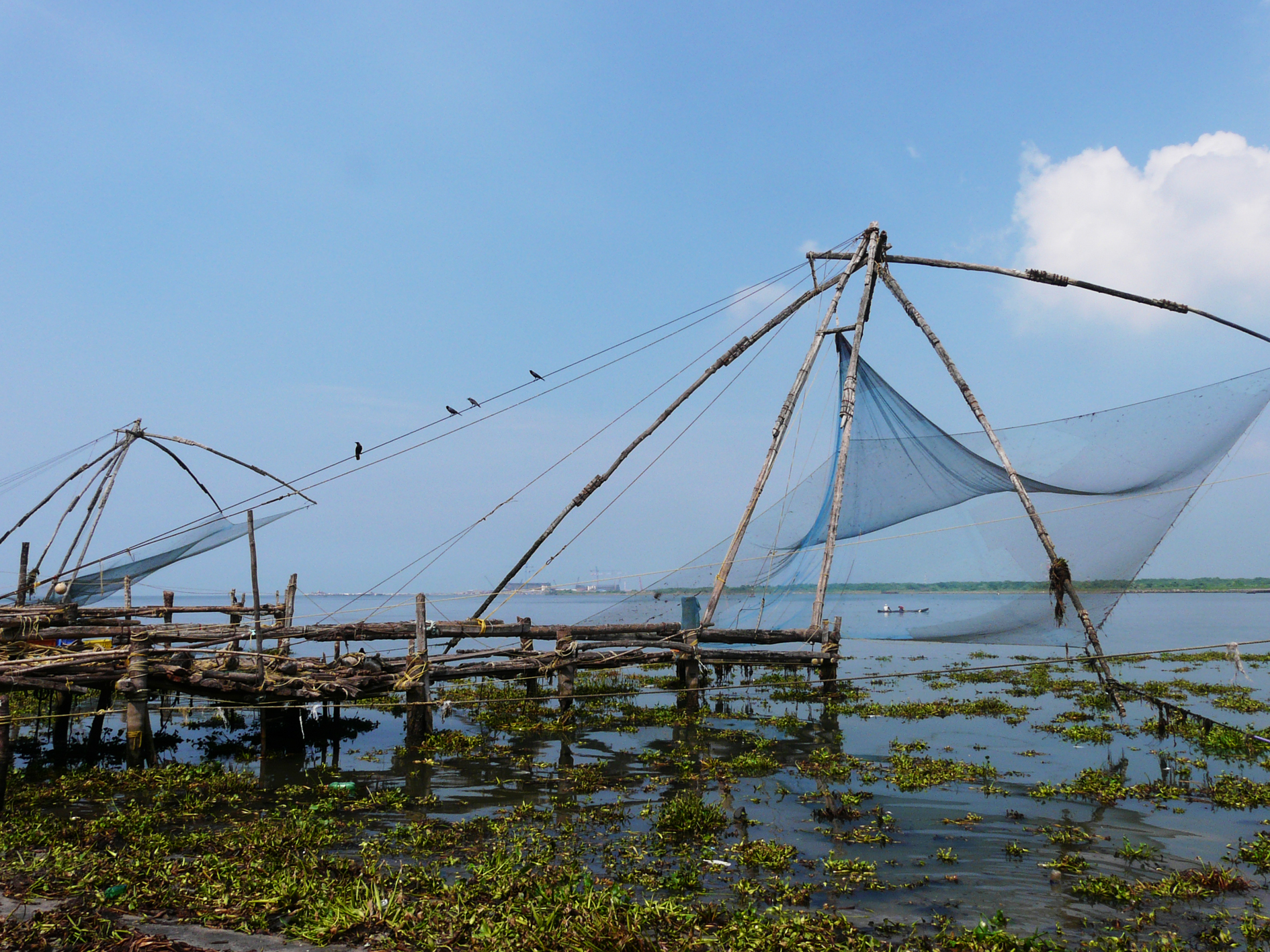
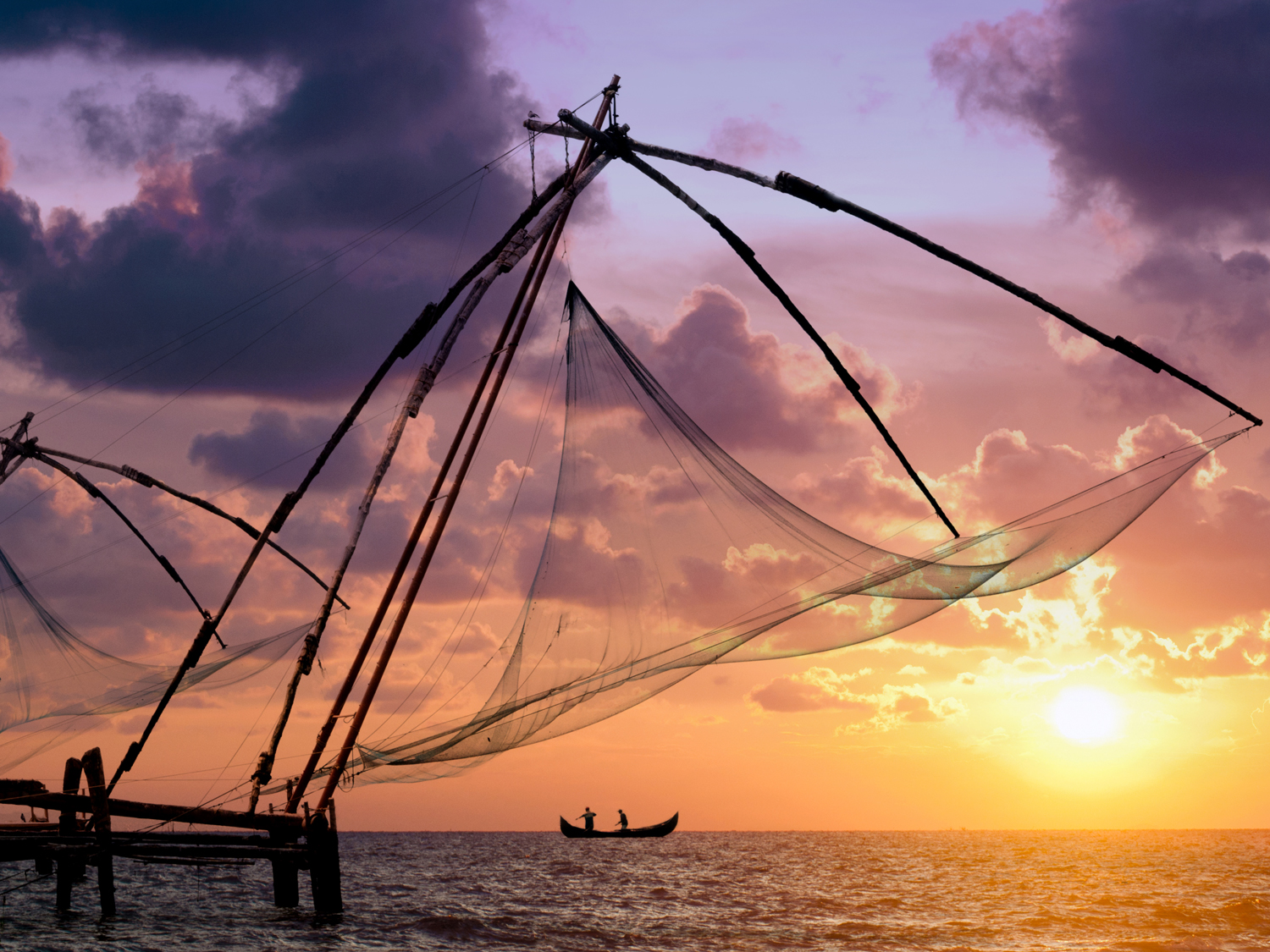
Kochi Kochi (pop. 686,000), once visited by King Solomon and the intended destination of Christopher Columbus, is called the Queen of the Arabian Sea. Its beautiful lagoons, lakes and greenery offer a lovely setting for a stay of a few nights. Long famed in the history books, Kochi (formerly known as Cochin) offered refuge to Jews more than 2,500 years ago. Be on the lookout for the Pardesi Synagogue built in 1568 and street signs indicating Jew Town. (Descendants of those Jews remain in the region). Jew Town is home to a number of craft and antique stores.
The Portuguese founded the first European colony in Kochi in the 16th century, and their influence can still be detected. The Dutch quickly followed and eventually, the British. The cosmopolitan mix of cultures makes the city fascinating. See the tombstone marking the original burial place of Vasco da Gama (his remains were later sent to Portugal) at St. Francis Church and visit some of the city’s other churches, temples and mosques.
Two academies teach and give demonstrations of Kalaripayattu, believed to be one of the oldest martial arts. Check local arts listings to attend a traditional Kathakali play, performed by men.
If interested in shopping for rosewood, shell handicrafts or spices, go to Mahatma Gandhi Road. Also available are boat trips on the canals to nearby Alappuzha.
|
|
|

|
Kolkata (Calcutta) Formerly known as Calcutta, India’s second-largest city (pop. 14,000,000) is a fascinating east coast metropolis.
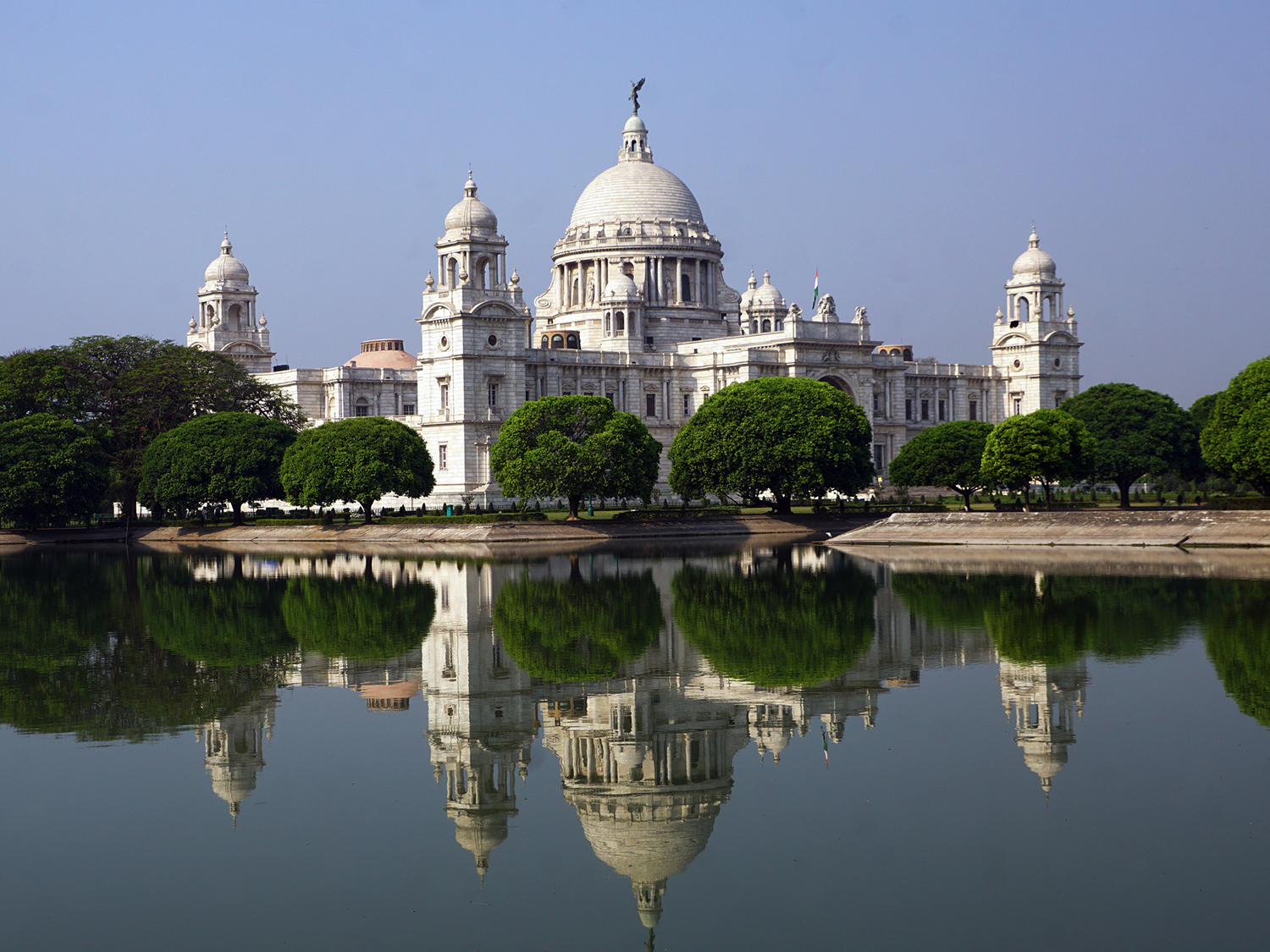
Visit the Marble Palace mansion (to see the paintings and statues), the Jain Temple, Dakshineswar Hindu Temple (12 Shiva shrines), Belur Math (a Buddhist monastery), the Victoria Memorial, Dalhousie Square (interesting architecture) and the Nakhoda Mosque. For a spectacular view of the city, climb the Octherlony Monument (218 steps up). Of course, Kolkata is the home of Mother Teresa’s Ashram Home of Children, a visit there can be an emotional and enlightening experience. Spend some cash in the Maidan (a market).
The Indian Museum is a 19th-century British institution with collections of ancient art and relics beginning from India’s Buddhist era. As in many large Indian cities, Kolkata has a fascinating train station, worth a visit even if you’re not taking a train. A microcosm of Indian life, Howrah Station is filled with thousands of people eating, sleeping and even living in its interiors. Outside the station is one of the city’s most recognized structures - the massive steel Howrah Bridge across the Hooghly River. If the volume of people in the station doesn’t impress you, the mass movement of people across the bridge will. A less modern form of transportation is readily available in Kolkata - the hand-pulled rickshaw. A few years back the Indian government tried to take them off the streets, but relented in the face of opposition from the pullers themselves. |
|
|
|
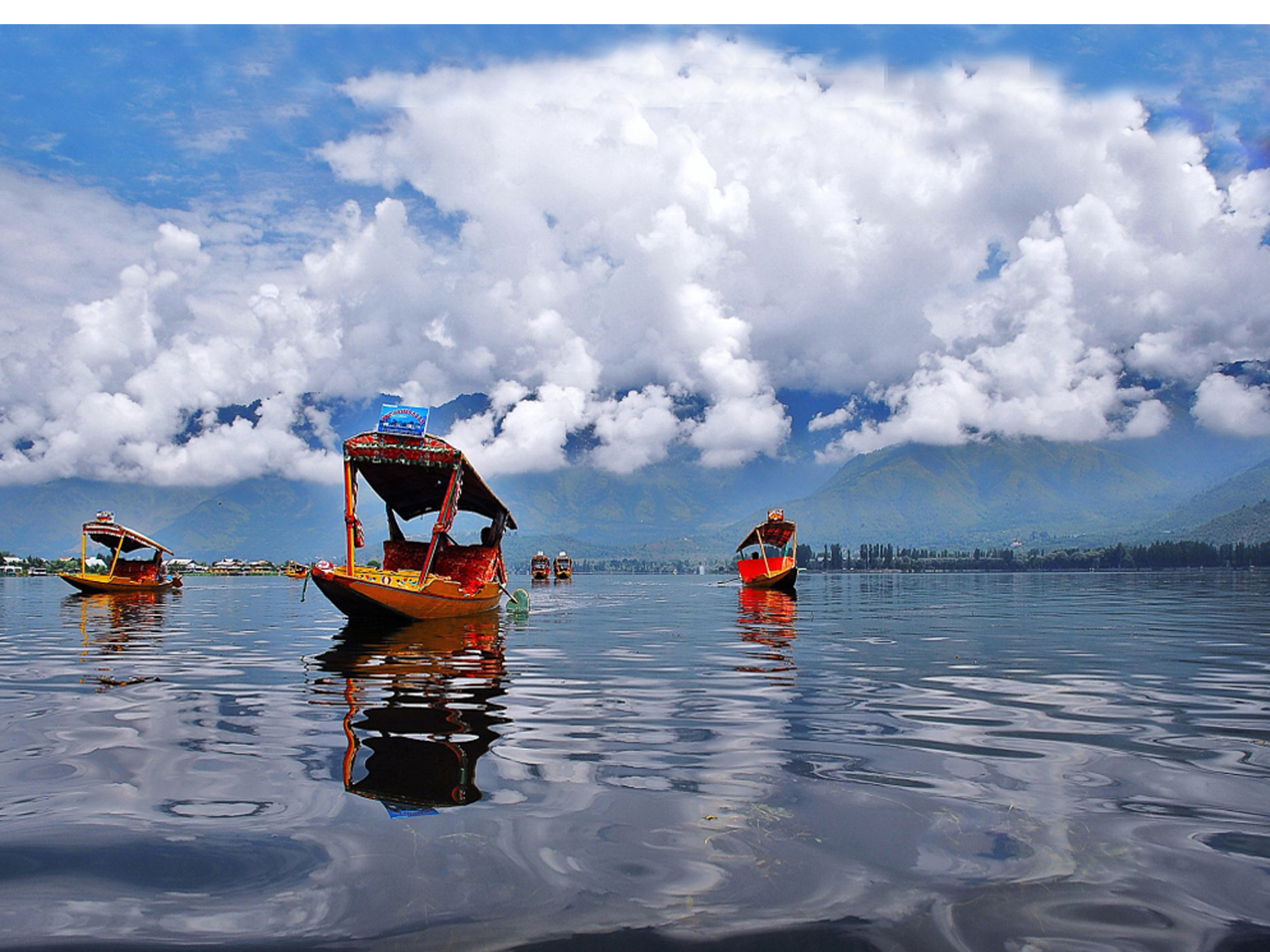
Ladakh Ladakh is the name of the eastern two-thirds of the state of Jammu and Kashmir. It’s in a beautiful Himalayan range, characterised by a desolate moonlike landscape and snowy peaks (it’s inaccessible by road during winter). Ladakh is extremely dry - with rainfall levels as low as in the Sahara - because the mountains keep clouds out. In some ways, it’s more purely Tibetan than the Tibet of today. When Tibet was swallowed by China in the 1950s, the Chinese did their best to dilute Tibetan culture, but Ladakh’s Tibetans have carried their traditions forward unimpeded. That’s not to say Ladakh is untouched by outside influences. The area has been open to tourists since the mid 1970s, and substantial changes have occurred. There are still sections, however, that seem to have remained unchanged for centuries.
As the sky-high (11,499 ft) capital of Ladakh, Leh is where most travellers stay while visiting the area's monasteries. It’s a fun town to walk about - you may see sidewalk magicians, monks chanting, elderly women spinning prayer wheels and Tibetan refugees selling wares in the market. Leh Palace, which resembles Tibet’s Potala, is in such disrepair that it’s not worth going inside, but the view from the entrance is quite grand. The Leh Gompa (a gompa is a monastery) is in good shape, has interesting artefacts and is within walking distance of town. Though Leh Gompa is worth seeing, it’s not as nice as many of the monasteries in the outlying region. Alchi is the oldest monastery accessible by public transportation from Leh. The 4-mile walk to the town of Saspol is surreal. Nowhere is the austere landscape of Ladakh more pronounced: There’s no vegetation, only stone chortens (small religious totems) dotting the sandy countryside. Among the other monasteries in the area are Shey and Tikse. Tikse has a stunning two-story Buddha.
The Lamayuru Monastery, located 9 miles off the Srinagar-Leh Road and near a high pass (13,400 ft), is a large Tibetan monastery. The original buildings on the site date to the 10th century, making it the oldest monastery in Ladakh. At one time 400 monks lived there, though only a handful reside there now. The monastery has an 11-headed, 1,000-eyed image of the god Chanrazi.
|
|
|

|
Mumbai (Bombay) Mumbai - or Bombay, as it was formerly known, remains India’s city of dreams. Despite extreme poverty and eye-watering pollution, it is so dynamic that paupers still flock there in the hope of becoming successful entrepreneurs. Built largely by the British around one of the best-protected natural harbours in the world, Mumbai is India’s strategic economic centre. The city is also is home to the country’s prolific Bollywood film industry, which cranks out more feature films than any place in the world. The main draw of Mumbai, like much of India, remains its contradictions. Within minutes (or a few miles) you can be awestruck by the palatial houses on Malabar Hill and then depressed by the makeshift shacks and the bedraggled children in the city’s poverty-stricken neighbourhoods.
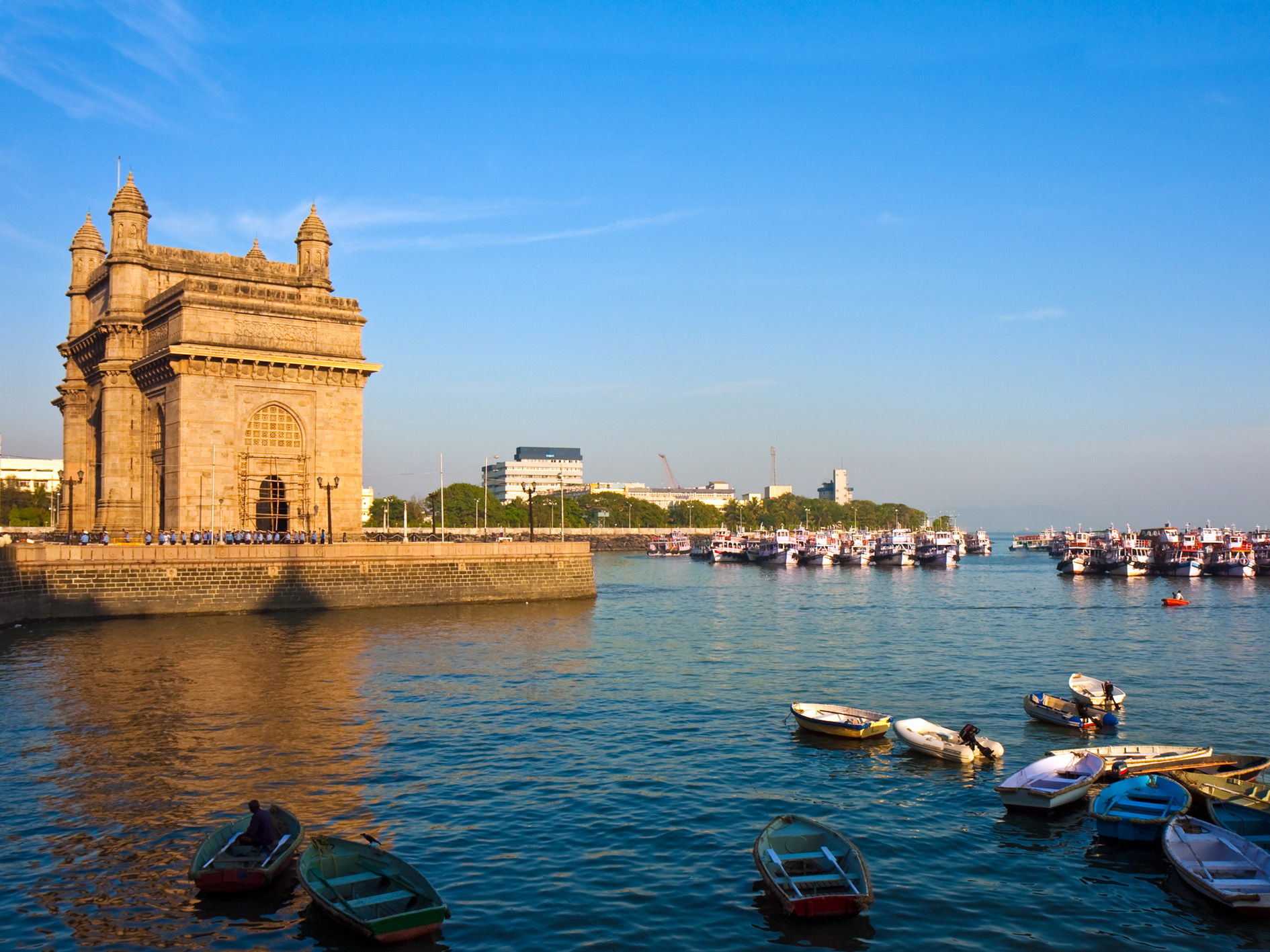
In Mumbai, be sure to head to the Gateway of India – a former colonial monument and now a popular emblem of the city and a hubbub of life. Sample bhelpuri (Mumbai’s favourite snack) at Chowpatty Beach along what is known as Marine Drive. It’s one of the city’s mot popular promenades. No visit to Mumbai is complete without a visit to the bazaars of Kalbadevi and Bluleshwar, north of Crawford Market. Crawford Market is also worth a look.
|
|
|

|
Shimla The most famous of the British hill stations, this city (pop. 110,000) is the capital of the state of Himachal Pradesh. Set in the foothills of the Himalayas at an altitude of 6,700 ft, it afforded a resort-like atmosphere for the British. It doesn’t take much imagination to realise how idyllic life must have been there for the privileged during the Raj. Today, it’s a popular resort for vacationing Indians (though still more closely resembles an English village). Enjoyable walks can be taken in the surrounding hills. Also see the Kulu Valley, a pleasant area of fruit orchards, rice fields and Hindu temples.
|
|
|

|
Udaipur A fascinating walled city of 308,000, Udaipur sits on the shores of Lake Pichola. It’s renowned for its palaces - the white marble Maharajah’s Palace, the Winter Palace (with its inlaid tile, mirrors and mosaics of peacocks), the Jag Mandir (an 18th-century yellow-sandstone palace) and Jag Niwas (an 18th-century granite and marble palace). Also see the Victoria Hall Museum (local historical displays and antiques), Sahelion-ki-Bari (a garden) and the Jagdish Temple. The Lake Palace Hotel is the former summer palace of the local maharajah. Even if you don’t stay there, take the launch over for a meal. It’s a fantastic building and the restaurants are good.
|
|
|

|
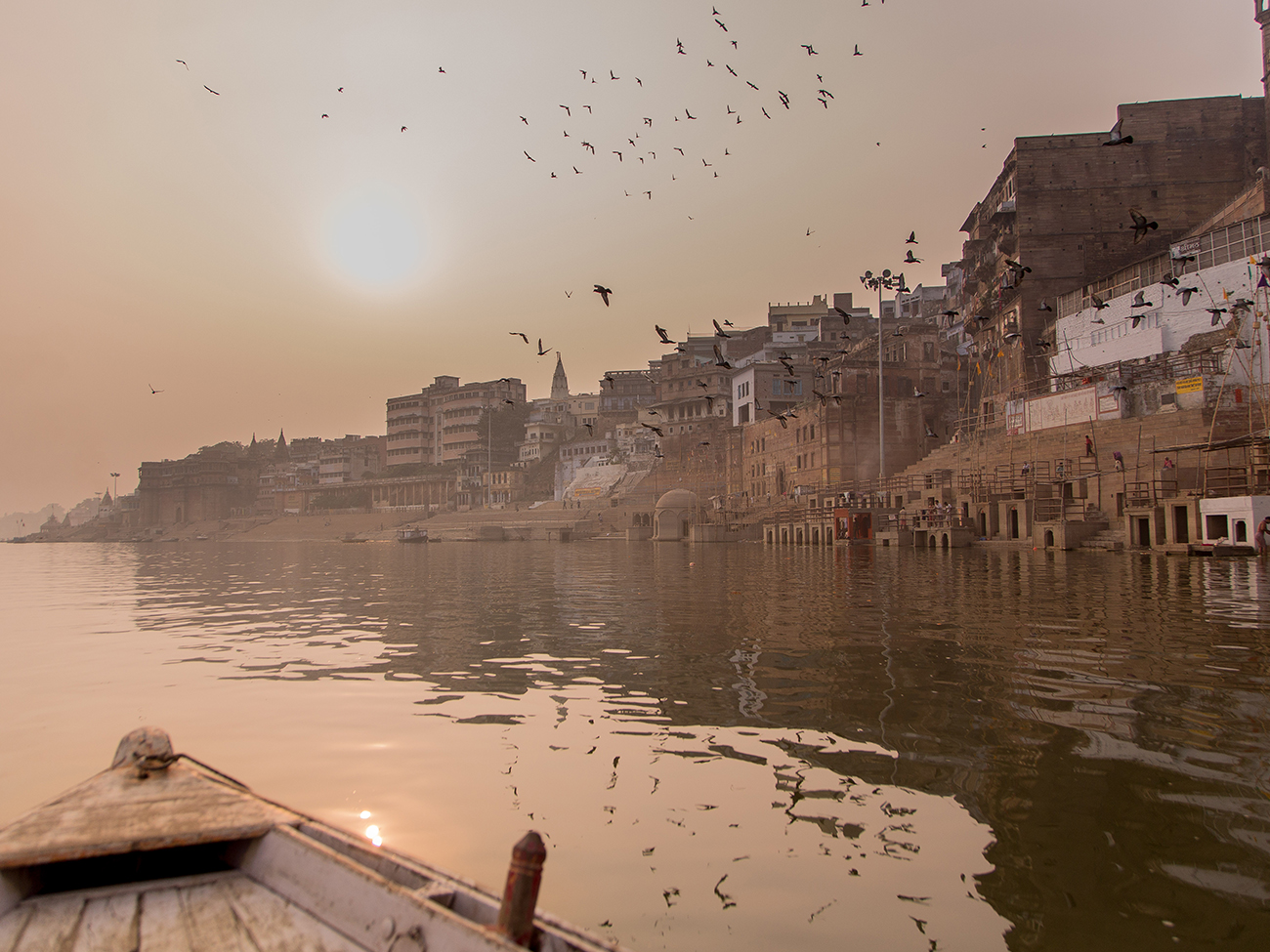
Varanasi Varanasi is guaranteed to make an impression. The city of 1,027,000 is the holiest site in India and thousands of Hindu pilgrims tour its temples and bathe in the Ganges River to gain religious merit. Thousands more go to die and have their ashes thrown into the holy waters. You must be emotionally prepared, because the waters contain not only ashes, but also corpses in various stages of decomposition and the beggars who line the paths to the rivers are often disfigured from leprosy. If you’re braced to see this, you’ll want to venture down to the boats and onto the water at dawn to see an amazing sight. Scores of people enter the water from the ghats (riverside platforms with steps) to purify themselves before the rising sun. Some perform religious rituals in the water; others go to bathe and swim. While you watch all of this, cremations take place on some of the ghats. Don’t even think of entering the water - it may be spiritually pure, but it’s one of the most polluted rivers in the world. Nor should you take pictures of the cremations. It is considered disrespectful. All of this incredible commotion takes place along the western bank, the eastern bank is unpopulated and almost barren. You can view the scene from tour boats that patrol the waters. Small boats (with or without rowers) can also be hired.
Providing the backdrop is an incredible array of temples and ancient buildings, several of them standing at odd angles because their foundations have been eroded unevenly by floodwaters. There are 2,000 temples and shrines in Varanasi, but the holiest, Vishvanatha, is closed to non-Hindus. The Durga Temple, which can be visited, is teeming with monkeys (hold onto your valuables). Farther downstream on the eastern bank of the Ganges is the Ram Nagar Fort. It isn’t one of the country’s best, but it does have a fascinating, if gruesome, collection of weapons. Take a walking tour of the Islamic section. The streets are filled with Arabic music and veiled women. It’s here that famous Varanasi silk is dyed, dried and woven. |
|  |