On The Go Tours
Our agents are waiting to chat to you...
Are you a Travel Agent or Customer?
Do you have an booking reference?
Delhi tours
4.42 (380 reviews)
59 Tours
When do you want to go?
2026
I'm flexible
Passengers
Adults (18+)
Children (0 - 17)
Discover India tours visiting Delhi
From Old Delhi’s lanes to the Jama Masjid, see India’s classics in one trip
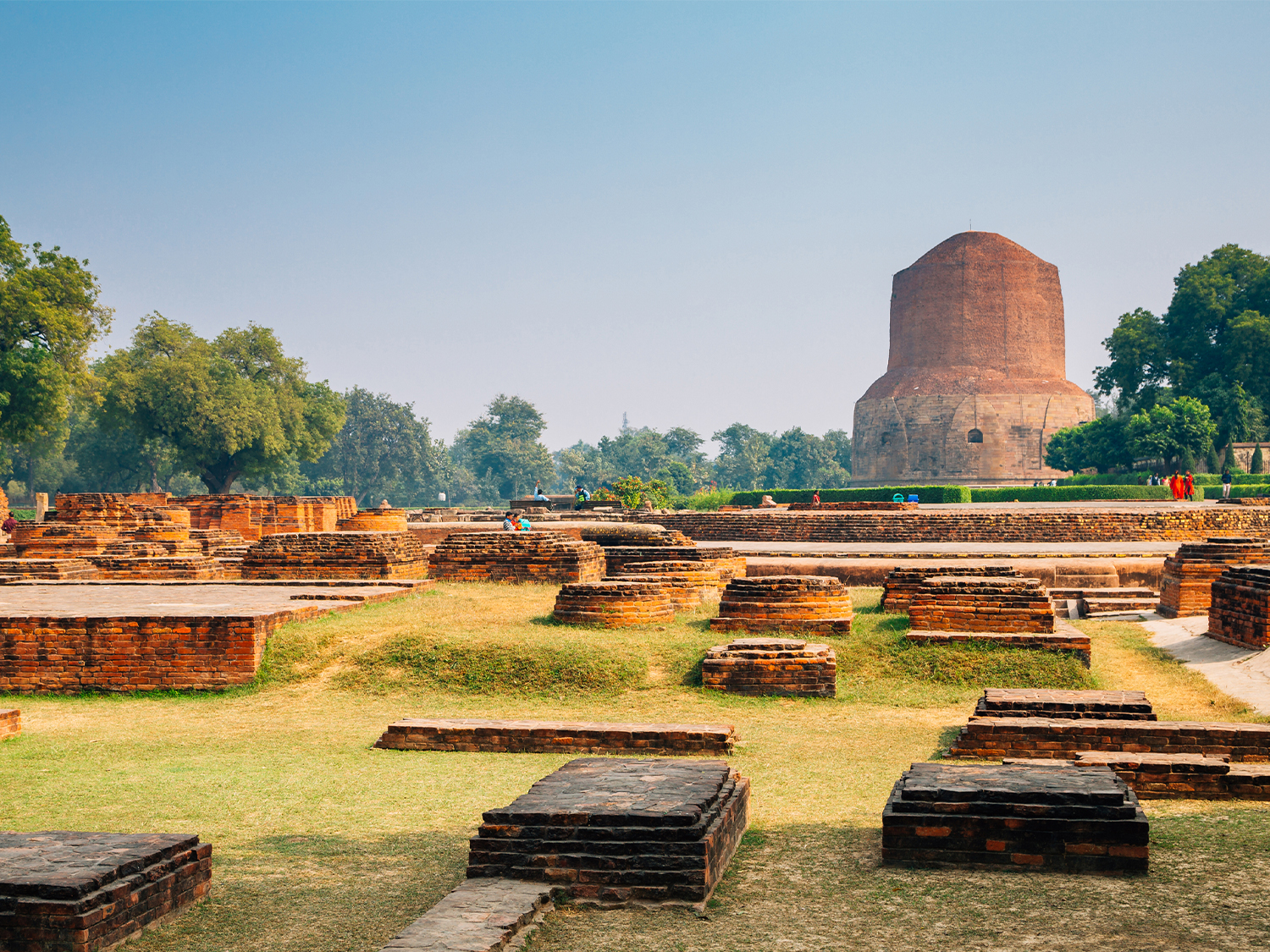
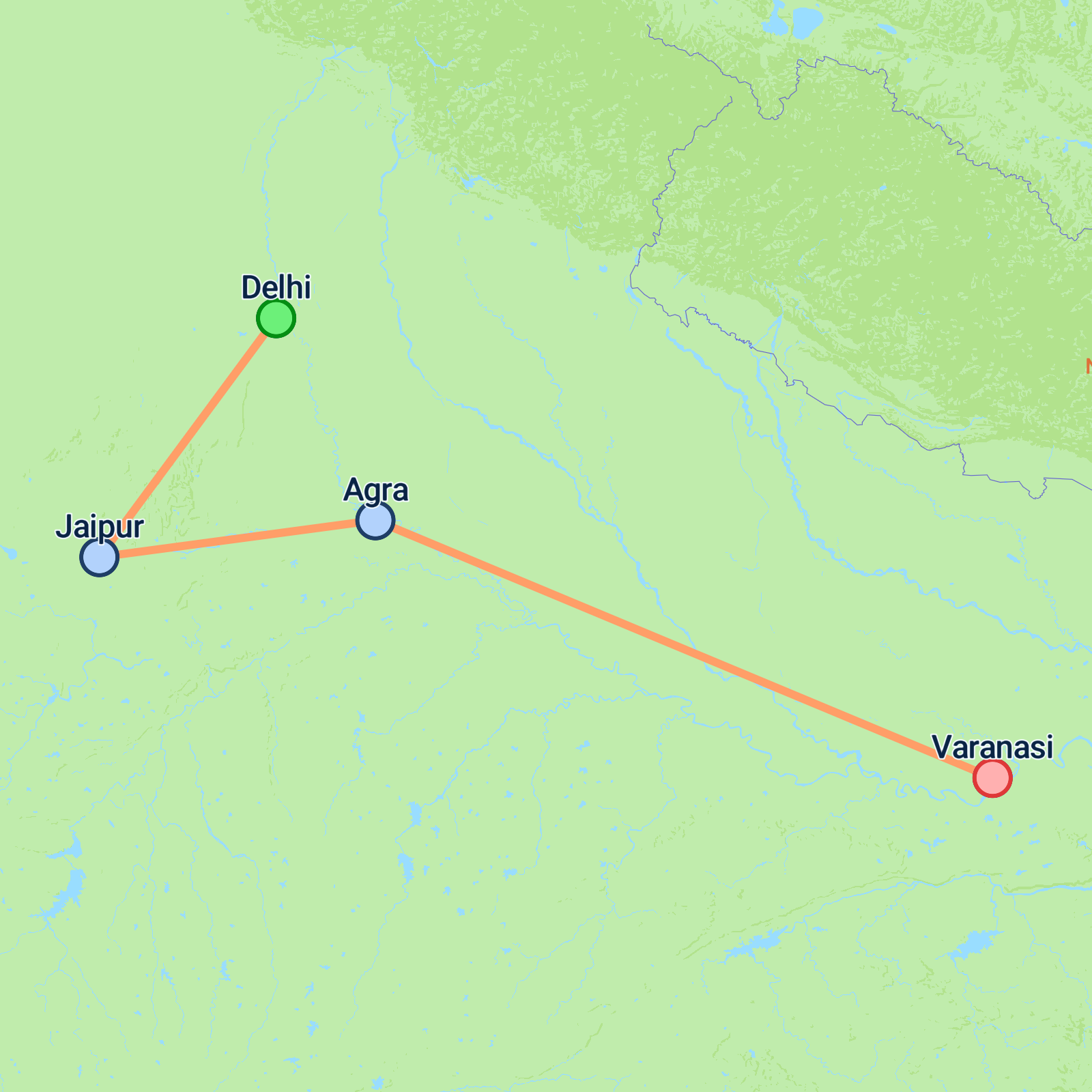
Delhi is often the first real introduction to India, and it delivers a vivid mix of grand Mughal landmarks, bustling bazaars and unexpectedly peaceful green spaces. Tours that visit Delhi typically combine Old and New Delhi in a single, well-structured arc, moving from Jama Masjid and the lanes of Chandni Chowk to India Gate and the wide, tree-lined avenues that define the capital’s newer districts. Some itineraries focus on the classic Golden Triangle, while others build in time on the Ganges in Varanasi or pair headline sights with game drives in tiger parks. You can choose a fully guided tour with a leader throughout, or opt for a format that uses local guides in key cities and leaves you more independent between major stops. Many trips start in Delhi, and a number finish there as well, which makes flights, accommodation and onward planning feel far more straightforward.
India trips starting from Delhi
Signature Journeys
This On The Go Tours Signature Journey is operated in conjunction with our local partners and On The Go Tours accredited expert guides, to deliver you an unforgettable tour.
This tour is led by a dedicated tour guide or tour leader who accompanies you throughout your journey. They take care of the day-to-day logistics, offer local insights at every stop, and are available to assist with any questions or needs along the way. On longer tours or multi-country itineraries, you may be accompanied by a different tour guide or tour leader for certain sections of the journey. For full details of the guiding services included on this tour, please refer to the Inclusions.
Price per day
$119From
$1,360pp
Private Tours
On this tour, you won't be joined by other travellers, and will just be travelling with your booking party. Some transportation & sightseeing may be shared, check the Inclusions for more information.
This tour includes scheduled sightseeing with expert guides in key destinations as per the Inclusions, as well as transportation (either with a driver or public transport), plus of course your accommodation. There is no single tour guide or tour leader throughout the trip. You’ll have support where it counts, and more freedom in between. Our cruise tours also fall into this category where you will be looked after by a crew. For more information, check the Inclusions of this tour.
Price per day
$76From
$670pp
Signature Journeys
This On The Go Tours Signature Journey is operated in conjunction with our local partners and On The Go Tours accredited expert guides, to deliver you an unforgettable tour.
This tour is led by a dedicated tour guide or tour leader who accompanies you throughout your journey. They take care of the day-to-day logistics, offer local insights at every stop, and are available to assist with any questions or needs along the way. On longer tours or multi-country itineraries, you may be accompanied by a different tour guide or tour leader for certain sections of the journey. For full details of the guiding services included on this tour, please refer to the Inclusions.
Price per day
$158From
$2,255pp
Private Tours
On this tour, you won't be joined by other travellers, and will just be travelling with your booking party. Some transportation & sightseeing may be shared, check the Inclusions for more information.
This tour includes scheduled sightseeing with expert guides in key destinations as per the Inclusions, as well as transportation (either with a driver or public transport), plus of course your accommodation. There is no single tour guide or tour leader throughout the trip. You’ll have support where it counts, and more freedom in between. Our cruise tours also fall into this category where you will be looked after by a crew. For more information, check the Inclusions of this tour.
Price per day
$71From
$625pp
Private Tours
On this tour, you won't be joined by other travellers, and will just be travelling with your booking party. Some transportation & sightseeing may be shared, check the Inclusions for more information.
This tour includes scheduled sightseeing with expert guides in key destinations as per the Inclusions, as well as transportation (either with a driver or public transport), plus of course your accommodation. There is no single tour guide or tour leader throughout the trip. You’ll have support where it counts, and more freedom in between. Our cruise tours also fall into this category where you will be looked after by a crew. For more information, check the Inclusions of this tour.
Price per day
$364From
pp
Private Tours
On this tour, you won't be joined by other travellers, and will just be travelling with your booking party. Some transportation & sightseeing may be shared, check the Inclusions for more information.
This tour includes scheduled sightseeing with expert guides in key destinations as per the Inclusions, as well as transportation (either with a driver or public transport), plus of course your accommodation. There is no single tour guide or tour leader throughout the trip. You’ll have support where it counts, and more freedom in between. Our cruise tours also fall into this category where you will be looked after by a crew. For more information, check the Inclusions of this tour.
Price per day
$249From
pp
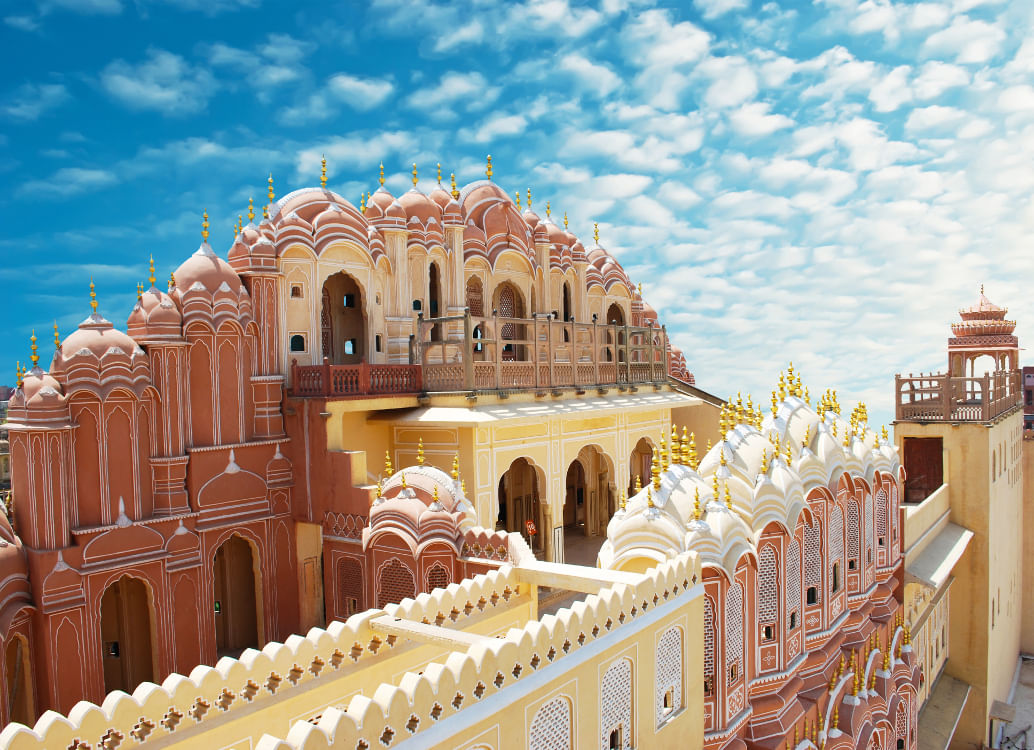
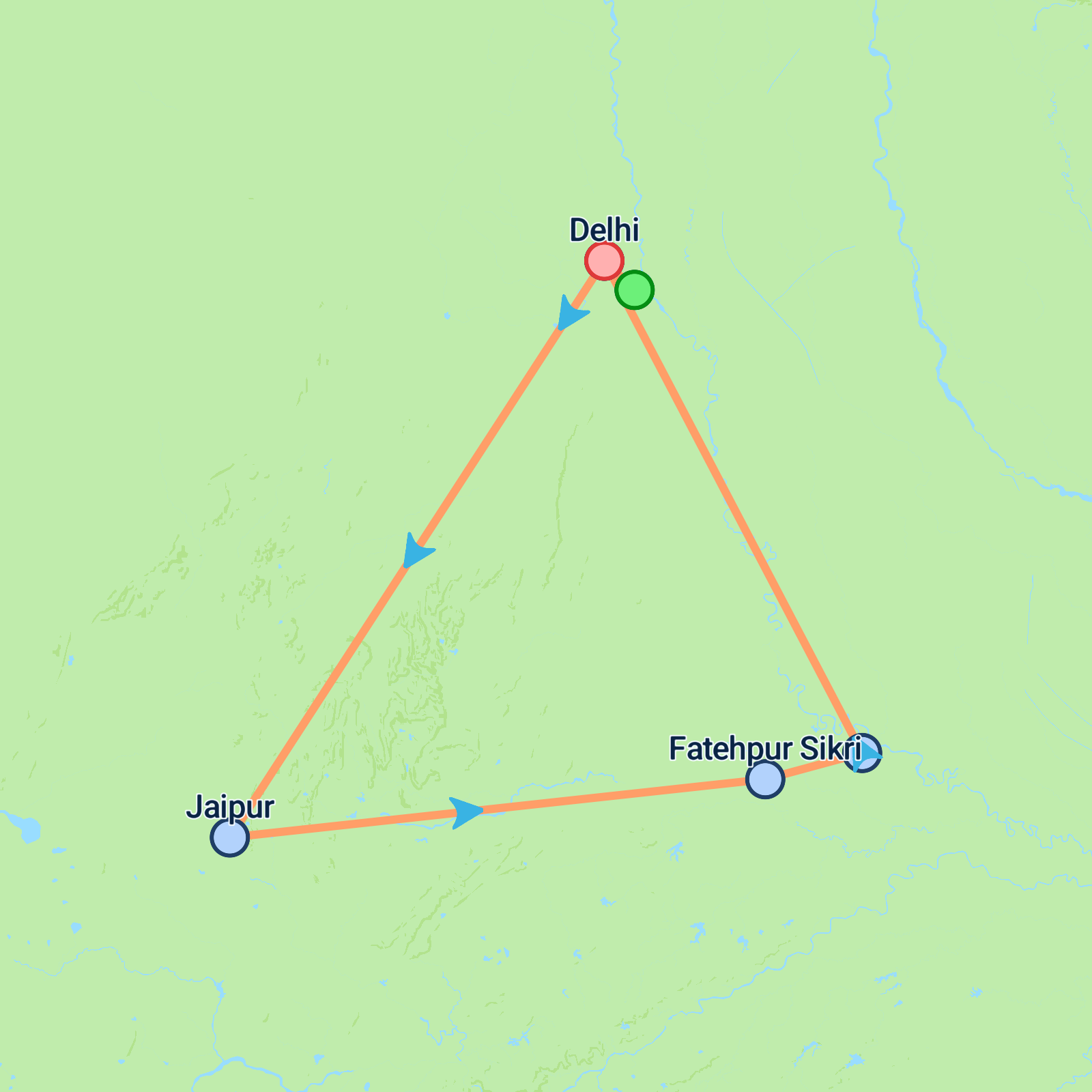
Worldwide Touring
This tour is operated by our trusted local partner and has been handpicked by us to deliver you an unforgettable trip.
This tour includes scheduled sightseeing with expert guides in key destinations as per the Inclusions, as well as transportation (either with a driver or public transport), plus of course your accommodation. There is no single tour guide or tour leader throughout the trip. You’ll have support where it counts, and more freedom in between. Our cruise tours also fall into this category where you will be looked after by a crew. For more information, check the Inclusions of this tour.
Price per day
$198From
$1,395pp
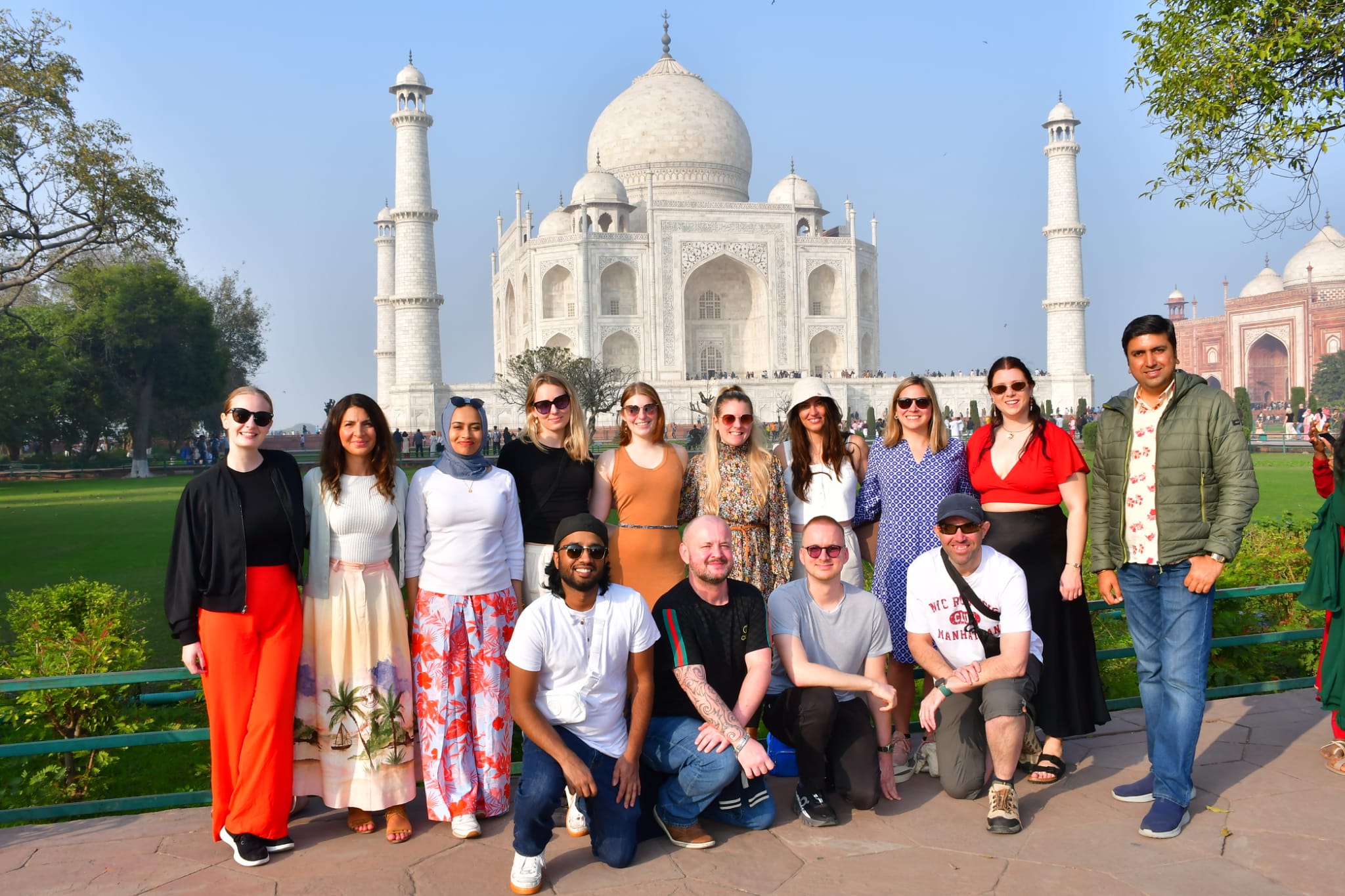
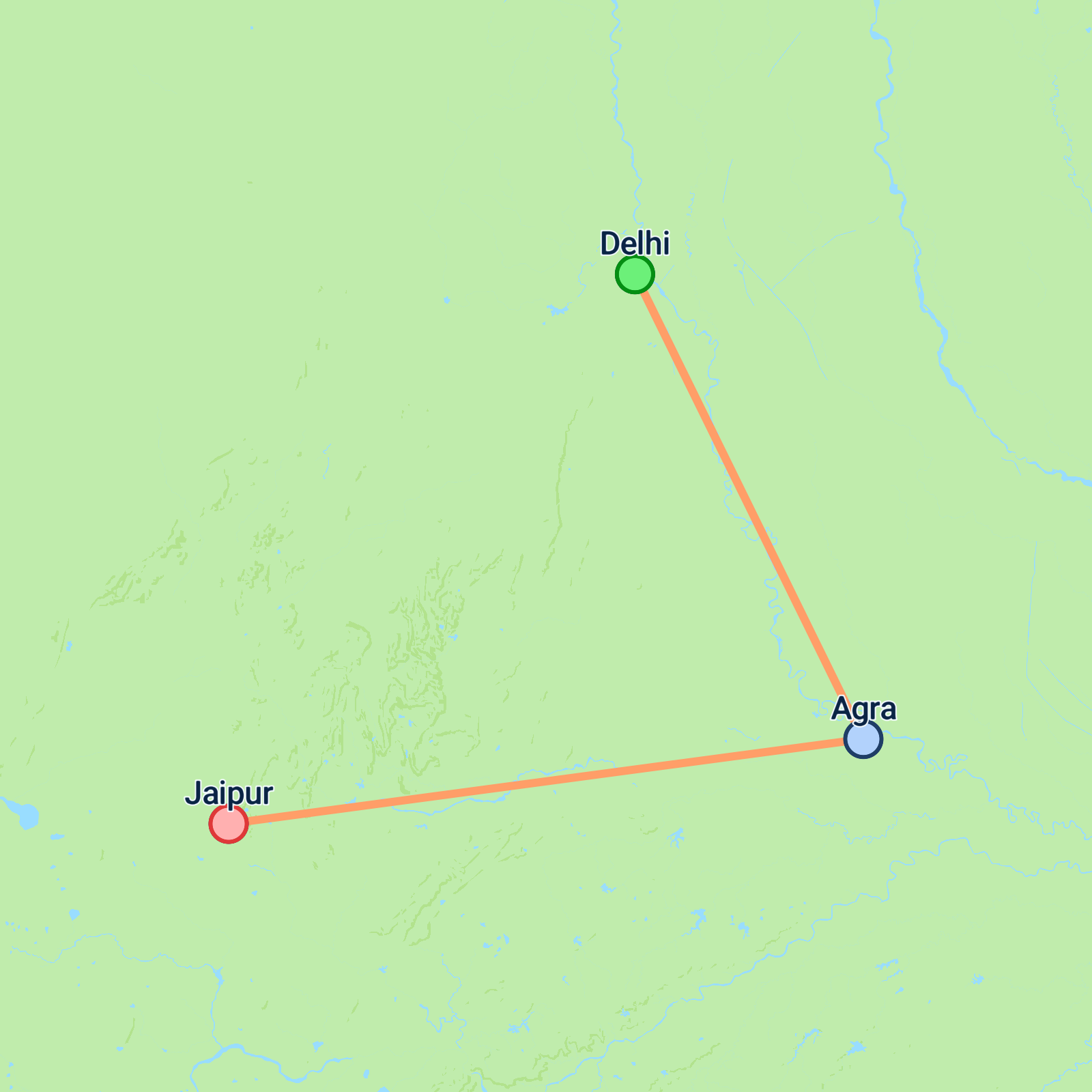
Budget Tours
This tour is operated by our trusted local partner and has been handpicked by us to deliver you an unforgettable trip. Our Budget tours offer incredible experiences at a great price. As well as guided sightseeing (depending on the Tour Inclusions), there's free time to explore independently or take part in optional excursions so you can focus on doing just the things that suit you.
This tour is led by a dedicated tour guide or tour leader who accompanies you throughout your journey. They take care of the day-to-day logistics, offer local insights at every stop, and are available to assist with any questions or needs along the way. On longer tours or multi-country itineraries, you may be accompanied by a different tour guide or tour leader for certain sections of the journey. For full details of the guiding services included on this tour, please refer to the Inclusions.
Price per day
$99From
pp
Travel with confidence
Real reviews from our travelers
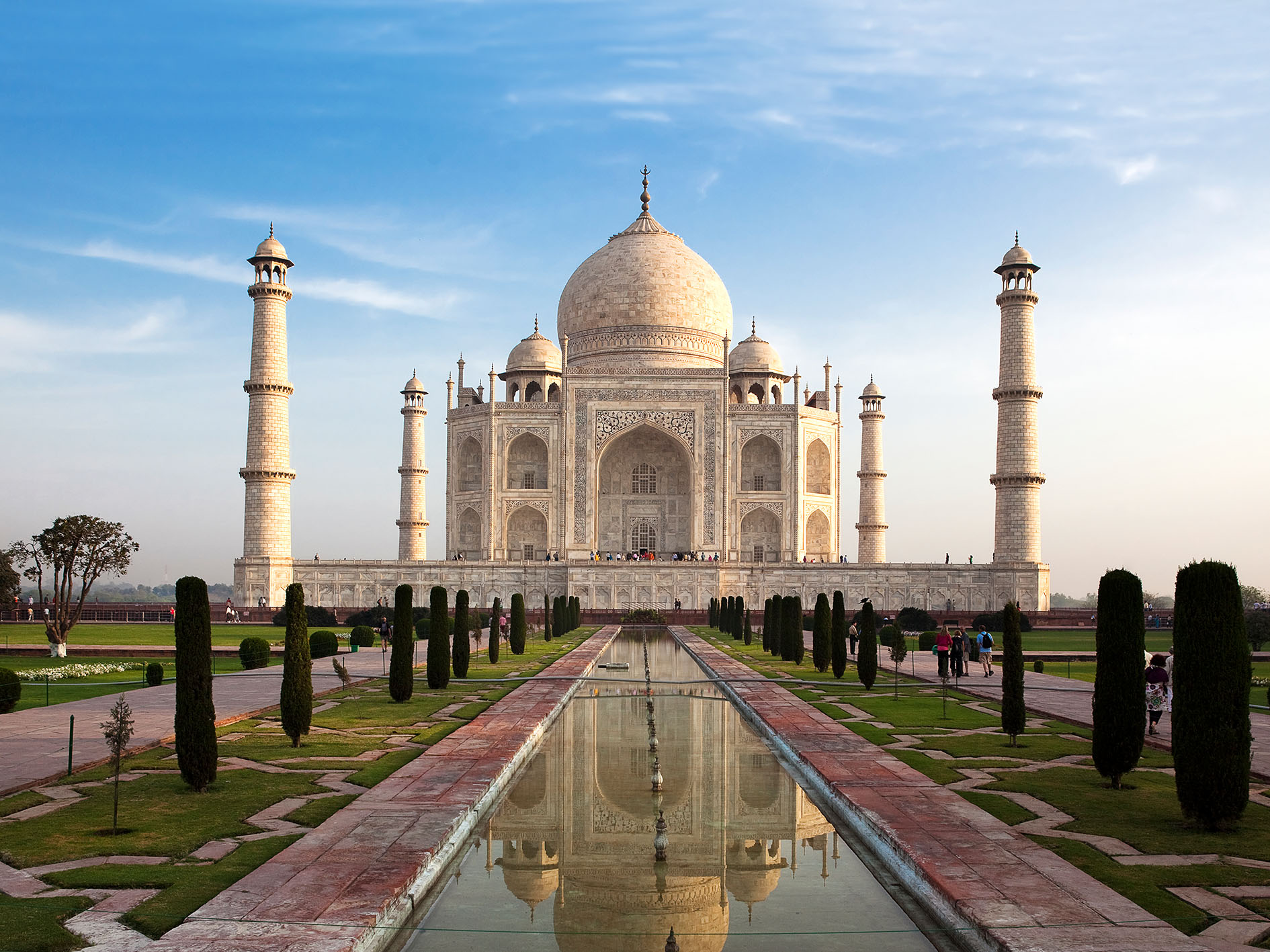
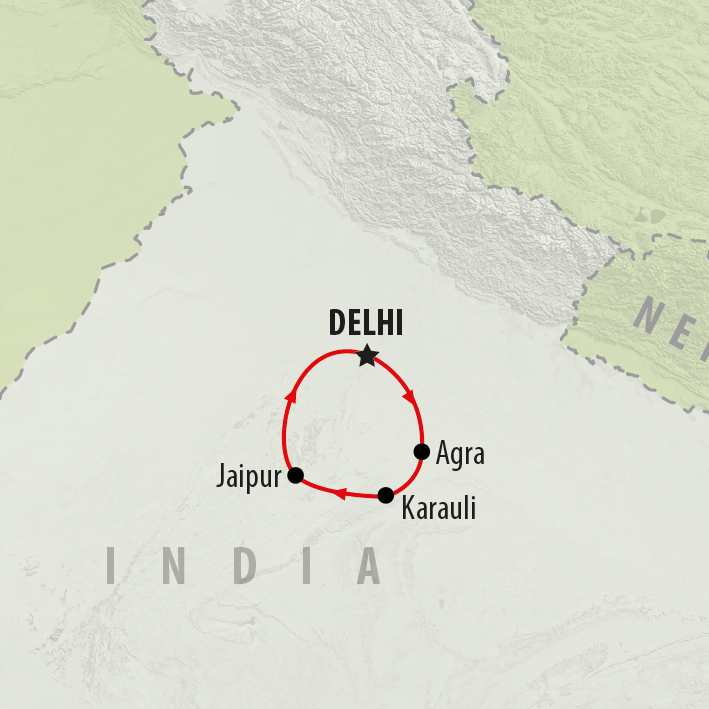
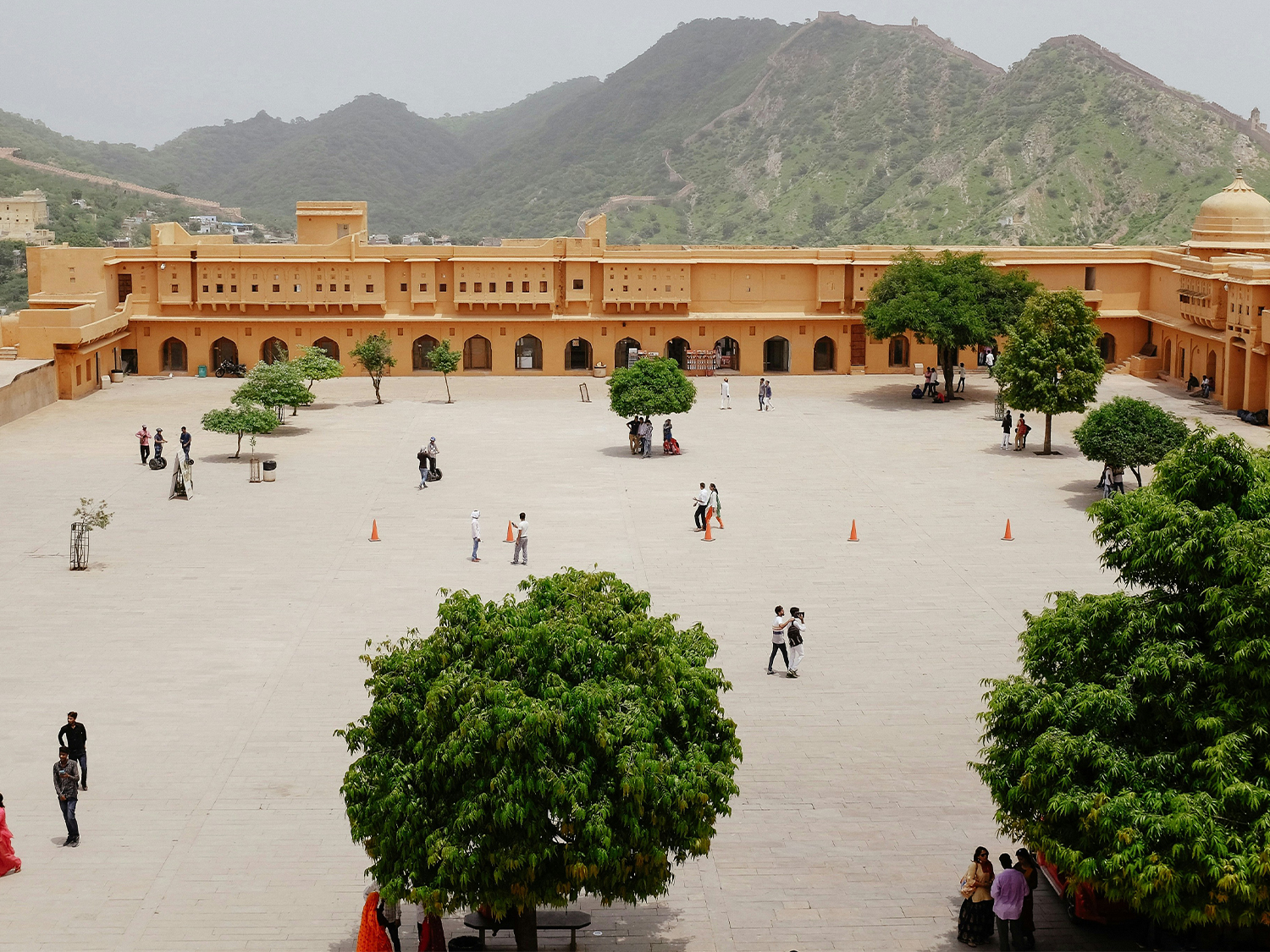
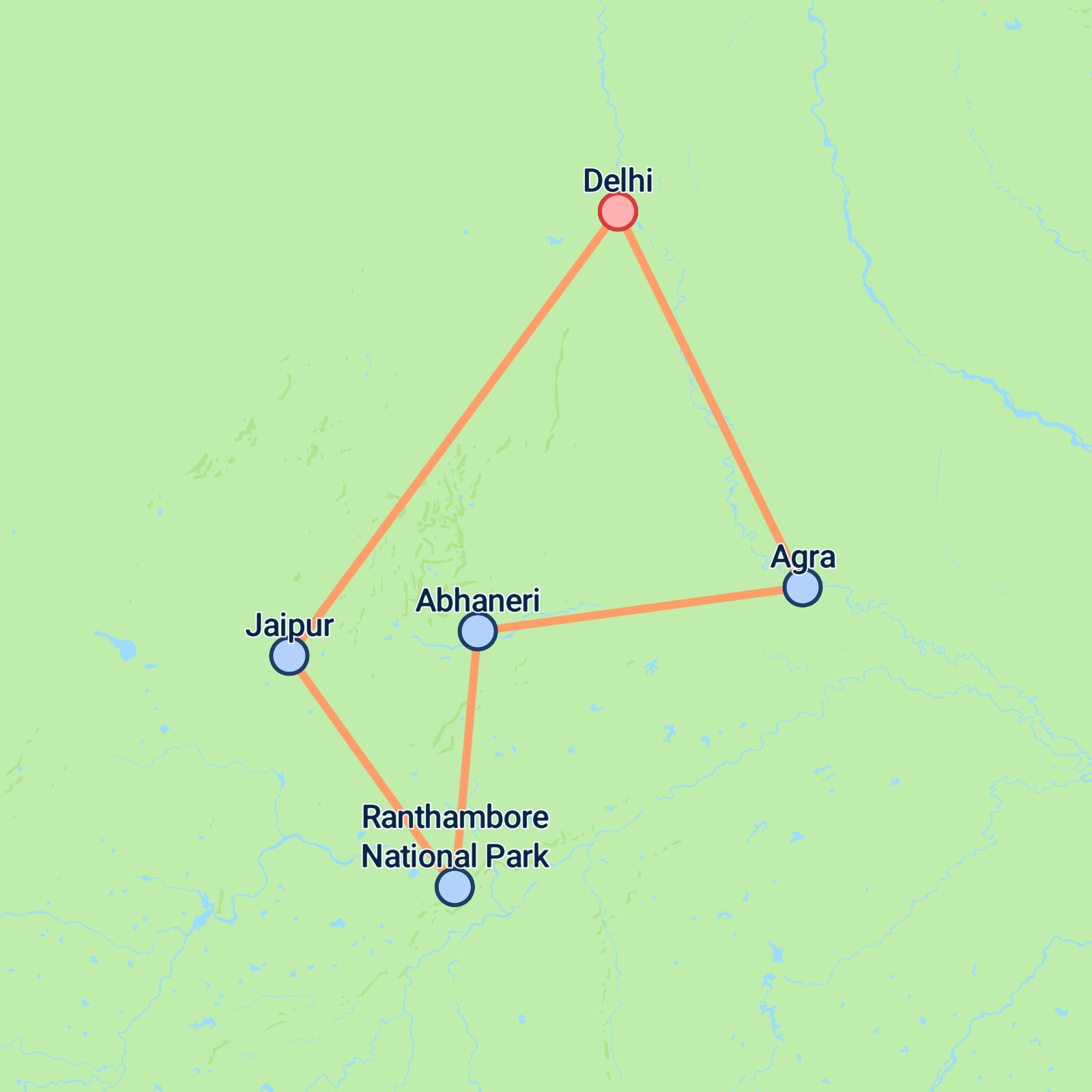
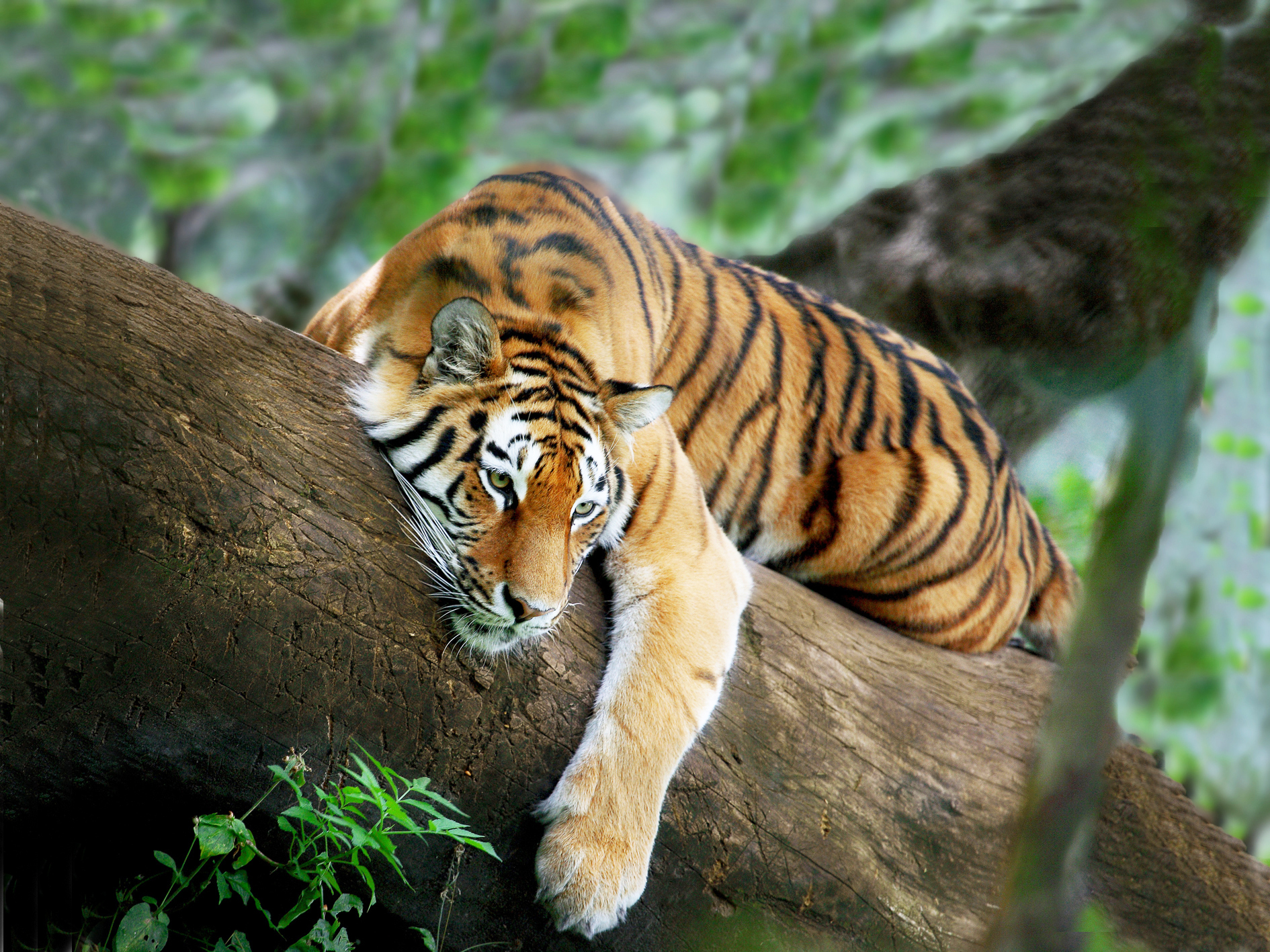
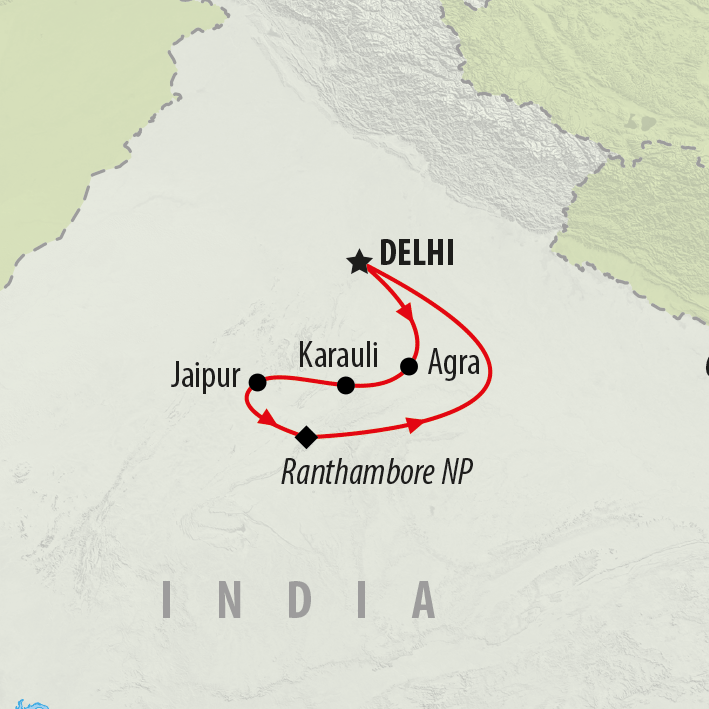
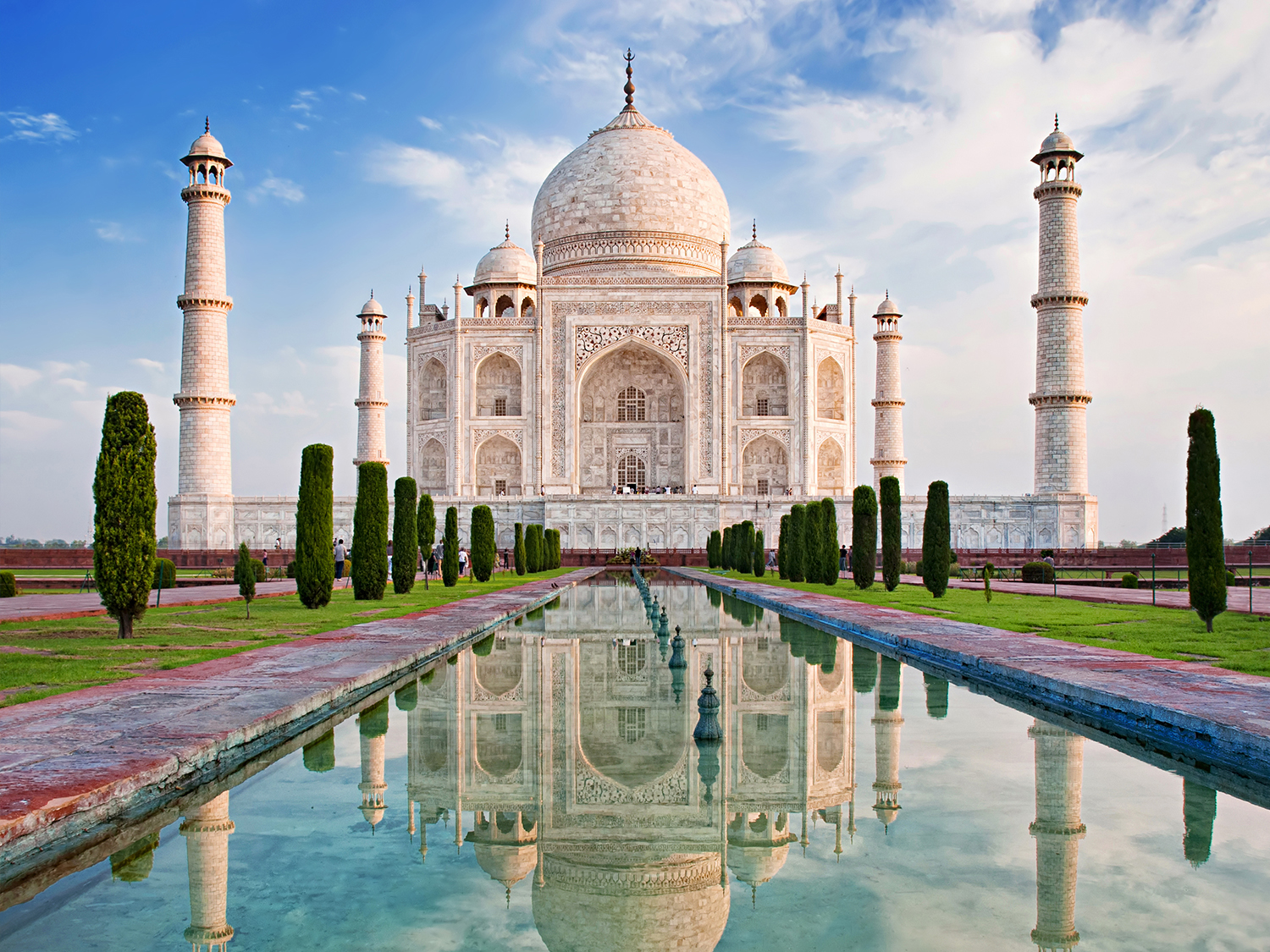
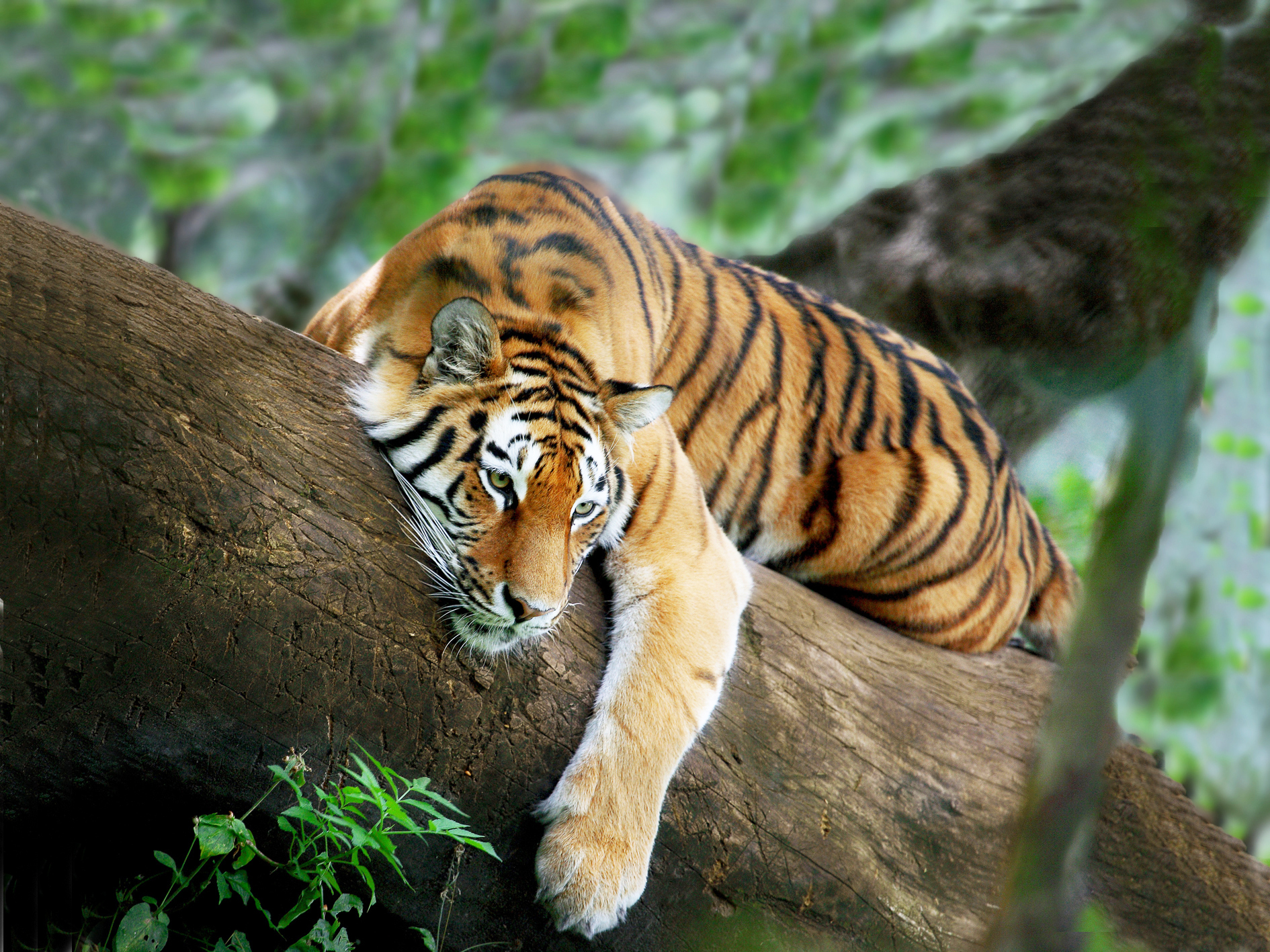 Golden Triangle & Tigers - 10 daysWILDLIFE TOUR: Experience the magic of northern India on this 10-day adventure from Delhi. Discover Old and New Delhi, marvel at the majestic Taj Mahal, and explore the mighty Agra Fort. Stay in a heritage palace in Karauli or Dholpur before heading to Jaipur for its vibrant bazaars, Amber Fort and royal palaces. Enjoy a thrilling jeep safari in Ranthambore National Park in search of elusive Bengal tigers, then return to Delhi for a final night. With historic sights, colourful culture, wildlife encounters and stays in regal settings, this tour offers an unforgettable taste of India’s Golden Triangle and beyond.Signature Journeys10
We had some great experience with the places we visited. Our tour guide was very informative, helpful and knowledgeable. We were extremely impressed with all the hotels we stayed in. The Taj Mahal was the highlight of the sights we visited. Transportation from various places and bus were great.
 Diamandis
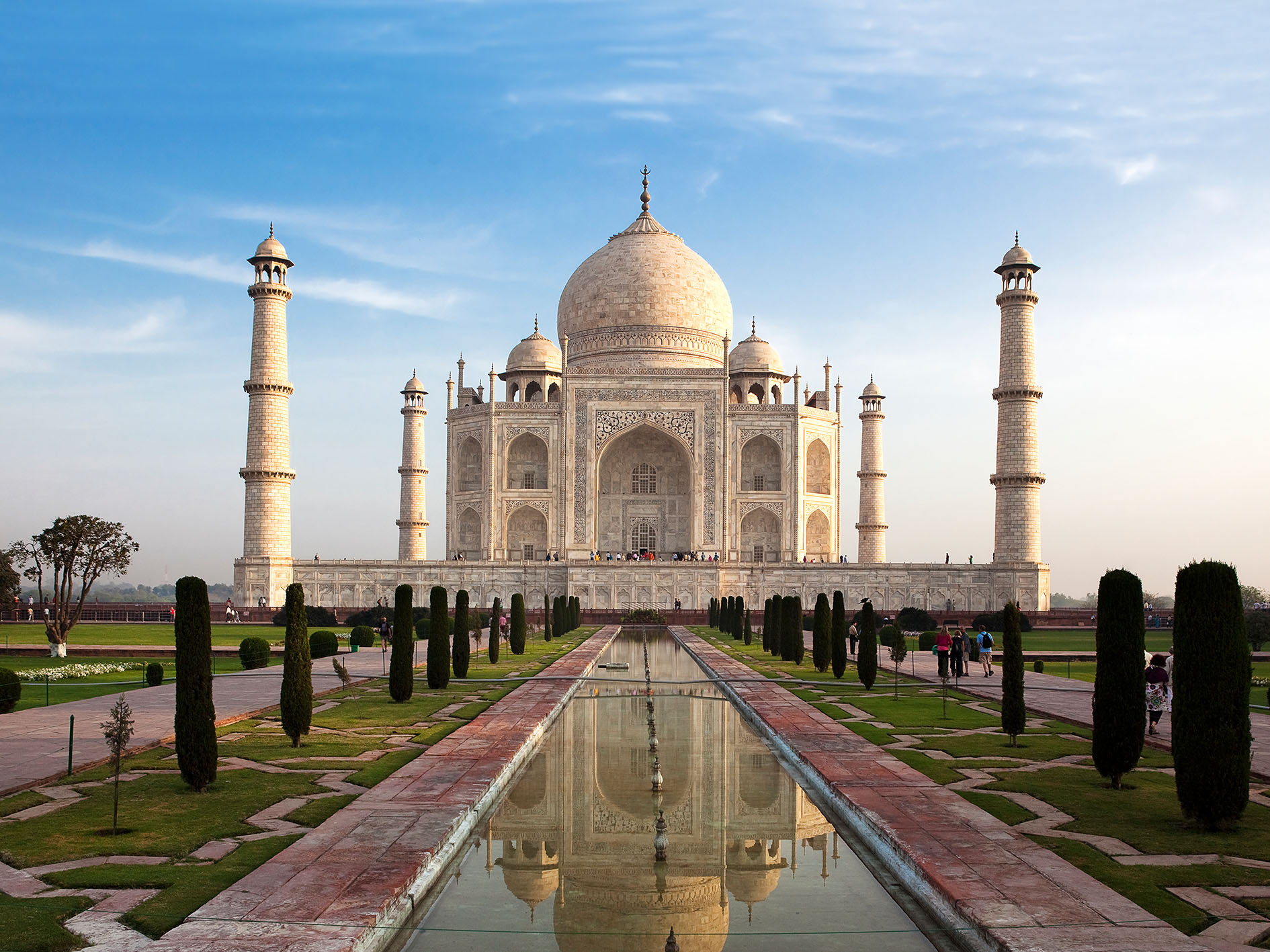 Taj Express - 8 daysSpend eight days discovering the cultural wonders of northern India, starting and ending in Delhi. From the bustling bazaars of Old Delhi to the majestic Taj Mahal in Agra, this tour is packed with iconic sights and rich history. Stay in heritage properties in Karauli or Dholpur, and explore Jaipur’s ornate palaces and the striking Amber Fort. Highlights include rickshaw rides, Mughal architecture, and the vibrant Pink City. With plenty of free time and optional experiences like hot-air ballooning and street food tours, this trip offers a colourful, well-rounded introduction to India’s Golden Triangle.Signature Journeys8
The guide was excellent, a true gentleman. Taj Mahal was a masterpiece, much more beautiful than what I expected. The palace in Dholpur was also an unexpected surprise - the nature was amazing.
 ElenaTaj Express - 8 daysSpend eight days discovering the cultural wonders of northern India, starting and ending in Delhi. From the bustling bazaars of Old Delhi to the majestic Taj Mahal in Agra, this tour is packed with iconic sights and rich history. Stay in heritage properties in Karauli or Dholpur, and explore Jaipur’s ornate palaces and the striking Amber Fort. Highlights include rickshaw rides, Mughal architecture, and the vibrant Pink City. With plenty of free time and optional experiences like hot-air ballooning and street food tours, this trip offers a colourful, well-rounded introduction to India’s Golden Triangle.Signature Journeys8
The Taj Mahal was a once in a lifetime experience. The Akshardham Temple was exquisite, just a pity we were not allowed to take pictures in there. The Connaught Clubhouse in Delhi where we had lunch 2 days in a row has a fantastic menu. The Molecule in Agra was also a winner, fantastic atmosphere It was just the unbearable heat but that is not controllabble.
 BernadetteGolden Triangle & Tigers - 10 daysWILDLIFE TOUR: Experience the magic of northern India on this 10-day adventure from Delhi. Discover Old and New Delhi, marvel at the majestic Taj Mahal, and explore the mighty Agra Fort. Stay in a heritage palace in Karauli or Dholpur before heading to Jaipur for its vibrant bazaars, Amber Fort and royal palaces. Enjoy a thrilling jeep safari in Ranthambore National Park in search of elusive Bengal tigers, then return to Delhi for a final night. With historic sights, colourful culture, wildlife encounters and stays in regal settings, this tour offers an unforgettable taste of India’s Golden Triangle and beyond.Signature Journeys10
Yusuf was an incredible tour guide - engaging, knowledgeable, funny, and attentive to his tour members' needs. The ancient landmarks of India were amazing to see, deserving of their worldwide fame. All the hotels and restaurants chosen for the tour were of excellent quality.
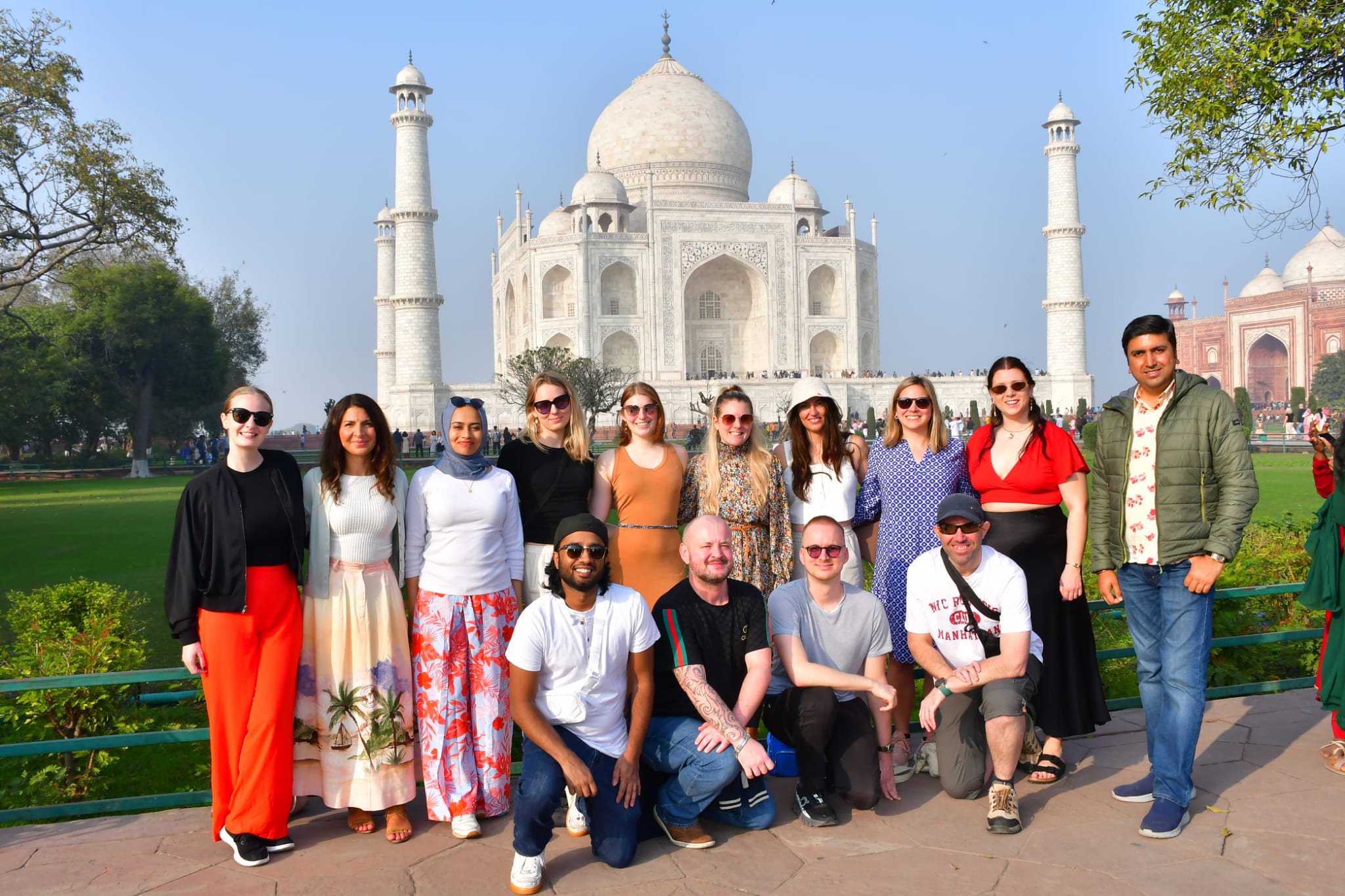 India Golden Triangle Express - 6 daysTake in India's classic Golden Triangle route in six memorable days on this escorted group tour. Begin in Delhi with city sightseeing, a chance to meet the locals and a street food tour. Take in Agra's majestic Taj Mahal not once, but twice, with visits at sunset and sunrise. And end your tour in Jaipur, visiting Hawa Mahal and the Monkey Temple, plus catch a Bollywood Movie at one of the world's grandest theatres. Choose to end in Jaipur, or request a train transfer back to Delhi.Budget Tours6
Taj Mahal at Agra Pink city at Jaipur The 1st fort we saw. I think on the go tours could have explained at the beginning that the 6 day tour was joining a 14 day tour. I would have considered doing the 14 days if I had known or if the option was there to add on the extra days. The tour was fantastic.
Golden Triangle & Tigers - 10 daysWILDLIFE TOUR: Experience the magic of northern India on this 10-day adventure from Delhi. Discover Old and New Delhi, marvel at the majestic Taj Mahal, and explore the mighty Agra Fort. Stay in a heritage palace in Karauli or Dholpur before heading to Jaipur for its vibrant bazaars, Amber Fort and royal palaces. Enjoy a thrilling jeep safari in Ranthambore National Park in search of elusive Bengal tigers, then return to Delhi for a final night. With historic sights, colourful culture, wildlife encounters and stays in regal settings, this tour offers an unforgettable taste of India’s Golden Triangle and beyond.Signature Journeys10Seeing the Taj Mahal and a Tiger in the wild We were supposed to be picked up at the airport on arrival, and the driver wasn't there and told to take a taxi which charged 7500 rupees for the ride to the hotel.
Taj Express - 8 daysSpend eight days discovering the cultural wonders of northern India, starting and ending in Delhi. From the bustling bazaars of Old Delhi to the majestic Taj Mahal in Agra, this tour is packed with iconic sights and rich history. Stay in heritage properties in Karauli or Dholpur, and explore Jaipur’s ornate palaces and the striking Amber Fort. Highlights include rickshaw rides, Mughal architecture, and the vibrant Pink City. With plenty of free time and optional experiences like hot-air ballooning and street food tours, this trip offers a colourful, well-rounded introduction to India’s Golden Triangle.Signature Journeys8So many things! Taj Mahal was a definite stand out though Long drives between locations weren't great but obvioulsy unavoidable
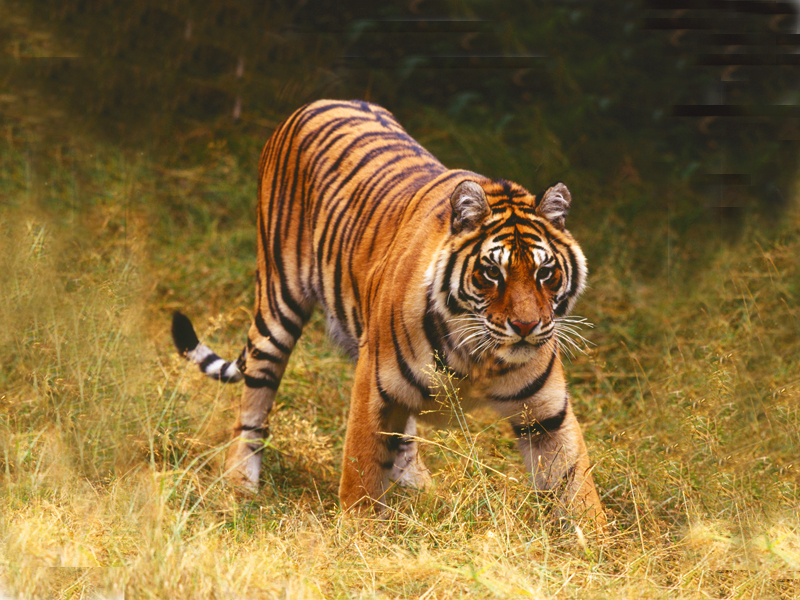
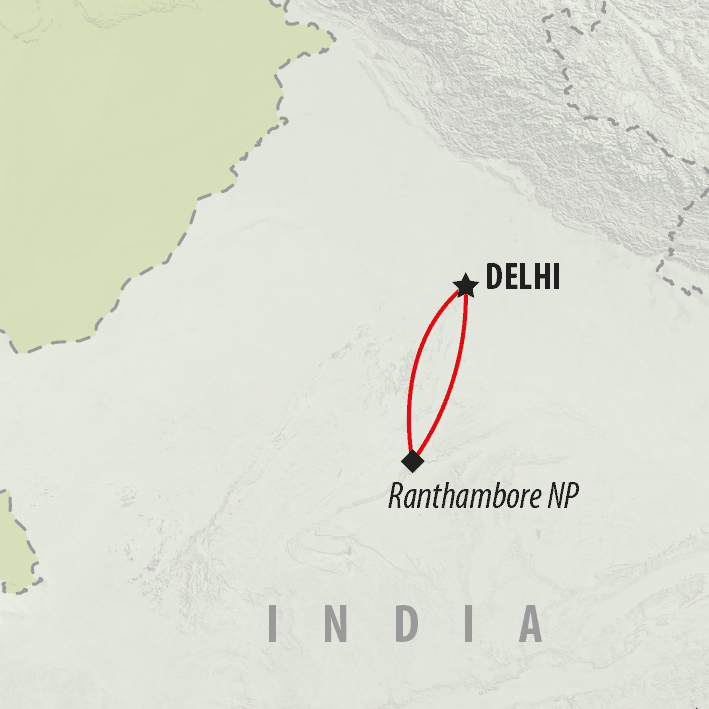
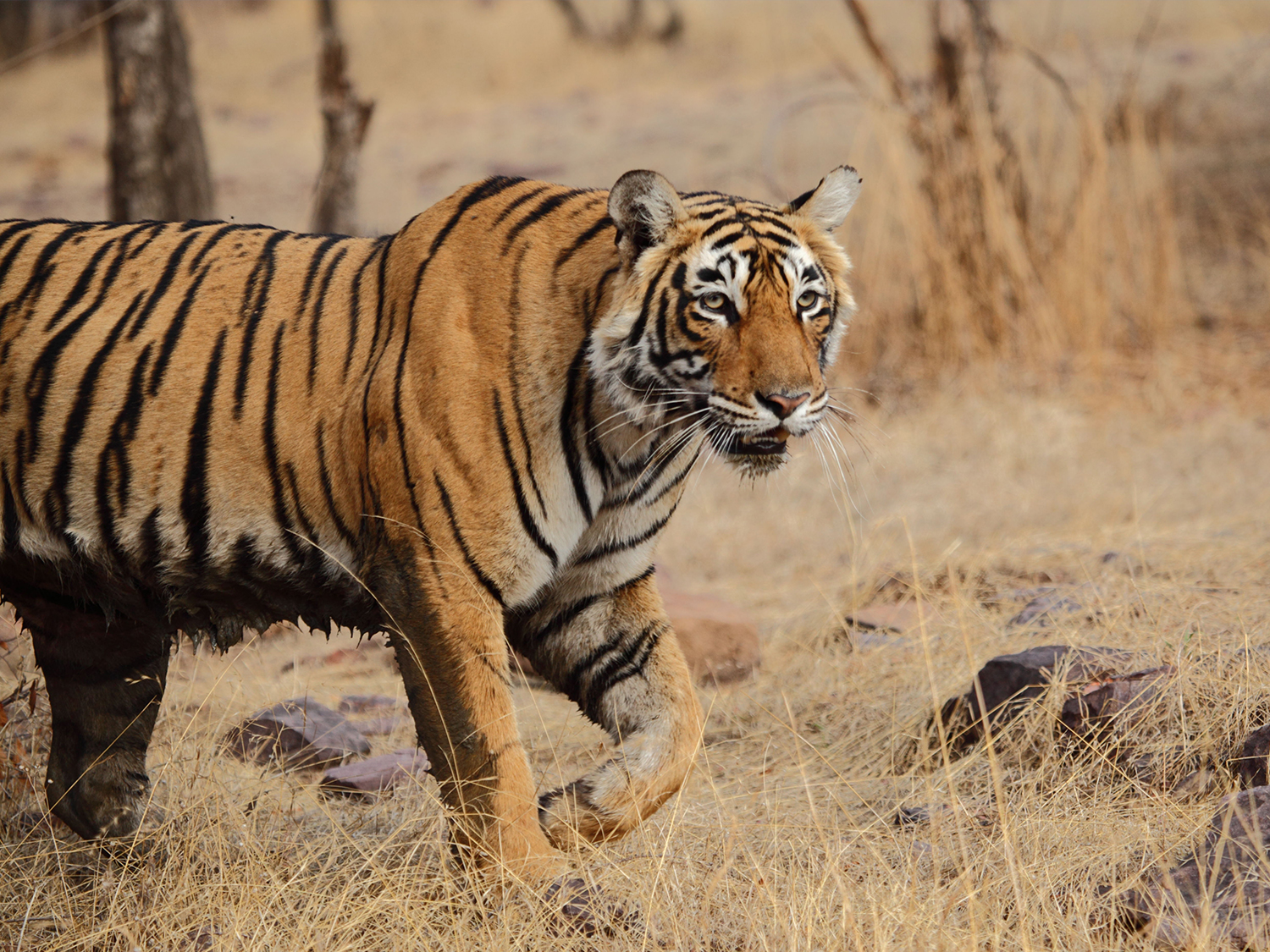
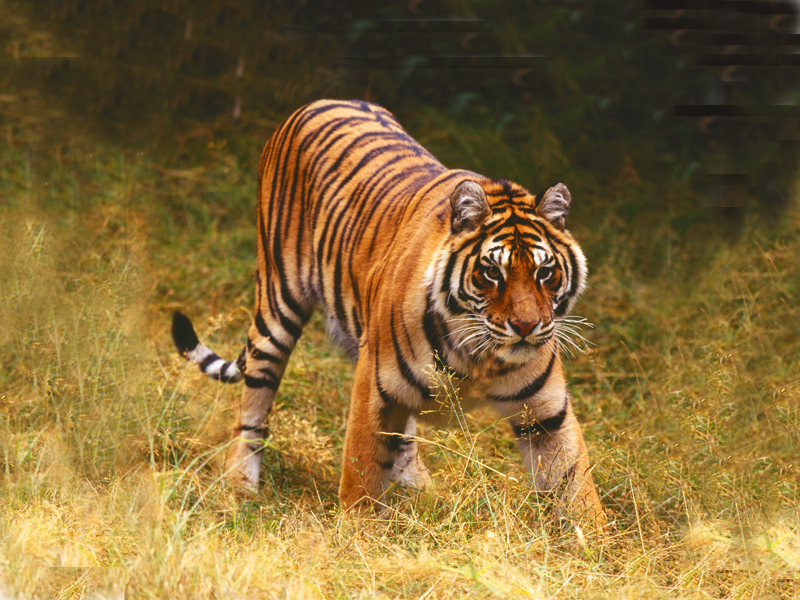 Ranthambore NP - 4 daysWILDLIFE TOUR: Ranthambore National Park is one of India’s most scenic parks and offers a rich diversity of fauna and flora including the Bengal tiger, sambar, chital, nilgai, wild boar, leopard, sloth bear and myriad birdlife. Get spotting! Private Tours4
This tour was purely to attend Rathambore National Park In the hope of seeing a tiger. The On the Go team were always ready at 6:30am and 1:15pm to take us from the accomodation to the park. And they were always waiting to collect us not returned us to our accomodation. Everything was perfect. We saw tigers which really topped it all off.
Delhi trips at a glance
Trip and guiding style
Trips that visit Delhi include both group and private tours, with options that are fully guided or partly guided depending on the itinerary you choose. Many plans build in guided visits to the key sights, and we typically arrange transfers and local transport in advance so you can focus on the experience once you land. Some journeys also combine India with Nepal or Sri Lanka, although India remains central to the overall trip.
Accommodation
Accommodation varies by trip, with choices that commonly include 3 star, 4 star and 5 star hotels, sometimes paired with heritage hotels or heritage homes for added character. Certain routes include alternative stays such as resorts, lodges, forts, homestays, or a night on a train, and in desert regions you may sleep in a desert camp or tented camp. On a small number of itineraries, hostel dorm rooms are used, and if a particular property is unavailable we may substitute a similar standard of accommodation.
Trip pacing
Trip pace usually sits in the fast-to-medium range, which can mean early starts on key sightseeing and travel days to make the most of limited time. Many Delhi itineraries balance guided time with periods to explore independently, and most overland travel is by private, air-conditioned vehicle, with some routes also using trains or flights. Fitness requirements are generally easy, although a handful of trips feel more active due to longer days and more time on your feet.

Why start in Delhi
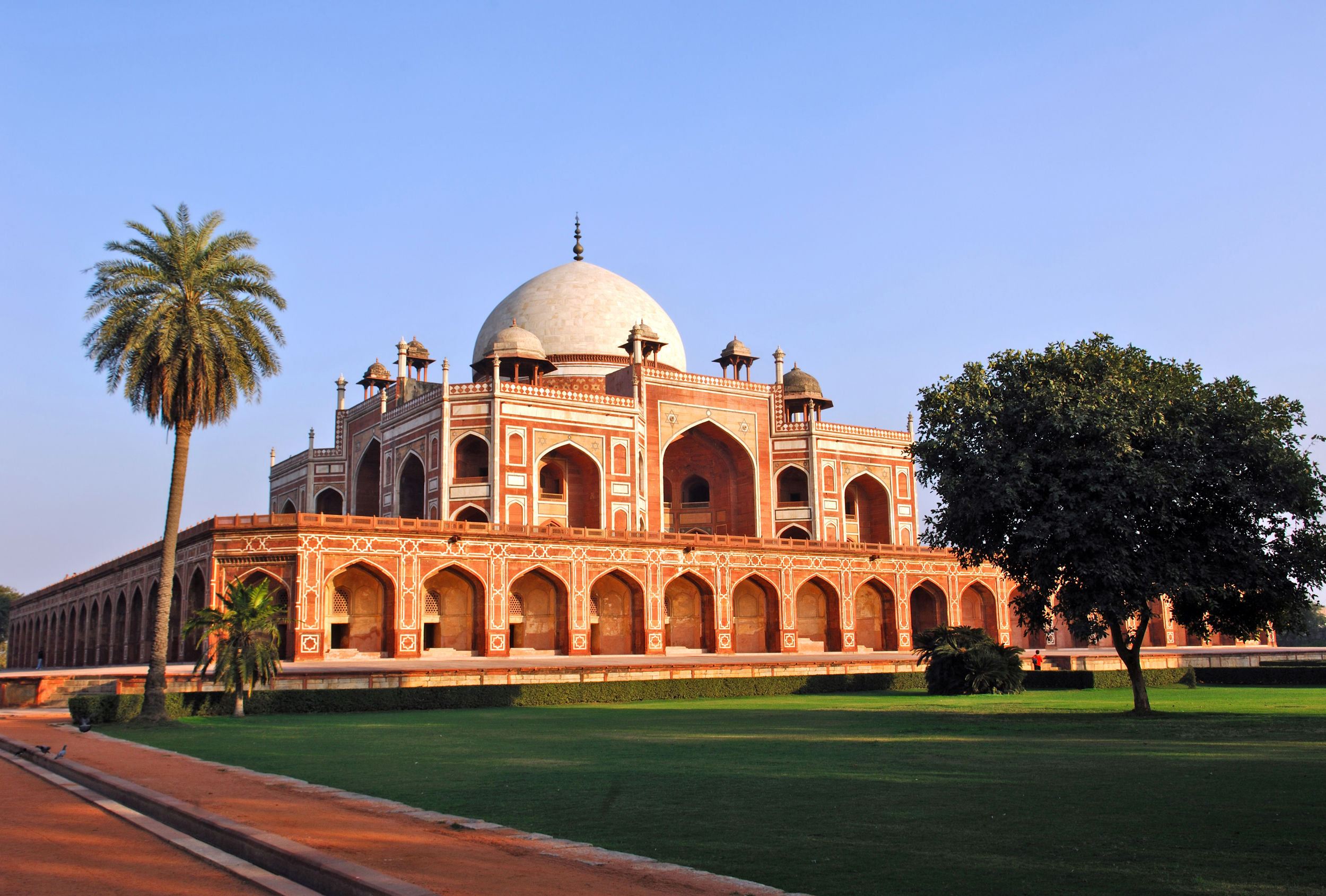
Delhi brings together many sides of India in one city, from the energy of Chandni Chowk to the calm, landscaped setting of Humayun’s Tomb and the broad ceremonial roads of New Delhi. On a tour that visits Delhi, you can get your bearings quickly, because history, faith and everyday life sit close together and are easier to understand with context. Many guided itineraries begin with a rickshaw ride through Old Delhi and time at Jama Masjid, then continue to places such as Raj Ghat and India Gate, so the story of the city unfolds in a clear, logical sequence. From Delhi, routes commonly link to the Taj Mahal in Agra and the forts and palaces of Rajasthan, and some also include wildlife game drives to break up the cultural sightseeing. With both group and private options, plus different levels of guide support, it’s straightforward to choose a trip style that fits how you prefer to travel.
Frequently asked questions
Do tours from Delhi include airport transfers?
Many tours visiting Delhi include an arrival transfer, and a good number include a departure transfer as well. However, inclusions vary between itineraries, so it’s worth checking the trip details to confirm what is arranged and what you need to organize yourself.
Are India tours visiting Delhi guided tours?
Guide support depends on the trip. Some tours are fully guided, with a tour leader accompanying you throughout, while others use local expert guides for key sights in places such as Delhi and leave you more free time between guided visits.
What is the accommodation like on tours visiting Delhi?
Accommodation varies by trip and travel style. Depending on the itinerary, you may stay in 3 star hotels, a mix of 3 to 4 star and heritage properties, or 4 to 5 star and 5 star hotels, while some adventure routes use hostel dorm rooms and may also include camping where appropriate.
Are there group and private tours from Delhi?
Yes. Group tours travel with other travelers on the same set itinerary, while private tours are arranged for your reservation party only and can feel more flexible day to day. Both types can include guided sightseeing in Delhi before continuing to the country’s major highlights.
Which places are commonly paired with Delhi on India tours?
Many itineraries link Delhi with Agra and Jaipur, creating the classic Golden Triangle route. Others add Varanasi for time on the Ganges, or include Rajasthan destinations such as Udaipur and Jodhpur, and in some cases national parks for wildlife viewing.
Can Delhi tours include tiger safaris?
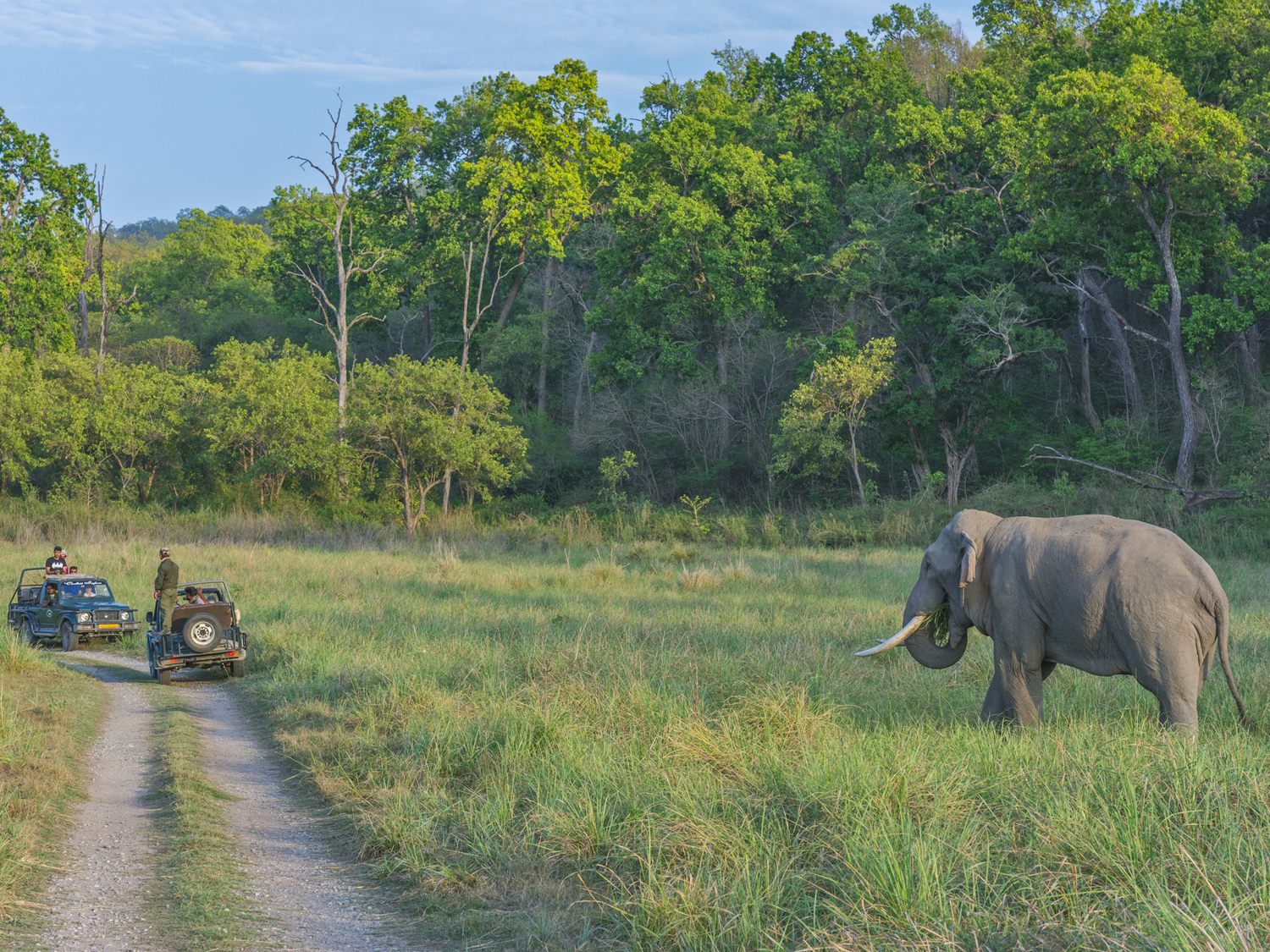
Yes, some tours visiting Delhi include game drives in places such as Ranthambore National Park. Wildlife-focused itineraries may also add Pench National Park and Kanha National Park, although the number of safaris and the time spent in each park will vary by route.
What meals are usually included on tours visiting Delhi?
Meal inclusions vary by itinerary. Many tours include breakfast as standard, and some also include a set number of lunches or dinners, particularly on days with longer travel or included activities. On lodge or camp-based stays, meals may be bundled more comprehensively.
What is the pace like on tours from Delhi?
Pace depends on the itinerary and how much ground it aims to cover. Some tours move quickly to fit in the key sights, while others feel more balanced with longer stays and fewer one-night stops, although you should still expect early starts on certain sightseeing and travel days.
Do any Delhi tours visit more than one country?
Yes, some itineraries combine India with Nepal or Sri Lanka. On multi-country trips you still get meaningful time in India, but extra flights, border formalities and visa requirements will depend on the specific route.
Who operates the tours visiting Delhi?
Trips are operated either by On The Go Tours or by trusted local partners, depending on the itinerary. The trip notes outline the travel style, inclusions and the practical support you can expect during the tour.
India guides
Check out these India guides to help you plan your upcoming trip!




Explore more countries like India!
Discover other destinations that offer similar experiences to India.