On The Go Tours
Our agents are waiting to chat to you...
Are you a Travel Agent or Customer?
Do you have an booking reference?
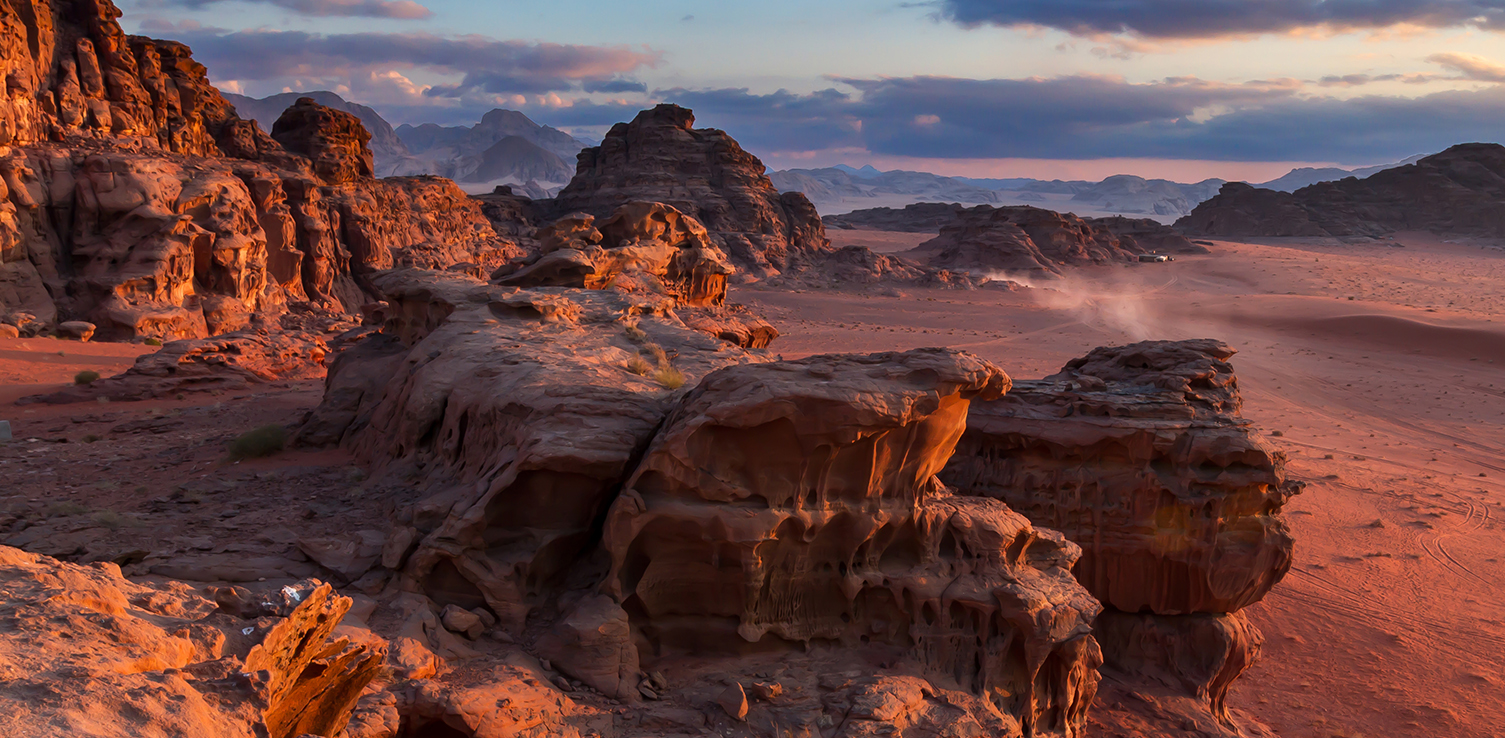
Best places to visit in JordanUncover Jordan's Treasures: Must-Visit Destinations for an Unforgettable Journey
When do you want to go?
2026
I'm flexible
Passengers
Adults (18+)
Children (0 - 17)
Top 10 Destinations in Jordan
Petra
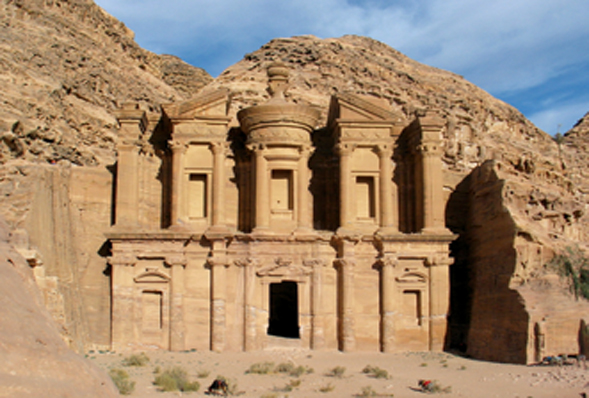
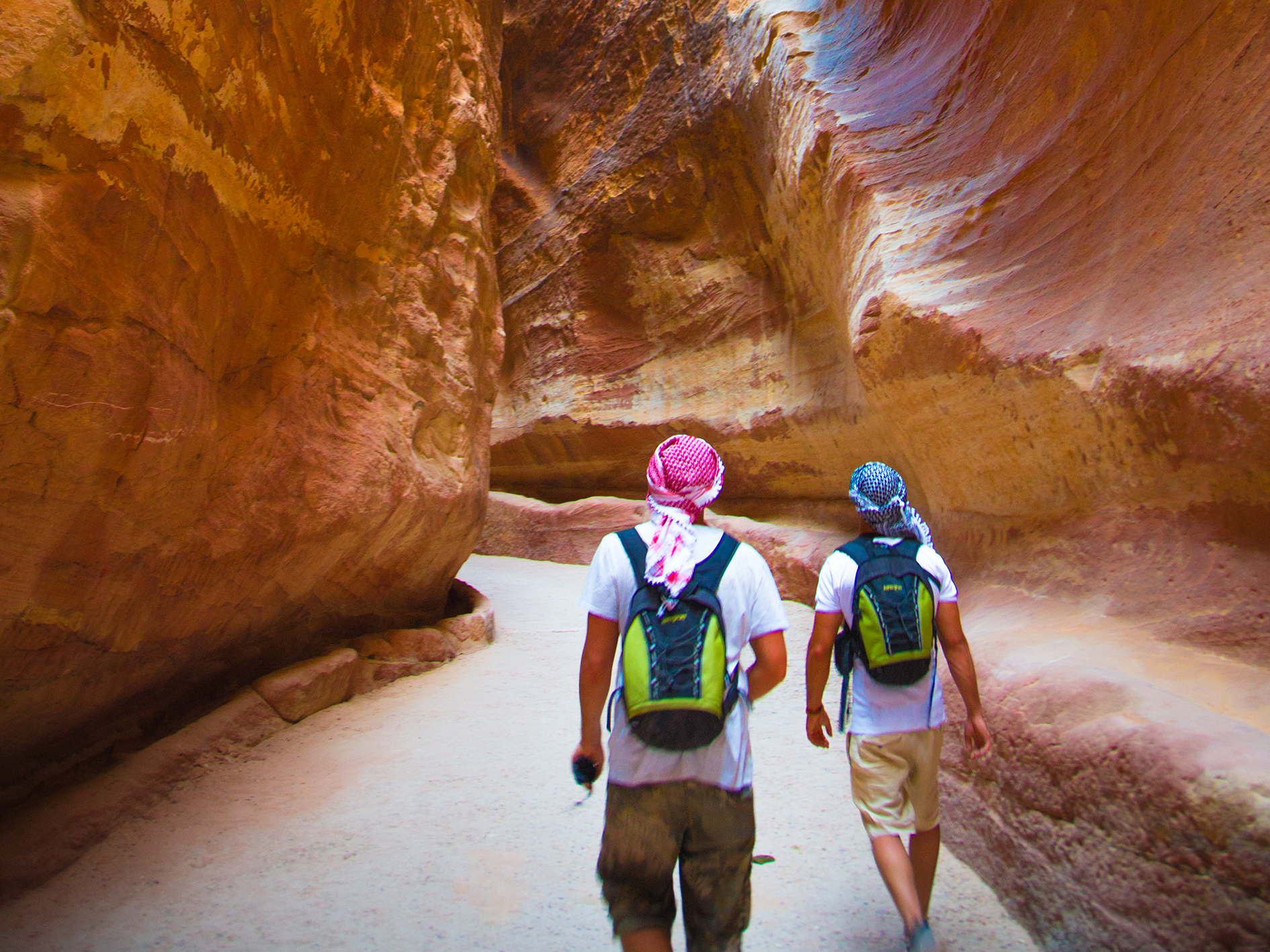
A trip to Jordan would not be complete without a visit to the remarkable lost city of Petra, one of the New Seven Wonders of the World. Hidden in a secluded valley surrounded by Jordan’s rugged mountains, Petra was lost from the world for hundreds of years until being rediscovered in the 1800s. It is now the country's leading tourist attraction, reached by a 1.2-kilometer walk through the narrow Siq.
The most well-known site in Petra is Al Kazneh (the Treasury), which served as a royal tomb, but got its name from the legend that pirates hid their treasure there. The Treasury famously featured as the Holy Grail's final resting place in the film 'Indiana Jones and the Last Crusade'.
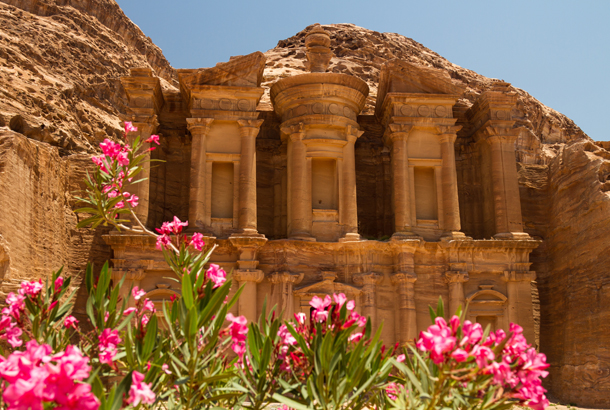
Past the Treasury, the hidden valley widens to reveal the remains of the city proper. This includes dozens of ancient Nabataean tombs and a Roman rock-carved street lined with temples, royal tombs, public buildings, and a vast amphitheatre. Petra's most imposing and impressive monument is Ad Deir (the Monastery), which is scenically perched above the city in the beautiful Petra Hills. The steep walk up to the monastery takes about an hour.
Wadi Rum
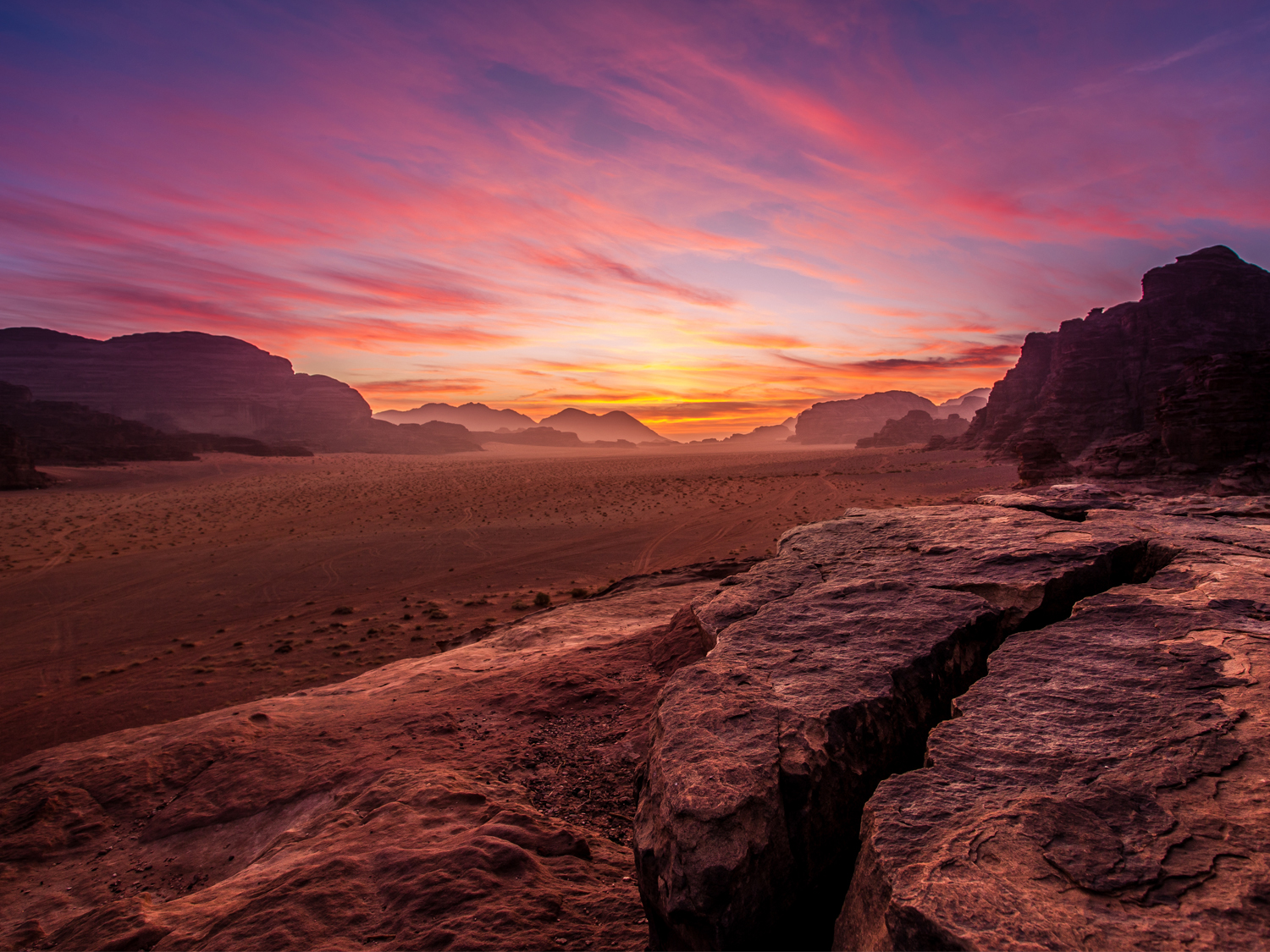
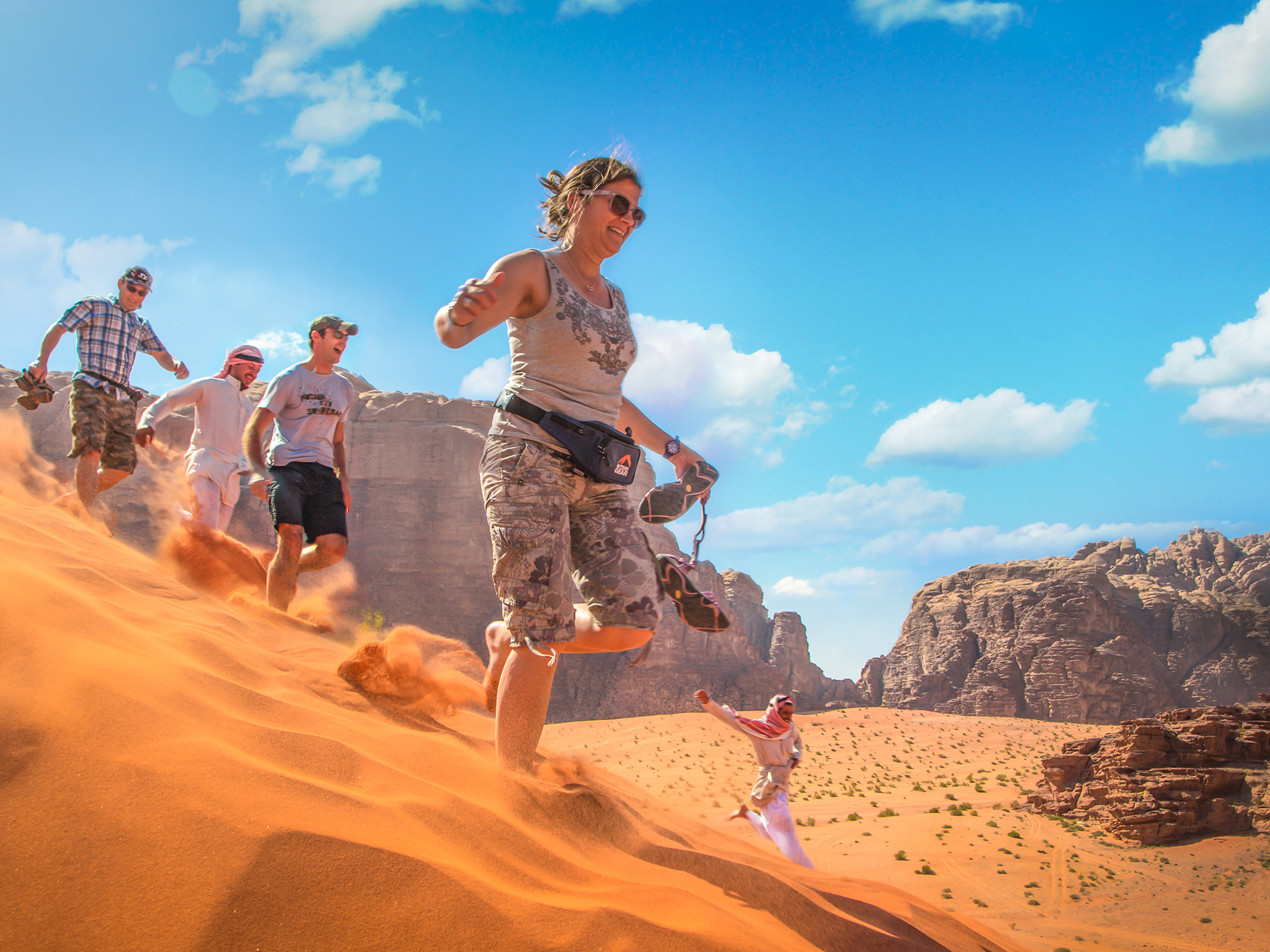
Ancient riverbeds, vast pastel-coloured stretches of sandy desert, and amazing rock formations known as jebels form the incredible landscape of Wadi Rum in the south of Jordan. The landscape will have you thinking you've arrived on Mars, with millions of years of geological formation, erosion, and evolution on display. The region is home to the semi-nomadic Bedouins, who live in goat-hair tents, tend to their herds of sheep and goats, and preserve a lifestyle that has been practiced here in the Arabian desert for centuries. It has also been used as a backdrop for many blockbuster movies. These include Lawrence of Arabia (1962), The Martian (2015), and most recently, Dune (2021)!
On visits to Wadi Rum, we take an exciting 4x4 desert jeep ride through the heart of the stunning desert and spend a night at a remote desert camp where we watch a beautiful sunset, enjoy a traditional Jordanian meal, and camp under the stars in tents.
The Dead Sea
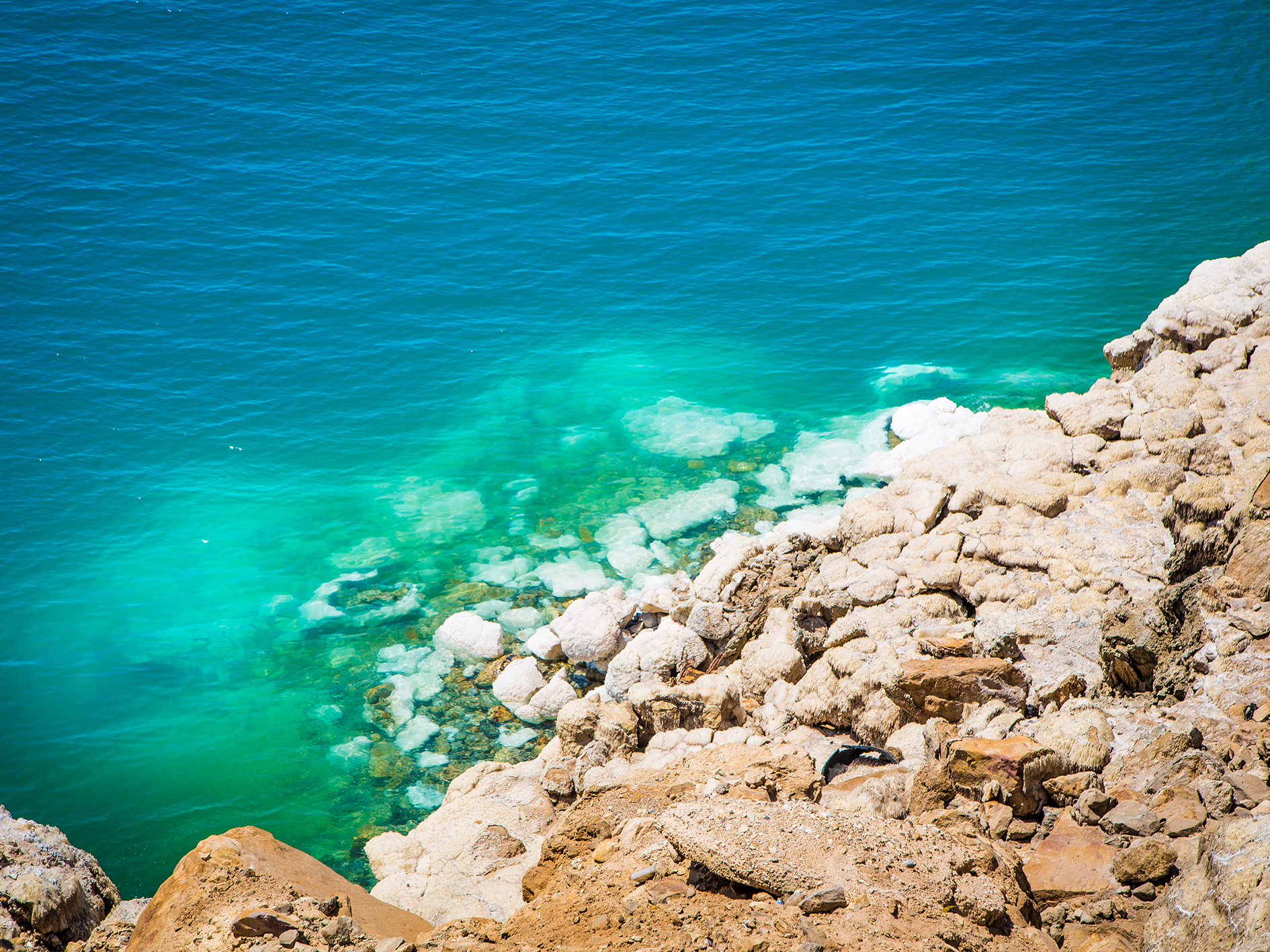
The lowest point on the Earth’s surface, the Dead Sea is a fascinating natural phenomena. Straddling the border between Israel and Jordan, the mineral content of this 75km-long and 10km-wide saltwater lake is 33%, which is about six times as salty as a normal ocean. This incredibly high salt content means the Dead Sea is extremely buoyant, making it impossible to sink or swim in - the only option is to bob around like a cork! It’s called the Dead Sea as nothing can live in it. There are no fish, seaweed or plants of any kind in or around the water. What you’ll see on the shores are clusters of white salt crystals. These salts are mineral salts, which is just like you find in the oceans of the world, only in extreme concentrations. Many believe that these salts have curative powers and therapeutic qualities, and so the Dead Sea is a great place to try out a spot of pampering in the local spas.
Jerash
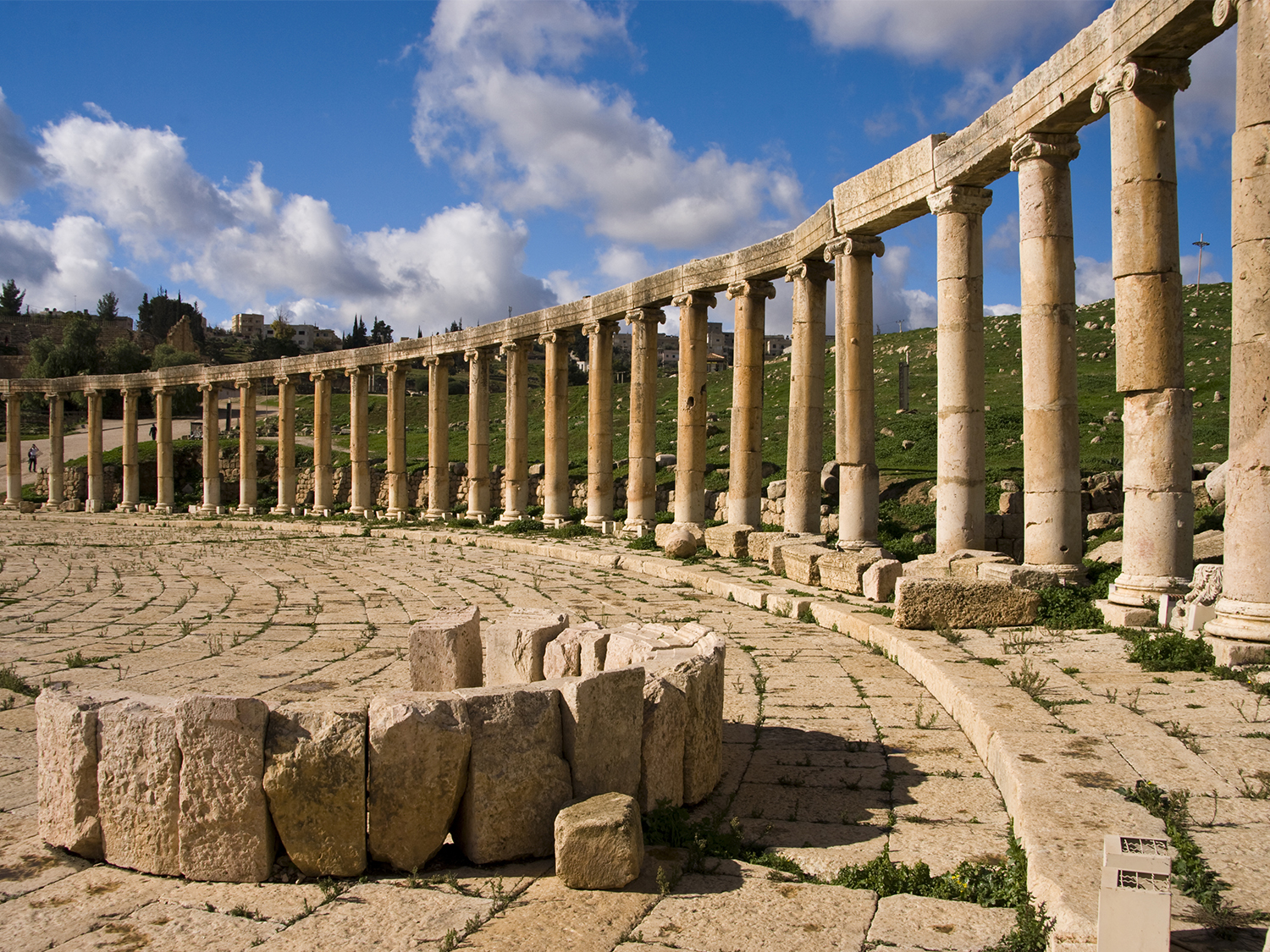
Second only to Petra in tourist appeal, the 2,000-year-old Graeco-Roman ruins of Jerash are recognised as one of the best-preserved member cities of the Decapolis, a confederation of 10 Graeco-Roman cities. When Emperor Hadrian paid a visit in 129 AD, the place was buzzing. The citizens threw up a Triumphal Arch for him, which still stands today. Exemplifying the finesse of Roman urban life, the town boasts a hippodrome, an old sports field that once held 15,000 spectators, and a stunning amphitheatre with amazing amplification abilities. There is also the forum, which gracefully links the main north-south axis of Jerash, a colonnaded street paved with original stones and the rut marks of chariots, and a nymphaeum replete with ancient fountains trimmed with dolphins and various temples.
Amman
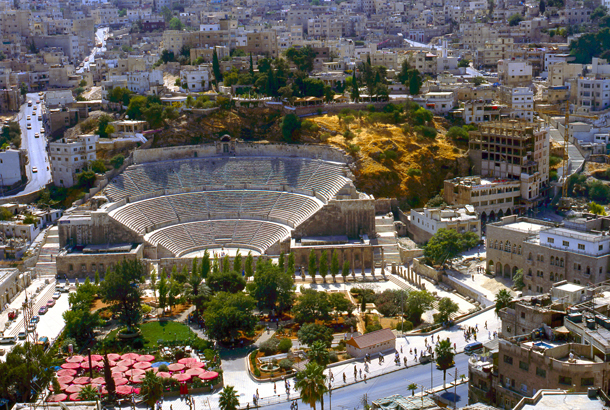
As the political, cultural, and commercial capital of Jordan, it should come as no surprise that Amman is brimming with activity and has no end of exciting things to do. Today, the city is thriving and has been crowned one of the world’s most liberal Arab capitals, making it a very appealing destination for European travellers. A striking feature of Amman is how it has delicately struck a balance between the old and the new. There are all the signs of modernization, with glistening skyscrapers and busy shopping streets. But the old charm of the city has also been retained, with the ancient Neolithic citadel still standing proudly in the heart of the city. For those looking for an authentic experience, head to the markets, where you will be able to sample traditional Middle Eastern snacks and haggle with vendors over spices, perfumes, and jewellery. At the end of the day, retire to one of the numerous Turkish baths for a bit of self-indulgence.
Madaba
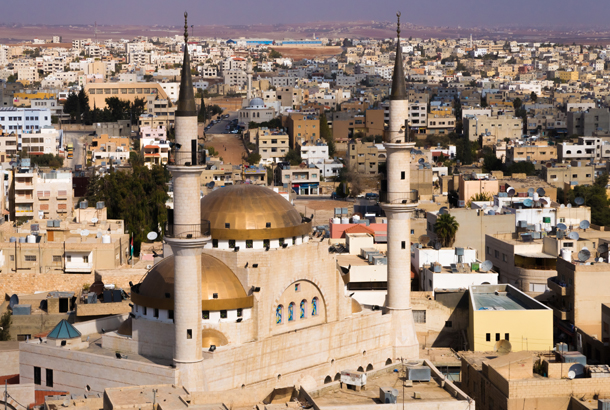
A distinctly ancient city presided over by a magnificent mosque, Madaba is famous around the world as the home of some of the most impressive mosaics in existence. These Byzantine-era artistic masterpieces can be found on the floors of buildings across the city, the most famous being the one that covers the floor of St. George’s Church. The mosaic takes the form of a map and is believed to be the oldest and most exact map of the Holy Land. Culturally, Madaba is incredibly diverse and enjoys an inspiring harmony between its Christian and Muslim communities. The city is easily walkable, so travellers should take advantage of that by spending their time exploring its narrow streets, hectic markets, and various holy sites. Madaba also makes an excellent base for exploring some of Jordan’s other famous sites, including the Dead Sea, the Dolmens, and Wadi al-Mujeb.
Azraq Wetland Reserve
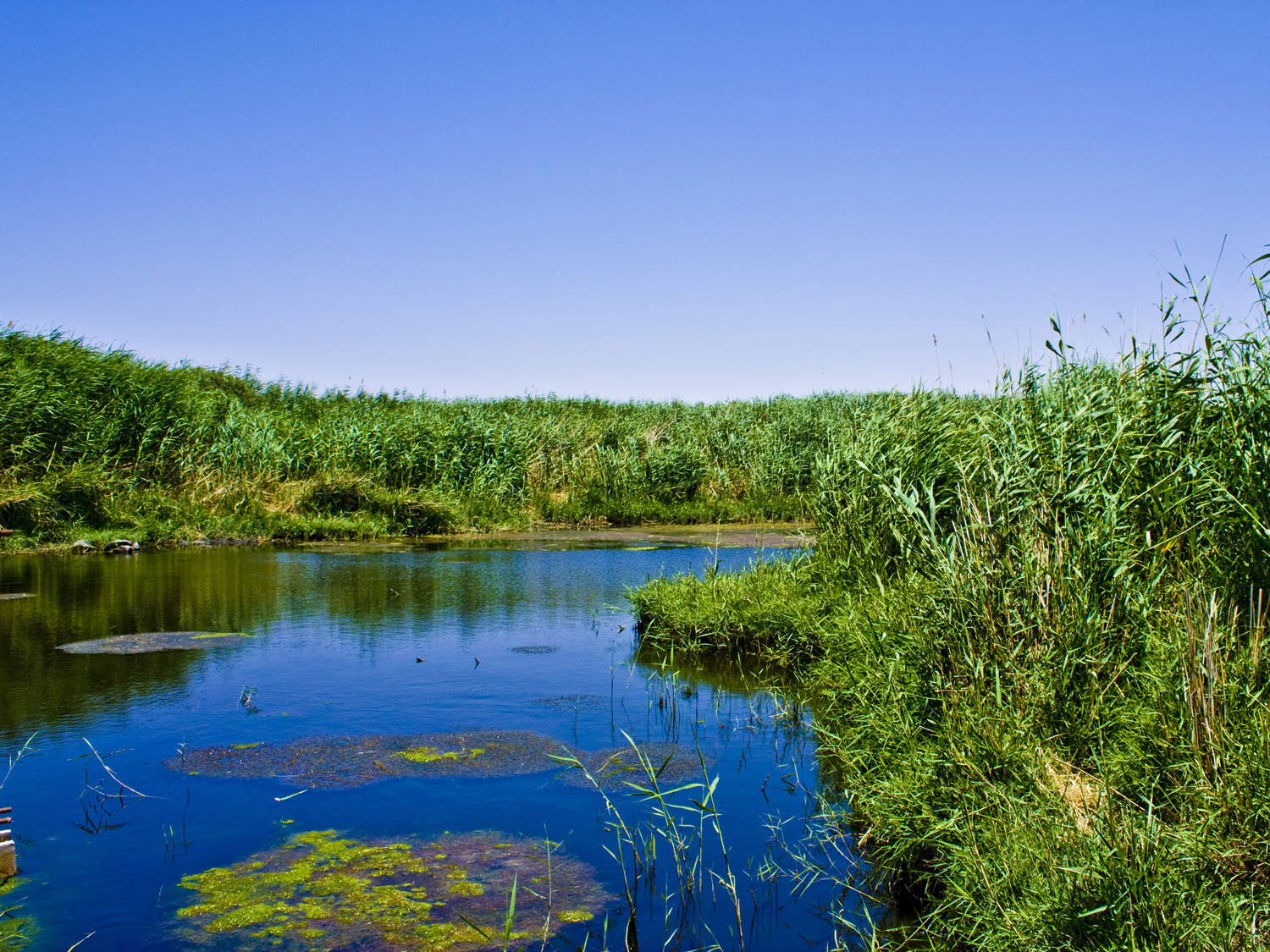
The Azraq Wetland Reserve, located in the eastern desert of Jordan, is a unique and ecologically significant oasis. Established in 1978 and managed by the Royal Society for the Conservation of Nature (RSCN), the reserve spans about 12 square kilometers and is renowned for its rich biodiversity. It serves as a crucial stopover for migratory birds traveling between Africa and Eurasia, hosting over 150 bird species. The wetlands also support various plant and animal life, including the endangered Azraq killifish, an endemic species. Historically, Azraq has been a vital water source for local communities and wildlife, but over-extraction of water has posed significant challenges. Conservation efforts are ongoing to restore and preserve this vital ecosystem, making it an important site for environmental education and sustainable tourism.
Dana Nature Reserve
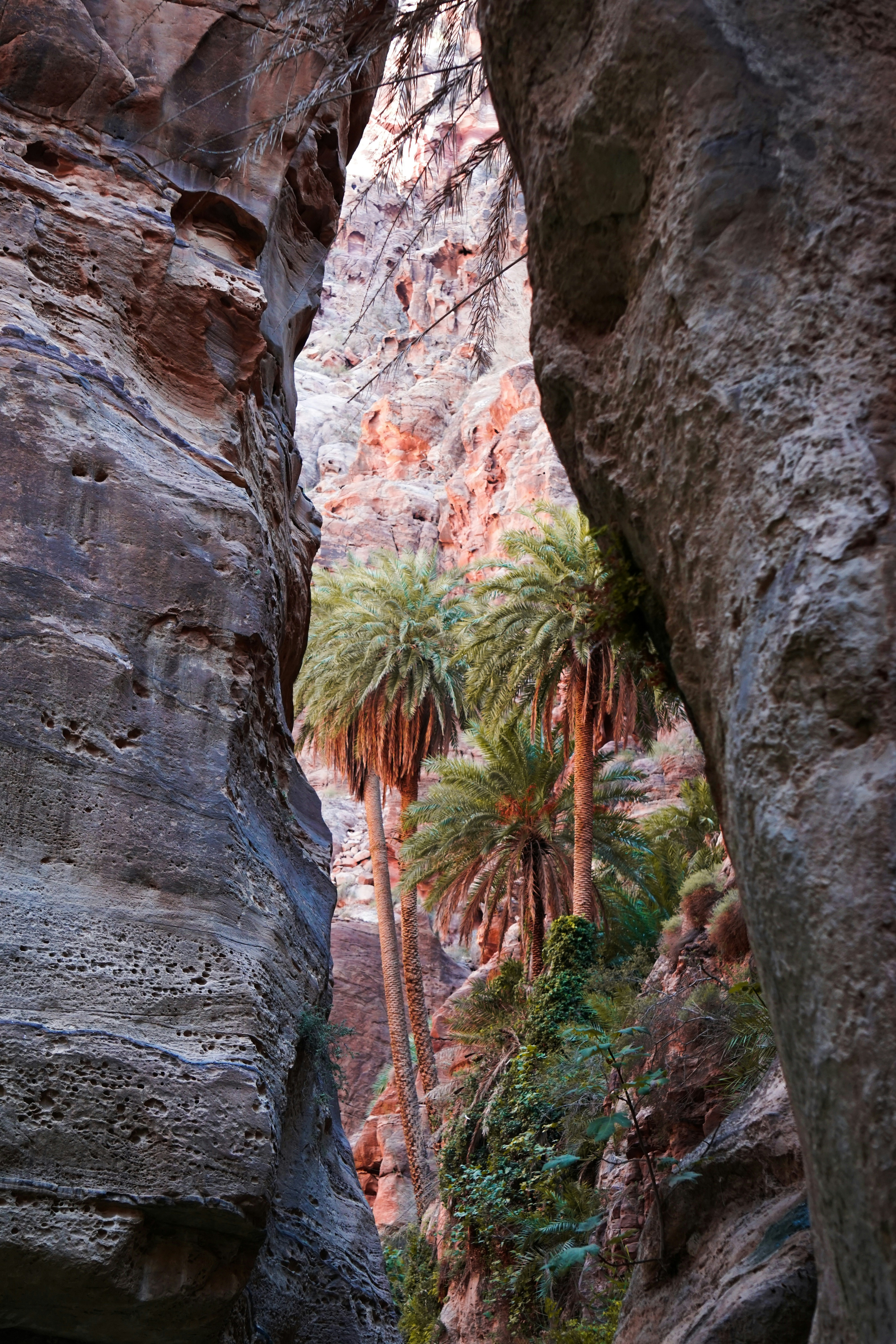
Dana Nature Reserve, located in the mountainous region of south-central Jordan, is the country's largest nature reserve, spanning 320 square kilometres. Established in 1989 and managed by the Royal Society for the Conservation of Nature, the reserve encompasses a diverse range of habitats, from sandstone cliffs and granite mountains to fertile valleys and desert plains. This rich variety supports an impressive array of wildlife, including over 800 plant species, 215 bird species, and numerous endangered animals like the Nubian ibex and Syrian wolf. Dana is also a haven for botanists and ecologists, with its unique mix of Mediterranean, desert, and mountainous ecosystems. Additionally, the reserve is a hub for sustainable tourism, offering eco-friendly lodges and guided treks that highlight its natural beauty and cultural heritage, making it a significant conservation and tourist destination in Jordan.
Umm Qais
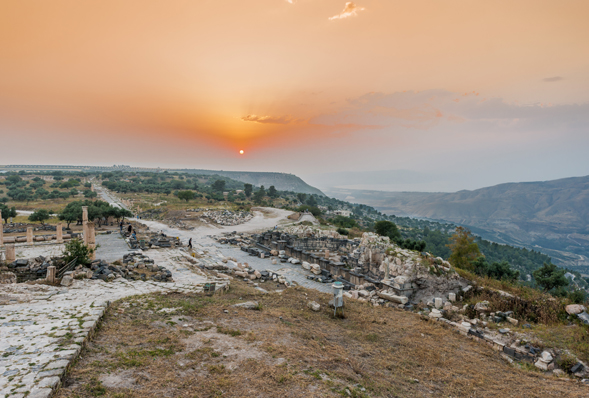
Umm Qais, a town in northern Jordan, is renowned for its rich historical and archaeological significance. It stands on the ruins of the ancient Greco-Roman city of Gadara, which was one of the cities of the Decapolis, a group of ten cities on the eastern frontier of the Roman Empire in Judea and Syria. The site boasts an impressive array of well-preserved ruins, including a Roman theatre, colonnaded streets, and the remnants of basilicas and bathhouses. Umm Qais offers panoramic views of the Sea of Galilee, the Golan Heights, and the Yarmouk River, blending natural beauty with historical intrigue. Its cultural heritage, scenic landscapes, and unique blend of Greco-Roman and Byzantine architecture make Umm Qais a significant destination for both tourists and historians.
Mt Nebo
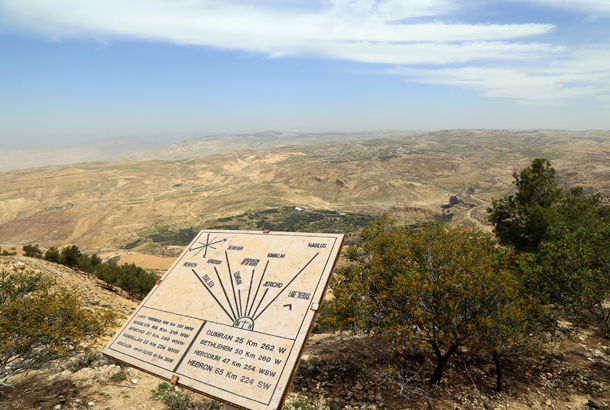
Mount Nebo, a prominent peak in Jordan, holds profound historical and religious significance, particularly in Judeo-Christian tradition. Rising approximately 817 meters (2,680 feet) above sea level, it is traditionally identified as the mountain from which Moses viewed the Promised Land before his death, as described in the Hebrew Bible. The site offers sweeping vistas of the Jordan Valley, the Dead Sea, and on clear days, even the distant spires of Jerusalem. Archaeologically, Mount Nebo is notable for its ancient ruins, including a Byzantine church and monastery that date back to the 4th century AD, established to commemorate Moses. Today, it remains a place of pilgrimage and reflection, attracting visitors who seek to connect with its rich biblical heritage and the serene natural beauty of its landscapes.
Jordan guides
Start planning your adventure of Jordan with our helpful travel guides.