On The Go Tours
Our agents are waiting to chat to you...
Are you a Travel Agent or Customer?
Do you have an booking reference?
Best Places to Visit in Croatia Top Destinations in Croatia: Must-Visit Spots for Your Next Adventure
When do you want to go?
2026
I'm flexible
Passengers
Adults (18+)
Children (0 - 17)
Top 10 Destinations in Croatia
Split
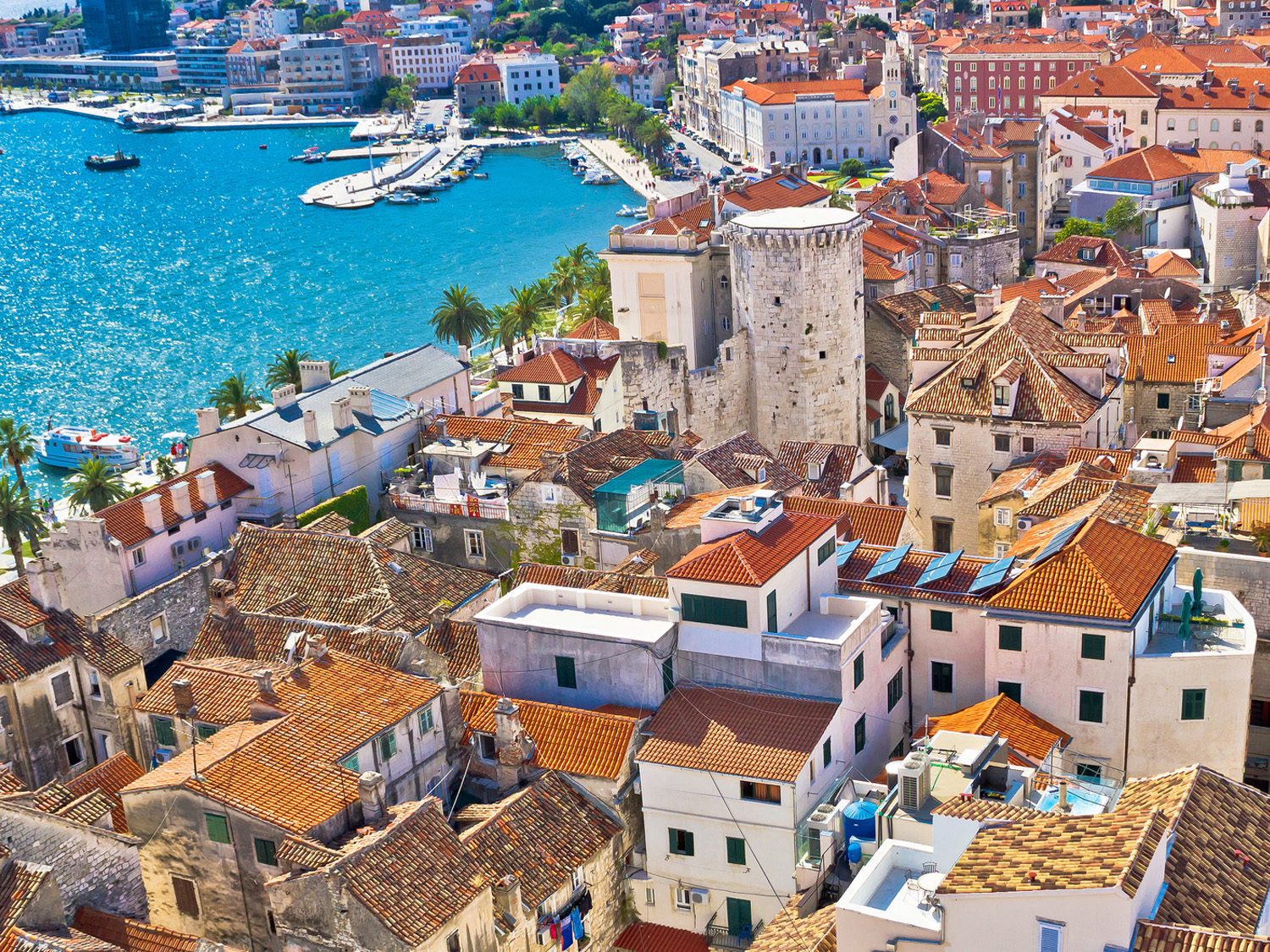
Located in the heart of Dalmatia, Split became a popular retirement destination in the 4th century for Roman emperors such as Diocletian, whose UNESCO-listed palace remains one of the highlights of the city. Split, a center of culture, has a number of museums, the National Theater, and hosts a summer music festival. The city offers plenty of eateries, bars, and cafes. To experience some local culture, head to the green market called Pazar, where you can jump in and join the hubbub. You'll find all sorts of goods for sale, including fresh fruit and vegetables, clothing, souvenirs, and all sorts of other interesting trinkets.
Dubrovnik
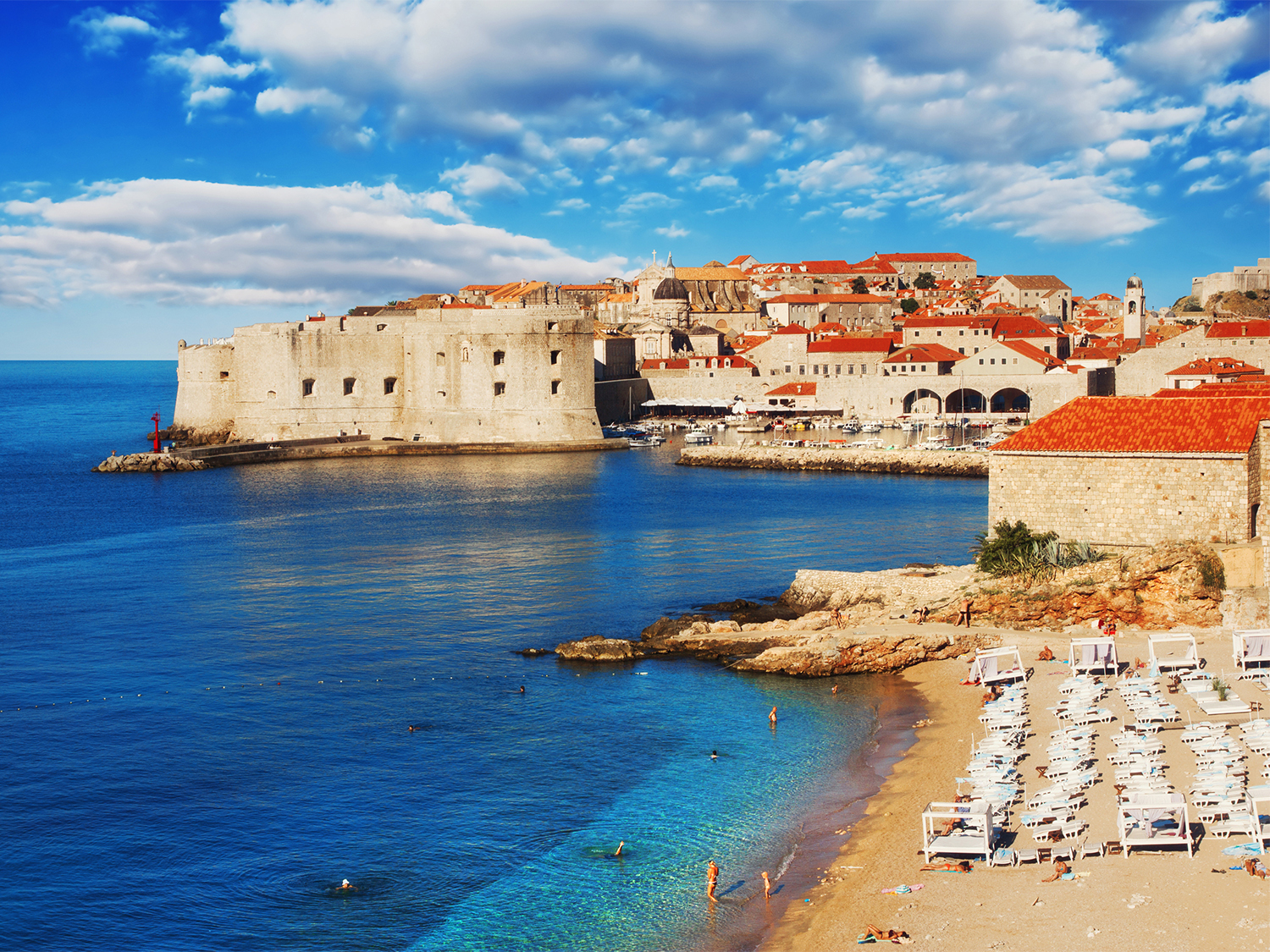
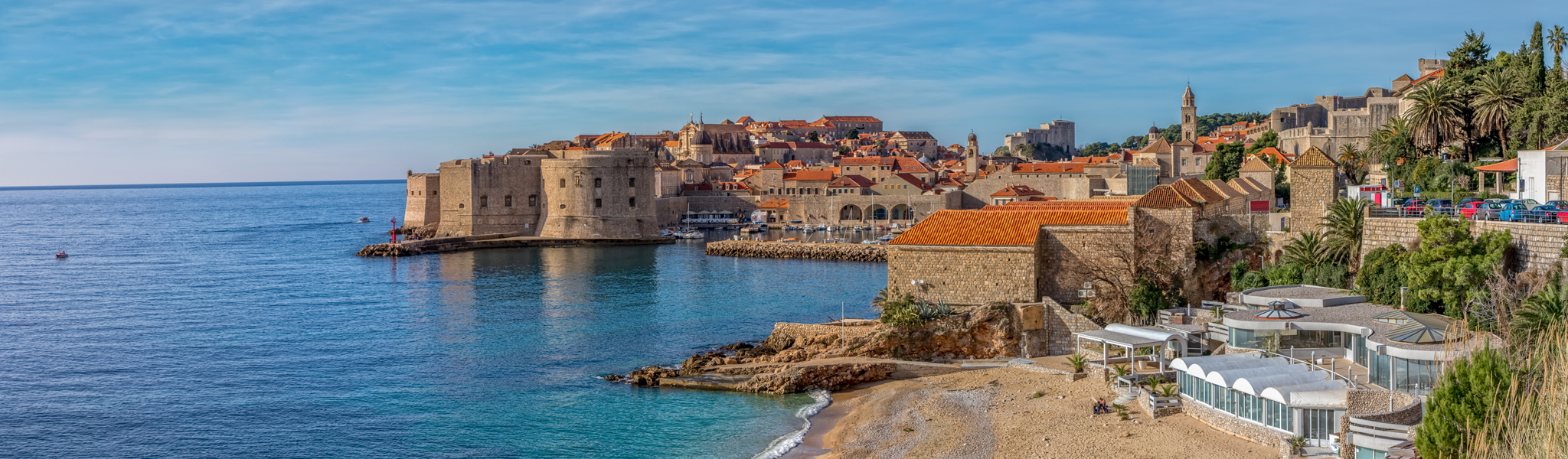
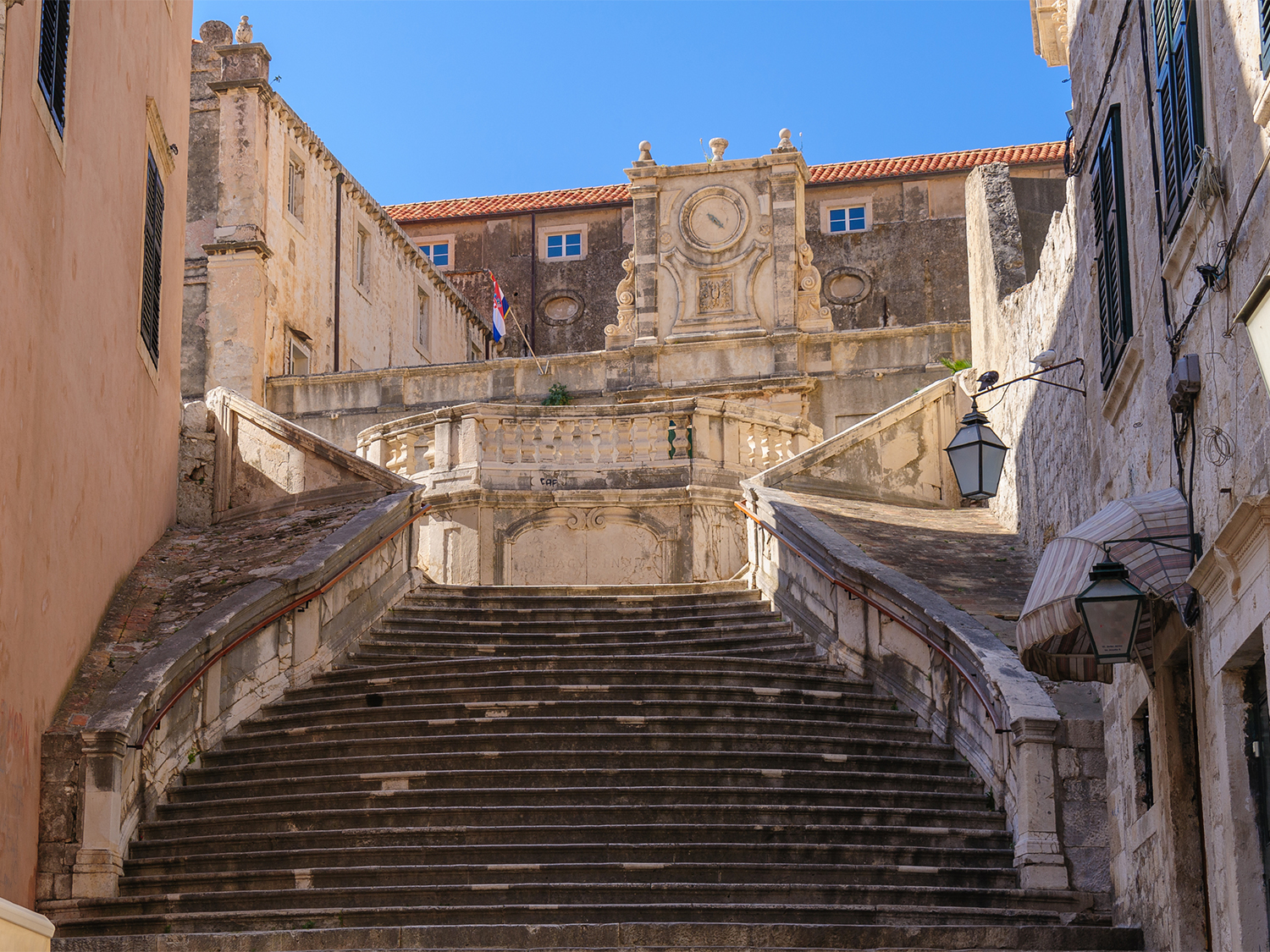
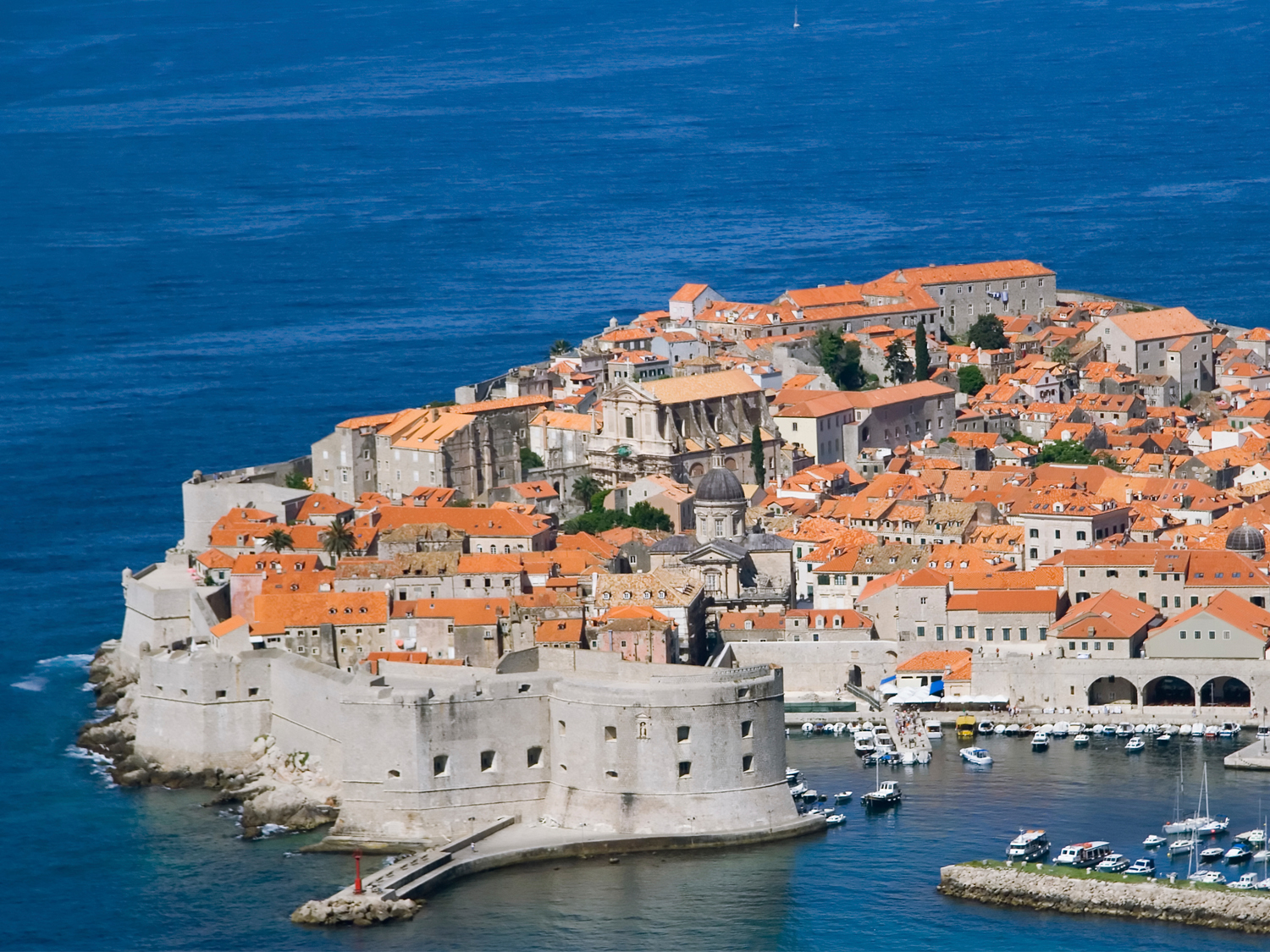
While staying in Dubrovnik in 1929, the playwright George Bernard Shaw remarked, “If you want to see heaven on earth, come to Dubrovnik.”. The ancient walled medieval city of Dubrovnik is Croatia’s crowning jewel. Jutting out into the azure blue sea is the old town of Stari Grad, complete with marble-paved squares, tall houses, convents, churches, and palaces all cut from the same light-colored stone. Built between the 13th and 16th centuries, the imposing city walls are still intact today, and a walk along them is highly recommended.
Fans of the hit tv series Game of Thrones will recognize much of the city. It featured as the fictional capital of Westeros, Kings Landing and there are numerous filming locations scattered throughout Dubrovnik
Korcula
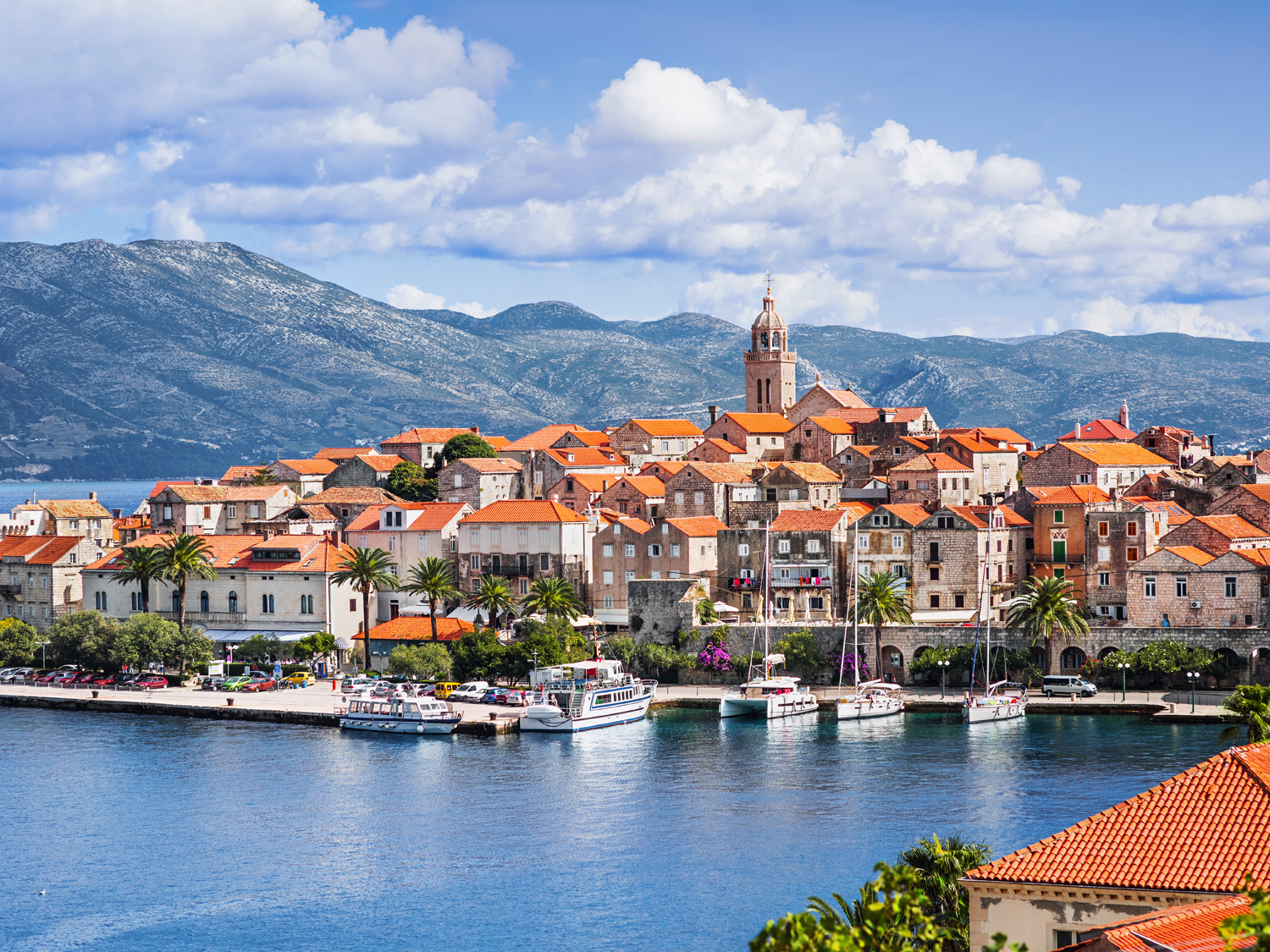
The greenest island in Croatia, Korcula is filled with woodlands, vineyards, fishing villages, and is the reputed birthplace of the famous explorer Marco Polo. The walled old city of Korcula has streets arranged in a herringbone pattern, allowing free circulation of air but protecting against strong winds. The city is notable for its Statute dating back to 1214, which prohibited slavery, making Korcula the first place in the world to outlaw the practice. In the evening, try to find a Moreska sword dance, originally performed across the Mediterranean since the 12th century; it’s still very much alive and a proud Korculan tradition.
Mljiet
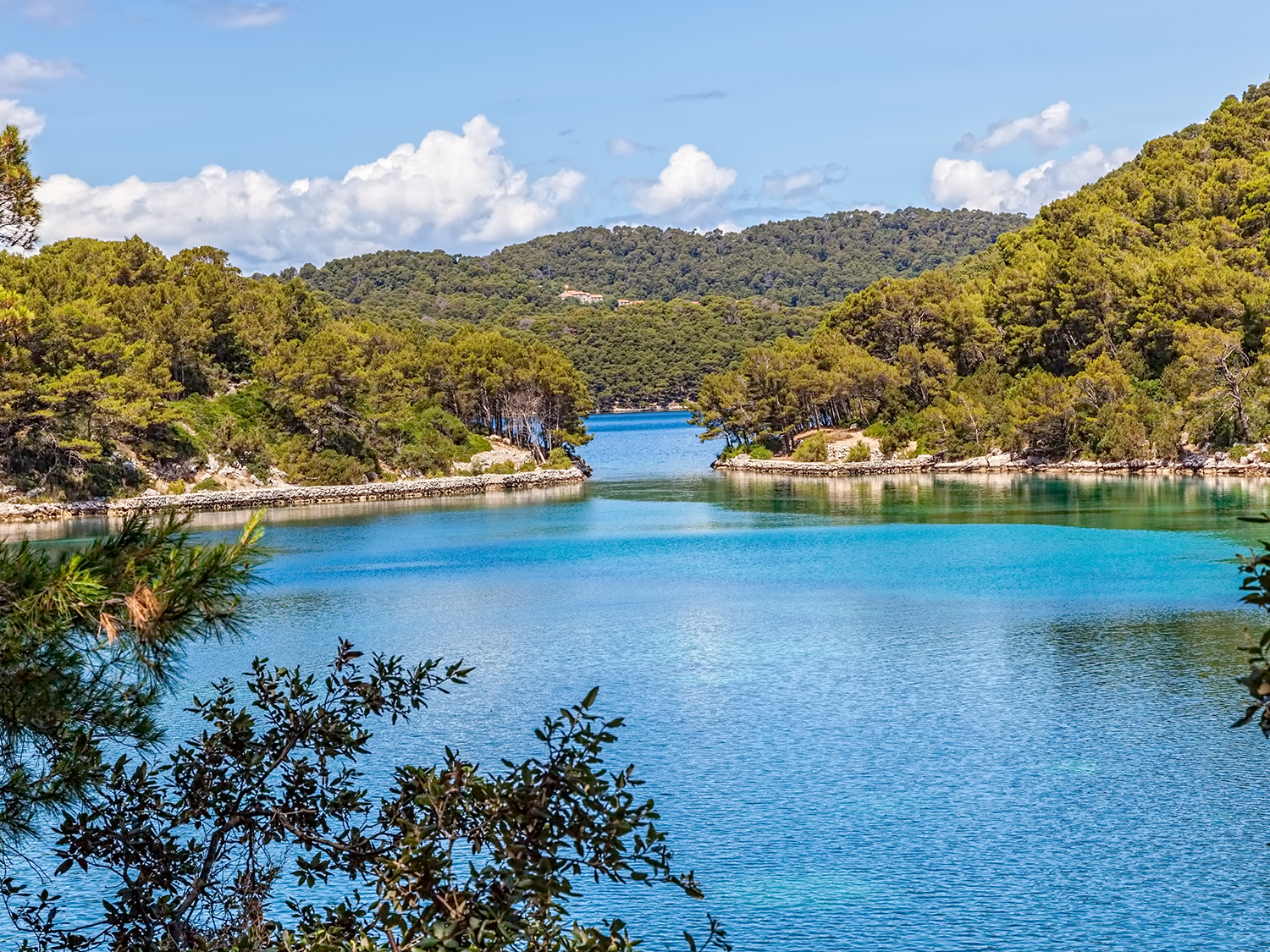
Discovered by the Ancient Greeks, Mljet was called "Melita" or "honey," a product that the island is famous for, which over the centuries evolved to the current Slavic name. Over 70% of Mljet is carpeted with verdant forest, sprinkled with fields, vineyards, and tranquil villages. The western half of the island is a stunning national park characterized by two deep bays, which are called lakes due to their very narrow passages to the open sea. On an island on one of the lakes is a 12th-century Benedictine monastery. With five distinct forest tree varieties, abounding fauna, plus lush vegetation, it’s easy to see why Mljet is called the ‘Green Island’.
Hvar
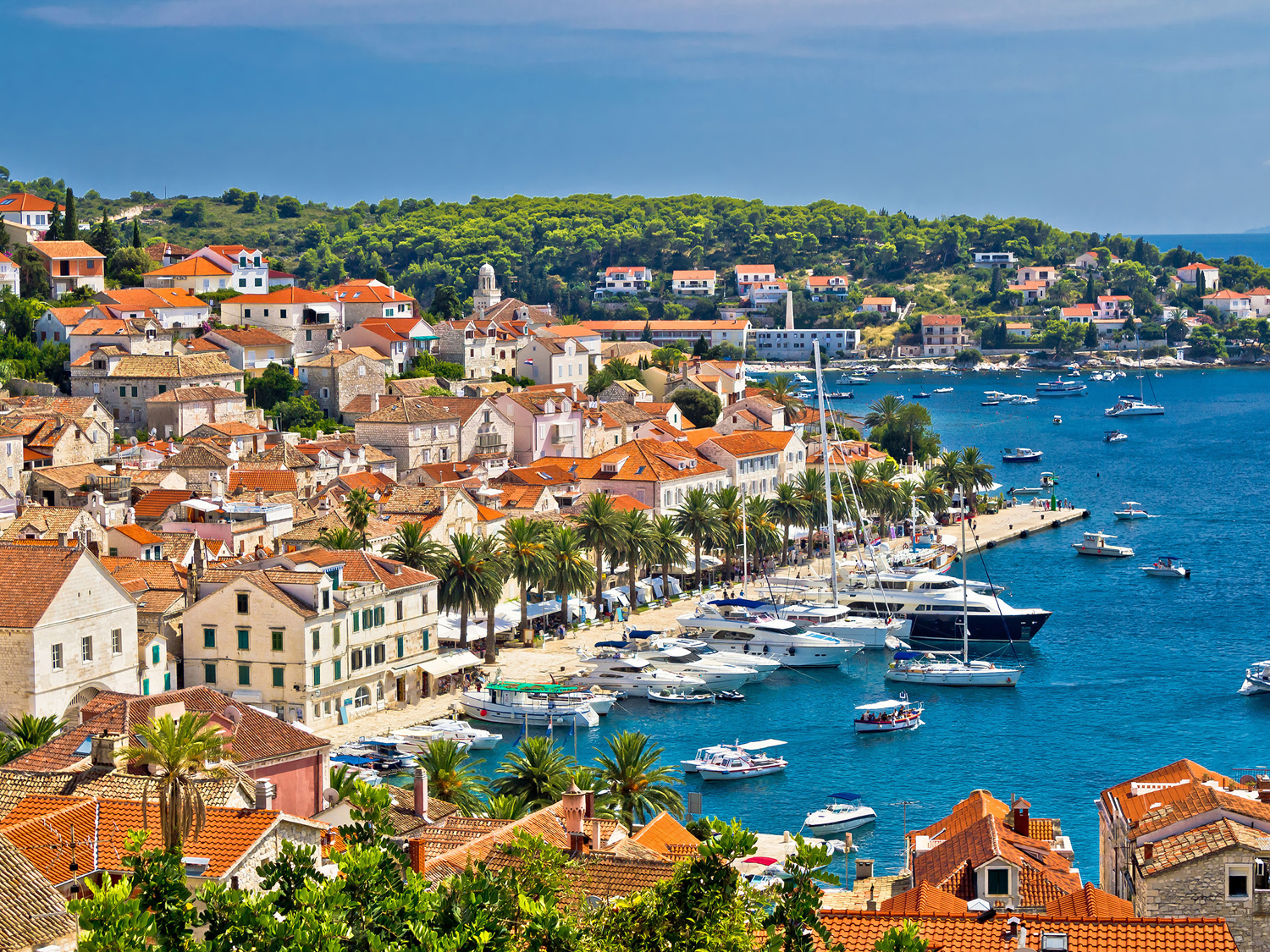
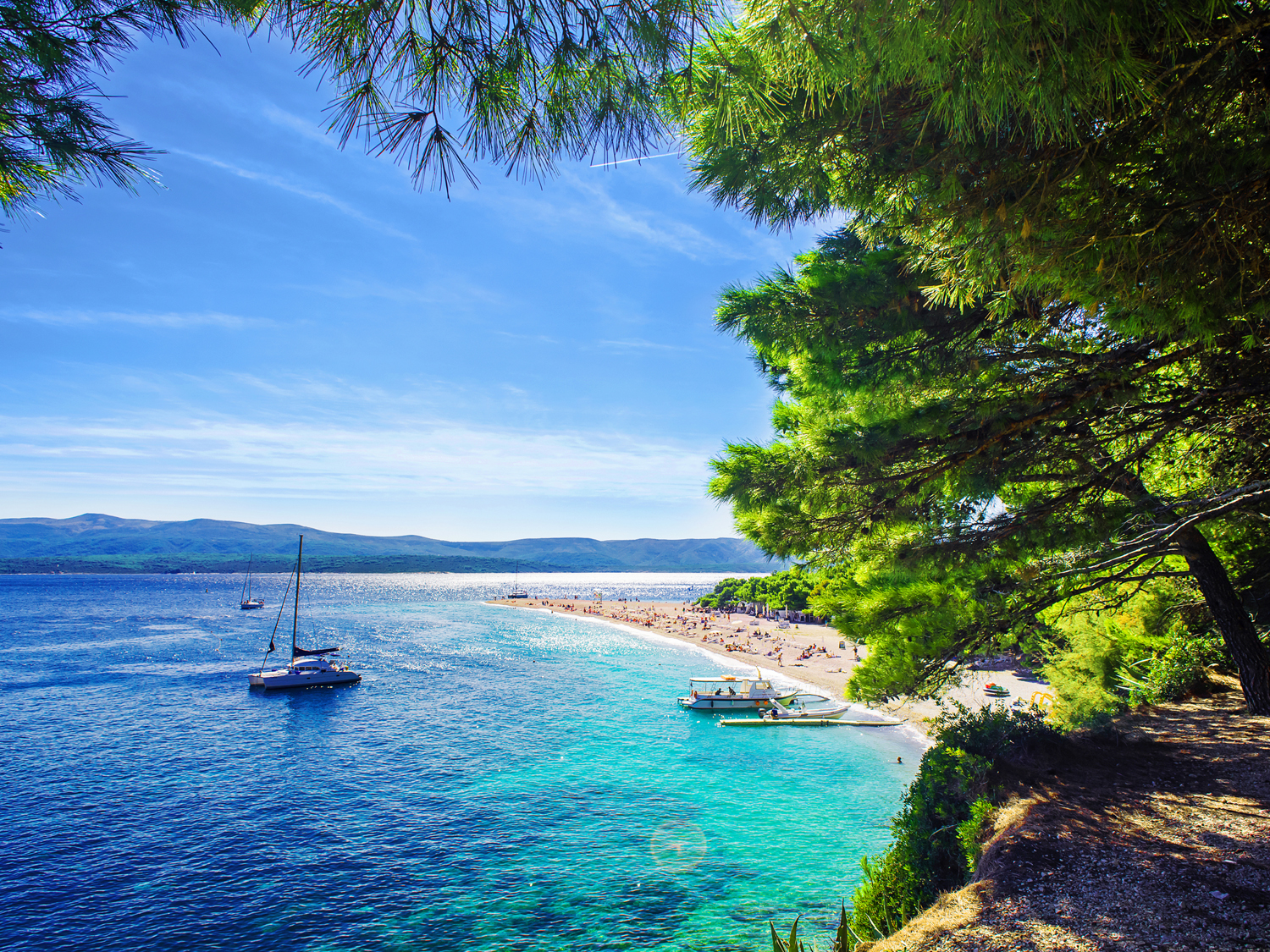
Sitting at the foot of pine-clad slopes, the medieval old town of Hvar on the island of the same name is crammed to the gunnels with historical sights, cafes, boutiques, and bars. Located on the Dalmatian coast, the island of Hvar is separated from the island of Brac by the Hvar Channel. The island is the sunniest in all of Croatia, averaging more than 2,700 hours of sunshine per year, making it the perfect destination for a summer beach break. Other things Hvar is known for include lavender and wine, both of which can make excellent gifts for the folks back home.
Opatija
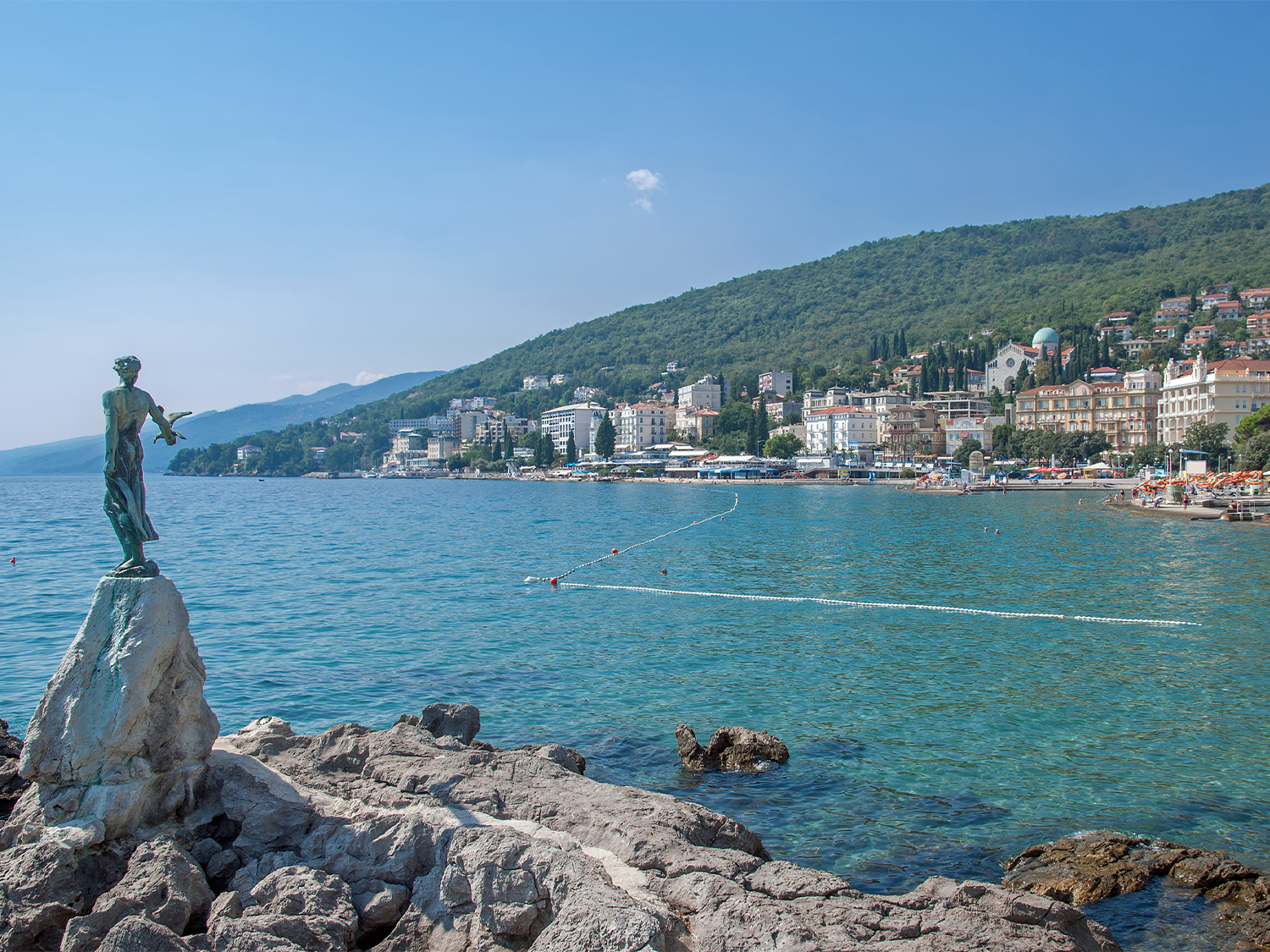
Elegant Opatija is situated on the Gulf of Kvarner in a sheltered position at the foot of a mountain. Opatija is surrounded by beautiful laurel woods, with the entire maritime coast to the north and a rocky and picturesque landscape to the south. The oceanfront promenade is lined with grand buildings in the Austro-Hungarian style, has well-maintained public gardens, and is an illuminated 12-kilometer coastal promenade known as the "Lungomare.". There are well-kept beaches, restaurants, cafes, bars, and shops, all of which make Opatija a real northern drawcard.
Zagreb
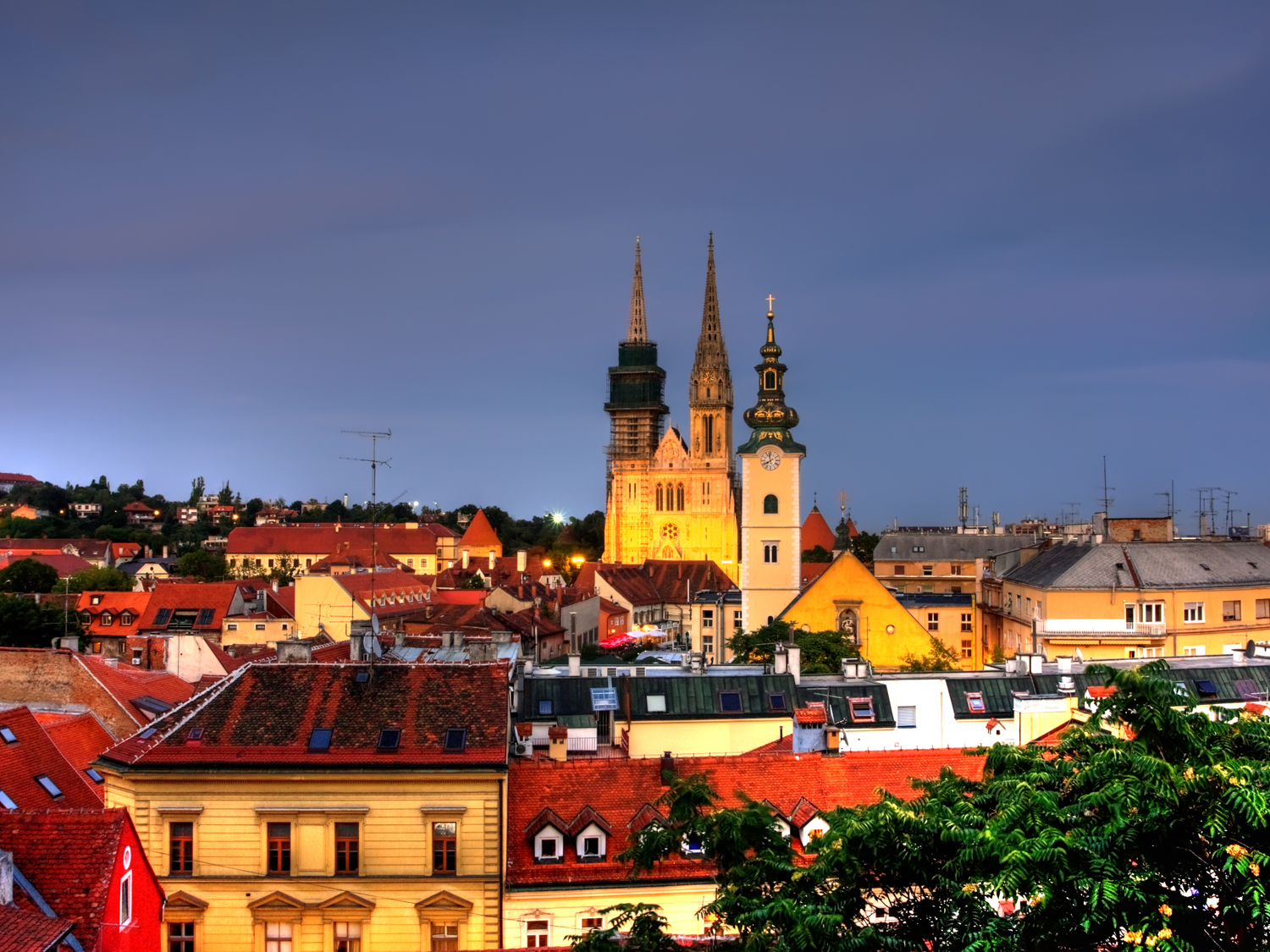
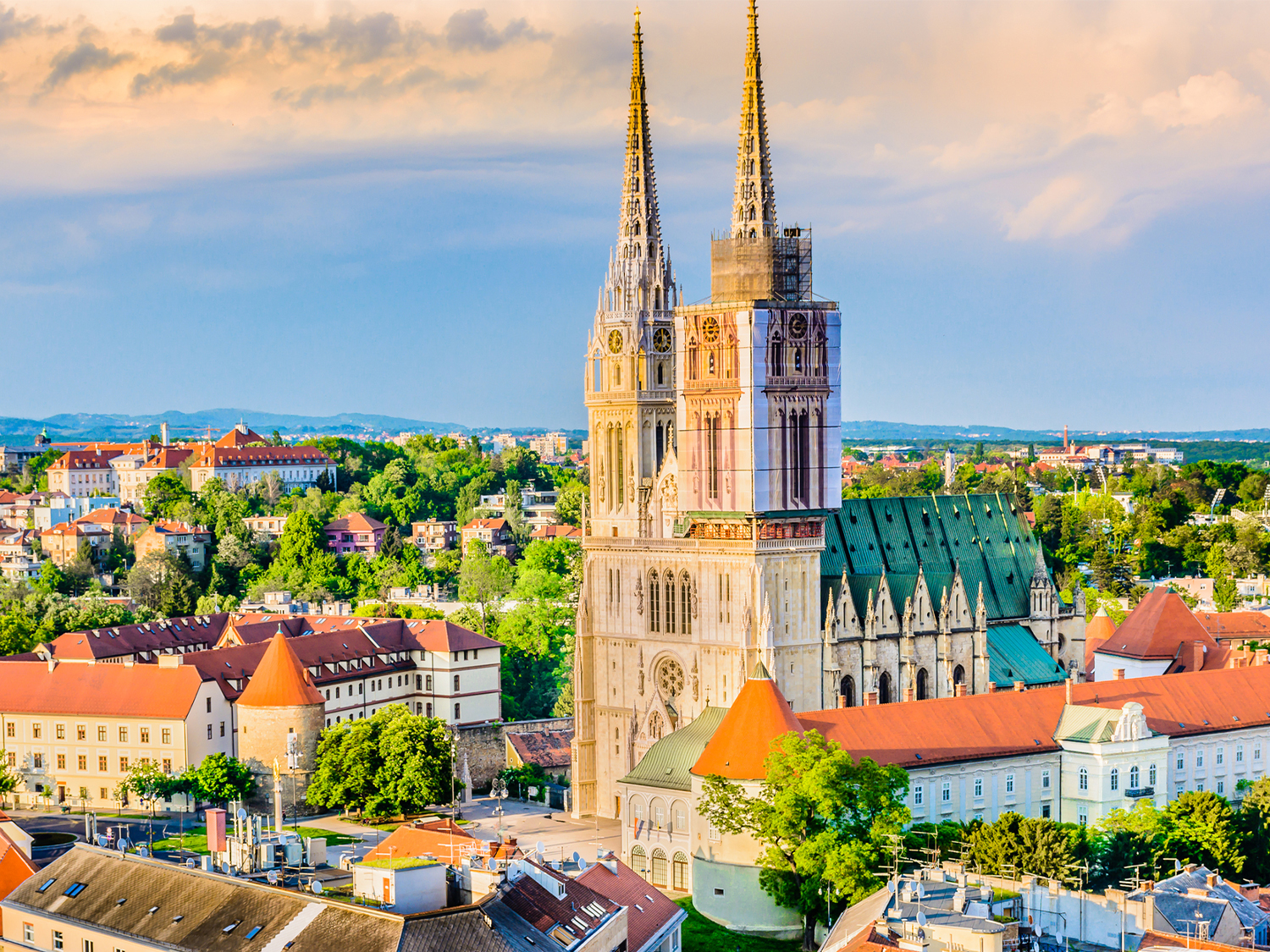
Croatia’s vibrant capital, Zagreb, has everything you could possibly want in a city and more, from fascinating museums and stunning architecture to top-notch gastronomy and a wealth of natural beauty. The main city center, which revolves around Ban Jelacic Square, is easily walkable and full of restaurants, cafes, and bars, as well as a plethora of shops and boutiques. Some of the more notable sites worth visiting during your stay in Zagreb include the Museum of Broken Relationships and the Museum of Naive Art. For those who would rather stay outside, a stroll through the unbroken serenity of the Botanical Gardens should feature on your to-do list. Zagreb is also home to a number of religious buildings, such as St. Mark’s Church and the magnificent Zagreb Cathedral, next to the foodie heaven that is Dolac Market.
Plitvice Lakes
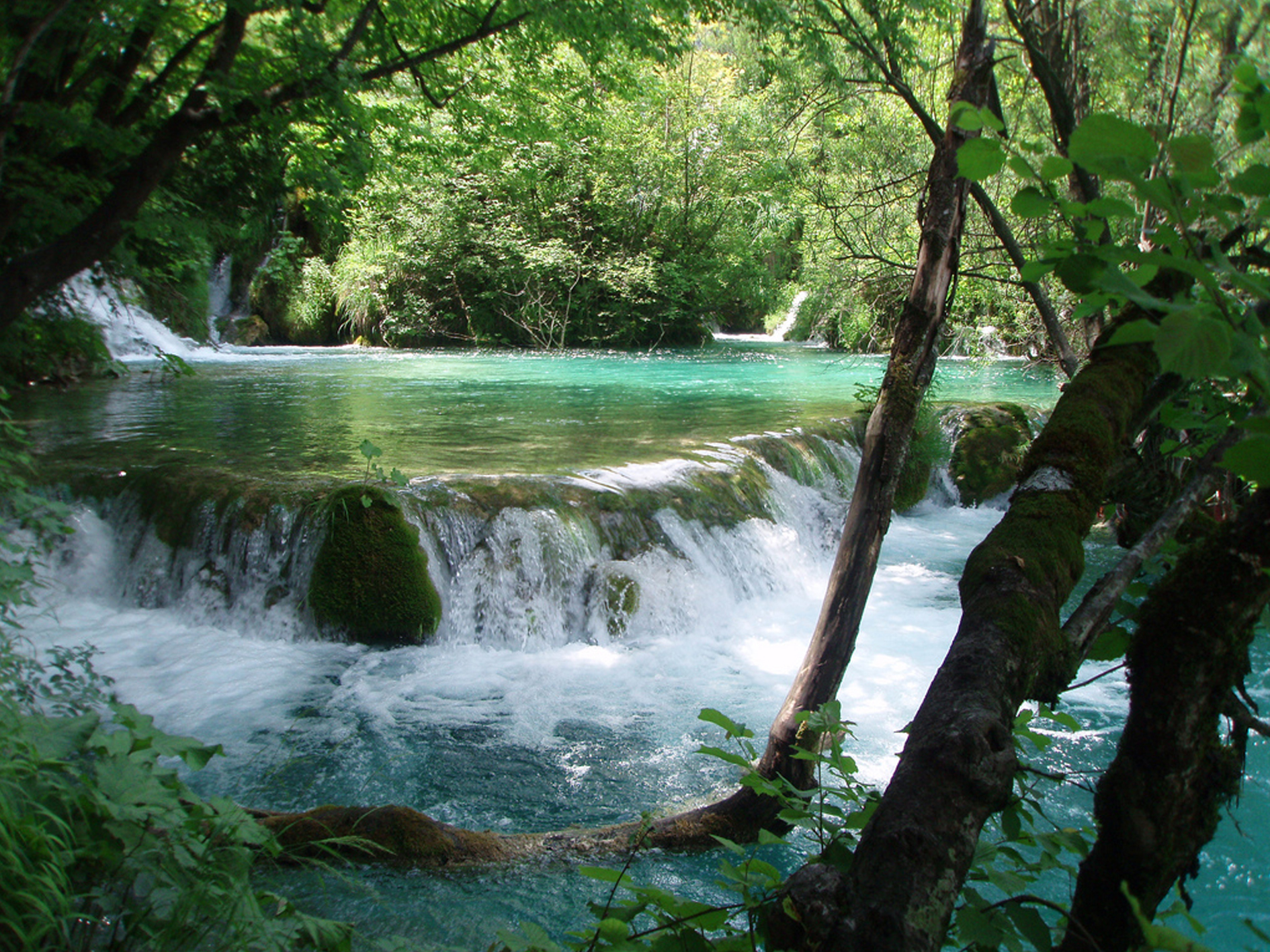
There are few places on the planet as jaw-droppingly beautiful as the Plitvice Lakes. This pocket of pure, unadulterated natural splendor is guaranteed to take your breath away from the moment you first catch sight of one of the rippling cascades until you step foot out of the park. Make your way through the wilderness along curving boardwalks and dirt paths, the whole while taking in the crystal-clear pools of water that flow and tumble gracefully along their respective courses. Be sure to check out the caves and viewpoints scattered throughout the park as well. Once you’ve walked as much as you can, it’s time to hop in a ferry or hire a row boat and take to the water for a new perspective of the lakes. If you’ve gone on holiday hoping to take home some spectacular photos, here is the place to do it.
Krka National Park
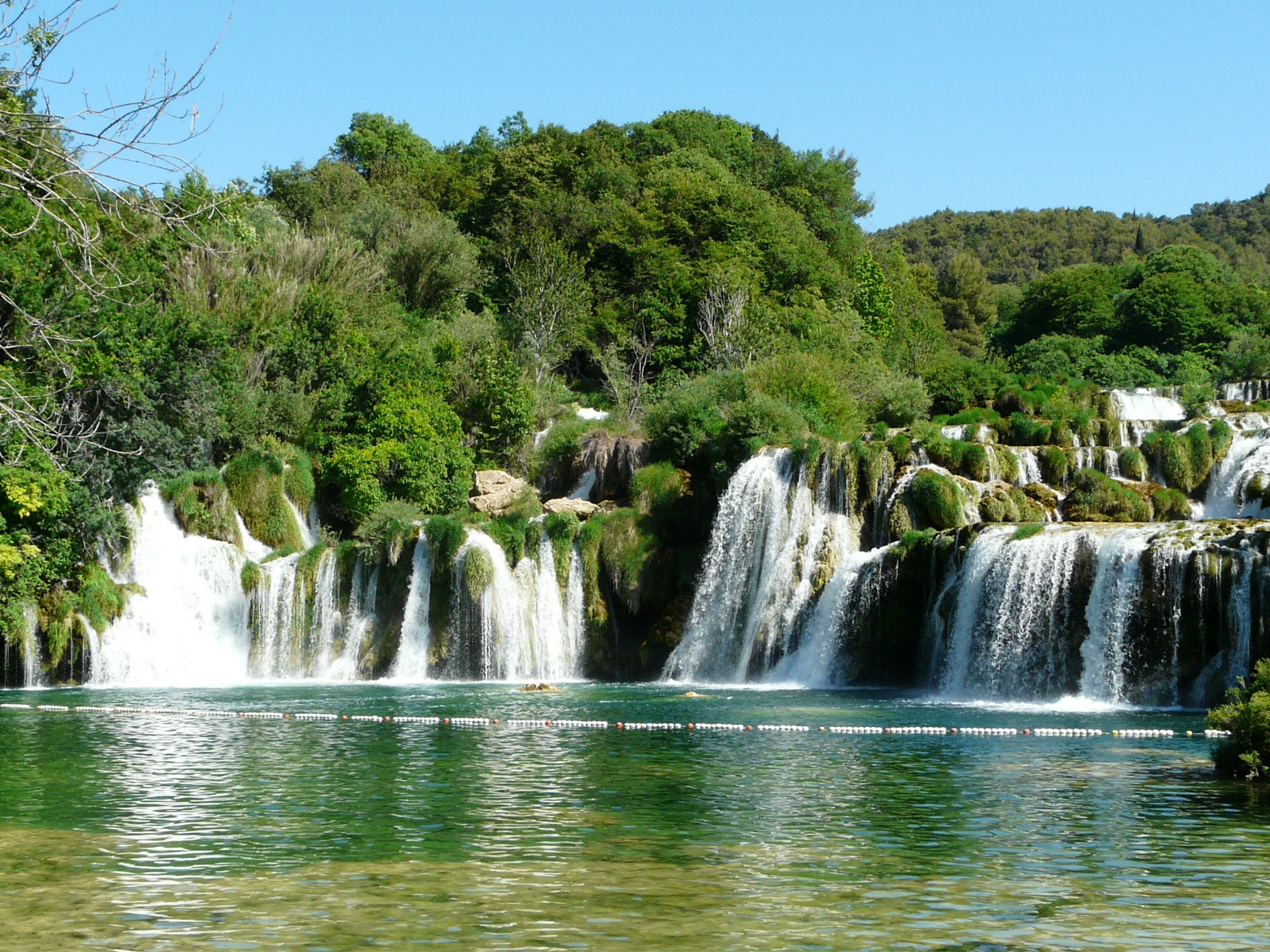
Taking its name from the Krka River that flows through it, Krka National Park is one of Croatia’s national gems, offering undisturbed natural beauty and staggering mountainous landscapes. The park is open throughout the year and can easily be explored on foot, by road, or by hopping in a boat and heading out on the water. One of the best things about this park, in comparison with some of Croatia’s other parks, is that there are certain areas in which visitors are permitted to swim. There is no pleasure greater than cooling off from hiking through the park on a hot day by plunging into the cool, clear water of the Krka River. For those who would rather keep their feet on terra firma, the park has numerous features worth seeing, such as the Skrandinski Buk waterfalls and the tiny island of Visovac and its monastery.
Zadar
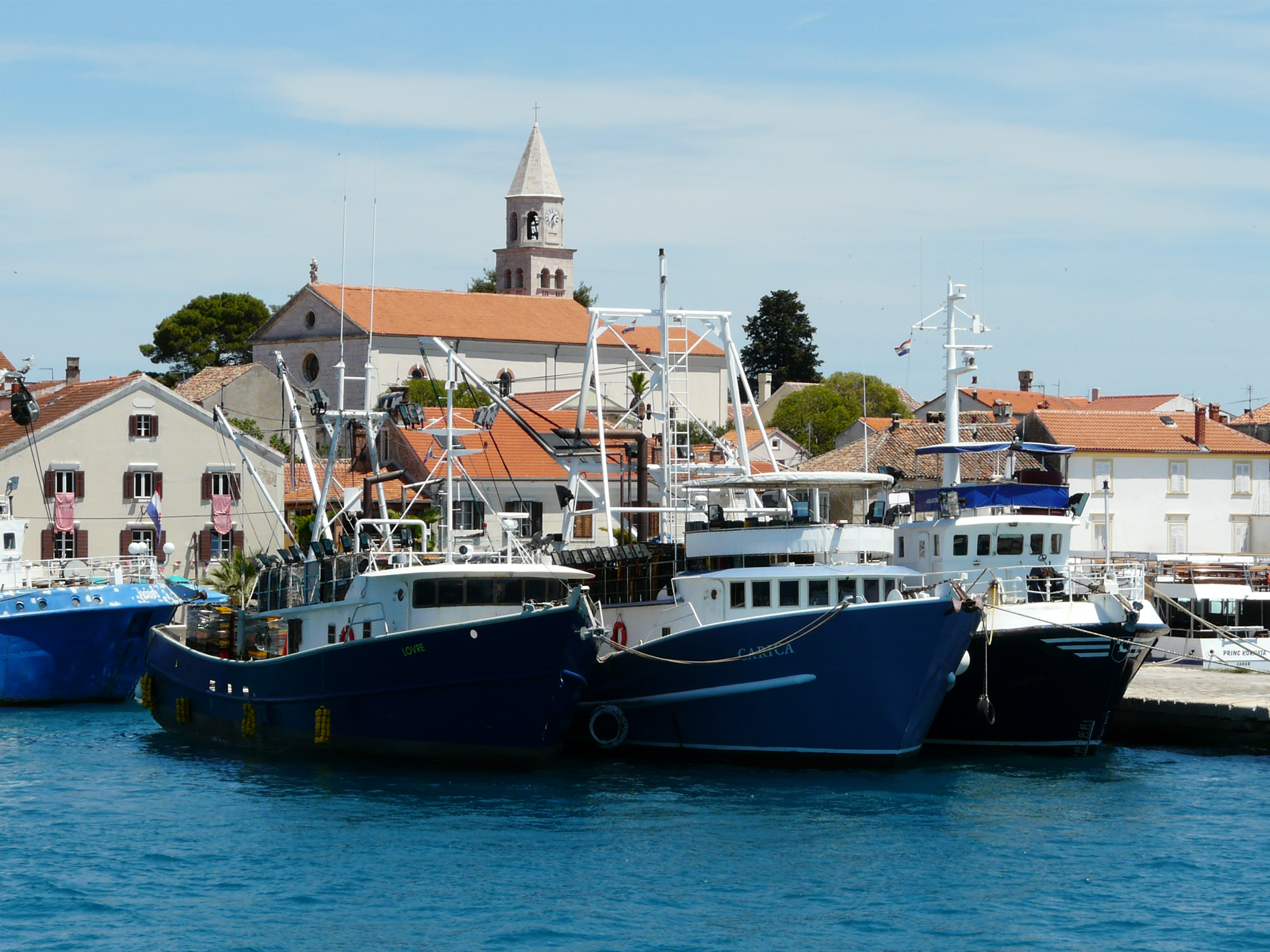
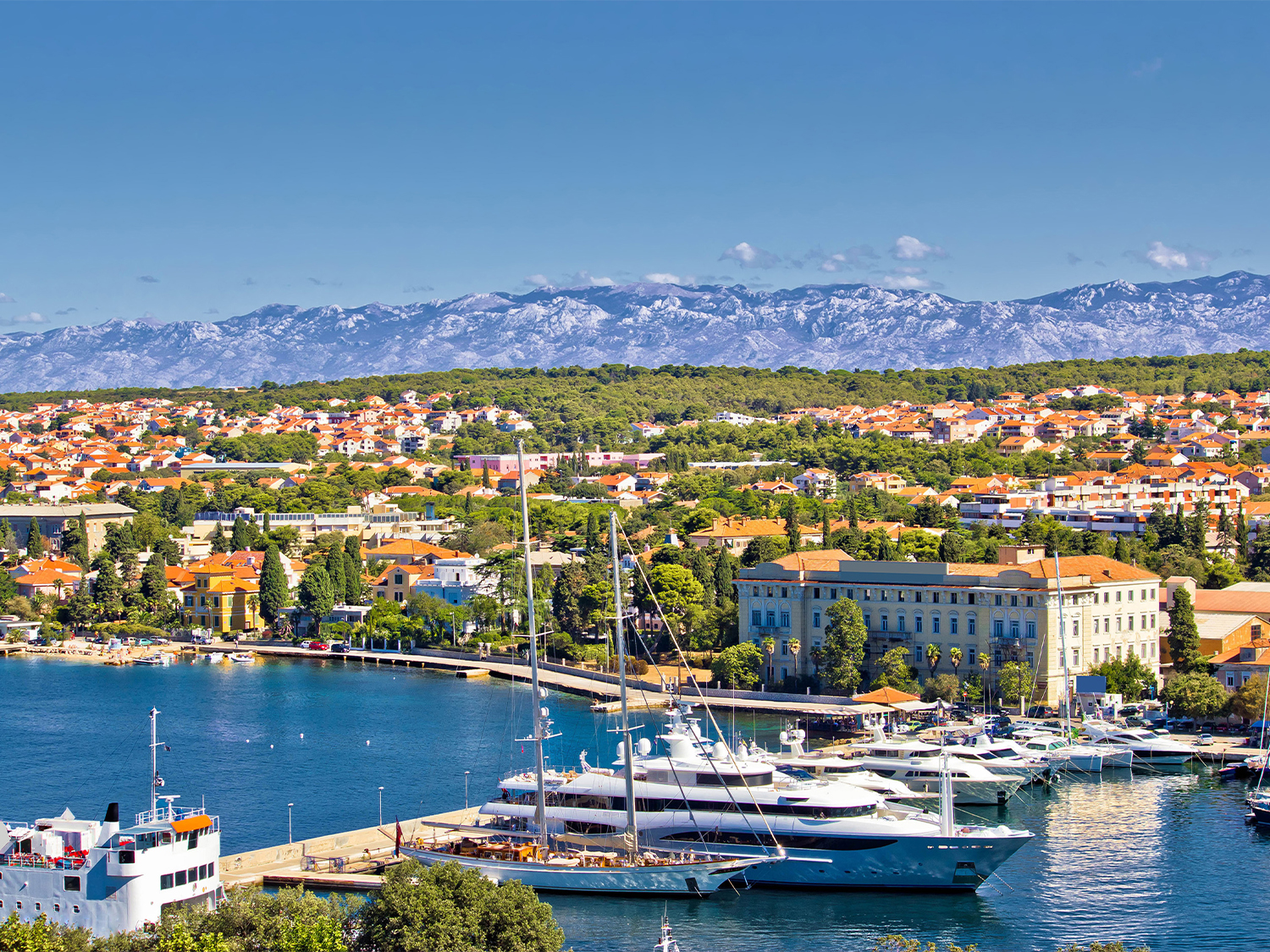
The charming city of Zadar has managed to achieve the perfect equilibrium between modernity and antiquity with its stunning, classical architecture and boutique-lined cobbled streets. Its picturesque Old Town is delightful to stroll through on a warm, balmy evening, ice cream in hand as you listen to the various street performers filling the airwaves with their talent. Once the sun starts to dip, make your way over to the promenade that runs along the seafront. Here you will find the world-famous sea organ, which makes a haunting melody as water is pushed in and out of its valves. This music forms the backing track to the sunset as it stains the sky pink and orange, creating one of the most magical spectacles you will ever have the pleasure of seeing. Although Zadar is often overshadowed by cities like Split and Dubrovnik, it has a lot to offer those who visit.