On The Go Tours
Our agents are waiting to chat to you...
Are you a Travel Agent or Customer?
Do you have an booking reference?
Peru Tours
4.63 (40 reviews)
72
Group Tours
46
Private Tours
12
City Explorer
When do you want to go?
2026
I'm flexible
Passengers
Adults (18+)
Children (0 - 17)
Peru Tours: Machu Picchu, Inca Trails & Amazon Adventures
From Lima’s coast to the Andes and the Amazon, see Peru’s great sights
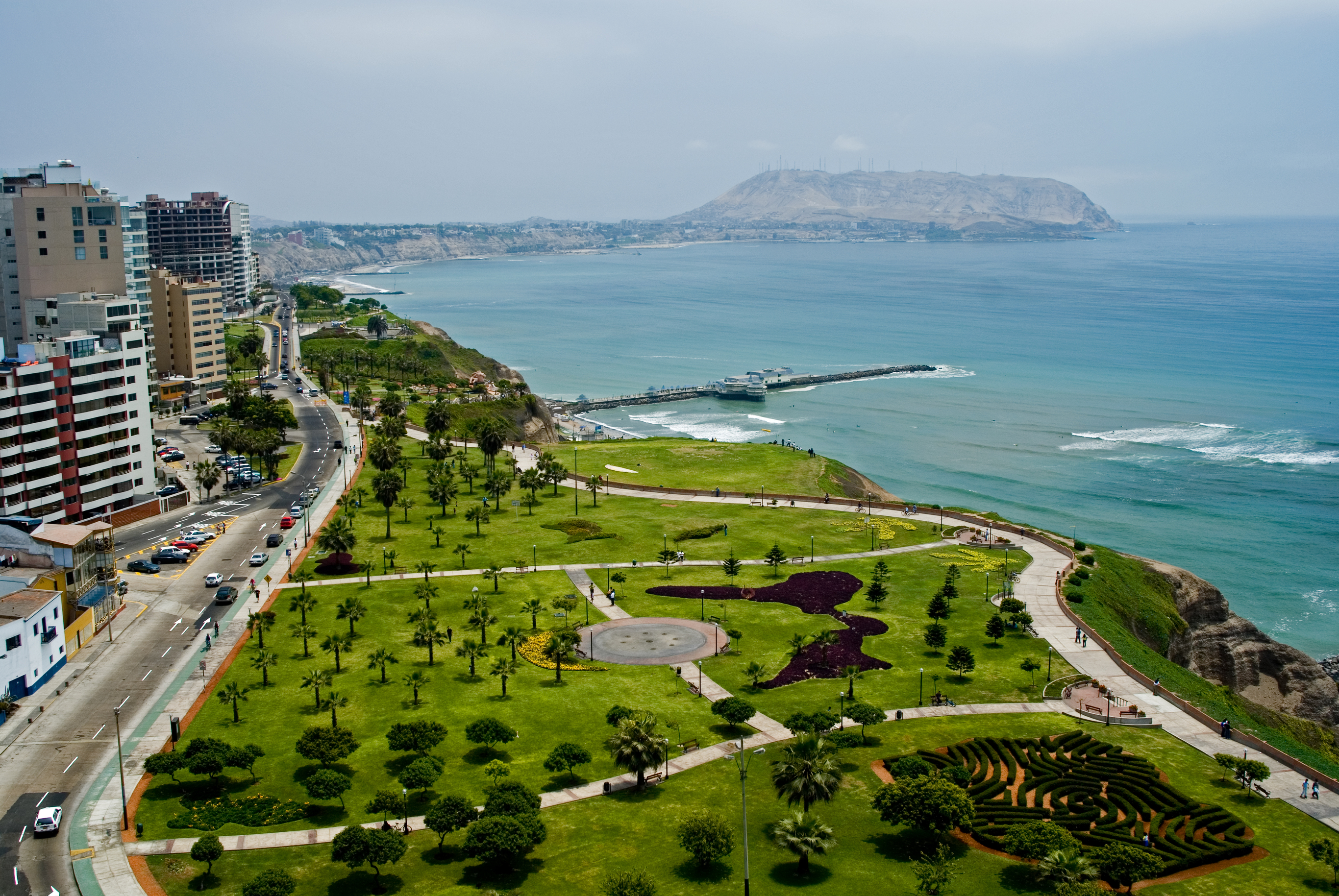
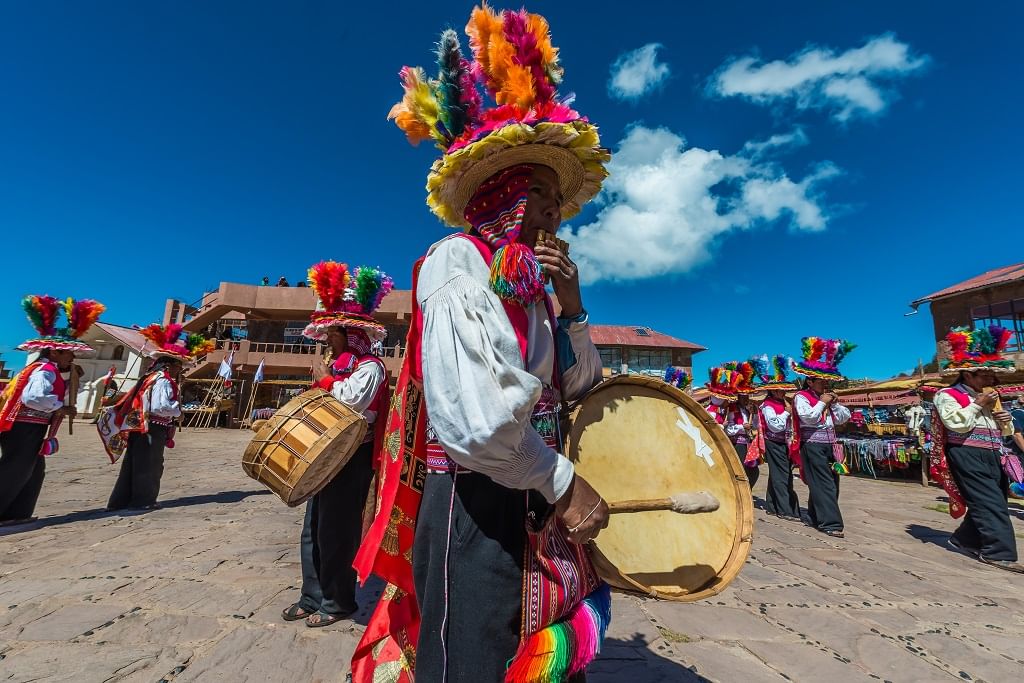
Peru tours bring together layered history, dramatic landscapes and a food scene that is now famous well beyond South America, while naturally linking the coast, the Andes and the rainforest. Many trips begin in Lima, where colonial streets, lively neighbourhoods and excellent museums set the context, before continuing to Cusco and the Sacred Valley, where Inca sites and market towns build toward Machu Picchu. If you would like to go beyond the headline sights, you can extend your itinerary to include Lake Titicaca and the Uros Islands, or add Arequipa for its white-stone architecture and calmer pace. You might also head to Colca Canyon to look for condors, or spend time in the Amazon near Puerto Maldonado and Iquitos for wildlife-rich river and jungle experiences. Choose a group tour for a sociable journey, or go private for added flexibility, with guided visits where they matter most and free time built in between.
Latest Offers, Money Saving Trips

Which trip type suits you?
Compare the key features of each trip type to find the perfect fit for you.
Choose your guiding style
Peru guiding styles: from fully guided to self-guided, find the right experience for you
Maximum support
Fully Guided
A dedicated guide or tour leader is with you throughout, with each detail arranged.
Escorted by a guide or tour leader
Smooth, hassle-free travel
Support throughout the journey
Best for:
Complete support
Guided highlights
Partially Guided
Expert-led sightseeing in key places, with free time to explore between activities.
Guided sightseeing at key sites
Free time between activities
A balance of structure and flexibility
Best for:
Highlights with flexibility
Most independence
Self-Guided
Your stays and travel arrangements are organised, so you can explore independently.
Travel at your own pace
Accommodation and key logistics arranged
Freedom to explore your way
Best for:
Planned independent travel
Travel with confidence
Real reviews from our travelers
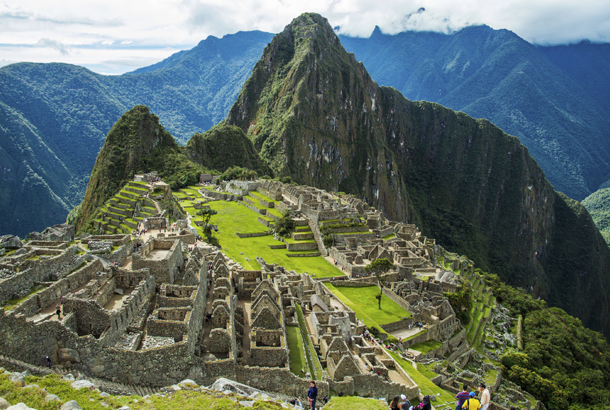 Machu Picchu & the Sacred Valley - 5 daysPrivate tour: Explore the Sacred Valley of the Incas and the spectacular lost city of Machu Picchu on this 5 day tour, which starts and ends in Cusco. Take in the highlights of the captivating Cusco on a walking tour, discover the vast Inca fortress of Ollantaytambo and the Pisac ruins before travelling by train for a guided tour of the iconic Machu Picchu citadel, one of the New Seven Wonders of the World.Private Tours5
The Sacred Valley day was a fantastic experience. Our guide was excellent! Our room in the hotel at the Sacred Valley was next to a water pump that turned on and off every time someone used water and kept waking us up.
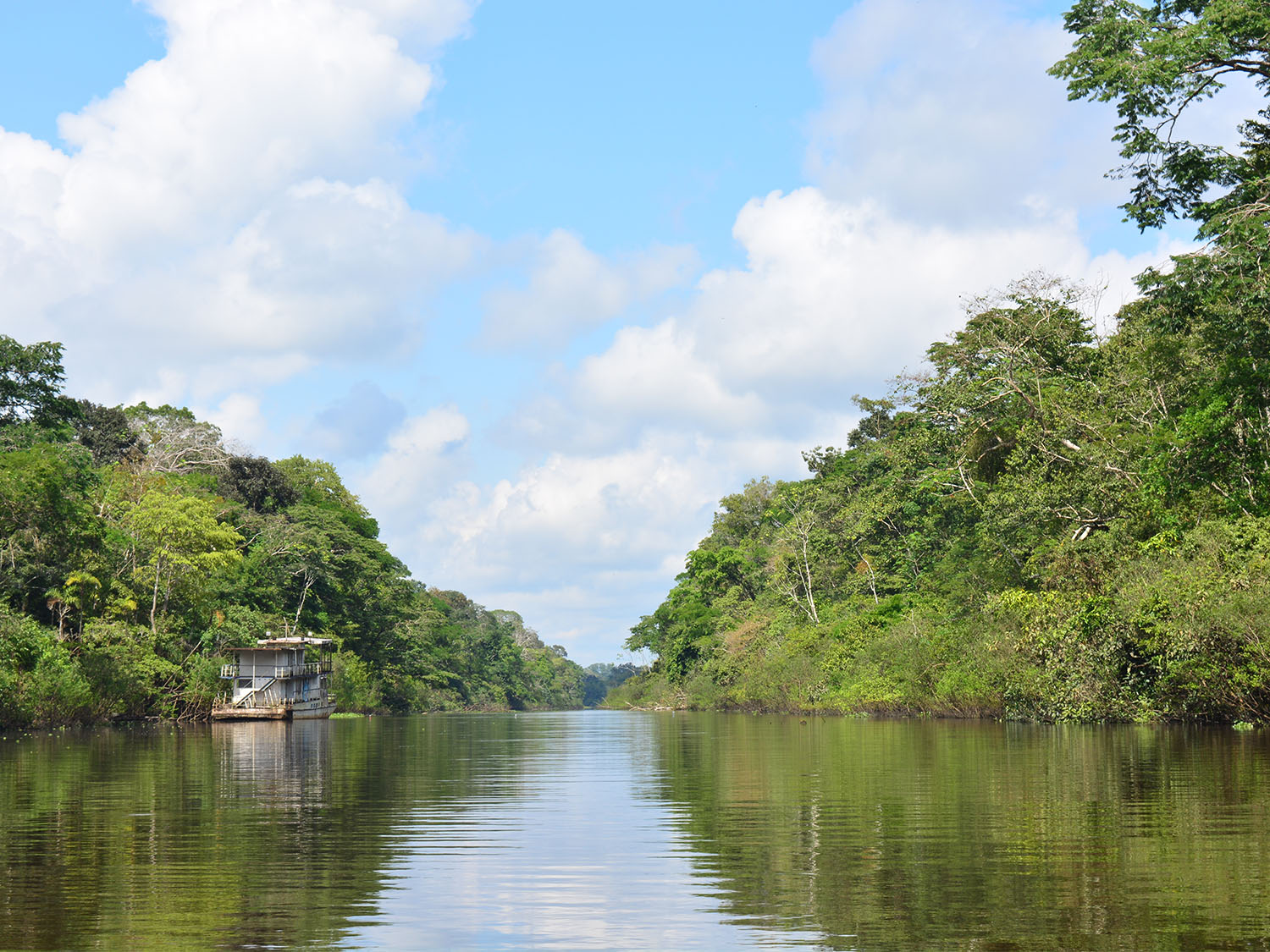 Amazon & the Lost City - 9 daysPrivate tour: Discover the incredible highlights of Peru, from the buzzing culinary capital of Lima to the dense bio diverse Amazon Rainforest, on this exciting 9 day tour. Visit sacred sites, colourful markets and travel by scenic train through the Andean Mountains. Explore some of Peru’s most enchanting destinations as you visit the mysterious Inca ruins at Machu Picchu as well as the terraced ruins of Ollantaytambo. Spend two nights in the Amazon Jungle learning about some of the numerous species of birds and animal that live here. Private Tours9
Everything was amazing! The destinations and accommodation chosen, the activities, the pace and timings. But most of all the guides were incredible. Their local knowledge and information they were able to provide made it perfect. I would recommend just a day in between for leisure/relaxing as it was every day busy. The food in the Amazon RainForest could have been better and it would have been nice to have a choice.
Machu Picchu & the Sacred Valley - 5 daysPrivate tour: Explore the Sacred Valley of the Incas and the spectacular lost city of Machu Picchu on this 5 day tour, which starts and ends in Cusco. Take in the highlights of the captivating Cusco on a walking tour, discover the vast Inca fortress of Ollantaytambo and the Pisac ruins before travelling by train for a guided tour of the iconic Machu Picchu citadel, one of the New Seven Wonders of the World.Private Tours5The whole tour was exemplary from the minute we were collected from the airport to our return. The drivers & guides were excellent with the highlights being the Cusco walking tour and Machu Pichu visit. Travelling on the train and bus to Machu Pichu is a once in a lifetime experience. There probably doesn’t need to be as much time allocated to look around markets in different locations - Cusco, Machu Pichu etc We also had less time in the Machu Pichu site than expected. Our ticket entry time and when we actually went in was an hour after and we didn’t know why.
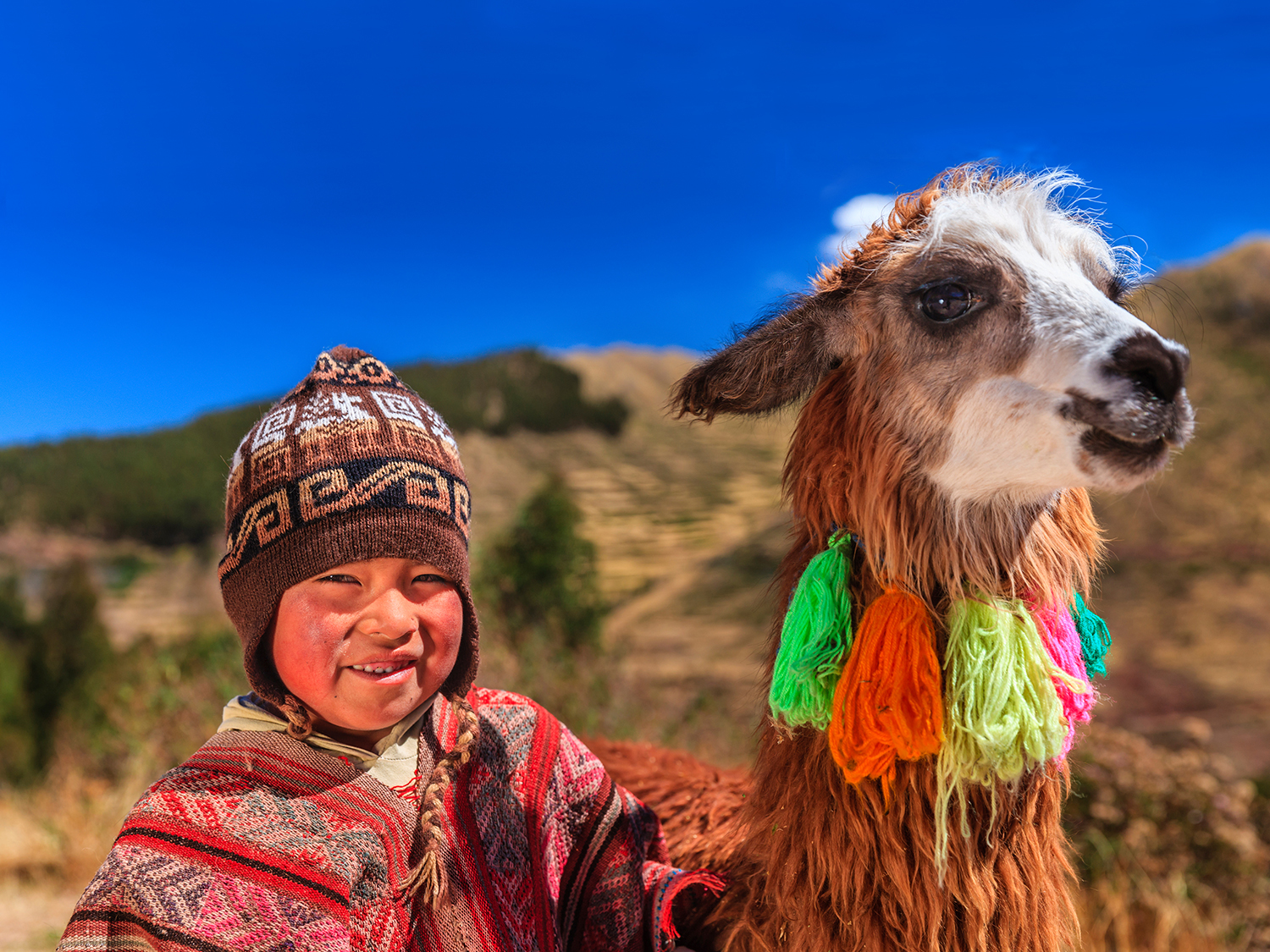 Machu Picchu, Titicaca & La Paz - 12 daysPrivate tour: Travel from Lima to La Paz on this 12 day tour, taking in the highlights of Peru before crossing into Bolivia to visit the charming lakeside town of Copacabana and the world's highest capital city. Discover the delights of Lima, Cusco and La Paz on guided city tours and take a boat trip on Lake Titicaca to meet the islanders. Explore Pisac and Ollantaytambo Fortress in the beautiful Sacred Valley and marvel at Machu Picchu, the spectacular lost city of the Incas. Private Tours12
Fantastic tour and guides in locations. A great way to travel. Cusco and then La Paz Bolivia stood out. It was a private tour and guides were extremely knowledgeable and helpful The transfer from Puno to Bolivia was with Peru Hop bus. Our itinerary showed a pick up at 8.20 and arrive at 16.30.We arrived at 23.00 as Peru Hop have a layover of 6 hours in Copacabana Bolivia. Only 1 bathroom stop between 6pm and 11pm. We arrived very tired and frazzled.
Amazon & the Lost City - 9 daysPrivate tour: Discover the incredible highlights of Peru, from the buzzing culinary capital of Lima to the dense bio diverse Amazon Rainforest, on this exciting 9 day tour. Visit sacred sites, colourful markets and travel by scenic train through the Andean Mountains. Explore some of Peru’s most enchanting destinations as you visit the mysterious Inca ruins at Machu Picchu as well as the terraced ruins of Ollantaytambo. Spend two nights in the Amazon Jungle learning about some of the numerous species of birds and animal that live here. Private Tours9I’m in love with South America! Thank you to On the Go for organising a superb trip for my family and I. Everyone mentioned that it was one of the best holidays they have had. Everything was organised to perfection, it was easy and stress free, special mention to Reuben tour guide Peru. Everything was great.
Amazon & the Lost City - 9 daysPrivate tour: Discover the incredible highlights of Peru, from the buzzing culinary capital of Lima to the dense bio diverse Amazon Rainforest, on this exciting 9 day tour. Visit sacred sites, colourful markets and travel by scenic train through the Andean Mountains. Explore some of Peru’s most enchanting destinations as you visit the mysterious Inca ruins at Machu Picchu as well as the terraced ruins of Ollantaytambo. Spend two nights in the Amazon Jungle learning about some of the numerous species of birds and animal that live here. Private Tours9The tour was superb with Rosa's excellent guidance. My husband surprised me at each hotel, especially at Full House in Machu Picchu. Cusco stole our hearts - vibrant and lively. Include Limbus Resto for incredible views! The food tour was a highlight. Flawless arrangements. Everything was very good. Suggestions: add more fun elements to the itinerary, and move the food tour earlier in the day. Being tired from the earlier city tour meant we couldn't enjoy the food experience as much as we would have at an earlier time.
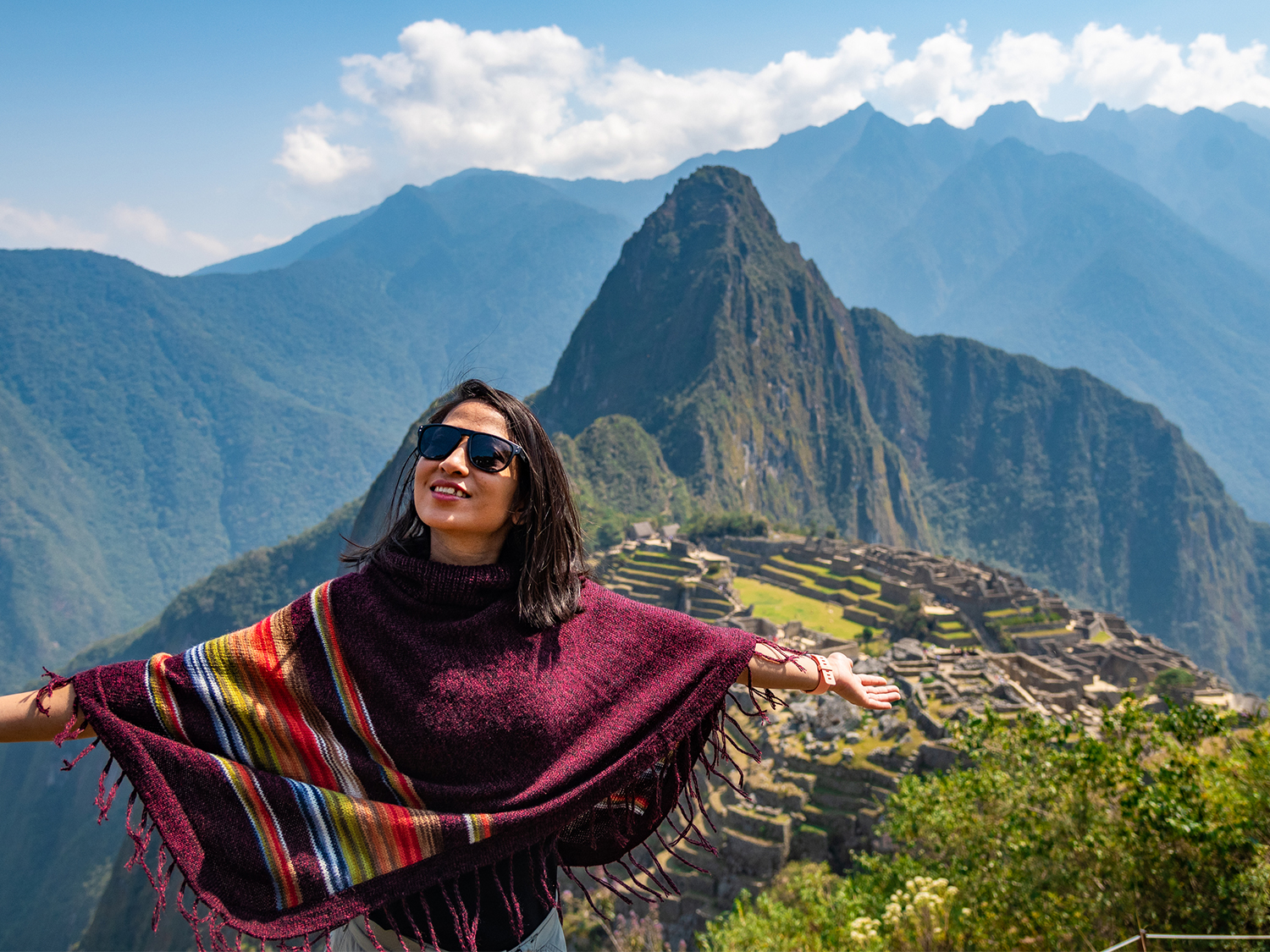 Quito, Galapagos & Peru - 11 daysThis 11-day group tour travels from Quito in Ecuador to Cusco in Peru. Enjoy a three-night stay on Santa Cruz Island in the Galapagos, with time for snorkelling and hiking. Spot giant tortoises roaming in the highlands and swim with turtles and sea lions before heading to the Peruvian capital. Uncover the sights of the 'City of Kings' and meet indigenous people in the Sacred Valley. Explore Cusco independently or on an optional tour, and take the train to Machu Picchu, one of the New Seven Wonders of the World.Worldwide Touring11
i requested an upgrade of hotel few weeks before we left and were told we cannot change. our hotel on galapagos was no way a 3 star. rooms had a smell and we had to use a air freshener . on oct 10th our flt was at 1:25 pm and stephanie from our group her flt was 1:30pm. so on oct 11 the bus came to pick up stephanie and not us. we told the driver we were flying out and he said their records showed we were leaving the next day even though we showed our airline booking and boarding pass. the tours were good but the transportation was disorganized
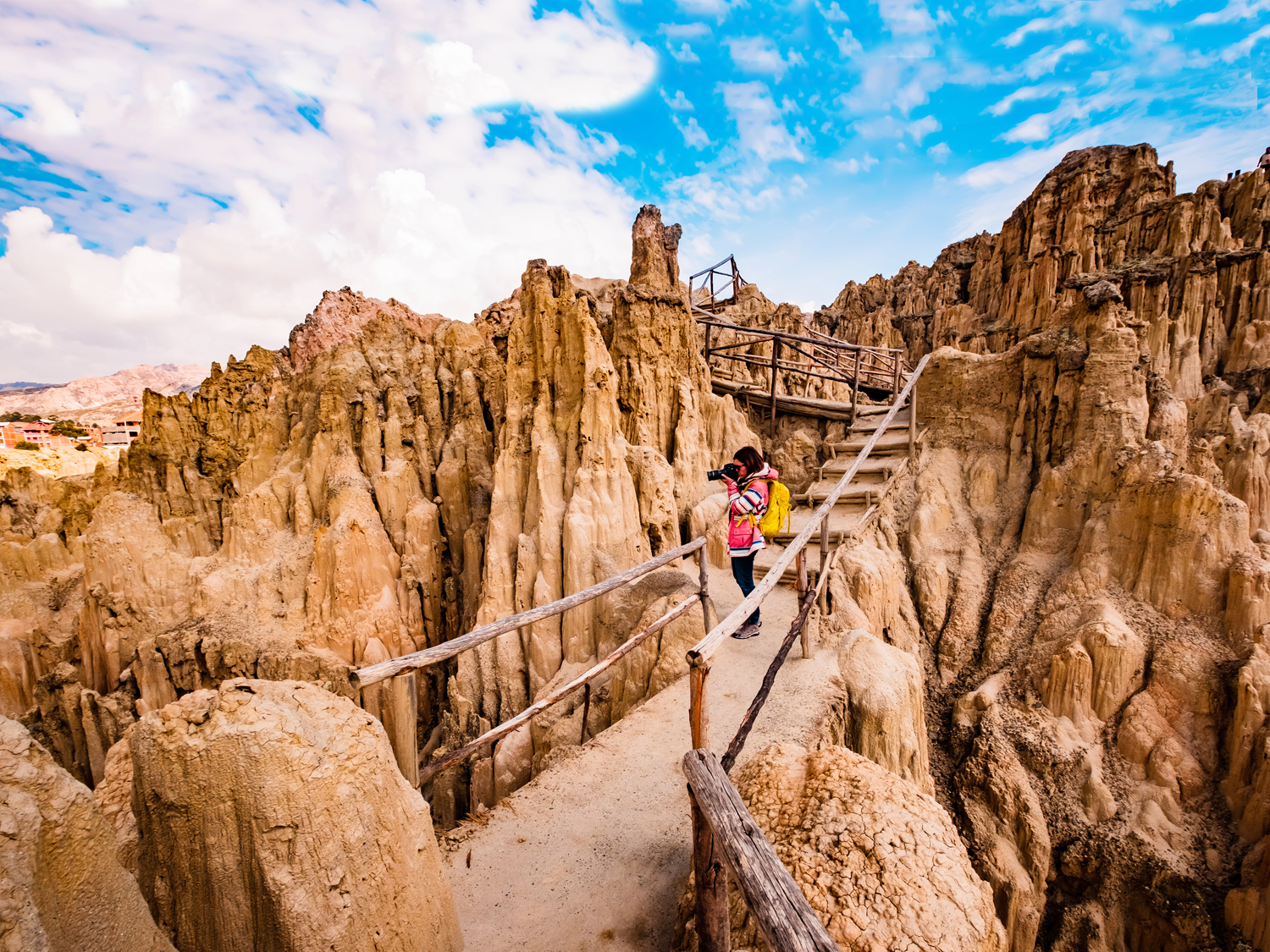 Incas, Titicaca & La Paz - 12 daysTravel from Lima to La Paz on this 12 day tour, taking in the highlights of Peru before crossing into Bolivia to visit the charming lakeside town of Copacabana and the world's highest capital city. Discover the delights of Lima, Cusco and La Paz on guided city tours and take a boat trip on Lake Titicaca to meet the islanders. Explore Pisac and Ollantaytambo Fortress in the beautiful Sacred Valley and marvel at Machu Picchu, the spectacular lost city of the Incas. Signature Journeys12
The pace was about perfect. The transportation was confortable. The choice of accommodation was was well above what I expected. This trip itinerary hit so many of the bucklist sites without having to book further tours. The guides were very passionate about sharing their culture. The location of the accommodation in La Paz could have been better placed. The standard was first rate but other activities required travelling into the old town for pick up/drop off.
Peru tours at a glance
Trip and guiding style
Peru tours operate as both group and private trips, and many itineraries use local guides for key visits and overland travel. Some trips are fully guided from start to finish, while others combine guided days with independent time, depending on the route and travel style. Selected programs can also connect Peru with Ecuador, the Galapagos, Bolivia and other nearby highlights.
Accommodation
Where you sleep depends on the tour, and accommodation options can include hostels, 2 star hotels, 3 star hotels, 4 star hotels, 5 star hotels and camping. Some trips also use a jungle lodge, eco-lodge, deluxe jungle lodge, overnight buses, a Deluxe Amazon Cruise, a luxury Amazon cruise, the deluxe Zafiro Cruiser and the Andean Explorer luxury sleeper train. Due to availability, a similar standard may be used.
Trip pacing
Most trips run at a medium pace, balancing guided sightseeing with time to explore on your own, although the day-to-day rhythm can vary by itinerary. Fitness needs range from easy cultural tours to demanding treks, and some routes reach high altitude in the Andes, which can affect how you feel. Early starts are also common on key days, particularly for travel connections and major sites.
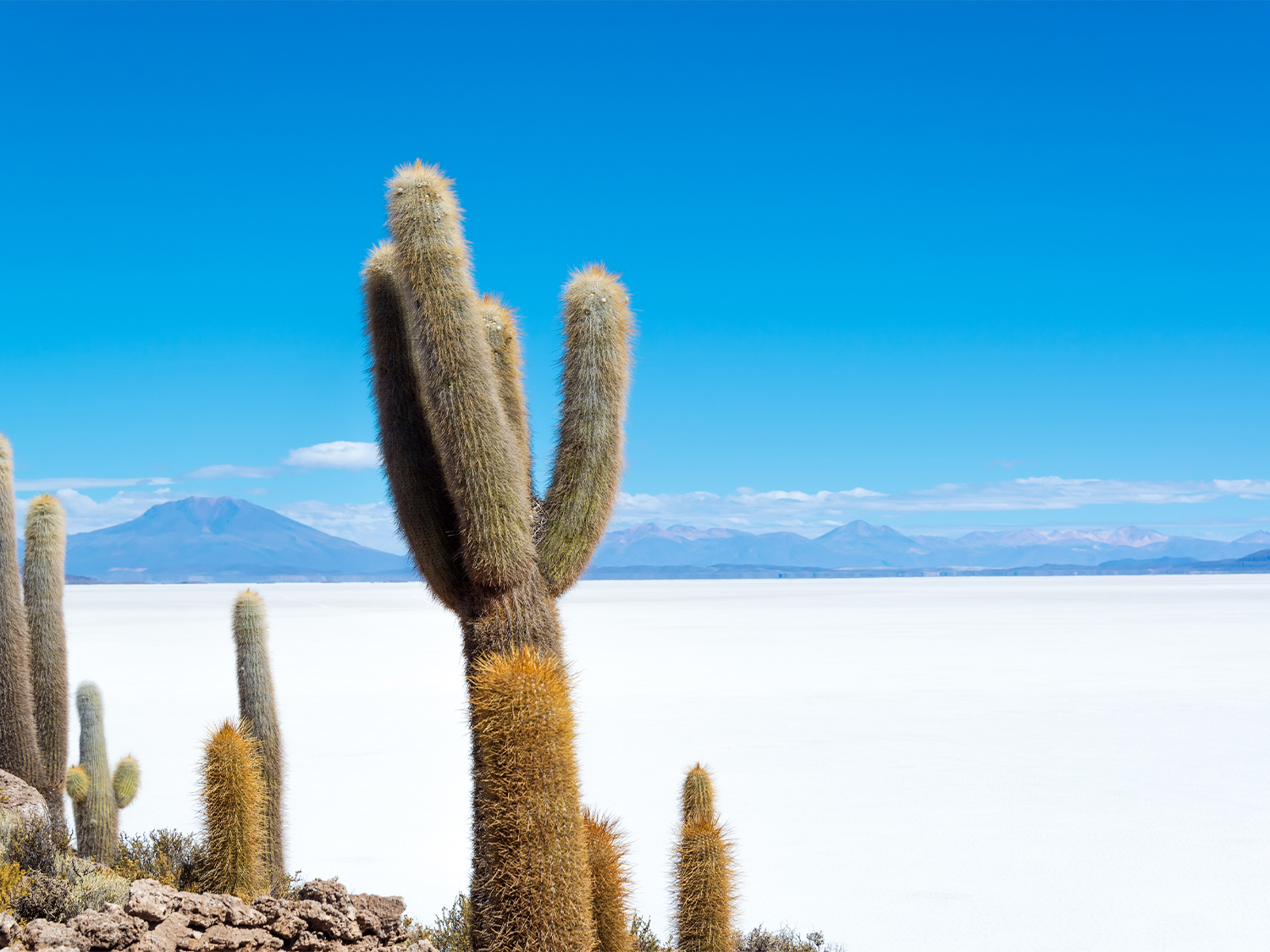
Private Tours: Travel with friends and family
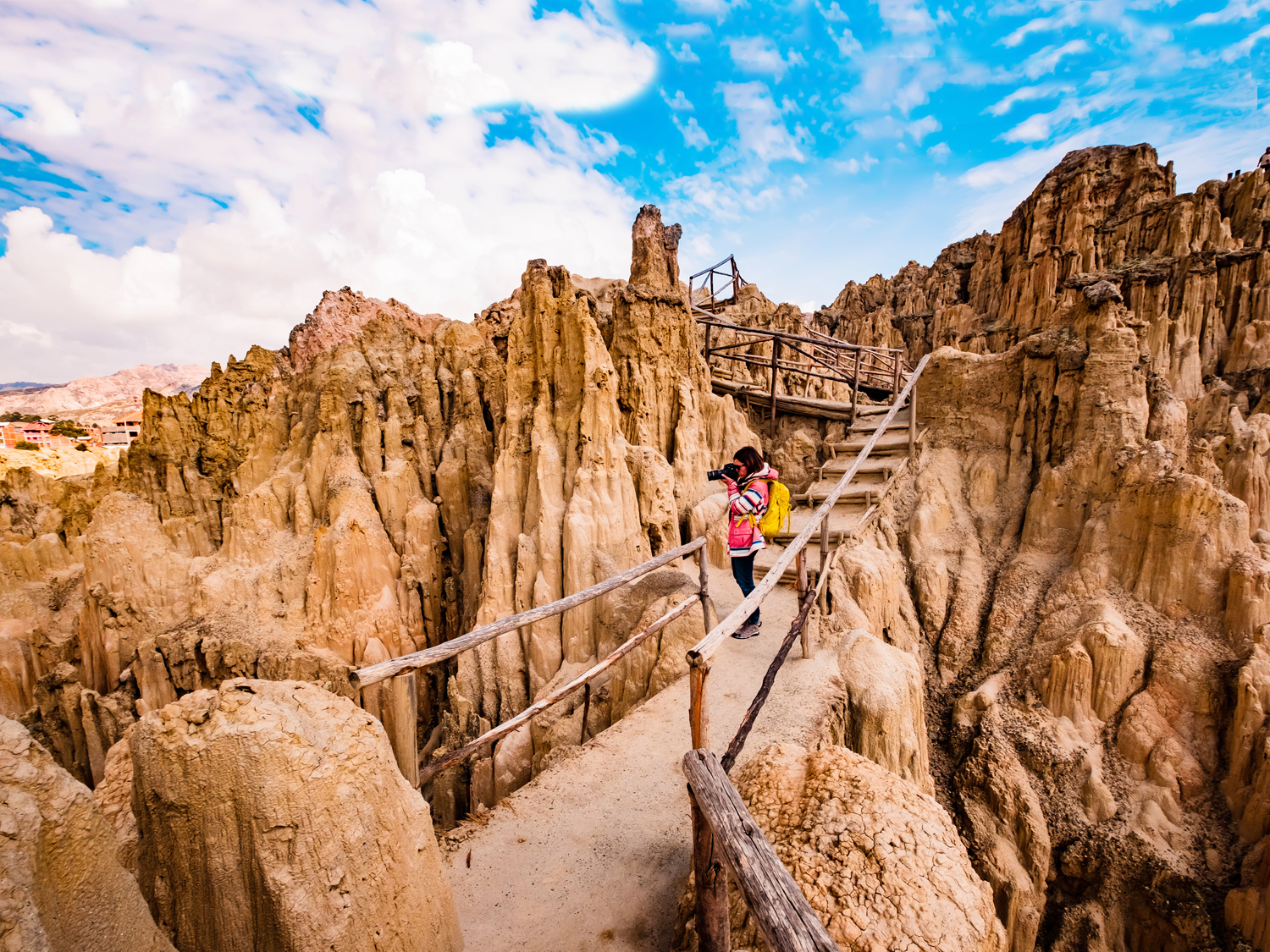
Group Tours: Shared experiences
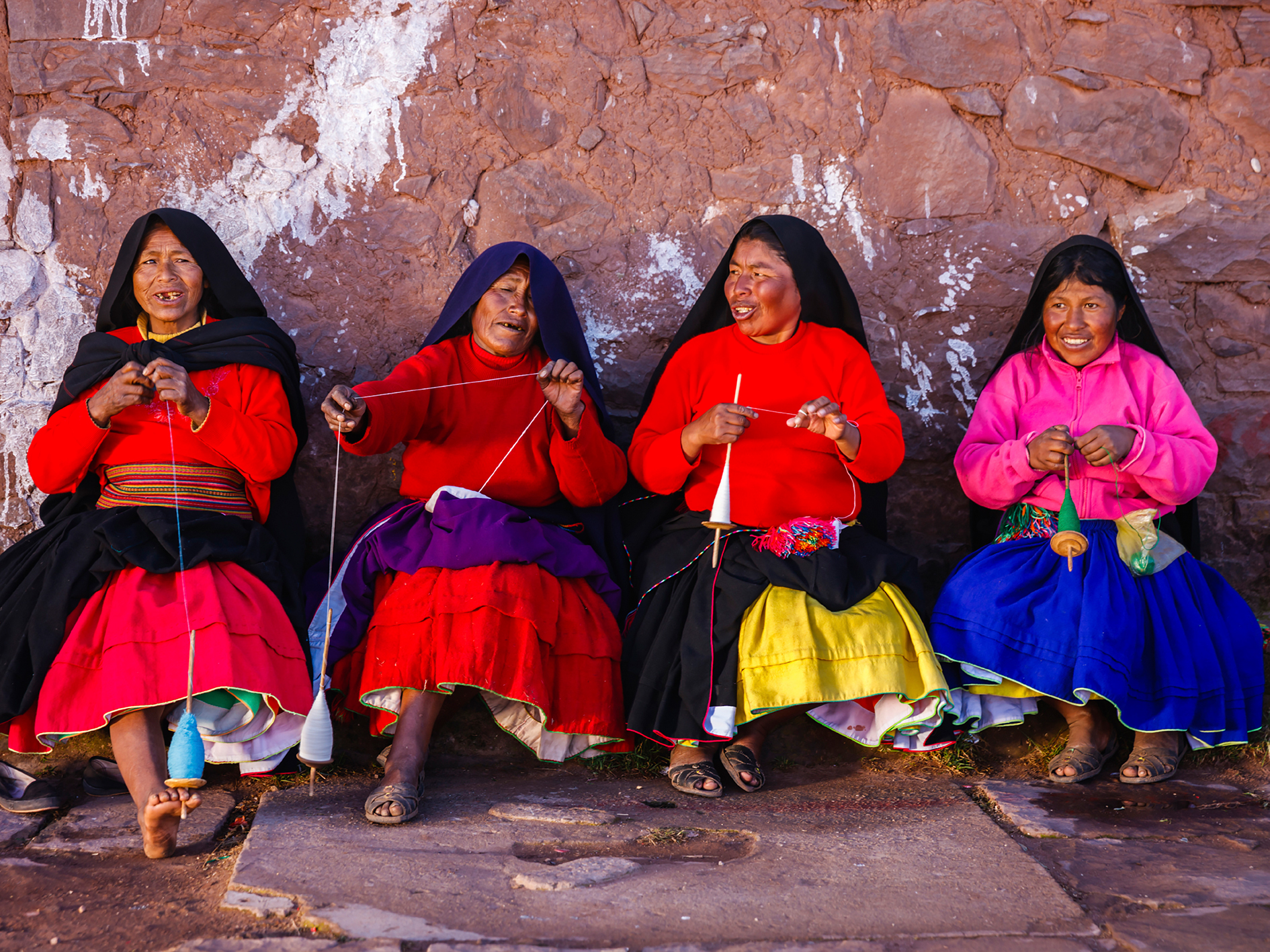
City Explorer: Discover the city and beyond
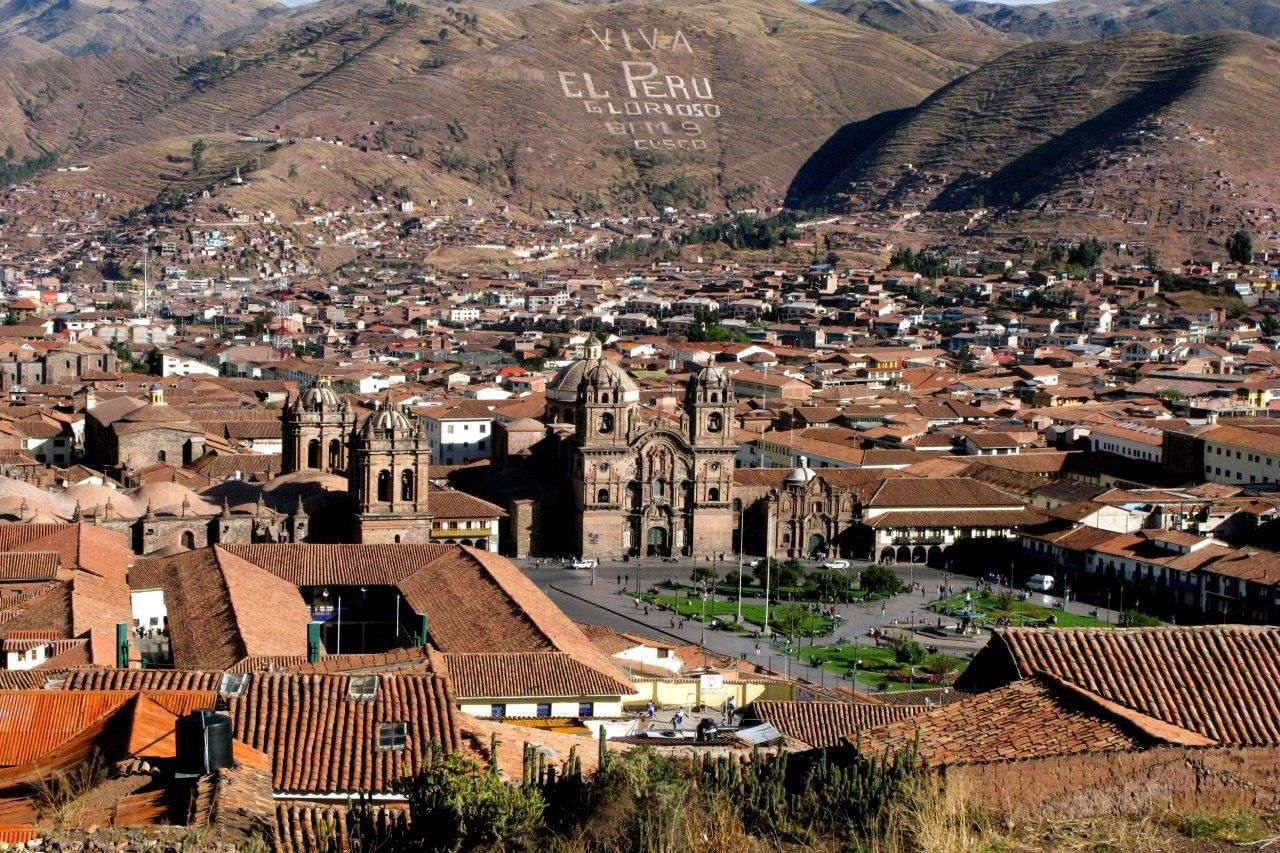
Find your perfect duration
Expertly planned itineraries help you make the most of every day.
What you'll see in Peru
Iconic Inca sites, Andean cities, lake life and rainforest wildlife across Peru
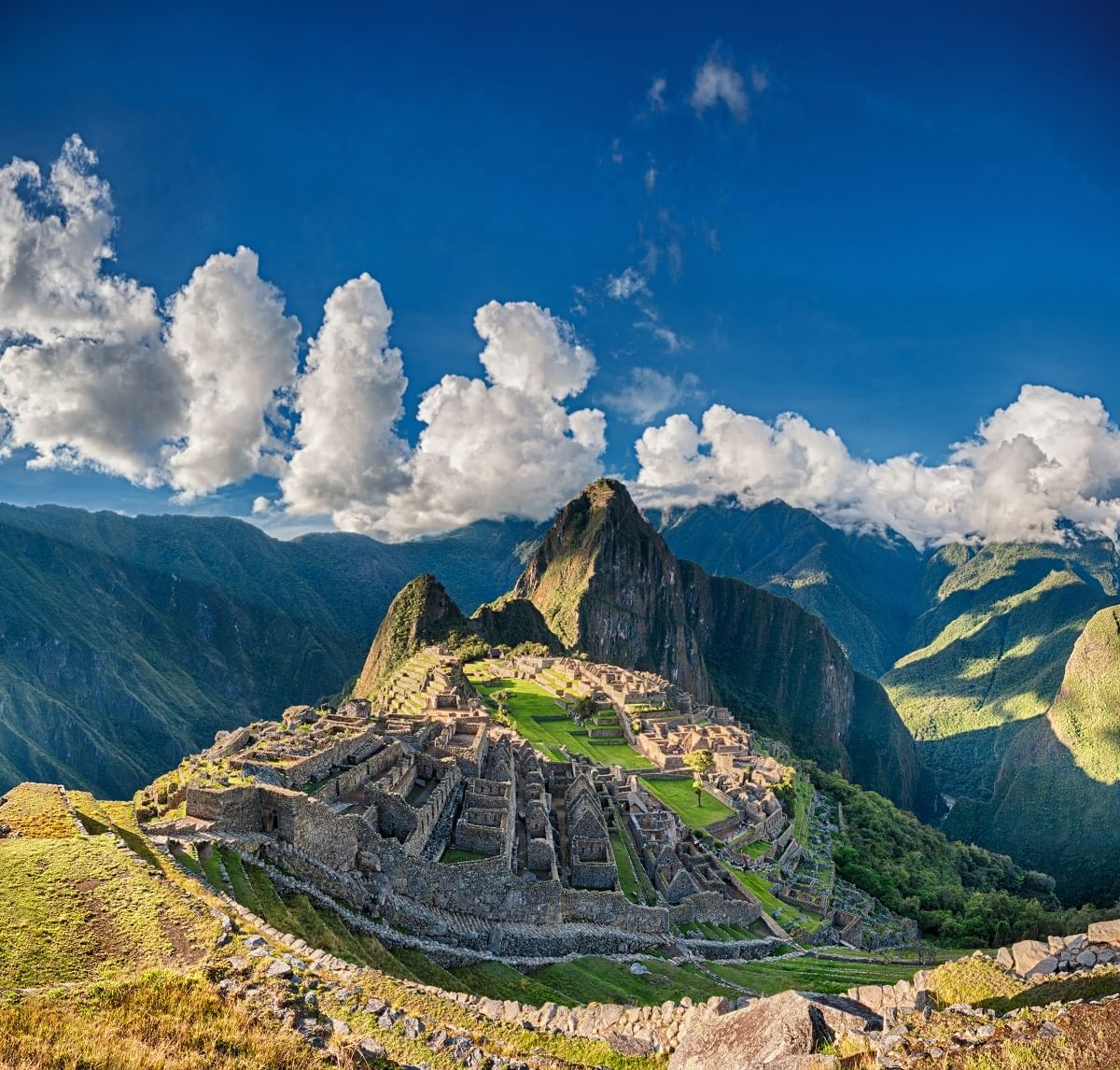
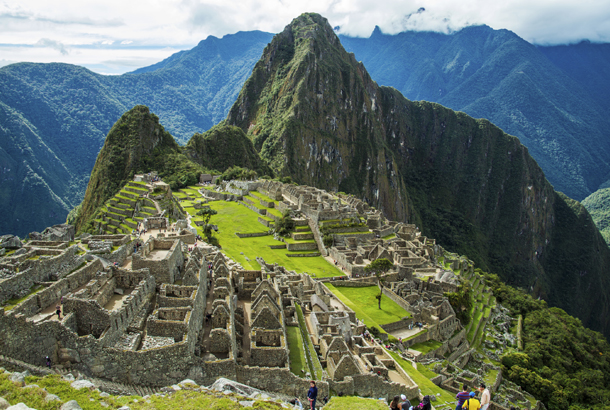
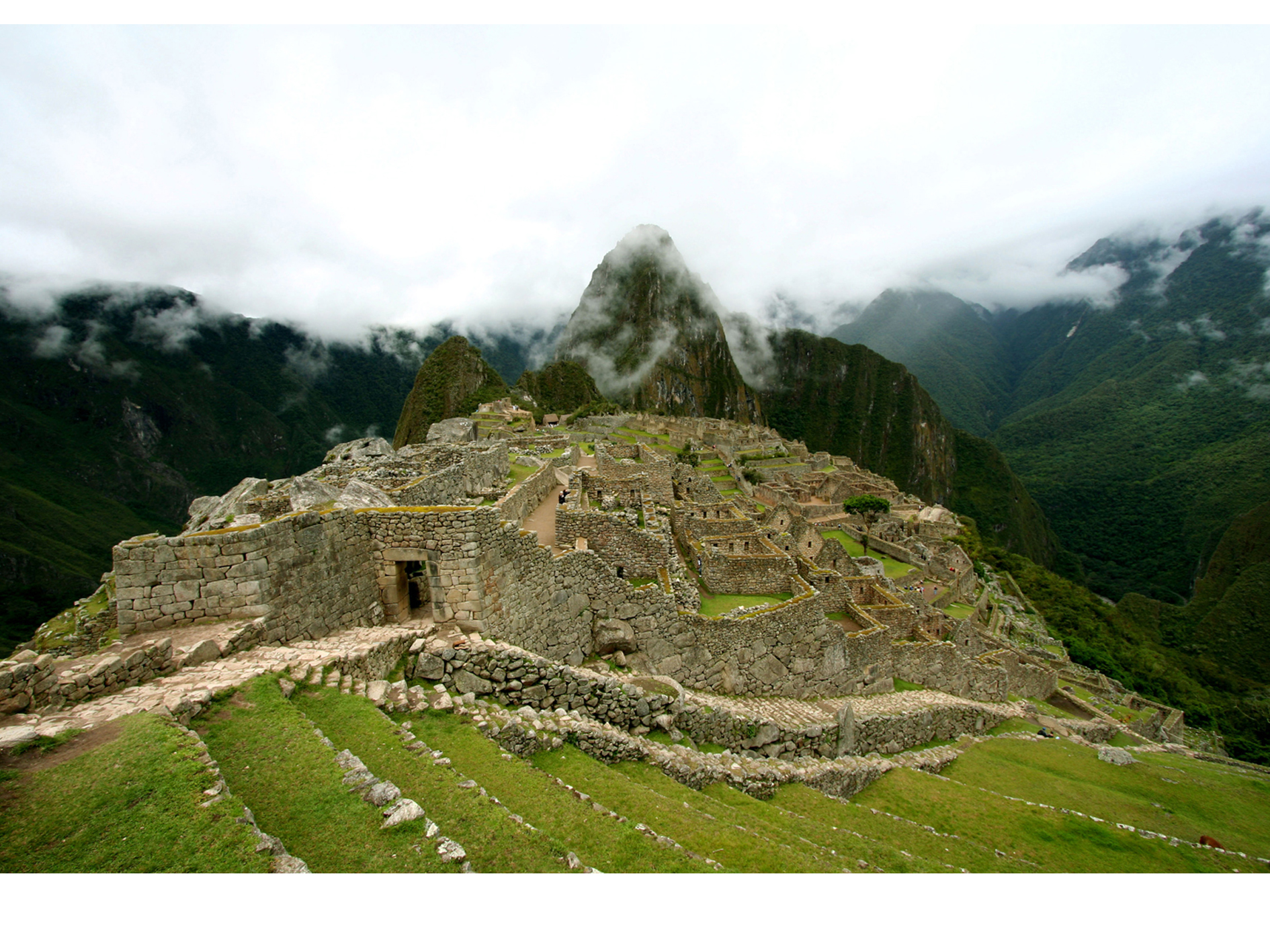
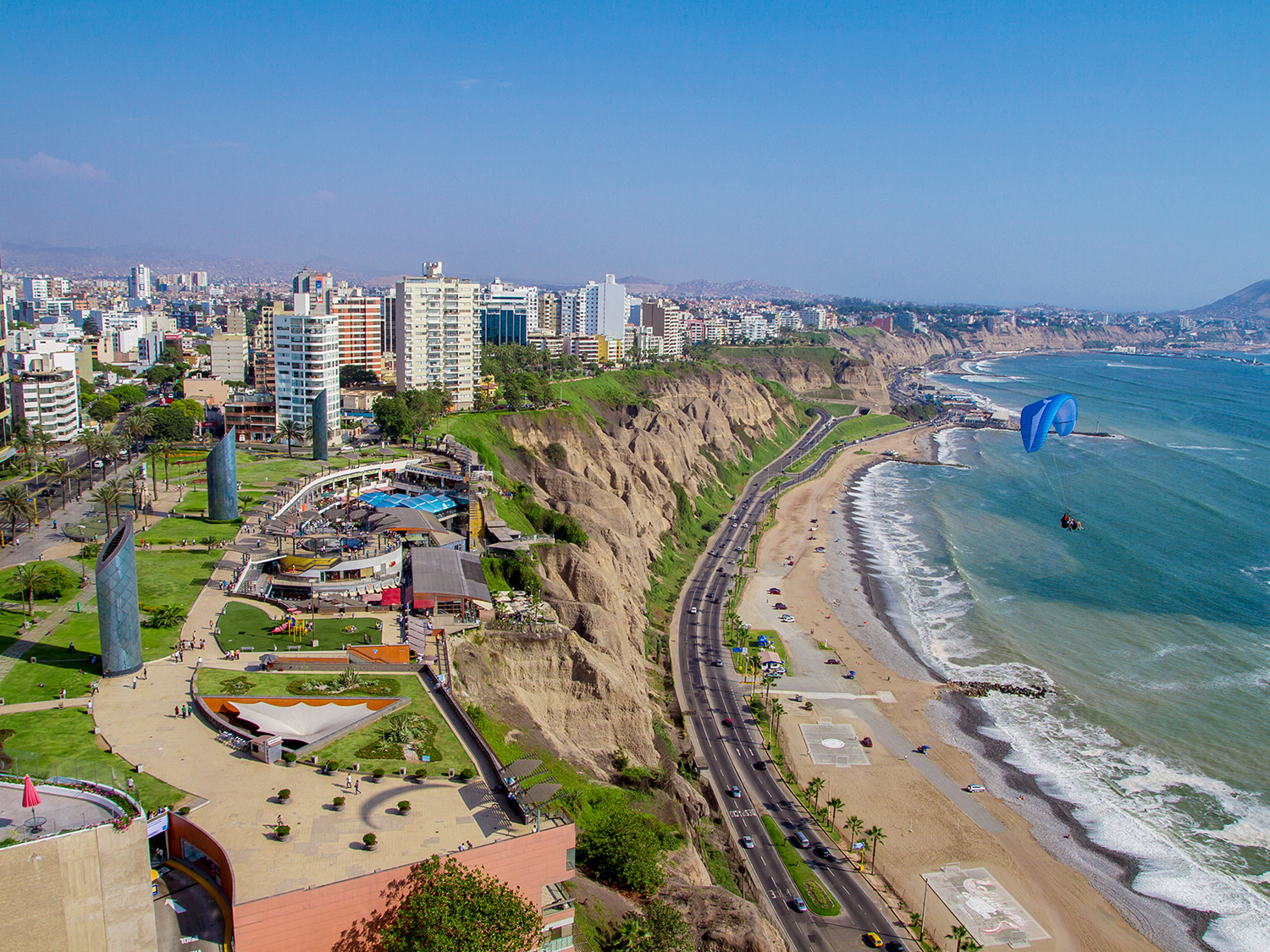
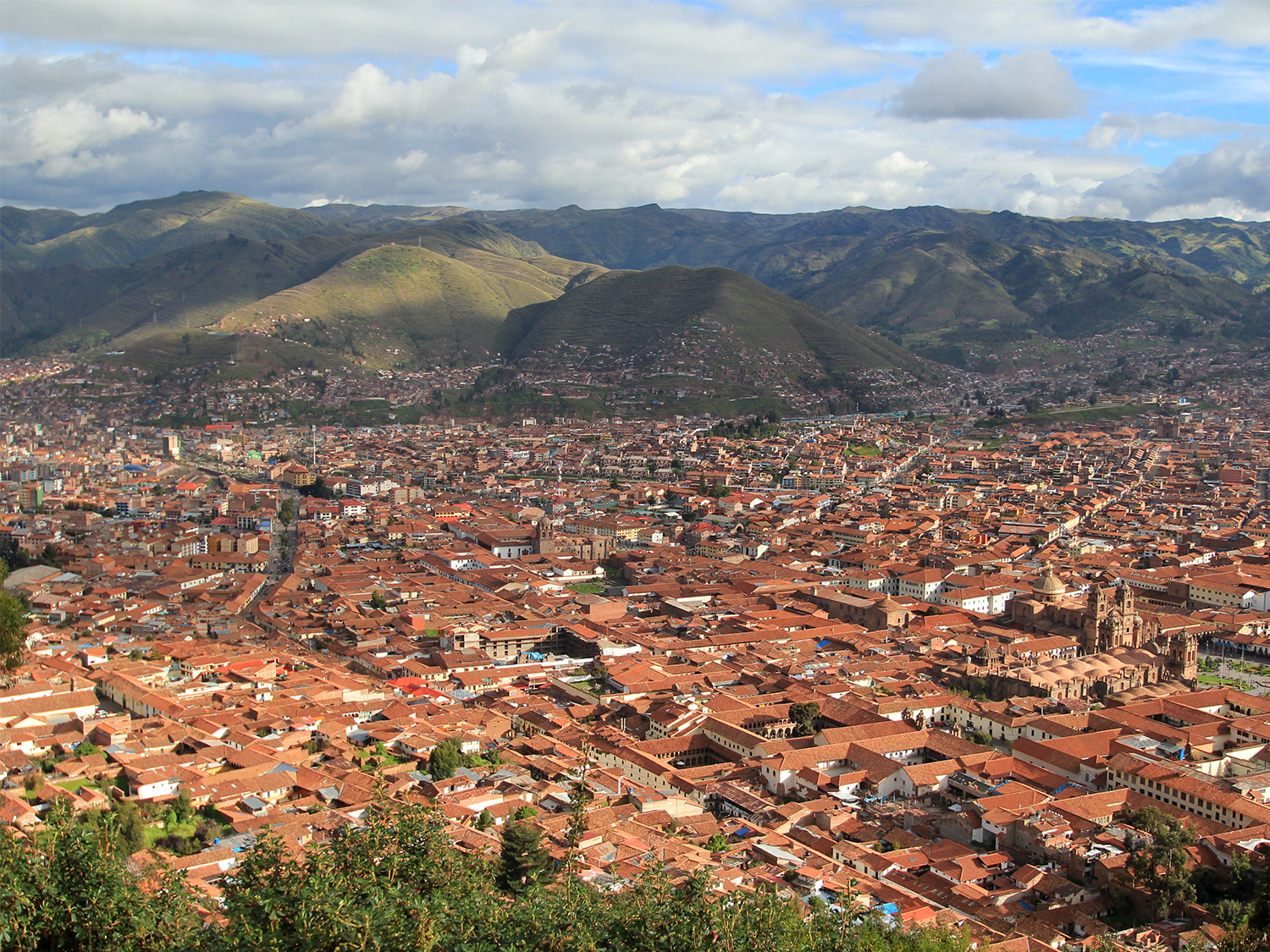
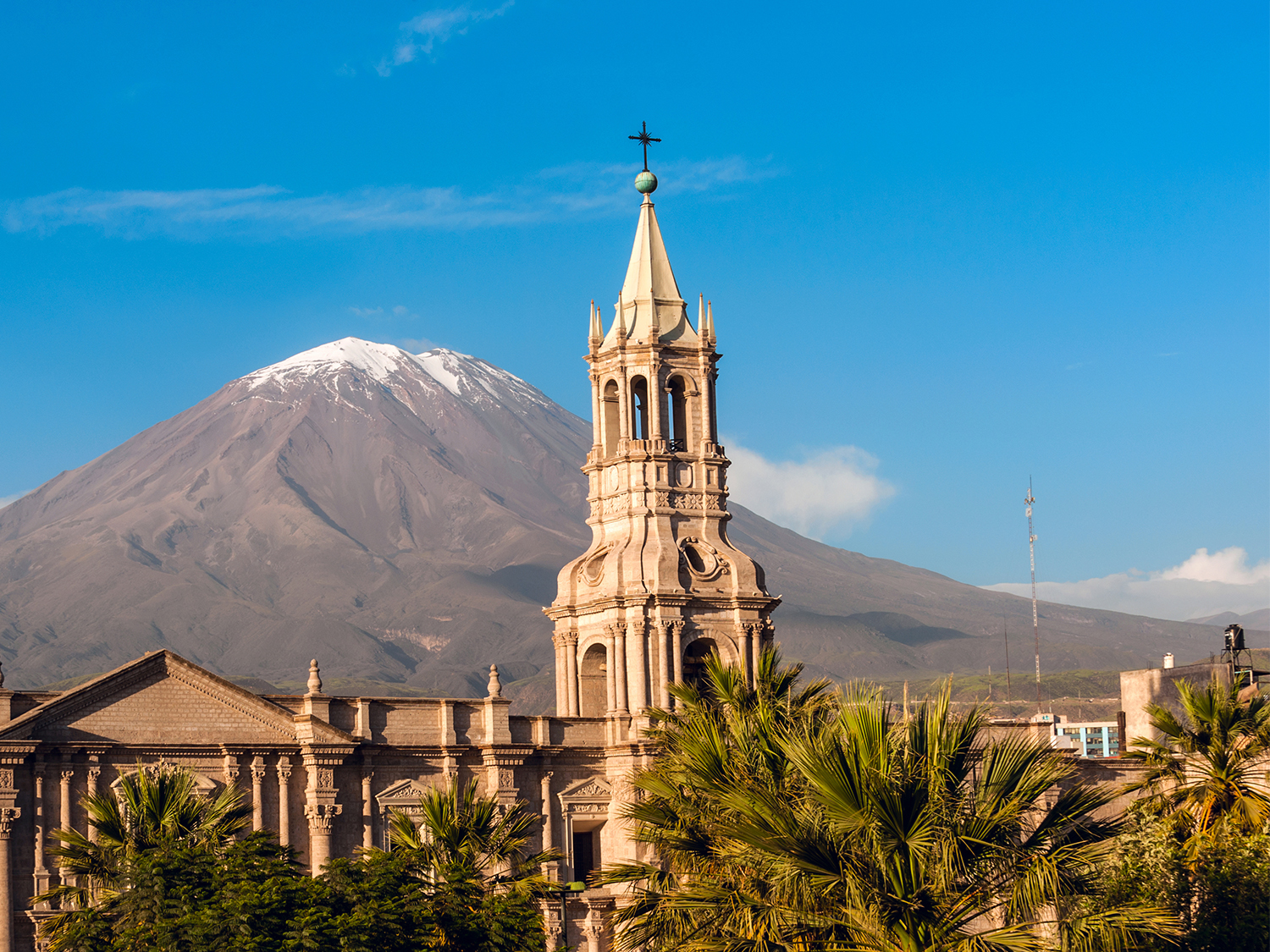
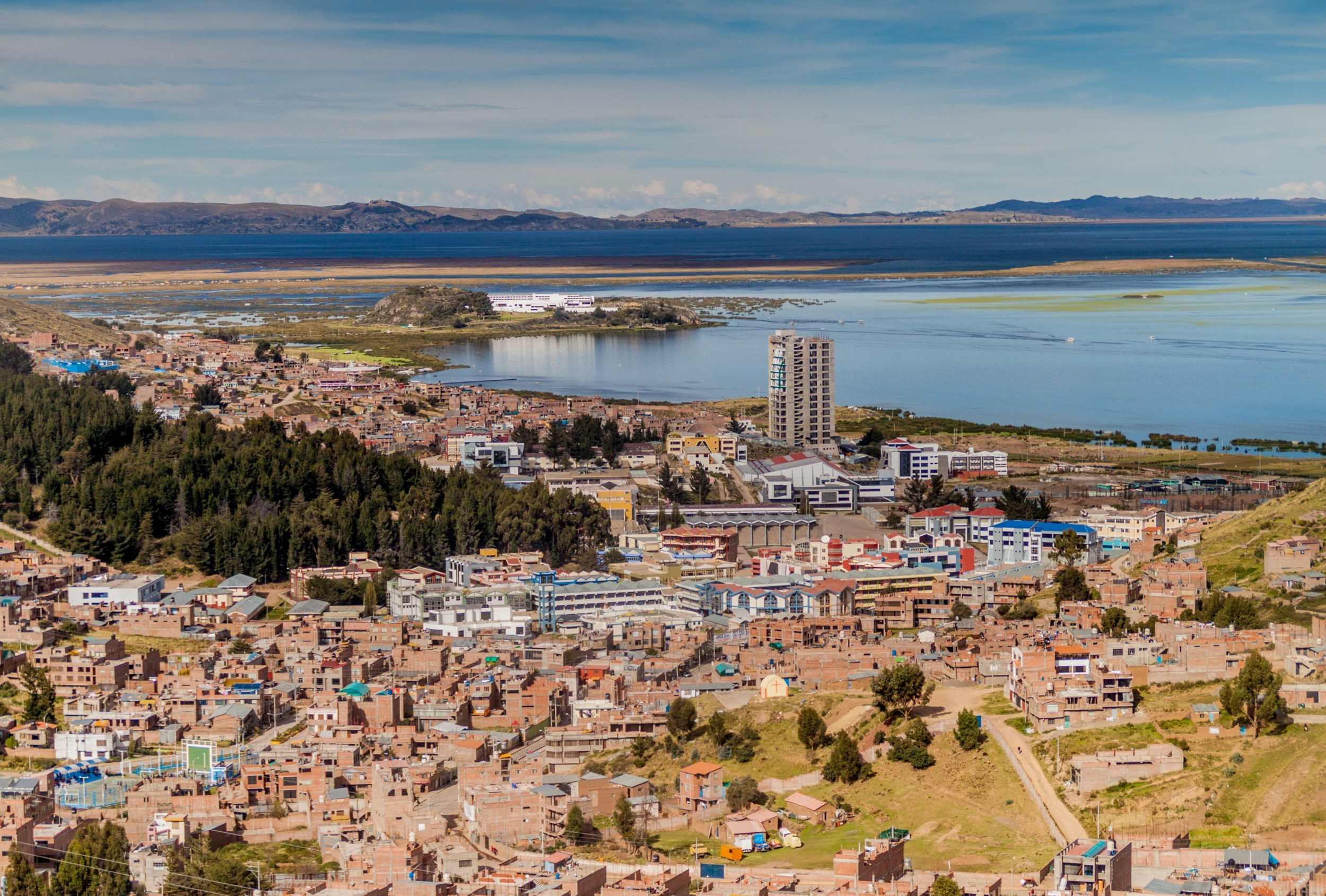
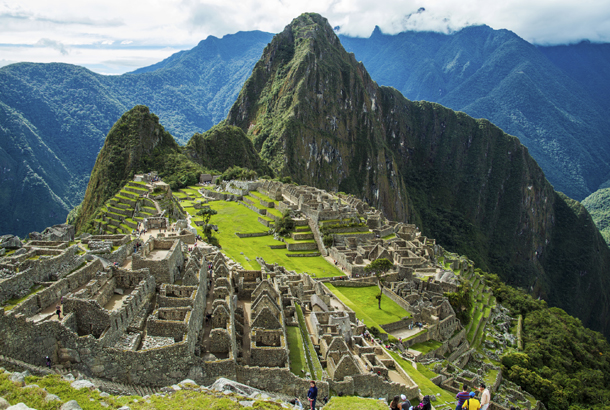
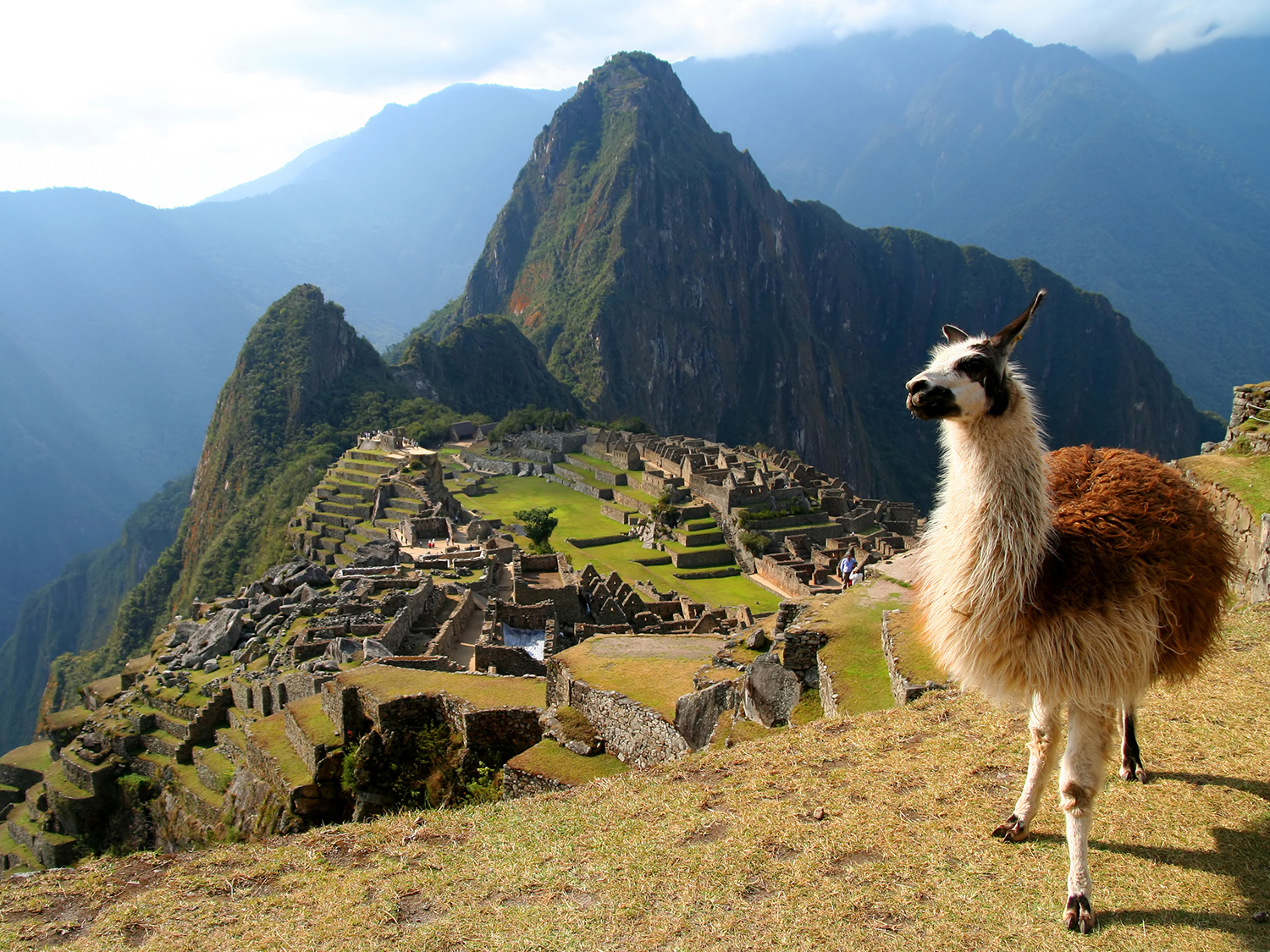
Many Peru tours start in Lima, where historic streets, busy plazas and varied museums introduce the country’s cultural mix. From there you travel into the Andes, with Cusco as a natural base for Inca heritage, local markets and everyday life at altitude. Most itineraries also include the Sacred Valley, visiting sites such as Pisac and Ollantaytambo, before a scenic train journey to Machu Picchu. For a broader view of the country, consider destinations beyond the classic loop. Arequipa is known for its bright white-stone buildings and relaxed feel, while Colca Canyon delivers vast views and the chance to spot condors on the thermals. Puno and Lake Titicaca add time on the water, including trips to the Uros Islands, and the Amazon near Puerto Maldonado and Iquitos offers boat rides, guided walks and frequent wildlife sightings. Some coastal itineraries also include Paracas and the Ballestas Islands, the desert landscapes near Ica, and, on longer routes, the Nasca Lines.
Discover the highlights of Peru

Why visit Peru
Rich history, huge landscapes and varied itineraries, with support that suits the trip style
Peru suits guided tours because it combines city culture, highland traditions and remote nature in a way that can be time-consuming to organize independently, especially when transport and altitude are involved. A well-planned itinerary links Lima, Cusco and the Sacred Valley, then connects you to Machu Picchu by train, giving you a clear structure alongside local knowledge where it adds the most value. travelers often love how much variety fits into one trip, from Lima’s plazas and museums to Inca sites around Cusco, with striking changes in scenery as you move through the Andes. Tours also make it easier to include places that feel further out, such as Lake Titicaca and the Uros Islands, without having to piece together every transfer. In the same way, adding the Amazon near Puerto Maldonado or Iquitos can be straightforward when logistics are already arranged. You can choose a travel style that matches your preferences, with group tours offering a social atmosphere and private tours giving a quieter, more flexible pace. Many trips include guided time in the key locations, then leave room for independent exploring, which helps you strike a comfortable balance between support and freedom.
Frequently asked questions
What are the main highlights on Peru tours?
Many Peru tours include Lima, Cusco, the Sacred Valley and Machu Picchu, often featuring a scenic train ride through the Andes. Longer itineraries may also add Arequipa and Colca Canyon, Puno and Lake Titicaca, or Amazon stays near Puerto Maldonado and Iquitos.
Are Peru tours fully guided?
It depends on the trip and the level of support built into the itinerary. Some tours are fully guided with a single leader throughout, while many use local guides for the main sights and then allow more free time between scheduled activities.
Are group and private Peru tours available?
Yes, both options are available across a range of itineraries. Group tours are ideal if you enjoy a shared travel experience, while private tours keep transport and visits for your party only, which can feel more relaxed and adaptable.
Do Peru tours include Machu Picchu by train?
Many trips visit Machu Picchu by train, which is a scenic and practical way to reach the site from the Sacred Valley. Train services and schedules vary by itinerary, and some tours also include a guided visit at Machu Picchu itself.
Is the Amazon included on Peru tours?
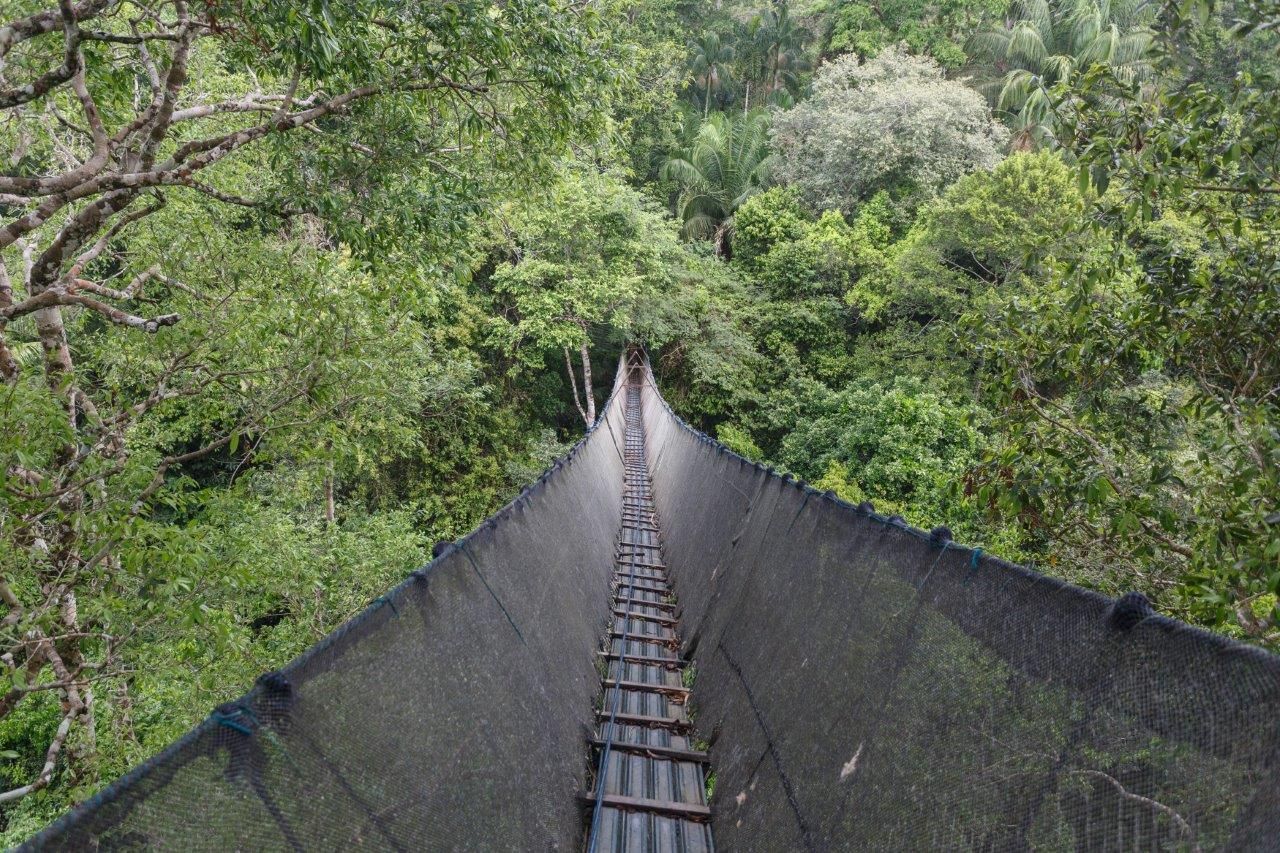
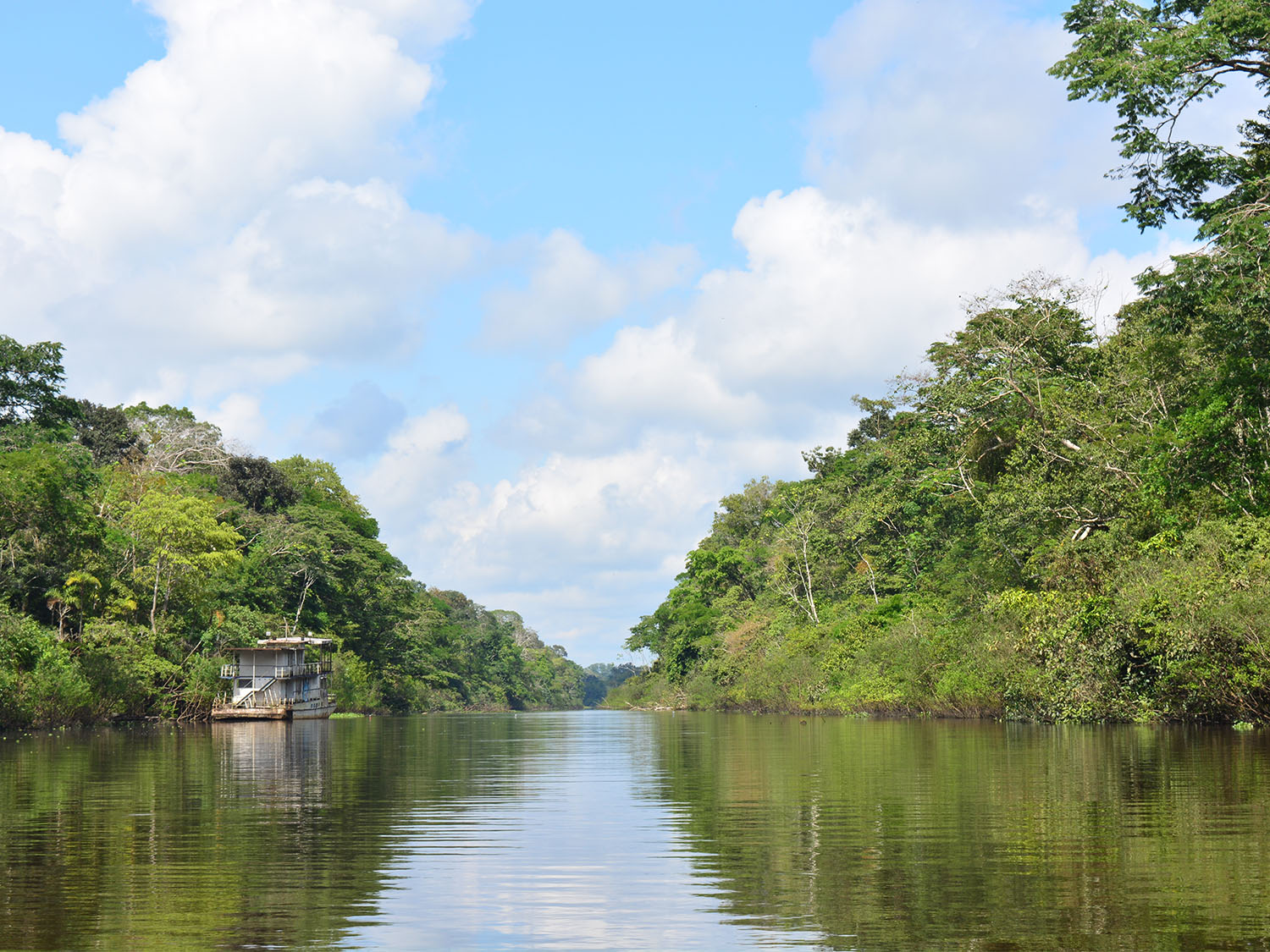
Some Peru tours include the Amazon, typically with stays near Puerto Maldonado or Iquitos. Depending on the itinerary, you may take river excursions, join guided jungle walks and look out for wildlife, with accommodation ranging from lodges to cruises.
What fitness level is needed for Peru tours?
Fitness requirements vary by route and activity level. Many tours are suitable for most travelers and focus on cities and heritage sites, while treks such as the Inca Trail, Lares Trek or Salkantay Trek are more demanding and involve long walking days, often at altitude.
Will there be free time on Peru tours?
Many tours combine guided visits with free time, particularly in places such as Lima and Cusco where it is easy to explore independently. The amount of free time depends on how structured the itinerary is, as well as whether the trip is fully guided or guided only in key locations.
What is accommodation like on Peru tours?
Accommodation varies by tour and can differ significantly between itineraries. Some trips use hotels as a base, while others incorporate hostels, lodges, camping or overnight buses, and due to availability a similar standard may be used.
Do Peru tours visit Lake Titicaca?
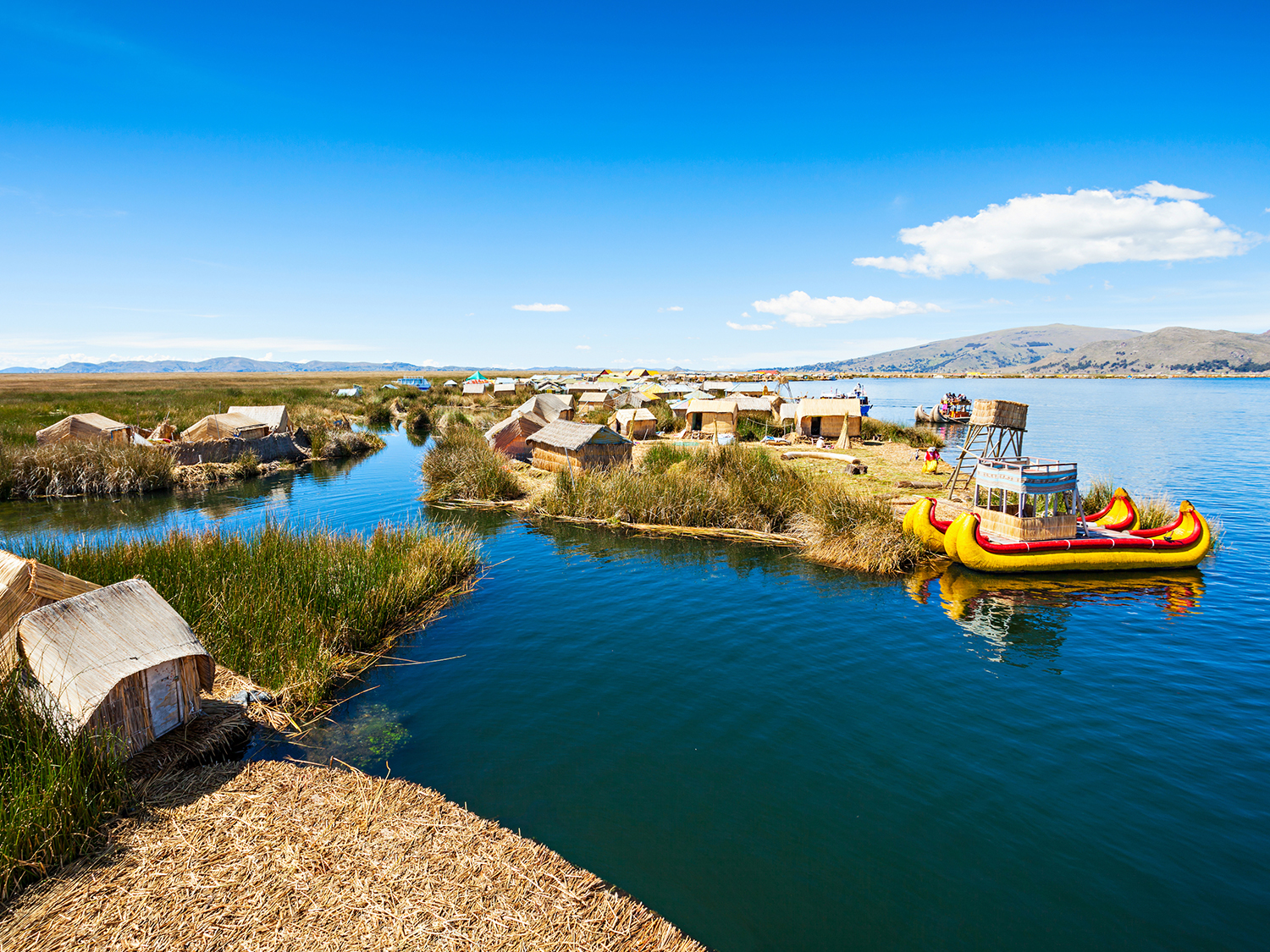
Some tours include Lake Titicaca, most commonly via Puno as the gateway town. A typical highlight is a boat trip to the Uros Islands, offering insight into local life on the lake.
Where do Peru tours usually start and end?
Start and end points depend on the itinerary and the overall route design. Many tours begin in Lima or Cusco and may return to Lima, while others finish in Cusco, Puno or Juliaca, and multi-country programs can end outside Peru.
Peru guides
Start planning your trip with our handy travel guides, packed with useful information about Peru.
Choose your Peru experience
Discover the best ways to experience Peru.
Peru Group Tours
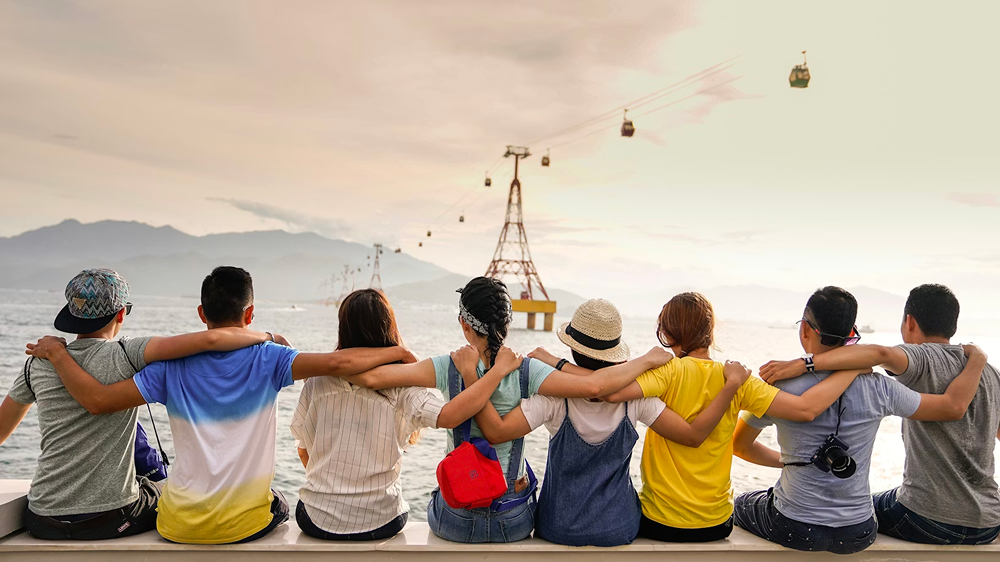
Travel with like-minded people on a guided itinerary that takes care of the planning while leaving room to explore.
72 trips
Peru Private Tours
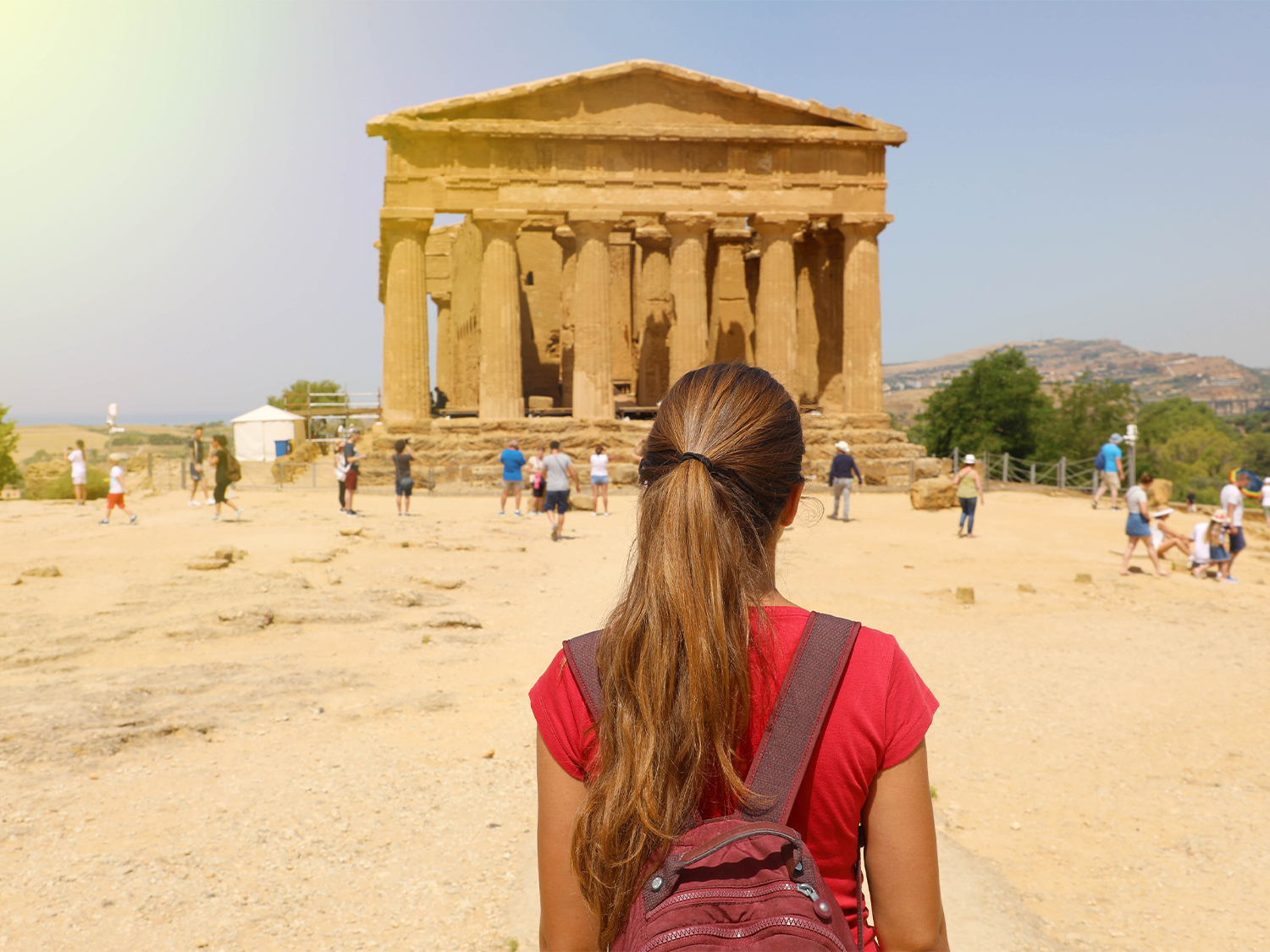
Enjoy the benefits of expert planning and local guides, with a trip designed just for you and your travelling companions.
46 trips
Peru City Explorer
Stay in one well-chosen base and discover the city and surrounding highlights through guided day trips and free time.
12 trips