On The Go Tours
Our agents are waiting to chat to you...
Are you a Travel Agent or Customer?
Do you have an booking reference?
Egypt Tours
4.52 (770 reviews)
89
Group Tours
24
Private Tours
8
City Explorer
When do you want to go?
2026
I'm flexible
Passengers
Adults (18+)
Children (0 - 17)
Discover tours in Egypt
From Cairo’s icons to Nile cruising, explore Egypt with expert support
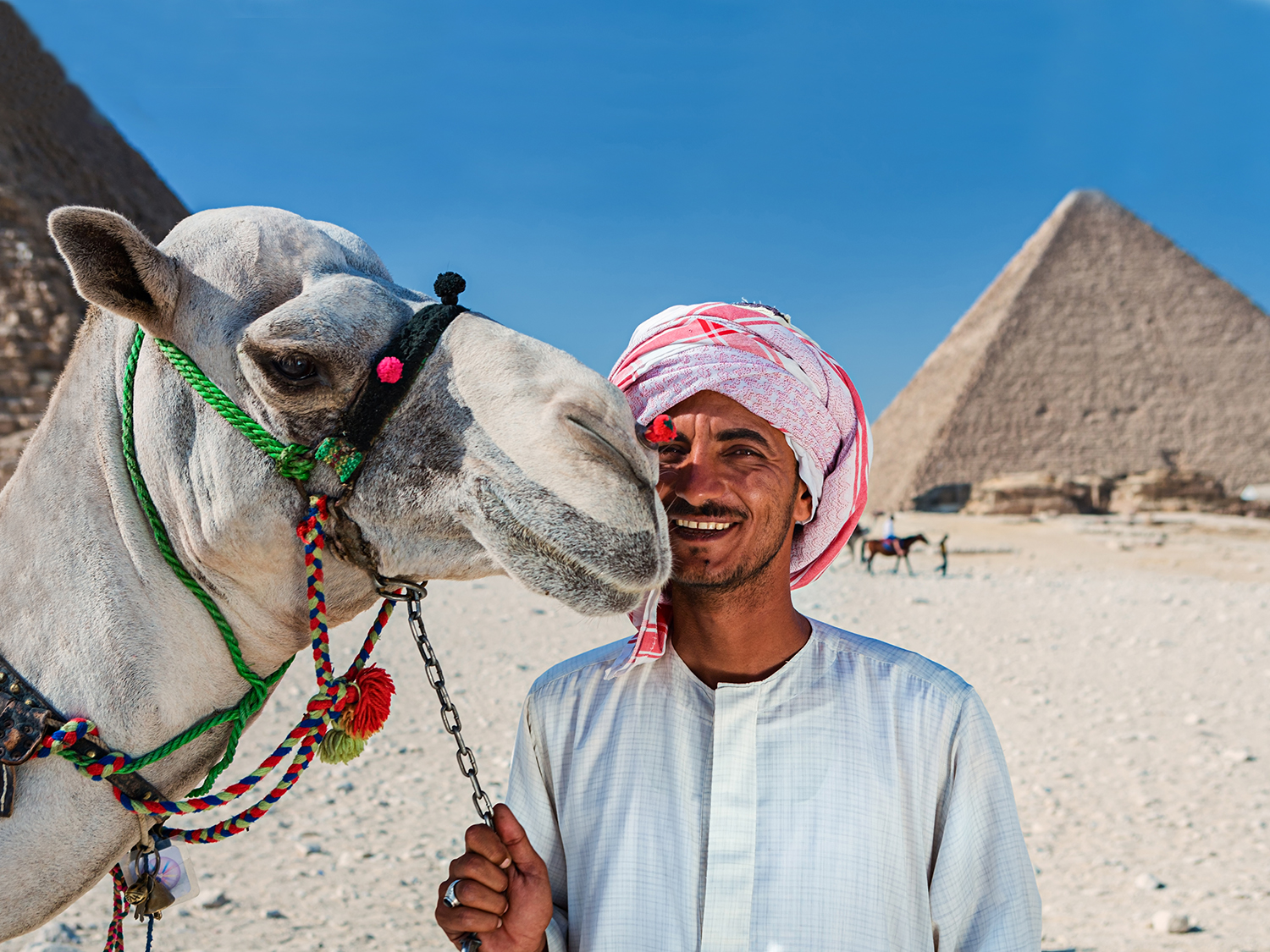
Egypt tours bring together famous ancient sites, vibrant city life and time on the River Nile. Guided tours often begin in Cairo, with visits to the Pyramids of Giza and the Sphinx, plus time to explore the Grand Egyptian Museum and browse bazaars such as Khan el Khalili. Many itineraries travel south to Luxor and Aswan for temple complexes, royal tombs and scenic cruising, with stops that can include Philae Temple, Kom Ombo and the Valley of the Kings. Some trips also add relaxation by the Red Sea in Hurghada, or head into the Western Desert to Bahariya Oasis and the White Desert. A number of itineraries are multi-country and visit Jordan, Israel, Turkey, Saudi Arabia, ANZAC Day, and more.
Latest Offers, Money Saving Trips

Which trip type suits you?
Compare the key features of each trip type to find the perfect fit for you.
Choose your guiding style
Egypt guiding styles: from fully guided to semi-independent, find the right experience for you
Maximum support
Fully Guided
A dedicated guide or tour leader is with you throughout, with each detail arranged.
Escorted by a guide or tour leader
Smooth, hassle-free travel
Support throughout the journey
Best for:
Complete support
Guided highlights
Partially Guided
Expert-led sightseeing in key places, with free time to explore between activities.
Guided sightseeing at key sites
Free time between activities
A balance of structure and flexibility
Best for:
Highlights with flexibility
Flexible independence
Semi-Independent
Some guided sightseeing, with hotels and transport arranged for independent exploration.
Some guided sightseeing
Hotels and transport arranged
More independence on the road
Best for:
Structure with independence
Travel with confidence
Real reviews from our travelers
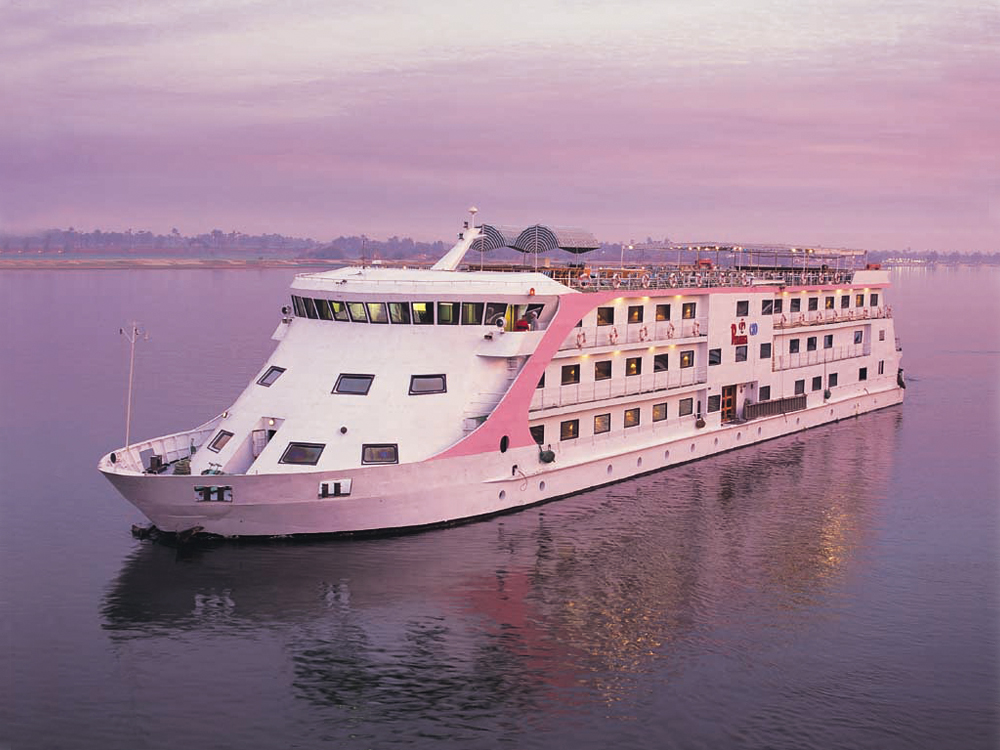 King Ramses Nile Cruise (And Optional Flight) - 13 daysVisit the towering Pyramids of Giza, cruise the River Nile relax aboard a 5 star Nile Cruiser and discover the ancient wonders of Valley of the Kings, Karnak Temple and Philae Temple, before a few days by the beautiful Red Sea in Hurghada. Signature Journeys13
Our tour in Morocco and Egypt was sensational. More than we expected. A huge shoutout to Jamal in Morocco. Excellent Tour Guide and Humerous. Our tour guide in Egypt Mo Mo was such an expert and knows his craft. He made our trip so much fun and the whole group loved him. Awesome Man.
King Ramses Nile Cruise (And Optional Flight) - 13 daysVisit the towering Pyramids of Giza, cruise the River Nile relax aboard a 5 star Nile Cruiser and discover the ancient wonders of Valley of the Kings, Karnak Temple and Philae Temple, before a few days by the beautiful Red Sea in Hurghada. Signature Journeys13The whole tour was amazing and I enjoyed it all except..... 1 included meal out of 10, 6 people got sick days after and 2 persons refused to pay for the FLAT WATERY BEER.
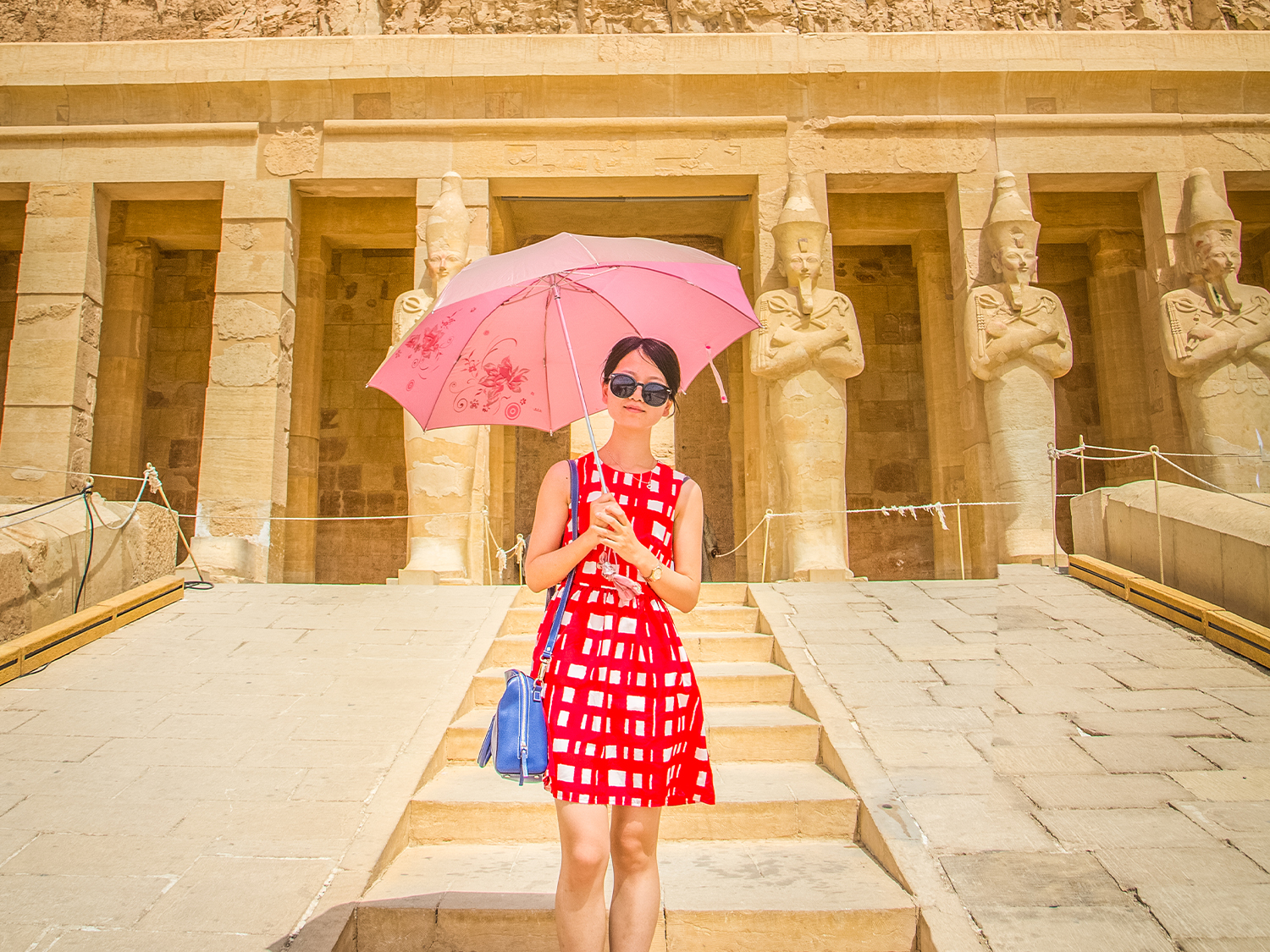 Classical Egypt & Nile Cruise - 11 daysUncover Egypt’s ancient wonders on this 11-day tour from Cairo to Luxor, Aswan and back. Marvel at the iconic Pyramids of Giza, explore the vast Grand Egyptian Museum, and delve into the treasures of the Grand Egyptian Museum. Travel south to Luxor for the Valley of the Kings and Karnak Temple before embarking on a luxurious four-night Nile cruise. Along the way, visit Kom Ombo and the serene Philae Temple in Aswan, with an option to see the incredible Abu Simbel. With a mix of guided sightseeing and relaxed cruising, this trip offers a deep dive into Egypt’s timeless heritage.Signature Journeys11
We had an amazing time, a small group of 5 which was really special. Our guide, Helal, was amazing! He was full of knowledge, passionate about his country and its history. He was friendly and approachable, and did all he could to make sure we had the best possible experience.
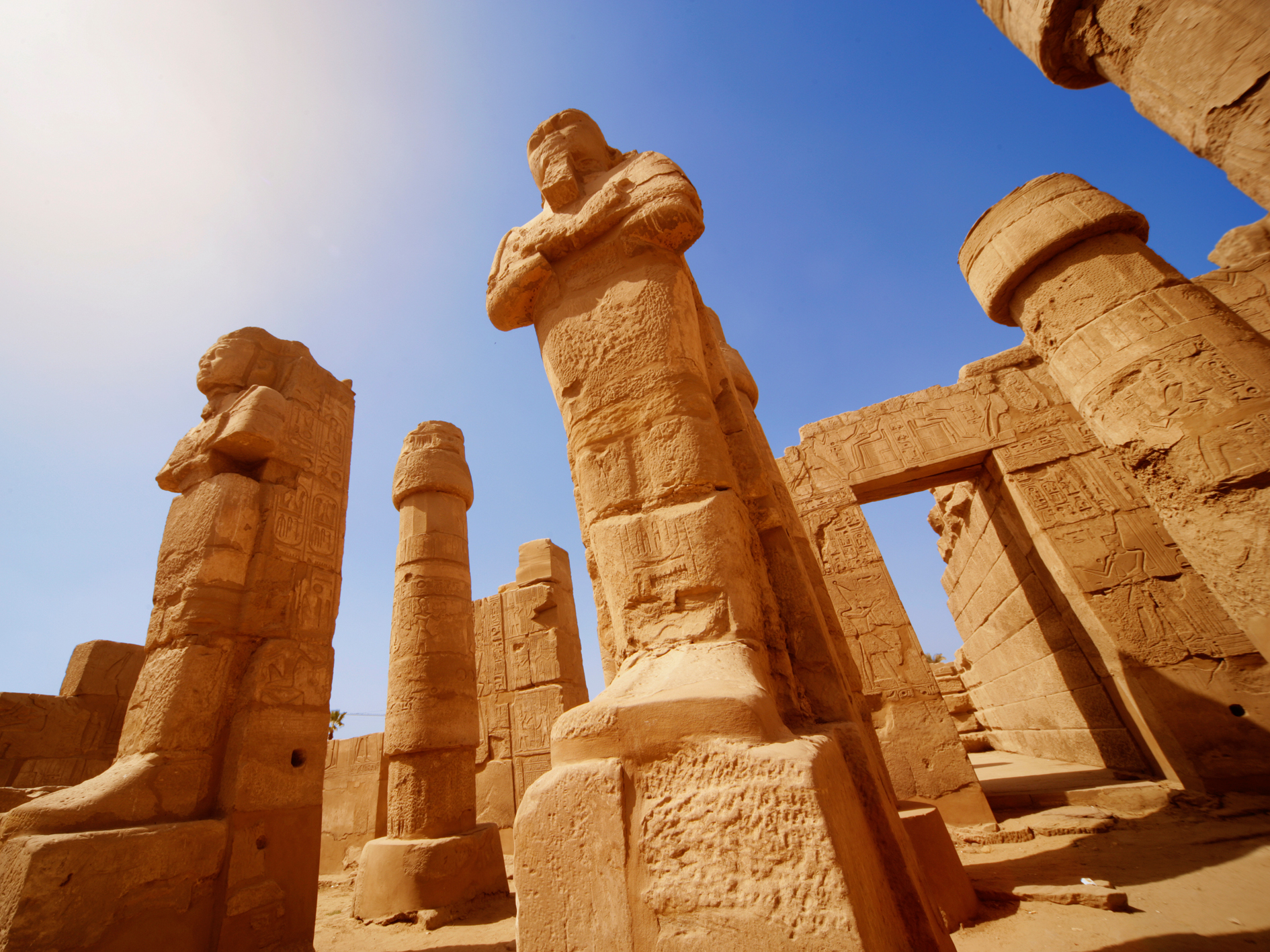 Cairo to Luxor Explorer - 6 daysExperience the best of ancient Egypt on this 6-day tour from Cairo to Luxor. Stand in awe before the mighty Pyramids of Giza and the iconic Sphinx, then delve into Egypt’s rich heritage at the Grand Egyptian Museum. Wander through the lively Khan el Khalili Bazaar and explore the tomb-strewn Valley of the Kings, the final resting place of pharaohs. Visit the beautifully preserved Temple of Hathor at Dendera, Queen Hatshepsut’s striking cliffside temple, and the vast Karnak temple complex. Signature Journeys6
All of Egypt and the fact the tour went ahead with only 4 people
Classical Egypt & Nile Cruise - 11 daysUncover Egypt’s ancient wonders on this 11-day tour from Cairo to Luxor, Aswan and back. Marvel at the iconic Pyramids of Giza, explore the vast Grand Egyptian Museum, and delve into the treasures of the Grand Egyptian Museum. Travel south to Luxor for the Valley of the Kings and Karnak Temple before embarking on a luxurious four-night Nile cruise. Along the way, visit Kom Ombo and the serene Philae Temple in Aswan, with an option to see the incredible Abu Simbel. With a mix of guided sightseeing and relaxed cruising, this trip offers a deep dive into Egypt’s timeless heritage.Signature Journeys11the pyramids was the highlight for sure the whole Egyptian tour was fantastic ,awe inspiring , visiting the local markets was also a highlight. My guide Halal was fantastic, he had our best interests at heart, his knowledge was astounding. He was so helpful if we had a request .
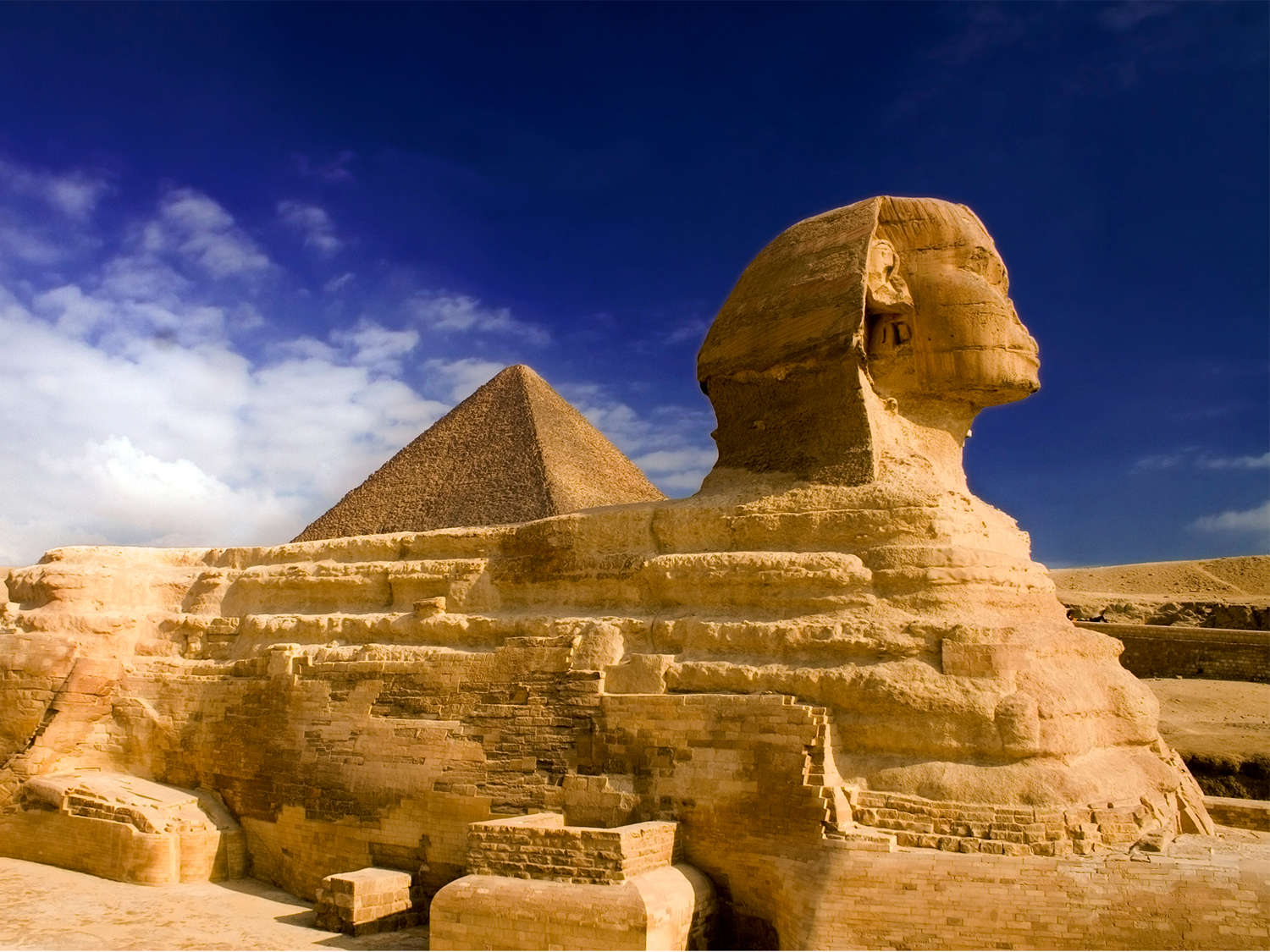 Best of Cairo & Luxor - 6 days PRIVATE TOUR: This tour encompasses the major highlights of Egypt. Get up close and personal with the Tutankhamun's treasures at the Grand Egyptian Museum, explore the tomb strewn Valley of the Kings, wander through the Khan el Khalili Bazaar, gaze in awe at the mighty pyramids & sphinx & discover the Temples of Hathor, Queen Hatshepsut & Karnak in 6 incredible days.
Private Tours6
Best of Cairo & Luxor - 6 days PRIVATE TOUR: This tour encompasses the major highlights of Egypt. Get up close and personal with the Tutankhamun's treasures at the Grand Egyptian Museum, explore the tomb strewn Valley of the Kings, wander through the Khan el Khalili Bazaar, gaze in awe at the mighty pyramids & sphinx & discover the Temples of Hathor, Queen Hatshepsut & Karnak in 6 incredible days.
Private Tours6All parts of the tour were great. We thoroughly enjoyed it. Everything was great
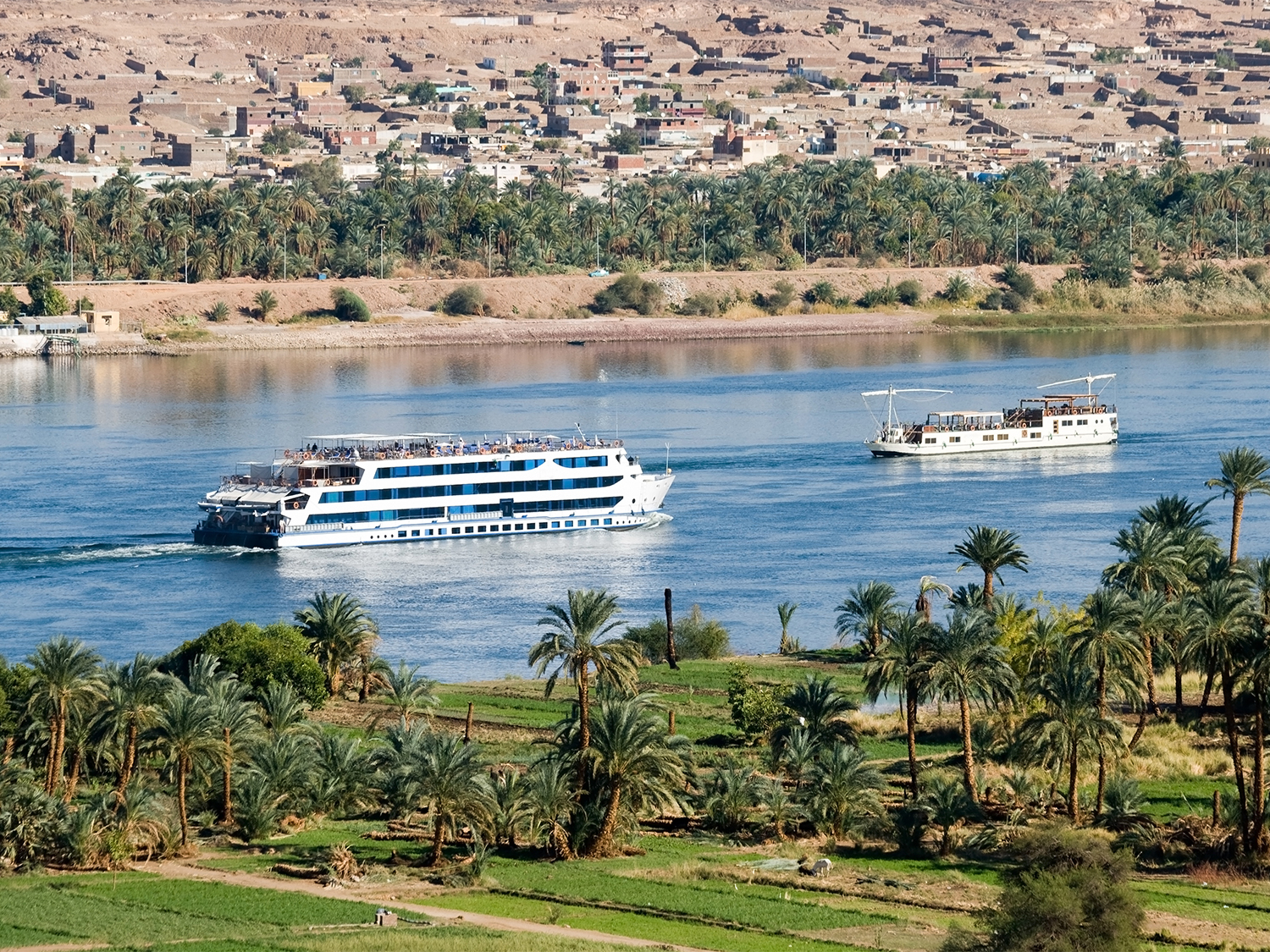 Treasures of the Nile - 10 daysPREMIUM TOUR: Discover the very best of ancient Egypt on this 10-day premium tour, travelling from Cairo to Aswan and back. Enjoy the comfort of five-star hotels, domestic flights, and a luxury Nile cruise as you explore ancient wonders in style. Stand before the iconic Pyramids of Giza, roam the halls of the Grand Egyptian Museum, and uncover royal tombs in the Valley of the Kings. Sail the Nile to visit riverside temples like Kom Ombo and Philae, and take in the grandeur of Karnak and Luxor temples. Signature Journeys10
Perfect in every aspect ,started with the the tour manager , absolutely fantastic (from reciving us at the airport through customs ), tour guide perfect match for our group ( lively, extremely knowledgable with the subject ) , logistics was perfect, Will certainly use On The Go tours again.
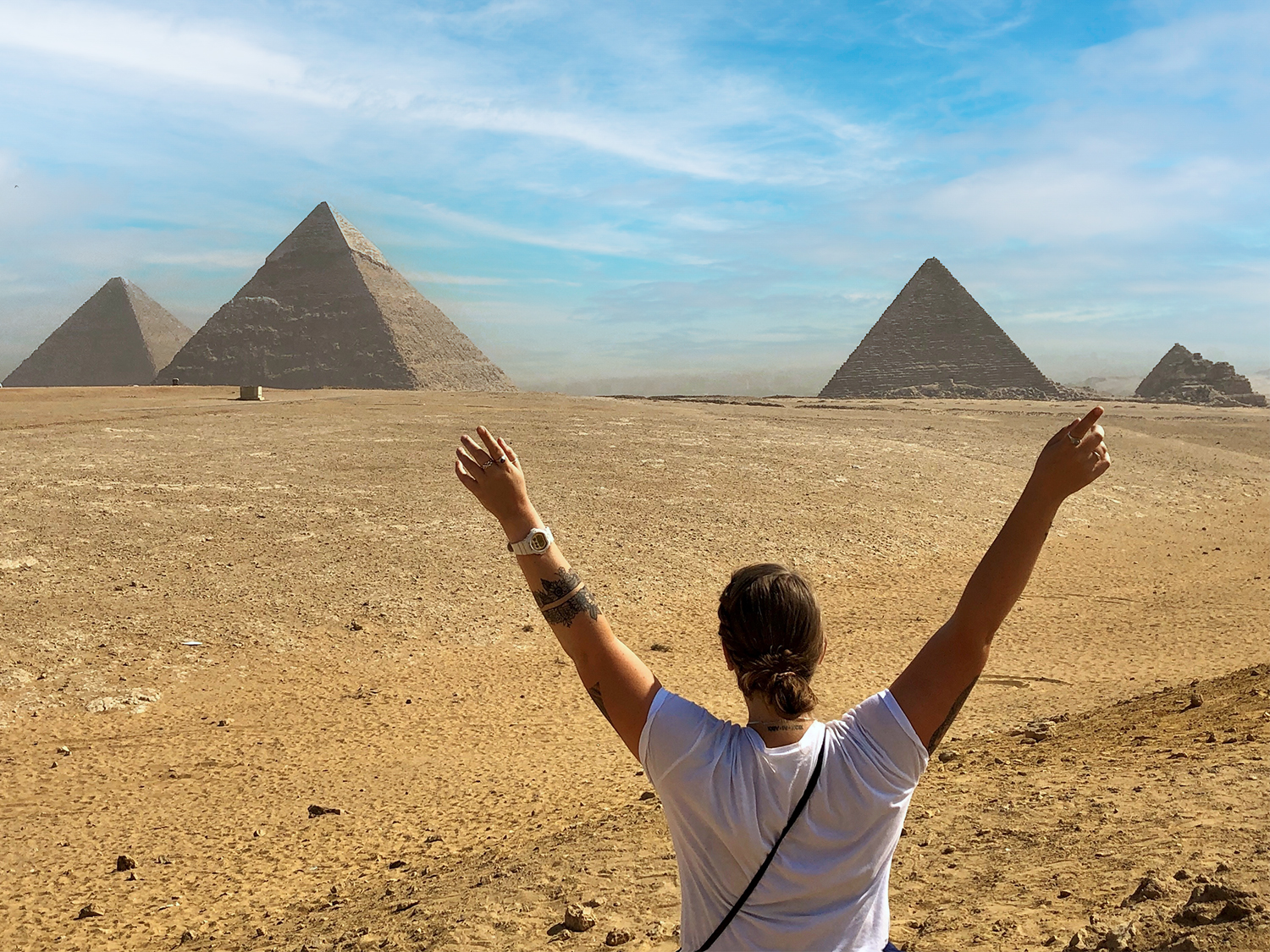 Cairo Stopover - 3 DaysPRIVATE TOUR:Spend three days uncovering the treasures of Cairo, from the awe-inspiring Pyramids of Giza and the enigmatic Sphinx to the glittering artefacts of Tutankhamun at the Grand Egyptian Museum. Wander through ancient wonders, stand in the shadow of Cheops, and opt for a camel ride across the sands for that iconic photo. You’ll have time to savour Cairo’s vibrant atmosphere, enjoy Nile views over dinner, and explore at your own pace before your journey ends. This short city stay is the perfect taste of Egypt’s timeless history and captivating charm.Private Tours3
I really enjoyed the pyramids and the museum was amazing. I wanted to buy souvenirs but was advised by the guide not to buy at the pyramids. I appreciated this so I did not get scammed. He took me to other shops however I felt pressured to shop there on my limited budget. We also spend a lot of time there which limited our time at the museum.
Egypt solar eclipse 2027
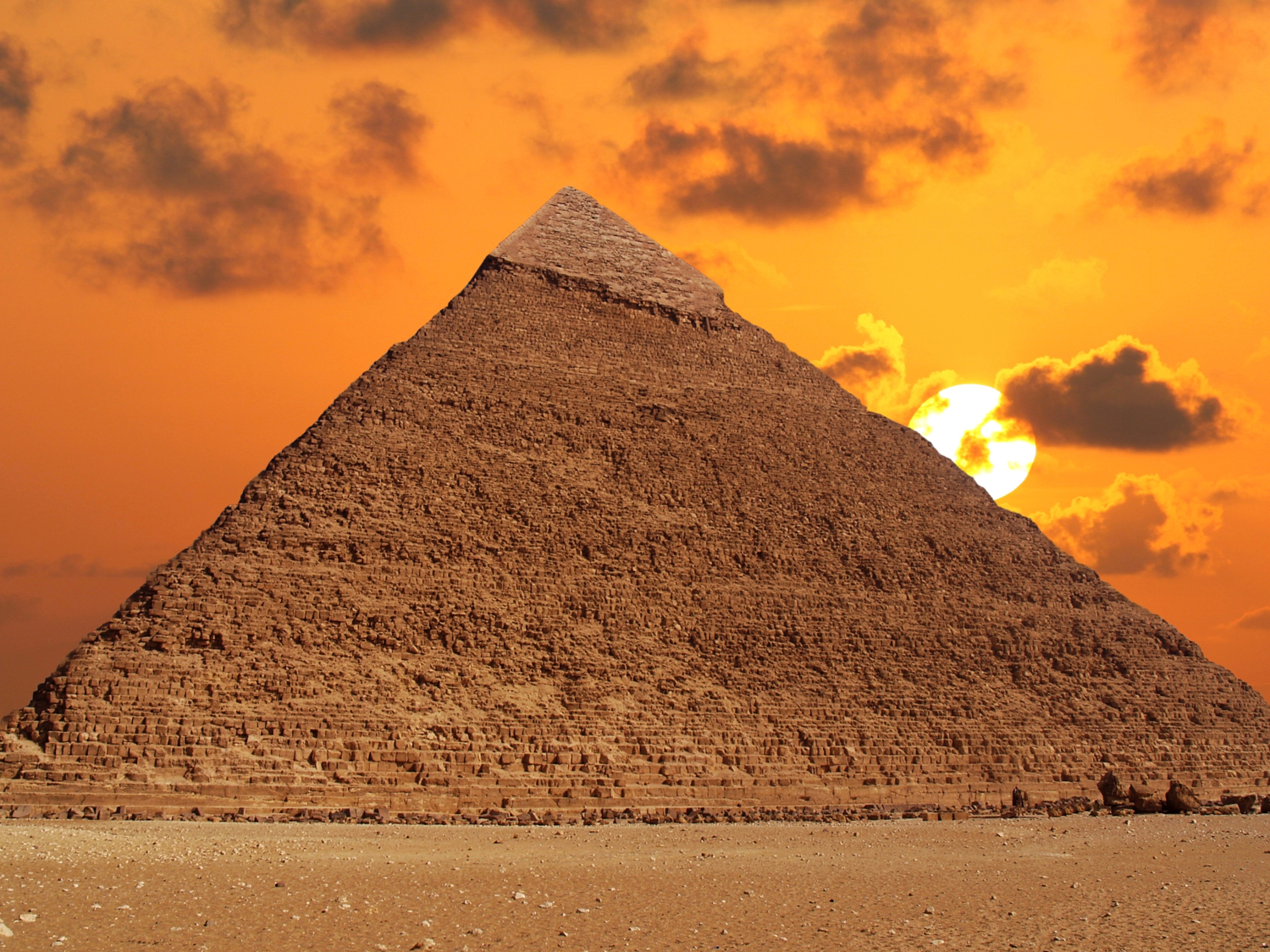
Classical Egypt & Luxor Total Eclipse 2027
Discover the wonders of ancient Egypt and witness the spectacular 2027 total solar eclipse in Luxor.
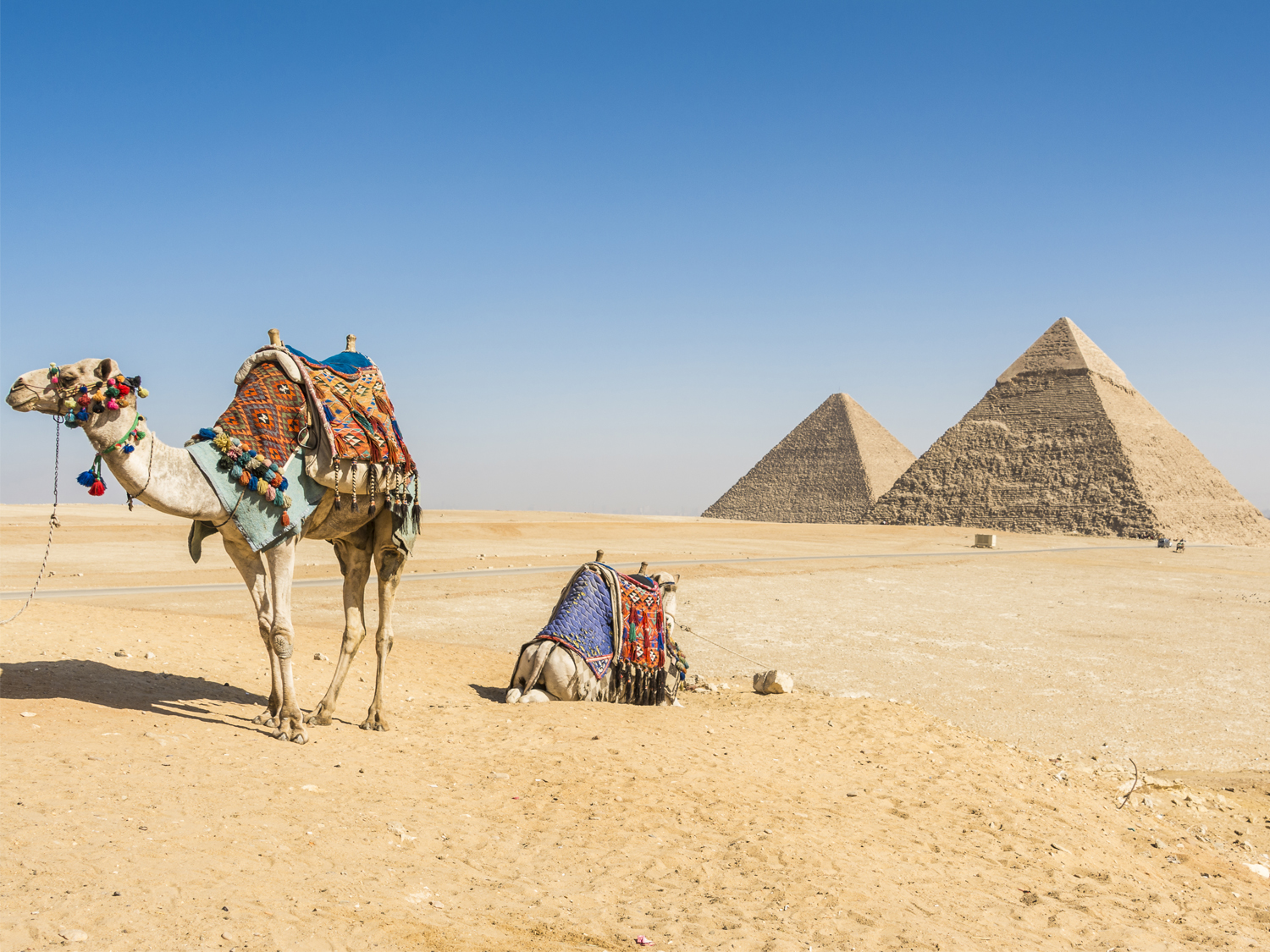
Cairo, Cruise, Red Sea & Solar Eclipse 2027
Uncover Egypt’s ancient wonders and witness the 2027 total solar eclipse in Luxor on this 13-day escorted tour.
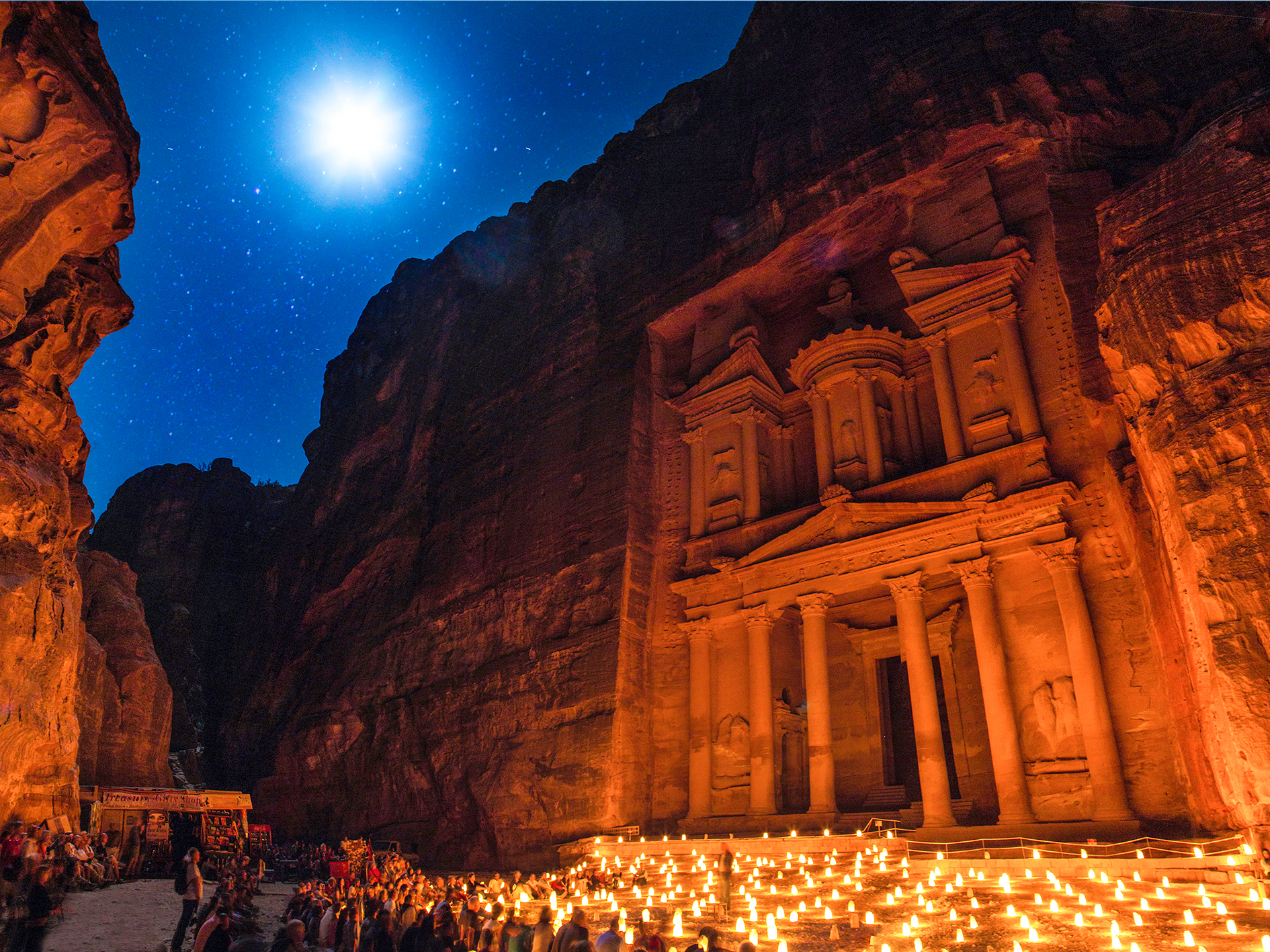
Pyramids to Petra & Total Solar Eclipse 2027
Combine the wonders of Egypt and Jordan with the spectacular 2027 total solar eclipse in Luxor on this unforgettable 15-day journey from Cairo to the Dead Sea.
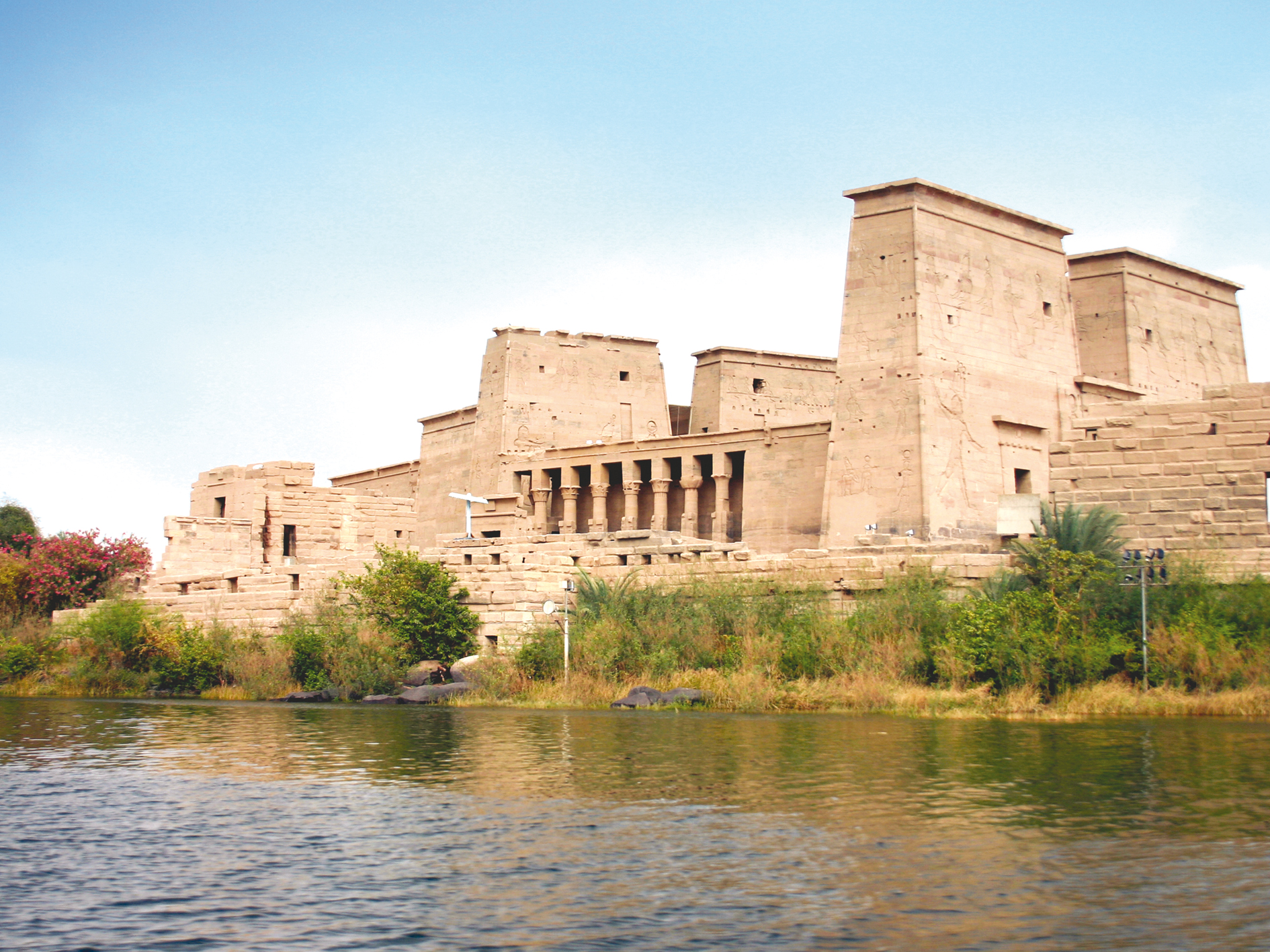
Jewels of Egypt & Luxor Solar Eclipse 2027
Experience Egypt like never before on this 12-day tour, combining iconic ancient wonders and scenic cruising, with the extraordinary 2027 total solar eclipse in Luxor.
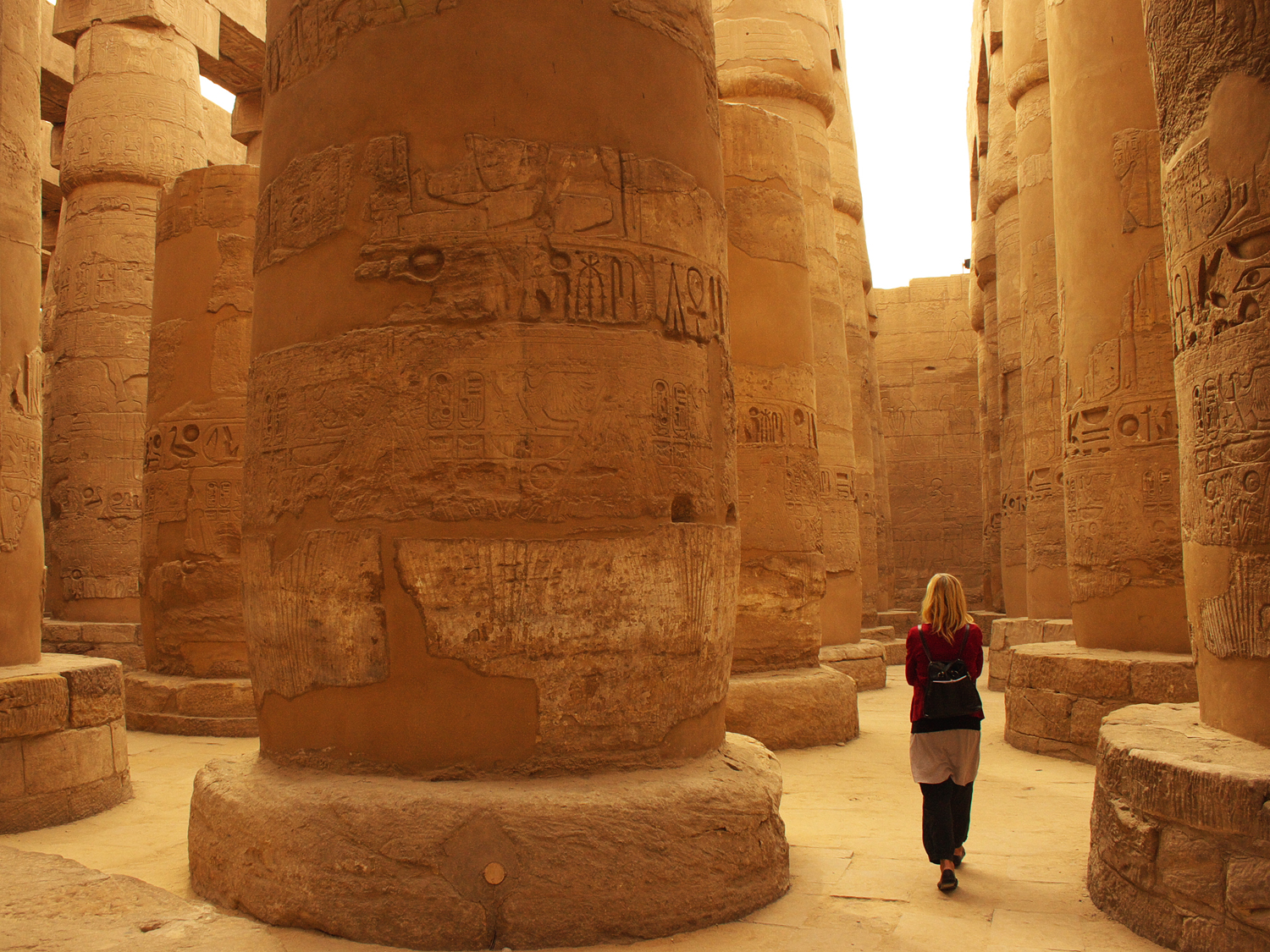
Totally Egypt, Total Solar Eclipse 2027
Discover Egypt’s ancient wonders on this unforgettable 10-day tour, culminating in the spectacular 2027 total solar eclipse in Luxor.
Egypt tours at a glance
Trip and guiding style
Egypt guided tours come in a mix of styles, including fully guided trips with a dedicated tour leader, and partially guided trips with expert guides for key sightseeing. Options include group tours, private tours, and city explorer breaks, so the level of structure can match the trip plan.
Accommodation
Accommodation standards vary by itinerary, and can include 2 star, 3 star, 4 star and 5 star hotels, plus a desert camp, a Nile cruise, and a Lake Nasser cruise. Global star ratings can differ by country and region, and alternatives of similar standard may be used due to availability.
Trip pacing
Trip pace varies, from slower city stays to medium-paced itineraries that link key sites by road, rail, or flight. Some trips use overnight trains, early starts are common for sightseeing, and there is often free time built in for markets, cafés, or time by the pool.
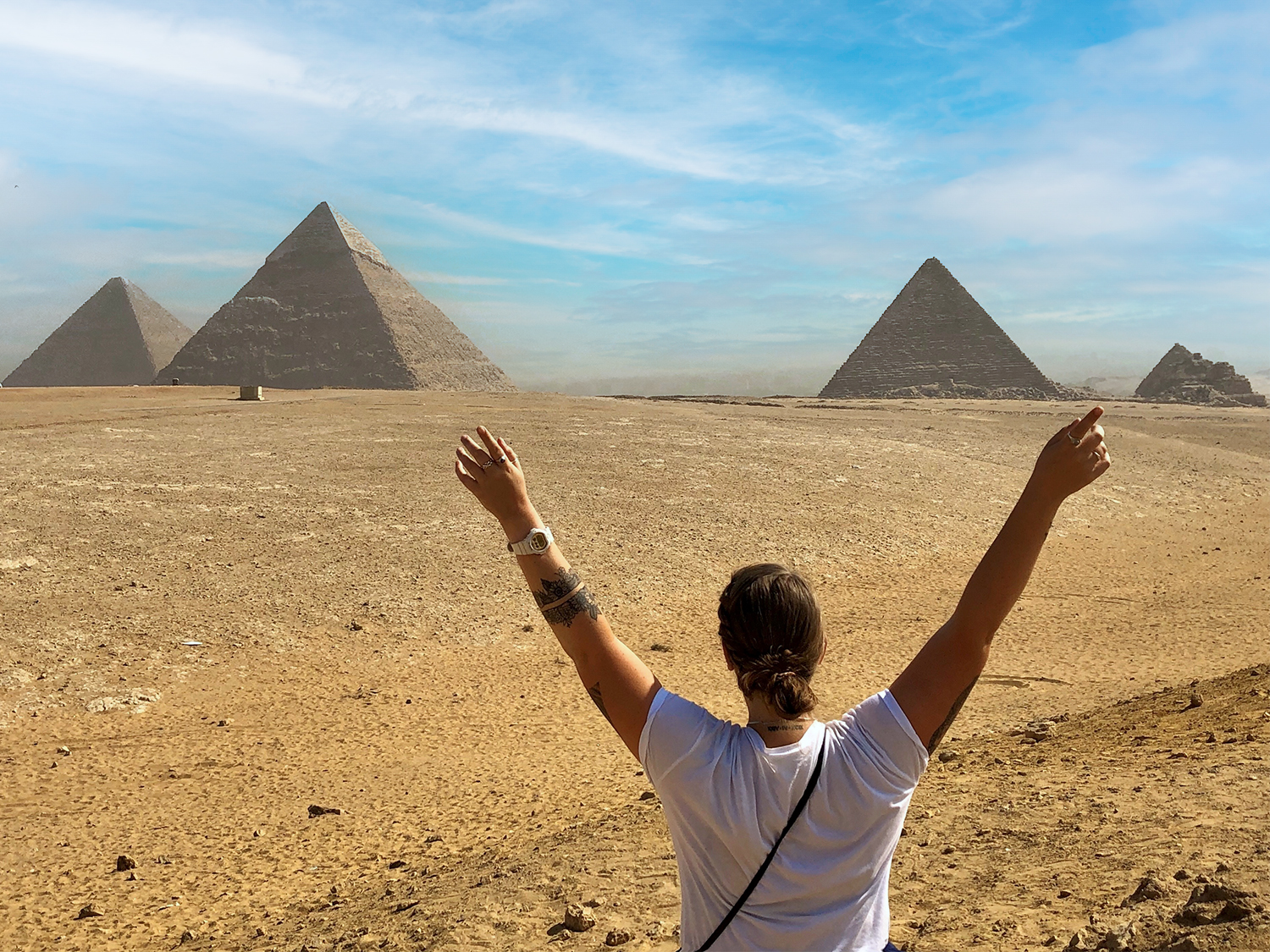
City Explorer: Discover the city and beyond
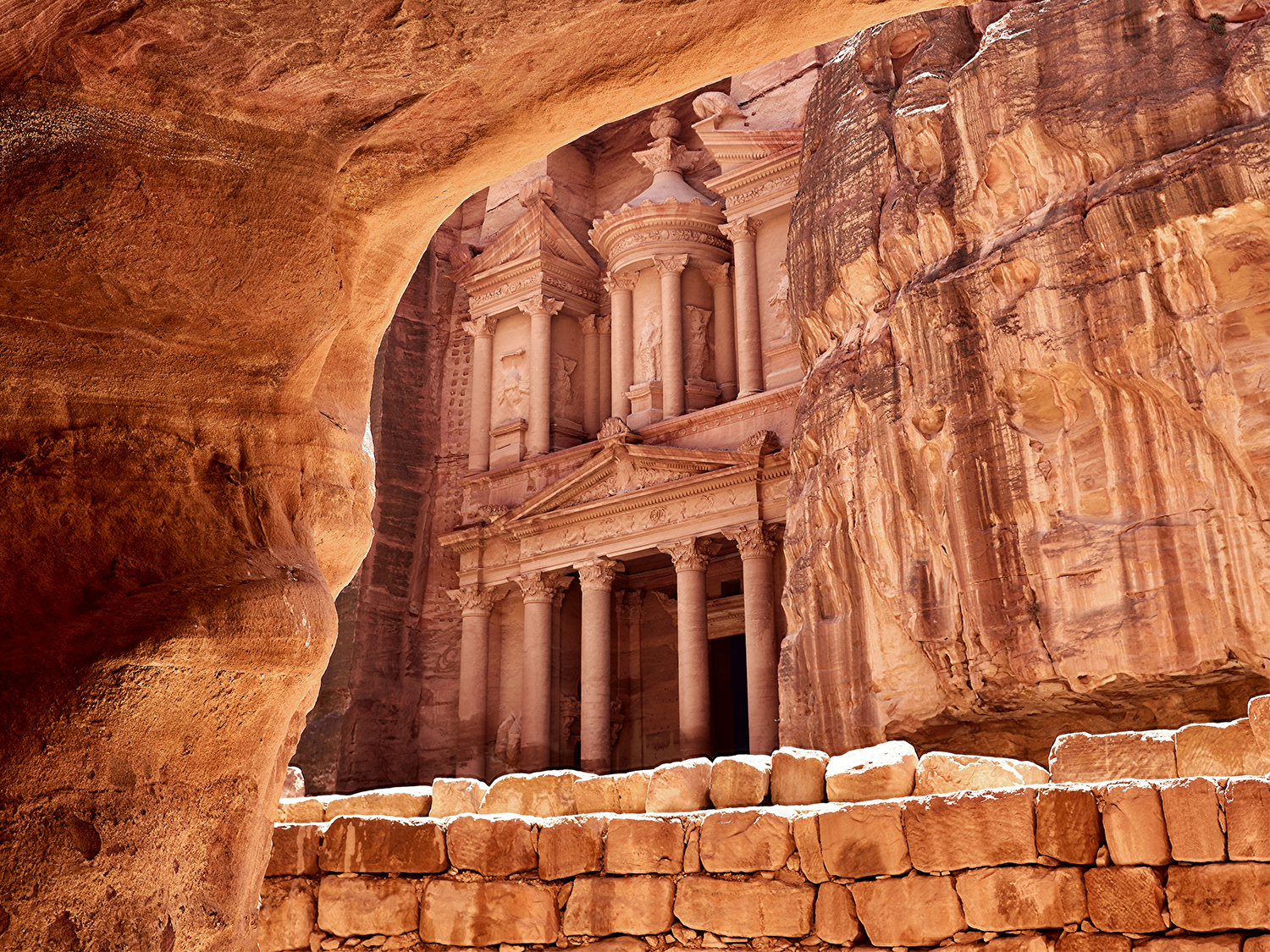
Group Tours: Shared experiences
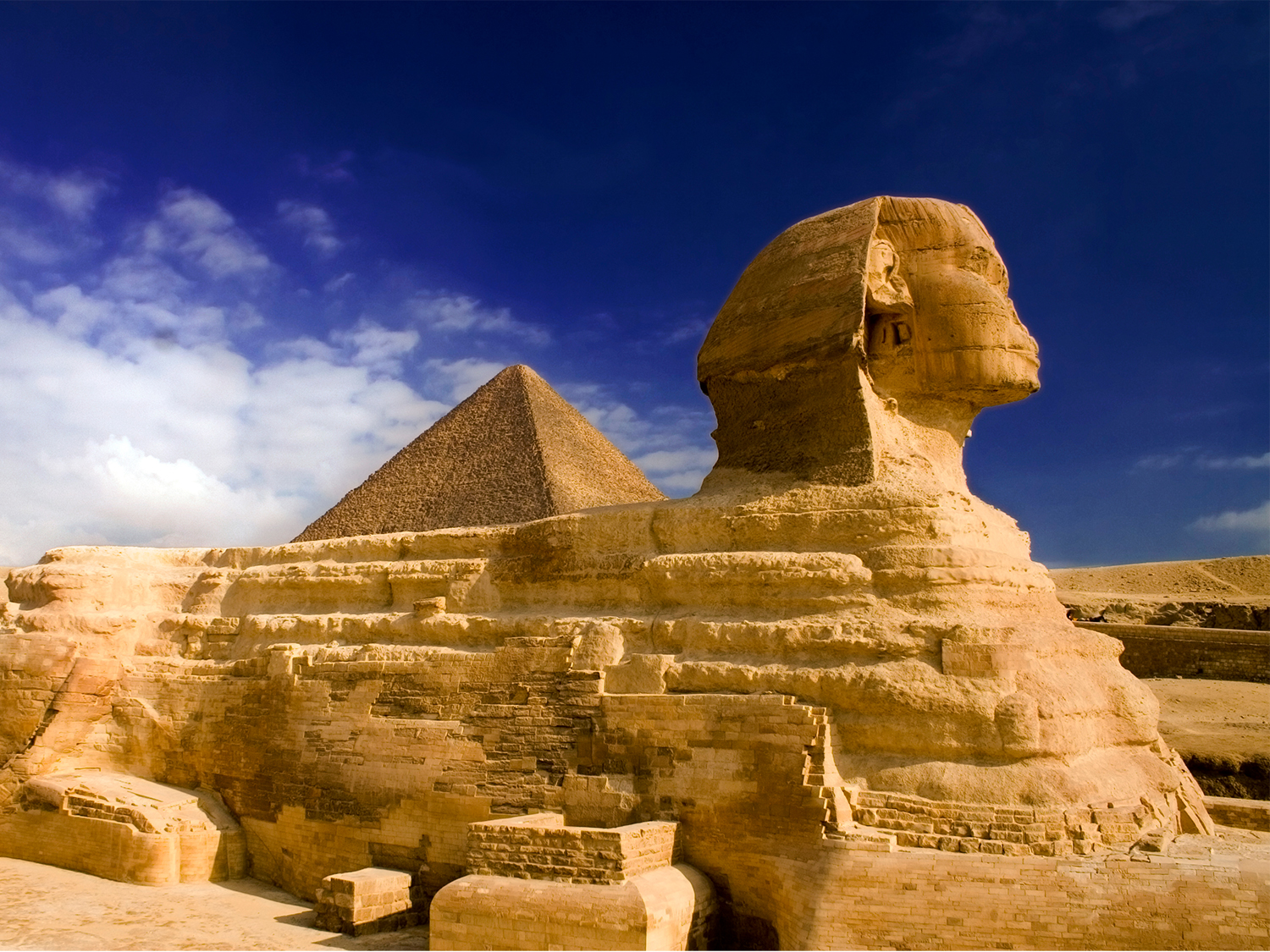
Private Tours: Travel with friends and family

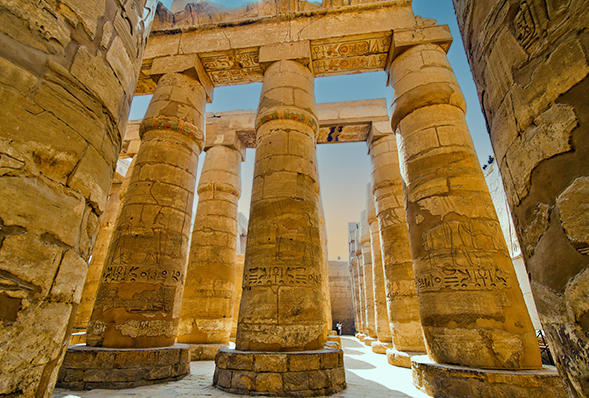
Find your perfect duration
Expertly planned itineraries help you make the most of every day.
What you'll see in Egypt
Iconic monuments, temple cities and desert landscapes across Egypt
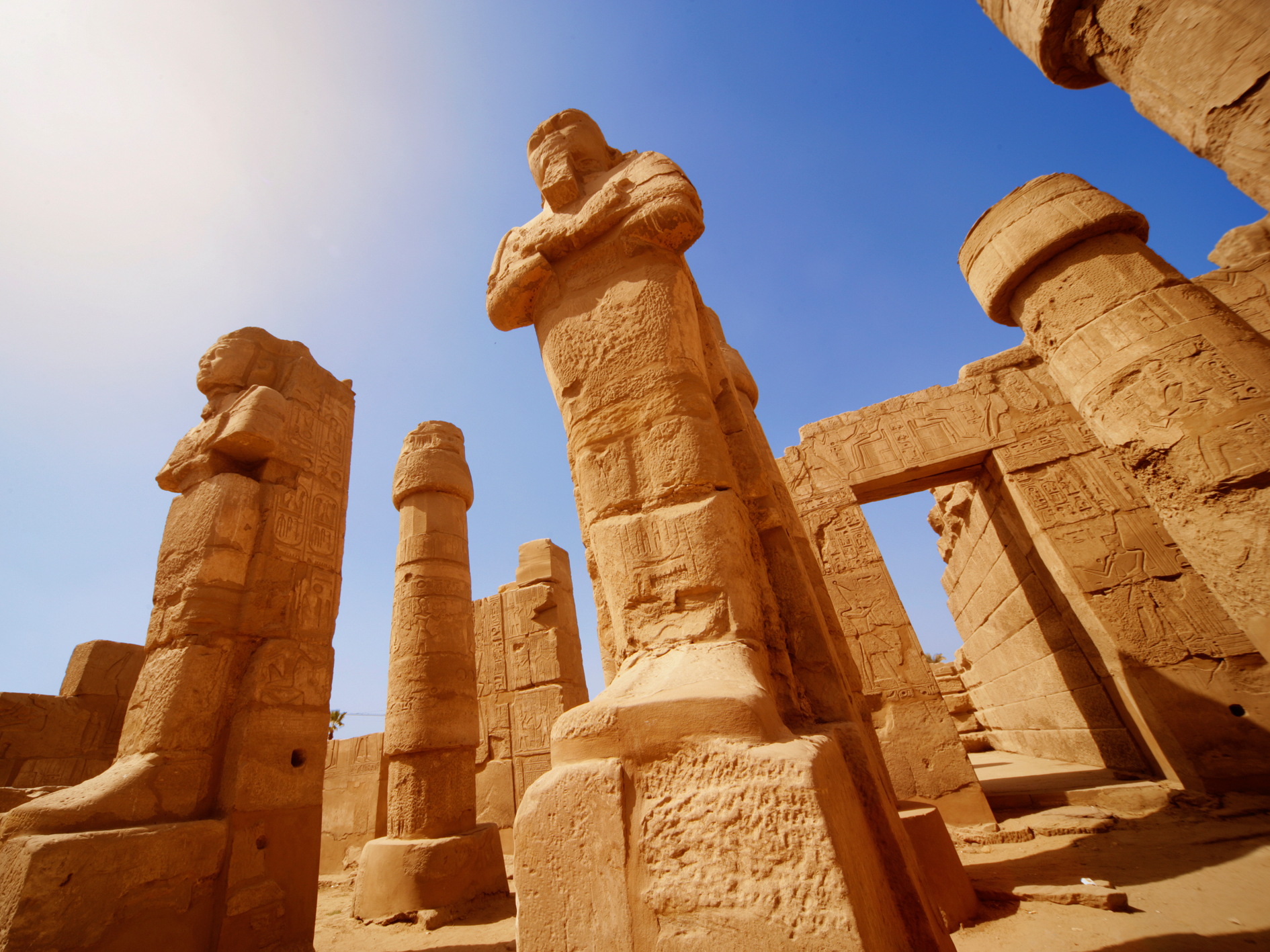
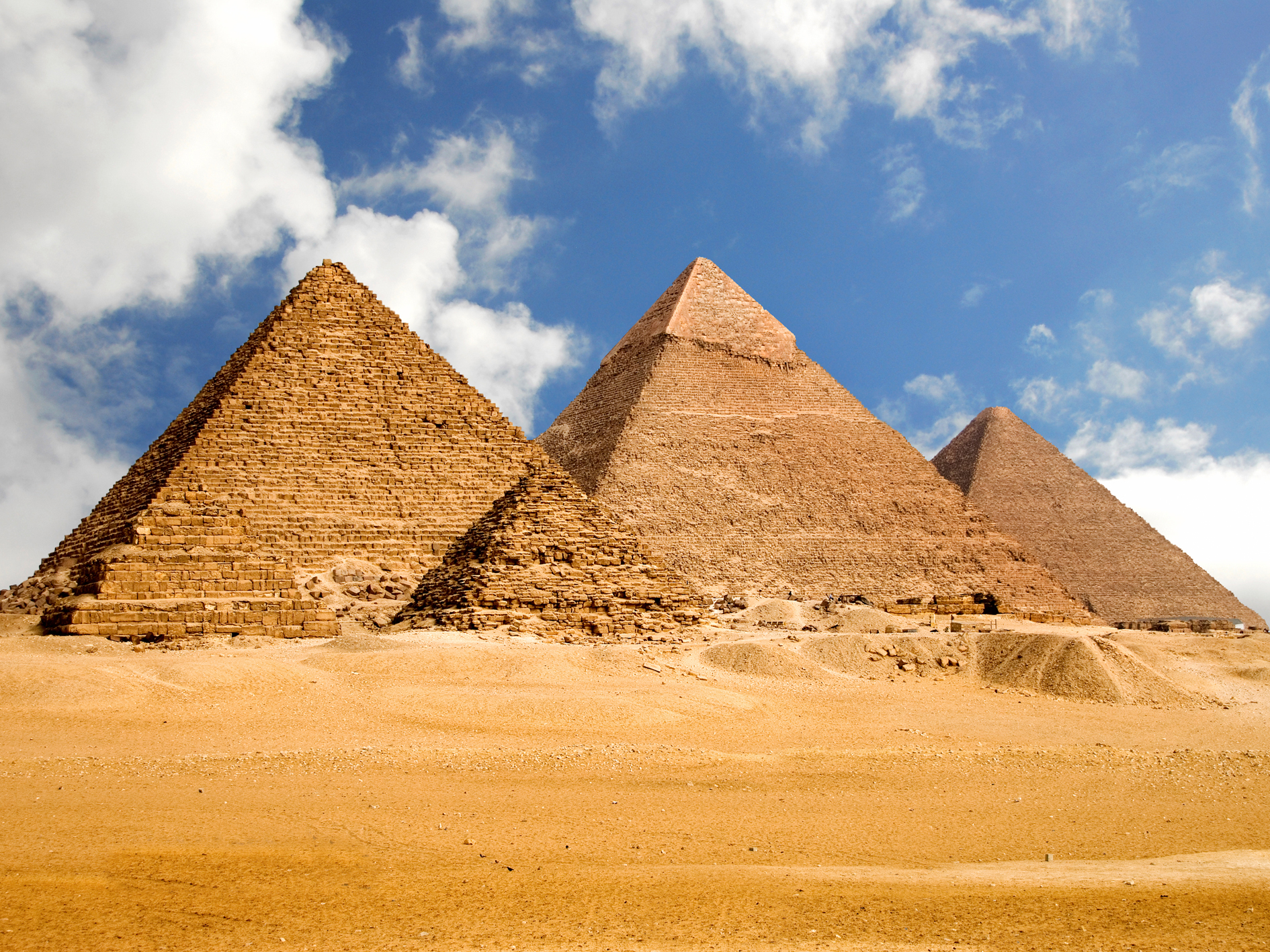
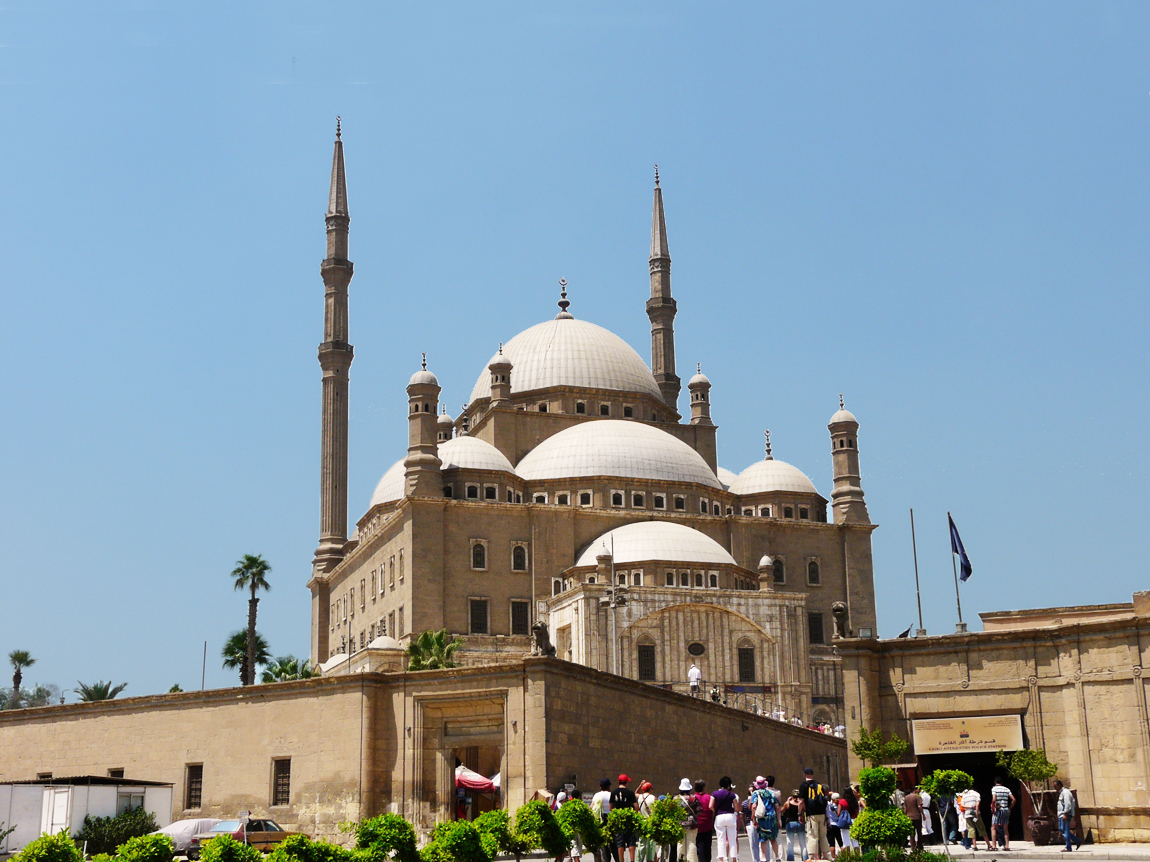
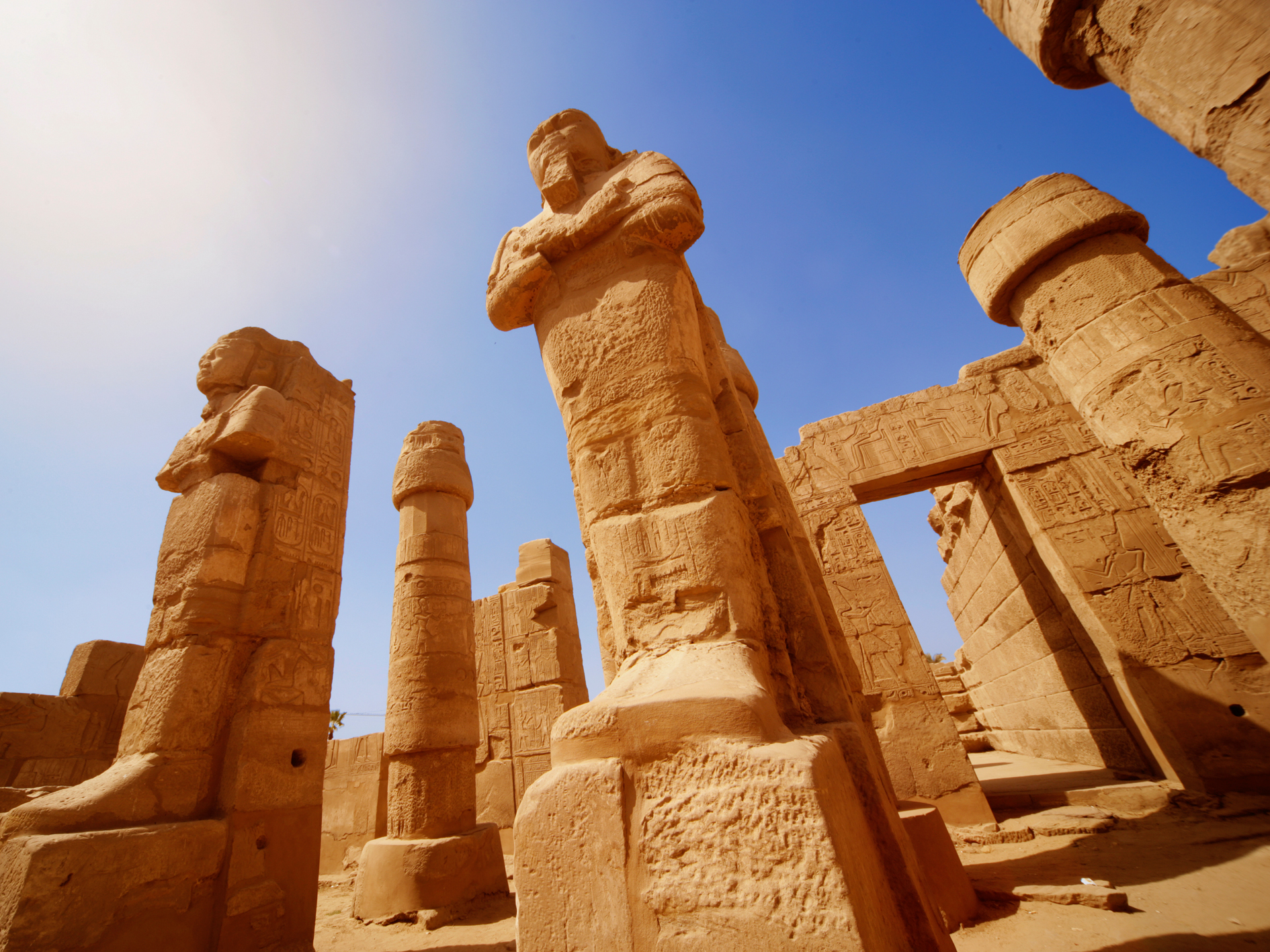
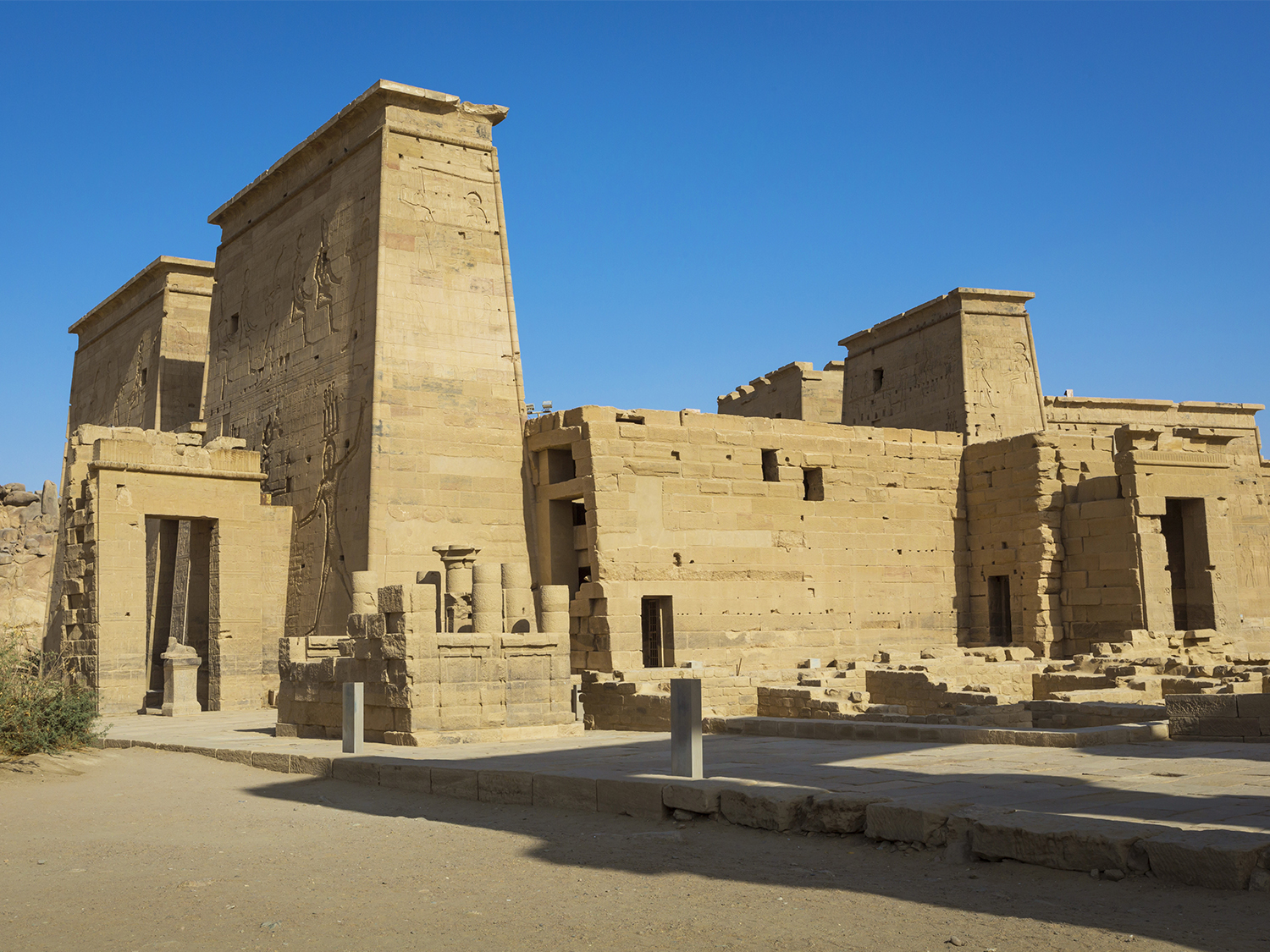
In Egypt, tours often take in Cairo’s headline sights, including the Pyramids of Giza, the Sphinx and the Grand Egyptian Museum, with time to experience the energy of neighbourhoods and bazaars such as Khan el Khalili. Many itineraries continue to Saqqara for its ancient necropolis, then journey south to Luxor for Karnak Temple, Luxor Temple, the Valley of the Kings, the Colossi of Memnon and the Temple of Queen Hatshepsut. In Aswan, visits often feature Philae Temple on Agilika Island, with river scenery and sailing experiences on felucca trips on some routes. Nile cruising adds stops such as Kom Ombo, while extensions can include Abu Simbel and time to unwind in Hurghada by the Red Sea. Desert-focused trips may explore Bahariya Oasis, the Black Desert, Crystal Mountain and the striking formations of the White Desert.
Discover the highlights of Egypt

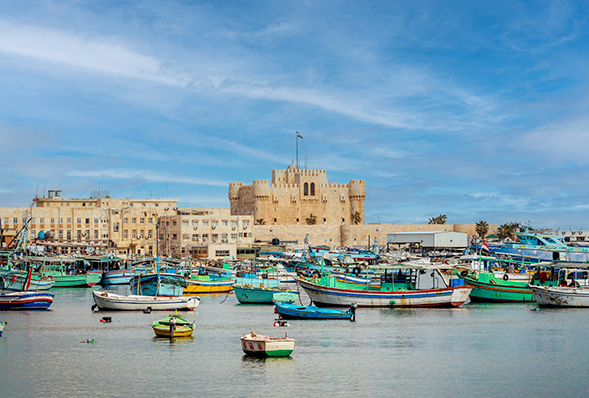
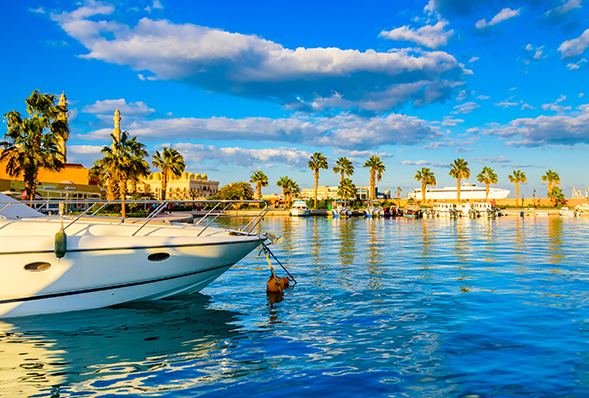
Why visit Egypt
Ancient history, living culture and river journeys that bring Egypt’s stories to life
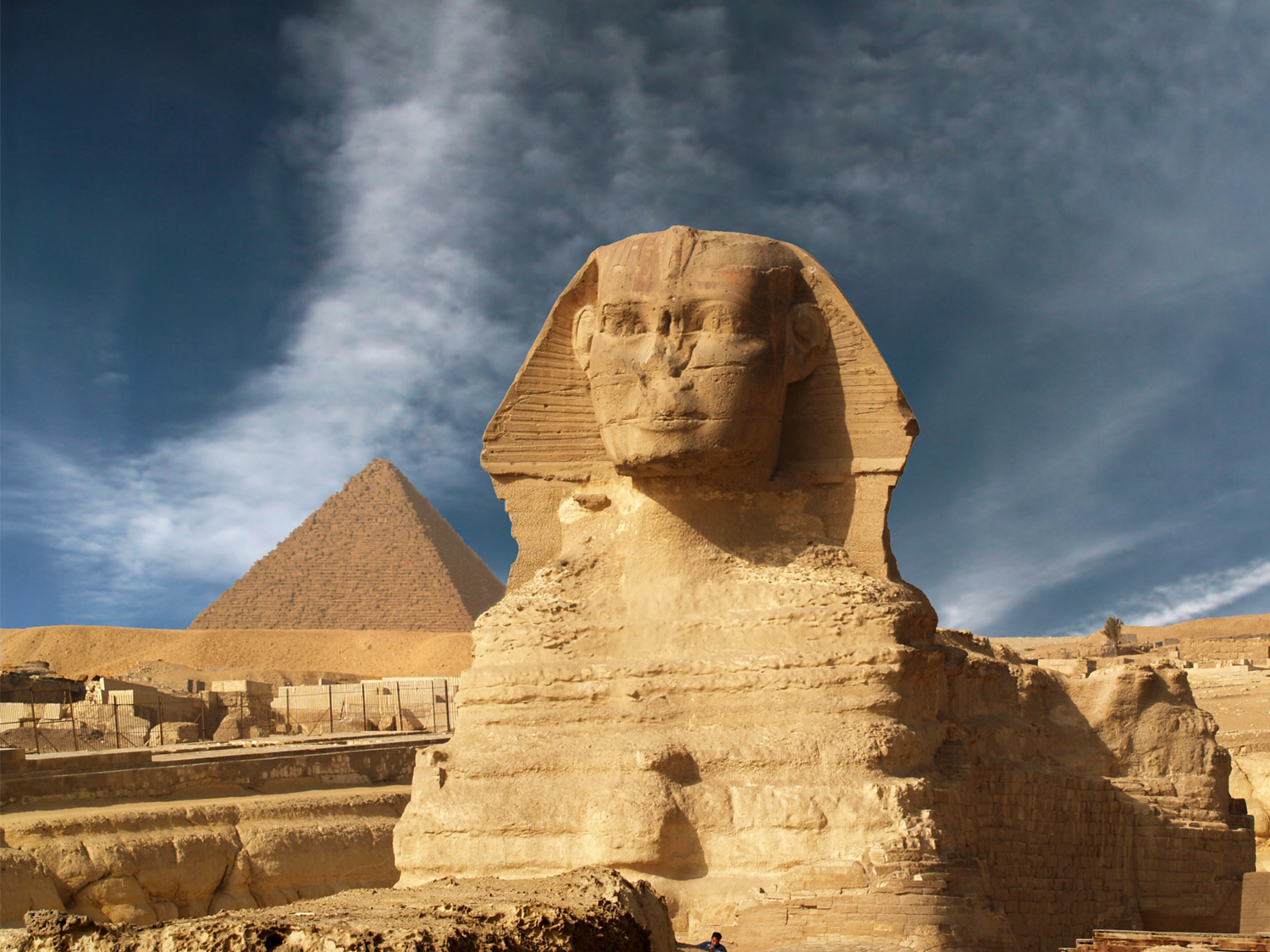
Egypt is one of the world’s great destinations for archaeology, with landmarks that have shaped history for thousands of years. In Cairo, guided tours often focus on the Pyramids of Giza and the Sphinx, alongside collections at the Grand Egyptian Museum and the atmosphere of local markets. Further south, Luxor is known for temple complexes and the Valley of the Kings, where richly decorated tombs reveal the beliefs and power of ancient rulers. Aswan adds a calmer pace, with river views and sites such as Philae Temple on Agilika Island. Nile cruising is a highlight of many Egypt tours, offering a scenic thread through the country’s most celebrated antiquities. For a different contrast, some itineraries include time in Hurghada on the Red Sea, or journeys into desert landscapes, including Bahariya Oasis and the White Desert.
Frequently asked questions
Are Egypt tours fully guided or partially guided?
Egypt tours include both fully guided and partially guided options. Fully guided trips have a dedicated tour leader throughout, while partially guided trips focus on guided sightseeing in key places such as Cairo, Luxor and Aswan, with more independent time between activities.
What are the most common highlights on Egypt tours?
Many Egypt tours feature the Pyramids of Giza and the Sphinx, plus museum time at the Grand Egyptian Museum. Further south, common highlights include Luxor’s Karnak Temple, the Valley of the Kings and Aswan’s Philae Temple, often linked by Nile cruising.
Do Egypt tours include Nile cruising?
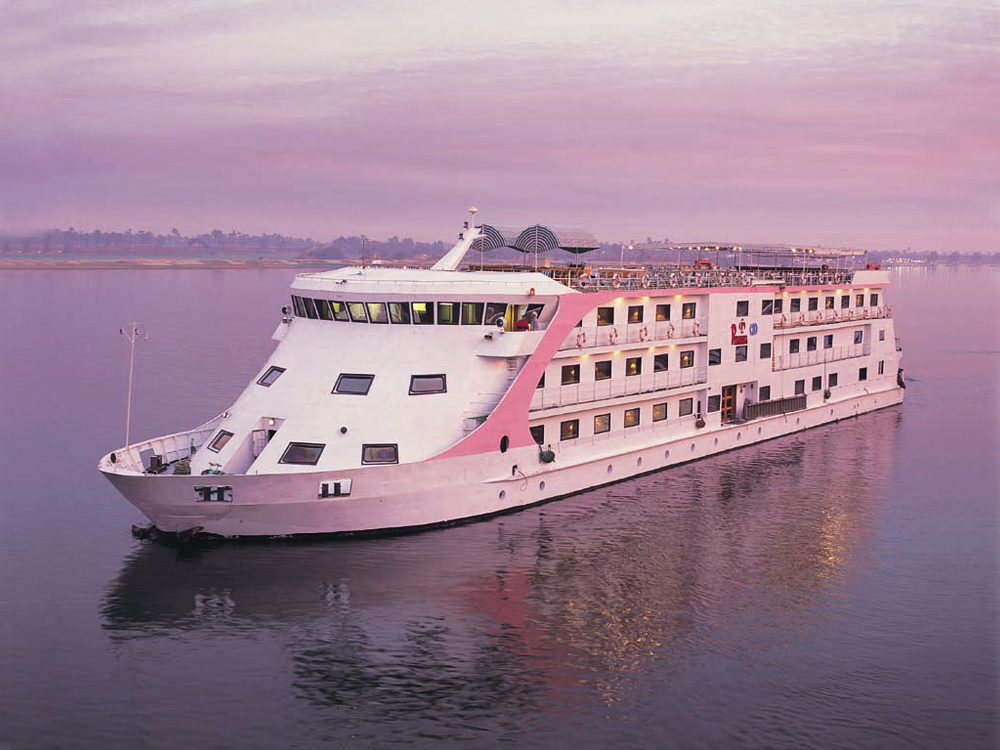
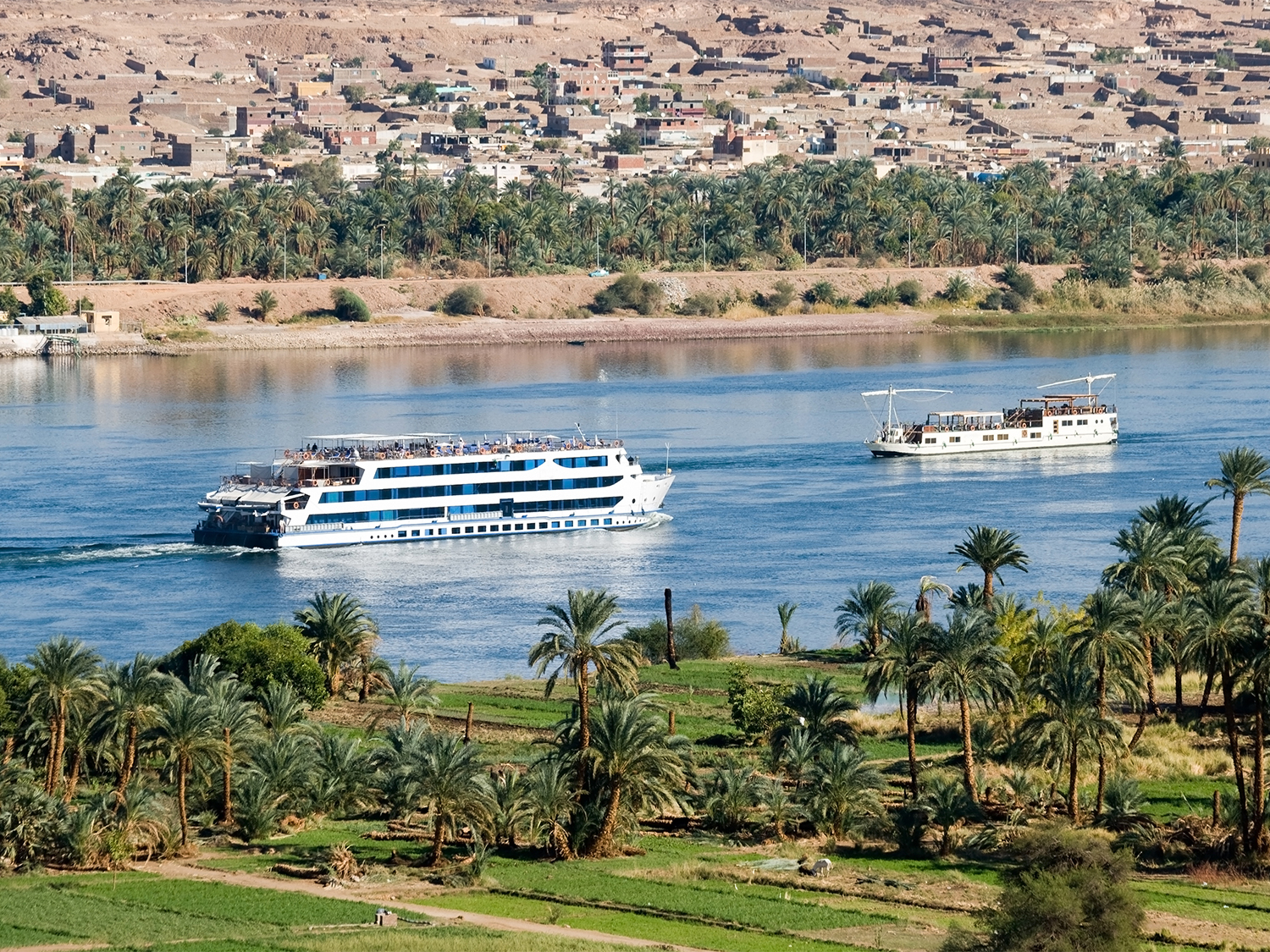
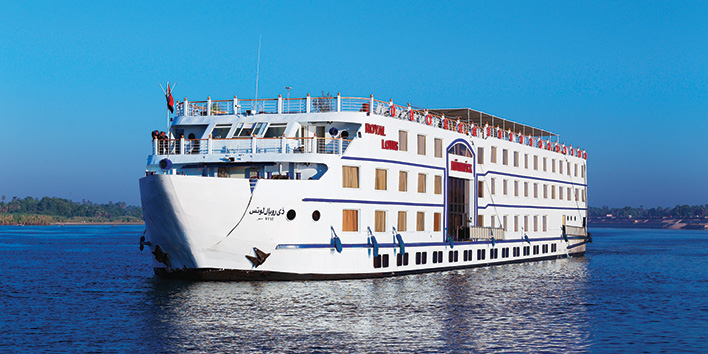
Many itineraries include Nile cruising, usually between Luxor and Aswan, with sightseeing along the river. Trips vary, with some using a 5 star Nile Cruiser and others combining cruising with hotels and overland travel such as overnight trains or internal flights.
What accommodation can be expected on Egypt tours?
Accommodation varies by tour. Options range from 2-5 star hotels, and some itineraries include Nile cruise cabins. Certain trips also feature desert camps or felucca nights (open deck). Global hotel star ratings can vary by country and region.
Are there Egypt tours suitable for families?
Family-friendly Egypt tours are available, including dedicated family itineraries. The minimum age varies by trip, with some tours open from age 5, while others have higher age requirements. Checking the age requirement on the chosen itinerary is recommended.
What is the typical group size on Egypt tours?
Group size depends on the tour style and operator. Across Egypt tours, the maximum group size ranges from 24 to 65. Private tours are also available, which run without a wider group and focus on the reserveed party.
Do Egypt tours include internal flights or overnight trains?
Some Egypt tours include internal flights, for example between Cairo, Luxor and Aswan. Others use overnight sleeper trains, often in private two berth cabins on certain itineraries. Transport choices vary, so inclusions are best checked on the specific tour.
Are meals included on guided tours in Egypt?
Meal arrangements vary by itinerary. Some Egypt tours include breakfast daily, while others also include lunches and dinners, particularly on Nile cruise sections. Desert trips may include additional meals at camps. Specific inclusions differ from one tour to another.
Do Egypt tours include time by the Red Sea?
Some Egypt tours include a Red Sea stay in Hurghada, combining sightseeing with time to relax by the coast. This can be a good way to balance early starts at archaeological sites with downtime at the end of the trip.
Are any Egypt tours combined with other countries?
Yes. Some itineraries are multi-country tours that include Egypt alongside Jordan, Israel, Turkey, Saudi Arabia or Dubai, United Arab Emirates. On these trips, the Egypt portion still focuses on key areas such as Cairo and the Nile Valley, depending on itinerary.
Egypt guides
Start planning your journey to the land of the Pharaohs with our handy travel guide resources.
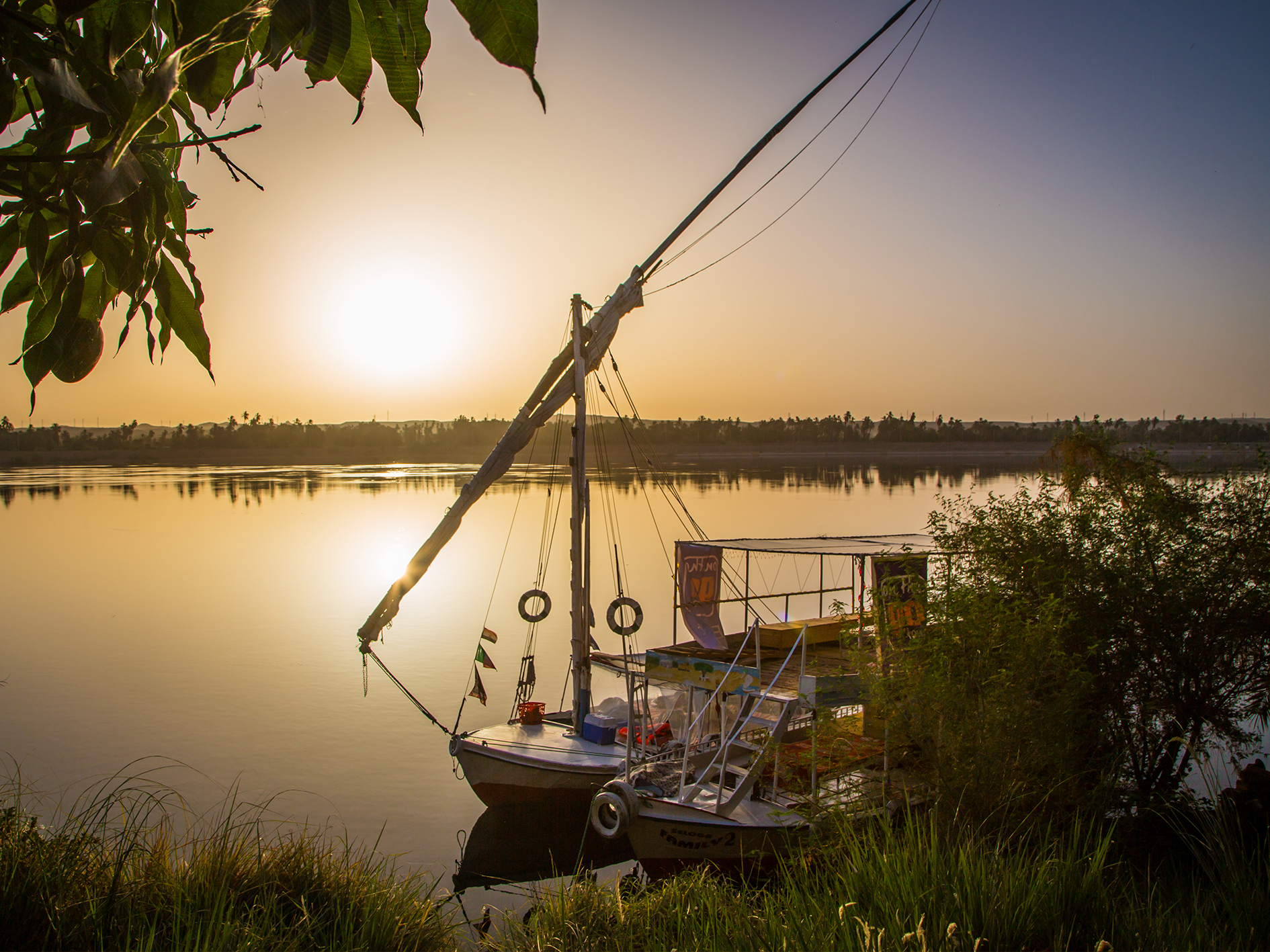


Choose your Egypt experience
Discover the best ways to experience Egypt.

Egypt Group Tours
Travel with like-minded people on a guided itinerary that takes care of the planning while leaving room to explore.
89 trips
Egypt Private Tours
Enjoy the benefits of expert planning and local guides, with a trip designed just for you and your travelling companions.
24 trips

Egypt City Explorer
Stay in one well-chosen base and discover the city and surrounding highlights through guided day trips and free time.
8 trips