

Japan and South Korea
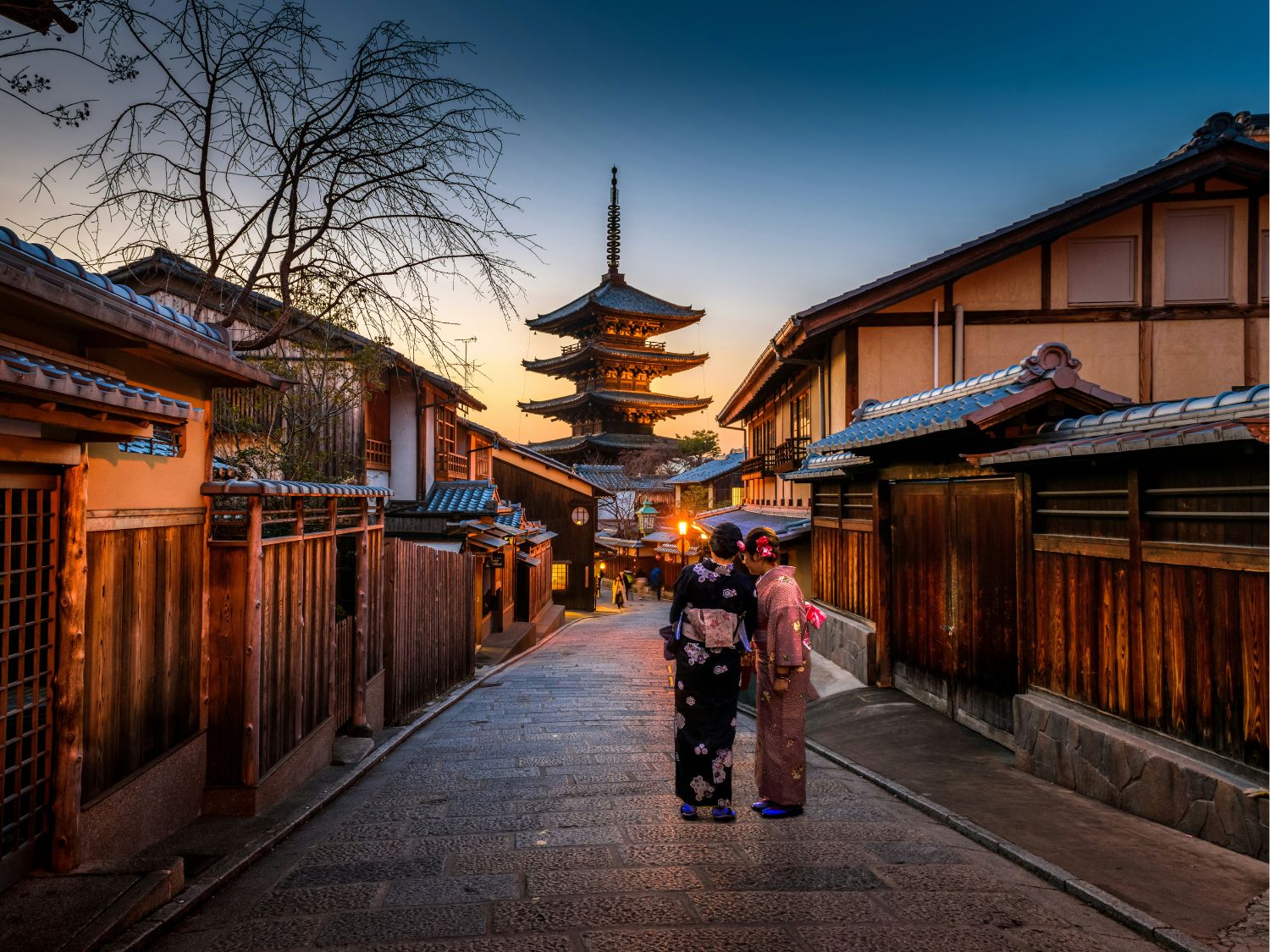
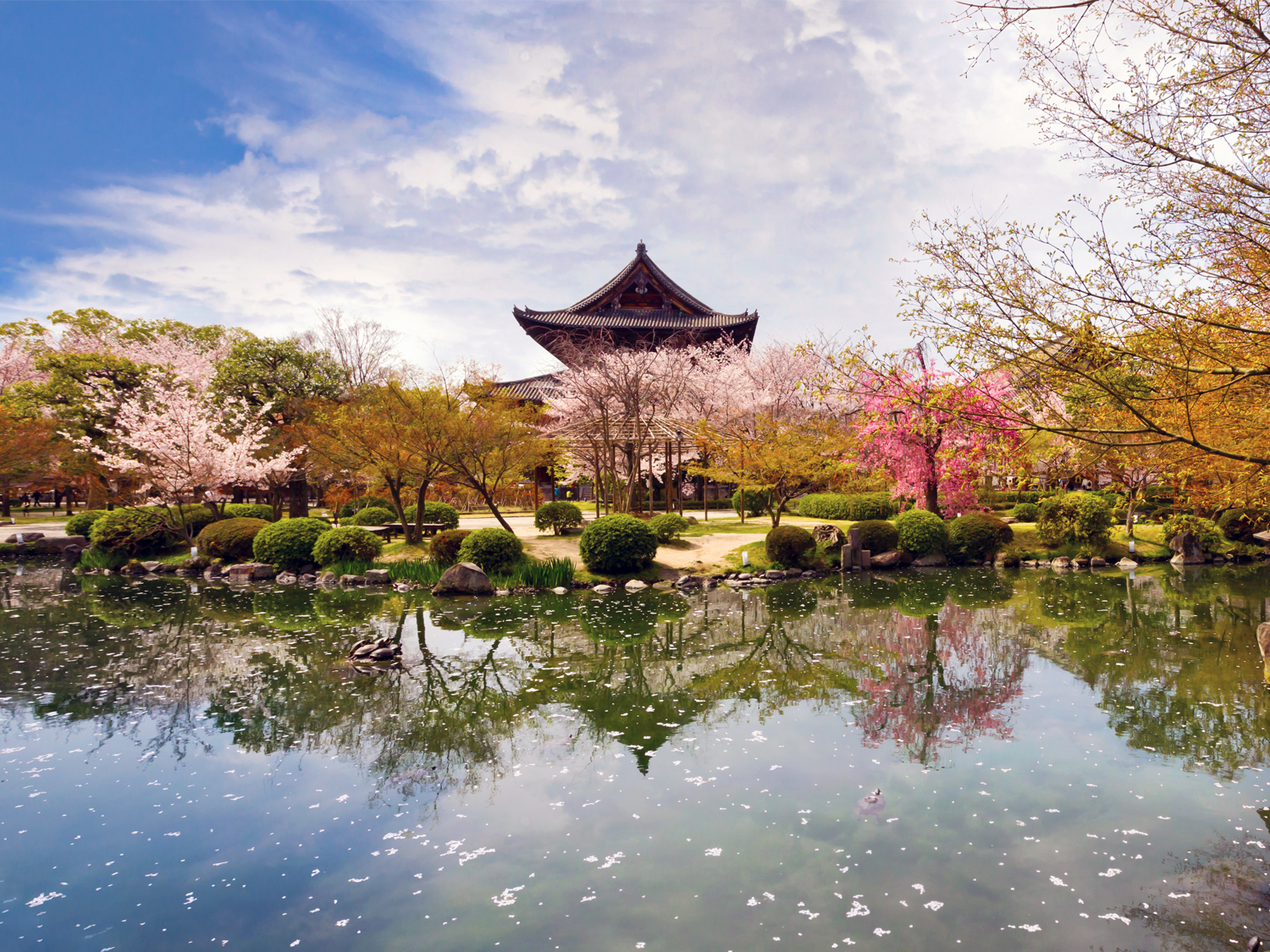
Pair Seoul, Gyeongju and Busan with Tokyo, Kyoto and the temples and bullet trains of Japan.
View toursOn The Go Tours
Our agents are waiting to chat to you...
Are you a Travel Agent or Customer?
Do you have an booking reference?
Black Friday Sale
Save up to 30%
4.39 (49 reviews)
59
Group Tours
8
Private Tours
2
City Explorer
When do you want to go?
2026
I'm flexible
Passengers
Adults (18+)
Children (0 - 17)
69tours
3–26days
USD $1,075pp
Apr, May, Oct
The biggest savings on guided South Korea tours. Grab reduced fares on the latest deals while offers last.
4.39 (49 reviews)
I loved how well everything was organised. Our guide Don was very professional and gracious and answered all our questions.
 Shelley
I really enjoyed dressing up in the local costume and seeing others dressed the same way. It made me feel so much more a part of the experience. I will never forget that day. I also think that the best tours were chosen for the short trip which made it very worthwhile. I found nothing that I did not enjoy. I even made it to the end of the tunnel, which I was originally unsure of doing.
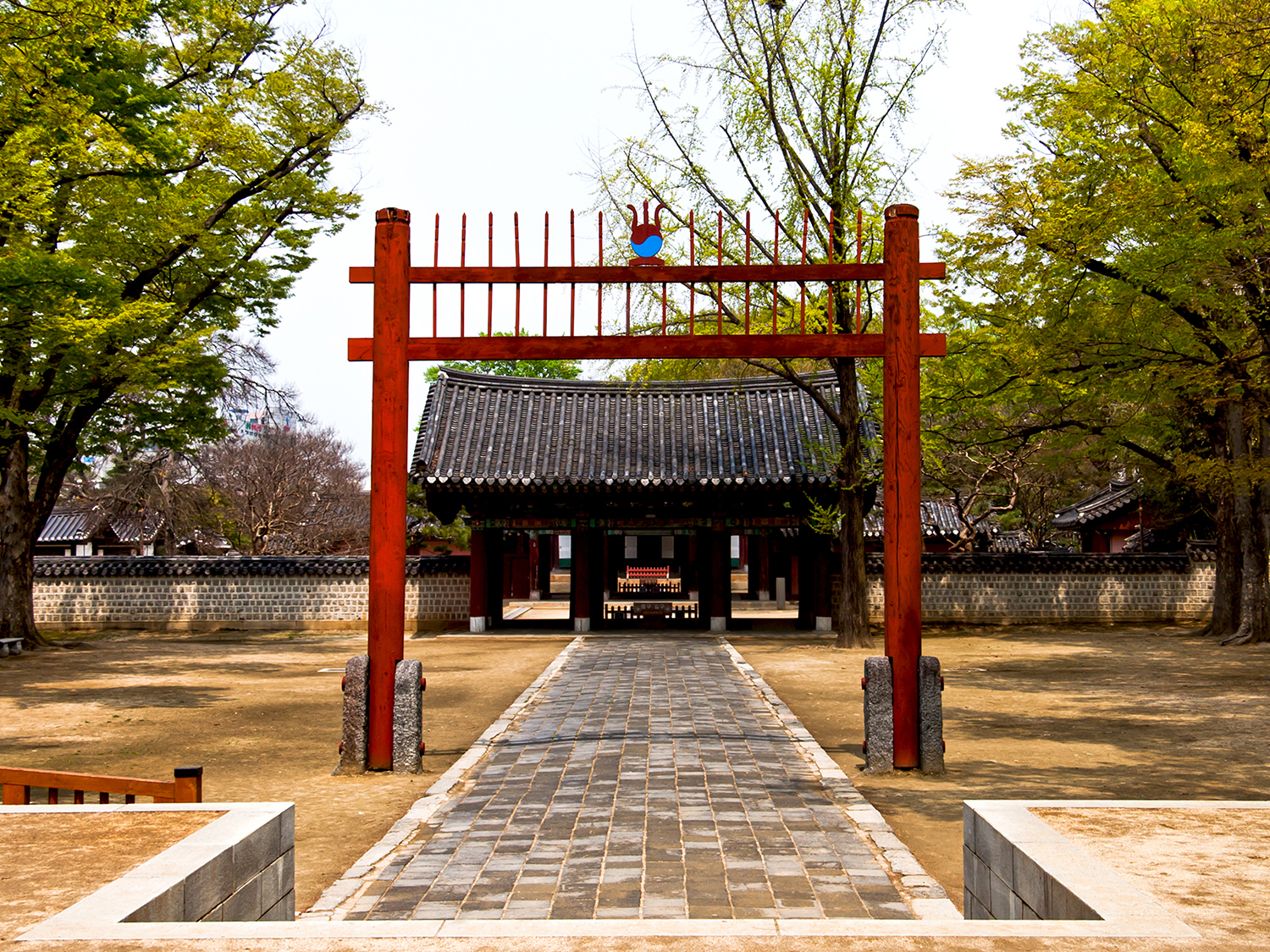
South Korea is easy to get around, but much of what makes it rewarding takes local knowledge to reach. Visits to the DMZ run only through approved operators, with passport checks and strict rules on where you can go, and a tour arranges all of it. Linking Seoul with Gyeongju, Busan and the hanok villages means juggling bullet trains, regional buses and a flight to Jeju, which are already reserveed and timed on tour. The history needs a guide too. Joseon palaces, Silla royal tombs and centuries-old Buddhist temples sit alongside the story of a divided peninsula, and a guide connects them. Some itineraries add a temple stay or a night in a traditional hanok, experiences that are hard to arrange independently.
Plan your perfect trip to South Korea
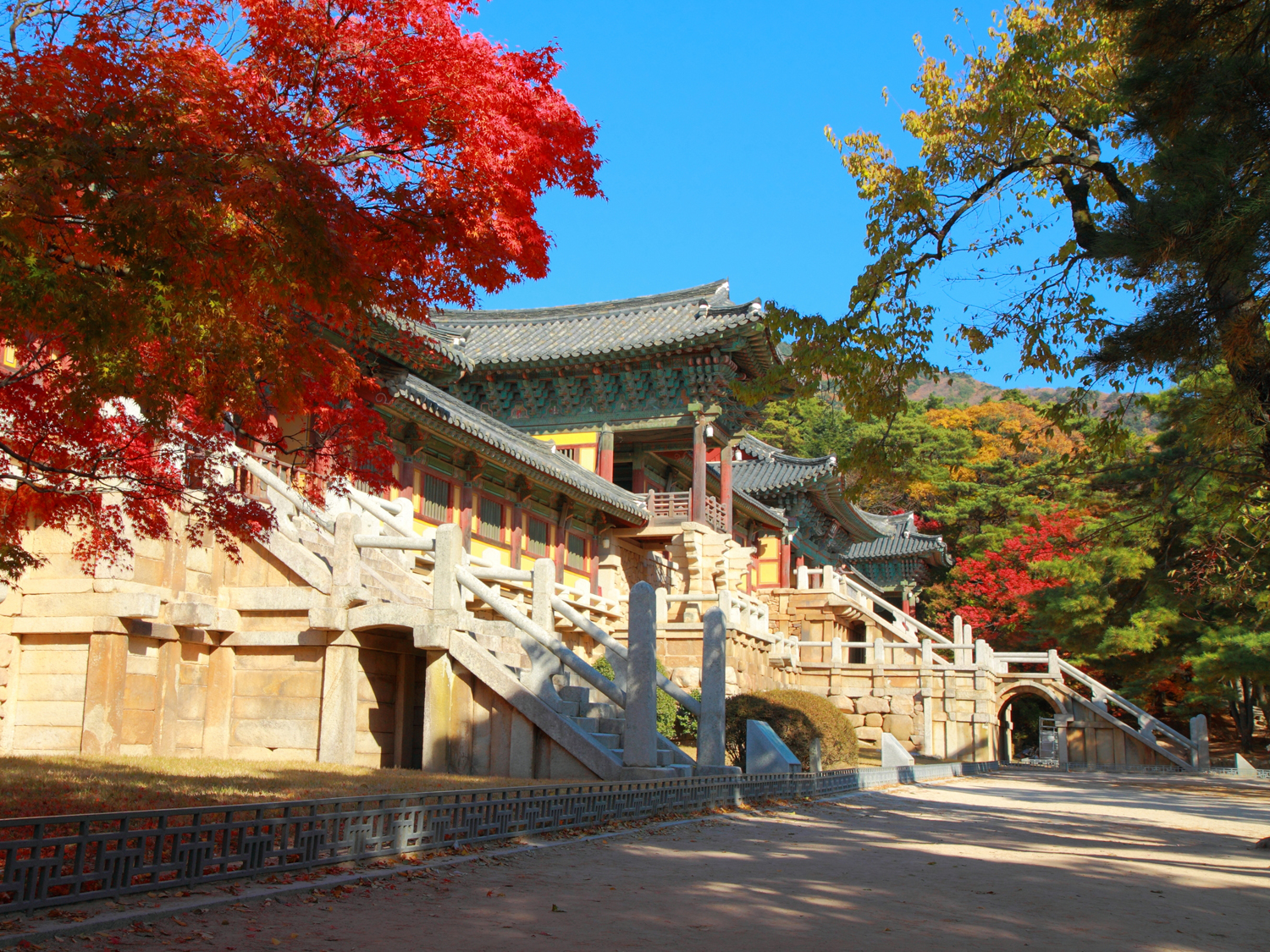
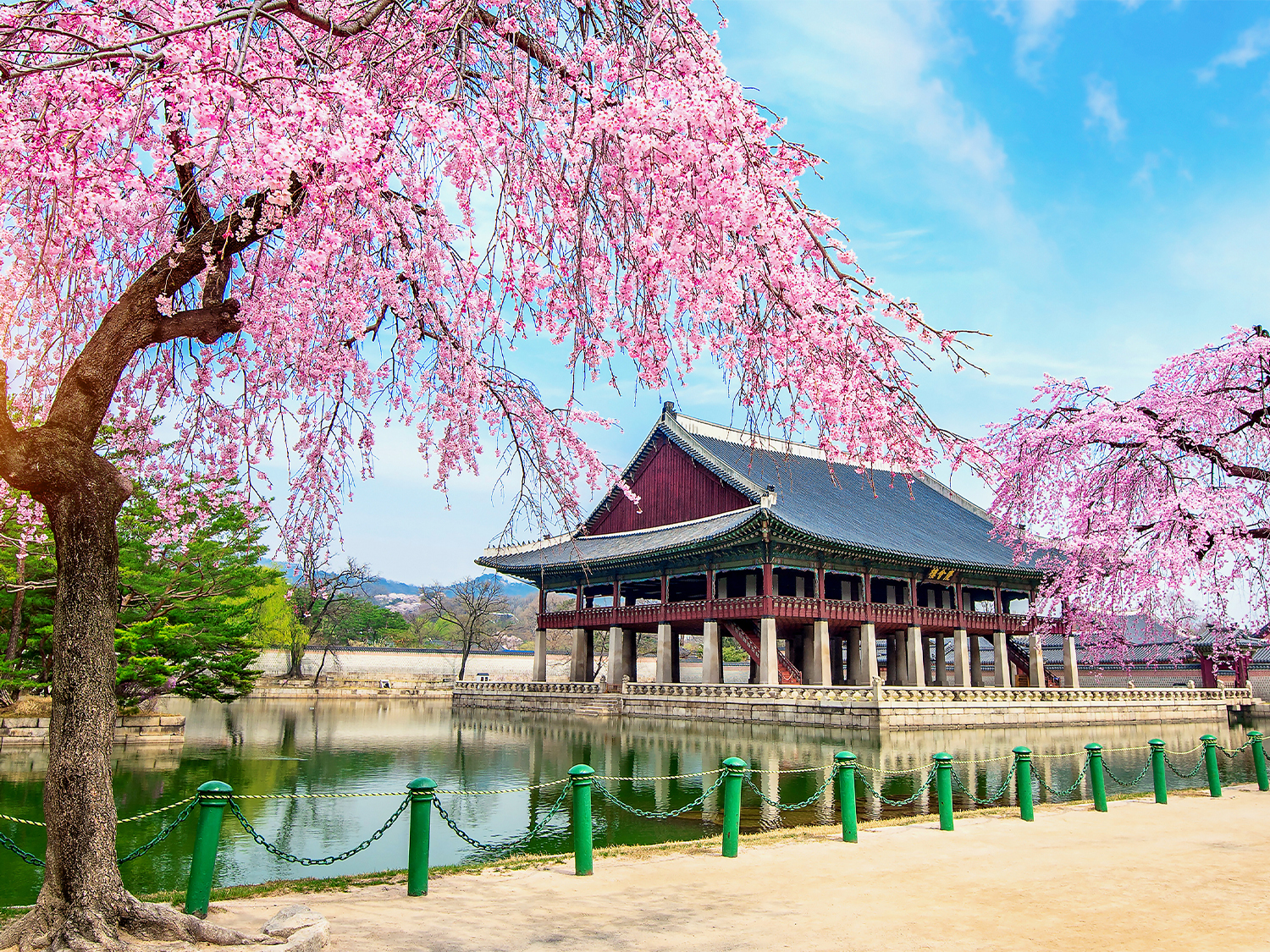
Cherry blossom in April and bright autumn color in October make spring and autumn the standout seasons, with mild, clear days for sightseeing. Summer is hot and humid, and the monsoon brings heavy rain from late June into July. Winter is cold and dry, with freezing temperatures in Seoul and the north but very few crowds.
Temperature figures are day-and-night averages for Seoul, so afternoons feel several degrees warmer. Busan and Jeju in the south run milder, especially in winter, while the mountains in the northeast are colder.
A few practical tips to help you travel smart and make the most of your time in South Korea.
South Korean won (KRW)
Korean
Seoul
Type C / F
Two round pins, 220VSouth Korea uses the won. Cards are accepted almost everywhere, even for small purchases, and a rechargeable transport card makes public transport easy in the cities. Carry a little cash for market stalls and street food. Tipping is not customary.
Shoes that slip on and off easily, as you will remove them at temples, in hanok stays and at some restaurants with floor seating. Pack light, breathable clothing and rain gear in summer, layers in spring and autumn, and a proper warm coat in winter, when Seoul drops below freezing.
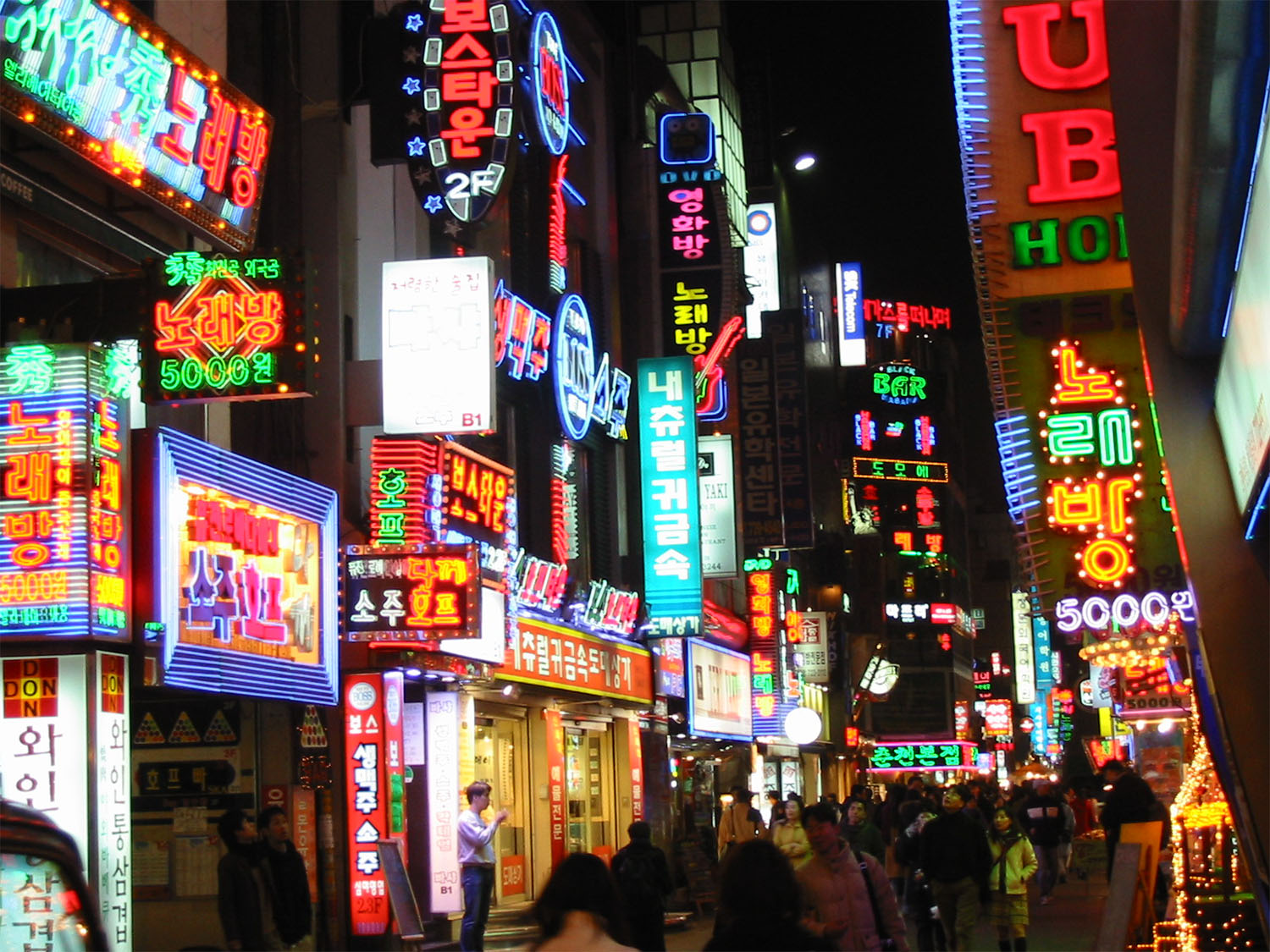
Try Korean barbecue grilled at the table, bibimbap in Jeonju, where it is a local speciality, and fresh seafood at the markets in Busan. Kimchi and a spread of small side dishes come with almost every meal, and street food like tteokbokki and hotteok is everywhere. Tap water is treated and safe, though many people prefer filtered water.
South Korea is a very safe country for visitors, with low levels of street crime even in the big cities. On DMZ visits, carry your passport and follow your guide's instructions closely, as rules on photography and access are strict. Take care with traffic and the occasional scooter on pavements.
Most small group tours are, including Best of South Korea (10 days), Essential South Korea and Jeju (12 days) and South Korean Express (seven days), with a guide throughout. The larger bus tours, such as Korea's Cultural Odyssey Seoul to Busan (six days), are partially guided, with guided sightseeing at the main stops plus free time. Private tours are partially guided too.
Accommodation, transport between stops and the guided sightseeing on the itinerary are organized for you, and many tours include bullet train journeys or the flight to Jeju. Meals, entrance fees and optional experiences vary from tour to tour. Each itinerary lists exactly what is included, so it is worth checking before you compare trips.
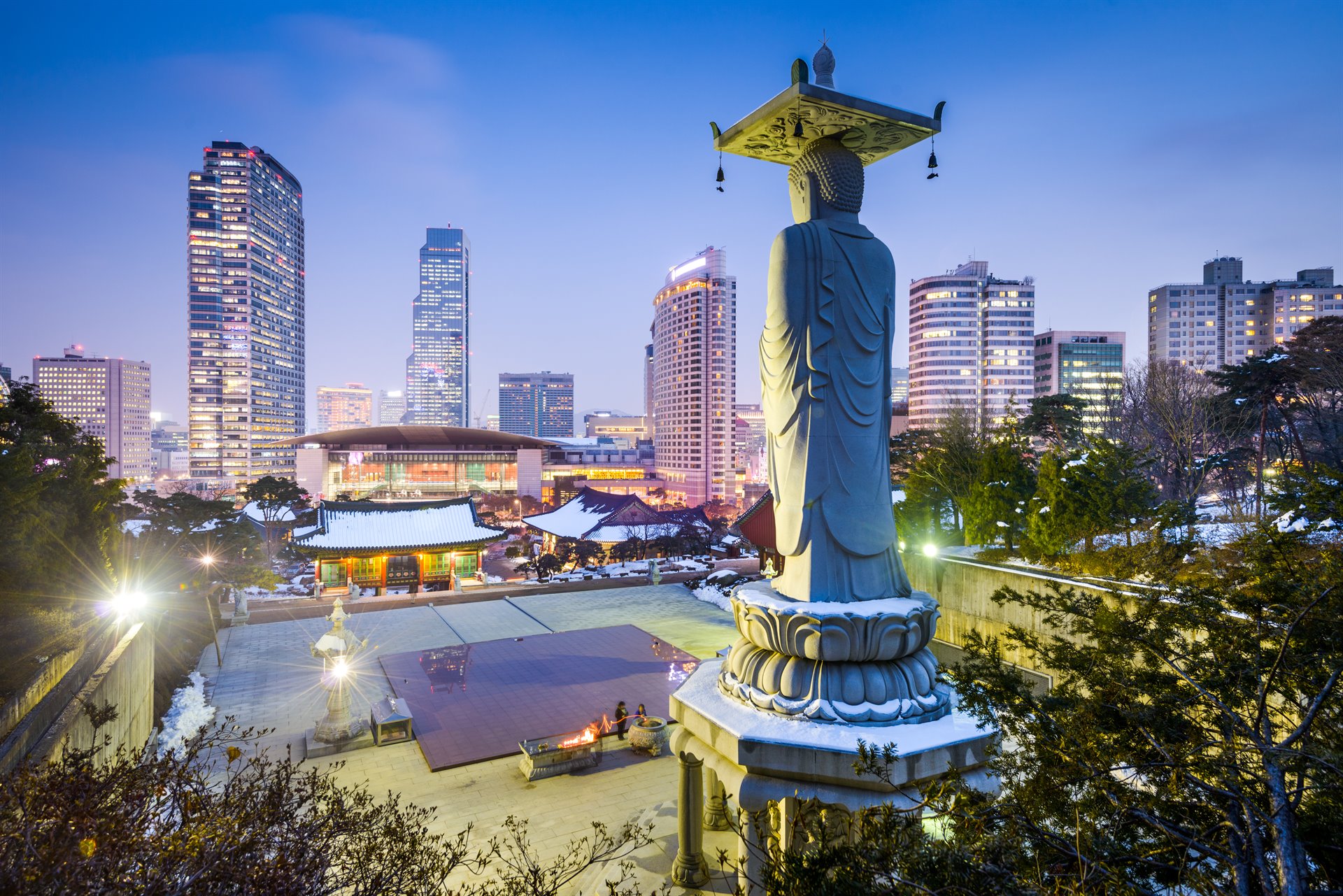
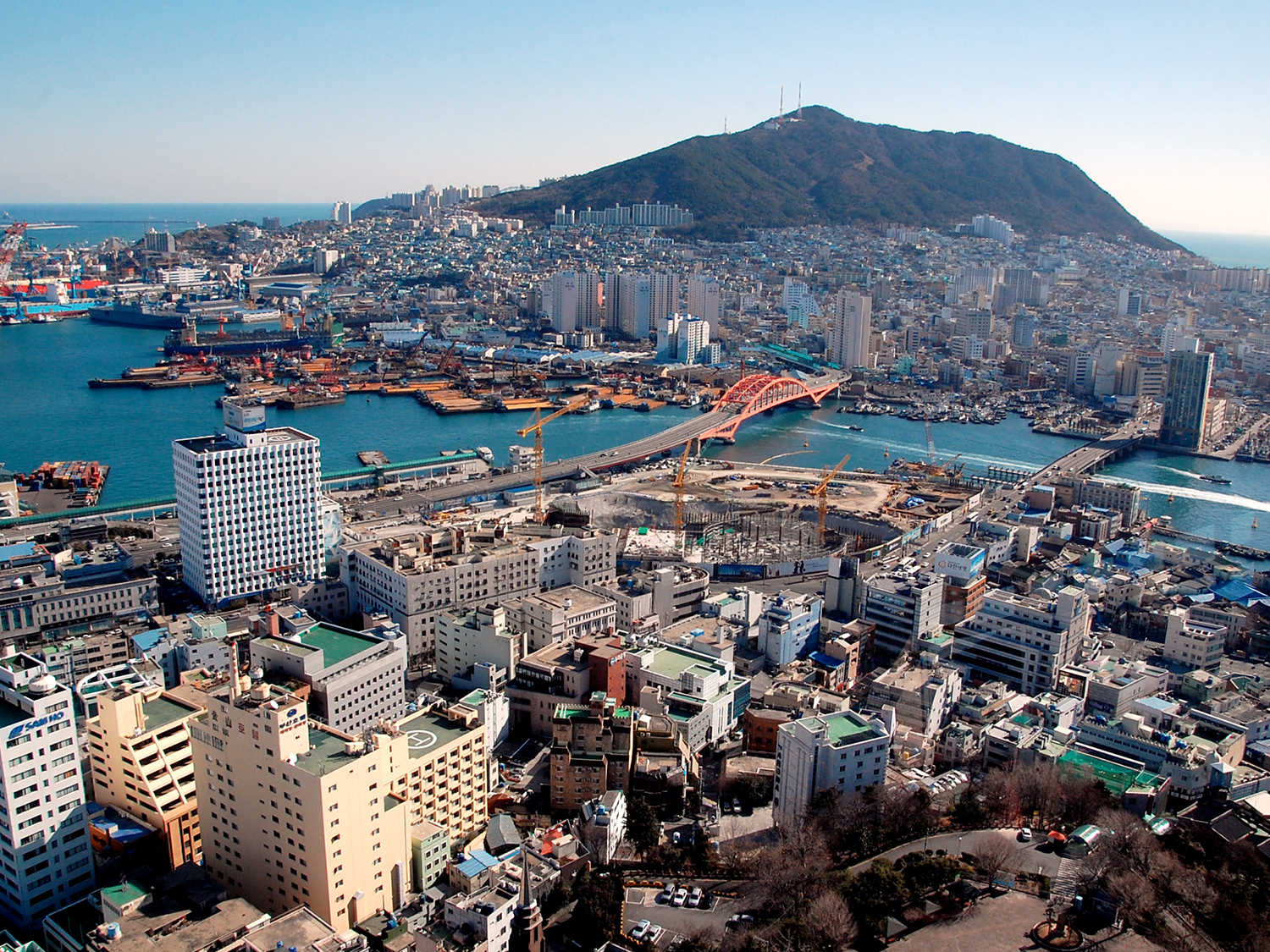
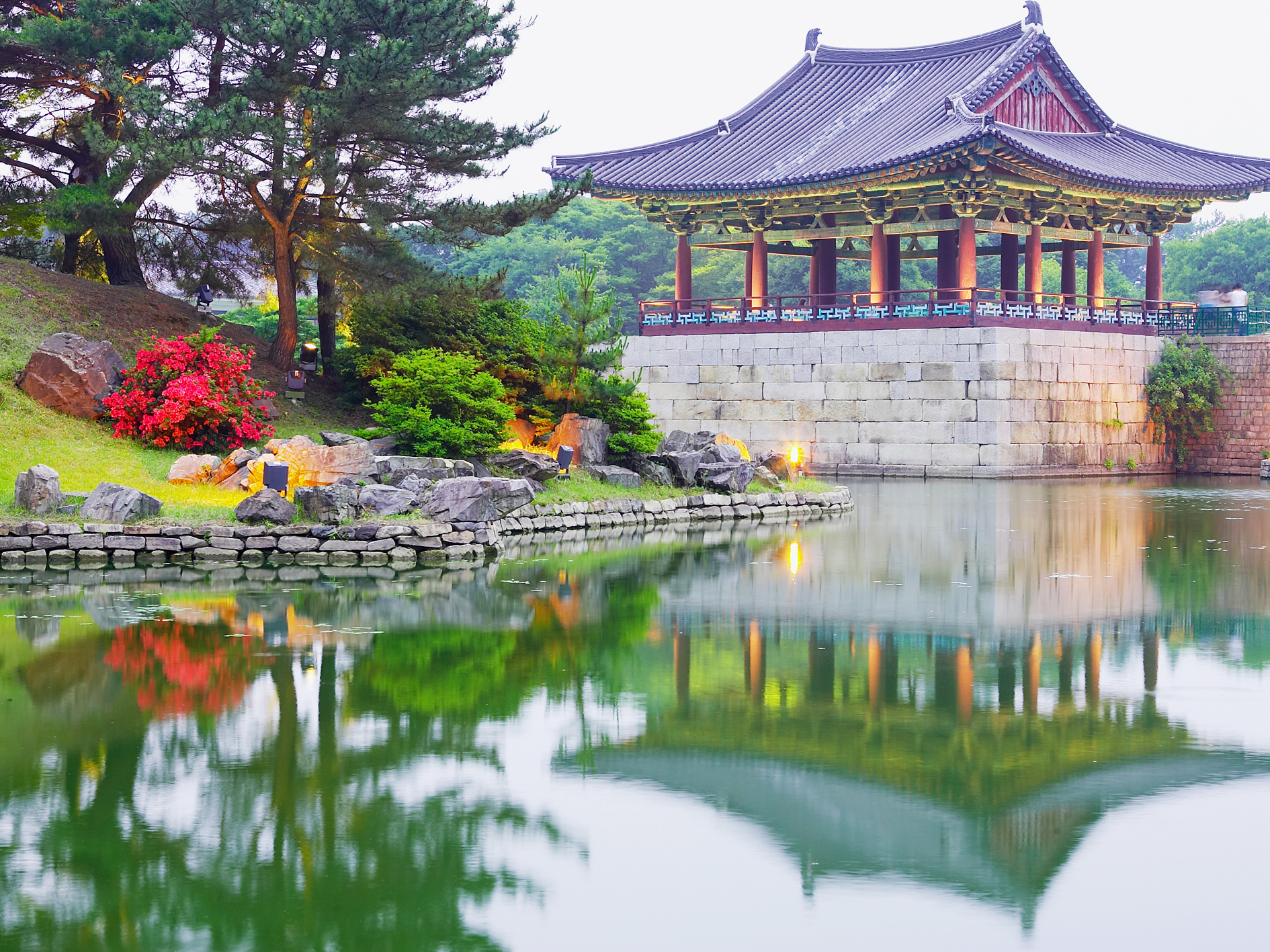
Most tours begin in Seoul with Gyeongbokgung Palace, Bukchon Hanok Village and a visit to the DMZ. Routes south take in Suwon, Andong, Jeonju and Gyeongju, the former Silla capital, before reaching Busan. Several tours also fly to the volcanic island of Jeju, and some include Nami Island or a temple stay.
Yes, most South Korea tours include a visit to the Demilitarised Zone on the border with North Korea, and Seoul In Depth & DMZ (six days) gives it extra time. Visits run with approved operators, so you will need to carry your passport on the day, and access to some areas can change at short notice for security reasons.
Yes. Private tours run on set departure dates, the same as group tours, but the trip is exclusive to your own party. Heart of Seoul city getaway (five days) suits a short stay, Seoul & Silla Kingdoms (six days) adds Gyeongju, Seoul Searching & Jeju (nine days) adds the island, and Spectacular South Korea (12 days) covers the whole country, with several available in 4-star or 5-star versions.
Yes. South Korea & Japan Discovery (14 days) and Seoul to Kyoto Adventure (22 days) link the two countries on small group tours, and Seoul to Tokyo Cultural Adventure (10 days) does so by bus. For China, Cultural Odyssey Korea to China Highlights (16 days) and Journey through Korea and China's Wonders (18 days) continue from Seoul into China.
Three to five days covers Seoul or a quick run to Busan, as on Seoul to Busan Express (three days) or Essential Seoul Adventure (four days). Seven to 10 days allows the classic route from Seoul through Gyeongju to Busan, as on Best of South Korea (10 days). With 12 days or more you can add Jeju, as on Essential South Korea and Jeju (12 days).
April, May and October are the best months, with mild weather, spring blossom and vivid autumn color. Summer is hot and humid, and the monsoon brings heavy rain from late June into July. Winter is cold and dry, with temperatures well below freezing in Seoul, though the cities and sights stay open.
Pair Seoul, Gyeongju and Busan with Tokyo, Kyoto and the temples and bullet trains of Japan.
View tours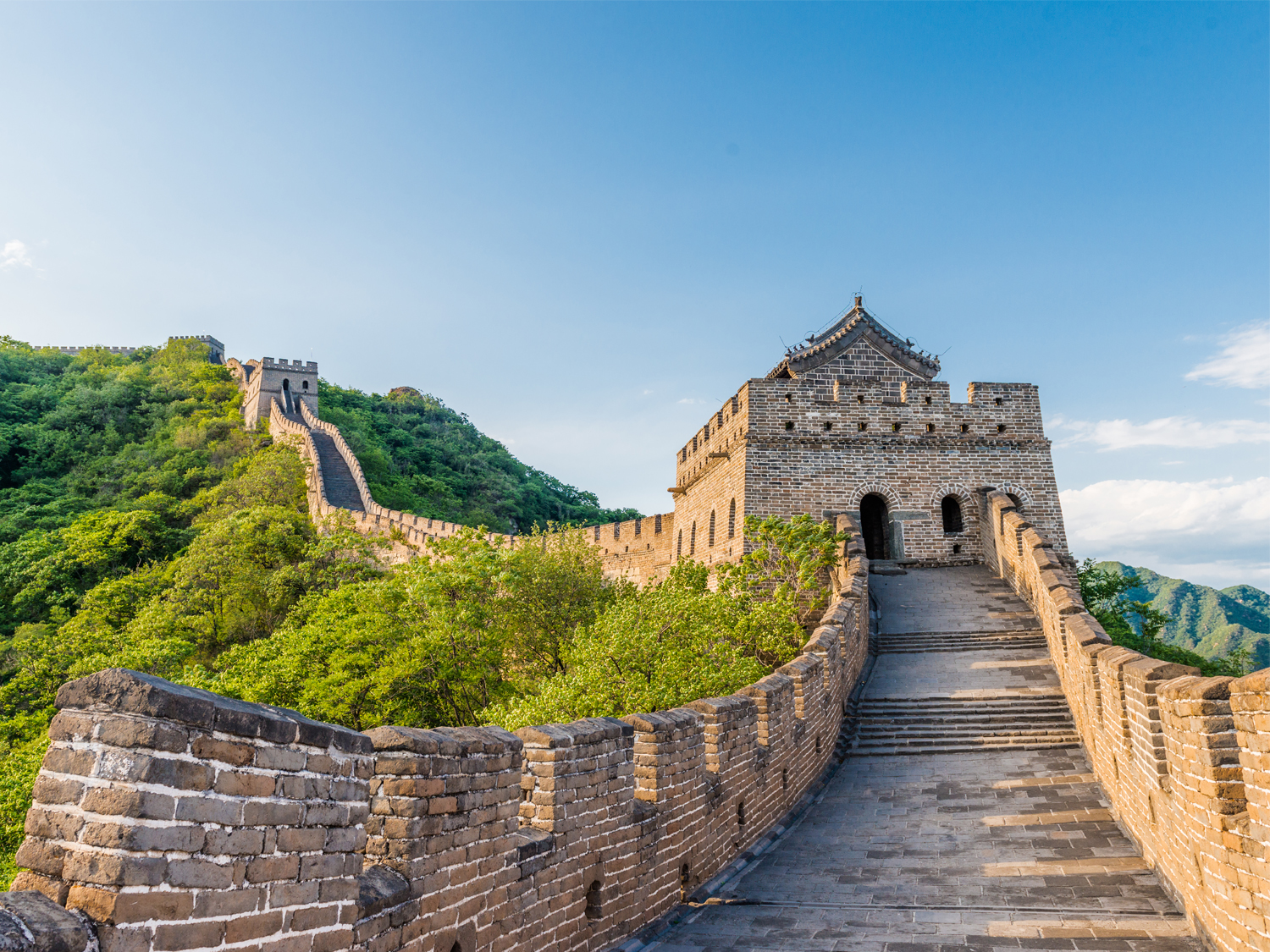
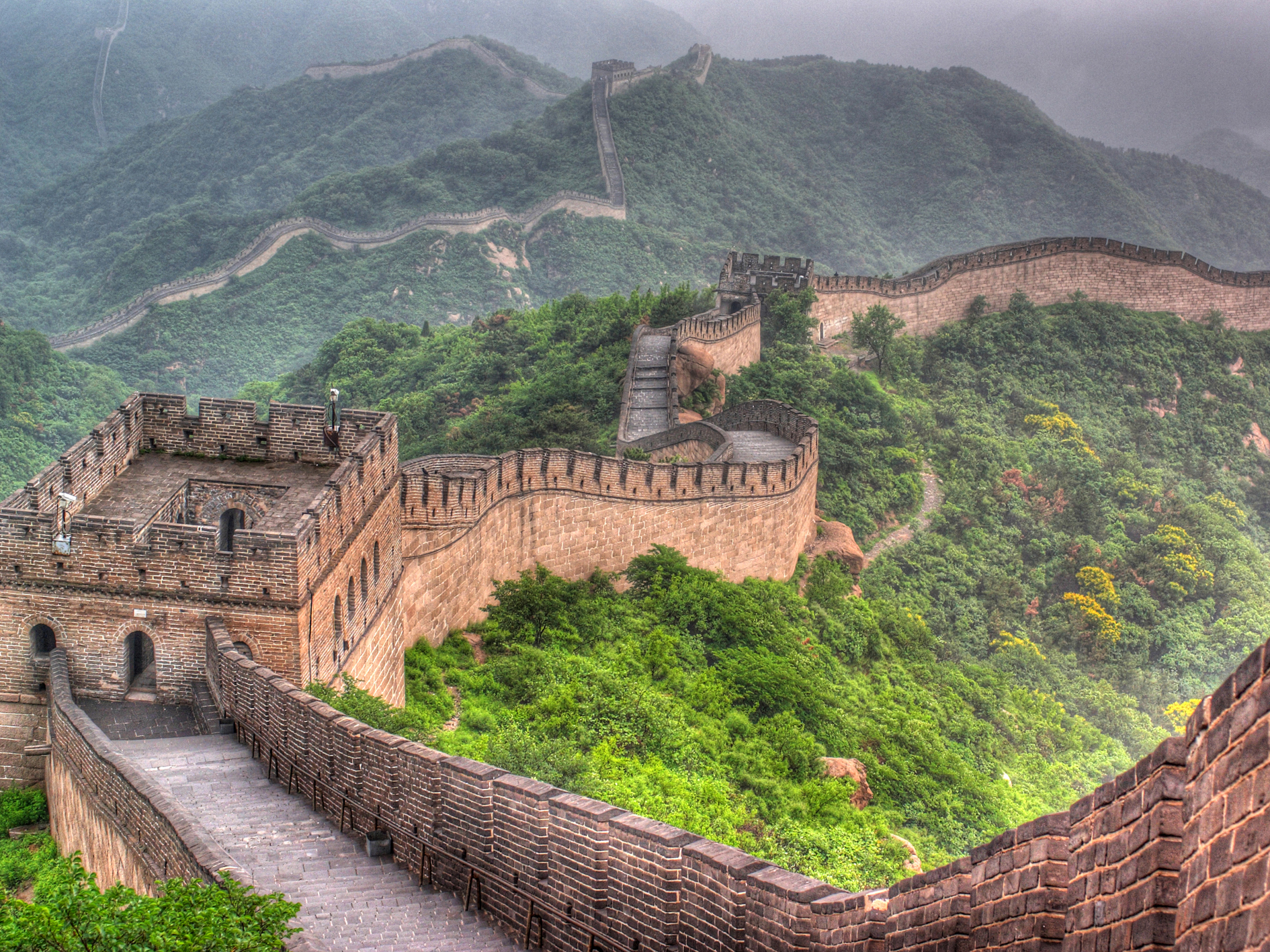
Continue from Seoul's palaces and the DMZ into China, linking two of East Asia's great historic cultures.
View toursDiscover other destinations that offer similar experiences to South Korea.