The Middle East can be simply summed up with two adjectives: hot and dry. In many of the main cities, the difference between winter and summer simply means that the temperature rises from hot to even hotter. However, in the mountains and desert areas, there is some real seasonal change as the climate drops to freezing during the winter months. Check out our guide below to find out which season will allow you to make the most of your trip to the Middle East.
Spring in the Middle East
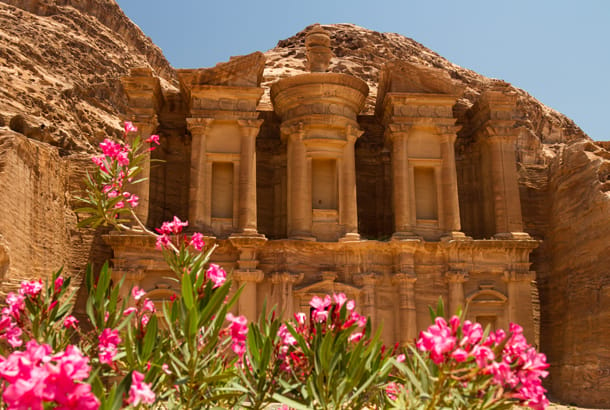
Roughly falling between the months of March to May, spring is largely considered the best time to visit the Middle East thanks to the lovely, warm temperatures and blooming of wild flowers in the mountainous regions. This makes it the perfect time to tackle a trek through Jordan's Dana Nature Reserve to arrive at the Rose City of Petra. It's equally a good a time for sightseeing around Israel's many religious monuments with speckles of colour provided by hydrated foliage. It is often a short shoulder season with the mercury rising early May in some destinations. The month of May also marks the first bi-annual migration of the Berbers as they make their way across the Atlas mountains in search of greener pastures - another great trekking opportunity for intrepid travellers.
Summer in the Middle East
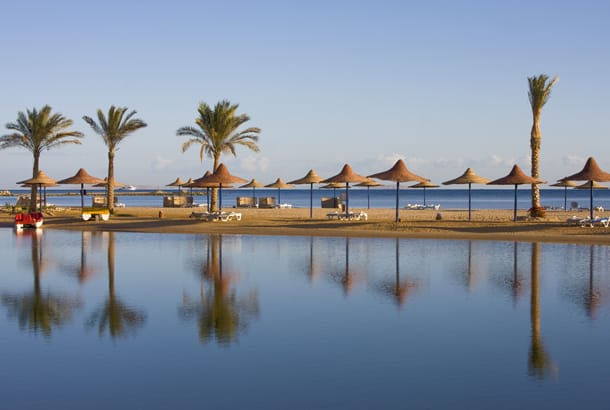
Temperatures in the Middle East during the summer period (June to August) can exceed 45 degrees Celsius. This weather is only any good for sipping a cocktail poolside, sightseeing is extremely uncomfortable in this heat. If you do visit the Middle East during peak summer, it is better to stay near the coast where you will be able to benefit from a bit of a breeze. Options in Egypt include the Red Sea resort of Hurghada, while in Israel the coastal city of Tel Aviv is the place to go. For those seeking some physical exertion, the High Atlas mountains in Morocco are great during the summer as the altitude means they are much cooler than the lowlands but aren’t freezing like they are in winter. In August it's possible to witness a night-time spectacle as the Perseids meteor shower decorates the sky with Wadi Rum in Jordan a particular good place to watch the show.
Autumn in the Middle East
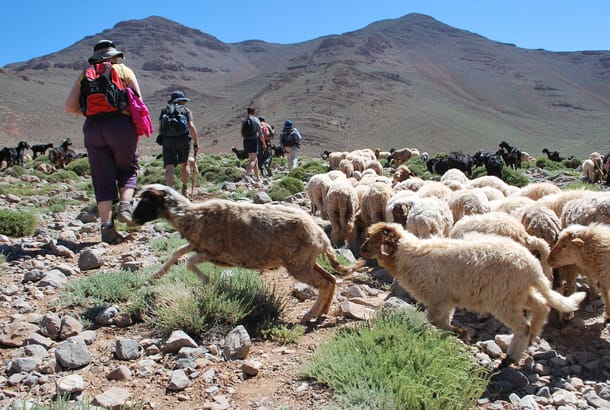
Generally speaking, autumn is deemed to fall between the months of September to November in the Middle East but some countries experience a much shorter shoulder season while the desert heat continues to blaze. Dubai is a case in point with temperatures still reaching the high 30 degrees Celsius until the end of October. Elsewhere the temperatures are becoming much more manageable so it's a great time to tackle a longer journey across Egypt, Jordan and Israel with plenty of sightseeing opportunities during the day. In Morocco it's the second bi-annual migration of the Berbers in September - another great reason to visit the region.
Winter in the Middle East
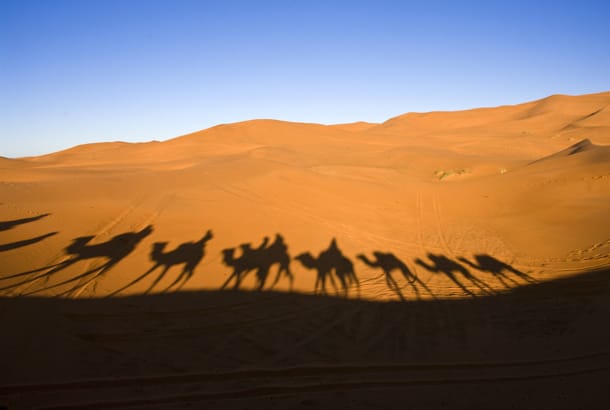
Daytime temperatures remain pleasantly warm in the winter months (December to February) across the Middle East, which means sightseeing is definitely still possible. Winter also provides excellent opportunities for lying on the beach as the temperature will be just right for sun-bathing and splashing around in the sea. In the Sahara desert in Morocco and Wadi Rum in Jordan, nighttime temperatures drop considerably so you'll need to take layers, especially if you're thinking of heading to Morocco for the Geminids Meteor Shower in December. In Egypt the second round of the sun festival takes place at Abu Simbel in October. Typically, winter is the less popular time of the year to visit the Middle East but take note that prices and crowds may increase over the Christmas and New Year holiday period in December and January.
Visiting the Middle East during Ramadan
As the Islamic epicentre of the world, visiting the Middle East during Ramadan, the holiest of months, is a unique and fascinating experience that should be treated with appropriate respect. During Ramadan, Muslims fast from sunrise to sunset, a rule that is written into the law of the country for the majority of Islamic states. Eating, drinking, smoking and sex are all forbidden during daylight hours and some restaurant and bars shut down entirely during this period, which lasts for roughly 30 days.
Tourist areas, however, tend to remain relatively unaffected. Non-Muslims are not expected to fast but they should refrain from eating or drinking in public to avoid offending anyone. A hungry local is unlikely to enjoy watching you tuck into your lunch. However, Ramadan is not all about depriving yourself. When the sun sets, towns and cities erupt in an explosion of noise and gastronomy as huge feasts, known as iftars, are laid out in specially designated iftar tents. These banquets are accompaniment by much merriment and if you can get invited along to one, you are sure to have an unforgettable experience.


